Peptidi
Sottocategorie di "Peptidi"
Trovati 29634 prodotti di "Peptidi"
H-EAEEFFELISKAQSNRADDQRGLLRKEDLVLPEFLR-NH2
Peptide H-EAEEFFELISKAQSNRADDQRGLLRKEDLVLPEFLR-NH2 is a Research Peptide with significant interest within the field academic and medical research. This peptide is available for purchase at Cymit Quimica in multiple sizes and with a specification of your choice.
H-FLASVSTVLTSK^-OH
Peptide H-FLASVSTVLTSK^-OH is a Research Peptide with significant interest within the field academic and medical research. This peptide is available for purchase at Cymit Quimica in multiple sizes and with a specification of your choice.H-RGDNNL^TRIVGGQE-OH
Peptide H-RGDNNL^TRIVGGQE-OH is a Research Peptide with significant interest within the field academic and medical research. This peptide is available for purchase at Cymit Quimica in multiple sizes and with a specification of your choice.
H-YLFSVHWPPLKA-NTBiot
Peptide H-YLFSVHWPPLKA-NTBiot is a Research Peptide with significant interest within the field academic and medical research. This peptide is available for purchase at Cymit Quimica in multiple sizes and with a specification of your choice.
BMAP-18 (truncated)
BMAP-27 is a member of the cathelicidin family and is a potent inhibitor of microbial growth, however at higher concentrations it is also cytotoxic to mammalian cells. BMAP-18 has rapid bactericidal activity against Staphylococcus aureus, Streptococcus uberis, and Escherichia coli.BMAP-18 has low toxicity to mammalian cells, insect cells and the tsetse bacterial symbiont Sodalis glossinidius while retaining an ability to kill a variety of species and life cycle stages of pathogenic kinetoplastid parasites including African trypanosomes, fish trypanosomes and Leishmania parasites. BMAP-18 also has immunomodulatory activity.Peso molecolare:2,341.5 g/molHXB2 gag NO-46
Custom research peptide; min purity 95%. For different specs please use the Peptide Quote ToolPeso molecolare:1,624.8 g/molHXB2 gag NO-26
Custom research peptide; min purity 95%. For different specs please use the Peptide Quote ToolPeso molecolare:1,788 g/molβ-Amyloid (1-42) Human
CAS:Amyloid β-peptide (Aβ) has been identified as the key subunit of the extracellular plaques found in the brains of patients with Alzheimer's disease (AD) and Down's syndrome (DS). Aβ has therefore been extensively studied as a potential target for treatment of AD.Aβ is formed from the cleavage of the large, transmembrane protein- APP (amyloid precursor protein). Cleavage of APP by β- and then γ-secretases results in the formation of Aβ. Aβ can aggregate to produce amyloid-β oligomers, which are thought to be highly neurotoxic. Over time Aβ can further aggregate to produce the characteristic senile plaques present in AD and DS.Aβ can be degraded by enzymes such as neprilysin, insulin degrading enzyme or endothelin converting enzyme. At physiological levels Aβ may be involved in controlling synaptic activity and neuronal survival.Supplied as the TFA saltPeso molecolare:4,514.04 g/molNeurokinin B (human, porcine)
Neurokinin B (NKB) is a member of the tachykinin family of peptides that include substance P (SP), neurokinin A (NKA), endokinins and haemokinins. NKB is encoded by TAC3 in humans and Tac2 in rodents and along with the neuropeptide kisspeptin plays an essential role as gatekeeper of puberty.NKB plays a stimulatory role in luteinising hormone (LH) release in a number of species, likely mediated via the secretion of gonadotropin-releasing hormone (GnRH) in a kisspeptin-dependent manner (NKB appears to play a critical role in the control of kisspeptin release). NKB may contribute to the regulation of reproductive functions by metabolic cues. NKB binds with highest affinity to the G-protein coupled neurokinin-3 receptor NK3R also known as tachykinin receptor 3 (TACR3)Peso molecolare:1,209.5 g/molH-GDVFVIR^-OH
Peptide H-GDVFVIR^-OH is a Research Peptide with significant interest within the field academic and medical research. This peptide is available for purchase at Cymit Quimica in multiple sizes and with a specification of your choice.Click PTD-4
PTD-4 cell penetrating peptide labelled at the N-terminus with an alkyne attachment for ease of reaction with an opposite Click reactive partner (azide).Colore e forma:PowderPeso molecolare:1,698.1 g/molH-FL^GYLILGV-OH
Peptide H-FL^GYLILGV-OH is a Research Peptide with significant interest within the field academic and medical research. This peptide is available for purchase at Cymit Quimica in multiple sizes and with a specification of your choice.
Octreotide
CAS:Octreotide is a synthetic somatostatin analogue used for the treatment of acromegaly and neuroendocrine tumours. In clinical settings, Octreotide is used for the treatment of vasoactive intestinal peptide-secreting tumours, growth hormone producing tumours, and pituitary tumours. Octreotide also displays efficacy in the treatment of cluster headaches, acute haemorrhage from liver cirrhosis, malignant bowel obstruction, and idiopathic intracranial hypertension. Octreotide exerts its organ protective effects through several mechanisms, including its ability to decrease the levels of endotoxin and the proinflammatory cytokines TNF-alpha and IL-1β, and by inhibiting hepatocellular apoptosis. Octreotide also exerts a protective effect in hepatic ischemia-reperfusion (HIR) injury, which often occurs after complex liver surgeries such as major resection or transplantation.Peso molecolare:1,018.4 g/molMALT1 substrate
The optimal proteolytic substrate for mucosa-associated lymphoid tissue 1 (MALT1). MALT1 is an arginine-specific protease which cleaves after the C-terminal arginine residue. This peptide can be used to test MALT1 protease activity with the addition of an appropriate C-terminal tag.MALT1 has both adaptor and protease functions and is involved in controlling antigen receptor-mediated signalling to nuclear factor KB (NF-KB). When activated, MALT1 forms a complex with B-cell lymphoma/leukemia 10 (BCL10) and caspase recruitment domain-containing protein 11(CARD11)/CARD-containing MAGUK protein 1 (CARMA1), which results in NF-KB nuclear translocation. The protease function of MALT1 promotes gene transcription by inactivating negative regulators of NF-KB and JNK signalling, such as A20, RELB and CYLD. MALT1-dependent cleavage of the RNAse MCPIP1 (also known as Regnase-1) is then thought to lead to the stabilization of the resulting transcripts.Peso molecolare:515.3 g/mol[5-TAMRA]/[Lys(BHQ-2)]-CoV Main Protease (Mpro) Substrate
Fluorescently labelled substrate for the severe acute respiratory syndrome coronavirus main protease (SARS-CoV Mpro). The substrate sequence is derived from residues P4-P5' of the SARS-CoV Mpro N-terminal autoprocessing site which has the sequence AVLQSGFRK. SARS-CoV Mpro is a key antiviral target.This peptide contains an N-terminal a 5-carboxytetramethylrhodamine (5-TAMRA), a widely used fluorescent dye which excites at 546 nm and emits at 579 nm and a black hole quencher 2 (BHQ-2) group. This Mpro substrate is used in Mpro inhibition assays. The compound being tested for its inhibitory capacity of Mpro is added alongside [5-TAMRA]/[Lys(BHQ-2)]-CoV, after a set time period, the amount of fluorescence released is read as a percentage inhibition by a plate reader.The fluorescence from 5-TAMRA is efficiently quenched by resonance energy transfer to the BHQ-2 group when the peptide is intact, however upon cleavage of the peptide by Mpro, 5-TAMRA and BHQ-2 are separated, allowing fluorescence to be detected. This therefore represents a useful tool for investigating Mpro activity.Peso molecolare:2,048 g/molHistone H4 (1-21)
Histone 4 (H4) is one of the four core histones (H2A, H2B, H3 and H4) which are essential for compacting eukaryotic DNA into the nucleosome. Due to the high lysine and arginine content, histones have a net positive charge and therefore electrostatically interact with negatively charged DNA. The nucleosome arises when 147 base pairs of DNA wrap around a H3-H4 tetramer and two H2A-H2B dimers, forming the histone octamer core. Like other core histones, H4 has a globular domain and a flexible N-terminal domain, the histone tail, which can undergo modifications such as acetylation, methylation, phosphorylation and ubiquitination.Gene transcriptional activation or inactivation is controlled by ATP-dependent chromatin remodelling factors and histone modifying enzymes. Both processes function to alter the positioning of the nucleosome, allowing the DNA within to be either accessible to the transcription machinery or inaccessible. H4's lysine rich tail plays a role in the higher order chromatin folding.Peso molecolare:2,090.2 g/molH-GSISIQTEEK^-OH
Peptide H-GSISIQTEEK^-OH is a Research Peptide with significant interest within the field academic and medical research. This peptide is available for purchase at Cymit Quimica in multiple sizes and with a specification of your choice.H-LLVVYPWTQR^-OH
Peptide H-LLVVYPWTQR^-OH is a Research Peptide with significant interest within the field academic and medical research. This peptide is available for purchase at Cymit Quimica in multiple sizes and with a specification of your choice.
Ac-QEQLERALNSS-OH
Peptide Ac-QEQLERALNSS-OH is a Research Peptide with significant interest within the field academic and medical research. This peptide is available for purchase at Cymit Quimica in multiple sizes and with a specification of your choice.
Ac-CMPEEGFKGTGLLGH-OH
Peptide Ac-CMPEEGFKGTGLLGH-OH is a Research Peptide with significant interest within the field academic and medical research. This peptide is available for purchase at Cymit Quimica in multiple sizes and with a specification of your choice.
H-AKPALEDL^R-OH
Peptide H-AKPALEDL^R-OH is a Research Peptide with significant interest within the field academic and medical research. This peptide is available for purchase at Cymit Quimica in multiple sizes and with a specification of your choice.
H-VIILGDSGVGK^-OH
Peptide H-VIILGDSGVGK^-OH is a Research Peptide with significant interest within the field academic and medical research. This peptide is available for purchase at Cymit Quimica in multiple sizes and with a specification of your choice.H-ENPVVHFFKNIVTPR-NH2
Peptide H-ENPVVHFFKNIVTPR-NH2 is a Research Peptide with significant interest within the field academic and medical research. This peptide is available for purchase at Cymit Quimica in multiple sizes and with a specification of your choice.H-FVTVTAEALR^-OH
Peptide H-FVTVTAEALR^-OH is a Research Peptide with significant interest within the field academic and medical research. This peptide is available for purchase at Cymit Quimica in multiple sizes and with a specification of your choice.
Boc-Val-Pro-Arg-AMC
Boc-VPR-AMC is a fluorogenic peptide substrate composed of the short peptide chain, Valine-Proline-Arginine (VPR) and the fluorophore, 7-amino-4-methlycoumarin (AMC). Fluorogenic peptide substrates such as Boc-VPR-AMC have high sensitivity and specificity and therefore can be used to detect molecules of interest. For example within the field of scientific forensics, Boc-VPR-AMC can be used to investigate deposits of saliva in situ. When Fluorogenic peptide substrates are incubated with specific enzymes, fluorescence is emitted due to the release of the fluorophore from the peptide-fluorophore bond. When Boc-APR-AMC interacts with its target enzyme, the 7-amino-4-methylcoumarin fluorophore is released causing a fluorescent emission at 440nm.
Peso molecolare:627.3 g/molOVA peptide (257-264) TFA salt
CAS:Ovalbumin (OVA) is the primary protein in egg-white, and is involved in initiating food allergies and asthma. It is a highly immunogenic protein and can be used for peptide conjugation in the development of antibodies.OVA (257-264) is a class I (Kb)-restricted peptide epitope of OVA. The ovalbumin fragment is presented by the class I MHC molecule, H-2Kb. Ovalbumin (257-264) chicken has been used to trigger T cell activation in immunology studies.
Sold as the TFA saltFormula:C45H74N10O13·xC2HF3O2Colore e forma:PowderPeso molecolare:963.13 g/molSARS-CoV-2 Nucleoprotein (271-285)
The coronavirus (CoV) nucleoprotein is the major component of CoV structural proteins. The nucleoprotein has a critical role in virus assembly and RNA transcription. The nucleoprotein is essential in the formation of helical ribonucleoproteins and in regulating viral RNA synthesis. The nucleoprotein can also regulate infected host cellular mechanisms. It is highly expressed during infection and may induce protective immune responses against SARS-CoV and SARS-CoV-2.The nucleoprotein residues TQAFGRRGPEQTQGN (271-285) from SARS-CoV-2 have been identified as a T-cell epitope with a predicted HLA restriction. Immune targeting of confirmed epitopes may potentially offer protection against SARS-CoV-2 and help the development of vaccines for long-lasting immunity.
Peso molecolare:1,645.8 g/molH-GVDEVTIVNILTNR^-OH
Peptide H-GVDEVTIVNILTNR^-OH is a Research Peptide with significant interest within the field academic and medical research. This peptide is available for purchase at Cymit Quimica in multiple sizes and with a specification of your choice.H-LTWASHEK^-OH
Peptide H-LTWASHEK^-OH is a Research Peptide with significant interest within the field academic and medical research. This peptide is available for purchase at Cymit Quimica in multiple sizes and with a specification of your choice.H-Glu(2-ClTrt-Resin)-OtBu (α Ester)
H-Glu(2-ClTrt-Resin)-OtBu α Ester is an amine building block that is used in the synthesis of peptides. It is a resin that contains thiols and amines. H-Glu(2-ClTrt-Resin)-OtBu α Ester can be used as a building block for the synthesis of pepetides by reacting with an acid chloride or acid anhydride. When reacted with an acid chloride, H-Glu(2-ClTrt-Resin)-OtBu α Ester forms the corresponding ester, which reacts with a thiol to form a thioester. This product can also be used as a building block for the synthesis of polymers by reacting with alcohols to form esters.Purezza:Min. 95%H-YML^DLQPETT-OH
Peptide H-YML^DLQPETT-OH is a Research Peptide with significant interest within the field academic and medical research. This peptide is available for purchase at Cymit Quimica in multiple sizes and with a specification of your choice.Pantinin-3
Pantinin-3, like other pantinin peptides, has high activity against Gram-positive bacteria yet weak activity against Gram-negative bacteria. With the exception of S. aureus, pantinin-3 displays the highest activity against all Gram-negative bacteria for which it has been tested. Pantinin-3 also displays activity against Candida tropicalis and has relatively mild haemolytic activity against human red blood cells.Colore e forma:PowderPeso molecolare:1,491.77 g/molCMVpp65 - 14 (PSLILVSQYTPDSTP)
Custom research peptide; min purity 95%. For different specs please use the Peptide Quote ToolPeso molecolare:1,617.8 g/molSARS-CoV-2 NSP13 (556-570)
The SARS-CoV-2 non-structural protein 13 (NSP13) has been identified as a target for anti-viral therapeutics due to its highly conserved sequence and is essential for viral replication. NSP13 is part of the helicase superfamily 1B. As an NTPase and RNA helicase, NSP13 binds to RNA-dependent RNA polymerase and acts in concert with the replication-transcription complex to stimulate backtracking and further activate NSP13 helicase activity. These factors make NSP13 a good target for developing new antiviral drugs. In addition, the identification of epitopes within the NSP13 sequence can help design more effective SARS-CoV-2 vaccines.Models have predicted epitopes exhibiting antigenicity, stability and interactions with MHC class-I and class-II molecules. NSP13 (556-570) is an epitope candidate with various HLA restrictions. This epitope can be used to better vaccine design for more durable CD4+ and CD8+ T cell responses for long-lasting immunity.Peso molecolare:1,717.9 g/molH-SFGWDLAK^-OH
Peptide H-SFGWDLAK^-OH is a Research Peptide with significant interest within the field academic and medical research. This peptide is available for purchase at Cymit Quimica in multiple sizes and with a specification of your choice.Boc-Dap-OtBu hydrochloride salt
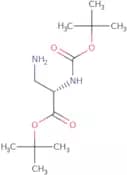
CAS:Boc-Dap-OtBu hydrochloride salt is a chemical that is synthesized by anhydride and trifluoroacetic acid. It can be used in the laboratory for protein visualization, as well as to detect proteins using LC-MS. The presence of trifluoroacetic acid makes the Boc-Dap-OtBu hydrochloride salt fluorescent, which makes it possible to visualize the reaction products under UV light. This chemical is often used in fluorescence spectrometry to identify amino acids and other compounds.Formula:C12H24N2O4Purezza:Min. 95%Colore e forma:PowderPeso molecolare:260.33 g/molAc-SGVGNDLVL-NH2
Peptide Ac-SGVGNDLVL-NH2 is a Research Peptide with significant interest within the field academic and medical research. This peptide is available for purchase at Cymit Quimica in multiple sizes and with a specification of your choice.LCBiot-LSALTPSPSWLKYKAL-NH2
Peptide LCBiot-LSALTPSPSWLKYKAL-NH2 is a Research Peptide with significant interest within the field academic and medical research. This peptide is available for purchase at Cymit Quimica in multiple sizes and with a specification of your choice.OXA (17-33)
Orexin-A (also known as hypocretin-1) is a hypothalamic neuropeptide that regulates feeding behaviour, reward processes, cognition, the sleep-wake cycle and stress. Orexin-A is involved in stress induced mental illness such as major depressive disorder and anxiety disorders and may therefore be a potential target for treatment of these conditions.Orexins are excitatory neuropeptides generated from the prepro-orexin precursor that is exclusively localised in cells of the lateral and posterior hypothalamic region. Orexins are also widely expressed in human and mammalian retinas, such as bipolar cells, amacrine cells and ganglion cells.Orexin-A activates the orphan G-protein-coupled orexin receptor, type 1 (OX1R) and 2 (OX2R). There are approximately 10,000-20,000 orexinergic neurons in the human brain.
Peso molecolare:1,747.9 g/molAc-PLLA-OH
Peptide Ac-PLLA-OH is a Research Peptide with significant interest within the field academic and medical research. This peptide is available for purchase at Cymit Quimica in multiple sizes and with a specification of your choice.
Ac-EEMQRR^-NH2
Peptide Ac-EEMQRR^-NH2 is a Research Peptide with significant interest within the field academic and medical research. This peptide is available for purchase at Cymit Quimica in multiple sizes and with a specification of your choice.
Histone H2A (1-20)-GGK(Biotin)
The Histone H2A residues 1 to 20 are derived from histone 2A (H2A) which is one of the four core histones (H2A, H2B, H3 and H4) fundamental in compacting eukaryotic DNA into a structure known as the nucleosome. The nucleosome arises when 147 base pairs of DNA wrap around a H3-H4 tetramer and two H2A-H2B dimers, forming the histone octamer core.At the site of DNA entry on the outer nucleosome, the C-terminus of H2A is present and is able to interact with linker histones or other factors. This allows for variation and changes in nucleosome stability to occur. Furthermore Histone H2A has histone variants such as H2A.Z and H2A.X (which are present in all organisms) and these variants alter the organisation of the DNA.Due to histones containing a large number of lysine and arginine residues they have a positive net charge which interacts in an electrostatic manner with the negatively charged phosphate groups in DNA. The transcriptional activation or silencing of the chromatin is controlled by ATP-dependent chromatin remodelling factors and histone modifying enzymes which target histone proteins. Both processes function to alter to change the positioning of the nucleosome, allowing the DNA it to be either available to the transcription machinery or inaccessible.Biotin has been added to the lysine on GGK.Peso molecolare:898.5 g/molHistone H3 (1-20) K4Me3, K9Ac-GG-[Lys(5-FAM)]
Histone H3 (1-20) K4Me3, K9Ac-GG-[Lys(5-FAM)] is derived from Histone 3 (H3) which is one of the four core histones fundamental for compacting eukaryotic DNA into the nucleosome.-Lysine 4 of Histone H3 (1-20) K4Me3, K9Ac-GG-[Lys(5-FAM)] has been tri-methylated, lysine 9 has been acetylated and the C-terminal has been labelled with 5-Carboxyfluorescein (5-FAM), a widely used green, fluorescent tag. Additionally, this peptide contains an uncharged C-terminal amide.LD: Histone H3 (1-20) K4Me3, K9Ac-GG-[Lys(5-FAM)] is derived from Histone 3 (H3) which is one of the four core histones (H2A, H2B, H3 and H4) fundamental in compacting eukaryotic DNA into the nucleosome. The nucleosome arises when 147 base pairs of DNA wrap around a H3-H4 tetramer and two H2A-H2B dimers, forming the histone octamer core. Both H4 and H3 are highly conserved and perform roles in binding to segments of DNA which enter and leave the nucleosome and in chromatin formation. Similar to the other core histone, H3 has a globular domain and a flexible N-terminal domain, 'histone tail' which can undergo modifications such as acetylation, methylation, phosphorylation and ubiquitination. Due to histones containing a large number of lysine and arginine residues they have a positive net charge which interacts in an electrostatic manner with the negatively charged phosphate groups in DNA. The transcriptional activation or silencing of the chromatin is controlled by ATP-dependent chromatin remodelling factors and histone modifying enzymes which target histone proteins. Both processes function to alter the positioning of the nucleosome, allowing the DNA it to be either available or inaccessible to the transcription machinery.The lysine at position 4 of this peptide has been tri-methylated and it is implicated in studies that this modification may remodel the chromatin so that it is more accessible to transcription factors, which may ultimately increase the level of gene expression. The lysine at position 9 has been acetylated, which neutralizes the positive charge on the amino acid, loosening the chromatin structure. This alteration to the accessibility of chromatin promotes the initiation of transcription.Additionally, Histone H3 (1-20) K4Me3, K9Ac-GG-[Lys(5-FAM)] has a C-terminal GKK linker labelled with 5-Carboxyfluorescein (5-FAM), a widely used green fluorescent tag. This peptide also has an uncharged C-terminal amide.Peso molecolare:2,866.5 g/molH-DRVYIHPF-NH2
Peptide H-DRVYIHPF-NH2 is a Research Peptide with significant interest within the field academic and medical research. This peptide is available for purchase at Cymit Quimica in multiple sizes and with a specification of your choice.
Gag protein (181-189) acetyl/amide [Simian immunodeficiency virus]
Gag peptide, derived from the simian immunodeficiency virus (SIV), is a homologue of the human immunodeficiency virus (HIV) gag protein which interacts with viral components in order to induce the infectious form of the virus. SIV can be used to model HIV.
Peso molecolare:1,124.5 g/molApidaecin IB
Apidaecin IB was isolated from the honeybee Apis mellifera. As a cationic proline-rich antimicrobial peptide (PrAMP), Apidaecin IB shows sequence homology with drosocin but is devoid of any pore-forming activity. Apidaecin IB is most active against gram-negative bacteria, it can navigate the outer membrane to the periplasm and then to the cytoplasm. Apidaecin IB is a non-lytic AMP, the main target of its antimicrobial activity appears to be inhibition of the chaperone heat shock protein DnaK. Toxicity appears to be exclusively to bacteria and thus has been trialled as a treatment for systemic bacterial infections. Numerous analogues and derivatives are being investigated to establish Apidaecin IB mode of action and also to improve its functionality.Formula:C95H150N32O23Colore e forma:PowderPeso molecolare:2,107.42 g/molPMX 205
C5a receptor peptide antagonist which can ameliorate experimentally-induced colon inflammation in mice. It can also reduce fibrillar amyloid deposits, decrease hyperphosphorylated tau levels and rescue cognitive function in a mouse model of Alzheimer's Disease. Also improves hindlimb grip strength and slows disease progression in the hSOD1G93A-mouse model of amyotrophic lateral sclerosis. Orally active and brain penetrant.
Peso molecolare:838.5 g/molH-SEQSDLSFSK^-OH
Peptide H-SEQSDLSFSK^-OH is a Research Peptide with significant interest within the field academic and medical research. This peptide is available for purchase at Cymit Quimica in multiple sizes and with a specification of your choice.H-EIAQDFK^-OH
Peptide H-EIAQDFK^-OH is a Research Peptide with significant interest within the field academic and medical research. This peptide is available for purchase at Cymit Quimica in multiple sizes and with a specification of your choice.HIV - 1 MN ENV - 25
Custom research peptide; min purity 95%. For different specs please use the Peptide Quote Tool
Peso molecolare:1,859.1 g/molAbz-LFK(Dnp)-OH trifluoroacetate
CAS:Angiotensin Converting Enzyme (ACE) fluorescent peptide substrate
Formula:C34H41N7O9(C2HF3O2)xPurezza:Min. 95%Colore e forma:PowderPeso molecolare:691.73 g/molBiotin gliadin-derived peptide
Biotin gliadin-derived peptides derived from Gliadin peptides, the component of wheat involved in the gastrointestinal symptoms of wheat allergy and Celiac Disease (CD). During wheat allergies histamines and leukotrienes are secreted due to gliadin peptide sequences cross-linking two IgE molecules on mast cells and basophils.The glutamine and proline rich peptides of which Gliadin is composed of are resistant to proteolysis during digestion, leaving them active in the gastrointestinal tract. Subsequently these are deamidated by tissue transglutaminase and can bind to HLA-DQ2 or DQ8. As a result in patients with the autoimmune disease CD, there is a Th-mediated inflammatory immune response against these gliadin peptides.Gliadin can exert additional effects on the intestinal microbiota and ileal barrier function. It has been found that gut microbiota members such as Bifidobacterium and lactobacillus have the ability to digest and inactivate gliadin peptides hence reducing their inflammatory effects in the gastrointestinal system.Here Biotin (B7) has been added. Biotin is a cofactor for several mammalian biotin-dependent carboxylases which are involved in processes such as gluconeogenesis, amino acid metabolism and fatty acid synthesis.Colore e forma:PowderPeso molecolare:1,564.7 g/molFluor-NLVPMVATV-OH
Peptide Fluor-NLVPMVATV-OH is a Research Peptide with significant interest within the field academic and medical research. This peptide is available for purchase at Cymit Quimica in multiple sizes and with a specification of your choice.Spexin 2 (53-70) Human, Mouse, Rat
Spexin is a neuropeptide encoded by SPX genes, and homologs have been found amongst many vertebrates. The SPX genes encode a preprohormone that leads to the mature hormone spexin, which is highly conserved amongst higher vertebrates. Another form, SPX2, has been identified and named spexin 2. Both sequences of spexin and spexin 2 are highly conserved, suggesting they each play vital roles.Like spexin, spexin 2 is widely expressed in various tissues. This is an amidated spexin-2 (53-70) peptide showing similar biological function to its non- amidated version. Spexin-2, when administered to rats, decreases heart rate and increases urine flow rate. Intraventricular NPQ(53-70) delivery also causes antinociceptive activity in mice's warm water tail withdrawal assay.Peso molecolare:2,158.1 g/molH-VDLLNQEIEFLK^-OH
Peptide H-VDLLNQEIEFLK^-OH is a Research Peptide with significant interest within the field academic and medical research. This peptide is available for purchase at Cymit Quimica in multiple sizes and with a specification of your choice.SOD1 (147-153) human
The SOD1 homodimer forms a β-barrel and contains an intramolecular disulphide bond and a binuclear Cu/Zn site in each subunit. This Cu/Zn site holds a copper and zinc ion and is responsible for catalysing the disproportionation of ROS, namely superoxide to hydrogen peroxide and dioxygen. In binding to copper and zinc ions, SOD1 is one of three superoxide dismutases responsible for destroying free superoxide radicals.The clinical relevance of SOD1 is related to its function in regulating ROS in the mitochondria of cells. Most notably, SOD1 is a crucial enzyme involved in ROS release during oxidative stress by ischemia-reperfusion injury, specifically in the myocardium as part of ischemic heart disease. During ischemia reperfusion, ROS release substantially contribute to the cell damage and death via a direct effect on the cell as well as via apoptotic signals. SOD1 is known to have a capacity to limit the detrimental effects of ROS. As such, SOD1 is important for its cardioprotective effects.Peso molecolare:656.4 g/molH-AVFVDLEPTVIDEVR^-OH
Peptide H-AVFVDLEPTVIDEVR^-OH is a Research Peptide with significant interest within the field academic and medical research. This peptide is available for purchase at Cymit Quimica in multiple sizes and with a specification of your choice.Ac-QMNQIQSVEV-OH
Peptide Ac-QMNQIQSVEV-OH is a Research Peptide with significant interest within the field academic and medical research. This peptide is available for purchase at Cymit Quimica in multiple sizes and with a specification of your choice.H-EQLTPLIK^-OH
Peptide H-EQLTPLIK^-OH is a Research Peptide with significant interest within the field academic and medical research. This peptide is available for purchase at Cymit Quimica in multiple sizes and with a specification of your choice.
[Azhx]-[Lys(Mca)]-P11-8
The P11-family of peptides comprises over 20 different peptides which self-assemble into β-sheet structures to form self-supporting isotropic hydrogels under physiological conditions (pH 7.4, 140 mM NaCl). Self-assembling peptides of the P11-family undergo one-dimensional self-assembly, forming single molecule thick, micrometer-long β-sheet nanotapes. Further assembly results in the nanotapes stacking in pairs to form ribbons which further assemble to form fibrils, then pairs of fibrils can entwine to form fibres. Such self-assembling peptides are important biomaterials and may be useful for the development of novel biomaterials for tissue engineering scaffolds and dental enamel remineralisation.Peso molecolare:2,151.1 g/molOVA peptides pool
Overlaping peptide library of ovalbumin, 15 amino acids per peptide with offset 11. Purity crude. All peptides are pooled in a single tube.
Histone H3 (1-20) K4Me3
Histone H3 (1-20) K4Me3 is derived from Histone 3 (H3) which is one of the four core histones (H2A, H2B, H3 and H4) fundamental in compacting eukaryotic DNA into the nucleosome. The nucleosome arises when 147 base pairs of DNA wrap around a H3-H4 tetramer and two H2A-H2B dimers, forming the histone octamer core. Both H4 and H3 are highly conserved and perform roles in binding to segments of DNA which enter and leave the nucleosome and in chromatin formation. Similar to the other core histone, H3 has a globular domain and a flexible N-terminal domain, 'histone tail' which can undergo modifications such as acetylation, methylation, phosphorylation and ubiquitination. Due to histones containing a large number of lysine and arginine residues they have a positive net charge which interacts in an electrostatic manner with the negatively charged phosphate groups in DNA. The transcriptional activation or silencing of the chromatin is controlled by ATP-dependent chromatin remodelling factors and histone modifying enzymes which target histone proteins. Both processes function to alter the positioning of the nucleosome, allowing the DNA it to be either available or inaccessible to the transcription machinery.Lysine 4 of H3 (1-20) has been tri-methylated.Colore e forma:PowderPeso molecolare:2,224.3 g/molH-SLDFTELDVAAEK^-OH
Peptide H-SLDFTELDVAAEK^-OH is a Research Peptide with significant interest within the field academic and medical research. This peptide is available for purchase at Cymit Quimica in multiple sizes and with a specification of your choice.
Histone H3 (1-18)
Histone H3 (1-18) is derived from Histone 3 (H3) which is one of the four core histones (H2A, H2B, H3 and H4) fundamental in compacting eukaryotic DNA into the nucleosome. The nucleosome arises when 147 base pairs of DNA wrap around a H3-H4 tetramer and two H2A-H2B dimers, forming the histone octamer core. Both H4 and H3 are highly conserved and perform roles in binding to segments of DNA which enter and leave the nucleosome and in chromatin formation. Similar to the other core histone, H3 has a globular domain and a flexible N-terminal domain 'histone tail' which can undergo modifications such as acetylation, methylation, phosphorylation and ubiquitination. Due to histones containing a large number of lysine and arginine residues they have a positive net charge which interacts in an electrostatic manner with the negatively charged phosphate groups in DNA. The transcriptional activation or silencing of the chromatin is controlled by ATP-dependent chromatin remodelling factors and histone modifying enzymes which target histone proteins. Both processes function to alter the positioning of the nucleosome, allowing the DNA it to be either available or inaccessible to the transcription machinery.
Colore e forma:PowderPeso molecolare:1,942.23 g/mol[5-FAM]-Galanin (2-30)-[Cys] (Human)
Galanin is predominantly an inhibitory neuropeptide expressed in humans and other mammals' brains, spinal cords, and gut. Galanin signalling occurs through three G protein-coupled receptors. The functional role of galanin remains largely unknown- however, galanin is predominantly involved in the modulation and inhibition of neuron action potentials. Galanin has been implicated in many biologically diverse functions, including nociception, waking and sleep regulation, cognition, feeding, mood regulation and blood pressure regulation. Galanin appears to have neuroprotective activity as its biosynthesis is increased 2-10 fold upon axotomy and during seizure activity in peripheral tissues and the brain.The clinical relevance of galanin is related to several chronic neural disorders, including Alzheimer's disease, epilepsy, depression and cancer those who suffer from type 2 diabetes mellitus, depression and Alzheimer's disease often express high levels of galanin. Conversely, intervention with galanin agonists (for example, M617, M1145 and M1153) manifests anti-insulin resistance and anti-Alzheimer's disease characteristics and ameliorates or reinforces depression-like behaviour. Specifically, activation of GAL2 can alleviate such disease features in human and rodent models. This galanin (2-30) peptide has been used to characterise Galanin's binding sites and affinity for GALR receptors via competition binding analysis. Galanin (2-30) is a full agonist of the GALR2 receptor compared to its affinity for GALR1.Galanin (2-30) is provided with an N-terminal 5-FAM, a widely used green fluorescent reagent ideal for peptide labelling and detection and a C-terminal cysteine for site-specific conjugation. The excitation/emission for this reagent is 490 nm/520 nm.Colore e forma:PowderPeso molecolare:3,558.6 g/molACTH (1-39) Human
Human adrenocorticotropic hormone (ACTH) also known as corticotropin. ACTH is a tropic hormone produced and secreted by the anterior pituitary gland and member of the melanocortins peptide family. ACTH is cleaved from the precursor proopiomelanocortin (POMC). ACTH is an important component of the hypothalamic-pituitary-adrenal (HPA) axis and is often produced in response to biological stress. ACTH acts to increase the production and release of cortisol via its interaction with the ACTH receptor ACTHR, also known as melanocortin type 2 receptor (MC2R). Receptor activation increases the intracellular concentration of cAMP via adenylyl cyclase.Abnormal ACTH levels in the body has been linked to primary adrenal insufficiency/Addison's disease, Cushing's disease and secondary adrenal insufficiencyColore e forma:PowderPeso molecolare:4,541.07 g/molH-DLADELALVDVIEDK^-OH
Peptide H-DLADELALVDVIEDK^-OH is a Research Peptide with significant interest within the field academic and medical research. This peptide is available for purchase at Cymit Quimica in multiple sizes and with a specification of your choice.AYPGFK Protease-Activated Receptor-4 (PAR-4)
Protease activated receptors (PARs) are a distinctive four-member family of seven transmembrane G protein-coupled receptors (GPCRs) widely expressed in inflammatory cells. PARs are cleaved by certain serine proteases to expose a tethered ligand domain, this ligand domain then binds to and activates the receptors to initiate multiple signalling cascades. These PAR-activating proteases therefore represent PAR agonists. This PAR-4 agonist peptide represents the N-terminal sequence of the 'tethered ligand' and is therefore capable of activating the receptor independently of N-terminal proteolysis.Peso molecolare:680.4 g/mol[5-FAM]-RKOpep
Peptide identified through phage display that binds to colorectal cancer cell line RKO cells, as well as other cancer cells including Caco-2, HCT 116 and HCT-15, but not to normal cells, possibly through targeting the monocarboxylate transporter 1, which has been implicated in colorectal cancer progression and prognosis. It contains 5-carboxyfluorescein (5-FAM), a widely used green fluorescent tag.Peso molecolare:1,278.4 g/molLeu-AFC.HCl
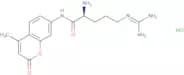
Aminopeptidase fluorogenic substrate. Upon cleavage of the bond between leucine and the 7-amino-4-trifluoromethylcoumarin (AFC) group an increase in fluorescence between 495-505nm can be detected using an excitation wavelength of 395-400nm.Peso molecolare:378.77 g/molClick Pip1
Delivery of peptide nucleic acid (PNA) oligonucleotides to targeted cells is becoming a viable therapeutic strategy by redirecting RNA splicing for conditions like Duchenne muscular dystrophy (DMD). The use of novel cell-penetrating peptides (CPP) has helped create targeted, and increased activity of the PNAs delivered.PNA internalization peptides (Pip) is a specifically designed CPP for conjugation to PNAs. Pips were designed to improve PNA activity observed in HeLa cells determined by splicing redirection assays and increased serum stability determined by mass spectrometry. Of the Pip series, Pip1 enters the cell in an energy-dependent manner, primarily via clathrin-dependent endocytosis. Pip1 conjugated to a PNA was determined to be well transported into the cell but is not the most stable against proteolysis. However, this may benefit some cargo depending on the intracellular destination. As a CPP for DMD, the proteolysis of Pip1 was deemed an issue but showed promise for other conjugates in HeLa cells.Pip1 is labelled at the N-terminus with an alkyne attachment for ease of reaction with an opposite Click reactive partner (azide). Azide-alkyne cycloaddition has become the most popular Click reaction. Alkyne-Pip1 allows various applications, particularly for protein conjugation, modification, and drug delivery.
Colore e forma:PowderPeso molecolare:3,243 g/molH-VYPWTQR-NTPEGBiot
Peptide H-VYPWTQR-NTPEGBiot is a Research Peptide with significant interest within the field academic and medical research. This peptide is available for purchase at Cymit Quimica in multiple sizes and with a specification of your choice.Osteogenic Growth Peptide (OGP)
Osteogenic Growth Peptide (OGP) is derived from the C-terminal sequence ALKRQGRTLYGFGG of Histone H4. This 14-aa peptide is produced from alternative translation of Histone H4 mRNA.Colore e forma:PowderPeso molecolare:1,522.8 g/molH-REEE-NH2
Peptide H-REEE-NH2 is a Research Peptide with significant interest within the field academic and medical research. This peptide is available for purchase at Cymit Quimica in multiple sizes and with a specification of your choice.H-TVGDVVAYIQK^-OH
Peptide H-TVGDVVAYIQK^-OH is a Research Peptide with significant interest within the field academic and medical research. This peptide is available for purchase at Cymit Quimica in multiple sizes and with a specification of your choice.
H-GTGGANIDPTFFLSR^-OH
Peptide H-GTGGANIDPTFFLSR^-OH is a Research Peptide with significant interest within the field academic and medical research. This peptide is available for purchase at Cymit Quimica in multiple sizes and with a specification of your choice.H-AQLANDVVL^-OH
Peptide H-AQLANDVVL^-OH is a Research Peptide with significant interest within the field academic and medical research. This peptide is available for purchase at Cymit Quimica in multiple sizes and with a specification of your choice.H-Orn-Orn-Orn-OH acetate salt
CAS:H-Orn-Orn-Orn-OH acetate salt is a chemical compound with the molecular formula C10H14O2. It is used as a building block in organic chemistry, often as an intermediate for the synthesis of other compounds, or as a reagent.Formula:C15H32N6O4Purezza:Min. 95%Colore e forma:PowderPeso molecolare:360.45 g/molH-Leu-Asp-OH
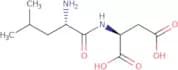
CAS:H-Leu-Asp-OH is a phenolic compound that is synthesized by the esterification of L-leucine and L-aspartic acid. The solubility of H-Leu-Asp-OH in organic solvents, such as dichloromethane and ethanol, is higher than in water. This product can be used as a solvent for other substances and as a boosting agent for other products during clinical trials. It has been shown to have health effects on humans, but more research is needed to determine any possible side effects or long term health problems.Formula:C10H18N2O5Purezza:Min. 95%Colore e forma:White PowderPeso molecolare:246.26 g/molH-EFFVGLSK^-OH
Peptide H-EFFVGLSK^-OH is a Research Peptide with significant interest within the field academic and medical research. This peptide is available for purchase at Cymit Quimica in multiple sizes and with a specification of your choice.ACT1
α-connexin carboxyl terminal peptide that specifically targets and maintains Cx43 at gap junction sites between cell-cell membrane borders of breast cancer cell.- Thus it augments gap junction activity and impairs proliferation and survival of breast cancer cells with no effect on non-transformed cells.
Peso molecolare:3,255.8 g/molH-LVVVGAGCVGK^-OH
Peptide H-LVVVGAGCVGK^-OH is a Research Peptide with significant interest within the field academic and medical research. This peptide is available for purchase at Cymit Quimica in multiple sizes and with a specification of your choice.H-Arg-AMC hydrochloride
CAS:H-Arg-AMC hydrochloride is a denaturing agent that is used to prevent the proteolytic degradation of proteins in muscle and other tissues. It has been shown to inhibit the activity of lipase, myofibrillar, and endoplasmic enzymes. H-Arg-AMC hydrochloride also has cancer preventive effects by inhibiting the growth of tumor cells. H-Arg-AMC hydrochloride has been shown to have high values in notochord markers, supplementing cytosolic markers, and endogenous markers.Formula:C16H21N5O3·xHClPurezza:Min. 95%Colore e forma:White PowderPeso molecolare:331.37 g/molHeart-homing peptide
The pathology of cardiovascular disease (CVD) is linked to the health of endothelial cells in the heart.- However, the specific characteristics of the cardiovascular endothelial cells are still being uncovered. The heart homing peptide specifically binds to a receptor on cardiovascular endothelial cells. This peptide can be used as a conjugate to deliver molecules specifically to the heart. This can be a crucial tool in therapeutic drug delivery for CVD, angiogenesis, and thrombosis.
Peso molecolare:627.3 g/molAcrAP1
Venom peptidomes and proteomes have yielded significant novel drug discoveries. The non-disulphide bridge peptides (NDBPs) have become a particular focus due to their large range of structures as well as biological activity while retaining high specificity.In scorpion venom A. crassicauda, AcrAP1 was identified as a NDBP. Data shows it has antimicrobial activity against bacteria and yeast while also capable of haemolysing of horse erythrocytes. However, AcrAP1 did not affect the growth of the cancerous cell lines tested. Therefore, this peptide could be a useful model for modification to improve its potency. Furthermore, it may allow researchers to identify specific targets in disease pathways for new drug designs. A significant example of this, bradykinin-potentiating peptide Captopril® manages hypertension and originated from the conserved NDBP family.
Peso molecolare:1,961.35 g/molSuc-LLVY-[AMC]
Fluorogenic substrate peptide of the 20S proteasome. In its intact state this peptide is non-fluorescent, however when aminomethylcoumarin (AMC) is released upon hydrolysation, fluorescence can be detected. This peptide is therefore a useful tool for analysing the activity of the 20S proteasome as well as other chymotrypsin-like proteases and calpains. This peptide is also a substrate for chymase, papain, carboxypeptidase Y, proteinase yscE (kexin) and ingensin.AMC is a fluorescent dye with excitation maxima at around 360 nm and emission maxima at around 450 nm. AMC can be excited with a mercury lamp and observed using a UV filter set.Colore e forma:PowderPeso molecolare:763.4 g/molβ-Amyloid (1-15) human
Amino acids 1-15 of β-amyloid protein (Aβ), this fragment represents one of many short Aβ species found in vivo and is formed by the cleavage of amyloid β precursor protein by β- and α-secretase.Aβ has been identified as the key subunit of the extracellular plaques found in the brains of patients with Alzheimer disease (AD) and Down syndrome (DS). Aβ has therefore been extensively studied as a potential target for treatment of AD.Aβ is formed from the cleavage of the large, transmembrane protein- APP (amyloid precursor protein). Cleavage of APP by β- and then γ-secretases results in the formation of Aβ. Aβ can aggregate to produce amyloid-β oligomers, which are thought to be highly neurotoxic. Over time Aβ can further aggregate to produce the characteristic senile plaques present in AD and DS. Aβ can be degraded by enzymes such as neprilysin, insulin degrading enzyme or endothelin converting enzyme. At physiological levels Aβ may be involved in controlling synaptic activity and neuronal survival.Peso molecolare:1,325.3 g/molH-CYFQNCPR^G-OH
Peptide H-CYFQNCPR^G-OH is a Research Peptide with significant interest within the field academic and medical research. This peptide is available for purchase at Cymit Quimica in multiple sizes and with a specification of your choice.4-Fluorobenzoyl-A20FMDV2
A20FMDV2, a peptide derived from the foot and mouth disease virus, inhibits the epithelial-specific integrin alphavβ6 and here is labelled with 4-fluorobenzoyl as the light version of the PET ligand 4-[18F]Fluorobenzoyl A20FMDV2 which can be used for in vivo imaging.Peso molecolare:2,283.3 g/molAH1 Sequence (6-14)
The AH1 peptide is a H2-Ld-restricted epitope derived from the sequence of the gp70 envelope protein of the ecotropic mammalian C-type retrovirus, murine leukaemia virus (MuLV, emv-1).The envelope gene products of MuLV are expressed in a variety of tumour cells, including B16 melanoma, lymphomas and leukaemia's. AH1 peptide is a tumour-associated antigen and is highly expressed on CT26 and C51 tumour cells.
Colore e forma:PowderPeso molecolare:1,126.5 g/molCMVpp65 - 135 (PKRRRHRQDALPGPC)
Custom research peptide; min purity 95%. For different specs please use the Peptide Quote ToolPeso molecolare:1,787.1 g/molAc-TTAI-NH2
AAT is a highly abundant serine protease inhibitor primarily produced in the liver to protect the lung tissue. However, misfolding of AAT can result in significant liver disease, lung disease, and cancers. Defective AAT is characteristic of the misfolding protein diseases known as serpinopathies.Ion mobility mass spectrometry (IM-MS) was used to identify Ac-TTAI-amide as a ligand effecting α1-antitrypsin stability. Interaction of Ac-TTAI-amide with AAT results in increased stability and reduced polymerisation. Thus Ac-TTAI-amide is a useful target for further research in to serpinopathy management.Colore e forma:PowderPeso molecolare:445.3 g/molBiot-KKKSPGEYVNIEFG-NH2
Peptide Biot-KKKSPGEYVNIEFG-NH2 is a Research Peptide with significant interest within the field academic and medical research. This peptide is available for purchase at Cymit Quimica in multiple sizes and with a specification of your choice.Ac-LAEYHAK-OH
Peptide Ac-LAEYHAK-OH is a Research Peptide with significant interest within the field academic and medical research. This peptide is available for purchase at Cymit Quimica in multiple sizes and with a specification of your choice.


![[5-TAMRA]/[Lys(BHQ-2)]-CoV Main Protease (Mpro) Substrate](/_next/image/?url=https%3A%2Fstatic.cymitquimica.com%2Fproducts%2F3D%2Fthumb-webp%2FCRB1101530.webp&w=3840&q=75)


![Histone H3 (1-20) K4Me3, K9Ac-GG-[Lys(5-FAM)]](/_next/image/?url=https%3A%2Fstatic.cymitquimica.com%2Fproducts%2F3D%2Fthumb-webp%2FCRB1101263.webp&w=3840&q=75)
![Gag protein (181-189) acetyl/amide [Simian immunodeficiency virus]](/_next/image/?url=https%3A%2Fstatic.cymitquimica.com%2Fproducts%2F3D%2Fthumb-webp%2FCRB1001216.webp&w=3840&q=75)
![[Azhx]-[Lys(Mca)]-P11-8](/_next/image/?url=https%3A%2Fstatic.cymitquimica.com%2Fproducts%2F3D%2Fthumb-webp%2FCRB1100526.webp&w=3840&q=75)

![[5-FAM]-Galanin (2-30)-[Cys] (Human)](/_next/image/?url=https%3A%2Fstatic.cymitquimica.com%2Fproducts%2F3D%2Fthumb-webp%2FCRB1100332.webp&w=3840&q=75)

![[5-FAM]-RKOpep](/_next/image/?url=https%3A%2Fstatic.cymitquimica.com%2Fproducts%2F3D%2Fthumb-webp%2FCRB1101540.webp&w=3840&q=75)


![Suc-LLVY-[AMC]](/_next/image/?url=https%3A%2Fstatic.cymitquimica.com%2Fproducts%2F3D%2Fthumb-webp%2FCRB1100485.webp&w=3840&q=75)