Peptidi
Sottocategorie di "Peptidi"
Trovati 29598 prodotti di "Peptidi"
H-L^^GTL^^DNPSSL^^DETAYER-OH
Peptide H-L^^GTL^^DNPSSL^^DETAYER-OH is a Research Peptide with significant interest within the field academic and medical research. This peptide is available for purchase at Cymit Quimica in multiple sizes and with a specification of your choice.
H-IQIIP^K-OH
Peptide H-IQIIP^K-OH is a Research Peptide with significant interest within the field academic and medical research. This peptide is available for purchase at Cymit Quimica in multiple sizes and with a specification of your choice.
CMVpp65 - 65 (TRNPQPFMRPHERNG)
Custom research peptide; min purity 95%. For different specs please use the Peptide Quote Tool
Peso molecolare:1,837.1 g/molH-FQSGQVLAALPRTSR-NH2
Peptide H-FQSGQVLAALPRTSR-NH2 is a Research Peptide with significant interest within the field academic and medical research. This peptide is available for purchase at Cymit Quimica in multiple sizes and with a specification of your choice.
Ref: 3D-VAC-00104
Prodotto fuori produzioneH-LGVAGQWR^-OH
Peptide H-LGVAGQWR^-OH is a Research Peptide with significant interest within the field academic and medical research. This peptide is available for purchase at Cymit Quimica in multiple sizes and with a specification of your choice.
GP33 (1-9)
Peptide derived from GP33, an epitope of the lymphocytic choriomeningitis virus (LCMV) which produces a CD8+ cytotoxic T lymphocyte response.
Peso molecolare:973.16 g/molSARS-CoV-2 NSP13 (426-440)
The SARS-CoV-2 non-structural protein 13 (NSP13) has been identified as a target for anti-viral therapeutics due to its highly conserved sequence and is essential for viral replication. NSP13 is part of the helicase superfamily 1B. As an NTPase and RNA helicase, NSP13 binds to RNA-dependent RNA polymerase and acts in concert with the replication-transcription complex to stimulate backtracking and further activate NSP13 helicase activity. These factors make NSP13 a good target for developing new antiviral drugs. In addition, the identification of epitopes within the NSP13 sequence can help design more effective SARS-CoV-2 vaccines.Models have predicted epitopes exhibiting antigenicity, stability and interactions with MHC class-I and class-II molecules. NSP13 (426-440) is an epitope candidate with various HLA restrictions. This epitope can be used to better vaccine design for more durable CD4+ and CD8+ T cell responses for long-lasting immunity.
Peso molecolare:1,681.8 g/molH-RLVDDFLLV^-OH
Peptide H-RLVDDFLLV^-OH is a Research Peptide with significant interest within the field academic and medical research. This peptide is available for purchase at Cymit Quimica in multiple sizes and with a specification of your choice.
Dystrophin, DMD
The Dystrophin protein, encoded by the dystrophin gene, is part of the dystrophin glycoprotein complex which connects the inner cytoskeleton to the extracellular matrix in muscle fibres. This allows the muscle cell plasma membrane to remain structurally stable.Forms of inherited muscular dystrophy such as Duchenne muscular dystrophy (DMD) and Becker muscular dystrophy (BMD) result from mutations targeting the dystrophin gene. These disorders are X-linked, progressive and cause the gradually weakening of the muscles leading to respiratory failure and ultimately reduces the patient lifespan.In DMD, mutations lead to the production of premature stop codons and hence the truncated dystrophin protein product is vulnerable to nonsense mediated decay and degradation. Therefore dystrophin production in muscle cells is reduced. On the other hand, nonsense mutations which also contribute to DMD, cause exon skipping in BMD and result in an internally truncated protein product which are partially functional. The symptoms of BMD are later onset compared with DMD which develop in patients between 2 to 7 years.
Peso molecolare:1,515.8 g/molH-TTPTFFPK^-OH
Peptide H-TTPTFFPK^-OH is a Research Peptide with significant interest within the field academic and medical research. This peptide is available for purchase at Cymit Quimica in multiple sizes and with a specification of your choice.
Acein
ACE I is a peptidyl-dipeptidase that has been well studied due to its crucial role in blood pressure regulation- ACE I converts angiotensin II to angiotensin I plus degradation of bradykinin as part of the circulating renin-angiotensin system (RAS). ACE I is involved in age-related neurodegeneration. Deregulation of dopamine is evident in Alzheimer's disease and Parkinson's disease with links to RAS. Acein has been shown to interact with ACE I with high affinity without effecting peptidase activity. Furthermore, acein was shown to stimulate dopamine release from rat brain tissue in vitro and in vivo. The mechanism of action has yet to be uncovered.
Peso molecolare:932.5 g/molH-ASYPGLQFEIIAMSTTGDK^-OH
Peptide H-ASYPGLQFEIIAMSTTGDK^-OH is a Research Peptide with significant interest within the field academic and medical research. This peptide is available for purchase at Cymit Quimica in multiple sizes and with a specification of your choice.
CREB327/active transcription factor CREB-A (113-126), human
CREB327/active transcription factor CREB-A (113-126), human.
Peso molecolare:1,730 g/molHistone H3 (32-47)
Histone H3 (32-47) is derived from Histone 3 (H3) which is one of the four core histones (H2A, H2B, H3 and H4) fundamental in compacting eukaryotic DNA into a structure known as the nucleosome. The nucleosome arises when 147 base pairs of DNA wrap around a H3-H4 tetramer and two H2A-H2B dimers, forming the histone octamer core. Both H4 and H3 are highly conserved and perform roles in binding to segments of DNA which enter and leave the nucleosome and in chromatin formation. Similar to the other core histone, H3 has a globular domain and a flexible N-terminal domain, 'histone tail' which can undergo modifications such as acetylation, methylation, phosphorylation and ubiquitination. Due to histones containing a large number of lysine and arginine residues they have a positive net charge which interacts in an electrostatic manner with the negatively charged phosphate groups in DNA. The transcriptional activation or silencing of the chromatin is controlled by ATP-dependent chromatin remodelling factors and histone modifying enzymes which target histone proteins. Both processes function to alter the positioning of the nucleosome, allowing the DNA it to be either available or inaccessible to the transcription machinery.
Peso molecolare:1,723 g/molMOG (35-55) amide Mouse, Rat
Myelin oligodendrocyte glycoprotein (MOG) is a member of the immunoglobulin (Ig) protein superfamily and is expressed exclusively in the central nervous system (CNS) on the surface of myelin sheaths and oligodendrocyte processes. MOG is expressed at the onset of myelination, and therefore is a potential marker for oligodendrocyte maturation.MOG contains an extracellular domain, a transmembrane domain, a cytoplasmic loop, a membrane-associated region and a cytoplasmic tail. MOG may function as a cell surface receptor or cell adhesion molecule. Fifteen different alternatively spliced isoforms have been detected in humans. These are present either on the cell surface, the endoplasmic reticulum in the endocytic system, or in secreted form.The secreted form of MOG may trigger autoimmunity if released into the cerebrospinal fluid and periphery. MOG is thought to be a key target for auto-antibodies and cell-mediated immune responses in inflammatory demyelinating diseases such as multiple sclerosis (MS) and is therefore widely studied in this field.The MOG (35-55) fragment is the most potent auto-antigenic region of MOG, and the most effective at inducing experimental autoimmune/allergic encephalomyelitis (EAE), an animal model that resembles MS. This peptide has an uncharged C-terminal amide, an acid form is also available in our catalogue.
Colore e forma:PowderPeso molecolare:2,579.3 g/molRef: 3D-CRB1000379
Prodotto fuori produzione[5-FAM]-Tp10
TP10 is an amphipathic cell-penetrating peptide (CPPs) known as transportan 10. Its formation involves the use of a lysine residue to form a chimeric linkage between a mastoparan 21-residue peptide, a wasp venon 14-residue peptide and 6-residues derived from the neuropeptide galanin. Structurally TP10 contains only positively charged amino acids along with 4 lysines and an N-terminus. Therefore it will produce a +5 charge under conditions of a neutral pH. It has been found that TP10 may aid molecules in penetrating through the cell membrane barrier through directly interacting with the lipid bilayer. During these interactions with the membrane TP10 will form an amphipathic α-helix. Consequently TP10 can be used in transduction methods.It contains 5-Carboxyfluorescein (5-FAM), a widely used green fluorescent tag.
Peso molecolare:2,540.05 g/molRef: 3D-CRB1100282
Prodotto fuori produzioneH-NNPVLIGEPGVGK^-OH
Peptide H-NNPVLIGEPGVGK^-OH is a Research Peptide with significant interest within the field academic and medical research. This peptide is available for purchase at Cymit Quimica in multiple sizes and with a specification of your choice.
H-SSPVVNDGVVR^-OH
Peptide H-SSPVVNDGVVR^-OH is a Research Peptide with significant interest within the field academic and medical research. This peptide is available for purchase at Cymit Quimica in multiple sizes and with a specification of your choice.
H-LGAEVYHTLK^-OH
Peptide H-LGAEVYHTLK^-OH is a Research Peptide with significant interest within the field academic and medical research. This peptide is available for purchase at Cymit Quimica in multiple sizes and with a specification of your choice.
gp91 ds-TAT
The gp91 ds-TAT peptide is composed of a gp91phox sequence conjugated to the human immunodeficiency virus-TAT peptide. The TAT sequence facilitates its entry into all cells, hence it is a cell-penetrating peptide. The gp91 peptide is the haem binding sub-unit of the superoxide-generating NADPH oxidase. As a result, the gp91 ds-TAT peptide can be used as a selective inhibitor of NADPH oxidase assembly.Recent studies have shown that gp91 ds-TAT can increase blood nitric oxide bioavailability in hind limb ischaemia and reperfusion by inhibiting NADPH oxidase.
Colore e forma:PowderPeso molecolare:2,671.6 g/molPMX 53
PMX 53 is a potent antagonist of CD88, a G protein-coupled receptor for C5a (complement protein). C5a is a protein fragment released from cleavage of complement component C5 by protease C5-convertase into C5a and C5b fragments. C5a, the other cleavage product of C5, acts as a highly inflammatory peptide, encouraging complement activation, formation of the MAC, attraction of innate immune cells, and histamine release involved in allergic responses. The origin of C5 is in the hepatocyte, but its synthesis can also be found in macrophages, where it may cause local increase of C5a. C5a is a chemotactic agent and an anaphylatoxin- it is essential in the innate immunity but it is also linked with the adaptive immunity. The increased production of C5a is connected with a number of inflammatory diseases.By antagonising the C5a receptor, PMX can be used to modulate inflammatory responses, obesity, development and cancers.
Colore e forma:PowderPeso molecolare:895.5 g/molCyc-Ac-YCWSQYLCY-NH2
Peptide Cyc-Ac-YCWSQYLCY-NH2 is a Research Peptide with significant interest within the field academic and medical research. This peptide is available for purchase at Cymit Quimica in multiple sizes and with a specification of your choice.
ACTH (1-24) -[5-FAM]
ACTH is a member of the melanocortins peptide family, this tropic hormone is produced and secreted by the anterior pituitary gland. ACTH is an important component of the hypothalamic-pituitary-adrenal (HPA) axis and is often produced in response to biological stress. ACTH acts to increase the production and release of cortisol via its interaction with ACTHR. Receptor activation increases the intracellular concentration of cAMP via adenylyl cyclase. Abnormal ACTH levels in the body have been linked to primary adrenal insufficiency/Addison's disease, Cushing's disease and secondary adrenal insufficiency.It contains 5-Carboxyfluorescein (5-FAM), a widely used green fluorescent tag.
Peso molecolare:3,330.7 g/molSARS-CoV-2 Spike (1197-1206)
The SARS-CoV-2 spike protein is present on the outside of the virus particles and can bind to angiotensin-converting enzyme II (ACE2) present on the host cells. The C-terminal receptor binding domain (RBD) of the spike protein binds to the N-terminal peptidase M2 domain of ACE2. This receptor binding results in the internalisation of the virus-receptor complex and is, therefore the mechanism of entry of SARS-CoV-2 into host cells.The spike protein residues LIDLQELGKY (1197-1206) have been identified as a T-cell epitope with a predicted HLA restriction. Immune targeting of confirmed epitopes may potentially offer protection against SARS-CoV-2 and help the development of vaccines for long-lasting immunity.
Peso molecolare:1,190.7 g/molBiotin-LPETAG N-terminal Sortagging
This peptide is recognised and cleaved by the enzyme Sortase A (SrtA) from-Staphylococcus aureus. The catalytic cysteine residue in the active site of SrtA, serves as a nucleophile to cleave the peptide bond between threonine and glycine. Cleavage results in the formation of a thioacyl intermediate between the peptide and SrtA. This intermediate is then resolved by the N-terminus of an (oligo)glycine nucleophile, resulting in the creation of a new peptide bond that links the peptide and its biotin tag to the incoming nucleophile.- This method of protein labelling is known as sortagging.This peptide contains an N-terminal biotin tag for detection and purification.
Colore e forma:PowderPeso molecolare:811.4 g/molMyelin Basic Protein, MBP (68-86)
This 19 amino acid fragment of myelin basic protein (MBP) can induce experimental allergic encephalomyelitis (EAE) in Lewis rats. EAE is the most commonly used experimental model for studying the human inflammatory demyelinating disease, multiple sclerosis (MS).MBP is an integral component of myelin found in the central nervous system (CNS). MBP is considered vital for the development and stability of the myelin sheath where it plays a role in membrane adhesion. MPBs constitute an extraordinarily varied collection of splice isoforms which show a myriad of post-translational modifications. MBP may be targeted by auto-antibodies in diseases such as multiple sclerosis. The low affinity of MBP (1-9) peptide for MCH class II molecules may result in MBP autoreactive T cells escaping central-tolerance, where self-reactive T cells are usually eliminated.
Colore e forma:PowderPeso molecolare:1,931.9 g/molC-Terminal Sortagging-[Lys(Biotin]
This peptide is recognised and cleaved by the enzyme Sortase A (SrtA) from-Staphylococcus aureus. The catalytic cysteine residue in the active site of SrtA, serves as a nucleophile to cleave the peptide bond between threonine and glycine. Cleavage results in the formation of a thioacyl intermediate between the peptide and SrtA. This intermediate is then resolved by the N-terminus of an (oligo)glycine nucleophile, resulting in the creation of a new peptide bond that links the peptide and its biotin tag to the incoming nucleophile.- This method of protein labelling is known as sortagging.This peptide contains an C-terminal biotin tag for detection and purification.
Colore e forma:PowderPeso molecolare:542.3 g/mol[MCA]/[Lys(Dnp)]-CoV Main Protease (Mpro) Substrate
Fluorescently labelled substrate for the severe acute respiratory syndrome coronavirus main protease (SARS-CoV Mpro).- The substrate sequence is derived from residues P4-P5' of the SARS-CoV Mpro-N-terminal autoprocessing site which has the sequence AVLQSGFRK. SARS-CoV Mpro is a key antiviral target.This peptide contains a highly fluorescent N-terminal 7-methoxycoumarin fluorophore (Mca) and a 2,4-dinitrophenyl (Dnp) quencher. Mca is efficiently quenched by resonance energy transfer to the 2,4-dinitrophenyl group when the peptide is intact, however upon cleavage of the peptide by Mpro, the Mca group and the Dnp quencher are separated and fluorescence can be detected. This therefore represents a useful tool for investigating Mpro activity.
Peso molecolare:1,514.7 g/molRef: 3D-CRB1001503
Prodotto fuori produzioneCMVpp65 - 70 (PKNMIIKPGKISHIM)
Custom research peptide; min purity 95%. For different specs please use the Peptide Quote Tool
Peso molecolare:1,707.2 g/molFMOC-PQP-OH
Peptide FMOC-PQP-OH is a Research Peptide with significant interest within the field academic and medical research. This peptide is available for purchase at Cymit Quimica in multiple sizes and with a specification of your choice.
Neuropeptide S mouse
Neuropeptide S (NPS) is a neuropeptide found in mammalian brains, primarily in neurons in the lateral parabrachial nucleus, the peri-locus coeruleus and the principle sensory 5 nucleus of the trigeminus. NPS in involved in several neuroendocrine, behavioural and inflammatory responses, including: reducing anxiety in mice- suppressing appetite- and inducing wakefulness and hyperactivity. NPS treatment can be used to improve fear extinction in mice and limit fear memory retrieval after fear reduction training, thus making it an interesting target in relation to post-traumatic stress disorder. NPS exerts its actions by binding to a G-protein coupled receptor, NPSR.
Peso molecolare:2,181.2 g/molEHD1
EHD1 is a member of the C-terminal EPS15-Homology Domain-containing (EHD) protein family and is involved in recycling cell surface receptors.
Peso molecolare:1,367.7 g/molPEN (Mouse)
Endogenous peptide GPR83 agonist derived from processing of precursor protein, proSAAS, a 26-kDa protein encoded by the PCSK1N gene (chromosomal localization Xp11.3 in humans). It is widely expressed in a number of species where it is involved in feeding, stress modulation and addiction and reward circuits.
Peso molecolare:2,316.2 g/molHistone H3 (30-41) K36Me2
Histone H3 (30-41) K36Me2 is derived from Histone 3 (H3) which is one of the four core histones (H2A, H2B, H3 and H4) fundamental in compacting eukaryotic DNA into the nucleosome. The nucleosome arises when 147 base pairs of DNA wrap around a H3-H4 tetramer and two H2A-H2B dimers, forming the histone octamer core. Both H4 and H3 are highly conserved and perform roles in binding to segments of DNA which enter and leave the nucleosome and in chromatin formation. Similar to the other core histone, H3 has a globular domain and a flexible N-terminal domain, 'histone tail' which can undergo modifications such as acetylation, methylation, phosphorylation and ubiquitination. Due to histones containing a large number of lysine and arginine residues they have a positive net charge which interacts in an electrostatic manner with the negatively charged phosphate groups in DNA. The transcriptional activation or silencing of the chromatin is controlled by ATP-dependent chromatin remodelling factors and histone modifying enzymes which target histone proteins. Both processes function to alter to change the positioning of the nucleosome, allowing the DNA it to be either available to the transcription machinery or inaccessible.The Histone H3 (30-41) lysine 36 has been dimethylated.
Peso molecolare:1,337.8 g/molSARS-CoV-2 Nucleoprotein (104-121)
The coronavirus (CoV) nucleoprotein is the major component of CoV structural proteins. The nucleoprotein has a critical role in virus assembly and RNA transcription. The nucleoprotein is essential in the formation of helical ribonucleoproteins and in regulating viral RNA synthesis. The nucleoprotein can also regulate infected host cellular mechanisms. It is highly expressed during infection and may induce protective immune responses against SARS-CoV and SARS-CoV-2.The nucleoprotein residues LSPRWYFYYLGTGPEAGL (104-121) from SARS-CoV-2 have been identified as a T-cell epitope with a predicted HLA restriction. Immune targeting of confirmed epitopes may potentially offer protection against SARS-CoV-2 and help the development of vaccines for long-lasting immunity.
Peso molecolare:2,089 g/mol(RFR)<sub>4</sub>XB
Cell penetrating peptide with a repeating motif of cationic-nonpolar-cationic (C-N-C) residues, such repeating motifs are important features of membrane-penetrating peptides. This peptide is able to enhance the efficacy and uptake of peptide phosphorodiamidate morpholino oligomers (PPMOs) into bacterial cells. PPMOs are synthetic DNA mimics that bind cRNA and inhibit bacterial gene expression, however these antisense oligomers need help crossing the outer membrane of Gram-negative bacteria due to their molecular weight and polar characteristics. Cell penetrating peptide such as this, when attached to antisense oligomers can improve their entry into Gram-negative bacteria and increased their potency by orders of magnitude.
Colore e forma:PowderPeso molecolare:898.5 g/molAcetyl-Claudin-6
Acetly-Claudin-6 is derived from the tight junction protein Claudin-6 which is encoded by the CLDN6 gene and can be found within epithelial cell to cell contacts. The Claudin family are transmembrane proteins containing two extracellular loops and are involved in maintaining cell polarity and controlling paracellular ion flux.The expression of Claudin-6 is most commonly seen in early embryonic development where it plays a role in the regulation of blastocyst formation through tight junction enhancement. It is also an important factor for epidermal differentiation and barrier formation. Although it is more commonly seen in embryonic development it is also expressed in mammary epithelial cells. Studies have also shown Cldn6 to be a tumour suppressor in breast cancer.
Colore e forma:PowderPeso molecolare:2,594.4 g/molGRP (14-27), human, porcine
Mammalian bombesin-like neuropeptide- first isolated from pig spinal cord, which can stimulate rat uterine smooth muscle contraction and gastrin and somatostatin secretion in vitro. Increases blood pressure and pancreatic exocrine secretion in dogs.
Colore e forma:PowderPeso molecolare:1,666.8 g/molgp96-II
Heat shock protein gp96 inhibitor which binds to and antagonizes gp96 mediated lipopolysaccharide (LPS) induced cytokine production. Anti-inflammatory in a number of in vivo and in vitro models.
Peso molecolare:4,461.6 g/molbeta-Amyloid (1-12) Biotin
β-Amyloid 1-12 (Aβ1-12) is one of many short Aβ species found in vivo and is formed by the cleavage of amyloid β precursor protein by β- and α-secretase. Amyloid β-protein (Aβ) has been identified as the key subunit of the extracellular plaques found in the brains of patients with Alzheimer disease (AD) and Down syndrome (DS). Aβ has therefore been extensively studied as a potential target for treatment of AD.Aβ is formed from the cleavage of the large, transmembrane protein- APP (amyloid precursor protein). Cleavage of APP by β- and then α-secretases results in the formation of Aβ. Aβ can aggregate to produce amyloid-β oligomers, which are thought to be highly neurotoxic. Over time Aβ can further aggregate to produce the characteristic senile plaques present in AD and DS. Aβ can be degraded by enzymes such as neprilysin, insulin degrading enzyme or endothelin converting enzyme. At physiological levels Aβ may be involved in controlling synaptic activity and neuronal survival.-Biotin is C-terminally linked to the peptide via ethylenediamine for convenient detection and purification. Alternative β-Amyloid fragments and labels are also available, please refer to our peptide catalogue for availability.
Peso molecolare:1,691.7 g/molH-LLFER^-OH
Peptide H-LLFER^-OH is a Research Peptide with significant interest within the field academic and medical research. This peptide is available for purchase at Cymit Quimica in multiple sizes and with a specification of your choice.
AcrAP2
Venom peptidomes and proteomes have yielded significant novel drug discoveries. The non-disulphide bridge peptides (NDBPs) have become a particular focus due to their large range of structures as well biological activity while retaining high specificity.AcrAP2 was identified as a NDBP in A. crassicauda within highly conserved family of proteins. Data shows it has antimicrobial activity against bacteria and yeast while also capable of haemolysing horse erythrocytes. However, AcrAP2 did not affect the growth of cancerous cell lines tested. Therefore, this peptide could be a useful model for modification to improve its potency. Furthermore, it may allow researchers to identify specific targets in disease pathways for new drug designs. A significant example of this, bradykinin-potentiating peptide Captopril® manages hypertension and originated from the conserved NDBP family.
Formula:C95H146N20O22Peso molecolare:1,938.31 g/molLCBiot-KKVAVVRTPPKSPSSAKSR-NH2
Peptide LCBiot-KKVAVVRTPPKSPSSAKSR-NH2 is a Research Peptide with significant interest within the field academic and medical research. This peptide is available for purchase at Cymit Quimica in multiple sizes and with a specification of your choice.
Cyclo(Arg-Gly-Asp-D-Phe-Lys)
CAS:Cyclo(Arg-Gly-Asp-D-Phe-Lys) is a synthetic peptide that binds to the integrin receptor on pancreatic cancer cells. It has been shown to be an effective diagnostic tool for pancreatic cancer and other cancers, such as prostate, breast, and lung. Cyclo(Arg-Gly-Asp-D-Phe-Lys) selectively binds to cells with high levels of integrin receptors by using "a heterofunctional approach." This technique is used in the synthesis of peptides because it increases the stability of peptides. Cyclo(Arg-Gly-Asp-D-Phe-Lys) can be used for diagnosis or therapeutic purposes.
Formula:C27H41N9O7Purezza:Min. 95%Peso molecolare:603.68 g/molRef: 3D-PCI-3919-PI
Prodotto fuori produzioneH-SYDL^DPGAGSLEI^-OH
Peptide H-SYDL^DPGAGSLEI^-OH is a Research Peptide with significant interest within the field academic and medical research. This peptide is available for purchase at Cymit Quimica in multiple sizes and with a specification of your choice.
Complement Component C1q Human
CAS:C1q is a glycoprotein that belongs to the collectin family, having a molecular weight of about 410-462 kDa. C1q’s main physiological role is in the clearance of immune complexes and apoptotic bodies from the organism.Supplier as a 10 mM HEPES solution containing NaCl.Purezza:Min. 95%Ref: 3D-PRO-554
Prodotto fuori produzioneLDVP peptide
The LDVP peptide (CS1), located in the type III connecting segment (V-region) of fibronectin, exhibits cell binding properties thus contributing to the adhesion of fibronectin to other cells.
Peso molecolare:442.2 g/molC-Peptide (57-87) human
Proinsulin connecting peptide (C-peptide), links the A and B chains of proinsulin. Upon enzymatic cleavage of C-peptide from pro-insulin in the pancreas, C-peptide is released into the blood stream along with insulin (A- and B-chains bonded together) in equimolar quantities. C-peptide can influence a wide variety of physiological conditions linked to diabetes, such as neuropathy, nephropathy, and encephalopathy. C-peptide is able to ameliorate and reverse the degrading effects of neuropathy in diabetes.
Peso molecolare:3,018.5 g/molMyelin PLP (139-151) acetate
CAS:Myelin PLP (139-151) acetate salt is a cyclic peptide that is derived from the sequence of human myelin basic protein and contains the sequence PLP (139-151). This peptide has shown to have antioxidative properties. It has been shown to have an inhibitory effect on the production of proinflammatory cytokines in experimental autoimmune encephalomyelitis (EAE), which is a model for multiple sclerosis. The peptide has also been shown to block signal pathways, such as toll-like receptor 4, and decrease Ca2+ overload. Clinical relevance remains unclear.
Formula:C72H104N20O17•(C2H4O2)xPurezza:Min. 95%Peso molecolare:1,521.76 g/molGalanin (1-15) Porcine, Rat
Galanin is a widely distributed neuropeptide in the central nervous system (CNS), peripheral regions and endocrine system. Galanin interacts with 3 receptor subtypes, GalR1-3 G protein-coupled receptors inserted into the plasma membrane. Galanin has a role in energy homeostasis. Central injections of galanin to the amygdala led to food intake in rats. Galanin also acts in the CNS to inhibit neurotransmitter release, such as acetylcholine. Galanin has been implicated in numerous neurological conditions, including Alzheimer's disease, depression, and epilepsy. A better understanding of the galinergic signalling pathways may uncover a source for therapeutics for conditions such as epilepsy.Unlike human galanin, full-length porcine galanin contains only 29 amino acids and is C-terminally amidated. The first 15 residues are still highly conserved. The best-recognized effect of galanin on the endocrine pancreas is the inhibition of insulin secretion in vitro and in vivo on multiple model systems, including rats, dogs, and mice. However, the same effect cannot be achieved at the same concentrations in human models with infusions of porcine galanin. Structural activity and point mutation studies show that the N-terminal (1-15) fragment is vital for the interaction/activation of the GAL receptor and the inhibition of insulin secretion.
Peso molecolare:1,554.8 g/molGhrelin (Human)
CAS:Ghrelin is a peptide hormone that has various effects on the body, including stimulating appetite, nutrient sensing and meal initiation. It has also been found to regulate insulin resistance, diabetes and obesity and asserts its functional affects through acting as an endogenous ligand for the growth hormone secretagogue receptor (GHS-R). Its wider functions such as glucose homeostasis, energy homeostasis, cardio-protective effects, its role in bone metabolism and its potential to be a target for cancer means that it can be used to develop therapies for a whole spectrum of diseases. This product is available in the trifluoroacetate salt form and as a 0.1mg vial.
Formula:C149H249N47O42Purezza:Min. 95%Peso molecolare:3,370.9 g/molFmoc-GGGLGPAGGK-OH
Peptide Fmoc-GGGLGPAGGK-OH is a Research Peptide with significant interest within the field academic and medical research. This peptide is available for purchase at Cymit Quimica in multiple sizes and with a specification of your choice.
HSA (549-558)
The HSA (549-558) peptide is derived from human serum albumin (HSA), a protein present in the blood plasma. It is involved in the transportation of compounds through the blood stream, the maintenance of osmotic blood pressure and could be used to improve drug delivery.
Peso molecolare:1,128.38 g/molCRAMP (1-39)
Cathelicidin-related anti-microbial peptide (CRAMP) is the mouse homologue of the human LL-37 anti-microbial peptide. CRAMP possesses potent anti-bacterial activity against Gram-positive and Gram-negative bacterial strains with no haemolytic activity. As well as displaying direct anti-microbial activity, CRAMP also binds to lipopolysaccharide (LPS) to neutralise its activity. CRAMP is encoded for by the Cramp gene which is highly expressed in bone marrow and up-regulated by infectious and inflammatory signals, CRAMP is secreted by cells such as neutrophils epithelial cells and macrophages. This peptide represents the mature, extended, form of CRAMP, longer than the 34 amino acid peptide originally isolated from the bone marrow of mice. CRAMP (1-39) has enhanced anti-microbial activity compared to CRAMP (6-39).
Peso molecolare:4,419.27 g/molSARS-CoV-2 NSP13 (246-260)
The SARS-CoV-2 non-structural protein 13 (NSP13) has been identified as a target for anti-viral therapeutics due to its highly conserved sequence and is essential for viral replication. NSP13 is part of the helicase superfamily 1B. As an NTPase and RNA helicase, NSP13 binds to RNA-dependent RNA polymerase and acts in concert with the replication-transcription complex to stimulate backtracking and further activate NSP13 helicase activity. These factors make NSP13 a good target for developing new antiviral drugs. In addition, the identification of epitopes within the NSP13 sequence can help design more effective SARS-CoV-2 vaccines.Models have predicted epitopes exhibiting antigenicity, stability and interactions with MHC class-I and class-II molecules. NSP13 (246-260) is an epitope candidate with various predicted HLA restrictions. This epitope can be used to better vaccine design for more durable CD4+ and CD8+ T cell responses for long-lasting immunity.
Peso molecolare:1,723.9 g/molH-SANSNP^AMAPRERKAGCKNFFWKTFTSC-OH
Peptide H-SANSNP^AMAPRERKAGCKNFFWKTFTSC-OH is a Research Peptide with significant interest within the field academic and medical research. This peptide is available for purchase at Cymit Quimica in multiple sizes and with a specification of your choice.
H-AIGYLNTGYQR^-OH
Peptide H-AIGYLNTGYQR^-OH is a Research Peptide with significant interest within the field academic and medical research. This peptide is available for purchase at Cymit Quimica in multiple sizes and with a specification of your choice.
AAV8 capsid protein
This peptide represents part of the capsid protein, which forms the shell, of adeno-associated virus 8 (AAV8). This peptide has high major histocompatibility (MHC) affinity, and the MHC restriction has been identified as a H-2 Dd binder. This epitope can therefore simulate CD8+ T cells and can elicit a robust response from interferon γ (IFN-γ), a cytokine critical for innate immunity and adaptive immunity against viral, and some bacterial and protozoal infections.CD8+ T cells (often called cytotoxic T lymphocytes, or CTLs) are generated in the thymus and express the dimeric co-receptor, CD8, on their surface. CD8+ T cells can recognise peptides presented by MHC class I molecules, which are found on all nucleated cells. CD8+ T cells are important for defence against intracellular pathogens, including viruses and bacteria, and for tumour surveillance, however, they can also contribute to excessive immune responses that leads to immune-mediated damage.AAV8 is a non-disease causing virus that can infect humans and can integrate into the host cell genome. Gene therapy vectors have been created using AAV8 which can persist in an extrachromosomal state without integrating into the genome of the host cell and show promise in recent human clinical trials.
Peso molecolare:855.4 g/molA6 peptide
CD44 binding peptide derived from residues 136-143 of the connecting peptide domain of human urokinase plasminogen activator (uPA). Modulates CD44-mediated cell signalling but does not bind to the uPA receptor or interfere with the uPA/uPAR interaction. Inhibits migration, invasion, and metastasis of tumour cells in animal models.
Peso molecolare:910.4 g/molAc-Asp-Glu-Asp(Edans)-Glu-Glu-Abu-L-Lactoyl-Ser-Lys(Dabcyl)-NH2
CAS:Ac-Asp-Glu-Asp(Edans)-Glu-Glu-Abu-L-Lactoyl-Ser-Lys(Dabcyl)-NH2 is an enzyme substrate that acts as a competitive inhibitor of the hepatitis C protease. It has been shown to inhibit the activity of the hepatitis C protease in cell culture, and can be used to identify other inhibitors of this protease. Ac-Asp-Glu-Asp(Edans)-Glu-Glu-Abu-L-Lactoyl-Ser-Lys(Dabcyl)-NH2 is a peptide with an amino acid sequence that is not found in any known proteins.
Formula:C68H89N15O25SPurezza:Min. 95%Peso molecolare:1,548.62 g/molPAF19
PAF19 is an antimicrobial peptide with activity against fungi that cause postharvest decay in fruits. It inhibits the in vitro growth of strains of Penicillium italicum, Penicillium digitatum, and Botrytis cinerea, however it is ineffective against other filamentous fungi (including some that belong to the genus Penicillium) and several yeast and bacterial strains.
Colore e forma:PowderPeso molecolare:964.1 g/molRef: 3D-CRB1000427
Prodotto fuori produzioneBalteatide
Balteatide is a novel antimicrobial peptide (AMP) isolated from the skin secretion of wild Peruvian purple-sided leaf frogs,-Phyllomedusa baltea. Balteatide has activity against the Gram-positive bacterium,-Staphylococcus aureus- the Gram-negative bacterium,-Escherichia coli- and the yeast,-Candida albicans- against which, unusually, it is most potent. Bateatide is also devoid of haemolytic activity up to concentrations of 512 mg/L.Balteatide is C-terminally amidated which is common in AMP as it effectively removes a membrane-repelling negative charge and replaces it with a hydrophobic membrane-interacting group. AMPs are a fundamental component of innate immunity/molecular defence across most forms of life and act in a membranolytic fashion to destroy the integrity of microorganisms.Balteatide differs from the myotropic peptide, sauvatide, by just one amino acid (I at position 9 in balteatide and T in sauvatide), however sauvatide displayed little or no antimicrobial activity and balteatide is devoid of myotropic activity.
Peso molecolare:1,176.8 g/molPAR-2 receptor agonist
Protease activated receptors (PARs) are a distinctive four-member family of seven transmembrane G protein-coupled receptors (GPCRs) widely expressed in inflammatory cells. PARs are cleaved by certain serine proteases to expose a tethered ligand domain, this ligand domain then binds to and activates the receptors to initiate multiple signalling cascades. These PAR-activating proteases therefore represent PAR agonists. This PAR-2 agonist peptide represents the sequence of the 'tethered ligand' and is therefore capable of activating the receptor independently of N-terminal proteolysis.This peptide has been shown to elicit a range of cellular responses including- histamine release from skin mast cells- IL-8 and lactoferrin secretion from peripheral blood neutrophils- increased vascular cell adhesion molecule-1 (VCAM-1) expression- release of IL-8 and granulocyte colony-stimulating factor (G-CSF) from bronchial fibroblasts- secretion of granulocyte-macrophage colony-stimulating factor (GM-CSF), intercellular adhesion molecule 1 (ICAM-1), tumour necrosis factor alpha (TNF-α), matrix metalloproteinase-1 (MMP-1), and MMP-10 from epithelial cells- and production of thymic stromal lymphopoietin (TSLP) in the skin of mice and its release from T cells.PAR activation has been linked to inflammation and an increase in PAR-2 expression is seen in patients with septic shock.- Therefore compounds that-mimic or interfere with the PAR-activating processes are attractive therapeutic candidates.
Colore e forma:PowderPeso molecolare:614.4 g/molH-RWKFGGFKWR^-OH
Peptide H-RWKFGGFKWR^-OH is a Research Peptide with significant interest within the field academic and medical research. This peptide is available for purchase at Cymit Quimica in multiple sizes and with a specification of your choice.
C-Terminal Sortagging-AAA-[Lys(Biotin]
This peptide is recognised and cleaved by the enzyme Sortase A (SrtA) from-Staphylococcus aureus. The catalytic cysteine residue in the active site of SrtA, serves as a nucleophile to cleave the peptide bond between threonine and glycine. Cleavage results in the formation of a thioacyl intermediate between the peptide and SrtA. This intermediate is then resolved by the N-terminus of an (oligo)alanine residues as acyl acceptors, resulting in the creation of a new peptide bond that links the peptide and its biotin tag to the incoming nucleophile.- This method of protein labelling is known as sortagging.This peptide contains an C-terminal biotin tag for detection and purification.
Colore e forma:PowderPeso molecolare:584.3 g/molH-GFPGIQGR^-OH
Peptide H-GFPGIQGR^-OH is a Research Peptide with significant interest within the field academic and medical research. This peptide is available for purchase at Cymit Quimica in multiple sizes and with a specification of your choice.
GALA Peptide
GALA is a synthetic pH sensitive peptide designed to better understand viral fusion proteins interaction with membranes. This could ultimately lead to better drug delivery systems by more efficient cell entry and escape from the endosome to enter the nucleus.GALA is 30 amino acids long, sufficient to span the lipid bilayer. The EALA repeats are designed to create a hydrophobic face that can allow lipid interaction when GALA is in an alpha helical conformation. Glutamic acid is inserted with the EALA repeats to create a pH-dependent negatively charged sidechain. In neutral pH conditions GALA is in a random coil conformation. In acidic conditions (pH 5) GALA forms an amphipathic helix which can bind to the lipid bilayer. The interaction varies depending on the composition of the lipid membrane. Most importantly, interaction with negative or neutrally-charge bilayers leads to the formation of a transbilayer pore formed of approximately 10 GALA peptides. GALA has already been utilised for this purpose at low pH to deliver genes into the nucleus of cells in vitro. The composition of the membrane effects the formation and bilayer-destabilizing properties of GALA however, GALA has a strong potential for future applications for the delivery of genes, DNA and drugs into the cell.
Colore e forma:PowderPeso molecolare:3,032.40 g/molBiotin-Histone H3 (14-34) pT22 K23Me3
H3 is a core component of the nucleosome, functioning in DNA compaction and availability to transcription machinery. DNA accessibility is regulated via a complex set of post-translational modifications of histones, also called histone code, and nucleosome remodelling. Similar to the other core histone, H3 has a globular domain and a flexible N-terminal domain, 'histone tail' which can undergo modifications such as acetylation, methylation, phosphorylation and ubiquitination. There is a wealth of data recording these modifications but understanding their significance is not as clear. In Caenorhabditis elegans H3K23me3 can be induced by exogenous dsRNA and this modification can persist for four generations after the dsRNA exposure has been stopped. H3K23me3 is enriched in C. elegans heterochromatic regions, the histone methyltransferase SET-32, methylates H3K23 in vitro.A 20-mer fragment of the N terminal histone tail is provided here with threonine 22 phosphorylated and lysine 23 tri-methylated (pT22 K23Me3) with an N terminal biotin label attached. The biotin label should allow for easy use in detection by fluorescence microscopy, ELISA or western blots. Alternatively, it can be purified for protein-protein interactions with the appropriate affinity purification protocol.
Colore e forma:PowderPeso molecolare:2,456.3 g/molH-FLLP^TGAEA-OH
Peptide H-FLLP^TGAEA-OH is a Research Peptide with significant interest within the field academic and medical research. This peptide is available for purchase at Cymit Quimica in multiple sizes and with a specification of your choice.
H-DCP-OH
Peptide H-DCP-OH is a Research Peptide with significant interest within the field academic and medical research. This peptide is available for purchase at Cymit Quimica in multiple sizes and with a specification of your choice.
Tetanus Toxin (1174-1189)
Tetanus Toxin (1174-1189) is a protein that is derived from the single-chain polypeptide neurotoxin produced by Clostridium tetani. The neurotoxins produced by Clostridium tetani are among the most potent molecules known to humankind. Once in the body, the toxin binds to the basal lamina at the neuromuscular junction. From here, the toxin is transported to inhibitory interneurons in the spinal cord, where it prevents the release of neurotransmitters, which causes spastic paralysis.
Peso molecolare:1,984 g/molTAT protein (28-35) [Simian immunodeficiency virus]
Trans-activator of transcription (TAT) is a key protein from simian immunodeficiency virus (SIV). SIVs are retroviruses which cause often non-pathogenic infections of members of the simian species (monkey). Human immunodeficiency virus strains (HIV) developed from the SIV's. During HIV infection a small amount of TAT protein is produced early on which binds to an RNA stem-loop structure, the trans-activating response element (TAR), located at the 5' ends of HIV-1 transcripts, this binding results in increased production of full-length viral RNA. This positive feedback loop allows HIV to have an explosive response once a threshold level of TAT is produced, helping it defeat the bodies immune response. TAT protein also associates with RNA polymerase II complexes during early transcription elongation. TAT is also released into the host bloodstream where it can be absorbed by neighbouring, uninfected cells. TAT is toxic to these cells and induces apoptosis and inhibition of T-cell proliferation, thus assisting in the progression toward AIDS. Thus, TAT appears to be involved in both host immune suppression and viral dissemination.TAT is being investigated as a therapeutic target and as an agent to be used in a potential HIV vaccine.
Peso molecolare:817.4 g/molH-FLLTR^ILTI^-OH
Peptide H-FLLTR^ILTI^-OH is a Research Peptide with significant interest within the field academic and medical research. This peptide is available for purchase at Cymit Quimica in multiple sizes and with a specification of your choice.
Ac-CETVFHRVSQDGLDL-NH2
Peptide Ac-CETVFHRVSQDGLDL-NH2 is a Research Peptide with significant interest within the field academic and medical research. This peptide is available for purchase at Cymit Quimica in multiple sizes and with a specification of your choice.
H-GEGIEEFLR-OH
Peptide H-GEGIEEFLR-OH is a Research Peptide with significant interest within the field academic and medical research. This peptide is available for purchase at Cymit Quimica in multiple sizes and with a specification of your choice.
Formula:C46H72N12O16Peso molecolare:1,049.16 g/molRef: 3D-PP49692
Prodotto fuori produzionePD-1 (27-41)
PD-1 (27-41) peptide is derived from the programmed cell death-1 (PD-1) which interacts with its ligand, PD-L1 to regulate immune homeostasis. PD-1 and its ligand PD-L1 are critical in regulating T cell activation, tolerance and immuno-pathology. PD-1 is an immune checkpoint and guards against autoimmunity through two mechanisms. First, it promotes apoptosis of antigen-specific T-cells in lymph nodes. Second, it reduces apoptosis in regulatory T cells.Several types of cancer cells overexpress PD-L1 in order to escape from the PD-1/PD-L1 immuno-surveillance mechanism. Consequently PD-1 inhibitors and PD-L1 inhibitors could be used as a therapeutic in the treatment of cancers.
Colore e forma:PowderPeso molecolare:1,679.8 g/molHistone H3 (20-36) K27Me3
The Histone H3 (20-36)-K27Me3 is derived from Histone 3 (H3) which is one of the four core histones (H2A, H2B, H3 and H4) fundamental in compacting eukaryotic DNA into the nucleosome. The nucleosome arises when 147 base pairs of DNA wrap around a H3-H4 tetramer and two H2A-H2B dimers, forming the histone octamer core. Both H4 and H3 are highly conserved and perform roles in binding to segments of DNA which enter and leave the nucleosome and in chromatin formation. Similar to the other core histone, H3 has a globular domain and a flexible N-terminal domain, 'histone tail' which can undergo modifications such as acetylation, methylation, phosphorylation and ubiquitination. Due to histones containing a large number of lysine and arginine residues they have a positive net charge which interacts in an electrostatic manner with the negatively charged phosphate groups in DNA. The transcriptional activation or silencing of the chromatin is controlled by ATP-dependent chromatin remodelling factors and histone modifying enzymes which target histone proteins. Both processes function to alter to change the positioning of the nucleosome, allowing the DNA it to be either available to the transcription machinery or inaccessible.The Histone H3 (20-36) lysine 27 has been trimethylated which is usually a marker of repressive chromatin. H3K27 trimethylation also prevents H3 from interacting with SET1-like complexes, thus inhibiting the trimethylation of H3K4.
Peso molecolare:1,668 g/molSialokinins I
Peptide derived from the Sialokinin neuropeptide which is involved in smooth muscle contraction. It is homologous to mammalian Substance P and was first identified in mosquito Ae. Aegypti.
Colore e forma:PowderPeso molecolare:1,143.5 g/molAra h 3 (278-284) peanut Allergen
Ara h 3 is one of the major allergens from peanut (Arachis hypogaea) out of approximately 13 potentially important allergens described. The Ara h 3 allergen is recognised by serum IgE from approximately 45% of peanut allergy patients.The peanut (Arachis hypogaea) is a member of the legume (Leguminosae) family, which includes beans and peas. Ara h 3 belongs to the glycinin family of legume storage proteins (S11 plant storage proteins) and is extensively proteolytically processed. This peptide represents a trypic peptide of Ara h 3.
Peso molecolare:884.14 g/molH-LDTLAQEVALLK^-OH
Peptide H-LDTLAQEVALLK^-OH is a Research Peptide with significant interest within the field academic and medical research. This peptide is available for purchase at Cymit Quimica in multiple sizes and with a specification of your choice.
H-AIWNVINWENVTER^-OH
Peptide H-AIWNVINWENVTER^-OH is a Research Peptide with significant interest within the field academic and medical research. This peptide is available for purchase at Cymit Quimica in multiple sizes and with a specification of your choice.
[5-FAM]-pVec
Cell-penetrating peptides (CPPs) have the ability to cross cell membrane bilayers without causing lethal membrane damage. CPPs themselves can exert biological activity and can be formed endogenously, or alternatively they can enhance transport of different cargoes across cell membranes. Vascular endothelial-cadherin-derived peptide (pVec) is an amphipathic CPP, these are characterised by both hydrophobic and hydrophilic regions. The charged region interacts with the cell membrane, while the hydrophobic region causes membrane perturbation, enabling translocation. pVec is derived from vascular endothelial cadherin, which is able to cross the blood brain barrier. Peptide is labelled with an N-terminal 5-carboxyfluorescein (5-FAM), a widely used green fluorescent tag.
Peso molecolare:2,567.01 g/molRef: 3D-CRB1100281
Prodotto fuori produzioneH-ESL^^SSYWESAK-OH
Peptide H-ESL^^SSYWESAK-OH is a Research Peptide with significant interest within the field academic and medical research. This peptide is available for purchase at Cymit Quimica in multiple sizes and with a specification of your choice.
H-RV^YIHPFHL-OH
Peptide H-RV^YIHPFHL-OH is a Research Peptide with significant interest within the field academic and medical research. This peptide is available for purchase at Cymit Quimica in multiple sizes and with a specification of your choice.
HLA-A*02:01 NY-ESO-1 (157-165)
HLA-A*02 is a class I major histocompatibility complex (MHC) allele which is part of the HLA-A group of human major histocompatibility complex (MHC) leukocyte antigens (HLA). HLA-A is a human MHC class I cell surface receptor and is involved in presenting short polypeptides to the immune system. These polypeptides are typically 7-11 amino acids in length and originate from proteins being expressed by the cell. Cytotoxic T cells in the blood "read" the peptide presented by the complex and should only bind to non-self peptides. If binding occurs, a series of events is initiated culminating in cell death via apoptosis. New York oesophageal squamous cell carcinoma 1 (NY-ESO-1) is part of a well-characterized group of cancer/testis antigens (CTAs). Normally, NY-ESO-1 expression is restricted to germ cells and placental cells, however NY-ESO-1 is also expressed in several cancers including: neuroblastoma- myeloma- metastatic melanoma- synovial sarcoma as well as bladder- oesophageal- hepatocellular- head and neck- non-small cell lung- ovarian- prostate and breast cancers and is often associated with poor prognosis. NY-ESO-1 is also able to elicit a spontaneous immune response, being the most immunogenic among the CTA family members and is therefore the most promising CTA candidate target for cancer immunotherapy.NY-ESO-1 is coexpressed with melanoma antigen gene C1, a member of the MAGE family of CTAs which is involved in cell cycle progression and apoptosis.
Peso molecolare:1,093.5 g/molH-FPSLR^EAAL^-OH
Peptide H-FPSLR^EAAL^-OH is a Research Peptide with significant interest within the field academic and medical research. This peptide is available for purchase at Cymit Quimica in multiple sizes and with a specification of your choice.
H-FNWY^VDGVEVHNAK-OH
Peptide H-FNWY^VDGVEVHNAK-OH is a Research Peptide with significant interest within the field academic and medical research. This peptide is available for purchase at Cymit Quimica in multiple sizes and with a specification of your choice.
Epinecidin-1
Epinecidin-1 is an antimicrobial peptide which can act against Gram-negative and Gram-positive bacteria. Its cytotoxic properties give it potential to be used in cancer therapy.
Colore e forma:PowderPeso molecolare:2,333 g/molnef protein fragment (Acetyl/amide) [Human immunodeficiency virus 1]
Nef is an accessory protein highly conserved amongst all primate lentiviruses, it is essential for viral replication in vivo- it is expressed by human immunodeficiency virus (HIV) HIV-1 and HIV-2. Nef acts as a downregulator of class I human leukocyte antigens (HLA) expression in HIV-infected cells to help circumvent the immune response, such as Cytotoxic T lymphocytes (CTL) activity. An intact nef gene is critical for high viral loads, linked to development of acquired immunodeficiency syndrome (AIDS). Certain alleles of HLA have been associated with maintaining a seronegative status such as HLA-A*1101.This nef peptide sequence contains the region considered to be a a C-proximal adaptor-protein (AP) interaction site. The presence of various nef motifs such as this are an intense area of investigation to understand if they are a factor in patients who remain clinically asymptomatic. This nef fragment is provided with an N-terminal acetyl group to increase its stability.
Peso molecolare:1,135.6 g/molDystrophin (396-405)
Forms of inherited muscular dystrophy such as Duchenne muscular dystrophy (DMD) and Becker muscular dystrophy (BMD) result from mutations targeting the dystrophin gene. These disorders are X-linked, progressive, and cause the gradual weakening of the muscles leading to respiratory failure and ultimately reduces the patient lifespan.In DMD, mutations lead to the production of premature stop codons and hence the truncated dystrophin protein product is vulnerable to nonsense mediated decay and degradation. Therefore, dystrophin production in muscle cells is reduced. On the other hand, nonsense mutations which also contribute to DMD, cause exon skipping in BMD and result in an internally truncated protein product which are partially functional. The symptoms of BMD are later onset compared with DMD which develop in patients between 2 to 7 years.Treatments of dystrophin disorders are in clinical trials including antisense oligonucleotide exon skipping and gene therapy. However, the efficacies of these treatments are not easily quantified. Currently levels of muscular dystrophin are quantified by western blot which can be unreliable. The peptide provided here, aligning residues dystrophin (396-405), has been shown to provide absolute quantification of dystrophin levels from biopsies using parallel reaction monitoring. This will hopefully allow better management of dystrophin disorders with better quantifications tools based on dystrophin (396-405). Further study with this dystrophin fragment could prove to be a vital step in the understanding and treatment of dystrophin disorders. Within our catalogue we also have other peptides tested for dystrophin quantification available plus the full-length dystrophin protein.
dodecapeptide AR71
The dodecapeptide AR71 prevents melanoma inhibitory activity (MIA) dimerisation and hence inhibits (MIA). It therefore has the potential to be used as a therapeutic in melanoma.
Peso molecolare:1,550.8 g/molSIVmac239 - 120
Custom research peptide; min purity 95%. For different specs please use the Peptide Quote Tool
Peso molecolare:1,884.1 g/molCE dipeptide
CE-acid is a dipeptide of glutamate and cysteine. CE-acid has a formal charge of 0 and a range of biological and chemical uses. EC-acid is also available in our catalogue.
Peso molecolare:250.1 g/molAsn-Asn-Asn
Custom research peptide; min purity 95%. For different specs please use the Peptide Quote Tool
Formula:C12H20N6O7Peso molecolare:360.32 g/molANP (9-22)
ANP (9-22) is derived from the atrial natriuretic peptide (ANP) which is a cardiac hormone involved in maintaining cardio-renal homeostasis. This occurs through the activation of the guanylyl cyclase-coupled receptor, resulting in the increased concentration of cyclic guanylate monophosphate. Moreover its function in the processes of anti-proliferation and anti-angiogenesis allow it to take part in the cardiovascular remodelling process.ANP is a member of the natriuretic peptide family and it is encoded by the NPPA gene, located on chromosome 1. Once synthesized from the 151 amino acid pre-prohormone into its biologically active form, ANP is secreted by the atrial cardiomyocytes in the circulating forms: ANP (1-98) and ANP (99-126). This synthesis process involves the signal peptide being removed from the pre-prohormone resulting in proANP (1-126) which is converted into the circulating forms by the type II transmembrane serine protease Corin.
Colore e forma:PowderPeso molecolare:1,373.7 g/molIndole-D^-OH
Peptide Indole-D^-OH is a Research Peptide with significant interest within the field academic and medical research. This peptide is available for purchase at Cymit Quimica in multiple sizes and with a specification of your choice.
H-DSSEEK^-OH
Peptide H-DSSEEK^-OH is a Research Peptide with significant interest within the field academic and medical research. This peptide is available for purchase at Cymit Quimica in multiple sizes and with a specification of your choice.
Jelleine 2
Jelleines are a family of very small (8-9 amino acid residues long) host defence peptides (HDPs) isolated from the royal jelly of honey bees (Apis mellifera). Jelleines do not present any similarity with other HDPs from other honeybees and are produced by the workers and secreted into Royal Jelly (RJ), providing abroad-spectrum protection of the bee hive against microbial infections. The Jelleines are not considered cytolytic or directly involved with inflammatory effects. Jelleine-II may be a product of a tryptic digestion of MRJP-1, which is produced in the hypopharyngeal glands of the worker honeybee and secreted into the RJ- an exoproteinase action either on N-or on C-terminal positions of the tryptic fragment could result in the formation of the Jelleines-I and -IV, respectively. Possess antimicrobial properties against yeast, fungi, gram-positive and gram-negative bacteria.PLEASE NOTE that in several published articles the sequence of Jelleine-2 has been printed as TPFKISLHL-NH2-NH2, due to a mistake in the original reference: Fontana et al., (2004). The correct sequence, is TPFKISIHL-NH2.
Peso molecolare:1,053.6 g/molAc-KKARFSRFAGSSPSQSSMVAR-NH2
Peptide Ac-KKARFSRFAGSSPSQSSMVAR-NH2 is a Research Peptide with significant interest within the field academic and medical research. This peptide is available for purchase at Cymit Quimica in multiple sizes and with a specification of your choice.
H-GVLLPQK^-OH
Peptide H-GVLLPQK^-OH is a Research Peptide with significant interest within the field academic and medical research. This peptide is available for purchase at Cymit Quimica in multiple sizes and with a specification of your choice.
Pep63
Soluble amyloid-β (Aβ) oligomers are key to Alzheimer's disease (AD) pathology. Aβ oligomers constitute a significant component of senile plaques, and the presence of plaques is used to define AD. Soluble Aβ is the most neurotoxic species- its presence correlates with AD onset and early progression. There is no current treatment to prevent the formation of neurotoxic Aβ oligomers. A proposed strategy to treat AD is the inhibition of Aβ oligomer interacting with the NMDA receptor. Disruption of NMDA receptor function and signalling molecules affect neuronal plasticity and development.Pep63 was identified via peptide array to block the interaction between Aβ oligomers and EphB2. Mouse AD model stereotactic administration of Pep63 into the dorsal hippocampus blocked the interaction between Aβ and EphB2, as shown by co-immunoprecipitation and Western blotting. Reduced Aβ presence was detected following Pep63 treatment seen by ELIZA. Pep63 effectively reverses impaired memory deficits determined by the Morris water maze (MWM) on the AD mouse model.
Peso molecolare:1,145.7 g/moldfTAT
Cell-penetrating peptides (CPP) conjugated to biomolecular cargo can provide targeted molecular treatments. This could be revolutionary for numerous conditions such as cancer, muscular dystrophy and many more. CPP often use the endosomal system to enter the cell. Still, they vary in their ability to escape the endosome allowing the cargo to reach its intended area within the cell. Most CPP activity escaping the endosome is weak, and the method is unclear.Dimeric fluorescent TAT (dfTAT) is a CPP composed of 2 TAT peptides with an N-terminal fluorophore tetramethylrhodamine. When incubated with cells, it shows a cytosolic localisation. A simple co-incubation method of dfTAT with a cargo results in efficient endosomal leakage and release of the cargo to the cytosol. dfTAT has been shown to efficiently deliver a wide variety of cargos to the cell, including transcription factors, antibodies, and metal-organic framework (MOF) nanoparticles. One of the significant advantages of using dfTAT is that the co-incubation method of delivery allows dfTAT, and the cargo can be added as separate entities. This enables the controlled titration of material into cells through the modulation of cargo concentration independent of dfTAT.
Peso molecolare:4,074.3 g/molFAM49B (190-198) Mouse
Fragment of Family with sequence similarity 49 member B (FAM49B), a mitochondria-localized protein that regulates mitochondrial fission and cancer progression. Within tumour environments, such as those seen in pancreatic ductal adenocarcinoma, the expression of FAM49B is reduced. The ability of FAM49B to control redox reactions in the mitochondria allows it to suppress cancer cell proliferation.
Colore e forma:PowderPeso molecolare:1,041.5 g/molH-VSSLPSVTLK^-OH
Peptide H-VSSLPSVTLK^-OH is a Research Peptide with significant interest within the field academic and medical research. This peptide is available for purchase at Cymit Quimica in multiple sizes and with a specification of your choice.
H-LLQDSVDFSLADAINTEFK^-OH
Peptide H-LLQDSVDFSLADAINTEFK^-OH is a Research Peptide with significant interest within the field academic and medical research. This peptide is available for purchase at Cymit Quimica in multiple sizes and with a specification of your choice.
H-SEPVSPPR^-OH
Peptide H-SEPVSPPR^-OH is a Research Peptide with significant interest within the field academic and medical research. This peptide is available for purchase at Cymit Quimica in multiple sizes and with a specification of your choice.
Acetyl-Histone H4 (1-21) K5Ac, K8Ac, K12Ac, K16Ac-GG-[Lys(5-FAM)]
Histone 4 (H4) is one of the four core histones (H2A, H2B, H3 and H4) which are essential for compacting eukaryotic DNA into the nucleosome. Due to the high lysine and arginine content, histones have a net positive charge and therefore electrostatically interact with negatively charged DNA. The nucleosome arises when 147 base pairs of DNA wrap around a H3-H4 tetramer and two H2A-H2B dimers, forming the histone octamer core. Like other core histones, H4 has a globular domain and a flexible N-terminal domain, the histone tail, which can undergo modifications such as acetylation, methylation, phosphorylation and ubiquitination.Gene transcriptional activation or inactivation is controlled by ATP-dependent chromatin remodelling factors and histone modifying enzymes. Both processes function to alter the positioning of the nucleosome, allowing the DNA within to be either accessible to the transcription machinery or inaccessible. H4 lysine rich tail plays a role in the higher order chromatin folding.The lysines at positions 5, 8, 12 and 16 have been acetylated, which neutralizes the positive charge on the amino acid, loosening the chromatin structure. This alteration to the accessibility of chromatin promotes the initiation of transcription. Acetyl-Histone H4 (1-21) K5Ac, K8Ac, K12Ac, K16Ac-GG-[Lys(5-FAM)]-has a C-terminal GGK linker labelled with 5-Carboxyfluorescein (5-FAM), a widely used green fluorescent tag. Additionally, this peptide has an uncharged C-terminal amide and is protected from N-terminal modifications by a covalently bonded acetyl group.
Peso molecolare:2,899.5 g/molTAT-GSK'364A
TAT-GSK'364A peptide is able to specifically mimic the binding sequence between Midline-1 (MID1) and the protein phosphatase 2A (PP2A) alpha4 complex and therefore can specifically outcompete MID1 from binding to alpha4-PP2Ac. TAT-GSK'364A therefore is useful in studying Alzheimer's disease (AD). AD is characterized by senile plaques, composed of amyloid-β (Aβ) peptides, derived from sequential proteolytic cleavage of the amyloid precursor protein (APP), and neurofibrillary tangles, composed of hyperphosphorylated tau protein.MID1 protein induces the translation of amyloid precursor protein (APP) mRNA via mTOR-eIF signalling and binds to PP2A to form the MID1-PP2A complex. PP2A is the main tau phosphatase and MID1 is a negative regulator of PP2A activity as it acts as an E3 ubiquitin ligase to promote the ubiquitin-dependent degradation of PP2A.GSK'364A contains 29-residue sequence from the alpha4 subunit (AQAKVFGAGYPSLPTMTVSDWYEQHRKYG) with an N-terminal sequence derived from HIV-TAT protein (RKKRRQRRR).Peso molecolare:4,607.4 g/molfTAT
Peptide derived from the HIV transactivator of transcription protein. TAT is a cationic cell-penetrating peptide.
Peso molecolare:1,396.66 g/molH-LSTIALALGVER^-OH
Peptide H-LSTIALALGVER^-OH is a Research Peptide with significant interest within the field academic and medical research. This peptide is available for purchase at Cymit Quimica in multiple sizes and with a specification of your choice.
HIV - 1 MN ENV - 140
Custom research peptide; min purity 95%. For different specs please use the Peptide Quote Tool
Peso molecolare:1,751.1 g/molH-GNPTVEVELTTEK^-OH
Peptide H-GNPTVEVELTTEK^-OH is a Research Peptide with significant interest within the field academic and medical research. This peptide is available for purchase at Cymit Quimica in multiple sizes and with a specification of your choice.
Allergen Ara h 1 (560-572)
Ara h 1 is one of the major allergenic proteins from peanut (Arachis hypogaea) which contains approximately 13 potential allergenic proteins.Ara h 1 is a member of the 7/8 S globulin (vicilin) family of seed storage proteins belonging to the cupin superfamily and is the most abundant allergen present in the peanut kernel. Ara h 1 plays an important role in the allergy sensitising procedure and can be recognised by 90% of patients with a peanut allergy.This peptide represents a tryptic peptide of Ara h 1.
Colore e forma:PowderPeso molecolare:1,375.7 g/molHIV - 1 MN ENV - 56
Custom research peptide; min purity 95%. For different specs please use the Peptide Quote Tool
Peso molecolare:1,622.9 g/molCMVpp65 - 22 (SEVENVSVNVHNPTG)
Custom research peptide; min purity 95%. For different specs please use the Peptide Quote Tool
Peso molecolare:1,581.7 g/molL57
The blood-brain barrier (BBB) is a major obstacle to drug delivery into the central nervous system (CNS), in particular for macromolecules such as peptides and proteins. However, certain macromolecules can reach the CNS via a receptor-mediated transcytosis (RMT) pathway, and low-density lipoprotein receptor-related protein 1 (LRP1) is one of the promising receptors for RMT. L57 can therefore be used for the development of RMT-based drugs for the treatment of CNS diseases.
Colore e forma:PowderPeso molecolare:2,842.3 g/molbeta-Amyloid (1-12) Human
Amyloid β-peptide (Aβ) has been identified as the key subunit of the extracellular plaques found in the brains of patients with Alzheimer's disease (AD) and Down's syndrome (DS). Aβ has therefore been extensively studied as a potential target for treatment of AD. Aβ is formed from the cleavage of the large, transmembrane protein- APP (amyloid precursor protein). Cleavage of APP by β- and then γ-secretases results in the formation of Aβ. Aβ can aggregate to produce amyloid-β oligomers, which are thought to be highly neurotoxic. Over time Aβ can further aggregate to produce the characteristic senile plaques present in AD and DS. Aβ can be degraded by enzymes such as neprilysin, insulin degrading enzyme or endothelin converting enzyme. At physiological levels Aβ may be involved in controlling synaptic activity and neuronal survival.
Peso molecolare:1,424.43 g/molH-YAAELHLVHWNTK^-OH
Peptide H-YAAELHLVHWNTK^-OH is a Research Peptide with significant interest within the field academic and medical research. This peptide is available for purchase at Cymit Quimica in multiple sizes and with a specification of your choice.
H-LVQAFQFTDK^-OH
Peptide H-LVQAFQFTDK^-OH is a Research Peptide with significant interest within the field academic and medical research. This peptide is available for purchase at Cymit Quimica in multiple sizes and with a specification of your choice.
PTD-p65-P1 Peptide
The nuclear transcription factor NF-kappaB up regulates gene expression during inflammation and has critical roles in carcinogenesis, anti-apoptosis, invasion, and metastasis. This has led to the search for specific inhibitors of NF-kappaB to help study NF-kappaB for possible treatments for inflammatory diseases and cancer in the future.NF-kappaB is held in an inactive state in the cytoplasm as a heterodimer containing a p65 subunit. Signalling leads to revealing of a hidden nuclear localisation sequence within p65, phosphorylation of p65, and translocation to the nucleus. p65 binds to DNA and ultimately transcription of specific genes. Therefore, finding an inhibitor of the nuclear localisation sequence and phosphorylation of the p65 subunit is an attractive target.A peptide named PTD-p65-P1 was generated from the p65 DNA binding domain mimicking the phosphorylated state, attached to a membrane-translocating peptide sequence generated from antennapedia (PTD). PTD-p65-P1 has been shown to inhibit NF-kappaB binding to DNA in a dose dependent manner. This activity was also known to be specific for NF-kappaB inhibition. The inhibition of NF-kappaB activity by PTD p65-P1 was shown to be effective against a range of stimuli including cigarette smoke, interleukin 1 and hydrogen peroxide which suggests the inhibitor acts on a common step against these stimuli. The presence of PTD p65-P1 inhibits the cytoplasmic p65 subunit phosphorylation or translocation. The reporter genes tested for NF-kappaB activity showed down regulation of gene expression in the presence of PTD-p65-P1 peptide. The evidence is compelling that this peptide could be a suitable model for a selective specific inhibitor of NF-kappaB activity for therapeutic use in the future.
Colore e forma:PowderPeso molecolare:3,827.1 g/molAc-CSKTKERRNRMEVDK-OH
Peptide Ac-CSKTKERRNRMEVDK-OH is a Research Peptide with significant interest within the field academic and medical research. This peptide is available for purchase at Cymit Quimica in multiple sizes and with a specification of your choice.
H-VYKSPVVSGDTSPRHL-NH2
Peptide H-VYKSPVVSGDTSPRHL-NH2 is a Research Peptide with significant interest within the field academic and medical research. This peptide is available for purchase at Cymit Quimica in multiple sizes and with a specification of your choice.
Biot-SHLVEALYLVCGERG-OH
Peptide Biot-SHLVEALYLVCGERG-OH is a Research Peptide with significant interest within the field academic and medical research. This peptide is available for purchase at Cymit Quimica in multiple sizes and with a specification of your choice.
H-FTPPQPAEPWSFVK^-OH
Peptide H-FTPPQPAEPWSFVK^-OH is a Research Peptide with significant interest within the field academic and medical research. This peptide is available for purchase at Cymit Quimica in multiple sizes and with a specification of your choice.
H-DSYVGDEAQSK^-OH
Peptide H-DSYVGDEAQSK^-OH is a Research Peptide with significant interest within the field academic and medical research. This peptide is available for purchase at Cymit Quimica in multiple sizes and with a specification of your choice.
Biot-Ahx-RRRVTSPARRS-OH
Peptide Biot-Ahx-RRRVTSPARRS-OH is a Research Peptide with significant interest within the field academic and medical research. This peptide is available for purchase at Cymit Quimica in multiple sizes and with a specification of your choice.
H-DTGILDSLGR^-OH
Peptide H-DTGILDSLGR^-OH is a Research Peptide with significant interest within the field academic and medical research. This peptide is available for purchase at Cymit Quimica in multiple sizes and with a specification of your choice.
Boc-Lys(Cl-Z)-OH
CAS:Boc-Lys(Cl-Z)-OH is a research tool that belongs to the group of peptides. It is an inhibitor of ion channels and can be used as a pharmacological agent. Boc-Lys(Cl-Z)-OH is an agonist of G protein coupled receptors, which are found on cell membranes. It may also be used to activate receptor tyrosine kinases. Boc-Lys(Cl-Z)-OH is a high purity product with > 99% purity.
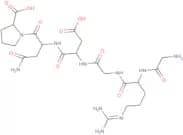
Formula:C19H27N2O6ClPurezza:Min. 95%Peso molecolare:414.88 g/mol2-[[2-[[1-[2-[[2-[[2-[[1-[1-[2-amino-5-(diaminomethylideneamino)pentanoyl]pyrrolidine-2-carbonyl]pyrrolidine-2-carbonyl]amino]acetyl ]amino]-3-phenylpropanoyl]amino]-3-hydroxypropanoyl]pyrrolidine-2-carbonyl]amino]-3-phenylpropanoyl]amino]-5-(diaminomethy
CAS:Custom research peptide; min purity 95%. For different specs please use the Peptide Quote Tool
Formula:C50H73N15O11Peso molecolare:1,060.22 g/molH-SANILLDEAFTAK^-OH
Peptide H-SANILLDEAFTAK^-OH is a Research Peptide with significant interest within the field academic and medical research. This peptide is available for purchase at Cymit Quimica in multiple sizes and with a specification of your choice.
H-NYLNYGEEGAPGK^-OH
Peptide H-NYLNYGEEGAPGK^-OH is a Research Peptide with significant interest within the field academic and medical research. This peptide is available for purchase at Cymit Quimica in multiple sizes and with a specification of your choice.
Ac-Leu-Pro-Phe-Phe-Asp-NH2
CAS:Ac-Leu-Pro-Phe-Phe-Asp-NH2 is a potential therapeutic for Alzheimer's disease. It has been shown to reduce the production of reactive oxygen species and inhibit the formation of amyloid beta oligomers. Ac-Leu-Pro-Phe-Phe-Asp-NH2 also reduces the frequency of protofibrils, which are aggregates that may play a role in Alzheimer's disease pathology. This peptide has been shown to have a protective effect on cell populations, which may lead to therapeutics that can delay or prevent Alzheimer's disease. Ac-Leu-Pro-Phe-Phe-Asp NH2 is an inhibitor of amyloid beta peptides and modulates their aggregation into protofibrils.
Formula:C35H46N6O8Purezza:Min. 95%Peso molecolare:678.89 g/molGP120 - W61D - 16
Custom research peptide; min purity 95%. For different specs please use the Peptide Quote Tool
Peso molecolare:1,678.9 g/molBoc-Cys(4-CH3Bzl)-OH
CAS:Boc-Cys(4-CH3Bzl)-OH is a building block for the synthesis of peptides and other biologically active molecules. It is a protected amino acid that can be used in peptide synthesis, and it is commonly used as a building block for the synthesis of Boc-protected L-amino acids.
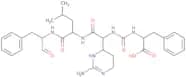
Formula:C16H23NO4SPurezza:Min. 95%Peso molecolare:325.42 g/molChymostatin
CAS:Chymostatin is a protein that inhibits the polymerase chain reaction (PCR) by binding to the DNA polymerase. It has been shown to have a hypoglycemic effect in mice with myocardial infarcts and can also induce apoptosis in inflammatory lesions. Chymostatin binds to intracellular targets, such as cell factor and pro-apoptotic protein, which are involved in energy metabolism and inflammatory lesion. The inhibition of these targets may be due to its chemical biology properties, which include the formation of disulfide bonds and basic proteins. Chymostatin is not active against bacterial cells but can inhibit enzyme activities in mammalian cells.
Formula:C31H42N6O7Purezza:Min. 95%Peso molecolare:610.71 g/molH-SGAQASSTPLSPTR^-OH
Peptide H-SGAQASSTPLSPTR^-OH is a Research Peptide with significant interest within the field academic and medical research. This peptide is available for purchase at Cymit Quimica in multiple sizes and with a specification of your choice.
DOTA-CPRECESIC-OH
Peptide DOTA-CPRECESIC-OH is a Research Peptide with significant interest within the field academic and medical research. This peptide is available for purchase at Cymit Quimica in multiple sizes and with a specification of your choice.
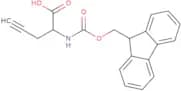
Fmoc-Pra-OH
CAS:Fmoc-Pra-OH is a bioconjugate used in Click Chemistry. Click Chemistry is a chemical reaction that joins two components together by forming an amide bond between the carboxyl group of one component and the amino group on the other component. Fmoc-Pra-OH was synthesized by reacting the epidermal growth factor (EGF) with a cyclic peptide containing an acid moiety, which was conjugated to the azide group of an azidopropargyl linker. This bioconjugate has been shown to have proliferative activity in vitro and structural studies have been performed to understand its reactivity.
Formula:C20H17NO4Purezza:Min. 98.0 Area-%Peso molecolare:335.36 g/molH-ADGGAEYATYQTK^-OH
Peptide H-ADGGAEYATYQTK^-OH is a Research Peptide with significant interest within the field academic and medical research. This peptide is available for purchase at Cymit Quimica in multiple sizes and with a specification of your choice.
H-AAIQAL^R-OH
Peptide H-AAIQAL^R-OH is a Research Peptide with significant interest within the field academic and medical research. This peptide is available for purchase at Cymit Quimica in multiple sizes and with a specification of your choice.
H-HLNILSTLWKYR-NH2
Peptide H-HLNILSTLWKYR-NH2 is a Research Peptide with significant interest within the field academic and medical research. This peptide is available for purchase at Cymit Quimica in multiple sizes and with a specification of your choice.
HIV - 1 MN ENV - 143
Custom research peptide; min purity 95%. For different specs please use the Peptide Quote Tool
Peso molecolare:1,696.1 g/molH-EITVATSR^-OH
Peptide H-EITVATSR^-OH is a Research Peptide with significant interest within the field academic and medical research. This peptide is available for purchase at Cymit Quimica in multiple sizes and with a specification of your choice.
Ac-RRCPLYISYDPVCRR-NH2
Peptide Ac-RRCPLYISYDPVCRR-NH2 is a Research Peptide with significant interest within the field academic and medical research. This peptide is available for purchase at Cymit Quimica in multiple sizes and with a specification of your choice.
Orexin-A (Human)
CAS:This Orexin A (Human) product has disulfide bonds between Cys6-Cys12 and Cys7-Cys14, is sourced from: rat, mouse, bovine and is available as a 0.1mg vial. Orexin A is an isoform of orexin and is a neuropeptide produced in the cells of the hypothalamus. Orexins are involved in sleep cycles through exciting neurons and affecting acetylcholine, histamine, dopamine and norepinephrine systems.
Formula:C152H243N47O44S4Purezza:Min. 95%Peso molecolare:3,561.1 g/molH-Gly-Arg-Gly-Asp-Asn-Pro-OH
CAS:H-Gly-Arg-Gly-Asp-Asn-Pro-OH is a peptide that is used in the detection of damaged tissue. This peptide has been shown to have significant cytotoxicity, with an EC50 at around 100 nM. H-Gly-Arg-Gly-Asp-Asn-Pro-OH has also been shown to be reactive with integrin receptors, which are found on the surface of pluripotent cells and are involved in cell adhesion. The fluorescence intensity of this peptide increases when it binds to the integrin receptor, indicating that it may be useful for measuring changes in cellular calcium levels.
Formula:C23H38N10O10Purezza:Min. 95%Peso molecolare:614.62 g/molH-SVSEIQLMHNLGK^-OH
Peptide H-SVSEIQLMHNLGK^-OH is a Research Peptide with significant interest within the field academic and medical research. This peptide is available for purchase at Cymit Quimica in multiple sizes and with a specification of your choice.
H-YVMLPVADQDK^-OH
Peptide H-YVMLPVADQDK^-OH is a Research Peptide with significant interest within the field academic and medical research. This peptide is available for purchase at Cymit Quimica in multiple sizes and with a specification of your choice.
Fmoc-Lys(Fmoc)-OH
CAS:Fmoc-Lys(Fmoc)-OH is an antibacterial agent that can be synthesized from a number of precursors. It has been shown to inhibit the uptake of mannose by staphylococcus cells and its subsequent use in the synthesis of bacterial cell walls. Fmoc-Lys(Fmoc)-OH also inhibits the growth of viruses, such as HIV, and human immunodeficiency virus type 1 (HIV-1), by binding to mannose receptors on the surface of macrophage-like cells. Intramolecular hydrogen bonds stabilise this complex, which prevents it from breaking down. This allows Fmoc-Lys(Fmoc)-OH to remain in the body for a longer period of time than other antibiotics that are broken down by enzymes. Fmoc-Lys(Fmoc)-OH has also been shown to be an effective antibacterial agent against Staphylococcus a
Formula:C36H34N2O6Purezza:Min. 98.0 Area-%Peso molecolare:590.67 g/molPhe-Phe-Arg-Lys-Ser-Lys-Glu-Lys-Ile-Gly
Custom research peptide; min purity 95%. For different specs please use the Peptide Quote Tool
Formula:C58H94N16O14Peso molecolare:1,239.47 g/molJasmonicAcid-I^-OH
Peptide JasmonicAcid-I^-OH is a Research Peptide with significant interest within the field academic and medical research. This peptide is available for purchase at Cymit Quimica in multiple sizes and with a specification of your choice.
H-IPGGNIYISPLK^-OH
Peptide H-IPGGNIYISPLK^-OH is a Research Peptide with significant interest within the field academic and medical research. This peptide is available for purchase at Cymit Quimica in multiple sizes and with a specification of your choice.
PUMA amide peptide
PUMA (p53 upregulated modulator of apoptosis) is a potent pro-apoptotic protein that plays a critical role in stress-induced cell death. It is primarily activated by the tumor suppressor p53 in response to DNA damage, but can also be triggered by other factors in response to various cellular stresses. PUMA functions by disrupting the balance of Bcl-2 family proteins, leading to mitochondrial dysfunction and caspase activation. Due to its involvement in various diseases, PUMA is considered a potential therapeutic target for both cancer and neurodegenerative diseases.
Ref: 3D-PP50268
Prodotto fuori produzioneH-WTLTAPPGYR^-OH
Peptide H-WTLTAPPGYR^-OH is a Research Peptide with significant interest within the field academic and medical research. This peptide is available for purchase at Cymit Quimica in multiple sizes and with a specification of your choice.
H-EGLELPEDEEEK^-OH
Peptide H-EGLELPEDEEEK^-OH is a Research Peptide with significant interest within the field academic and medical research. This peptide is available for purchase at Cymit Quimica in multiple sizes and with a specification of your choice.
FSLLRY-NH2
CAS:Custom research peptide; min purity 95%. For different specs please use the Peptide Quote Tool
Formula:C39H60N10O8Peso molecolare:796.97 g/molMAGE-3 (119-134)
Custom research peptide; min purity 95%. For different specs please use the Peptide Quote Tool
H-YNWNSFGLRY-NH2
Peptide H-YNWNSFGLRY-NH2 is a Research Peptide with significant interest within the field academic and medical research. This peptide is available for purchase at Cymit Quimica in multiple sizes and with a specification of your choice.
H-HGATVLTALGGILK^-OH
Peptide H-HGATVLTALGGILK^-OH is a Research Peptide with significant interest within the field academic and medical research. This peptide is available for purchase at Cymit Quimica in multiple sizes and with a specification of your choice.
Ac-SGRGKGGKGLGKGGAKRHRKV-OH
Peptide Ac-SGRGKGGKGLGKGGAKRHRKV-OH is a Research Peptide with significant interest within the field academic and medical research. This peptide is available for purchase at Cymit Quimica in multiple sizes and with a specification of your choice.
Ac-HSSKLQL-NH2
Peptide Ac-HSSKLQL-NH2 is a Research Peptide with significant interest within the field academic and medical research. This peptide is available for purchase at Cymit Quimica in multiple sizes and with a specification of your choice.
CMVpp65 - 133 (GVWQPAAQPKRRRHR)
Custom research peptide; min purity 95%. For different specs please use the Peptide Quote Tool
Peso molecolare:1,843.1 g/molAc-CVTGYRLFEEIL-NH2
Peptide Ac-CVTGYRLFEEIL-NH2 is a Research Peptide with significant interest within the field academic and medical research. This peptide is available for purchase at Cymit Quimica in multiple sizes and with a specification of your choice.
Ac-CMKKDDQIAAAIALRGMAKDGKFAVK-NH2
Peptide Ac-CMKKDDQIAAAIALRGMAKDGKFAVK-NH2 is a Research Peptide with significant interest within the field academic and medical research. This peptide is available for purchase at Cymit Quimica in multiple sizes and with a specification of your choice.
H-VYAETKHFL^-OH
Peptide H-VYAETKHFL^-OH is a Research Peptide with significant interest within the field academic and medical research. This peptide is available for purchase at Cymit Quimica in multiple sizes and with a specification of your choice.
H-LLLEYTDSSYEEK^-OH
Peptide H-LLLEYTDSSYEEK^-OH is a Research Peptide with significant interest within the field academic and medical research. This peptide is available for purchase at Cymit Quimica in multiple sizes and with a specification of your choice.
H-AEQVIFVR^-OH
Peptide H-AEQVIFVR^-OH is a Research Peptide with significant interest within the field academic and medical research. This peptide is available for purchase at Cymit Quimica in multiple sizes and with a specification of your choice.
H-SYSMEHFRWGKPV-NH2
Peptide H-SYSMEHFRWGKPV-NH2 is a Research Peptide with significant interest within the field academic and medical research. This peptide is available for purchase at Cymit Quimica in multiple sizes and with a specification of your choice.
Ac-YLGR-CMK
Peptide Ac-YLGR-CMK is a Research Peptide with significant interest within the field academic and medical research. This peptide is available for purchase at Cymit Quimica in multiple sizes and with a specification of your choice.
H-TGAQELLR^-OH
Peptide H-TGAQELLR^-OH is a Research Peptide with significant interest within the field academic and medical research. This peptide is available for purchase at Cymit Quimica in multiple sizes and with a specification of your choice.
H-AIWNVINWENVSQR^-OH
Peptide H-AIWNVINWENVSQR^-OH is a Research Peptide with significant interest within the field academic and medical research. This peptide is available for purchase at Cymit Quimica in multiple sizes and with a specification of your choice.
The ME™ Kit (plasma), patent US 8,956,878
The ME™ Kit is used for specific isolation of extracellular vesicles (exosomes, microvesicles) in as little as 45 minutes using a standard bench top centrifuge. This product is optimized for urine or media samples and contains the 1mg Vn96 peptide (enough for 20x samples), 500µl ME buffer, a negative control (100µg Vn96 scrambled peptide) and 50µl purified exosomes from HEK293 cells as positive control.Extracellular vesicle isolation, is becoming essential in diagnostics and therapeutics. These small membrane-enclosed particles play important roles in many biological processes, including communication, immune response, tissue regeneration, and tumor progression. They are also being studied for their use as biomarkers for various diseases and as potential therapeutics against cancer, neurodegenerative disorders, and inflammatory conditions. It is becoming known that blood profiling alongside exosome analysis provides scientists with suitable resources to monitor disease progression. To combat the challenges associated with exosome isolation Cymit Quimica have developed two ME™ Kits, available for purchase online based on optimization for how different sample types behave: urine or media samples (ME-020) and plasma samples (ME-020P). Our technique produces results comparable to ultracentrifugation, but at much greater efficiency as 1/30th the sample size is required, fulfilling the needs of the diagnostic and pharma industries. The underlaying mechanisms of how the kit works – an affinity for canonical HSPs – may allow for this to be applied fairly broadly, since HSPs are roundly conserved from bacteria to higher order mammals.For more information on the effectiveness and flexibility of this extracellular isolation technology read our publication (Gosh, 2014).Purezza:Min. 95%HCV NS5B 2727-2735 (HLA-A*02:01)
Custom research peptide; min purity 95%. For different specs please use the Peptide Quote Tool
Biot-GPR-OH
Peptide Biot-GPR-OH is a Research Peptide with significant interest within the field academic and medical research. This peptide is available for purchase at Cymit Quimica in multiple sizes and with a specification of your choice.
H-YSSDYFQAPSDYR^-OH
Peptide H-YSSDYFQAPSDYR^-OH is a Research Peptide with significant interest within the field academic and medical research. This peptide is available for purchase at Cymit Quimica in multiple sizes and with a specification of your choice.
H-LQHLVNEL^THDIITK-OH
Peptide H-LQHLVNEL^THDIITK-OH is a Research Peptide with significant interest within the field academic and medical research. This peptide is available for purchase at Cymit Quimica in multiple sizes and with a specification of your choice.
Boc-Cys(MBzl)-OH
CAS:Boc-Cys(MBzl)-OH is a peptide that inhibits cellular protein interactions. It is an inhibitor of the enzyme acetylcholinesterase and prevents the breakdown of the neurotransmitter acetylcholine. Boc-Cys(MBzl)-OH also has been shown to be an activator of the Ligand-gated ion channels, which are involved in regulating neuronal activity. This peptide can be used as a research tool for studying ion channels and their receptors.
Formula:C16H23NO5SPurezza:Min. 95%Peso molecolare:341.43 g/molFmoc-D-Asn(Trt)-OH
CAS:Fmoc-D-Asn(Trt)-OH is a Fmoc-protected amino acid that can be used in peptide synthesis. It is an unusual Fmoc-protected amino acid and is a building block for the synthesis of peptides. Fmoc-D-Asn(Trt)-OH is also an intermediate in the synthesis of other, more complicated, compounds.
Formula:C38H32N2O5Purezza:Min. 95%Peso molecolare:596.69 g/molTentaGel® S NH2 Resin (90 um)
TentaGel is a gelatinous resin, an important support for solid phase synthesis. TentaGel resins are constructed with a backbone of low crosslinked polystyrene grafted with polyoxyethylene (polyethylene glycol) as shown below. The typical chain length of POE (n) is approximately 68 ethylene oxide units or an average MW of 3000. This long chain creates a spacer that effectively separates the reactive site (X) from the crosslinked backbone matrix. The TentaGel S base resins are available with several different derivative choices. The typical capacity range for our TentaGel base resins is 0.2-0.3 meq/g.
Application: (90 µm)
Substitution Functional Group: -O-CH2-CH2-NH2Purezza:Min. 95%H-YALYDATYETK^-OH
Peptide H-YALYDATYETK^-OH is a Research Peptide with significant interest within the field academic and medical research. This peptide is available for purchase at Cymit Quimica in multiple sizes and with a specification of your choice.
TNF-α (46-65) (human)
CAS:TNF-α is a cytokine that regulates a wide variety of cellular processes, including cell proliferation, differentiation, and apoptosis. TNF-α functions as an important regulator of the immune system. This peptide inhibits the activity of TNF-α by binding to the receptor on cells and blocking its signaling. TNF-α (46-65) can be used in research applications such as protein interactions, activator, ligand, receptor, ion channels and antibody production.
Formula:C110H172N24O30Purezza:Min. 95%Peso molecolare:2,310.7 g/molSIVmac239 - 76
Custom research peptide; min purity 95%. For different specs please use the Peptide Quote Tool
Peso molecolare:1,727 g/molFibromodulin F2 206-215 (HLA-A*02:01)
Custom research peptide; min purity 95%. For different specs please use the Peptide Quote Tool
Ac-EEEPQEEIPYLELLP-NH2
Peptide Ac-EEEPQEEIPYLELLP-NH2 is a Research Peptide with significant interest within the field academic and medical research. This peptide is available for purchase at Cymit Quimica in multiple sizes and with a specification of your choice.
CMVpp65 - 106 (TGGGAMAGASTSAGR)
Custom research peptide; min purity 95%. For different specs please use the Peptide Quote Tool
Peso molecolare:1,251.4 g/molH-FL^SLDYIPQR-OH
Peptide H-FL^SLDYIPQR-OH is a Research Peptide with significant interest within the field academic and medical research. This peptide is available for purchase at Cymit Quimica in multiple sizes and with a specification of your choice.
H-SVGGVFTSV^-OH
Peptide H-SVGGVFTSV^-OH is a Research Peptide with significant interest within the field academic and medical research. This peptide is available for purchase at Cymit Quimica in multiple sizes and with a specification of your choice.
LCBiot-MKKDDQIAAAMVLRGMAKDGQFALK-NH2
Peptide LCBiot-MKKDDQIAAAMVLRGMAKDGQFALK-NH2 is a Research Peptide with significant interest within the field academic and medical research. This peptide is available for purchase at Cymit Quimica in multiple sizes and with a specification of your choice.
H-GTVSGTLIGLEFIR^-OH
Peptide H-GTVSGTLIGLEFIR^-OH is a Research Peptide with significant interest within the field academic and medical research. This peptide is available for purchase at Cymit Quimica in multiple sizes and with a specification of your choice.
H-TGV^ITSPDFPNPYP^K^-OH
Peptide H-TGV^ITSPDFPNPYP^K^-OH is a Research Peptide with significant interest within the field academic and medical research. This peptide is available for purchase at Cymit Quimica in multiple sizes and with a specification of your choice.
Ac-GGMEDIYFEFMGGKKK-NH2
Peptide Ac-GGMEDIYFEFMGGKKK-NH2 is a Research Peptide with significant interest within the field academic and medical research. This peptide is available for purchase at Cymit Quimica in multiple sizes and with a specification of your choice.
H-EQLTPLI^K-OH
Peptide H-EQLTPLI^K-OH is a Research Peptide with significant interest within the field academic and medical research. This peptide is available for purchase at Cymit Quimica in multiple sizes and with a specification of your choice.
TLQP-62, Rat
Custom research peptide; min purity 95%. For different specs please use the Peptide Quote Tool
Peso molecolare:7,401.13 g/molH-SSFTVQDLKPFTEYVFR^-OH
Peptide H-SSFTVQDLKPFTEYVFR^-OH is a Research Peptide with significant interest within the field academic and medical research. This peptide is available for purchase at Cymit Quimica in multiple sizes and with a specification of your choice.
Mastoparan A
Custom research peptide; min purity 95%. For different specs please use the Peptide Quote Tool
Formula:C79H138N20O16Peso molecolare:1,624 g/molCyclin A1 227-235 (HLA-A*02:01)
Custom research peptide; min purity 95%. For different specs please use the Peptide Quote Tool

















![[5-FAM]-Tp10](/_next/image/?url=https%3A%2Fstatic.cymitquimica.com%2Fproducts%2F3D%2Fthumb-webp%2FCRB1100282.webp&w=3840&q=75)






![ACTH (1-24) -[5-FAM]](/_next/image/?url=https%3A%2Fstatic.cymitquimica.com%2Fproducts%2F3D%2Fthumb-webp%2FCRB1100515.webp&w=3840&q=75)



![C-Terminal Sortagging-[Lys(Biotin]](/_next/image/?url=https%3A%2Fstatic.cymitquimica.com%2Fproducts%2F3D%2Fthumb-webp%2FCRB1000649.webp&w=3840&q=75)
![[MCA]/[Lys(Dnp)]-CoV Main Protease (Mpro) Substrate](/_next/image/?url=https%3A%2Fstatic.cymitquimica.com%2Fproducts%2F3D%2Fthumb-webp%2FCRB1001503.webp&w=3840&q=75)































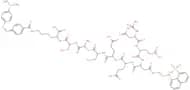




![C-Terminal Sortagging-AAA-[Lys(Biotin]](/_next/image/?url=https%3A%2Fstatic.cymitquimica.com%2Fproducts%2F3D%2Fthumb-webp%2FCRB1000650.webp&w=3840&q=75)






![TAT protein (28-35) [Simian immunodeficiency virus]](/_next/image/?url=https%3A%2Fstatic.cymitquimica.com%2Fproducts%2F3D%2Fthumb-webp%2FCRB1001237.webp&w=3840&q=75)









![[5-FAM]-pVec](/_next/image/?url=https%3A%2Fstatic.cymitquimica.com%2Fproducts%2F3D%2Fthumb-webp%2FCRB1100281.webp&w=3840&q=75)
![S413-PV-[Cys(Npys)]](/_next/image/?url=https%3A%2Fstatic.cymitquimica.com%2Fproducts%2F3D%2Fthumb-webp%2FCRB1000425.webp&w=3840&q=75)






![nef protein fragment (Acetyl/amide) [Human immunodeficiency virus 1]](/_next/image/?url=https%3A%2Fstatic.cymitquimica.com%2Fproducts%2F3D%2Fthumb-webp%2FCRB1001225.webp&w=3840&q=75)


















![Acetyl-Histone H4 (1-21) K5Ac, K8Ac, K12Ac, K16Ac-GG-[Lys(5-FAM)]](/_next/image/?url=https%3A%2Fstatic.cymitquimica.com%2Fproducts%2F3D%2Fthumb-webp%2FCRB1101268.webp&w=3840&q=75)




















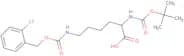
![2-[[2-[[1-[2-[[2-[[2-[[1-[1-[2-amino-5-(diaminomethylideneamino)pentanoyl]pyrrolidine-2-carbonyl]p…](/_next/image/?url=https%3A%2Fstatic.cymitquimica.com%2Fproducts%2F3D%2Fthumb-webp%2FPP50751.webp&w=3840&q=75)