Peptidi
Sottocategorie di "Peptidi"
Trovati 29635 prodotti di "Peptidi"
Ac-ATWLPPR-NH2
Peptide Ac-ATWLPPR-NH2 is a Research Peptide with significant interest within the field academic and medical research. This peptide is available for purchase at Cymit Quimica in multiple sizes and with a specification of your choice.
H-TTPPV^LDSDGSFFLYSK^-OH
Peptide H-TTPPV^LDSDGSFFLYSK^-OH is a Research Peptide with significant interest within the field academic and medical research. This peptide is available for purchase at Cymit Quimica in multiple sizes and with a specification of your choice.
Ac-QKRAA-NH2
Peptide Ac-QKRAA-NH2 is a Research Peptide with significant interest within the field academic and medical research. This peptide is available for purchase at Cymit Quimica in multiple sizes and with a specification of your choice.
H-VSVGLLLVK^-OH
Peptide H-VSVGLLLVK^-OH is a Research Peptide with significant interest within the field academic and medical research. This peptide is available for purchase at Cymit Quimica in multiple sizes and with a specification of your choice.
Cyclo(Arg-Gly-Asp-D-Phe-Lys)
CAS:Cyclo(Arg-Gly-Asp-D-Phe-Lys) is a synthetic peptide that binds to the integrin receptor on pancreatic cancer cells. It has been shown to be an effective diagnostic tool for pancreatic cancer and other cancers, such as prostate, breast, and lung. Cyclo(Arg-Gly-Asp-D-Phe-Lys) selectively binds to cells with high levels of integrin receptors by using "a heterofunctional approach." This technique is used in the synthesis of peptides because it increases the stability of peptides. Cyclo(Arg-Gly-Asp-D-Phe-Lys) can be used for diagnosis or therapeutic purposes.
Formula:C27H41N9O7Purezza:Min. 95%Peso molecolare:603.68 g/molRef: 3D-PCI-3919-PI
Prodotto fuori produzioneAIP-III
Staphylococcus aureus is a major human pathogen that utilizes autoinducing peptide (AIP) signals to regulate virulence. Methods to intercept bacterial quorum sensing (QS) aim to find novel anti-virulence treatments.Auto-inducing peptide (AIP) is a cyclic thiolactone quorum sensing peptide from Staphylococcus aureus which is responsible for activating the agr response. AIP is released from the bacteria and its extracellular concentration is then sensed by a two-component system on the bacterial surface, AgrC and AgrA. AgrC is the membrane histidine kinase receptor and AgrA is a response regulator- upon binding of AIP, AgrC phosphorylates AgrA.AIP accumulates during growth activating an AgrC and AgrA cascade when it reaches a critical signal level. This cascade activates P2 and P3 promoters which autoactivate the agr system and upregulate RNAIII transcription. RNAIII regulates the expression of virulence factors including toxins, super-antigens, and exo-enzymes. Extensive research to identify AIP:AgrC inhibitors aims to find therapeutics against pathogens.AgrD is the precursor peptide of AIP, and AgrB is an integral membrane endopeptidase essential to biosynthesize AIP. This AIP system is conserved among many Gram-positive bacteria. S. aureus strains are categorized into four groups (I-IV) according to their AIP signal and cognate extracellular receptor, AgrC. Each group is associated with a certain disease profile, and S. aureus group-III strains are responsible for toxic shock syndrome. AIP-III the conserved thiolactone macrocycle of the AIP family with an extended N terminal. Alanine scanning has identified a key trifactor of hydrophobic residues in the thiolatone ring that allow recognition by AgRC and the anchor point on the exocyclic tail needed for receptor activation. This knowledge is key for the design of novel AIP:AgrC inhibitors.
Purezza:Min. 95%Colore e forma:PowderPeso molecolare:818.4 g/molCyclo[Arg-Gly-Asp-D-Phe-Lys(PEG-PEG)]
RGD Peptide with PEG Spacers for more efficient binding to lipid surfaces with the one letter code sequence: c(RGDfK(PEG-PEG)) where PEG = 8-Amino-3,6-Dioxaoctanoic Acid.
This product may requires further derivatization before use.Formula:C39H63N11O13Purezza:Min. 95%Peso molecolare:894 g/molRef: 3D-PCI-3696-PI
Prodotto fuori produzioneAc-MRTPRCG-NH2
Peptide Ac-MRTPRCG-NH2 is a Research Peptide with significant interest within the field academic and medical research. This peptide is available for purchase at Cymit Quimica in multiple sizes and with a specification of your choice.
H-PLIYLRLLRGQFC-NH2
Peptide H-PLIYLRLLRGQFC-NH2 is a Research Peptide with significant interest within the field academic and medical research. This peptide is available for purchase at Cymit Quimica in multiple sizes and with a specification of your choice.
H-LQTAPVPMPDLK^-OH
Peptide H-LQTAPVPMPDLK^-OH is a Research Peptide with significant interest within the field academic and medical research. This peptide is available for purchase at Cymit Quimica in multiple sizes and with a specification of your choice.
Ac-Phe-Thiaphe-OH
CAS:Ac-Phe-Thiaphe-OH is a molecule that inhibits the activity of nerve growth factor (NGF) by binding to the NGF receptor. It has been shown to be effective in reducing oxidative stress and nerve injury. Ac-Phe-Thiaphe-OH also has a molecular target for cancer, as it binds to the epidermal growth factor receptor and blocks the epidermal growth factor from binding to the receptor. This leads to a decrease in cancer cell proliferation and an increase in apoptosis. Ac-Phe-Thiaphe-OH also binds to serotonin receptors and reduces pancreatic cancer cells in culture. The molecule is currently under development as a potential treatment for pancreatic cancer.
Formula:C19H20N2O4SPurezza:Min. 95%Peso molecolare:372.44 g/molH-G^PSIFPLAPSSK^-OH
Peptide H-G^PSIFPLAPSSK^-OH is a Research Peptide with significant interest within the field academic and medical research. This peptide is available for purchase at Cymit Quimica in multiple sizes and with a specification of your choice.
H-SGGGDLTLGLEPSEEEAPR^-OH
Peptide H-SGGGDLTLGLEPSEEEAPR^-OH is a Research Peptide with significant interest within the field academic and medical research. This peptide is available for purchase at Cymit Quimica in multiple sizes and with a specification of your choice.
Biotin-PEG2-Claudin-3
Biotin-PEG2-Claudin-3 is derived from the tight junction protein Claudin-3 which is encoded by the CLDN3 gene located on chromosome 7q11.23 and can be found within epithelial cell to cell contacts. Structurally, the Claudin family are transmembrane proteins containing two extracellular loops and are involved in maintaining cell polarity and controlling paracellular ion flux.During cancer research reduction in the number of Claudins has been associated with tumour formation. This could be explained using Claudin role in maintaining cell detachment and migration although cancers such as breast and prostate have shown to overexpress both Claudin- 3 and Claudin-4. Similarly in ovarian cancer overexpression of Claudin 3 and 4 is thought to increase the motility of tumour cells and their survival through basement membrane degrading matrix metalloproteinase activation.Both Claudin 3 and 4 have potential to be used as diagnostic markers and their two extracellular loops may be used as targets for antibodies. As receptors for the Clostridium perfringens enterotoxin, Claudin 3 and 4 may have further use in targeting the enterotoxin as a therapeutic for ovarian cancers.This peptide has a covalently bonded N-terminal Biotin tag that can be used for detection and purification and contains a polyethylene glycol spacer (PEG2).
Purezza:Min. 95%Colore e forma:PowderPeso molecolare:2,947.5 g/molH-LAQAYYESTR^-OH
Peptide H-LAQAYYESTR^-OH is a Research Peptide with significant interest within the field academic and medical research. This peptide is available for purchase at Cymit Quimica in multiple sizes and with a specification of your choice.
H-LLQDSVDFSLADAINTEFK^-OH
Peptide H-LLQDSVDFSLADAINTEFK^-OH is a Research Peptide with significant interest within the field academic and medical research. This peptide is available for purchase at Cymit Quimica in multiple sizes and with a specification of your choice.
Caloxin 1C2
Plasma membrane calcium pumps (PMCA) play integral roles in calcium homeostasis and calcium signalling. There are four PMCA isoforms (1-4), their expression and localisation are varied amongst cell types and diseased tissue. Therefore, identification of specific inhibitors of each PMCA is underway to aid understanding of the individual roles the PMCAs play. Use of phage libraries and mutagenesis has allowed rapid screening of possible peptides. A PMCA inhibitor of importance found by screening and mutagenesis is caloxin 1C2. Caloxin 1C2 has been shown to have a 10 found higher affinity for PMCA4 than any other isoforms suggesting it is a suitable selective inhibitor for PMCA4 activity. The allosteric inhibitor is already being used in research to help understand the specific function of PMCA4 in tissues. Since changes in the levels of activity and expression of the PMCA isoforms have been linked to several conditions, such as hypertension and diabetes, clarifying the function of PMCA4 with the use of caloxin1C2 inhibitor could provide new treatments in the future.
Colore e forma:PowderPeso molecolare:1,843 g/molH-SEPVSPPR^-OH
Peptide H-SEPVSPPR^-OH is a Research Peptide with significant interest within the field academic and medical research. This peptide is available for purchase at Cymit Quimica in multiple sizes and with a specification of your choice.
Huwentoxin- IV
Huwentoxin IV is a peptide that is used as a research tool to investigate protein interactions. It binds to the receptor of a specific ligand and activates ion channels, which are pores in the cell membrane that allow ions to flow into and out of cells. Huwentoxin IV has been shown to inhibit protein interactions by preventing phosphorylation of proteins, which is necessary for protein-protein interactions. This process has also been shown to activate ion channels in the cell membrane. Huwentoxin IV is an inhibitor of protein-protein interactions and cell proliferation.
Formula:C174H278N52O51S6Purezza:Min. 95%Peso molecolare:4,106.8 g/molCyclo[Arg-Gly-Asp-D-Phe-Lys(Ac-SCH2CO)]
This product is an RGD Peptide containing a Thioacetyl Group for Linking to Liposomes. It may require further derivatization and deprotection before use
Formula:C31H45N9O9SPurezza:Min. 95%Peso molecolare:719.82 g/molRef: 3D-PCI-3699-PI
Prodotto fuori produzioneSIVmac239 - 13
Custom research peptide; min purity 95%. For different specs please use the Peptide Quote Tool
Peso molecolare:1,661 g/molH-VFDEFKPLVEEPQNLIK^-OH
Peptide H-VFDEFKPLVEEPQNLIK^-OH is a Research Peptide with significant interest within the field academic and medical research. This peptide is available for purchase at Cymit Quimica in multiple sizes and with a specification of your choice.
H-VAQEL^EEK^-OH
Peptide H-VAQEL^EEK^-OH is a Research Peptide with significant interest within the field academic and medical research. This peptide is available for purchase at Cymit Quimica in multiple sizes and with a specification of your choice.
Chain A, SARS-CoV-2 spike glycoprotein (495-503) wild type
Custom research peptide; min purity 95%. For different specs please use the Peptide Quote Tool
Ac-Asp-Glu-Asp(Edans)-Glu-Glu-Abu-L-Lactoyl-Ser-Lys(Dabcyl)-NH2
CAS:Ac-Asp-Glu-Asp(Edans)-Glu-Glu-Abu-L-Lactoyl-Ser-Lys(Dabcyl)-NH2 is an enzyme substrate that acts as a competitive inhibitor of the hepatitis C protease. It has been shown to inhibit the activity of the hepatitis C protease in cell culture, and can be used to identify other inhibitors of this protease. Ac-Asp-Glu-Asp(Edans)-Glu-Glu-Abu-L-Lactoyl-Ser-Lys(Dabcyl)-NH2 is a peptide with an amino acid sequence that is not found in any known proteins.
Formula:C68H89N15O25SPurezza:Min. 95%Peso molecolare:1,548.62 g/molH-Gly-Gly-Gly-Gly-Gly-Gly-OH
CAS:H-Gly-Gly-Gly-Gly-Gly-Gly-OH is a cyclic peptide that binds to calcium ions. It has been shown to cause cell lysis in human serum and inhibit bacterial growth in the presence of fatty acids. H-Gly-Gly-Gly-Gly-gly-OH has also been shown to bind to the receptor site on the bacteria, which prevents them from binding with host cells. This peptide also inhibits the production of inflammatory cytokines, such as IL1β and TNFα, which may be due to its ability to inhibit the formation of reactive oxygen species.
Formula:C12H20N6O7Purezza:Min. 95%Colore e forma:PowderPeso molecolare:360.32 g/molRef: 3D-FG108994
Prodotto fuori produzioneH-GFEPGVTNILK^-OH
Peptide H-GFEPGVTNILK^-OH is a Research Peptide with significant interest within the field academic and medical research. This peptide is available for purchase at Cymit Quimica in multiple sizes and with a specification of your choice.
GLP-1 (9-36) amide
CAS:Custom research peptide; min purity 95%. For different specs please use the Peptide Quote Tool
Formula:C140H214N36O43Peso molecolare:3,089.44 g/molCMVpp65 - 21 (YFTGSEVENVSVNVH)
Custom research peptide; min purity 95%. For different specs please use the Peptide Quote Tool
Peso molecolare:1,680.8 g/molUrate Oxidase Recombinant
Urate oxidase is a flavoenzyme that catalyses the oxidation of uric acid to allantoin. It is present in many organisms, including fungi and primates. Urate oxidase catalyzes the oxidation of uric acid to allantoin via the reduction of oxygen to water with concomitant production of hydrogen peroxide. There are four forms of urate oxidase found in nature: tetrameric, dimeric, monomeric, and recombinant. The recombinant form has been shown to be effective against hyperuricaemia in primates and humans with lymphoid malignancies.
Formula:C1523H2383N417O462S7Purezza:>90% By Sds-PageRef: 3D-ENZ-312
Prodotto fuori produzioneH-DTQSGSLLFIGR^-OH
Peptide H-DTQSGSLLFIGR^-OH is a Research Peptide with significant interest within the field academic and medical research. This peptide is available for purchase at Cymit Quimica in multiple sizes and with a specification of your choice.
BNP Human, recombinant
BNP Human, recombinant is a research tool that is an activator of the BNP receptor. It has been used to study the interactions and functions of ion channels, cell biology, and pharmacology. The purified protein is a ligand for the BNP receptor. BNP Human, recombinant has been shown to inhibit peptide bonds in proteins by specific binding to the carboxyl terminus of peptides with a sequence of C-terminal arginine residues.
Purezza:Min. 95%Amylin (8-37), rat
CAS:Custom research peptide; min purity 95%. For different specs please use the Peptide Quote Tool
Formula:C140H227N43O43Peso molecolare:3,200.61 g/molH-VGDGTVIL^^K^^-OH
Peptide H-VGDGTVIL^^K^^-OH is a Research Peptide with significant interest within the field academic and medical research. This peptide is available for purchase at Cymit Quimica in multiple sizes and with a specification of your choice.
Ac-KDGIVNGVKA-NH2
Peptide Ac-KDGIVNGVKA-NH2 is a Research Peptide with significant interest within the field academic and medical research. This peptide is available for purchase at Cymit Quimica in multiple sizes and with a specification of your choice.
H-ELDESLQVAER^-OH
Peptide H-ELDESLQVAER^-OH is a Research Peptide with significant interest within the field academic and medical research. This peptide is available for purchase at Cymit Quimica in multiple sizes and with a specification of your choice.
HEX3
CAS:Custom research peptide; min purity 95%. For different specs please use the Peptide Quote Tool
Formula:C47H78N12O14Peso molecolare:1,035.2 g/molLCBiot-HVPGGGSVQIVYKPVDLSKV-OH
Peptide LCBiot-HVPGGGSVQIVYKPVDLSKV-OH is a Research Peptide with significant interest within the field academic and medical research. This peptide is available for purchase at Cymit Quimica in multiple sizes and with a specification of your choice.
H-ESTLHLVLRLRGG-hydrazide
Peptide H-ESTLHLVLRLRGG-hydrazide is a Research Peptide with significant interest within the field academic and medical research. This peptide is available for purchase at Cymit Quimica in multiple sizes and with a specification of your choice.
Ile-Gln-Gly-Asn-Val-Thr-Ser-Ile-His-Ser-Leu-Leu-As
Custom research peptide; min purity 95%. For different specs please use the Peptide Quote Tool
Formula:C67H111N19O25Peso molecolare:1,582.71 g/molH-LLDNWDSVTSTFSK^-OH
Peptide H-LLDNWDSVTSTFSK^-OH is a Research Peptide with significant interest within the field academic and medical research. This peptide is available for purchase at Cymit Quimica in multiple sizes and with a specification of your choice.
H-SANYETDPFVQEFQFK^-OH
Peptide H-SANYETDPFVQEFQFK^-OH is a Research Peptide with significant interest within the field academic and medical research. This peptide is available for purchase at Cymit Quimica in multiple sizes and with a specification of your choice.
Fmoc-AAGIGILTV-OH
Peptide Fmoc-AAGIGILTV-OH is a Research Peptide with significant interest within the field academic and medical research. This peptide is available for purchase at Cymit Quimica in multiple sizes and with a specification of your choice.
Galantide
Galantide is a reversible and non-specific galanin receptor antagonist. In vitro it dose dependently antagonizes galanin mediated inhibition of the glucose induced insulin secretion from mouse pancreatic islets. In vivo intracerebroventricular injection of galanin inhibits sexual behavior in male rats without producing any other locomotor or behavioral deficit. Galantide has been found to improve social memory in animal models.
Peso molecolare:2,198.1 g/molB8R (20 - 27)
B8R (20-27) is derived from the B8R protein, a virulence factor of the poxvirus. Due to B8R being a homolog of the extracellular domain of the IFN- γ receptor, B8R can bind to and prevent IFN- γ from binding to its receptor. IFN- γ has antiviral activity against encephalomyocarditis virus and the vesicular stomatitis virus is inhibited when B8R is expressed.
Peso molecolare:959.5 g/molH-VLEDFVEIHGK^-OH
Peptide H-VLEDFVEIHGK^-OH is a Research Peptide with significant interest within the field academic and medical research. This peptide is available for purchase at Cymit Quimica in multiple sizes and with a specification of your choice.
H-EVQLVESGGGLVQPGGSLR^-OH
Peptide H-EVQLVESGGGLVQPGGSLR^-OH is a Research Peptide with significant interest within the field academic and medical research. This peptide is available for purchase at Cymit Quimica in multiple sizes and with a specification of your choice.
5Fam-RRRG-OH
Peptide 5Fam-RRRG-OH is a Research Peptide with significant interest within the field academic and medical research. This peptide is available for purchase at Cymit Quimica in multiple sizes and with a specification of your choice.
Ac-CAS-NH2
Peptide Ac-CAS-NH2 is a Research Peptide with significant interest within the field academic and medical research. This peptide is available for purchase at Cymit Quimica in multiple sizes and with a specification of your choice.
H-GLGDVDQLVK^-OH
Peptide H-GLGDVDQLVK^-OH is a Research Peptide with significant interest within the field academic and medical research. This peptide is available for purchase at Cymit Quimica in multiple sizes and with a specification of your choice.
LL-37 fragment (30-37)
LL-37 is a member of the large cationic family of anti-microbial peptides called cathelicidins which have broad-spectrum anti-microbial activity and are expressed in many species. The only cathelicidin found in humans is LL-37, this is produced in epithelial cells, by proteolytic cleavage from the C-terminal of the hCAP-18 protein. LL-37 can be processed into different forms of anti-microbial peptides. As well as its anti-microbial properties LL-37 also regulates many aspects of the innate immune system and overexpression of LL-37 has been linked to autoimmune diseases such as asthma and psoriasis, making LL-37 the most studied form of the human cathelicidin peptides.More recently, studies have shown that LL-37 binds to SARS-CoV-2 S protein and inhibits binding to its receptor hACE2, which may inhibit viral entry into the cell. LL-37 is upregulated by vitamin D, therefore this may be one mode of action for the positive outcomes seen with vitamin D treatment for Covid-19.
Peso molecolare:914.5 g/molCONSENSUS B Tat - 6
Custom research peptide; min purity 95%. For different specs please use the Peptide Quote Tool
Peso molecolare:1,755.2 g/molH-[Cys-Arg-Gly-Asp-Lys-Gly-Pro-Asp-Cys]-NH2
H-[Cys-Arg-Gly-Asp-Lys-Gly-Pro-Asp-Cys]-NH2 is a peptide that was originally isolated from the venom of the Brazilian spider, Phoneutria nigriventer. This peptide has been shown to have anti tumor activity in mice by targeting and binding to the tumor cells. H-[Cys-Arg-Gly-Asp-Lys-Gly-Pro-Asp-Cys]-NH2 is also a cell penetrating peptide (CPP) that can penetrate into the cell and disrupts cancer cell growth. It is also a disulfide rich peptide with RGD sequence which binds to integrins on the surface of tumor cells and induces apoptosis.
Formula:C35H58N14O13S2Purezza:Min. 95%Peso molecolare:947.07 g/molBiotin SBP2
Truncated version of SBP1, the fragment of the angiotensin-converting enzyme 2 (ACE2) peptidase domain (PD) α1 helix important for the interaction of ACE2 with the severe acute respiratory syndrome (SARS coronavirus receptor binding domain (SARS-CoV-2-RBD). Unlike SBP1, SBP2 does not associate with the spike RBD protein.This peptide has a covalently bonded N-terminal Biotin tag that can be used for detection and purification and contains a polyethylene glycol spacer (PEG4).
Peso molecolare:1,936.9 g/molAlpha-synuclein (1-13)
Alpha-synuclein (1-13) is derived from the alpha-synuclein intrinsically disordered protein which is found in neurons and presynaptic terminals. Encoded by the SNCA1/PARK1 gene alpha-synclein is structurally composed of 140 amino acids, making up the three domains: N-terminal membrane binding domain, a hydrophobic non-amyloid-β component domain and a hydrophilic C-terminal domain. Usually alpha-synuclein plays a role in protecting neurons from apoptotic stimuli and is involved in synaptic vesical trafficking.Accumulation of alpha-synuclein aggregates can lead to neurodegenerative diseases such as Parkinson disease, dementia with Lewy bodies and multiple system atrophy. It is further involved in the fibrilisation of amyloid β and tau which play a major role in Alzheimer disease. Amyloid fibrils are formed from alpha synuclein monomers within the cytosol and when bound to membranes these monomers can undergo conformational changes to form protofibrils and then ring like oligomers. This can result in the formation of transmembrane pores which disrupts the membrane, calcium homeostasis and signalling.In familial Parkinson disease the SNCA1 gene, can be subjected to point mutations such as A30P, E46K and A53T, or over expression. These can result in the increased aggregation of alpha-synuclein.
Peso molecolare:1,482.8 g/molNX 210
SCO-spondin is a large multi-domain glycoprotein of the extracellular matrix, widely distributed in the central nervous system (CNS). SCO-spondin is expressed and secreted in early development by the subcommissural organ (SCO), an ependymal differentiation of the brain. SCO-spondin is part of the Reissner's fiber (RF), a thread-like structure in the spinal cord and is involved in axonal pathfinding, development of brain commissural fibres and spinal cord regeneration in vertebrates. SCO-spondin also interferes with several developmental processes including: neuronal development- axonal pathfinding- neuronal survival- neurite extension- neuronal aggregation, and fasciculation.SCO-spondin has several conserved domains, including 26 thrombospondin type 1 repeats (TSR), nine low-density lipoprotein receptor (LDLr) type A domains, two epidermal growth factor (EGF)-like domains, and N- and C-terminal von Willebrand factor (vWF) cysteine-rich domains. The TSR motifs are highly important in many of SCO-spondins neuronal responses.NX210 corresponds to part of the SCO-spondin TSR sequence, it can increase adhesivity and neuritic outgrowth and is involved in cell-cell and cell-matrix interactions. NX210 can increase cell survival and induce neurite outgrowth.
Peso molecolare:1,301.5 g/molH-ILQGGVGIPHIR^-OH
Peptide H-ILQGGVGIPHIR^-OH is a Research Peptide with significant interest within the field academic and medical research. This peptide is available for purchase at Cymit Quimica in multiple sizes and with a specification of your choice.
Ac-ATLEK^-OH
Peptide Ac-ATLEK^-OH is a Research Peptide with significant interest within the field academic and medical research. This peptide is available for purchase at Cymit Quimica in multiple sizes and with a specification of your choice.
beta-Amyloid (1-11) Human
Amyloid β-peptide (Aβ) has been identified as the key subunit of the extracellular plaques found in the brains of patients with Alzheimer's disease (AD) and Down's syndrome (DS). Aβ has therefore been extensively studied as a potential target for treatment of AD. Aβ is formed from the cleavage of the large, transmembrane protein APP (amyloid precursor protein). Cleavage of APP by β- and then γ-secretases results in the formation of Aβ. Aβ can aggregate to produce amyloid-β oligomers, which are thought to be highly neurotoxic. Over time Aβ can further aggregate to produce the characteristic senile plaques present in AD and DS. Aβ can be degraded by enzymes such as neprilysin, insulin degrading enzyme or endothelin converting enzyme. At physiological levels Aβ may be involved in controlling synaptic activity and neuronal survival.
Peso molecolare:1,325.3 g/molSMAC/DIABLO [Lys(5-FAM)]
SMAC/DIABLO [Lys(5-FAM)] is a pro-apoptotic peptide that is derived from the mitochondrial protein known either as Second Mitochondria-Derived Activator of Caspases (Smac) or Direct IAP Binding Protein with low isoelectric point, pI (DIABLO). During apoptosis the mitochondria has increased permeability to Smac/DIABLO, which causes the protein to diffuse into the cytosol. Here, Smac/DIABLO adheres to Inhibitors of apoptosis proteins (IAPs) and prevents them from binding to caspases, which in turn accentuates apoptosis.This peptide has a C-terminal lysine linker labelled with 5-Carboxyfluorescein (5-FAM), a widely used, green fluorescent tag.
Formula:C68H93N13O21Colore e forma:PowderPeso molecolare:1,428.54 g/molH-AGANLFELENFVAR^-OH
Peptide H-AGANLFELENFVAR^-OH is a Research Peptide with significant interest within the field academic and medical research. This peptide is available for purchase at Cymit Quimica in multiple sizes and with a specification of your choice.
CMVpp65 - 5 (PISGHVLKAVFSRGD)
Custom research peptide; min purity 95%. For different specs please use the Peptide Quote Tool
Peso molecolare:1,582.8 g/molH-ITDQV^PFSV-OH
Peptide H-ITDQV^PFSV-OH is a Research Peptide with significant interest within the field academic and medical research. This peptide is available for purchase at Cymit Quimica in multiple sizes and with a specification of your choice.
ANP (13-26)
ANP (13-26) is derived from the atrial natriuretic peptide (ANP) which is a cardiac hormone involved in maintaining cardio-renal homeostasis. This occurs through the activation of the guanylyl cyclase-coupled receptor, resulting in the increased concentration of cyclic guanylate monophosphate. Moreover its function in the processes of anti-proliferation and anti-angiogenesis allow it to take part in the cardiovascular remodelling process.ANP is a member of the natriuretic peptide family and it is encoded by the NPPA gene, located on chromosome 1. Once synthesized from the 151 amino acid pre-prohormone into its biologically active form, ANP is secreted by the atrial cardiomyocytes in the circulating forms: ANP (1-98) and ANP (99-126). This synthesis process involves the signal peptide being removed from the pre-prohormone resulting in proANP (1-126) which is converted into the circulating forms by the type II transmembrane serine protease Corin.
Colore e forma:PowderPeso molecolare:1,423.7 g/molH-VAELEDEK^-OH
Peptide H-VAELEDEK^-OH is a Research Peptide with significant interest within the field academic and medical research. This peptide is available for purchase at Cymit Quimica in multiple sizes and with a specification of your choice.
Ghrelin (Human)
CAS:Ghrelin is a peptide hormone that has various effects on the body, including stimulating appetite, nutrient sensing and meal initiation. It has also been found to regulate insulin resistance, diabetes and obesity and asserts its functional affects through acting as an endogenous ligand for the growth hormone secretagogue receptor (GHS-R). Its wider functions such as glucose homeostasis, energy homeostasis, cardio-protective effects, its role in bone metabolism and its potential to be a target for cancer means that it can be used to develop therapies for a whole spectrum of diseases. This product is available in the trifluoroacetate salt form and as a 0.1mg vial.
Formula:C149H249N47O42Purezza:Min. 95%Peso molecolare:3,370.9 g/molAc-PRCGVPDLGR-NH2
Peptide Ac-PRCGVPDLGR-NH2 is a Research Peptide with significant interest within the field academic and medical research. This peptide is available for purchase at Cymit Quimica in multiple sizes and with a specification of your choice.
Biotin-OVA (323 - 339)
Ovalbumin (OVA) is the primary protein in egg-white, and is involved in initiating food allergies and asthma. It is a highly immunogenic protein and can be used for peptide conjugation in the development of antibodies.Biotin-OVA (323-339) is a biotin labelled class I (Kb)-restricted peptide epitope of OVA. The ovalbumin fragment is presented by the class I MHC molecule, H-2Kb.
Colore e forma:PowderPeso molecolare:1,999 g/molTau Peptide (45-73)
Amino acids 45-73, derived from the exon 2/insert 1 domain, of tubulin-associated unit (tau). Tau is a phosphoprotein protein involved in microtubule (MT) assembly and stability as well as brain development. Tau is phosphorylated at multiple sites by several protein kinases, including cyclic-AMP-dependent protein kinases and casein kinase type-1. Tau phosphorylation causes tau to change shape negatively regulating its ability to stimulate MT assembly. Tau is also glycosylated, and O-glycosylation may have a role in its subcellular localisation and degradation.Malfunctioning tau protein contributes to the structural core of the paired helical filaments (PHFs), which make up neurofibrillary tangles (NFTs). NFTs are often observed in neurodegenerative disorders, such as Alzheimer disease and other tauopathies. Tau is expressed from a single gene and is alternatively spliced to yield six different isoforms in the adult central nervous system (CNS).
Peso molecolare:2,976.3 g/molFor-MMYALF-OH
Peptide For-MMYALF-OH is a Research Peptide with significant interest within the field academic and medical research. This peptide is available for purchase at Cymit Quimica in multiple sizes and with a specification of your choice.
Adrenomedullin (22-52)
Adrenomedullin (ADM), is a free circulating peptide of the amylin/calcitonin gene-related peptide (CGRP) super-family. It is widely expressed in virtually all human tissues and is involved in regulation of endothelial barrier function- vascular tone- immunoregulation- cellular proliferation and apoptosis. ADM is implicated in the pathophysiology of several diseased states including: sepsis- heart failure- inflammatory bowel disease- diabetes- eye pathologies and many cancers. ADM levels are often increased during these diseased states often correlating with disease severity and mortality. ADM is therefore of interest as a target for these diseases. ADM also displays potent antimicrobial action against Gram-positive and Gram-negative bacteria.The 52 amino acid ADM is produced by multiple cleavage steps from the original 85 amino acid long preprohormone (prepro-ADM). ADM exerts its effects by ligation of receptor complexes consisting of the calcitonin receptor-like receptor (CRLR) combined with a specific receptor activity-modifying protein (RAMP). Interaction of ADM with its receptor occurs through its C-terminal moiety.
Peso molecolare:3,573.9 g/molFluor-FRHDSGY-OH
Peptide Fluor-FRHDSGY-OH is a Research Peptide with significant interest within the field academic and medical research. This peptide is available for purchase at Cymit Quimica in multiple sizes and with a specification of your choice.
H-SLVMSGPYELK^-OH
Peptide H-SLVMSGPYELK^-OH is a Research Peptide with significant interest within the field academic and medical research. This peptide is available for purchase at Cymit Quimica in multiple sizes and with a specification of your choice.
Farnesylated a-factor
Farnesylated a-factor is a post-translationally modified mating pheromone derived from Saccharomyces cerevisiae. The addition of a farnesyl group to the C-terminus is crucial for the biological activity of the a-factor.During the mating of Saccharomyces cerevisiae, the haploid state of yeast can be either α-type or a-type. Mating pheromones produced by these haploid cells can induce two different cell types to mate. The α-factor is released from α-type cells and bind to the G-protein coupled receptor (GPCR) Ste2p on a-cells, whereas the a-factor is released from a-type cells and binds to the GPCR Ste3p on α-cells.
Peso molecolare:1,628.9 g/molTransduction 1 (α 2) peptide
Custom research peptide; min purity 95%. For different specs please use the Peptide Quote Tool
Formula:C75H110N22O25M2-Influenza
Influenza virus budding from infected cells requires membrane remodelling, is a multistep process with many proteins involved. Therefore there are numerous stages and proteins that could be antiviral targets if the mechanism can be better understood.The matrix 2 (M2) protein has recently been shown to be essential for completion of membrane scission at the end of buddinng. Initially, proteins aid membrane curvature, including matrix 2 (M2) protein, a bud forms, and finally membrane scission occurs to release the bud at the neck from the membrane occurs- M2 amphipathic helix domain in the cytoplasmic tail is essential for completion of scission to release the virus bud. The residues 44-62, provided here, have been identified as the motif responsible for allowing the scission mechanism to occur. Work is ongoing to understand the exact molecular mechanism by comparison to other scission proteins such as Arf1, Epsin1. Use of this M2 peptide motif may provide functional knowledge of virus budding and lead to novel antiviral drugs.
Peso molecolare:2,316.2 g/molUty HY Peptide (246-254) Mouse
Graft versus host (GVH) rejection has been linked to the mismatch of minor histocompatibility (H) antigens even when matched for the major antigens of the major histocompatibility complex (MHC). The minor H antigens are encoded by autosomal and Y chromosome genes, they function as supports to MHC during synthesis. The prevention of GVH disease induced by minor H antigens is currently managed with immunosuppression. Using models and H antigen epitopes can provide research in to how GVH disease could be better managed by inducing tolerance. Mice are the preferred model for H antigen research due to their homogeneity apart from the Y chromosomal genes of the males. The peptide provided here is the T-cell epitope for the male-specific transplantation antigen (H-Y). It was derived from the mouse ubiquitously transcribed tetratricopeptide repeat gene on the Y chromosome (Uty) protein. Uty HY Peptide has been used to investigate transplantation tolerance of male to female grafts by inhibiting the effector CD4+ and CD8+ T-cell responses.
Peso molecolare:1,194.5 g/molH-SELTQQLNALFQDK^ -OH
Peptide H-SELTQQLNALFQDK^ -OH is a Research Peptide with significant interest within the field academic and medical research. This peptide is available for purchase at Cymit Quimica in multiple sizes and with a specification of your choice.
PEN, Rat
Endogenous peptide GPR83 agonist derived from processing of precursor protein, proSAAS. It is widely expressed in a number of species where it is involved in feeding, stress modulation and addiction and reward circuits.
Peso molecolare:2,300.2 g/molAc-SYEL-OH
Peptide Ac-SYEL-OH is a Research Peptide with significant interest within the field academic and medical research. This peptide is available for purchase at Cymit Quimica in multiple sizes and with a specification of your choice.
BBC3-related peptide amide
Custom research peptide; min purity 95%. For different specs please use the Peptide Quote Tool
VP4 (93-101) Nora virus
VP4 is a viral coat protein of Nora virus encoded for by ORF4. The product of this gene is likely cleaved into three capsid proteins, VP4A, B and C. VP4 is also the most conserved gene from Nora virus and related viruses. Nora virus is a non-pathogenic virus found in gut of Drosophila melanogaster. It causes persistent, non-pathological infection, it replicates in the fly gut and is transmitted via the faecal-oral route. Nora virus has a 12333 nucleotides long single-stranded RNA genome of positive polarity.
Peso molecolare:904.5 g/molLCBiot-RSFIEDLLFNKVT-OH
Peptide LCBiot-RSFIEDLLFNKVT-OH is a Research Peptide with significant interest within the field academic and medical research. This peptide is available for purchase at Cymit Quimica in multiple sizes and with a specification of your choice.
SARS-CoV-2 Nucleoprotein (346-360)
The coronavirus (CoV) nucleoprotein is the major component of CoV structural proteins. The nucleoprotein has a critical role in virus assembly and RNA transcription. The nucleoprotein is essential in the formation of helical ribonucleoproteins and in regulating viral RNA synthesis. The nucleoprotein can also regulate infected host cellular mechanisms. It is highly expressed during infection and may induce protective immune responses against SARS-CoV and SARS-CoV-2.The nucleoprotein residues FKDQVILLNKHIDAY (346-360) from SARS-CoV-2 have been identified as a T-cell epitope with a predicted HLA restriction. Immune targeting of confirmed epitopes may potentially offer protection against SARS-CoV-2 and help the development of vaccines for long-lasting immunity.
Peso molecolare:1,816 g/molInsulin beta Chain Peptide (15 - 23)
Insulin is a polypeptide composed of two peptide chains referred to as the alpha chain and β chain. These chains are linked by two disulphide bonds, and an additional disulphide is formed within the alpha chain. In most species, the alpha chain consists of 21 amino acids and the β chain of 30 amino acids. Insulin is normally secreted rapidly from the β-cells of the pancreatic islets in response to nutrients absorbed after a meal. In type 1 diabetes mellitus, there may be an absolute insulin deficiency as a consequence of autoimmune destruction of the β-cells. On the other hand, in type 2 diabetes mellitus, insulin secretion is impaired and is inadequate to overcome peripheral insulin resistance.
Colore e forma:PowderPeso molecolare:1,008.5 g/molSG dipeptide
Dipeptide consisting of one serine and one glycine residue with diverse uses.Primary metabolite, inhibitor, bronsted base, forms a complex with Cu(II) acting as a tridentate ligand.Primary metabolites are metabolically or physiologically essential and are directly involved in an organism development, growth, or reproduction. Serylglycine has been detected in foods including spelts (Triticum spelta), and cumins (Cuminum cyminum) and could be a biomarker for the consumption of these foods.
Peso molecolare:162.1 g/molH-HSQFIGYPITLFVEK^-OH
Peptide H-HSQFIGYPITLFVEK^-OH is a Research Peptide with significant interest within the field academic and medical research. This peptide is available for purchase at Cymit Quimica in multiple sizes and with a specification of your choice.
H-VVGAVGVGK^-OH
Peptide H-VVGAVGVGK^-OH is a Research Peptide with significant interest within the field academic and medical research. This peptide is available for purchase at Cymit Quimica in multiple sizes and with a specification of your choice.
Histone H4 (1-21) R3Me2
Histone 4 (H4) is one of the four core histones (H2A, H2B, H3 and H4) which are fundamental in compacting eukaryotic DNA into the nucleosome. Due to the high lysine and arginine content, histones have a net positive charge and therefore electrostatically interact with negatively charged DNA. The nucleosome arises when 147 base pairs of DNA wrap around a H3-H4 tetramer and two H2A-H2B dimers, forming the histone octamer core. Like other core histones, H4 has a globular domain and a flexible N-terminal domain, the histone tail, which can undergo modifications such as acetylation, methylation, phosphorylation and ubiquitination.Gene transcriptional activation or inactivation is controlled by ATP-dependent chromatin remodelling factors and histone modifying enzymes. Both processes function to alter the positioning of the nucleosome, allowing the DNA within to be either accessible to the transcription machinery or inaccessible. H4's lysine rich tail plays a role in the higher order chromatin folding.
Peso molecolare:2,118.3 g/molHistone H3 (10-29)-Biotin
Histone H3 (10-29)-Biotin is derived from Histone 3 (H3) which is one of the four core histones (H2A, H2B, H3 and H4) fundamental in compacting eukaryotic DNA into the nucleosome. The nucleosome arises when 147 base pairs of DNA wrap around a H3-H4 tetramer and two H2A-H2B dimers, forming the histone octamer core. Both H4 and H3 are highly conserved and perform roles in binding to segments of DNA which enter and leave the nucleosome and in chromatin formation. Similar to the other core histone, H3 has a globular domain and a flexible N-terminal domain, 'histone tail' which can undergo modifications such as acetylation, methylation, phosphorylation and ubiquitination. Due to histones containing a large number of lysine and arginine residues they have a positive net charge which interacts in an electrostatic manner with the negatively charged phosphate groups in DNA. The transcriptional activation or silencing of the chromatin is controlled by ATP-dependent chromatin remodelling factors and histone modifying enzymes which target histone proteins. Both processes function to alter the positioning of the nucleosome, allowing the DNA it to be either available or inaccessible to the transcription machinery.Another modification process histones can undergo is biotinylation where the covalent attachment of a biotin molecule is catalysed by the enzyme Biotinidase. This cleaves biocytin to generate a biotinyl-thiester intermediate. The biotinyl can then be transferred onto the histone lysine ɛ-amino group which is covalently attached to Histone 3. Overall the biotinylation sites identified in histone 3 are: K4, K9 and K18. The presence of biotinylated histones have been detected in human cells such as lymphocytes and lymphomas.
Colore e forma:PowderPeso molecolare:2,294.3 g/molClick PR9
Cell penetrating peptides (CPP) can transport molecules such as nucleic acids, proteins, and imaging agents into cells of interest. Pas PR9, nona-arginine, is an arginine rich CPP. It is composed of the nona-arginine: R9 and Pas which is a peptide penetrating accelerating sequence (PAS) and it functions to export molecules out of endocytic vesicles. During a study in which PR9 was in complex with a Quantum dot probe (QD) it was evident that the PR9/QD complex was transported into the cell through endocytosis and co-localises with actins, lysosomes, early endosomes and the nucleus. Due to the non-toxicity of the PR9/QD complex it can be used as a safe vector for biomedical purposes.PR9 is provided here with a N-terminal alkyne attachment. Two of the most regularly encountered functional groups for click chemistry are azides and alkynes, and the azide-alkyne cycloaddition has become the most popular click reaction. The use of click chemistry with alkyne- PR9 allows a wide variety of applications particularly for conjugation, modification, and peptide design.
Colore e forma:PowderPeso molecolare:2,304.4 g/molHistone H3 (1-21) K4ac
Histone H3 (1-21) K4ac is derived from Histone 3 (H3) which is one of the four core histones (H2A, H2B, H3 and H4) fundamental in compacting eukaryotic DNA into the nucleosome. The nucleosome arises when 147 base pairs of DNA wrap around a H3-H4 tetramer and two H2A-H2B dimers, forming the histone octamer core. Both H4 and H3 are highly conserved and perform roles in binding to segments of DNA which enter and leave the nucleosome and in chromatin formation. Similar to the other core histone, H3 has a globular domain and a flexible N-terminal domain, 'histone tail' which can undergo modifications such as acetylation, methylation, phosphorylation and ubiquitination. Due to histones containing a large number of lysine and arginine residues they have a positive net charge which interacts in an electrostatic manner with the negatively charged phosphate groups in DNA. The transcriptional activation or silencing of the chromatin is controlled by ATP-dependent chromatin remodelling factors and histone modifying enzymes which target histone proteins. Both processes function to alter to change the positioning of the nucleosome, allowing the DNA it to be either available to the transcription machinery or inaccessible.The Histone H3 (1-21) lysine 4 has been acetylated.
Colore e forma:PowderPeso molecolare:2,295.3 g/molH-EFTPPVQAAYQK^^-OH
Peptide H-EFTPPVQAAYQK^^-OH is a Research Peptide with significant interest within the field academic and medical research. This peptide is available for purchase at Cymit Quimica in multiple sizes and with a specification of your choice.
Ac-CRYKNEYDRKKRRADFGD-NH2
Peptide Ac-CRYKNEYDRKKRRADFGD-NH2 is a Research Peptide with significant interest within the field academic and medical research. This peptide is available for purchase at Cymit Quimica in multiple sizes and with a specification of your choice.
Fibrinogen, b43-63
Fibrinogen b43-63 Human is derived from Fibrinogen, which is a large plasma glycoprotein with a complex structure, and one of the most abundant proteins in blood. Fibrinogen is important in fibrin clot formation, haemostasis, and inflammatory responses. Increased plasma fibrinogen indicates a proinflammatory state and is a risk factor for vascular inflammatory diseases including hypertension and atherosclerosis. Fibrinogen cleavage products act as inflammatory activators in the pathophysiology of allergic asthma.The conversion of monomeric fibrinogen into polymeric fibrin is mediated by thrombin, which binds to fibrinogen and catalyses cleavage of fibrinopeptide A (FpA) and fibrinopeptide B (FpB). Fibrinopeptide B is protected from modifications such as carbamylation by pyroglutamination of the N-terminal amino acid.
Colore e forma:PowderPeso molecolare:2,107.42 g/molJelleine 3
Jelleines are a family of very small (8-9 amino acid residues long) host defence peptides (HDPs) isolated from the royal jelly of honey bees (Apis mellifera). Jelleines do not present any similarity with other HDPs from other honeybees and are produced by the workers and secreted into Royal Jelly and provide abroad-spectrum protection of the bee hive against microbial infections. The Jelleines are not considered cytolytic or directly involved with inflammatory effects.Possess antimicrobial properties against yeast, fungi, gram-positive and gram-negative bacteria.PLEASE NOTE that in several published articles the sequence of Jelleine-3 has been printed as EPFKISLHL-NH2, due to a mistake in the original reference: Fontana et al., (2004). The correct sequence, is EPFKISIHL-NH2.
Peso molecolare:1,081.6 g/molTyrosinase (206-214) (human)
CAS:Custom research peptide; min purity 95%. For different specs please use the Peptide Quote Tool
Formula:C61H83N15O10Peso molecolare:1,186.44 g/molPantinin-1
Pantinin-1 is an antimicrobial peptide (AMP) identified from the venom of the scorpion Pandinus imperator. Pantinin-1 possess strong antimicrobial activity against Gram-positive bacteria and fungus, and weak activity against Gram-negative bacteria, with very low haemolytic activities against human red blood cells.
Colore e forma:PowderPeso molecolare:1,546.85 g/molPUMA BH3
Apoptosis can be triggered by permeabilization of the mitochondrial membrane leading to leakage of cytochrome c. Work shows this mitochondrial pathway to apoptosis involves pro-apoptotic proteins of the Bcl-2 family including Bak that directly permeabilise the mitochondrial membrane leading to leakage and catastrophic cell damage. The activities of apoptotic proteins are held in check by antiapoptotic paralogs, including Bcl-2. The interactions between these proteins are modulated by BH3-only proteins. BH3 proteins have 9 -15 amino acid BH3 domain and act as direct activators or sensitizers of pro-apoptotic proteins including Bak. PUMA has been identified as a BH3 protein, but its role is less clear. PUMA BH3 peptide provided here is the full 15 residue domain shown to act as a direct activator of Bak activity leading to caspase activity and apoptosis. A direct interaction with Bak has been demonstrated by surface plasmon resonance analysis. Critical data of PUMA and Bak regulation has not been well established. Further work with this peptide may help to clarify the function and role of the PUMA BH3 domain as a direct Bak activator.
Colore e forma:PowderPeso molecolare:3,047.5 g/molH-TTAVTRPVETHELIR^-OH
Peptide H-TTAVTRPVETHELIR^-OH is a Research Peptide with significant interest within the field academic and medical research. This peptide is available for purchase at Cymit Quimica in multiple sizes and with a specification of your choice.
Indolicidin
Indolicidin is a natural cationic cathelicidin family anti-microbial peptide (AMP) with a very wide killing spectrum which includes: Gram-positive and Gram-negative bacteria, fungi, protozoa and HIV. It is also an immune system modulator and an inhibitor of aminoglycoside antibiotic-resistance enzymes.Indolicidin contains 5 tryptophan residues (39% of peptide content)- the highest tryptophan proportion ever seen in a peptide or protein.When indolicidin interacts with biological membranes it assumes a wedge- shaped conformation, with the hydrophobic tryptophan residues in the trough of the wedge, and positively charged regions flanking them at each end. If fully extended, indolicidin is able to span both lipid bilayers despite only consisting of 13 amino acid residues. This is possible because indolicidin adopts an approximate poly-l-proline type II helix conformation, which is characterized by very high helical pitches.The exact mode of action of indolicidin is still unknown. At bactericidal concentrations the peptide appears to translocate through the membrane into the cytosol where it may bind to nucleic acids, whereas at higher concentrations it is membranolytic.
Colore e forma:PowderPeso molecolare:1,906.28 g/molSARS-COV-2 S Protein (635 - 646)
Custom research peptide; min purity 95%. For different specs please use the Peptide Quote Tool
Peso molecolare:1,358.9 g/molH-GLQSLPTHDPSPL^QR-OH
Peptide H-GLQSLPTHDPSPL^QR-OH is a Research Peptide with significant interest within the field academic and medical research. This peptide is available for purchase at Cymit Quimica in multiple sizes and with a specification of your choice.
Ac-SH-pNA
Peptide Ac-SH-pNA is a Research Peptide with significant interest within the field academic and medical research. This peptide is available for purchase at Cymit Quimica in multiple sizes and with a specification of your choice.
[5-TAMRA]/[Lys(BHQ-2)] Ubiquitin
This peptide contains an N-terminal a 5-carboxytetramethylrhodamine (5-TAMRA), a widely used fluorescent dye which excites at 546 nm and emits at 579 nm and a black hole quencher 2 (BHQ-2) group.The fluorescence from 5-TAMRA is efficiently quenched by resonance energy transfer to the BHQ-2 group when the peptide is intact, however upon cleavage of the peptide by Mpro, 5-TAMRA and BHQ-2 are separated, allowing fluorescence to be detected. This therefore represents a useful tool for investigating Mpro activity.
Colore e forma:PowderPeso molecolare:1,812.9 g/molRef: 3D-CRB1101610
Prodotto fuori produzioneCMVpp65 - 9 (PVLPHETRLLQTGIH)
Custom research peptide; min purity 95%. For different specs please use the Peptide Quote Tool
Peso molecolare:1,711 g/molACTH (11-24)
C- terminal fragment of adrenocorticotropic hormone (ACTH) also known as corticotropin, and competitive antagonist of ACTH receptor (ACTHR), also known as melanocortin type 2 receptor (MC2R).ACTH is a member of the melanocortins-peptide family, this tropic hormone is produced and secreted by the anterior pituitary gland. ACTH is an important component of the hypothalamic-pituitary-adrenal (HPA) axis and is often produced in response to biological stress. ACTH acts to increase the production and release of cortisol via its interaction with ACTHR. Receptor activation increases the intracellular concentration of cAMP via adenylyl cyclase. Abnormal ACTH levels in the body have been linked to primary adrenal insufficiency/Addison's disease, Cushing's disease and secondary adrenal insufficiency.
Colore e forma:PowderPeso molecolare:1,650.1 g/mol[5-TAMRA]-ATIA agonist [sar1, Ile4, Ile8]
An agonist of anti-TNFalpha-induced apoptosis (ATIA) whose function is to provide cells with protection from TNFalpha and hypoxia-induced apoptosis. It has been labelled with tetramethylrhodamine (5-TAMRA).
Colore e forma:PowderPeso molecolare:1,379.7 g/molH-LTYTAEVSVPK^-OH
Peptide H-LTYTAEVSVPK^-OH is a Research Peptide with significant interest within the field academic and medical research. This peptide is available for purchase at Cymit Quimica in multiple sizes and with a specification of your choice.
H4 peptide (16-23)
Histone 4 (H4) is one of the four core histones (H2A, H2B, H3 and H4) which are essential for compacting eukaryotic DNA into the nucleosome. Due to the high lysine and arginine content, histones have a net positive charge and therefore electrostatically interact with negatively charged DNA. The nucleosome arises when 147 base pairs of DNA wrap around a H3-H4 tetramer and two H2A-H2B dimers, forming the histone octamer core. Like other core histones, H4 has a globular domain and a flexible N-terminal domain, the histone tail, which can undergo modifications such as acetylation, methylation, phosphorylation and ubiquitination.Gene transcriptional activation or inactivation is controlled by ATP-dependent chromatin remodelling factors and histone modifying enzymes. Both processes function to alter the positioning of the nucleosome, allowing the DNA within to be either accessible to the transcription machinery or inaccessible. H4 lysine rich tail plays a role in the higher order chromatin folding.
Peso molecolare:1,234.5 g/molH-NPLPSKETIEQEK^-OH
Peptide H-NPLPSKETIEQEK^-OH is a Research Peptide with significant interest within the field academic and medical research. This peptide is available for purchase at Cymit Quimica in multiple sizes and with a specification of your choice.
Influenza A HA (306-318)
Influenza A NP (383-391) (HLA-B27) is a CEF control peptide that is derived from Influenza A. Influenza A is an enveloped negative-strand RNA virus that is capable of interfering with host transcription, which can ultimately cause cell death. The action of the virus particles decreases the downstream gene occupancy of RNA polymerase II, as well as instigating cellular stress, resulting in the failure of polymerase II termination at poly(A) sites. Influenza A NP (383-391) (HLA-B27) is defined as a CEF control peptide due to its antigenic properties. Clinically, this peptide is a suitable epitope for CD8+ T cells and can be used to stimulate the release of IFNg. HLA-B27 refers to the cell HLA type that this peptide acts on.The nucleoprotein (NP) is a structural protein that encapsulates the negative strand of viral RNA. NP plays a critical role in the transition of influenza virus RNA synthesis from transcription mode to replication mode.
Colore e forma:PowderPeso molecolare:1,502.9 g/mol[FITC]-C7
Selective peptide ligand for FRalpha, demonstrating specific binding to FRalpha expression cells and tumour targeting ability in vivo.
Peso molecolare:1,876.8 g/molLCBiot-KKKKEEIYFFF-OH
Peptide LCBiot-KKKKEEIYFFF-OH is a Research Peptide with significant interest within the field academic and medical research. This peptide is available for purchase at Cymit Quimica in multiple sizes and with a specification of your choice.
SARS-CoV Peptide Antigen negative control
Epitope HLA binding for cytokine, CTL and ELISPOT assays require positive and negative controls if they are available. For SARS-CoV antigens, the HBcAg-derived H-2b-restricted peptide HBcAg (131-140) AYRPPNAPIL from the spike protein sequence is a suitable negative control.
Colore e forma:PowderPeso molecolare:1,110.6 g/molBiotin-LPETGG N-terminal Sortagging
This peptide is recognised and cleaved by the enzyme Sortase A (SrtA) from-Staphylococcus aureus. The catalytic cysteine residue in the active site of SrtA serves as a nucleophile to cleave the peptide bond between threonine and glycine. Cleavage results in the formation of a thioacyl intermediate between the peptide and SrtA. This intermediate is then resolved by the N-terminus of an (oligo)glycine nucleophile, resulting in the creation of a new peptide bond that links the peptide and its biotin tag to the incoming nucleophile.- This method of protein labelling is known as sortagging.This peptide contains an N-terminal biotin tag for detection and purification.
Colore e forma:PowderPeso molecolare:797.4 g/molRef: 3D-CRB1000655
Prodotto fuori produzioneH-FFVAPFPEVF^GK-OH
Peptide H-FFVAPFPEVF^GK-OH is a Research Peptide with significant interest within the field academic and medical research. This peptide is available for purchase at Cymit Quimica in multiple sizes and with a specification of your choice.
H-HG^EG^TF^TSDLSKQMEEEAVR^LFIEWLKNGGPSSGAPP^PS-NH2
Peptide H-HG^EG^TF^TSDLSKQMEEEAVR^LFIEWLKNGGPSSGAPP^PS-NH2 is a Research Peptide with significant interest within the field academic and medical research. This peptide is available for purchase at Cymit Quimica in multiple sizes and with a specification of your choice.
H-K^KALLALALHHLAHLALHLALALKK^A-OH
Peptide H-K^KALLALALHHLAHLALHLALALKK^A-OH is a Research Peptide with significant interest within the field academic and medical research. This peptide is available for purchase at Cymit Quimica in multiple sizes and with a specification of your choice.
GIP (1-42)-[C] human
Peptide derived from the Gastric inhibitory polypeptide (GIP), an inhibiting hormone of the secretin family of hormones. While GIP is a weak inhibitor of gastric acid secretion, its main role is to stimulate insulin secretion - in a glucose-dependent mechanism. Therefore, GIP is referred to as a glucose-dependent insulinotropic peptide.GIP is derived from a 153-amino acid pro-protein encoded by the GIP gene and circulates as a biologically active 42-amino acid peptide. It is synthesised by K cells, which are found in the mucosa of the duodenum and the jejunum of the gastrointestinal tract. GIP receptors are seven-transmembrane proteins found on β-cells in the pancreas. These β-cells are those that are able to simultaneously detect glucose and release insulin as a result to GIP binding.The clinical relevance of GIP is related to type 2 diabetes mellitus (T2DM)- studies have found that T2DM diabetics are unresponsive to GIP and have lower levels of GIP secretion after a meal when compared to non-diabetics. In research involving knockout mice, it was found that absence of the GIP receptors correlates with resistance to obesity.
Peso molecolare:1,234.5 g/molRef: 3D-CRB1000509
Prodotto fuori produzione[Tyr0]-Apelin-13
[Tyr0]-Apelin-13 is derived from the apelin peptide which acts as a ligand for the apelin receptor (APJ) G protein coupled receptor and is a substrate for angiotensin converting enzyme 2. Preprapelin, encoded for by APLN located on Xq25-26.1, is cleaved to form either apelin-36 or apelin-17, 12 and apelin-13. As a member of the adipokine hormone family, which are involved in processes such as vascular homeostasis and angiogenesis, apelin is secreted from adipose tissue.Apelin has been found to be expressed in the spinal cord and the human brain and when performing immunohistochemistry it was observed that Apelin-17 is significantly expressed in the human heart, brain, lungs and endothelial cells.Both apelin and the apelin receptor are widely distributed around the body thus apelin has been found to be associated with cardiovascular diseases, obesity, diabetes and cancer. Studies exploring myocardial infarction showed there to be greater apelin mRNA expression during human heart failure compared to in healthy tissue. Apelin protects against heart failure due to, the pyroglutamyl form of apelin, playing a role in decreasing infarct size of myocardial infarctions. Furthermore in rats with hypertension, the expression of apelin and APJ was decreased.
Peso molecolare:1,712.9 g/mol6-Alkynyl-L-fucose tetraacetate
CAS:1,2,3,4-Tetra-O-acetyl-5-alkynyl-L-fucose is a per-O-acetylated version of 5-alkynyl-L-fucose, an inhibitor of the cellular fucosylation pathway. 1,2,3,4-Tetra-O-acetyl-5-alkynyl-L-fucose can pass through the eukaryotic cell membrane somewhat better than 5-alkynyl-L-fucose can itself, is deacetylated by cellular esterases and interferes with the biosynthesis of the fucosyl-donor and fucosyltransferase substrate GDP-Fuc, thus reducing fucosylation levels during glycoprotein biosynthesis.
Formula:C15H18O9Purezza:Min. 95%Peso molecolare:342.3 g/molAc-TETSQVAPA-OH
Peptide Ac-TETSQVAPA-OH is a Research Peptide with significant interest within the field academic and medical research. This peptide is available for purchase at Cymit Quimica in multiple sizes and with a specification of your choice.
GLP-1 (9-36) amide
CAS:Natural cleavage product of GLP-1 which, unlike GLP-1, does not affect either insulin secretion or glucose homeostasis. GLP-1(9-36) has low affinity for, and acts as an antagonist to, the GLP-1 receptor.GLP-1 (9-36) does however display unique biological activities such as beneficial cardiovascular effects and reducing the production of reactive oxygen species (ROS). GLP-1 (9-36) also exerts important physiological effects on neuronal plasticity in the hippocampus, and inhibits chemokine-induced migration of human CD4-positive lymphocytes.GLP-1 (9-36) is formed from the breakdown of biologically active but highly unstable GLP-1 (7-36) amide by the ubiquitous serine protease, dipeptidyl peptidase-IV (DPP-IV).
Colore e forma:PowderPeso molecolare:3,087.6 g/molRef: 3D-CRB1000982
Prodotto fuori produzioneH-IQASFR^-OH
Peptide H-IQASFR^-OH is a Research Peptide with significant interest within the field academic and medical research. This peptide is available for purchase at Cymit Quimica in multiple sizes and with a specification of your choice.
H-GEGTFTSDLSK^-OH
Peptide H-GEGTFTSDLSK^-OH is a Research Peptide with significant interest within the field academic and medical research. This peptide is available for purchase at Cymit Quimica in multiple sizes and with a specification of your choice.
H-LYPFTWDAVR^-OH
Peptide H-LYPFTWDAVR^-OH is a Research Peptide with significant interest within the field academic and medical research. This peptide is available for purchase at Cymit Quimica in multiple sizes and with a specification of your choice.
H-TTPPMLDSDGSFFLYSK^-OH
Peptide H-TTPPMLDSDGSFFLYSK^-OH is a Research Peptide with significant interest within the field academic and medical research. This peptide is available for purchase at Cymit Quimica in multiple sizes and with a specification of your choice.
H-VLAIDHLNEDQLR^-OH
Peptide H-VLAIDHLNEDQLR^-OH is a Research Peptide with significant interest within the field academic and medical research. This peptide is available for purchase at Cymit Quimica in multiple sizes and with a specification of your choice.
Fluor-RGDK-OH
Peptide Fluor-RGDK-OH is a Research Peptide with significant interest within the field academic and medical research. This peptide is available for purchase at Cymit Quimica in multiple sizes and with a specification of your choice.
H-NFPSPVDAAFR^-OH
Peptide H-NFPSPVDAAFR^-OH is a Research Peptide with significant interest within the field academic and medical research. This peptide is available for purchase at Cymit Quimica in multiple sizes and with a specification of your choice.
Protein AMBP [279-290]
Custom research peptide; min purity 95%. For different specs please use the Peptide Quote Tool
H-HSDAVFTDNYTR^-OH
Peptide H-HSDAVFTDNYTR^-OH is a Research Peptide with significant interest within the field academic and medical research. This peptide is available for purchase at Cymit Quimica in multiple sizes and with a specification of your choice.
H-HLIDSLIDFLNFPR^-OH
Peptide H-HLIDSLIDFLNFPR^-OH is a Research Peptide with significant interest within the field academic and medical research. This peptide is available for purchase at Cymit Quimica in multiple sizes and with a specification of your choice.
Src Homology 2 Domain (Biotinylated)
CAS:Src Homology 2 Domain (Biotinylated) is a peptide that binds to the SH2 domain, which is a part of the Src family of kinases. This domain is important for cell signaling. The peptide can be used as a ligand in research or as a probe to detect and map protein-protein interactions. It can also be used to measure the activity of kinases and measure changes in protein-protein interactions. The peptide contains an N-terminal biotin tag, which allows it to be detected using streptavidin conjugated to an enzyme substrate, such as horseradish peroxidase.
Formula:C82H122N15O27SPPurezza:Min. 95%Peso molecolare:1,812.97 g/molHIV - 1 MN ENV - 95
Custom research peptide; min purity 95%. For different specs please use the Peptide Quote Tool
Peso molecolare:1,712.8 g/molgp91 ds-TAT
The gp91 ds-TAT peptide is composed of a gp91phox sequence conjugated to the human immunodeficiency virus-TAT peptide. The TAT sequence facilitates its entry into all cells, hence it is a cell-penetrating peptide. The gp91 peptide is the haem binding sub-unit of the superoxide-generating NADPH oxidase. As a result, the gp91 ds-TAT peptide can be used as a selective inhibitor of NADPH oxidase assembly.Recent studies have shown that gp91 ds-TAT can increase blood nitric oxide bioavailability in hind limb ischaemia and reperfusion by inhibiting NADPH oxidase.
Colore e forma:PowderPeso molecolare:2,671.6 g/molPMX 53
PMX 53 is a potent antagonist of CD88, a G protein-coupled receptor for C5a (complement protein). C5a is a protein fragment released from cleavage of complement component C5 by protease C5-convertase into C5a and C5b fragments. C5a, the other cleavage product of C5, acts as a highly inflammatory peptide, encouraging complement activation, formation of the MAC, attraction of innate immune cells, and histamine release involved in allergic responses. The origin of C5 is in the hepatocyte, but its synthesis can also be found in macrophages, where it may cause local increase of C5a. C5a is a chemotactic agent and an anaphylatoxin- it is essential in the innate immunity but it is also linked with the adaptive immunity. The increased production of C5a is connected with a number of inflammatory diseases.By antagonising the C5a receptor, PMX can be used to modulate inflammatory responses, obesity, development and cancers.
Colore e forma:PowderPeso molecolare:895.5 g/molLCBiot-NLVPMVATV-OH
Peptide LCBiot-NLVPMVATV-OH is a Research Peptide with significant interest within the field academic and medical research. This peptide is available for purchase at Cymit Quimica in multiple sizes and with a specification of your choice.
ACTH (1-24) -[5-FAM]
ACTH is a member of the melanocortins peptide family, this tropic hormone is produced and secreted by the anterior pituitary gland. ACTH is an important component of the hypothalamic-pituitary-adrenal (HPA) axis and is often produced in response to biological stress. ACTH acts to increase the production and release of cortisol via its interaction with ACTHR. Receptor activation increases the intracellular concentration of cAMP via adenylyl cyclase. Abnormal ACTH levels in the body have been linked to primary adrenal insufficiency/Addison's disease, Cushing's disease and secondary adrenal insufficiency.It contains 5-Carboxyfluorescein (5-FAM), a widely used green fluorescent tag.
Peso molecolare:3,330.7 g/molSARS-CoV-2 Spike (1197-1206)
The SARS-CoV-2 spike protein is present on the outside of the virus particles and can bind to angiotensin-converting enzyme II (ACE2) present on the host cells. The C-terminal receptor binding domain (RBD) of the spike protein binds to the N-terminal peptidase M2 domain of ACE2. This receptor binding results in the internalisation of the virus-receptor complex and is, therefore the mechanism of entry of SARS-CoV-2 into host cells.The spike protein residues LIDLQELGKY (1197-1206) have been identified as a T-cell epitope with a predicted HLA restriction. Immune targeting of confirmed epitopes may potentially offer protection against SARS-CoV-2 and help the development of vaccines for long-lasting immunity.
Peso molecolare:1,190.7 g/molAc-VFAQ-OH
Peptide Ac-VFAQ-OH is a Research Peptide with significant interest within the field academic and medical research. This peptide is available for purchase at Cymit Quimica in multiple sizes and with a specification of your choice.
Biotin-LPETAG N-terminal Sortagging
This peptide is recognised and cleaved by the enzyme Sortase A (SrtA) from-Staphylococcus aureus. The catalytic cysteine residue in the active site of SrtA, serves as a nucleophile to cleave the peptide bond between threonine and glycine. Cleavage results in the formation of a thioacyl intermediate between the peptide and SrtA. This intermediate is then resolved by the N-terminus of an (oligo)glycine nucleophile, resulting in the creation of a new peptide bond that links the peptide and its biotin tag to the incoming nucleophile.- This method of protein labelling is known as sortagging.This peptide contains an N-terminal biotin tag for detection and purification.
Colore e forma:PowderPeso molecolare:811.4 g/molAc-AQRSPQELFHEAAQQGC-NH2
Peptide Ac-AQRSPQELFHEAAQQGC-NH2 is a Research Peptide with significant interest within the field academic and medical research. This peptide is available for purchase at Cymit Quimica in multiple sizes and with a specification of your choice.
LCBiot-RGPGRAFVTIGKIGNMR-NH2
Peptide LCBiot-RGPGRAFVTIGKIGNMR-NH2 is a Research Peptide with significant interest within the field academic and medical research. This peptide is available for purchase at Cymit Quimica in multiple sizes and with a specification of your choice.
Myelin Basic Protein, MBP (68-86)
This 19 amino acid fragment of myelin basic protein (MBP) can induce experimental allergic encephalomyelitis (EAE) in Lewis rats. EAE is the most commonly used experimental model for studying the human inflammatory demyelinating disease, multiple sclerosis (MS).MBP is an integral component of myelin found in the central nervous system (CNS). MBP is considered vital for the development and stability of the myelin sheath where it plays a role in membrane adhesion. MPBs constitute an extraordinarily varied collection of splice isoforms which show a myriad of post-translational modifications. MBP may be targeted by auto-antibodies in diseases such as multiple sclerosis. The low affinity of MBP (1-9) peptide for MCH class II molecules may result in MBP autoreactive T cells escaping central-tolerance, where self-reactive T cells are usually eliminated.
Colore e forma:PowderPeso molecolare:1,931.9 g/molC-Terminal Sortagging-[Lys(Biotin]
This peptide is recognised and cleaved by the enzyme Sortase A (SrtA) from-Staphylococcus aureus. The catalytic cysteine residue in the active site of SrtA, serves as a nucleophile to cleave the peptide bond between threonine and glycine. Cleavage results in the formation of a thioacyl intermediate between the peptide and SrtA. This intermediate is then resolved by the N-terminus of an (oligo)glycine nucleophile, resulting in the creation of a new peptide bond that links the peptide and its biotin tag to the incoming nucleophile.- This method of protein labelling is known as sortagging.This peptide contains an C-terminal biotin tag for detection and purification.
Colore e forma:PowderPeso molecolare:542.3 g/molH-ELLQTELSGFLDAQK^-OH
Peptide H-ELLQTELSGFLDAQK^-OH is a Research Peptide with significant interest within the field academic and medical research. This peptide is available for purchase at Cymit Quimica in multiple sizes and with a specification of your choice.
[MCA]/[Lys(Dnp)]-CoV Main Protease (Mpro) Substrate
Fluorescently labelled substrate for the severe acute respiratory syndrome coronavirus main protease (SARS-CoV Mpro).- The substrate sequence is derived from residues P4-P5' of the SARS-CoV Mpro-N-terminal autoprocessing site which has the sequence AVLQSGFRK. SARS-CoV Mpro is a key antiviral target.This peptide contains a highly fluorescent N-terminal 7-methoxycoumarin fluorophore (Mca) and a 2,4-dinitrophenyl (Dnp) quencher. Mca is efficiently quenched by resonance energy transfer to the 2,4-dinitrophenyl group when the peptide is intact, however upon cleavage of the peptide by Mpro, the Mca group and the Dnp quencher are separated and fluorescence can be detected. This therefore represents a useful tool for investigating Mpro activity.
Peso molecolare:1,514.7 g/molRef: 3D-CRB1001503
Prodotto fuori produzioneAc-RKRSHAGYQTI-OH
Peptide Ac-RKRSHAGYQTI-OH is a Research Peptide with significant interest within the field academic and medical research. This peptide is available for purchase at Cymit Quimica in multiple sizes and with a specification of your choice.
AcrAP2
Venom peptidomes and proteomes have yielded significant novel drug discoveries. The non-disulphide bridge peptides (NDBPs) have become a particular focus due to their large range of structures as well biological activity while retaining high specificity.AcrAP2 was identified as a NDBP in A. crassicauda within highly conserved family of proteins. Data shows it has antimicrobial activity against bacteria and yeast while also capable of haemolysing horse erythrocytes. However, AcrAP2 did not affect the growth of cancerous cell lines tested. Therefore, this peptide could be a useful model for modification to improve its potency. Furthermore, it may allow researchers to identify specific targets in disease pathways for new drug designs. A significant example of this, bradykinin-potentiating peptide Captopril® manages hypertension and originated from the conserved NDBP family.
Formula:C95H146N20O22Peso molecolare:1,938.31 g/molTrp-Asp-Asp
Custom research peptide; min purity 95%. For different specs please use the Peptide Quote Tool
Formula:C19H22N4O8Peso molecolare:434.4 g/molH-VTLVVGASQDIIPQLK^-OH
Peptide H-VTLVVGASQDIIPQLK^-OH is a Research Peptide with significant interest within the field academic and medical research. This peptide is available for purchase at Cymit Quimica in multiple sizes and with a specification of your choice.
H-DPLSMVGPSQGR^SPSYAS-OH
Peptide H-DPLSMVGPSQGR^SPSYAS-OH is a Research Peptide with significant interest within the field academic and medical research. This peptide is available for purchase at Cymit Quimica in multiple sizes and with a specification of your choice.
LCBiot-TKYKQRNGWSHK-OH
Peptide LCBiot-TKYKQRNGWSHK-OH is a Research Peptide with significant interest within the field academic and medical research. This peptide is available for purchase at Cymit Quimica in multiple sizes and with a specification of your choice.
H-GSQITQQSTNQSR^-OH
Peptide H-GSQITQQSTNQSR^-OH is a Research Peptide with significant interest within the field academic and medical research. This peptide is available for purchase at Cymit Quimica in multiple sizes and with a specification of your choice.
CMVpp65 - 72 (GKISHIMLDVAFTSH)
Custom research peptide; min purity 95%. For different specs please use the Peptide Quote Tool
Peso molecolare:1,655.9 g/molLCBiot-LQLQPFPQPQLPYPQPQLPYPQPQLPYPQPQPF-OH
Peptide LCBiot-LQLQPFPQPQLPYPQPQLPYPQPQLPYPQPQPF-OH is a Research Peptide with significant interest within the field academic and medical research. This peptide is available for purchase at Cymit Quimica in multiple sizes and with a specification of your choice.
LDVP peptide
The LDVP peptide (CS1), located in the type III connecting segment (V-region) of fibronectin, exhibits cell binding properties thus contributing to the adhesion of fibronectin to other cells.
Peso molecolare:442.2 g/molC-Peptide (57-87) human
Proinsulin connecting peptide (C-peptide), links the A and B chains of proinsulin. Upon enzymatic cleavage of C-peptide from pro-insulin in the pancreas, C-peptide is released into the blood stream along with insulin (A- and B-chains bonded together) in equimolar quantities. C-peptide can influence a wide variety of physiological conditions linked to diabetes, such as neuropathy, nephropathy, and encephalopathy. C-peptide is able to ameliorate and reverse the degrading effects of neuropathy in diabetes.
Peso molecolare:3,018.5 g/molH-NGLHLPSYSPYPR^-OH
Peptide H-NGLHLPSYSPYPR^-OH is a Research Peptide with significant interest within the field academic and medical research. This peptide is available for purchase at Cymit Quimica in multiple sizes and with a specification of your choice.
Galanin (1-15) Porcine, Rat
Galanin is a widely distributed neuropeptide in the central nervous system (CNS), peripheral regions and endocrine system. Galanin interacts with 3 receptor subtypes, GalR1-3 G protein-coupled receptors inserted into the plasma membrane. Galanin has a role in energy homeostasis. Central injections of galanin to the amygdala led to food intake in rats. Galanin also acts in the CNS to inhibit neurotransmitter release, such as acetylcholine. Galanin has been implicated in numerous neurological conditions, including Alzheimer's disease, depression, and epilepsy. A better understanding of the galinergic signalling pathways may uncover a source for therapeutics for conditions such as epilepsy.Unlike human galanin, full-length porcine galanin contains only 29 amino acids and is C-terminally amidated. The first 15 residues are still highly conserved. The best-recognized effect of galanin on the endocrine pancreas is the inhibition of insulin secretion in vitro and in vivo on multiple model systems, including rats, dogs, and mice. However, the same effect cannot be achieved at the same concentrations in human models with infusions of porcine galanin. Structural activity and point mutation studies show that the N-terminal (1-15) fragment is vital for the interaction/activation of the GAL receptor and the inhibition of insulin secretion.
Peso molecolare:1,554.8 g/molH-DITP^TLTLYVGK^-OH
Peptide H-DITP^TLTLYVGK^-OH is a Research Peptide with significant interest within the field academic and medical research. This peptide is available for purchase at Cymit Quimica in multiple sizes and with a specification of your choice.
H-AVDGYVKPQIK^-OH
Peptide H-AVDGYVKPQIK^-OH is a Research Peptide with significant interest within the field academic and medical research. This peptide is available for purchase at Cymit Quimica in multiple sizes and with a specification of your choice.
JAG-1 (188-204)
JAG-1(188-204). Jagged - 1 is a cell surface ligand for in the Notch pathway. Notch receptors and ligands are present on the extracellular service of cells and require cell-cell contact for engagement. Ligand binding to Notch receptors results in the proteolytic cleavage of membrane-bound Notch receptors, thus allowing the intercellular region to be transported to the nucleus and become a transcriptional activator. The ligand-induced Notch activation is regulated by E3 ubiquitin ligases, Mindbomb1 (Mib-1) and Neuralized.JAG1 is widely expressed throughout mammalian development, across many tissues and developmental stages. Notch signalling plays a critical role in cellular fate determination including muscle cell differentiation, neurogenesis, and the development of the sensory regions of the inner ear- heart- kidney- eye- lung and other tissues.Jag-1 has been implicated in breast- cervical- colorectal- endometrial- gastric- head and neck- ovarian- hepatocellular- lung- pancreatic- prostate, and kidney and adrenocortical cancers, leukemia and lymphoma. Co-overexpression of Notch-1 and Jagged-1 predicts the poorest overall cancer survival. JAG1 mutations have also been associated Alagille syndrome.
Peso molecolare:2,105.9 g/molInterleukin-27 subunit beta (22-30)
Reactivity to human leukocyte antigens (HLAs) is a rising concern in clinical treatments such as organ transplant rejection. Understanding the epitopes and the signalling pathways leading to reactivity could produce better clinical therapies in the future. The peptides presented by the non-classical HLA-G are important for a largely tolerogenic role and are considered part of an immune checkpoint. This, therefore, makes understanding ligand characteristics and HLA-G a target for cancer therapies. Interleukin-27 subunit β (22-30) fragment has been identified as an epitope that human leukocyte antigen HLA-G naturally presents, determined by liquid chromatographic tandem mass spectrometry (LC-MS/MS). This epitope has been used extensively in the literature to help understand the natural ligand presentation of HLA-G.For example, leukocyte immunoglobulin (Ig)-like receptors (LILRs) are key regulators of the immune response and therefore targets for therapeutics. Inhibitory LILRB1 and LILRB2 with HLA-G are pivotal for immunotolerance during pregnancy and autoimmune diseases plus cancer cell immune evasion. Interleukin-27 subunit β (22-30) fragment was used in binding affinity assays to clarify the conformational plasticity of the interaction between the receptor, the HLA antigen, and the various peptides HLA-G can accommodate.
Colore e forma:PowderPeso molecolare:866.5 g/molH-NILTSNNIDVK^-OH
Peptide H-NILTSNNIDVK^-OH is a Research Peptide with significant interest within the field academic and medical research. This peptide is available for purchase at Cymit Quimica in multiple sizes and with a specification of your choice.
LCBiot-LAKAVDGYVKPQIKQ-NH2
Peptide LCBiot-LAKAVDGYVKPQIKQ-NH2 is a Research Peptide with significant interest within the field academic and medical research. This peptide is available for purchase at Cymit Quimica in multiple sizes and with a specification of your choice.
β-MSH (human)
CAS:Custom research peptide; min purity 95%. For different specs please use the Peptide Quote Tool
Formula:C118H174N34O35SPeso molecolare:2,661 g/molC-Terminal Sortagging-AAA-[Lys(Biotin]
This peptide is recognised and cleaved by the enzyme Sortase A (SrtA) from-Staphylococcus aureus. The catalytic cysteine residue in the active site of SrtA, serves as a nucleophile to cleave the peptide bond between threonine and glycine. Cleavage results in the formation of a thioacyl intermediate between the peptide and SrtA. This intermediate is then resolved by the N-terminus of an (oligo)alanine residues as acyl acceptors, resulting in the creation of a new peptide bond that links the peptide and its biotin tag to the incoming nucleophile.- This method of protein labelling is known as sortagging.This peptide contains an C-terminal biotin tag for detection and purification.
Colore e forma:PowderPeso molecolare:584.3 g/molH-DFDQNQGEVVK^-OH
Peptide H-DFDQNQGEVVK^-OH is a Research Peptide with significant interest within the field academic and medical research. This peptide is available for purchase at Cymit Quimica in multiple sizes and with a specification of your choice.
LCBiot-GRGDSVVYGLR-OH
Peptide LCBiot-GRGDSVVYGLR-OH is a Research Peptide with significant interest within the field academic and medical research. This peptide is available for purchase at Cymit Quimica in multiple sizes and with a specification of your choice.
H-QQTVGGVNYFFDVEVGR^-OH
Peptide H-QQTVGGVNYFFDVEVGR^-OH is a Research Peptide with significant interest within the field academic and medical research. This peptide is available for purchase at Cymit Quimica in multiple sizes and with a specification of your choice.
Aoa-ATCYCRTGRCATRESLSGVCEISGRLYRLCCR-OH
Peptide Aoa-ATCYCRTGRCATRESLSGVCEISGRLYRLCCR-OH is a Research Peptide with significant interest within the field academic and medical research. This peptide is available for purchase at Cymit Quimica in multiple sizes and with a specification of your choice.
Formula:C144H238N50O45S6Peso molecolare:3,582.17 g/molH-NNYMYAR^-OH
Peptide H-NNYMYAR^-OH is a Research Peptide with significant interest within the field academic and medical research. This peptide is available for purchase at Cymit Quimica in multiple sizes and with a specification of your choice.
H-VPEPCQPK^-OH
Peptide H-VPEPCQPK^-OH is a Research Peptide with significant interest within the field academic and medical research. This peptide is available for purchase at Cymit Quimica in multiple sizes and with a specification of your choice.
H-GTPTAENPEYLGLDVPV^-OH
Peptide H-GTPTAENPEYLGLDVPV^-OH is a Research Peptide with significant interest within the field academic and medical research. This peptide is available for purchase at Cymit Quimica in multiple sizes and with a specification of your choice.
H-SVSELPIMHQDWLNGK^-OH
Peptide H-SVSELPIMHQDWLNGK^-OH is a Research Peptide with significant interest within the field academic and medical research. This peptide is available for purchase at Cymit Quimica in multiple sizes and with a specification of your choice.
H-TYLPAVDEK^-OH
Peptide H-TYLPAVDEK^-OH is a Research Peptide with significant interest within the field academic and medical research. This peptide is available for purchase at Cymit Quimica in multiple sizes and with a specification of your choice.
H-GQSIQPFISR^-OH
Peptide H-GQSIQPFISR^-OH is a Research Peptide with significant interest within the field academic and medical research. This peptide is available for purchase at Cymit Quimica in multiple sizes and with a specification of your choice.
H-TFSWASVTSK^-OH
Peptide H-TFSWASVTSK^-OH is a Research Peptide with significant interest within the field academic and medical research. This peptide is available for purchase at Cymit Quimica in multiple sizes and with a specification of your choice.
H-MDLEKNYPTPRTSRTC-NH2
Peptide H-MDLEKNYPTPRTSRTC-NH2 is a Research Peptide with significant interest within the field academic and medical research. This peptide is available for purchase at Cymit Quimica in multiple sizes and with a specification of your choice.
CMVpp65 - 61 (FMHVTLGSDVEEDLT)
Custom research peptide; min purity 95%. For different specs please use the Peptide Quote Tool
Peso molecolare:1,692.9 g/molH-YGGFLRRIRPKLK^WDNQ-OH
Peptide H-YGGFLRRIRPKLK^WDNQ-OH is a Research Peptide with significant interest within the field academic and medical research. This peptide is available for purchase at Cymit Quimica in multiple sizes and with a specification of your choice.
H-DAEFR^HDSGYEVHHQ-OH
Peptide H-DAEFR^HDSGYEVHHQ-OH is a Research Peptide with significant interest within the field academic and medical research. This peptide is available for purchase at Cymit Quimica in multiple sizes and with a specification of your choice.
Histone H3 (1-20)-[S]-Biotin
Histone H3 (1-20)-[S]-Biotin is derived from Histone 3 (H3) which is one of the four core histones (H2A, H2B, H3 and H4) fundamental in compacting eukaryotic DNA into a structure known as the nucleosome. The nucleosome arises when 147 base pairs of DNA wrap around a H3-H4 tetramer and two H2A-H2B dimers, forming the histone octamer core. Both H4 and H3 are highly conserved and perform roles in binding to segments of DNA which enter and leave the nucleosome and in chromatin formation. Similar to the other core histone, H3 has a globular domain and a flexible N-terminal domain, 'histone tail' which can undergo modifications such as acetylation, methylation, phosphorylation and ubiquitination. Due to histones containing a large number of lysine and arginine residues they have a positive net charge which interacts in an electrostatic manner with the negatively charged phosphate groups in DNA. The transcriptional activation or silencing of the chromatin is controlled by ATP-dependent chromatin remodelling factors and histone modifying enzymes which target histone proteins. Both processes function to alter the positioning of the nucleosome, allowing the DNA it to be either available or inaccessible to the transcription machinery.Another modification process histones can undergo is biotinylation where the covalent attachment of a biotin molecule is catalysed by the enzyme Biotinidase. This cleaves biocytin to generate a biotinyl-thiester intermediate. The biotinyl can then be transferred onto the histone lysine ɛ-amino group which in this case it is covalently attached to Histone 3. Overall the biotinylation sites identified in histone 3 are: K4, K9 and K18. The presence of biotinylated histones have been detected in human cells such as lymphocytes and lymphomas.
Colore e forma:PowderPeso molecolare:2,424.4 g/molBiot-PVKRRLDL-OH
Peptide Biot-PVKRRLDL-OH is a Research Peptide with significant interest within the field academic and medical research. This peptide is available for purchase at Cymit Quimica in multiple sizes and with a specification of your choice.
Ac-MYWVRQAPGKGLEW-NH2
Peptide Ac-MYWVRQAPGKGLEW-NH2 is a Research Peptide with significant interest within the field academic and medical research. This peptide is available for purchase at Cymit Quimica in multiple sizes and with a specification of your choice.
Z-His-Glu-Lys-AMC
CAS:Z-His-Glu-Lys-AMC is an activator of ion channels. It is a ligand that binds to the receptor and stimulates the opening of ion channels in cells. Z-His-Glu-Lys-AMC has been used as a research tool to study protein interactions, pharmacology, and cell biology. It has also been used to study ion channel function and its role in diseases such as epilepsy or schizophrenia.
Formula:C35H41N7O9Purezza:Min. 95%Peso molecolare:703.74 g/molH-R^TPDYFL-OH
Peptide H-R^TPDYFL-OH is a Research Peptide with significant interest within the field academic and medical research. This peptide is available for purchase at Cymit Quimica in multiple sizes and with a specification of your choice.
HIF-1 α (556-574)
HIF-1 alpha (556-574) is derived from hypoxia-inducible factor 1-alpha (HIF-1 alpha), a subunit of the heterodimeric transcription factor HIF-1 and is responsible for maintaining oxygen homeostasis. HIF-1 alpha is expressed under hypoxic conditions and is oxygen sensitive. Hypoxia can occur in cancer, heart disease and pulmonary disorders.Structurally HIF-1 alpha contains a N-terminal transactivation domain (N-TAD) which stabilises HIF-1 alpha and a C-terminal transactivation domain (C-TAD) which under hypoxic conditions regulates the transcription of HIF-1 alpha. Moreover HIF-1 alpha features an oxygen dependent degradation domain containing two proline residues and a lysine532. The two proline residues are substrates of prolyl-4-hydroxylases (PHDs) which in the presence of sufficient oxygen, are hydroxylated. Similarly the lysine residue is acetylated by arrest-defective-1 and this is reduced in hypoxic conditions. These hydroxylated prolines and acetylated lysine target HIF-1 alpha for ubiquitination and degradation.
Purezza:Min. 95%Colore e forma:PowderPeso molecolare:2,253 g/molLCBiot-CDDYYYGFGCNKFCRPR-OH
Peptide LCBiot-CDDYYYGFGCNKFCRPR-OH is a Research Peptide with significant interest within the field academic and medical research. This peptide is available for purchase at Cymit Quimica in multiple sizes and with a specification of your choice.
Ac-SDKNEKSHKYETLNISKC-NH2
Peptide Ac-SDKNEKSHKYETLNISKC-NH2 is a Research Peptide with significant interest within the field academic and medical research. This peptide is available for purchase at Cymit Quimica in multiple sizes and with a specification of your choice.
Biot-PKPPKPVSKMRMATPLLMQA-OH
Peptide Biot-PKPPKPVSKMRMATPLLMQA-OH is a Research Peptide with significant interest within the field academic and medical research. This peptide is available for purchase at Cymit Quimica in multiple sizes and with a specification of your choice.
Ac-AMVSEFLKQAWFIENEEQEYVQTVK-OH
Peptide Ac-AMVSEFLKQAWFIENEEQEYVQTVK-OH is a Research Peptide with significant interest within the field academic and medical research. This peptide is available for purchase at Cymit Quimica in multiple sizes and with a specification of your choice.
H-YLGYLEQLLR^-OH
Peptide H-YLGYLEQLLR^-OH is a Research Peptide with significant interest within the field academic and medical research. This peptide is available for purchase at Cymit Quimica in multiple sizes and with a specification of your choice.


![Cyclo[Arg-Gly-Asp-D-Phe-Lys(PEG-PEG)]](/_next/image/?url=https%3A%2Fstatic.cymitquimica.com%2Fproducts%2F3D%2Fthumb-webp%2FPCI-3696-PI.webp&w=3840&q=75)


![Cyclo[Arg-Gly-Asp-D-Phe-Lys(Ac-SCH2CO)]](/_next/image/?url=https%3A%2Fstatic.cymitquimica.com%2Fproducts%2F3D%2Fthumb-webp%2FPCI-3699-PI.webp&w=3840&q=75)
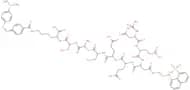




![H-[Cys-Arg-Gly-Asp-Lys-Gly-Pro-Asp-Cys]-NH2](/_next/image/?url=https%3A%2Fstatic.cymitquimica.com%2Fproducts%2F3D%2Fthumb-webp%2FRGD-3761-PI.webp&w=3840&q=75)

![SMAC/DIABLO [Lys(5-FAM)]](/_next/image/?url=https%3A%2Fstatic.cymitquimica.com%2Fproducts%2F3D%2Fthumb-webp%2FCRB1100325.webp&w=3840&q=75)




![[5-TAMRA]/[Lys(BHQ-2)] Ubiquitin](/_next/image/?url=https%3A%2Fstatic.cymitquimica.com%2Fproducts%2F3D%2Fthumb-webp%2FCRB1101610.webp&w=3840&q=75)
![[5-TAMRA]-ATIA agonist [sar1, Ile4, Ile8]](/_next/image/?url=https%3A%2Fstatic.cymitquimica.com%2Fproducts%2F3D%2Fthumb-webp%2FCRB1100566.webp&w=3840&q=75)

![[FITC]-C7](/_next/image/?url=https%3A%2Fstatic.cymitquimica.com%2Fproducts%2F3D%2Fthumb-webp%2FCRB1101182.webp&w=3840&q=75)
![GIP (1-42)-[C] human](/_next/image/?url=https%3A%2Fstatic.cymitquimica.com%2Fproducts%2F3D%2Fthumb-webp%2FCRB1000509.webp&w=3840&q=75)
![[Tyr0]-Apelin-13](/_next/image/?url=https%3A%2Fstatic.cymitquimica.com%2Fproducts%2F3D%2Fthumb-webp%2FCRB1001645.webp&w=3840&q=75)

![Protein AMBP [279-290]](/_next/image/?url=https%3A%2Fstatic.cymitquimica.com%2Fproducts%2F3D%2Fthumb-webp%2FPP50808.webp&w=3840&q=75)


![ACTH (1-24) -[5-FAM]](/_next/image/?url=https%3A%2Fstatic.cymitquimica.com%2Fproducts%2F3D%2Fthumb-webp%2FCRB1100515.webp&w=3840&q=75)
![C-Terminal Sortagging-[Lys(Biotin]](/_next/image/?url=https%3A%2Fstatic.cymitquimica.com%2Fproducts%2F3D%2Fthumb-webp%2FCRB1000649.webp&w=3840&q=75)
![[MCA]/[Lys(Dnp)]-CoV Main Protease (Mpro) Substrate](/_next/image/?url=https%3A%2Fstatic.cymitquimica.com%2Fproducts%2F3D%2Fthumb-webp%2FCRB1001503.webp&w=3840&q=75)

![C-Terminal Sortagging-AAA-[Lys(Biotin]](/_next/image/?url=https%3A%2Fstatic.cymitquimica.com%2Fproducts%2F3D%2Fthumb-webp%2FCRB1000650.webp&w=3840&q=75)

![Histone H3 (1-20)-[S]-Biotin](/_next/image/?url=https%3A%2Fstatic.cymitquimica.com%2Fproducts%2F3D%2Fthumb-webp%2FCRB1000542.webp&w=3840&q=75)