Peptidi
I peptidi sono catene corte di amminoacidi legate da legami peptidici, che svolgono ruoli chiave come molecole biologiche importanti nei processi cellulari. Funzionano come ormoni, neurotrasmettitori e molecole di segnalazione, e sono ampiamente utilizzati in applicazioni terapeutiche e diagnostiche. I peptidi sono anche cruciali nella ricerca per lo studio delle interazioni proteiche, delle attività enzimatiche e dei percorsi di segnalazione cellulare. Presso CymitQuimica, offriamo una vasta selezione di peptidi di alta qualità per supportare le vostre esigenze di ricerca e sviluppo in biotecnologia e farmacologia.
Sottocategorie di "Peptidi"
Trovati 30311 prodotti di "Peptidi"
Ordinare per
Purezza (%)
0
100
|
0
|
50
|
90
|
95
|
100
SARS-CoV-2 NSP7 (31-45)
<p>SARS-CoV-2 NSP7 is part of the RNA-dependent RNA polymerase heterotetramer for mediating coronavirus RNA synthesis. NSP7 and NSP8 form a channel to confer processivity on RNA polymerase. NSP7 aids in stabilising NSP12 regions involved in RNA binding and is essential for a highly active NSP12 polymerase complex. These factors make NSP7 a good target for developing new antiviral drugs. In addition, the identification of epitopes within the NSP7 sequence can help design more effective SARS-CoV-2 vaccines.Models have predicted epitopes exhibiting antigenicity, stability and interactions with MHC class-I and class-II molecules. NSP7 (31-45) is an epitope candidate with various HLA restrictions. This epitope can be used to better vaccine design for more durable CD4+ and CD8+ T cell responses for long-lasting immunity.</p>Peso molecolare:1,709.9 g/molDOTA-(Tyr3)-octreotate Acetate Salt
<p>DOTA-conjugated somatostatin analogue for labelling with radiometals such as gallium-67 or gallium-68, indium-111, and yttrium-90. Known as DOTA-TATE, this is a useful tool in receptor-mediated tumour imaging and peptide receptor-targeted radionuclide therapy. Binding of DOTA-TATE is detected by scintigraphy even at low level. The high expression of somatostatin receptors allows their successful use as radiolabelled octreotide analogues for tumour tracing in nuclear medicine. Binding of DOTA-TATE can occur at sights of inflammatory or immunologic diseases where increased lymphocyte binding is occurring.A few radioligands have been applied on the basis of peptide receptor recognition in the past. However, an optimal radiopeptide for receptor-targeted radionuclide therapy has yet to be achieved. Ongoing developments may result in peptides more suitable for this kind of receptor-targeted radionuclide therapy. Further work with this DOTA-TATE could provide that vital inroad.</p>Peso molecolare:1,434.6 g/molIGRP Catalytic Subunit-related Protein (206-214)
<p>Peptide corresponding to residues 206-214 of murine islet-specific glucose-6-phosphatase catalytic subunit-related protein (IGRP), the autoantigen targeted by pathogenic CD8+ T cells in non obese diabetic (NOD) mice. Cells that recognize IGRP(206-214) are present in the earliest islet infiltrates of NOD mice and undergo avidity maturation as islet inflammation progresses to overt disease.</p>Peso molecolare:1,094.6 g/molAlloferon 1
<p>Alloferon 1, a member of the Alloferons is extracted from the blood of experimentally infected Callifora vicina fly and demonstrates both antimicrobial and anti-tumour activity . The Alloferons are bioactive, cationic peptides and exhibit the ability to stimulate Natural Killer cell activity and IFN synthesis. Due to studies investigating the effect Alloferon 1 would have on the central nervous system it was shown that Alloferon 1 had no toxic effects and therefore has the potential to be used as an anti-tumour therapeutic.</p>Colore e forma:PowderPeso molecolare:1,264.6 g/molSuc-LLVY-[Rh110]-[D-Pro]
<p>Fluorogenic substrate peptide of the 20S proteasome. In its intact state this peptide is non-fluorescent, however when Rhodamine fluorophore is released upon hydrolysation, fluorescence can be detected. This peptide is therefore a useful tool for analysing the activity of the 20S proteasome as well as other chymotrypsin-like proteases and calpains. This peptide is also a substrate for chymase, papain, carboxypeptidase Y, proteinase yscE (kexin) and ingensin.The presence of the D-proline residue on the C terminal of the rhodamine molecule ensures one directional rhodamine cleavage which simplifies fluorescence studies. Rhodamine 110 is a laser grade fluorescent dye with excitation maxima at 496 nm and emission maxima at 522 nm.</p>Peso molecolare:1,015.5 g/molBiotin-TAT (47-57)
<p>Biotin-Tat (47-57) is a cell penetrating cationic peptide derived from the N-terminus of the Tat protein, which is a trans-activator of the transcription protein present in the human immunodeficiency virus (HIV). Specifically Biotin-TAT (47-57) is located within the arginine-rich basic domain 48-60 of the TAT peptide which as a whole has three domains which function to aid HIV through transactivation, DNA binding and nuclear transport. As a cell penetrating peptide (CPP) TAT aids in the cellular uptake of molecules and hence serves a valuable purpose in transduction methods. This property has been demonstrated through its ability of allowing toxins such as the neurotoxin Botulinum neurotoxin Type A, produced by the Clostridium botulinum type A bacteria to penetrate the skin barrier non-invasively. Additionally, Biotin-TAT (47-57) can be used to deliver proteins, fluorophores, chelators and DNA to target cells.This peptide contains a covalently bonded N-terminal Biotin tag that can be used for detection and purification.</p>Peso molecolare:1,786.13 g/molAngiotensin II Antipeptide
<p>An angiotensin II (Ang-II) receptor antagonist, the sequence of the angiotensin II anti-peptide has been derived from the anti-sense mRNA complementary to the human Ang-II mRNA. The anti-peptide shares 50% sequence homology with Ang-II and acts to inhibit some of Ang-II's biological activities.Ang-II is a key signalling peptide of the renin angiotensin system (RAS), which is involved in regulating blood pressure, cardiovascular function and energy balance. RAS activity is elevated in obesity and is widely studied in relation to lifestyle-related diseases. Ang-II is produced from angiotensinogen (AGT) via the intermediate angiotensin I (Ang-I). AGTis cleaved by the aspartyl-protease, renin, to produce Ang-I, which is then cleaved by the dicarboxyl-peptidase angiotensin converting enzyme (ACE). ACE removes a histidine and a leucine, from the C-terminus of Ang-I to form Ang-II.Ang-II exerts its affect by binding to the G-protein-coupled receptors- Ang II type 1 (AT1) and Ang II type 2 (AT2) receptors. Ang-II plays central roles in glucose metabolism and blood pressure. Increased levels of Ang-II have also been associated with Alzheimer's disease, and certain cancers including oesophageal squamous cell carcinoma (ESCC), brain cancers and breast cancer. The effects of Ang-II appear to be supressed by another branch of the RAS- the ACE2/Ang-(1-7)/Mas pathway.</p>Peso molecolare:898.5 g/molSteroid Receptor Coactivator-1 (SRC-1) (686-700)
<p>There are three members of the p160 family of steroid receptor coactivators, SRC-1, SRC-2, and SRC-3. These steroid receptor coactivators control the functional output of numerous genetic programs and serve as pleiotropic rheostats for diverse physiological processes. Coactivator proteins interact with nuclear receptors in a ligand-dependent manner and augment transcription.</p>Peso molecolare:1,770 g/molClick MAP
<p>Cell penetrating peptides (CPP) are a useful tool for drug delivery, but their cell-specific uptake is still being improved. Work with the model amphipathic peptide (MAP) has been important in this field. CPP MAP is an amphipathic α-helix and has been well characterised for its ability to spontaneously permeate the cell membrane by interacting with the lipid bilayer. As a CPP, MAP causes increased membrane permeability and a degree of cell leakage. MAP is being extensively studied to optimise drug delivery in numerous cell lines with the target of creating a viable clinical method. Interestingly, the CPP function of MAP also provides it with bactericidal properties by effecting the membrane permeability. MAP is a potent antimicrobial peptide (AMP) against gram negative Neisseria meningitidis, the pathogen of meningococcal disease.MAP is provided here with a N-terminal alkyne attachment. Two of the most regularly encountered functional groups for click chemistry are azides and alkynes, and the azide-alkyne cycloaddition has become the most popular click reaction. The use of click chemistry with alkyne-MAP allows a wide variety of applications particularly for conjugation, modification, and peptide design.</p>Colore e forma:PowderPeso molecolare:2,234.8 g/molHistatin-5
<p>Histatins are histidine rich cationic peptides produced in salivary glands and released into the saliva. The main histatins that make up more than 80% of histatins in saliva are histatin 1, histatin 3 and histatin 5. There are two histatin genes, one which encodes histatin 1, and one that encodes histatin 3, all other histatins are derivatives of these two histatins. Histatin 3 is a precursor of histatin 5, each with distinct roles.Histatin 5 is considered an antimicrobial peptide (AMP) as it has antibacterial activity as has been shown against opportunist infections such as P. aeruginosa, E. coli, and S. aureus. Histatin 5 also has potent anticandidal activity for example against Candida and Leishmania, it is shown to be the strongest antifungal of the histatins. The antifungal activity functions by invasion of the microbe and entry to the mitochondria, histatin 5 then inhibits ATPase activity resulting in rapid depletion and ultimately bacterial cell death/apoptosis. As a salivary peptide, it inhibits Bacteroides gingivalis proteinase clostripain and protease activity microbe implicated in periodontal disease.</p>Colore e forma:PowderPeso molecolare:3,036.29 g/molGLP-1 (7-36) amide
CAS:<p>This is an incretin hormone that causes glucose dependent release of insulin by pancreatic beta cells. It is the cleavage product of GLP-1 (1-36) amide peptide. This peptide, human GLP-1 (7–36), shares the same sequence with preproglucagon (78-107), amide, human.</p>Formula:C149H226N40O45Colore e forma:PowderPeso molecolare:3,297.63 g/molFluorescein HLA-A*02:01 HBV core (18-27)
<p>HLA-A*02 is a class I major histocompatibility complex (MHC) allele which is part of the HLA-A group of human major histocompatibility complex (MHC) leukocyte antigens (HLA), found at the HLA-A locus. HLA-A is one of three major types of human MHC class I cell surface receptors. The receptor is a heterodimer, and is composed of a heavy alpha chain and smaller β chain. MHC Class I molecules such as HLA-A are part of a process that presents short polypeptides to the immune system. These polypeptides are typically 7-11 amino acids in length and originate from proteins being expressed by the cell. Cytotoxic T cells in the blood "read" the peptide presented by the complex and should only bind to non-self peptides. If binding occurs, a series of events is initiated culminating in cell death via apoptosis. This peptide corresponds to the Hepatitis B variant (HBV) core sequence which is presented on the MHC class I antigen HLA-A*02 and contains fluorescein, a widely used flourescent dye.</p>Peso molecolare:1,537.6 g/mol[5-FAM]-EB1
<p>EB1 is a penetratin analogue that was synthesised to be an endosomolytic cell penetrating peptide (CPP). Certain amino acids in the penetratin sequence were replaced with histidine to encourage formation of an alpha helix upon protonation in the acidic endosomes. As a CPP, EB1 has been shown to form a strong interaction with the phospholipid bilayer during insertion with rapid cellular uptake, there is a moderate amount of cell leakage and no significant cytotoxicity. EB1 is provided here as a C-terminal amide with a N-terminal 5-carboxyfluorescein (5-FAM), a widely used green fluorescent tag often preferred due to its high stability absorbance 492 (nm), 518 emission (nm).</p>Peso molecolare:3,458.07 g/molAc-TTAI-NH2
<p>AAT is a highly abundant serine protease inhibitor primarily produced in the liver to protect the lung tissue. However, misfolding of AAT can result in significant liver disease, lung disease, and cancers. Defective AAT is characteristic of the misfolding protein diseases known as serpinopathies.Ion mobility mass spectrometry (IM-MS) was used to identify Ac-TTAI-amide as a ligand effecting α1-antitrypsin stability. Interaction of Ac-TTAI-amide with AAT results in increased stability and reduced polymerisation. Thus Ac-TTAI-amide is a useful target for further research in to serpinopathy management.</p>Colore e forma:PowderPeso molecolare:445.3 g/molH-VASSGLQSVVHR^-OH
Peptide H-VASSGLQSVVHR^-OH is a Research Peptide with significant interest within the field academic and medical research. This peptide is available for purchase at Cymit Quimica in multiple sizes and with a specification of your choice.AH1 Sequence (6-14)
<p>The AH1 peptide is a H2-Ld-restricted epitope derived from the sequence of the gp70 envelope protein of the ecotropic mammalian C-type retrovirus, murine leukaemia virus (MuLV, emv-1).The envelope gene products of MuLV are expressed in a variety of tumour cells, including B16 melanoma, lymphomas and leukaemia's. AH1 peptide is a tumour-associated antigen and is highly expressed on CT26 and C51 tumour cells.</p>Colore e forma:PowderPeso molecolare:1,126.5 g/mol4-Fluorobenzoyl-A20FMDV2
<p>A20FMDV2, a peptide derived from the foot and mouth disease virus, inhibits the epithelial-specific integrin alphavβ6 and here is labelled with 4-fluorobenzoyl as the light version of the PET ligand 4-[18F]Fluorobenzoyl A20FMDV2 which can be used for in vivo imaging.</p>Peso molecolare:2,283.3 g/molbeta-Amyloid (1-15) human
<p>Amino acids 1-15 of β-amyloid protein (Aβ), this fragment represents one of many short Aβ species found in vivo and is formed by the cleavage of amyloid β precursor protein by β- and α-secretase.Aβ has been identified as the key subunit of the extracellular plaques found in the brains of patients with Alzheimer disease (AD) and Down syndrome (DS). Aβ has therefore been extensively studied as a potential target for treatment of AD.Aβ is formed from the cleavage of the large, transmembrane protein- APP (amyloid precursor protein). Cleavage of APP by β- and then γ-secretases results in the formation of Aβ. Aβ can aggregate to produce amyloid-β oligomers, which are thought to be highly neurotoxic. Over time Aβ can further aggregate to produce the characteristic senile plaques present in AD and DS. Aβ can be degraded by enzymes such as neprilysin, insulin degrading enzyme or endothelin converting enzyme. At physiological levels Aβ may be involved in controlling synaptic activity and neuronal survival.</p>Peso molecolare:1,325.3 g/molTAT (47-57)
CAS:<p>Tat (47-57) is a cell penetrating cationic peptide derived from the N-terminus of the Tat protein, which is a trans-activator of the transcription protein present in the human immunodeficiency virus (HIV). Specifically TAT (47-57) is located within the arginine-rich basic domain 48-60 of the TAT peptide which as a whole has three domains which function to aid HIV through transactivation, DNA binding and nuclear transport. As a cell penetrating peptide (CPP) TAT aids in the cellular uptake of molecules and hence serves a valuable purpose in transduction methods. This property has been demonstrated through its ability of allowing toxins such as the neurotoxin Botulinum neurotoxin Type A, produced by the Clostridium botulinum type A bacteria to penetrate the skin barrier non-invasively. Additionally TAT (47-57) can be used to deliver proteins, fluorophores, chelators and DNA to target cells.</p>Formula:C64H118N32O14Colore e forma:PowderPeso molecolare:1,559.83 g/molSuc-LLVY-[AMC]
<p>Fluorogenic substrate peptide of the 20S proteasome. In its intact state this peptide is non-fluorescent, however when aminomethylcoumarin (AMC) is released upon hydrolysation, fluorescence can be detected. This peptide is therefore a useful tool for analysing the activity of the 20S proteasome as well as other chymotrypsin-like proteases and calpains. This peptide is also a substrate for chymase, papain, carboxypeptidase Y, proteinase yscE (kexin) and ingensin.AMC is a fluorescent dye with excitation maxima at around 360 nm and emission maxima at around 450 nm. AMC can be excited with a mercury lamp and observed using a UV filter set.</p>Colore e forma:PowderPeso molecolare:763.4 g/molAcrAP1
<p>Venom peptidomes and proteomes have yielded significant novel drug discoveries. The non-disulphide bridge peptides (NDBPs) have become a particular focus due to their large range of structures as well as biological activity while retaining high specificity.In scorpion venom A. crassicauda, AcrAP1 was identified as a NDBP. Data shows it has antimicrobial activity against bacteria and yeast while also capable of haemolysing of horse erythrocytes. However, AcrAP1 did not affect the growth of the cancerous cell lines tested. Therefore, this peptide could be a useful model for modification to improve its potency. Furthermore, it may allow researchers to identify specific targets in disease pathways for new drug designs. A significant example of this, bradykinin-potentiating peptide Captopril® manages hypertension and originated from the conserved NDBP family.</p>Peso molecolare:1,961.35 g/molHeart-homing peptide
<p>The pathology of cardiovascular disease (CVD) is linked to the health of endothelial cells in the heart.- However, the specific characteristics of the cardiovascular endothelial cells are still being uncovered. The heart homing peptide specifically binds to a receptor on cardiovascular endothelial cells. This peptide can be used as a conjugate to deliver molecules specifically to the heart. This can be a crucial tool in therapeutic drug delivery for CVD, angiogenesis, and thrombosis.</p>Peso molecolare:627.3 g/molACT1
<p>α-connexin carboxyl terminal peptide that specifically targets and maintains Cx43 at gap junction sites between cell-cell membrane borders of breast cancer cell.- Thus it augments gap junction activity and impairs proliferation and survival of breast cancer cells with no effect on non-transformed cells.</p>Peso molecolare:3,255.8 g/molHistone H3 (1-20) K4Me3-GG-[Lys(5-FAM)]
<p>Histone H3 (1-20) K4Me3-GG-[Lys(5-FAM)] is derived from Histone 3 (H3) which is one of the four core histones (H2A, H2B, H3 and H4) fundamental in compacting eukaryotic DNA into the nucleosome. The nucleosome arises when 147 base pairs of DNA wrap around a H3-H4 tetramer and two H2A-H2B dimers, forming the histone octamer core. Both H4 and H3 are highly conserved and perform roles in binding to segments of DNA which enter and leave the nucleosome and in chromatin formation. Similar to the other core histone, H3 has a globular domain and a flexible N-terminal domain, 'histone tail' which can undergo modifications such as acetylation, methylation, phosphorylation and ubiquitination. Due to histones containing a large number of lysine and arginine residues they have a positive net charge which interacts in an electrostatic manner with the negatively charged phosphate groups in DNA. The transcriptional activation or silencing of the chromatin is controlled by ATP-dependent chromatin remodelling factors and histone modifying enzymes which target histone proteins. Both processes function to alter the positioning of the nucleosome, allowing the DNA it to be either available or inaccessible to the transcription machinery.The lysine at position 4 of this peptide has been tri-methylated and it is implicated in studies that this modification may remodel the chromatin so that it is more accessible to transcription factors, which may ultimately increase the level of gene expression.Additionally, Histone H3 (1-20) K4Me3-GG-[Lys(5-FAM)] has a C-terminal GKK linker labelled with 5-Carboxyfluorescein (5-FAM), a widely used green fluorescent tag. This peptide also has an uncharged C-terminal amide.</p>Peso molecolare:2,824.5 g/molOsteogenic Growth Peptide (OGP)
<p>Osteogenic Growth Peptide (OGP) is derived from the C-terminal sequence ALKRQGRTLYGFGG of Histone H4. This 14-aa peptide is produced from alternative translation of Histone H4 mRNA.</p>Colore e forma:PowderPeso molecolare:1,522.8 g/molClick Pip1
<p>Delivery of peptide nucleic acid (PNA) oligonucleotides to targeted cells is becoming a viable therapeutic strategy by redirecting RNA splicing for conditions like Duchenne muscular dystrophy (DMD). The use of novel cell-penetrating peptides (CPP) has helped create targeted, and increased activity of the PNAs delivered.PNA internalization peptides (Pip) is a specifically designed CPP for conjugation to PNAs. Pips were designed to improve PNA activity observed in HeLa cells determined by splicing redirection assays and increased serum stability determined by mass spectrometry. Of the Pip series, Pip1 enters the cell in an energy-dependent manner, primarily via clathrin-dependent endocytosis. Pip1 conjugated to a PNA was determined to be well transported into the cell but is not the most stable against proteolysis. However, this may benefit some cargo depending on the intracellular destination. As a CPP for DMD, the proteolysis of Pip1 was deemed an issue but showed promise for other conjugates in HeLa cells.Pip1 is labelled at the N-terminus with an alkyne attachment for ease of reaction with an opposite Click reactive partner (azide). Azide-alkyne cycloaddition has become the most popular Click reaction. Alkyne-Pip1 allows various applications, particularly for protein conjugation, modification, and drug delivery.</p>Colore e forma:PowderPeso molecolare:3,243 g/molLeu-AFC.HCl
<p>Aminopeptidase fluorogenic substrate. Upon cleavage of the bond between leucine and the 7-amino-4-trifluoromethylcoumarin (AFC) group an increase in fluorescence between 495-505nm can be detected using an excitation wavelength of 395-400nm.</p>Peso molecolare:378.77 g/mol[5-FAM]-RKOpep
<p>Peptide identified through phage display that binds to colorectal cancer cell line RKO cells, as well as other cancer cells including Caco-2, HCT 116 and HCT-15, but not to normal cells, possibly through targeting the monocarboxylate transporter 1, which has been implicated in colorectal cancer progression and prognosis. It contains 5-carboxyfluorescein (5-FAM), a widely used green fluorescent tag.</p>Peso molecolare:1,278.4 g/molAYPGFK Protease-Activated Receptor-4 (PAR-4)
<p>Protease activated receptors (PARs) are a distinctive four-member family of seven transmembrane G protein-coupled receptors (GPCRs) widely expressed in inflammatory cells. PARs are cleaved by certain serine proteases to expose a tethered ligand domain, this ligand domain then binds to and activates the receptors to initiate multiple signalling cascades. These PAR-activating proteases therefore represent PAR agonists. This PAR-4 agonist peptide represents the N-terminal sequence of the 'tethered ligand' and is therefore capable of activating the receptor independently of N-terminal proteolysis.</p>Peso molecolare:680.4 g/molACTH (1-39) Human
<p>Human adrenocorticotropic hormone (ACTH) also known as corticotropin. ACTH is a tropic hormone produced and secreted by the anterior pituitary gland and member of the melanocortins peptide family. ACTH is cleaved from the precursor proopiomelanocortin (POMC). ACTH is an important component of the hypothalamic-pituitary-adrenal (HPA) axis and is often produced in response to biological stress. ACTH acts to increase the production and release of cortisol via its interaction with the ACTH receptor ACTHR, also known as melanocortin type 2 receptor (MC2R). Receptor activation increases the intracellular concentration of cAMP via adenylyl cyclase.Abnormal ACTH levels in the body has been linked to primary adrenal insufficiency/Addison's disease, Cushing's disease and secondary adrenal insufficiency</p>Colore e forma:PowderPeso molecolare:4,541.07 g/mol[5-FAM]-Galanin (2-30)-[Cys] (Human)
<p>Galanin is predominantly an inhibitory neuropeptide expressed in humans and other mammals' brains, spinal cords, and gut. Galanin signalling occurs through three G protein-coupled receptors. The functional role of galanin remains largely unknown- however, galanin is predominantly involved in the modulation and inhibition of neuron action potentials. Galanin has been implicated in many biologically diverse functions, including nociception, waking and sleep regulation, cognition, feeding, mood regulation and blood pressure regulation. Galanin appears to have neuroprotective activity as its biosynthesis is increased 2-10 fold upon axotomy and during seizure activity in peripheral tissues and the brain.The clinical relevance of galanin is related to several chronic neural disorders, including Alzheimer's disease, epilepsy, depression and cancer those who suffer from type 2 diabetes mellitus, depression and Alzheimer's disease often express high levels of galanin. Conversely, intervention with galanin agonists (for example, M617, M1145 and M1153) manifests anti-insulin resistance and anti-Alzheimer's disease characteristics and ameliorates or reinforces depression-like behaviour. Specifically, activation of GAL2 can alleviate such disease features in human and rodent models. This galanin (2-30) peptide has been used to characterise Galanin's binding sites and affinity for GALR receptors via competition binding analysis. Galanin (2-30) is a full agonist of the GALR2 receptor compared to its affinity for GALR1.Galanin (2-30) is provided with an N-terminal 5-FAM, a widely used green fluorescent reagent ideal for peptide labelling and detection and a C-terminal cysteine for site-specific conjugation. The excitation/emission for this reagent is 490 nm/520 nm.</p>Colore e forma:PowderPeso molecolare:3,558.6 g/molHistone H3 (1-18)
<p>Histone H3 (1-18) is derived from Histone 3 (H3) which is one of the four core histones (H2A, H2B, H3 and H4) fundamental in compacting eukaryotic DNA into the nucleosome. The nucleosome arises when 147 base pairs of DNA wrap around a H3-H4 tetramer and two H2A-H2B dimers, forming the histone octamer core. Both H4 and H3 are highly conserved and perform roles in binding to segments of DNA which enter and leave the nucleosome and in chromatin formation. Similar to the other core histone, H3 has a globular domain and a flexible N-terminal domain 'histone tail' which can undergo modifications such as acetylation, methylation, phosphorylation and ubiquitination. Due to histones containing a large number of lysine and arginine residues they have a positive net charge which interacts in an electrostatic manner with the negatively charged phosphate groups in DNA. The transcriptional activation or silencing of the chromatin is controlled by ATP-dependent chromatin remodelling factors and histone modifying enzymes which target histone proteins. Both processes function to alter the positioning of the nucleosome, allowing the DNA it to be either available or inaccessible to the transcription machinery.</p>Colore e forma:PowderPeso molecolare:1,942.23 g/molHistone H3 (1-20) K4Me3
<p>Histone H3 (1-20) K4Me3 is derived from Histone 3 (H3) which is one of the four core histones (H2A, H2B, H3 and H4) fundamental in compacting eukaryotic DNA into the nucleosome. The nucleosome arises when 147 base pairs of DNA wrap around a H3-H4 tetramer and two H2A-H2B dimers, forming the histone octamer core. Both H4 and H3 are highly conserved and perform roles in binding to segments of DNA which enter and leave the nucleosome and in chromatin formation. Similar to the other core histone, H3 has a globular domain and a flexible N-terminal domain, 'histone tail' which can undergo modifications such as acetylation, methylation, phosphorylation and ubiquitination. Due to histones containing a large number of lysine and arginine residues they have a positive net charge which interacts in an electrostatic manner with the negatively charged phosphate groups in DNA. The transcriptional activation or silencing of the chromatin is controlled by ATP-dependent chromatin remodelling factors and histone modifying enzymes which target histone proteins. Both processes function to alter the positioning of the nucleosome, allowing the DNA it to be either available or inaccessible to the transcription machinery.Lysine 4 of H3 (1-20) has been tri-methylated.</p>Colore e forma:PowderPeso molecolare:2,224.3 g/mol[Azhx]-[Lys(Mca)]-P11-8
<p>The P11-family of peptides comprises over 20 different peptides which self-assemble into β-sheet structures to form self-supporting isotropic hydrogels under physiological conditions (pH 7.4, 140 mM NaCl). Self-assembling peptides of the P11-family undergo one-dimensional self-assembly, forming single molecule thick, micrometer-long β-sheet nanotapes. Further assembly results in the nanotapes stacking in pairs to form ribbons which further assemble to form fibrils, then pairs of fibrils can entwine to form fibres. Such self-assembling peptides are important biomaterials and may be useful for the development of novel biomaterials for tissue engineering scaffolds and dental enamel remineralisation.</p>Peso molecolare:2,151.1 g/molSOD1 (147-153) human
<p>The SOD1 homodimer forms a β-barrel and contains an intramolecular disulphide bond and a binuclear Cu/Zn site in each subunit. This Cu/Zn site holds a copper and zinc ion and is responsible for catalysing the disproportionation of ROS, namely superoxide to hydrogen peroxide and dioxygen. In binding to copper and zinc ions, SOD1 is one of three superoxide dismutases responsible for destroying free superoxide radicals.The clinical relevance of SOD1 is related to its function in regulating ROS in the mitochondria of cells. Most notably, SOD1 is a crucial enzyme involved in ROS release during oxidative stress by ischemia-reperfusion injury, specifically in the myocardium as part of ischemic heart disease. During ischemia reperfusion, ROS release substantially contribute to the cell damage and death via a direct effect on the cell as well as via apoptotic signals. SOD1 is known to have a capacity to limit the detrimental effects of ROS. As such, SOD1 is important for its cardioprotective effects.</p>Peso molecolare:656.4 g/molSpexin 2 (53-70) Human, Mouse, Rat
<p>Spexin is a neuropeptide encoded by SPX genes, and homologs have been found amongst many vertebrates. The SPX genes encode a preprohormone that leads to the mature hormone spexin, which is highly conserved amongst higher vertebrates. Another form, SPX2, has been identified and named spexin 2. Both sequences of spexin and spexin 2 are highly conserved, suggesting they each play vital roles.Like spexin, spexin 2 is widely expressed in various tissues. This is an amidated spexin-2 (53-70) peptide showing similar biological function to its non- amidated version. Spexin-2, when administered to rats, decreases heart rate and increases urine flow rate. Intraventricular NPQ(53-70) delivery also causes antinociceptive activity in mice's warm water tail withdrawal assay.</p>Peso molecolare:2,158.1 g/molBiotin gliadin-derived peptide
<p>Biotin gliadin-derived peptides derived from Gliadin peptides, the component of wheat involved in the gastrointestinal symptoms of wheat allergy and Celiac Disease (CD). During wheat allergies histamines and leukotrienes are secreted due to gliadin peptide sequences cross-linking two IgE molecules on mast cells and basophils.The glutamine and proline rich peptides of which Gliadin is composed of are resistant to proteolysis during digestion, leaving them active in the gastrointestinal tract. Subsequently these are deamidated by tissue transglutaminase and can bind to HLA-DQ2 or DQ8. As a result in patients with the autoimmune disease CD, there is a Th-mediated inflammatory immune response against these gliadin peptides.Gliadin can exert additional effects on the intestinal microbiota and ileal barrier function. It has been found that gut microbiota members such as Bifidobacterium and lactobacillus have the ability to digest and inactivate gliadin peptides hence reducing their inflammatory effects in the gastrointestinal system.Here Biotin (B7) has been added. Biotin is a cofactor for several mammalian biotin-dependent carboxylases which are involved in processes such as gluconeogenesis, amino acid metabolism and fatty acid synthesis.</p>Colore e forma:PowderPeso molecolare:1,564.7 g/molPMX 205
<p>C5a receptor peptide antagonist which can ameliorate experimentally-induced colon inflammation in mice. It can also reduce fibrillar amyloid deposits, decrease hyperphosphorylated tau levels and rescue cognitive function in a mouse model of Alzheimer's Disease. Also improves hindlimb grip strength and slows disease progression in the hSOD1G93A-mouse model of amyotrophic lateral sclerosis. Orally active and brain penetrant.</p>Peso molecolare:838.5 g/mol[TAMRA]-beta-Amyloid (1-15) Human
<p>Amyloid β 1-15 (Aβ1-15) is one of many short Aβ species found in vivo and is formed by the cleavage of amyloid β precursor protein by β- and alpha-secretase.Aβ has been identified as the key subunit of the extracellular plaques found in the brains of patients with Alzheimer's disease (AD) and Down's syndrome (DS). Aβ has therefore been extensively studied as a potential target for treatment of AD.Aβ is formed from the cleavage of the large, transmembrane protein- APP (amyloid precursor protein). Cleavage of APP by β- and then γ-secretases results in the formation of Aβ. Aβ can aggregate to produce amyloid-β oligomers, which are thought to be highly neurotoxic. Over time Aβ can further aggregate to produce the characteristic senile plaques present in AD and DS. Aβ can be degraded by enzymes such as neprilysin, insulin degrading enzyme or endothelin converting enzyme. At physiological levels Aβ may be involved in controlling synaptic activity and neuronal survival.Contains an N-terminal Carboxytetramethylrhodamine (TAMRA) fluorophore. TAMRA is a pH-stable orange-red fluorescenct dye with good photostability.</p>Peso molecolare:2,237.9 g/molIRBP (161-180)
CAS:<p>IRBP (161-180) derived from the interphotoreceptor retinoid-binding protein (IRBP), present in the interphotoreceptor matrix and is expressed by cone and rod photoreceptors in the eye. IRBP is involved in retinoid delivery and protects retinal cells from oxidative stress.In retinitis pigmentosa patients, IRBP can be subjected to mutations resulting in a non-secreted form of IRBP to be produced. Furthermore IRBP gene mutations have been associated with high myopia and retinal dystrophy.The expression of IRBP is reduced in diabetes patients which may lead to visual cycle misfunction and the photoreceptors can be vulnerable to damage.</p>Formula:C103H157N25O29Colore e forma:PowderPeso molecolare:2,209.5 g/molSARS-CoV-2 NSP13 (466-480)
<p>The SARS-CoV-2 non-structural protein 13 (NSP13) has been identified as a target for anti-viral therapeutics due to its highly conserved sequence and is essential for viral replication. NSP13 is part of the helicase superfamily 1B. As an NTPase and RNA helicase, NSP13 binds to RNA-dependent RNA polymerase and acts in concert with the replication-transcription complex to stimulate backtracking and further activate NSP13 helicase activity. These factors make NSP13 a good target for developing new antiviral drugs. In addition, the identification of epitopes within the NSP13 sequence can help design more effective SARS-CoV-2 vaccines.Models have predicted epitopes exhibiting antigenicity, stability and interactions with MHC class-I and class-II molecules. NSP13 (466-480) is an epitope candidate with various predicted HLA restrictions. This epitope can be used to better vaccine design for more durable CD4+ and CD8+ T cell responses for long-lasting immunity.</p>Peso molecolare:1,763.9 g/molAcrAP2
<p>Venom peptidomes and proteomes have yielded significant novel drug discoveries. The non-disulphide bridge peptides (NDBPs) have become a particular focus due to their large range of structures as well biological activity while retaining high specificity.AcrAP2 was identified as a NDBP in A. crassicauda within highly conserved family of proteins. Data shows it has antimicrobial activity against bacteria and yeast while also capable of haemolysing horse erythrocytes. However, AcrAP2 did not affect the growth of cancerous cell lines tested. Therefore, this peptide could be a useful model for modification to improve its potency. Furthermore, it may allow researchers to identify specific targets in disease pathways for new drug designs. A significant example of this, bradykinin-potentiating peptide Captopril® manages hypertension and originated from the conserved NDBP family.</p>Formula:C95H146N20O22Peso molecolare:1,938.31 g/molFFW
<p>Sal-like4 (SALL4) derived peptide able to antagonise the SALL4-NuRD complex in hepatocellular carcinoma, turning SALL4 from a dual transcription repressor-activator to a singular transcription activator. Displays antitumour effects in xenograft mouse models.</p>Peso molecolare:1,378.8 g/mol™PRSS4 (199-207) fluorogenic peptide
<p>TMPRSS4 (199-207) fluorogenic peptide</p>Colore e forma:PowderPeso molecolare:1,691.8 g/molClick (AAKK)4
<p>Small peptide design has become of interest to catalyse chemical transformations within the cell. The aim is to generate peptides to enhance the hybridization of attached oligonucleotides to complementary DNA sequences. (AAKK)4 is modelled on the surface of staphylococcal nuclease, it a short cationic lysine-rich peptide that can deliver a nucleophile to DNA or RNA. (AAKK)4 peptide can improve DNA-PNA (peptide nucleic acid) hybridisations dramatically as well as increase strand invasion rate. (AAKK)4 peptide is a non-lipid approach for cell penetration which is preferable for certain cell lines due to cytotoxicity issues. (AAKK)4-antisense conjugates have been used to silence gene expression.(AAKK)4 is provided here with a N-terminal alkyne attachment. Two of the most regularly encountered functional groups for click chemistry are azides and alkynes, and the azide-alkyne cycloaddition has become the most popular click reaction. The use of click chemistry with alkyne-(AAKK)4 allows a wide variety of applications particularly for conjugation, modification, and peptide design.</p>Colore e forma:PowderPeso molecolare:1,690.1 g/molBradykinin
<p>Bradykinins and their associated kinins are inflammatory mediators produced during inflammation. The two main kinins in mammals are the nonapeptide bradykinin, BK (1-9) and the decapeptide kallidin (KD), [Lys0]-BK(1-10). Their biological actions are mediated by two distinct receptors, termed B1 and B2.-BK is involved in several pathophysiological processes, such as inflammation, pain, cell proliferation, and tumours. It plays a crucial role in corneal epithelial cells, corneal stromal cells, and fibroblasts.Inflammation has been reported as one significant hallmark of breast cancer in relation to tumour development, metastasis, and invasion. The bradykinin receptor 1 (B1R) associated with kallidin is highly expressed on inflammatory breast tumour cells thus providing a promising targeting site for tumour recognition and sufficient receptor mediated endocytosis.</p>Peso molecolare:1,059.6 g/molHistone H3 (1-21) K9Me2
<p>Histone H3 (1-21) K9Me2 is derived from Histone 3 (H3) which is one of the four core histones (H2A, H2B, H3 and H4) fundamental in compacting eukaryotic DNA into the nucleosome. The nucleosome arises when 147 base pairs of DNA wrap around a H3-H4 tetramer and two H2A-H2B dimers, forming the histone octamer core. Both H4 and H3 are highly conserved and perform roles in binding to segments of DNA which enter and leave the nucleosome and in chromatin formation. Similar to the other core histone, H3 has a globular domain and a flexible N-terminal domain, 'histone tail' which can undergo modifications such as acetylation, methylation, phosphorylation and ubiquitination. Due to histones containing a large number of lysine and arginine residues they have a positive net charge which interacts in an electrostatic manner with the negatively charged phosphate groups in DNA. The transcriptional activation or silencing of the chromatin is controlled by ATP-dependent chromatin remodelling factors and histone modifying enzymes which target histone proteins. Both processes function to alter to change the positioning of the nucleosome, allowing the DNA it to be either available to the transcription machinery or inaccessible.The Histone H3 (1-21) lysine 9 has been dimethylated.</p>Peso molecolare:2,281.3 g/molMyHC (614-629)
<p>Peptide derived from the myosin heavy-chain (MyHC) proteins which are differentially expressed in mammalian skeletal muscles.</p>Peso molecolare:2,073.40 g/mol[5-FAM]-TAT
<p>[5-FAM]-TAT is a cell penetrating cationic peptide derived from the N-terminus of the Tat protein, which is a trans-activator of the transcription protein present in the human immunodeficiency virus (HIV). Specifically TAT (47-57) is located within the arginine-rich basic domain 48-60 of the TAT peptide which as a whole has three domains which function to aid HIV through transactivation, DNA binding and nuclear transport. As a cell penetrating peptide (CPP) TAT aids in the cellular uptake of molecules and hence serves a valuable purpose in transduction methods. This property has been demonstrated through its ability of allowing toxins such as the neurotoxin Botulinum neurotoxin Type A, produced by the Clostridium botulinum type A bacteria to penetrate the skin barrier non-invasively. Additionally TAT (47-57) can be used to deliver proteins, fluorophores, chelators and DNA to target cells.It contains 5-carboxyfluorescein (5-FAM), a widely used green fluorescent tag.</p>Peso molecolare:2,172.2 g/molbeta-Amyloid (1-16) Human
<p>Amyloid β-peptide (Aβ) has been identified as the key subunit of the extracellular plaques found in the brains of patients with Alzheimer's disease (AD) and Down's syndrome (DS). Aβ has therefore been extensively studied as a potential target for treatment of AD. Aβ is formed from the cleavage of the large, transmembrane protein- APP (amyloid precursor protein). Cleavage of APP by β- and then γ-secretases results in the formation of Aβ. Aβ can aggregate to produce amyloid-β oligomers, which are thought to be highly neurotoxic. Over time Aβ can further aggregate to produce the characteristic senile plaques present in AD and DS. Aβ can be degraded by enzymes such as neprilysin, insulin degrading enzyme or endothelin converting enzyme. At physiological levels Aβ may be involved in controlling synaptic activity and neuronal survival.</p>Peso molecolare:1,955.01 g/molLDVP peptide
<p>The LDVP peptide (CS1), located in the type III connecting segment (V-region) of fibronectin, exhibits cell binding properties thus contributing to the adhesion of fibronectin to other cells.</p>Peso molecolare:442.2 g/molC-Peptide (57-87) human
<p>Proinsulin connecting peptide (C-peptide), links the A and B chains of proinsulin. Upon enzymatic cleavage of C-peptide from pro-insulin in the pancreas, C-peptide is released into the blood stream along with insulin (A- and B-chains bonded together) in equimolar quantities. C-peptide can influence a wide variety of physiological conditions linked to diabetes, such as neuropathy, nephropathy, and encephalopathy. C-peptide is able to ameliorate and reverse the degrading effects of neuropathy in diabetes.</p>Peso molecolare:3,018.5 g/molAcetylated alpha-synuclein (1-7) amide
<p>Acetylated α-synuclein (1-7) amide is derived from the alpha-synuclein intrinsically disordered protein which is found in the neurons and presynaptic terminals. Encoded by the SNCA1/PARK1 gene alpha-synclein is structurally composed of 140 amino acids, making up the three domains: N-terminal membrane binding domain, a hydrophobic non-amyloid-β component domain and a hydrophilic C-terminal domain. Usually alpha-synuclein plays a role in protecting neurons from apoptotic stimuli and is involved in synaptic vesical trafficking.However it has been found that the accumulation of alpha-synuclein aggregates can lead to neurodegenerative diseases such as Parkinson disease, dementia with Lewy bodies and multiple system atrophy. It is further involved in the fibrilisation of amyloid-b and tau which play a major role in Alzheimer disease. Amyloid fibrils are formed from alpha synuclein monomers within the cytosol and when bound to membranes these monomers can undergo conformational changes to form protofibrils and then ring like oligomers. This can result in the formation of transmembrane pores which disrupts the membrane, calcium homeostasis and signalling.Alpha-synuclein can be subjected to the post-translational modifications of phosphorylation and N-terminal acetylation. When acetylation occurs at the N-terminus of an alpha-synuclein monomer, the intramolecular hydrogen bonds are altered thus reducing the rate of alpha-synuclein aggregation and the strength at which it interacts with the membrane is increased.</p>Peso molecolare:867.4 g/molGalanin (1-15) Porcine, Rat
<p>Galanin is a widely distributed neuropeptide in the central nervous system (CNS), peripheral regions and endocrine system. Galanin interacts with 3 receptor subtypes, GalR1-3 G protein-coupled receptors inserted into the plasma membrane. Galanin has a role in energy homeostasis. Central injections of galanin to the amygdala led to food intake in rats. Galanin also acts in the CNS to inhibit neurotransmitter release, such as acetylcholine. Galanin has been implicated in numerous neurological conditions, including Alzheimer's disease, depression, and epilepsy. A better understanding of the galinergic signalling pathways may uncover a source for therapeutics for conditions such as epilepsy.Unlike human galanin, full-length porcine galanin contains only 29 amino acids and is C-terminally amidated. The first 15 residues are still highly conserved. The best-recognized effect of galanin on the endocrine pancreas is the inhibition of insulin secretion in vitro and in vivo on multiple model systems, including rats, dogs, and mice. However, the same effect cannot be achieved at the same concentrations in human models with infusions of porcine galanin. Structural activity and point mutation studies show that the N-terminal (1-15) fragment is vital for the interaction/activation of the GAL receptor and the inhibition of insulin secretion.</p>Peso molecolare:1,554.8 g/molSIVmac239 - 61
Custom research peptide; min purity 95%. For different specs please use the Peptide Quote ToolPeso molecolare:1,912.1 g/molACTH (15-24) Cys
<p>Human adrenocorticotropic hormone (ACTH), also known as corticotropin, is a tropic hormone produced and secreted by the anterior pituitary gland and member of the melanocortins peptide family. ACTH is cleaved from the precursor proopiomelanocortin (POMC). ACTH is an important component of the hypothalamic-pituitary-adrenal (HPA) axis and is often produced in response to biological stress. ACTH acts to increase the production and release of cortisol via its interaction with the ACTH receptor- ACTHR, also known as melanocortin type 2 receptor (MC2R). Receptor activation increases the intracellular concentration of cAMP via adenylyl cyclase.Abnormal ACTH levels in the body has been linked to primary adrenal insufficiency/Addison's disease, Cushing's disease and secondary adrenal insufficiency. ACTH (15-24) has been shown to be a competitive ACTH receptor antagonist and can be used as a method to combat the overproduction of cortisol. Treatment with ACTH (15-24) inhibits activation of a specific melanocortin 2 receptor (MC2R) by inhibiting adrenocorticotropin hormone (ACTH)-induced production of cortisol. ACTH (15-24) is provided here with a C-terminal cysteine residue for conjugation reactions.</p>Peso molecolare:1,371.8 g/molApidaecin IB
<p>Apidaecin IB was isolated from the honeybee Apis mellifera. As a cationic proline-rich antimicrobial peptide (PrAMP), Apidaecin IB shows sequence homology with drosocin but is devoid of any pore-forming activity. Apidaecin IB is most active against gram-negative bacteria, it can navigate the outer membrane to the periplasm and then to the cytoplasm. Apidaecin IB is a non-lytic AMP, the main target of its antimicrobial activity appears to be inhibition of the chaperone heat shock protein DnaK. Toxicity appears to be exclusively to bacteria and thus has been trialled as a treatment for systemic bacterial infections. Numerous analogues and derivatives are being investigated to establish Apidaecin IB mode of action and also to improve its functionality.</p>Formula:C95H150N32O23Colore e forma:PowderPeso molecolare:2,107.42 g/molGag protein (181-189) acetyl/amide [Simian immunodeficiency virus]
<p>Gag peptide, derived from the simian immunodeficiency virus (SIV), is a homologue of the human immunodeficiency virus (HIV) gag protein which interacts with viral components in order to induce the infectious form of the virus. SIV can be used to model HIV.</p>Peso molecolare:1,124.5 g/molHistone H3 (1-20) K4Me3, K9Ac-GG-[Lys(5-FAM)]
<p>Histone H3 (1-20) K4Me3, K9Ac-GG-[Lys(5-FAM)] is derived from Histone 3 (H3) which is one of the four core histones fundamental for compacting eukaryotic DNA into the nucleosome.-Lysine 4 of Histone H3 (1-20) K4Me3, K9Ac-GG-[Lys(5-FAM)] has been tri-methylated, lysine 9 has been acetylated and the C-terminal has been labelled with 5-Carboxyfluorescein (5-FAM), a widely used green, fluorescent tag. Additionally, this peptide contains an uncharged C-terminal amide.LD: Histone H3 (1-20) K4Me3, K9Ac-GG-[Lys(5-FAM)] is derived from Histone 3 (H3) which is one of the four core histones (H2A, H2B, H3 and H4) fundamental in compacting eukaryotic DNA into the nucleosome. The nucleosome arises when 147 base pairs of DNA wrap around a H3-H4 tetramer and two H2A-H2B dimers, forming the histone octamer core. Both H4 and H3 are highly conserved and perform roles in binding to segments of DNA which enter and leave the nucleosome and in chromatin formation. Similar to the other core histone, H3 has a globular domain and a flexible N-terminal domain, 'histone tail' which can undergo modifications such as acetylation, methylation, phosphorylation and ubiquitination. Due to histones containing a large number of lysine and arginine residues they have a positive net charge which interacts in an electrostatic manner with the negatively charged phosphate groups in DNA. The transcriptional activation or silencing of the chromatin is controlled by ATP-dependent chromatin remodelling factors and histone modifying enzymes which target histone proteins. Both processes function to alter the positioning of the nucleosome, allowing the DNA it to be either available or inaccessible to the transcription machinery.The lysine at position 4 of this peptide has been tri-methylated and it is implicated in studies that this modification may remodel the chromatin so that it is more accessible to transcription factors, which may ultimately increase the level of gene expression. The lysine at position 9 has been acetylated, which neutralizes the positive charge on the amino acid, loosening the chromatin structure. This alteration to the accessibility of chromatin promotes the initiation of transcription.Additionally, Histone H3 (1-20) K4Me3, K9Ac-GG-[Lys(5-FAM)] has a C-terminal GKK linker labelled with 5-Carboxyfluorescein (5-FAM), a widely used green fluorescent tag. This peptide also has an uncharged C-terminal amide.</p>Peso molecolare:2,866.5 g/molHistone H1 derived peptide
<p>H1 is the linker histone and is important for chromatin condensation, it binds to the nucleosomal core particles and protects the free linker DNA (ˆ¼20 bp) between each nucleosome. H1 can fine-tune transcription in a locus-specific manner. H1 is involved in several processes, its interaction partners include: pre-mRNA splicing factors- histone chaperones- components of the transcription machinery and DNA-damage response factors. There a 12 subtypes of the H1 linker histone, and they are thought to have specific functions, making H1 the most divergent histone protein family. Like other histones, H1's are extensively post-translationally modified with modifications including: methylation, acetylation, ubiquitination, formylation, poly-ADP ribosylation and phosphorylation.Changes in H1 composition and expression levels are seen in several cancers and other diseases.</p>Colore e forma:PowderPeso molecolare:1,251.8 g/molHistone H2A (1-20)-GGK(Biotin)
<p>The Histone H2A residues 1 to 20 are derived from histone 2A (H2A) which is one of the four core histones (H2A, H2B, H3 and H4) fundamental in compacting eukaryotic DNA into a structure known as the nucleosome. The nucleosome arises when 147 base pairs of DNA wrap around a H3-H4 tetramer and two H2A-H2B dimers, forming the histone octamer core.At the site of DNA entry on the outer nucleosome, the C-terminus of H2A is present and is able to interact with linker histones or other factors. This allows for variation and changes in nucleosome stability to occur. Furthermore Histone H2A has histone variants such as H2A.Z and H2A.X (which are present in all organisms) and these variants alter the organisation of the DNA.Due to histones containing a large number of lysine and arginine residues they have a positive net charge which interacts in an electrostatic manner with the negatively charged phosphate groups in DNA. The transcriptional activation or silencing of the chromatin is controlled by ATP-dependent chromatin remodelling factors and histone modifying enzymes which target histone proteins. Both processes function to alter to change the positioning of the nucleosome, allowing the DNA it to be either available to the transcription machinery or inaccessible.Biotin has been added to the lysine on GGK.</p>Peso molecolare:898.5 g/molOXA (17-33)
<p>Orexin-A (also known as hypocretin-1) is a hypothalamic neuropeptide that regulates feeding behaviour, reward processes, cognition, the sleep-wake cycle and stress. Orexin-A is involved in stress induced mental illness such as major depressive disorder and anxiety disorders and may therefore be a potential target for treatment of these conditions.Orexins are excitatory neuropeptides generated from the prepro-orexin precursor that is exclusively localised in cells of the lateral and posterior hypothalamic region. Orexins are also widely expressed in human and mammalian retinas, such as bipolar cells, amacrine cells and ganglion cells.Orexin-A activates the orphan G-protein-coupled orexin receptor, type 1 (OX1R) and 2 (OX2R). There are approximately 10,000-20,000 orexinergic neurons in the human brain.</p>Peso molecolare:1,747.9 g/molSARS-CoV-2 NSP13 (556-570)
<p>The SARS-CoV-2 non-structural protein 13 (NSP13) has been identified as a target for anti-viral therapeutics due to its highly conserved sequence and is essential for viral replication. NSP13 is part of the helicase superfamily 1B. As an NTPase and RNA helicase, NSP13 binds to RNA-dependent RNA polymerase and acts in concert with the replication-transcription complex to stimulate backtracking and further activate NSP13 helicase activity. These factors make NSP13 a good target for developing new antiviral drugs. In addition, the identification of epitopes within the NSP13 sequence can help design more effective SARS-CoV-2 vaccines.Models have predicted epitopes exhibiting antigenicity, stability and interactions with MHC class-I and class-II molecules. NSP13 (556-570) is an epitope candidate with various HLA restrictions. This epitope can be used to better vaccine design for more durable CD4+ and CD8+ T cell responses for long-lasting immunity.</p>Peso molecolare:1,717.9 g/molPantinin-3
<p>Pantinin-3, like other pantinin peptides, has high activity against Gram-positive bacteria yet weak activity against Gram-negative bacteria. With the exception of S. aureus, pantinin-3 displays the highest activity against all Gram-negative bacteria for which it has been tested. Pantinin-3 also displays activity against Candida tropicalis and has relatively mild haemolytic activity against human red blood cells.</p>Colore e forma:PowderPeso molecolare:1,491.77 g/molHLA-A*02:01 Polymerase (400-408)
<p>HLA-A*02 is a class I major histocompatibility complex (MHC) allele which is part of the HLA-A group of human major histocompatibility complex (MHC) leukocyte antigens (HLA). HLA-A is a human MHC class I cell surface receptor and is involved in presenting short polypeptides to the immune system. These polypeptides are typically 7-11 amino acids in length and originate from proteins being expressed by the cell. Cytotoxic T cells in the blood "read" the peptide presented by the complex and should only bind to non-self peptides. If binding occurs, a series of events is initiated culminating in cell death via apoptosis. Hepatitis B virus (HBV) polymerase is a multifunctional enzyme that can use both RNA and DNA as a template for amplification and also has an RNase H function. First the polymerase acts on the HBV pre-genomic RNA (pgRNA) to reverse transcribe it to form the (-) DNA strand. Simultaneously the RNA template is degraded by the polymerases RNase H activity, except for a stretch of RNA at 5' end of the pgRNA which is used to prime the synthesis of the (+) DNA strand. This process results in a new partially double-stranded relaxed circular DNA molecule (rcDNA) within a new capsid.</p>Peso molecolare:1,014.6 g/molMotilin (1-16)
<p>Residues 1-16 of the gastrointestinal hormone motilin, secreted from endocrine cells in the small intestines, mainly from the jejunum and duodenum, in response to the fasting, drinking water or the mechanical stimulus of eating.</p>Peso molecolare:1,985 g/molSARS-CoV-2 Nucleoprotein (271-285)
<p>The coronavirus (CoV) nucleoprotein is the major component of CoV structural proteins. The nucleoprotein has a critical role in virus assembly and RNA transcription. The nucleoprotein is essential in the formation of helical ribonucleoproteins and in regulating viral RNA synthesis. The nucleoprotein can also regulate infected host cellular mechanisms. It is highly expressed during infection and may induce protective immune responses against SARS-CoV and SARS-CoV-2.The nucleoprotein residues TQAFGRRGPEQTQGN (271-285) from SARS-CoV-2 have been identified as a T-cell epitope with a predicted HLA restriction. Immune targeting of confirmed epitopes may potentially offer protection against SARS-CoV-2 and help the development of vaccines for long-lasting immunity.</p>Peso molecolare:1,645.8 g/molBoc-Val-Pro-Arg-AMC
<p>Boc-VPR-AMC is a fluorogenic peptide substrate composed of the short peptide chain, Valine-Proline-Arginine (VPR) and the fluorophore, 7-amino-4-methlycoumarin (AMC). Fluorogenic peptide substrates such as Boc-VPR-AMC have high sensitivity and specificity and therefore can be used to detect molecules of interest. For example within the field of scientific forensics, Boc-VPR-AMC can be used to investigate deposits of saliva in situ. When Fluorogenic peptide substrates are incubated with specific enzymes, fluorescence is emitted due to the release of the fluorophore from the peptide-fluorophore bond. When Boc-APR-AMC interacts with its target enzyme, the 7-amino-4-methylcoumarin fluorophore is released causing a fluorescent emission at 440nm.</p>Peso molecolare:627.3 g/molHPV E7 protein (49-57)
<p>Human Papillomavirus (HPV) E7 protein (49-57) immunogenic Human Cytotoxic T lymphocytes (CTL) epitope encoded by human papillomavirus 16 type E7 with very high affinity binding to defined HLA molecule. CEF control peptides are the gold standard for effectively stimulating adaptive immune cells in cytokine assays.</p>Colore e forma:PowderPeso molecolare:1,119.6 g/molCardiac Targeting Peptide CTP
<p>The pathology of coronary heart disease (CHD) and ischemia are linked to the health of endothelial cells in the heart.- However, providing molecular therapies specifically into myocardium remains elusive. The cardiac targeting peptide (CTP) was shown to specifically transduce cardiomyocytes as it is a cationic PTD.This peptide can be used as a conjugate to deliver molecules specifically to the heart. This can be a crucial tool for research into therapeutic drug delivery for ischemic attacks and infarctions. This peptide is research quality and therefore for research purposes only, and not for use in a therapeutic setting.</p>Colore e forma:PowderPeso molecolare:1,431.7 g/molGastrin Releasing Peptide, human
CAS:<p>Mammalian bombesin-like peptide neurotransmitter that is an agonist for the gastrin-releasing peptide receptor (GRPR). It exhibits physiological functions such as gastrin and somatostatin release and chemoattraction within the immune system.</p>Peso molecolare:2,857.5 g/molHSP70/DnaK Substrate Peptide
<p>Model substrate peptide for heat shock protein 70 (HSP70)/ Chaperone protein DnaK. Binds to the substrate binding domain of DnaK and is used in co-crystallisation assays. DnaK is the most well studied heat shock proteins and is central in protein folding and in shuttling misfolded peptides to other chaperones and proteases for resolution. In the presence of ADP, this substrate peptide interacts with DnaK with high affinity, however when ATP is bound to DnaK, substrate binding is far weaker.</p>Peso molecolare:785.5 g/molSifuvirtude
<p>Inhibitor of HIV-1-mediated cell-cell fusion in a dose-dependent manner, and exhibits high potency against infections by a wide range of primary and laboratory-adapted HIV-1 isolates from multiple genotypes. Highly effective against T20 resistant strains.</p>Peso molecolare:4,725.2 g/molIL-33 peptide
<p>IL-33 is a member of the IL-1 superfamily of cytokines, a determination based in part on the molecules β-trefoil structure, a conserved structure type described in other IL-1 cytokines. IL-33 acts intracellularly as a nuclear factor and extracellularly as a cytokine.IL-33 has been associated with several disease states through Genome Wide Association Studies: asthma, allergy, endometriosis and hay fever. A single-nucleotide polymorphism rs928413 (A/G), is located in the 5' upstream region of IL33 gene, and its minor 'G' allele was identified as a susceptible variant for early childhood asthma and atopic asthma development.</p>Peso molecolare:1,031.6 g/molHPV16 E7 (86-93)
<p>Immunogenic Human Cytotoxic T lymphocytes (CTL) epitope encoded by human papillomavirus 16 type E7 with very high affinity binding to the HLA-A*0201 molecule.</p>Colore e forma:PowderPeso molecolare:814.5 g/molCMV pp65 (495-503) (HLA-A2)
<p>Portion of HCMV pp65</p>Colore e forma:PowderPeso molecolare:942.5 g/molNeuropeptide S rat
<p>Neuropeptide S (NPS) is a neuropeptide found in mammalian brains, primarily in neurons in the lateral parabrachial nucleus, the-peri-locus coeruleus and the principle sensory 5 nucleus of the trigeminus. NPS is involved in several neuroendocrine, behavioural and inflammatory responses, including: reducing anxiety in mice- suppressing appetite and inducing wakefulness and hyperactivity. NPS treatment can be used to improve fear extinction in mice and limit fear memory retrieval after fear reduction training, thus making it an interesting target for treatment of post-traumatic stress disorder. NPS exerts its actions by binding to a G-protein coupled receptor, NPSR</p>Colore e forma:PowderPeso molecolare:2,209.2 g/molVIP (1-12)
<p>Vasoactive intestinal peptide (VIP) is a neuropeptide found throughout the body and the central nervous system (CNS). VIP is located within cell bodies and nerve endings of the enteric nervous system, brain and pancreas. VIP neurons in the peripheral system fire to regulate blood vessels, and the CNS innervate cerebral vasculature. VIP binds to G protein-coupled receptors VPAC1 and VPAC2. VIP and VPAC2 are detected in circular smooth muscle cells of cerebral arterioles. VIP and VPAC1 are also found in lymphatic tissue. VIP can block inflammation, modify the Th response favouring Th2 and induce regulatory T cells. VIP has been recognised as an immunosuppressive neuropeptide and studied as a treatment for inflammatory conditions. Model administration of VIP and VIP (1-12) can reduce the severity of experimental autoimmune encephalomyelitis (EAE). This suggests VIP and fragment (1-12) could lead to VIP-based therapies for inflammatory disorders such as multiple sclerosis (MS).The VIP N-terminal (1-12) has also been used in mass spectrometry as a control and to generate a method for C-terminal sequence analysis by MALDI-TOF MS.</p>Colore e forma:PowderPeso molecolare:1,424.6 g/molGlucagon (3-29)
<p>The cleavage of proglucagon forms glucagon. Increased levels of glucagon that can't be regulated are linked to diabetic hyperglycaemia and other pathologies. Typically, glucagon levels should be suppressed as glucose levels rise. However, the opposite has generally been found to be accurate, and the nature of this elevated immunoreactive glucagon has led to more research. Hyperglucagonaemia is a characteristic of several pathologies, but the detection of immunoreactive glucagon has yet to be fully verified due to the nature of available detection.Glucagon can be hydrolysed by dipeptidyl peptidase IV (DPIV) to products such as (18-29) and (3-29). Current methods for detecting glucagon rely on antibodies to the N terminus or C-terminus to detect pancreatic glucagon. However, these antibodies may also detect truncated forms due to a pathology affecting the secretion, clearance or processing of proglucagon-derived peptides. Theoretically, these can be used in a sandwich process to detect only full-length glucagon. Therefore, the availability of the truncated glucagon (3-29) as a control to test the sensitivity of the available antibodies and the ELISAs is useful. Plasma levels from hyperglucagonaemic patients and healthy counterparts were used as a control to test the commercial glucagon assays and ELISAs. The truncated glucagon (3-29) provided valuable information about the sensitivity and specificity of the antibodies that have been used as an industry standard for glucagon measurement. This truncated glucagon is vital in ensuring our research moves forward with more controls and fewer assumptions.</p>Colore e forma:PowderPeso molecolare:3,298.5 g/molSmBiT
<p>NanoLuc (Nluc) is an engineered luciferase protein which was developed from the luciferase of deep-sea shrimp (Oplophorus gracilirostris). This luciferase protein is considerably smaller than firefly or Renilla luciferase yet has higher luminescent intensity.In the NanoBiT assay system the NanoLuc luciferase protein has been separated into a large fragment, LgBiT, and a small fragment SmBiT which corresponds to the C-terminal. When these two fragments interact NanoLuc activity is restored.</p>Colore e forma:PowderPeso molecolare:1,338.7 g/molPyroglutamyl beta-Amyloid (4-14) Biotin
<p>Pyroglutamyl β-Amyloid (4-14) Biotin is derived from Amyloid-β, which has been identified as the key subunit of the extracellular plaques found in the brains of patients with Alzheimer's disease (AD) and Down's syndrome (DS). Aβ has therefore been extensively studied as a potential target for treatment of AD.Aβ is formed from the cleavage of the large, transmembrane protein- APP (amyloid precursor protein). Cleavage of APP by β- and then γ-secretases results in the formation of Aβ. Aβ can aggregate to produce amyloid-β oligomers, which are thought to be highly neurotoxic. Over time Aβ can further aggregate to produce the characteristic senile plaques present in AD and DS. Aβ can be degraded by enzymes such as neprilysin, insulin degrading enzyme or endothelin converting enzyme. At physiological levels Aβ may be involved in controlling synaptic activity and neuronal survival.This peptide contains a C-terminal Biotin tag that is covalently bonded via ethylenediamine and can be used for detection and purification. Additionally, there is a Pyroglutamyl molecule located at the N-terminal position.</p>Peso molecolare:1,761.8 g/mol[Sulfo-Cyanine3]-LifeAct (Abp140 1-17)
<p>[Sulfo-Cyanine3]-LifeAct (Abp140 1-17) contains the fluorophore sulfo-cyanine3 and the 17 amino acid peptide lifeact derived from amino acids 1-17 of the Saccharomyces cerevisiae actin binding protein, Abp140. These first 17 amino acids of Abp140 are crucial in allowing lifeact to localise to actin filaments (F-actin) and therefore it can be used as a cytoskeletal marker. One application of lifeact is in the study of plant development and pathogen defence as filamentous actin within the plant's actin cytoskeleton is important in key processes such as cell division, membrane trafficking and stomatal movements. The addition of Atto655 which has single molecule (SM) imaging properties allows the location of lifeAct (Abp140 1-17) binding to be detected.</p>Peso molecolare:2,521.2 g/molH-GLTVLPPLL^-OH
Peptide H-GLTVLPPLL^-OH is a Research Peptide with significant interest within the field academic and medical research. This peptide is available for purchase at Cymit Quimica in multiple sizes and with a specification of your choice.MOG (92-106) Mouse, Rat
<p>Myelin oligodendrocyte glycoprotein (MOG) is a member of the immunoglobulin (Ig) protein superfamily and is expressed exclusively in the central nervous system (CNS) on the surface of myelin sheaths and oligodendrocyte processes. MOG is expressed at the onset of myelination, and therefore is a potential marker for oligodendrocyte maturation.MOG contains an extracellular domain, a transmembrane domain, a cytoplasmic loop, a membrane-associated region and a cytoplasmic tail.- MOG may function as a cell surface receptor or cell adhesion molecule. -Fifteen different alternatively spliced isoforms have been detected in humans. These are present either on the cell surface, the endoplasmic reticulum in the endocytic system, or in secreted form.The secreted form of MOG may trigger autoimmunity if released into the cerebrospinal fluid and periphery. MOG is thought to be a key target for autoantibodies and cell-mediated immune responses in inflammatory demyelinating diseases such as multiple sclerosis (MS) and is therefore widely studied in this field.Fragment 92-106 of MOG is able to induce experimental autoimmune/allergic encephalomyelitis (EAE), an animal model that resembles MS.</p>Colore e forma:PowderPeso molecolare:1,823.9 g/molBalteatide
<p>Balteatide is a novel antimicrobial peptide (AMP) isolated from the skin secretion of wild Peruvian purple-sided leaf frogs,-Phyllomedusa baltea. Balteatide has activity against the Gram-positive bacterium,-Staphylococcus aureus- the Gram-negative bacterium,-Escherichia coli- and the yeast,-Candida albicans- against which, unusually, it is most potent. Bateatide is also devoid of haemolytic activity up to concentrations of 512 mg/L.Balteatide is C-terminally amidated which is common in AMP as it effectively removes a membrane-repelling negative charge and replaces it with a hydrophobic membrane-interacting group. AMPs are a fundamental component of innate immunity/molecular defence across most forms of life and act in a membranolytic fashion to destroy the integrity of microorganisms.Balteatide differs from the myotropic peptide, sauvatide, by just one amino acid (I at position 9 in balteatide and T in sauvatide), however sauvatide displayed little or no antimicrobial activity and balteatide is devoid of myotropic activity.</p>Peso molecolare:1,176.8 g/molPAR-2 receptor agonist
<p>Protease activated receptors (PARs) are a distinctive four-member family of seven transmembrane G protein-coupled receptors (GPCRs) widely expressed in inflammatory cells. PARs are cleaved by certain serine proteases to expose a tethered ligand domain, this ligand domain then binds to and activates the receptors to initiate multiple signalling cascades. These PAR-activating proteases therefore represent PAR agonists. This PAR-2 agonist peptide represents the sequence of the 'tethered ligand' and is therefore capable of activating the receptor independently of N-terminal proteolysis.This peptide has been shown to elicit a range of cellular responses including- histamine release from skin mast cells- IL-8 and lactoferrin secretion from peripheral blood neutrophils- increased vascular cell adhesion molecule-1 (VCAM-1) expression- release of IL-8 and granulocyte colony-stimulating factor (G-CSF) from bronchial fibroblasts- secretion of granulocyte-macrophage colony-stimulating factor (GM-CSF), intercellular adhesion molecule 1 (ICAM-1), tumour necrosis factor alpha (TNF-α), matrix metalloproteinase-1 (MMP-1), and MMP-10 from epithelial cells- and production of thymic stromal lymphopoietin (TSLP) in the skin of mice and its release from T cells.PAR activation has been linked to inflammation and an increase in PAR-2 expression is seen in patients with septic shock.- Therefore compounds that-mimic or interfere with the PAR-activating processes are attractive therapeutic candidates.</p>Colore e forma:PowderPeso molecolare:614.4 g/molPTH (1-13) Human
<p>N-terminal tryptic peptide of parathyroid hormone (PTH), used for quantification and optimisation in LC-MS/MS assays.PTH is an 84-amino-acid polypeptide hormone (PTH 1-84) which is secreted by the parathyroid glands along with its fragments (such as PTH 1-34 and PTH 7-84). PTH increases calcium and decrease phosphate levels in the blood and the abundance of PTH-derived peptides is regulated by blood calcium levels. PTH inhibits the bone growth-promoting activity of osteoblasts and induces osteoclasts to resorb bone and release calcium and phosphate ions into the blood. PTH binds to and activates the receptor parathyroid hormone receptor 1 (PTHR1). PTHR1 is a G-protein-coupled receptor (GPCR) which regulates mineral ion homeostasis, bone turnover and skeletal development</p>Peso molecolare:1,454.8 g/molBMAP-18
<p>Bovine myeloid antimicrobial peptide-27 (BMAP-27) belongs to the cathelicidin family of peptides which displays rapid bactericidal activity against Staphylococcus aureus, Streptococcus uberis, and Escherichia coli. Cathelicidins belong to the large group of cationic peptides with amphipathic properties and have an important role in the mammalian innate immune system. BMAP-27 is cytotoxic to human erythrocytes and neutrophils, although at higher than microbicidal concentrations. It has a potential for the treatment of bacterial infections in individuals with cystic fibrosis-associated lung infections.</p>Peso molecolare:3,281.1 g/mol(Ala11, D-Leu15)-Orexin B human
<p>Orexin B is one of two closely related peptides- the orexins (also known as hypocretins). These small neuropeptides are secreted from orexin-containing neurons, located mainly in the lateral hypothalamus (LH). Orexins function via the binding and activation of two G-protein-coupled receptors (GPCRs)- orexin receptor type 1 (OX1) and 2 (OX2).[Ala(11), D-Leu(15)]orexin-B is a highly potent and selectiveOX2 receptor agonist which can discriminate between the OX1 and OX2 receptors, with a 400-fold selectivity for the OX2 over OX1. [Ala(11), D-Leu(15)]orexin-B is therefore a beneficial tool for addressing the functional roles of OX2.The L-leucine residue at position 11 of orexin B is important for selectivity to OX2 over OX1. L-Alanine substitution at position 11 and D-leucine substitution at positions 15 maintain the potency of orexin-B to OX2, while significantly reducing the potency for OX1.Orexins play several vital roles in a range of physiological activities, including: circadian rhythm- feeding behaviour- energy balance- glucose metabolism- neuroendocrine functions- stress-adaptive responses and reward and addiction. Orexins have also been linked to the pathological processes of neurological diseases such as: narcolepsy- depression- ischemic stroke- drug addiction and Alzheimer's disease.</p>Peso molecolare:898.5 g/molC-Terminal Sortagging-AAA-[Lys(Biotin]
<p>This peptide is recognised and cleaved by the enzyme Sortase A (SrtA) from-Staphylococcus aureus. The catalytic cysteine residue in the active site of SrtA, serves as a nucleophile to cleave the peptide bond between threonine and glycine. Cleavage results in the formation of a thioacyl intermediate between the peptide and SrtA. This intermediate is then resolved by the N-terminus of an (oligo)alanine residues as acyl acceptors, resulting in the creation of a new peptide bond that links the peptide and its biotin tag to the incoming nucleophile.- This method of protein labelling is known as sortagging.This peptide contains an C-terminal biotin tag for detection and purification.</p>Colore e forma:PowderPeso molecolare:584.3 g/molovalbumin (371-382), chicken
<p>Ovalbumin (OVA) is the primary protein in egg-white, and is involved in initiating food allergies and asthma. It is a highly immunogenic protein and can be used for peptide conjugation in the development of antibodies.OVA (371-382) is a class I (Kb)-restricted peptide epitope of OVA. The ovalbumin fragment is presented by the class I MHC molecule, H-2Kb.</p>Peso molecolare:1,344.7 g/molCNP (1-22), Human, Porcine
<p>C-type natriuretic peptide (CNP) is expressed from numerous tissue types but primarily within the central nervous system and the bone. CNP binds the natriuretic peptide receptor B (NPR-B) and acts as an autocrine/paracrine factor. CNP signalling acts as a positive regulator of endochondral bone growth. Both CNP and NPR-B are being explored as therapeutic targets for growth disorders including achondroplasia. CNP (1-22) is the major form of CNP found in the plasma. Exogenous CNP (1-22) can be cleared quite effectively, administration of a constant 'high' dose was able to overcome this obstacle to induce endochondral ossification and accelerated bone growth. However, CNP (1-22) may have the potential to induce systemic vascular resistance and blood pressure issues which would need to be addressed before future clinical applications. Researchers are trying to better establish the function and role of CNP (1-22) one strategy has been the addition of conjugates, such as the C-terminal of ghrelin, to try and improve the clinical efficacy.</p>Colore e forma:PowderPeso molecolare:2,196.1 g/mol[5-FAM]/[Lys(Dnp)]-SARS-CoV-2 S1/S2
<p>Fluorescence resonance energy transfer (FRET) peptide substrate derived from SARS-CoV-2 spike (S) S1/S2 site. This FRET peptide exhibits internal fluorescence quenching when intact, however hydrolysis of the peptide between the donor/acceptor pair generates fluorescence, enabling the quantitative measure of enzymatic activity. The S1/S2 site of SARS-CoV-2 S is efficiently cleaved by a wide range of proteases including furin.SARS-CoV-2 Spike (S) protein is one of the four essential structural proteins from the coronavirus SARS-CoV-2. S protein is a large, class I viral transmembrane protein essential for viral entry into the cell via binding to the host angiotensin-converting enzyme 2 (ACE2) receptor. S assembles as a trimer on the surface of the virion, giving it its distinctive 'corona' or crown-like appearance. The ectodomains of S proteins are divided into two subunits, S1 and S2. S1 helps in host receptor binding and is further divided into two subdomains: N-terminal domain (NTD) and C-terminal domain (CTD), both of which act as receptor-binding domains. The S1 CTD contains the receptor-binding motif (RBM). The S2 subunit accounts for fusion. Peptide contains an N-terminal 5-carboxyfluorescein (5-FAM), a widely used green fluorescent tag and a 2, 4-dinitrophenyl (Dnp) quencher.</p>Peso molecolare:1,864.8 g/molHS1 protein (160-168)
<p>Reactivity to human leukocyte antigens (HLAs) is a risen concern in clinical treatments such as organ transplant rejection. Understanding the epitopes causing reactivity and the signalling pathways could lead to better clinical therapies. The peptides presented by the non-classical HLA-G are important for a largely tolerogenic role and are considered part of an immune checkpoint. This, therefore, makes understanding ligand characteristics and HLA-G a target for cancer therapies. The HS1 fragment (160-168) has been identified as an epitope that human leukocyte antigen HLA-G naturally presents, determined by liquid chromatographic tandem mass spectrometry (LC-Ms/MS). This epitope has been used extensively in the literature to help understand the natural ligand presentation of HLA-G.For example, leukocyte immunoglobulin (Ig)-like receptors (LILRs) are key regulators of the immune response and therefore targets for therapeutics. Inhibitory LILRB1 and LILRB2 with HLA-G are pivotal for immunotolerance during pregnancy and autoimmune diseases plus cancer cell immune evasion. HS1 fragment (160-168) was used in binding affinity assays to clarify the conformational plasticity of the interaction between the receptor, the HLA antigen, and the various peptides HLA-G can accommodate.</p>Colore e forma:PowderPeso molecolare:1,091.6 g/molMOG (34-56) Human amide
<p>Myelin oligodendrocyte glycoprotein (MOG) is a member of the immunoglobulin (Ig) protein superfamily and is expressed exclusively in the central nervous system (CNS) on the surface of myelin sheaths and oligodendrocyte processes. MOG is expressed at the onset of myelination, and therefore is a potential marker for oligodendrocyte maturation.MOG contains an extracellular domain, a transmembrane domain, a cytoplasmic loop, a membrane-associated region and a cytoplasmic tail. MOG may function as a cell surface receptor or cell adhesion molecule. Fifteen different alternatively spliced isoforms have been detected in humans. These are present either on the cell surface, the endoplasmic reticulum in the endocytic system, or in secreted form.The secreted form of MOG may trigger autoimmunity if released into the cerebrospinal fluid and periphery. MOG is thought to be a key target for autoantibodies and cell-mediated immune responses in inflammatory demyelinating diseases such as multiple sclerosis (MS) and is therefore widely studied in this field.The MOG (34-56) fragment is in the most potent auto-antigenic region of MOG, and is highly effective at inducing experimental autoimmune/allergic encephalomyelitis (EAE), an animal model that resembles MS. This peptide has an uncharged C-terminal amide.</p>Colore e forma:PowderPeso molecolare:2,763.14 g/molDystrophin (2690-2700)
<p>Forms of inherited muscular dystrophy such as Duchenne muscular dystrophy (DMD) and Becker muscular dystrophy (BMD) result from mutations targeting the dystrophin gene. These disorders are X-linked, progressive, and cause the gradual weakening of the muscles leading to respiratory failure and ultimately reduces the patient lifespan.In DMD, mutations lead to the production of premature stop codons and hence the truncated dystrophin protein product is vulnerable to nonsense mediated decay and degradation. Therefore, dystrophin production in muscle cells is reduced. On the other hand, nonsense mutations which also contribute to DMD, cause exon skipping in BMD and result in an internally truncated protein product which are partially functional. The symptoms of BMD are later onset compared with DMD which develop in patients between 2 to 7 years.Treatments of dystrophin disorders are in clinical trial including antisense oligonucleotide exon skipping and gene therapy. However, the efficacies of these treatments are not easily quantified. Currently levels of muscular dystrophin are quantified by western blot which can be unreliable. The peptide provided here, aligning residues dystrophin (2690-2700), has been tested via western blot, mass spectrometry, immunostaining and RT-PCR to try and provide the most robust method of validation of dystrophin levels possible. Further study with this dystrophin fragment could prove to be a vital step in the understanding and treatment of dystrophin disorders. Within our catalogue we also have other peptides tested for dystrophin quantification available plus the full-length dystrophin protein.</p>CREB327/active transcription factor CREB-A (113-126) [5-FAM] amide, Human
<p>CREB is a transcription factor that regulates diverse cellular responses including: proliferation- survival and differentiation- adaptive immune responses- glucose homeostasis- spermatogenesis- circadian rhythms and synaptic plasticity associated with memory. CREB is induced by a variety of growth factors and inflammatory signals and subsequently mediates the transcription of genes containing a cAMP-responsive element, including IL-2, IL-6, IL-10, and TNF-alpha. In the immune system, CREB induces an anti-apoptotic survival signal in monocytes and macrophages, has a role in promoting the proliferation, survival and regulation of T and B lymphocytes and is required for the generation and maintenance of regulatory T cells. CREB also often promotes anti-inflammatory immune responses, such as through the inhibition of NF-KB activity, the induction of IL-10, and the generation of Tregs. These anti-inflammatory responses could be protective by inhibiting unwanted inflammation, tissue damage, and autoimmune responses, or they could be pathogenic in the context of infection and tumour immunosurveillance. Peptide is labelled with an N-terminal 5-carboxyfluorescein (5-FAM), a widely used green fluorescent tag.</p>Peso molecolare:2,087.1 g/molFlagellin 22 (flg22)
<p>Flagellin is a structural protein which forms the major portion of bacterial flagellar filaments. The N- and C-terminals of flagellin are highly conserved regions, whereas the central core can vary greatly between bacterial species. Flagellin 22 (flg22) is the stretch of amino acids most conserved across bacterial species and is located towards the N-terminal of the flagellin protein.Flg22 is a potent elicitor of plant immune responses and is recognised in plants by the membrane bound leucine-rich repeat-receptor kinase FLAGELLIN SENSITIVE 2 (FLS2). Flg22 induces defence gene expression to trigger both local and systemic immune responses and is thus widely used in plant defence studies.</p>Colore e forma:PowderPeso molecolare:2,272.48 g/molEC dipeptide
<p>EC-acid has a formal charge of 0 and a range of biological and chemical uses. CE-acid is also available in our catalogue.</p>Peso molecolare:250.1 g/molBiotin-Histone H3 (14-34) pT22 K23Me3
<p>H3 is a core component of the nucleosome, functioning in DNA compaction and availability to transcription machinery. DNA accessibility is regulated via a complex set of post-translational modifications of histones, also called histone code, and nucleosome remodelling. Similar to the other core histone, H3 has a globular domain and a flexible N-terminal domain, 'histone tail' which can undergo modifications such as acetylation, methylation, phosphorylation and ubiquitination. There is a wealth of data recording these modifications but understanding their significance is not as clear. In Caenorhabditis elegans H3K23me3 can be induced by exogenous dsRNA and this modification can persist for four generations after the dsRNA exposure has been stopped. H3K23me3 is enriched in C. elegans heterochromatic regions, the histone methyltransferase SET-32, methylates H3K23 in vitro.A 20-mer fragment of the N terminal histone tail is provided here with threonine 22 phosphorylated and lysine 23 tri-methylated (pT22 K23Me3) with an N terminal biotin label attached. The biotin label should allow for easy use in detection by fluorescence microscopy, ELISA or western blots. Alternatively, it can be purified for protein-protein interactions with the appropriate affinity purification protocol.</p>Colore e forma:PowderPeso molecolare:2,456.3 g/molBombesin
<p>Bombesin was originally isolated from the skin of the european fire-bellied toad (Bombina bombina) and has two known homologues Neuromedin B (NMB) and gastrin-releasing peptide (GRP).Bombesin-like peptides are involved in many physiological functions including: regulation of food intake- anxiety and fear-related behaviour, thermoregulation, stress response, learning and memory and in the stimulation of smooth muscle contraction. Bombesin is also a tumour marker for small cell carcinoma in the lung, gastric cancer, pancreatic cancer, and neuroblastoma.The receptors for these two peptides are known as bombesin receptor type 1 (BB1 also known as NMB receptor) and bombesin receptor type 2 (BB2 also known as GRP receptor). Bombesin shows high affinity to both of these receptor subtypes. These bombesin-like peptides and their receptors are widely distributed in the central nervous system (CNS) and gastrointestinal (GI) tract.This peptide contains an N-terminal pyroglutamyl to prevent the intramolecular cyclisation of the N-terminal of glutamine to N-pyroglutamate (pGlu).</p>Peso molecolare:1,618.8 g/molAntennapedia peptide
<p>Identification of cell penetrating conjugates has aided numerous areas of scientific development. The Drosophila transcription factor Antennapedia contains a homeodomain that can be internalised by cells to the cytoplasm and to the nucleus in a receptor-independent mechanism. The key residues for internalisation have been sequenced (RQIKIWFQNRRMKWKK), named penetratin, and used in several studies to aid entry of fusion proteins into cells.The full 60 amino acid homeodomain was fused to a T cell epitope of the influenza nucleoprotein and successfully internalised into T cells for presentation. The CPP, penetratin, was fused to a ligand for Grb-2 resulting in inhibition of downstream Grb-2 signalling events.- Penetratin has also been used in vivo to prime cytotoxic T lymphocytes by conjugating short antigenic peptides to the CPP. Penetratin is provided here as a C-terminal acid but is also available in amide form.</p>Peso molecolare:2,246.73 g/mol[5-FAM]-(RXR)4XB
<p>(RXR)4XB is a cationic membrane-penetrating peptide and is effective in delivering phosphorodiamidate morpholino oligonucleotides (PMOs) into eukaryotic cells such as Escherichia coli. It contains 5-carboxyfluorescein (5-FAM), a widely used green fluorescent tag.</p>Peso molecolare:2,260.3 g/molCys(Npys)-Antennapedia peptide, amide
<p>Identification of cell penetrating conjugates has aided numerous areas of scientific development. The Drosophila transcription factor Antennapedia contains a homeodomain that can be internalised by cells to the cytoplasm and to the nucleus in a receptor-independent mechanism. The key residues for internalisation have been sequenced (RQIKIWFQNRRMKWKK) and used in several studies to aid entry of recombinant proteins into cells. The peptide sequence described, known as penetratin, was fused to a ligand for Grb-2 resulting in inhibition of downstream Grb-2 signalling events.- Penetratin has also been used in vivo to prime cytotoxic T lymphocytes by conjugating short antigenic peptides to the cell penetrating peptide.On this sequence the N terminal active cysteine has been protected by a 3-Nitro-2-pyridinesulfenyl group. This is a useful modification as it allows this peptide to be used as a carrier peptide in conjugation reactions- this is a particularly useful modification when the peptide-like molecule contains a free thiol group.</p>Peso molecolare:2,501.3 g/molDystrophin (2765-2777)
<p>Forms of inherited muscular dystrophy such as Duchenne muscular dystrophy (DMD) and Becker muscular dystrophy (BMD) result from mutations targeting the dystrophin gene. These disorders are X-linked, progressive, and cause the gradual weakening of the muscles leading to respiratory failure and ultimately reduces the patient lifespan.In DMD, mutations lead to the production of premature stop codons and hence the truncated dystrophin protein product is vulnerable to nonsense mediated decay and degradation. Therefore, dystrophin production in muscle cells is reduced. On the other hand, nonsense mutations which also contribute to DMD, cause exon skipping in BMD and result in an internally truncated protein product which are partially functional. The symptoms of BMD are later onset compared with DMD which develop in patients between 2 to 7 years.Treatments of dystrophin disorders are in clinical trial including antisense oligonucleotide exon skipping and gene therapy. However, the efficacies of these treatments are not easily quantified. Currently levels of muscular dystrophin are quantified by western blot which can be unreliable. The peptide provided here, aligning residues dystrophin (2690-2700), has been tested via mass spectrometry to provide a more reliable method of validation of dystrophin levels. Further study with this dystrophin fragment could prove to be a vital step in the understanding and treatment of dystrophin disorders. Within our catalogue we also have other peptides tested for dystrophin quantification available plus the full-length dystrophin protein.</p>Peso molecolare:1,401.7 g/molGlucagon (1-29)-[Cys(Cy5)]
<p>Glucagon (1-29)-[Cys(Cy5)] is derived from glucagon, which is a peptide hormone secreted by alpha cells located in the islet of Langerhans region of the pancreas. Glucagon is an essential catabolic hormone that is responsible for the regulation of blood glucose levels. Once released into the bloodstream, glucagon stimulates the production of hepatic glucose, which means it is considered to be a glucose-mobilizing agent. Excessive levels of glucagon can result in the development of hyperglycaemia, since the action of glucagon results in abnormally high blood glucose levels.This peptide contains Cyanine 5 (Cy5), which is a widely used red fluorescent dye.</p>Peso molecolare:4,189 g/molInfliximab Heavy chain (46-60)
<p>Infliximab is a biologic medicine used in the treatment of numerous autoimmune diseases including Crohn disease, rheumatoid arthritis, and ankylosing spondylitis. Infliximab binds with high affinity to tumour necrosis factor-α (TNF-α) blocking most of the cytokine effects, which includes mediating the inflammatory responses. Infliximab is a chimeric human-mouse IgG monoclonal antibody- the constant regions of the heavy and light chains are human-derived. The heavy chain peptide (46-60) has been identified as an antigen for antigen-specific T cell analysis. Numerous methods of immunological analysis can be applied to this peptide to hopefully provide further insight to these autoimmune conditions.</p>Peso molecolare:1,689.9 g/molHistone H3 (1-20)-[S]-Biotin
<p>Histone H3 (1-20)-[S]-Biotin is derived from Histone 3 (H3) which is one of the four core histones (H2A, H2B, H3 and H4) fundamental in compacting eukaryotic DNA into a structure known as the nucleosome. The nucleosome arises when 147 base pairs of DNA wrap around a H3-H4 tetramer and two H2A-H2B dimers, forming the histone octamer core. Both H4 and H3 are highly conserved and perform roles in binding to segments of DNA which enter and leave the nucleosome and in chromatin formation. Similar to the other core histone, H3 has a globular domain and a flexible N-terminal domain, 'histone tail' which can undergo modifications such as acetylation, methylation, phosphorylation and ubiquitination. Due to histones containing a large number of lysine and arginine residues they have a positive net charge which interacts in an electrostatic manner with the negatively charged phosphate groups in DNA. The transcriptional activation or silencing of the chromatin is controlled by ATP-dependent chromatin remodelling factors and histone modifying enzymes which target histone proteins. Both processes function to alter the positioning of the nucleosome, allowing the DNA it to be either available or inaccessible to the transcription machinery.Another modification process histones can undergo is biotinylation where the covalent attachment of a biotin molecule is catalysed by the enzyme Biotinidase. This cleaves biocytin to generate a biotinyl-thiester intermediate. The biotinyl can then be transferred onto the histone lysine ɛ-amino group which in this case it is covalently attached to Histone 3. Overall the biotinylation sites identified in histone 3 are: K4, K9 and K18. The presence of biotinylated histones have been detected in human cells such as lymphocytes and lymphomas.</p>Colore e forma:PowderPeso molecolare:2,424.4 g/molTAT protein (28-35) [Simian immunodeficiency virus]
<p>Trans-activator of transcription (TAT) is a key protein from simian immunodeficiency virus (SIV). SIVs are retroviruses which cause often non-pathogenic infections of members of the simian species (monkey). Human immunodeficiency virus strains (HIV) developed from the SIV's. During HIV infection a small amount of TAT protein is produced early on which binds to an RNA stem-loop structure, the trans-activating response element (TAR), located at the 5' ends of HIV-1 transcripts, this binding results in increased production of full-length viral RNA. This positive feedback loop allows HIV to have an explosive response once a threshold level of TAT is produced, helping it defeat the bodies immune response. TAT protein also associates with RNA polymerase II complexes during early transcription elongation. TAT is also released into the host bloodstream where it can be absorbed by neighbouring, uninfected cells. TAT is toxic to these cells and induces apoptosis and inhibition of T-cell proliferation, thus assisting in the progression toward AIDS. Thus, TAT appears to be involved in both host immune suppression and viral dissemination.TAT is being investigated as a therapeutic target and as an agent to be used in a potential HIV vaccine.</p>Peso molecolare:817.4 g/molTruncated flagellin 22 (flg22)
<p>Flagellin is the structural protein which forms the major portion of bacterial flagella filaments. The N- and C- terminals of flagellin are highly conserved regions, whereas the central core can vary greatly between bacterial species. Flagellin 22 (flg22) is the most conserved stretch of amino acids across bacterial species and is located towards the N-terminal of flagellin.Flg22 is a potent elicitor of plant immune responses and is recognised in plants by the membrane bound leucine-rich repeat-receptor kinase FLAGELLIN SENSITIVE 2 (FLS2). Flg22 induces defence gene expression to trigger both local and systemic immune responses and is thus widely used in plant defence studies.Truncated flagellin 22 (flg22-θ”2) represents amino acids 1-20 of flg22. It is a strong and selective agonist of tomato FLS2, with weak agonist activity towards Arabidopsis FLS2 even at high concentrations.</p>Peso molecolare:2,087.1 g/molJAG-1, scrambled
<p>Scrambled peptide of JAG-1(188-204). Jagged - 1 is a cell surface ligand for in the Notch pathway. Notch receptors and ligands are present on the extracellular service of cells and require cell-cell contact for engagement. Ligand binding to Notch receptors results in the proteolytic cleavage of membrane-bound Notch receptors, thus allowing the intercellular region to be transported to the nucleus and become a transcriptional activator. The ligand-induced Notch activation is regulated by E3 ubiquitin ligases, Mindbomb1 (Mib-1) and Neuralized.JAG1 is widely expressed throughout mammalian development, across many tissues and developmental stages. Notch signalling plays a critical role in cellular fate determination including muscle cell differentiation, neurogenesis, and the development of the sensory regions of the inner ear- heart- kidney- eye- lung and other tissues.Jag-1 has been implicated in breast- cervical- colorectal- endometrial- gastric- head and neck- ovarian- hepatocellular- lung- pancreatic- prostate, and kidney and adrenocortical cancers, leukemia and lymphoma. Co-overexpression of Notch-1 and Jagged-1 predicts the poorest overall cancer survival. JAG1 mutations have also been associated Alagille syndrome.</p>Peso molecolare:2,105.9 g/molBiotin-Influenza A NP (147-155) (H-2Kd)
<p>Influenza A nucleoprotein (NP) residues 147-155 (TYQRTRALV) is from a conserved region of the nucleoprotein that is positively selected. NP (147-155) is an effective immunodominant CTL epitope MHC allele H-2Kd in mice that can induce an effective antigen-specific immunity. This was validated by HLA binding and cytotoxicity assays in human cells. Immunisation of mice with the NP (147-155) offers protection against a fatal dosage of influenza. In addition, the NP (147-155) epitope can stimulate antigen-specific T cells in T cell assays such as ELISPOT to understand humoral responses to viral infection. Further work with the NP (147-155) epitope can help new flu vaccine design to provide more effective protection. This epitope is provided with a C-terminal biotin sequence for easier purification and detection.</p>Peso molecolare:1,332.7 g/molNatalizumab LC46-58 KGN deimmunised
<p>Natalizumab LC46-58 KGN deimmunised</p>Peso molecolare:1,452.8 g/molMART-1 (26-35)
CAS:Native Melan-A (26-35) decapeptide derives from the melanocyte lineage-specific protein Melan-A/MART-1, which is expressed in almost 75-100% of primary and metastatic melanomas. The region 26-35 of Melan-A protein acts as an antigenic peptide that is recognized by CD8+ tumor-reactive cytolytic T lymphocytes (CTLs) for designing antigen-specific cancer vaccines1. It has been shown that CD8+ Melan-A-specific CTLs isolated from melanoma patients efficiently lyse the Melan-A-expressing HLA-A*0201+ melanoma cell line. However, CTLs preferentially recognize the Melan-A (26-35) peptide as compared with the Melan-A (27-35) peptide. Moreover, the Melan-A (26-35) A27L analog (ELAGIGILTV) has a higher binding affinity to HLA-A*0201 than the native Melan-A (26-35) peptide (EAAGIGILTV), and consequently displays more potent antigenicity and immunogenicity. It has been reported that the concentration of Melan-A (26-35) A27L analog required to obtain 50% of maximal antigenic activity (EC50) is 0.01nM, whereas that of the native Melan-A (26-35) peptide is 0.25nM1. Therefore, the relative activity of Melan-A (26-35) A27L analog is 25 fold higher than that of the native Melan-A (26-35) peptide. Furthermore, functional competition assay has shown that the concentration of Melan-A (26-35) A27L analog required to achieve 50% inhibition (IC50) of tumor lysis is 2nM, which is 10 fold lower than that of the native Melan-A (26-35) peptide. Regarding peptide stability in human serum, the half-lifes (t1/2) of the native Melan-A (26-35) peptide and the A27L analog are quite similar (45 and 40min, respectively) as measured by HPLC-ESI-MS, but much higher than that of the Melan-A (27-35) nonapeptide (5min).Formula:C42H74N10O14Colore e forma:PowderPeso molecolare:943.1 g/molSyntide 2
<p>Syntide-2 is a substrate peptide which was specifically designed to be homologous to site 2 in glycogen synthase. Syntide-2 is therefore phosphorylated by Ca2+ calmodulin-dependent protein kinase II as well as other calcium dependant kinases and protein kinase C. Synthase-2 can also be phosphorylated by CAMP-dependent protein kinase and to a lesser extent- phosphorylase kinase, but not by myosin light chain kinase.</p>Colore e forma:PowderPeso molecolare:1,506.9 g/molSARS-CoV-2 Membrane protein (172-188)
<p>SARS-CoV-2 Membrane protein (172-188)</p>Colore e forma:PowderPeso molecolare:1,900 g/molTfR targeting sequence
<p>Binds to human transferrin receptor (TfR). This 12-amino acid peptide does not compete with transferrin for receptor binding and is able to internalise into TfR expressing cells.</p>Peso molecolare:1,490.73 g/molSAMS peptide
<p>SAMS peptide was originally designed as a selective substrate for mammalian 5' adenosine monophosphate-activated protein kinase (AMPK) for use in kinase assays. However it is also able to be phosphorylated by the yeast AMP homologue- sucrose non-fermenting 1 kinase (SNF1) and SNF1-related kinases (SnRK1) in plants.The conserved family of kinases containing SnRK1, SNF1 and AMPK plays an important role in regulating cellular energy homeostasis.</p>Colore e forma:PowderPeso molecolare:1,779.15 g/molUty HY Peptide (246-254) Mouse
<p>Graft versus host (GVH) rejection has been linked to the mismatch of minor histocompatibility (H) antigens even when matched for the major antigens of the major histocompatibility complex (MHC). The minor H antigens are encoded by autosomal and Y chromosome genes, they function as supports to MHC during synthesis. The prevention of GVH disease induced by minor H antigens is currently managed with immunosuppression. Using models and H antigen epitopes can provide research in to how GVH disease could be better managed by inducing tolerance. Mice are the preferred model for H antigen research due to their homogeneity apart from the Y chromosomal genes of the males. The peptide provided here is the T-cell epitope for the male-specific transplantation antigen (H-Y). It was derived from the mouse ubiquitously transcribed tetratricopeptide repeat gene on the Y chromosome (Uty) protein. Uty HY Peptide has been used to investigate transplantation tolerance of male to female grafts by inhibiting the effector CD4+ and CD8+ T-cell responses.</p>Peso molecolare:1,194.5 g/molJelleine 1
<p>Jelleines are a family of very small (8-9 amino acid residues long) host defence peptides (HDPs) isolated from the royal jelly of honey bees (Apis mellifera). Jelleines do not present any similarity with other HDPs from other honeybees and are produced by the workers and secreted into Royal Jelly and provide abroad-spectrum protection of the bee hive against microbial infections. The Jelleines are not considered cytolytic or directly involved with inflammatory effects.Jelleine-I may be produced by tryptic digestion of MRJP-1 (produced in the hypopharyngeal glands of the worker honeybee and secreted into the royal jelly), followed by an exoproteinase action on N-terminal of the tryptic fragment. Jelleine-I is only 953.24-Da and exhibits excellent anti-microbial activity against both gram positive and gram negative bacteria and fungi. Jelleine-I increases the production of cellular ROS and binds with genomic DNA, which may contribute to its anti-fungal activity.PLEASE NOTE that in several published articles the sequence of Jelleine-I has been printed as PFKLSLHL -NH2, due to a mistake in the original reference: Fontana et al., (2004). The correct sequence, is PFKISIHL-NH2.</p>Peso molecolare:952.6 g/molBDC2.5 mimotope 1040-51
<p>BDC2.5 mimotope 1040-51 is a mimotope of BDC2.5 T cells which can recognise glutamic acid decarboxylase epitopes.</p>Colore e forma:PowderPeso molecolare:1,297.7 g/mol[5-FAM]-(RFR)4XB
(RXR)4XB is a cationic membrane-penetrating peptide and is effective in delivering phosphorodiamidate morpholino oligonucleotides (PMOs) into eukaryotic cells such as Escherichia coli. It contains 5-carboxyfluorescein (5-FAM), a widely used green fluorescent tag.Peso molecolare:2,396.3 g/molTransportan
<p>Transportan is an amphipathic 27 amino acid peptide that was generated from 12 functional amino acids of galanin and 14 amino acids of mastoparan connected via a lysine residue. Transportan has been functionally characterised as a cell penetrating peptide (CPP) that does not appear to be mediated by endocytosis. All cell types tested were permeated by transportan, initially localising to the outer membrane it then travels to cytoplasmic membrane structures and eventually perfuses to the nucleoli. This CPP has been used for numerous applications and assays to great effect including indirect immunofluorescence and drug delivery.TP reveals some characteristic features of both galanin and mastoparan since it inhibits the binding of galanin to GALR-1 receptor as well as modulates the activity of G proteins due to the inhibition of GTPase activity.</p>Colore e forma:PowderPeso molecolare:2,180.4 g/molGhrelin Rat, Mouse
<p>Ghrelin is involved in several physiological processes, including feeding and lipid accumulation, stress response, anxiety, cardiac performance, immunity and inflammation, taste sensation, reward-seeking behaviour, regulation of glucose metabolism and thermogenesis, memory, motivation and learning.Ghrelin is a peptide hormone that typically has a serine at the third residue and relies on modification with a fatty acid to give ghrelin its functional activity. In its modified form, ghrelin is an endogenous ligand for the pituitary gland's growth hormone receptor (GHS-R) and stimulates growth hormone release. Rat/mouse ghrelin differs from the human form at positions 11 and 12 (RV) in rats to (KA) in humans.Ghrelin acts on the hypothalamic arcuate nucleus as an orexigenic agent to stimulate appetite. Ghrelin is produced in the stomach as a precursor peptide preproghrelin, cleaved to ghrelin. Ghrelin circulates in the blood and can cross the blood-brain barrier. Levels of ghrelin respond to fasting conditions and allow signals about the energy status to be transmitted from the peripheral organs to the central nervous system to maintain energy homeostasis.Ghrelin is a valuable target for treating conditions such as anorexia, cachexia, sarcopenia, cardiopathy, neurodegenerative disorders, renal and pulmonary disease, gastrointestinal disorders, inflammatory disorders and metabolic syndrome.</p>Colore e forma:PowderPeso molecolare:3,314.8 g/molBiotin Steroid Receptor Coactivator-1 (SRC-1) (676-700)
<p>There are three members of the p160 family of steroid receptor coactivators, SRC-1, SRC-2, and SRC-3. These steroid receptor coactivators control the functional output of numerous genetic programs and serve as pleiotropic rheostats for diverse physiological processes. Coactivator proteins interact with nuclear receptors in a ligand-dependent manner and augment transcription.This peptide contains a covalently bonded N-terminal Biotin tag that can be used for detection and purification.</p>Peso molecolare:3,024.5 g/molMambalgin-1
<p>Mambalgin-1 is a natural product with an unknown pharmacophore. It has been shown to inhibit cancer cells in vitro and in vivo by suppressing the activation of suppressor genes, which are genes that regulate cell proliferation. Mambalgin-1 may also be effective against other diseases such as Parkinson's disease, Alzheimer's disease, and Huntington's disease. Mambalgin-1 is synthesized from a solid-phase synthesis of a cyclic peptide that contains two acidic amino acids. This synthetic compound binds to the extracellular region of synaptic vesicles and inhibits the release of neurotransmitters. The mechanism of action is not yet known, but it is thought that this compound may inhibit calcium channels or potassium channels in the presynaptic membrane.</p>Formula:C272H429N85O84S10Purezza:Min. 95%Peso molecolare:6,554.61 g/molHyp-Gly dipeptide
<p>A hydroxyproline glycine peptide in acid form. This peptide is a substrate for prolyl dipeptidase. Ingestion of the Hyp-Gly dipeptide can improve skin conditions. Hyp-Gly ingestion improves facial skin moisture and elasticity and reduces facial aging. Additionally, Hyp-Gly enhances fibroblast proliferation.</p>Peso molecolare:188.1 g/molHsTX1
HsTX1 is a peptide toxin obtained from the venom of the scorpion Heterometrus spinnifer. It blocks potassium channels and inhibits the activity of Kv1.3 channels, which are responsible for neuronal repolarization and firing. This peptide is also a blocker of voltage-gated sodium channels, but has no effect on calcium channels. HsTX1 is used in medical research as a tool to study ion channel function.Formula:C149H246N54O46S9Purezza:Min. 95%Peso molecolare:3,818.53 g/molGLP-1 (1-37)
CAS:<p>Glucagon-like peptide (GLP) 1 is a post-translationally modified version of proglucagon. GLP-1 (1-37) is a naturally produced analog of GLP-1. Unlike truncated GLP-1, GLP-1 (1-37) does not alter food intake in rat models or pancreatic insulin secretion. GLP-1 (1-37) can induce insulin production in developing adult intestinal cells via upregulation of the ngn3 gene and its downstream targets. This can restore glucose homeostasis when implanted into diabetic mice. GLP-1 (1-37) may offer a future treatment for diabetes mellitus. GLP-1 (1-37) can also inhibit chemokine-induced migration of human CD4-positive lymphocytes, an early step in atherogenesis. This raises the possibility that GLP-1 (1-37) is part of a novel mechanism to modulate vascular disease.</p>Peso molecolare:4,169.54 g/molMidkine (Human)
CAS:<p>Lys-Lys-Lys-Asp-Lys-Val-Lys-Lys-Gly-Gly-Pro-Gly-Ser-Glu-Cys-Ala-Glu-Trp-Ala-Trp-Gly-Pro-Cys-Thr-Pro-Ser-Ser-Lys-Asp-Cys-Gly-Val-Gly-Phe-Arg-Glu-Gly-Thr-Cys-Gly-Ala-Gln-Thr-Gln-Arg-Ile-Arg-Cys-Arg-Val-Pro-Cys-Asn-Trp-Lys-Lys-Glu-Phe-Gly-Ala-Asp-Cys-Lys-Tyr-Lys-Phe-Glu-Asn-Trp-Gly-Ala-Cys-Asp-Gly-Gly-Thr-Gly-Thr-Lys-Val-Arg-Gln-Gly-Thr-Leu-Lys-Lys-Ala-Arg-Tyr-Asn-Ala-Gln-Cys-Gln-Glu-Thr-Ile-Arg-Val-Thr-Lys-Pro-Cys-Thr-Pro-Lys-Thr-Lys-Ala-Lys-Ala-Lys-Ala-Lys-Lys-Gly-Lys-Gly-Lys-Asp (Disulfide bonds between Cys15-Cys39, Cys23-Cys48, Cys30-Cys52, Cys62-Cys94, and Cys72-Cys104)</p>Formula:C570H915N177O167S10Purezza:Min. 95%Peso molecolare:13,240.1 g/molAminomethylated Polystyrene Resin • HCl (100-200 mesh) 1% DVB
Aminomethylated Polystyrene Resin • HCl (100-200 mesh) 1% DVB is a high purity resin that is used as an ion channel blocker in research. It has been used to study the interactions between ligands and receptors, and is also used as a pharmacology research tool. This product has a CAS number of 61741-00-8.Purezza:Min. 95%Clickable-TAT Azide (49-57)
<p>Modified HIV TAT Sequence 49-57 for Click Chemistry. Product available as a trifluoroacetate salt</p>Formula:C58H114N34O11Purezza:Min. 95%Peso molecolare:1,463.78 g/molOVA (251-264)
<p>Ovalbumin (OVA) is the primary protein in egg-white, and is involved in initiating food allergies and asthma. It is a highly immunogenic protein and can be used for peptide conjugation in the development of antibodies.OVA (251-264) is a class I (Kb)-restricted peptide epitope of OVA. The ovalbumin fragment is presented by the class I MHC molecule, H-2Kb.</p>Peso molecolare:1,631.9 g/molHistone H3 (1-22) K9Me1-Biotin
<p>Histone H3 (1-22) K9Me1-Biotin is derived from Histone 3 (H3) which is one of the four core histones (H2A, H2B, H3 and H4) fundamental in compacting eukaryotic DNA into the nucleosome. The nucleosome arises when 147 base pairs of DNA wrap around a H3-H4 tetramer and two H2A-H2B dimers, forming the histone octamer core. Both H4 and H3 are highly conserved and perform roles in binding to segments of DNA which enter and leave the nucleosome and in chromatin formation. Similar to the other core histone, H3 has a globular domain and a flexible N-terminal domain, 'histone tail' which can undergo modifications such as acetylation, methylation, phosphorylation and ubiquitination. Due to histones containing a large number of lysine and arginine residues they have a positive net charge which interacts in an electrostatic manner with the negatively charged phosphate groups in DNA. The transcriptional activation or silencing of the chromatin is controlled by ATP-dependent chromatin remodelling factors and histone modifying enzymes which target histone proteins. Both processes function to alter the positioning of the nucleosome, allowing the DNA it to be either available or inaccessible to the transcription machinery.Another modification process histones can undergo is biotinylation where the covalent attachment of a biotin molecule is catalysed by the enzyme Biotinidase. This cleaves biocytin to generate a biotinyl-thiester intermediate. The biotinyl can then be transferred onto the histone lysine ɛ-amino group which in this case it is covalently attached to Histone 3. Overall the biotinylation sites identified in histone 3 are: K4, K9 and K18. The presence of biotinylated histones have been detected in human cells such as lymphocytes and lymphomas.</p>Colore e forma:PowderPeso molecolare:2,823.7 g/molSARS-CoV-2 ORF7a-10 (69-86)
<p>ORF7a is an accessory protein that is key to SARS-CoV-2 evading the immune system. ORF7a acts on the secretory pathway to lower surface MHC-I expression by specifically interacting with the MHC-I heavy chain and delaying its export from the endoplasmic reticulum. These factors make the ORF6 protein a viable target for developing new antiviral drugs. In addition, the identification of epitopes within the ORF7a-10 protein sequence can help design more effective SARS-CoV-2 vaccines.Models have predicted epitopes exhibiting antigenicity, stability and interactions with MHC class-I and class-II molecules. ORF7a-10 protein (69-86) is an epitope candidate with various predicted HLA restrictions. This epitope can be used to better vaccine design for more durable CD4+ and CD8+ T cell responses for long-lasting immunity.</p>Peso molecolare:2,052.2 g/molM12 muscle-homing peptide
<p>Gene therapy is potentially an ideal treatment for muscle tissue myopathies but targeting remains an issue. The large volume of muscle in the body versus the requirement for tissue-specificity is of particular concern. This heptapeptide has been shown to preferentially bind myofibers and thus can be used to study targeting of peptide/gene- delivery to muscle tissue. Research into gene therapy of Duchenne muscular dystrophy (DMD) and Spinal muscular atrophy (SMA) has been of particular interest with muscle targeting peptides.- This product has been shown to orientate to muscle and heart tissue and when conjugated to a phosphorodiamidate morpholino oligomer (PMO)-increases dystrophin expression by 25%. This product already shows ideal placement to continue cardiac research to overcome some of these issues.</p>Colore e forma:PowderPeso molecolare:1,416.8 g/molC7
<p>Selective peptide ligand for FRalpha, demonstrating specific binding to FRalpha expression cells and tumour targeting ability in vivo.</p>Peso molecolare:1,374.7 g/molGalanin (1-13)
<p>Galanin is a widely distributed neuropeptide in the central nervous system (CNS), peripheral regions and endocrine system. Galanin has a role in energy homeostasis. Central injections of galanin to the amygdala led to food intake in rats. Galanin also acts in the CNS to inhibit neurotransmitter release, such as acetylcholine. Galanin has been implicated in numerous neurological conditions, including Alzheimer's disease, depression, and epilepsy.Galanin interacts with 3 receptor subtypes, GalR1-3 which are G protein-coupled receptors inserted into the plasma membrane. GalR1 is believed to activate a Gβγ pathway to regulate MAPK activation. GalR2 can also activate the MAPK pathway, but unlike GalR1, there is detectable inositol phosphate production. GalR3 is associated with the Galphai/o pathway. Activation of the receptor leads to a cellular influx of potassium ions.The galanin active N-terminal fragment (1-16) has been identified as a highly potent agonist for the galanin receptors. This has become a basis for galanin-based peptides, which are neuroactive. These are being investigated as a potential source for anticonvulsant neuropeptides as a therapeutic for conditions such as epilepsy. A library of galanin fragments has allowed screening of their properties to be assessed. Galanin fragments have different affinities for GalR receptors. Galanin (1-13) has been shown to act as a high-affinity receptor antagonist in competitive receptor displacement tests using rats. Numerous chimeric peptides have been generated with galanin (1-13) to generate peptides for studying galinergic signalling. Examples of chimeric peptide tools used with galanin (1-13) are the neuropeptide Y fragment (named M32) and a bradykinin fragment (called M35).</p>Colore e forma:PowderPeso molecolare:1,346.7 g/molH-LIQNSLTIER^-OH
<p>Peptide H-LIQNSLTIER^-OH is a Research Peptide with significant interest within the field academic and medical research. This peptide is available for purchase at Cymit Quimica in multiple sizes and with a specification of your choice.</p>Epinecidin-1
<p>Epinecidin-1 is an antimicrobial peptide which can act against Gram-negative and Gram-positive bacteria. Its cytotoxic properties give it potential to be used in cancer therapy.</p>Colore e forma:PowderPeso molecolare:2,333 g/molnef protein fragment (Acetyl/amide) [Human immunodeficiency virus 1]
<p>Nef is an accessory protein highly conserved amongst all primate lentiviruses, it is essential for viral replication in vivo- it is expressed by human immunodeficiency virus (HIV) HIV-1 and HIV-2. Nef acts as a downregulator of class I human leukocyte antigens (HLA) expression in HIV-infected cells to help circumvent the immune response, such as Cytotoxic T lymphocytes (CTL) activity. An intact nef gene is critical for high viral loads, linked to development of acquired immunodeficiency syndrome (AIDS). Certain alleles of HLA have been associated with maintaining a seronegative status such as HLA-A*1101.This nef peptide sequence contains the region considered to be a a C-proximal adaptor-protein (AP) interaction site. The presence of various nef motifs such as this are an intense area of investigation to understand if they are a factor in patients who remain clinically asymptomatic. This nef fragment is provided with an N-terminal acetyl group to increase its stability.</p>Peso molecolare:1,135.6 g/molSARS-CoV-2 Nucleoprotein (353-370)
<p>The coronavirus (CoV) nucleoprotein is the major component of CoV structural proteins. Also known as the nucleocapsid protein, it is an abundant RNA-binding protein critical for viral genome packaging. These factors make nucleoprotein a good target for developing new antiviral drugs. In addition, the identification of epitopes within the nucleoprotein sequence can help design more effective SARS-CoV-2 vaccines.Models have predicted epitopes exhibiting antigenicity, stability and interactions with MHC class-I and class-II molecules. Nucleoprotein (353-370) is an epitope candidate with various HLA restrictions. This epitope can be used to better vaccine design for more durable CD4+ and CD8+ T cell responses for long-lasting immunity.</p>Peso molecolare:2,111.1 g/molC-terminal Sortagging-[Cys(Sulfocyanine5)]
<p>This C-terminal Sortagging peptide acts as a (oligo)glycine nucleophile in the final steps of a sortagging protein labelling reaction. This reaction results in the fluorescent moiety being attached to the C-terminus of the target protein or peptide.A substrate peptide containing the LPXTG motif is recognised and cleaved by the enzyme Sortase A (SrtA) from Staphylococcus aureus. The catalytic cysteine residue in the active site of SrtA, serves as a nucleophile to cleave the peptide bond between threonine and glycine of the substrate peptide. Cleavage results in the formation of a thioacyl intermediate between the substrate peptide and SrtA. This intermediate is then resolved by the N-terminus of this (oligo)glycine nucleophile peptide, resulting in the creation of a new peptide bond that links the substrate peptide to this peptide and its fluorescent dye. This method of protein labelling is known as sortagging.This peptide contains Sulfocyanine5, which is a fluorescent red dye.</p>Peso molecolare:1,055.4 g/molMotilin (human, porcine)
<p>Peptide derived from the gastrointestinal hormone Motilin, secreted from endocrine cells in the small intestines, mainly from the jejunum and duodenum, in response to the fasting, drinking water or the mechanical stimulus of eating.</p>Peso molecolare:2,697.4 g/molLL-17-29
<p>Residues 17-29 of the LL-37 peptide, also known as FK-13. FK-13 has near-similar anti-microbial and anti-cancer properties to LL-37. This core fragment also contains part of the LL-37 actin binding domain and can associate weakly with actin, actin binding protects this fragment from protease degradation.LL-37 is a member of the large cationic family of anti-microbial peptides called cathelicidins which have broad-spectrum anti-microbial activity and are expressed in many species. The only cathelicidin found in humans is LL-37- this is produced in epithelial cells, by proteolytic cleavage from the C-terminal of the hCAP-18 protein. LL-37 can be processed into several different forms of anti-microbial peptides. As well as its anti-microbial properties LL-37 also has anti-cancer properties and regulates many aspects of the innate immune system- overexpression of LL-37 has been linked to autoimmune diseases such as asthma and psoriasis.</p>Peso molecolare:1,719.09 g/molBrazzein (1-54)
<p>Brazzein (1-54) is a peptide that belongs to the group of activators. It has been shown to activate potassium channels, which are protein structures that allow potassium ions to pass through the membrane. Brazzein (1-54) also binds to and activates a number of receptors, including nicotinic acetylcholine receptor, serotonin receptor, and vanilloid receptor. This peptide has been shown to inhibit the activity of ion channels in cell culture studies. It has also been shown that brazzein (1-54) is an excellent antibody mimic.</p>Purezza:Min. 95%KDAMP
<p>Keratin-Derived anti-microbial Peptides (KDAMPs), are peptide fragment of the intermediate filament protein cytokeratin 6A. They were originally isolated from lysates of human corneal epithelial cells. KDAMPs exhibit coil structures with low α-helical content and are smaller and more stable than other known host-expressed anti-microbials.Multiple length KDAMPs have been studied for their anti-microbial properties, and different fragments show different anti-microbial spectrums. The 19 mer KDAMP peptide is rapidly bactericidal against multiple clinical isolates of Pseudomonas aeruginosa, and shows even greater activity against-Streptococcus pyogenes. However it is not active against Staphylococcus aureus-or-Escherichia coli.</p>Peso molecolare:1,765.9 g/molCyclo(Arg-Ala-Asp-D-Tyr-Lys)
<p>Cyclo(Arg-Ala-Asp-D-Tyr-Lys) is a peptide macrocycle that has been shown to have potent anti-cancer activity. It binds to the receptor for epidermal growth factor (EGF), which is overexpressed in many cancers, and inhibits its function. Cyclo(Arg-Ala-Asp-D-Tyr-Lys) is also able to inhibit the production of nitric oxide by inhibiting the synthesis of arginase. This peptide has also been shown to induce apoptosis in cancer cells by altering the mitochondrial membrane potential and activating caspases 3 and 9.</p>Formula:C28H43N9O8Purezza:Min. 95%Peso molecolare:633.70 g/molHepcidin/LEAP-1 (Human) (Bulk)
CAS:Human Hepcidin peptide hormone product also know as LEAP-1 (liver-expressed antimicrobial peptide), where the disulfides are formed by random oxidation. Hepcidin is a peptide hormone that is synthesized in the liver and is an important regulator of iron homeostasis. Through binding to ferroportin Hepcidin prevents the exportation of iron thus reducing the amount of circulating iron. Furthermore through inflammatory cytokine induction Hepcidin leads to the internalization and degradation of ferroportin thus further reducing the amount of iron in circulation. This in turn make conditions unfavourable to invading pathogens. This demonstrates Hepcidin's ability as an anti-microbial peptide. This antimicrobial behaviour can be used in research into the elimination of pathogens but also in combatting diseases where iron dysregulation is prevalant.Disulfide bonds between C7-C23; C10-C13; C11-C19; C14-C22Formula:C113H170N34O31S9Purezza:Min. 95%Peso molecolare:2,789.4 g/molMART-1 (27-35) (human)
CAS:Tumour antigens recognised by cytotoxic T cells (CTLs) are a keen area of research to develop antigen-specific cancer therapies. However, hurdles are weak immunogenicity and high rates of degradation in vivo. In the search for a melanoma vaccine, the human tumour antigen Melan-A/MART-1 (27-35) has been used as a model to design peptides with improved characteristics for use in anti-tumour vaccines. The epitope can induce the production of melanoma-specific CD8+ T-cell responses. It has been included in melanoma antigen peptide vaccines, clinical trial data suggest that MART-1 (27-35) in human systems alongside other epitopes does affect the cellular and humoral responses, but much more work is required with this peptide to optimise it for clinical efficacy against melanoma.An alternate route that is possible but less studied is using MART-1 (27-35) to isolate CD8(+) T-cell clones with greater recognition for the epitope due to the contact with the T-cell receptor. This suggests melanomas could be targeted by optimising the T-cell receptor-peptide recognition of the T-cell repertoire by enhancing antigen targeting.Formula:C37H67N9O11Peso molecolare:813.98 g/molCYN 154806 trifluoroacetate
CAS:<p>CYN 154806 is a novel anti-inflammatory drug that inhibits the vasoactive intestinal peptide receptor and has a neuroprotective effect. It also prevents the activation of microglia, which are cells of the central nervous system responsible for immune defense. CYN 154806 is membrane permeable and can inhibit the transcription-polymerase chain reaction (PCR) in mouse hippocampal tissue and human macrophages. CYN 154806 has been shown to have a low bioavailability and a short half-life, making it difficult to measure its pharmacokinetic properties in vivo. However, CYN 154806 does not appear to be toxic at high doses.</p>Formula:C56H68N12O14S2•(C2HF3O2)xPurezza:Min. 95%Colore e forma:PowderPeso molecolare:1,197.34 g/molH-Lys-Val-Pro-Arg-Asn-Gln-Asp-Trp-Leu-OH
<p>H-Lys-Val-Pro-Arg-Asn-Gln-Asp-Trp-Leu-OH is a peptide that was derived from the human HGP1 protein. The peptide, which is MHC class I restricted, has been shown to have an epitope that is recognized by CD8+ T cells in mice. This peptide has also been shown to be biologically active and heteroclitic.</p>Formula:C52H82N16O14Purezza:Min. 95%Peso molecolare:1,155.33 g/molClickable-TAT Alkyne (49-57)
Modified HIV TAT Sequence 49-57 for Click Chemistry. Product available as a trifluoroacetate saltFormula:C59H113N31O11Purezza:Min. 95%Peso molecolare:1,432.76 g/mol5(6)-carboxyfluorescein-(Cys-Gln-Thr-Pro-Tyr-Tyr-Met-Asn-Thr-Cys)-OH
5(6)-carboxyfluorescein-(Cys-Gln-Thr-Pro-Tyr-Tyr-Met-Asn-Thr-Cys)-OH is a peptide that is used to study protein and peptide interactions. This compound can be used as a fluorescent probe for detecting the presence of specific proteins. 5(6)-carboxyfluorescein-(Cys-Gln-Thr-Pro-Tyr-Tyr-Met-Asn-Thr-Cys)-OH also has antiapoptotic activity, which may be due to its ability to inhibit the release of cytochrome c from mitochondria, thereby preventing activation of caspases. This peptide binds to phospholipids in the plasma membrane and can be used as a cell penetrating peptide (CPP).Formula:C72H82N12O23S3Purezza:Min. 95%Peso molecolare:1,579.71 g/molUCI-1
<p>University of California, Irvine Coronavirus Inhibitor-1 (UCI1-) is a cyclic peptide inhibitor that mimics the conformation of an Mpro substrate and binds at the C-terminal autolytic cleavage site of Mpro. UCI-1 is able to inhibit Mpro in vitro and is non-toxic to human cells in culture.The main protease (Mpro or 3CL protease) is a member of a class of homologous cysteine proteases that are needed for viral replication in coronavirus caused diseases such as severe acute respiratory syndrome (SARS)-CoV and SARS CoV-2 and Middle East respiratory syndrome (MERS) and therefore represents a key drug target for coronaviruses.UCI-1 contains amino acid side chains from the P2, P1, P1', and P2' positions of the Mpro substrate that are designed to fill the S2, S1, S1', and S2' pockets of the Mpro active site. UCI-1 acts as an inhibitor against Mpro, and lays the groundwork for developing further cyclic peptide inhibitor analogues of UCI-1.</p>Peso molecolare:651.3 g/molDiethylcyanomethylphosphonate
CAS:<p>Diethylcyanomethylphosphonate is a hydrochloric acid salt of diethylcyanomethylphosphonic acid. It is used in the asymmetric synthesis of many organic molecules, including pharmaceuticals, and has been shown to have antiviral properties. Diethylcyanomethylphosphonate binds to the receptor on the surface of cells and inhibits their growth. This may be due to its ability to block the binding of sodium ions to cell receptors. The drug also prevents hydroxyl group metabolism and has been shown to be active against infectious diseases such as HIV and malaria.</p>Formula:C6H12NO3PPurezza:Min. 95%Colore e forma:Colorless Clear LiquidPeso molecolare:177.14 g/molBiotin-GLP-1 (7-36)
<p>The native form of GLP-1 in humans is the GLP-1 (7-36) amide. GLP-1 (7-36) amide is highly unstable (half-life <-2 minutes) due to proteolytic degradation by the serine protease, dipeptidyl peptidase-IV (DPP-IV). DPP-IV cleaves the N-terminal histidine and alanine residues from GLP-1 to generate two equipotent forms: GLP-1 (9-37) and GLP-1 (9-36) amide. This degradation mitigates against the therapeutic use of GLP-1 itself, therefore DPP-IV-resistant peptide analogues have been developed and licensed for clinical use. Contains an N-terminal biotin tag for easy detection and purification.</p>Colore e forma:PowderPeso molecolare:3,521.7 g/molBenzoyl-Nle-Lys-Arg-Arg-AMC
CAS:<p>Benzoyl-Nle-Lys-Arg-Arg-MCA is a peptide that inhibits the activity of the enzyme acetylcholinesterase (AChE) in the body. It is used to treat fever and other symptoms caused by infection with a virus, such as influenza A or B. This peptide binds to an active site on AChE, which is required for the hydrolysis of acetylcholine, thereby blocking the release of this neurotransmitter from cholinergic nerve endings. As a result, this drug may cause side effects such as nausea, vomiting, diarrhea and muscle cramps.</p>Formula:C41H60N12O7Purezza:Min. 95%Peso molecolare:832.99 g/molFmoc-L-Glu(OtBu)-Wang Resin (100-200 mesh) 1% DVB
Fmoc-Glu(OtBu)-Wang Resin (100-200 mesh) 1% DVB is a synthetic resin that is used in the synthesis of peptides. It is an activator for the coupling of peptide side chains to amino acid residues. This resin has been shown to be useful as an antibody immobilization and purification agent, and can also be used as a high-purity ion channel inhibitor. Fmoc-Glu(OtBu)-Wang Resin (100-200 mesh) 1% DVB is highly soluble in water, making it an ideal material for use in life science applications such as cell biology and pharmacology.Purezza:Min. 95%survivin (baculoviral IAP repeat-containing protein 5) (21-28)
<p>Survivin is an intracellular tumour-associated antigen that is part of the inhibitor of apoptosis (IAP) family. Survivin expression increases as cells age but becomes over-expressed in cancer cells. Expression is also important during embryonic development and tissue regeneration. With roles in aging, apoptosis, and cancer, there is considerable interest in understanding the function of Survivin. Survivin expression is regulated by TGF-β and increased following intestinal inflammation during the healing process.The high expression of Survivin in cancer cells has led to the search for a vaccine that induces epitope-specific CD8+ T cells. The epitope TFKNWPFL restricted to H-2 Db was identified using prediction algorithms and MHC class I binding assays. The epitope was delivered to mice by intradermal electroporation (EP). The Survivin epitope induced a CD8+ cytotoxic T lymphocyte (CTL) response as shown by IFN-staining- they also showed an activated effector phenotype as CD44 and CD107 were upregulated. The Survivin vaccine was able to confer protection against melanoma in mice and suppress angiogenesis. This Survivin epitope could be a vital step in creating a human vaccine that generates CD8 CTLs with specific functional cytotoxic activity against tumour cells.The sequence provided here aligns to residues 21-28 of the Survivin epitope, the initial residue of the epitope has been omitted as it is not conserved between mice and human sequences.</p>Peso molecolare:1,051.5 g/molAF488 Plectin-1-targeting peptide
Plectin is a large protein found in nearly all mammalian cells and it acts as a link between the three main components of the cytoskeleton: actin microfilaments- microtubules and intermediate filaments. Plectin also links the cytoskeleton to junctions found in the plasma membrane that structurally connect different cells. Therefore plectin plays an important role in maintaining the mechanical integrity and viscoelastic properties of tissues.In cardiac muscle and skeletal muscle, plectin is localised to specialised entities known as Z-discs. Plectin binds several proteins including: vinculin, DES, actin, fodrin, microtubule-associating proteins, nuclear laminin B, SPTAN1, vimentin and ITGB4. Mutations in PLEC have been associated with epidermolysis bullosa simplex with muscular dystrophy. Plectin has been proposed as a biomarker for pancreatic cancer. Alexa Fluor 488 dye is a bright, green-fluorescent dye with excitation maxima around 490 and emission maxima around 525. Alexa Fluor 488 dye is pH-insensitive over a wide molar range.Purezza:Min. 95%Colore e forma:PowderPeso molecolare:1,857.7 g/mol[Cys(AF488)]-Penetratin
<p>The Drosophila Antennapedia homeoprotein is able to interact with the phospholipid bilayer to cross into the cell. The 16 residues of penetratin were identified that allowed translocation across the membrane of the cell in to the nucleus. Penatratin has been used as a CPP conjugate in a wide variety of fields particularly to transport hydrophilic molecules.The penetratin domain is present here fused to the green-fluorescent dye Alexa Fluor Dye 488. The tag is suitable for use in imaging and flow cytometry, excitation/ emission at 490/525nm. This fluorescent CPP can be used as a conjugate for intracellular drug delivery or detection of biological structures and thus a key research tool. This peptide is produced to research quality and therefore for research purposes only, and not for use in a therapeutic setting.</p>Purezza:Min. 95%Peso molecolare:3,045.4 g/molNeuropeptide S human
<p>Neuropeptide S (NPS) is a neuropeptide found in mammalian brains, primarily in neurons in the lateral parabrachial nucleus, the peri-locus coeruleus and the principle sensory 5 nucleus of the trigeminus. NPS in involved in several neuroendocrine, behavioural and inflammatory responses, including: reducing anxiety in mice- suppressing appetite and inducing wakefulness and hyperactivity. NPS treatment can be used to improve fear extinction in mice and limit fear memory retrieval after fear reduction training, thus making it an interesting target for treatment of post-traumatic stress disorder. NPS exerts its actions by binding to a G-protein coupled receptor, NPSR.</p>Peso molecolare:2,186.1 g/molCompstatin
<p>The cyclic tridecapeptide Compstatin, binds to and selectively inhibits the interaction between C3 and convertase, hence preventing the formation of C3a and C3b and activation of the complement system. Compstatin has the ability to form β-turns and hydrophobic clusters which are crucial for its inhibitory properties. When binding between C3 MG4 and MG5 domains, located within the MG-ring of the β-chain, Compstatin undergos a conformational change which is believed to prevent C3 from binding to C3 convertase through steric hindrance. Consequently the complement cascade is inhibited.The complement cascade is an important feature of the immune system. C3b, produced from the interaction of C3 and C3 convertase, binds to pathogens and somatic cells and signals for their removal from the body. However the increased activation of the complement system can result in diseases, associated with Alzheimers, strokes, heart attacks and autoimmune diseases. Therefore Compstatin can be used as a therapeutic agent within medicine.</p>Colore e forma:PowderPeso molecolare:1,549.7 g/molAra h1 (555-577) peanut allergen
Ara h 1 is one of the major allergenic proteins from peanut (Arachis hypogaea) which contains approximately 13 potential allergenic proteins.Ara h 1 is a member of the 7/8 S globulin (vicilin) family of seed storage proteins belonging to the cupin superfamily and is the most abundant allergen present in the peanut kernel. Ara h 1 plays an important role in the allergy sensitising procedure and can be recognised by 90% of patients with a peanut allergy.This peptide represents a tryptic peptide of Ara h 1.Purezza:Min. 95%Colore e forma:PowderPeso molecolare:1,375.7 g/molCyclo[Arg-Gly-Asp-D-Phe-Lys(Cys)]
<p>Cyclo[Arg-Gly-Asp-D-Phe-Lys(Cys)] is a RGD peptide for radiolabeling and imaging. It contains the Arg-Gly-Asp (RGD) sequence which is a highly conserved integrin recognition sequence within fibronectin.<br>One letter code: c[RGDfK(C)]</p>Formula:C30H46N10O8SPurezza:Min. 95%Peso molecolare:706.83 g/molNeuromedin U 8
<p>Neuromedin U (NmU) is a neuropeptide expressed in various organs including the brain, gut, bone marrow and lungs. NmU has a wide range of roles in physiology including: decreasing appetite and body weight and increasing gross locomotor activity, heat production, oxygen consumption, uterine smooth muscle contraction, body temperature, and bone mass. It is also involved in regulating circadian rhythm, stress response and blood flow and ion transport in the gut. NmU can also stimulate cytokine production and promote mast cell-mediated inflammation and is important during the early proliferative stages of erythroid development. NmU has been shown to be a c-Myb target gene and NmU in turn activates protein kinase C-βII, a factor associated with hematopoietic differentiation-proliferation.Two related G protein-coupled receptors have been identified as NmU receptors: NMU-R1: expressed in various tissues, including the small intestine and lung, and NMU-R2: predominantly expressed in the hypothalamus and the small intestine. Activation of these receptors via NmU binding mobilises intracellular Ca2+ stores and downstream signalling.</p>Peso molecolare:1,110.6 g/molL17E
CAS:L17E is an endosomolytic peptide derived from the cationic and membrane-lytic spider venom peptide M-lycotoxin and contains a substitution of leucine by glutamic acid at position 17. L17E is able to promote the endocytic uptake and cytosolic delivery of exosome-encapsulated proteins.A major obstacles to intracellular targeting by antibodies is the limited release of the antibodies into the cytosol, once inside endosomes. L17E can achieve an enhanced cellular uptake via the induction of micropinocytosis. Once inside the endosome, positively charged L17E is able to preferentially disrupt negatively charged endosomal membranes to enable a marked cytosolic liberation of antibodies (immunoglobulins G (IgGs)) from endosomes.L17E had little pH dependence and no enhanced helical structure is needed for L17E-mediated membrane lysis.Formula:C134H219N37O32Colore e forma:PowderPeso molecolare:2,857.7 g/molSkeletal muscle-targeted peptide MSP
<p>Gene therapy is potentially an ideal treatment for muscle tissue myopathies but targeting remains an issue. The large volume of muscle in the body versus the requirement for tissue-specificity is of particular concern. This heptapeptide has been shown to preferentially bind skeletal myofibers and thus can be used to study targeting of peptide/gene-delivery to muscle tissue. Research into gene therapy of Duchenne muscular dystrophy (DMD) and spinal muscular atrophy (SMA) has been of particular interest with muscle targeting peptides. This product already shows ideal placement to continue that research to overcome some of these issues.</p>Peso molecolare:674.4 g/molFas blocking peptide
<p>Blocks Fas-FasL interaction, and in the Neuro2a cell model of ischemia protects against ischemic stroke-induced neuronal cell death by binding to Fas expressing cells and rescuing them from Fas mediated apoptosis.</p>Peso molecolare:1,078.4 g/molnef peptide [Human immunodeficiency virus type 1] (73-82) acetyl/amide
<p>Nef is an accessory protein highly conserved amongst all primate lentiviruses, it is essential for viral replication in vivo- it is expressed by human immunodeficiency virus (HIV) HIV-1 and HIV-2.-Nef acts as a downregulator of class I human leukocyte antigens (HLA) expression in HIV-infected cells to help circumvent the immune response, such as Cytotoxic T lymphocytes (CTL) activity. An intact-nef-gene is critical for high viral loads, linked to development of acquired immunodeficiency syndrome (AIDS). Certain alleles of HLA have been associated with maintaining a seronegative status such as HLA-A*1101. This nef peptide sequence (73-82) has highly conserved residues, a study crystalised it bound within HLA-A*1101. Further investigation using this peptide sequence, with the attached acetyl group for added stability, could elucidate the nature of resistance to HIV infection and the nef residues.</p>Peso molecolare:1,272.7 g/molHistone H2A (78-86)
<p>The histone H2A residues 78 to 86 are derived from histone 2A (H2A) which is one of the four core histones (H2A, H2B, H3 and H4) fundamental in compacting eukaryotic DNA into a structure known as the nucleosome. The nucleosome arises when 147 base pairs of DNA wrap around a H3-H4 tetramer and two H2A-H2B dimers, forming the histone octamer core.At the site of DNA entry on the outer nucleosome, the C-terminus of H2A is present and is able to interact with linker histones or other factors. This allows for variation and changes in nucleosome stability to occur. Furthermore Histone H2A has histone variants such as H2A.Z and H2A.X (which are present in all organisms) and these variants alter the organisation of the DNA.Due to histones containing a large number of lysine and arginine residues they have a positive net charge which interacts in an electrostatic manner with the negatively charged phosphate groups in DNA. The transcriptional activation or silencing of the chromatin is controlled by ATP-dependent chromatin remodelling factors and histone modifying enzymes which target histone proteins. Both processes function to alter to change the positioning of the nucleosome, allowing the DNA it to be either available to the transcription machinery or inaccessible.</p>Colore e forma:PowderPeso molecolare:1,144.7 g/molPep63
<p>Soluble amyloid-β (Aβ) oligomers are key to Alzheimer's disease (AD) pathology. Aβ oligomers constitute a significant component of senile plaques, and the presence of plaques is used to define AD. Soluble Aβ is the most neurotoxic species- its presence correlates with AD onset and early progression. There is no current treatment to prevent the formation of neurotoxic Aβ oligomers. A proposed strategy to treat AD is the inhibition of Aβ oligomer interacting with the NMDA receptor. Disruption of NMDA receptor function and signalling molecules affect neuronal plasticity and development.Pep63 was identified via peptide array to block the interaction between Aβ oligomers and EphB2. Mouse AD model stereotactic administration of Pep63 into the dorsal hippocampus blocked the interaction between Aβ and EphB2, as shown by co-immunoprecipitation and Western blotting. Reduced Aβ presence was detected following Pep63 treatment seen by ELIZA. Pep63 effectively reverses impaired memory deficits determined by the Morris water maze (MWM) on the AD mouse model.</p>Peso molecolare:1,145.7 g/molAzhx-Penetratin
<p>Identification of cell penetrating conjugates has aided numerous areas of scientific development. The Drosophila transcription factor Antennapedia contains a homeodomain that can be internalised by cells to the cytoplasm and to the nucleus in a receptor-independent mechanism. The key residues for internalisation have been sequenced (RQIKIWFQNRRMKWKK), named penetratin, and used in several studies to aid entry of fusion proteins into cells.The full 60 amino acid homeodomain was fused to a T cell epitope of the influenza nucleoprotein and successfully internalised into T cells for presentation. The fragment known as penetratin was fused to a ligand for Grb-2 resulting in inhibition of downstream Grb-2 signalling events.- Penetratin has also been used in vivo to prime cytotoxic T lymphocytes by conjugating short antigenic peptides to the CPP. This penetratin has been synthesised with an N-terminal 6-azidohexanoic acid (Azhx) which can be used for various applications as a linker.</p>Colore e forma:PowderPeso molecolare:2,384.4 g/molAc-GYGC-OH
<p>Peptide Ac-GYGC-OH is a Research Peptide with significant interest within the field academic and medical research. This peptide is available for purchase at Cymit Quimica in multiple sizes and with a specification of your choice.</p>Anoplin
<p>Antimicrobial and cytolytic peptide isolated from the venom of the spider wasp Anoplius samariensis. Anoplin has potent and board-spectrum antimicrobial activity against both Gram-positive and Gram-negative bacteria, antifungal properties against some plant pathogenic fungi, and no haemolytic activity against human erythrocytes. At 10 amino acids long, anoplin is the smallest naturally occurring antimicrobial and cytolytic peptide, its small size may have advantages for chemical manipulation and medical application.</p>Peso molecolare:1,153.5 g/moldfTAT
<p>Cell-penetrating peptides (CPP) conjugated to biomolecular cargo can provide targeted molecular treatments. This could be revolutionary for numerous conditions such as cancer, muscular dystrophy and many more. CPP often use the endosomal system to enter the cell. Still, they vary in their ability to escape the endosome allowing the cargo to reach its intended area within the cell. Most CPP activity escaping the endosome is weak, and the method is unclear.Dimeric fluorescent TAT (dfTAT) is a CPP composed of 2 TAT peptides with an N-terminal fluorophore tetramethylrhodamine. When incubated with cells, it shows a cytosolic localisation. A simple co-incubation method of dfTAT with a cargo results in efficient endosomal leakage and release of the cargo to the cytosol. dfTAT has been shown to efficiently deliver a wide variety of cargos to the cell, including transcription factors, antibodies, and metal-organic framework (MOF) nanoparticles. One of the significant advantages of using dfTAT is that the co-incubation method of delivery allows dfTAT, and the cargo can be added as separate entities. This enables the controlled titration of material into cells through the modulation of cargo concentration independent of dfTAT.</p>Peso molecolare:4,074.3 g/molFAM49B (190-198) Mouse
<p>Fragment of Family with sequence similarity 49 member B (FAM49B), a mitochondria-localized protein that regulates mitochondrial fission and cancer progression. Within tumour environments, such as those seen in pancreatic ductal adenocarcinoma, the expression of FAM49B is reduced. The ability of FAM49B to control redox reactions in the mitochondria allows it to suppress cancer cell proliferation.</p>Colore e forma:PowderPeso molecolare:1,041.5 g/molSARS-CoV-2 NSP13 (326-340)
<p>The SARS-CoV-2 non-structural protein 13 (NSP13) has been identified as a target for anti-viral therapeutics due to its highly conserved sequence and is essential for viral replication. NSP13 is part of the helicase superfamily 1B. As an NTPase and RNA helicase, NSP13 binds to RNA-dependent RNA polymerase and acts in concert with the replication-transcription complex to stimulate backtracking and further activate NSP13 helicase activity. These factors make NSP13 a good target for developing new antiviral drugs. In addition, the identification of epitopes within the NSP13 sequence can help design more effective SARS-CoV-2 vaccines.Models have predicted epitopes exhibiting antigenicity, stability and interactions with MHC class-I and class-II molecules. NSP13 (326-340) is an epitope candidate with various HLA restrictions. This epitope can be used to better vaccine design for more durable CD4+ and CD8+ T cell responses for long-lasting immunity.</p>Peso molecolare:1,694 g/molClick Arg9
<p>Cell penetrating peptides (CPP) are a keen area of molecule design to create the ideal vector for transporting macromolecule cargo into the cell. There is also a crossover of CPP acting as antimicrobial peptides (AMP) due to their ability to permeabilise the lipid membrane. AMPs are now being considered as a tool against the rise of antibiotic-resistant bacteria. CPPs and AMPS tend to be 10 - 30 amino acids long, cationic, and rich in arginine (R) and tryptophan (W). The presence of R and W in the backbone have been used to generate de novo CPP/AMP peptides with improved functions. Of these, nonarginine (R9) was shown to have the highest cellular uptake against other CPPs tested, lowest cytotoxicity and significant antimicrobial activity.R9 is provided here with a N-terminal alkyne attachment. Two of the most regularly encountered functional groups for click chemistry are azides and alkynes, and the azide-alkyne cycloaddition has become the most popular click reaction. The use of click chemistry with alkyne-R9 allows a wide variety of applications and has already been used for conjugation, modification and peptide design.</p>Colore e forma:PowderPeso molecolare:1,502 g/molTemporin A
<p>Temporin A is a short, linear, basic and highly hydrophobic anti-microbial peptide (AMP) isolated from the frog, Rana temporaria. Temporin A is particularly active against Gram-positive bacteria including those arranged in biofilms. Temporin A is also active against some Gram-negative bacteria and Leishmania parasites.Temporin A adopts an alpha-helical conformation in a membrane-mimicking environment and is able to perturb the membrane of microbial cells. Temporin A is practically non-haemolytic up to concentrations five-times higher than their minimum inhibitory concentration (MIC) against Gram-positive bacteria.</p>Peso molecolare:1,396.76 g/molC5aR2 agonist
<p>C5a receptor 2 (C5aR2, or C5L2) is a seven transmembrane non-G-protein-signalling receptor which binds the complement activation peptide C5a ligand. The complement cascade is a highly sophisticated network of innate immune proteins that are activated in response to invading pathogens or tissue injury. C5aR2 regulates the release of certain cytokines and is involved in a number of inflammatory conditions. C5aR2 can recruit and form a complex with β-arrestins, which can modulate ERK1/2 signalling in macrophages and neutrophils. C5aR2 has both pro- and anti-inflammatory actions. P32 is a functionally selective C5aR2 ligand which is able to recruit β-arrestin 2 with high efficacy, inhibit C5a-induced ERK1/2 activation and can selectively inhibit LPS-induced IL-6 release from human monocyte-derived macrophages (HMDMs). Functionally selective ligands for C5aR2 such as this are novel tools that can selectively modulate C5a activity and are therefore valuable tools in investigating C5aR2 function.</p>Peso molecolare:1,118.5 g/molAcetyl-Histone H4 (1-21) K5Ac, K8Ac, K12Ac, K16Ac-GG-[Lys(5-FAM)]
<p>Histone 4 (H4) is one of the four core histones (H2A, H2B, H3 and H4) which are essential for compacting eukaryotic DNA into the nucleosome. Due to the high lysine and arginine content, histones have a net positive charge and therefore electrostatically interact with negatively charged DNA. The nucleosome arises when 147 base pairs of DNA wrap around a H3-H4 tetramer and two H2A-H2B dimers, forming the histone octamer core. Like other core histones, H4 has a globular domain and a flexible N-terminal domain, the histone tail, which can undergo modifications such as acetylation, methylation, phosphorylation and ubiquitination.Gene transcriptional activation or inactivation is controlled by ATP-dependent chromatin remodelling factors and histone modifying enzymes. Both processes function to alter the positioning of the nucleosome, allowing the DNA within to be either accessible to the transcription machinery or inaccessible. H4 lysine rich tail plays a role in the higher order chromatin folding.The lysines at positions 5, 8, 12 and 16 have been acetylated, which neutralizes the positive charge on the amino acid, loosening the chromatin structure. This alteration to the accessibility of chromatin promotes the initiation of transcription. Acetyl-Histone H4 (1-21) K5Ac, K8Ac, K12Ac, K16Ac-GG-[Lys(5-FAM)]-has a C-terminal GGK linker labelled with 5-Carboxyfluorescein (5-FAM), a widely used green fluorescent tag. Additionally, this peptide has an uncharged C-terminal amide and is protected from N-terminal modifications by a covalently bonded acetyl group.</p>Peso molecolare:2,899.5 g/molANP (7-20)
<p>ANP (7-20) is derived from the atrial natriuretic peptide (ANP) which is a cardiac hormone involved in maintaining cardio-renal homeostasis. This occurs through the activation of the guanylyl cyclase-coupled receptor, resulting in the increased concentration of cyclic guanylate monophosphate. Moreover its function in the processes of anti-proliferation and anti-angiogenesis allow it to take part in the cardiovascular remodelling process.ANP is a member of the natriuretic peptide family and it is encoded by the NPPA gene, located on chromosome 1. Once synthesized from the 151 amino acid pre-prohormone into its biologically active form, ANP is secreted by the atrial cardiomyocytes in the circulating forms: ANP (1-98) and ANP (99-126). This synthesis process involves the signal peptide being removed from the pre-prohormone resulting in proANP (1-126) which is converted into the circulating forms by the type II transmembrane serine protease Corin.</p>Colore e forma:PowderPeso molecolare:1,453.7 g/molTAT-GSK'364A
<p>TAT-GSK'364A peptide is able to specifically mimic the binding sequence between Midline-1 (MID1) and the protein phosphatase 2A (PP2A) alpha4 complex and therefore can specifically outcompete MID1 from binding to alpha4-PP2Ac. TAT-GSK'364A therefore is useful in studying Alzheimer's disease (AD). AD is characterized by senile plaques, composed of amyloid-β (Aβ) peptides, derived from sequential proteolytic cleavage of the amyloid precursor protein (APP), and neurofibrillary tangles, composed of hyperphosphorylated tau protein.MID1 protein induces the translation of amyloid precursor protein (APP) mRNA via mTOR-eIF signalling and binds to PP2A to form the MID1-PP2A complex. PP2A is the main tau phosphatase and MID1 is a negative regulator of PP2A activity as it acts as an E3 ubiquitin ligase to promote the ubiquitin-dependent degradation of PP2A.GSK'364A contains 29-residue sequence from the alpha4 subunit (AQAKVFGAGYPSLPTMTVSDWYEQHRKYG) with an N-terminal sequence derived from HIV-TAT protein (RKKRRQRRR).</p>Peso molecolare:4,607.4 g/molGalanin Mouse, Rat
<p>Galanin (mouse, rat) is 29 amino acids, 1 less than human galanin. Galanin is a widely distributed neuropeptide in the central nervous, peripheral, and endocrine systems. Galanin interacts with 3 receptor subtypes, GalR1-3. These G protein-coupled receptors are inserted into the plasma membrane. Galanin has a role in energy homeostasis. Central injections of galanin to the amygdala lead to food intake in rats.Galanin has been shown to inhibit glutamate release from the hippocampus. Glutamate has an excitatory effect in the mechanisms of epileptic seizures- therefore, galanin is considered a possible anticonvulsant. Galanin receptor agonists with anticonvulsant properties have been developed to help seizures. Galanin has also helped provide evidence of neuronal plasticity and degradation. Galanin has been used extensively for administration to animals in vivo including rats and mice to better understand its role and help treat appetite disorders.</p>Colore e forma:PowderPeso molecolare:3,162.6 g/molHistone H3 (1-15) K4Me3, K9Ac, pS10
<p>Histone 3 (H3) is one of the four core histones (H2A, H2B, H3 and H4) fundamental in compacting eukaryotic DNA into the nucleosome. The nucleosome arises when 147 base pairs of DNA wrap around a H3-H4 tetramer and two H2A-H2B dimers, forming the histone octamer core. Both H4 and H3 are highly conserved and perform roles in binding to segments of DNA which enter and leave the nucleosome and in chromatin formation. Similar to the other core histone, H3 has a globular domain and a flexible N-terminal domain, 'histone tail' which can undergo modifications such as acetylation, methylation, phosphorylation and ubiquitination. The transcriptional activation or silencing of the chromatin is controlled by ATP-dependent chromatin remodelling factors and histone modifying enzymes which target histone proteins. Both processes function to alter the positioning of the nucleosome, allowing the DNA it to be either available or inaccessible to the transcription machinery.The lysine at position 4 of this peptide has been tri-methylated and it is implicated in studies that this modification may remodel the chromatin so that it is more accessible to transcription factors, which may ultimately increase the level of gene expression. The lysine at position 9 has been acetylated, which neutralizes the positive charge on the amino acid, loosening the chromatin structure. This alteration to the accessibility of chromatin promotes the initiation of transcription. Moreover, the serine at position 10 has been phosphorylated, and studies have suggested that this may induce chromatin condensation, and subsequently repress transcription and gene expression.</p>Peso molecolare:1,724.9 g/molCCK octapeptide Cholecystokinin (26-33)
CAS:The octapeptide cholecystokinin (26-33), known as CCK-8, has the full biological activity of the full-length cholecystokinin (CCK). CCK acts as a hormone and neurotransmitter and is found in the GI and central nervous systems. CCK-8 is a satiety peptide that inhibits food intake.CCK-8 can also inhibit amanitin uptake into hepatocytes.Formula:C49H62N10O13S2Peso molecolare:1,063.21 g/molBeclin-1
<p>The Beclin-1 peptide is derived from a region of the Beclin-1 protein, which interacts with a newly identified negative regulator of autophagy, GAPR-1 (also called GLIPR2) to act as a potent inducer of autophagy. Autophagy is an essential process that maintains cellular homeostasis and carries out lysosome-mediated degradation of unwanted proteins in the cytoplasm. It is often examined when looking at disease pathways because of this regulatory function. While the immune system initiates the removal of viruses and pathogens through the autophagic pathway, some viruses (such as HIV) are able to evade this process.</p>Peso molecolare:2,064.22 g/mol





![Suc-LLVY-[Rh110]-[D-Pro]](/_next/image/?url=https%3A%2Fstatic.cymitquimica.com%2Fproducts%2F3D%2Fthumb-webp%2FCRB1100533.webp&w=3840&q=75)









![[5-FAM]-EB1](/_next/image/?url=https%3A%2Fstatic.cymitquimica.com%2Fproducts%2F3D%2Fthumb-webp%2FCRB1100284.webp&w=3840&q=75)






![Suc-LLVY-[AMC]](/_next/image/?url=https%3A%2Fstatic.cymitquimica.com%2Fproducts%2F3D%2Fthumb-webp%2FCRB1100485.webp&w=3840&q=75)



![Histone H3 (1-20) K4Me3-GG-[Lys(5-FAM)]](/_next/image/?url=https%3A%2Fstatic.cymitquimica.com%2Fproducts%2F3D%2Fthumb-webp%2FCRB1101261.webp&w=3840&q=75)



![[5-FAM]-RKOpep](/_next/image/?url=https%3A%2Fstatic.cymitquimica.com%2Fproducts%2F3D%2Fthumb-webp%2FCRB1101540.webp&w=3840&q=75)


![[5-FAM]-Galanin (2-30)-[Cys] (Human)](/_next/image/?url=https%3A%2Fstatic.cymitquimica.com%2Fproducts%2F3D%2Fthumb-webp%2FCRB1100332.webp&w=3840&q=75)


![[Azhx]-[Lys(Mca)]-P11-8](/_next/image/?url=https%3A%2Fstatic.cymitquimica.com%2Fproducts%2F3D%2Fthumb-webp%2FCRB1100526.webp&w=3840&q=75)




![[TAMRA]-beta-Amyloid (1-15) Human](/_next/image/?url=https%3A%2Fstatic.cymitquimica.com%2Fproducts%2F3D%2Fthumb-webp%2FCRB1100840.webp&w=3840&q=75)










![[5-FAM]-TAT](/_next/image/?url=https%3A%2Fstatic.cymitquimica.com%2Fproducts%2F3D%2Fthumb-webp%2FCRB1101019.webp&w=3840&q=75)









![Gag protein (181-189) acetyl/amide [Simian immunodeficiency virus]](/_next/image/?url=https%3A%2Fstatic.cymitquimica.com%2Fproducts%2F3D%2Fthumb-webp%2FCRB1001216.webp&w=3840&q=75)
![Histone H3 (1-20) K4Me3, K9Ac-GG-[Lys(5-FAM)]](/_next/image/?url=https%3A%2Fstatic.cymitquimica.com%2Fproducts%2F3D%2Fthumb-webp%2FCRB1101263.webp&w=3840&q=75)

























![[Sulfo-Cyanine3]-LifeAct (Abp140 1-17)](/_next/image/?url=https%3A%2Fstatic.cymitquimica.com%2Fproducts%2F3D%2Fthumb-webp%2FCRB1130630.webp&w=3840&q=75)







![C-Terminal Sortagging-AAA-[Lys(Biotin]](/_next/image/?url=https%3A%2Fstatic.cymitquimica.com%2Fproducts%2F3D%2Fthumb-webp%2FCRB1000650.webp&w=3840&q=75)


![[5-FAM]/[Lys(Dnp)]-SARS-CoV-2 S1/S2](/_next/image/?url=https%3A%2Fstatic.cymitquimica.com%2Fproducts%2F3D%2Fthumb-webp%2FCRB1101580.webp&w=3840&q=75)



![CREB327/active transcription factor CREB-A (113-126) [5-FAM] amide, Human](/_next/image/?url=https%3A%2Fstatic.cymitquimica.com%2Fproducts%2F3D%2Fthumb-webp%2FCRB1001211.webp&w=3840&q=75)





![[5-FAM]-(RXR)4XB](/_next/image/?url=https%3A%2Fstatic.cymitquimica.com%2Fproducts%2F3D%2Fthumb-webp%2FCRB1101020.webp&w=3840&q=75)


![Glucagon (1-29)-[Cys(Cy5)]](/_next/image/?url=https%3A%2Fstatic.cymitquimica.com%2Fproducts%2F3D%2Fthumb-webp%2FCRB1130431.webp&w=3840&q=75)

![Histone H3 (1-20)-[S]-Biotin](/_next/image/?url=https%3A%2Fstatic.cymitquimica.com%2Fproducts%2F3D%2Fthumb-webp%2FCRB1000542.webp&w=3840&q=75)
![TAT protein (28-35) [Simian immunodeficiency virus]](/_next/image/?url=https%3A%2Fstatic.cymitquimica.com%2Fproducts%2F3D%2Fthumb-webp%2FCRB1001237.webp&w=3840&q=75)













![[5-FAM]-(RFR)4XB](/_next/image/?url=https%3A%2Fstatic.cymitquimica.com%2Fproducts%2F3D%2Fthumb-webp%2FCRB1101021.webp&w=3840&q=75)
















![nef protein fragment (Acetyl/amide) [Human immunodeficiency virus 1]](/_next/image/?url=https%3A%2Fstatic.cymitquimica.com%2Fproducts%2F3D%2Fthumb-webp%2FCRB1001225.webp&w=3840&q=75)

![C-terminal Sortagging-[Cys(Sulfocyanine5)]](/_next/image/?url=https%3A%2Fstatic.cymitquimica.com%2Fproducts%2F3D%2Fthumb-webp%2FCRB1101487.webp&w=3840&q=75)







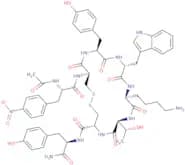







![[Cys(AF488)]-Penetratin](/_next/image/?url=https%3A%2Fstatic.cymitquimica.com%2Fproducts%2F3D%2Fthumb-webp%2FCRB1101581.webp&w=3840&q=75)




![Cyclo[Arg-Gly-Asp-D-Phe-Lys(Cys)]](/_next/image/?url=https%3A%2Fstatic.cymitquimica.com%2Fproducts%2F3D%2Fthumb-webp%2FRGD-3794-PI.webp&w=3840&q=75)





![nef peptide [Human immunodeficiency virus type 1] (73-82) acetyl/amide](/_next/image/?url=https%3A%2Fstatic.cymitquimica.com%2Fproducts%2F3D%2Fthumb-webp%2FCRB1001223.webp&w=3840&q=75)












![Acetyl-Histone H4 (1-21) K5Ac, K8Ac, K12Ac, K16Ac-GG-[Lys(5-FAM)]](/_next/image/?url=https%3A%2Fstatic.cymitquimica.com%2Fproducts%2F3D%2Fthumb-webp%2FCRB1101268.webp&w=3840&q=75)