Peptidi
Sottocategorie di "Peptidi"
Trovati 29604 prodotti di "Peptidi"
NHS-dPEG®4 Biotin
CAS:NHS-dPEG®4 Biotin is a PEG compound with two different functional groups (also known as heterobifunctional). Unlike homobifunctional PEG compounds (same functional group on both ends), this type of compounds are more versatile as have two different anchor points. NHS-dPEG®4 Biotin is used as a linker and spacer to add a PEG moiety, via pegylation (a bioconjugation technique) to proteins, peptides, oligonucleotides, small molecules and nanoparticles.Purezza:Min. 95%Peso molecolare:588.67 g/molAmyloid Beta-Protein (Human, 1-40) (TFA Form)
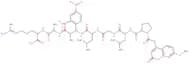
CAS:Amyloid beta-protein (Aβ) is a peptide that is believed to play an important role in the development of Alzheimer's disease. Aβ is produced by proteolytic cleavage from the amyloid precursor protein and is released into the extracellular space, where it can interact with other cells. The protein has been shown to activate ion channels and inhibit cell proliferation. It also binds to receptors on cells, which leads to downstream effects such as inhibition of ligand binding and activation of G-protein coupled receptor signaling pathways.Formula:C194H295N53O58SPurezza:Min. 95%Peso molecolare:4,329.8 g/molMOCAc-Pro-Leu-Gly-Leu-A2pr(Dnp)-Ala-Arg-NH₂
CAS:MOCAc-Pro-Leu-Gly-Leu-A2pr(Dnp)-Ala-Arg-NH₂ is a peptide that is used as a research tool in cell biology. It can be used to study the interactions between proteins, receptors and ion channels. MOCAc-Pro-Leu-Gly-Leu-A2pr(Dnp)-Ala-Arg-NH₂ has been shown to activate the G protein receptor, which is involved in the transmission of signals by cells. The peptide is also an inhibitor for ligand binding to the receptor.
Formula:C49H68N14O15Purezza:Min. 95%Peso molecolare:1,093.10 g/molCoV-2 N (329 a.a.)
SARS-CoV is a coronavirus that causes SARS. This protein is the nucleocapsid protein of SARS-CoV and is encoded by the ORF2 gene. This protein is a component of the viral nucleocapsid, which contains the viral genomic RNA. Antibodies against this protein are used in serological tests to detect recent infection with SARS-CoV or SARS-CoV/SARS-CoV-2. COVID-19 (also known as 3C8) is an antibody that specifically binds to this protein and can be used as a diagnostic marker for SARS.Purezza:Min. 95%Neuromedin U (Rat)
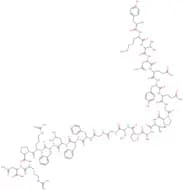
CAS:Neuromedin U is a peptide that is found in the brain and has been shown to have a variety of effects on the body. It can be used as an activator or inhibitor of ion channels and has been shown to inhibit ligand-gated ion channels. Neuromedin U can also act as a ligand for G-protein coupled receptors, which are involved in many physiological processes. The high purity of this product makes it suitable for use in research tools such as antibodies.Formula:C124H180N34O31Purezza:Min. 95%Peso molecolare:2,643 g/molDNP-dPEG®12-NHS Ester
CAS:DNP-dPEG®12-NHS Ester is a PEG compound with two different functional groups (also known as heterobifunctional). Unlike homobifunctional PEG compounds (same functional group on both ends), this type of compounds are more versatile as have two different anchor points. DNP-dPEG®12-NHS Ester is used as a linker and spacer to add a PEG moiety, via pegylation (a bioconjugation technique) to proteins, peptides, oligonucleotides, small molecules and nanoparticles.Formula:C60H110N6O28Purezza:Min. 95%Peso molecolare:1,363.54 g/molTuftsin
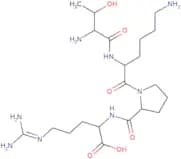
CAS:Tuftsin is a ligand with the ability to activate specific receptors. It is also known as Activator, and is a reagent that can be used in research for cell biology and pharmacology. Tuftsin has been shown to bind to ion channels and act as an inhibitor of these channels. This activity leads to the inhibition of calcium influx into cells, which may be important for regulating cellular processes such as apoptosis, cytoskeletal rearrangement, or protein synthesis. It may also play a role in immune response pathways.Formula:C21H40N8O6Purezza:Min. 95%Peso molecolare:500.6 g/molm-dPEG®12-Amine
CAS:m-dPEG®12-Amine is a PEG compound with two different functional groups (also known as heterobifunctional). Unlike homobifunctional PEG compounds (same functional group on both ends), this type of compounds are more versatile as have two different anchor points. m-dPEG®12-Amine is used as a linker and spacer to add a PEG moiety, via pegylation (a bioconjugation technique) to proteins, peptides, oligonucleotides, small molecules and nanoparticles.
Purezza:Min. 95%Peso molecolare:559.69 g/mol[D-Arg1,D-Trp7,9,Leu11]-Substance P
CAS:This product is a Substance P antagonist in the Hydrochloride salt from and as a 0.5mg vial. Substance P is a neuropeptide that acts as a neurotransmitter and neuromodulator. It is best known for its role in nociception or pain perception. Substance P is also involved in other biological processes such as the regulation of gastrointestinal motility and the inflammatory response. As a tachykinin neuropeptide, substance P acts through binding to its specific neurokinin 1 receptor (NK-1R). NK-1R is present in neurons and on glial cell types. Substance P is also involved in: increased inflammation in the lungs, gastrointestinal tract and the skin and neuroinflammation. Interestingly the levels of Substance P are raised in inflammatory bowel diseases and through its involvement in cytokine release, it contributes to asthma pathology. These diverse selection of functions makes substance P a target for therapeutic research.
Formula:C75H108N20O13Purezza:Min. 95%Peso molecolare:1,497.8 g/mol[Pyr11]-Amyloid β-Protein (Human,11-40) (0.5 mg Vial)
CAS:[Pyr11]-Amyloid β-Protein (Human,11-40) is a peptide fragment of amyloid beta protein that is found in the brain. It has been shown to bind to receptors and activate ion channels. The binding of amyloid beta to these receptors may play a role in Alzheimer's disease and other neurological disorders. This product is for research purposes only, not for use in diagnostic procedures.Formula:C143H226N38O39SPurezza:Min. 95%Peso molecolare:3,133.6 g/molAzido-dPEG®11-amine
CAS:Azido-dPEG®11-amine is a PEG compound with two different functional groups (also known as heterobifunctional). Unlike homobifunctional PEG compounds (same functional group on both ends), this type of compounds are more versatile as have two different anchor points. Azido-dPEG®11-amine is used as a linker and spacer to add a PEG moiety, via pegylation (a bioconjugation technique) to proteins, peptides, oligonucleotides, small molecules and nanoparticles.Formula:C49H99N3O24Purezza:Min. 95%Peso molecolare:1,114.32 g/molAmyloid β-Protein (Human, 1-38)
CAS:Amyloid β-Protein (Human, 1-38) is a peptide that is a major constituent of the amyloid plaques found in the brains of people with Alzheimer's disease. It has been shown to inhibit ion channels and ligand-activated ion channels. The receptor for this protein is unknown, but it may be involved in cell signaling or neurotransmitter release. Amyloid β-Protein (Human, 1-38) can be used as a research tool to study proteins and their interactions with other proteins, as well as to study how these interactions affect the function of cells. It can also be used to study how antibody molecules bind to specific proteins and how these antibodies interact with other molecules.
Formula:C184H277N51O56SPurezza:Min. 95%Peso molecolare:4,131.5 g/molNeutrophil Gelatinase Associated Lipocalin/Lipocalin-2, human, recombinant
Neutrophil Gelatinase Associated Lipocalin (NGAL) is a lipocalin protein that is involved in many physiological and pathophysiological processes. NGAL binds to bacterial products, such as lipopolysaccharide, and can be used as a biomarker for inflammation or infection. NGAL has been shown to be elevated in the urine of patients with urinary tract infections. Additionally, NGAL has been shown to be associated with neurological diseases, such as Alzheimer's disease and Parkinson's disease. The recombinant human form of this protein can be used for research purposes or for the development of diagnostic tools. Neutrophil Gelatinase Associated Lipocalin (NGAL) is a lipocalin protein that is involved in many physiological and pathophysiological processes. It binds to bacterial products, such as lipopolysaccharide, and can be used as a biomarker for inflammation or infection. NGAL has been shown to be elevated in the urine of patientsPurezza:Min. 95%Anti Secretin (Porcine) Serum (50 ul)
CAS:Anti-Secretin (Porcine) Serum is a high purity, serum-based protein that is used in research and cell biology experiments. It contains a variety of proteins including antibodies, activators, inhibitors, and peptides. Anti-Secretin (Porcine) Serum is used to study the function of ions channels and ligands. This product also has a wide range of applications in pharmacology and cell biology. The CAS number for this product is 109376-05-8.
Formula:C32H49N11O8Purezza:Min. 95%Peso molecolare:715.8 g/molH-Cys-Asp-Pro-Gly-Tyr-Ile-Gly-Ser-Arg-OH trifluoroacetate
CAS:Please enquire for more information about H-Cys-Asp-Pro-Gly-Tyr-Ile-Gly-Ser-Arg-OH trifluoroacetate including the price, delivery time and more detailed product information at the technical inquiry form on this page
Formula:C40H62N12O14S•(C2HF3O2)xPurezza:Min. 95%MAL-dPEG®12-Tris (dPEG®12-Tris (m-dPEG®11)3)3
CAS:MAL-dPEG®12-Tris (dPEG®12-Tris (m-dPEG®11)3)3 is a PEG compound with two different functional groups (also known as heterobifunctional). Unlike homobifunctional PEG compounds (same functional group on both ends), this type of compounds are more versatile as have two different anchor points. MAL-dPEG®12-Tris (dPEG®12-Tris (m-dPEG®11)3)3 is used as a linker and spacer to add a PEG moiety, via pegylation (a bioconjugation technique) to proteins, peptides, oligonucleotides, small molecules and nanoparticles.Formula:C10H11NO5Purezza:Min. 95%Peso molecolare:225.2 g/molCholesterol ester transfer protein Light Tryptic Peptide Standard (4nmol)
A Cholesterol Ester Transfer Protein (CETP) light tryptic peptide standard responsible for use in protein identification and quantitation studies. CETP is an enzyme which moves cholesterol esters from high density lipoproteins (HDL) to apolioprotein B-containing particles. This action lowers the amount of HDL which may increase the risk of the disease atherosclerosis.Purezza:Min. 95%Ac-Tyr-NH2
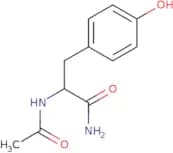
CAS:Ac-Tyr-NH2 is a rotameric peptide that has been shown to inhibit the growth of bacteria. It is a neutral compound and does not have any detectable effect on human serum. Ac-Tyr-NH2 has been shown to react with tryptophan, which may be due to its acid hydrolysis. This peptide also has an active role in the production of reaction products and the formation of model proteins. Ac-Tyr-NH2 has been shown to have an optical property of fluorescence, which can be used for skin reactions or uv absorption.Formula:C11H14N2O3Purezza:Min. 95%Peso molecolare:222.24 g/molBis-dPEG®7-Acid
CAS:Bis-dPEG®7-Acid is a PEG polymer categorised as homobifunctional PEG (X-PEG X). Used as a linker, bis-dPEG®7-Acid is used to attached PEG to proteins, peptides, oligonucleotides, nanoparticles and small molecules via pegylation, a bioconjugation technique.Formula:C22H39NO12Purezza:Min. 95%Peso molecolare:509.54 g/molSomatostatin (Human, Ovine, Porcine, Rat, Mouse)
CAS:Somatostatin is a peptide hormone that is widely expressed throughout the body; in the gastrointestinal (GI) tract, hypothalamus, pancreas and the central nervous system. It has been found to inhibit pituitary growth hormone release as well as endocrine, pancreatic and GI secretions. In the central nervous system somatostatin plays a role in neurotransmission modification and it has also demonstrated to be effective against a number of cancers such as squamous carcinoma. This product contains disulfide bonds between Cys3-Cys14.Formula:C76H104N18O19S2•2CH3COOH•6H2OPurezza:Min. 95%Peso molecolare:1,866.1 g/molZ-Gly-Leu
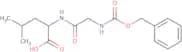
CAS:Z-Gly-Leu is a monoclonal antibody that inhibits the enzyme protease. It binds to the active site of the enzyme and prevents it from cleaving peptides into smaller fragments. The antibody also binds to casein, a protein found in milk, and soybean trypsin inhibitor. This prevents these enzymes from degrading other proteins in the body. The antibody is reactive at phase transition temperatures and has been shown to be effective on wild-type mice.Formula:C16H22N2O5Purezza:Min. 95%Peso molecolare:322.36 g/moldPEG®48-Biotin Acid
CAS:dPEG®48-Biotin Acid is a PEG compound with two different functional groups (also known as heterobifunctional). Unlike homobifunctional PEG compounds (same functional group on both ends), this type of compounds are more versatile as have two different anchor points. dPEG®48-Biotin Acid is used as a linker and spacer to add a PEG moiety, via pegylation (a bioconjugation technique) to proteins, peptides, oligonucleotides, small molecules and nanoparticles.Formula:C112H218N4O53SPurezza:Min. 95%Peso molecolare:2,500.99 g/molDes-Arg9-[Leu8]-Bradykinin
CAS:Prodotto controllatoBradykinin is a peptide hormone that can be formed from the breakdown of kininogen. It works by binding to specific receptors found on the surface of cells and activating a G-protein coupled receptor. Bradykinin stimulates the secretion of gastric acid, increases the permeability of capillaries in the lungs, and causes contraction of smooth muscle in many organs. Bradykinin also has an important role in regulating blood pressure and heart rate. Des-Arg9-[Leu8]-Bradykinin (D-BK) is a potent inhibitor of this activity and is used as an antihypertensive agent. D-BK prevents the activation of G-proteins by binding to receptors with high affinity and specificity. When it binds to its receptor, it inhibits cyclic AMP production, which leads to decreased cell activity and vasodilation. This inhibition reduces blood pressure by reducing cardiac output and increasing systemic vascular resistance.Formula:C41H63N11O10•CH3COOH•3H2OPurezza:Min. 95%Peso molecolare:984.11 g/molH-FIFYLKNIV-OH
Peptide H-FIFYLKNIV-OH is a Research Peptide with significant interest within the field academic and medical research. This peptide is available for purchase at Cymit Quimica in multiple sizes and with a specification of your choice.Immunoglobulins IgM Light Tryptic Peptide Standard (4nmol)
Immunoglobulins IgM Light Tryptic Peptide Standard for protein identification and quantitation studies. IgM is an antibody isotype that is the first type to be produced when the body is invaded by a pathogen and therefore a key indication of infection.Purezza:Min. 95%Apolipoprotein E N-term Light Tryptic Peptide Standard (4nmol)
An apolipoprotein E N-term light tryptic peptide standard for use in protein identification and quantitation studies. As part of a fat-binding protein family, apolipoprotein E plays a role in the metabolism of fats in the body through interacting with the low density lipoprotein receptor, which is involved in the catabolism of triglyceride rich lipoproteins. Apolipoprotein E is also a major component in cholesterol metabolism and is a carrier of cholesterol in the brain. Additionally when forming a complex with C1q, apolipoprotein E is an inhibitor of the classical complement pathway. The N and C terminal regions of apolipoprotein are connected by a hinge region and the N-terminal region is an anti parallel four helix bundle with non-polar sides positioning themselves inside the protein.Purezza:Min. 95%Amino-dPEG®8-OH
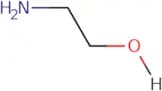
CAS:Amino-dPEG®8-OH is a PEG polymer categorised as monofunctional (OH-PEG-X). Used as a linker, amino-dPEG®8-OH is used to attached PEG to proteins, peptides, oligonucleotides, nanoparticles and small molecules via pegylation, a bioconjugation technique.Formula:C16H35NO8Purezza:Min. 95%Peso molecolare:369.45 g/mol[D-Ala2,D-Leu5]-Enkephalin
CAS:[D-Ala2,D-Leu5]-Enkephalin is a peptide that has been shown to activate certain opioid receptors and inhibit ion channels. It is also known to be an antagonist of the D2 receptor. This compound has a high purity and can be used as a research tool for studies in cell biology, pharmacology, and life sciences.
Formula:C29H39N5O7Purezza:Min. 95%Peso molecolare:569.65 g/molFmoc-N-Amido-dPEG®8-NHS Ester
CAS:Fmoc-N-Amido-dPEG®8-NHS Ester is a PEG compound with two different functional groups (also known as heterobifunctional). Unlike homobifunctional PEG compounds (same functional group on both ends), this type of compounds are more versatile as have two different anchor points. Fmoc-N-Amido-dPEG®8-NHS Ester is used as a linker and spacer to add a PEG moiety, via pegylation (a bioconjugation technique) to proteins, peptides, oligonucleotides, small molecules and nanoparticles.
Formula:C38H52N2O14Purezza:Min. 95%Peso molecolare:760.82 g/molDeoxyribonuclease I Bovine
CAS:Deoxyribonuclease I Bovine is an enzyme extracted from pancreas, thymus, or bovine tissue culture. It may be used to digest proteins in order to remove damaged linkages and produce a soluble protein-free extract. Deoxyribonuclease I Bovine can also be used for the removal of DNA from cells, tissues, and organs for biochemical methods such as biochemical assays, immunoassays, and nucleic acid amplification.Purezza:Min. 95%GRP (Human)
CAS:GRP (Human) is a protein that belongs to the group of peptides. It is an activator of G-protein coupled receptors. GRP (Human) has been shown to be a ligand for the receptor GPVI, which is involved in the activation of platelets and megakaryocytes. GRP (Human) can also inhibit ion channels, such as voltage-gated sodium channels or calcium channels. This protein is used in research for studying cell biology and pharmacology. GRP (Human) is purified at high purity by a process involving chromatography and gel filtration.Formula:C130H204N38O31S2Purezza:Min. 95%Peso molecolare:2,859.4 g/molBiotin-dPEG®7-NH2
CAS:Biotin-dPEG®7-NH2 is a PEG compound with two different functional groups (also known as heterobifunctional). Unlike homobifunctional PEG compounds (same functional group on both ends), this type of compounds are more versatile as have two different anchor points. Biotin-dPEG®7-NH2 is used as a linker and spacer to add a PEG moiety, via pegylation (a bioconjugation technique) to proteins, peptides, oligonucleotides, small molecules and nanoparticles.Formula:C26H50N4O9SPurezza:Min. 95%Peso molecolare:594.76 g/molAmyloid Beta-Protein (42-1)
CAS:Amyloid Beta-Protein (42-1) is a recombinant form of the protein, amyloid beta-protein, that is relevant to Alzheimer's disease. It is used as a research tool and for pharmacological studies. Amyloid Beta-Protein (42-1) has been shown to bind to ion channels and activate them. This product can be used as an antibody or cell biology research tool.
Formula:C203H311N55O60SPurezza:Min. 95%Peso molecolare:4,514 g/molLipoamido-dPEG®8-Acid
CAS:Lipoamido-dPEG®8-Acid is a PEG molecule conjugated with a lipid moiety. Lipoamido-dPEG®8-Acid, conjugated to this lipid constituent, is very important especially in drug delivery and vaccine development as it helps improve the stability and circulation time of lipid nanoparticles (LNPs) and liposomes.
Formula:C41H67F4NO15S2Purezza:Min. 95%Peso molecolare:954.09 g/molATP Synthase Subunit O, Mitochondrial , human, recombinant
ATP Synthase Subunit O, Mitochondrial is a recombinant protein that belongs to the ATP synthase subunit family. It has been shown to be an activator of ion channels and receptor. The protein is also able to facilitate the interactions between proteins and ligands. ATP Synthase Subunit O, Mitochondrial has a molecular weight of approximately 44 kDa and an isoelectric point of 9.6. This product can be used as research tool for cell biology, pharmacology, and biochemistry studies.Purezza:Min. 95%Ac-Gly-Lys-OMe • AcOH [AGLME]
CAS:Ac-Gly-Lys-OMe • AcOH is a synthetic substrate that is used in enzymatic reactions. This product is a peptide that contains an amide bond and a disulfide bond. It has been shown to be inactive when exposed to human serum for up to 30 minutes. Ac-Gly-Lys-OMe • AcOH has been shown to have inhibitory effects on the activity of monoclonal antibodies as well as dodecyl, which belongs to the group of lipids found in blood plasma. The rate of this reaction increases with increasing temperature and pH, but decreases with increasing concentrations of AGLME or dodecanol.Formula:C11H21N3O4•CH3COOHPurezza:Min. 95%Peso molecolare:319.35 g/molAngiotensin IV acetate
CAS:Angiotensin IV (Human) is a peptide hormone and peptidase inhibitor that belongs to the family of angiotensins. It is produced by the renin-angiotensin system and inhibits the action of angiotensin converting enzyme, an enzyme that converts angiotensin I into angiotensin II. Angiotensin IV has been used for research purposes as well as for therapeutic applications in cardiovascular diseases, hypertension, and congestive heart failure. Angiotensin IV is a high purity product with a purity greater than 99%.
Formula:C40H54N8O8Purezza:Min. 95%Peso molecolare:774.91 g/molSomatostatin (Human, Ovine, Porcine, Rat, Mouse)
CAS:Somatostatin is a peptide hormone that has been found to inhibit pituitary growth hormone release as well as endocrine, pancreatic and GI secretions. It is widely expressed throughout the body for example in the gastrointestinal (GI) tract, hypothalamus, pancreas and the central nervous system. In the central nervous system somatostatin plays a role in neurotransmission modification and it has also demonstrated to be effective against a number of cancers such as squamous carcinoma. This product contains disulfide bonds between Cys3-Cys14 and is available as a 0.5mg vial.
Formula:C76H10N18O19S2Purezza:Min. 95%Peso molecolare:1,637.9 g/molSecretin (Human)
CAS:Secretin (human) is a peptide hormone that is produced in the duodenum and is involved in the regulation of pancreatic bicarbonate, gastric acid and osmoregulation. Secretin binds to secretin receptors which are G-protein coupled receptors and are expressed in pancreatic centroacinar cells. Secretin binds to these receptors and activates adenylate cyclase which converts ATP into cAMP which results in the secretion of bicarbonate from the pancreas. Secretin plays a role in osmoregulation through its effects on the kidney, pituitary gland and the hypothalamus. This product is available as a 0.5mg vial.
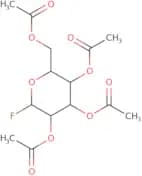
Formula:C130H220N44O40Purezza:Min. 95%Peso molecolare:3,039.4 g/mol2,3,4,6-Tetra-O-Acetyl-α-D-Mannopyranosyl Fluoride
CAS:2,3,4,6-Tetra-O-acetyl-α-D-mannopyranosyl fluoride is a fluorinated glycoside that is used as a reagent in organic synthesis to fluorinate alcohols and amines. It selectively reacts with primary and secondary alcohols to give the corresponding fluorides. The product can be used for the synthesis of carboxylic acids and esters. 2,3,4,6-Tetra-O-acetyl-α-D-mannopyranosyl fluoride is also used in biochemistry research as a substrate for oligosaccharide synthesis. This product has been shown to react with proteins to form peptides and with DNA to form nucleosides.Formula:C14H19O9FPurezza:Min. 95%Peso molecolare:350.29 g/molMelanin-Concentrating Hormone (Human)
CAS:Melanin-concentrating hormone (MCH) is a neuropeptide that is used to study the regulation of food intake and body weight. MCH binds to its receptor, the melanocortin-4 receptor (MC4R), which is coupled to an ion channel. This binding causes the release of potassium ions from cells, leading to depolarization and increased neuronal excitability. It has been shown that MCH can be used as a research tool for studying ion channels, ligand-receptor interactions, and cell biology.
Formula:C105H160N30O26S4Purezza:Min. 95%Peso molecolare:2,386.8 g/molCl-Ac-(OH)Leu-Ala-Gly-NH2
CAS:Cl-Ac-(OH)Leu-Ala-Gly-NH2 is a peptide with an amino acid composition of Cl-Ac-(OH)Leu-Ala-Gly. It is synthesized by the chemical reaction of hydrochloric acid and L-alanine. This peptide has been shown to be an irreversible inhibitor of metalloendopeptidase, preventing the breakdown of proteins in the stomach. The pH profile for this peptide is acidic and its molecular weight is approximately 1296 daltons.Formula:C13H23N4O5ClPurezza:Min. 95%Peso molecolare:350.8 g/molL-685,458
CAS:L-685,458 is a peptide that is used as a research tool to study protein interactions and the role of ion channels in cell biology. It binds to the receptor site and inhibits the binding of natural ligands. L-685,458 is an inhibitor of ion channels and acts by blocking the voltage-dependent activation of sodium channels. It also blocks potassium channels, which are responsible for regulating membrane potentials and controlling nerve impulses. L-685,458 has been shown to inhibit protein interactions in pharmacology studies with receptor binding assays.Formula:C39H52N4O6Purezza:Min. 95%Peso molecolare:672.85 g/molBis-dPEG®17-PFP Ester
CAS:Bis-dPEG®17-PFP Ester is a PEG polymer categorised as homobifunctional PEG (X-PEG X). Used as a linker, bis-dPEG®17-PFP Ester is used to attached PEG to proteins, peptides, oligonucleotides, nanoparticles and small molecules via pegylation, a bioconjugation technique.Formula:C50H72F10O21Purezza:Min. 95%Peso molecolare:1,199.08 g/molNonapeptide 1 acetate
CAS:Nonapeptide 1 acetate is an anticancer peptide that acts as a kinase inhibitor. It is a synthetic analog of a protein that is naturally found in human urine and has been used in Chinese medicinal practices for centuries. Nonapeptide 1 acetate has been shown to induce apoptosis in cancer cells by inhibiting the activity of kinases, which are enzymes involved in cell signaling pathways. This inhibition leads to the disruption of cellular processes necessary for tumor growth and survival. Nonapeptide 1 acetate is a promising candidate for cancer therapy due to its potent anticancer activity and low toxicity levels. Its efficacy as a cancer treatment has been demonstrated in preclinical studies, and it is currently being investigated further as a potential therapeutic option for various types of cancer.Formula:C61H87N15O9S•(C2H4O2)xPurezza:Min. 95%SARS Spike (408-470, 540-573)
The SARS Spike peptide is a research tool that can be used as an activator and an antibody. It has a high purity and is contained in a CAS number. This peptide can be used for the study of protein interactions, receptor binding, ligand binding, and pharmacology.Purezza:Min. 95%Bis-dPEG®17-NHS Ester
CAS:Bis-dPEG®17-NHS Ester is a PEG polymer categorised as homobifunctional PEG (X-PEG X). Used as a linker, bis-dPEG®17-NHS Ester is used to attached PEG to proteins, peptides, oligonucleotides, nanoparticles and small molecules via pegylation, a bioconjugation technique.
Formula:C46H80N2O25Purezza:Min. 95%Peso molecolare:1,061.13 g/molSalusin-β (Human)
CAS:Salusin-Beta is a peptide that belongs to the group of activators. It has been shown to inhibit the activity of ion channels. Salusin-Beta (Human) is an antibody that can be used for research purposes. Salusin-Beta (Human) has been shown to have high purity and it can be used as a reagent for research and development in Cell Biology and Pharmacology.Formula:C115H176N32O21Purezza:Min. 95%Peso molecolare:2,342.8 g/molAzido-dPEG® 12-NHS ester
CAS:Azido-dPEG® 12-NHS ester is a PEG compound with two different functional groups (also known as heterobifunctional). Unlike homobifunctional PEG compounds (same functional group on both ends), this type of compounds are more versatile as have two different anchor points. Azido-dPEG® 12-NHS ester is used as a linker and spacer to add a PEG moiety, via pegylation (a bioconjugation technique) to proteins, peptides, oligonucleotides, small molecules and nanoparticles.Purezza:Min. 95%Peso molecolare:740.79 g/molUrotensin II-Related Peptide (Human, Rat)
CAS:Urotensin II-related peptide (URP) is a potent, selective, nonpeptide antagonist of the calcitonin gene-related peptide receptor. URP inhibits the binding of calcitonin gene-related peptide to its receptor and blocks the effects of this peptide on a variety of cell types. In addition, URP suppresses the release of substance P from sensory neurons in rat skin and blocks neurogenic inflammation. This product is purified by HPLC and has an analytical purity of >95%.Formula:C49H64N10O10S2Purezza:Min. 95%Peso molecolare:1,017.2 g/mol




![[D-Arg1,D-Trp7,9,Leu11]-Substance P](/_next/image/?url=https%3A%2Fstatic.cymitquimica.com%2Fproducts%2F3D%2Fthumb-webp%2FPSP-4173-V.webp&w=3840&q=75)
![[Pyr11]-Amyloid β-Protein (Human,11-40) (0.5 mg Vial)](/_next/image/?url=https%3A%2Fstatic.cymitquimica.com%2Fproducts%2F3D%2Fthumb-webp%2FPAB-4493-V.webp&w=3840&q=75)










![Des-Arg9-[Leu8]-Bradykinin](/_next/image/?url=https%3A%2Fstatic.cymitquimica.com%2Fproducts%2F3D%2Fthumb-webp%2FPBK-4065.webp&w=3840&q=75)


![[D-Ala2,D-Leu5]-Enkephalin](/_next/image/?url=https%3A%2Fstatic.cymitquimica.com%2Fproducts%2F3D%2Fthumb-webp%2FPEK-4115-V.webp&w=3840&q=75)






![Ac-Gly-Lys-OMe • AcOH [AGLME]](/_next/image/?url=https%3A%2Fstatic.cymitquimica.com%2Fproducts%2F3D%2Fthumb-webp%2FSGK-3058.webp&w=3840&q=75)