Peptidi
Sottocategorie di "Peptidi"
Trovati 29603 prodotti di "Peptidi"
Azido-dPEG®12-OH
CAS:Azido-dPEG®12-OH is a PEG polymer categorised as monofunctional (OH-PEG-X). Used as a linker, azido-dPEG®12-OH is used to attached PEG to proteins, peptides, oligonucleotides, nanoparticles and small molecules via pegylation, a bioconjugation technique.Purezza:Min. 95%Peso molecolare:742.94 g/molGastrin I (Human)
CAS:Gastrin I is a peptide hormone that is used as a research tool to study the role of gastrin on different types of cells. It is also used to investigate the effects of this peptide on ion channels and protein interactions. Gastrin I has been shown to be an inhibitor of gastrin, which may be due to its ability to inhibit the production of pro-gastrin by blocking the activation of G cells.Formula:C97H124N20O31SPurezza:Min. 95%Peso molecolare:2,098.2 g/molANP (Human, 1-28)
CAS:ANP (1-28) is a peptide that is secreted by the human heart and has been shown to act as an inhibitor of ion channels and receptors. ANP (1-28) binds to the receptor, which then changes its shape. The receptor then becomes more sensitive to other ligands and it can activate or inhibit cell signaling pathways. ANP (1-28) also binds to antibodies that are used in research tools for cell biology, pharmacology, and protein interactions. This peptide has a high purity level of > 95% with a CAS number of 91917-63-4.Formula:C127H203N45O39S3Purezza:Min. 95%Peso molecolare:3,080.4 g/molBoc-Val-OH
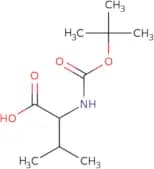
CAS:Boc-Val-OH is a natural compound that belongs to the class of ferrocene fatty acid. It has been shown to have antimicrobial properties in cell culture and pharmacokinetic properties in rats. Boc-Val-OH is able to inhibit the activity of serine proteases, which are enzymes that break down proteins and amino acids within cells, as well as cyclopropavir, a virus inhibitor. This compound also has potent inhibitory activity against various microbial strains, including methicillin-resistant Staphylococcus aureus (MRSA) and Helicobacter pylori. Boc-Val-OH has been shown to have hepatoprotective effects in rats with liver damage.Formula:C10H19NO4Purezza:Min. 95%Peso molecolare:217.26 g/molMastoparan
CAS:Prodotto controllatoA cell-penetrating peptide toxin whose sequence is derived from wasp venom and a potent activator of heterotrimeric G proteins. This product is available as a 0.5mg vial. One letter code: INLKALAALAKKIL-NH2Formula:C70H131N19O15Purezza:Min. 95%Peso molecolare:1,478.9 g/molLipoamido-dPEG®8-TFP Ester
CAS:Lipoamido-dPEG®8-TFP Ester is a PEG molecule conjugated with a lipid moiety. Lipoamido-dPEG®8-TFP Ester, conjugated to this lipid constituent, is very important especially in drug delivery and vaccine development as it helps improve the stability and circulation time of lipid nanoparticles (LNPs) and liposomes.
Formula:C55H110O27Purezza:Min. 95%Peso molecolare:1,203.45 g/molβ-Casomorphin-5 (Bovine)
CAS:Beta-Casomorphin-5 is a peptide that is isolated from the milk of cows. It has been shown to activate the opioid receptor, and in doing so, inhibits ion channels and ligand-gated channels. Beta-Casomorphin-5 has also been shown to bind with high affinity to an antibody. Beta-Casomorphin-5 is used as a research tool for studying cell biology and pharmacology. It can be used as an inhibitor for certain ion channels and ligand-gated channels.
Formula:C30H37N5O7Purezza:Min. 95%Peso molecolare:579.64 g/molStichodactyla Toxin
CAS:Stichodactyla toxin is a peptide that binds to neuronal ion channels and inhibits the transmission of nerve impulses. It has been shown to bind to the nicotinic acetylcholine receptor (nAChR) and inhibit ligand-gated ion channels, such as glutamate receptors. Stichodactyla toxins have been used as research tools in pharmacology and protein interactions. This toxin may be an inhibitor of cell proliferation, or an activator of apoptosis. The high purity of this toxin makes it suitable for antibody production.Formula:C169H274N54O48S7Purezza:Min. 95%Peso molecolare:4,054.8 g/moldPEG®8 SATA (S-Acetyl-dPEG®8 NHS Ester)
CAS:dPEG®8 SATA (S-Acetyl-dPEG®8 NHS Ester) is a PEG compound with two different functional groups (also known as heterobifunctional). Unlike homobifunctional PEG compounds (same functional group on both ends), this type of compounds are more versatile as have two different anchor points. dPEG®8 SATA (S-Acetyl-dPEG®8 NHS Ester) is used as a linker and spacer to add a PEG moiety, via pegylation (a bioconjugation technique) to proteins, peptides, oligonucleotides, small molecules and nanoparticles.Purezza:Min. 95%Peso molecolare:597.67 g/mol...Amyloid Beta-Protein (Human, 1-42)
CAS:Amino acids 1-42 of the Amyloid beta-protein (Aβ), a major plaque component in Alzheimer's Disease, a neurodegenerative disorder that affects memory and cognitive function. It is thought that these Aβ peptides can aggregate to form insoluble fibrils that are a hallmark of Alzheimer's disease and may contribute to neurodegeneration and cognitive decline.
Research is ongoing to better understand the mechanisms underlying Aβ-induced neurodegeneration and to develop therapies that target Aβ to prevent or treat Alzheimer's disease. Aβ peptides, particularly Aβ(1-42), are commonly used in research as a model for Alzheimer's disease to investigate the pathogenesis and potential therapeutic approaches.
This product is available in the trifluoroacetate salt form and as a 0.5mg vial.Formula:C203H311N55O60SPurezza:Min. 95%Peso molecolare:4,514 g/molHydroxy-dPEG®4 t-Butyl Ester
CAS:Hydroxy-dPEG®4 t-Butyl Ester is a PEG polymer categorised as monofunctional (OH-PEG-X). Used as a linker, hydroxy-dPEG®4 t-Butyl Ester is used to attached PEG to proteins, peptides, oligonucleotides, nanoparticles and small molecules via pegylation, a bioconjugation technique.Purezza:Min. 95%Peso molecolare:322.39 g/molAmyloid β-Protein (Human, 1-42) (Scrambled)
Amyloid beta-protein (Aβ) is a peptide that is involved in the pathogenesis of Alzheimer's disease. The protein is a type of amyloid, and it consists of 39-43 amino acid residues. It was originally discovered as a component of the amyloid plaques that are found in the brains of patients with Alzheimer's disease. Aβ is derived from sequential cleavage by enzymes including β-secretase and γ-secretase, which generate a linear peptide composed of residues 1-42. Cleavage by α-secretase prevents production of Aβ. The linear form can be converted to an insoluble form (amyloid fibrils) through sequential exposure to β- or γ- secretases, or to soluble oligomers (Aβ*). These transformations are thought to be involved in the development and progression of Alzheimer's disease. Amyloid beta protein (1-42) has been shown to bind with high affinity toPurezza:Min. 95%MAL-dPEG®4-(m-dPEG®24)3
CAS:MAL-dPEG®4-(m-dPEG®24)3 is a PEG compound with two different functional groups (also known as heterobifunctional). Unlike homobifunctional PEG compounds (same functional group on both ends), this type of compounds are more versatile as have two different anchor points. MAL-dPEG®4-(m-dPEG®24)3 is used as a linker and spacer to add a PEG moiety, via pegylation (a bioconjugation technique) to proteins, peptides, oligonucleotides, small molecules and nanoparticles.Formula:C23H40N4O12Purezza:Min. 95%Peso molecolare:564.58 g/molZ-Gly-Phe
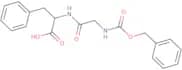
CAS:Z-Gly-Phe is a peptide that inhibits protein synthesis by binding to the reactive site of a pancreatic enzyme. This site is normally occupied by a hydrogen bond and the compound binds to it by occupying this space, resulting in the inhibition of enzyme activity. Z-Gly-Phe has been shown to inhibit insulin-stimulated glucose uptake in rats, which may be due to its ability to bind with sodium carbonate. The binding constants of Z-Gly-Phe and its inhibitors have been determined using an analytical method that measures changes in pH. The optimum pH for Z-Gly-Phe is 8.5, which corresponds with the optimal pH for human pancreatic enzymes.Formula:C19H20N2O5Purezza:Min. 95%Peso molecolare:356.37 g/molFmoc-N-Amido-dPEG®4-NHS Ester
CAS:Fmoc-N-Amido-dPEG®4-NHS Ester is a PEG compound with two different functional groups (also known as heterobifunctional). Unlike homobifunctional PEG compounds (same functional group on both ends), this type of compounds are more versatile as have two different anchor points. Fmoc-N-Amido-dPEG®4-NHS Ester is used as a linker and spacer to add a PEG moiety, via pegylation (a bioconjugation technique) to proteins, peptides, oligonucleotides, small molecules and nanoparticles.Formula:C30H36N2O10Purezza:Min. 95%Peso molecolare:584.24 g/molAzido-dPEG®4-Alcohol
CAS:Azido-dPEG®4-Alcohol is a PEG polymer categorised as monofunctional (OH-PEG-X). Used as a linker, azido-dPEG®4-Alcohol is used to attached PEG to proteins, peptides, oligonucleotides, nanoparticles and small molecules via pegylation, a bioconjugation technique.Purezza:Min. 95%Peso molecolare:219.24 g/molδ Sleep-Inducing Peptide (DSIP)
CAS:The Delta Sleep-Inducing Peptide (DSIP) is a neuropeptide which is found in plasma, peripheral organs and neurons. It has been found to induce delta sleep in mammals and have the ability to cross the blood-brain barrier as well as be absorbed from the gut. Studies have shown that DSIP plasma concentration and the human circadian rhythm are correlated and that DSIP concentrations are dependent on the initiation of sleep. DSIP has also demonstrated its ability to affect levels of hormones, neurotransmitters and psychological performance. In patients with schizophrenia and depression levels of DSIP in the cerebrospinal fluid and plasma were found to be lower compared to healthy controls. Clinically DFSIP has already been used to treat opioid and alcohol withdrawal in reducing symptoms felt by patients. This product is available as a 0.5mg vial.Formula:C35H48N10O15Purezza:Min. 95%Peso molecolare:848.81 g/molAzido-dPEG®8-Acid
CAS:Azido-dPEG®8-Acid is a PEG compound with two different functional groups (also known as heterobifunctional). Unlike homobifunctional PEG compounds (same functional group on both ends), this type of compounds are more versatile as have two different anchor points. Azido-dPEG®8-Acid is used as a linker and spacer to add a PEG moiety, via pegylation (a bioconjugation technique) to proteins, peptides, oligonucleotides, small molecules and nanoparticles.Formula:C72H146N4O35Purezza:Min. 95%Peso molecolare:1,627.94 g/molArg-Arg-Leu-Ile-Glu-Asp-Ala-Glu-Tyr-Ala-Ala-Arg-Gly
CAS:Arg-Arg-Leu-Ile-Glu-Asp-Ala-Glu-Tyr-Ala-Ala-Arg-Gly is a peptide with the molecular formula C14H20N4O2. It is an inhibitor of protein interactions, activator of ligands and receptor, and has a CAS number of 2382-80-1. This product is used in research to study ion channels and antibodies.
Formula:C64H106N22O21•2CH3COOH•4H2Purezza:Min. 95%Peso molecolare:1,711.86 g/molDes-Arg9-Bradykinin
CAS:Des-Arg9-bradykinin is a peptide that is a potent activator of the B2 receptor. It is a potent inhibitor of ion channels, including Ca2+, K+ and Na+ channels. Des-Arg9-bradykinin has been used as a research tool in cell biology, particularly to investigate the role of bradykinins in signal transduction pathways. This chemical is highly purified and can be obtained from Sigma-Aldrich with CAS No. 15958-92-6.Formula:C44H61N11O10Purezza:Min. 95%Peso molecolare:904.02 g/mol4,7,8,9-Ac4-Neu5Troc(2→O)-O-C(CF3)=NPh Methyl Ester
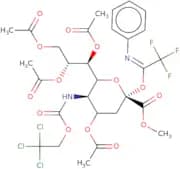
CAS:4,7,8,9-Ac4-Neu5Troc(2→O)-O-C(CF3)=NPh Methyl Ester is a glycosylated peptide that is conjugated with an acetate ester. This compound is a member of the Acetyl Neu5Ac family of glycoconjugates that are found on the surface of cells and are involved in cell-cell interactions and immune responses. 4,7,8,9-Ac4-Neu5Troc(2→O)-O-C(CF3)=NPh Methyl Ester has been shown to inhibit bacterial growth by interfering with the synthesis of bacterial cell walls.
Formula:C29H32N2O14Cl3F3Purezza:Min. 95%Peso molecolare:795.92 g/molBoc-Leu-Ser-Thr-Arg-AMC
CAS:Boc-Leu-Ser-Thr-Arg-AMC is a fluorescent peptide used as a research tool to study protein interactions. It can be used to activate or inhibit ion channels. Boc-Leu-Ser-Thr-Arg-AMC is a high purity, water soluble peptide that has been purified by HPLC and characterized for its purity and integrity by mass spectrometry and amino acid analysis.Formula:C34H52N8O10Purezza:Min. 95%Peso molecolare:732.82 g/molGly-Gly
CAS:Gly-Gly is a natural compound that belongs to the group of esters. It has been shown to have an antioxidative effect in vitro and in vivo. Gly-Gly has been shown to inhibit the growth of carcinoma cells by binding with hydrogen bonding interactions, which leads to cell death. This compound also has a strong antibacterial efficacy against Gram-positive bacteria, such as methicillin-resistant Staphylococcus aureus (MRSA). In addition, gly-gly has been shown to be effective against Mycobacterium tuberculosis and Mycobacterium avium complex. This compound may be useful for treating infectious diseases caused by Gram-positive bacteria such as MRSA or methicillin resistant Staphylococcus aureus (MRSA).Formula:C4H8N2O3Purezza:Min. 95%Peso molecolare:132.12 g/molDNP-dPEG®4-Acid
CAS:DNP-dPEG®4-Acid is a PEG compound with two different functional groups (also known as heterobifunctional). Unlike homobifunctional PEG compounds (same functional group on both ends), this type of compounds are more versatile as have two different anchor points. DNP-dPEG®4-Acid is used as a linker and spacer to add a PEG moiety, via pegylation (a bioconjugation technique) to proteins, peptides, oligonucleotides, small molecules and nanoparticles.Formula:C18H36O9Purezza:Min. 95%Peso molecolare:396.47 g/molPlatelet Factor-4 (Human, 58-70)
CAS:Platelet Factor-4 (PF4) is an activator of G protein coupled receptors that belongs to the group of peptides. PF4 binds to the CXCR1 receptor and activates it, which causes a change in the ion channels. It has been shown that PF4 can activate other G protein coupled receptors such as CXCR2 and CXCR3. This protein is used in research as a ligand for antibody production or as a research tool for studying the interactions between proteins. Platelet Factor-4 has been shown to inhibit ATPase activity in cell membranes and may be useful in pharmacological studies.Formula:C76H133N17O18Purezza:Min. 95%Peso molecolare:1,573 g/molPeptide YY (Rat, Mouse)-EIA Kit (1ea)
The Peptide YY (Rat, Mouse) EIA Kit is a research tool that can be used to detect peptides in rat and mouse samples. It is an immunoassay kit that detects the presence of peptide YY in rat and mouse samples. The assay has a high sensitivity and specificity for the detection of peptide YY. The kit contains all the necessary components for performing the test, including antibodies, buffers, standards and controls. The kit also contains a detailed protocol for performing the assay.Purezza:Min. 95%Chromogranin A (Human)-EIA Kit (1ea)
Chromogranin A (CgA) is a peptide hormone found in the human body that is released from the cells of the pancreas and stomach. The CgA-EIA Kit is a solid phase enzyme immunoassay that can be used to measure CgA levels in human serum or plasma. Antibodies against CgA are coated onto a microtiter plate, and samples are added to the wells. After incubation, any CgA in the sample binds to the antibodies on the plate. The bound CgA is then detected using specific antibodies conjugated with horseradish peroxidase. The color reaction is measured at 450 nm with a reference wavelength of 630 nm.Purezza:Min. 95%Fmoc-Amido-dPEG®24-Amido-dPEG®24-Acid
Fmoc-Amido-dPEG®24-Amido-dPEG®24-Acid is a PEG compound with two different functional groups (also known as heterobifunctional). Unlike homobifunctional PEG compounds (same functional group on both ends), this type of compounds are more versatile as have two different anchor points. Fmoc-Amido-dPEG®24-Amido-dPEG®24-Acid is used as a linker and spacer to add a PEG moiety, via pegylation (a bioconjugation technique) to proteins, peptides, oligonucleotides, small molecules and nanoparticles.Formula:C117H214N2O53Purezza:Min. 95%Peso molecolare:2,496.96 g/molBrazzien (2-54)
Brazzien (2-54) is a peptide that binds to the extracellular domain of the human receptor for Advanced Glycation Endproducts (RAGE). This receptor plays an important role in many cellular processes, including tissue damage and inflammation. Brazzien (2-54) is a potent inhibitor of RAGE activity and has been shown to inhibit the binding of RAGE ligands to RAGE.Purezza:Min. 95%Substance P (Human, Bovine, Rat, Mouse)
CAS:Substance P is a member of the tachykinin neuropeptide family which is produced in the central nervous system (CNS) and acts through its specific receptor neurokinin 1 receptor (NK-1R). NK-1R is present in neurons and on glial cell types. Substance P is involved in: pain perceptions as a neurotransmitter; gut motility; increased inflammation in the lungs, gastrointestinal tract and the skin and neuroinflammation. Interestingly the levels of Substance P are raised in inflammatory bowel diseases and through its involvement in cytokine release, it contributes to asthma pathology. These diverse selection of functions makes substance P a target for therapeutic research.Formula:C63H98N18O13S•3CH3COOH•5H2OPurezza:Min. 95%Peso molecolare:1,617.84 g/molAlbumin Light Tryptic Peptide Standard (4nmol)
Albumin light tryptic peptide standard for use in protein identification and quantitation studies. Albumin is a globular protein found in plasma and is produced by liver hepatocytes. Serum albumin plays an important role in the regulation of plasma oncotic pressure.Purezza:Min. 95%Amino-dPEG®12-Tris (-dPEG®24-t-butyl Ester)3
Amino-dPEG®12-Tris (-dPEG®24-t-butyl Ester)3 is a PEG compound with two different functional groups (also known as heterobifunctional). Unlike homobifunctional PEG compounds (same functional group on both ends), this type of compounds are more versatile as have two different anchor points. Amino-dPEG®12-Tris (-dPEG®24-t-butyl Ester)3 is used as a linker and spacer to add a PEG moiety, via pegylation (a bioconjugation technique) to proteins, peptides, oligonucleotides, small molecules and nanoparticles.Purezza:Min. 95%Peso molecolare:4,490.37 g/molTentaGel® S PHB Resin (90 um)
For preparation of peptide acids; particle size 90 µm; capacity: 0.2-0.3 meq/g TentaGel is a gelatinous resin, an important support for solid phase synthesis. TentaGel resins are constructed with a backbone of low crosslinked polystyrene grafted with polyoxyethylene (polyethylene glycol) as shown below. The typical chain length of POE (n) is approximately 68 ethylene oxide units or an average MW of 3000. This long chain creates a spacer that effectively separates the reactive site (X) from the crosslinked backbone matrix.Purezza:Min. 95%NT 3 Mouse
NT 3 Mouse is a peptide that belongs to the group of activators. It is used as a research tool for its ability to activate the protein tyrosine kinase receptor, and is also an antibody. NT 3 Mouse has been shown to be an inhibitor of ion channels and protein interactions. This peptide binds to the receptor and blocks the binding of ligands such as ATP, which are necessary for signaling. The CAS number for NT 3 Mouse is 51101-54-6.
Purezza:Min. 95%Gastrokine 2, human, recombinant
Gastrokine 2 is a recombinant human peptide that inhibits the activity of an enzyme called protein kinase C (PKC). PKC is involved in a number of cellular processes, including signal transduction and cell proliferation. Gastrokine 2 has been shown to inhibit PKC activity in vitro and in vivo. It has been used as a research tool for studying PKC-mediated signal transduction pathways.Purezza:Min. 95%m-dPEG®8-DSPE
m-dPEG®8-DSPE is a PEG compound with two different functional groups (also known as heterobifunctional). Unlike homobifunctional PEG compounds (same functional group on both ends), this type of compounds are more versatile as have two different anchor points. m-dPEG®8-DSPE is used as a linker and spacer to add a PEG moiety, via pegylation (a bioconjugation technique) to proteins, peptides, oligonucleotides, small molecules and nanoparticles.Formula:C59H116NO17PPurezza:Min. 95%Peso molecolare:1,142.52 g/molH-Asp-Glu-OH
CAS:H-Asp-Glu-OH is a molecule that may be a potential biomarker for prostate cancer cells. It was found to affect the brain functions, including the growth of brain cells and neurotransmitter release. H-Asp-Glu-OH has been shown to inhibit the growth of tumor cells in mice, but it is not as potent as other molecules in this class. This compound has also been shown to enhance hematopoietic cell proliferation and suppress the production of Th2 cytokines. Magnetic resonance spectroscopy studies have indicated that H-Asp-Glu-OH binds with low potency to GABA receptors in brain tissue, which may be associated with its ability to regulate neuronal excitability and inhibit epileptic seizures.Formula:C9H14N2O7Purezza:Min. 95 Area-%Colore e forma:White Off-White PowderPeso molecolare:262.22 g/molApolipoprotein E C-term Heavy Tryptic Peptide Standard (4nmol)
An apolipoprotein E C-term heavy tryptic peptide standard for use in protein identification and quantitation studies. As part of a fat-binding protein family, apolipoprotein E plays a role in the metabolism of fats in the body through interacting with the low density lipoprotein receptor, which is involved in the catabolism of triglyceride rich lipoproteins. Apolipoprotein E is also a major component in cholesterol metabolism and is a carrier of cholesterol in the brain. Additionally when forming a complex with C1q, apolipoprotein E is an inhibitor of the classical complement pathway. The N and C terminal regions of apolipoprotein are connected by a hinge region and the C-terminal region is a hydrophobic surface made up of three alpha helices and a low density lipoprotein receptor binding site.Purezza:Min. 95%Putative orf1ab Polyprotein (3233-3247) [SARS Coronavirus]
Putative orf1ab Polyprotein (3233-3247) [SARS Coronavirus] is a high purity, recombinant protein that can be used as a research tool in cell biology, receptor pharmacology and biochemistry. It can also be used as an antibody to detect the presence of SARS coronavirus in cells. Putative orf1ab Polyprotein (3233-3247) [SARS Coronavirus] is an inhibitor of ion channels and ligand for receptor.
Purezza:Min. 95%Suc-Ala-Glu-AMC
Suc-Ala-Glu-AMC is a synthetic molecule that is used as a research tool to study protein interactions, ion channels, and other cell biology. Suc-Ala-Glu-AMC binds to specific receptors and activates them. This compound can also be used to isolate ligand/receptor complexes. Suc-Ala-Glu-AMC is a high purity compound with an analytical purity of 98%. It has been shown in pharmacological studies to inhibit the activity of peptides such as vasopressin and oxytocin at the receptor level.Formula:C22H25N3O9Purezza:Min. 95%Peso molecolare:475.45 g/molTentaGel® Macrobead-NH2 Resin (Particle size: 200 - 250 µm)
TentaGel; is a gelatinous resin, an important support for solid phase synthesis. TentaGel; resins are constructed with a backbone of low crosslinked polystyrene grafted with polyoxyethylene (polyethylene glycol) as shown below. The typical chain length of POE (n) is approximately 68 ethylene oxide units or an average MW of 3000. This long chain creates a spacer that effectively separates the reactive site (X) from the crosslinked backbone matrix. particle size: 200 - 250 µmcapacity: 0.2 - 0.3 mmol/g1.5 nmol/bead; 160 000 beads/g.
These resins are designed for single bead synthesis and single bead analysis (mean particle size 200-250 µm: capacity 02-03 meq/g).Purezza:Min. 95%Histatin 5, human
CAS:As a member of the Histatin family, Histatin 5 is a 24 amino acid, antimicrobial peptide rich in histidine. The Histatin family’s large histidine presence allow Histatins to associate with metal ions through the histidine side chains.Histatin 5 is found naturally in human saliva, and is a proteolytic fragment of Histatin 3. It exhibits antifungal properties and is thus useful in inhibiting the growth of yeast and C. albicans. Histatin 5 contains a functional domain located at amino acids 11 to 24 and this is where the antimicrobial activity of Histatin 5 takes place. It also has a random secondary structure with α-helices which are believed to allow it to enter the cytoplasm of the pathogenic cell. Once it has gained entry into the cells of pathogens, it is known to induce an ATP influx and the production of reactive oxygen species.However it is important to note that while Histatin 5 displays potent antifungal activity, this is reduced when in saliva due to the exposure to interfering metals, proteins and salts.Formula:C133H195N51O33Purezza:Min. 95%Peso molecolare:3,036.3 g/molPentraxin-3, human, recombinant
Pentraxin-3 is a peptide that is an inhibitor of the activator protein. It is used in pharmacology and cell biology research to identify ligands, receptors, and ion channels. Pentraxin-3 has shown to be a useful research tool for learning about the activation of various types of ion channels, including nicotinic acetylcholine receptors, glutamate receptors, and voltage-gated potassium channels. It can also be used as an antibody to identify cells that have been activated by specific ligands or signaling pathways.
Purezza:Min. 95%t-boc-NH-dPEG®24-Tris (-TFP Ester)3
t-boc-NH-dPEG®24-Tris (-TFP Ester)3 is a PEG compound with two different functional groups (also known as heterobifunctional). Unlike homobifunctional PEG compounds (same functional group on both ends), this type of compounds are more versatile as have two different anchor points. t-boc-NH-dPEG®24-Tris (-TFP Ester)3 is used as a linker and spacer to add a PEG moiety, via pegylation (a bioconjugation technique) to proteins, peptides, oligonucleotides, small molecules and nanoparticles.Formula:C87H132F12N2O36Purezza:Min. 95%Peso molecolare:2,009.97 g/molNma-Ile-His-Pro-Phe-His-Leu-Val-Ile-His-Thr-Lys(Dnp)-D-Arg-D-Arg-NH2
Nma-Ile-His-Pro-Phe-His-Leu-Val-Ile-His-Thr-Lys(Dnp)-D-Arg-D-Arg is a synthetic peptide that belongs to the group of activators. It is used as a research tool in studies on ion channels and protein interactions. The CAS number for this product is 106071, and it has a molecular weight of 567.1 Da and a purity of >99%.Formula:C91H134N30O19Purezza:Min. 95%Peso molecolare:1,952.2 g/molNeuromedin U Precursor-Related Peptide 33 (Rat, Mouse)
CAS:Neuromedin U Precursor-Related Peptide 33 (Rat, Mouse) is a research tool that can be used to study the effects of neuromedin U on the activation of receptors. This peptide is a ligand for the receptor and has been shown to inhibit ion channels. Neuromedin U Precursor-Related Peptide 33 (Rat, Mouse) may also be used as an antibody or in protein interactions studies. This product is made from high purity materials and can be used in pharmacology and life science experiments.
Formula:C174H272N46O47Purezza:Min. 95%Peso molecolare:3,760.3 g/molPhebestin
CAS:Phebestin is a peptide that activates the immune system. It is an activator of antibodies and an inhibitor of ion channels. Phebestin has been shown to inhibit protein interactions and receptor binding, as well as ligand-receptor binding. It is used in research tools for studying cell biology, pharmacology, and protein interactions. Phebestin has a CAS number of 187402-73-9 and is available in high purity.Formula:C24H31N3O5Purezza:Min. 95%Peso molecolare:441.53 g/molAnti PHI (Rat) Serum
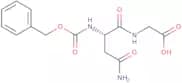
Anti PHI (Rat) Serum is a research tool that can be used in antibody detection, receptor binding, cell biology, ion channels and pharmacology. It is a high purity product with a CAS number of 613-12-5.Purezza:Min. 95%Z-Asn-Gly-OH
CAS:Please enquire for more information about Z-Asn-Gly-OH including the price, delivery time and more detailed product information at the technical inquiry form on this page
Formula:C14H17N3O6Purezza:Min. 95%Colore e forma:PowderPeso molecolare:323.3 g/molDOTA-tris(TBE)-Amido-dPEG®11-Maleimide
DOTA-tris(TBE)-Amido-dPEG®11-Maleimide is a PEG compound with two different functional groups (also known as heterobifunctional). Unlike homobifunctional PEG compounds (same functional group on both ends), this type of compounds are more versatile as have two different anchor points. DOTA-tris(TBE)-Amido-dPEG®11-Maleimide is used as a linker and spacer to add a PEG moiety, via pegylation (a bioconjugation technique) to proteins, peptides, oligonucleotides, small molecules and nanoparticles.Purezza:Min. 95%Peso molecolare:1,250.52 g/mol
























![Putative orf1ab Polyprotein (3233-3247) [SARS Coronavirus]](/_next/image/?url=https%3A%2Fstatic.cymitquimica.com%2Fproducts%2F3D%2Fthumb-webp%2FBP12-331.webp&w=3840&q=75)