Peptidi
Sottocategorie di "Peptidi"
Trovati 29725 prodotti di "Peptidi"
H-LLIIGASTR^-OH
Peptide H-LLIIGASTR^-OH is a Research Peptide with significant interest within the field academic and medical research. This peptide is available for purchase at Cymit Quimica in multiple sizes and with a specification of your choice.
Ac-VGVAPG-NH2
Ac-VGVAPG-NH2 is a custom research peptide; min purity 95%, TFA salt. For different specs please use the Peptide Quote ToolTyrosine Kinase Peptide 3 [RRLIEDAE-pY-AARG], Acetylated, Amide, Phosphorylated
Catalogue peptide; min. 95% purityFormula:C66H110N23O24PPeso molecolare:1,640.75 g/molH-LSEPAELTDAVK^-OH
Peptide H-LSEPAELTDAVK^-OH is a Research Peptide with significant interest within the field academic and medical research. This peptide is available for purchase at Cymit Quimica in multiple sizes and with a specification of your choice.Chymostatin
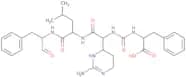
CAS:Chymostatin is a protein that inhibits the polymerase chain reaction (PCR) by binding to the DNA polymerase. It has been shown to have a hypoglycemic effect in mice with myocardial infarcts and can also induce apoptosis in inflammatory lesions. Chymostatin binds to intracellular targets, such as cell factor and pro-apoptotic protein, which are involved in energy metabolism and inflammatory lesion. The inhibition of these targets may be due to its chemical biology properties, which include the formation of disulfide bonds and basic proteins. Chymostatin is not active against bacterial cells but can inhibit enzyme activities in mammalian cells.
Formula:C31H42N6O7Purezza:Min. 95%Peso molecolare:610.71 g/molHXB2 gag NO-120/aa477 - 491
Custom research peptide; min purity 95%. For different specs please use the Peptide Quote ToolPeso molecolare:1,761 g/molSuc-Ala-Glu-Pro-Phe-pNA
CAS:Suc-Ala-Glu-Pro-Phe-pNA is a peptide that is a specific interaction with neutrophils. It is an endogenous factor that has been shown to activate neutrophil functions, such as chemotaxis and phagocytosis. The substrate proteins of this peptide are involved in the regulation of neutrophil functions. Suc-Ala-Glu-Pro-Phe-pNA has also been shown to inhibit the activity of phosphatases, which may lead to inhibition of cell proliferation. The structure activity relationship studies for this peptide show that it can be used as an inhibitor for cells in early stages of development.
Formula:C32H38N6O11Purezza:Min. 95%Peso molecolare:682.69 g/molLL-37 fragment (30-34)
LL-37 is a member of the large cationic family of anti-microbial peptides called cathelicidins which have broad-spectrum anti-microbial activity and are expressed in many species. The only cathelicidin found in humans is LL-37, this is produced in epithelial cells, by proteolytic cleavage from the C-terminal of the hCAP-18 protein. LL-37 can be processed into different forms of anti-microbial peptides. As well as its anti-microbial properties LL-37 also regulates many aspects of the innate immune system and overexpression of LL-37 has been linked to autoimmune diseases such as asthma and psoriasis, making LL-37 the most studied form of the human cathelicidin peptides.More recently, studies have shown that LL-37 binds to SARS-CoV-2 S protein and inhibits binding to its receptor hACE2, which may inhibit viral entry into the cell. LL-37 is upregulated by vitamin D, therefore this may be one mode of action for the positive outcomes seen with vitamin D treatment for Covid-19.Colore e forma:PowderPeso molecolare:597.4 g/molSARS-CoV-2 NSP7 (46-60)
SARS-CoV-2 NSP7 is part of the RNA-dependent RNA polymerase heterotetramer for mediating coronavirus RNA synthesis. NSP7 and NSP8 form a channel to confer processivity on RNA polymerase. NSP7 aids in stabilising NSP12 regions involved in RNA binding and is essential for a highly active NSP12 polymerase complex. These factors make NSP7 a good target for developing new antiviral drugs. In addition, the identification of epitopes within the NSP7 sequence can help design more effective SARS-CoV-2 vaccines.Models have predicted epitopes exhibiting antigenicity, stability and interactions with MHC class-I and class-II molecules. NSP7 (46-60) is an epitope candidate with various HLA restrictions. This epitope can be used to better vaccine design for more durable CD4+ and CD8+ T cell responses for long-lasting immunity.Peso molecolare:1,678.9 g/molFormyl-MLF-[Cys(AF488)]
Formyl-MLF-[Cys(AF488)] is composed of the chemotactic peptide: N-formyl-methionine-leucine-phenylalanine. N-formyl-methionine is the N-terminal amino acid present on bacteria and allows the bacteria to interact with phagocytic cells such as macrophages and monocyte-derived dendritic cells through surface formyl-MLF receptors. As a result Formyl-MLF labelled with the fluorescent dye, Alexa Fluor 488 can be used as a marker of bacterial infections. It has also been demonstrated that the use of multiple formyl-MLF moieties can target polymeric drug delivery molecules to phagocytic cells. In addition to Alexa Fluor 488's application in marking bacterial infections, its properties of being photo-bleaching resistant and having a high quantum yield allow it to carry out its most common use in the visualisation and location of dendritic structures and synapses.Peso molecolare:1,237.3 g/molSARS-CoV-2 NSP13 (231-245)
The SARS-CoV-2 non-structural protein 13 (NSP13) has been identified as a target for anti-viral therapeutics due to its highly conserved sequence and is essential for viral replication. NSP13 is part of the helicase superfamily 1B. As an NTPase and RNA helicase, NSP13 binds to RNA-dependent RNA polymerase and acts in concert with the replication-transcription complex to stimulate backtracking and further activate NSP13 helicase activity. These factors make NSP13 a good target for developing new antiviral drugs. In addition, the identification of epitopes within the NSP13 sequence can help design more effective SARS-CoV-2 vaccines.Models have predicted epitopes exhibiting antigenicity, stability and interactions with MHC class-I and class-II molecules. NSP13 (231-245) is an epitope candidate with various predicted HLA restrictions. This epitope can be used to better vaccine design for more durable CD4+ and CD8+ T cell responses for long-lasting immunity.
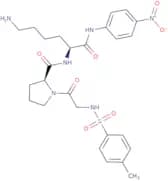
Peso molecolare:1,618.8 g/molTos-Gly-Pro-Lys-pNA acetate
CAS:Tos-Gly-Pro-Lys-pNA acetate is a peptide that has been shown to have inhibitory effects on serine proteases, such as fibrinogen. Tos-Gly-Pro-Lys-pNA acetate binds to the active site of serine proteases, which inhibits their activity and prevents them from cleaving fibrinogen. The rate of reaction is dependent on the concentration of enzyme inhibitors. For example, at low concentrations, the enzyme inhibitor will bind to only one or two sites on the serine protease, while at high concentrations it may bind to many sites. This molecule has been shown to be a potent inhibitor of human immunodeficiency virus (HIV) protease and is currently being studied for its use as a potential antiviral agent.Formula:C26H34N6O7SPurezza:Min. 95%Colore e forma:PowderPeso molecolare:574.65 g/molZ-Arg-Arg-AMC hydrochloride salt
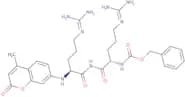
CAS:Z-Arg-Arg-AMC hydrochloride salt is a versatile compound that acts as a catalyst and forms strong hydrogen bonds. It exhibits proteolytic activity and has been found to be effective in breaking down proteins. In addition, Z-Arg-Arg-AMC hydrochloride salt has been shown to possess neuroprotective properties, making it a potential candidate for the treatment of neurological disorders. It also demonstrates anthelmintic activity, which means it can be used to combat parasitic worm infections. Furthermore, this compound has antioxidant activity and can help reduce lipid peroxidation, protecting cells from oxidative damage. With its diverse range of characteristics, Z-Arg-Arg-AMC hydrochloride salt holds great promise in various research fields such as biochemistry and medicine.
Formula:C30H39N9O6·xHClPurezza:Min. 95%Colore e forma:PowderPeso molecolare:621.69 g/mol[5-FAM]-(KFF)3K
(KFF)3K is a cationic cell penetrating peptide which can be conjugated to PNA oligomers to aid in their penetration of the bacterial cell wall to function as anti-microbials. It contains 5-Carboxyfluorescein (5-FAM), a widely used green fluorescent tag.Peso molecolare:1,769.9 g/molAD01 N-terminal Q
AD01 is a derivative of the FK506 binding protein-like (FKBPL), and exerts potent anti-angiogenic activity in vitro and in vivo to control tumour growth.Recent studies have shown that AD-01 inhibits Rac-1 activity, and up-regulates RhoA and the actin binding proteins, profilin and vinculin.In this way, the anti-angiogenic proteins, FKBPL, and AD-01, offer a promising and alternative approach for targeting both CD44 positive tumours and vasculature networks. Recent clinical studies have shown that AD01 and other FKBPL-based peptides may offer an alternative for targeting treatment-resistant breast cancer stem cells.Peso molecolare:2,702.4 g/molfTAT
Peptide derived from the HIV transactivator of transcription protein. TAT is a cationic cell-penetrating peptide.
Peso molecolare:1,396.66 g/molSARS-CoV-2 Nucleoprotein (86-100)
The coronavirus (CoV) nucleoprotein is the major component of CoV structural proteins. Also known as the nucleocapsid protein, it is an abundant RNA-binding protein critical for viral genome packaging. These factors make nucleoprotein a good target for developing new antiviral drugs. In addition, the identification of epitopes within the nucleoprotein sequence can help design more effective SARS-CoV-2 vaccines.Models have predicted epitopes exhibiting antigenicity, stability and interactions with MHC class-I and class-II molecules. Nucleoprotein (86-100) is an epitope candidate with various HLA restrictions. This epitope can be used to better vaccine design for more durable CD4+ and CD8+ T cell responses for long-lasting immunity.
Peso molecolare:1,824 g/molP2-Hp-1935
P2-Hp-1935 is an antimicrobial peptide isolated from the skin secretions of the Montevideo tree frog (Hypsiboas pulchellus). P2-Hp-1935 displays activity against Gram positive and negative bacteria.Peso molecolare:1,935.32 g/molH-Val-Trp-OH
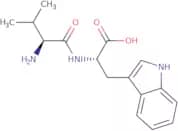
CAS:H-Val-Trp-OH is a noncompetitive inhibitor of the enzyme tyrosinase, which plays a role in melanin production. It also has radical scavenging activities and can inhibit the activity of other enzymes such as glucose 6-phosphate dehydrogenase and acetylcholinesterase. The compound is stable in aqueous solution and can be used to study the effects of H-Val-Trp-OH on wheat germ cells. It is composed of an amino acid sequence that resembles tyrosine, with a carboxylate group attached to the hydroxyl group at position 3. H-Val-Trp-OH is most active against tyrosinase when it is in its activated form, but it can also act as an inhibitor when it is not activated. The compound inhibits the activity of tyrosinase by binding to its active site and blocking the binding or catalysis of substrate molecules. This inhibition occurs through competitive interactions withFormula:C16H21N3O3Purezza:Min. 95%Colore e forma:PowderPeso molecolare:303.36 g/molH-Orn-AMC hydrochloride salt
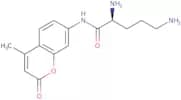
CAS:H-Orn-AMC hydrochloride salt is a white solid with a melting point of about 150°C. It is used as a reactant in the manufacture of pharmaceuticals, research chemicals and other speciality chemicals. H-Orn-AMC hydrochloride salt is also an intermediate for the synthesis of complex compounds, useful as building blocks for chemical synthesis, and can be used as a reagent in analytical chemistry.Formula:C15H20ClN3O3Purezza:Min. 98 Area-%Colore e forma:PowderPeso molecolare:325.79 g/mol14-3-3 zeta/delta (28-41)
14-3-3 proteins are highly conserved from yeast to plants and mammals where they are found in various organs and tissues. 14-3-3 proteins regulate numerous signalling pathways via direct binding to proteins carrying phosphorylated 14-3-3-binding motifs, several hundred binding partners have been identified for 14-3-3 proteins. Their functions include a role in viral infections and innate immunity, protein trafficking, cell-cycle control, apoptosis, autophagy and other cell signal transduction pathways, as well as the associated mechanisms. There are seven 14-3-3 subtypes (alpha/β,γ, ε,η, σ, τ [also called θ] and ζ/δ) in mammals. 14-3-3 ζ has been shown to interact with Hepatitis B virus (HBV) protein X (HBx), E6 oncoprotein, Caspase-2: a protease involved in apoptosis, and to be is involved in the subcellular localisation of the FOXO forkhead transcription factor. 14-3-3 ζ acts as a molecular block that covers the DNA-binding site of FOXO4, thus blocking its interaction with the target DNA. 14-3-3 ζ also participates in the TLR3-TICAM-1 signalling pathway by promoting multimerization of TICAM-1 to form a signalosome. 14-3-3 ζ isoform may also be the target of SARS-CoV-2 in the nervous system.Peso molecolare:1,547.7 g/molThyroglobulin (Tg-VIF)
Thyroglobulin (Tg) is a widely used biomarker of various differentiated thyroid cancer (DTC)- Tg is a substrate for thyroid hormone production. Detection and quantification of serum thyroglobulin levels remain challenging due to Tg's size, heterogeneity, and thyroglobulin autoantibodies (TgAb). Immunoassays offer the opportunity to tailor DTC treatments, but many patients are TgAb positive, excluding them from analysis during regression.Liquid chromatography-tandem mass spectrometry (LC-MS/MS) can overcome immunoassay issues by digestion of Tg to a tryptic peptide removing the interference from TgAbs.Peso molecolare:1,270.7 g/molH-Thr-AMC
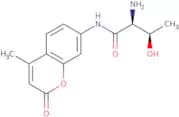
CAS:H-Thr-AMC is a small molecule that binds to the ubiquitin-proteasome system and inhibits the degradation of proteins. It has been shown to inhibit methionine aminopeptidase, which is an enzyme that degrades amino acids in the intestine. H-Thr-AMC also has a metal chelator effect, which prevents it from being degraded by proteases. The sequence of H-Thr-AMC was derived by sequencing cDNA from eukaryotes. H-Thr-AMC is not active against aminopeptidase A, but can inhibit aminopeptidase B and C. H-Thr-AMC has been shown to have inhibitory effects on both intestinal and physiological properties.br>br>
H-Thr-AMC is a substrate for the peptide:hydrolase (peptidase) family of enzymes known as aminopeptidFormula:C14H16N2O4Colore e forma:White PowderPeso molecolare:276.29 g/molZ-Gly-Pro-AMC
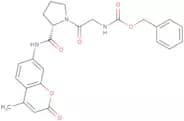
CAS:Z-Gly-Pro-AMC is a substrate molecule that mimics the natural substrate of dipeptidyl peptidase IV (DPP-IV) and is used in the study of plant physiology. It has been shown to inhibit DPP-IV activity by binding to the enzyme’s active site, preventing it from cleaving biologically active peptides. This drug also has an antidiabetic effect, which may be due to its ability to inhibit α-amylase activity. Z-Gly-Pro-AMC also has been shown to increase locomotor activity and reduce body weight in rats with metabolic disorders. Z-Gly-Pro-AMC inhibits serine proteases, such as trypsin, chymotrypsin, elastase, and cathepsin G, which are involved in tumor progression.
Formula:C25H25N3O6Purezza:Min. 98%Colore e forma:White PowderPeso molecolare:463.48 g/molAc-Lys-pNA hydrochloride
CAS:Ac-Lys-pNA hydrochloride is a protease that belongs to the endopeptidase class of proteolytic enzymes. It is used in research and recombinant expression to cleave proteins at specific sites. Ac-Lys-pNA hydrochloride is activated by ammonium sulfate, which binds to the active site of the enzyme. The enzyme also cleaves peptides with Lys or Arg at the C terminus. Ac-Lys-pNA hydrochloride has been shown to be effective against aeruginosa, but not escherichia coli, which are both gram negative bacteria.
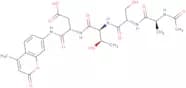
Formula:C14H20N4O4•HClPurezza:Min. 95%Colore e forma:SolidPeso molecolare:344.79 g/molAc-Ala-Ser-Thr-Asp-AMC
CAS:Ac-Ala-Ser-Thr-Asp-AMC is a versatile building block that can be used as an intermediate in organic synthesis, a reagent, or a speciality chemical. It is also a useful scaffold for drug discovery and development. Ac-Ala-Ser-Thr-Asp-AMC has been shown to be an effective inhibitor of phosphodiesterase 3 (PDE3) and cyclic nucleotide phosphodiesterases (PDEs).Formula:C26H33N5O11Purezza:Min. 95 Area-%Colore e forma:PowderPeso molecolare:591.57 g/molPhosphorylated Sakamototide
Sakamototide is phosphorylated by members of the 5'-adenosine monophosphate-activated protein kinase (AMPK) family of kinases as is therefore ideal for use in kinase assays to test the activity of AMPK family members. The AMPK family includes- salt inducible kinases (SIKs), NUAK, sucrose non-fermenting (Snf1)-related kinase (SNRK), microtubule affinity regulating kinases (MARKs) and brain specific kinase/BR serine/threonine kinase (BRSK). The kinase activity of AMPK and AMPK-related kinases, is dependent on its phosphorylation at Thr175 by the upstream kinase LKB1 (also known as STK11).Colore e forma:PowderPeso molecolare:1,818.9 g/molDuck liver-derived peptide 3
Duck liver-derived peptide 3 is a novel bioactive peptide with high antioxidant activity. The antioxidant activity is attributed to forming hydrogen bonds between their amino acid residues and free radical molecules. Duck liver-derived peptide 2 increases the activities and mRNA expression levels of intracellular antioxidant enzymes (SOD, CAT, and GSH-Px) in HepG2 oxidative damage cell models. Duck liver-derived peptide 3 can reduce the content of malondialdehyde (MDA) and reactive oxygen species (ROS) accumulation, thereby inhibiting intracellular oxidative damage. Duck liver-derived peptide 3 has the following activity: immunomodulation, ACE inhibitor, dipeptidyl peptidase IV inhibitor, and antioxidant. This peptide may be used in the research for food-derived bioactive peptides for modified-food development.Of the identified duck-liver derived peptides, this is the only peptide in this group that has a proposed site of action as a HLA class I histocompatibility antigen.Peso molecolare:722.5 g/molMca-Tyr-Val-Ala-Asp-Ala-Pro-Lys(Dnp)-OH trifluoroacetate
CAS:Please enquire for more information about Mca-Tyr-Val-Ala-Asp-Ala-Pro-Lys(Dnp)-OH trifluoroacetate including the price, delivery time and more detailed product information at the technical inquiry form on this pageFormula:C53H64N10O19•(C2HF3O2)xPurezza:95%NmrColore e forma:PowderPeso molecolare:1,145.13 g/molJelleine 2
Jelleines are a family of very small (8-9 amino acid residues long) host defence peptides (HDPs) isolated from the royal jelly of honey bees (Apis mellifera). Jelleines do not present any similarity with other HDPs from other honeybees and are produced by the workers and secreted into Royal Jelly (RJ), providing abroad-spectrum protection of the bee hive against microbial infections. The Jelleines are not considered cytolytic or directly involved with inflammatory effects. Jelleine-II may be a product of a tryptic digestion of MRJP-1, which is produced in the hypopharyngeal glands of the worker honeybee and secreted into the RJ- an exoproteinase action either on N-or on C-terminal positions of the tryptic fragment could result in the formation of the Jelleines-I and -IV, respectively. Possess antimicrobial properties against yeast, fungi, gram-positive and gram-negative bacteria.PLEASE NOTE that in several published articles the sequence of Jelleine-2 has been printed as TPFKISLHL-NH2-NH2, due to a mistake in the original reference: Fontana et al., (2004). The correct sequence, is TPFKISIHL-NH2.
Peso molecolare:1,053.6 g/molNeuropeptide W-23 (human)
CAS:Neuropeptide W-23 (human) is an antibody that recognizes the neuropeptide receptor, specifically the Neuropeptide Y receptor 1. The antibody binds to the Npy1 receptor and inhibits its activity. Neuropeptide W-23 (human) can be used as a research tool in cell biology and pharmacology studies.Formula:C119H183N35O28SPurezza:Min. 95%Peso molecolare:2,584.01 g/mol[5-FAM]-DAG peptide
Cyclic DAG peptide targets connective tissue growth factor (CTGF/CCN2), present in the extracellular matrix, endothelial cells and overexpressed in several brain diseases. CTGF is a matricellular protein that acts as a regulator of several cellular functions, including cell adhesion, migration, mitogenesis, differentiation, and survival. CTGF is up regulated in Alzheimer's disease, Parkinson's disease, brain injury, glioblastoma, and cerebral infarction.DAG peptide has been shown to home to the brain in mouse models of glioblastoma, traumatic brain injury, and Parkinson's disease when exogenously delivered, making it an attractive target for the treatment of glioblastoma and other brain disorders. DAG may be of use as a tool to enhance delivery of therapeutics and imaging agents to sites of brain diseases.Peptide is labelled with an N-terminal 5-carboxyfluorescein (5-FAM), a widely used green fluorescent tag.Peso molecolare:1,363.5 g/molLL-17-32
This peptide represents the anti-microbial domain of the LL-37 peptide. LL-37 is a member of the large cationic family of anti-microbial peptides called cathelicidins which have broad-spectrum anti-microbial activity and are expressed in many species. The only cathelicidin found in humans is LL-37- this is produced in epithelial cells, by proteolytic cleavage from the C-terminal of the hCAP-18 protein. LL-37 can be processed into different forms of anti-microbial peptides. As well as its anti-microbial properties LL-37 also has anti-cancer properties and regulates many aspects of the innate immune system, overexpression of LL-37 has been linked to autoimmune diseases such as asthma and psoriasis.Peso molecolare:2,044.2 g/molOrexin A (monkey)
Orexin A is one of two closely related peptides- the orexins (also known as hypocretins). These small neuropeptides are secreted from orexin-containing neurons, located mainly in the lateral hypothalamus (LH). Orexins function via the binding and activation of two G-protein-coupled receptors (GPCRs)- orexin receptor type 1 (OX1R) and 2 (OX2R).Orexins play several vital roles in a range of physiological activities, including: circadian rhythm, feeding behaviour, energy balance, glucose metabolism, neuroendocrine functions, stress-adaptive responses and reward and addiction. Orexins have also been linked to the pathological processes of neurological diseases such as: narcolepsy- depression- ischemic stroke- drug addiction and Alzheimer's disease.This Orexin A peptide contains two disulphide bridges, one between cysteine 7 and cysteine 13, and the other between cysteine 8 and 15. Orexin-A appears to be the isoform most important for the feeding response.Peso molecolare:3,813 g/molBiotin-Jak2 substrate
This peptide is phosphorylated by Janus kinase 2 and 3 (JAK2 and JAK3) and is an ideal substrate for use in kinase assays. The JAK family of kinases is essential for the signalling of a host of immune modulators in tumour, stromal, and immune cells where they are highly expressed. JAK family proteins mediate the signalling of the interferon (IFN), IL-6, and IL-2 families of cytokines.JAK kinases are associated with cytokine receptors. Cytokine binding to these receptors results in activation of JAK kinases and receptor phosphorylation. Phosphorylated cytokine receptors recruit STAT proteins, which are then phosphorylated by the activated JAK kinases. Phosphorylated STAT proteins form homo- and hetero-dimers that translocate into the nucleus and function as transcription factors.This peptide contains an N-terminal biotin tag for easy detection and purification.
Colore e forma:PowderPeso molecolare:1,782.96 g/molANP (9-22)
ANP (9-22) is derived from the atrial natriuretic peptide (ANP) which is a cardiac hormone involved in maintaining cardio-renal homeostasis. This occurs through the activation of the guanylyl cyclase-coupled receptor, resulting in the increased concentration of cyclic guanylate monophosphate. Moreover its function in the processes of anti-proliferation and anti-angiogenesis allow it to take part in the cardiovascular remodelling process.ANP is a member of the natriuretic peptide family and it is encoded by the NPPA gene, located on chromosome 1. Once synthesized from the 151 amino acid pre-prohormone into its biologically active form, ANP is secreted by the atrial cardiomyocytes in the circulating forms: ANP (1-98) and ANP (99-126). This synthesis process involves the signal peptide being removed from the pre-prohormone resulting in proANP (1-126) which is converted into the circulating forms by the type II transmembrane serine protease Corin.
Colore e forma:PowderPeso molecolare:1,373.7 g/molFmoc-PFAV
Peptide Fmoc-PFAV is a Research Peptide with significant interest within the field academic and medical research. This peptide is available for purchase at Cymit Quimica in multiple sizes and with a specification of your choice.Shepherdin (79 - 87)
Shepherdin is an antagonist of the interaction between the apoptosis protein, survivin, and the molecular chaperone, heat shock protein 90 (Hsp90). The sequence of shepherdin corresponds to the site where Hsp90 binds to survivin. Shepherdin therefore has high affinity for Hsp90 and thus disrupts survivin binding and acts as an inhibitor of Hsp90 ATPase function by competing with ATP.The survivin-Hsp90 complex is a regulator of cell proliferation and cell viability in cancer tissue. Shepherdin has anti-cancer properties and can significantly suppress the growth of lung cancer cell lines and acute myeloid leukaemia (AML) by inducing apoptosis.Colore e forma:PowderPeso molecolare:948.4 g/molGurmarin
CAS:Gurmarin is a polycyclic diterpene that can be found in the bark of the G. lucidum tree. It has been shown to bind to glutamate receptors, which are ion channels that allow ions such as calcium and sodium to pass through cell membranes. Gurmarin has been shown to activate these receptors in vitro, and knockout or over-expression of these receptors in cells can lead to changes in receptor activity. Gurmarin has also been shown to have specific binding affinity for a certain type of receptor cell, which are cells with cation channels that may be involved in taste perception. The receptor binding site on the gurmarin molecule is thought to correspond with the sweet taste sensation.Formula:C187H276N46O53S6Purezza:Min. 95%Peso molecolare:4,208.95 g/molBiotin SBP1
Fragment of the angiotensin-converting enzyme 2 (ACE2) peptidase domain (PD) alpha1 helix, a domain important for the interaction of ACE2 with the severe acute respiratory syndrome (SARS coronavirus receptor binding domain (SARS-CoV-2-RBD). SBP1 associates with the SARS-CoV-2-RBD with nanomolar affinity and can potentially block the key mechanism by which SARS CoV-2 initiates entry into human cells.This peptide has a covalently bonded N-terminal Biotin tag that can be used for detection and purification and contains a polyethylene glycol spacer (PEG4).
(Asp-Glu-Val-Asp)2-Rh110
(Asp-Glu-Val-Asp)2-Rh110 is a peptide substrate for caspase 3 and 7. It has been shown to be an effective inhibitor of peptidyl prolyl cis, trans isomerase (PPIase) in vitro and in vivo, which may lead to a possible therapeutic target for the treatment of neurodegenerative disorders.
Formula:C72H78N10O27Purezza:Min. 95%Peso molecolare:1,515.48 g/molARF peptide
ARF peptide, is the alternative frame (ARF) tumour suppressor protein which is expressed on the occurrence of oncogenic stimuli. It functions to prevent abnormal cell proliferation through inhibiting the p53 ubiquitin ligase protein Mdm2 from degrading p53. This results in the increased stability of the p53 tumour suppressor causing G1 cell cycle arrest. Additionally mouse ARF proteins can localise E2F1 and c-Myc transcriptions factors to the nucleolus therefore they are no longer able to activate S-phase promoting target gene. Again this results in cell cycle arrest, ultimately preventing tumour cell growth. It is evident that if the expression of the ARF peptide is inhibited tumour formation is more likely to occur.Colore e forma:PowderPeso molecolare:1,867.1 g/molSMRT peptide
BCL6 encodes a transcription factor that represses genes necessary for the terminal differentiation of lymphocytes within germinal centers, and the misregulated expression of this factor is strongly implicated in several types of B cell lymphoma. The homodimeric BTB domain of BCL6 (also known as the POZ domain) is required for the repression activity of the protein and interacts directly with the SMRT and N-CoR corepressors that are found within large multiprotein histone deacetylase-containing complexes.
Peso molecolare:1,875.1 g/molAF488 Maleimide
Please enquire for more information about AF488 Maleimide including the price, delivery time and more detailed product information at the technical inquiry form on this pagePurezza:Min. 95%N-formylated PSMalpha2
Pathogenic Staphylococcus aureus strains produce N-formylmethionyl containing peptides. Peptides starting with an N-formylated methionyl group constitute a unique hallmark of bacterial as well as mitochondrial metabolism, and professional phagocytes of our innate immune system recognise this microbial/mitochondrial pattern as a danger signal that guides innate immune cells.All PSMα peptides have the same basic functions and promote virulence through effects on discrete neutrophil functions (i.e. chemotaxis) and by being cytotoxic at higher concentrations. PSMα2 and PSMα3 can both bind to FPR2 and trigger superoxide release in neutrophils at low nanomolar concentrations. In addition, at high nanomolar concentrations they display cytotoxicity selectively on apoptotic neutrophil membranes and this occurs in an FPR2 independent manner.Colore e forma:PowderPeso molecolare:2,304.4 g/molTetanus Toxin P30 (947-967)
Tetanus Toxin P30 (947-967) is a protein that is derived from the single-chain polypeptide neurotoxin produced by Clostridium tetani. The neurotoxins produced by Clostridium tetani are among the most potent molecules known to humankind. Once in the body, the toxin binds to the basal lamina at the neuromuscular junction. From here, the toxin is transported to inhibitory interneurons in the spinal cord, where it prevents the release of neurotransmitters, which causes spastic paralysis.
Peso molecolare:2,477.3 g/mol3x FLAG peptide
The synthetic canonical Flag sequence has been shown to be most effective with the Asp-Tyr-Lys-Xaa-Xaa-Asp motif triplicated for applications in protein analysis followed by the eight amino acids at the C-terminus of the classic FLAG sequence (Asp-Tyr-Lys-Asp-Asp-Asp-Asp-Lys). Due to the hydrophilic nature of the peptide the Flag tag typically resides on the surface of the recombinant protein thus minimising any effects on the function or transport of the fusion protein. The tag can be used in conjunction with other tags such as HA or myc depending on the application. FLAG is an artificial antigen to which high affinity monoclonal antibodies have been raised, therefore allowing for highly effective protein purification by affinity chromatography as well as accurate localisation of FLAG tagged proteins within living cells, or Western blots. FLAG peptide can be used to effectively purify complexes with multiple proteins as its mild purification procedure tends not to disrupt such complexes. It can be used to obtain proteins of sufficient purity for x-ray crystallography. The 3 x Flag peptide provides powerful detection and purification of recombinant proteins that has been characterised in numerous applications including affinity chromatography, binding assays and structural analysis.Peso molecolare:3,649.8 g/mol

![Tyrosine Kinase Peptide 3 [RRLIEDAE-pY-AARG], Acetylated, Amide, Phosphorylated](/_next/image/?url=https%3A%2Fstatic.cymitquimica.com%2Fproducts%2F3D%2Fthumb-webp%2FVAC-00046.webp&w=3840&q=75)

![Formyl-MLF-[Cys(AF488)]](/_next/image/?url=https%3A%2Fstatic.cymitquimica.com%2Fproducts%2F3D%2Fthumb-webp%2FCRB1110384.webp&w=3840&q=75)
![[5-FAM]-(KFF)3K](/_next/image/?url=https%3A%2Fstatic.cymitquimica.com%2Fproducts%2F3D%2Fthumb-webp%2FCRB1101018.webp&w=3840&q=75)

![[5-FAM]-DAG peptide](/_next/image/?url=https%3A%2Fstatic.cymitquimica.com%2Fproducts%2F3D%2Fthumb-webp%2FCRB1100887.webp&w=3840&q=75)