Substrati enzimatici
I substrati enzimatici sono molecole su cui agiscono gli enzimi per catalizzare reazioni chimiche. Il substrato si lega al sito attivo dell'enzima, dove subisce una trasformazione specifica per formare il prodotto della reazione. I substrati enzimatici sono strumenti essenziali nella ricerca per studiare la cinetica enzimatica, la specificità e il meccanismo d'azione. Sono utilizzati anche in saggi diagnostici e studi biochimici. Presso CymitQuimica, offriamo una selezione diversificata di substrati enzimatici di alta qualità per supportare le vostre ricerche in enzimologia e biochimica.
Sottocategorie di "Substrati enzimatici"
Trovati 1527 prodotti di "Substrati enzimatici"
Ordinare per
Purezza (%)
0
100
|
0
|
50
|
90
|
95
|
100
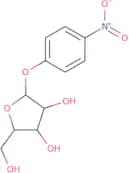
4-Nitrophenyl b-L-arabinofuranoside
CAS:<p>Chromogenic substrate targeting alpha-L-arabinofuranosidase</p>Purezza:Min. 95%Colore e forma:White/Off-White SolidPeso molecolare:271.22 g/molAldol® 484 acetate, Biosynth Patent: EP 2427431 and US 8940909
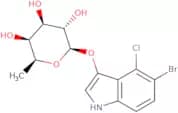
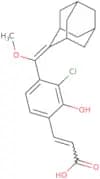
CAS:Prodotto controllato<p>Aldol® 484 acetate is a chromogenic substrate for carboxylesterases yielding a red precipitate. In contrast to classical indoxyl substrates, Aldol® substrates can be used under aerobic and anaerobic conditions.</p>Formula:C22H16ClFN2O3Purezza:Min. 95%Colore e forma:PowderPeso molecolare:410.83 g/mol5-Bromo-4-chloro-3-indolyl b-L-fucopyranoside
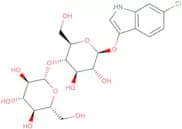
CAS:<p>5-Bromo-4-chloro-3-indolyl β-L-fucopyranoside (X-Fuc) is a chromogenic substrate specifically designed for the identification and detection of fucosidase enzyme activity. Upon cleavage by fucosidase, it generates a blue-colored 5-Bromo-4-chloro-3-hydroxy-indole precipitate, which can be easily observed under a microscope or spectrophotometer. This feature makes X-Fuc an invaluable tool across various applications, such as biochemical analysis, histochemical staining, cell biology, and enzyme kinetic assays. By providing a fast, sensitive, and reliable readout for fucosidase activity, 5-Bromo-4-chloro-3-indolyl β-L-fucopyranoside facilitates essential research in the understanding of biological processes and the development of therapeutic interventions.</p>Formula:C14H15BrClNO5Purezza:Min. 95%Colore e forma:White PowderPeso molecolare:392.63 g/mol6-Chloro-3-indolyl β-D-cellobioside
CAS:<p>6-Chloro-3-indolyl b-D-cellobioside is a chromogenic substrate that produces a salmon-pink color after enzymatic cleavage. It is used for detecting the activity of beta-D-cellobiosidase in enzyme assays.</p>Purezza:Min. 95%Colore e forma:White To Off-White SolidPeso molecolare:491.87 g/molDehydroluciferin
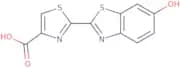
CAS:<p>Dehydroluciferin is a bioluminescence probe that is a potent inhibitor of the firefly luciferase reaction. It is a byproduct of the oxidation of luciferin, the substrate for firefly luciferase, which catalyzes the bioluminescence reaction. It can also form during the synthesis or storage of luciferin. Its presence can potentially lead to issues in bioluminescent assays.</p>Formula:C11H6N2O3S2Purezza:Min. 97 Area-%Colore e forma:PowderPeso molecolare:278.31 g/mol2-(N-Hexadecanoylamino)-4-nitrophenylphosphocholine hydroxide
CAS:<p>2-(N-Hexadecanoylamino)-4-nitrophenylphosphocholine hydroxide, often abbreviated as HDA-PC, is a chromogenic substrate for acid sphingomyelinase enzyme. HDA-PC is used as a key substrate for measuring the activity of this enzyme, responsible for catalyzing the hydrolysis of sphingomyelin to ceramide. The activity assay for this measuring this enzyme's acitivy is to detect a deficiency (or lack) of the enzyme which is directly related to the Niemann-Pick disease.</p>Formula:C27H50N3O8PPurezza:Min. 95%Colore e forma:Off-White PowderPeso molecolare:575.68 g/mol4-Nitrophenyl a-L-arabinopyranoside
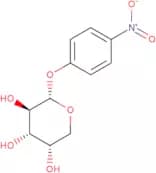
CAS:<p>Substrate for a-L-arabinopyranosidase</p>Formula:C11H13NO7Purezza:Min. 98 Area-%Colore e forma:White PowderPeso molecolare:271.22 g/mol3-Indolyl 2-acetamido-2-deoxy-b-D-glucopyranoside
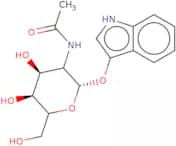
CAS:<p>3-Indolyl 2-acetamido-2-deoxy-b-D-glucopyranoside is a substrate used for the detection of the enzyme N-acetylglucosaminidase (NAG). The enzyme hydrolyzes the NAG conjugate, releasing indole that can be detected through a colorimetric assay. This method is commonly used in clinical chemistry to evaluate kidney function, as NAG is excreted in urine and increased levels may indicate renal injury or disease. The indole NAG assay is also used in microbiology to detect the presence of NAG-producing bacteria.</p>Purezza:Min. 95%Peso molecolare:336.34 g/mol4-Nitrophenyl a-D-mannopyranoside
CAS:<p>4-Nitrophenyl a-D-mannopyranoside is a chromogenic pNP enzyme substrate that enables the detection and quantification of a-D-mannosidase activity in various biological samples through a colorimetric assay. The hydrolysis of the substrate by the enzyme releases 4-nitrophenol, a yellow compound whose absorption can be measured spectrophotometrically. Applications for this substrate span biomedical research, disease diagnostics, and industrial enzyme production.</p>Formula:C12H15NO8Purezza:Min. 98.0 Area-%Colore e forma:Off-White PowderPeso molecolare:301.25 g/mol3,4-Cyclohexenoesculetin β-D-glucuronide
<p>Chromogenic substrate for beta-glucuronidase</p>Purezza:Min. 95%β-Naphthyl stearate
CAS:<p>Beta-naphthyl stearate is a chromogenic substrate for measuring enzymatic activity.</p>Purezza:Min. 95%Colore e forma:PowderPeso molecolare:410.63 g/molL-Histidine 7-amido-4-methylcoumarin hydrochloride
CAS:<p>L-Histidine 7-amido-4-methylcoumarin hydrochloride is a synthetic peptide substrate used as a fluorogenic substrate for histidine aminopeptidase.</p>Formula:C16H17ClN4O3Purezza:Min. 95%Peso molecolare:348.79 g/molAldol® 518 α-D-galactopyranoside, Biosynth Patent: EP 2427431 and US 8940909
CAS:<p>Aldol® 518 alpha-D-galactopyranoside is a chromogenic and fluorogenic enzyme substrate used for detection of alpha-galactosidase activity. The enzyme substrate is cleaved by alpha-galactosidase positive bacteria and yeasts in liquid or solid media, yielding red color and red fluorescence signal. Aldol® 518 alpha-D-galactopyranoside can also be used to detect alpha-galactosidase (encoded by the Mel1 gene) in yeast gene reporter assays or for identification of alpha-gal positive transformants on agar plates. Aldol® 518 alpha-D-galactopyranoside can be used under aerobic and anaerobic conditions.</p>Formula:C29H29ClN2O7Purezza:Min. 95.0 Area-%Peso molecolare:553.01 g/mol2-Chloro-4-nitrophenyl a-D-maltotrioside
CAS:<p>2-Chloro-4-nitrophenyl a-D-maltotrioside (2CNP) is a potent hypoglycemic agent that has been shown to decrease postprandial blood glucose levels in humans. 2CNP is a white crystalline solid that is soluble in water and ethanol. The transfer reactions of 2CNP are enhanced by benzalkonium chloride, which forms an organic complex with the drug. The optimum concentration for the hypoglycemic effect of 2CNP is determined to be 10 μM, which can be detected using an optical sensor. This compound also inhibits α-amylase and other enzymes involved in carbohydrate metabolism, leading to the accumulation of glycogen and lowering the blood glucose level.</p>Formula:C24H34CiNO18Purezza:Min. 95%Colore e forma:Off-White Yellow PowderPeso molecolare:659.98 g/molLuc-Salmonella
<p>Luc-Salmonella is a conjugate of the enzyme luciferase and the substrate 5-bromo-4-chloro-3-indolyl phosphate. Luc-Salmonella has been used for diagnostic purposes in the detection of bacteria in culture media, as well as in environmental and food testing. Luc-Salmonella can be used to detect Salmonella, which is a bacterium that can cause gastrointestinal disease. Luminescence is measured using a luminometer or fluorimeter with an excitation wavelength of 485 nm and emission wavelengths at 510 nm. Luminescence from Luc-Salmonella is typically measured after 1 hour incubation with bacterial cells.<br>Luc-Salmonella has been shown to have high purity and quality due to its unique composition of enzyme substrate. This product has been tested for contamination by sensitive assays such as chemiluminescence, bioluminescence, or fluorescence. The purity level of Luc-Sal</p>Purezza:Min. 96 Area-%Ref: 3D-L-8281
5mgPrezzo su richiesta10mgPrezzo su richiesta25mgPrezzo su richiesta50mgPrezzo su richiesta100mgPrezzo su richiesta-Unit-mgmgPrezzo su richiesta1-Naphthyl β-D-glucuronide
CAS:<p>1-Naphthyl beta-D-glucuronide (NPG) is a chromogenic enzyme substrate used to detect the presence of β-glucuronidase activity. Upon hydrolysis by the enzyme, it produces a yellow product that can be detected by spectrophotometry or visually. It is commonly used in clinical assays to detect the presence of the enzyme in urine samples, as elevated levels can indicate liver or urinary tract diseases. It is also utilized in environmental testing, as some bacteria strains can produce the enzyme as a by-product, making NPG a useful tool for detecting these strains in contaminated water or food sources.</p>Formula:C16H16O7Purezza:Min. 95%Colore e forma:White PowderPeso molecolare:320.29 g/mol4-Methylumbelliferyl 2-deoxy-2-sulfamino-b-D-glucopyranoside sodium salt
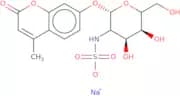
<p>4-Methylumbelliferyl 2-deoxy-2-sulfamino-beta-D-glucopyranoside sodium salt is a fluorogenic substrate for N-sulfoglucosamine sulfohydrolase. After enzymatic cleaveage, free 4-methylumbelliferone (also known as hymecromone) is released, exhibiting blue fluorescence upon excitation with UV light. The strongest fluorescence of 4-methylumbelliferone requires deprotonation of the hydroxyl group (thus requires alkaline pH), with a maximal fluorescence intensity obtained with excitation at 350 to 370 nm and emission at 440 to 470 nm. The use of 4-methylumbelliferyl 2-deoxy-2-sulfamino-beta-D-glucopyranoside sodium saltas a substrate for measuring the N-sulfoglucosamine sulfohydrolase activity is used for screening of Mucopolysaccharidosis IIIA (MPS IIIA) and diagnosis of Sanfilippo A syndrome.</p>Formula:C16H19NO10SNaPurezza:Min. 95%Colore e forma:PowderPeso molecolare:439.37 g/mol4-Methylumbelliferyl-α-L-rhamnopyranoside
CAS:<p>4-Methylumbelliferyl-alpha-L-rhamnopyranoside is a fluorogenic substrate used in enzyme assays. It is a substrate of the enzyme beta-galactosidase, which catalyzes the hydrolysis of terminal galactose residues from polysaccharides and glycoproteins. The fluorescent product 4-methylumbelliferone (4MU) is formed by cleavage of the terminal galactose residue and can be measured spectrophotometrically at 360 nm. 4-Methylumbelliferone has been used for chemiluminescent detection in immunoassays and as a substrate for bioluminescence reactions.</p>Formula:C16H18O7Purezza:Min. 98.0 Area-%Peso molecolare:322.32 g/molRef: 3D-M-6185
1gPrezzo su richiesta5gPrezzo su richiesta10gPrezzo su richiesta500mgPrezzo su richiesta2500mgPrezzo su richiesta-Unit-ggPrezzo su richiesta3-Acetylumbelliferyl b-D-glucopyranoside
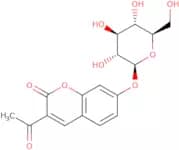
CAS:<p>3-Acetylumbelliferyl beta-D-glucopyranoside is a fluorogenic enzyme substrate for beta-galactosidase-6-phosphatase. It is used in in diagnostic assays such as Gaucher disease.</p>Formula:C17H18O9Purezza:Min. 95%Colore e forma:PowderPeso molecolare:366.32 g/mol4-Methylumbelliferyl b-D-glucuronide trihydrate
CAS:<p>Fluorogenic substrate for beta-glucuronidase GUS</p>Formula:C16H22O12Purezza:Min. 98 Area-%Colore e forma:White PowderPeso molecolare:406.34 g/molAldol® 518 myo-inositol-1-phosphate - Biosynth Patent: EP 2427431 and US 8940909
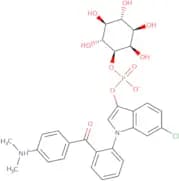
CAS:<p>Aldol® 518 myo-inositol-1-phosphate is a chromogenic and fluorogenic enzyme substrate used for detection of phosphatidyl-inositol specific phospholipase C activity (PI-PLC, EC 4.6.1.13). The colorless enzyme substrate is cleaved by PI-PLC or PI-PLC-positive microorganisms grown in liquid or solid media, yielding an intense red coloration. In combination with Aldol® 355 fluorescence enhancer, red fluorescence can also obtained. Aldol® 518 myo-inositol-1-phosphate is suitable for use in liquid and solid media, under aerobic as well as anaerobic conditions.</p>Formula:C29H33ClN3O10PPurezza:Min. 95 Area-%Colore e forma:PowderPeso molecolare:650.02 g/molFluorescein-dipalmitoylphosphatidylethanolamine triethylammonium salt
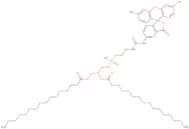
CAS:<p>Fluorescein-dipalmitoylphosphatidylethanolamine triethylammonium salt is a fluorescent phospholipid derivative for phospholipase. This substrate consists of a fluorescein conjugated to DPPE (dipalmitoylphosphatidylethanolamine), a key component of biological membranes. This compound is frequently used in membrane dynamics studies and lipid metabolism research. The fluorescein moiety allows visualization of lipid interactions in model membranes, liposomes, or live-cell imaging applications. The triethylammonium salt form enhances solubility and stability, property that facilitates its use in aqueous and lipid-based environments.</p>Purezza:Min. 95%Colore e forma:PowderPeso molecolare:1,182.53 g/mol4-Methylumbelliferyl-a-D-mannopyranoside-2-phosphoethanolamine
<p>4-Methylumbelliferyl-a-D-mannopyranoside-2-phosphoethanolamine is a fluorescent substrate used in enzyme assays. It is an analog of the natural substrate, 4-methylumbelliferyl-alpha-D-mannopyranoside, which is a phosphoethanolamine linked to alpha-D-mannose. This product can be used as a chromogenic or fluorogenic substrate for various enzymes, including beta glucosidase, beta galactosidase, and beta lactonase. 4MUMPE can also be used for bioluminescent studies and has been shown to have high purity and quality.</p>Purezza:Min. 95%4-Nitrophenyl sulfate potassium salt
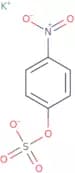
CAS:<p>4-Nitrophenyl sulfate potassium salt is a chromogenic substrate for arylsulfatase. Upon hydrolysis, para-nitrophenol is released yielding a yellowish colour. 4-Nitrophenyl sulfate potassium salt is used in different applications such as the Metachromatic leukodystrophy diagnosis, sulfatase activity assays</p>Formula:C6H4KNO6SPurezza:Min. 95%Colore e forma:PowderPeso molecolare:257.26 g/molAquaSpark® 515 Singlet Oxygen Probe, Ramot at Tel-Aviv University Ltd. Patent family WO 2017/130191
CAS:<p>Singlet Oxygen Chemiluminescence Probe, SOCL</p>Formula:C21H23ClO4Purezza:Min. 95 Area-%Colore e forma:PowderPeso molecolare:374.13 g/molVargulin trifluoroacetate
CAS:<p>Bioluminescent substrate for cypridina luciferase</p>Formula:C22H27N7O·C2F3O2HPurezza:Min. 95%Colore e forma:Red PowderPeso molecolare:519.52 g/molL-Luciferin, potassium salt
CAS:<p>L-Luciferin is an enzyme substrate that is used in the detection of bioluminescence. It is a fluorogenic substrate that can be used to detect the presence of glucose in urine. L-Luciferin is also a chemiluminescent substrate that can be used to detect ATP, which is required for cell metabolism. L-Luciferin has been shown to be stable at pH levels ranging from 2.5 to 9 and can be stored for up to 3 years when stored at 4°C with no light or oxygen exposure. This product has CAS No. 754978-59-1, indicating high purity and quality. L-Luciferin will not stain or react with other compounds, making it highly suitable for use as a conjugate in diagnostic tests or as a ligand in fluorescent staining reactions.</p>Formula:C11H7KN2O3S2Purezza:Min. 98.0 Area-%Peso molecolare:318.42 g/molN-Methylindoxyl-β-D-galactopyranoside monohydrate
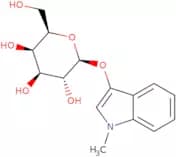
CAS:<p>N-Methylindoxyl-beta-D-galactopyranoside monohydrate (MG) is a chromogenic probe that interacts with galactose residues found on glycoproteins, which are found on cell surfaces, leading to activation of cells. MG also binds specifically to the surface of lung cells and can inhibit the development of certain types of infections..</p>Formula:C15H21NO7Purezza:Min. 98 Area-%Colore e forma:PowderPeso molecolare:327.33 g/mol4-Nitrophenyl-β-D-glucopyranoside
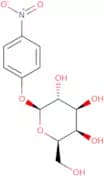
CAS:<p>Chromogenic β-glucosidase substrate yielding a yellow solution upon cleavage.</p>Formula:C12H15NO8Purezza:Min. 99.0 Area-%Peso molecolare:301.25 g/mol6-Chloro-4-(trifluoromethyl)umbelliferyl β-D-cellotrioside
<p>6-Chloro-4-(trifluoromethyl)umbelliferyl b-D-cellotrioside is a fluorogenic substrate for cellulases and beta-glucosidases. After hydrolisis, the fluorophore TFMU is released generating a blue fluorescence.</p>Formula:C28H34ClF3O18Purezza:Min. 95%Colore e forma:White to off-white powder.Peso molecolare:751.01 g/molCoelenterazine cp
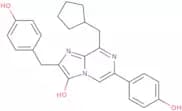
CAS:<p>Coelenterazine cp is a coelenterazine analog for Renilla luciferase. In certain studies, it has been shown to be highly sensitive for the detection of human papilloma virus (HPV) and can be used in the diagnosis of cervical cancer.</p>Formula:C25H25N3O3Purezza:Min. 95%Peso molecolare:415.48 g/molResorufin b-D-cellobioside
CAS:<p>Resorufin b-D-cellobioside is a fluorogenic substrate for measurement of cellulase activity. The product of enzyme reaction, resorufin, exhibits fluorescence emission at 585 nm with excitation at 571 nm at or near physiological pH values.</p>Formula:C24H27NO13Purezza:Min. 95 Area-%Colore e forma:Brown Orange PowderPeso molecolare:537.47 g/molNaphthol AS-BI b-D-glucuronide
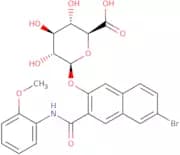
CAS:<p>Chromogenic substrate to visualize beta-glucuronidase activity; produces a red color</p>Formula:C24H22BrNO9Purezza:Min. 98 Area-%Colore e forma:White PowderPeso molecolare:548.34 g/mol4-Methylumbelliferyl cholin phosphate
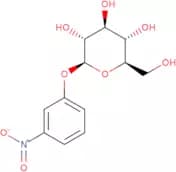
CAS:<p>4-Methylumbelliferyl phosphocholine, commonly known as 4-MUPC, is a synthetic phosphodiester used as an enzyme substrate for phospholipase enzymes. 4-MUPC is used as a fluorogenic substrate to measure the activity of phopholipases, which are important mediators of cell signalling.</p>Formula:C15H20NO6PPurezza:Min. 99.0 Area-%Peso molecolare:341.30 g/mol3-Nitrophenyl β-D-glucopyranoside
CAS:<p>3-Nitrophenyl beta-D-glucopyranoside is a chromogenic enzyme substrate commonly used to assay for beta-glucosidase activity. Upon hydrolysis by the enzyme, it produces a yellow product that can be easily detected by spectrophotometry. This substrate is often used in the field of carbohydrate chemistry and biochemistry to study enzyme kinetics and inhibition in both in vitro and in vivo systems.</p>Formula:C12H15NO8Purezza:Min. 95%Colore e forma:White Yellow PowderPeso molecolare:301.25 g/mol3-Indoxyl sulfate, potassium salt
CAS:<p>3-Indoxyl sulfate, potassium salt (3ISK) is a chemical compound that is soluble in water. It has been used as a marker for bowel disease, and it has been shown to react with analytical methods such as titration calorimetry and lc-ms/ms. 3ISK can be used to determine the optimum concentration for pharmacological treatment of bowel disease. The metabolic fate of 3ISK has been studied extensively and it is found that 3ISK is metabolized by microbial enzymes in the gut, which may lead to an increased incidence of bowel disease in patients with low levels of microbial metabolism. 3ISK also plays an important physiological function by maintaining mitochondrial membrane potential, which could have implications for pharmacological treatment of bowel disease.</p>Formula:C8H6KNO4SPurezza:Min. 98.0 Area-%Peso molecolare:251.31 g/molL-Alanine-7-amido-4-methylcoumarin hydrochloride
CAS:<p>L-Alanine-7-amido-4-methylcoumarin hydrochloride is a synthetic peptide substrate used as a fluorogenic substrate for alanine aminopeptidase.</p>Formula:C13H14N2O3·HClPurezza:Min. 90%Colore e forma:PowderPeso molecolare:282.72 g/molAldol® 484 β-D-galactopyranoside, Biosynth Patent: EP 2427431 and US 8940909
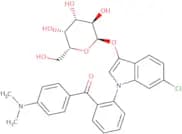
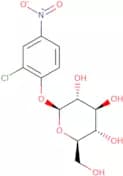
CAS:<p>Aldol® 484 beta-D-galactopyranoside is a chromogenic enzyme substrate for beta-galactosidase activity. The colorless product is cleaved by lactose-utilizing bacteria in liquid or solid media, yielding intense red color. Aldol® 484 beta-D-galacto-pyranoside can also be used in beta-gal reporter gene assays or for identification of beta-gal positive transformants on agar. Aldol® 484 beta-D-galactopyranoside can be used under aerobic and anaerobic conditions.</p>Formula:C26H24ClFN2O7Purezza:Min. 95%Colore e forma:PowderPeso molecolare:530.93 g/mol2-Chloro-4-nitrophenyl β-D-glucopyranoside
CAS:<p>2-Chloro-4-nitrophenyl β-D-glucopyranoside is a chromogenic substrate for beta-glucosidases. In biochemical enzyme assays and in vitro diagnostics analysis, the substrate is used to monitor the glycosyltransferase activity. When 2-chloro-4-nitrophenyl β-D-glucopyranoside is cleaved by beta-glucosidase, 2-chloro-4-nitrophenol is released and quantified.</p>Formula:C12H14ClNO8Purezza:Min. 95%Colore e forma:White PowderPeso molecolare:335.69 g/mol4-Methylumbelliferyl-β-D-xylopyranoside
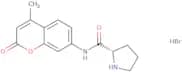
CAS:<p>Fluorogenic substrate for β-D-xylosidase. Identification within the family of Enterobacteriaceae.</p>Formula:C15H16O7Purezza:Min. 99.0 Area-%Peso molecolare:308.29 g/molL-Proline 7-amido-4-methylcoumarin hydrobromide
CAS:<p>L-Proline 7-amido-4-methylcoumarin hydrobromide is a fluorogenic substrate that is used to measure esterase and peptidase activity in a variety of animal and microbial sources. This compound has been shown to have a lipase activity. L-Proline 7-amido-4-methylcoumarin hydrobromide is also used as an enzyme preparation and as an enzyme source.</p>Formula:C15H17BrN2O3Peso molecolare:353.22 g/molRef: 3D-P-7280
1gPrezzo su richiesta5gPrezzo su richiesta10gPrezzo su richiesta500mgPrezzo su richiesta2500mgPrezzo su richiesta-Unit-ggPrezzo su richiesta4-Methylumbelliferyl b-D-glucosaminide - Moscerdam™ biochemical purity
CAS:<p>A substrate used for the diagnosis of Sanfilippo disease C (MPS III C).</p>Formula:C16H19NO7Purezza:Min. 98 Area-%Colore e forma:White PowderPeso molecolare:337.32 g/mol4-Methylumbelliferyl-N-acetyl-β-D-glucosaminide-6-sulfate, sodium salt
CAS:<p>4-Methylumbelliferyl 2-acetamido-2-deoxy-beta-D-glucopyranoside-6-sulfate sodium salt is a high-quality fluorogenic substrate specifically designed for the detection and quantification of various enzymes, including beta-glucosidases and sulfatases. Upon hydrolysis by the target enzyme, this substrate releases the highly fluorescent 4-methylumbelliferone, allowing for real-time monitoring and accurate measurement of enzyme activities in biochemical assays, diagnostic tests, and research applications. 4-Methylumbelliferyl 2-acetamido-2-deoxy-beta-D-glucopyranoside-6-sulfate sodium salt has excellent solubility in water, ensuring a consistent and reliable performance in different experimental conditions. This versatile substrate is an essential tool for researchers and industry professionals who require a sensitive and reproducible detection method for enzymes of interest.</p>Formula:C18H20NNaO11SPurezza:Min. 98.0 Area-%Peso molecolare:481.41 g/molRef: 3D-M-5505
5mgPrezzo su richiesta25mgPrezzo su richiesta50mgPrezzo su richiesta100mgPrezzo su richiesta250mgPrezzo su richiesta-Unit-ggPrezzo su richiesta4-Nitrophenyl-β-D-glucuronic acid
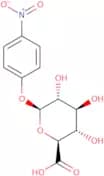
CAS:<p>Chromogenic β-glucuronidase substrate yielding a yellow solution upon cleavage. Used to detect E. coli contamination in food and drinking water due to their β-glucuronidase activity.</p>Formula:C12H13NO9Purezza:Min. 98.0 Area-%Peso molecolare:315.24 g/molAc-DEVD-6-Amino-D-Luciferin
<p>Caspases are a family of protease enzymes playing essential roles in programmed cell death and inflammation. The acronym caspase stands for Cysteine Aspartic Acid Specific Protease due to their specific cleavage of an aspartic acid residue, by mean of a cysteine in the catalytic site of the enzyme._x000D_About 11 or 12 different caspases are known in humans and 10 in mice, participating in numerous different cellular functions. Caspase deficiency, for example, has been identified as a cause of tumor development, while over-activation of some caspases such as caspase-3 can lead to excessive apoptosis that can be observed in several neurodegenerative diseases. Caspases cleave proteins at specific peptide recognition sequences. Ac-DEVD-6-Amino-D-Luciferin (Ac-Asp-Glu-Val-Asp-6-Amino-D-Luciferin, Cat.No_x000D_L-8282) is a synthetic chemiluminescent peptide for the determination of caspase-3 and caspase-7activity.</p>Formula:C31H37N7O13S2Peso molecolare:779.79 g/molRef: 3D-L-8282
10mgPrezzo su richiesta25mgPrezzo su richiesta50mgPrezzo su richiesta100mgPrezzo su richiesta250mgPrezzo su richiesta-Unit-ggPrezzo su richiesta4-Nitrophenyl-β-D-galactopyranoside
CAS:<p>Chromogenic β-galactosidase substrate yielding a yellow solution upon cleavage. Can be used for the detection of coliforms due to their β-galactosidase activity.</p>Formula:C12H15NO8Purezza:Min. 98.0 Area-%Peso molecolare:301.26 g/mol4-Methylumbelliferyl-β-D-glucuronic acid dihydrate
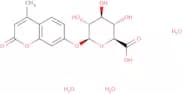
CAS:<p>4-Methylumbelliferyl beta-D-glucuronide (MUG) is commonly used as a substrate for detecting beta-glucuronidase. MUG is used for identifying E. coli contamination in food, drinking water, clinical samples and for rapid bacterial identification in blood cultures. It is recommended in international normatives (ISO, DIN) as a fluorogenic substrate for detection of E. coli. MUG is also a tool assaying the glucuronidase gene in plants.</p>Formula:C16H20O11Purezza:Min. 99 Area-%Peso molecolare:388.33 g/molIsopropyl-β-D-thiogalactopyranoside, <5ppm dioxane, plant origin (ex peach gum)
CAS:<p>A non-metabolizable allolactose analogue, widely used in molecular biology for overexpression of recombinant proteins from inducible systems under the control of lac promoter. IPTG binds to the LacI repressor and causes its release from the lac operator, allowing gene expression to take place. Present in vectors of pGEX, pGEM-T, pET, pRSET, pMAL class and others.</p>Formula:C9H18O5SPurezza:Min. 99.0 Area-%Peso molecolare:238.30 g/molRef: 3D-I-8070
1kgPrezzo su richiesta50gPrezzo su richiesta100gPrezzo su richiesta250gPrezzo su richiesta500gPrezzo su richiesta-Unit-ggPrezzo su richiestaD-Luciferin Firefly, sodium salt monohydrate
CAS:<p>Water soluble substrate for firefly luciferase.</p>Formula:C11H9N2NaO4S2Purezza:Min. 99.0 Area-%Peso molecolare:320.32 g/molLuc-Enterobacteria Na
<p>Luc-Enterobacteria Na is a fluorogenic substrate that can be used for the detection of Enterobacteriaceae. This product has been shown to have high purity and a CAS number. Luc-Enterobacteria Na is also conjugated with an enzyme substrate, making it suitable for detecting the presence of bacterial colonies in culture media.</p>Purezza:Min. 95%