AC-10851 - chloroacetic-acid-99-flakes | 79-11-8
Spiacenti, non è stato trovato nessun prodotto con riferimento AC-10851, ma La invitiamo a verificare i seguenti prodotti simili:
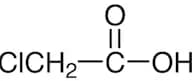
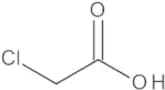
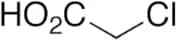
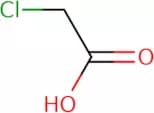
Chloroacetic Acid
CAS:Formula:C2H3ClO2Purezza:>99.0%(GC)(T)Colore e forma:White to Almost white powder to crystalPeso molecolare:94.49Chloroacetic acid, ACS, 99%
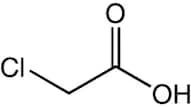
CAS:<p>Chloroacetic acid is used in the production of pharmaceuticals, dyes, detergents, synthetic caffeine, glycine and thioglycolic acid, which acts as a stabilizer in PVC. It acts as a precursor to glyphosate and adrenaline. It also serves as a preservative and bacteriostat. Further, it is used as surfa</p>Formula:C2H3ClO2Purezza:99%Peso molecolare:94.49Chloroacetic acid
CAS:Formula:C2H3ClO2Purezza:99.0 - 101.0 %Colore e forma:White crystalline powder or flakesPeso molecolare:94.50Chloroacetic acid 1000 µg/mL in Methyl-tert-butyl ether
CAS:Prodotto controllatoFormula:C2H3ClO2Colore e forma:Single SolutionPeso molecolare:94.50Chloroacetic acid
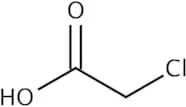
CAS:Formula:C2H3ClO2Purezza:99.0%Colore e forma:Solid, White crystallinePeso molecolare:94.49Chloroacetic acid
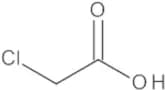
CAS:<p>Chloroacetic acid is a chemical compound that can be used as an anti-inflammatory agent. It is also used in the diagnosis of apoptosis and other diseases. Chloroacetic acid has been shown to have anti-inflammatory properties, although the mechanism of action is not yet clear. The toxicological profile of chloroacetic acid has been investigated with no adverse effects detected in rats, monkeys, or humans at doses up to 1000 mg/kg. Chloroacetic acid is produced by reacting chitosan quaternary ammonium with chloroacetate, forming an intermediate that undergoes transfer reactions to yield chloroacetic acid. The rate constant for this reaction can be calculated from x-ray diffraction data.</p>Formula:C2H3ClO2Purezza:Min. 95%Peso molecolare:94.5 g/mol