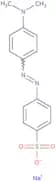
AC-15142 - methyl-orange-indicator | 547-58-0
Spiacenti, non è stato trovato nessun prodotto con riferimento AC-15142, ma La invitiamo a verificare i seguenti prodotti simili:
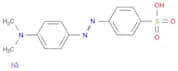
Methyl Orange, ACS
CAS:<p>Methyl orange is a pH indicator frequently used in titrations, also used for histological microscopy. This Thermo Scientific Chemicals brand product was originally part of the Alfa Aesar product portfolio. Some documentation and label information may refer to the legacy brand. The original Alfa Aesa</p>Formula:C14H14N3O3SPeso molecolare:304.34Methyl Orange
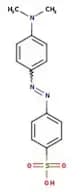
CAS:<p>Methyl Orange is a pH indicator used in titrations for acids. It is also used for histological microscopy. Further, it is used as counter stain to crystal violet in staining pollen tubes. This Thermo Scientific Chemicals brand product was originally part of the Alfa Aesar product portfolio. Some doc</p>Formula:C14H14N3O3SColore e forma:Pale orange to dark orange, Crystals or powder or crystalline powderPeso molecolare:304.34Methyl Orange
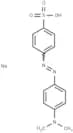
CAS:Methyl orange is a pH indicator frequently. It is used in titration because of its clear and distinct colour variance at different pH values.Formula:C14H14N3NaO3SPurezza:98%Colore e forma:Orange-Yellow PowderPeso molecolare:327.33Methyl Orange
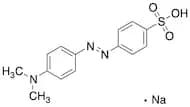
CAS:Prodotto controllato<p>Applications Methyl orange is a pH indicator dye for titrations. Dyes and metabolites.<br></p>Formula:C14H14N3O3S·NaColore e forma:NeatPeso molecolare:327.33Methyl orange
CAS:<p>Methyl orange is a dye that is used as an indicator in acid-base titrations. It has a basic structure and can be prepared by the oxidation of para-aminobenzoic acid with hydrogen peroxide. Methyl orange has been shown to exhibit synergistic effects with other antimicrobial agents, such as phenol, methylene blue, and chlorhexidine at pH levels of 4.5 to 7.0. The optimum concentration for the matrix effect is 0.01% at pH range from 2.5 to 4.5 and 1% at pH range from 5 to 7.5. Methyl orange is activated by light with wavelengths between 300 nm and 500 nm and can be used in wastewater treatment processes where there are high levels of organic matter or radiation, such as carthamus tinctorius or zirconium oxide.</p>Formula:C14H15N3O3S•NaPurezza:Min. 95%Colore e forma:PowderPeso molecolare:328.34 g/mol