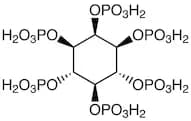
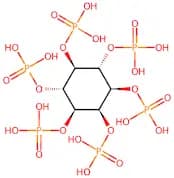
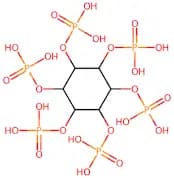
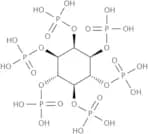
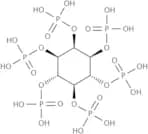
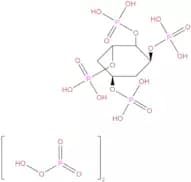
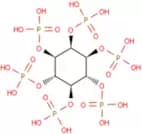
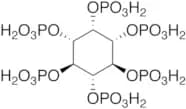
TR-P398705 - phytic-acid-hexatriethylammonium-salt | 83-86-3
Sorry, no product with reference TR-P398705 been found, but please check out the following similar products:
Phytic Acid (ca. 50% in Water, ca. 1.1mol/L)
CAS:Formula:C6H18O24P6Color and Shape:Very Pale Yellow - Reddish Yellow LiquidMolecular weight:660.03Phytic acid
CAS:Formula:C6H18O24P6Purity:≥ 90.0%Color and Shape:Clear, colourless to yellow-brown solutionMolecular weight:660.04Phytic acid, 50% (w/w) in water
CAS:Formula:C6H18O24P6Purity:(w/w) 45.0 - 55.0 % (phytic acid)Color and Shape:Clear, colourless to yellow-brown solutionMolecular weight:660.04Phytic acid, sodium salt (technical)
CAS:Formula:C6H18O24P6·xNa·yH2OPurity:≥ 85.0%Color and Shape:White to off-white powderMolecular weight:660.04 (free acid)Phytic acid
CAS:<p>Phytic acid (Fytic Acid) is a complexing agent for removal of traces of heavy metal ions. It acts also as a hypocalcemic agent.</p>Formula:C6H18O24P6Purity:99.89%Color and Shape:SolidMolecular weight:660.04Phytic Acid (Technical Grade)
CAS:<p>Applications The principal storage form of phosphorus in many plant tissues, especially bran and seeds. It has antioxidant effect as well as neuroprotective effect by chelating iron. Inositol hexakisphosphate kinase type 2 (InsP6K2), which converts phytic acid to inositol pyrophosphate diphosphoinositol pentakisphosphate, is believed to induce pathogenesis of Huntington disease (HD).<br> Not a dangerous good if item is equal to or less than 1g/ml and there is less than 100g/ml in the package<br>References Nagata, E. et al.: J. Biol. Chem., 286, 26680 (2011); Sompong, U. et al.: Euphytica, 171, 389 (2010); Xu, Q. et al.: Toxicol., 245, 101 (2008);<br></p>Formula:C6H18O24P6Color and Shape:Single SolutionMolecular weight:660.04