Apoptose
Os inibidores da apoptose são compostos que previnem ou retardam o processo de morte celular programada, conhecido como apoptose. Esses inibidores são vitais no estudo dos mecanismos de sobrevivência celular e são usados para investigar doenças onde a apoptose é desregulada, como câncer, distúrbios neurodegenerativos e doenças autoimunes. Ao modular a apoptose, esses inibidores podem ajudar no desenvolvimento de terapias destinadas a controlar a morte celular. Na CymitQuimica, oferecemos uma ampla seleção de inibidores da apoptose de alta qualidade para apoiar sua pesquisa em biologia celular, oncologia e áreas relacionadas.
Subcategorias de "Apoptose"
- ASK(6 produtos)
- BCL(11 produtos)
- Caspase(125 produtos)
- FOXO1(3 produtos)
- IAP(66 produtos)
- Mdm2(12 produtos)
- PD-1/PD-L1(125 produtos)
- PDK(9 produtos)
- PERK(25 produtos)
- Serina/treonina quinase(15 produtos)
- Survivina(13 produtos)
- TNF(92 produtos)
- c-RET(51 produtos)
- p53(62 produtos)
Exibir 6 mais subcategorias
Foram encontrados 5592 produtos de "Apoptose"
Ordenar por
Pureza (%)
0
100
|
0
|
50
|
90
|
95
|
100
4-Bromo A23187
CAS:<p>4-Bromo A23187 is a halogenated analog of the calcium ionophore A-23187. 4-Bromo A23187 is a calcium modulator and induces apoptosis in different cells.</p>Fórmula:C29H36BrN3O6Pureza:98%Cor e Forma:SolidPeso molecular:602.52KIM-161
CAS:<p>KIM-161 is a PIK3CA inhibitor. It demonstrates significant antiproliferative activity, with IC50 values of 1.428 and 1.562 µM against PI3KCA-mutant breast cancer cell lines MCF7 and T47D, respectively. KIM-161 induces apoptosis and cell cycle arrest by inhibiting the PI3K/AKT/mTOR signaling pathway, leading to ROS production. It is applicable for research on breast cancer and its PI3KCA-mutant subtypes.</p>Fórmula:C27H25N3O3Cor e Forma:SolidPeso molecular:439.51ST362
CAS:<p>ST362, an anticancer agent, acts by disrupting DNA repair and halting growth in prostate, colon, lung and breast cancer cells.</p>Fórmula:C25H21NO6SPureza:98%Cor e Forma:SolidPeso molecular:463.5[D-Leu-4]-OB3
CAS:<p>[D-Leu-4]-OB3 suppresses the expression of genes associated with inflammation, proliferation, and metastasis, as well as the expression of PD-L1.</p>Fórmula:C29H50N8O12SCor e Forma:SolidPeso molecular:734.82GLS1 Inhibitor-6
<p>GLS1 Inhibitor-6: IC50=68nM, 220x more selective for GLS2, has anti-tumor and pro-apoptosis effects.</p>Fórmula:C37H52N6O3SCor e Forma:SolidPeso molecular:660.91eIF4A3-IN-6
CAS:<p>eIF4A3-IN-6 is a potent eIF4A inhibitor, potentially used for treating eIF4A-related diseases like cancer. (US20170145026A1)</p>Fórmula:C26H25N3O5Cor e Forma:SolidPeso molecular:459.49GLI1-IN-1
CAS:<p>GLI1-IN-1 (CBC-1), a GLI-1 inhibitor, exhibits superior water solubility and anticancer properties. It effectively induces apoptosis and inhibits colorectal cancer growth by targeting the Hedgehog (HH) pathway (IC 50 = 1.3 μM) [1].</p>Fórmula:C42H60N2O9Cor e Forma:SolidPeso molecular:736.93Casuarinin
CAS:<p>Casuarinin, an ellagitannin found in pomegranates and certain Casuarina/Stachyurus plants, is a carbonic anhydrase inhibitor and astringent.</p>Fórmula:C41H28O26Cor e Forma:SolidPeso molecular:936.65Kahweol Acetate
CAS:<p>Kahweol Acetate, a semi-synthetic coffee bean derivative, inhibits osteoclasts, cancer cells, DNA damage, and oxidative stress.</p>Fórmula:C22H28O4Cor e Forma:SolidPeso molecular:356.46FGFR4-IN-7
<p>FGFR4-IN-7 is a covalent, reversible FGFR4 inhibitor (IC50: 0.42 μM) that blocks the FGFR4 signaling pathway, thereby inducing apoptosis.</p>Fórmula:C26H25Cl2N5O3Cor e Forma:SolidPeso molecular:526.41VEGFR-2-IN-13
<p>VEGFR-2-IN-13 (Compound 19a) is a potent VEGFR-2 inhibitor (IC50: 3.4 nM). vEGFR-2-IN-13 arrests the HepG2 cell cycle in G2/M phase and induces apoptosis.</p>Fórmula:C24H18N6O2SCor e Forma:SolidPeso molecular:454.5EGFR-IN-44
<p>EGFR-IN-44: potent EGFR kinase inhibitor, orally active, IC50 4.11 nM, 33.57% bioavailability, induces apoptosis, for lung cancer study.</p>Fórmula:C27H29ClN6O2SCor e Forma:SolidPeso molecular:537.08RET-IN-9
CAS:<p>RET-IN-9 is a potent RET kinase inhibitor, potentially useful for studying RET-related diseases, including lung and thyroid cancer.</p>Fórmula:C26H27N9OCor e Forma:SolidPeso molecular:481.55Lysosomal P-gp targeted agent 1
CAS:<p>Lysosomal P-gp targeted agent 1 (Compound 14) is an antitumor drug that targets lysosomal P-glycoprotein (Pgp). It is selectively transported to lysosomes via overexpressed Pgp, releasing nitric oxide that generates reactive oxygen species (ROS), causing lysosomal membrane permeabilization (LMP) and inducing apoptosis. This compound can overcome resistance mediated by P-glycoprotein, leading to cell cycle arrest while maintaining relatively low toxicity to normal cells. It exhibits antitumor activity by significantly inhibiting tumor growth.</p>Fórmula:C39H34N2O9SCor e Forma:SolidPeso molecular:706.76K20
<p>K20 selectively inhibits KRas G12C (IC50: 1.16 nM), shows anticancer activity in H358 cells (IC50: 0.78 μM), and induces apoptosis via Erk dephosphorylation.</p>Fórmula:C24H20Cl2F4N4O2Cor e Forma:SolidPeso molecular:543.34Antitumor agent-72
CAS:<p>Antitumor agent-72 (compound 6w) is a potent anticancer agent that exhibits its anticancer activity by inducing apoptosis via caspase-3 activation and PARP</p>Fórmula:C25H20ClNO6Cor e Forma:SolidPeso molecular:465.88T0080
CAS:<p>T0080 is an FPR-1 antagonist. It reduces apoptosis (Apoptosis) and inhibits the production of reactive oxygen species (ROS) and pro-inflammatory cytokines (TNF-α and IL-1β) in plaque macrophages within ApoE−/− mouse models, thereby slowing the progression of atherosclerosis.</p>Fórmula:C24H22F3N3O3Cor e Forma:SolidPeso molecular:457.45WEHI-539
CAS:<p>WEHI-539 is a selective Bcl-XL inhibitor (IC50: 1.1 nM).</p>Fórmula:C31H29N5O3S2Pureza:98%Cor e Forma:SolidPeso molecular:583.72CDK2-IN-9
<p>CDK2-IN-9: potent CDK2 inhibitor (IC50: 0.63 μM), anti-proliferative, arrests S/G2M cell cycle, induces apoptosis, promising for melanoma study.</p>Fórmula:C21H16ClN3O4SCor e Forma:SolidPeso molecular:441.89MD102
CAS:<p>MD102, with an IC50 value of 0.35 μM, is a potent TG2 inhibitor that stabilizes p53 by inhibiting TG2. This results in a decrease in p-AKT and p-mTOR downstream signaling, ultimately inducing tumor cell apoptosis [1].</p>Fórmula:C13H4BrCl2FN2O2Cor e Forma:SolidPeso molecular:389.99Ferroptosis-IN-18
CAS:<p>Ferroptosis-IN-18 (51) is a phenothiazine derivative known for its potent anti-ferroptotic and antioxidant properties. It is useful for research related to intracerebral hemorrhage (ICH).</p>Fórmula:C25H27N3SCor e Forma:SolidPeso molecular:401.567Nur77 agonist-1
CAS:<p>Nur77 agonist-1 (Compound 8f) is an orally active Nur77 agonist. It induces ferroptosis by upregulating Nur77 protein expression, increasing reactive oxygen species (ROS) and lipid peroxidation levels, while decreasing GPX4 protein expression. Nur77 agonist-1 binds with affinity to the ligand binding domain of Nur77, with a KD of 13.80 μM. It demonstrates significant antiproliferative activity against various breast cancer cells (IC50: 2.15-3.26 μM) and exhibits low cytotoxicity towards normal cells. This compound is useful for breast cancer research.</p>Fórmula:C24H18ClN5O2Cor e Forma:SolidPeso molecular:443.885KMUP-1
CAS:<p>KMUP-1 is a xanthine derivative known for its vasodilatory properties. It functions as a phosphodiesterase (PDE) inhibitor and an activator of soluble guanylate cyclase (sGC), engaging the NO/sGC/cyclic guanosine monophosphate pathway. Additionally, KMUP-1 can open K+ channels and has the potential to alleviate ischemia-induced cardiac myocyte apoptosis (apoptosis). This compound is useful in cardiovascular and anti-inflammatory research.</p>Fórmula:C19H23ClN6O2Cor e Forma:SolidPeso molecular:402.878PLK1-IN-15
CAS:<p>PLK1-IN-15 is a PLK1 inhibitor with an IC50 of 38.5 nM. It exhibits antiproliferative effects on HepG2, Huh7, H1299, and A549 cells, with IC50 values of 2.03, 2.08, 4.79, and 17.11 μM, respectively. Additionally, PLK1-IN-15 can induce cell cycle arrest in the G2/M phase and trigger apoptosis (Apoptosis), demonstrating anticancer activity.</p>Fórmula:C25H29N7O4SCor e Forma:SolidPeso molecular:523.61LA-CB1
CAS:<p>LA-CB1 is a derivative of Abemaciclib that targets CDK4/6 and promotes their degradation via the ubiquitin-proteasome pathway, thereby blocking the CDK4/6-Cyclin D1-Rb-E2F axis and inducing G0/G1 cell cycle arrest and apoptosis (Apoptosis). It demonstrates antiproliferative activity against MDA-MB-231 cells with an IC50 of 0.27 µM and effectively inhibits epithelial-mesenchymal transition, cell migration, invasion, and angiogenesis. In highly invasive models like triple-negative breast cancer (TNBC), LA-CB1 significantly suppresses tumor growth, showing robust dose-dependent antitumor activity. This compound can be utilized in breast cancer research.</p>Fórmula:C28H23ClFN7OCor e Forma:SolidPeso molecular:527.98Isoforretin A
CAS:<p>Isoforretin A is a potent inhibitor of thioredoxin-1 (Trx1) with significant biological activity, inducing anti-tumor effects mediated by reactive oxygen species (ROS). The compound inhibits Trx1 activity by covalently binding to the activation site residues Cys32/Cys35, which triggers ROS accumulation, leading to DNA damage and apoptosis (Apoptosis) in cancer cells. Additionally, Isoforretin A has demonstrated the ability to suppress the growth of HepG2 tumors in a mouse hepatic cell carcinoma xenograft model.</p>Fórmula:C28H38O10Cor e Forma:SolidPeso molecular:534.6ASK1-IN-8
CAS:<p>ASK1-IN-8 (Compound 35) is an orally active inhibitor of apoptosis signal-regulating kinase 1 (ASK1) with an IC50 value of 1.8 nM. In a mouse liver injury model induced by Acetaminophen, ASK1-IN-8 significantly reduces plasma alanine aminotransferase (ALT) levels, offering liver protection. This compound is useful for research in liver disease-related fields.</p>Fórmula:C26H32N8O2Cor e Forma:SolidPeso molecular:488.585β-Carotene-13C10
CAS:<p>β-Carotene-13C10 (Provitamin A-13C10) is a form of β-Carotene labeled with 13C. It is a carotenoid compound and serves as a natural precursor to vitamin A. This compound acts as a regulator of reactive oxygen species (ROS), exhibiting both antioxidant and anti-inflammatory properties. Depending on its intrinsic characteristics and the redox potential of the biological environment, β-Carotene can function either as an antioxidant or a pro-oxidant. It also possesses anticancer activity, inducing apoptosis in breast cancer cells.</p>Fórmula:C40H56Cor e Forma:SolidPeso molecular:546.799SC428
CAS:<p>SC428 acts as an inhibitor of the androgen receptor (AR), specifically targeting the N-terminal domain of AR. This compound effectively diminishes the transactivation of various AR forms, including AR-V7, ARv567es, full-length AR (AR-FL), and its LBD mutants. Additionally, SC428 significantly inhibits AR-FL nuclear translocation, chromatin binding, and AR-regulated gene transcription under androgen stimulation. In vitro, SC428 suppresses the proliferation of tumor cells. In vivo, it inhibits tumor growth in mice transplanted with 22Rv1 cells by inducing apoptosis.</p>Fórmula:C15H10F3N3OSCor e Forma:SolidPeso molecular:337.32SIJ1777
CAS:<p>SIJ1777, a derivative of GNF-7, exhibits potent anticancer effects against melanoma cells harboring BRAFI/II/III mutations. The compound significantly inhibits the activation of MEK, ERK, and AKT. Furthermore, SIJ1777 notably induces apoptosis (cell death) and effectively prevents migration, invasion, and anchorage-independent growth of melanoma cells with BRAFI/II/III mutations.</p>Fórmula:C26H23F3N8O2Cor e Forma:SolidPeso molecular:536.51Coprostanone
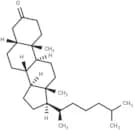
CAS:<p>Coprostanone (5β-cholestan-3-one) is an active metabolite of hydroxycholesterol and cholesterol. It induces apoptosis in primary gallbladder epithelial cells in dogs. Coprostanone holds potential for research into colon cancer or adenomatous polyps.</p>Fórmula:C27H46OCor e Forma:SolidPeso molecular:386.654PI3K-IN-58
CAS:<p>PI3K-IN-58 (Compound 17f) is an inhibitor of PI3Kα with an IC50 value of 0.039 μM. It shows significant antiproliferative effects on PC-3, 22RV1, MDA-MB-231, and MDA-MB-453 cell lines with IC50 values of 3.48 μM, 1.06 μM, 2.21 μM, and 0.93 μM, respectively. PI3K-IN-58 induces apoptosis by downregulating the expression of anti-apoptotic proteins Bcl-XL and Bcl-2 while upregulating the expression of the pro-apoptotic protein BAX. This compound is applicable for research in cancer targeting through PI3K pathways.</p>Fórmula:C22H22N6O3SCor e Forma:SolidPeso molecular:450.51HC-5404-Fu
CAS:<p>HC-5404-Fu is an inhibitor of PERK with anti-tumor activity. This compound inhibits the signaling pathway of the endoplasmic reticulum stress response. Additionally, HC-5404-Fu increases the sensitivity of renal cell carcinoma cells to vascular endothelial growth factor (VEGF) receptor tyrosine kinase inhibitors (TKIs). It holds potential for research into renal cell carcinoma, stomach cancer, metastatic breast cancer, small cell lung cancer, and other solid tumors.</p>Fórmula:C28H28F2N4O7Cor e Forma:SolidPeso molecular:570.54DL-Buthionine-(S,R)-sulfoximine hydrochloride
<p>DL-Buthionine-(S,R)-sulfoximine hydrochloride (Buthionine sulfoximine hydrochloride) is a potent and specific glutamylcysteine synthetase biosynthesis inhibitor</p>Fórmula:C8H19ClN2O3SCor e Forma:SolidPeso molecular:258.77Flonoltinib sulfate
CAS:<p>Flonoltinib maleate is an orally active dual inhibitor of JAK2/FLT3, with IC50 values of 0.7 nM for JAK2, 4 nM for FLT3, 26 nM for JAK1, and 39 nM for JAK3. It exhibits anticancer properties.</p>Fórmula:C25H36FN7O5SCor e Forma:SolidPeso molecular:565.661AQX-435
CAS:<p>AQX-435 activates SHIP1, inhibits PI3K in BCR signaling, induces apoptosis in B cells, and slows lymphoma growth.</p>Fórmula:C27H34N2O4Cor e Forma:SolidPeso molecular:450.57WB436B
CAS:<p>WB436B, a highly selective STAT3 inhibitor, effectively targets and inhibits STAT3-Tyr705 phosphorylation along with the expression of STAT3 target genes. It exhibits cytotoxic effects on pancreatic cancer cells by inducing apoptosis. Furthermore, WB436B suppresses tumor growth and metastasis in pancreatic cancer mouse models, thereby prolonging the survival of tumor-bearing mice.</p>Fórmula:C21H20N6O3SCor e Forma:SolidPeso molecular:436.49GPX4 activator 2
CAS:<p>GPX4 Activator 2 (Compound C3) serves as an activator of GPX4 and exhibits cardioprotective effects by inhibiting cellular iron death (ferroptosis) with an efficacy concentration (EC50) of 7.8 μM. It is used in the study of myocardial damage.</p>Fórmula:C20H26N6O2SCor e Forma:SolidPeso molecular:414.52PF-7006
CAS:<p>PF-7006, an Mps1 kinase inhibitor, exhibits a Ki value of 0.27 nM and an IC50 value of 2.5 nM. It disrupts cell cycle checkpoints by inhibiting the catalytic activity of Mps1, reduces histone H3 levels, and shortens the duration of mitosis, thereby inducing apoptosis (Apoptosis) in cancer cells. When used in combination with Palbociclib, the tolerance of cancer cells to PF-7006 is enhanced. PF-7006 is applicable for research on breast cancer.</p>Fórmula:C22H26N8O2Cor e Forma:SolidPeso molecular:434.49Caspase-3-IN-2
CAS:<p>Caspase-3-IN-2 (Compound 4d) acts as an inhibitor of α-Chymotrypsin. It also exhibits inhibitory activity against HIV protease and caspase 3, with inhibition rates of 57% and 51% respectively at a concentration of 100 μM.</p>Fórmula:C10H6ClNO5Cor e Forma:SolidPeso molecular:255.611MC3629
CAS:<p>MC3629, an inhibitor of the histone methyltransferase (EZH2), exhibits antitumor activity. This compound effectively inhibits the proliferation and self-renewal of SHH MB cancer cells while inducing cell apoptosis (apoptosis). MC3629 is also useful in research on tumor aggressiveness and resistance.</p>Fórmula:C19H20N4O2Cor e Forma:SolidPeso molecular:336.39Gallium 8-Hydroxyquinolinate
CAS:<p>Gallium 8-Hydroxyquinolinate is an inducer of apoptosis that initiates both p53-dependent and independent cell death in cancer cells through the induction of Ca2+ signaling transduction. In addition to its apoptotic properties, this compound's nanostructures exhibit excellent optical performance, making it suitable for use in tumor research.</p>Fórmula:C27H18GaN3O3Cor e Forma:SolidPeso molecular:502.17NiCur
CAS:<p>NiCur is an effective and selective inhibitor of CBP histone acetyltransferase (HAT), with an IC50 of 0.35 μM.</p>Fórmula:C22H16N2OPureza:99.22%Cor e Forma:SolidPeso molecular:324.38SPI-001
CAS:<p>SPI-001 is a selective inhibitor of PPM1D (IC50=0.48 µM) that exhibits anticancer activity. The compound inhibits the phosphatase activity of PPM1D in human breast cancer cells overexpressing PPM1D and enhances the phosphorylation of p53. Additionally, SPI-001 suppresses cell proliferation by inducing apoptosis.</p>Fórmula:C30H60O4Si2Cor e Forma:SolidPeso molecular:540.97XSJ05
CAS:<p>XSJ05, a derivative of camptothecin (CPT), exhibits anti-cancer activity by inhibiting topoisomerase I (Topo I). This compound induces DNA double-strand breaks, leading to DNA damage. Furthermore, XSJ05 stifles the growth of colorectal cancer (CRC), halts the cell cycle in the G2/M phase, and induces apoptosis.</p>Fórmula:C29H25N5O4SCor e Forma:SolidPeso molecular:539.60TfR-1-IN-1
CAS:<p>TfR-1-IN-1 is a TfR-1 inhibitor, also a Fe(III) salivary phenol complex, inducing apoptosis and inhibiting tumor and normal cell growth.</p>Fórmula:C20H12ClF2FeN2O2Pureza:96.96%Cor e Forma:SolidPeso molecular:441.62GPX4-IN-13
CAS:<p>GPX4-IN-13 (compound 16), a GPX4 inhibitor, exhibits anticancer properties by diminishing the expression of GPX4, thereby reducing thyroid cell proliferation and inducing ferroptosis. Additionally, this compound effectively inhibits the growth of three distinct thyroid cancer cell lines: N-thy-ori-3-1 (IC 50 =8.39 μM), MDA-T32 (IC 50 =10.28 μM), and MDA-T41 (IC 50 =8.18 μM).</p>Fórmula:C23H15NO3Cor e Forma:SolidPeso molecular:353.37Sinulatumolin E
CAS:<p>Sinulatumolin E, a terpenoid, inhibits TNF-α (IC 50: 3.6 μM); has anti-inflammatory properties.</p>Fórmula:C15H22O2Cor e Forma:SolidPeso molecular:234.33Anticancer agent 54
<p>Anticancer agent 54 blocks cell cycle in G0/G1, induces apoptosis, and fights cancer via DNA embedding and ROS.</p>Fórmula:C33H36N6Cor e Forma:SolidPeso molecular:516.68Fluvastatin sodium monohydrate
CAS:<p>Fluvastatin (XU 62-320) sodium monohydrate, a fully synthetic competitive HMG-CoA reductase inhibitor, features an IC 50 of 8 nM. This compound also safeguards vascular smooth muscle cells from oxidative stress via the Nrf2-dependent antioxidant pathway [1] [2].</p>Fórmula:C24H27FNNaO5Cor e Forma:SolidPeso molecular:451.46ERK-MYD88 interaction inhibitor 1
CAS:<p>ERK-MYD88 Interaction Inhibitor 1, an agent that disrupts the interaction between ERK and MYD88, has demonstrated the ability to trigger an HRI-mediated integrated stress response (ISR) that specifically promotes immunogenic cell apoptosis (apoptosis) in cancer cells. Additionally, in models using Lewis lung cancer mice, this compound has been shown to stimulate anti-tumor T cell responses, thereby exhibiting significant anti-tumor activity.</p>Fórmula:C22H21N5O2Cor e Forma:SolidPeso molecular:387.43S100A2-p53-IN-1
CAS:<p>S100A2-p53-IN-1 inhibits S100A2-p53 in pancreatic cancer, stunting MiaPaCa-2 cell growth at 1.2-3.4 μM.</p>Fórmula:C20H20F6N2O4SCor e Forma:SolidPeso molecular:498.44Pim-1 kinase inhibitor 2
CAS:<p>Compound 13, a potent Pim-1 inhibitor, induces apoptosis with potential for cancer research.</p>Fórmula:C24H14N4O3Cor e Forma:SolidPeso molecular:406.39SM-433 hydrochloride
<p>SM-433 hydrochloride, a Smac mimetic & IAP inhibitor, binds XIAP BIR3; potent IC50 <1 μM. (Patent WO2008128171A2)</p>Fórmula:C32H44ClN5O4Cor e Forma:SolidPeso molecular:598.18Casein kinase 1δ-IN-29
CAS:<p>Casein kinase1δ-IN-29 (Compound 18) is an inhibitor that targets p38α and casein kinase 1 (CK1), exhibiting inhibitory effects on p38α, CK1δ, and CK1ε with IC50 values of 0.041 µM, 0.005 µM, and 0.447 µM, respectively. This compound causes cell cycle arrest at the subG1 phase and induces apoptosis in AC1-M88 cells.</p>Fórmula:C26H23FN4O4SCor e Forma:SolidPeso molecular:506.549Antitumor agent-54
<p>Compound C11 inhibits 14-3-3η protein (KD: 35 μM), targets liver cancer cells, blocks G1-S phase, and induces apoptosis.</p>Fórmula:C29H32N2O3Cor e Forma:SolidPeso molecular:456.58JND4135
CAS:<p>JND4135, a type II TRK inhibitor, exhibits IC50 values targeting TRKA, TRKB, and TRKC at 2.79, 3.19, and 3.01 nM, respectively. It can overcome resistance due to TRKxDFG and other mutations in the BaF3 stable model, inhibiting the phosphorylation of TRKs WT, xDFG mutations, and their downstream signaling molecules. Additionally, JND4135 induces G0/G1 phase arrest and cell apoptosis (apoptosis) in BaF3–CD74-TRKA-G667C cells. This compound also demonstrates antitumor activity in a BaF3-CD74-TRKA-G667C mouse xenograft model by suppressing tumor growth.</p>Fórmula:C37H39N7OCor e Forma:SolidPeso molecular:597.75DNMT1-IN-5
CAS:<p>DNMT1-IN-5 (Compound 55) is an inhibitor of DNMT, specifically targeting DNMT1 and DNMT3A, with IC50 values of 2.42 μM and 14.4 μM, respectively. It demonstrates antiproliferative effects across various cancer cell lines (TMD-8, DOHH2, MOLM-13, THP-1, RPIM-8226, and HCT116) with IC50 values ranging from 0.19 to 2.37 μM. The compound induces G2/M phase cell cycle arrest and apoptosis in TMD-8 and DOHH2 cells. Additionally, DNMT1-IN-5 exhibits antitumor efficacy in a TMD-8 xenograft mouse model.</p>Fórmula:C24H32FN7Cor e Forma:SolidPeso molecular:437.556XJTU-L453
CAS:<p>XJTU-L453, a PI3Kα inhibitor, exhibits an IC50 of 0.4 nM. It inhibits the proliferation of breast cancer cell lines T47D and MCF7, with IC50 values of 0.2 μM and 0.5 μM respectively. Additionally, XJTU-L453 disrupts the PI3K pathway, leading to cell cycle arrest and cell apoptosis (apoptosis). It also demonstrates antitumor activity in MCF7 xenograft mice.</p>Fórmula:C22H22N4O3Cor e Forma:SolidPeso molecular:390.44ZIF-8
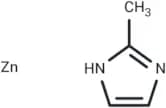
CAS:<p>ZIF-8 is an anticancer agent that can inherently trigger pyroptosis through a caspase-1/gasdermin D (GSDMD)-dependent pathway.</p>Fórmula:C4H6N2ZnCor e Forma:SolidPeso molecular:147.5134-Hydroxyresveratrol
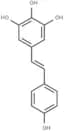
CAS:<p>4-Hydroxyresveratrol (3,4,5,4'-Tetrahydroxystibene) is a resveratrol analog that variably induces the expression of pro-apoptotic genes such as p53 and Bax. It triggers apoptosis in SV40 virus-transformed WI38 cells (WI38VA), but not in WI38 cells. Additionally, 4-Hydroxyresveratrol significantly increases the expression of p53, GADD45, and Bax genes in WI38VA cells, while suppressing the expression of the bcl-2 gene.</p>Fórmula:C14H12O4Cor e Forma:SolidPeso molecular:244.243NLRP3-IN-72
CAS:<p>NLRP3-IN-72 (Compound 2) is a benzimidazole derivative. It exhibits anti-inflammatory and antioxidant properties, with an IC50 of 0.3 μM for NLRP3 IL-1β, a PD50 of 0.4 μM for protection against cell pyroptosis, and an EC50 of 0.6 μM for inducing HO-1.</p>Fórmula:C19H20FN5OCor e Forma:SolidPeso molecular:353.393GA001
CAS:<p>GA001 is a potent G9a antagonist with an IC50 of 1.32 μM. It can induce autophagy and apoptosis, and is applicable in the treatment of breast cancer.</p>Fórmula:C29H24BrN3OCor e Forma:SolidPeso molecular:510.42Urease-IN-20
CAS:<p>Urease-IN-20 (compound XBP2) is an inhibitor of Helicobacter pylori (H. pylori), with an IC50 of 0.14 μM for H. pylori inhibition. It effectively decreases apoptosis in GES-1 cells infected with H. pylori and reduces levels of ROS and γH2AX. Urease-IN-20 also demonstrates significant gastric mucosal protective effects, making it suitable for H. pylori research.</p>Fórmula:C14H8FNO2SeCor e Forma:SolidPeso molecular:320.18YL-1-9
CAS:<p>YL-1-9 is an inhibitor that prevents the degradation of p53 by MDM2 through tight binding to the crucial hydrophobic pocket of MDM2. It can induce cell cycle arrest and apoptosis in breast cancer cells [1].</p>Fórmula:C22H23F3N2O3Cor e Forma:SolidPeso molecular:420.425YLL545
CAS:<p>YLL545 is an inhibitor of Vascular Endothelial Growth Factor Receptor 2 (VEGFR2). It inhibits VEGF-induced phosphorylation of VEGFR2 and the activation of downstream signaling mediators (such as phosphorylated STAT3 and phosphorylated ERK1/2) in human umbilical vein endothelial cells (HUVEC). Additionally, YLL545 suppresses HUVEC proliferation, migration, invasion, and angiogenesis. It also induces apoptosis and inhibits tumor growth in a mouse model of breast cancer.</p>Fórmula:C19H13F3N6O2Cor e Forma:SolidPeso molecular:414.34TP-030-2
CAS:<p>TP-030-2 is a RIPK1 inhibitor (human K i =0.43 nM ; mouse IC 50 =100 nM) .</p>Fórmula:C23H21BrN4O3Cor e Forma:SolidPeso molecular:481.34GPD-1116
CAS:<p>GPD-1116 is an orally active inhibitor of phosphodiesterase (PDE)4 and PDE1. The compound effectively reduces smoke-induced apoptosis in lung cells. Additionally, GPD-1116 has shown efficacy in various animal disease models, including emphysema, acute lung injury, chronic obstructive pulmonary disease (COPD), asthma, and pulmonary arterial hypertension.</p>Fórmula:C22H16N4OCor e Forma:SolidPeso molecular:352.39PF-3837
CAS:<p>PF-3837 is an inhibitor of the Mps1 kinase, with a Ki value of 0.33 nM and an IC50 value of 5.5 nM. It disrupts cell cycle checkpoints by inhibiting the catalytic activity of Mps1, thereby reducing genomic stability and leading to cancer cell apoptosis (Apoptosis). PF-3837 is utilized in the study of breast cancer.</p>Fórmula:C21H26N8O2Cor e Forma:SolidPeso molecular:422.48Sampangine
CAS:<p>Sampangine, an alkaloid, induces apoptosis by causing cell cycle arrest at the G0/G1 phase and inhibits the biosynthesis of heme.</p>Fórmula:C15H8N2OCor e Forma:SolidPeso molecular:232.24CP-31398
CAS:<p>CP-31398 stabilizes the active conformation of p53 in cancer cells with either mutated or wild-type p53, enhancing its activity. Additionally, CP-31398 upregulates target genes of p53 such as p21WAF1/Cip1 and KILLER/DR5. This compound possesses tumor-suppressive properties.</p>Fórmula:C22H26N4OCor e Forma:SolidPeso molecular:362.47SLCB050
CAS:<p>SLCB050 is a compound with anticancer activity that inhibits the interaction between DX2 and p14/ARF. It decreases the viability of human lung cancer cells, particularly small cell lung cancer cells, in a p14/ARF-dependent manner, and induces cell apoptosis (apoptosis) and senescence.</p>Fórmula:C21H18O6Cor e Forma:SolidPeso molecular:366.36WK88-1
CAS:<p>WK88-1, an inhibitor of Hsp90, effectively induces the degradation of various oncogenic signaling molecules, including EGFR, ErbB2, and ErbB3, in the gefitinib-resistant H1975 cell line. This leads to subsequent growth arrest and apoptosis.</p>Fórmula:C28H42N2O6Cor e Forma:SolidPeso molecular:502.64OICR12694
CAS:<p>OICR12694 (JNJ-65234637) is an orally active inhibitor of B cell lymphoma 6 (BCL6) .</p>Fórmula:C29H28ClF3N8O4Cor e Forma:SolidPeso molecular:645.03ZNU-IMB-Z15
CAS:<p>Compound Z15 (ZNU-IMB-Z15) acts as an antagonist and degrader of the androgen receptor (AR). It inhibits the proliferation of castration-resistant prostate cancer (CRPC) cell lines that are AR-positive and induces apoptosis. Compound Z15 exhibits anticancer activity both in vivo and in vitro.</p>Fórmula:C20H17N3O3S2Cor e Forma:SolidPeso molecular:411.5BMI-135
CAS:<p>BMI-135, a selective estrogen mimic, demonstrates agonist activity for the estrogen receptor and induces a rapid endoplasmic reticulum stress response (UPR) alongside apoptosis in breast cancer cells.</p>Fórmula:C23H13FO2SCor e Forma:SolidPeso molecular:372.41Apoptosis inducer 25
CAS:<p>Apoptosisinducer 25 (Compound 4H) demonstrates potent anticancer capabilities by inhibiting the proliferation of BGC-823 cancer cells with an IC50 of 0.37 μM. It induces apoptosis in BGC-823 cells, causes mitochondrial dysfunction, and arrests the cell cycle at the G2/M phase. Additionally, Apoptosisinducer 25 exhibits favorable pharmacokinetic properties in rats.</p>Fórmula:C42H53NO7Cor e Forma:SolidPeso molecular:683.87HR-19011
CAS:<p>HR-19011 (Compound 40) is an inducer of eIF2α phosphorylation that increases expression levels of downstream proteins ATF and CHOP,antiproliferative.</p>Fórmula:C25H19F6N3O3Pureza:99.89%Cor e Forma:SolidPeso molecular:523.4317-Demethoxy-reblastatin
CAS:<p>17-Demethoxy-reblastatin (17-DR) acts as an inhibitor of heat shock protein 90 (Hsp90). It suppresses the proliferation of HepG2 and SMMC7721 cancer cells, diminishes colony formation, and triggers apoptosis via a mitochondria and caspase-mediated pathway.</p>Fórmula:C28H42N2O7Cor e Forma:SolidPeso molecular:518.64Evo312
CAS:<p>Evo312 is an inhibitor of protein kinase C beta I (PKCβI) with an IC50 of 117.34 nM and exhibits dose-dependent characteristics. It acts by inhibiting the expression of the PKCβI protein, which leads to cell cycle arrest and apoptosis in PANC-GR (gemcitabine-resistant pancreatic cancer cells). Evo312 also demonstrates antiproliferative effects in pancreatic cancer cells PANC-1 and PANC-GR, with IC50 values of 0.08 μM and 0.07 μM respectively, while presenting an IC50 of 2.95 μM in normal human pancreatic ductal epithelial cells HPDE6-c7. Additionally, Evo312 has shown antitumor activity in a mouse xenograft model using PANC-GR cells.</p>Fórmula:C21H19N3O3Cor e Forma:SolidPeso molecular:361.39VEGFR-2-IN-52
CAS:<p>VEGFR-2-IN-52 (compound 14d) serves as a powerful inhibitor of VEGFR-2, exhibiting an IC 50 of 191.1 nM. It effectively reduces the protein expression levels of p-VEGFR-2, MMP9, p-ERK1/2, and p-MEK1. In addition, VEGFR-2-IN-52 demonstrates cytotoxic properties by inducing apoptosis and arresting the cell cycle at the G0/G1 phase, and it enhances the levels of ROS.</p>Fórmula:C20H25ClN4O2SCor e Forma:SolidPeso molecular:420.96LQB-118
CAS:<p>LQB-118, an orally active compound sourced from sandalwood, demonstrates multiple therapeutic capabilities. It has shown proficiency in inhibiting glioblastoma cell migration and inducing apoptosis. Additionally, LQB-118 can curtail both migration and invasion of prostate cancer cells by modulating the AKT/GSK3β pathway and regulating MMP-9/reck gene expression. The compound is also effective against yeast polysaccharide-induced inflammation in both in vivo and in vitro settings. Notably, LQB-118 specifically triggers ROS-mediated and mitochondrial-dependent apoptosis in Leishmania amazonensis, highlighting its potential in studies focusing on inflammation, infections, and various cancers.</p>Fórmula:C19H12O4Cor e Forma:SolidPeso molecular:304.30BHA536
CAS:<p>BHA536 is an orally effective inhibitor of PKCα/β and the NF-kB signaling pathway. This compound inhibits the proliferation of ABC DLBCL cells harboring CD79 mutations by causing cell cycle arrest in the G1 phase and induces apoptosis in TMD8 cells. Additionally, BHA536 exhibits antitumor activity in mice.</p>Fórmula:C30H30ClN3O5Cor e Forma:SolidPeso molecular:548.03PIM1-IN-3
<p>PIM1-IN-3 (HL8) selectively blocks PIM1, induces Colo320 cell apoptosis, and may be researched for cancer.</p>Fórmula:C27H25BrN6OCor e Forma:SolidPeso molecular:529.43CLM3
CAS:<p>CLM3, a pyrazolopyrimidine derivative, functions as a multitargeted tyrosine kinase inhibitor. It exhibits antiproliferative and proapoptotic activities on endothelial and cancer cells, activities that are synergistically enhanced by SN38. The primary mechanism of action for CLM3 involves the inhibition of phosphorylation in tyrosine kinases such as VEGFR-2, EGFR, and RET, along with their associated signaling pathways.</p>Fórmula:C21H21N5Cor e Forma:SolidPeso molecular:343.43hCAIX/XII-IN-1
<p>hCAIX/XII-IN-1: potent CAIX inhibitor (KI=0.48μM), CAXII (KI=0.83μM), antiproliferative, induces apoptosis in MCF-7 cells.</p>Fórmula:C19H11NO5S2Cor e Forma:SolidPeso molecular:397.42PARP/NAMPT-IN-1
CAS:<p>PARP/NAMPT-IN-1 (Compound 13j) is a dual-target inhibitor of PARP and NAMPT, with IC50 values of 0.8 nM for PARP1 and 18 nM for NAMPT. It suppresses breast cancer cell proliferation and migration, inducing apoptosis. PARP/NAMPT-IN-1 is applicable for research on triple-negative breast cancer.</p>Fórmula:C34H36FN7O3Cor e Forma:SolidPeso molecular:609.693Caspase-3 activator 4
CAS:<p>Caspase-3 Activator 4 (compound 4o) is an effective caspase-3 activator that can cross the blood-brain barrier. This compound exhibits antiproliferative activity and can induce cell apoptosis (apoptosis). Additionally, Caspase-3 Activator 4 enhances the gene expression of TNF-α and reduces the expression of cleaved caspase-3/caspases 3.</p>Fórmula:C31H27N5O3Cor e Forma:SolidPeso molecular:517.58PARP1-IN-12
<p>PARP1-IN-12: potent PARP1 inhibitor, IC50 2.99 nM, triggers cell apoptosis, G2/M arrest, induces DSBs in BRCA-deficient cells.</p>Fórmula:C43H56FN5O5Cor e Forma:SolidPeso molecular:741.93Antitumor agent-37
<p>Antitumor agent-37: strong anti-growth, anti-spread, induces DNA damage, apoptosis via Bcl-2/Bax/caspase3, boosts immune response.</p>Fórmula:C16H18Cl2N2O4PtCor e Forma:SolidPeso molecular:568.32HDAC-IN-34
<p>HDAC-IN-34 inhibits HDAC1 (IC50: 0.022 μM) & HDAC6 (IC50: 0.45 μM), binds DNA causing damage, and halts HCT-116 cell growth (IC50: 1.41 μM).</p>Fórmula:C24H26N6O3Cor e Forma:SolidPeso molecular:446.5Tubulin inhibitor 41
CAS:<p>Tubulin inhibitor 41 (Compd D19) is a promising lead compound for glioblastoma treatment, known for its ability to penetrate the blood-brain barrier (BBB). It functions as a tubulin inhibitor, inducing G2/M phase arrest, leading to cell apoptosis, and inhibiting the migration of U87 cells [1].</p>Fórmula:C20H15N3OCor e Forma:SolidPeso molecular:313.35ZB-R-55
CAS:<p>ZB-R-55 is an oral and highly potent bimodal RIPK1 inhibitor with excellent kinase selectivity in lps-induced sepsis models for the study of SIRS and sepsis.</p>Fórmula:C25H23N5O3Pureza:98.26%Cor e Forma:SolidPeso molecular:441.48DHU-Se1
<p>DHU-Se1: potent anti-inflammatory, releases reactive selenium from macrophages, inhibits iNOS/TNF-α, blocks M0 to M1 polarization.</p>Fórmula:C23H23N3OSSeCor e Forma:SolidPeso molecular:468.47GI-Y2
CAS:<p>GI-Y2 is a GSDMD inhibitor that suppresses macrophage pyroptosis induced by oxidized low-density lipoprotein (ox-LDL). In vivo, GI-Y2 dose-dependently reduces atherosclerotic plaques and decreases lesion size and fibrosis in the aortic root of ApoE-/- mice. GI-Y2 holds potential for research in pyroptosis and cardiovascular diseases, such as atherosclerosis.</p>Fórmula:C18H14N2O6SCor e Forma:SolidPeso molecular:386.379Topo I/COX-2-IN-2
<p>Compound W10 is a dual inhibitor of Topo I (IC50: 0.90μM) and COX-2 (IC50: 2.31μM), inducing cancer cell apoptosis via mitochondria.</p>Fórmula:C24H25ClN4OCor e Forma:SolidPeso molecular:420.93L-threo-Sphingosine C-18
CAS:<p>L-threo-Sphingosine C-18 is a protein kinase C inhibitor.</p>Fórmula:C18H37NO2Pureza:98%Cor e Forma:SolidPeso molecular:299.49Mcl-1 inhibitor 22
CAS:<p>Mcl-1 inhibitor22 (Example 36) is an MCL-1 inhibitor that suppresses its anti-apoptotic function by blocking the interaction between MCL-1 and pro-apoptotic proteins. It exhibits antiproliferative activity against various cancer cell lines and can be utilized for cancer research.</p>Fórmula:C33H33ClFN3O4Cor e Forma:SolidPeso molecular:590.084YK5
CAS:<p>YK5 is an allosteric inhibitor pocket of Hsp70 and represents a previously unknown chemical tool to investigate cellular mechanisms associated with Hsp70.</p>Fórmula:C18H24N8O3SPureza:98%Cor e Forma:SolidPeso molecular:432.50Cernuumolide J
CAS:<p>Cernuumolide J (TMJ-105) functions as a JAK2/STAT3 inhibitor and exhibits potent activity against HEL leukemia cells by inhibiting their growth in both time-dependent and concentration-dependent manners, with an IC 50 value of 1.79 μM. This compound effectively induces G2/M phase arrest and apoptosis by downregulating the phosphorylation of JAK2, STAT3, and Erk, while simultaneously upregulating the phosphorylation of JNK and p38 MAPK. Cernuumolide J holds potential for research applications in anti-cancer therapy.</p>Fórmula:C24H34O8Cor e Forma:SolidPeso molecular:450.52


![[D-Leu-4]-OB3](/_next/image/?url=https%3A%2Fstatic.cymitquimica.com%2Fproducts%2FTM%2Fthumb-webp%2FT72906.webp&w=3840&q=75)