Haletos orgânicos
Nesta categoria, você encontrará moléculas orgânicas contendo um ou mais átomos de halogênio em sua estrutura. Estes haletos orgânicos incluem compostos bromados, iodados, clorados e haletos cíclicos. Os haletos orgânicos são amplamente utilizados em síntese orgânica, farmacêutica, agroquímica e ciência dos materiais devido à sua reatividade e capacidade de sofrer uma variedade de transformações químicas. Na CymitQuimica, oferecemos uma seleção abrangente de haletos orgânicos de alta qualidade para apoiar suas aplicações de pesquisa e industriais, garantindo desempenho confiável e eficaz em seus projetos sintéticos e analíticos.
Subcategorias de "Haletos orgânicos"
Foram encontrados 20437 produtos de "Haletos orgânicos"
Ordenar por
Pureza (%)
0
100
|
0
|
50
|
90
|
95
|
100
H-D-Val-2-chlorotrityl resin (200-400 mesh)
<p>Please enquire for more information about H-D-Val-2-chlorotrityl resin (200-400 mesh) including the price, delivery time and more detailed product information at the technical inquiry form on this page</p>Pureza:Min. 95%H-Arg(Pbf)-2-chlorotrityl resin (200-400 mesh) (Low Substitution)
<p>Please enquire for more information about H-Arg(Pbf)-2-chlorotrityl resin (200-400 mesh) (Low Substitution) including the price, delivery time and more detailed product information at the technical inquiry form on this page</p>Pureza:Min. 95%Defensin HNP-3 (human) trifluoroacetate salt
CAS:<p>HNP-3</p>Fórmula:C151H222N44O40S6Pureza:Min. 95%Peso molecular:3,486.05 g/mol3-Fluorobenzyl bromide
CAS:<p>3-Fluorobenzyl bromide is a fluorinated benzyl derivative that can be used as a fluorescent probe for the study of cellular uptake and metabolism. 3-Fluorobenzyl bromide has been shown to have potent inhibitory activity against the growth of cancer cells in culture. It has also been shown to reduce ischemia reperfusion injury in cardiac tissue. The pharmacokinetic properties of 3-fluorobenzyl bromide have been studied in detail, revealing a rapid uptake into cells and elimination by renal excretion. This compound also inhibits the growth of P. aeruginosa in an animal model, with no effect on other bacterial strains or mammalian cells.</p>Pureza:Min. 95%Dynorphin A (1-10)-Gly-chloromethylketone trifluoroacetate salt
CAS:<p>Please enquire for more information about Dynorphin A (1-10)-Gly-chloromethylketone trifluoroacetate salt including the price, delivery time and more detailed product information at the technical inquiry form on this page</p>Fórmula:C60H95ClN20O12Pureza:Min. 95%Peso molecular:1,323.98 g/molThrombin Receptor Antagonist trifluoroacetate salt
CAS:<p>Please enquire for more information about Thrombin Receptor Antagonist trifluoroacetate salt including the price, delivery time and more detailed product information at the technical inquiry form on this page</p>Fórmula:C58H91N17O20S2Pureza:Min. 95%Peso molecular:1,410.58 g/molChloromethyl(dichloro)methylsilane
CAS:<p>Chloromethyl(dichloro)methylsilane is a diphenyl ether that can be generated by the reaction of chloromethylchlorosilane with sodium in liquid ammonia. Chloromethyl(dichloro)methylsilane is used to prepare Grignard reagents and coatings. It reacts with benzyl groups in the presence of base to form phenyldichlorosilanes, which are used as thermally stable coatings. Chloromethyl(dichloro)methylsilane has been shown to undergo bond cleavage under thermal conditions, forming a molecule with a hydroxyl group and chloride functional group. Gel permeation chromatography has revealed that this substance contains no reactive functional groups other than the chloromethoxy group.</p>Fórmula:C2H5Cl3SiPureza:Min. 95%Cor e Forma:Clear LiquidPeso molecular:163.5 g/molBiotinyl-Pancreatic Polypeptide (human) trifluoroacetate salt
CAS:<p>Please enquire for more information about Biotinyl-Pancreatic Polypeptide (human) trifluoroacetate salt including the price, delivery time and more detailed product information at the technical inquiry form on this page</p>Fórmula:C195H301N55O56S3Pureza:Min. 95%Peso molecular:4,408.01 g/mol3,5-Dichloropyrazine-2-carboxylicacid
CAS:<p>Please enquire for more information about 3,5-Dichloropyrazine-2-carboxylicacid including the price, delivery time and more detailed product information at the technical inquiry form on this page</p>Fórmula:C5H2Cl2N2O2Pureza:Min. 95%Peso molecular:192.99 g/mol2-(Chloromethyl)-5-(trifluromethyl)-1,3,4-oxadiazole
CAS:<p>Please enquire for more information about 2-(Chloromethyl)-5-(trifluromethyl)-1,3,4-oxadiazole including the price, delivery time and more detailed product information at the technical inquiry form on this page</p>Fórmula:C4H2ClF3N2OPureza:Min. 95%Cor e Forma:Colorless PowderPeso molecular:186.52 g/molAmyloid Bri Protein (1-34) trifluoroacetate salt
CAS:<p>Please enquire for more information about Amyloid Bri Protein (1-34) trifluoroacetate salt including the price, delivery time and more detailed product information at the technical inquiry form on this page</p>Fórmula:C173H273N49O52S2Pureza:Min. 95%Peso molecular:3,935.45 g/mol1,2-Dihydro-1-Methyl-5-(Trifluoromethyl)-3H-Pyrazol-3-One
CAS:<p>Please enquire for more information about 1,2-Dihydro-1-Methyl-5-(Trifluoromethyl)-3H-Pyrazol-3-One including the price, delivery time and more detailed product information at the technical inquiry form on this page</p>Fórmula:C5H5F3N2OPureza:Min. 95%Peso molecular:166.1 g/mol2-Iodo-5-methoxybenzoic acid
CAS:<p>2-Iodo-5-methoxybenzoic acid is a macrocyclic compound that has been synthesized in the Wittig reaction. It was first prepared by catalyzed intramolecular aryl demethylation of 2-iodo-5-nitrobenzoic acid, followed by coupling with methyl vinyl ketone. The cytotoxic activity of this compound is due to its ability to inhibit the synthesis of protein and DNA and induce apoptosis. This molecule has been shown to be effective against liverworts and ethers.</p>Fórmula:C8H7IO3Pureza:Min. 95%Cor e Forma:PowderPeso molecular:278.04 g/mol(Arg13)-Amyloid b-Protein (1-40) trifluoroacetate salt
CAS:<p>Please enquire for more information about (Arg13)-Amyloid b-Protein (1-40) trifluoroacetate salt including the price, delivery time and more detailed product information at the technical inquiry form on this page</p>Fórmula:C194H300N54O58SPureza:Min. 95%Peso molecular:4,348.85 g/molOxyntomodulin (bovine, dog, porcine) trifluoroacetate salt
CAS:<p>Please enquire for more information about Oxyntomodulin (bovine, dog, porcine) trifluoroacetate salt including the price, delivery time and more detailed product information at the technical inquiry form on this page</p>Fórmula:C192H295N59O60SPureza:Min. 95%Peso molecular:4,421.82 g/molSarafotoxin B trifluoroacetate salt
CAS:<p>Component of snake venom; part of a family of vasoconstrictor isopeptides</p>Fórmula:C110H159N27O34S5Pureza:Min. 95%Peso molecular:2,563.93 g/molAc-Glu-Asp(EDANS)-Lys-Pro-Ile-Leu-Phe-Phe-Arg-Leu-Gly-Lys(DABCYL)-Glu-NH2 trifluoroacetate salt
CAS:<p>Please enquire for more information about Ac-Glu-Asp(EDANS)-Lys-Pro-Ile-Leu-Phe-Phe-Arg-Leu-Gly-Lys(DABCYL)-Glu-NH2 trifluoroacetate salt including the price, delivery time and more detailed product information at the technical inquiry form on this page</p>Fórmula:C104H146N24O23SPureza:Min. 95%Peso molecular:2,132.49 g/mol6,8-Dichlorochromone-2-carboxylic acid
CAS:<p>6,8-Dichlorochromone-2-carboxylic acid is a fine chemical that is used as a building block in the synthesis of complex compounds. It is also a versatile building block that can be used in many reactions, such as nucleophilic substitution, electrophilic addition, and condensation reactions. This compound has CAS number 16722-38-6 and is a reagent for research purposes.</p>Fórmula:C10H4Cl2O4Pureza:Min. 95%Cor e Forma:PowderPeso molecular:259.04 g/mol2-Cyclohexylethanamine hydrochloride
CAS:<p>Please enquire for more information about 2-Cyclohexylethanamine hydrochloride including the price, delivery time and more detailed product information at the technical inquiry form on this page</p>Fórmula:C8H18ClNPureza:Min. 95%Cor e Forma:PowderPeso molecular:163.69 g/molNeuropeptide Y (13-36) (human, rat) trifluoroacetate salt
CAS:<p>Trifluoroacetate salt</p>Fórmula:C134H207N41O36SPureza:Min. 95%Peso molecular:3,000.4 g/molHepcidin-24 (human) trifluoroacetate salt
<p>Please enquire for more information about Hepcidin-24 (human) trifluoroacetate salt including the price, delivery time and more detailed product information at the technical inquiry form on this page</p>Fórmula:C109H165N33O28S9Pureza:Min. 95%Peso molecular:2,674.28 g/molKisspeptin-54 (27-54) (human) trifluoroacetate salt
CAS:<p>Please enquire for more information about Kisspeptin-54 (27-54) (human) trifluoroacetate salt including the price, delivery time and more detailed product information at the technical inquiry form on this page</p>Fórmula:C149H226N42O39Pureza:Min. 95%Peso molecular:3,229.65 g/molCys(NPys)-Antennapedia Homeobox (43-58) amide trifluoroacetate salt
CAS:<p>Please enquire for more information about Cys(NPys)-Antennapedia Homeobox (43-58) amide trifluoroacetate salt including the price, delivery time and more detailed product information at the technical inquiry form on this page</p>Fórmula:C112H176N38O22S3Pureza:Min. 95%Peso molecular:2,503.04 g/molTRAF6 Peptide trifluoroacetate salt
CAS:<p>Please enquire for more information about TRAF6 Peptide trifluoroacetate salt including the price, delivery time and more detailed product information at the technical inquiry form on this page</p>Fórmula:C145H238N34O44Pureza:Min. 95%Peso molecular:3,161.64 g/mol3-Bromo-2-methylaniline
CAS:<p>3-Bromo-2-methylaniline is a six membered, planar, planar conformation with a dihedral angle of 120°. The molecule has two dimers that are connected by hydrogen bonds. It has a crystal structure that is made up of molecules arranged in a hexagonal grid. The molecule is made up of three atoms: one carbon atom, one nitrogen atom, and one bromine atom. The three atoms are arranged in the following order: bromine, carbon, nitrogen.</p>Fórmula:C7H8BrNPureza:Min. 95%Cor e Forma:Clear Colourless To Yellow To Brown Or Red-BrownPeso molecular:186.05 g/mol(Des-octanoyl)-Ghrelin (human) trifluoroacetate salt
CAS:<p>Trifluoroacetate salt</p>Fórmula:C141H235N47O41Pureza:Min. 95%Peso molecular:3,244.67 g/mol(Sar 1,Val5,Ala8)-Angiotensin II trifluoroacetate salt
CAS:<p>Angiotensin II is a peptide hormone that is also known as angiotensin II trifluoroacetate salt. It has been shown to have cardioprotective effects in vivo and in vitro models. Angiotensin II has been shown to induce follicular growth, inhibit atherosclerotic lesion formation, and improve cardiac function. Angiotensin II can be used to treat patients with congestive heart failure or cardiovascular disease due to its ability to increase blood pressure and the rate of cardiac contractions. The drug also reduces systolic pressure by acting on receptors in the kidneys and vasculature, which are involved in the renin-angiotensin system.</p>Fórmula:C42H65N13O10•C2HF3O2Pureza:Min. 95%Cor e Forma:PowderPeso molecular:1,026.07 g/molAcetyl-ACTH (2-24) (human, bovine, rat) trifluoroacetate salt
CAS:<p>Please enquire for more information about Acetyl-ACTH (2-24) (human, bovine, rat) trifluoroacetate salt including the price, delivery time and more detailed product information at the technical inquiry form on this page</p>Fórmula:C135H207N39O30SPureza:Min. 95%Peso molecular:2,888.4 g/mol(Dab 9)-Neurotensin (8-13) trifluoroacetate salt
CAS:<p>Please enquire for more information about (Dab 9)-Neurotensin (8-13) trifluoroacetate salt including the price, delivery time and more detailed product information at the technical inquiry form on this page</p>Fórmula:C36H60N10O8Pureza:Min. 95%Peso molecular:760.92 g/mol(Des-Gly10,D-His2,D-Ser4,D-Leu6,Pro-NHEt 9)-LHRH trifluoroacetate salt
<p>Please enquire for more information about (Des-Gly10,D-His2,D-Ser4,D-Leu6,Pro-NHEt 9)-LHRH trifluoroacetate salt including the price, delivery time and more detailed product information at the technical inquiry form on this page</p>Fórmula:C59H84N16O12Pureza:Min. 95%Peso molecular:1,209.4 g/mol(D-Arg6,Asn10)-MCH (6-16) amide (human, mouse, rat) trifluoroacetate salt
CAS:<p>Please enquire for more information about (D-Arg6,Asn10)-MCH (6-16) amide (human, mouse, rat) trifluoroacetate salt including the price, delivery time and more detailed product information at the technical inquiry form on this page</p>Fórmula:C60H100N22O14S3Pureza:Min. 95%Peso molecular:1,449.77 g/mol(β-Asp5)-δ-Sleep Inducing Peptide trifluoroacetate salt
CAS:<p>(Beta-Asp5)-delta-Sleep Inducing Peptide is a synthetic molecule that has been shown to be an atypical compound. It is a fragment of the natural sleep-inducing peptide, which is also called clostridium sporogenes. The fragment was synthesized and found to have similar properties and structures as the natural form. The fragment is labile in neutral or acidic solution, but stable in basic conditions. (Beta-Asp5)-delta-Sleep Inducing Peptide can be used for the detection of methyltransferase activity, by using it as a substrate for methylation reactions and measuring the rate of spontaneous desorption from a matrix. This compound can also be used for proteomic studies by using matrix-assisted laser desorption ionization time-of-flight mass spectrometry (MALDI TOF MS) techniques.</p>Fórmula:C35H48N10O15Pureza:Min. 95%Peso molecular:848.81 g/molZ-Asp(OMe)-Gln-Met-DL-Asp(OMe)-fluoromethylketone
CAS:<p>Z-Asp(OMe)-Gln-Met-DL-Asp(OMe)-fluoromethylketone is a mitochondria-targeting compound that has been shown to have neuroprotective and anti-inflammatory properties. It binds to the ATP synthase in the mitochondrial membrane, inhibiting ATP production and causing cell death by apoptosis. ZAFMK also inhibits kinases such as protein kinase 3β (PK3β) and caspase 9, which are involved in inflammation and apoptosis. ZAFMK has been shown to be effective against various diseases such as multiple sclerosis, Alzheimer's disease, Parkinson's disease, amyotrophic lateral sclerosis, Huntington's disease, and stroke.</p>Fórmula:C29H40FN5O11SPureza:Min. 95%Peso molecular:685.72 g/molHepcidin-1 (mouse) trifluoroacetate salt
CAS:<p>Please enquire for more information about Hepcidin-1 (mouse) trifluoroacetate salt including the price, delivery time and more detailed product information at the technical inquiry form on this page</p>Fórmula:C111H169N31O35S8Pureza:Min. 95%Peso molecular:2,754.25 g/molH-Cys(Trt)-2-chlorotrityl resin (100-200 mesh)
<p>Please enquire for more information about H-Cys(Trt)-2-chlorotrityl resin (100-200 mesh) including the price, delivery time and more detailed product information at the technical inquiry form on this page</p>Pureza:Min. 95%Prepro-Neuromedin S (70-103) (human) trifluoroacetate salt
<p>Please enquire for more information about Prepro-Neuromedin S (70-103) (human) trifluoroacetate salt including the price, delivery time and more detailed product information at the technical inquiry form on this page</p>Fórmula:C180H271N49O44SPureza:Min. 95%Peso molecular:3,857.45 g/molBoc-D-Homoarg (Et)2-OH (symmetrical) hydrochloride salt
CAS:<p>Please enquire for more information about Boc-D-Homoarg (Et)2-OH (symmetrical) hydrochloride salt including the price, delivery time and more detailed product information at the technical inquiry form on this page</p>Fórmula:C16H32N4O4Pureza:Min. 95%Peso molecular:344.45 g/mol6-Fluoro DL-DOPA hydrobromide salt
CAS:<p>Please enquire for more information about 6-Fluoro DL-DOPA hydrobromide salt including the price, delivery time and more detailed product information at the technical inquiry form on this page</p>Fórmula:C9H11BrFNO4Pureza:Min. 95%Cor e Forma:Off-White PowderPeso molecular:296.09 g/molTris[4-(trifluoromethyl)phenyl]phosphine
CAS:<p>Tris[4-(trifluoromethyl)phenyl]phosphine (TFPP) is a diphosphine ligand that binds to metal ions in the active site of enzymes. It has been shown to bind to methylenecyclopropanes, which are intermediates in the reaction of Grignard reagents with quinoline derivatives. TFPP is also able to form complexes with phosphines and other ligands, such as borane. The crystal structures of TFPP have been determined by x-ray diffraction studies. These structures show that TFPP is monosubstituted with four trifluoromethyl groups and one phosphorus atom.br>br> TFPP has also been shown to be an effective catalyst for reactions involving amides, such as hydroamination and acylation reactions. In addition, it was found that TFPP inhibits the growth of bacteria by inhibiting</p>Fórmula:C21H12F9PPureza:Min. 95%Cor e Forma:SolidPeso molecular:466.28 g/molSomatostatin-14 (3-14) trifluoroacetate salt
CAS:<p>Please enquire for more information about Somatostatin-14 (3-14) trifluoroacetate salt including the price, delivery time and more detailed product information at the technical inquiry form on this page</p>Fórmula:C71H96N16O17S2Pureza:Min. 95%Peso molecular:1,509.75 g/mol(Phe13,Tyr19)-MCH (human, mouse, rat) trifluoroacetate salt
CAS:<p>Please enquire for more information about (Phe13,Tyr19)-MCH (human, mouse, rat) trifluoroacetate salt including the price, delivery time and more detailed product information at the technical inquiry form on this page</p>Fórmula:C109H160N30O26S4Pureza:Min. 95%Peso molecular:2,434.89 g/molTri-tert-butylphosphine tetrafluoroborate
CAS:<p>Tri-tert-butylphosphine tetrafluoroborate (TBPB) is a compound that inhibits tumor growth by inhibiting the activation of allyl carbonates. TBPB has been shown to inhibit tumor growth in vivo and to have an inhibitory effect on the growth of cancer cells in vitro. This drug has been shown to be effective against multiple types of cancer, including breast, prostate, leukemia, and lymphomas. TBPB also inhibits the activity of protein kinase C (PKC), which may play a role in tumorigenesis. It is believed that this drug works by binding to PKC and preventing its activation.</p>Fórmula:C12H28BF4PPureza:Min. 95%Cor e Forma:White PowderPeso molecular:290.13 g/molBoc-Tyr(2-bromo-Z)-PAM resin (200-400 mesh)
<p>Please enquire for more information about Boc-Tyr(2-bromo-Z)-PAM resin (200-400 mesh) including the price, delivery time and more detailed product information at the technical inquiry form on this page</p>Pureza:Min. 95%Neuropeptide VF (56-92) (human) trifluoroacetate salt
<p>Please enquire for more information about Neuropeptide VF (56-92) (human) trifluoroacetate salt including the price, delivery time and more detailed product information at the technical inquiry form on this page</p>Fórmula:C195H304N52O51S2Pureza:Min. 95%Peso molecular:4,256.95 g/molAcetyl-Amyloid b-Protein (15-20) amide trifluoroacetate salt
CAS:<p>Please enquire for more information about Acetyl-Amyloid b-Protein (15-20) amide trifluoroacetate salt including the price, delivery time and more detailed product information at the technical inquiry form on this page</p>Fórmula:C42H63N9O8Pureza:Min. 95%Peso molecular:822.01 g/molDesmethylene paroxetine hydrochloride salt
CAS:<p>Please enquire for more information about Desmethylene paroxetine hydrochloride salt including the price, delivery time and more detailed product information at the technical inquiry form on this page</p>Fórmula:C18H21ClFNO3Pureza:Min. 95%Peso molecular:353.82 g/molPhenyl-magnesium bromide solution - 1.0 M in THF
CAS:<p>Phenyl-magnesium bromide solution is a chemical compound that can be used as a pesticide. It has been shown to have carcinoid syndrome-inducing properties in animal studies. Phenyl-magnesium bromide solution has also been found to have biological properties that are beneficial for bowel disease, organometallic reactivity, and congestive heart failure. This chemical compound reacts with ester hydrochloride in the presence of an organic base to form a reactive intermediate that undergoes transfer reactions with other organic compounds. Phenyl-magnesium bromide solution is reactive and can cause metabolic disorders such as palladium-catalyzed coupling.</p>Fórmula:C6H5BrMgPureza:Min. 95%Peso molecular:181.31 g/molMethyl 2,5-dibromobenzoate
CAS:<p>Methyl 2,5-dibromobenzoate is a cross-coupling reagent that is used to stabilize proteins. It is a hydrophobic compound that binds to the surface of proteins and prevents denaturation. Methyl 2,5-dibromobenzoate has been shown to be an effective binder for protein stabilization in a model system, where it was found to increase the reaction rate of Suzuki coupling reactions. This reagent can be used as a substitute for fluoroaromatic solvents in cross-coupling reactions.</p>Fórmula:C8H6Br2O2Pureza:Min. 95%Cor e Forma:Off-White PowderPeso molecular:293.94 g/mol2-Chloro-3,5-bis(trifluoromethyl)pyridine
CAS:<p>Please enquire for more information about 2-Chloro-3,5-bis(trifluoromethyl)pyridine including the price, delivery time and more detailed product information at the technical inquiry form on this page</p>Fórmula:C7H2ClF6NPureza:Min. 95%Peso molecular:249.54 g/mol10-Methyl-9-(phenoxycarbonyl)acridinium fluorosulfonate
CAS:<p>Please enquire for more information about 10-Methyl-9-(phenoxycarbonyl)acridinium fluorosulfonate including the price, delivery time and more detailed product information at the technical inquiry form on this page</p>Fórmula:C21H16FNO5SPureza:Min. 95%Peso molecular:413.42 g/molH-Glu-Gly-Arg-chloromethylketone trifluoroacetate salt
CAS:<p>H-Glu-Gly-Arg-chloromethylketone trifluoroacetate salt is an anticoagulant drug that prevents the formation of blood clots by inhibiting the enzyme thrombin. This drug is effective in enhancing blood flow and oxygen supply to the heart and other organs. H-Glu-Gly-Arg-chloromethylketone trifluoroacetate salt has been shown to have a positive effect on patients with congestive heart failure. It has also been used as an adjuvant therapy in bypassing procedures, where clotting occurs at the site of an artificial conduit placed in the body to allow blood flow between two points. In vitro studies have demonstrated that this drug inhibits protease activity, which may be due to its ability to inhibit fibrinogen and serine protease activity.</p>Fórmula:C14H25ClN6O5Pureza:Min. 95%Peso molecular:392.84 g/molAngiotensin A (1-7) trifluoroacetate
CAS:<p>Endogenous heptapetide which causes vasodilation and has anti-hypertensive properties.</p>Fórmula:C40H62N12O9•(C2HF3O2)xPureza:Min. 95%Cor e Forma:PowderPeso molecular:855 g/molTrityl chloride resin
CAS:<p>Trityl chloride resin is a chemical compound that is used as a model system for the study of trifluoroacetic acid and its reactions. Trityl chloride resin is insoluble in water and has been used as a reaction solution for transfer reactions. It has been shown to be an effective ligand for many types of receptors, with binding constants ranging from 10 M-1 to 10 M-10. Trityl chloride resin can also be chiral, which means that it may exist in two forms that are mirror images of each other. The physiological effects of this compound are not well understood, but it has been shown to have an effect on coordination geometry.</p>Cor e Forma:Powder2,3,5-Trichlorobenzaldehyde
CAS:<p>2,3,5-Trichlorobenzaldehyde is a chemical compound that has been shown to have anticancer and apoptotic effects. It inhibits the growth of bacteria by chelating iron ions and inhibiting bacterial dna synthesis. 2,3,5-Trichlorobenzaldehyde has also been shown to inhibit the growth of cancer cells in culture in an experimental study. This chemical has been used as a substrate for nmr spectroscopy to study its functional groups and radical scavenging activities. 2,3,5-Trichlorobenzaldehyde can be synthesized from phenacyl chloride and benzaldehyde in the presence of hydrogen chloride gas. The carbonyl group in 2,3,5-trichlorobenzaldehyde may cause metabolic disorders such as diabetes mellitus or hyperglycemia.</p>Fórmula:C7H3Cl3OPureza:Min. 95%Cor e Forma:PowderPeso molecular:209.46 g/molDi-tert-butyldichlorosilane
CAS:<p>Di-tert-butyldichlorosilane is a silicon compound that has been used to silylate amines and primary alcohols. It is a sterically hindered molecule with two chloro groups at the same position on one of the silicon atoms, which prevents or limits steric interactions with other molecules. Covid-19 Pandemic is the name given to a new strain of influenza virus that was discovered in 2009. The new strain contains some genetic material from bird flu, which makes it resistant to oseltamivir and zanamivir, drugs commonly used to fight against influenza infection.</p>Fórmula:C8H18Cl2SiPureza:Min. 95%Cor e Forma:Clear LiquidPeso molecular:213.22 g/mol2-(2-Bromoethoxy)tetrahydro-2H-pyran
CAS:<p>2-(2-Bromoethoxy)tetrahydro-2H-pyran is a synthetic molecule that has been shown to act as an estrogen receptor modulator, which has the potential to be used for the treatment of hormone-sensitive diseases such as breast cancer. This compound is chemically very similar to other compounds that have been shown to be effective in treating breast cancer. 2-(2-Bromoethoxy)tetrahydro-2H-pyran has a cavity and 6 hydroxyl groups that can form hydrogen bonds with water molecules, leading to its gelling properties. In addition, this compound is thermoreversible and can reversibly gel when heated or cooled. The gelation property of 2-(2-Bromoethoxy)tetrahydro-2H-pyran makes it a promising candidate for use in vaginal tablets, which could potentially lead to treatments for vaginal dryness and atrophy.</p>Fórmula:C7H13BrO2Pureza:Min. 95%Cor e Forma:Clear LiquidPeso molecular:209.08 g/molAmylin (free acid) (human) trifluoroacetate salt
CAS:<p>Please enquire for more information about Amylin (free acid) (human) trifluoroacetate salt including the price, delivery time and more detailed product information at the technical inquiry form on this page</p>Fórmula:C165H260N50O56S2Pureza:Min. 95%Peso molecular:3,904.27 g/mol6-(Bromomethyl)-1,1,4,4-tetramethyl-1,2,3,4-tetrahydronaphthalene
CAS:<p>Please enquire for more information about 6-(Bromomethyl)-1,1,4,4-tetramethyl-1,2,3,4-tetrahydronaphthalene including the price, delivery time and more detailed product information at the technical inquiry form on this page</p>Fórmula:C15H21BrPureza:Min. 80 Area-%Cor e Forma:Clear LiquidPeso molecular:281.23 g/molα-Chloro-2-nitrobenzaldoxime
CAS:<p>The heterocycle alpha-chloro-2-nitrobenzaldoxime is a functional group that can be oriented in two different ways. The diversity of the product arises from the fact that it is possible to create new functional groups by substitution on the benzene ring and on the nitrogen. Heterocyclization of alpha-chloro-2-nitrobenzaldoxime can be achieved by using other heterocycles such as isoxazoles, which are readily available in large quantities, as building blocks. This reaction can be catalyzed by reductive means with sodium borohydride and methanol.</p>Fórmula:C7H5ClN2O3Pureza:Min. 95%Peso molecular:200.58 g/mol(S)-(+)-Naproxen chloride
CAS:<p>COX1/2 inhibitor; nonsteroidal anti-inflammatory drug</p>Fórmula:C14H14Cl2O3Pureza:Min. 95%Peso molecular:301.16 g/mol2,3-Dichloropropionitrile
CAS:<p>2,3-Dichloropropionitrile is a synthetic chemical that is used for the chlorination of calcium carbonate. It is also used in the production of ester hydrochloride and acrylonitrile. The reaction vessel contains calcium carbonate and malonic acid, which are heated with hydrochloric acid. 2,3-Dichloropropionitrile is added to the reaction products to produce ester hydrochloride and acrylonitrile. The product can be isolated by adding hydrogen chloride to the reaction mixture.</p>Fórmula:C3H3Cl2NPureza:Min. 95%Peso molecular:123.97 g/molIndium (III) chloride
CAS:<p>Indium (III) chloride is a reactive metal with a high oxidation state that has been shown to have significant cytotoxic effects in vitro. It is also genotoxic, which may be due to the generation of hydroxyl radicals and other reactive oxygen species. Indium (III) chloride has been used for the treatment of various infectious diseases, including HIV, Epstein-Barr virus, herpes simplex virus type 1, and influenza A virus. The toxicity of this metal is dependent on the concentration and duration of exposure. Indium (III) chloride is metabolized by plasma mass spectrometry as a substrate molecule for cytochrome P450 enzymes. This reaction results in the formation of an active metabolite that can bind to DNA and affect mitochondrial membrane potential. Indium (III) chloride has also been used as a contrast agent in fluorescein angiography or particle imaging techniques to visualize the presence of biological materials such as tissue necrosis or inflammation.</p>Fórmula:Cl3InPureza:Min. 95%Cor e Forma:Clear LiquidPeso molecular:221.18 g/molLHRH (1-5) (free acid) trifluoroacetate salt
CAS:<p>LHRH (1-5) (free acid) trifluoroacetate salt is a synthetic hormone that is used in the treatment of prostate cancer. It inhibits the release of luteinizing hormone and follicle-stimulating hormone from the anterior pituitary gland, which suppresses testosterone production by the testes. LHRH (1-5) (free acid) trifluoroacetate salt is synthesized industrially using a liquid phase synthesis. The product may be recycled by returning it to the manufacturing process or using it as an additive for plastics or other industrial products. LHRH (1-5) (free acid) trifluoroacetate salt was shown to be active against tumor cells in culture and inhibited cell growth in culture. This drug has been shown to inhibit the production of nitric oxide, which may contribute to its anti-tumor activity. LHRH (1-5) (free acid)</p>Fórmula:C34H38N8O9Pureza:Min. 95%Cor e Forma:PowderPeso molecular:702.71 g/mol12-Fluorododecan-1-ol
CAS:<p>12-Fluorododecan-1-ol is a volatile chemical compound that is found in the exoskeleton of termites. It has been shown to be a major component of the termiticide, FluoroCitrate. 12-fluorododecan-1-ol can be used to control the growth of insect populations by interfering with their ability to synthesize fatty acids and alcohols. It also has an effect on protein synthesis and inhibits the activity of citrate synthase, which is an enzyme involved in glycolate metabolism. This compound is also toxic to some species of insects such as Rhinotermitidae. 12-fluorododecan-1-ol can be used as a marker for Reticulitermes flavipes (a type of wood eating cockroach) and it can be used to distinguish between different species or strains of termites.</p>Fórmula:C12H25FOPureza:Min. 95%Cor e Forma:Clear LiquidPeso molecular:204.32 g/mol8-Fluoro-6-methoxy moxifloxacin
CAS:<p>Please enquire for more information about 8-Fluoro-6-methoxy moxifloxacin including the price, delivery time and more detailed product information at the technical inquiry form on this page</p>Fórmula:C21H24FN3O4Pureza:Min. 95%Peso molecular:401.43 g/mol7-Fluoro-2-methylquinoline
CAS:<p>7-Fluoro-2-methylquinoline is a multistep synthetic compound that belongs to the family of quinoxalines. It has been shown to have potent antibacterial activity against a wide range of bacteria, including methicillin-resistant Staphylococcus aureus (MRSA) and Mycobacterium tuberculosis. 7-Fluoro-2-methylquinoline was developed as an analog of the natural product quinoxaline. The key step in its synthesis is the reaction between an aldehyde and hydroxyalkylating reagent in the presence of iron catalyst. This process results in the formation of functional groups such as hydroxyls, alkoxy, or halogens.</p>Fórmula:C10H8FNPureza:Min. 95%Cor e Forma:White PowderPeso molecular:161.18 g/molChloromethyl isopropyl carbonate
CAS:<p>Chloromethyl isopropyl carbonate (CIC) is a prodrug that is converted to disoproxil in the body. It has significant cytotoxicity and antiviral activity against HIV and other viruses, but has not been used clinically due to its chemical instability. CIC can be administered orally as a prodrug, with the active form of CIC being tenofovir disoproxil. Tenofovir disoproxil is metabolized by proximal tubules and has shown efficacy for treating hepatitis B and C. Tenofovir has also been shown to decrease the incidence of renal disease in HIV patients.</p>Fórmula:C5H9ClO3Pureza:Min. 95%Cor e Forma:Colorless PowderPeso molecular:152.58 g/molN-(3-Aminopropyl)-2,2,3,3,4,4,5,5,6,6,7,7,8,8,8-pentadecafluorooctanamide
CAS:Produto Controlado<p>Please enquire for more information about N-(3-Aminopropyl)-2,2,3,3,4,4,5,5,6,6,7,7,8,8,8-pentadecafluorooctanamide including the price, delivery time and more detailed product information at the technical inquiry form on this page</p>Fórmula:C11H9F15N2OPureza:Min. 95%Peso molecular:470.18 g/mol4-Acetylamino-5-bromo-2-methoxy-benzoic acid methylester
CAS:<p>Please enquire for more information about 4-Acetylamino-5-bromo-2-methoxy-benzoic acid methylester including the price, delivery time and more detailed product information at the technical inquiry form on this page</p>Fórmula:C11H12BrNO4Pureza:Min. 95%Cor e Forma:PowderPeso molecular:302.12 g/molGermaniumtetrachloride
CAS:<p>Germaniumtetrachloride (GeCl4) is a thermal expansion agent that is used in the production of boron nitride and zirconium oxide. It is also used as a catalyst for hydrochloric acid and hydroxyl group reactions. GeCl4 has carcinogenic potential, but this has not been confirmed in animal studies. GeCl4 is an effective solid catalyst for the reaction of hydrogen chloride with ethylene oxide to form polyethylene glycols. The mechanism of this reaction involves a substitution reaction between the chlorine ion and the hydroxyl group on the catalyst surface, forming chlorohydrocarbonate ions, which react with ethylene oxide to form polymer chains. This process can be carried out at room temperature or below, without using any solvents or catalysis promoters such as mercury or sulfur dioxide.</p>Fórmula:Cl4GePureza:Min. 95%Peso molecular:214.44 g/mol5-(Morpholin-4-ylmethyl)isoxazole-3-carboxylic acid hydrochloride
CAS:<p>Please enquire for more information about 5-(Morpholin-4-ylmethyl)isoxazole-3-carboxylic acid hydrochloride including the price, delivery time and more detailed product information at the technical inquiry form on this page</p>Fórmula:C9H12N2O4•HClPureza:Min. 95%Peso molecular:248.66 g/mol4-tert-Butyl-2,6-dimethylphenylsulfur trifluoride
CAS:<p>4-tert-Butyl-2,6-dimethylphenylsulfur Trifluoride is a chemical compound that is used as an intermediate in the synthesis of pharmaceuticals. It has been shown to be effective against 5-HT2C receptors and is used in the treatment of obesity. The mechanism of action for 4-tert-Butyl-2,6-dimethylphenylsulfur Trifluoride is not yet known but it may involve cleavage of amide bonds or stereoisomerism. 4-tert-Butyl-2,6-dimethylphenylsulfur Trifluoride has been synthesized by reacting hydrogen fluoride with sulfur trifluoride in the presence of a base.</p>Fórmula:C12H17F3SPureza:90%MinCor e Forma:PowderPeso molecular:250.32 g/mol(S)-(-)-6,7-Dimethoxy-1,2,3,4-tetrahydroisoquinoline-3-carboxylic acid hydrochloride
CAS:<p>(S)-(-)-6,7-Dimethoxy-1,2,3,4-tetrahydroisoquinoline-3-carboxylic acid hydrochloride is a synthetic chiral compound that is used to study the role of glyoxylate in biochemical reactions. This drug is an enolate and alkylating agent that can react with nucleophiles such as amines and thiols. It has been shown to be effective against perchlorates by hydrolyzing them into chlorine and oxygen gas. This drug has also been shown to inhibit the growth of Rhodobacter sphaeroides by inhibiting glyoxylate metabolism.</p>Fórmula:C12H15NO4·HClPureza:Min. 95%Cor e Forma:White PowderPeso molecular:273.71 g/mol5-Fluorohistidine
CAS:<p>5-Fluorohistidine is an organic compound with the formula CHFNO. It is a fluorinated derivative of histidine, and a precursor to histamine. 5-Fluorohistidine has been shown to be a potent thyrotropin-releasing hormone (TRH) analog, and is used in the synthesis of histamine. This compound has also been used as a tool for investigating the mechanism of TRH action by studying its stereoselective binding to protrusions from rat brain capillary endothelial cells. 5-Fluorohistidine has also been used as a microbial probe for detecting microbial protrusions from bacterial cells.</p>Fórmula:C6H8FN3O2Pureza:Min. 95%Peso molecular:173.15 g/molMethyl 4- bromo- 5- methyl- 1H- imidazole- 2- carboxylate
CAS:<p>Please enquire for more information about Methyl 4- bromo- 5- methyl- 1H- imidazole- 2- carboxylate including the price, delivery time and more detailed product information at the technical inquiry form on this page</p>Pureza:Min. 95%(3R,5S)-5-(Hydroxymethyl)pyrrolidin-3-ol hydrochloride
CAS:<p>Please enquire for more information about (3R,5S)-5-(Hydroxymethyl)pyrrolidin-3-ol hydrochloride including the price, delivery time and more detailed product information at the technical inquiry form on this page</p>Pureza:Min. 95%Acetylcholine perchlorate
CAS:<p>Acetylcholine perchlorate is a pharmacological agent that is used to induce acetylcholine release by the brain. It can be used to study cholinergic mechanisms in the brain and bowel disease. Acetylcholine perchlorate has been shown to have physiological effects, such as increasing heart rate and blood pressure, which may be due to its ability to activate nicotinic acetylcholine receptors. Acetylcholine perchlorate has also been shown to cause chemiluminescence reactions that are similar to those seen in biological studies of acetylcholine receptors.</p>Fórmula:C7H16ClNO6Pureza:Min. 95%Cor e Forma:PowderPeso molecular:245.66 g/molAmmonium Undecafluorohexanoate
CAS:<p>Undecafluorohexanoic acid is a perfluoroalkyl carboxylic acid that has been shown to disrupt steroidogenesis in vitro. It may be able to inhibit the transport of cholesterol, fats, and other lipids in cells, which causes disruption in steroidogenesis. This compound also has anti-cancer properties due to its ability to induce apoptosis and arrest cancer cell proliferation. Undecafluorohexanoic acid may also have developmental effects on animals because it can bind to estrogen receptors and disrupt the normal process of estrogen-mediated signaling pathways.</p>Fórmula:C6H4F11NO2Pureza:Min. 95%Peso molecular:331.08 g/mol3,6-Dichloro trimellitic anhydride
CAS:<p>3,6-Dichloro trimellitic anhydride is a reactive compound that is used in the synthesis of fluorescent probes. It is also used as a reagent to introduce chlorine substituents onto organic molecules. Fluorescence measurements can be used to determine the purity of 3,6-dichloro trimellitic anhydride. This compound reacts with nucleic acids, causing them to fluoresce and making them detectable by spectroscopy. 3,6-Dichloro trimellitic anhydride has been used in research involving the study of nucleic acids and their role in DNA replication and repair.</p>Fórmula:C9H2Cl2O5Pureza:Min. 95%Peso molecular:261.01 g/mol3-Chloroazetidine hydrochloride
CAS:<p>Please enquire for more information about 3-Chloroazetidine hydrochloride including the price, delivery time and more detailed product information at the technical inquiry form on this page</p>Fórmula:C3H6ClN•HClPureza:Min. 95%Peso molecular:128 g/mol3'-O-Benzyl-2'-Deoxy-5-Trifluoromethyluridine
CAS:<p>3'-O-Benzyl-2'-Deoxy-5-Trifluoromethyluridine (BDBMU) is a pyrimidine derivative that can be used as an antiviral drug. It inhibits the synthesis of DNA and RNA by inhibiting viral polymerase. BDBMU is a prodrug of uracil, which is converted to the active compound in tissues. The benzoylation reaction produces a fluorine atom at C5, which increases its potency. This drug has been shown to have minimal toxicity in tumor cells and has been used for the treatment of leukemia and other cancers.</p>Fórmula:C17H17F3N2O5Pureza:Min. 95%Peso molecular:386.32 g/mol2,6-Difluoro-4-methoxyphenol
CAS:<p>Please enquire for more information about 2,6-Difluoro-4-methoxyphenol including the price, delivery time and more detailed product information at the technical inquiry form on this page</p>Fórmula:C7H6F2O2Pureza:Min. 95%Cor e Forma:PowderPeso molecular:160.12 g/molZinc 1,2,3,4,8,9,10,11,15,16,17,18,22,23,24,25-hexadecafluoro-29H,31H-phthalocyanine
CAS:<p>Please enquire for more information about Zinc 1,2,3,4,8,9,10,11,15,16,17,18,22,23,24,25-hexadecafluoro-29H,31H-phthalocyanine including the price, delivery time and more detailed product information at the technical inquiry form on this page</p>Fórmula:C32F16N8ZnPureza:Min. 95%Peso molecular:865.75 g/mol2-Bromopropionic acid benzyl ester
CAS:<p>2-Bromopropionic acid benzyl ester is a synthetic compound with a molecular weight of 220.24 g/mol. It is soluble in organic solvents and has a hydroxyl group at its alpha position. 2-Bromopropionic acid benzyl ester is used in the synthesis of beta-cyclodextrin, which is an important biomaterial for drug delivery as well as other applications. 2-Bromopropionic acid benzyl ester also has antioxidant properties and can be used to treat leukemia cells by inhibiting the production of reactive oxygen species (ROS).</p>Fórmula:C10H11BrO2Pureza:Min. 95%Peso molecular:243.1 g/mol8-Fluoro-Quinazoline-2,4-Diamine
CAS:<p>8-Fluoro-Quinazoline-2,4-Diamine is an organic compound with the formula CHClN. It is a yellow solid that is soluble in organic solvents such as chloroform and toluene. The compound is used to produce dyes and pharmaceuticals. 8-Fluoro-Quinazoline-2,4-Diamine can be obtained by nitrating 2,4-diaminoquinazoline with nitric acid and hydrochloric acid in the presence of carbonate or stannous chloride. This reaction produces two isomers: 8-fluoroquinazoline (8FQ) and 6-fluoroquinazoline (6FQ). The 8FQ isomer has been shown to have a nuclear magnetic resonance spectrum at 300 MHz that contains four signals at 1.3 ppm, 3.5 ppm, 5.6 ppm, and 7.0 ppm, which are assigned to</p>Fórmula:C8H7FN4Pureza:Min. 95%Peso molecular:178.17 g/molα,3-Dichlorobenzaldoxime
CAS:<p>Please enquire for more information about alpha,3-Dichlorobenzaldoxime including the price, delivery time and more detailed product information at the technical inquiry form on this page</p>Fórmula:C7H5Cl2NOPureza:Min. 95%Peso molecular:190.03 g/molTriethyloxonium tetrafluoroborate
CAS:<p>Triethyloxonium tetrafluoroborate is an antimicrobial agent that inhibits the transfer of electrons from one molecule to another. It has been shown to be effective against methicillin-resistant Staphylococcus aureus and Mycobacterium tuberculosis. Triethyloxonium tetrafluoroborate binds to the bacterial enzyme, Jak1, which is involved in the formation of cytokines and interleukins. This binding inhibits the production of these molecules, leading to cell death by apoptosis. The use of triethyloxonium tetrafluoroborate as a research tool has facilitated its discovery as a potential anti-inflammatory drug for autoimmune diseases such as type 1 diabetes mellitus and rheumatoid arthritis. Triethyloxonium tetrafluoroborate can be used to inhibit amide synthesis, which may have applications in the study of carbohydrate chemistry and nitrogen atoms in biological systems. This compound has also been used</p>Fórmula:C6H15BF4OPureza:Min. 95%Cor e Forma:PowderPeso molecular:189.99 g/mol1-Acetyl-6-(perfluoropropan-2-yl)-3-((pyridin-3-ylmethyl)amino)-3,4-dihydroquinazolin-2(1H)-one
CAS:<p>1-Acetyl-6-(perfluoropropan-2-yl)-3-((pyridin-3-ylmethyl)amino)-3,4-dihydroquinazolin-2(1H)-one (PAFQ) is a mitochondrial cytochrome P450 inhibitor that inhibits the function of the ryanodine receptor and interacts with the piperonyl butoxide synergistically. PAFQ has been shown to be effective against animal pests such as termites, ants, and cockroaches. It also inhibits population growth in these populations by interfering with their ability to synthesize proteins. The effective dose for PAFQ varies depending on whether it is applied topically or orally.</p>Fórmula:C19H15F7N4O2Pureza:Min. 95%Peso molecular:464.34 g/mol(R)(−)-DOI hydrochloride
CAS:Produto Controlado<p>(R)(−)-DOI hydrochloride is a synthetic compound classified as a selective serotonin receptor agonist. It is primarily sourced from chemical synthesis processes designed to explore potential interactions within serotonergic pathways. The compound’s mode of action involves the activation of 5-HT2A, 5-HT2B, and 5-HT2C serotonin receptors, which play crucial roles in modulating neurotransmission and signaling pathways within the central nervous system.In research and experimental contexts, (R)(−)-DOI hydrochloride is utilized to investigate the molecular mechanisms of serotonin receptors, contributing to a deeper understanding of their role in neurophysiology and potential implications in neuropsychiatric disorders. Studies often explore its effects on cognition, perception, and mood regulation. Despite its promising role in scientific exploration, (R)(−)-DOI hydrochloride is not intended for therapeutic use and remains predominantly a tool for advancing the field of neuropharmacology through controlled experimental settings.</p>Fórmula:C11H17ClINO2Pureza:Min. 95%Peso molecular:357.62 g/molDi(o-tolyl)chlorophosphine
CAS:<p>Di(o-tolyl)chlorophosphine is a chiral, asymmetric catalyst that has been used to synthesize tetrahydrofurans. This compound is prepared by a multimerization reaction of lithium metal and an o-tolylphosphine ligand in the presence of an injecting cocatalyst. This reaction is conducted in tetrahydrofuran at room temperature and requires a flow rate of 1.0 mL per minute. The use of this catalyst can be seen as a transition from the older, less efficient method of using phosphines as ligands for the synthesis of tetrahydrofurans with lithium aluminum hydride.</p>Fórmula:C14H14ClPPureza:Min. 95%Peso molecular:248.69 g/mol2,6-Dimethyl-4-phenylpyronium tetrafluoroborate
CAS:<p>2,6-Dimethyl-4-phenylpyronium tetrafluoroborate is a high quality reagent that is useful for the preparation of complex compounds. It is also a useful intermediate and building block. The CAS No. 97606-13-8, 2,6-Dimethyl-4-phenylpyronium tetrafluoroborate has been used in research chemicals and as a versatile building block for the synthesis of speciality chemicals. This reagent can be used in reactions to form many organic molecules that are not commercially available or difficult to synthesize.</p>Fórmula:C13H13O·BF4Pureza:Min. 95%Cor e Forma:PowderPeso molecular:272.05 g/molDecanoyl-Arg-Arg-Leu-Leu-chloromethylketone trifluoroacetate salt
CAS:<p>Decanoyl-arginine-arginine-leucine-chloromethylketone trifluoroacetate salt is a prohormone that is biosynthesized from the amino acid decanoic acid. It has been shown to inhibit fatty acid synthesis and mineralization in tissue samples, as well as drug target enzymes such as human pathogens. Decanoyl-arginine-arginine-leucine-chloromethylketone trifluoroacetate salt has also been shown to have insulin resistance properties and may be used for the treatment of metabolic disorders.</p>Fórmula:C35H67ClN10O5Pureza:Min. 95%Peso molecular:743.42 g/molPyr-Pro-Arg-pNA hydrochloride salt
CAS:<p>Pyr-Pro-Arg-pNA hydrochloride salt is a chromogenic substrate that is used to detect microorganisms in the blood. This substrate is activated by the enzyme ochraceous, which catalyzes the hydrolysis of pyr-pro-arg-pNA. The reaction produces hydrogen peroxide and an orange color. Pyr-Pro-Arg-pNA hydrochloride salt can be used as an anticoagulant for blood plasma samples. It can also be used to identify Aspergillus ochraceus, a fungus that causes pulmonary infections in humans. Aspergillus ochraceus has been shown to produce this enzyme and to have a high affinity for this substrate.</p>Fórmula:C22H30N8O6·HClPureza:Min. 95%Peso molecular:538.98 g/molTrifluoro(1,1,2,2-Tetrafluoro-2-Iodoethoxy)Ethylene
CAS:<p>Please enquire for more information about Trifluoro(1,1,2,2-Tetrafluoro-2-Iodoethoxy)Ethylene including the price, delivery time and more detailed product information at the technical inquiry form on this page</p>Fórmula:C4F7IOPureza:Min. 95%Peso molecular:323.94 g/mol7-[(2S,3R)-3-Amino-2-methyl-azetidin-1-yl]-1-(2,4-difluorophenyl)-6-fluoro-4-oxo-quinoline-3-carboxylic acid
CAS:<p>7-[(2S,3R)-3-Amino-2-methyl-azetidin-1-yl]-1-(2,4-difluorophenyl)-6-fluoro-4-oxo-quinoline-3-carboxylic acid (ABT) is a drug that binds to bacterial enzymes and inhibits their ability to synthesize proteins. ABT is a conjugate of fluoroquinolone and an amino acid. As the drug is degradable by hydrolysis, it has been shown to be less toxic in Sprague Dawley rats than other fluoroquinolones. This drug has been used in diagnostic tests as a ligand for affinity ligands, but has not been approved for human use. The drug also possesses functional groups that are important for binding to reconstituted enzymes.br>br>ABT's ester linkages are degradable by hydrolysis and can be</p>Fórmula:C20H16F3N3O3Pureza:Min. 95%Peso molecular:403.35 g/molChlorophyllide A
CAS:<p>Chlorophyllide A is a chlorophyll molecule that has been synthesized by the enzymatic conversion of an existing chlorophyll molecule. It can be used as a model system for studying the physiological function of chlorophyll and its role in photosynthesis. The synthesis of Chlorophyllide A has been shown to be biocompatible with cells and tissues, making it an excellent candidate for drug delivery systems. The synthesis of this molecule is achieved through a reaction mechanism involving glutamate dehydrogenase, which adds a hydroxyl group to the cysteine residue on the chlorophyll molecule. This reaction takes place in low light conditions, which prevents photodegradation of this molecule. Chlorophyllide A also has a pH optimum at around pH 7-8 and does not react with proteins or nucleic acids.</p>Fórmula:C35H34MgN4O5Pureza:90%MinCor e Forma:PowderPeso molecular:614.97 g/mol10-Fluorodecan-1-Ol
CAS:<p>Please enquire for more information about 10-Fluorodecan-1-Ol including the price, delivery time and more detailed product information at the technical inquiry form on this page</p>Fórmula:C10H21FOPureza:Min. 95%Peso molecular:176.27 g/molN-Fmoc-4-bromo-L-tryptophan
CAS:<p>Please enquire for more information about N-Fmoc-4-bromo-L-tryptophan including the price, delivery time and more detailed product information at the technical inquiry form on this page</p>Fórmula:C26H21BrN2O4Pureza:Min. 95%Cor e Forma:PowderPeso molecular:505.36 g/mol4-Fluorophenyl isocyanate
CAS:<p>4-Fluorophenyl isocyanate is a hydroxylated derivative of phenyl isocyanate. It has been shown to have anticancer activity, with an IC50 value of about 50 μM. 4-Fluorophenyl isocyanate can be synthesized by reacting 3-bromopropylamine hydrobromide with hydrogen fluoride in the presence of a carbodiimide. The reaction can be optimized by adding epoxides or carbodiimides, and the best conditions are found to be at pH 10 and room temperature. 4-Fluorophenyl isocyanate binds to the MT2 receptor which leads to activation of G proteins, resulting in increased intracellular cAMP levels.</p>Fórmula:C7H4FNOPureza:Min. 95%Peso molecular:137.11 g/molGly-arg-4-methoxy-β-naphthylamide dihydrochloride
CAS:<p>Please enquire for more information about Gly-arg-4-methoxy-beta-naphthylamide dihydrochloride including the price, delivery time and more detailed product information at the technical inquiry form on this page</p>Fórmula:C19H26N6O3·2ClHPureza:Min. 95%Peso molecular:459.37 g/molBis(pentafluorophenyl)zinc
CAS:<p>Bis(pentafluorophenyl)zinc (BPFPZn) is a ring-opening polymerization catalyst that is used to synthesize polymers with pendant covalent adducts. BPFPZn has shown synergistic effects when used in combination with lactide, which is a monomer that can be polymerized to form polylactic acid. The reaction system used for the synthesis of BPFPZn and lactide involves nucleophilic attack on the zinc cation by the carbonyl group of lactide, leading to reductive elimination and coordination chemistry. This reaction system has been shown to produce architectures such as block copolymers and star polymers.</p>Fórmula:C12F10ZnPureza:Min. 95%Cor e Forma:PowderPeso molecular:399.49 g/mol3-[5-(4-Fluorophenyl)-5-hydroxy-1-oxopentyl]-4-phenyl-2-oxazolidinone
CAS:<p>Please enquire for more information about 3-[5-(4-Fluorophenyl)-5-hydroxy-1-oxopentyl]-4-phenyl-2-oxazolidinone including the price, delivery time and more detailed product information at the technical inquiry form on this page</p>Fórmula:C20H20FNO4Pureza:Min. 95%Peso molecular:357.38 g/mol3-(2-Fluoroethoxy)Propanenitrile
CAS:<p>3-(2-Fluoroethoxy)Propanenitrile is a chemical with toxic properties. It is classified as a fluoroacetic acid and has been used in the production of other chemicals. Fluoroacetic acid is toxic to humans, showing signs of skin irritation, respiratory tract irritation, and kidney damage. 3-(2-Fluoroethoxy)Propanenitrile is not found naturally and has been sponsored by many companies.</p>Fórmula:C5H8FNOPureza:Min. 95%Peso molecular:117.12 g/moltert-Butyl 3-(aminomethyl)-1H-indole-1-carboxylate hydrochloride
CAS:<p>Please enquire for more information about tert-Butyl 3-(aminomethyl)-1H-indole-1-carboxylate hydrochloride including the price, delivery time and more detailed product information at the technical inquiry form on this page</p>Fórmula:C14H18N2O2Pureza:Min. 95%Peso molecular:246.31 g/mol3-(Aminomethyl)-N,N-dimethyl-1,2,4-oxadiazole-5-carboxamide
CAS:<p>Please enquire for more information about 3-(Aminomethyl)-N,N-dimethyl-1,2,4-oxadiazole-5-carboxamide including the price, delivery time and more detailed product information at the technical inquiry form on this page</p>Fórmula:C6H10N4O2Pureza:Min. 95%Peso molecular:170.17 g/mol2-Methyl-L-cysteine hydrochloride
CAS:<p>2-Methyl-L-cysteine hydrochloride is a synthetic molecule that is used as an organic solvent. It can be produced from the reaction of an inorganic base with an ester hydrochloride and has been shown to have stereoselective properties. The spontaneous formation of this molecule was enhanced by the addition of hydrochloric acid, which increased the reaction yield. 2-Methyl-L-cysteine hydrochloride has been shown to react spontaneously with inorganic materials, such as titanium dioxide, which causes a color change from white to yellow.</p>Fórmula:C4H9NO2S·HClPureza:Min. 95%Cor e Forma:White PowderPeso molecular:171.65 g/molMorpheridine dihydrochloride
CAS:Produto Controlado<p>Please enquire for more information about Morpheridine dihydrochloride including the price, delivery time and more detailed product information at the technical inquiry form on this page</p>Fórmula:C20H32Cl2N2O3Pureza:Min. 95%Peso molecular:419.39 g/mol2-[(Ethylamino)methyl]-4-aminophenol dihydrochloride
CAS:<p>Please enquire for more information about 2-[(Ethylamino)methyl]-4-aminophenol dihydrochloride including the price, delivery time and more detailed product information at the technical inquiry form on this page</p>Fórmula:C9H14N2O•(HCl)2Pureza:Min. 95%Cor e Forma:PowderPeso molecular:239.14 g/mol5-Chloro-4-nitrothiophene-2-sulfonylchloride
CAS:<p>Please enquire for more information about 5-Chloro-4-nitrothiophene-2-sulfonylchloride including the price, delivery time and more detailed product information at the technical inquiry form on this page</p>Fórmula:C4HCl2NO4S2Pureza:Min. 95%Peso molecular:262.09 g/molDansyl-D-Ala-Gly-4-nitro-Phe-Gly-OH trifluoroacetate salt
CAS:<p>Dansyl-D-Ala-Gly-4-nitro-Phe-Gly-OH trifluoroacetate salt is a fluorescent marker that can be used in immunohistochemical staining. It binds to endogenous vasoactive intestinal peptide, calcitonin and other proteins in tissues and can be detected using immunostaining. Dansyl-D-Ala-Gly-4-nitro-Phe-Gly-OH trifluoroacetate salt is optimised for use as a substrate for neutral endopeptidase and metalloendopeptidase enzymes, which are responsible for the degradation of vasoactive intestinal peptide.</p>Fórmula:C28H32N6O9S·C2HF3O2Pureza:Min. 95%Cor e Forma:SolidPeso molecular:742.68 g/molEthyl2-(acetylamino)-3-[3,5-diiodo-4-(4-methoxyphenoxy)phenyl]propanoate
CAS:<p>Please enquire for more information about Ethyl2-(acetylamino)-3-[3,5-diiodo-4-(4-methoxyphenoxy)phenyl]propanoate including the price, delivery time and more detailed product information at the technical inquiry form on this page</p>Fórmula:C20H21I2NO5Pureza:Min. 95%Peso molecular:609.19 g/mol2,3-Bis(bromomethyl)quinoxaline
CAS:<p>2,3-Bis(bromomethyl)quinoxaline is a nitrogenous heterocyclic compound that has a coordination geometry of square planar. It has been used as an inhibitor for the protein p21 and the nucleophile in palladium complexes. 2,3-Bis(bromomethyl)quinoxaline is also a model system for studying reaction mechanisms and chemical structures. The electron density map of the compound was obtained by X-ray crystal structure analysis. The reaction mechanism of this molecule is proposed to be through a chelate ring cross-coupling process.</p>Fórmula:C10H8Br2N2Pureza:Min. 95%Cor e Forma:Brown PowderPeso molecular:315.99 g/molUroporphyrin I dihydrochloride
CAS:<p>Uroporphyrin I dihydrochloride is a facilitator of carbohydrate metabolism. It is a cofactor for the enzyme dehydrogenase and changes the optical properties of certain compounds. Uroporphyrin I dihydrochloride has been shown to modulate the redox potential in lung cells and inhibit human immunodeficiency virus (HIV) replication by inhibiting coproporphyrin production. This drug has also been shown to have an anticancer effect against both leukemia and colon cancer cell lines. Uroporphyrin I dihydrochloride reacts with oxygen, giving it a luminescent property that can be used to assay for its presence in biological systems.</p>Fórmula:C40H38N4O16•(HCl)2Pureza:Min. 95%Peso molecular:903.67 g/molBenzal Chloride
CAS:Produto Controlado<p>Benzal Chloride is a chlorinating agent that exhibits reactive properties. It is used in wastewater treatment to disinfect and oxidize organic matter, as well as to remove hydrogen sulfide and other volatile organics. Benzal Chloride is also used for the preparation of benzalkonium chloride, which has been shown to have antimicrobial properties. The pharmacokinetic properties of benzal chloride are similar to those of chloride, but it has not been studied extensively in humans.</p>Fórmula:C7H6Cl2Pureza:Min. 95%Cor e Forma:Clear LiquidPeso molecular:161.03 g/molNIR-664-iodoacetamide
CAS:<p>NIR-664 is a potential use for the treatment of cancer. It is an iodinated acetamide with a ruthenium complex that has been shown to have magnetic and fluorescent properties. The diameter of NIR-664 is approximately 2 nm, and it has a hydrophobic character. This compound can be used in nanocrystals or as a mesoporous material. The fluorescence of NIR-664 can be observed in the near infrared region at 664 nm, which gives this compound its name. NIR-664 has also been shown to react with ruthenium, which makes it suitable for use in particle form.</p>Fórmula:C37H42IN3O4SPureza:Min. 95%Peso molecular:751.72 g/molPiminodine dihydrochloride
CAS:Produto Controlado<p>Please enquire for more information about Piminodine dihydrochloride including the price, delivery time and more detailed product information at the technical inquiry form on this page</p>Fórmula:C23H32Cl2N2O2Pureza:Min. 95%Peso molecular:439.42 g/mol1-Bromopyrene
CAS:<p>1-Bromopyrene is a chemical that has been shown to be mutagenic and a carcinogen. It has been used extensively in research as a fluorescence probe for DNA, due to its ability to bind to dioxygen and other oxygen nucleophiles. 1-Bromopyrene reacts with the molecule pyrene, which emits light of different wavelengths depending on the type of reaction. The diazonium salt formed from this reaction is an effective electron donor in organic reactions and can be used as a chemical oxidant. 1-Bromopyrene also has significant photochemical properties.<br>1-Bromopyrene binds to DNA via hydrogen bonding between the bromine atom and the phosphate group of deoxyribose sugar in DNA, forming a covalent bond that alters the conformation of DNA by opening up the double helix structure. This causes oxidative damage to DNA by increasing reactive oxygen species (ROS) production and decreasing cellular antioxidant capacity.</p>Fórmula:C16H9BrPureza:Min. 95%Cor e Forma:White PowderPeso molecular:281.15 g/molIsobutyryl Chloride
CAS:Fórmula:C4H7ClOPureza:>98.0%(GC)(T)Cor e Forma:Colorless to Light yellow clear liquidPeso molecular:106.553-Chlorobenzoyl Chloride
CAS:Fórmula:C7H4Cl2OPureza:>98.0%(GC)(T)Cor e Forma:Colorless to Light yellow clear liquidPeso molecular:175.012-Bromobutyryl Bromide
CAS:Fórmula:C4H6Br2OPureza:>97.0%(GC)Cor e Forma:Colorless to Light orange to Yellow clear liquidPeso molecular:229.90Diisopropylamine hydrochloride
CAS:Fórmula:C6H16ClNPureza:97%Cor e Forma:SolidPeso molecular:137.6509Carbonochloridic acid, 2,2,2-trichloroethyl ester
CAS:Fórmula:C3H2Cl4O2Pureza:97%Cor e Forma:LiquidPeso molecular:211.85889-(4'-BroMo-4-biphenylyl)-9H-carbazole
CAS:Fórmula:C24H16BrNPureza:98%Cor e Forma:SolidPeso molecular:398.2945Ref: IN-DA007GP3
Produto descontinuadoRef: IN-DA001YD6
Produto descontinuado3,3,4,4,5,5,6,6,7,7,8,8,9,9,10,10,10-Heptadecafluoro-1-decanethiol
CAS:Fórmula:C10H5F17SPureza:97%Cor e Forma:LiquidPeso molecular:480.18455439999974,4'-Dibromo-2,2'-diiodobiphenyl
CAS:Fórmula:C12H6Br2I2Pureza:95%Cor e Forma:SolidPeso molecular:563.79298Ref: IN-DA00G37P
Produto descontinuado2-Fluorophenyl cyclopentyl ketone
CAS:Fórmula:C12H13FOPureza:96%Cor e Forma:LiquidPeso molecular:192.2294Ref: IN-DA00367V
Produto descontinuadoTERT-BUTYLPHOSPHONIC DICHLORIDE
CAS:Fórmula:C4H9Cl2OPPureza:99%Cor e Forma:SolidPeso molecular:174.9934Butane,1-bromo-1,1,2,2,3,3,4,4,4-nonafluoro-
CAS:Fórmula:C4BrF9Pureza:98%Cor e Forma:LiquidPeso molecular:298.93242-(Difluoromethoxy)acetic acid
CAS:Fórmula:C3H4F2O3Pureza:95%Cor e Forma:SolidPeso molecular:126.05891,1'-Biphenyl, 2-bromo-4'-chloro-
CAS:Fórmula:C12H8BrClPureza:97%Cor e Forma:SolidPeso molecular:267.5489Tungsten chloride (WCl6), (OC-6-11)-
CAS:Fórmula:Cl6WPureza:99%Cor e Forma:SolidPeso molecular:396.558Ref: IN-DA00118U
Produto descontinuadoBoronic acid, B-(3-fluoro-2-hydroxyphenyl)-
CAS:Fórmula:C6H6BFO3Pureza:97%Cor e Forma:SolidPeso molecular:155.91942,2,3,3,4,4-HEXAFLUORO-1,5-PENTANEDIOL
CAS:Fórmula:C5H6F6O2Pureza:98%Cor e Forma:SolidPeso molecular:212.0904N,N-Bis(1-methylethyl)phosphoramidous dichloride
CAS:Fórmula:C6H14Cl2NPPureza:95%Cor e Forma:SolidPeso molecular:202.0618Cyclohexane, 4-bromo-1,1-difluoro-
CAS:Fórmula:C6H9BrF2Pureza:97%Cor e Forma:LiquidPeso molecular:199.0365Ref: IN-DA003O5P
Produto descontinuadoEthanesulfonamide, 1,1,2,2,2-pentafluoro-
CAS:Fórmula:C2H2F5NO2SPureza:98%Cor e Forma:SolidPeso molecular:199.0998Ref: IN-DA008MLF
Produto descontinuadoNEODYMIUM(III) TRIFLUOROMETHANESULFONATE
CAS:Fórmula:C3F9NdO9S3Pureza:98%Cor e Forma:SolidPeso molecular:591.4473Germane, dichlorodiphenyl-
CAS:Fórmula:C12H10Cl2GePureza:95%Cor e Forma:LiquidPeso molecular:297.7538Methyl Phosphorodichloridate
CAS:Fórmula:CH3Cl2O2PPureza:95%Cor e Forma:LiquidPeso molecular:148.9131(4'-Bromo-[1,1'-biphenyl]-4-yl)(phenyl)methanone
CAS:Fórmula:C19H13BrOPureza:>98.0%(HPLC)Cor e Forma:SolidPeso molecular:337.20991-(CHLOROMETHYL)-4-ETHOXYBENZENE
CAS:Fórmula:C9H11ClOPureza:95%Cor e Forma:SolidPeso molecular:170.6360Oxirane, 2-(2,2,3,3,4,4,5,5,5-nonafluoropentyl)-
CAS:Fórmula:C7H5F9OPureza:98%Cor e Forma:LiquidPeso molecular:276.09962-Chloro-1,3,2-dioxaphospholane
CAS:Fórmula:C2H4ClO2PPureza:97%Cor e Forma:LiquidPeso molecular:126.4787Ref: IN-DA0038T2
Produto descontinuado2,2,2-TRIFLUOROETHYL TRIFLUOROACETATE
CAS:Fórmula:C4H2F6O2Pureza:97%Cor e Forma:LiquidPeso molecular:196.0479Ref: IN-DA003808
Produto descontinuado1-(4-(Trifluoromethyl)phenyl)propan-1-one
CAS:Fórmula:C10H9F3OPureza:98%Cor e Forma:SolidPeso molecular:202.1731Ref: IN-DA006BIV
Produto descontinuado2-Chloro-1,3,2-dioxaphospholane-2-oxide
CAS:Fórmula:C2H4ClO3PPureza:95%Cor e Forma:LiquidPeso molecular:142.4781Ref: IN-DA003P96
Produto descontinuadoPerchloric Acid (60%)
CAS:<p>Applications Perchloric Acid is a useful chemical reagent in the preparation of perchlorate salts. It is also known to be a strong oxidizer.<br> E0<br></p>Fórmula:ClHO4Pureza:60%Cor e Forma:NeatPeso molecular:100.4585Fluorescein
CAS:<p>Fluorescein is a fluorescent molecule often used in in vitro assays, immunohistochemistry, microscopy, and clinical analytics. Fluorescein is not a natural product and was first synthesized in 1871 by Adolf von Baeyer, a later Nobel-prize winner for his work on organic dyes. Fluorescein has an absorption maximum of 494 nm and an emission maximum of 512 nm; these values can however slightly change depending on the solution medium.<br>Fluorescein is used clinically in ophthalmology to assess the blood flow in the eye blood vessels and to detect eye injuries such as foreign bodies and possible abrasions. Interestingly, fluorescein has been found to possess peroxidase activity under certain conditions.</p>Fórmula:C20H12O5Cor e Forma:PowderPeso molecular:332.31 g/molRef: 3D-FF23342
Produto descontinuadoMethyltriphenoxyphosphonium Trifluoromethanesulfonate
CAS:Produto Controlado<p>Methyltriphenoxyphosphonium Trifluoromethanesulfonate is a reagent for the synthesis of alkenes, ethers, nitriles, esters and alkanes. It is also used to synthesize heterocycles. Methyltriphenoxyphosphonium Trifluoromethanesulfonate can be used to synthesise a wide variety of organic compounds. It reacts with electrophiles such as alcohols, amines and carboxylic acids to produce the corresponding ethers, nitriles, esters or alkanes. This reagent can also be used in many different cross-coupling reactions such as Suzuki-Miyaura reaction or Sonogashira reaction.</p>Fórmula:C20H18F3O6PSPureza:Min. 95%Peso molecular:474.39 g/molDifluoroamine
CAS:Produto Controlado<p>Difluoroamine is a chemical compound that is used in the production of organic compounds. It has been shown to have high stability and detection sensitivity, which is attributed to its hydrogen bond forming ability. Difluoroamine also reacts with trifluoroacetic acid and hydrogen fluoride, both of which are strong acids. The reaction mechanism of difluoroamine involves the protonation of nitrogen atoms on the molecule followed by a nucleophilic attack on the electrophilic carbon atom that results in the formation of an amine group. This reaction can be carried out in a flow system as well as in a batch process. Difluoramine is an intermediate product during this process and can be converted into glycol ethers or nitrobenzene.</p>Fórmula:F2HNPureza:Min. 95%Peso molecular:53.01 g/molTetrafluorohydrazine
CAS:Produto Controlado<p>Tetrafluorohydrazine is a reactive chemical compound that is used as a precursor to other nitrogen-containing compounds. It can be made by reacting hydrochloric acid with hydrogen fluoride and ammonia at high temperatures. The tetrafluorohydrazine molecule is thermodynamically unstable, so it decomposes into the trifluoride anion, dinitrogen gas, and hydrogen fluoride gas. Tetrafluorohydrazine reacts with the difluoride ion to form the difluoramine molecule. This reaction requires a catalyst, such as zinc. Tetrafluorohydrazine has been shown to react with alkenes in the presence of catalysts to produce alcohols or ketones.</p>Fórmula:F4N2Pureza:Min. 95%Peso molecular:104.01 g/molTris(pentafluorophenyl)borane
CAS:<p>Tris(pentafluorophenyl)borane is a cationic polymerization agent that can be used to form stable complexes with amines. These complexes are useful for the synthesis of polymers, which are used in a variety of applications such as coatings and adhesives. Tris(pentafluorophenyl)borane is also an important reagent in transfer reactions, electrochemical impedance spectroscopy, kinetic studies, and chemical stability. It has been shown to react with intramolecular hydrogen atoms to form polymeric matrixes that have high kinetic energy and transport properties. In coordination geometry, tris(pentafluorophenyl)borane has a planar geometry with a triangular arrangement around the boron atom.</p>Fórmula:C18BF15Pureza:Min. 95%Cor e Forma:PowderPeso molecular:511.98 g/molRef: 3D-FT73249
Produto descontinuado4,4'-Difluorobenzhydrol
CAS:<p>4,4'-Difluorobenzhydrol is an inhibitor of the dopamine reuptake transporter. It is a fluorescent derivative of 4-fluorobenzhydrol and has a piperazine group as an analog to 4-fluoropiperazine. The reaction rate of the drug was determined in vitro by measuring fluorescence intensity over time. The analog is more potent than the original molecule and has a longer half-life in the body. Phase liquid chromatography was used to analyze the drugs in vivo studies. Coatings containing this agent are under development for use as anticaries agents.</p>Fórmula:C13H10F2OPureza:Min. 98%Cor e Forma:White To Off-White To Light Brown SolidPeso molecular:220.21 g/molRef: 3D-FD38587
Produto descontinuadoN-Ethyl-N-(2-hydroxyethyl)perfluorooctylsulphonamide
CAS:Produto Controlado<p>N-Ethyl-N-(2-hydroxyethyl)perfluorooctylsulphonamide is a novel glycol ester with cytotoxic effects. It has been shown to inhibit the growth of cancer cells in rat liver microsomes and in vivo. N-Ethyl-N-(2-hydroxyethyl)perfluorooctylsulphonamide inhibits the synthesis of fatty acids by inhibiting the enzyme lipoxygenase. This drug also has a reactive carbon nanotube that may be used as an anticancer agent, which can bind to cell membranes and disrupt their function.</p>Fórmula:C12H10F17NO3SPureza:Min. 95%Cor e Forma:PowderPeso molecular:571.25 g/molRef: 3D-FE104045
Produto descontinuado1-[4-Methyl-6-(trifluoromethyl)pyrimidin-2-yl]piperidine-3-carboxylic acid
CAS:<p>1-[4-Methyl-6-(trifluoromethyl)pyrimidin-2-yl]piperidine-3-carboxylic acid is a reagent that is used as a complex compound, as a useful intermediate, and as a fine chemical. It has been used in the manufacture of pharmaceuticals, agrochemicals, dyes, and pigments. It also has many applications in research such as its use as a building block for organic synthesis or to synthesize other compounds with potential uses in medicine.</p>Fórmula:C12H14F3N3O2Pureza:Min. 95%Cor e Forma:PowderPeso molecular:289.25 g/molRef: 3D-FM129640
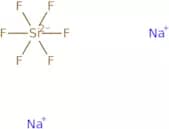
Produto descontinuadoSodium fluorosilicate
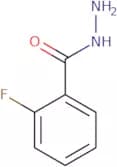
CAS:Produto Controlado<p>Sodium fluorosilicate is an inorganic acid that can be prepared by dissolving sodium carbonate and hydrogen fluoride in water. It is used as a sample preparation agent for electrochemical impedance spectroscopy, as well as a reagent for the determination of acidic properties. Sodium fluorosilicate has been shown to inhibit the growth of epidermal cells, which may be due to its ability to cause an increase in the mitochondrial membrane potential. This compound also inhibits the synthesis of proteins from RNA, which may result from its coordination geometry or hydrogen-bonding interactions. Sodium fluorosilicate has been used in analytical methods involving x-ray diffraction data and plasma mass spectrometry.</p>Fórmula:Na2SiF6Pureza:Min. 95%Peso molecular:188.06 g/mol2-Fluorobenzhydrazide
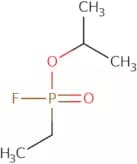
CAS:<p>2-Fluorobenzhydrazide is an antibacterial agent that belongs to the group of phthaloyl compounds. It has been shown to be active against Gram-positive bacteria and Mycobacterium tuberculosis. The crystal structure of 2-fluorobenzhydrazide shows a hydrogen bond with the chloride ion and a strong interaction with the benzodiazepine binding site. The hydroxyl group on the benzene ring may play a role in radical scavenging activity, which is a common property of quinolones. 2-Fluorobenzhydrazide has been shown to be stable in water and organic solvents, with antibacterial activity against Gram-positive and acid-fast bacteria.</p>Fórmula:C7H7FN2OPureza:Min. 95%Cor e Forma:PowderPeso molecular:154.14 g/mol2-(Ethyl-Fluorophosphoryl)Oxypropane
CAS:Produto Controlado<p>2-(Ethyl-Fluorophosphoryl)Oxypropane (EFOP) is a chemical substance that is used as an analytical reagent in the detection of volatile and semi-volatile organic compounds in urine samples. EFOP has a high detection sensitivity, which allows it to be used for the analysis of low levels of chemicals in complex matrices. The matrix effect can be reduced by using human serum as the sample preparation medium. EFOP has been shown to be useful for determining sarin exposure in humans and mass analyzer data has shown that EFOP can detect high values of this chemical substance.</p>Fórmula:C5H12FO2PPureza:Min. 95%Peso molecular:154.12 g/molBis(2,2,2-trichloroethyl)azodicarboxylate
CAS:<p>Bis(2,2,2-trichloroethyl)azodicarboxylate is a nucleophile that can be used as an alkylating agent in the industrial process. It is also used to prepare chiral amines by adding an amine to the enantiomerically pure bis(2,2,2-trichloroethyl)azodicarboxylate. The anticancer activity of Bis(2,2,2-trichloroethyl)azodicarboxylate is due to its ability to inhibit tumor cell proliferation. Bis(2,2,2-trichloroethyl)azodicarboxylate is not effective against cancerous cells that do not have functional groups such as amino acids.</p>Fórmula:C6H4Cl6N2O4Pureza:Min. 95%Cor e Forma:Yellow SolidPeso molecular:380.82 g/molRef: 3D-FB01254
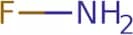
Produto descontinuadoMonofluoroamine
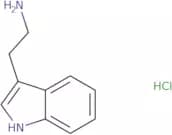
CAS:Produto Controlado<p>Monofluoroamine is a chemical substance with the chemical formula NH2F. It is a colorless liquid that is stable to both acidic and basic environments, but reacts with fluorine gas to form hydrofluoric acid. Monofluoroamine is used in the synthesis of pharmaceuticals, pesticides, and other organic compounds. This compound can be prepared by reacting ammonia with hydrogen fluoride at low temperature or by reacting ammonia with hydrogen fluoride at high pressure. The Friedel-Crafts reaction of monofluoroamine with an amide produces the corresponding amine. Monofluoroamine has been used as a conditioning agent in NMR spectroscopy experiments to remove the water signal from complex NMR spectra. In addition, this compound has been shown to have antiviral effects against HIV infection through its ability to inhibit protein synthesis.</p>Fórmula:FH2NPureza:Min. 95%Peso molecular:35.02 g/molTryptamine hydrochloride
CAS:Produto Controlado<p>Tryptamine hydrochloride is a tryptamine that is used in the synthesis of various drugs with antiinflammatory properties. It has been shown to be a potent and selective antagonist of 5-HT2 receptors, with a pKi value of 7.4. Tryptamine hydrochloride has also been found to have an inhibitory effect on mitochondrial membrane potential and to decrease human serum 5-HT levels at physiological doses. This drug is structurally related to serotonin, which is believed to be a cause for its antiinflammatory activity.</p>Fórmula:C10H12N2HClPureza:Min. 95%Cor e Forma:Brown White Yellow Orange PowderPeso molecular:196.68 g/molRef: 3D-FT37087
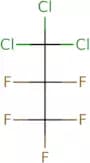
Produto descontinuado1,1,1-Trichloropentafluoropropane
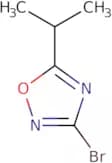
CAS:Produto Controlado<p>1,1,1-Trichloropentafluoropropane is a hydrofluorocarbon that is used as a propellant in aerosol products. It is also used to produce other fluorocarbons and as a reactive solvent in chemical reactions. 1,1,1-Trichloropentafluoropropane (CFC-114) has three chlorine atoms and one fluorine atom. The reaction solution contains the reactants chloroform and hydrogen fluoride with an acid catalyst. The reaction can be carried out in two ways: the liquid phase process or the gas phase process. The liquid phase process occurs when there is no catalyst present in the reaction solution. This method produces two isomers of 1,1,1-trichloropentafluoropropane; CFC-114a and CFC-114b. The gas phase process occurs when an acid catalyst is present in the reaction solution and produces only one is</p>Fórmula:C3Cl3F5Pureza:Min. 95%Peso molecular:237.38 g/mol3-Bromo-5-isopropyl-1,2,4-oxadiazole
CAS:<p>3-Bromo-5-isopropyl-1,2,4-oxadiazole is a radiocarbon that was first detected in the atmosphere of Earth in the 1960s. It is produced by natural processes and is emitted into the atmosphere by human activities. 3-Bromo-5-isopropyl-1,2,4-oxadiazole has been found to be present in humans and other animals, as well as plants and soil. This compound has been detected in different parts of China and has been shown to be related to human activities. The evolution of 3-bromo-5-isopropyl-1,2,4 oxadiazole can be analysed using semantic approaches such as ideology sampling or repairing. Factors that may affect the production of 3-bromo 5 isopropyl 1 2 4 oxadiazole include climate change and technological development.</p>Fórmula:C5H7BrN2OPureza:Min. 95%Cor e Forma:Colorless PowderPeso molecular:191.03 g/molRef: 3D-FB123862
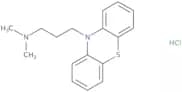
Produto descontinuadoPromazine hydrochloride
CAS:Produto Controlado<p>Promazine hydrochloride is an amphiphilic phenothiazine drug that blocks postsynaptic dopaminergic receptors (D1, D2 and D4) in the mesolimbic and medullary chemoreceptor trigger zone (antipsychotic effects, decreasing stimulation of the vomiting centre). Promazine is an antagonist at serotonin 5HT receptors, exhibits anticholinergic activity by blocking alpha-1 adrenergic receptors and blocks histamine H1 and muscarinic receptors. Promazine is used for adults in the treatment of psychomotor agitation, to prevent and treat nausea and vomiting, to treat allergy symptoms. Promazine hydrochloride is also used in veterinary medicine especially in horses as a pre-anaesthetic agent. Promazine is showed to be among drugs that can be used as starting points for designing SARS-CoV proteinase inhibitors.</p>Fórmula:C17H20N2S•HClPureza:Min. 95%Cor e Forma:White PowderPeso molecular:320.88 g/molRef: 3D-FP27180
Produto descontinuadoDecafluorobis(Trifluoromethyl)Cyclohexane
CAS:Produto Controlado<p>Decafluorobis(trifluoromethyl)cyclohexane is a film-forming polymer that can be used as a nutrient solution. It is synthesized by the thermal decomposition of hydrogen fluoride and caproic acid. Decafluorobis(trifluoromethyl)cyclohexane can be analyzed by combining it with fatty acids in an enzyme hydrolysis reaction. The product will then form a film on the surface of the container, which can be analyzed using ionization techniques such as mass spectrometry or nuclear magnetic resonance.</p>Fórmula:C8F16Pureza:Min. 95%Peso molecular:400.06 g/molPotassium fluoroaluminate
CAS:<p>Potassium fluoroaluminate (KAlF) is a reactive chemical compound that is used as a reducing agent in metallurgical processes. KAlF is not an aluminothermic reaction product, but it can be produced as a by-product of the reaction between aluminum and hydrogen fluoride. It is produced when potassium reacts with hydrogen fluoride in the presence of sodium carbonate or boron nitride. KAlF does not produce stable complexes with zinc or magnesium, but it does stabilize zirconium oxide to some extent. The human serum contains antibodies against KAlF particles, which may cause allergic reactions following inhalation or skin contact.</p>Fórmula:AlF4•KCor e Forma:PowderPeso molecular:142.07 g/molMagnesium hexafluorosilicate hexahydrate
CAS:<p>Magnesium hexafluorosilicate hexahydrate is a fine chemical that can be used as a versatile building block in the synthesis of organic compounds. It can also be used as a reaction component and provides a speciality chemical reagent for research purposes. Magnesium hexafluorosilicate hexahydrate is an intermediate in the synthesis of other chemicals and has been commercially available since 2006. This compound can also be used as a catalyst for the polymerization of polystyrene, polyurethane, and polyester resins. Magnesium hexafluorosilicate hexahydrate is high quality and is not hazardous to health or the environment.</p>Fórmula:F6Si•(H2O)6•MgPureza:Min. 95%Cor e Forma:PowderPeso molecular:274.47 g/molRef: 3D-FH106107
Produto descontinuado4-Chloro-2-methylbenzoic acid
CAS:<p>4-Chloro-2-methylbenzoic acid is a high quality chemical that is used as an intermediate in the preparation of other compounds. It belongs to the group of complex compounds and has CAS No. 7499-07-2. This reagent can be used to synthesize speciality chemicals, research chemicals, and versatile building blocks. 4-Chloro-2-methylbenzoic acid is also useful as a reaction component for the synthesis of fine chemicals, pharmaceuticals, and agrochemicals.</p>Fórmula:C8H7ClO2Pureza:Min. 95%Peso molecular:170.59 g/molRef: 3D-FC55109
Produto descontinuado2-Chlorobenzyl alcohol
CAS:<p>2-Chlorobenzyl alcohol is a chemical compound that is used to synthesize other compounds. It is produced by the reaction of ethyl formate and hydrogen chloride in a reaction vessel. It reacts with benzoates to produce 2-chlorobenzoates, which are used as intermediates in the synthesis of pharmaceuticals. Hydroxyl groups can react with hydrogen fluoride to produce hydrofluoric acid, which is used as an industrial solvent. 2-Chlorobenzyl alcohol also reacts with hydroxide ions to produce ethylene glycol, which is used in making polyester fibers and plastics. This chemical compound has structural studies that show it has a proton and two hydroxyl groups that can react with hydrogen bond. Hydrogen bonds are important for the stability of DNA structures. The molecular structures of velvetleaf plants contain 2-chlorobenzyl alcohol, which may be due to its role in transferring oxygen from leaves to roots for respiration during</p>Fórmula:C7H7ClOPureza:Min. 95%Cor e Forma:PowderPeso molecular:142.58 g/molRef: 3D-FC46928
Produto descontinuado1-Bromopinacolone
CAS:<p>1-Bromopinacolone is a synthetic analogue of the naturally occurring acetylcholine. It is used as a pharmaceutical preparation to treat psychotic disorders and inflammatory diseases, such as asthma. 1-Bromopinacolone has irreversible inhibition of the cholinergic receptor activity, which blocks the neurotransmitter signal from binding to its receptors. This drug also has an effect on the β-unsaturated ketones (PUFA), which are involved in syncytial virus infection. The molecular modelling of 1-bromopinacolone shows that it forms intramolecular hydrogen bonds with neighbouring nitrogen atoms and chlorine atoms, which stabilises its structure and leads to its high stability and low toxicity.</p>Fórmula:C6H11BrOPureza:Min. 95%Cor e Forma:Colorless Clear LiquidPeso molecular:179.05 g/molRef: 3D-FB167518
Produto descontinuado
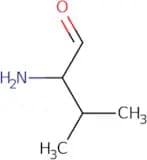

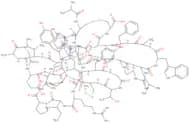
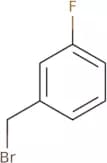
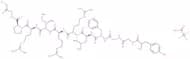

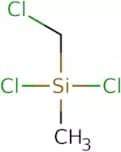


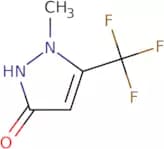



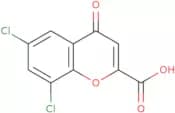
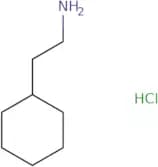
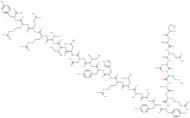

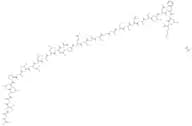
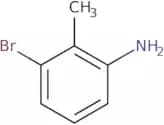
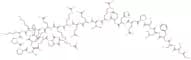
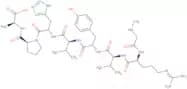
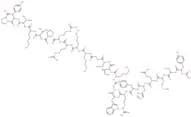
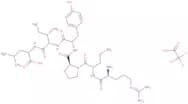
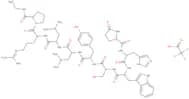
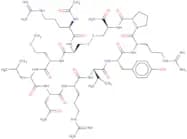


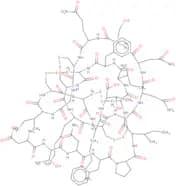

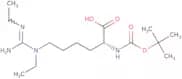
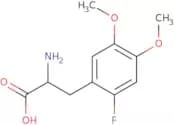
![Tris[4-(trifluoromethyl)phenyl]phosphine](/_next/image/?url=https%3A%2Fstatic.cymitquimica.com%2Fproducts%2F3D%2Fthumb-webp%2FFT100710.webp&w=3840&q=75)
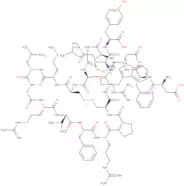
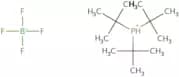
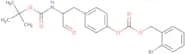
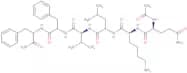
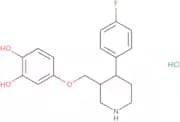
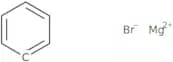
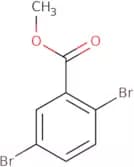
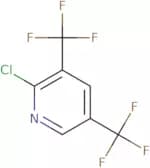
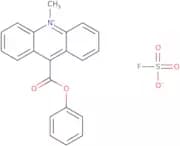
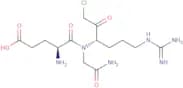
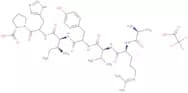
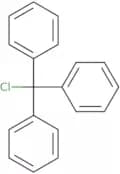

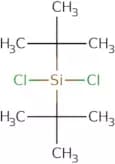
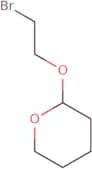
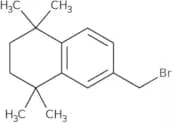
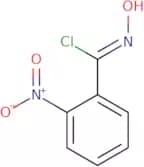
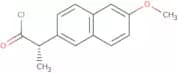
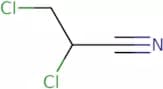
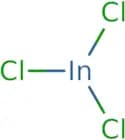
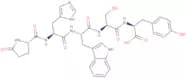

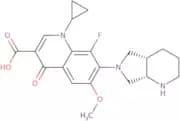
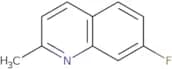
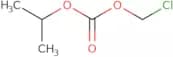
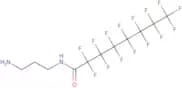
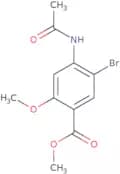
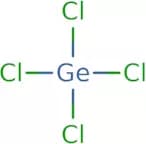
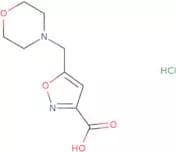

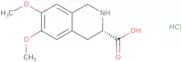
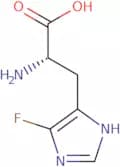
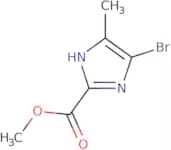
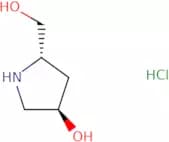
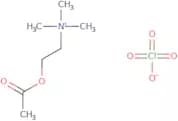

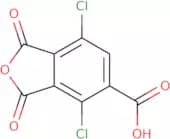
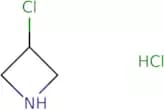

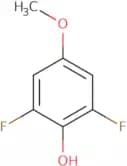
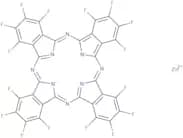
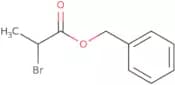
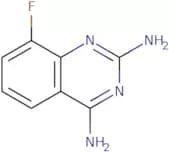
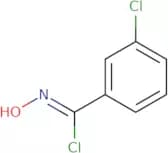
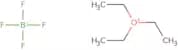
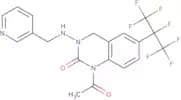
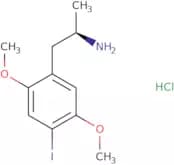

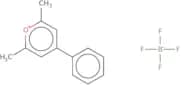
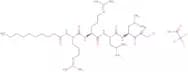
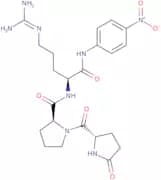
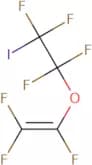
![7-[(2S,3R)-3-Amino-2-methyl-azetidin-1-yl]-1-(2,4-difluorophenyl)-6-fluoro-4-oxo-quinoline-3-carbo…](/_next/image/?url=https%3A%2Fstatic.cymitquimica.com%2Fproducts%2F3D%2Fthumb-webp%2FFA30404.webp&w=3840&q=75)
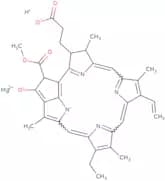

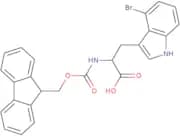
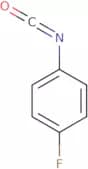
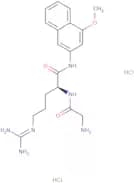
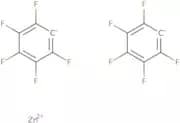
![3-[5-(4-Fluorophenyl)-5-hydroxy-1-oxopentyl]-4-phenyl-2-oxazolidinone](/_next/image/?url=https%3A%2Fstatic.cymitquimica.com%2Fproducts%2F3D%2Fthumb-webp%2FFF23467.webp&w=3840&q=75)
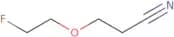
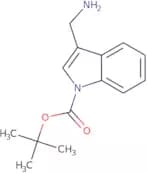
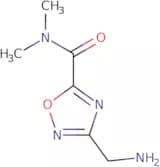
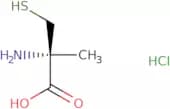
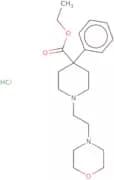
![2-[(Ethylamino)methyl]-4-aminophenol dihydrochloride](/_next/image/?url=https%3A%2Fstatic.cymitquimica.com%2Fproducts%2F3D%2Fthumb-webp%2FFE23131.webp&w=3840&q=75)
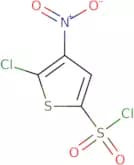
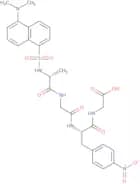
![Ethyl2-(acetylamino)-3-[3,5-diiodo-4-(4-methoxyphenoxy)phenyl]propanoate](/_next/image/?url=https%3A%2Fstatic.cymitquimica.com%2Fproducts%2F3D%2Fthumb-webp%2FFE149894.webp&w=3840&q=75)
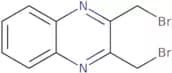
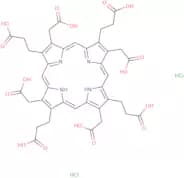
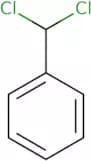
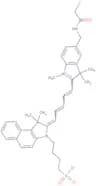
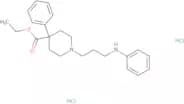
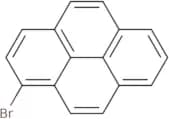
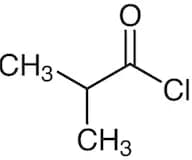

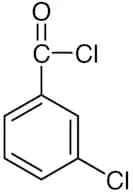
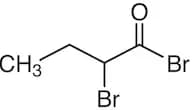
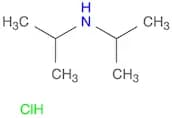

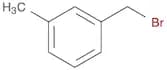
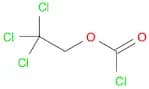
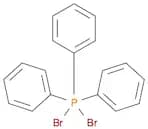
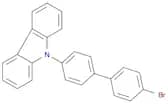
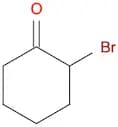
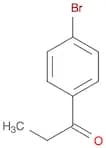
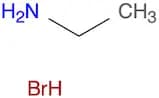

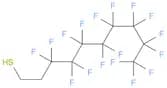

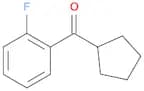
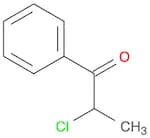
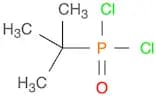

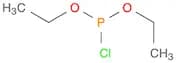
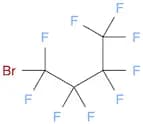
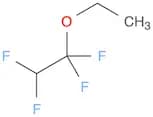
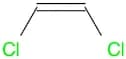
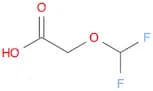
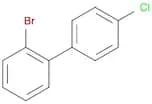

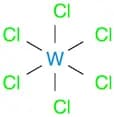
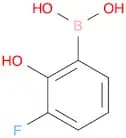
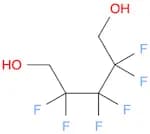
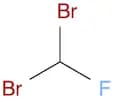

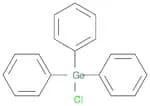
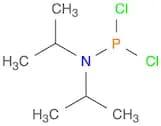
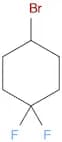

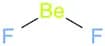
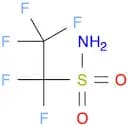
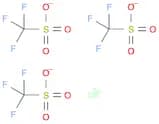
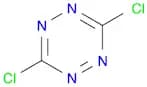
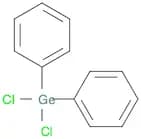
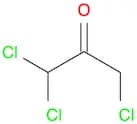
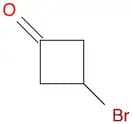
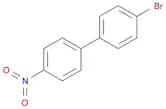
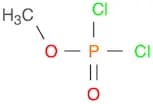
![(4'-Bromo-[1,1'-biphenyl]-4-yl)(phenyl)methanone](/_next/image/?url=https%3A%2Fstatic.cymitquimica.com%2Fproducts%2FIN%2Fthumb-webp%2FDA003KSK.webp&w=3840&q=75)
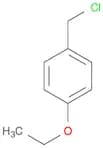
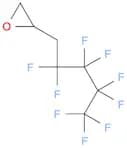
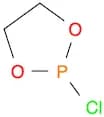
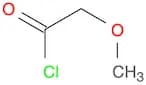
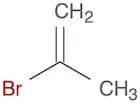

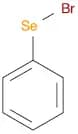
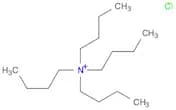

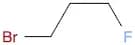
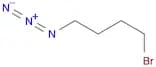
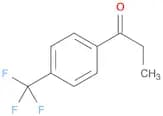
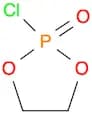
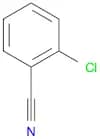
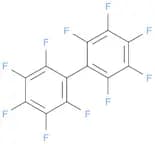
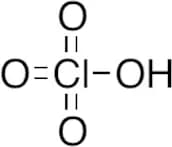

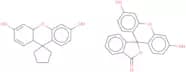
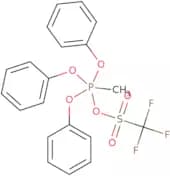
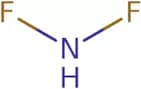
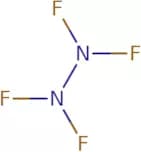
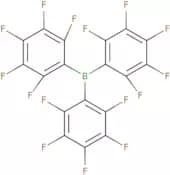
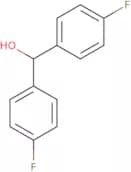
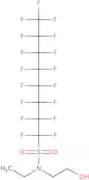
![1-[4-Methyl-6-(trifluoromethyl)pyrimidin-2-yl]piperidine-3-carboxylic acid](/_next/image/?url=https%3A%2Fstatic.cymitquimica.com%2Fproducts%2F3D%2Fthumb-webp%2FFM129640.webp&w=3840&q=75)