Heterociclos de enxofre (S)
Aqui você encontrará uma classe de compostos orgânicos que contêm um átomo de enxofre no anel heterocíclico. Heterociclos contendo enxofre são cruciais no desenvolvimento de produtos farmacêuticos, agroquímicos e materiais devido às suas propriedades químicas únicas e atividades biológicas. Esses compostos são amplamente utilizados na química medicinal e na ciência dos materiais. Na CymitQuimica, oferecemos uma seleção diversificada de heterociclos contendo enxofre de alta qualidade para apoiar suas pesquisas e aplicações industriais.
Subcategorias de "Heterociclos de enxofre (S)"
Foram encontrados 1000 produtos de "Heterociclos de enxofre (S)"
Ordenar por
Pureza (%)
0
100
|
0
|
50
|
90
|
95
|
100
[2-(Thiophene-2-yl)ethyl]amine
CAS:Produto ControladoFórmula:C6H9NSCor e Forma:NeatPeso molecular:127.207Benzo[b]thiophen-2(3H)-one
CAS:Produto Controlado<p>Applications Benzo[b]thiophen-2(3H)-one is a reactant used in the synthesis of merocyanines dyes.<br>References Glauert, R. & Mann, F.: J. Chem. Soc., 5012 (1952)<br></p>Fórmula:C8H6OSCor e Forma:NeatPeso molecular:150.2Thiophene
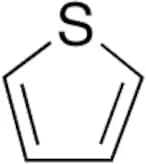
CAS:Produto Controlado<p>Applications Thiophene is used as a building block of various organic molecules and pharmaceuticals providing functional properties.<br> Not a dangerous good if item is equal to or less than 1g/ml and there is less than 100g/ml in the package<br>References Prasad, B. et al.: Chem. Comm., 48, 10434 (2012); Freitas, V. et al.: Struct. Chem., 24, 661 (2013);<br></p>Fórmula:C4H4SCor e Forma:ColourlessPeso molecular:84.144-Chlorothiophenol(4-Chlorobenzenethiol)
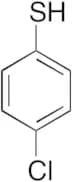
CAS:Produto Controlado<p>Applications 4-Chlorobenzenethiol is a reagent used in the synthesis of small-molecule inhibitors of the protein geranylgeranyltransferase Type I (GGTase-I), acting as anti-tumor agents. Also is used in the synthesis of β-sulfanyl carbonyl compounds via Michael addition.<br>References Ranu, B. et al.: Tetrahedron, 60, 4183 (2004); J. Med. Chem., 43, 2310 (2000);<br></p>Fórmula:C6H5ClSCor e Forma:NeatPeso molecular:144.622-Thiopheneethanol Tosylate
CAS:Produto Controlado<p>Applications Intermediate in the preparation of Rotigotine<br>References Janssens, F., et al.: J. Med. Chem., 29, 2290 (1986),<br></p>Fórmula:C13H14O3S2Cor e Forma:NeatPeso molecular:282.38N-(4-Chlorobenzyl)-1-(5-nitrothiophen-2-yl)methanamine
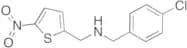
CAS:Produto Controlado<p>Applications N-(4-Chlorobenzyl)-1-(5-nitrothiophen-2-yl)methanamine is an analogue of GSK 4112 (G797700) which is a synthetic ligand for REV-ERBα, a member of the nuclear receptor superfamily that functions as a receptor for the porphoryin heme. GSK 4112 mimics the action of heme acting as agonist and suppresses the expression of REV-ERBα target genes involved in gluconeogenesis.<br>References Kojetin, D. et al.: ACS Chem. Biol., 6, 131 (2011); Grant, D. et al.: ACS Chem. Biol., 5, 925 (2010)<br></p>Fórmula:C12H11ClN2O2SCor e Forma:NeatPeso molecular:282.7465-(2-Sulfanylidene-3H-1,3-thiazol-4-yl)thiophene-2-carboxamide
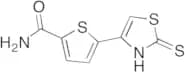
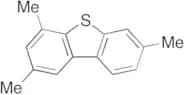
CAS:Produto Controlado<p>Applications 5-(2-Sulfanylidene-3H-1,3-thiazol-4-yl)thiophene-2-carboxamide is a compound involved in the multi-step synthesis of arotinolol hydrochloride.<br>References Liu, H., et al.: Zhongguo Yiyao Gongye Zazhi, 42, 641-644 (2011)<br></p>Fórmula:C8H6N2OS3Cor e Forma:NeatPeso molecular:242.342,4,7-Trimethyldibenzothiophene
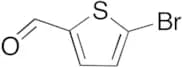
CAS:Produto Controlado<p>Applications 2,4,7-Trimethyldibenzothiophene is found in crude oil and can be used to determine the maturity of the oil.<br>References Hegazi, A.H., et. al.: Polycycl. Aromat. Comp., 24, 123 (2004)<br></p>Fórmula:C15H14SCor e Forma:NeatPeso molecular:226.345-Bromo-2-thiophenecarboxaldehyde
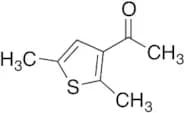
CAS:Produto Controlado<p>Applications 5-Bromo-2-thiophenecarboxaldehyde is used in biological studies as anti-inflammatory and anti-tumor activity of the marine mangrove Rhizophora apiculata.<br>References Prabhu, V.V., et al.: J. Immunotoxicol., 9, 341 (2012);<br></p>Fórmula:C5H3BrOSCor e Forma:NeatPeso molecular:191.053-Acetyl-2,5-dimethylthiophene
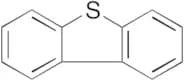
CAS:Produto Controlado<p>Applications 3-Acetyl-2,5-dimethylthiophene Standard (cas# 2530-10-1) is a useful research chemical.<br></p>Fórmula:C8H10OSCor e Forma:NeatPeso molecular:154.23Dibenzothiophene
CAS:<p>Applications Dibenzothiophene is commonly used in microbial studies as a sole, organic sulfur and carbon source for growth. Research concerning the biodegradation of dibenzothiophene by different types of bacteria is a currently being carried out, as these bacteria have the ability to breakdown other harmful polycyclic hydrocarbons (PAH) as well. This may prove to be a very practical method in removing PAH’s from soils, sludge and crude oils.<br> Not a dangerous good if item is equal to or less than 1g/ml and there is less than 100g/ml in the package<br>References Bastiaens, L., et al.: Appl. Environ. Microb., 66, 1834 (2000); Gunam, I., et al.: J. Microbiol. Biotechn., 23, 473 (2013); Omori, T., et al.: Appl. Environ. Microb., 58, 911 (1992)<br></p>Fórmula:C12H8SCor e Forma:NeatPeso molecular:184.26Benzo[b]thiophene
CAS:<p>Applications Benzo[b]thiophene has application in organic as well as pharmaceutical industry as a component in the synthesis of Raloxifene, a breast cancer therapeutic, or hydrodesulfurization reactions.<br>References Buccella, D. et al.: J. Am. Chem. Soc., 130, 16187 (2008); Gennari, L. et al.: Exp. Opin. Drug Saftey, 7, 259 (2008);<br></p>Fórmula:C8H6SCor e Forma:WhitePeso molecular:134.202-Benzoyl-5-ethylthiophene
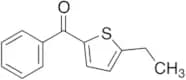
CAS:Produto ControladoFórmula:C13H12OSCor e Forma:NeatPeso molecular:216.299Thiophene-2-glyoxylic acid
CAS:<p>Thiophene-2-glyoxylic acid is a reactive metabolite of thiophene that is formed from the environmental degradation of this compound. Thiophene-2-glyoxylic acid reacts with halides to form an electrophilic intermediate. This intermediate can react with a variety of nucleophiles, including the drug metabolites, leading to the formation of new compounds. Thiophene-2-glyoxylic acid has been shown to enhance the fluorescence properties of some organic compounds. It also has been shown to inhibit the metabolism of some drugs that are conjugated with acids and can be detected in plasma by mass spectrometry.</p>Fórmula:C6H4O3SPureza:Min. 95%Cor e Forma:PowderPeso molecular:156.16 g/mol2-Amino-4,5,6,7-tetrahydro-1-benzothiophene-3-carboxamide
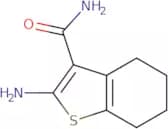
CAS:<p>2-Amino-4,5,6,7-tetrahydro-1-benzothiophene-3-carboxamide is an anticancer agent that inhibits the synthesis of proteins required for cell division. It has been shown to have anticancer activity and efficacy in vitro studies against human cancer cells, such as HCT116. This compound also induces apoptosis in infected cells by binding to viral particles and inducing the release of chloride ions. 2-Amino-4,5,6,7-tetrahydro-1-benzothiophene-3-carboxamide has been found to be effective against influenza virus and particle production by inhibiting neuraminidase activity.</p>Fórmula:C9H12SN2OPureza:Min. 95%Cor e Forma:PowderPeso molecular:196.27 g/mol2-Amino-1-(1-aza-2-(4-methylthiophenyl)vinyl)ethene-1,2-dicarbonitrile
CAS:<p>Please enquire for more information about 2-Amino-1-(1-aza-2-(4-methylthiophenyl)vinyl)ethene-1,2-dicarbonitrile including the price, delivery time and more detailed product information at the technical inquiry form on this page</p>Fórmula:C12H10N4SPureza:Min. 95%Cor e Forma:PowderPeso molecular:242.3 g/molMethyl 3-(((phenylcarbonylamino)thioxomethyl)amino)thiophene-2-carboxylate
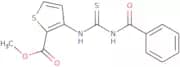
CAS:<p>Please enquire for more information about Methyl 3-(((phenylcarbonylamino)thioxomethyl)amino)thiophene-2-carboxylate including the price, delivery time and more detailed product information at the technical inquiry form on this page</p>Fórmula:C14H12N2O3S2Pureza:Min. 95%Cor e Forma:PowderPeso molecular:320.39 g/mol2-Amino-4-methylthiophene-3-carboxamide
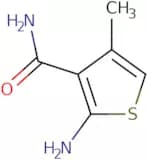
CAS:<p>2-Amino-4-methylthiophene-3-carboxamide is a small molecule that is a potent inhibitor of the JAK2 kinase. This enzyme is associated with human fibrosis and has been shown to be involved in the development of liver fibrosis in rats. 2-Amino-4-methylthiophene-3-carboxamide inhibits the production of cytokines such as IL1α, IL6, and TNFα. It also blocks the activation of transcription factors such as NFκB, which are involved in inflammation. The compound has been shown to be orally active and has demonstrated efficacy in animal studies. Analogues have also been synthesized for this compound that show similar activity.</p>Fórmula:C6H8N2OSPureza:(%) Min. 85%Cor e Forma:PowderPeso molecular:156.21 g/mol4-Methylthiophenol
CAS:<p>4-Methylthiophenol is a colorless liquid that is soluble in water. It has a molecular weight of 98.12 and an empirical formula of C6H7O2S. 4-Methylthiophenol is used as an analytical reagent, solvent, and chemical intermediate. It exhibits hydrogen bonding interactions with sodium carbonate and trifluoroacetic acid and forms a salt with sodium carbonate. The molecule's stability increases when it interacts with amines and the presence of nucleophiles such as water or alcohols. 4-Methylthiophenol has been shown to be effective at enhancing the fluorescence signal emitted by amines, which makes it useful for laser ablation mass spectrometry (LA-MS). 4-Methylthiophenol can also be used for kinetic energy measurements using FTIR spectroscopy because it will absorb infrared light at 1680 cm−1 from the CO2 laser beam.</p>Fórmula:C7H8SPureza:Min. 95%Cor e Forma:White PowderPeso molecular:124.2 g/mol4-Hydroxythiophenol
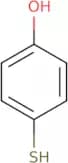
CAS:<p>4-Hydroxythiophenol is an organic compound with the molecular formula C6H4OHO. It is a white crystalline solid that is soluble in water and ethanol. 4-Hydroxythiophenol has been shown to inhibit the growth of bacteria by reacting with free intracellular hydroxyl groups, which are necessary for the biosynthesis of cell walls. This molecule also reacts with other biological molecules, such as nucleic acids and proteins, to form covalent bonds. 4-Hydroxythiophenol has been shown to be effective against both Gram-positive and Gram-negative bacteria in vitro assays.</p>Fórmula:C6H6OSPureza:(%) Min. 75%Cor e Forma:PowderPeso molecular:126.18 g/mol5-(2-Chlorophenyl)thiophene-2-carboxylic acid
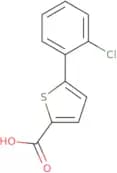
CAS:<p>5-(2-Chlorophenyl)thiophene-2-carboxylic acid is a reagent, complex compound, and useful intermediate that belongs to the class of fine chemicals. CAS No. 500604-91-1 is a speciality chemical that is used as a versatile building block in research chemicals and as a reaction component for the synthesis of new drugs. It is also an excellent building block for synthesizing 1,4-benzothiazepines and other heterocyclic compounds.</p>Fórmula:C11H7ClO2SPureza:Min. 95%Cor e Forma:PowderPeso molecular:238.69 g/mol2,5-Diphenylthiophene
CAS:<p>2,5-Diphenylthiophene is a fluorescent dye that has been used to study the transport properties of aromatic molecules. This compound is characterized by two phenyl groups and a thiophene ring with a sulfur atom in the 2 position. The red shift observed for this compound is due to the electron withdrawing effect of the sulfur atom. 2,5-Diphenylthiophene has shown inhibition activity against Nepeta cataria, which may be due to its ability to form sulfoxide bonds with proteins. It has also been found that this molecule can polymerize and form polymers in solution. This property is related to its morphology, which is irregular and rod-like in shape.</p>Fórmula:C16H12SPureza:Min. 95%Peso molecular:236.33 g/mol4-Ethyl-5-methylthiophene-3-carboxylic acid
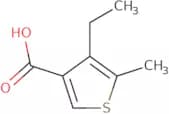
CAS:<p>4-Ethyl-5-methylthiophene-3-carboxylic acid is a chemical compound that can be used as an intermediate for the synthesis of other compounds. It is also a building block and a versatile building block in organic synthesis, with many applications in research and industry. This compound has a CAS number of 884497-34-1 and is classified as a speciality chemical.</p>Fórmula:C8H10O2SPureza:Min. 95%Cor e Forma:PowderPeso molecular:170.23 g/molN-(2-Fluorophenyl)-N-[4-(4-Methyl-1,3-Thiazol-2-Yl)-1-(2-Thiophen-3-Ylethyl)Piperidin-4-Yl]Propanamide
CAS:Produto Controlado<p>N-(2-Fluorophenyl)-N-[4-(4-methyl-1,3-thiazol-2-yl)-1-(2-thiophen-3-ylethyl)piperidin-4-yl]propanamide is a drug that is used for the treatment of cancer. This drug is hydrophobic and has a molecular weight of 455. It has been shown to be effective in treating cancer cells by binding to the cell membrane and inhibiting the proliferation of these cells. N-(2-Fluorophenyl)-N-[4-(4-methyl-1,3-thiazol-2-yl)-1-(2-thiophen-3-ylethyl)piperidin]-4-- yl]propanamide also inhibits tumor growth by reducing extracellular matrix production and inducing apoptosis in cancer cells. This drug has a fluorescent property and can be detected with an optical microscope at a</p>Fórmula:C24H28FN3OS2Pureza:Min. 95%Peso molecular:457.63 g/mol3,4-Ethylenedioxythiophene
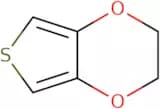
CAS:<p>3,4-Ethylenedioxythiophene is a low energy compound that reacts with oxygen to produce hydrogen atoms. It has been shown to have synergic effects when used in conjunction with other compounds, such as 2-chloro-5-nitrobenzene. 3,4-Ethylenedioxythiophene can be used for the production of polymers by electropolymerization. It can also be used as a cross-linking agent and a chemical structure for the synthesis of polymers. 3,4-Ethylenedioxythiophene can also be used as an electrochemical data collector and an ionization reagent in mass spectrometry experiments, such as electrospray ionization quadrupole.</p>Fórmula:C6H6O2SPureza:Min. 98 Area-%Cor e Forma:Yellow Clear LiquidPeso molecular:142.18 g/mol2-Propylthiophene
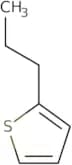
CAS:<p>2-Propylthiophene is a sulfur-containing organic compound that is used as a desulfurization agent. It has been shown to have interactive effects with fatty acids and can be used in the industrial process of making polymers. 2-Propylthiophene has been shown to deplete glutathione, which may lead to toxicity and inflammatory diseases. The molecule also inhibits autophagy and increases the severity of kidney cell and congestive heart disease. The activation energy for 2-propylthiophene is low, making it easier to study than other molecules with higher activation energies.</p>Fórmula:C7H10SPureza:Min. 95%Cor e Forma:Clear LiquidPeso molecular:126.22 g/mol3-Dodecylthiophene
CAS:<p>3-Dodecylthiophene is a small molecule that belongs to the class of thiophenes. It has been shown to have a number of interesting properties, including low energy fluorescence, UV absorption, and nmr spectra. 3-Dodecylthiophene is also an important component in organic electronic devices such as polymer film, lasers, and molecular modeling. It has been shown to have transport properties and can be used as a molecular probe for chemical analysis. 3-Dodecylthiophene has been used in the synthesis of palladium complexes and solid phase microextraction.</p>Fórmula:C16H28SPureza:Min. 95%Cor e Forma:Colorless Clear LiquidPeso molecular:252.46 g/mol2-Benzoylthiophene
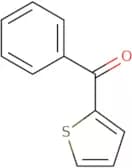
CAS:<p>2-Benzoylthiophene is an aromatic hydrocarbon that is used to synthesize other compounds. It has antihistaminic activity, which may be due to its ability to inhibit histamine release from mast cells and basophils. 2-Benzoylthiophene also has conformational properties that allow it to function as a homodimer in kinetic studies, which can be used to study the mechanism of enzyme catalysis. 2-Benzoylthiophene can undergo chloride transfer reactions with diethyl succinate, leading to a molecule with a positive charge on C2. This reaction is catalyzed by protonation of the C2 carbon atom.</p>Fórmula:C11H8OSPureza:Min. 95%Cor e Forma:PowderPeso molecular:188.25 g/mol6,7-Dihydro-4-benzo[b]thiophenone
CAS:<p>6,7-Dihydro-4-benzo[b]thiophenone is a synthetic flavonoid that has been shown to be effective in the treatment of cancer cells. It binds to the oxytocin receptor and quinoline derivatives, inhibiting topoisomerase II and IV. This drug also inhibits the production of cancer cells by catalysing reactions involving piperazine and chloride. 6,7-Dihydro-4-benzo[b]thiophenone has been shown to have antimicrobial properties against bacteria such as Staphylococcus aureus, Escherichia coli, Klebsiella pneumoniae, Pseudomonas aeruginosa, and Salmonella typhimurium.</p>Fórmula:C8H8OSPureza:Min. 95%Cor e Forma:PowderPeso molecular:152.21 g/molN-(2,5-dimethylphenyl)(3-chlorobenzo[b]thiophen-2-yl)formamide
CAS:<p>Please enquire for more information about N-(2,5-dimethylphenyl)(3-chlorobenzo[b]thiophen-2-yl)formamide including the price, delivery time and more detailed product information at the technical inquiry form on this page</p>Pureza:Min. 95%(E)-N-(3-Methylaminopropyl)-2-thiopheneacrylamide hydrochloride
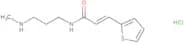
CAS:<p>(E)-N-(3-Methylaminopropyl)-2-thiopheneacrylamide hydrochloride is a high quality, reagent, complex compound, useful intermediate, fine chemical. It has CAS No. 1449108-90-0 and is used as a research chemical and building block in the synthesis of other compounds. (E)-N-(3-Methylaminopropyl)-2-thiopheneacrylamide hydrochloride can be used as a versatile building block in organic synthesis reactions and is an important reaction component for the preparation of speciality chemicals.</p>Fórmula:C11H17N2OSClPureza:Min. 95%Cor e Forma:White PowderPeso molecular:260.78 g/molBenzo[b]thiophene-2-carboxylic acid
CAS:<p>A raw material for use in pharma, dye and organic synthesis industries.</p>Fórmula:C9H6O2SPureza:Min. 95%Cor e Forma:PowderPeso molecular:178.21 g/mol3-[(Aminocarbonyl)amino]-5-[4-(morpholin-4-ylmethyl)phenyl]thiophene-2-carboxamide
CAS:<p>3-[(Aminocarbonyl)amino]-5-[4-(morpholin-4-ylmethyl)phenyl]thiophene-2-carboxamide is a chemical inhibitor that inhibits the activity of kinases. It has been shown to be cytotoxic against cancer cells and to induce apoptosis through a number of different mechanisms. 3-[(Aminocarbonyl)amino]-5-[4-(morpholin-4-ylmethyl)phenyl]thiophene-2-carboxamide binds to DNA and induces DNA repair, which can lead to cell death. This drug also has an anti-inflammatory effect, which may be due to its ability to inhibit pro-inflammatory cytokines such as TNFα and IL1β.</p>Fórmula:C17H20N4O3SPureza:Min. 95%Cor e Forma:PowderPeso molecular:360.43 g/molTicarcillin disodium
CAS:<p>Ticarcillin is a bactericidal antibiotic that is used to treat many types of infections caused by gram-positive bacteria, such as Streptococcus pneumoniae, Enterococcus faecalis and Enterococcus faecium. Ticarcillin has been shown to be effective against antibiotic-resistant strains of bacteria, including multidrug efflux pumps. This drug also has been shown to inhibit the growth of gram-negative bacteria such as Escherichia coli and Pseudomonas aeruginosa. Ticarcillin is used in combination with clavulanic acid for the treatment of infections caused by beta-lactamase producing organisms. It is also used in wastewater treatment to inhibit the growth of gram-negative bacteria that are resistant to other antibiotics. Ticarcillin can interfere with other medications by inhibiting their metabolism through cytochrome P450 enzymes or through competition for protein binding sites.</p>Fórmula:C15H16N2Na2O6S2Pureza:Min. 80.0 Area-%Cor e Forma:White PowderPeso molecular:430.41 g/mol(E)-N-(3-Methylaminopropyl)-2-thiopheneacrylamide
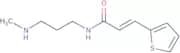
CAS:<p>(E)-N-(3-Methylaminopropyl)-2-thiopheneacrylamide is a high quality chemical that can be used as an intermediate in the synthesis of complex compounds. It is also a useful scaffold and building block for the synthesis of speciality chemicals with versatile reactions.</p>Fórmula:C11H16N2OSPureza:Min. 95%Cor e Forma:Colorless Clear LiquidPeso molecular:224.32 g/mol2-Amino-5-chlorothiophenol
CAS:<p>2-Amino-5-chlorothiophenol is an aminothiophene derivative that has been shown to be an effective antibacterial agent. It is a substrate in the synthesis of polyesters and is used as a precursor in the synthesis of ciprofloxacin, a broad spectrum antibiotic. 2-Amino-5-chlorothiophenol has been shown to catalyze the reaction between phenyl groups and heterocycles, which is an important step in the synthesis of ciprofloxacin and fluconazole. The optimal reaction temperature for this process is between 150°C - 180°C. The irradiation time for this process varies depending on the intensity of light used, with optimal results obtained after 10 minutes at 25 kGy.</p>Fórmula:C6H6ClNSPureza:Min. 95 Area-%Cor e Forma:PowderPeso molecular:159.64 g/mol2-Iminothiolane hydrochloride
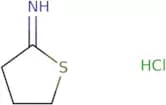
CAS:<p>2-Iminothiolane hydrochloride is an amine that reacts with free thiol groups in proteins. It can be used to generate models of protein structures, as well as to study the effects of disulfide bonds on protein stability and function. 2-Iminothiolane hydrochloride has been shown to inhibit HIV infection by blocking the uptake of all-trans retinoic acid into cells. This drug also has minimal toxicity and can be used for cancer therapy. The drug was shown to have minimal toxicity in vitro, but it has not yet been tested in vivo.</p>Fórmula:C4H8ClNSPureza:Min. 95%Cor e Forma:White Off-White PowderPeso molecular:137.63 g/mol5-Formyl-2-thiopheneboronic acid
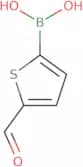
CAS:<p>5-Formyl-2-thiopheneboronic acid is a synthetic molecule that has been shown to be an effective electron microscope stabilizer. It is a boronate ester with a formyl group at the 2-position and a thiophene ring at the 5-position. The chloride in this molecule is used as a functional group, which can then react with other molecules to form new compounds. The functional theory of 5-formyl-2-thiopheneboronic acid includes its ability to form bonds with other molecules and its use as an inorganic base. The particle size of 5-formyl-2-thiopheneboronic acid is unsymmetrical, making it different from other molecules.</p>Fórmula:C5H5BO3SPureza:Min. 95%Cor e Forma:PowderPeso molecular:155.97 g/mol2-Amino-1-aza-3-((4-methylphenyl)sulfonyl)prop-1-enyl thiophene-2-carboxylate
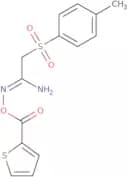
CAS:<p>Please enquire for more information about 2-Amino-1-aza-3-((4-methylphenyl)sulfonyl)prop-1-enyl thiophene-2-carboxylate including the price, delivery time and more detailed product information at the technical inquiry form on this page</p>Fórmula:C14H14N2O4S2Pureza:Min. 95%Cor e Forma:PowderPeso molecular:338.4 g/mol3,6-Dibromothieno[3,2-b]thiophene
CAS:<p>3,6-Dibromothieno[3,2-b]thiophene is a semiconducting material that has been shown to have electron mobility of 1.5 cm2/Vs and an enhancement factor of ~5 in pyridine as the acceptor molecule. The compound is processed into thin films using chemical vapor deposition and shows potential for use in transistors. 3,6-Dibromothieno[3,2-b]thiophene is also a natural gas sensor that can be used to detect methane concentrations in the range of 0.1% - 10% by volume.</p>Fórmula:C6H2Br2S2Pureza:Min. 95%Cor e Forma:PowderPeso molecular:298.02 g/molBenzo[b]thiophene-2-carboxaldehyde
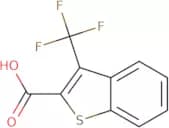
CAS:<p>Benzo[b]thiophene-2-carboxaldehyde is a compound that has optical properties with a dihedral angle of 90°. This compound also has a functional group of imine, which can be found in the amino acid histidine. Benzo[b]thiophene-2-carboxaldehyde has been shown to have cancer inhibiting properties by targeting the protease activity of at1 receptors. It inhibits the synthesis of protein and RNA by binding to them and preventing their production. This compound also inhibits the activity of proteases, which are enzymes that break down proteins. Benzo[b]thiophene-2-carboxaldehyde is synthesized through metathesis reactions, which are reactions that involve the exchange of atoms between two compounds. The yield is isolated at about 95%.</p>Fórmula:C9H6OSPureza:Min. 95%Peso molecular:162.21 g/mol3-(Trifluoromethyl)-1-benzothiophene-2-carboxylic acid
CAS:<p>3-(Trifluoromethyl)-1-benzothiophene-2-carboxylic acid is a versatile building block that can be used as a reagent, speciality chemical, and useful scaffold in research. This compound has been used to synthesize the drug called Raxibacumab, which is an antibody fragment. 3-(Trifluoromethyl)-1-benzothiophene-2-carboxylic acid can be used as a reaction component or intermediate to produce drugs such as Cefotaxime, Penicillin G, and Ampicillin.</p>Fórmula:C10H5F3O2SPureza:Min. 95%Peso molecular:246.21 g/molEthyl 2-amino-4,5,6,7-tetrahydro-1-benzothiophene-3-carboxylate
CAS:<p>Ethyl 2-amino-4,5,6,7-tetrahydro-1-benzothiophene-3-carboxylate is an antibacterial agent that inhibits the growth of bacteria by binding to amines and metal ions. It also has in vitro anticancer activity against cancer cells. Ethyl 2-amino-4,5,6,7-tetrahydro-1-benzothiophene-3-carboxylate has been shown to have antiinflammatory activity in rats.</p>Fórmula:C11H15SNO2Pureza:Min. 95%Cor e Forma:PowderPeso molecular:225.31 g/mol3-Bromomethylthiophene
CAS:<p>3-Bromomethylthiophene is a monomer that has been shown to inhibit the synthesis of cholesterol. This inhibition is due to the inhibition of 3-hydroxy-3-methylglutaryl coenzyme A reductase, which converts HMGCoA to mevalonate and is an enzyme involved in the synthesis of cholesterol. The kinetics of this reaction were studied using UV spectroscopy and kinetic analysis. The optical properties of 3-bromomethylthiophene have also been examined using fluorescence microscopy. It has also been shown to have antihypertensive activity, which may be due to its ability to inhibit angiotensin converting enzyme (ACE).</p>Fórmula:C5H5BrSPureza:Min. 90%Cor e Forma:Clear LiquidPeso molecular:177.06 g/mol5-Bromothiophene-2-carboxylic acid methyl ester
CAS:<p>5-Bromothiophene-2-carboxylic acid methyl ester is an alkene that is used in the synthesis of molybdenum trioxide and other polyhalogenated compounds. It can be prepared by alkylation of 5-bromothiophene with ethyl bromoacetate in the presence of carbon tetrachloride and a halide, such as bromine. The use of photophysical optimization has been shown to significantly improve the yield of this reaction. The reactive nature of 5-bromothiophene-2-carboxylic acid methyl ester makes it suitable for use in organic synthesis. This compound has been shown to have a positive effect on bone mass, which may be due to its ability to inhibit osteoclasts, reducing the activity of these cells that break down bone tissue.</p>Fórmula:C6H5BrO2SPureza:Min. 95%Cor e Forma:PowderPeso molecular:221.07 g/mol


![[2-(Thiophene-2-yl)ethyl]amine](/_next/image/?url=https%3A%2Fstatic.cymitquimica.com%2Fproducts%2FTR%2Fthumb-webp%2FT368160.webp&w=3840&q=75)

![Benzo[b]thiophen-2(3H)-one](/_next/image/?url=https%3A%2Fstatic.cymitquimica.com%2Fproducts%2FTR%2Fthumb-webp%2FB206880.webp&w=3840&q=75)

![Benzo[b]thiophene](/_next/image/?url=https%3A%2Fstatic.cymitquimica.com%2Fproducts%2FTR%2Fthumb-webp%2FB206870.webp&w=3840&q=75)





![N-(2-Fluorophenyl)-N-[4-(4-Methyl-1,3-Thiazol-2-Yl)-1-(2-Thiophen-3-Ylethyl)Piperidin-4-Yl]Propana…](/_next/image/?url=https%3A%2Fstatic.cymitquimica.com%2Fproducts%2F3D%2Fthumb-webp%2FFF102591.webp&w=3840&q=75)

![6,7-Dihydro-4-benzo[b]thiophenone](/_next/image/?url=https%3A%2Fstatic.cymitquimica.com%2Fproducts%2F3D%2Fthumb-webp%2FFD137299.webp&w=3840&q=75)
![N-(2,5-dimethylphenyl)(3-chlorobenzo[b]thiophen-2-yl)formamide](/_next/image/?url=https%3A%2Fstatic.cymitquimica.com%2Fproducts%2F3D%2Fthumb-webp%2FFD169538.webp&w=3840&q=75)
![Benzo[b]thiophene-2-carboxylic acid](/_next/image/?url=https%3A%2Fstatic.cymitquimica.com%2Fproducts%2F3D%2Fthumb-webp%2FFB01173.webp&w=3840&q=75)
![3-[(Aminocarbonyl)amino]-5-[4-(morpholin-4-ylmethyl)phenyl]thiophene-2-carboxamide](/_next/image/?url=https%3A%2Fstatic.cymitquimica.com%2Fproducts%2F3D%2Fthumb-webp%2FFA18119.webp&w=3840&q=75)


![3,6-Dibromothieno[3,2-b]thiophene](/_next/image/?url=https%3A%2Fstatic.cymitquimica.com%2Fproducts%2F3D%2Fthumb-webp%2FFD62226.webp&w=3840&q=75)
![Benzo[b]thiophene-2-carboxaldehyde](/_next/image/?url=https%3A%2Fstatic.cymitquimica.com%2Fproducts%2F3D%2Fthumb-webp%2FFB03118.webp&w=3840&q=75)