Cetonas
As cetonas são compostos orgânicos caracterizados pela presença de um grupo carbonilo (C=O) ligado a dois átomos de carbono. Esses compostos são altamente versáteis e desempenham um papel crucial em várias reações químicas, incluindo oxidação, redução e condensação. As cetonas são intermediários essenciais na síntese de produtos farmacêuticos, fragrâncias e polímeros. Na CymitQuimica, oferecemos uma ampla gama de cetonas de alta qualidade para apoiar suas aplicações de pesquisa e industriais.
Foram encontrados 18809 produtos de "Cetonas"
Ordenar por
Pureza (%)
0
100
|
0
|
50
|
90
|
95
|
100
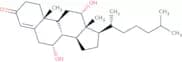
7a,12a-Dihydroxycholest-4-en-3-one
CAS:Produto Controlado<p>7a,12a-Dihydroxylcholest-4-en-3-one is a structural analog of 7α,12α-dihydroxycholesterol. It has been studied for its catalytic mechanism and cavity. It is formed from the reaction of glutamate with cholesterol in a homogenate. The enzyme responsible for this biosynthesis is HMG CoA reductase, which converts 3 hydroxymethylglutaryl coenzyme A to mevalonate. Biochemical studies have shown that 7α,12α-dihydroxylcholest-4-en-3-one is metabolized by the liver into bile acids and excreted in the urine. This compound has also been shown to be an antiinflammatory agent due to its ability to inhibit prostaglandin synthesis and reduce inflammation.</p>Fórmula:C27H44O3Pureza:Min. 95%Peso molecular:416.64 g/mol11α-Methylandrostan-17β-ol-3-one
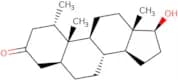
CAS:Produto Controlado<p>11alpha-Methylandrostan-17beta-ol-3-one is a pharmacological agent that belongs to the group of androgens. It is an oral preparation and has been used in the treatment of infectious diseases, autoimmune diseases, and metabolic disorders. It has also been used as a matrix effect control in biological samples. The biological effects of 11alpha-Methylandrostan-17beta-ol-3-one are mediated by its direct action on cells or through conversion to testosterone or dihydrotestosterone (DHT). These effects include increasing protein synthesis, promoting bone formation, lowering cholesterol levels, stimulating the production of red blood cells, and decreasing fat deposition. The main side effects are acne vulgaris, male pattern baldness, prostate enlargement, increased risk for prostate cancer, and increased risk for developing breast cancer.</p>Fórmula:C20H32O2Pureza:Min. 95%Cor e Forma:PowderPeso molecular:304.47 g/molXylyldibutylbenzofuranone
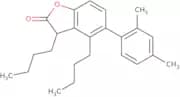
CAS:<p>Xylyldibutylbenzofuranone is a stabilizer that is added to plastics to prevent the polymer from splitting into its constituent monomers. It has been shown to be an effective antioxidant, inhibiting the oxidation of polyvinyl chloride and polyethylene terephthalate plastics. Xylyldibutylbenzofuranone can be used in combination with phosphites, which form stable compounds with the stabilizer. These compounds are not allergenic or damaging to health, but may cause allergic reactions in sensitive individuals. The analytical method for determining the content of xylyldibutylbenzofuranone in a plastic material is based on its carboxylate group and functional groups. Xylyldibutylbenzofuranone does not damage the environment and has been shown to have antioxidant effects against ozone-induced oxidation of polystyrene.</p>Fórmula:C24H30O2Pureza:Min. 95%Cor e Forma:PowderPeso molecular:350.49 g/mol[4-[2-(Diethylamino)ethoxy]-3-iodophenyl][2-(1-hydroxybutyl)-3-benzofuranyl]-methanone
CAS:Produto Controlado<p>Please enquire for more information about [4-[2-(Diethylamino)ethoxy]-3-iodophenyl][2-(1-hydroxybutyl)-3-benzofuranyl]-methanone including the price, delivery time and more detailed product information at the technical inquiry form on this page</p>Fórmula:C25H30INO4Pureza:Min. 95%Peso molecular:535.41 g/mol5,6-Dihydro-2H-pyran-2-one
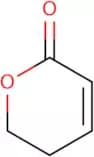
CAS:<p>5,6-Dihydro-2H-pyran-2-one is a type of molecule that has been found to be an active natural product. It is believed to have anti-cancer, anti-microbial and anti-fungal properties. 5,6-Dihydro-2H-pyran-2-one has been shown to inhibit protease activity through covalent adduct formation with the enzyme as well as binding to water molecules. The molecule also binds strongly to metal ions such as copper and zinc, which may contribute to its biological properties.</p>Fórmula:C5H6O2Pureza:Min. 95%Cor e Forma:Clear LiquidPeso molecular:98.1 g/mol7-Benzyl-1H-Purine-2,6(3H,7H)-Dione
CAS:Produto Controlado<p>Please enquire for more information about 7-Benzyl-1H-Purine-2,6(3H,7H)-Dione including the price, delivery time and more detailed product information at the technical inquiry form on this page</p>Fórmula:C12H10N4O2Pureza:Min. 95%Peso molecular:242.23 g/mol(2,4-Dichlorophenyl)acetone
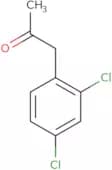
CAS:<p>(2,4-Dichlorophenyl)acetone is a substance that can be found in lichens. The natural occurrence of this substance has been shown by the use of chromatography technique on plates. (2,4-Dichlorophenyl)acetone is also used as a screening agent for lichens.</p>Fórmula:C9H8Cl2OPureza:Min. 95%Cor e Forma:Off-White PowderPeso molecular:203.06 g/mol3-(Hydroxymethyl)pyrrolidin-2-one
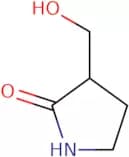
CAS:<p>Please enquire for more information about 3-(Hydroxymethyl)pyrrolidin-2-one including the price, delivery time and more detailed product information at the technical inquiry form on this page</p>Fórmula:C5H9NO2Pureza:Min. 95%Peso molecular:115.13 g/mol6-Chloro-benzofuran-3-one
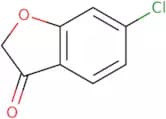
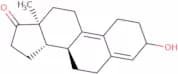
CAS:<p>6-Chloro-benzofuran-3-one is an organic compound that is used in the synthesis of other chemical compounds. It is a useful scaffold for the construction of complex molecules and may be used as a reagent or reaction component in organic chemistry. This product has CAS number 3260-78-4, and is also known as 6-chlorobenzofuranone.</p>Fórmula:C8H5ClO2Pureza:Min. 98%Cor e Forma:PowderPeso molecular:168.58 g/mol3b-Hydroxyestra-4,9-dien-17-one
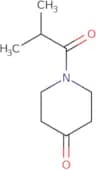
CAS:Produto Controlado<p>Please enquire for more information about 3b-Hydroxyestra-4,9-dien-17-one including the price, delivery time and more detailed product information at the technical inquiry form on this page</p>Fórmula:C18H24O2Pureza:Min. 95%Peso molecular:272.38 g/mol1-Isobutyrylpiperidin-4-one
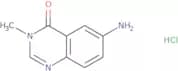
CAS:Produto Controlado<p>Please enquire for more information about 1-Isobutyrylpiperidin-4-one including the price, delivery time and more detailed product information at the technical inquiry form on this page</p>Fórmula:C9H15NO2Pureza:Min. 95%Peso molecular:169.22 g/mol6-Amino-3-methylquinazolin-4(3H)-one hydrochloride
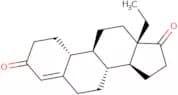
CAS:Produto Controlado<p>Please enquire for more information about 6-Amino-3-methylquinazolin-4(3H)-one hydrochloride including the price, delivery time and more detailed product information at the technical inquiry form on this page</p>Fórmula:C9H9N3OPureza:Min. 95%Peso molecular:175.19 g/molD-Ethyl gonendione
CAS:Produto Controlado<p>D-Ethyl gonendione is a metabolite of the sex hormones testosterone and estrogen. It has been shown to inhibit the growth of anisopliae and metarhizium by reducing their uptake. D-Ethyl gonendione also inhibits the growth of pastoris and microbial transformation as well as inhibiting the uptake of solubilized compounds. The compound has been shown to be metabolized through a number of metabolic transformations, including hydroxylation by cytochrome p450 enzymes, which is necessary for its activity as a contraceptive. D-Ethyl gonendione also binds to DNA, specifically to dinucleotide phosphate, which may account for some of its activity.</p>Fórmula:C19H26O2Pureza:Min. 95%Peso molecular:286.41 g/mol1-(Bicyclo[2.2.1]hept-5-en-2-yl)ethanone
CAS:<p>1,2-Dihydrobenzene (1,2-DH) is a molecule that has the chemical formula C6H6. It is a colorless liquid with boiling point of 147°C and melting point of -11°C. 1,2-DH has been shown to form hydrogen bonds with water molecules. This compound is also insoluble in water, which may be due to its dehydrating properties. When catalyzed by an acid or base, 1,2-DH undergoes dehydration reactions. Acidic or basic conditions are required for this reaction to occur and the resulting product can be determined by x-ray diffraction studies. 1,2-DH has been shown to form coordination complexes with metal ions such as copper (Cu) and zinc (Zn). These complexes have been shown to have ligand binding properties that lead to supramolecular structures. Intermolecular hydrogen bonding interactions between 1,2-DH molecules have also been observed during</p>Fórmula:C9H12OPureza:Min. 95%Peso molecular:136.19 g/mol2-Amino-2-(2-chlorophenyl)cyclohexan-1-one
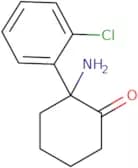
CAS:Produto Controlado<p>2-Amino-2-(2-chlorophenyl)cyclohexan-1-one is an anesthetic drug that belongs to the group of ketamine. It is a chiral compound and has been shown to have central nervous system depressant effects, which are more pronounced than those of ketamine. This drug also affects the cardiovascular system and can cause respiratory depression. 2-Amino-2-(2-chlorophenyl)cyclohexan-1-one has been shown to be metabolized in humans by cytochrome P450 (CYP3A4). It may potentiate the effect of drugs that induce CYP3A4 activity such as erythromycin, rifampin, and phenobarbital.<br> 2-Amino-2-(2-chlorophenyl)cyclohexan-1-one is not active against MRSA or methicillin resistant pseudomonas aeruginosa (MR</p>Fórmula:C12H14ClNOPureza:Min. 95%Cor e Forma:PowderPeso molecular:223.7 g/mol1-(4-Methoxy-pyridin-2-yl)-ethanone
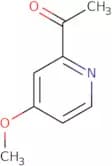
CAS:<p>Please enquire for more information about 1-(4-Methoxy-pyridin-2-yl)-ethanone including the price, delivery time and more detailed product information at the technical inquiry form on this page</p>Fórmula:C8H9NO2Pureza:Min. 95%Peso molecular:151.16 g/mol17-Oxapentacyclo[6.6.5.0-2,7-.0-9,14-.0-15,19-]nonadeca-2,4,6,9,11,13-hexaene-16,18-dione
CAS:<p>Please enquire for more information about 17-Oxapentacyclo[6.6.5.0-2,7-.0-9,14-.0-15,19-]nonadeca-2,4,6,9,11,13-hexaene-16,18-dione including the price, delivery time and more detailed product information at the technical inquiry form on this page</p>Fórmula:C18H12O3Pureza:90%MinPeso molecular:276.29 g/mol1-(4-Methylphenyl)butane-1,3-dione
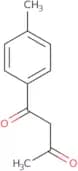
CAS:<p>1-(4-Methylphenyl)butane-1,3-dione is a pyrimidine derivative that is not active against bacteria. It is used as a tetrazolo and has been shown to be systemically active in mice. 1-(4-Methylphenyl)butane-1,3-dione has been shown to inhibit the production of DNA and RNA by inhibiting the activity of both bacterial DNA gyrase and protein synthesis. This drug degrades into water and carbon dioxide, which may provide an explanation for its lack of antibacterial properties.</p>Fórmula:C11H12O2Pureza:Min. 95%Peso molecular:176.21 g/mol2-Pentanone
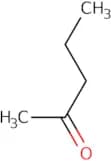
CAS:<p>2-Pentanone is an organic compound that is a colorless liquid with a pungent odor. It can be used as a solvent for oils, waxes and resins, but it also has some industrial uses. In addition to these properties, 2-pentanone has been shown to be an effective inhibitor of Cox-2, which is a proinflammatory enzyme. It also inhibits the growth of certain types of bacteria in wastewater treatment systems and helps remove metal ions from water. The kinetic energy of the intramolecular hydrogen bond in 2-pentanone makes it easier to break down glycol ethers and caproic acid, which are two reactive compounds found in infectious diseases. The reaction mechanism for 2-pentanone can be found below: 2-Pentanone + Heat → Glycol ether + Caproic acid The glycol ethers and caproic acid are both reactive compounds found in infectious diseases. 2-P</p>Fórmula:C5H10OPureza:Min. 95%Cor e Forma:Clear LiquidPeso molecular:86.13 g/mol3-Methylcyclopentanone
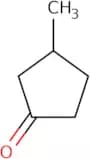
CAS:<p>3-Methylcyclopentanone is a chiral compound that can be prepared by the asymmetric synthesis of 3-methylpentan-2-one. The chemical analyses of 3-methylcyclopentanone have been found to have a dry weight of 136.19 g/mol, with a molecular formula of C5H7O2. 3-Methylcyclopentanone can be identified by its hydrogen bonding interactions and hydroxyl group (-OH). The photoelectron spectrum shows the presence of an intramolecular hydrogen bond between the -OH group and one of the methyl groups. This intramolecular hydrogen bond is responsible for the high boiling point and low reactivity. This molecule has an a-type configuration, which gives it a higher mass analyzer peak at m/z = 166 than for other configurations, such as b or c. This product description is not complete, please help us improve it by filling in missing details!</p>Fórmula:C6H10OPureza:Min. 95%Cor e Forma:Clear LiquidPeso molecular:98.14 g/mol5-Methyl-5-propyl-2-dioxanone
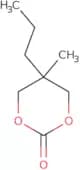
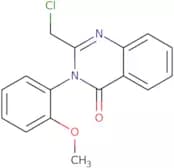
CAS:<p>5-Methyl-5-propyl-2-dioxanone is a polymer that has reactivities similar to those of dioxane. It can be polymerized by an azobenzene catalyze or polymerization. 5-Methyl-5-propyl-2-dioxanone can also be polymerized into an alternating, cyclic structure with moieties of esters. This polymer is chemically inert and insoluble in water.</p>Fórmula:C8H14O3Pureza:Min. 95%Peso molecular:158.19 g/mol2-(Chloromethyl)-3-(2-methoxyphenyl)quinazolin-4(3H)-one
CAS:Produto Controlado<p>Please enquire for more information about 2-(Chloromethyl)-3-(2-methoxyphenyl)quinazolin-4(3H)-one including the price, delivery time and more detailed product information at the technical inquiry form on this page</p>Fórmula:C16H13ClN2O2Pureza:Min. 95%Peso molecular:300.74 g/mol1-Methyl-1,3-dihydro-2H-imidazol-2-one
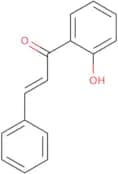
CAS:<p>1-Methyl-1,3-dihydro-2H-imidazol-2-one is a chemical compound with the formula CHN. It has been used as a precursor to other compounds and can be prepared by reaction of methanol with chlorine or chloramine. 1,3-Dihydroimidazole reacts with UV light to generate photoproducts that contain pyrimidine or pyridinium rings. It is also reactive with chloride ion and can be used as a raw material for organic synthesis. 1,3-Dihydroimidazole can also be synthesized from chlorinated methanesulfonate esters.</p>Fórmula:C4H6N2OPureza:Min. 95%Peso molecular:98.1 g/mol(2E)-1-(2-Hydroxyphenyl)-3-phenyl-2-propen-1-one
CAS:<p>The 2-hydroxyphenyl-3-phenylpropenal (HPPA) is a fatty acid with a hydroxyl group. It has been shown to have anti-inflammatory properties and inhibit the production of TNF-α in mice. HPPA is synthesized by the oxidation of oleic acid, which can be catalyzed by a number of different enzymes such as lipoxygenases, cyclooxygenases, or cytochrome P450s. The synthesis can also be inhibited by other substances such as dibromides or tnf-α. HPPA also has potent inhibitory activity against transcription polymerase chain reaction and protein synthesis. This inhibition is due to its carbonyl group that reacts with the intramolecular hydrogen on the enzyme's active site. The reaction mechanism for this inhibition is similar to that of propranolol, another drug used for treatment of inflammatory diseases.</p>Fórmula:C15H12O2Pureza:Min. 95%Cor e Forma:PowderPeso molecular:224.25 g/mol1,3-Dibromoacetone
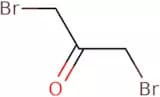
CAS:<p>1,3-Dibromoacetone (1,3-DB) is a chemical compound that is used in analytical chemistry to separate peptides and proteins by hydrophilic interaction chromatography. 1,3-DB reacts with the cysteine residues in the protein to form a disulfide bond. The complex formed can be detected using a fluorescent dye such as fluorescein. This compound has been used to characterize the urine samples of patients with α subunit amyloidosis who have increased levels of adenine nucleotides. It has also been used for detection sensitivity testing for the histidine residues on the enzyme synthetase and subunits of streptavidin.</p>Fórmula:C3H4Br2OPureza:Min. 95%Cor e Forma:Clear LiquidPeso molecular:215.87 g/mol3b-(Benzoyloxy)cholest-5-en-7-one
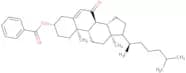
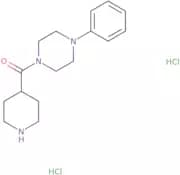
CAS:Produto Controlado<p>Please enquire for more information about 3b-(Benzoyloxy)cholest-5-en-7-one including the price, delivery time and more detailed product information at the technical inquiry form on this page</p>Fórmula:C34H48O3Pureza:Min. 95%Peso molecular:504.74 g/mol(4-Phenylpiperazin-1-yl)piperidin-4-yl-methanone dihydrochloride
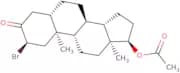
CAS:Produto Controlado<p>Please enquire for more information about (4-Phenylpiperazin-1-yl)piperidin-4-yl-methanone dihydrochloride including the price, delivery time and more detailed product information at the technical inquiry form on this page</p>Fórmula:C16H25Cl2N3OPureza:Min. 95%Peso molecular:346.29 g/mol17b-Acetoxy-2a-bromo-5a-androstanone
CAS:Produto Controlado<p>17b-Acetoxy-2a-bromo-5a-androstanone is a chemical that belongs to the class of hydroxysteroids. It is a potent aromatization agent and has been shown to increase the production of estradiol in human placental tissue. 17b-Acetoxy-2a-bromo-5a-androstanone also has been shown to be a potent inhibitor of bacterial growth, with an MIC90 of 0.1 micrograms per milliliter.</p>Fórmula:C21H31BrO3Pureza:Min. 95%Peso molecular:411.37 g/mol3-Hydroxy-2-butanone
CAS:<p>3-Hydroxy-2-butanone is a reactive, fatty acid with the chemical formula CH3(CH2)4COH. It is a methyl ketone and an important intermediate in the synthesis of other organic compounds. 3-Hydroxy-2-butanone can be produced by corynebacterium glutamicum through the addition of air to a mixture of 2-butanol and malonic acid. This compound has inhibitory properties against wild type strains of corynebacterium glutamicum and caproic acid production by tissue culture cells. The mechanism for this inhibition is not yet known, but it may be due to its ability to alter the biochemical properties of corynebacterium glutamicum.</p>Fórmula:C4H8O2Pureza:Min. 95%Cor e Forma:Colourless To Pale Yellow LiquidPeso molecular:88.11 g/mol7b-Hydroxy-4-cholesten-3-one
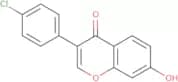
CAS:Produto Controlado<p>7b-Hydroxy-4-cholesten-3-one is a naturally occurring bile acid that is involved in the metabolism of cholesterol, fat and vitamin D. It has been shown to be beneficial in the treatment of cerebrotendinous xanthomatosis, which is characterized by an accumulation of cholesterol and fatty acids in the brain and spinal cord. The drug also regulates cell signaling pathways, such as those related to energy metabolism. 7b-Hydroxy-4-cholesten-3-one is synthesized from 7a-hydroxycholesterol in humans, but not other mammals. It is metabolized via oxidation by cytochrome P450 enzymes or conjugation with glucuronic acid.</p>Fórmula:C27H44O2Pureza:Min. 95%Peso molecular:400.64 g/mol3-(4--Chloro-phenyl)-7-hydroxy-chromen-4-one
CAS:<p>3-(4-Chloro-phenyl)-7-hydroxy-chromen-4-one is an intermediate that is used in the research of Alzheimer's disease. It coordinates transition metals, such as copper (Cu), zinc (Zn), and nickel (Ni) to form a pharmacophore. This pharmacophore binds with flavones, which are compounds found in plants that have hypotensive and antihypertensive properties. 3-(4-Chloro-phenyl)-7-hydroxy-chromen-4-one has been shown to be an effective inhibitor of angiotensin II type 1 receptors and has a crystalline structure. 3-(4--Chloro---></p>Fórmula:C15H9ClO3Pureza:Min. 95%Peso molecular:272.68 g/molHedione
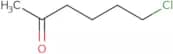
CAS:<p>Hedione is a natural product that has been used in perfumery. It is an aliphatic ketone with the chemical formula of C10H14O2 and a molecular weight of 176.18 g/mol. Hedione is also found in some essential oils, such as jasmine oil. Hedione has been studied as a model system to study fatty acid metabolism and basic protein synthesis in bacteria. The stability of hedione is dependent on its pH and redox potential, with lower pH values leading to increased stability. Hedione can be extracted from water samples using solid phase microextraction (SPME) and analyzed by gas chromatography-mass spectrometry (GC-MS). Hedione can be used for wastewater treatment, as it has been shown to inhibit methyl dihydrojasmonate production in biological treatment processes. Hedione may have potential as an anti-inflammatory agent due to its ability to inhibit malonic acid production in humans at low concentrations (</p>Fórmula:C13H22O3Pureza:Min. 95%Peso molecular:226.31 g/mol6-Chloro-2-hexanone
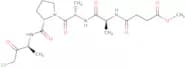
CAS:<p>6-Chloro-2-hexanone is an organic compound that is a methylcyclopentane with a carbonyl group. It can be synthesized by reacting hexamethylenetetramine, chloral hydrate, and 2-chlorobenzimidazole in the presence of ozone. 6-Chloro-2-hexanone has been used as a reagent for normalizing the content of methyl ketones in oil samples. The reaction products are chloride and 2-chlorobenzaldehyde. 6-Chloro-2-hexanone reacts with fatty acids to produce 3,6,9,12 octadecatrienoic acid. This product also has an analytical method that uses GC and flame ionization detection (FID) to measure the amount of chlorine atoms present in a sample. 6-Chloro-2-hexanone also has biological functions such as regulating the activity of enzymes involved in lipid metabolism and</p>Fórmula:C6H11ClOPureza:Min. 97%Cor e Forma:Clear LiquidPeso molecular:134.6 g/molMeOSuc-Ala-Ala-Pro-Ala-chloromethylketone
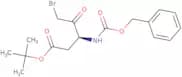
CAS:<p>MeOSuc-Ala-Ala-Pro-Ala-chloromethylketone is a peptidyl substrate for the enzyme carboxypeptidase A. This substrate has a high specificity for carboxypeptidase A and does not bind to other enzymes such as carboxypeptidase B, D, or L. The hydrophobic nature of this substrate has been shown in both hamsters and macaques. MeOSuc-Ala-Ala-Pro-Ala-chloromethylketone also shows cardiovascular effects in both animal models. It is possible that this effect is due to the proteolytic activity of the enzyme. More research needs to be done to identify the sequence of this peptide and how it may affect humans.</p>Fórmula:C20H31ClN4O7Pureza:Min. 95%Peso molecular:474.94 g/molZ-Asp(OtBu)-bromomethylketone
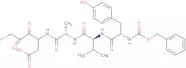
CAS:<p>Please enquire for more information about Z-Asp(OtBu)-bromomethylketone including the price, delivery time and more detailed product information at the technical inquiry form on this page</p>Fórmula:C17H22BrNO5Pureza:Min. 95%Peso molecular:400.26 g/molZ-Tyr-Val-Ala-DL-Asp-fluoromethylketone
CAS:<p>Please enquire for more information about Z-Tyr-Val-Ala-DL-Asp-fluoromethylketone including the price, delivery time and more detailed product information at the technical inquiry form on this page</p>Fórmula:C30H37FN4O9Pureza:Min. 95%Peso molecular:616.63 g/molZ-Asp(OMe)-Gln-Met-DL-Asp(OMe)-fluoromethylketone
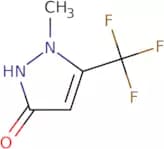
CAS:<p>Z-Asp(OMe)-Gln-Met-DL-Asp(OMe)-fluoromethylketone is a mitochondria-targeting compound that has been shown to have neuroprotective and anti-inflammatory properties. It binds to the ATP synthase in the mitochondrial membrane, inhibiting ATP production and causing cell death by apoptosis. ZAFMK also inhibits kinases such as protein kinase 3β (PK3β) and caspase 9, which are involved in inflammation and apoptosis. ZAFMK has been shown to be effective against various diseases such as multiple sclerosis, Alzheimer's disease, Parkinson's disease, amyotrophic lateral sclerosis, Huntington's disease, and stroke.</p>Fórmula:C29H40FN5O11SPureza:Min. 95%Peso molecular:685.72 g/mol1,2-Dihydro-1-Methyl-5-(Trifluoromethyl)-3H-Pyrazol-3-One
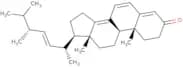
CAS:<p>Please enquire for more information about 1,2-Dihydro-1-Methyl-5-(Trifluoromethyl)-3H-Pyrazol-3-One including the price, delivery time and more detailed product information at the technical inquiry form on this page</p>Fórmula:C5H5F3N2OPureza:Min. 95%Peso molecular:166.1 g/molErgosta-4,6,8(14),22-tetraen-3-one
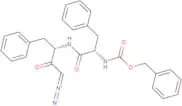
CAS:Produto Controlado<p>Ergosta-4,6,8(14),22-tetraen-3-one is a fatty acid that occurs naturally in the acetate extract of the kidney of sheep. It has been shown to induce apoptosis in cervical cancer cells and inhibit growth of bacteria by inhibiting energy metabolism. Ergosta-4,6,8(14),22-tetraen-3-one can be used as an antimicrobial agent because it has broad-spectrum activity against bacteria and fungi. This compound also has been found to be effective in treating kidney fibrosis. It has been shown to inhibit tubulointerstitial injury and plasma concentration–time curve by binding to human serum albumin.</p>Fórmula:C28H40OPureza:Min. 95%Peso molecular:392.62 g/molZ-Phe-Phe-diazomethylketone
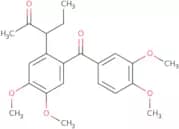
CAS:<p>Z-Phe-Phe-diazomethylketone is a cathepsin inhibitor that has been shown to inhibit the proteolytic activity of various enzymes, including serine proteases and thrombotic thrombocytopenic. This compound inhibits the growth of Leishmania parasites in cell culture and has been shown to have a high affinity for carboxy terminal and proximal tubules. Z-Phe-Phe-diazomethylketone has a neutral pH, with an optimum at 7.0, which may be due to its ability to bind to proteins or other components of cells without affecting their functions.</p>Fórmula:C27H26N4O4Pureza:Min. 95%Peso molecular:470.52 g/mol3-(2-(3,4-Dimethoxybenzoyl)-4,5-dimethoxyphenyl)pentan-2-one
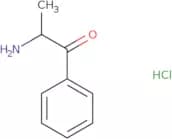
CAS:<p>3-(2-(3,4-Dimethoxybenzoyl)-4,5-dimethoxyphenyl)pentan-2-one is an alkylene that is produced by the reaction of hydrazine with 2,3,4-trimethoxybenzoic acid. This molecule has been shown to have anxiolytic properties in animal studies and hydrolyzes to form ethylene glycol. 3-(2-(3,4-Dimethoxybenzoyl)-4,5-dimethoxyphenyl)pentan-2-one also has a hydrolysis product of tofisopam. Tofisopam is an organic acid that has been used as an antidepressant for the treatment of anxiety disorders.</p>Fórmula:C22H26O6Pureza:Min. 95%Peso molecular:386.44 g/mol2-Amino-1-phenylpropan-1-one hydrochloride
CAS:Produto Controlado<p>2-Amino-1-phenylpropan-1-one hydrochloride is a chemical compound that can be used as an intermediate in the synthesis of ethyl formate. It is also a pharmaceutical intermediate, which is used to prepare triazine and alicyclic compounds. It has been shown to have potential use in the treatment of prostatic hypertrophy and heterocycle disorders. 2-Amino-1-phenylpropan-1-one hydrochloride has been found to be active in animals and humans and is not toxic to women or animals. This drug has shown no adverse effects on human health at doses up to 10 g/kg body weight.</p>Fórmula:C9H11NO•HClPureza:Min. 95%Cor e Forma:PowderPeso molecular:185.65 g/molZ-Tyr-Val-Ala-Asp-chloromethylketone
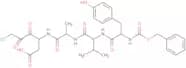
CAS:<p>Z-Tyr-Val-Ala-Asp-chloromethylketone is a fluorescent probe that can be used for the detection of phosphatidic acid. It is also an apoptosis inducer, which means that it promotes cell death. Z-Tyr-Val-Ala-Asp-chloromethylketone induces apoptosis by binding to the kinases and causing their activation, leading to phosphatidic acid production. This process is activated by the presence of ethylene, which binds to Z-Tyr-Val-Ala-Asp chloromethylketone and stabilizes its structure.</p>Fórmula:C30H37ClN4O9Pureza:Min. 95%Peso molecular:633.09 g/molAc-Asp-Glu-Val-Asp-chloromethylketone trifluoroacetate salt
CAS:<p>Ac-Asp-Glu-Val-Asp-chloromethylketone trifluoroacetate salt is a basic protein. It inhibits the neuronal death induced by dopamine and its derivatives, which is caused by overactivation of the mitochondrial membrane potential and release of cytochrome c from mitochondria to cytosol. This compound also inhibits the activation of toll-like receptor 4 (TLR4) and nuclear factor κB (NF-κB) signaling pathways in neuronal cells. Ac-Asp-Glu-Val-Asp-chloromethylketone trifluoroacetate salt has been shown to have antiinflammatory effects when applied topically on skin wounds. The molecule has been used as a model system for studying the molecular mechanism of epidermal growth factor (EGF) activation in hybridoma cell lines and primary cells.</p>Fórmula:C21H31ClN4O11Pureza:Min. 95%Peso molecular:550.94 g/molFluorescein-6-carbonyl-Val-Glu(OMe)-Ile-DL-Asp(OMe)-fluoromethylketone
CAS:<p>Please enquire for more information about Fluorescein-6-carbonyl-Val-Glu(OMe)-Ile-DL-Asp(OMe)-fluoromethylketone including the price, delivery time and more detailed product information at the technical inquiry form on this page</p>Fórmula:C44H49FN4O14Pureza:Min. 95%Peso molecular:876.88 g/molZ-Ile-Glu(OMe)-Thr-DL-Asp(OMe)-fluoromethylketone
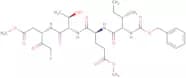
CAS:<p>Z-Ile-Glu(OMe)-Thr-DL-Asp(OMe)-fluoromethylketone is an apoptosis inducer that belongs to the category of small molecules. It has been shown to induce apoptosis in cells by binding to DNA and inhibiting transcription, leading to DNA fragmentation and the activation of caspase-8. Z-Ile-Glu(OMe)-Thr-DL-Asp(OMe)-fluoromethylketone has also been shown to have a synergistic effect on cells when combined with other potent inducers of apoptosis. This drug binds to toll receptors (TLR) and IL2 receptors, which are important for cell signaling pathways.</p>Fórmula:C30H43FN4O11Pureza:Min. 95%Peso molecular:654.68 g/mol1,3-Indanedione, 70%
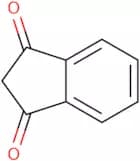
CAS:<p>1,3-Indanedione is a precursor of indane diones that is used in the synthesis of fluorescent molecules. In the presence of light, 1,3-indanedione produces light emission and can be used as a chemiluminescent probe. In the presence of trifluoroacetic acid and copper complex, 1,3-indanedione undergoes intramolecular hydrogen transfer to form an intermediate which reacts with malonic acid to form an alkyl radical. The alkyl radical then reacts with hydrochloric acid to produce an ionic polymerization product. The biological sample is reactive with fatty acids and can be used for the detection of prostate cancer cells.</p>Fórmula:C9H6O2Pureza:(%) Min. 70%Cor e Forma:PowderPeso molecular:146.14 g/mol1-(2-Furyl)-1,3-butanedione
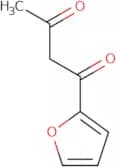
CAS:<p>1-(2-Furyl)-1,3-butanedione is an organic compound with the chemical formula CO. It is a diketone that acts as a metal chelate. The molecule has been shown to have antibacterial properties against gram-negative bacteria and also inhibits the growth of amyloid plaques in Alzheimer's disease. 1-(2-Furyl)-1,3-butanedione binds to the chlorine atom of a bacterial cell wall and prevents it from binding to the amine group on the surface of proteins, which are vital for protein synthesis. This leads to a decrease in bacterial growth. 1-(2-Furyl)-1,3-butanedione can be used as an alternative for chlorine gas in water purification processes because it reacts with HCl and converts it into less toxic hydrogen chloride.</p>Fórmula:C8H8O3Pureza:Min. 95%Cor e Forma:Clear LiquidPeso molecular:152.15 g/mol1-Boc-pyrrolidine-2,4-dione
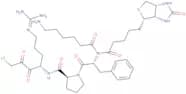
CAS:<p>Please enquire for more information about 1-Boc-pyrrolidine-2,4-dione including the price, delivery time and more detailed product information at the technical inquiry form on this page</p>Fórmula:C9H13NO4Pureza:Min. 95%Peso molecular:199.2 g/molBiotinyl-ε-aminocaproyl-D-Phe-Pro-Arg-chloromethylketone
CAS:<p>Please enquire for more information about Biotinyl-epsilon-aminocaproyl-D-Phe-Pro-Arg-chloromethylketone including the price, delivery time and more detailed product information at the technical inquiry form on this page</p>Fórmula:C37H56ClN9O6SPureza:Min. 95%Peso molecular:790.42 g/mol

![[4-[2-(Diethylamino)ethoxy]-3-iodophenyl][2-(1-hydroxybutyl)-3-benzofuranyl]-methanone](/_next/image/?url=https%3A%2Fstatic.cymitquimica.com%2Fproducts%2F3D%2Fthumb-webp%2FFD150040.webp&w=3840&q=75)

![1-(Bicyclo[2.2.1]hept-5-en-2-yl)ethanone](/_next/image/?url=https%3A%2Fstatic.cymitquimica.com%2Fproducts%2F3D%2Fthumb-webp%2FFB140730.webp&w=3840&q=75)
![17-Oxapentacyclo[6.6.5.0-2,7-.0-9,14-.0-15,19-]nonadeca-2,4,6,9,11,13-hexaene-16,18-dione](/_next/image/?url=https%3A%2Fstatic.cymitquimica.com%2Fproducts%2F3D%2Fthumb-webp%2FFO122328.webp&w=3840&q=75)