Cetonas
As cetonas são compostos orgânicos caracterizados pela presença de um grupo carbonilo (C=O) ligado a dois átomos de carbono. Esses compostos são altamente versáteis e desempenham um papel crucial em várias reações químicas, incluindo oxidação, redução e condensação. As cetonas são intermediários essenciais na síntese de produtos farmacêuticos, fragrâncias e polímeros. Na CymitQuimica, oferecemos uma ampla gama de cetonas de alta qualidade para apoiar suas aplicações de pesquisa e industriais.
Foram encontrados 18809 produtos de "Cetonas"
Ordenar por
Pureza (%)
0
100
|
0
|
50
|
90
|
95
|
100
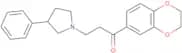
1-(2,3-Dihydro-1,4-benzodioxin-6-yl)-3-(3-phenylpyrrolidin-1-yl)propan-1-one HCl
CAS:<p>Naltrexone is a drug that is used in the treatment of addiction to opioids and alcohol. It has been shown to inhibit the breakdown of endorphins, which leads to reduced pain sensitivity. Naltrexone also has anti-inflammatory properties, which may be due to its inhibition of prostaglandin synthesis. Naltrexone binds to opioid receptors and blocks their action, preventing the transmission of signals by the neurotransmitter dopamine. This binding prevents the euphoric effects associated with opioid abuse while still allowing pain relief. The use of naltrexone in inflammatory bowel disease was first proposed in 1978 based on its ability to reduce colonic motility in animal models and its subsequent effect on gut function.</p>Fórmula:C21H23NO3·HClPureza:Min. 95%Cor e Forma:White PowderPeso molecular:373.87 g/molZ-Ala-Pro-Phe-chloromethylketone
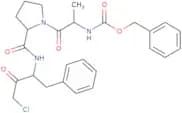
CAS:<p>Z-Ala-Pro-Phe-chloromethylketone is a cytosolic protein that performs its function by denaturing proteins and is localized in the cytosol. It has been shown to be active against a number of bacteria, including Bacillus licheniformis and Listeria monocytogenes, as well as some fungi. Z-Ala-Pro-Phe-chloromethylketone targets the membrane potential in mitochondria and chloromethyl ketone is a strategy for inhibiting membrane potential in mitochondria. The x-ray diffraction data show that this protein forms a molecule with an alpha helix structure. It binds to the mitochondrial inner membrane by ligation and inhibits mitochondrial membrane potential.</p>Fórmula:C26H30ClN3O5Pureza:Min. 95%Peso molecular:499.99 g/molFluorescein-6-carbonyl-Leu-Glu(OMe)-His-DL-Asp(OMe)-fluoromethylketone
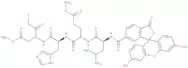
CAS:<p>Please enquire for more information about Fluorescein-6-carbonyl-Leu-Glu(OMe)-His-DL-Asp(OMe)-fluoromethylketone including the price, delivery time and more detailed product information at the technical inquiry form on this page</p>Fórmula:C45H47FN6O14Pureza:Min. 95%Peso molecular:914.89 g/molAzocan-2-one
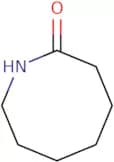
CAS:<p>Azocan-2-one is a polyamide that has been shown to inhibit the activity of enzymes such as hydroxylases and esterases. Azocan-2-one binds to the enzyme's active site and blocks the catalytic site. This binding leads to inhibition of these enzymes, which in turn prevents reactions from occurring. Azocan-2-one can be used as an inhibitor in polymer synthesis, amide formation, and radiation chemistry. The compound also has three functional groups that allow it to act as an acid or base, making it capable of reacting with both organic and inorganic acids. Azocan-2-one is also soluble in water and hydrochloric acid, which allows for its use in various solution types.</p>Pureza:Min. 95%Z-2-Nal-chloromethylketone
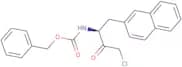
CAS:<p>Please enquire for more information about Z-2-Nal-chloromethylketone including the price, delivery time and more detailed product information at the technical inquiry form on this page</p>Fórmula:C22H20ClNO3Pureza:Min. 95%Peso molecular:381.85 g/mol7,9-Dimethoxycarbonyl-2-ethoxycarbonyl-1H-pyrrolo-[2,3-f]quinoline-4,5-dione
CAS:<p>7,9-Dimethoxycarbonyl-2-ethoxycarbonyl-1H-pyrrolo-[2,3-f]quinoline-4,5-dione is a chemical compound that is used as an intermediate for research chemicals. It has a CAS number of 80721-47-7 and is classified as a fine chemical with the Chemical Abstracts Service (CAS) classification code of 3272. This compound is a versatile building block that can be used in the synthesis of other compounds. 7,9-Dimethoxycarbonyl-2-ethoxycarbonyl-1H-pyrrolo-[2,3f]quinoline 4,5dione can be used to produce high quality products.</p>Fórmula:C18H14N2O8Pureza:Min. 95%Cor e Forma:Orange PowderPeso molecular:386.31 g/mol1,3-Difluoroacetone
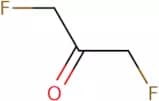
CAS:<p>1,3-Difluoroacetone is a chemical compound that is used for biological studies. It has been shown to have protease activity in biological samples. 1,3-Difluoroacetone has been studied for its potential as an anti-cancer drug and has also been shown to have toxic effects on prostate cancer cells. It has also been found to induce pluripotent stem cells from human fibroblasts and hl-60 cells (a leukemia cell line). The mechanism of action of 1,3-difluoroacetone is not well understood but it seems to be irreversible inhibition of mitochondrial membrane potential.</p>Fórmula:C3H4F2OPureza:Min. 95%Peso molecular:94.06 g/molH-D-Pro-Phe-Arg-chloromethylketone trifluoroacetate salt
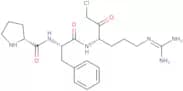
CAS:<p>H-D-Pro-Phe-Arg-chloromethylketone trifluoroacetate salt is a polyvalent antivenom that is used in the treatment of snakebites and insect stings. It has been shown to be effective in the treatment of life-threatening envenomations, including bites from cobras and other rattlesnakes. This drug is not active against nonactivated venom, such as those from bees or spiders. H-D-Pro-Phe-Arg-chloromethylketone trifluoroacetate salt binds to the cytolysin, which prevents its activity by inactivating it. The drug also has a vasoconstrictive effect, which limits blood flow to tissues and may reduce tissue damage caused by venom toxins.</p>Fórmula:C21H31ClN6O3Pureza:Min. 95%Peso molecular:450.96 g/molH-D-Val-Leu-Lys-chloromethylketone trifluoroacetate salt
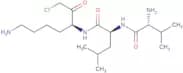
CAS:<p>Please enquire for more information about H-D-Val-Leu-Lys-chloromethylketone trifluoroacetate salt including the price, delivery time and more detailed product information at the technical inquiry form on this page</p>Fórmula:C18H35ClN4O3Pureza:Min. 95%Peso molecular:390.95 g/molFluorescein-6-carbonyl-Asp(OMe)-Glu(OMe)-Val-DL-Asp(OMe)-fluoromethylketone
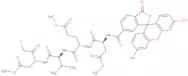
CAS:<p>Please enquire for more information about Fluorescein-6-carbonyl-Asp(OMe)-Glu(OMe)-Val-DL-Asp(OMe)-fluoromethylketone including the price, delivery time and more detailed product information at the technical inquiry form on this page</p>Fórmula:C43H45FN4O16Pureza:Min. 95%Peso molecular:892.83 g/molZ-Phe-Ala-diazomethylketone
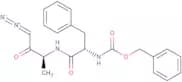
CAS:<p>Z-Phe-Ala-diazomethylketone is a molecule that belongs to the class of hydrolase inhibitors. It has been shown to have inhibitory properties against trichomonas vaginalis and proteolytic activity against liver cells. Z-Phe-Ala-diazomethylketone also has a kinetic energy of 11.2 kcal/mol, which is higher than most protease inhibitors. This molecule has been shown to be effective as a cell vaccine in wild-type mice and as a protease inhibitor in brain cells. The optimal ph for this molecule is 7.5, which corresponds to its pKa value of 5.1.</p>Fórmula:C21H22N4O4Pureza:Min. 95%Peso molecular:394.42 g/mol(4S,5R)-4-Methyl-5-phenyloxazolidin-2-one
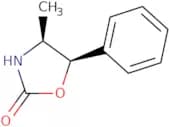
CAS:<p>(4S,5R)-4-Methyl-5-phenyloxazolidin-2-one is an amide that is prepared by the reaction of piperidine and benzyl chloride. It is a chiral compound with (4S,5R) configuration and has a basic hydrolysis. The compound was optimized for its synthesis by using different solvents. This amide has been used in the transfer of methyl groups to different substrates. It also has been used in asymmetric synthesis as a chiral auxiliary for the preparation of enantiopure sulfinyl compounds.</p>Fórmula:C10H11NO2Pureza:Min. 95%Peso molecular:177.2 g/mol1,3-Indanedione, 70%
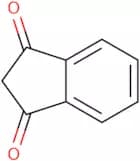
CAS:<p>1,3-Indanedione is a precursor of indane diones that is used in the synthesis of fluorescent molecules. In the presence of light, 1,3-indanedione produces light emission and can be used as a chemiluminescent probe. In the presence of trifluoroacetic acid and copper complex, 1,3-indanedione undergoes intramolecular hydrogen transfer to form an intermediate which reacts with malonic acid to form an alkyl radical. The alkyl radical then reacts with hydrochloric acid to produce an ionic polymerization product. The biological sample is reactive with fatty acids and can be used for the detection of prostate cancer cells.</p>Fórmula:C9H6O2Pureza:(%) Min. 70%Cor e Forma:PowderPeso molecular:146.14 g/molHedione
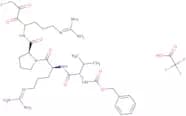
CAS:<p>Hedione is a natural product that has been used in perfumery. It is an aliphatic ketone with the chemical formula of C10H14O2 and a molecular weight of 176.18 g/mol. Hedione is also found in some essential oils, such as jasmine oil. Hedione has been studied as a model system to study fatty acid metabolism and basic protein synthesis in bacteria. The stability of hedione is dependent on its pH and redox potential, with lower pH values leading to increased stability. Hedione can be extracted from water samples using solid phase microextraction (SPME) and analyzed by gas chromatography-mass spectrometry (GC-MS). Hedione can be used for wastewater treatment, as it has been shown to inhibit methyl dihydrojasmonate production in biological treatment processes. Hedione may have potential as an anti-inflammatory agent due to its ability to inhibit malonic acid production in humans at low concentrations (</p>Fórmula:C13H22O3Pureza:Min. 95%Peso molecular:226.31 g/molZ-Val-Arg-Pro-DL-Arg-fluoromethylketone trifluoroacetate salt
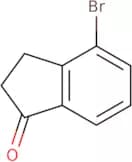
CAS:<p>Please enquire for more information about Z-Val-Arg-Pro-DL-Arg-fluoromethylketone trifluoroacetate salt including the price, delivery time and more detailed product information at the technical inquiry form on this page</p>Fórmula:C31H49FN10O6Pureza:Min. 95%Peso molecular:676.78 g/mol4-Bromo-1-indanone
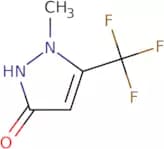
CAS:<p>4-Bromo-1-indanone is a molecule that has been shown to have neuroprotective properties in vitro. It has also been shown to inhibit the amines, which may be due to its ability to act as an aromatic hydrocarbon. This molecule has not been approved for use as a drug substance or drug product and its safety and efficacy are unknown.</p>Fórmula:C9H7BrOPureza:Min. 95%Peso molecular:211.06 g/mol1,2-Dihydro-1-Methyl-5-(Trifluoromethyl)-3H-Pyrazol-3-One
CAS:<p>Please enquire for more information about 1,2-Dihydro-1-Methyl-5-(Trifluoromethyl)-3H-Pyrazol-3-One including the price, delivery time and more detailed product information at the technical inquiry form on this page</p>Fórmula:C5H5F3N2OPureza:Min. 95%Peso molecular:166.1 g/mol1-Boc-pyrrolidine-2,4-dione
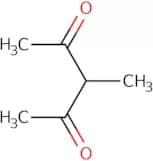
CAS:<p>Please enquire for more information about 1-Boc-pyrrolidine-2,4-dione including the price, delivery time and more detailed product information at the technical inquiry form on this page</p>Fórmula:C9H13NO4Pureza:Min. 95%Peso molecular:199.2 g/mol3-Methyl-2,4-pentanedione, mixture of tautomers
CAS:<p>3-Methyl-2,4-pentanedione is a reactive chemical compound that is used in the preparation of other compounds. It has a ph profile with an acidic character and can be used as a reactant in organic synthesis. 3-Methyl-2,4-pentanedione reacts with hydroxyl groups to form an acid complex or intramolecular hydrogen bond. This reaction has been shown to produce malonic acid and radiation. The nitrogen atoms are also reactive, forming nitrite ions when reacted with hydrochloric acid or nitric acid. 3-Methyl-2,4-pentanedione reacts with methyl ethyl ketone and water vapor to produce hydrochloric acid and nitrous acid.</p>Fórmula:C6H10O2Pureza:Min. 95%Cor e Forma:Clear Colourless To Yellow LiquidPeso molecular:114.14 g/molMeOSuc-Ala-Ala-Pro-Val-chloromethylketone
CAS:<p>MeOSuc-Ala-Ala-Pro-Val-chloromethylketone is a serine protease inhibitor that has been shown to be effective against influenza virus and HIV. It was found to be active against a number of serine proteases, such as trypsin, chymotrypsin, and elastase. MeOSuc-Ala-Ala-Pro-Val-chloromethylketone also has chemotactic activity in thp1 cells and lung fibroblasts. It is activated by the addition of water and has been shown to inhibit the growth of soybean trypsin. However, it does not have any effect on human trypsin.</p>Fórmula:C22H35ClN4O7Pureza:Min. 95%Peso molecular:502.99 g/molZ-Leu-Tyr-chloromethylketone
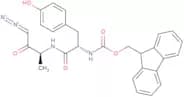
CAS:<p>Z-Leu-Tyr-chloromethylketone is a peptide that binds to the reticulum and prevents the release of calcium ions. It is a chloromethyl ketone, which inhibits the L-type calcium channels in cells. Z-Leu-Tyr-chloromethylketone has been shown to block the influx of calcium ions into cytosolic compartments. This process leads to inhibition of protein synthesis and cell death by apoptosis.</p>Fórmula:C24H29ClN2O5Pureza:Min. 95%Peso molecular:460.95 g/molFmoc-Tyr-Ala-diazomethylketone
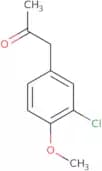
CAS:<p>Please enquire for more information about Fmoc-Tyr-Ala-diazomethylketone including the price, delivery time and more detailed product information at the technical inquiry form on this page</p>Fórmula:C28H26N4O5Pureza:Min. 95%Peso molecular:498.53 g/mol1-(3-Chloro-4-methoxyphenyl)acetone
CAS:<p>1-(3-Chloro-4-methoxyphenyl)acetone is a white solid with a melting point of 60-61°C. It is a versatile building block that can be used in the synthesis of complex compounds and as a reaction component for the preparation of speciality chemicals. 1-(3-Chloro-4-methoxyphenyl)acetone has been studied extensively as an intermediate for the synthesis of pharmaceuticals, including acetaminophen and amoxicillin. This compound also has uses in research laboratories and as a reagent in organic synthesis.</p>Fórmula:C10H11ClO2Pureza:Min. 95%Peso molecular:198.65 g/mol3,6-Di(2-thienyl)-2,5-dihydropyrrolo[3,4-c]pyrrole-1,4-dione
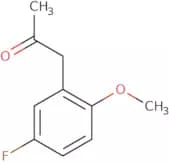
CAS:<p>3,6-Di(2-thienyl)-2,5-dihydropyrrolo[3,4-c]pyrrole-1,4-dione is a hyaluronic acid derivative that is being studied as a possible treatment for cancer. It has been shown to have tumor suppressive effects on human breast and prostate cancer cells in vitro. The mechanism of action is thought to be related to the redox potentials of the molecule. 3,6-Di(2-thienyl)-2,5-dihydropyrrolo[3,4-c]pyrrole-1,4-dione can be used as an optical probe for studying interactions between molecules in solution. It can also be used in optical absorption spectroscopy to measure changes in tumor tissue and as an acceptor for potentials.</p>Pureza:Min. 95%5-Fluoro-2-methoxyphenylacetone
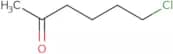
CAS:<p>5-Fluoro-2-methoxyphenylacetone is a chemical with a wide array of applications in research and industry. It is a versatile building block, useful intermediate, and reagent for organic synthesis. This compound has been used as a starting material in the synthesis of other compounds. CAS No. 1017082-10-8</p>Fórmula:C10H11FO2Cor e Forma:PowderPeso molecular:182.19 g/mol6-Chloro-2-hexanone
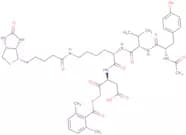
CAS:<p>6-Chloro-2-hexanone is an organic compound that is a methylcyclopentane with a carbonyl group. It can be synthesized by reacting hexamethylenetetramine, chloral hydrate, and 2-chlorobenzimidazole in the presence of ozone. 6-Chloro-2-hexanone has been used as a reagent for normalizing the content of methyl ketones in oil samples. The reaction products are chloride and 2-chlorobenzaldehyde. 6-Chloro-2-hexanone reacts with fatty acids to produce 3,6,9,12 octadecatrienoic acid. This product also has an analytical method that uses GC and flame ionization detection (FID) to measure the amount of chlorine atoms present in a sample. 6-Chloro-2-hexanone also has biological functions such as regulating the activity of enzymes involved in lipid metabolism and</p>Fórmula:C6H11ClOPureza:Min. 97%Cor e Forma:Clear LiquidPeso molecular:134.6 g/molAc-Tyr-Val-Lys(biotinyl)-Asp-2,6-dimethylbenzoyloxymethylketone
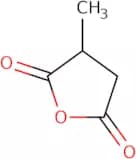
CAS:<p>Ac-Tyr-Val-Lys(biotinyl)-Asp-2,6-dimethylbenzoyloxymethylketone belongs to a group of active compounds and is a cleavage product of the caspase family. It has been shown to induce apoptosis in kidney cells by cleaving the polymeric form of the protein caspase 3, which is induced by viral infection or bacterial infection. This compound is used for coinfection with HIV and HCV. Ac-Tyr-Val-Lys(biotinyl)-Asp-2,6-dimethylbenzoyloxymethylketone can also be used for detecting apoptosis in other types of cells such as erythrocytes and neutrophils.</p>Fórmula:C46H63N7O12SPureza:Min. 95%Peso molecular:938.1 g/mol3-Methyldihydrofuran-2,5-dione
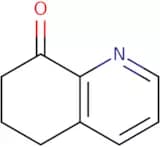
CAS:<p>3-Methyldihydrofuran-2,5-dione is a diterpenoid alkaloid found in the plant Dictamnus albus. This compound has been shown to have metal chelating properties and can be used as an asymmetric synthesis intermediate. 3-Methyldihydrofuran-2,5-dione reacts with diazonium salt to form a high resistance molecule that is highly reactive. This chemical reacts with hydroxyl groups, amide groups, or methyl ethyl groups. The structure of this compound consists of nitrogen atoms and anhydride bonds. 3-Methyldihydrofuran-2,5-dione has been shown to exhibit electrochemical impedance spectroscopy (EIS) characteristics similar to those of other molecules that are known to be reactive.</p>Fórmula:C5H6O3Pureza:Min. 95%Peso molecular:114.1 g/mol6,7-Dihydro-5H-quinolin-8-one
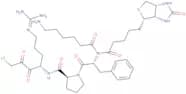
CAS:<p>6,7-Dihydro-5H-quinolin-8-one is a quinoline derivative that can be used to treat cancer. It is an inhibitor of topoisomerase II, which is an enzyme that catalyzes the formation of single stranded breaks in DNA and then reseals them. The inhibition of topoisomerase II leads to the accumulation of single strand breaks, which causes cell death. 6,7-Dihydro-5H-quinolin-8-one has been shown to have inhibitory activity against cancer cells in laboratory tests and also inhibits the growth of breast cancer cells in mice. This compound also has a number of other biological effects including being a ligand for some receptors and amine oxidases as well as having antihistamine properties.</p>Fórmula:C9H9NOPureza:Min. 95%Cor e Forma:White PowderPeso molecular:147.17 g/molBiotinyl-ε-aminocaproyl-D-Phe-Pro-Arg-chloromethylketone
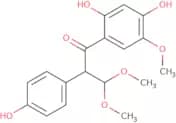
CAS:<p>Please enquire for more information about Biotinyl-epsilon-aminocaproyl-D-Phe-Pro-Arg-chloromethylketone including the price, delivery time and more detailed product information at the technical inquiry form on this page</p>Fórmula:C37H56ClN9O6SPureza:Min. 95%Peso molecular:790.42 g/mol1-(2,4-Dihydroxy-5-methoxyphenyl)-2-(4-hydroxyphenyl)-3,3-dimethoxy-1-propanone
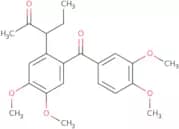
CAS:<p>Please enquire for more information about 1-(2,4-Dihydroxy-5-methoxyphenyl)-2-(4-hydroxyphenyl)-3,3-dimethoxy-1-propanone including the price, delivery time and more detailed product information at the technical inquiry form on this page</p>Fórmula:C18H20O7Pureza:Min. 95%Peso molecular:348.35 g/mol3-(2-(3,4-Dimethoxybenzoyl)-4,5-dimethoxyphenyl)pentan-2-one
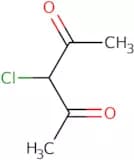
CAS:<p>3-(2-(3,4-Dimethoxybenzoyl)-4,5-dimethoxyphenyl)pentan-2-one is an alkylene that is produced by the reaction of hydrazine with 2,3,4-trimethoxybenzoic acid. This molecule has been shown to have anxiolytic properties in animal studies and hydrolyzes to form ethylene glycol. 3-(2-(3,4-Dimethoxybenzoyl)-4,5-dimethoxyphenyl)pentan-2-one also has a hydrolysis product of tofisopam. Tofisopam is an organic acid that has been used as an antidepressant for the treatment of anxiety disorders.</p>Fórmula:C22H26O6Pureza:Min. 95%Peso molecular:386.44 g/mol3-Chloro-2,4-pentanedione
CAS:<p>3-Chloro-2,4-pentanedione is a model system that has been used to study the reaction mechanism of the intramolecular hydrogen transfer. This molecule was found to be more reactive in the presence of sodium carbonate and anhydrous sodium, which is due to protonation of the hydroxyl group on the ethylene diamine. 3-Chloro-2,4-pentanedione reacts with carbon disulphide and ethylene diamine to form 2,5-dimethylhexane-1,6-diol. 3D molecular docking analysis has shown that this compound binds to the ryanodine receptor and may be a potential therapeutic agent for patients with carcinoma cell lines.</p>Fórmula:C5H7ClO2Pureza:Min. 95%Cor e Forma:Clear LiquidPeso molecular:134.56 g/mol5α-Pregnan-3β,17α-diol-20-one
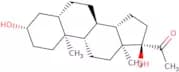
CAS:Produto Controlado<p>5alpha-Pregnan-3beta,17alpha-diol-20-one is a versatile building block that can be used in the synthesis of a wide range of chemical compounds. It has CAS number 570-54-7 and is useful as a reagent in organic chemistry. This compound is also an intermediate for the synthesis of other chemicals, such as steroids and hormones. 5alpha-Pregnan-3beta,17alpha-diol-20-one can be used to produce high quality products with diverse biological activities and molecular structures. The compound is also useful in the production of pharmaceuticals, pesticides, and herbicides.</p>Fórmula:C21H34O3Pureza:Min. 95%Cor e Forma:PowderPeso molecular:334.49 g/molZ-Asp(OtBu)-bromomethylketone
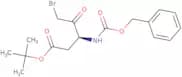
CAS:<p>Please enquire for more information about Z-Asp(OtBu)-bromomethylketone including the price, delivery time and more detailed product information at the technical inquiry form on this page</p>Fórmula:C17H22BrNO5Pureza:Min. 95%Peso molecular:400.26 g/mol3-Dimethylamino-1-(3-pyridyl)-2-propen-1-one
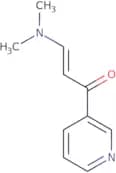
CAS:<p>3-Dimethylamino-1-(3-pyridyl)-2-propen-1-one is a synthetic anticancer compound. It is an amide derivative of 3-dimethylamino-1-(3-pyridyl)-2-propenal, which is synthesized by reacting 3,5,6,7 tetrahydrobenzo[b]thiophene with 3-(dimethylamino)acrylic acid chloride. The synthesis of 3DAP was reported in 1974 by Novartis Pharmaceuticals Corporation and it has been used as a lead compound for the development of other anticancer agents. This drug can inhibit the growth of myelogenous leukemia cells and has been shown to be effective against cancer cells that are resistant to imatinib.</p>Fórmula:C10H12N2OPureza:Min. 95%Cor e Forma:Off-White To Yellow SolidPeso molecular:176.22 g/mol1-(2-Furyl)-1,3-butanedione
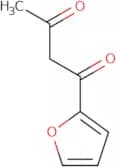
CAS:<p>1-(2-Furyl)-1,3-butanedione is an organic compound with the chemical formula CO. It is a diketone that acts as a metal chelate. The molecule has been shown to have antibacterial properties against gram-negative bacteria and also inhibits the growth of amyloid plaques in Alzheimer's disease. 1-(2-Furyl)-1,3-butanedione binds to the chlorine atom of a bacterial cell wall and prevents it from binding to the amine group on the surface of proteins, which are vital for protein synthesis. This leads to a decrease in bacterial growth. 1-(2-Furyl)-1,3-butanedione can be used as an alternative for chlorine gas in water purification processes because it reacts with HCl and converts it into less toxic hydrogen chloride.</p>Fórmula:C8H8O3Pureza:Min. 95%Cor e Forma:Clear LiquidPeso molecular:152.15 g/mol4-hydroxybutan-2-one
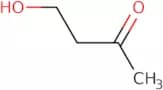
CAS:<p>4-hydroxybutan-2-one is a chemical compound that belongs to the group of methyl ethyl ketones. It has wide applications, such as in the production of plastics, lubricants and pharmaceuticals. 4-Hydroxybutan-2-one can be used as a biocatalyst in asymmetric synthesis reactions with high chemical stability. This compound also has synergistic effects with other compounds, such as solid catalysts or supercritical carbon dioxide. 4-hydroxybutan-2-one is also an intermediate for the manufacture of glutamate dehydrogenase, which is an enzyme that catalyzes the conversion of glutamate to alpha-ketoglutarate.</p>Fórmula:C4H8O2Pureza:Min. 95 Area-%Cor e Forma:Colorless Clear LiquidPeso molecular:88.11 g/mol1-(4-Chlorothiophen-2-yl)ethanone
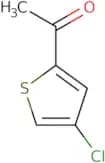
CAS:<p>1-(4-Chlorothiophen-2-yl)ethanone is an oxychloride that belongs to the family of thiourea derivatives. It is synthesized by reacting phosphorus oxychloride with 2,3-dichloroacetophenone in a solvent such as dioxane or acetonitrile. The final product is purified by means of vacuum distillation and recrystallization from diethyl ether, hexane, and chlorinated hydrocarbons.</p>Fórmula:C6H5ClOSPureza:Min. 95%Peso molecular:160.62 g/mol2,2,2-Trifluoro-1-(3-Trimethylsilylphenyl)Ethanone
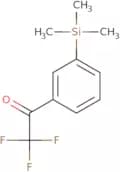
CAS:<p>2,2,2-Trifluoro-1-(3-trimethylsilylphenyl)ethanone is a chemical that can be used as an acetylcholinesterase inhibitor. This agent is designed to inhibit the enzyme that breaks down acetylcholine, which is responsible for transmitting nerve impulses and controlling muscle contractions. The activity of 2,2,2-Trifluoro-1-(3-trimethylsilylphenyl)ethanone is reversible by hydrolysis and it has a low bioavailability due to its high lipophilicity. Acetylcholinesterase inhibitors are mainly used for the treatment of inflammatory diseases such as rheumatoid arthritis. br> The pharmacodynamics of 2,2,2-Trifluoro-1-(3-trimethylsilylphenyl)ethanone are not well understood. This drug also has side effect profiles</p>Fórmula:C11H13F3OSiPureza:Min. 95%Peso molecular:246.3 g/molZ-Asp(OMe)-Gln-Met-DL-Asp(OMe)-fluoromethylketone
CAS:<p>Z-Asp(OMe)-Gln-Met-DL-Asp(OMe)-fluoromethylketone is a mitochondria-targeting compound that has been shown to have neuroprotective and anti-inflammatory properties. It binds to the ATP synthase in the mitochondrial membrane, inhibiting ATP production and causing cell death by apoptosis. ZAFMK also inhibits kinases such as protein kinase 3β (PK3β) and caspase 9, which are involved in inflammation and apoptosis. ZAFMK has been shown to be effective against various diseases such as multiple sclerosis, Alzheimer's disease, Parkinson's disease, amyotrophic lateral sclerosis, Huntington's disease, and stroke.</p>Fórmula:C29H40FN5O11SPureza:Min. 95%Peso molecular:685.72 g/mol5,6-Dichloropyridazin-3(2H)-one
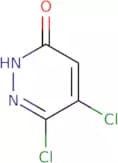
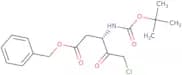
CAS:<p>Please enquire for more information about 5,6-Dichloropyridazin-3(2H)-one including the price, delivery time and more detailed product information at the technical inquiry form on this page</p>Fórmula:C4H2Cl2N2OPureza:Min. 95%Peso molecular:164.98 g/molBoc-Asp(OBzl)-chloromethylketone
CAS:<p>Boc-Asp(OBzl)-chloromethylketone is a synthetic molecule that is immunoreactive with gp120, the virus protein. It has been shown to inhibit the proliferation of human neuroblastoma cells and induce cell death. This compound also has an effect on cytokine production in vitro. This drug is currently being studied as a potential treatment for HIV infection. Boc-Asp(OBzl)-chloromethylketone binds to the receptor type and viral type, which are essential for the virus life cycle and induces antibody production in vivo.</p>Fórmula:C17H22ClNO5Pureza:Min. 95%Peso molecular:355.81 g/mol8-Chloro-5,6-dihydro-11H-benzo[5,6]cyclohepta[1,2-b]pyridin-11-one
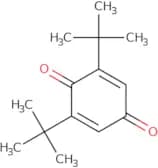
CAS:<p>Please enquire for more information about 8-Chloro-5,6-dihydro-11H-benzo[5,6]cyclohepta[1,2-b]pyridin-11-one including the price, delivery time and more detailed product information at the technical inquiry form on this page</p>Fórmula:C14H10ClNOPureza:Min. 95%Peso molecular:243.69 g/mol2,6-Di-tert-butylcyclohexa-2,5-diene-1,4-dione
CAS:<p>2,6-Di-tert-butylcyclohexa-2,5-diene-1,4-dione (BHT) is a chemical compound that is used as an oxygenation catalyst and analytical method. The molecular structure of BHT contains a hydroxyl group with a redox potential of 0.3 V and a thermal expansion coefficient of 7 x 10 K. This compound has been shown to be toxic in mice, causing lung damage and oxidative DNA damage. BHT also inhibits the transcriptional regulation of genes by binding to amines in the cell membrane. It can act as an antioxidant because it binds to reactive oxygen species and prevents them from oxidizing other molecules in the cell. These properties make it useful for protecting cells from oxidative stress caused by reactive oxygen species or peroxides.</p>Fórmula:C14H20O2Pureza:Min. 95%Peso molecular:220.31 g/molFluorescein-6-carbonyl-Ala-Glu(OMe)-Val-DL-Asp(OMe)-fluoromethylketone
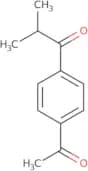
CAS:<p>Please enquire for more information about Fluorescein-6-carbonyl-Ala-Glu(OMe)-Val-DL-Asp(OMe)-fluoromethylketone including the price, delivery time and more detailed product information at the technical inquiry form on this page</p>Fórmula:C41H43FN4O14Pureza:Min. 95%Peso molecular:834.8 g/mol1-(4-Acetylphenyl)-2-methyl-1-propanone
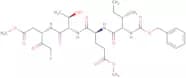
CAS:<p>1-(4-Acetylphenyl)-2-methyl-1-propanone (AMP) is a synthetic analgesic that has been evaluated for the treatment of pain. It is primarily used in pharmaceuticals and medicinal preparations, as well as being a common solvent in chemical syntheses. AMP has been shown to be an effective treatment for joint pain, muscle pain, and other types of pain. The mechanism of action for this compound is unknown but may involve the inhibition of an enzyme called hydratropic acid group. This molecule also has a carboxylic acid group that undergoes detoxification through elemental analysis or mechanochemistry.</p>Fórmula:C12H14O2Pureza:Min. 95%Peso molecular:190.24 g/molZ-Ile-Glu(OMe)-Thr-DL-Asp(OMe)-fluoromethylketone
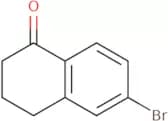
CAS:<p>Z-Ile-Glu(OMe)-Thr-DL-Asp(OMe)-fluoromethylketone is an apoptosis inducer that belongs to the category of small molecules. It has been shown to induce apoptosis in cells by binding to DNA and inhibiting transcription, leading to DNA fragmentation and the activation of caspase-8. Z-Ile-Glu(OMe)-Thr-DL-Asp(OMe)-fluoromethylketone has also been shown to have a synergistic effect on cells when combined with other potent inducers of apoptosis. This drug binds to toll receptors (TLR) and IL2 receptors, which are important for cell signaling pathways.</p>Fórmula:C30H43FN4O11Pureza:Min. 95%Peso molecular:654.68 g/mol6-Bromo-tetral-1-one
CAS:<p>6-Bromo-tetral-1-one is a chemical compound with a molecular formula of C8H6BrO. It is synthesized by the ring opening of epichlorohydrin with boron trifluoride etherate (BF3OEt2) in pyridine at 0°C, followed by hydrolysis of the resulting epoxide with sodium hydroxide to give tetralin. The synthesis can be carried out on a laboratory scale using high purity chemicals and yields up to 100% conversion of the starting material to tetralin. 6-Bromo-tetral-1-one has been shown to be stable in air, moisture, and light. This product is also nonflammable and produces no toxic byproducts when heated to decomposition.</p>Fórmula:C10H9BrOPureza:Min. 95%Peso molecular:225.08 g/molAc-Asp-Glu-Val-Asp-chloromethylketone trifluoroacetate salt
CAS:<p>Ac-Asp-Glu-Val-Asp-chloromethylketone trifluoroacetate salt is a basic protein. It inhibits the neuronal death induced by dopamine and its derivatives, which is caused by overactivation of the mitochondrial membrane potential and release of cytochrome c from mitochondria to cytosol. This compound also inhibits the activation of toll-like receptor 4 (TLR4) and nuclear factor κB (NF-κB) signaling pathways in neuronal cells. Ac-Asp-Glu-Val-Asp-chloromethylketone trifluoroacetate salt has been shown to have antiinflammatory effects when applied topically on skin wounds. The molecule has been used as a model system for studying the molecular mechanism of epidermal growth factor (EGF) activation in hybridoma cell lines and primary cells.</p>Fórmula:C21H31ClN4O11Pureza:Min. 95%Peso molecular:550.94 g/mol

![7,9-Dimethoxycarbonyl-2-ethoxycarbonyl-1H-pyrrolo-[2,3-f]quinoline-4,5-dione](/_next/image/?url=https%3A%2Fstatic.cymitquimica.com%2Fproducts%2F3D%2Fthumb-webp%2FFD22201.webp&w=3840&q=75)



![3,6-Di(2-thienyl)-2,5-dihydropyrrolo[3,4-c]pyrrole-1,4-dione](/_next/image/?url=https%3A%2Fstatic.cymitquimica.com%2Fproducts%2F3D%2Fthumb-webp%2FFD62791.webp&w=3840&q=75)

![8-Chloro-5,6-dihydro-11H-benzo[5,6]cyclohepta[1,2-b]pyridin-11-one](/_next/image/?url=https%3A%2Fstatic.cymitquimica.com%2Fproducts%2F3D%2Fthumb-webp%2FFC20116.webp&w=3840&q=75)