Ácidos carboxílicos
Os ácidos carboxílicos são moléculas orgânicas caracterizadas por possuírem um grupo funcional carboxila (-COOH). Esses ácidos são fundamentais em várias reações químicas, incluindo esterificação, amidação e descarboxilação. Os ácidos carboxílicos são amplamente utilizados na produção de produtos farmacêuticos, polímeros e agroquímicos. Nesta seção, você pode encontrar uma grande variedade de ácidos carboxílicos prontos para uso. Na CymitQuimica, oferecemos uma ampla gama de ácidos carboxílicos de alta qualidade para apoiar suas aplicações de pesquisa e industriais.
Foram encontrados 12453 produtos de "Ácidos carboxílicos"
Ordenar por
Pureza (%)
0
100
|
0
|
50
|
90
|
95
|
100
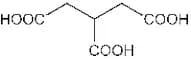
Tricarballylic acid, 98%
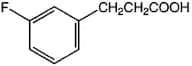
CAS:<p>It is used as an alternative to DMDHEU (formaldehyde releasing cross- linking agent). This Thermo Scientific Chemicals brand product was originally part of the Alfa Aesar product portfolio. Some documentation and label information may refer to the legacy brand. The original Alfa Aesar product / item</p>Fórmula:C6H8O6Pureza:98%Cor e Forma:White to cream to pale brown, Crystals or powder or crystalline powderPeso molecular:176.123-(3-Fluorophenyl)propionic acid, 97%
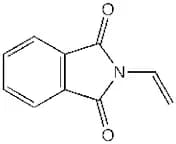
CAS:<p>This Thermo Scientific Chemicals brand product was originally part of the Alfa Aesar product portfolio. Some documentation and label information may refer to the legacy brand. The original Alfa Aesar product / item code or SKU reference has not changed as a part of the brand transition to Thermo Sci</p>Fórmula:C9H9FO2Pureza:97%Cor e Forma:White to cream or pale yellow, Crystals or powder or crystalline powderPeso molecular:168.17N-Vinylphthalimide, 99%
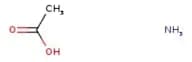
CAS:<p>This Thermo Scientific Chemicals brand product was originally part of the Alfa Aesar product portfolio. Some documentation and label information may refer to the legacy brand. The original Alfa Aesar product / item code or SKU reference has not changed as a part of the brand transition to Thermo Sci</p>Fórmula:C10H7NO2Pureza:99%Cor e Forma:White to cream to pale yellow, Crystals or powder or crystalline powderPeso molecular:173.17Ammonium acetate, 97%
CAS:<p>Ammonium acetate is widely utilized as a catalyst in the Knoevenagel condensation. It is the primary source of ammonia in the Borch reaction in organic synthesis. It is used with distilled water to make a protein precipitating reagent. It acts as a buffer for electrospray ionization (ESI) mass spect</p>Fórmula:C2H7NO2Pureza:97%Cor e Forma:Crystals or powder or crystalline powder, WhitePeso molecular:77.08Ref: 02-A16343
Produto descontinuadotert-Butyl cyanoacetate, 98%
CAS:<p>tert-Butyl cyanoacetate is used in the synthesis of vinylogous urea. It is also used as a new additive for the sugar nucleoside base coupling step en route to DAPD with improved -selectivity. This Thermo Scientific Chemicals brand product was originally part of the Alfa Aesar product portfolio. Some</p>Fórmula:NCCH2CO2C(CH3)3Pureza:98%Cor e Forma:Liquid or viscous liquid, Clear colorless to white to yellowPeso molecular:141.17Cyclopentanecarboxylic acid, 99%
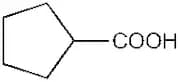
CAS:<p>This Thermo Scientific Chemicals brand product was originally part of the Alfa Aesar product portfolio. Some documentation and label information may refer to the legacy brand. The original Alfa Aesar product / item code or SKU reference has not changed as a part of the brand transition to Thermo Sci</p>Fórmula:C6H10O2Pureza:99%Cor e Forma:Liquid, Clear colorless to pale yellowPeso molecular:114.14Tungsten hydroxide oxide phosphate
CAS:Fórmula:H146O78P2W24Pureza:85%Cor e Forma:SolidPeso molecular:5869.22Ref: IN-DA003TRD
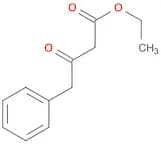
Produto descontinuado3-OXO-4-PHENYL-BUTYRIC ACID ETHYL ESTER
CAS:Fórmula:C12H14O3Pureza:95%Cor e Forma:LiquidPeso molecular:206.2378Ref: IN-DA0057DU
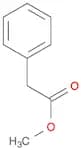
Produto descontinuadoBenzeneacetic acid, methyl ester
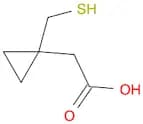
CAS:Fórmula:C9H10O2Pureza:98%Cor e Forma:LiquidPeso molecular:150.1745Cyclopropaneacetic acid, 1-(mercaptomethyl)-
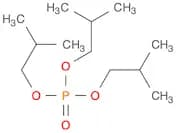
CAS:Fórmula:C6H10O2SPureza:95%Cor e Forma:SolidPeso molecular:146.2074Phosphoric acid, tris(2-methylpropyl) ester
CAS:Fórmula:C12H27O4PPureza:98%Cor e Forma:LiquidPeso molecular:266.3141Ref: IN-DA00ID24
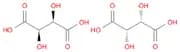
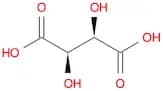
Produto descontinuadoButanedioic acid, 2,3-dihydroxy-, (2R,3R)-rel-
CAS:Fórmula:C8H12O12Pureza:95%Cor e Forma:LiquidPeso molecular:300.1737Ref: IN-DA003NMZ
Produto descontinuadoRef: IN-DA00IEB2
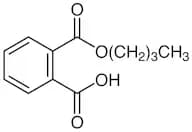
Produto descontinuadoMonobutyl Phthalate
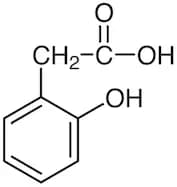
CAS:Fórmula:C12H14O4Pureza:>95.0%(GC)(T)Cor e Forma:White to Almost white powder to crystalPeso molecular:222.242-Hydroxyphenylacetic Acid
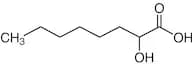
CAS:Fórmula:C8H8O3Pureza:>98.0%(GC)(T)Cor e Forma:Light yellow to Yellow to Orange powder to crystalPeso molecular:152.152-Hydroxy-n-octanoic Acid
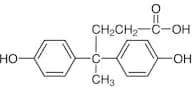
CAS:Fórmula:C8H16O3Pureza:>98.0%(T)Cor e Forma:White to Almost white powder to crystalPeso molecular:160.21Diphenolic Acid
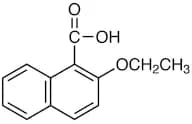
CAS:Fórmula:C17H18O4Pureza:>98.0%(GC)(T)Cor e Forma:White to Light yellow powder to crystalPeso molecular:286.332-Ethoxy-1-naphthoic Acid
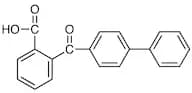
CAS:Fórmula:C13H12O3Pureza:>99.0%(T)(HPLC)Cor e Forma:White to Almost white powder to crystalPeso molecular:216.242-(4-Biphenylylcarbonyl)benzoic Acid
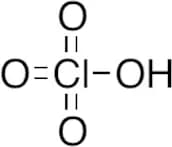
CAS:Fórmula:C20H14O3Pureza:>97.0%(GC)(T)Cor e Forma:White to Almost white powder to crystalPeso molecular:302.33Perchloric Acid (60%)
CAS:<p>Applications Perchloric Acid is a useful chemical reagent in the preparation of perchlorate salts. It is also known to be a strong oxidizer.<br> E0<br></p>Fórmula:ClHO4Pureza:60%Cor e Forma:NeatPeso molecular:100.45854-Hydroxyphenylacetic acid
CAS:<p>4-Hydroxyphenylacetic acid is a sesquiterpene lactone that is found in the essential oils of plants such as valerian, lemon balm and rosemary. It has been shown to have high antioxidant activity and can inhibit carcinoid syndrome. This compound has also been shown to have properties similar to p-hydroxybenzoic acid, which is an inhibitor of polyphenol oxidase. 4-Hydroxyphenylacetic acid inhibits some enzyme activities, such as polymerase chain reaction (PCR) and DNA synthesis. It also binds to dinucleotide phosphate and can be used for the treatment of diseases related to energy metabolism.</p>Fórmula:C8H8O3Pureza:(%) Min. 98.5%Cor e Forma:White PowderPeso molecular:152.15 g/molRef: 3D-FH24475
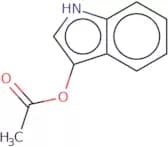
Produto descontinuado3-Indoxylacetate
CAS:<p>Please enquire for more information about 3-Indoxylacetate including the price, delivery time and more detailed product information at the technical inquiry form on this page</p>Fórmula:C10H9NO2Cor e Forma:White PowderPeso molecular:175.18 g/molRef: 3D-FI10731
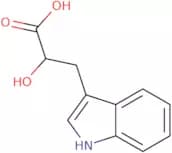
Produto descontinuadoDL-Indole-3-lactic acid
CAS:<p>Indole-3-lactic acid is a plant hormone that is produced in the leaves of the plant when they are under stress. It has been shown to have activity against bowel diseases and metabolic disorders. Indole-3-lactic acid has been isolated from plants like Caproicum album, which is used in vitro to measure its effect on caproic acid production. This compound has also been detected in human serum and wastewater treatment. Indole-3-lactic acid inhibits tryptophan degradation by competing with indolecarboxylase for substrate. The effect of indole-3-lactic acid on dextran sulfate and glomerular filtration rate was studied using a rat model, where it was found that it had no significant effects.</p>Fórmula:C11H11NO3Pureza:Min. 95%Cor e Forma:PowderPeso molecular:205.21 g/molBis(2,2,2-trichloroethyl)azodicarboxylate
CAS:<p>Bis(2,2,2-trichloroethyl)azodicarboxylate is a nucleophile that can be used as an alkylating agent in the industrial process. It is also used to prepare chiral amines by adding an amine to the enantiomerically pure bis(2,2,2-trichloroethyl)azodicarboxylate. The anticancer activity of Bis(2,2,2-trichloroethyl)azodicarboxylate is due to its ability to inhibit tumor cell proliferation. Bis(2,2,2-trichloroethyl)azodicarboxylate is not effective against cancerous cells that do not have functional groups such as amino acids.</p>Fórmula:C6H4Cl6N2O4Pureza:Min. 95%Cor e Forma:Yellow SolidPeso molecular:380.82 g/molRef: 3D-FB01254
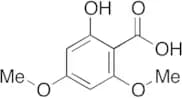
Produto descontinuado2-Hydroxy-4,6-dimethoxybenzoic Acid
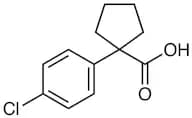
CAS:Produto Controlado<p>Applications 2-Hydroxy-4,6-dimethoxybenzoic acid is a reagent used in the synthesis of rac Zearalenone-d6 (Z270502). rac Zearalenone-d6 s an estrogenic mycotoxin produced by Fusarium fungi commonly found in grains. One of a group of compounds known as resorcylic acid lactones.<br>References Tanaka, T., et al.: J. Agric. Food Chem., 36, 979 (1988), Hamilton, S., et al.: Anticancer Res., 16, 3597 (1996), Hecht, S., et al.: Cancer Lett., 150, 49 (2000), Hussein, H., et al.: Toxicology, 167, 101 (2001), Lim, H., et al.: J. Immunol., 175, 4180 (2005),<br></p>Fórmula:C9H10O5Cor e Forma:Light Orange Colour To Light BrownPeso molecular:198.051-(4-Chlorophenyl)-1-cyclopentanecarboxylic Acid
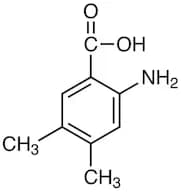
CAS:Fórmula:C12H13ClO2Pureza:>98.0%(GC)(T)Cor e Forma:White to Almost white powder to crystalPeso molecular:224.682-Amino-4,5-dimethylbenzoic Acid
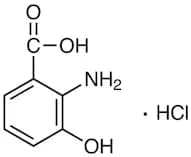
CAS:Fórmula:C9H11NO2Pureza:>97.0%(T)(HPLC)Cor e Forma:White to Yellow powder to crystalPeso molecular:165.192-Amino-3-hydroxybenzoic Acid Hydrochloride
CAS:Fórmula:C7H7NO3·HClPureza:>98.0%(T)(HPLC)Cor e Forma:White to Light yellow to Purple powder to crystalPeso molecular:189.60Periodic acid
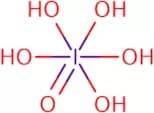
CAS:<p>Periodic acid is a natural product that has been used as an antimicrobial agent for more than 100 years. It has been shown to have pro-apoptotic properties in a number of cell systems, including monocyte-like cells, hepatocyte-like cells, and epidermal growth factor receptor-transfected cells. Periodic acid is also effective against inflammatory bowel disease in infants. This drug also has anti-inflammatory effects and may be useful for the treatment of autoimmune diseases. Periodic acid inhibits the metabolic rate in cell cultures by blocking oxidative phosphorylation at complex I and II, leading to increased levels of reactive oxygen species (ROS). This ROS production induces apoptosis through a caspase cascade.</p>Fórmula:H5IO6Pureza:Min. 95%Cor e Forma:White Clear LiquidPeso molecular:227.94 g/molRef: 3D-FP16075
Produto descontinuado4-Chloro-2-methylbenzoic acid
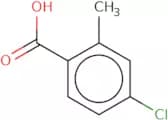
CAS:<p>4-Chloro-2-methylbenzoic acid is a high quality chemical that is used as an intermediate in the preparation of other compounds. It belongs to the group of complex compounds and has CAS No. 7499-07-2. This reagent can be used to synthesize speciality chemicals, research chemicals, and versatile building blocks. 4-Chloro-2-methylbenzoic acid is also useful as a reaction component for the synthesis of fine chemicals, pharmaceuticals, and agrochemicals.</p>Fórmula:C8H7ClO2Pureza:Min. 95%Peso molecular:170.59 g/molRef: 3D-FC55109
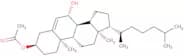
Produto descontinuado7b-Hydroxy cholesterol 3b-acetate
CAS:Produto Controlado<p>7b-Hydroxy cholesterol 3b-acetate is an allylic compound that is catalyzed by molybdenum, which eliminates the acetyl group at position 7 to form a double bond with the 3-position. The reaction temperature of 7b-hydroxy cholesterol 3b-acetate can be increased to high temperatures (i.e., >100°C) for the elimination process, and allylic acetates are obtained as products. The reaction starts with the addition of hexacarbonyl, which leads to a diene intermediate. This is then eliminated by adding acetamide in presence of high concentration of acetic acid and catalytic amounts of molybdenum. The low yield and efficiency, however, are major drawbacks of this process.</p>Fórmula:C29H48O3Pureza:Min. 95%Peso molecular:444.69 g/molRef: 3D-FH23948
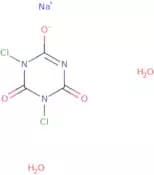
Produto descontinuadoDichloroisocyanuric acid sodium dihydrate
CAS:<p>Dichloroisocyanduric acid sodium salt (DCD) is a disinfectant that is used to control bacteria, fungi, and algae in wastewater treatment plants. DCD has been shown to be an effective antimicrobial agent against bacterial spores and the fungal plant pathogen "Botrytis cinerea" when used at concentrations of 0.1-0.3%. DCD also has a low toxicity for mammals, with LD50 values of 3.5g/kg for rats and 2g/kg for mice. The chemical stability of DCD can be increased by adding sodium carbonate or other alkaline substances in a neutral pH environment.</p>Fórmula:C3HCl2N3O3•(H2O)2•NaPureza:Min. 95%Cor e Forma:PowderPeso molecular:256.98 g/molButyric acid
CAS:<p>Butyric acid is a short-chain fatty acid that is produced by the fermentation of carbohydrates in the colon and it is an important energy source for cells in the colon. It can be found in sodium salts, such as sodium butyrate, or as a free acid. Butyric acid has been shown to have physiological effects on the bowel disease, including improving symptoms of diarrhea and constipation. It also helps to maintain a healthy gut by preventing the growth of unwanted bacteria. Butyric acid inhibits certain enzymes, such as glutamine synthetase, which is important for energy metabolism. The chemical pesticide DDT has been shown to inhibit butyric acid production in cells.</p>Fórmula:C4H8O2Pureza:Min. 95%Cor e Forma:Clear Colourless LiquidPeso molecular:88.11 g/molRef: 3D-FB159569
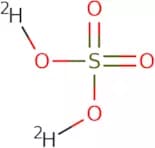
Produto descontinuadoDideuterosulfuric acid
CAS:Produto Controlado<p>Dideuterosulfuric acid is a protonated molecule that is found in the tropone class of organic compounds. It has been shown to have optical properties similar to those of ferrocene, which is why it is often used as a replacement for this compound. Dideuterosulfuric acid has been studied extensively using a kinetic method with the goal of determining its mechanism and rate constants. Hydroxyl groups are found on the molecule's trifluoroacetic acid side chains, which may contribute to its reactivity with chloride ions and nitrogen atoms. Electrophotographic measurements show that hydrogen bonding occurs between molecules in dilute solutions.</p>Fórmula:D2SO4Pureza:Min. 95%Peso molecular:100.09 g/molRef: 3D-FD167508
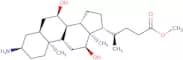
Produto descontinuado(3a,5b,7a,12a)-3-Amino-7,12-dihydroxycholan-24-oic acidmethylester
CAS:Produto Controlado<p>Please enquire for more information about (3a,5b,7a,12a)-3-Amino-7,12-dihydroxycholan-24-oic acidmethylester including the price, delivery time and more detailed product information at the technical inquiry form on this page</p>Fórmula:C25H43NO4Pureza:Min. 95%Peso molecular:421.61 g/molRef: 3D-FA148887
Produto descontinuado4-Chloro-2-(methyl-phenyl-sulfamoyl)-benzoic acid methylester
CAS:<p>4-Chloro-2-(methyl-phenyl-sulfamoyl)-benzoic acid methylester is an industrial chemical that is used in the production of other chemicals. It can be produced by the esterification of 4-chlorophenylacetic acid with methyl phenyl sulfonyl chloride, followed by diazotization and chlorination. This chemical also has the ability to form a condensation product with hydrazine.</p>Fórmula:C15H14ClNO4SPureza:Min. 95%Peso molecular:339.79 g/molRef: 3D-FC150757
Produto descontinuadoRuthenium(III) nitrosyl nitrate, soluble in 10% dilute nitric acid
CAS:<p>Please enquire for more information about Ruthenium(III) nitrosyl nitrate, soluble in 10% dilute nitric acid including the price, delivery time and more detailed product information at the technical inquiry form on this page</p>Fórmula:RuN4O10Pureza:Min. 95%Cor e Forma:Clear LiquidPeso molecular:317.09 g/molRef: 3D-FR57258
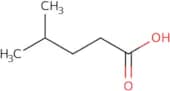
Produto descontinuado4-Methylpentanoic acid
CAS:<p>4-Methylpentanoic acid is a fatty acid that is the product of anaerobic fermentation in the colon and can be found as an end product in the body. It can be used as a substrate in film tests for detecting bacteria, such as Escherichia coli, which are associated with bowel diseases. 4-Methylpentanoic acid has been shown to have inhibitory effects against nuclear dna replication, mitochondrial membrane potential, and energy metabolism. 4-Methylpentanoic acid also has antiinflammatory properties and has been shown to decrease body mass index. The 6-Fluoro-3-indoxyl-beta-D-galactopyranoside is an antituberculosis drug that belongs to the class of rifamycins. It is the most active of the rifamycins for the treatment of tuberculosis. Rifapentine inhibits bacterial growth by binding to DNA-dependent RNA polymerase, thereby preventing transcription</p>Fórmula:C6H12O2Pureza:Min. 95%Peso molecular:116.16 g/molRef: 3D-FM35595
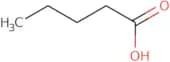
Produto descontinuadoValeric acid
CAS:<p>Valeric acid is a fatty acid that is used in the manufacture of polymers. Valeric acid can be synthesized from caproic acid, which is found in palm oil and coconut oil. Valeric acid has been shown to inhibit the activity of nicotinic acetylcholine receptors at low concentrations and to have an inhibitory effect on the ryanodine receptor at high concentrations. Valeric acid also has a matrix effect on analytical methods such as gas-liquid chromatography, which has been modeled using polymer compositions.</p>Fórmula:C5H10O2Pureza:Min. 95%Peso molecular:102.13 g/molRef: 3D-FV34914
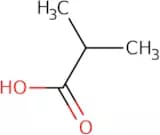
Produto descontinuadoIsobutyric acid
CAS:<p>Isobutyric acid is a short-chain carboxylic acid that has been shown to be a potent inhibitor of congestive heart failure. Isobutyric acid binds to the dinucleotide phosphate and is then hydrolyzed by glycol ethers to release isobutyric acid, which can induce vasodilation. The surface methodology used in this study revealed that Isobutyric acid inhibits the polymerase chain reaction activity of human DNA. This inhibition may be due to its structural similarity with mycobacterial sesquiterpene lactones, which have been shown to inhibit protein synthesis in human cells. Isobutyric acid also has antibacterial properties, and has been shown to have an activity index of 0.5 against methicillin-resistant Staphylococcus aureus (MRSA) isolates and erythromycin-resistant Mycobacterium avium complex isolates.</p>Fórmula:C4H8O2Pureza:Min. 95%Cor e Forma:Colorless Clear LiquidPeso molecular:88.11 g/molRef: 3D-FI46255
Produto descontinuadoPeptide YY (3-36) (human) trifluoroacetate salt
CAS:<p>Peptide YY (3-36) (human) trifluoroacetate salt H-Ile-Lys-Pro-Glu-Ala-Pro-Gly-Glu-Asp-Ala-Ser-Pro-Glu-Glu-Leu-Asn -Arg -Tyr -Tyr -Ala -Ser -Leu -Arg <br>Peptide YY (3.36) is a peptide hormone that is secreted by L cells in the small intestine and colon. It has been shown to be an effective treatment for obesity, type 2 diabetes, and other metabolic disorders. Peptide YY (3.36) has been shown to increase insulin sensitivity, reduce food intake and body weight, increase metabolic rate, and improve glucose homeostasis in animal studies. In humans, it has been found to have similar effects on postprandial plasma levels of peptide YY (3.</p>Fórmula:C180H279N53O54Pureza:Min. 95%Peso molecular:4,049.47 g/molRef: 3D-FP110326
Produto descontinuadoOvalbumin (257-264) (chicken) trifluoroacetate salt
CAS:<p>Please enquire for more information about Ovalbumin (257-264) (chicken) trifluoroacetate salt including the price, delivery time and more detailed product information at the technical inquiry form on this page</p>Fórmula:C45H74N10O13·C2HF3O2Pureza:Min. 95%Peso molecular:1,077.15 g/molRef: 3D-FO109383
Produto descontinuadoPhosphomolybdic acid hydrate
CAS:<p>Phosphomolybdic acid hydrate is a molybdenum-containing compound that exhibits biological activity. It has been found to have an effect on water permeability and the biological sample, which can be detected by synchronous fluorescence. The electrochemical impedance spectroscopy can be used to measure the effects of phosphomolybdic acid hydrate on energy metabolism. This compound has also been shown to act as a catalyst in analytical methods, such as laser ablation, and can be used in a model system for hydrogen bonding interactions with zirconium oxide.</p>Fórmula:MoO3·H3PO4·xH2OPureza:Min. 95%Cor e Forma:Off-White To Dark Yellow SolidPeso molecular:1,825.49 g/mol(Ala31, Aib 32)-Neuropeptide Y (porcine) trifluoroacetate salt
CAS:<p>Please enquire for more information about (Ala31, Aib 32)-Neuropeptide Y (porcine) trifluoroacetate salt including the price, delivery time and more detailed product information at the technical inquiry form on this page</p>Fórmula:C187H281N55O56Pureza:Min. 95%Peso molecular:4,195.57 g/molRef: 3D-FA109454
Produto descontinuado