Compostos Relacionados com Enzimas, Peptídeos e Proteínas
Os compostos relacionados a enzimas, peptídeos e proteínas são críticos para o estudo e manipulação de vias bioquímicas. Estes compostos incluem enzimas que catalisam reações bioquímicas, peptídeos que atuam como hormônios e moléculas de sinalização, e proteínas que desempenham uma ampla gama de funções nos organismos. Esta categoria abrange inibidores, ativadores, substratos e outros reagentes essenciais para enzimologia, proteômica e pesquisa de peptídeos. Na CymitQuimica, oferecemos uma ampla seleção de compostos de alta qualidade para facilitar a sua pesquisa em cinética enzimática, função proteica e síntese de peptídeos, garantindo resultados precisos e confiáveis.
Subcategorias de "Compostos Relacionados com Enzimas, Peptídeos e Proteínas"
- Aminoácidos (AA)(40.509 produtos)
- Enzimas(3.559 produtos)
- Peptídeos(30.720 produtos)
- Proteínas(15.023 produtos)
Foram encontrados 1312 produtos de "Compostos Relacionados com Enzimas, Peptídeos e Proteínas"
Ordenar por
Pureza (%)
0
100
|
0
|
50
|
90
|
95
|
100
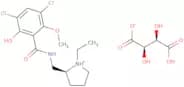
S(-)-Raclopride (+)-tartrate salt
CAS:<p>Dopamine (D2 and D3) receptor antagonist</p>Fórmula:C15H20Cl2N2O3·C4H6O6Pureza:Min. 95%Cor e Forma:White PowderPeso molecular:497.32 g/molCholesteryl isobutyrate
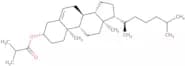
CAS:Produto Controlado<p>Cholesteryl isobutyrate is a diagnostic target tissue for cancer. It is a fatty acid that is metabolized by 3β-hydroxysteroid dehydrogenase, which converts it to the corresponding alcohol. Cholesteryl isobutyrate can be detected in urine samples with a chromatographic method and coatings. The fusogenic properties of cholesteryl isobutyrate make it an excellent film-forming polymer for drug delivery systems. The phase transition temperature of cholesteryl isobutyrate has been determined to be around 27°C, which makes it an ideal candidate for cellular drug delivery applications.</p>Fórmula:C31H52O2Pureza:Min. 95%Cor e Forma:PowderPeso molecular:456.74 g/molAmmonium metatungstate hydrate
CAS:<p>Ammonium metatungstate hydrate is a catalyst that is used for the efficient production of fatty acids from vegetable oils. It has been shown to be an effective catalyst in the reaction of deionized water and particle at various reaction temperatures. The cationic surfactant, optical properties, and morphology of the fatty acid are all dependent on the type of carbon source used in the reaction. Ammonium metatungstate hydrate is also used as a photocatalyst for gas sensors.</p>Fórmula:(H4N)6•H2O40W12•(H2O)xPureza:Min. 85%Cor e Forma:PowderPeso molecular:2,956.3 g/molrec Monocyte IL-8 (human)
CAS:<p>Polymerase chain reaction (PCR) is a technique for amplifying a single copy of a piece of DNA across several orders of magnitude, generating thousands to millions of copies. PCR is used to amplify DNA from samples containing only one or a few copies, such as blood or tissue samples. The polymerase chain reaction can also be performed on RNA, but RNA amplification may produce different results because the structure and function of RNA are different from those of DNA. This product is an IL-8 primer pair that amplifies human IL-8 gene sequences in vitro. It has been validated by testing it on various animals including cattle and pigs.<br>br>br><br>IL-8 is a proinflammatory cytokine that induces cell migration and proliferation, especially in skin cells after injury. This product can be used to detect and quantify IL-8 expression in patients with cancer or skin injuries.</p>Fórmula:C372H600N106O106S4Pureza:Min. 95%Peso molecular:8,381.66 g/molL-Anserine nitrate salt
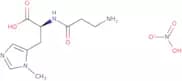
CAS:<p>L-Anserine nitrate salt is a soluble extract that contains nitrogen atoms, histidine, and primary amines. It is a natural substance found in animal tissue and can be used as a nutritional supplement for humans. L-Anserine nitrate salt has been shown to inhibit the activity of histamine release from mast cells in vitro, which may be beneficial in the treatment of hepatic steatosis. This extract has also been shown to increase levels of fatty acids in liver cells, which may reduce inflammation and improve insulin sensitivity. L-Anserine nitrate salt has also been shown to have antioxidant effects and inhibit DPP-IV activity, which may help treat drug sensitivity in animals.</p>Fórmula:C10H17N5O6Pureza:Min. 95%Cor e Forma:PowderPeso molecular:303.27 g/molNeuropeptide W-23 (human)
CAS:<p>Neuropeptide W-23 (human) is an antibody that recognizes the neuropeptide receptor, specifically the Neuropeptide Y receptor 1. The antibody binds to the Npy1 receptor and inhibits its activity. Neuropeptide W-23 (human) can be used as a research tool in cell biology and pharmacology studies.</p>Fórmula:C119H183N35O28SPureza:Min. 95%Peso molecular:2,584.01 g/molDL-Kynurenine sulfate monohydrate
CAS:<p>Dl-Kynurenine sulfate is a reaction component that is used in the synthesis of many other chemicals. It is a reagent that can be used to synthesize useful scaffolds. Dl-Kynurenine sulfate is also a high quality, research chemical and speciality chemical that is versatile for use as an intermediate or building block. Dl-Kynurenine sulfate can be used as a useful scaffold in the synthesis of complex compounds and fine chemicals. The following product descriptions were generated: Rifapentine Rifapentine is an anti-tuberculosis drug that belongs to the class of rifamycins. It is the most active of the rifamycins for the treatment of tuberculosis. Rifapentine inhibits bacterial growth by binding to DNA-dependent RNA polymerase, thereby preventing transcription and replication. The high frequency of human activity has been shown using a patch-clamp</p>Fórmula:C10H12N2O3•H2O•H2SO4Pureza:Min. 95%Cor e Forma:PowderPeso molecular:324.31 g/molrec PDGF AA (human)
<p>Please enquire for more information about rec PDGF AA (human) including the price, delivery time and more detailed product information at the technical inquiry form on this page</p>Pureza:Min. 95%Sodium tungstate dihydrate
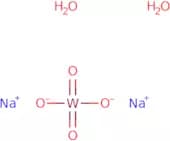
CAS:<p>Sodium tungstate dihydrate (STDH) is a sodium salt that has been shown to be effective against the MCL-1 protein. This protein is involved in regulating energy metabolism and cell death. STDH binds to the MCL-1 protein, preventing it from forming an oligomer with other proteins. This prevents the MCL-1 protein from translocating into the mitochondria and disrupting the mitochondrial membrane potential, which leads to cell death. STDH has been shown to be effective against wild-type strains of bacteria as well as against bacterial strains that have developed resistance to antibiotics such as molybdenum and tungsten. STDH also inhibits axonal growth in vitro and human serum, leading to physiological effects such as blood coagulation.</p>Fórmula:Na2WO4•(H2O)2Cor e Forma:PowderPeso molecular:329.85 g/molCalcium folinate pentahydrate
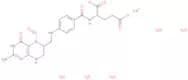
CAS:<p>Calcium folinate pentahydrate is a drug that is used to treat overexertion. It is also used as a pharmacological treatment for cancer and as a drug repositioning agent. Calcium folinate pentahydrate has been shown to be effective in treating the symptoms of overexertion, including muscle cramps, pain, and fatigue. This drug binds to the casein in the bloodstream and forms calcium citrate, which is then excreted from the body. In cancer patients, this drug prevents tumor cells from dividing by inhibiting DNA synthesis and RNA synthesis. It does not affect normal cells because it cannot diffuse through membranes that are impenetrable by ions (e.g., cell membrane).</p>Fórmula:C20H21CaN7O7·5H2OPureza:Min. 95%Cor e Forma:Yellow PowderPeso molecular:601.58 g/molD,L-Azatryptophan hydrate
CAS:<p>Azatryptophan hydrate is an organic compound that is a useful building block, reagent, and intermediate in the synthesis of many complex compounds. Azatryptophan hydrate is soluble in water and reacts readily with a variety of other compounds. It can be used as a starting material to prepare complex molecules such as heterocycles and natural products. Azatryptophan hydrate has been shown to have high purity and quality and is often used as a research chemical or speciality chemical for commercial purposes.</p>Fórmula:C10H13N3O3Pureza:Min. 95%Cor e Forma:White To Light (Or Pale) Yellow SolidPeso molecular:223.23 g/molSDF-1α (human) trifluoroacetate salt
CAS:<p>Please enquire for more information about SDF-1alpha (human) trifluoroacetate salt including the price, delivery time and more detailed product information at the technical inquiry form on this page</p>Fórmula:C356H578N106O93S4Pureza:Min. 95%Peso molecular:7,959.32 g/mol4-(2-(Dimethylamino)-1-(1-hydroxycyclohexyl)ethyl)phenol
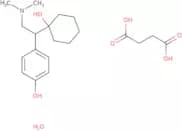
CAS:Produto Controlado<p>Venlafaxine is a selective serotonin and norepinephrine reuptake inhibitor (SNRI) that is used to treat depression. Venlafaxine inhibits the reuptake of serotonin and norepinephrine into the presynaptic neuron, increasing their availability in the synaptic cleft. Venlafaxine has been shown to be effective in treating major depressive disorder and other depressive disorders, such as dysthymia and post-partum depression. The antidepressant effects of venlafaxine are believed to be due to its ability to block the uptake of serotonin and norepinephrine in the brain, resulting in an increased concentration of these neurotransmitters. Venlafaxine is metabolized by CYP2D6, CYP3A4, CYP1A2 and CYP2C19 enzymes, which may result in drug interactions with other drugs metabolized by these enzymes. To control for this effect, venlafaxine blood</p>Fórmula:C16H25NO2Pureza:Min. 97 Area-%Cor e Forma:PowderPeso molecular:263.38 g/molCopper(II) chloride dihydrate
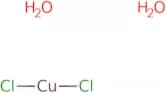
CAS:<p>Copper(II) chloride dihydrate (CuCl2·2H2O) is a copper compound that can be used as an antimicrobial agent. It has been shown to inhibit the growth of bacteria, yeast and fungi by inhibiting cell division at the G1/S phase boundary. Copper(II) chloride dihydrate has also been shown to inhibit cyclin D2 production in HL-60 cells and to cause coumarin derivatives to react with DNA, leading to its structural analysis. It is soluble in water but insoluble in organic solvents. When exposed to air, it reacts with water vapor to form copper chloride (CuCl). Copper(II) chloride dihydrate is acidic and can react with bases such as amines or ammonia; this reaction may result in drug interactions.</p>Fórmula:CuCl2·2H2OPureza:Min. 95%Cor e Forma:PowderPeso molecular:170.48 g/molHydrindantin hydrate
CAS:<p>Hydrindantin hydrate is a reactive nitrogenous compound. It has broad-spectrum antimicrobial activity against bacteria, fungi and viruses. The nature of the compound is unknown, but it is thought to be an antibiotic. Hydrindantin hydrate has been found to inhibit the growth of bacteria when used in high concentrations. This property is due to its ability to bind with the enzyme ribonucleotide reductase (an enzyme that converts ribonucleotides into deoxyribonucleotides), which prevents DNA synthesis and replication. Hydrindantin hydrate also exhibits antibacterial properties against foot-and-mouth disease virus, a virus that infects livestock causing illness and death in cattle, pigs, sheep, and goats.</p>Fórmula:C18H14O8Pureza:Min. 98 Area-%Cor e Forma:White PowderPeso molecular:358.3 g/molL-Asparagine monohydrate
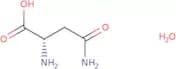
CAS:<p>L-Asparagine monohydrate (LAM) is a water-soluble amino acid that is used in the treatment of metabolic disorders such as diabetes. LAM has been shown to be effective in cell culture and tissue culture experiments, where it was found to increase the production of growth factors, such as insulin and keratinocyte growth factor. This amino acid also has a high degree of kinetic stability and can be used for magnetic resonance spectroscopy studies. LAM is soluble in water, but not in organic solvents. It forms hydrogen bonds with other molecules and is able to form dehydrated crystals. The experimental solubility data for LAM can be found in table 1 below.</p>Fórmula:C4H10N2O4Pureza:(Titration) Min. 99%Cor e Forma:White Clear LiquidPeso molecular:150.13 g/molChelidamic acid hydrate
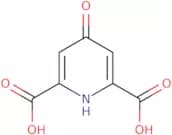
CAS:<p>Chelidamic acid hydrate is an organic compound that belongs to the group of pyridine carboxylic acids. It is a water-soluble, colorless solid with an optimum concentration in the range of 0.1 to 1.0 M. Chelidamic acid hydrate has been used as a proton carrier and was found to be a strong base with a pKb around 12.5 and a high affinity for oxygen atoms, which are present in the form of hydroxyl groups at pH 7, 8, and 9. The compound also has been observed to have cytotoxic effects on prostate cancer cells and human erythrocytes. Chelidamic acid hydrate has shown anticancer activity by causing mitochondrial membrane potential collapse in prostate cancer cells. This activity is due to hydrogen bonding interactions between the solvated electrons and the carboxylate group of the chelidamic acid hydrate molecule that are mediated by light emission from the electron transitions between</p>Fórmula:C7H5NO5•xH2OPureza:Min. 95%Cor e Forma:White PowderPeso molecular:183.12 g/molPotassium citrate
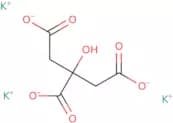
CAS:<p>Potassium citrate is a salt of potassium and citric acid. It is used as an antacid to help relieve the symptoms of heartburn, sour stomach, and acid indigestion. Potassium citrate can also be used as a supplement when the body does not produce enough of this chemical on its own. It is usually taken with calcium pantothenate to provide additional relief for people who have low levels of these chemicals in their urine. The phase transition temperature for potassium citrate is approximately 33°C (91°F).</p>Fórmula:C6H5K3O7Cor e Forma:White Off-White PowderPeso molecular:306.39 g/mol5-Fluoroorotic acid hydrate
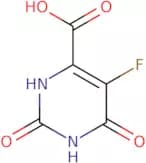
CAS:<p>Selection reagent for orotidine 5'-phosphate decarboxylase mutants</p>Fórmula:C5H3FN2O4·xH2OPureza:(%) Min. 97%Cor e Forma:Off-White Yellow PowderPeso molecular:174.09 g/molrec FGF acidic (human)
CAS:<p>Please enquire for more information about rec FGF acidic (human) including the price, delivery time and more detailed product information at the technical inquiry form on this page</p>Pureza:Min. 95%Nilotinib HCl monohydrate
CAS:<p>Bcr-Abl inhibitor; also inhibits PDGFR and c-kit; antineoplastic</p>Fórmula:C28H22F3N7O·HCl·H2OPureza:Min. 95%Cor e Forma:White PowderPeso molecular:583.99 g/molS-(-)-Tolterodine d-tartrate
CAS:<p>S-(-)-Tolterodine d-tartrate is a fine chemical that belongs to the class of organic compounds. It has been used as a useful scaffold in the synthesis of various complex compounds, such as reaction components and speciality chemicals. In addition, S-(-)-Tolterodine d-tartrate has served as an intermediate for the synthesis of other chemicals.</p>Fórmula:C22H31NO•C4H6O6Pureza:Min. 95%Cor e Forma:White to off-white solid.Peso molecular:475.57 g/molAngiotensin I, human
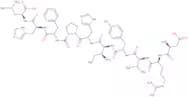
CAS:<p>Angiotensin I is a protein encoded by the AGTR1 gene. It is a precursor to angiotensin II, which causes vasoconstriction and has other effects on blood vessels, kidneys, and the heart. Angiotensin I is produced by proteolytic cleavage of pro-angiotensinogen in the liver. The mouse monoclonal antibody to human angiotensin I (mAb-HAI) recognizes both human and bovine angiotensin I. This antibody can be used for immunohistochemistry or Western blot analysis of cells from mice that have been injected with mAb-HAI. It has also been shown to reduce kidney fibrosis in mice when it is administered as a subcutaneous injection three times per week.</p>Fórmula:C62H89N17O14Pureza:Min. 95%Peso molecular:1,296.48 g/molDihydroxyfumaric acid hydrate
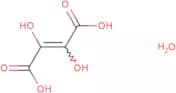
CAS:<p>Dihydroxyfumaric acid hydrate is a deuterated chemical that can be used in spectrometry as a deuteration agent to study the effect of deuteration on the vibrational and reactive properties of molecules. It is also used in medicine as an immobilization reagent for enzymes and antibodies. Dihydroxyfumaric acid hydrate has been shown to have prebiotic activity in food composition, inhibiting glycolaldehyde and protocatechuic acid. This chemical may also serve as a recycled molecule for other applications.</p>Fórmula:C4H4O6·xH2OPureza:Min. 95%Cor e Forma:PowderPeso molecular:148.07 g/molMethyl 12-ketostearate
CAS:<p>Methyl 12-ketostearate is an organic compound with the formula CH(CH)COCH=CHCOCH=CHCOOCH3. It is a colorless liquid with a fishy odor. The compound is used as a precursor to other compounds, such as esters and amides. It can be prepared by the reaction of methyl mercaptoacetate and copper chromite in dimethylformamide: Methyl 12-ketostearate + CuCrO4 → Methyl 12-ketostearate + CuCrO4 → Methyl 12-ketostearate + CuCrO4 → Methyl 12-ketostearate + CuCrO4 → Methyl 12-ketostearate + CuCrO4 → Methyl 12-ketostearate + CuCrO4 →</p>Fórmula:C19H36O3Pureza:Min. 97 Area-%Cor e Forma:White PowderPeso molecular:312.49 g/molThiamine monophosphate chloride dihydrate
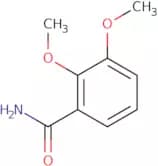
CAS:<p>Thiamine monophosphate chloride dihydrate is a form of the vitamin thiamine. It has been used in control analysis to measure the activity of enzymes that require thiamine as a cofactor, such as transketolase and pyruvate kinase. Thiamine monophosphate chloride dihydrate has also been studied in biochemical properties, where it was found that this compound can be cleaved by picolinic acid to form thiazole phosphate. The matrix effect is an important factor in polymerase chain reactions and has been shown to be dependent on the presence of dinucleotide phosphate. This compound is an essential component of energy metabolism and plays a role in protein synthesis. Thiamine monophosphate chloride dihydrate also has toxicological studies, including a model system using wild-type strains of yeast. These studies have shown that this compound leads to physiological effects such as inhibition of glycolysis and lactic acid production.</p>Fórmula:C12H18N4O4PS•Cl•(H2O)2Pureza:Min. 99 Area-%Cor e Forma:PowderPeso molecular:416.82 g/mol2-Veratramide
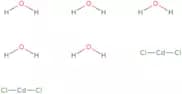
CAS:<p>2-Veratramide is a drug that belongs to the group of amides. It is a highly soluble, water-soluble and lipophilic molecule. The molecular modeling study revealed that it has a hydroxyl group in its structure and a hydrogen bond with the intramolecular hydrogen atom. 2-Veratramide has been observed to inhibit protein synthesis and cellular proliferation by binding to cancer cells or inflammatory cells. It also binds to dopamine receptors, inhibiting uptake of dopamine and subsequent activation of downstream signaling pathways. 2-Veratramide is an inhibitor of nitric oxide synthase (NOS), which plays an important role in inflammation, vascular tone, neurotransmission, and cell proliferation.<br>2-Veratramide inhibits NOS by competitively binding to the heme moiety at the active site of the enzyme, thereby blocking access to substrate arginine.</p>Fórmula:C9H11NO3Pureza:Min. 97%Cor e Forma:PowderPeso molecular:181.19 g/molCadmium chloride hemipentahydrate - ACS
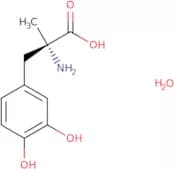
CAS:<p>Cadmium chloride hemipentahydrate is a chemical compound that has been shown to have genotoxic effects on animals and humans. Cadmium chloride hemipentahydrate has been shown to inhibit protein synthesis and enzyme activity in vitro and in vivo. It also has been shown to cause cell death and cytotoxicity in brain cells. This chemical compound is used as a model system for the study of cadmium toxicity, because it can be administered to animals without causing any adverse effects. When cadmium chloride hemipentahydrate is injected into rodents, it causes DNA damage, oxidative stress, inhibition of energy metabolism, and induction of apoptosis in brain cells.</p>Fórmula:CdCl2•(H2O)2Pureza:(Titration) 79.5 To 81.0%Cor e Forma:White PowderPeso molecular:228.35 g/mol(S)-2-Amino-3-(3,4-dihydroxyphenyl)-2-methylpropionic acid sesquihydrate
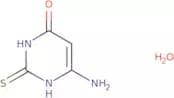
CAS:<p>(S)-2-Amino-3-(3,4-dihydroxyphenyl)-2-methylpropionic acid sesquihydrate is a synthetic drug that is used for the treatment of metabolic disorders such as diabetes mellitus. It has been shown in animal studies to increase locomotor activity and decrease bowel disease. It also has an effect on α7 nicotinic acetylcholine receptors and 2 adrenergic receptors.</p>Fórmula:C10H13NO4•(H2O)1Pureza:Min 98%Cor e Forma:PowderPeso molecular:238.24 g/mol6-Amino-4-hydroxy-2-mercaptopyrimidine monohydrate
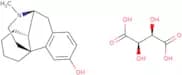
CAS:<p>6-Amino-4-hydroxy-2-mercaptopyrimidine monohydrate (6AP) is a chemical compound that has been shown to have potent antibacterial activity against Gram-positive bacteria. It is also effective at inhibiting the growth of S. aureus, both in vitro and in vivo. 6AP can be used as an alternative treatment for cancer, where it inhibits the growth of tumor cells by blocking ferrocene, which plays an important role in cancer cell proliferation and survival. The efficacy of 6AP against bacterial infections has been demonstrated in vitro with a variety of Gram-positive pathogens, including S. aureus, Streptococcus pneumoniae, Enterococcus faecalis, and Bacillus anthracis.</p>Fórmula:C4H5N3OS•H2OPureza:Min. 95%Cor e Forma:PowderPeso molecular:161.18 g/molDextrorphan tartrate
CAS:Produto Controlado<p>Dextrorphan tartrate is a pharmaceutical drug that is used in the treatment of infections. It is taken by mouth and inhibits the uptake of fatty acids by liver cells, which then leads to the death of these cells. Dextrorphan tartrate has been shown to be active against viruses and experimental models of bacterial infection. It also has an effect on monoamine neurotransmitters, which may be responsible for its depressant effect on the central nervous system.</p>Fórmula:C21H29NO7Pureza:Min. 95%Cor e Forma:White PowderPeso molecular:407.46 g/molNesfatin-1 (rat) trifluoroacetate salt
CAS:<p>Please enquire for more information about Nesfatin-1 (rat) trifluoroacetate salt including the price, delivery time and more detailed product information at the technical inquiry form on this page</p>Fórmula:C424H684N116O136Pureza:Min. 95%Peso molecular:9,582.67 g/molSodium sulfide nonahydrate
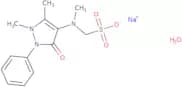
CAS:Produto Controlado<p>Sodium sulfide nonahydrate is a chemical compound that has been shown to be statistically significantly more genotoxic than sodium sulfate, but less genotoxic than sodium sulfite. Sodium sulfide nonahydrate is used as a coating material and in the production of polychromatic pigment. It has also been studied for its potential use in analytical methods such as surface methodology, x-ray absorption spectroscopy, and photoelectron spectroscopy. Recent studies have also shown that this compound may enhance the rate of reaction between nucleophiles and electrophiles. Sodium sulfide nonahydrate can cause hematological changes in humans at high doses, including lymphocyte reduction, leukocytosis, and increased erythrocyte sedimentation rate.</p>Fórmula:Na2S•(H2O)9Pureza:Min. 98%Cor e Forma:PowderPeso molecular:240.18 g/molMetamizol sodium monohydrate
CAS:<p>Metamizol sodium monohydrate is a nonsteroidal anti-inflammatory drug that is used as an analgesic and antipyretic. Metamizol sodium monerate is metabolized in the liver via cytochrome P450 (CYP) to form metamizole. It has been shown to inhibit chemiluminescence of polycyclic aromatic hydrocarbons using a dipyrone-treated biological sample, and the rate constant for this inhibition has been determined by the use of a chemiluminescence method. An analytical method for metamizol sodium monohydrate has also been developed using polymerase chain reaction (PCR) amplification of DNA sequences from human squamous cells, which can be used for forensic purposes. Metamizol sodium monohydrate has shown anti-inflammatory activity against rat paw edema and carrageenan-induced inflammation in rats, but it can cause side effects such as dizziness, drowsiness, headache, nausea,</p>Fórmula:C13H16N3O4S•H2O•NaPureza:Min. 95%Peso molecular:351.36 g/molPimavanserin tartrate
CAS:<p>Serotonin receptor 5-HT2A inverse agonist</p>Fórmula:(C25H34FN3O2)2•C4H6O6Pureza:Min. 97 Area-%Cor e Forma:White PowderPeso molecular:1,005.2 g/molEotaxin (human)
CAS:<p>Eotaxin is a human basic protein that belongs to the eosinophil cationic protein family. It stimulates the growth of cells and promotes tissue repair. Eotaxin also has a role in the immune response, as it is able to bind to and activate macrophages, neutrophils, and lymphocytes. Eotaxin is found in increased concentrations in inflammatory bowel disease (IBD), where it may play a role in the recruitment of inflammatory cells. The signal peptide sequence of eotaxin is cleaved by signal peptidase I and II during transit through the Golgi apparatus, yielding an active form that can be processed into mature eotaxin by several proteases. This active form can be detected by polymerase chain reaction (PCR) amplification of DNA isolated from human peripheral blood leukocytes or colonic biopsies. Eotaxin has been shown to have anti-inflammatory effects on both healthy tissues and those with</p>Fórmula:C372H609N105O103S5Pureza:Min. 95%Peso molecular:8,360.79 g/molrec β-Defensin 2 (human)
CAS:<p>rec beta-Defensin 2 (human) is a recombinant peptide, which is a human-derived antimicrobial protein. It is sourced through recombinant DNA technology, enabling the production of a synthetic version of the natural peptide found in epithelial cells. Its mode of action involves disrupting microbial cell membranes, leading to cell lysis, in addition to modulating the immune response by interacting with immune cells and enhancing the production of cytokines.</p>Pureza:Min. 95%Zanamivir hydrate
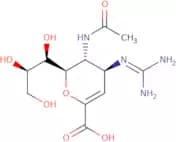
CAS:<p>Potent and selective inhibitor of influenza A and B sialidases (neuraminidases). This compound is a sialic acid analogue that occupies viral neuraminidase active site, inhibits enzyme’s hydrolytic activity and cleavage of sialic acid residues from host cell surface glycans. It therefore prevents shedding newly produced virions from infected cell surface and reduces infection of surrounding cells.</p>Fórmula:C12H20N4O7•(H2O)xPureza:Min. 95%Cor e Forma:White PowderPeso molecular:332.31 g/molSpermidine phosphate salt hexahydrate
CAS:Produto Controlado<p>Spermidine phosphate salt hexahydrate is a reaction component, reagent, useful scaffold, and high quality research chemical. It is a versatile building block that can be used as a fine chemical or speciality chemical. Spermidine phosphate salt hexahydrate is CAS No. 23273-82-7 and has the following properties: soluble in water; slightly soluble in methanol; insoluble in ether and chloroform. This product is an intermediate for complex compounds such as aminopyrimidines, quinazolinones, and nitroimidazoles.</p>Fórmula:(C7H19N3)2•(H2O)6•(H3O4P)3Pureza:Min. 95%Cor e Forma:White PowderPeso molecular:692.57 g/molErgotamine D-tartrate
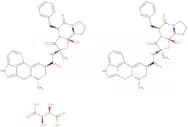
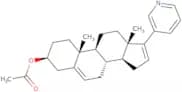
CAS:Produto Controlado<p>Ergotamine D-tartrate is a drug that belongs to the group of nonsteroidal anti-inflammatory drugs. It is used in the treatment of migraine and other headaches. Ergotamine D-tartrate inhibits the production of nitric oxide, which has been shown to be involved in the process of angiogenesis. This drug also has long-term efficacy for headaches and migraines, as well as an anti-migraine effect. Ergotamine D-tartrate binds to specific receptors on neurons called alpha2 adrenergic receptors, which are located on blood vessels in the brain and have been implicated in migraine pathophysiology. These receptors are not present on vessels elsewhere in the body, which makes ergotamine a more selective drug for migraine than other nonsteroidal anti-inflammatory drugs.</p>Fórmula:(C33H35N5O5)2•C4H6O6Pureza:Min. 95%Peso molecular:1,313.44 g/molAbiraterone acetate
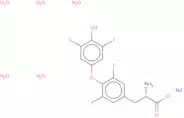
CAS:Produto Controlado<p>CYP17 enzyme inhibitor</p>Fórmula:C26H33NO2Pureza:Min. 98 Area-%Cor e Forma:PowderPeso molecular:391.55 g/molL-Thyroxine sodium pentahydrate
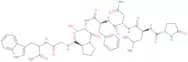
CAS:<p>L-Thyroxine sodium pentahydrate is an organic chemical compound that belongs to the group of thyroxine compounds. It is a white, crystalline solid with a molecular formula of C5H11NNaO4S. L-Thyroxine sodium pentahydrate is used in research as a reagent, scaffold, and intermediate, and can be used as a building block for other chemicals. This chemical has many different uses because it is versatile and reacts easily with other compounds.</p>Fórmula:C15H20I4NNaO9Cor e Forma:PowderPeso molecular:888.93 g/molCrustacean Erythrophore Concentrating Hormone Pyr-Leu-Asn-Phe-Ser-Pro-Gly-Trp-NH2
CAS:<p>Crustacean Erythrophore Concentrating Hormone Pyr-Leu-Asn-Phe-Ser-Pro-Gly-Trp-NH2 is a polypeptide hormone that belongs to the family of peptide hormones. It is a type of neurohormone that has been found in crustaceans. Crustacean Erythrophore Concentrating Hormone Pyr-Leu-Asn-Phe-Ser-Pro-Gly-Trp-NH2 shows high affinity for cardiac tissue and blocks the uptake of calcium ions into cells by binding to intracellular receptors. This peptide has been shown to have neurotrophic effects, which may be due to its ability to stimulate the production of nerve growth factor (NGF).</p>Fórmula:C45H59N11O11Pureza:Min. 95%Peso molecular:930.02 g/molLead acetate trihydrate
CAS:<p>Lead acetate trihydrate is a polymerase chain reaction (PCR) reagent. It is used in the detection of DNA sequences, typically for forensic or genealogical purposes. Lead acetate trihydrate has been shown to inhibit mitochondrial membrane potential and increase the growth factor-β1 level in experimental models. It also has been shown to cause toxicological effects such as enzyme activities and plasma mass spectrometry changes in animals, as well as physiological effects such as energy metabolism and structural analysis changes, which are related to oxidative injury. The biological sample can be analyzed using chemiluminescence methods.</p>Fórmula:C4H8O4•Pb•(H2O)3Pureza:Min. 95%Cor e Forma:PowderPeso molecular:381.37 g/mol(Tyr0)-Prepro-Atrial Natriuretic Factor (104-123) (human) H-Tyr-Ser-Ser-Asp-Arg-Ser-Ala-Leu-Leu-Lys-Ser-Lys-Leu-Arg-Ala-Leu-Leu-Thr- Ala-Pro-Arg-OH
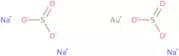
CAS:<p>(Tyr0)-Prepro-Atrial Natriuretic Factor (104-123) (human) H-Tyr-Ser-Ser-Asp-Arg-Ser-Ala-Leu-Leu-Lys-Ser-Lys-Leu-Arg-Ala-Leu-(OH)) is a fine chemical that is used as a building block in research and as a reagent. It has been shown to be an intermediate in the synthesis of various complex organic compounds, including pharmaceuticals. This compound also has many uses in organic synthesis, including as a building block for peptides and proteins. The CAS number for this compound is 309245-24 7.</p>Fórmula:C103H180N32O30Pureza:Min. 95%Cor e Forma:White PowderPeso molecular:2,346.73 g/molSodium disulfitoaurate(I) - aqueous solution
CAS:<p>Sodium disulfitoaurate(I) - aqueous solution is a triamine that is used for the chemical fixation of gold nanoparticles onto fabric. It is also used in the production of solar cells, where it serves as an absorber layer. Sodium disulfitoaurate(I) - aqueous solution has been shown to be able to remove cyanogen from the air and water, which makes it useful in the diagnosis of cyanide poisoning. This agent can be prepared by reacting hydrochloric acid with sodium sulphite or sodium hydrosulphite.</p>Fórmula:AuNa3O6S2Pureza:Min. 95%Cor e Forma:Colorless Clear LiquidPeso molecular:426.06 g/molGlycocholic acid sodium salt monohydrate
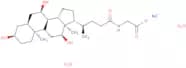
CAS:<p>Glycocholic acid sodium salt monohydrate is a compound that is used in the production of pharmaceuticals, agrochemicals, and other organic chemicals. It is also used as an intermediate to produce carboxylic acids, amino acids, and other building blocks. Glycocholic acid sodium salt monohydrate is soluble in water and has a high boiling point. It can be used for reactions with alcohols and amines to form esters or amides respectively. This compound can be used as a reagent for the synthesis of peptides, proteins, carbohydrates, and nucleosides. Glycocholic acid sodium salt monohydrate has been shown to have anti-inflammatory properties by inhibiting prostaglandin biosynthesis.</p>Fórmula:C26H42NO6Na·H2OPureza:Min. 95%Cor e Forma:White PowderPeso molecular:505.62 g/molrac-Metoprolol hemitartrate
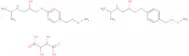
CAS:Produto Controlado<p>Metoprolol is a beta-adrenergic receptor blocker that is used in the treatment of high blood pressure and congestive heart failure. It also has an effect on the regulation of energy metabolism, decreasing myocardial oxygen consumption, and increasing myocardial contractility. The drug binds to erythrocyte membrane proteins, including albumin and alpha-1-acid glycoprotein, which are responsible for transporting metoprolol from plasma to the tissue. Metoprolol succinate is a prodrug that is metabolized by esterases to release metoprolol in vivo. Metoprolol has been shown to reduce systolic blood pressure in patients with hypertension. It has been found to be effective in reducing symptoms of cardiac arrhythmias, such as atrial fibrillation or ventricular tachycardia, when combined with other antiarrhythmic drugs. Metoprolol can also be used for the treatment of metabolic disorders such</p>Fórmula:C34H56N2O12Cor e Forma:White PowderPeso molecular:684.81 g/molN-Ethyl-N-(2-hydroxy-3-sulfopropyl)-3-methylaniline sodium salt dihydrate
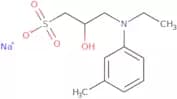
CAS:<p>N-Ethyl-N-(2-hydroxy-3-sulfopropyl)-3-methylaniline sodium salt dihydrate (NMS) is a functional group with a side effect profile that is characterized by low incidence of adverse events. This drug has been shown to be well tolerated in clinical use, and there is evidence that it may be useful for the treatment of infectious diseases. Clinical studies have demonstrated that NMS can improve fatty acid and cholesterol levels, as well as reducing carnitine palmitoyltransferase activity. These effects are due to the inhibition of lipoprotein lipase, cholesterol esterase and carnitine palmitoyltransferase enzymes. In addition, NMS has been shown to be effective against dermatitis caused by atopic dermatitis or psoriasis.</p>Fórmula:C12H18NNaO4S·2H2OPureza:Min. 98 Area-%Cor e Forma:White PowderPeso molecular:331.36 g/molIpratropium bromide
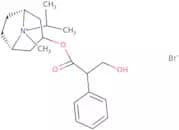
CAS:<p>Muscarinic antagonist</p>Fórmula:C20H30BrNO3Pureza:Min. 95%Cor e Forma:PowderPeso molecular:412.36 g/mol