Outros
Foram encontrados 6270 produtos de "Outros"
Ordenar por
Pureza (%)
0
100
|
0
|
50
|
90
|
95
|
100
4-Nitrophenyl phosphate mono(2-amino-2-ethyl-1,3-propanediol) salt monohydrate
CAS:<p>4-Nitrophenyl phosphate mono(2-amino-2-ethyl-1,3-propanediol) salt monohydrate is a chromogenic substrate that can be used to detect the presence of alkaline phosphatase. It is also used in food testing and diagnostics. 4NPPMD is a substrate for the enzyme alkaline phosphatase, which has been shown to play a role in the inflammatory response. The production of 4NPPMD by bacteria in the environment can be detected with chemiluminescence or bioluminescence. This product has been shown to react with both horseradish peroxidase and alkaline phosphatase, as well as other enzymes that are involved in metabolic pathways. This substrate also has high purity and fluorescence properties.</p>Fórmula:C11H21N2O9PPureza:Min. 95 Area-%Peso molecular:356.26 g/molCalcium 2-naphthylphosphate
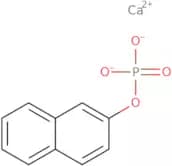
CAS:<p>Calcium 2-naphthylphosphate, which is the calcim salt of 2-naphthylphosphate, is a chromogenic substrate to measure alkaline phosphatase activity. After enzymatic cleavage, the product yielded (2-naphthol) generates a red-colored complex upon reaction with a diazonium salt like Fast Blue RR or Fast Garnet GBC.</p>Pureza:(%) Min. 95%Cor e Forma:PowderPeso molecular:282.24 g/mol2-Chloro-4-nitrophenyl phosphate
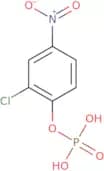
CAS:<p>2-Chloro-4-nitrophenyl phosphate is a chromogenic substrate for phosphatases. Afer cleavage of the substrate, 2-chloro-4-nitrophenol is released, which can be quantified at 405 nm. 2-Chloro-4-nitrophenyl phosphate is used in clinical diagnostics to for prostate cancer, diagnosis of liver and bone diseases.</p>Fórmula:C6H5ClNO6PPureza:Min. 95 Area-%Peso molecular:253.53 g/mol3-Indoxyl caprylate
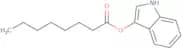
CAS:<p>3-Indoxyl caprylate is a chemiluminescent substrate that is used in the detection of bacteria. It has been shown to be a very sensitive and selective fluorogenic substrate for the detection of bacterial activity, which can be used with an appropriate enzyme reaction. 3-Indoxyl caprylate has also been shown to be a potent quencher of bioluminescence, and can be used as a chromogenic substrate in diagnostic assays. 3-Indoxyl caprylate is often used as a culture media supplement or food additive to enhance its growth properties. It has been found to have high purity and quality levels, making it suitable for use in diagnostics and research.</p>Pureza:Min. 95%Peso molecular:259.34 g/molBCM® O157:H7(+)
<p>BIOSYNTH Culture Medium for the isolation andidentification of Escherichia coli O157:H7</p>5-Bromo-6-chloro-3-indoxyl-3-acetate
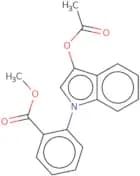
CAS:<p>Chromogenic substrate for carboxylesterase yielding a magenta precipitate upon cleavage. Mainly used in histochemistry.</p>Fórmula:C10H7BrClNO2Pureza:Min. 98.0 Area-%Peso molecular:288.53 g/molRef: 3D-B-6304
1gA consultar5gA consultar10gA consultar500mgA consultar2500mgA consultar-Unit-ggA consultar2-Nitrophenyl α-D-glucopyranoside
CAS:<p>2-Nitrophenyl a-D-glucopyranoside is a chromogenic substrate commonly used to assay the activity of glucosidases. Upon cleavage of the glycosidic bond by glucosidases, the released 2-nitrophenyl group yields a yellow color detectable by spectrophotometry. This substrate has high sensitivity and is widely used in a variety of applications, including drug discovery and enzyme kinetics studies.</p>Fórmula:C12H15NO8Pureza:Min. 95%Cor e Forma:White to off-white solid.Peso molecular:301.25 g/mol2-Naphthyl-β-D-galactopyranoside
CAS:<p>2-Naphthyl-β-D-galactopyranoside is a substrate for β-galactosidase. 2-Naphthol is released upon hydrolyzation. By simultaneous coupling with a suitable staining reagent, such as hexazonium p-rosaniline, the corresponding reddish-brown azo-dye is formed. Naphthols can also be detected by fluorescence analysis.</p>Fórmula:C16H18O6Pureza:Min. 99 Area-%Peso molecular:306.32 g/mol5-Bromo-6-chloro-3-indoxyl phosphate, disodium salt monohydrate
CAS:<p>5-Bromo-6-chloro-3-indoxyl phosphate, disodium salt monohydrate is a substrate used to visualize phosphatase activity via showing magenta colored end product when used with Nitroblue Tetrazolium.</p>Fórmula:C8H6BrClNNa2O5PPureza:Min. 99.0 Area-%Peso molecular:388.45 g/mol6-Bromo-2-naphthyl-2-acetamido-2-deoxy-β-D-glucopyranoside
CAS:<p>6-Bromo-2-naphthyl 2-acetamido-2-deoxy-beta-D-glucopyranoside is a chromogenic substrate used for the detection of chitinase activity. Upon hydrolysis by chitinase, it releases a yellow-brown color, which is easily detected by spectrophotometry. This substrate has been used to study chitinases in various organisms, including bacteria, fungi, and insects. It can also be used to quantitate chitinase activity in various biological samples.</p>Fórmula:C18H20BrNO6Peso molecular:426.26 g/mol2-O-(4-Nitrophenyl)-a-D-N-acetylneuraminic acid ammonium salt
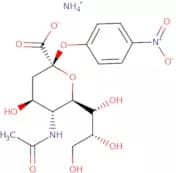
CAS:<p>2-O-(4-Nitrophenyl)-a-D-N-acetylneuraminic acid ammonium salt is a chromogenic substrate commonly used in the detection and quantification of sialidase activity. Sialidases are a family of enzymes that hydrolyze sialic acid residues from glycoconjugates. This substrate is used to detect bacterial and viral sialidases, which play an important role in pathogen infectivity. The ammonium salt form of the substrate is preferred for its solubility in water-based assay systems.</p>Pureza:Min. 95%Peso molecular:447.39 g/mol(5α)-17-(3-Pyridinyl)androst-16-en-3-one
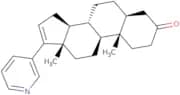
CAS:Produto Controlado<p>(5α)-17-(3-Pyridinyl)androst-16-en-3-one is a natural metabolite of testosterone that is produced in the liver. It has been identified as an impurity in API, which can be found in drugs used for the treatment of high blood pressure and prostate cancer. (5α)-17-(3-Pyridinyl)androst-16-en-3-one is not active as a drug itself, but it can be used as a standard to study the metabolism of testosterone and other steroids.</p>Fórmula:C24H31NOPureza:Min. 98 Area-%Cor e Forma:White PowderPeso molecular:349.51 g/mol4-Nitrophenyl 2-acetamido-2-deoxy-3-O-(b-D-galactopyranosyl)-b-D-glucopyranoside
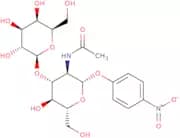
CAS:<p>Chromogenic substrate for fucosyltransferases</p>Fórmula:C20H28N2O13Pureza:Min. 98 Area-%Cor e Forma:White PowderPeso molecular:504.44 g/mol5-Iodo-3-indolyl-b-D-galactopyranoside-6-sulfate sodium salt
<p>5-Iodo-3-indolyl-b-D-galactopyranoside-6-sulfate sodium salt is a high purity, water soluble fluorogenic substrate for the detection of beta-galactosidase activity. This product is used in food testing, environmental testing, and diagnostics. 5-Iodo-3-indolyl-b-D-galactopyranoside (5IIAG) is a beta galactosidase substrate that provides a convenient method for determining beta galactosidase activity. This product is also used as an indicator to measure the rate of hydrolysis of ester bonds in other compounds that contain acid functional groups such as glycerides and oils.</p>Pureza:Min. 95%Peso molecular:523.24 g/molChlorophenol red β-D-galactopyranoside sodium salt
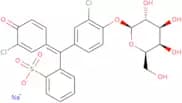
CAS:<p>Chlorophenol red beta-D-galactopyranoside sodium salt is a water soluble, colorless salt that is used as a substrate for the reduction of contaminants in soil and water. It can be used to measure the activity of microorganisms in the environment and has been shown to inhibit growth of certain bacteria, such as methylotrophic bacteria. Chlorophenol red beta-D-galactopyranoside sodium salt is also used in biological treatment systems. This product can be mixed with other substances in order to regulate the microbial population and reduce nutrients.</p>Fórmula:C25H21Cl2NaO10SPureza:Min. 96.0 Area-%Peso molecular:607.40 g/molAldol® 515 phosphate, disodium salt, Biosynth Patent: EP 2427431 and US 8940909
CAS:<p>Aldol® 515 phosphate is a chromogenic and fluorogenic enzyme substrate used for detection of phosphatase activity. The colorless enzyme substrate is cleaved by acid and alkaline phosphatases secreted by bacteria in liquid or solid media, yielding intense red color and red fluorescence. Aldol® 515 phosphate can also be used in Western blots and other immunoassay applications with phosphatase-coupled secondary antibodies. Aldol® 515 phosphate can be used under aerobic and anaerobic conditions.</p>Fórmula:C23H19N2Na2O5PPureza:Min. 95 Area-%Peso molecular:480.36 g/mol5-Bromo-4-chloro-1H-indol-3-yl-β-D-cellotetraoside
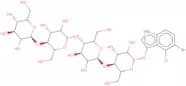
<p>5-Bromo-4-chloro-1H-indol-3-yl-b-D-cellotetraoside is a chromogenic substrate used to detect the specific enzymatic activity of cellulase. After cleavage, 5-bromo-4-chloro-indoxyl is released, resulting in a blue to blue-green color change in bacterial colonies or media. 5-Bromo-4-chloro-1H-indol-3-yl-b-D-cellotetraoside is used in bacterial cellulase detection and biomass conversion research.</p>Fórmula:C32H45BrClNO21Pureza:Min. 95%Cor e Forma:PowderPeso molecular:895.05 g/molAldol® 484 β-D-glucopyranoside, Biosynth Patent: EP 2427431 and US 8940909
CAS:<p>Aldol® 484 beta-D-glucopyranoside is a chromogenic and fluorogenic enzyme substrate used for detection of ?-glucosidase activity. The colorless enzyme substrate is cleaved by bacteria producing ?-glucosidase in liquid or solid media, yielding intense red color and green fluorescent signal. Aldol® 484 beta-D-glucopyranoside can be used under aerobic and anaerobic conditions.</p>Fórmula:C26H24ClFN2O7Pureza:Min. 95.0 Area-%Peso molecular:530.93 g/mol5-Bromo-3-indoxyl nonanoate
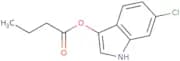
CAS:<p>Chromogenic substrate for esterase with C9 activity yielding a lapis colored precipitate upon cleavage.</p>Fórmula:C17H22BrNO2Pureza:Min. 99 Area-%Peso molecular:352.28 g/mol6-Chloro-3-indoxyl butyrate
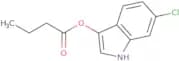
CAS:<p>6-Chloro-3-indoxyl butyrate is a chemiluminescent substrate that is used in diagnostics and research. It has been shown to be an excellent ligand for the detection of DNA and protein. 6-Chloro-3-indoxyl butyrate can also be used as a chromogenic substrate for the detection of alkaline phosphatase, acid phosphatase, or beta-galactosidase. This product is also used in food testing, enzyme substrates, and fluorogenic substrates.</p>Fórmula:C12H12ClNO2Pureza:Min. 99.0 Area-%Peso molecular:237.69 g/mol5-Bromo-4-chloro-3-indolyl a-L-arabinofuranoside
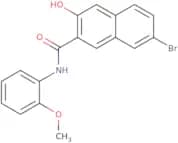
<p>5-Bromo-4-chloro-3-indolyl a-L-arabinofuranoside is a chromogenic substrate used to detect the specific enzymatic activity of alpha-L-arabinofuranosidase. After cleavage, 5-bromo-4-chloro-indoxyl is released, resulting in a blue to blue-green color change in bacterial colonies or media. 5-Bromo-4-chloro-3-indolyl a-L-arabinofuranoside is used in bacterial arabinan degradation assays (e.g. Bacillus spp.).</p>Fórmula:C13H13BrClNO5Pureza:Min. 98.0 Area-%Cor e Forma:PowderPeso molecular:378.6 g/molNaphthol AS-BI
CAS:<p>Chromogenic substrate for alkaline and acid phosphatase</p>Fórmula:C18H14BrNO3Pureza:Min. 95%Peso molecular:372.21 g/mol4-(Hydroxymethyl)phenyl-β-D-glucopyranoside tetraacetate
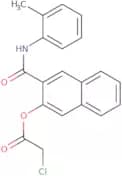
CAS:<p>4-(Hydroxymethyl)phenyl-beta-D-glucopyranoside tetraacetate is a drug that has been shown to have antidiabetic effects in diabetic patients. It has been shown to inhibit tyrosinase activity and increase the production of gamma-aminobutyric acid (GABA) in brain cells. This compound also has a protective effect against glutamate toxicity, and is being studied as a potential treatment for epilepsy. 4-(Hydroxymethyl)phenyl-beta-D-glucopyranoside tetraacetate inhibits the production of tyrosinase, which is an enzyme responsible for the conversion of tyrosine to melanin. This process can be inhibited by inhibiting tyrosinase activity with 4-(hydroxymethyl)phenyl-beta-D-glucopyranoside tetraacetate.</p>Fórmula:C21H26O11Peso molecular:454.43 g/molNaphthol AS-D chloroacetate
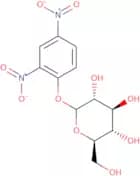
CAS:<p>Histochemical substrate for esterase</p>Fórmula:C20H16ClNO3Pureza:Min. 98 Area-%Cor e Forma:PowderPeso molecular:353.8 g/mol2,4-Dinitrophenyl β-D-glucopyranoside
CAS:<p>2,4-Dinitrophenyl-beta-D-glucopyranoside is a chromogenic substrate used to assay enzymes, such as glucosidases. These enzymes catalyze the hydrolysis of glycosidic bonds in sugars.</p>Fórmula:C12H14N2O10Pureza:Min. 95%Cor e Forma:PowderPeso molecular:346.25 g/mol4-Nitrophenyl-α-D-glucopyranoside
CAS:<p>Chromogenic substrate for α-D-glucosidase yielding a yellow solution upon cleavage. Also used for the detection of glucansucrases and for yeast α-D-glucosidase and for studies of the crystal structure of the complexes of concanavalin A.</p>Fórmula:C12H15NO8Pureza:Min. 98.0 Area-%Peso molecular:301.26 g/molN-Acetyl-5-bromo-3-indoxyl-2,3,4-tri-O-acetyl-β-D-glucuronic acid methyl ester
<p>N-Acetyl-5-bromo-3-indoxyl-2,3,4-tri-O-acetyl-beta-D-glucuronic acid methyl ester is a chromogenic substrate that can be used for the detection of bile acids and bilirubin in food testing. It is a conjugate of an acetylated 2,3,4 triacetyl glucuronic acid methyl ester with 5 bromo 3 indoxyl. This product has high purity and high quality.</p>Fórmula:C23H24BrNO11Pureza:Min. 98.0 Area-%Peso molecular:570.34 g/molRef: 3D-A-0702
5gA consultar10gA consultar25gA consultar50gA consultar2500mgA consultar-Unit-ggA consultar5-Bromo-4-chloro-3-indolyl 5-O-feruloyl a-L-arabinofuranoside
<p>5-Bromo-4-chloro-3-indolyl 5-O-feruloyl a-L-arabinofuranoside is a chemiluminescent ligand that is used in the detection of DNA, RNA, and proteins. It has been shown to be an efficient fluorescence substrate for DNA and RNA polymerases. 5-Bromo-4-chloro-3-indolyl 5-O-feruloyl a-L-arabinofuranoside is suitable for use in diagnostic tests for bacteria, fungi, viruses, parasites, and toxins. This compound has been extensively tested for toxicity and carcinogenicity.</p>Pureza:Min. 95%8-Hydroxyquinoline b-D-glucopyranoside
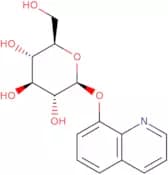
CAS:<p>8-Hydroxyquinoline b-D-glucopyranoside (8-OHG-glu) is a chromogenic enzyme substrate commonly used to detect the presence of beta-glucosidase in biological samples. When hydrolyzed by beta-glucosidase, 8-OHG-glu produces a yellow-orange color, indicating the presence of the enzyme. This substrate is particularly useful for measuring beta-glucosidase activity in soil and plant samples.</p>Fórmula:C15H17NO6Pureza:Min. 95%Cor e Forma:PowderPeso molecular:307.3 g/mol5-Bromo-3-indoxyl choline phosphate
<p>Please enquire for more information about 5-Bromo-3-indoxyl choline phosphate including the price, delivery time and more detailed product information at the technical inquiry form on this page</p>Fórmula:C13H18BrN2O4PPeso molecular:377.18 g/molAldol® 514 inositol-phosphate, ammonium salt, Biosynth Patent: EP 2427431 and US 8940909
CAS:<p>Aldol® 514 inositol-phosphate is a chromogenic enzyme substrate used for detection of phosphatidylinositol specific phospholipase C (PI-PLC, EC 4.6.1.13). The colorless enzyme substrate is cleaved by PI-PLC positive microorganisms, yielding a red-orange color. The substrate thus enables the detection and identification of various bacteria, such as, pathogenic strains of Listeria, Clostridium, Bacillus, and Staphylococcus. Aldol® 514 inositol-phosphate is suitable for use under aerobic and anaerobic conditions.</p>Fórmula:C26H28BrClN3O10PPureza:Min. 95.0 Area-%Peso molecular:688.85 g/mol5-Bromo-4-chloro-3-indoxyl-β-D-glucuronic acid, cyclohexylammonium salt monohydrate
CAS:<p>Chromogenic substrate for β-glucuronidase (GUS) yieldinga blue precipitate. It is used for detection of GUS+ bacterial colonies and has been reported as chromogenic substrate in a number of chromogenic E. coli / coliform culture media. About 95% of common E. coli possess β-D-glucuronidase activity. Such chromogenic culture media are used for detection and enumeration of E. coli in food samples such as meat, dairy products, shellfish and have clinical applications in the assessment of urinary infections. It has gained international acceptance as highly accurate test for the presence of E. coli in drinking water samples. It is also used for the detection of the expression of GUS (E. coli β-glucuronidase) gene fusion marker constructs in plants.</p>Fórmula:C20H28BrClN2O8Pureza:Min. 99.0 Area-%Peso molecular:539.81 g/molAldol® 518 β-D-glucuronic acid, Biosynth Patent: EP 2427431 and US 8940909
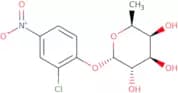
CAS:<p>Aldol® 518 beta-D-glucuronic acid is a chromogenic and fluorogenic enzyme substrate used for detection of beta-glucuronidase activity, yielding red colour and red fluorescence. Living cells of Escherichia coli can be reliably detected with Aldol® 518 beta-D-glucuronic acid-containing media. Aldol® 518 beta-D-glucuronic acid can be also used in GUS reporter assays, e.g. in plant biotechnology. Aldol® 518 beta-D-glucuronic acid is suitable for use in liquid and solid media, under aerobic as well as anaerobic conditions.</p>Fórmula:C29H27ClN2O8Pureza:Min. 95 Area-%Peso molecular:566.99 g/mol2-Chloro-4-nitrophenyl-α-L-fucopyranoside
CAS:<p>Alternative chromogenic substrate for alpha-D-galactosidase</p>Fórmula:C12H14ClNO7Pureza:Min. 98 Area-%Cor e Forma:White PowderPeso molecular:319.69 g/molBCM® Histamine-producing bacteria Broth
<p>Growth medium for the detection of histamine-producing bacteria in food and water samples. The medium contains an indicator that turns orange/red (absorbance at 555 nm) due to metabolites released by histidine decarboxylase. The BCM® Histamine-producing bacteria Broth contains tryptone (FT09555) and yeast extract, together with the chromogenic agent. High-level histamine-producing bacteria yield orange to red coloration in less than 2 days and even after 24 hours, while cultures of other bacteria remain yellow.</p>Pureza:Min. 95%5-Bromo-4-chloro-3-indoxyl phosphate, dilithium salt hydrate
<p>5-Bromo-4-chloro-3-indoxyl phosphate, dilithium salt hydrate is a chromogenic substrate used to detect the specific enzymatic activity of alkaline phosphatase. After cleavage, 5-bromo-4-chloro-indoxyl is released, resulting in a blue to blue-green color change in bacterial colonies or media. 5-Bromo-4-chloro-3-indoxyl phosphate, dilithium salt hydrate is used in ELISA and molecular biology assays such as lacZ reporter systems.</p>Fórmula:C8H4BrClLi2NO4P(anhydrousbasis)Pureza:Min. 98 Area-%Cor e Forma:PowderPeso molecular:338.34 g/mol5-Nitro-3-indolyl-b-D-galactopyranoside
<p>5-Nitro-3-indolyl-b-D-galactopyranoside is a substrate for a number of enzymes, including beta-galactosidase, beta-glucuronidase, and beta-mannosidase. It is used as an enzyme substrate in diagnostics to measure the activity of these enzymes. 5N3IG was also used to study the effects of conjugation on enzyme activity. 5N3IG is available in high purity and high quality at CAS No.</p>Pureza:Min. 95%2-Chloro-4-nitrophenyl-β-D-cellotetraoside
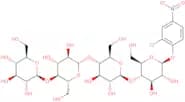
CAS:<p>2-chloro-4-nitrophenyl-beta-D-cellotetraoside is a chromogenic substrate for measuring cellulase activity and other glycosyl hydrolases. The release of 2-chloro-4-nitrophenol can be detected at 405 nm.</p>Fórmula:C30H44ClNO23Pureza:Min. 95%Cor e Forma:PowderPeso molecular:822.12 g/mol5-Bromo-4-chloro-3-indoxyl-N-acetyl-β-D-glucosaminide
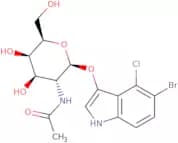
CAS:<p>Chromogenic substrate for N-acetyl-β-D-glucosaminidase yielding a blue precipitate. Contained in certain mycological culture media. Used in histochemistry.</p>Fórmula:C16H18BrClN2O6Pureza:Min. 99.5 Area-%Peso molecular:449.69 g/molAldol® 458 acetate, Biosynth Patent: EP 2427431 and US 8940909
CAS:Produto Controlado<p>Aldol 458 acetate is a fluoroquinolone antibiotic. It is an enzyme substrate that can be used in the detection of β-galactosidase, alkaline phosphatase, and other enzymes. Aldol 458 acetate can be used for the detection of β-galactosidase by chemiluminescence or bioluminescence. It has been shown to have high purity and high quality as well as being a ligand that can be conjugated with a fluorescent dye to provide a fluorescent substrate. Aldol 458 acetate can also be used in culture media for the growth of bacteria. It has been shown to have strong inhibitory effects on Escherichia coli, Bacillus subtilis, Pseudomonas aeruginosa, and Staphylococcus aureus.</p>Fórmula:C18H15NO4Pureza:Min. 95%Cor e Forma:PowderPeso molecular:309.32 g/mol4-Nitrophenyl β-D-xylobioside
CAS:<p>4-Nitrophenyl beta-D-xylobioside is a chromogenic substrate for xylanase. Upon hydrolysis, para-nitrophenol is released yielding a yellowish colour. 4-Nitrophenyl beta-D-xylobioside is used in different applications such as the Xylan degradation studies, paper/pulp industry applications</p>Fórmula:C16H21NO11Pureza:Min. 95%Cor e Forma:White PowderPeso molecular:403.34 g/mol4-Nitrophenyl 4,6-benzylidene-α-D-maltoheptaoside
CAS:<p>4-Nitrophenyl 4,6-benzylidene-alpha-D-maltoheptaoside is a chromogenic substrate for alpha-amylase. Upon hydrolysis, para-nitrophenol is released yielding a yellowish colour. 4-Nitrophenyl 4,6-benzylidene-alpha-D-maltoheptaoside is used in different applications such as the Starch digestion studies, industrial enzyme optimization</p>Fórmula:C55H79NO38Pureza:Min. 95%Cor e Forma:PowderPeso molecular:1,362.2 g/mol6-Chloro-3-indolyl butyrate
CAS:<p>6-Chloro-3-indolyl butyrate is a chromogenic substrate for lipases. Use in lipid digestion and metabolism studies, it produces a salmon-pink color when 6-chloro-3-indolyl is released after enzymatic cleavage.</p>Fórmula:C12H12ClNO2Pureza:Min. 95%Cor e Forma:PowderPeso molecular:237.68 g/mol4-Nitrophenyl-N-acetyl-α-D-glucosaminide
CAS:<p>4-Nitrophenyl-N-acetyl-α-D-glucosaminide is a chromogenic substrate for N-acetyl-β-D-glucosaminidase yielding a yellow solution upon cleavage.</p>Fórmula:C14H18N2O8Peso molecular:342.31 g/molRef: 3D-N-4030
1gA consultar100mgA consultar250mgA consultar500mgA consultar2500mgA consultar-Unit-ggA consultar1-Naphthyl β-D-mannopyranoside
CAS:<p>1-Naphthyl β-D-mannopyranoside is a chromogenic (also fluorogenic) substrate. After cleavage, 1-naphthol is released and is used to quantify beta-mannosidase activity.</p>Fórmula:C16H18O6Pureza:Min. 95%Cor e Forma:PowderPeso molecular:306.31 g/mol3-Nitrophenyl b-D-galactopyranoside
CAS:<p>Chromogenic substrate targeting beta-galactosidase</p>Fórmula:C12H15NO8Cor e Forma:PowderPeso molecular:301.25 g/mol2-Nitrophenyl butyrate
CAS:<p>2-Nitrophenyl butyrate is a chromogenic enzyme substrate that is commonly used in enzymatic assays to detect lipases and esterases. When hydrolyzed by these enzymes, the substrate yields a yellow product that can be detected spectrophotometrically at 405 nm. The advantage of using 2-nitrophenyl butyrate is its high sensitivity and specificity for detecting lipolytic and esterolytic activities. This substrate is widely used in various applications, including enzyme kinetics studies, inhibitor screening, and the determination of esterase activity in biological samples such as serum, plasma, and cell lysates.</p>Fórmula:C10H11NO4Pureza:Min. 95%Cor e Forma:Clear LiquidPeso molecular:209.2 g/mol5-Bromo-4-chloro-3-indoxyl oleate
CAS:<p>5-Bromo-4-chloro-3-indoxyl oleate is a fluorescent substrate that is used for staining and enzyme substrate. It is a conjugate that is used in environmental testing, food testing, and diagnostics. 5-Bromo-4-chloro-3-indoxyl oleate has a CAS number of 341972-97-2 and its molecular weight is 229.5 g/mol. It's purity is > 98%, with a specific optical rotation of +147° (c=1, CHCl3). This compound can be used as a chromogenic or fluorogenic substrate in bioluminescence assays. 5BRIO3 has been shown to be an excellent ligand for the detection of DNA polymerase I activity.</p>Fórmula:C26H37BrClNO2Pureza:Min. 98 Area-%Peso molecular:510.95 g/molAldol® 515 caprylate solution, 0.50 M in DMSO, Biosynth Patent: EP 2427431 and US 8940909
CAS:<p>Aldol® 515 caprylate is a chromogenic and fluorogenic enzyme substrate used for detection of lipase activity. The colorless enzyme substrate is cleaved by C8 esterases, yielding development of red coloration. In addition, red fluorescence is generated when Aldol® 355 fluorescence enhancer or a suitable matrix is present. Aldol® 515 caprylate can be used in enzyme assays and live bacterial cultures. Aldol® 515 caprylate is suitable for use in liquid and solid media, under aerobic as well as anaerobic conditions.</p>Fórmula:C31H34N2O3Pureza:Min. 95%Cor e Forma:Clear Liquid PowderPeso molecular:482.62 g/mol4-Nitrophenyl-β-D-maltopyranoside
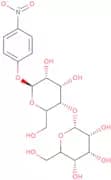
CAS:<p>Chromogenic β-maltosidase substrate yielding a yellow solution upon cleavage.</p>Fórmula:C18H25NO13Pureza:Min. 99.0 Area-%Peso molecular:463.40 g/molRef: 3D-N-4492
1gA consultar5gA consultar10gA consultar500mgA consultar2500mgA consultar-Unit-ggA consultar2-Nitrophenyl-N-acetyl-β-D-glucosaminide
CAS:<p>Chromogenic β-Glucosaminidase substrate yielding a yellow absorbent solution upon cleavage.</p>Fórmula:C14H18N2O8Pureza:Min. 99 Area-%Peso molecular:342.31 g/molPhosphoric acid, mono(4-nitrophenyl) ester
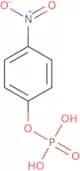
CAS:<p>Phosphatase substrate</p>Fórmula:C6H6NO6PPureza:Min. 95%Cor e Forma:White PowderPeso molecular:219.09 g/mol4-Nitrophenyl a-D-thiomannopyranoside
CAS:<p>4-Nitrophenyl a-D-thiomannopyranoside is a chemiluminescence substrate that can be used to measure the activity of β-galactosidase, an enzyme involved in the hydrolysis of lactose. This product is available as a white to yellowish powder and has been shown to have high purity and quality. It also displays strong fluorescence when reacted with hydrogen peroxide and has been used for diagnostics tests such as staining, food testing, and enzyme substrate reactions.</p>Pureza:Min. 95%Peso molecular:317.32 g/mol4-Nitrophenyl 2-acetamido-2-deoxy-b-D-glucopyranoside-6-sulfate sodium salt
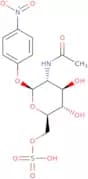
CAS:<p>4-Nitrophenyl 2-acetamido-2-deoxy-beta-D-glucopyranoside-6-sulfate sodium salt is a chromogenic substrate for N-acetylglucosamine-6-sulfatase. Upon hydrolysis, para-nitrophenol is released yielding a yellowish colour. 4-Nitrophenyl 2-acetamido-2-deoxy-beta-D-glucopyranoside-6-sulfate sodium salt is used in different applications such as the Mucopolysaccharidosis IIID (Sanfilippo D) diagnosis</p>Fórmula:C14H17N2O11S·NaPureza:Min. 95 Area-%Cor e Forma:PowderPeso molecular:444.35 g/mol3,4-Cyclohexenoesculetin β-D-galactopyranoside
CAS:<p>Chromogenic substrate for beta-galactosidase</p>Fórmula:C19H22O9Pureza:Min. 95 Area-%Cor e Forma:PowderPeso molecular:394.37 g/mol1-Naphthyl β-D-glucopyranoside
CAS:<p>1-Naphthyl β-D-glucopyranoside can be used as a chromogenic substrate for beta-glucosidases. It can also be used as a fluorogenic substrate to study carbohydrate metabolism and in screening enzyme inhitibitors in pharmacologic research.</p>Fórmula:C16H18O6Pureza:Min. 95%Cor e Forma:White Off-White PowderPeso molecular:306.31 g/mol4-Nitrophenyl 2-acetamido-2-deoxy-a-D-glucopyranoside
CAS:<p>4-Nitrophenyl 2-acetamido-2-deoxy-a-D-glucopyranoside is a chromogenic pNP substrate specifically designed for the analysis of N-acetylglucosaminidase activity. Upon enzyme action, the substrate releases 4-nitrophenol, a yellow compound that can be detected by spectrophotometric methods, providing a reliable and sensitive means of quantifying enzyme activity. This versatile substrate is widely used in biochemical studies, disease diagnostics, and the enzyme production industry.</p>Fórmula:C14H18N2O8Cor e Forma:White Off-White PowderPeso molecular:342.3 g/molAldol® 484 α-D-glucopyranoside, Biosynth Patent: EP 2427431 and US 8940909
CAS:<p>Aldol® 484 alpha-D-glucopyranoside is a chromogenic and fluorogenic enzyme substrate for ?-glucosidase activity (EC 3.2.1.20, ?-1,4-glucosidase, also known as maltase). The colorless enzyme substrate is cleaved by bacteria producing this enzyme in liquid or solid media, yielding orange color. Green fluorescence is also generated if a suitable matrix is present such as: cellulose acetate filters, polypropylene tubes or microplates and polyethylene vials. Aldol® 484 alpha-D-glucopyranoside can be used under aerobic and anaerobic conditions.</p>Fórmula:C26H24ClFN2O7Pureza:Min. 95.0 Area-%Peso molecular:530.93 g/mol5-Bromo-4-chloro-3-indoxyl phosphate, p-toluidine salt, high grade
CAS:<p>A substrate for visualising alkaline phosphatase activity. It produces a purple insoluble end product that is detected visually, when used together with nitroblue tetrazolium. The substrate system is versatile and has functions in a variety of applications, including Northern, Southern, and Western blotting, in situ hybridization, ELISAs, microarray and immunohistochemistry. DMF soluble.</p>Fórmula:C15H15BrClN2O4PPureza:Min. 98.0 Area-%Peso molecular:433.63 g/mol6-Chloro-3-indolyl 2-acetamido-2-deoxy-β-D-glucopyranoside
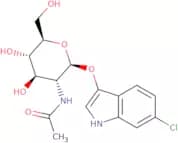
CAS:<p>6-Chloro-3-indolyl 2-acetamido-2-deoxy-b-D-glucopyranoside is a pink enzyme substrate commonly used in biochemical research and diagnostic applications. This compound is a derivative of indolyl glucopyranoside, which is known for its ability to produce a colored product upon enzymatic hydrolysis. 6-Chloro-3-indolyl 2-acetamido-2-deoxy-b-D-glucopyranoside is particularly useful for studying glycosidases, enzymes that cleave glycosidic bonds in complex carbohydrates. Its pink coloration makes it an ideal choice for colorimetric assays, enabling researchers to monitor enzyme activity in real-time and facilitating the development of new diagnostic tools and therapeutic strategies.</p>Fórmula:C16H19ClN2O6Pureza:Min. 95%Cor e Forma:White to off-white solid.Peso molecular:370.78 g/molN,N,N',N'-Tetramethyl-p-phenylenediamine dihydrochloride
CAS:<p>Reducing co-substrate for heme peroxidases; test reagent in microbiology</p>Fórmula:C10H16N2·2HClPureza:Min. 95%Cor e Forma:White PowderPeso molecular:237.17 g/molAldol® 455 β-D-glucopyranoside, Biosynth Patent: EP 2427431 and US 8940909
CAS:<p>Aldol® 455 beta-D-glucopyranoside is a chromogenic and fluorogenic enzyme substrate used for detection of beta-glucosidase activity. The colorless enzyme substrate is cleaved by beta-glucosidase producing bacteria grown in liquid or solid media, yielding a yellow color and green to orange fluorescence. Aldol® 455 beta-D-glucopyranoside can be used under aerobic and anaerobic conditions.</p>Fórmula:C27H24ClNO7Pureza:Min. 92.0 Area-%Peso molecular:509.94 g/molAldol® 458 β-D-galactopyranoside, Biosynth Patent: EP 2427431 and US 8940909
CAS:<p>Aldol® 458 beta-D-galactopyranoside is a chromogenic and fluorogenic enzyme substrate used for detection of ?-galactosidase activity. The colorless enzyme substrate is cleaved by lactose utilizing bacteria grown in liquid or solid media, yielding yellow coloration and green fluorescence. Aldol® 458 beta-D-galactopyranoside can also be used in ?-galactosidase gene reporter assays or immunoassay applications (ELISA). Aldol® 458 beta-D-galactopyranoside can be used under aerobic and anaerobic conditions.</p>Fórmula:C22H23NO8Pureza:Min. 95.0 Area-%Peso molecular:429.42 g/mol3,4-Cyclohexenoesculetine β-D-glucopyranoside
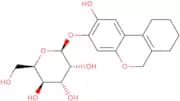
CAS:<p>Chromogenic substrate for beta-glucosidase</p>Fórmula:C19H22O9Pureza:Min. 95%Cor e Forma:PowderPeso molecular:394.37 g/molAldol® 470 L-alanine amide, acetate salt, Biosynth Patent: EP 2427431 and US 8940909
CAS:Produto Controlado<p>Aldol® 470 L-alanine amide is a chromogenic and fluorogenic enzyme substrate used for detection of L-alanine aminopeptidase activity. The colorless enzyme substrate is cleaved by L-alanine aminopeptidase, yielding orange-yellow coloration. In addition, green fluorescence is generated when Aldol® 355 fluorescence enhancer or a suitable matrix is present. Aldol® 470 L-alanine amide can also be used in enzymatic assays or within live bacterial cultures. Aldol® 470 L-alanine amide is suitable for use in liquid and solid media, under aerobic as well as anaerobic conditions.</p>Fórmula:C28H29N3O6Pureza:Min. 95.0 Area-%Peso molecular:503.55 g/molAldol® 470 butyrate, Biosynth Patent: EP 2427431 and US 8940909
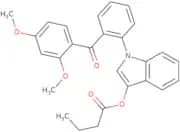
CAS:Produto Controlado<p>Aldol 470 butyrate is a chromogenic substrate for the enzyme aldolase. It can be used in diagnostics, food testing and culture media. Aldol 470 butyrate has been shown to be useful in detecting the presence of a number of different substances, including alcohols, organic acids, ketones, amines and amino acids. Aldol 470 butyrate is also an excellent ligand for determination of protein-ligand interactions. The conjugation of this product with other molecules provides an excellent tool for chemiluminescence assays. This product is also used as a fluorogenic substrate in environmental testing.</p>Fórmula:C27H25NO5Pureza:Min. 95.0 Area-%Peso molecular:443.5 g/molMemantine impurity IV
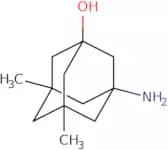
CAS:<p>Memantine impurity IV is a hydrolysis product of memantine. It appears as a white to off-white powder and has a molecular weight of 198.1 g/mol. Memantine impurity IV is an intermediate in the production of memantine and is therefore not used for any other purpose. The compound contains hydroxy groups, hydroxy, alcohols, and bridgehead groups which are efficient at hydrolyzing to form amino acids.</p>Fórmula:C12H21NO·HClPureza:Min. 95%Cor e Forma:White PowderPeso molecular:231.76 g/mol5-Bromo-6-chloro-3-indolyl-2-acetamido-2-deoxy-a-D-glucopyranoside
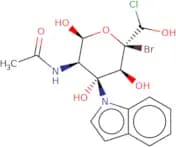
<p>5-Bromo-6-chloro-3-indolyl-2-acetamido-2-deoxy-a-D-glucopyranoside is a chemiluminescent substrate that is used as an indicator in diagnostic tests. This compound reacts with an oxidizing agent, such as hydrogen peroxide, to generate light. It is also used as a chromogenic substrate for the detection of bioluminescence and it can be applied in culture media or food testing. 5Bromo-6Chloro-3Indolyl2Acetamido2DeoxyA1DGlucopyranoside has a CAS number, which means that it meets the standards set by the Chemical Abstracts Service. It also has a high purity and quality, making it suitable for use in laboratories.</p>Pureza:Min. 95%5-Bromo-4-chloro-3-indoxyl caprylate
CAS:<p>Chromogenic substrate for esterase with C8 activity yielding a blue precipitate upon cleavage.</p>Fórmula:C16H19BrClNO2Pureza:Min. 99 Area-%Peso molecular:372.70 g/molIPTG
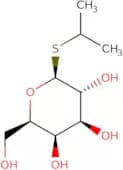
CAS:<p>Isopropyl-beta-D-thiogalactopyranoside (IPTG) is a non-metabolizable allolactose analogue, widely used in molecular biology for overexpression of recombinant proteins from inducible systems under the control of lac promoter. IPTG binds to the LacI repressor and causes its release from the lac operator, allowing gene expression of lac operon to take place. IPTG is present in vectors of pGEX, pGEM-T, pET, pRSET, pMAL class and others.</p>Fórmula:C9H18O5SPureza:Min. 99 Area-%Cor e Forma:White PowderPeso molecular:238.3 g/mol5-Bromo-4-chloro-3-indoxyl-N-acetyl-β-D-galactosaminide
CAS:<p>5-Bromo-4-Chloro-3-Indoxyl-N-Acetyl-Beta-D-Galactosaminide is a chromogenic substrate for detecting beta-galactosidase and GalNAc-transferase enzymes. Upon hydrolysis by the enzyme, it produces a blue-green colored compound that can be detected visually or measured spectrophotometrically. This substrate is useful in characterizing the activity of Beta-Galactosidase and GalNAc-transferase enzymes involved in glycobiology research and diagnostic applications.</p>Fórmula:C16H18BrClN2O6Pureza:Min. 98 Area-%Cor e Forma:Crystalline PowderPeso molecular:449.68 g/mol4-Nitrophenyl 2-acetamido-2-deoxy-4-O-(β-D-galactopyranosyl)-β-D-glucopyranoside
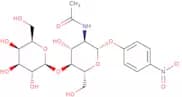
CAS:<p>4-Nitrophenyl 2-acetamido-2-deoxy-4-O-(b-D-galactopyranosyl)-b-D-glucopyranoside is an efficient chromogenic pNP enzyme substrate ideal for monitoring enzyme activity and understanding carbohydrate metabolism. This galacto-glucoside compound is designed specifically for use with glycosidases such as hexosaminidases and delivers unparalleled performance in your enzymatic assays.</p>Fórmula:C20H28N2O13Pureza:Min. 95%Cor e Forma:White PowderPeso molecular:504.44 g/mol5-Bromo-4-chloro-3-indoxyl myo-inositol-1-phosphate, ammonium salt
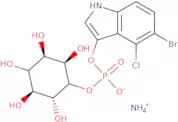
CAS:<p>This product is designed for the sensitive color detection andidentification of various bacteria, such as pathogenic strains of Listeria, Clostridium, Bacillus and Staphylococcus. 5-Bromo-4-chloro-3-indoxyl myo-inositol-1-phosphate (X-phos-inositol; X-IP) is a chromogenic indicator for phosphatidyl-inositol specific phospholipase C(PI-PLC, EC 4.6.1.13). The colorless product is cleaved by PI-PLC positive microorganisms in liquid media or on solid culture media and yields a blue-green color precipitate.</p>Fórmula:C14H19BrClN2O9PPureza:Min. 90.0 Area-%Peso molecular:505.64 g/mol2-Nitrophenyl b-D-fucopyranoside
CAS:<p>2-Nitrophenyl b-D-fucopyranoside is a chromogenic substrate used in various enzymatic assays to detect the presence of fucosidase enzymes. It consists of a nitrophenyl group attached to a fucose sugar molecule. When acted upon by enzymes such as fucosidases, it releases the colored nitrophenyl group, which can be detected using spectrophotometry.</p>Fórmula:C12H15NO7Pureza:Min. 95%Cor e Forma:White Off-White PowderPeso molecular:285.25 g/molAldol® 518 palmitate, Biosynth Patent: EP 2427431 and US 8940909
<p>Aldol 518 Palmitate is a high purity and high quality, bioluminescent substrate for use in diagnostic applications. Aldol 518 Palmitate is an enzyme substrate that is used for the detection of hydrogen peroxide through chemiluminescence or bioluminescence. It can be used in the diagnosis of bacterial infections and to test food products for spoilage. The enzyme substrate has a CAS number of 646-12-2.</p>Fórmula:C39H49ClN2O3Pureza:Min. 95 Area-%Peso molecular:629.28 g/mol2-Chloro-4-nitrophenyl 4-O-b-D-galactopyranosylmaltoside
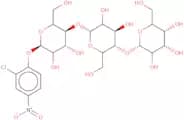
CAS:<p>2-Chloro-4-nitrophenyl 4-O-b-D-galactopyranosylmaltoside, also known as Gal-G2-CNP, is a high quality, water soluble, chromogenic substrate that is used as an enzyme substrate and can be used in bioluminescence and chemiluminescence assays. This product is designed for use in diagnostics, culture media, food testing, environmental testing, and other research applications. 2-Chloro-4-nitrophenyl 4-O-b-D-galactopyranosylmaltoside has been tested in chromogenic assays with alpha-amylases.</p>Fórmula:C24H34ClNO18Pureza:(Hplc) Min. 90%Cor e Forma:PowderPeso molecular:659.98 g/molAldol® 470 butyrate, Biosynth Patent: EP 2427431 and US 8940909
CAS:Produto Controlado<p>Aldol® 470 butyrate, a chromogenic substrate manufactured by Cymit Quimica and used for enzymatic assays that produces a yellow-orange color upon enzymatic cleavage.</p>Fórmula:C27H25NO5Pureza:Min. 95%Cor e Forma:PowderPeso molecular:443.5 g/mol4-Nitrophenyl-β-D-mannopyranoside
CAS:<p>Chromogenic β-mannosidase substrate yielding a yellow solution upon cleavage.</p>Fórmula:C12H15NO8Pureza:Min. 98.0 Area-%Peso molecular:301.26 g/mol5-Bromo-4-chloro-3-indolyl N-acetyl-a-D-neuraminic acid ammonium salt
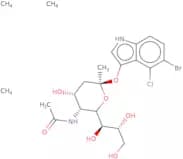
CAS:<p>5-Bromo-4-chloro-3-indolyl N-acetyl-a-D-neuraminic acid ammonium salt is a substrate used to detect and quantify sialidase activity. Sialidases are enzymes that cleave sialic acid residues from glycoconjugates, and their activity is important in various cellular processes. The substrate is commonly used in research aimed at understanding the role of sialidases in diseases such as influenza and cancer.</p>Fórmula:C19H22BrClN2O9·NH3·2H2OPureza:Min. 95%Cor e Forma:PowderPeso molecular:590.8 g/mol5-Bromo-6-chloro-3-indoxyl choline phosphate
CAS:<p>Please enquire for more information about 5-Bromo-6-chloro-3-indoxyl choline phosphate including the price, delivery time and more detailed product information at the technical inquiry form on this page</p>Fórmula:C13H17BrClN2O4PPureza:Min. 99 Area-%Peso molecular:411.63 g/mol4-Nitrophenyl a-D-mannopyranoside
CAS:<p>4-Nitrophenyl a-D-mannopyranoside is a chromogenic pNP enzyme substrate that enables the detection and quantification of a-D-mannosidase activity in various biological samples through a colorimetric assay. The hydrolysis of the substrate by the enzyme releases 4-nitrophenol, a yellow compound whose absorption can be measured spectrophotometrically. Applications for this substrate span biomedical research, disease diagnostics, and industrial enzyme production.</p>Fórmula:C12H15NO8Pureza:Min. 98.0 Area-%Cor e Forma:Off-White PowderPeso molecular:301.25 g/mol4-Nitrophenyl 2-acetamido-2-deoxy-a-D-galactopyranoside
CAS:<p>4-Nitrophenyl 2-acetamido-2-deoxy-alpha-D-galactopyranoside is a chromogenic substrate for alpha-N-acetylgalactosaminidase. Upon hydrolysis, para-nitrophenol is released yielding a yellowish colour. 4-Nitrophenyl 2-acetamido-2-deoxy-alpha-D-galactopyranoside is used in different applications such as the diagnosis of Schindler-Kanzaki disease and other lysosomal storage disorders.</p>Fórmula:C14H18N2O8Pureza:Min. 98%Cor e Forma:White PowderPeso molecular:342.3 g/molAldol® 495 nonanoate, Biosynth Patent: EP 2427431 and US 8940909
CAS:Produto Controlado<p>Aldol 495 nonanoate is a bioluminescent substrate that can be used to measure the activity of Aldolase, which is an enzyme that catalyzes the conversion of glyceraldehyde-3-phosphate and dihydroxyacetone phosphate to D-glyceraldehyde. This substrate is used in various diagnostic assays, including food testing and staining. Aldol 495 nonanoate was developed by Cymit Quimica Pharmaceuticals and has been patented by EP 2427431 and US 8940909.</p>Fórmula:C29H31ClN2O3Pureza:Min. 95.0 Area-%Peso molecular:491.02 g/mol5-Bromo-3-indoxyl caprylate
CAS:<p>5-Bromo-3-indoxyl caprylate is a fluorogenic substrate that can be used for the detection of β-galactosidase. It is an enzyme substrate that can be used to measure β-galactosidase activity in cell culture media. It has a high purity and high quality. 5-Bromo-3-indoxyl caprylate is also used as a chromogenic substrate for the detection of β-galactosidase. This product has a CAS number of 133950-69-3.</p>Fórmula:C16H20BrNO2Pureza:Min. 99 Area-%Peso molecular:338.24 g/mol5-Bromo-6-chloro-3-indoxyl phosphate, disodium salt trihydrate
CAS:<p>Water soluble substrate for visualizing alkaline phosphatase activity. Produces a magenta colored insoluble end product that is detected visually, when used together with nitroblue tetrazolium. The substrate system is versatile and functions in a variety of applications, including Northern, Southern, and Western blotting, in situ hybridization, ELISAs and immunohistochemistry.</p>Fórmula:C8H10BrClNNa2O7PPureza:Min. 99.0 Area-%Peso molecular:424.49 g/molRef: 3D-B-7453
2gA consultar5gA consultar10gA consultar25gA consultar50gA consultar-Unit-ggA consultar5-Bromo-4-chloro-3-indolyl b-D-galactofuranoside
<p>5-Bromo-4-chloro-3-indolyl b-D-galactofuranoside is a chromogenic substrate used to detect the specific enzymatic activity of beta-D-galactofuranosidase. After cleavage, 5-bromo-4-chloro-indoxyl is released, resulting in a blue to blue-green color change in bacterial colonies or media. 5-Bromo-4-chloro-3-indolyl b-D-galactofuranoside is used in assays for detecting bacterial pathogens (e.g., Mycobacterium tuberculosis).</p>Fórmula:C14H15BrClNO6Pureza:Min. 95%Cor e Forma:PowderPeso molecular:408.63 g/molp-Nitrophenylphosphorylcholine
CAS:<p>p-Nitrophenylphosphorylcholine is a substrate molecule for enzymes that catalyze phospholipid biosynthesis. It is the most common substrate used to study the enzyme activity of phosphatidylcholine synthase and phospholipase A2 in human serum. The reaction mechanism is not well understood, but it appears to involve autocatalysis and an initial nucleophilic attack by p-nitrophenolate on the carbonyl carbon atom of the choline moiety. p-Nitrophenylphosphorylcholine has been shown to exhibit receptor activity on cells, which may be due to its ability to bind with basic proteins. This compound can also inhibit meiosis in Drosophila melanogaster and increase levels of natriuretic peptides in rats, as well as cause cell lysis and polymerase chain reactions in mammalian cells.</p>Fórmula:C11H17N2O6PPeso molecular:304.24 g/mol2-Naphthyl a-D-glucopyranoside
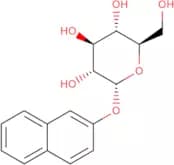
CAS:<p>2-Naphthyl-lpha-D-glucopyranoside is a substrate for α-glucosidase. 2-Naphthol is released upon hydrolyzation. By simultaneous coupling with a suitable staining reagent, such as hexazonium p-rosaniline, the corresponding reddish-brown azo-dye is formed. Naphthols can also be detected by fluorescence analysis.</p>Fórmula:C16H18O6Pureza:Min. 98 Area-%Cor e Forma:PowderPeso molecular:306.31 g/molRef: 3D-EN06601
1gA consultar2gA consultar5gA consultar10gA consultar500mgA consultar-Unit-mgmgA consultar4-Nitrophenyl laurate
CAS:<p>4-Nitrophenyl laurate is a chromogenic substrate for lipase. Upon hydrolysis, para-nitrophenol is released yielding a yellowish colour. 4-Nitrophenyl laurate is used in different applications such as the Lipase activity screening, clinical diagnostics</p>Fórmula:C18H27NO4Pureza:Min. 95%Cor e Forma:White PowderPeso molecular:321.41 g/mol5-Bromo-6-chloro-3-indoxyl butyrate
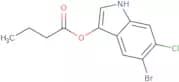
CAS:<p>5-Bromo-6-chloro-3-indoxyl butyrate is a chromogenic substrate that yields a magenta-colored product after cleavage. The chromophore 5-bromo-6-chloro-indoxyl is released, generating the observable color. It is used in lipid digestion assays.</p>Fórmula:C12H11BrClNO2Pureza:Min. 95%Cor e Forma:PowderPeso molecular:316.58 g/mol5-Bromo-6-chloro-3-indoxyl myo-inositol-1-phosphate, ammonium salt
<p>Indoxyl substrate targeting the enzyme inositol monophosphatase; Magenta color</p>Fórmula:C14H19BrClN2O9PPureza:Min. 99 Area-%Peso molecular:505.65 g/mol4-Nitrophenyl-N-acetyl-β-D-glucosaminide
CAS:<p>Chromogenic β-glucosaminidase substrate yielding a yellow solution upon cleavage, used particularly in yeasts and molds.</p>Fórmula:C14H18N2O8Pureza:Min. 99.0 Area-%Peso molecular:342.31 g/molN-Methylindoxyl-β-D-galactopyranoside monohydrate
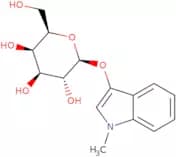
CAS:<p>N-Methylindoxyl-beta-D-galactopyranoside monohydrate (MG) is a chromogenic probe that interacts with galactose residues found on glycoproteins, which are found on cell surfaces, leading to activation of cells. MG also binds specifically to the surface of lung cells and can inhibit the development of certain types of infections..</p>Fórmula:C15H21NO7Pureza:Min. 98 Area-%Cor e Forma:PowderPeso molecular:327.33 g/molNaphthol AS-BI b-D-glucuronide
CAS:<p>Chromogenic substrate to visualize beta-glucuronidase activity; produces a red color</p>Fórmula:C24H22BrNO9Pureza:Min. 98 Area-%Cor e Forma:White PowderPeso molecular:548.34 g/mol2-Naphthyl b-D-galactopyranoside
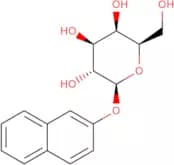
CAS:<p>2-Naphthyl beta-D-galactopyranoside is a glycoside that is found in the flowers of the plant Eschscholzia californica. It is used as a localizer for bacterial strains and can be hydrolyzed by enzymes to release naphthalene. 2-Naphthyl beta-D-galactopyranoside has been shown to inhibit the growth of corynebacterium and diazonium salt, which may be due to its ability to bind to DNA and disrupt protein synthesis. The potential use of this molecule is for its insolubility, which prevents it from being absorbed by skin cells.</p>Fórmula:C16H18O6Pureza:Min. 99 Area-%Cor e Forma:PowderPeso molecular:306.31 g/molAldol® 470 nonanoate, Biosynth Patent: EP 2427431 and US 8940909
CAS:Produto Controlado<p>Aldol® 470 nonanoate is a chemiluminescent substrate that can be used as a ligand for the detection of C8/C9-esterases, lipases activity, to result in an orange/green color. Aldol® 470 nonanoate has been shown to be active with horseradish peroxidase in a number of different assay systems. The purity and quality of Aldol® 470 nonanoate has been tested with culture media, environmental testing, bioluminescence, staining, fluorogenic substrate, chromogenic substrate, enzyme substrate, food testing and conjugates.</p>Fórmula:C32H35NO5Pureza:Min. 95%Cor e Forma:PowderPeso molecular:513.62 g/mol3-Indoxyl sulfate, potassium salt
CAS:<p>3-Indoxyl sulfate, potassium salt (3ISK) is a chemical compound that is soluble in water. It has been used as a marker for bowel disease, and it has been shown to react with analytical methods such as titration calorimetry and lc-ms/ms. 3ISK can be used to determine the optimum concentration for pharmacological treatment of bowel disease. The metabolic fate of 3ISK has been studied extensively and it is found that 3ISK is metabolized by microbial enzymes in the gut, which may lead to an increased incidence of bowel disease in patients with low levels of microbial metabolism. 3ISK also plays an important physiological function by maintaining mitochondrial membrane potential, which could have implications for pharmacological treatment of bowel disease.</p>Fórmula:C8H6KNO4SPureza:Min. 98.0 Area-%Peso molecular:251.31 g/mol6-Bromo-2-naphthyl b-D-glucuronide
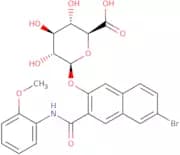
CAS:<p>6-Bromo-2-naphthyl beta-D-glucuronide is a substrate for beta-glucuronidase, an enzyme involved in detoxification and bacterial metabolism. Upon enzymatic hydrolysis, it releases 6-bromo-2-naphthol, which forms a detectable dye when reacted with diazonium salts. This compound is widely used in microbiology to detecting E. coli in water testing and histochemical staining. 6-Bromo-2-naphthyl beta-D-glucuronide is also been used in cancer research studies. It has been found that some tumors are related to a high activity of beta-glucuronidase, responsible to reactivate the carcinogens and promote tumor progression, developing a drug resistance to chemotherapy.</p>Fórmula:C16H15BrO7Pureza:Min 97%Cor e Forma:White Off-White PowderPeso molecular:399.2 g/mol5-Bromo-6-chloro-3-indoxylphosphat, disodium salt trihydrate
<p>5-Bromo-6-chloro-3-indoxylphosphate, disodium salt trihydrate is a bioluminescent substrate that can be used in a variety of diagnostic applications. This compound reacts with luciferase to yield light and can serve as an indicator for various enzymes and chemical reactions. 5-Bromo-6-chloro-3-indoxylphosphate, disodium salt trihydrate has been shown to be compatible with both culture media and food testing.</p>Pureza:Min. 95%2-Nitrophenyl b-L-fucopyranoside
CAS:<p>2-Nitrophenyl beta-L-fucopyranoside is a chromogenic substrate used to detect the enzymatic activity of beta-L-fucosidase. After cleavage, the nitrophenyl moiety is released exhibiting a light yellowish color. 2-Nitrophenyl beta-L-fucopyranoside is used in bacterial fucose metabolism studies to identify and quantify the enzymatic activity in, for example, Bacteroides spp..</p>Pureza:Min. 98 Area-%Cor e Forma:PowderPeso molecular:285.25 g/mol