Carboidratos e Glicoconjugados
Os carboidratos são compostos orgânicos formados por carbono, hidrogénio e oxigénio, cuja estrutura básica é composta por monossacarídeos. Estes podem ligar-se para formar dissacarídeos, oligossacarídeos ou polissacarídeos, dependendo do número de unidades monoméricas. Os carboidratos desempenham um papel fundamental no armazenamento de energia, na estrutura celular e na comunicação celular. Os seus derivados são utilizados em produtos farmacêuticos, como adoçantes e excipientes.
Na CymitQuimica, oferecemos uma ampla variedade de carboidratos e seus derivados para investigação e aplicações industriais.
Foram encontrados 5010 produtos de "Carboidratos e Glicoconjugados"
Ordenar por
Pureza (%)
0
100
|
0
|
50
|
90
|
95
|
100
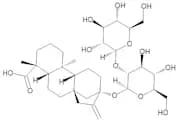
Steviolbioside
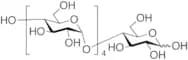
CAS:Produto ControladoFórmula:C32H50O13Cor e Forma:White To Off-WhitePeso molecular:642.73Maltopentose
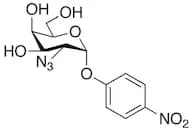
CAS:Produto Controlado<p>Stability Hygroscopic<br>Applications Maltopentaose is a maltooligosaccharide that is used for research and diagnostic purposes. They can also be used in nutrients and healthcare.<br>References Ezure, Y. et al.: Biosci. Biotech. Biochem., 61, 1931 (1997); Hatonen, K. et al.: Am. J. Clin. Nutr., 96, 44 (2012);<br></p>Fórmula:C30H52O26Cor e Forma:NeatPeso molecular:828.72p-Nitrophenyl 2-Azido-2-deoxy-α-D-galactopyranoside
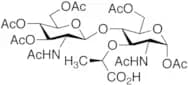
CAS:Produto Controlado<p>Applications p-Nitrophenyl 2-Azido-2-deoxy-α-D-galactopyranoside (cas# 210418-04-5) is a compound useful in organic synthesis.<br></p>Fórmula:C12H14N4O7Cor e Forma:NeatPeso molecular:326.262-Acetamido-4-O-(2-acetamido-2-deoxy-β-D-glucopyranosyl)-1,6-di-O-N-acetyl-α-D-muramic Acid
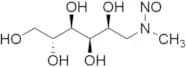
CAS:Produto Controlado<p>Applications 2-Acetamido-4-O-(2-acetamido-2-deoxy-β-D-glucopyranosyl)-1,6-di-O-N-acetyl-α-D-muramic Acid (cas# 475502-13-7) is a compound useful in organic synthesis.<br></p>Fórmula:C29H42N2O18Cor e Forma:NeatPeso molecular:706.651-Deoxy-1-(methylnitrosoamino)-D-glucitol
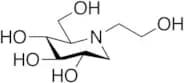
CAS:Fórmula:C7H16N2O6Cor e Forma:White To Off-WhitePeso molecular:224.21Miglitol
CAS:Produto Controlado<p>Applications A potent α-glucosidase inhibitor. A new antidiabetic drug.<br>References Lembcke, B., et al.: Digestion, 31, 120 (1985), Yoshikuni, Y., et al.: J. Pharmacobio-Dyn., 11, 356 (1988),<br></p>Fórmula:C8H17NO5Cor e Forma:WhitePeso molecular:207.22Lactitol Monohydrate
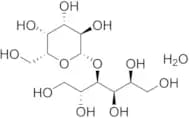
CAS:Produto Controlado<p>Applications Lactitol Monohydrate is the hydrated form of Lactitol(L113550). Lactitol is listed as an excipient in some prescription drugs, such as Adderall. Lactitol is a sugar alcohol used as a replacement bulk sweetener for low calorie foods. It is also used medically as a laxative.<br>References Bolhuis, G., et al.: Drug Dev. Ind. Pharm., 35, 671 (2009); Toda, Y.: New Food Ind., 33, 21 (1991); Egger, B., et al.: Eur. J. Clin. Pharmacol., 37, 205 (1989);<br></p>Fórmula:C12H24O11·H2OCor e Forma:NeatPeso molecular:362.33rac-cis-Ambroxol
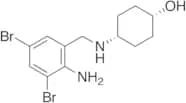
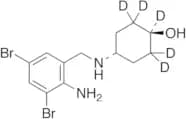
CAS:Produto Controlado<p>Impurity Ambroxol EP Impurity D<br>Applications cis-Ambroxol is the cis-isomeric impurity of Ambroxol (A575905). cis-Ambroxol is a metabolite Bromhexine (B678600). Ambroxol EP Impurity D<br>References Liu, J. et al.: J. Pharmac. Biomed. Anal., 51, 1134 (2010); Schmid, J.: J. Chrom. Biomed. Appl., 414, 65 (1987);<br></p>Fórmula:C13H18Br2N2OCor e Forma:NeatPeso molecular:378.10rac 1-Oleoyl Glycerol-d5
CAS:Produto Controlado<p>Applications Monoglycerides fatty acid esters are useful for improvement of texture and flavor of beverages. 93% 1-Oleoyl, 7% 2-oleoyl.<br>References Lee, T.-H., et al.: J. Nat. Prod., 72, 1960 (2009),<br></p>Fórmula:C21D5H35O4Cor e Forma:NeatPeso molecular:361.573-Cyclohexyl-6,8-dibromo-3-methyl-1,2,3,4-tetrahydroquinazolinium Chloride
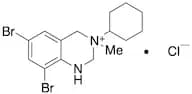
CAS:<p>Impurity Bromhexine EP Impurity E Chloride<br>Applications 3-Cyclohexyl-6,8-dibromo-3-methyl-1,2,3,4-tetrahydroquinazolinium Chloride is an impurity of Bromhexine Hydrochloride (B678600). Bromhexine Hydrochloride impurity E Chloride. Bromhexine is an expectorant; mucolytic.<br>References Goicoechea, H., et al.: Talanta, 49, 793 (1999), Ribone, M., et al.: J. Pharm. Biomed. Anal., 23, 591 (2000),<br></p>Fórmula:C15H21Br2N2·ClCor e Forma:NeatPeso molecular:424.61Tetragalacturonic Acid
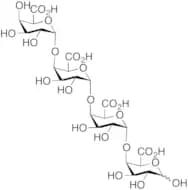
CAS:Produto Controlado<p>Applications Tetragalacturonic Acid, is the product of polygalacturonic acid degradation. The mixture of Oligogalacturonic Acids has shown to have shoot growth in cockscomb (Celosia argentea L.) seedlings.<br>References Suzuki, T., et al.: J. Plant Growth Reg., 21, 209 (2003);<br></p>Fórmula:C24H34O25Cor e Forma:NeatPeso molecular:722.51D-(+)-Cellohexose
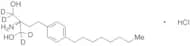
CAS:Produto Controlado<p>Stability Stable at RT<br>Applications D-(+)-Cellohexose (cas# 2478-35-5) is a compound useful in organic synthesis.<br></p>Fórmula:C36H62O31Cor e Forma:NeatPeso molecular:990.86Fingolimod-d4 Hydrochloride
CAS:Produto Controlado<p>Applications A labelled derivative of ISP-1 (myriocin), a fungal metabolite of the Chinese herb Iscaria sinclarii as well as a structural analogue of Sphingosine. It is a novel immune modulator that prolongs allograft transplant survival in numberour models by inhibiting lymphocyte emigration from lymphoid organs. Reported to be phosphorylated by sphingosine kinase to FTY720-P, which has been shown to potently stimulate GTPgS binding activity in S1P-transfected CHO cells (EC50 = 210 pM, 4.9 nM, 4.3 nM, and 1 nM for S1P1, S1P3, S1P4 and S1P5, respectively).<br>References Brinkmann, V., et al.: Transplantation, 72, 764 (2001), Brinkmann, et al.: J. Biol. Chem., 277, 24, 21453 (2002), Mtaloubian, M., et al.: Nature, 427, 355 (2004),<br></p>Fórmula:C19H30D4ClNO2Cor e Forma:NeatPeso molecular:347.96D-Salicin
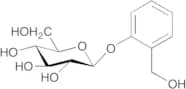
CAS:<p>Applications Salicin is an anti-inflammatory agent produced by the bark of a willow tree. Analgesic.<br>References Schmid, B. et al.: Eur J Pharmacol., 57, 387 (2001);<br></p>Fórmula:C13H18O7Cor e Forma:WhitePeso molecular:286.28Xylotriose
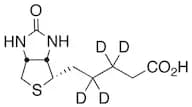
CAS:Produto Controlado<p>Applications Xylotriose is a newly developed xylo-oligosaccharide, usually produced from xylan by enzymic hydrolysis, with many beneficial biomedical and health effects.<br>References Zhu, Z., et al.: Eur. Food Res. Technol., 241, 27 (2015)<br></p>Fórmula:C15H26O13Cor e Forma:NeatPeso molecular:414.36rac Biotin-d4
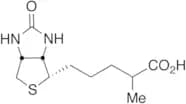
CAS:Produto Controlado<p>Applications Growth factor present in minute amounts in every living cell. Plays an indispensable role in numerous naturally occurring carboxylation reactions. Occurs mainly bound to proteins or polypeptides. The richest sources are liver, kidney, pancreas, yeast, and milk. The biotin content of cancerous tumors is higher than that of normal tissue.<br>References du Vigneaud, et al.: J. Biol. Chem., 146, 475 (1942), Traub, et al.: Nature, 178, 649 (1956), Siegel, H., et al.: Experienta, 37, 789 (1981), Vesely, D.L., Science, 216, 1329 (1982), Hugues, M., et al.: Biochemistry, 31, 12 (1992),<br></p>Fórmula:C10D4H12N2O3SCor e Forma:NeatPeso molecular:248.349-Methyl Biotin (mixture of diastereomers)
CAS:Produto Controlado<p>Impurity Biotin EP Impurity D<br>Applications Biotin (B389040) impurity. Biotin EP Impurity D.<br>References Trotter, J., et al.: Biochemistry, 5, 713 (1966), Suurkuusk, J., et al.: Eur. J.Biochem., 28, 438 (1972),<br></p>Fórmula:C11H18N2O3SCor e Forma:NeatPeso molecular:258.34Carbocisteine
CAS:Produto Controlado<p>Applications Carbocisteine is a mucolytic agent used in the treatment of respiratory disorders ranging from the influenza virus infection to chronic obstructive pulmonary disease (COPD).<br>References Stevenson, G.B. et al.: Eur. Resp. J., 27, 865 (2006); Suer, E. et al.: J. Infect. Chemother., 14, 333 (2008); Yamaya, M. et al.: Am. J. Physiol., 299, L160 (2010);<br></p>Fórmula:C5H9NO4SCor e Forma:White To Off-WhitePeso molecular:179.192'-Fucosyllactose (~90%)
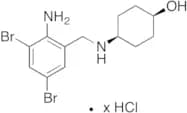
CAS:Produto ControladoFórmula:C18H32O15Pureza:~90%Cor e Forma:NeatPeso molecular:488.44cis-Ambroxol Hydrochloride
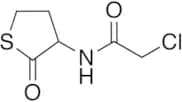
CAS:<p>Stability Hygroscopic<br>Applications cis-Ambroxol Hydrochloride is a cis isomer of Ambroxol Hydrochloride (A575900 ), a metabolite of Bromohexine. Ambroxol Hydrochloride is a bronchosecretolytic drug.<br>References Jauch, R., et al.: Arzneim-Forsch., 13, 474 (1963)<br></p>Fórmula:C13H18Br2N2O·x(HCl)Cor e Forma:NeatPeso molecular:378.10 + x(36.46)N-Chloroacetyl DL-Homocysteine Thiolactone
CAS:<p>Impurity Erdosteine Impurity RV 142<br>Applications An intermediate in the synthesis of Erdosteine (E596050).Erdosteine is a mucolytic agent used for the treatment of chronic obstructive bronchitis.<br>References Gobetti, M., et al.: Farmaco, Edizione Scientifica, 41, 69 (1986),<br></p>Fórmula:C6H8ClNO2SCor e Forma:NeatPeso molecular:193.65Plerixafor
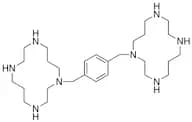
CAS:<p>Stability Hygroscopic<br>Applications Plerixafor is a hematopoietic stem cell (HSC) mobilizer that inhibits the CXCR4 chemokine receptor and blocks binding of its ligand, stromal cell-derived factor-1-α (SDF-1-α). This agent was approved on Dec. 15, 2008, as treatment in combination with granulocyte-colony stimulating factor (G-CSF) to mobilize HSCs to the peripheral blood for collection and subsequent autologous transplantation in patients with non-Hodgkin's lymphoma (NHL) and multiple myeloma (MM). Selective CXCR4 antagonist.<br>References Xie, T., et al.: Science, 290, 328 (2000), Leone, D., et al.: J. Pharmacol. Exp. Ther., 305, 1150 (2003), Chigaev, A., et al.: J. Immunol. 178, 6828 (2007), Kiel, M., et al.: Cell Stem Cell, 1, 204 (2007),<br></p>Fórmula:C28H54N8Cor e Forma:Off White PowderPeso molecular:502.78Fructosazine
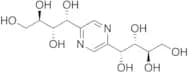
CAS:Produto Controlado<p>Applications Fructosazine is used in the treatment of osteoarthritis and rheumatoid arthritis.<br>References Yamaguchi, T., et al.: Biol. Pharm. Bull., 21, 205 (1998), Fenton, J., et al.: Osteoarthritis Cartilage, 8, 444 (2000), Shimamura, T., et al.: J. Agric. Food. Chem., 48, 1204 (2000)<br></p>Fórmula:C12H20N2O8Cor e Forma:Beige To BrownPeso molecular:320.30rac-trans-Ambroxol-d5
CAS:Produto Controlado<p>Applications A labelled metabolite of Bromohexine. Ambroxol Hydrochloride is a bronchosecretolytic drug.<br>References Jauch, R., et al.: Arzneim-Forsch., 13, 474 (1963)<br></p>Fórmula:C13H13D5Br2N2OCor e Forma:NeatPeso molecular:383.13Biotin
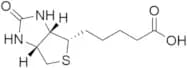
CAS:<p>Applications Biotin is a growth factor present in minute amounts in every living cell. Plays an indispensable role in numerous naturally occurring carboxylation reactions. Occurs mainly bound to proteins or polypeptides. The richest sources are liver, kidney, pancreas, yeast, and milk. The biotin content of cancerous tumors is higher than that of normal tissue.<br>References du Vigneaud, et al.: J. Biol. Chem., 146, 475 (1942); Traub, et al.: Nature, 178, 649 (1956); Siegel, H., et al.: Experienta, 37, 789 (1981); Vesely, D.L., Science, 216, 1329 (1982); Hugues, M., et al.: Biochemistry, 31, 12 (1992);<br></p>Fórmula:C10H16N2O3SCor e Forma:WhitePeso molecular:244.316,6'-Iminobis(N,N,N-trimethyl-1-hexanaminium) Dibromide Hydrobromide
CAS:<p>Applications 6,6'-Iminobis[N,N,N-trimethyl-1-hexanaminium is an impurity of the pharmaceutical Welchol (Colesevelam).<br>References Schoftner, R., et al.: J. Chromatogr., 920, 333 (2001),<br></p>Fórmula:C18H44Br3N3Cor e Forma:NeatPeso molecular:542.27D-Tagatose
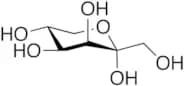
CAS:<p>Applications A monosaccharide (hexose) that can be used as a low-calorie sweetener, as an intermediate for synthesis of other optically active compounds, and as an additive in detergent, cosmetic, and pharmaceutical formulation.<br>References Oh, D. et al.: Appl. Microbiol. Biotech., 76, 76, 1 (2007); Lu, Y. et al.: Int. J. Cosm. Sci., 24, 225 (2002); Donner, T.W. et al.: Diab. Obes. Metab., 1, 285 (1999);<br></p>Fórmula:C6H12O6Cor e Forma:WhitePeso molecular:180.16D-Glucosaminic Acid
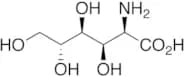
CAS:<p>Applications D-Glucosaminic Acid is a useful starting material for the synthesis of aldonic acids containing a free carboxyl group and having all hydroxyl functions esterified with a simple carboxylic acid are well established deriviatives.<br>References Major, R.T., et al.: J.A.C.S., 58, 2474 (1936), Hurd, C.D., et al.: J.A.C.S., 60, 235 (1938), Wolfrom, M., et al.: J.A.C.S., 61, 574 (1939)<br></p>Fórmula:C6H13NO6Cor e Forma:NeatPeso molecular:195.173-Deoxygalactosone (>90%)
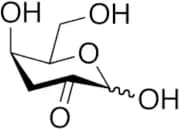
CAS:Produto Controlado<p>Stability Hygroscopic<br>Applications It has carcinostatic activity.<br>References Reynolds, T.M., et al.: Advan. Food. Res., 14, 167 (1965), Szent-Gyorgyi, L.G., et al.: Science, 155, 539 (1967),<br></p>Fórmula:C6H10O5Pureza:>90%Cor e Forma:NeatPeso molecular:162.14Tartaric Acid Methyl Ester
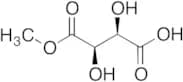
CAS:Produto Controlado<p>Applications Tartaric Acid Methyl Ester is useful for developing stabilizers as additives in methanol-gasoline. In addition, Tartaric Acid Methyl Ester can be used to synthesize novel enantiopure γ/δ-amino acid via trans-acetalization.<br>References Jiang, X. and Tang, Y.: Asian J. Chem. 25, 8451 (2013); Guarna, A., et al.: Tetrahedron 58, 9865 (2002)<br></p>Fórmula:C5H8O6Cor e Forma:NeatPeso molecular:164.11Cytidine 5’-Monophosphate Methyl Ester Sodium Salt
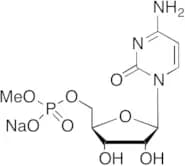
CAS:<p>Applications Cytidine 5’-Phosphate Methyl Ester Sodium Salt is an byproduct formed in the synthesis of analogs of Cytidine 5’-Diphosphate with an important role in the metabolism of phospholipids.<br>References Trotter, P., et al.: J. Biol. Chem., 270, 6062 (1995), Janssen, M., et al.: Yeast, 16, 641 (2000), Henneberry, A., et al.: Mol. Biol. Cell, 12, 511 (2001), Boumann, H., et al.: Biochemistry, 42, 3054 (2003),<br></p>Fórmula:C10H15N3NaO8PCor e Forma:White To Off-WhitePeso molecular:359.2Biotin 5-Bromopentylamide
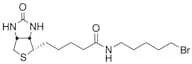
CAS:Produto ControladoFórmula:C15H26BrN3O2SCor e Forma:NeatPeso molecular:392.35Biotin-[2-(2-pyridyldithio)ethylamide]
CAS:Produto Controlado<p>Applications A sulfhydryl reactive biotinylaton reagent.<br>References Carlsson, J., et al.: Biochem. J., 173, 723 (1978), Ghebrehiwet, B., et al.: J. Immunol. Methods, 110, 251 (1988)<br></p>Fórmula:C17H24N4O2S3Cor e Forma:White To Light YellowPeso molecular:412.59(+)-Biotin (+)-Sulfoxide
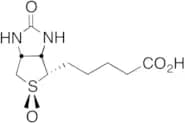
CAS:Produto Controlado<p>Stability Hygroscopic<br>Applications (-)-Biotin Sulfoxide, is a metabolite of Biotin (B389040), which is a growth factor present in minute amounts in every living cell, and plays an indispensable role in numerous naturally occurring carboxylation reactions.<br>References du Vigneaud, et al.: J. Biol. Chem., 146, 475 (1942), Traub, et al.: Nature, 178, 649 (1956), Siegel, H., et al.: Experienta, 37, 789 (1981), Vesely, D.L., Science, 216, 1329 (1982), Hugues, M., et al.: Biochemistry, 31, 12 (1992),<br></p>Fórmula:C10H16N2O4SCor e Forma:NeatPeso molecular:260.31Linarine
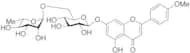
CAS:Produto Controlado<p>Impurity Diosmin EP Impurity E<br>Stability Hygroscopic<br>Applications Linarine (Diosmin EP Impurity E) is a naturally occurring flavone glycoside that was identified to possess potential sedative and anticonvulsant properties.<br>References Nugroho, A., et al.: Arch. Pharma. Res., 36, 51 (2013); Jung, H.A., et al.: Arch. Pharma. Res., 35, 1021 (2012); Shen, H.J., et al.: J. Med. Plants. Res., 5, 6555 (2011);<br></p>Fórmula:C28H32O14Cor e Forma:White To Light BeigePeso molecular:592.545Biotin impurity C
CAS:<p>Biotin impurity C is a metabolite that is found in drugs that contain biotin. It is an impurity standard for HPLC analysis, which can be used to identify and quantify the amount of biotin in a drug product. Biotin impurity C is also used as an analytical standard. This compound has been shown to have pharmacological properties, such as anti-inflammatory effects and immunomodulatory effects.</p>Fórmula:C9H14N2O2SPureza:Min. 95%Peso molecular:214.28 g/molGalacturonan oligosaccharides DP25-DP50 sodium salt
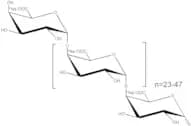
<p>Mixed DP 25-50 Na galacturonans, (α-1,4 25-50 Na galacturonans) are derived from pectin or pectic acid, by enzymatic or partial acid hydrolysis. They are used in galacturonic acid metabolism research as a substrate to identify, differentiate, and characterize endo- and exopolygalacturonase(s) and gluconase(s). In recent studies, it has been shown that long oligogalacturonides (degree of polymerization (DP) from 25â50), help to induce plant defense signaling resulting in enhanced defenses to necrotrophic pathogens.</p>Pureza:Min. 90 Area-%Cor e Forma:Powdera,a-D-Trehalose dihydrate
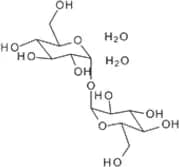
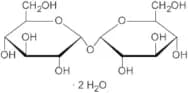
CAS:<p>Trehalose is a naturally occurring disaccharide found in many organisms. Its role in nature is as versatile as its applications in the laboratory. Trehalose is synthesised by cells in response to stress and helps retaining the cellular integrity under tough conditions. An important function of trehalose is to stabilise protein structures and to prevent proteins from their degradation. Researchers use trehalose for instance as a carbon source in selective microbiological media, as desiccation protectant and for cryoprotection.</p>Fórmula:C12H22O11·2H2OPureza:(%) Min. 98%Cor e Forma:White PowderPeso molecular:378.33 g/mol1,5-α-L-Arabinotriose
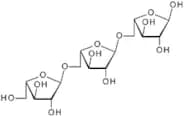
CAS:<p>1,5-α-L-Arabinotriose is a sugar that is found in the cell walls of plants. It is a trisaccharide composed of three L-arabinose units linked by α-(1→5) bonds. 1,5-α-L-Arabinotriose has been shown to be adsorbed on cellulose acetate and can be used to measure the molecular weight of the adsorbate. This sugar also undergoes optical rotations when it interacts with some dyes such as germanium tetrachloride. 1,5-α-L-Arabinotriose has many uses including: as a solute in chloride ion chromatography; as an absorbent in filtration experiments; and as a parameter for calculating thermodynamics for reactions involving hydrogen transfer.</p>Fórmula:C15H26O13Pureza:Min. 95 Area-%Cor e Forma:Clear LiquidPeso molecular:414.36 g/molLS-tetrasaccharide c ammonium salt
CAS:<p>Sialylated tetrasaccharide found in human milk, possible health benefits for the neonate by supporting resistance to pathogens, gut maturation, immune function, and cognitive development.</p>Fórmula:C37H62N2O29•NH3Pureza:Min. 95 Area-%Cor e Forma:White PowderPeso molecular:1,015.88 g/molSucrose-6-phosphate sodium
CAS:<p>Sucrose-6-phosphate sodium is a transcriptional regulator that belongs to the group of sugar phosphate ions. Sucrose-6-phosphate sodium regulates the transcription of genes involved in the synthesis of polysaccharides, such as sucrose and starch. This compound plays an important role in the metabolism of plants and has been shown to regulate hydrogen bond formation, photosynthetic activity, glycosidic bond formation, polymerase chain reactions, and regulatory sequences. The optimum pH for this compound is 7.0, with enzyme activities between pH 6.0 and 8.5. Sucrose-6-phosphate sodium also has been shown to regulate root formation and phosphorus pentoxide production in corynebacterium glutamicum.</p>Fórmula:C12H23O14P•Na2Pureza:Min. 95%Cor e Forma:PowderPeso molecular:468.26 g/molMannotetraose squarate
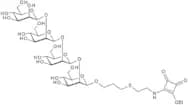
CAS:<p>Mannotetraose squarate is a modified oligosaccharide that is synthesized from mannose and tetraose. It has high purity, which is an advantage over natural oligosaccharides, and can be used in the synthesis of other carbohydrates. Mannotetraose squarate has a CAS number of 385842-90-0, which can be found on the ChemSpider database.</p>Fórmula:C35H57NO24SPureza:Min. 95%Peso molecular:907.89 g/molParomamine 3HCl
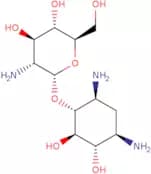
CAS:<p>Paromamine is a chemical compound that inhibits protein synthesis by enzymatic inactivation. It has been shown to have a broad spectrum of antibacterial activity against Gram-positive and Gram-negative bacteria. Paromamine also has the ability to inhibit bacterial growth at high salt concentrations, making it an attractive candidate for development as an oral antibiotic drug. Paromamine is synthesized from natural products, such as salicylaldehyde or phenylhydrazine, which are readily available and inexpensive. The reaction mechanism for the formation of paromamine starts with dehydration of the hydroxyl group on the hydrazine to form a carbonyl group. This carbonyl group reacts with sephadex g-100 to form a cyanohydrin. The cyanohydrin reacts with ammonia to form an amide bond between the two nitrogen atoms in the molecule, which forms paromamine.</p>Fórmula:C12H25N3O7·3HClPureza:Min. 95%Peso molecular:323.34 g/mol1,1,1,1,1-Kestoheptaose
CAS:<p>Kestoheptaose is a long-chain inulin with a molecular weight of 1,000 Da. It is found in the plant family Asteraceae and is the only natural polysaccharide with seven glucose units. Kestoheptaose has been shown to be involved in the regulation of muscle glycogen levels and can be used as a supplement for athletes or those who are active. The biochemical functions of Kestoheptaose have been validated using an oral ethanol extract, which was shown to increase muscle glycogen levels by up to 132%. This extract also decreased malondialdehyde concentrations by up to 41% and increased urea nitrogen levels by up to 89%.</p>Fórmula:C42H72O36Pureza:Min. 75 Area-%Cor e Forma:White PowderPeso molecular:1,153 g/molN-Glycolylneuraminic acid dimer sodium salt
<p>N-Glycolylneuraminic acid dimer sodium salt is a synthetic sugar that is a glycosylat of N-glycolylneuraminic acid. It is soluble in water and has a CAS number of 1114-12-3. The product has been modified with methyl groups and is available for custom synthesis. It can be used as an intermediate for the synthesis of oligosaccharides, or it can be modified to form complex carbohydrates. This product has been fluorinated and is high purity, making it ideal for use in Click chemistry applications.</p>Pureza:Min. 95%L-Rhamnose monohydrate
CAS:<p>Used to differentiate microorganisms based on their metabolic properties.</p>Fórmula:C6H14O6Pureza:Min. 98.0 Area-%Peso molecular:182.17 g/molRef: 3D-R-3000
1kgA consultar5kgA consultar10kgA consultar500gA consultar2500gA consultar-Unit-kgkgA consultarMethyl 2-acetamido-2-deoxy-3-O-(b-D-galactopyranosyl)-a-D-galactopyranoside
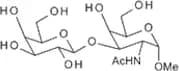
CAS:<p>Methyl 2-acetamido-2-deoxy-3-O-(b-D-galactopyranosyl)-a-D-galactopyranoside is a lectin that binds to the terminal galactose of b-D-galactopyranosides. It has been shown to be a potent inhibitor of cellular death and is able to bind to the surface of cells, preventing their destruction by the immune system or other natural factors. The binding site for MGA is found on cell membranes, and it can also act as an antiinflammatory agent. MGA has also been shown to inhibit interactions between proteins, which may lead to changes in protein synthesis and regulation. Lectins are proteins that bind to specific carbohydrates on the surfaces of cells. They are part of a group called glycoproteins and are often used as probes in techniques such as lectin histochemistry and immunohistochemistry.</p>Fórmula:C15H27NO11Pureza:Min. 98 Area-%Cor e Forma:White PowderPeso molecular:397.38 g/mol1,2,3-Tri-O-acetyl-5-O-benzoyl-4-C-fluoromethyl-D-ribofuranose
<p>1,2,3-Tri-O-acetyl-5-O-benzoyl-4-C-fluoromethyl-D-ribofuranose is an organic compound. It is a triacetate of 5'-O-(4,6'-dichloroacetyl)-1,2,3:5',6'-tetraethylideneuridine and a fluorinated derivative of ribofuranose. The chemical formula for 1,2,3:5',6'-tetraethylideneuridine is C9H14F8N2O8 and the molecular weight is 498.17 g/mol.</p>Pureza:Min. 95%1,4-β-D-Xylohexaose
CAS:<p>1,4-beta-D-xylohexaose is a sugar that belongs to the group of xylooligosaccharides. It is an enzymatic inactivator that binds to the enzyme hydrolase family. Xylooligosaccharides are found in plant cell walls, where they can be used as a carbon source by termites. 1,4-beta-D-xylohexaose has been shown to be most active against neutral ph, but it is not active against acidic ph. The enzyme hydrolase family is inhibited by binding with 1,4-beta-D-xylohexaose and this prevents hydrolysis of carbohydrates, which includes glycosidic bonds.br>br><br>1,4-beta-D-xylohexaose has also been shown to be beneficial for sustainable agriculture practices as it inhibits enzymes that break down xylooligosaccharides</p>Fórmula:C30H50O25Pureza:Min. 95%Cor e Forma:PowderPeso molecular:810.7 g/mol6'-(D-[UL-13C6]Galactosyl)lactose
CAS:<p>Galactosyllactose attenuated NF-κB inflammatory signaling in human intestinal epithelial cells and in human immature intestine. Thus, galactosyllactoses are strong anti-inflammatory agents in human colostrum and early milk, contributing to innate immune modulation. This product has a 13C heavy-label and so can be used in applications such as metabolic tracing and quantitative mass spectrometry.</p>Fórmula:C6C12H32O16Pureza:Min. 90 Area-%Peso molecular:510.39 g/mol4-Methoxyphenyl 4-O-{2-O-acetyl-4-O-[2,4-di-O-(3,4,6-tri-O-acetyl-2-deoxy-2-phthalimido-β-D-glucopyranosyl)-3,4-di-O-benzyl-α-D-mann opyranosyl]-β-D-mannopyranosyl}-3,6-di-O-benzyl-2-deoxy-2-phthalimido-β-D-glucopyranoside
<p>4-Methoxyphenyl 4-O-{2-O-acetyl-4-O-[2,4-di-O-(3,4,6-tri-O-acetyl-2,3,5,6 -tetra-O-[(triisopropylsilyl)oxy]-2,5 -dideoxyglucan]-b-(D)-glucopyranosyl)-3,4di O-[benzyl]-a-(D)-mannopyranosyl}b-(D)-mannopyranoside is a high purity custom synthesis sugar. It can be fluorinated and glycosylated with methylation and modification. This compound is an oligosaccharide that can be used as a monosaccharide or complex carbohydrate.</p>Fórmula:C103H105N3O37Pureza:Min. 95%Peso molecular:1,976.93 g/molGD3-Ganglioside ammonium
CAS:<p>GD3 ganglioside (shown as sodium salt) has a core disaccharide structure (Gal-1,4-Glc) with two sialic acids linked to the non-reducing galactose residue, and ceramide linked to position 1 on the reducing terminal glucose residue (Ledeen, 2009). GD3 ganglioside is a minor ganglioside in most normal tissues but plays a crucial role in the development of the brain; its presence is significantly reduced in adults. However, expression of GD3 ganglioside is increased in pathological conditions, such as, cancers and neurodegenerative disorders (Malisan, 2002). GD3 ganglioside was the first cancer-associated ganglioside discovered, that promotes adhesion and invasion of cancers. GD3 ganglioside and GD2 ganglioside are highly expressed in a various malignant cancers and have become potential targets for next-generation cancer therapy (Liu, 2018).</p>Fórmula:C70H125N3O29·xNH4Pureza:Min. 95%Cor e Forma:PowderD-Trehalose dihydrate
CAS:<p>Trehalose is a naturally occurring disaccharide found in many organisms.Its role in nature is as versatile as its applications in the laboratory. Trehalose is synthesized by cells in response to stress and helps retaining the cellular integrity under tough conditions: An important function of Trehalose is to stabilize protein structures and to prevent proteins from their degradation. Researchers use Trehalosefor instance as a carbon source in selective microbiological media, as desiccation protectant and for cryoprotection.</p>Fórmula:C12H26O13Pureza:Min. 98.0 Area-%Peso molecular:378.33 g/molRef: 3D-T-5000
25gA consultar5kgA consultar10kgA consultar25kgA consultar2500gA consultar-Unit-kgkgA consultarLaminaritriose
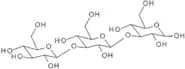
CAS:<p>Ex algal/bacterial polysaccharides-value in b1-3 glucanase assays & diagnostics</p>Fórmula:C18H32O16Pureza:Min. 97 Area-%Cor e Forma:White PowderPeso molecular:504.44 g/molLewis X-PAA-biotin
<p>PAA is poly[N-(2-hydroxyethyl)acrylamide], flexible polymer chain serves as an additional spacer. Mr approx. 30 kDa (according to gel-filtration, proteins as Mr markers). Carbohydrate content is 20% mol.</p>Pureza:Min. 95%Cor e Forma:White PowderPeso molecular:586.6 g/mol2-O-(a-D-Galactopyranosyl)-a-L-fucopyranosyl propylamine
<p>Please enquire for more information about 2-O-(a-D-Galactopyranosyl)-a-L-fucopyranosyl propylamine including the price, delivery time and more detailed product information at the technical inquiry form on this page</p>Fórmula:C15H29NO10Pureza:Min. 95 Area-%Peso molecular:383.39 g/molGA2-Ganglioside
CAS:<p>GA2-ganglioside is a ganglioside that is found in the membranes of cells. GA2-Ganglioside has been shown to inhibit the growth of tumors by binding to macrophages and T cells, which are two types of white blood cells. It has also been shown that GA2-Ganglioside can be used as a target for an antibody response against human HL-60 tumor cells. The antibody response induces cell lysis and reduces the size of the tumor. GA2-Ganglioside has also been shown to have anti-inflammatory properties, which may be due to its ability to bind to α subunits on bowel disease and infectious diseases, such as murine sarcoma virus, causing an antibody response that causes cell lysis and prevents replication of these viruses.</p>Fórmula:C56H104N2O18Pureza:Min. 95%Cor e Forma:PowderPeso molecular:1,093.43 g/mol3-O-(2-Acetamido-2-deoxy-b-D-glucopyranosyl)-D-mannopyranose
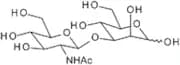
CAS:<p>3-O-(2-Acetamido-2-deoxy-b-D-glucopyranosyl)-D-mannopyranose is a disaccharide that is part of the glycosaminoglycan family. It has an antigenic epitope that is recognized by antibodies, which are found in patients with rheumatoid arthritis and other autoimmune diseases. 3-O-(2-Acetamido-2-deoxy-b-D-glucopyranosyl)-D-mannopyranose is also known as glucosamine.</p>Fórmula:C14H25NO11Pureza:Min. 95 Area-%Cor e Forma:PowderPeso molecular:383.35 g/mol[2-[[2,3,6-Tri- O- acetyl- 4- O- (2, 3, 4, 6- tetra- O- acetyl- b- D- glucopyranosyl) - b- D- glucopyranosyl] oxy] ethyl] - carbamic acid phenylmethyl ester
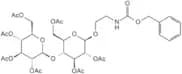
CAS:<p>The conformation of the 2-[[2,3,6-tri-O-acetyl-4-O-(2,3,4,6-tetra-O-acetyl-βDglucopyranosyl)-βDglucopyranosyl]oxy]ethyl]carbamic acid phenylmethyl ester molecule has been studied by X-ray crystallography. The molecule adopts a chair conformation with the two acetyl groups occupying equatorial positions. The molecule is planar with an angle of 110° between the NH and CO axes. The calculated electron diffraction pattern was in good agreement with the experimental data. The analysis yielded a set of independent amplitudes for each reflection that were analysed to give structure constants and electron distributions.</p>Pureza:Min. 95%3'-Sialyl-N-acetyllactosamine sodium salt
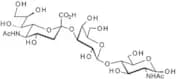
CAS:<p>Component of glycoproteins and glycolipids expressed in antigens and receptors of proteins, bacteria and viruses. Found in the free form in human biofluids, including urine and milk - preventing adhesion of bacteria to urinary epithelium and inhibiting enteric pathogens respectively. An efficient inhibitor of neutrophil-activating protein of H.pylori (HPNAP)-mediated neutrophil activation.</p>Fórmula:C25H42N2O19·NaPureza:Min. 95%Cor e Forma:White Off-White PowderPeso molecular:697.59 g/mol2-Acetamido-4-O-(2-acetamido-2-deoxy-b-D-glucopyranosyl)-2-deoxy-D-galactopyranose
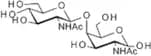
CAS:<p>2-Acetamido-4-O-(2-acetamido-2,3-dideoxy-b-D-glucopyranosyl)-2,3,6,7-tetraaminopyranose (1) is a custom synthesis that has been modified by fluorination of the C5 and C6 hydroxyl groups and methylation of the C2 hydroxy group. It has also been shown to be effective in inhibiting the growth of bacteria such as Staphylococcus aureus and Clostridium perfringens. 2-Acetamido-4-O-(2,3,6,7,-tetraaminopyranose) (1) is an oligosaccharide with four sugar units that can be glycosylated to produce complex carbohydrates.</p>Fórmula:C16H28N2O11Pureza:Min. 95%Peso molecular:424.4 g/molMaltopentadecaose
CAS:<p>Produced from starch by transglycosylation-15 a-(1,4) linked glucose residues</p>Fórmula:C90H152O76Pureza:Min. 85 Area-%Cor e Forma:White PowderPeso molecular:2,450.12 g/molHyaluronate rhodamine - Molecular Weight - 50kDa
<p>Hyaluronate Rhodamine is a molecule that has been modified with a fluorescent dye. Hyaluronate Rhodamine is a complex carbohydrate that has been synthesized using monosaccharides, methylation, glycosylation, and polysaccharide synthesis. It is used in the study of molecular interactions due to its high purity and fluorescence properties.</p>Pureza:Min. 95%6-O-Sulfated Lewis A
<p>6-O-sulfated Lewis A is a high purity oligosaccharide with a custom synthesis and click modification. This product has been shown to be useful in glycosylation, methylation, and saccharide modification. It is a versatile carbohydrate that can be used in the synthesis of complex carbohydrates. 6-O-Sulfated Lewis A has CAS number 70520-34-5 and an Oligo/Mono Saccharide content of >95%.</p>Fórmula:C20H35NO18SPureza:Min. 95%Cor e Forma:PowderPeso molecular:609.55 g/molMethyl 2-O-(a-D-galactopyranosyl)-b-D-galactopyranoside
<p>Methyl 2-O-(a-D-galactopyranosyl)-b-D-galactopyranoside is a custom synthesis that is fluorinated at the 2 position. It is an oligosaccharide, polysaccharide, and carbohydrate. The product has been modified with the Click modification and has high purity. It is also a monosaccharide sugar or synthetic sugar. Methyl 2-O-(a-D-galactopyranosyl)-b-D-galactopyranoside can be used in complex carbohydrates and fluorination reactions.</p>Fórmula:C13H24O11Pureza:Min. 95%Peso molecular:356.32 g/mola-Cyclodextrin
CAS:<p>α-Cyclodextrin is a cyclic oligosaccharide with 6 D-glucose residues which are α-1,4-linked. α-cyclodextrin is used in the food industry to encapsulate flavors and fragrances (Kfoury, 2016). α-cyclodextrin is also an effective inhibitor of the upstream inflammatory response induced by cholesterol crystals. Cholesterol crystal-induced complement activation is a critical step in the development of atherosclerosis, thus inhibition of complement with α-cyclodextrin has the potential to be used in the treatment of atherosclerosis (Pilely, 2019).</p>Fórmula:C36H60O30Pureza:Min. 90.0 Area-%Peso molecular:972.84 g/molDi-guluronic acid sodium
CAS:<p>Di-guluronic acid sodium (DGA) is a custom synthesis of an oligosaccharide that has been modified with methylation and glycosylation. It can be used in the production of Oligosaccharides, which are complex carbohydrates. DGA is synthesized by a process called Click chemistry, which includes a modification called fluorination. DGA is also a polysaccharide and a sugar, as well as being high purity and having high molecular weight.</p>Fórmula:C12H16O13Na2Pureza:Min. 95%Cor e Forma:PowderPeso molecular:414.23 g/molStachyose hydrate - 98%
CAS:<p>Non-reducing storage and transport sugar in woody plants; used as a sweetener</p>Fórmula:C24H42O21·xH2OPureza:Min. 98 Area-%Cor e Forma:White Off-White PowderPeso molecular:666.58 g/molMonofucosyl (1-3)-iso-lacto-N-octaose
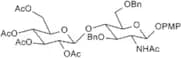
CAS:<p>Monofucosyl (1-3)-iso-lacto-N-octaose is an HMO oligosaccharide.</p>Fórmula:C60H101N3O45Pureza:Min. 95%Cor e Forma:PowderPeso molecular:1,584.44 g/mol4-Methoxyphenyl 2-acetamido-4-O-(2,3,4,6-tri-O-acetyl-b-D-glucopyranosyl)-3,6-di-O-benzyl-2-deoxy-b-D-glucopyranoside
<p>4-Methoxyphenyl 2-acetamido-4-O-(2,3,4,6-tri-O-acetyl-b-D-glucopyranosyl)-3,6-di-O-benzyl-2,3′:6′,4′:5″,6′″:5″′:3″″:4″″′:5″″′:6′″′-[1]benzothiadiazole (MTBT) is a synthetic monosaccharide sugar that is modified to have a 1,2,3,4,5 and 6 benzothiadiazole group. MTBT is a complex carbohydrate that is synthesized through methylation of the sugar followed by a click modification. It has been used in the synthesis of oligosaccharides and polysaccharides.</p>Fórmula:C43H51NO16Pureza:Min. 95%Peso molecular:837.86 g/molNGA3 N-Glycan
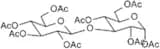
CAS:<p>NGA3 N-Glycan is a high purity, custom synthesis, sugar-containing glycoprotein. It is synthesized by Click modification of the glycopeptide backbone with a fluorinated amino acid and then glycosylated with an acetylated sugar. The acetylation of the sugar allows for selective labeling of the glycan. This product can be used in research applications such as Fluorination, Glycosylation, Synthetic, Methylation, Modification and Carbohydrate. It has CAS No. 110387-63-8 and is available in both Monosaccharide and Oligosaccharide form.</p>Fórmula:C58H97N5O41Pureza:Min. 90 Area-%Cor e Forma:PowderPeso molecular:1,520.4 g/mol1,2,4,6-Tetra-O-acetyl-3-O-(2,3,4,6-tetra-O-acetyl-b-D-glucopyranosyl)-a-D-glucopyranose
CAS:<p>Acetyl protected laminaribose</p>Fórmula:C28H38O19Pureza:Min. 95%Peso molecular:678.6 g/mol1,2-a-1,2-a-D-Mannotriose 1-O-propylamine acetate salt
<p>1,2-a-1,2-a-D-Mannotriose 1-O-propylamine acetate salt is a synthetic oligosaccharide.</p>Fórmula:C23H43O18NPureza:Min. 95%Peso molecular:621.58 g/molMan-8D1D2 N-Glycan
<p>Man-8D1D2 N-glycan is a synthetic glycan that is used as a monosaccharide or polysaccharide. This product is produced through the modification of the natural Man-8D1D2 glycan by the addition of fluorine atoms and methyl groups to the sugar, making it a useful reagent for chemical synthesis. The purity of this product is high and its CAS number is 56612-59-6.</p>Pureza:Min. 95%Methyl 4-O-(2-acetamido-2-deoxy-β-D-galactopyranosyl)-β-D-galactopyranoside
CAS:<p>Methyl 4-O-(2-acetamido-2-deoxy-b-D-galactopyranosyl)-b-D-galactopyranoside is a glycosylated, fluorinated oligosaccharide. The product has been modified with acetamidomethyl and 2,3,4,6'-tetraacetyl bromoacetate to produce the desired structure. This compound is used in synthesis of glycoproteins and carbohydrates for medical purposes. It is synthesized from high purity monosaccharides and custom synthesis for specific applications.</p>Fórmula:C15H27NO11Pureza:Min. 95%Cor e Forma:PowderPeso molecular:397.38 g/mol2-O-β-D-Galactopyranosyl-D-galactose
CAS:<p>Please enquire for more information about 2-O-β-D-Galactopyranosyl-D-galactose including the price, delivery time and more detailed product information at the technical inquiry form on this page</p>Fórmula:C12H22O11Pureza:Min. 95%Peso molecular:342.30 g/molMan-5 Glycan, 2-AB labelled
<p>Man-5 Glycan, 2-AB labelled is a synthetic oligosaccharide that contains a mannose and a galactose moiety. It has been synthesized by click chemistry with the use of 2-aminobenzaldehyde and glycosylation with methylated and fluorinated mannose. This compound is used as a standard for the detection of carbohydrate binding proteins.</p>Pureza:Min. 95%4-Aminobutyl 6-O-(a-D-mannopyranosyl)-a-D-mannopyranoside
<p>4-Aminobutyl 6-O-(a-D-mannopyranosyl)-a-D-mannopyranoside is a synthetic saccharide that can be used as a substituent in the synthesis of complex carbohydrates. It is an aminobutyric acid methyl ester derivative of D-mannose with a pyranose ring. 4-Aminobutyl 6-O-(a-D-mannopyranosyl)-a-D-mannopyranoside has been shown to react with acetic anhydride and diazomethane to yield methylated derivatives of D-glucal, D-sorbitol, and DMPG. It is also used for the synthesis of oligosaccharides, glycosylations, and fluorinations.</p>Pureza:Min. 95%(3b,14a)-3-O-b-D-glucopyranosyl-(1,2)-[b-D-xylopyranosyl-(1,3)]-b-D-glucopyranosyl-(1,4)-b-D-galacopyranosyl-(25S)-spirost-5-ene
<p>A custom synthesis of a complex carbohydrate. It is a synthetic, modified and fluorinated saccharide with a methylated monosaccharide.</p>Pureza:Min. 95%Glycyl-sialyllacto-N-tetraose c
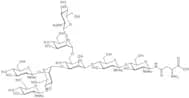
<p>Glycyl-sialyllacto-N-tetraose c is a custom synthesis of the carbohydrate polysaccharide glycyl-sialyllacto-N-tetraose. It is a complex carbohydrate that has been modified for use in biochemical research. Glycyl-sialyllacto-N-tetraose c contains four sugars, including erythrose and threose, and has been fluorinated at the C5 position. The modification of this carbohydrate was achieved through a click reaction. This product has been purified to be greater than 95% pure and is ready for use as an organic solvent or chemical reagent in laboratory experiments.</p>Fórmula:C39H66N4O29Pureza:Min. 95%Peso molecular:1,054.95 g/molGlycyl-2'-fucosyllactose
<p>Glycyl-2'-fucosyllactose is a monosaccharide that is modified by glycosylation, methylation, and click modification. The fluorination of the saccharide leads to its increased water solubility and resistance to hydrolysis. Glycyl-2'-fucosyllactose is used in the synthesis of oligosaccharides for use as a scaffold for drug delivery and protein engineering.</p>Fórmula:C20H36N2O15Pureza:Min. 95%Peso molecular:544.5 g/molBlood Group H type III trisaccharide-PAA-biotin
<p>Blood group antigen conjugated to spacer and biotin</p>Pureza:Min. 95%Cor e Forma:White Off-White PowderPeso molecular:586.6 g/molSialyl Lewis X ceramide
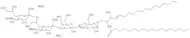
<p>Sialyl Lewis X ceramide is a monosaccharide that belongs to the pentasaccharide group. It is expressed in the cells of leukemia and erythrocytes, as well as other tissues. Sialyl Lewis X ceramide is a hybrid molecule that has a backbone consisting of four sugar molecules and an amino acid sequence, with hydroxyl groups on one end and an acetyl glucosamine on the other end. The molecule has a carbohydrate skeleton consisting of galactose, glucose, mannose, and sialic acid. Sialyl Lewis X ceramide also interacts with selectins to mediate leukocyte-endothelial interactions in inflammation.</p>Fórmula:C67H121N3O25Pureza:Min. 95%Peso molecular:1,368.68 g/mol4-Methoxyphenyl 4-O-[2-O-acetyl-3,4-di-O-(2,3,4,6-tetra-O-acetyl-α-D-mannopyranosyl)-6-O-tert-butyldimethylsilyl-β-D-mannopyranosyl] -3,6-di-O-benzyl-2-deoxy-2-phthalimido-β-D-glucopyranoside
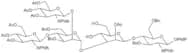
<p>This is a modification of the monosaccharide, methylation, glycosylation and polysaccharide. This product has been custom synthesized and is available in high purity with CAS No. The molecular weight of this compound is 476.19 g/mol. The chemical formula is C28H39NO8.</p>Fórmula:C77H95NO32SiPureza:Min. 95%Peso molecular:1,574.65 g/mol3-O-(a-D-Mannopyranosyl)-D-mannopyranose
CAS:<p>Isolated from the products of the acid reversion of D-mannose</p>Fórmula:C12H22O11Pureza:Min. 95 Area-%Cor e Forma:White PowderPeso molecular:342.3 g/molBlood Group H type II trisaccharide, spacer-biotin conjugate
CAS:<p>Blood group H type II trisaccharide is a carbohydrate that is modified with a spacer-biotin conjugate. It can be used in the synthesis of oligosaccharides and saccharides. This product has been fluorinated, has high purity, and is custom synthesized to order. The product also has methylation, glycosylation, and click modification.</p>Fórmula:C39H67N5O18SPureza:Min. 95%Cor e Forma:PowderPeso molecular:926.04 g/molNA3 Glycan, 2-AB labelled
<p>NA3 Glycan is a custom-synthesized Oligosaccharide that has been modified by the addition of 2AB labelled. This glycan contains an N-acetylglucosamine residue at its reducing end. The NA3 Glycan can be used for a wide range of applications, including glycosylation reactions, click reactions, and carbohydrate chemistry. It is also available in high purity and with fluorination on the sugar moiety.</p>Pureza:Min. 95%1-(3'-Azidopropyl)-3,6-di-O-acetyl-2-deoxy-4-O-[2,4,6-tri-O-acetyl-3-O-(p-phenoxybenzyl)-b-D-galactopyranosyl]-2-phthalimido-b-D-glu copyranoside
<p>This is a synthetic, fluorinated, monosaccharide. It has been custom synthesized and is available in high purity. This compound can be modified with additional functional groups to provide glycosylation or polysaccharides. The CAS number for this product is 538-37-0.</p>Pureza:Min. 95%6'-O-Sulfated Lewis A
<p>The Lewis A glycan is a complex carbohydrate that consists of a sulfated disaccharide and an oligosaccharide. The Lewis A glycan is a modification of the Lewis B glycan, which lacks the sulfate group. The saccharide component is a monosaccharide, and can be synthesized using custom synthesis or purchased from CAS No.</p>Fórmula:C20H35NO18SPureza:Min. 95%Cor e Forma:PowderPeso molecular:609.55 g/mol1,2,3,6-Tetra-O-acetyl-4-O-[2,4,6-tri-O-acetyl-3-O-(2-acetamido-3,4,6-tri-O-acetyl-2-deoxy-b-D-glucopyranosyl)-b-D-galactoyranosyl]- b-D-thioglucopyranose
<p>This is a custom synthesis of a complex carbohydrate. The modification, fluorination, methylation, and monosaccharide composition of this carbohydrate have been modified by the Click modification technique. This carbohydrate has the CAS No. 59057-77-4 and a molecular weight of 1,914. It is an oligosaccharide saccharide with glycosylation and sugar composition that are classified as carbohydrates.</p>Fórmula:C40H55NO25SPureza:Min. 95%Peso molecular:981.92 g/mol6-Amino-6-deoxy-D-lactose
<p>6-Amino-6-deoxy-D-lactose is a high purity, custom synthesis sugar that has been fluorinated and glycosylated. It can be used in the synthesis of oligosaccharides, monosaccharides, saccharides or complex carbohydrates. 6-Amino-6-deoxy-D-lactose can be found under CAS No. 5892-84-7.</p>Pureza:Min. 95%6'-O-Sulfated Lewis X
<p>6'-O-Sulfated Lewis X is a synthetic, sulfated, monosaccharide that is modified with fluorine and methyl groups. It is used in the synthesis of oligosaccharides and polysaccharides. 6'-O-Sulfated Lewis X has been found to be effective in the prevention of glycosylation and sugar formation. This compound can also be used for click modification, as well as for modifying proteins or DNA. The CAS number is 59037-07-4.</p>Fórmula:C20H35NO18SPureza:Min. 95%Cor e Forma:PowderPeso molecular:609.55 g/mol3,4-Di-O-acetyl-2,6-di-O-(3,4,6-tri-O-acetyl-2-deoxy-2-phthalimido-β-D-glucopyranosyl)-α-D-mannopyranose
<p>3,4-Di-O-acetyl-2,6-di-O-(3,4,6-tri-O-acetyl-2-deoxy-2-phthalimido-b-D-glucopyranosyl)-a-D mannopyranose is a modification of the carbohydrate oligosaccharide. It is a custom synthesis that has high purity and CAS number. The structure of the molecule is an Oligosaccharide with a Carbohydrate. This molecule is an example of a complex carbohydrate. The monosaccharide in this compound is glucose and it has been methylated and glycosylated. This molecule also has a polysaccharide sugar which can be fluorinated or saccharided.</p>Fórmula:C50H54N2O26Pureza:Min. 95%Peso molecular:1,098.96 g/molMonosialyl, monofucosyl-(1-2)-lacto-N-hexaose
<p>Monosialyl, monofucosyl-(1-2)-lacto-N-hexaose is a synthetic, fluorinated monosaccharide that is used to modify complex carbohydrates. It can be used for the synthesis of oligosaccharides and polysaccharides with a variety of sugar modifications. Monosialyl, monofucosyl-(1-2)-lacto-N-hexaose has the CAS Registry Number 111832-43-9.</p>Pureza:Min. 95%Sialyl lewis X pentaose
<p>The blood group antigen Sialyl Lewis X (SLeX) is an oligosaccharide which plays a vital role in cell-cell recognition processes. SLeX is a terminal residue on glycolipids that are present on the surface of white blood cells and plays a key role in inflamation processes (Collins, 2006). The inital adhesion of white blood cells to a site of injury is mediated by E-selectins which specifically interact with SLeX. Cell-cell recognition between leukocytes and endothelial cells in blood is believed to occur in part through interactions between lectins and oligosaccharide ligands (Munro, 1992).</p>Fórmula:C37H61N2O28NaPureza:Min. 70%Cor e Forma:PowderPeso molecular:1,004.87 g/mol3'-Sialyl Lewis X 1-N-methyl-N-hydroxyethylamine
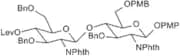
<p>3'-Sialyl Lewis X 1-N-methyl-N-hydroxyethylamine is a custom synthesis of a monosaccharide that contains an N-hydroxymethyl group. The fluorination and methylation reactions are examples of modifications that can be done to this molecule. This monosaccharide can be modified by the click chemistry reaction, which involves the use of azide and alkyne reagents. 3'-Sialyl Lewis X 1-N-methyl-N-hydroxyethylamine is used in glycosylation with complex carbohydrates such as polysaccharides and saccharides, which are large sugars or sugar chains.</p>Fórmula:C34H60N4O23Pureza:Min. 95%Cor e Forma:PowderPeso molecular:892.85 g/mol4-Methoxyphenyl 4-O-(3,6-di-O-benzyl-2-deoxy-4-O-levulinoyl-2-phthalimido-b-D-glucopyranosyl)-3-O-benzyl-2-deoxy-6-O-(4-methoxybenzy l)-2-phthalimido-b-D-glucopyranoside
<p>4-Methoxyphenyl 4-O-(3,6-di-O-benzyl-2-deoxy-4-O-levulinoyl-2-phthalimido-b-D-glucopyranosyl)-3-O-(4 methoxybenzyl)-2 deoxy 6 - O-(4 methoxybenzyl) - 2 phthalimido b D glucopyranoside is a complex carbohydrate that can be custom synthesized. It has been fluorinated. The modification of methyl groups on the saccharide moiety and its glycosylation make it a highly purified carbohydrate. This product has CAS No. 71181, Click modification, and Modification.</p>Fórmula:C69H66N2O17Pureza:Min. 95%Peso molecular:1,195.27 g/molHyaluronic acid potassium salt - from Cockscomb
CAS:<p>Hyaluronic acid is a glycosaminoglycan found in many organs where it functions as a joint lubricant and shock absorber (Collins, 2006). It is obtained principally from synovial fluid, vitreous humor of the eye, umbilical tissue and cockscomb. The chemical structure of hyaluronic acid is a disaccharide repeat of β-1,3 glucuronic acid and β-1,4 N-acetyl glucosamine (Casu, 1990). Hyaluronic acid is a common ingredient in skin care products and is used as a dermal filler in cosmetic surgery.</p>Fórmula:(C14H20KNO11)nCor e Forma:White Powder







![Biotin-[2-(2-pyridyldithio)ethylamide]](/_next/image/?url=https%3A%2Fstatic.cymitquimica.com%2Fproducts%2FTR%2Fthumb-webp%2FB391500.webp&w=3840&q=75)







![6'-(D-[UL-13C6]Galactosyl)lactose](/_next/image/?url=https%3A%2Fstatic.cymitquimica.com%2Fproducts%2F3D%2Fthumb-webp%2FOG15067.webp&w=3840&q=75)





![(3b,14a)-3-O-b-D-glucopyranosyl-(1,2)-[b-D-xylopyranosyl-(1,3)]-b-D-glucopyranosyl-(1,4)-b-D-galac…](/_next/image/?url=https%3A%2Fstatic.cymitquimica.com%2Fproducts%2F3D%2Fthumb-webp%2FOG74568.webp&w=3840&q=75)