Carboidratos e Glicoconjugados
Os carboidratos são compostos orgânicos formados por carbono, hidrogénio e oxigénio, cuja estrutura básica é composta por monossacarídeos. Estes podem ligar-se para formar dissacarídeos, oligossacarídeos ou polissacarídeos, dependendo do número de unidades monoméricas. Os carboidratos desempenham um papel fundamental no armazenamento de energia, na estrutura celular e na comunicação celular. Os seus derivados são utilizados em produtos farmacêuticos, como adoçantes e excipientes.
Na CymitQuimica, oferecemos uma ampla variedade de carboidratos e seus derivados para investigação e aplicações industriais.
Foram encontrados 5010 produtos de "Carboidratos e Glicoconjugados"
Ordenar por
Pureza (%)
0
100
|
0
|
50
|
90
|
95
|
100
Lewis A tetrasaccharide
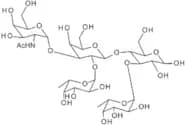
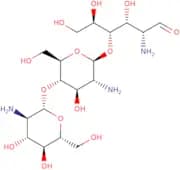
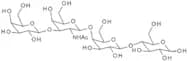
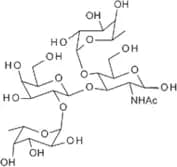
CAS:<p>Lewis A tetrasaccharide is a glycosylated oligosaccharide with the following chemical structure: The Lewis A tetrasaccharide is a carbohydrate that has been modified with fluorination and methylation. This modification has been shown to increase its stability in aqueous environments. The Lewis A tetrasaccharide may be used as a synthetic monosaccharide for custom synthesis. It is also used as an intermediate for the synthesis of glycosylated oligosacscharsides.</p>Fórmula:C26H45NO20Pureza:90%Cor e Forma:White PowderPeso molecular:691.64 g/molBlood Group A pentasaccharide
CAS:<p>Core antigen fragment in ABO blood group system</p>Fórmula:C32H55NO24Pureza:Min. 95%Cor e Forma:White PowderPeso molecular:837.77 g/molGalactosyl isomaltol
CAS:<p>Galactosyl isomaltol is a sugar molecule that is produced by the enzymatic hydrolysis of lactose. It has been shown to have antimicrobial activity against human pathogens and can be used as an antioxidant. Galactosyl isomaltol binds to lysine residues on bacterial cell walls, preventing the formation of new cells and causing cell death by interfering with protein synthesis. The addition of galactosyl isomaltol to food decreases the levels of phycocyanin, which are a type of fluorescent pigment found in blue green algae. This compound also has magnetic resonance analysis properties that could be used for diagnosis.</p>Fórmula:C12H16O8Pureza:Min. 95%Cor e Forma:PowderPeso molecular:288.25 g/mol2-Acetamido-2-deoxy-4-O-(a-L-fucopyranosyl)-D-glucopyranose
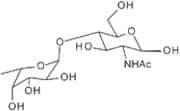
CAS:<p>2-Acetamido-2-deoxy-4-O-(a-L-fucopyranosyl)-D-glucopyranose is a methylated, custom synthesized oligosaccharide. It has been modified to include a fluorine atom at the C4 position on the glucose residue. The product is highly pure and in crystalline form, with a CAS number of 76211-71-7.</p>Fórmula:C14H25NO10Pureza:90%Cor e Forma:White PowderPeso molecular:367.35 g/mol2'-O-Fucosyllactulose
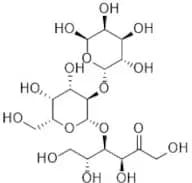
CAS:<p>2'-O-Fucosyllactulose is a modified carbohydrate that has been synthesized from a natural source. It is an oligosaccharide that contains the monosaccharide, fucose. This product can be used in the synthesis of polysaccharides and glycosylation reactions. 2'-O-Fucosyllactulose has been methylated, fluorinated, and glycosylated, which makes it suitable for use as a sugar in biotechnology applications.</p>Fórmula:C18H32O15Pureza:Min. 90 Area-%Cor e Forma:PowderPeso molecular:488.44 g/molMethyl 2-acetamido-2-deoxy-3-O-(a-L-fucopyranosyl)-b-D-glucopyranoside
CAS:<p>Methyl 2-acetamido-2-deoxy-3-O-(a-L-fucopyranosyl)-b-D-glucopyranoside is a glycosylation product of the natural sugar, galactose. It is a synthetic compound that has been modified with methyl groups and fluorine to form an active pharmaceutical ingredient. Methyl 2-acetamido-2-deoxy-3-O-(a-L-fucopyranosyl)-b-D-glucopyranoside can be used as a monosaccharide or oligosaccharide in the synthesis of complex carbohydrates.</p>Fórmula:C15H27NO10Pureza:Min. 95%Cor e Forma:PowderPeso molecular:381.38 g/molLactodifucotetraose
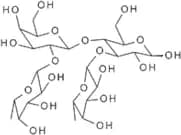
CAS:<p>Human milk oligosaccharide; attenuates inflammatory cytokine release</p>Fórmula:C24H42O19Pureza:Min. 90%Cor e Forma:White PowderPeso molecular:634.58 g/molp-Lacto-N-hexaose
CAS:<p>Neutral hexasasaccharide naturally present in human breast milk</p>Fórmula:C40H68N2O31Pureza:Min. 95%Cor e Forma:PowderPeso molecular:1,072.96 g/mol2,3,6,2',3',6',2'',3'',4'',6''-Deca-O-acetyl-a-D-cellotriosyl bromide
<p>2,3,6,2',3',6',2'',3'',4'',6''-Deca-O-acetyl-a-D-cellotriosyl bromide is a glycosylation reagent that can be used in the synthesis of polysaccharides and oligosaccharides. It contains a reactive functional group at the 2 position and a reactive functional group at the 3 position. This product can be custom synthesized to meet your needs. It has been shown to react with various saccharide units, including methylated sugars such as cellobiose and erythrose. The purity of this compound is >99%.</p>Pureza:Min. 95%Lewis Y hexasaccharide
CAS:<p>A human milk oligosaccharide</p>Fórmula:C38H65NO29Pureza:Min. 95%Cor e Forma:PowderPeso molecular:999.91 g/molβ-Cyclodextrin
CAS:<p>Beta-Cyclodextrin is a cyclic oligosaccharide with 7 D-glucose residues which are alpha-1,4-linked. beta-cyclodextrin is used in the food industry to encapsulate flavours and fragrances. Beta-cyclodextrin can increase the water solubility of compounds, such as curcumin; further, the cyclodextrin-curcumin complex also allows for a controlled, sustainable release in a wound healing study.</p>Fórmula:C42H70O35Pureza:Min. 98.0 Area-%Peso molecular:1,134.99 g/molDi-mannuronic acid sodium salt
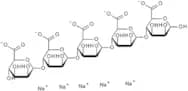
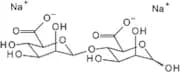
<p>Di-mannuronic acid sodium salt (β-1,4-linked sodium mannuronobiose) is one of a number of oligosaccharides obtained from alginate which is a polysaccharide in brown seaweeds containing: blocks of repeating mannuronic acid sequences (M-M-M-M etc), repeating guluronic acid sequences (G-G-G-G etc), and alternating M-G-M-G sequences.These oligosaccharides can be released using several methods (Lua, 2015; Yanga, 2004) and claims have been published that mannuronic acid oligosaccharides for example, can be effective in the prophylaxis and treatment of Alzheimer's disease, or for the prophylaxis and treatment of diabetes (USP 8835403B2, 2014).</p>Fórmula:C12H16O13Na2Pureza:Min. 98 Area-%Cor e Forma:White Off-White PowderPeso molecular:414.23 g/molBenzyl 2-acetamido-2-deoxy-6-O-(b-D-galactopyranosyl)-a-D-galactopyranoside
CAS:<p>This compound is a custom synthesis. It is an oligosaccharide, polysaccharide and modification of saccharides. The compound has been modified with methylation, glycosylation, and fluorination. This compound is a high purity product with the CAS number 93496-44-7.</p>Fórmula:C21H31NO11Pureza:Min. 95%Cor e Forma:PowderPeso molecular:473.47 g/mol2,3,4,6,1',3',4',6'-Octa-O-benzoyl-D-sucrose
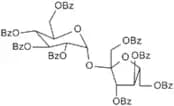
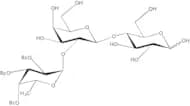
CAS:<p>Sucrose octabenzoate is a practically colorless, odorless, transparent, glass-like material which is compatible with a number of synthetic resins, such as polyvinyl chloride, vinyl chloride-vinyl acetate copolymer, polyvinyl acetate and cellulose acetate. Sucrose octabenzoate improves the hardness and gloss of these products and has also been found to be useful as a component of inks, adhesives, coatings and plastic objects.</p>Fórmula:C68H54O19Pureza:Min. 95%Cor e Forma:White/Off-White SolidPeso molecular:1,175.14 g/molD-Cellotetraose
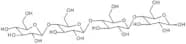
CAS:<p>Substrate for cellulases</p>Fórmula:C24H42O21Pureza:Min. 95 Area-%Cor e Forma:White Off-White PowderPeso molecular:666.58 g/molp-Lacto-N-neohexaose
CAS:<p>Neutral hexasasaccharide naturally present in human breast milk</p>Fórmula:C40H68N2O31Pureza:(%) Min. 90%Cor e Forma:PowderPeso molecular:1,072.96 g/molSucrose octasulfate ammonium
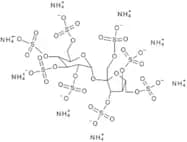
CAS:<p>This comound is generally known as sucralfates and are medications primarily taken to treat active duodenal ulcers. They are also used for the treatment of gastroesophageal reflux disease (GERD) and stress ulcers. Sucralfate is a sucrose sulfate-aluminium complex that binds to the ulcer, creating a physical barrier that protects the gastrointestinal tract from stomach acid and prevents the degradation of mucus. It also promotes bicarbonate production and acts like an acid buffer with cytoprotective properties.</p>Fórmula:C12H22O35S8•(H3N)8Pureza:Min. 98 Area-%Cor e Forma:White PowderPeso molecular:1,119.05 g/molGlycyl-asialo, galactosylated biantennary
<p>Glycyl-asialo, galactosylated biantennary is a high purity custom synthesis of sugar. Glycyl-asialo, galactosylated biantennary is custom synthesized by the click modification of glycosylation and fluorination with methylation and modification. The CAS number for glycyl-asialo, galactosylated biantennary is **********.</p>Fórmula:C64H108N6O46Pureza:Min. 95%Peso molecular:1,697.56 g/molMan-8 Glycan, 2-AB labelled
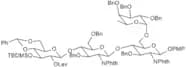
<p>Man-8 Glycan, 2-AB labelled is a carbohydrate, modification. It is a saccharide that has been fluorinated and modified with methylation and glycosylation. It has a CAS number of 7071-83-0, and is available for custom synthesis. This product has high purity, is synthetic, and can be modified with a click modification. The molecular weight of this product is 604.</p>Pureza:Min. 95%4-Methoxyphenyl 4-O-[4-O-(4,6-O-benzylidene-3-O-tert-butyldimethylsilyl- 2-O-levulinoyl-β-D-glucopyranosyl)-3,6-di-O-benzyl-2-deoxy-2 -phthalimid o-β-D-glucopyranosyl]-3-O-benzyl-6-O-(tri-O-benzyl-α-L-fucopyranosyl)-2- deoxy-2-phthalimido-β-D-glucopyranos
<p>4-Methoxyphenyl 4-O-[4-O-(4,6-O-benzylidene-3-O-tert-butyldimethylsilyl-2-O -levulinoyl)-b,D,Glucopyranosyl]-3,6,-di-, Obenzyl 2deoxy 2phthalimido bDglucopyranosyl]-2deoxy 2phthalimido bDglucopyrano sugar is a complex carbohydrate that has been synthesized in a custom synthesis. It is composed of a glucose oligosaccharide with a methoxyphenol glycoside at the reducing terminus and an α-(1,6)-linked mannose at the nonreducing terminus. The carbohydrate has been modified by fluorination and methylation. The molecule contains an acetal bond between the carbonyl group of the terminal monosaccharide and the</p>Fórmula:C107H114N2O25SiPureza:Min. 95%Peso molecular:1,856.13 g/molO-(2,2',3,3',4',6,6'-Hepta-O-acetyl-b-D-maltosyl)-N-hydroxysuccinimide
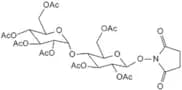
<p>O-(2,2',3,3',4',6,6'-Hepta-O-acetyl-b-D-maltosyl)-N-hydroxysuccinimide is a methylating reagent that is used in the synthesis of glycosides. It can be used to modify saccharides and polysaccharides with the desired sugar moiety.</p>Fórmula:C30H39NO20Pureza:Min. 95%Peso molecular:733.64 g/molLewis Y pentasaccharide
<p>Lewis Y pentasaccharide is a carbohydrate antigen that is expressed on the surface of cells in the cancer, tissue and lymphatic system. It has been shown to be a polyvalent carbohydrate ligand for lectins, which are proteins that bind carbohydrates. Lewis Y pentasaccharide has a high affinity for erythrocytes of blood group A and B, which makes it useful as an antigen for detection of these blood groups. The binding of Lewis Y pentasaccharide to glycolipids on tumor cells initiates complement-dependent cytotoxicity (CDC) by activating the classical pathway of the immune system. CDC can be used as an adjuvant therapy in cancer treatment.</p>Fórmula:C32H55NO24Pureza:Min. 95%Cor e Forma:PowderPeso molecular:837.79 g/molChitotriose trihydrochloride
CAS:<p>Chitotriose trihydrochloride is a modification of chitin, an oligosaccharide. Chitotriose trihydrochloride is a synthetic carbohydrate which is used as a raw material for the production of fibers, films, and adhesives. It can be used in the synthesis of complex carbohydrates such as starch and glycogen. Chitotriose trihydrochloride is a high purity carbohydrate with CAS No. 41708-93-4 that can be used to produce glycosylated proteins or polysaccharides.</p>Fórmula:C18H35N3O13·3HClPureza:Min. 95 Area-%Cor e Forma:PowderPeso molecular:610.87 g/molD-Raffinose pentahydrate
CAS:<p>Raffinose is the most abundant of the family of oligosaccharides that are α-galactosyl derivatives of sucrose (Collins, 2006). The other main member of the group is the tetrasaccharide stachyose. Raffinose is found in sugar beet molasses and whole grains. Soybean oligosaccharides make up approximately 5% of dry matter in whole beans and up to 8% of dry matter in soybean meal. Together raffinose and stachyose rank second only to sucrose in abundance, as water-soluble carbohydrates (Kumar, 2010).</p>Fórmula:C18H42O21Pureza:Min. 97 Area-%Peso molecular:594.52 g/molRef: 3D-R-1000
10gA consultar1kgA consultar5kgA consultar10kgA consultar2500gA consultar-Unit-kgkgA consultara-Maltotetraosyl-a,a-trehalose
CAS:<p>a-Maltotetraosyl-a,a-trehalose is a carbohydrate that is modified with fluorine. It is a complex carbohydrate with four maltotriose units linked by alpha,alpha-trehalose units. This compound can be custom synthesized and has high purity. It can also be methylated and glycosylated. Click modification can be done to the sugar in order to modify its properties.</p>Fórmula:C36H62O31Pureza:Min. 95%Peso molecular:990.86 g/molCellobionic acid ammonium salt
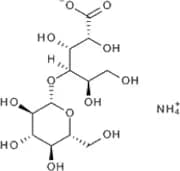
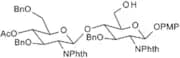
CAS:<p>Cellobionic acid is produced by oxidative enzymes working on cellulose. These compounds have found application in cosmetic antiaging formulations, moisturizers, and peels, and in treatment products to improve hyperpigmentation and acne. The bionic acids such as cellobionic acid offer the benefits of α-hydroxyacids without irritation. They also provide additional antioxidant/chelation, barrier strengthening, and moisturizing effects.</p>Fórmula:C12H25NO12Pureza:Min. 95%Cor e Forma:Off-White PowderPeso molecular:375.33 g/mol4-Methoxyphenyl 4-O-(4-O-acetyl-3,6-di-O-benzyl-2-deoxy-2-phthalimido-b-D-glucopyranosyl)-3-O-benzyl-2-deoxy-2-phthalimido-b-D-gluco pyranoside
<p>4-Methoxyphenyl 4-O-(4-O-acetyl-3,6-di-O-benzyl-2-deoxy-2-phthalimido-b-D-glucopyranosyl)-3,6,2′,4′″triphosphate (4MPP) is a methylated saccharide. It can be modified with click chemistry and has been shown to inhibit the synthesis of glycogen in the liver. 4MPP is a high purity product that has been synthesized from naturally occurring carbohydrates. It is also fluorinated for use in research.</p>Fórmula:C58H54N2O15Pureza:Min. 95%Peso molecular:1,019.05 g/molAllyl-D-lactose
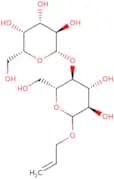
CAS:<p>1-O-Allyl-D-lactose is a fluorinated carbohydrate with the chemical formula C6H12O5. It is an oligosaccharide that can be synthesized in high purity and custom synthesis. 1-O-Allyl-D-lactose is a modified saccharide that has been fluorinated at the 1 position and methylated at the 2 position. It can be used as a substrate for glycosylation or click chemistry reactions.</p>Fórmula:C15H26O11Pureza:Min. 95%Cor e Forma:White PowderPeso molecular:382.36 g/molMaltotriose - Ultrapure
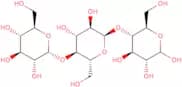
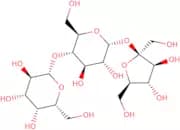
CAS:<p>linear a-(1,4) trisaccharide produced from starch by acid or enzyme hydrolysis</p>Fórmula:C18H32O16Pureza:Min. 95.0 Area-%Cor e Forma:PowderPeso molecular:504.44 g/molMethyl 2-O-(a-D-mannopyranosyl)-b-D-mannopyranoside
<p>Methyl 2-O-(a-D-mannopyranosyl)-b-D-mannopyranoside is a glycosylation product of mannose and glucose. It is an intermediate in the synthesis of the complex carbohydrate, methylated mannan. This compound is also an intermediate in the synthesis of saccharides with a fluorinated sugar moiety. Methyl 2-O-(a-D-mannopyranosyl)-b-D-mannopyranoside can be custom synthesized to meet your needs.</p>Fórmula:C13H24O11Pureza:Min. 95%Peso molecular:356.32 g/mol4-Methoxyphenyl 4-O-(3,6-di-O-benzyl-2-deoxy-2-phthalimido-b-D-glucopyranosyl)-3-O-benzyl-2-deoxy-6-O-(4-methoxybenzyl)-2-phthalimid o-b-D-glucopyranoside
<p>4-Methoxyphenyl 4-O-(3,6-di-O-benzyl-2-deoxy-2-phthalimido-b-D-glucopyranosyl)-3-O-benzyl-2-deoxy -6-(4methoxybenzyl)-2 phthalimid (4) is a carbohydrate compound with the molecular formula C27H32N2O9. It is a white to off white powder that has a molecular weight of 565.5 and an empirical formula of C27H32N2O9.</p>Fórmula:C64H60N2O15Pureza:Min. 95%Peso molecular:1,097.17 g/mol6-Deoxy-6-fluoro-D-lactosylamine
<p>6-Deoxy-6-fluoro-D-lactosylamine (6DFDLA) is a Custom synthesis, Modification, Fluorination, Methylation, Monosaccharide, Synthetic, Click modification, Oligosaccharide, saccharide. It is a polysaccharide that contains a glycosyl linkage between two or more monosaccharides. The carbons of 6DFDLA are derived from glucose and galactose. 6DFDLA is a carbohydrate that can be classified as either simple or complex carbohydrates.</p>Pureza:Min. 95%1,4-b-Galactotetraose
CAS:<p>1,4-b-Galactotetraose is a galactose containing tetrasaccharide</p>Fórmula:C24H42O21Pureza:Min. 95%Cor e Forma:PowderPeso molecular:666.58 g/mol3-(a-D-Rhamnopyranosyl)-D-glucose
<p>3-(a-D-Rhamnopyranosyl)-D-glucose is a glycosylation product that is synthesized by the methylation of glucose. It is a complex carbohydrate with a high purity, CAS number and custom synthesis. 3-(a-D-Rhamnopyranosyl)-D-glucose has been modified by fluorination and click chemistry to produce a versatile reagent for glycosylation reactions.</p>Pureza:Min. 95%Blood group A type 4 linear trisaccharide-NGL
<p>Useful oligosaccharide-lipid conjugate for raising antibodies.</p>Pureza:Min. 95%Gangliotetraose
CAS:<p>Gangliotetraose (Galβ1,3GalNAcβ1,4Galβ1,4Glc) is the core tetrasaccharide found in many gangliosides, such as, GM1 (Ledeen, 2009). Gangliosides containing gangliotetraose are abundant in mammalian brains, where they can cover 10%â20% of the total ganglioside mixture. They are found in epithelial membranes and are key elements for bacterial toxicity and viral infection, for example, it is the intestinal receptor for cholera toxin, the B-subunits of heat-labile toxin, rotavirus, and simian virus 40. They can function as neurotrophic and neuroprotective compounds, and have been used therapeutically for diabetic and peripheral neuropathies. They bind amyloid-β proteins and are involved in Alzheimerâs pathogenesis (Chiricozzi, 2020).</p>Fórmula:C26H45NO21Pureza:Min. 95%Cor e Forma:PowderPeso molecular:707.64 g/mol2-Acetamido-2-deoxy-4-O-(β-D-mannopyranosyl)-D-glucopyranose
CAS:<p>2-Acetamido-2-deoxy-4-O-(b-D-mannopyranosyl)-D-glucopyranose (MDP) is a complex carbohydrate that has been modified by methylation, glycosylation, and carbocation. MDP is a saccharide that can be used in the synthesis of polysaccharides or as an intermediate for other chemical syntheses. It is also possible to modify MDP with fluorination, which may be useful in the synthesis of new types of pharmaceuticals.</p>Fórmula:C14H25NO11Pureza:Min. 95 Area-%Cor e Forma:PowderPeso molecular:383.35 g/mol3-O-(2-Acetamido-2-deoxy-b-D-galactopyranosyl)-D-galactopyranose
CAS:<p>3-O-(2-Acetamido-2-deoxy-b-D-galactopyranosyl)-D-galactopyranose is a sugar molecule with biological properties such as lectin, terminal sugar, and carbohydrate. It is a specific sugar for the blood group B. This sugar is also used in assays for pneumococcus, which is a bacterium that can cause pneumonia. 3-O-(2-Acetamido-2-deoxy-b-D-galactopyranosyl)-D-galactopyranose is oxidized by enzymes called oxidases to form 3,4,6 -triacetamido galactose (3TAG) and 3,4,6 -triacetamido glucose (3TG). The disaccharide residues are then hydrolyzed into monosaccharides by glycoconjugates and polyvalent glycosidases.</p>Fórmula:C14H25NO11Pureza:Min. 95%Cor e Forma:White PowderPeso molecular:383.33 g/molGD1b-Ganglioside sodium
CAS:<p>GD1b (shown as sodium salt) is one of the major gangliosides in neuronal and glial membranes. It has a core tetrasaccharide structure (Galβ1,3GalNAcβ1,4Galβ1,4Glc) with itâs two sialic acids linked α2,3/α2,8 to the inner galactose residue and ceramide linked β to position 1 on the reducing terminal glucose residue (Ledeen, 2009). GD1b acts as a receptor for BK virus as well as for heat-labile LTII-a toxin, produced by enteropathogenicâ¯E. coli. GD1b ganglioside also interacts with tetanus neurotoxin (TeNT) and is crucial for its entry into cells (Kolter, 2012).</p>Pureza:Min. 95%Cor e Forma:PowderMethyl protodioscin
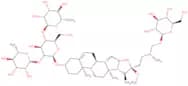
CAS:<p>Methyl protodioscin is a natural compound that has been shown to have a promising therapeutic effect on autoimmune diseases. Methyl protodioscin is derived from soybean extract and it is known to inhibit the translocation of bacteria across the gut wall, which could be due to its ability to regulate mucin gene expression. In vitro assays show that methyl protodioscin has an effect on mitochondrial membrane potential, which may be related to its anti-inflammatory properties. The effects of methyl protodioscin on mitochondrial functions were studied in C. glabrata, and it was shown that this compound can be used as a therapeutic agent for balloon injury.<br>Methyl protodioscin also inhibits the growth of Candida albicans and other fungi in vivo, suggesting that this compound might have antifungal activity.</p>Fórmula:C52H86O22Pureza:Min. 95%Peso molecular:1,063.23 g/mol2'',3'',4''-Tri-O-benzylfucosyllactose
<p>Please enquire for more information about 2'',3'',4''-Tri-O-benzylfucosyllactose including the price, delivery time and more detailed product information at the technical inquiry form on this page</p>Fórmula:C39H50O15Pureza:Min. 95%Cor e Forma:White To Off-White SolidPeso molecular:758.81 g/mol4-O-β-D-Galactosylsucrose
CAS:<p>Similar to Raffinose but with the galactose residue attached 1,4 to the glucose</p>Fórmula:C18H32O16Pureza:Min. 95 Area-%Cor e Forma:White PowderPeso molecular:504.44 g/mol2-Azidoethyl 2-O-(2-acetamido-2-deoxy-b-D-glucopyranosyl)-a-D-mannopyranoside
<p>2-Azidoethyl 2-O-(2-acetamido-2-deoxy-b-D-glucopyranosyl)-a-D-mannopyranoside is a carbohydrate that is a modification of the saccharide oligosaccharide. It has been synthesized by custom synthesis and has high purity, methylation, glycosylation and click modification.</p>Fórmula:C16H28N4O11Pureza:Min. 95%Peso molecular:452.41 g/molGlycyl-sialyllacto-N-tetraose b
<p>Glycyl-sialyllacto-N-tetraose b is a custom synthesis of an oligosaccharide consisting of four monosaccharides. The monosaccharides are glycyl, sialyllactose and two tetrasaccharides with the configuration of (1,4)-alpha-D-mannopyranosyl-(1,2)-alpha-D-mannopyranosyl-(1,6)-beta-D-glucopyranosyl-(1,4)-alpha-D-mannopyranosyl. Glycyl-sialyllacto-N-tetraose b is a high purity product that can be modified to contain fluorine atoms. This product has been shown to have methylation activity in Methylation reactions.</p>Fórmula:C39H66N4O29Pureza:Min. 95%Peso molecular:1,054.95 g/mol4-Methoxyphenyl 3-O-(2,3,4,6-Tetra-O-acetyl-b-D-galactopyranosyl)-2-azido-4,6-O-benzylidene-2-deoxy-b-D-galactopyranoside
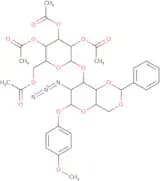
<p>4-Methoxyphenyl 3-O-(2,3,4,6-Tetra-O-acetyl-b-D-galactopyranosyl)-2-azido-4,6-O-benzylidene-2-deoxy-b -D -galactopyranoside is a sugar that can be methylated or modified with other saccharides. It has CAS No. 91485 and can be synthesized by Click chemistry. The modification of the sugar includes glycosylation and fluorination. This compound is a complex carbohydrate that is used in synthetic chemistry.</p>Pureza:Min. 95%4-O-(β-D-Mannopyranosyl)-D-mannose
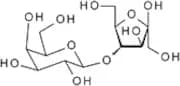
CAS:<p>One of the disaccharides produced during the acid reversion of D-mannose. This mannobiose is the major repeating unit in the mannose chains of plant mannans, galacto- and gluco-mannans. It has been isolated from partial acid hydrolysates of ivory-nut (Phytelephas, macrocarpa) mannan, guaran (Cyamopsis sp.), palmyra palm (Borassus flabelliferer), fenugreek (Trigonella foenum-graecum) and lucerne (Medicago saliva) galactomannans.</p>Fórmula:C12H22O11Pureza:Min. 95%Cor e Forma:White PowderPeso molecular:342.3 g/molKojibiose
CAS:<p>A rare sugar, prebiotic fibre and inhibitor of α-glucosidases. It inhibits animal-, plant- and microorganism-derived α-glucosidases I. In rodent models for diabetes, it ameliorates arachidic acid-induced liver injury and reduces hepatic inflammatory markers.</p>Fórmula:C12H22O11Pureza:Min. 99 Area-%Cor e Forma:White PowderPeso molecular:342.3 g/molMethyl 4-O-(a-D-mannopyranosyl)-b-D-mannopyranoside
<p>Methyl 4-O-(a-D-mannopyranosyl)-b-D-mannopyranoside is a synthetic glycosylated oligosaccharide, which is a polysaccharide composed of various monosaccharides. Methyl 4-O-(a-D-mannopyranosyl)-b-D-mannopyranoside is a mannosylated derivative of the sugar, methyl 4-O-(a -D-mannopyranosyl) b -D -mannopyranoside. This sugar can be used as an intermediate in the synthesis of other sugars and carbohydrates. It has also been used to synthesize glycoproteins for use in immunology research.</p>Fórmula:C13H24O11Pureza:Min. 95%Peso molecular:356.32 g/molMaltodextrin - dextrose equivalent 13.0-17.0
CAS:<p>Produced from starch; white hygroscopic spray-dried powder; easily digestible</p>Pureza:Min. 95%Cor e Forma:White PowderMethyl syringate 4-O-β-D-gentiobiose
<p>Methyl syringate 4-O-beta-D-gentiobiose is a modification, which is an oligosaccharide carbohydrate complex. It is synthesized by custom synthesis and has a high purity. It is a CAS number and has the molecular formula C12H20O9. This compound can be found in nature as a monosaccharide or polysaccharide sugar. The methylation of this compound can produce methyl syringate 4-O-beta-D-gentiobiose.</p>Fórmula:C22H22O15Peso molecular:526.4 g/molN,N',N'',N''',N'''',N''''',N''''''-Heptaacetylchitoheptaose
CAS:<p>Chitinases are enzymes that hydrolyze chitin, a polysaccharide found in the exoskeleton of insects, fungi and other invertebrates. Chitohexaose is a sugar that has been shown to have anti-inflammatory properties. It is a carbohydrate with six acetyl groups attached to it. When this sugar reacts with ammonium bicarbonate (NH4HCO3) in an acidic environment, it produces N,N',N'',N''',N'''',N''''',N''''''-heptaacetylchitoheptaose. This reaction system can be used as a chitinase preparation for investigating the biological effects of chitohexaose. The magnetic resonance spectroscopy was used to study the reaction system and revealed that the product is a hexamer with six acetyl groups on each monomer.</p>Fórmula:C56H93N7O36Pureza:Min. 95%Cor e Forma:PowderPeso molecular:1,440.36 g/molNA2F Glycan, 2-AB labelled
<p>NA2F Glycan is a custom synthesis that is used in the identification and quantification of methylated polysaccharides. It is a synthetic modification of a natural glycosylation reaction. The NA2F Glycan is synthesized by 2-AB labelled Methylation, saccharide, Polysaccharide, CAS No., Click modification, Modification, Oligosaccharide, Custom synthesis, Glycosylation, High purity, Carbohydrate, sugar, Synthetic, Fluorination with high purity and complex carbohydrate. This product can be used in glycobiology research as a methylation-sensitive probe for the detection of methylated polysaccharides such as glycoproteins and glycolipids.</p>Pureza:Min. 95%Blood group H type II trisaccharide
CAS:<p>Core antigen fragment in ABO blood group system</p>Fórmula:C20H35NO15Pureza:Min. 95%Cor e Forma:White PowderPeso molecular:529.5 g/molN-Acetyl-9-O-(N-acetyl-a-neuraminosyl)-neuraminic acid
CAS:<p>N-Acetyl-9-O-(N-acetyl-a-neuraminosyl)-neuraminic acid is a synthetic, fluorinated monosaccharide that is used in the synthesis of glycosides and polysaccharides. It can be custom synthesized to any desired purity. This chemical has many modifications, including methylation, esterification, and glycosylation. The CAS number for this product is 96425-77-3.</p>Fórmula:C22H36N2O17Pureza:Min. 95%Peso molecular:600.52 g/mol3-O-[2-(Acetamino)-2-deoxy-D-galactopyranosyl]-D-mannopyranose
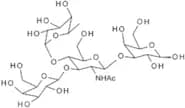
CAS:<p>3-O-[2-(Acetamino)-2-deoxy-D-galactopyranosyl]-D-mannopyranose is a synthetic, fluorinated, methylated, monosaccharide that is used in the synthesis of complex carbohydrates.</p>Fórmula:C14H25NO11Pureza:Min. 95%Peso molecular:383.35 g/molFuc-a-1-2-Gal-b-1-3-GalNAc-b-1-4-Gal-b-1-4-Glc-b-ethylazide
<p>Fuc-a-1-2-Gal-b-1-3-GalNAc-b-1-4-Gal-b is a methylated oligosaccharide that binds to the C3 position of NANA (N acetylneuraminic acid) residues. It has been shown to be an effective inhibitor of tumor growth and angiogenesis, which may be due to its ability to inhibit the synthesis of glycoproteins and glycolipids in tumors. Fucogalactose can also be modified with different fluorinated groups, such as 4F or 18F, for use in positron emission tomography imaging. This product is available for custom synthesis and modification.</p>Pureza:Min. 95%1,6-Anhydro-N,N’-diacetylchitobiose
CAS:<p>1,6-Anhydro-N,N’-diacetylchitobiose is an anhydrosugar that can be used in the synthesis of oligosaccharides</p>Fórmula:C16H26N2O10Pureza:Min. 95%Cor e Forma:PowderPeso molecular:406.39 g/molMethyl 3-O-(2,3,4,6-tetra-O-acetyl-a-D-mannopyranosyl)-a-D-mannopyranoside
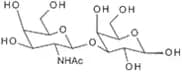
CAS:<p>Methyl 3-O-(2,3,4,6-tetra-O-acetyl-a-D-mannopyranosyl)-a-D-mannopyranoside is a synthetic glycosylation product of methyl 3,4,6-triacetate and a mannose. It is an Oligosaccharide with the molecular formula (C12H25O14)n. Methyl 3-O-(2,3,4,6-tetra-O-acetyl-a-D-mannopyranosyl)-a-D -mannopyranoside is a white crystalline powder that can be used in the synthesis of complex carbohydrates. It has been shown to react with fluorine to produce a monofluorinated product and methylated products. This compound can be custom synthesized and modified for specific applications. Methyl 3 - O - ( 2 , 3 , 4 , 6 -</p>Fórmula:C21H32O15Pureza:Min. 95%Peso molecular:524.47 g/mol2-Acetamido-2-deoxy-6-O-(b-D-galactopyranosyl)-D-galactopyranose
CAS:<p>2-Acetamido-2-deoxy-6-O-(b-D-galactopyranosyl)-D-galactopyranose is a model organism that is used in the study of virus replication. It is a substrate for viral glycosylation and has been shown to be involved in mammalian cell growth. 2-Acetamido-2-deoxy-6-O-(b-D-galactopyranosyl)-D-galactopyranose is an iron oxide and it can be used as a contrast agent for magnetic resonance imaging (MRI) or computed tomography (CT). The gene product has not yet been identified, but it has been shown to be involved in fatty acid metabolism and cancer. This molecule also plays a role in the life cycle of some infectious diseases, such as influenza A virus.</p>Fórmula:C14H25NO11Pureza:Min. 95%Cor e Forma:White PowderPeso molecular:383.35 g/molGM2-Oligosaccharide
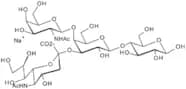
<p>GM2-oligosaccharide (sodium salt) is a trisaccharide (GalNAcβ1,4Galβ1,4Glc) with sialic acid linked α2,3 to the central galactose residue (Ledeen, 2009). The parent GM2 ganglioside is present on neuronal cells and plays a key role in the regulation of dendritogenesis in cortical pyramidal neurons. In lysosomal storage disorders, such as, Tay-Sachs and Sandhoff disease, where hexosaminases A and B are deficient, GM2 ganglioside accumulates in the nervous system (Cachon-Gonzalez, 2018). GM2 ganglioside is also overexpressed in melanomas and other tumours of neuro-ecto origin (Yoshida, 2020). Moreover, the sugar moiety of GM2 ganglioside is a receptor allowing viral infection of cells with reovirus and rotavirus (Zhu, 2018).</p>Fórmula:C31H51N2O24NaPureza:Min. 95%Cor e Forma:PowderPeso molecular:858.73 g/molVinyl a-D-lactose
<p>Vinyl a-D-lactose is a custom synthesis, fluorinated, modified monosaccharide that can be used to modify proteins and polysaccharides. It has been shown to react with proteins through the click chemistry reaction and methylation. Vinyl a-D-lactose can be used for glycosylation of saccharides and complex carbohydrates in order to synthesize oligosaccharides.</p>Pureza:Min. 95%4-Methoxyphenyl 2,4,6-tri-O-(3,4,6-tri-O-benzyl-2-deoxy-2-phthalimido-β-D-glucopyranosyl)-3-O-benzyl-α-D-mannopyranoside
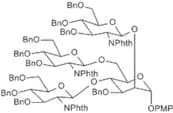
<p>4-Methoxyphenyl 2,4,6-tri-O-(3,4,6-tri-O-benzyl-2-deoxy-2-phthalimido-b-D-glucopyranosyl)-3-O-(benzyl)aDmannopyranoside is a custom synthesis of an oligosaccharide. It is an acetal derivative of 4methoxyphenyl 2,4,6tri O-(3,4,6tri Obenzyl 2deoxy2 phthalimido b D glucopyranosyl) 3 O (benzyl) ad mannopyranoside with a methoxymethyl group at the C5 position and a benzyl ether moiety at the C6 position. The molecule contains a methylated sugar as well as fluorine modification on the ring oxygen atom. This molecule has a high purity and is offered in both monos</p>Fórmula:C125H117N3O25Pureza:Min. 95%Peso molecular:2,061.27 g/molLactosyl fluoride
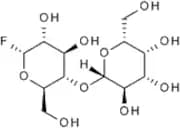
CAS:<p>Lactosyl fluoride is a kinetic inhibitor of glycosidase enzymes. It has been shown to be an effective inhibitor of the enzyme β-galactosidase in both the presence and absence of calcium. Lactosyl fluoride has also been shown to inhibit other glycosidases, including α-galactosidase and α-mannosidase. The lactose derivative is activated by hydrogen fluoride, which allows it to react with the enzyme and block its activity. This product can be used as a chemical biology tool for studying glycoconjugates or as a medicine for treating diseases caused by the accumulation of oligosaccharides, such as Gaucher's disease or Tay-Sachs disease.</p>Fórmula:C12H21FO10Pureza:Min. 95%Cor e Forma:White PowderPeso molecular:344.29 g/molGlobo-H BSA conjugate
<p>Useful for study of immune response in cancer vaccine development</p>Cor e Forma:PowderPeso molecular:1539.56Dextran 750 - MW: 500,000 to 1,000,000
CAS:<p>Dextran is a polysaccharide that is used as an antimicrobial agent and as a volume expander in the treatment of bowel disease, myocardial infarct, and other diseases. Dextran sulfate is a linear polymer with a molecular weight of 500,000 to 1,000,000. It has minimal toxicity and does not interfere with iron homeostasis or cause fluid overload. Dextran sulfate can be used for the treatment of bowel disease because it has been shown to have anti-inflammatory effects in experimental models. The mechanism by which dextran sulfate inhibits inflammation is unknown, but may involve its ability to bind to macrophages and neutrophils in the gut wall. Dextran sulfate also binds to bacteria and prevents their growth. This binding may prevent bacterial penetration into epithelial cells or block bacterial attachment to cell surfaces. The efficacy of dextran sulfate against pathogenic mechanisms such as inflammation has been demonstrated in experimental models.</p>Pureza:Min. 95%Cor e Forma:White PowderGT1b-Oligosaccharide
CAS:<p>GT1b oligosaccharide (sodium salt) has a core tetrasaccharide structure (Galβ1,3GalNAcβ1,4Galβ1,4Glc) with two sialic acids (NeuAc) linked α2,3/α2,8 to the inner galactose residue, and sialic acid (NeuAc) linked α2,3 to the terminal galactose residue (Ledeen, 2009). The GT1b ganglioside is one of the major gangliosides in neuronal and glial membranes; it interacts with myelin-associated glycoprotein (MAG) and is essential for long-term axon-myelin stability. GT1b ganglioside also acts as receptor for bacterial toxins, such as, tetanus and botulinum toxins (Nishiki, 1996), as well as for viruses. A few examples of which include: Merkel cell polyomavirus, JC virus, BK virus, norovirus and others (Low, 2006).</p>Fórmula:C59H96N4O45Pureza:(%) Min. 98%Cor e Forma:PowderPeso molecular:1,581.39 g/mola,a-D-Trehalose dihydrate
CAS:<p>Please enquire for more information about a,a-D-Trehalose dihydrate including the price, delivery time and more detailed product information at the technical inquiry form on this page</p>Fórmula:C12H26O13Pureza:Min. 98 Area-%Peso molecular:378.33 g/molBenzyl 2-acetamido-2-deoxy-3-O-(b-D-galactopyranosyl)-a-D-glucopyranoside
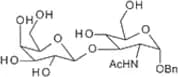
CAS:<p>Benzyl 2-acetamido-2-deoxy-3-O-(b-D-galactopyranosyl)-a-D-glucopyranoside is a synthetic substrate that is used in the synthesis of disaccharides. It is catalytic and has an efficient method for the preparation of acetonitrile, which can be eluted with acetic acid. It is a reagent that reacts with halides to form equimolar acetates. Acetylated benzyl 2-acetamido-2 deoxy 3 O-(b D galactopyranosyl) a D glucopyranoside can be obtained by reacting benzyl 2 acetamido 2 deoxy 3 O-(b D galactopyranosyl) a D glucopyranoside with acetic anhydride.</p>Fórmula:C21H31NO11Pureza:Min. 95%Cor e Forma:PowderPeso molecular:473.47 g/mol1-O-Aminohexyl 6'-sialyllactose hydrochloride
<p>Key synthetic precursor for the synthesis of lacto-oligosaccharides</p>Fórmula:C29H52N2O19•HClPureza:Min. 95 Area-%Cor e Forma:White PowderPeso molecular:769.23 g/molD-Leucrose
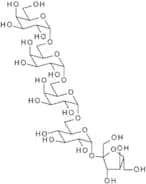
CAS:<p>Leucrose (5-O-a-d-glucopyranosyl-D-fructose) is formed by enzymatic synthesis using Leuconostoc mesenteroides in the presence of sucrose.</p>Fórmula:C12H22O11Pureza:Min. 95%Cor e Forma:PowderPeso molecular:342.3 g/molMaltotriitol
CAS:<p>Bulk sweetener; viscosity/bodying agent; humectant; cryoprotectant</p>Fórmula:C18H34O16Pureza:(%) Min. 95%Cor e Forma:White PowderPeso molecular:506.45 g/mol2-Acetamido-3-O-(2-acetamido-2-deoxy-a-D-galactopyranosyl)-2-deoxy-D-galactopyranose
CAS:<p>2-Acetamido-3-O-(2-acetamido-2-deoxy-a-D-galactopyranosyl)-2-deoxy-D-galactopyranose is a glycan that is found in human serum and maternal blood. The wild type strain of 2,3,4,6,7,8<br>diacetylgalactosaminyltransferase (GnTIII) gene has been shown to be essential for the synthesis of this glycan. This glycan is also found in the carcinoma cell lines HT1080 and SW480. Structural analysis of the glycan has revealed that it contains a hydroxyl group on the C1 position and an acetamido group on the C2 position. Glycans are polymers that play roles in many biological functions such as cell recognition, immune responses, and carbohydrate metabolism. The structure of this glycan was studied using titration calorim</p>Fórmula:C16H28N2O11Pureza:Min. 95%Cor e Forma:PowderPeso molecular:424.40 g/molChondroitin sulphate octasaccharide ammonium salt
<p>Chondroitin sulphate octasaccharide ammonium salt is a synthetic, fluorinated glycosaminoglycan. It is a synthetic, fluorinated glycosaminoglycan that has been synthesized from chondroitin sulfate and 2-amino-2-deoxy-D-glucose. Chondroitin sulphate octasaccharide ammonium salt has the CAS number 93860-92-7. It can be modified to make it more complex, such as methylation or click modification to give it different properties. This product is offered in high purity with a custom synthesis service available on request.</p>Pureza:Min. 95%4-O-(β-D-Galactopyranosyl)-D-galactopyranose
CAS:<p>Used as enzyme substrates, analytical standards and for in vitro diagnostics</p>Fórmula:C12H22O11Pureza:Min. 95%Cor e Forma:White Off-White PowderPeso molecular:342.29 g/molLacto-N-fucopentaose I
CAS:<p>Milk oligosaccharide; expressed on human induced pluripotent cells</p>Fórmula:C32H55NO25Pureza:Min. 95%Cor e Forma:White PowderPeso molecular:853.77 g/molGalNAcb(1-3)Gala(1-3)Galb(1-4)Glc-b-pNP
<p>GalNAcb(1-3)Gala(1-3)Galb(1-4)Glc-b-pNP is a synthetic glycoconjugate that is a glycosylated complex carbohydrate. It has been modified by Click chemistry and fluorination, and contains the monosaccharides galactose, galactosamine, glucose, and glucuronic acid. GalNAcb(1-3)Gala(1-3)Galb(1-4)Glc-b-pNP is used as a substrate for enzyme assays to study the activity of glycosyltransferases such as galactosyltransferase. This product can be used for research purposes in immunology, molecular biology, biochemistry and other fields.</p>Fórmula:C32H48N20O23Pureza:Min. 95%Peso molecular:1,080.84 g/mol3α,4β-Galactotriose
CAS:<p>Obtained by the partial acetolysis of lambda-carrageenan</p>Fórmula:C18H32O16Pureza:Min. 95 Area-%Cor e Forma:White PowderPeso molecular:504.44 g/mol8-Methoxycarbonyloctyl 2-acetamido-2-deoxy-4-(a-L-fucopyranosyl)-3-O-(b-D-galactopyranosyl)-b-D-glucopyranoside
CAS:<p>8-Methoxycarbonyloctyl 2-acetamido-2-deoxy-4-(a-L-fucopyranosyl)-3-O-(b-D-galactopyranosyl)-b-D-glucopyranoside is a custom synthetic compound that was created using click chemistry. It is an oligosaccharide, polysaccharide, saccharide, and carbohydrate. It is fluorinated and has been modified with methyl groups.</p>Pureza:Min. 95%2'-Fucosyllactose - min 90%
CAS:<p>Substrate for fucosidase; used in infant formula; improves health in infants</p>Fórmula:C18H32O15Pureza:Min. 90%Cor e Forma:White PowderPeso molecular:488.44 g/molGlycol chitosan
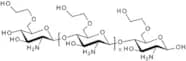
CAS:<p>Non-cytotoxic; biocompatible; used for targeted drug deliveryDegree of polymerisation is greater then 400.Water solubility approx 1mg/ml</p>Fórmula:C24H47N3O16Pureza:Min 60%Cor e Forma:PowderPeso molecular:633.64 g/molLactulose
CAS:<p>Lactulose is a non-absorbable sugar used in the treatment of constipation and hepatic encephalopathy. It is used by mouth for constipation and either by mouth or in the rectum for hepatic encephalopathy. It generally begins working after 8-12 hours, but may take up to 2 days to improve constipation.</p>Fórmula:C12H22O11Pureza:Min. 99 Area-%Cor e Forma:White PowderPeso molecular:342.3 g/molBenzyl 2-acetamido-2-deoxy-4-O-(b-D-galactopyranosyl)-b-D-glucopyranoside
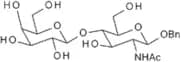
CAS:<p>Benzyl 2-acetamido-2-deoxy-4-O-(b-D-galactopyranosyl)-b-D-glucopyranoside is an oligosaccharide that is synthesized from D-(+)-galactose, D-(+)-glucose and benzyl alcohol. This product can be used for the modification of saccharides and has been shown to have a high purity. It has been fluorinated at the alpha position and glycosylated with acetamidobenzoyl group. The molecular weight of this product is 378.12 g/mol. CAS No.: 53167-38-7</p>Fórmula:C21H31NO11Pureza:Min. 95%Cor e Forma:White PowderPeso molecular:473.47 g/mol2-Acetamido-2-deoxy-4-O-(6-sulfo-β-D-galactopyranosyl)-β-D-glucopyranose sodium
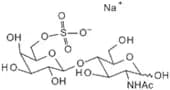
<p>2-Acetamido-2-deoxy-4-O-(6-sulfo-b-D-galactopyranosyl)-b-D-glucopyranose sodium salt (6F3G) is a synthetic, fluorinated monosaccharide that has been used as a probe for the study of glycosylation and polysaccharide synthesis. 6F3G has been shown to be an effective inhibitor of the enzyme D-glycerate kinase, which catalyzes the conversion of D-glycerate to phosphoenolpyruvate. This inhibition leads to a decrease in the formation of ATP and NADH, which provides evidence that 6F3G binds to the active site of this enzyme.</p>Fórmula:C14H25NO14S•NaPureza:Min. 95%Cor e Forma:White PowderPeso molecular:486.39 g/molMonofucosyl (1-3)-iso-lacto-N-octaose
CAS:<p>Monofucosyl (1-3)-iso-lacto-N-octaose is an HMO oligosaccharide.</p>Fórmula:C60H101N3O45Pureza:Min. 95%Cor e Forma:PowderPeso molecular:1,584.44 g/mol4-Methoxyphenyl 4-O-[2-O-acetyl-3,4-di-O-(2,3,4,6-tetra-O-acetyl-α-D-mannopyranosyl)-6-O-tert-butyldimethylsilyl-β-D-mannopyranosyl] -3,6-di-O-benzyl-2-deoxy-2-phthalimido-β-D-glucopyranoside
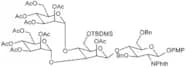
<p>This is a modification of the monosaccharide, methylation, glycosylation and polysaccharide. This product has been custom synthesized and is available in high purity with CAS No. The molecular weight of this compound is 476.19 g/mol. The chemical formula is C28H39NO8.</p>Fórmula:C77H95NO32SiPureza:Min. 95%Peso molecular:1,574.65 g/molTrehalose-6-vanadate
<p>Trehalose-6-vanadate is a complex carbohydrate that has been modified by the addition of a fluorine atom to the sugar. It is synthesized from the sugar trehalose and vanadium pentoxide in a one-step reaction. Trehalose-6-vanadate can be used as a methylation reagent for saccharides, polysaccharides, oligosaccharides, and other carbohydrates. It can also be used in click chemistry, modification of proteins with carbohydrates, glycosylation reactions, and as a synthetic sugar. Trehalose-6-vanadate is highly pure and stable in solution.</p>Pureza:Min. 95%1,2,3,6,2',3',6'-Hepta-O-acetyl-4'-O-(2,3,4,6-tetra-O-acetyl-a-D-galactopyranosyl)-b-D-lactopyranoside
<p>1,2,3,6,2',3',6'-Hepta-O-acetyl-4'-O-(2,3,4,6-tetra-O-acetyl-a-D-galactopyranosyl)-b-D-lactopyranoside is a custom synthesis of a complex carbohydrate. It is an Oligosaccharide and a Polysaccharide. 1,2,3,6,2',3',6'-Hepta-O-acetyl-4'-O-(2,3,4,6-tetra-O-acetyl-a-D-galactopyranosyl)-b -D -lactopyranoside has CAS No. and a Methylation and Glycosylation modification. This product is Modification and saccharide with High purity and Fluorination. 1,2,3,6,2',3',</p>Pureza:Min. 95%1,3:1,4 b-Glucotetraose (C)
CAS:<p>Glucotetraose (C) is a custom-synthesized carbohydrate that is modified with fluorine, methylation, and click modification. It is a monosaccharide with an Oligosaccharide chain of saccharides. This product has a purity of 99.5%.</p>Fórmula:C24H42O21Pureza:Min. 95 Area-%Cor e Forma:White PowderPeso molecular:666.58 g/molVerbascose
CAS:<p>Immunomodulatory pentasaccharide; prebiotic</p>Fórmula:C30H52O26Pureza:Min. 95 Area-%Cor e Forma:White PowderPeso molecular:828.72 g/molMaltononaose
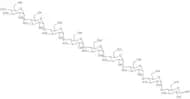
CAS:<p>α 1,4-glucononasaccharide derived from starch by hydrolysis and chromatography</p>Fórmula:C54H92O46Cor e Forma:White PowderPeso molecular:1,477.28 g/molD-Cellotetraose tetradecaacetate
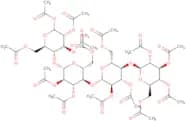
CAS:<p>D-Cellotetraose tetradecaacetate is a complex carbohydrate that consists of a single sugar, D-cellotetraose. It is made up of four glucose molecules attached to each other by glycosidic bonds. The modification of this carbohydrate can be done by methylation and glycosylation. The synthesis of this molecule can be custom-made, as it is not found in nature. This product is high purity and has a CAS number: 83058-25-7.</p>Fórmula:C52H70O35Pureza:Min. 98 Area-%Cor e Forma:PowderPeso molecular:1,255.09 g/mol3'-Sialyl-3-fucosyllactose
CAS:<p>Sialyl-3-fucosyllactose is a monosaccharide that is a component of the sialyl-Lewisx oligosaccharide. The il-2 receptor binds to this oligosaccharide, which is involved in energy efficiency. 3'-Sialyl-3-fucosyllactose has been linked to cancer resistance and gene product production. It has also been found to be an important dietary nutrient for animals and humans. 3'-Sialyl-3-fucosyllactose plays an important role in the growth of cells, especially those that have been damaged or are undergoing apoptosis. It also has neurotrophic effects, which are beneficial for the development of neurons and brain function. Body mass index (BMI) is also known to be related to 3'-sialyl-3-fucosyllactose levels in plasma.</p>Fórmula:C29H49NO23Pureza:(%) Min. 90%Cor e Forma:White Off-White PowderPeso molecular:779.71 g/molLewis B tetrasaccharide
CAS:<p>Lewis B tetrasaccharide (LBT) is a glycosylated oligosaccharide that is found in the outer membrane of human pathogens, such as Helicobacter pylori. LBT has been shown to inhibit the growth of cancer cells and may be used as a potential therapeutic agent for cancer treatment. It has also been shown to have structural features similar to those found in inflammatory bowel disease patients, suggesting that it may play a role in regulating bowel inflammation. LBT is recognized by monoclonal antibodies and can be used to detect H. pylori in biological samples. Lewis B tetrasaccharide binds with methyl glycosides on human erythrocytes, which inhibits the polymerase chain reaction (PCR). This inhibition leads to reduced DNA synthesis and a decrease in bacterial replication, making it an effective antimicrobial agent.</p>Fórmula:C26H45NO19Pureza:Min. 90%Cor e Forma:White PowderPeso molecular:675.63 g/mol5-Cyclohexylpentyl-4-O-(a-D-glucopyranosyl)-b-D-glucopyranoside
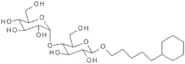
CAS:<p>The glycosylation process is a chemical reaction in which an organic molecule is attached to a sugar or other carbohydrate. The product of this process is known as a glycoside. Glycosylations are important in the synthesis of complex carbohydrates and glycoconjugates. The most common glycosidic bond that is formed is between the hydroxyl group of a saccharide (such as glucose) and the amino group of another saccharide (such as N-acetylglucosamine). The most common type of glycosylation reaction is the formation of an O-glycosidic bond between two sugars, such as glucose and N-acetylgalactosamine, to form the disaccharide lactose. There are many different types of glycosylations, including methylation, Click modification, fluorination, saccharide modification, and custom synthesis.<br>Methylation: Methylation is a chemical reaction where one or more hyd</p>Fórmula:C23H42O11Pureza:Min. 95%Cor e Forma:PowderPeso molecular:494.57 g/molD-Galactopyranosyl-(b1-3)-[N-acetylneuraminyl-(a2-6)]-D-N-acetylgalactosaminyl serine-biotin
<p>D-Galactopyranosyl-(b1-3)-[N-acetylneuraminyl-(a2-6)]-D-N-acetylgalactosaminyl serine-biotin is a Glycosylation, complex carbohydrate. It is a Methylation, Click modification, Polysaccharide. This product is Fluorinated.</p>Pureza:Min. 95%Penta-mannuronic acid sodium
<p>b1-4 penta mannuronosaccharide-from alginate by enzyme or acid hydrolysis</p>Fórmula:C30H37O31Na5Pureza:Min. 95%Cor e Forma:White PowderPeso molecular:1,008.55 g/molManninotriose
CAS:<p>Manninotriose is a mannose-containing oligosaccharide that has been found to have high resistance against enzymes. This mannose-containing oligosaccharide can be used as a biomarker for the detection of activated macrophages in biological samples, such as serum and urine. It is also used as an activator of monoclonal antibodies, which are used in the diagnosis of autoimmune diseases. Manninotriose may act as a signal peptide for the activation of enzyme activities, such as glycosyl transferase reactions and caffeic acid hydrolase.</p>Fórmula:C18H32O16Pureza:Min. 95 Area-%Cor e Forma:White Off-White PowderPeso molecular:504.44 g/mol1,2-a-1,2-a-L-Rhamnotriose
<p>1,2-a-1,2-a-L-Rhamnotriose is a carbohydrate that can be modified to suit your needs. It has a CAS number of 57749-83-5. This oligosaccharide is a sugar made up of two monosaccharides joined by an alpha 1,2 glycosidic bond. The product can be custom synthesized and its purity is high. It can be fluorinated or methylated and it can also be glycosylated. Click modification is also possible with this product.</p>Fórmula:C18H32O13Pureza:Min. 95%Cor e Forma:White PowderPeso molecular:456.44 g/molD-Turanose
CAS:<p>Turanose is a reducing analog of sucrose that is not metabolized by higher plants, but rather acquired through the action of sucrose transporters for intracellular carbohydrate signaling. In addition to its involvement in signal transduction, D-(+)-turanose can also be used as a carbon source by many organisms including numerous species of bacteria and fungi.</p>Fórmula:C12H22O11Pureza:Min. 98 Area-%Cor e Forma:White PowderPeso molecular:342.3 g/molMurNAc-6-phosphate-GlcNAc
<p>MurNAc-6-phosphate-GlcNAc is a complex carbohydrate that is composed of a glycosylation, methylation, and fluorination. It is an important component in polysaccharides and oligosaccharides. This compound has been modified with Click chemistry to form a reactive site for incorporation of a variety of molecules such as fluorophores, biotin, or other small molecules. This compound can be synthesized using custom synthesis methods and has CAS number 106579-01-4. MurNAc-6-phosphate-GlcNAc is available in high purity and can be custom synthesized to specific needs.</p>Pureza:Min. 95%



















![3-O-[2-(Acetamino)-2-deoxy-D-galactopyranosyl]-D-mannopyranose](/_next/image/?url=https%3A%2Fstatic.cymitquimica.com%2Fproducts%2F3D%2Fthumb-webp%2FOA139084.webp&w=3840&q=75)











![D-Galactopyranosyl-(b1-3)-[N-acetylneuraminyl-(a2-6)]-D-N-acetylgalactosaminyl serine-biotin](/_next/image/?url=https%3A%2Fstatic.cymitquimica.com%2Fproducts%2F3D%2Fthumb-webp%2FOG15984.webp&w=3840&q=75)