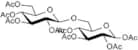
Carboidratos e Glicoconjugados
Os carboidratos são compostos orgânicos formados por carbono, hidrogénio e oxigénio, cuja estrutura básica é composta por monossacarídeos. Estes podem ligar-se para formar dissacarídeos, oligossacarídeos ou polissacarídeos, dependendo do número de unidades monoméricas. Os carboidratos desempenham um papel fundamental no armazenamento de energia, na estrutura celular e na comunicação celular. Os seus derivados são utilizados em produtos farmacêuticos, como adoçantes e excipientes.
Na CymitQuimica, oferecemos uma ampla variedade de carboidratos e seus derivados para investigação e aplicações industriais.
Foram encontrados 5010 produtos de "Carboidratos e Glicoconjugados"
Ordenar por
Pureza (%)
0
100
|
0
|
50
|
90
|
95
|
100
2-O-(p-Nitrophenyl)-α-D-N-acetylneuraminic Acid, Sodium Salt, X Hydrate
CAS:Produto Controlado<p>Stability Hygroscopic<br>Applications 2-O-(p-Nitrophenyl)-α-D-N-acetylneuraminic Acid, Sodium Salt, X Hydrate (cas# 123549-14-4 ) is a compound useful in organic synthesis.<br></p>Fórmula:C17H21N2O11·Na·H2OCor e Forma:NeatPeso molecular:452.35Streptidine Sulfate Salt
CAS:Produto Controlado<p>Applications Streptidine, is a metabolite derivative of Streptomycin (S687500), an antibiotic (antimycobacterial) drug, used for patients suffering from tuberculosis or other infectious diseases.<br>References Granados, O., et al.: Histology and Histopathology, 20(2), 357 (2005);<br></p>Fórmula:C8H18N6O4xH2SO4Cor e Forma:White To Off-WhitePeso molecular:262.27GENZ-123346
CAS:Produto Controlado<p>Applications GENZ-123346 potently controls hyperglycemia in obese rodent models of insulin resistance.<br>References Wennekes, T., et al.: J. Med. Chem., 53, 689 (2010)<br></p>Fórmula:C24H38N2O4Cor e Forma:NeatPeso molecular:418.57cis-Aconitic Acid
CAS:Produto Controlado<p>Applications cis-Aconitic Acid is the cis-isomer of Aconitic Acid. The conjugate base of cis-Aconitic Acid is an intermediate in the isomerization of citrate and isocitrate in the citric acid cycle.<br>References Suarez, M., et al.: Food. Nutri. Sci., 3, 705 (2012);<br></p>Fórmula:C6H6O6Cor e Forma:NeatPeso molecular:174.113’N-Benzyl Biotin
CAS:<p>Applications A biotin derivative used in the novel enantioselective syntheses of (+)-Biotin.<br>References Robinson, A.E.., et al.: J. Pharma. Pharmacol., 16, 342 (1964),<br></p>Fórmula:C17H22N2O3SCor e Forma:NeatPeso molecular:334.43Steviol glycosides
CAS:<p>Applications Stevioside is a glycoside from the stevia plant. Stevioside is a natural sweetening agent with sweetness about 250 times that of sugar with negligible effect on blood glucose. Stevioside, much like other steviol glycoside is known for its application in treatment of many diseases like diabetes and high blood pressure. It is also used as a food additive.<br>References Mishra, P. et al.: Glob. J. Biotechnol. Biochem., 5, 62 (2010); Gregersen, S. et al.: Metab. Clin. Exp., 53, 73 (2004); Chan, P. et al.: Life Sci., 63, 1679 (1998); Heerranz-Lopez, M. et al.: Agro Food Ind. Hi-Tech, 21, 38 (2010);<br></p>Fórmula:C38H60O18Cor e Forma:WhitePeso molecular:804.873-Deoxygalactosone (>90%)
CAS:Produto Controlado<p>Stability Hygroscopic<br>Applications It has carcinostatic activity.<br>References Reynolds, T.M., et al.: Advan. Food. Res., 14, 167 (1965), Szent-Gyorgyi, L.G., et al.: Science, 155, 539 (1967),<br></p>Fórmula:C6H10O5Pureza:>90%Cor e Forma:NeatPeso molecular:162.14N,N-Dimethyldecylamine
CAS:Produto Controlado<p>Applications N,N-Dimethyldecylamine is a useful synthetic intermediate. It can be used to prepare emodin (E523000) quaternary ammonium salt derivatives as potential anticancer agents It is also a reactant used to synthesize Benzyldecyldimethylammonium chloride (B234550), a biocide.<br>References Wang, W., et al.: Eur. J. Med. Chem., 56, 320 (2012); Qiu, B., et al.: Zhongguo Yaowu Huaxue Zazhi, 20, 353 (2010); Shao, J., et al.: Eur. J. Med. Chem., 56, 308 (2012); Lee, M., et al.: Appl. Micro. Biotech., 87, 1109 (2010)<br></p>Fórmula:C12H27NCor e Forma:NeatPeso molecular:185.35Diamino Biotin
CAS:<p>Applications Biotin (B389040) impurity.<br>References Trotter, J., et al.: Biochemistry, 5, 713 (1966), Suurkuusk, J., et al.: Eur. J.Biochem., 28, 438 (1972),<br></p>Fórmula:C9H18N2O2SCor e Forma:NeatPeso molecular:218.32Maltodextrin
CAS:<p>Applications Maltodextrin is an oligosaccharide that is derived from starch. Maltodextrin is commonly used as a food additive and in the production of candies and sodas.<br>References Yoon, S.H., et al.: Carb. Res., 341, 210 (2006); Muslin, E.H., et al: J. Am. Soc. Brew. Chem., 61, 142 (2003);<br></p>Fórmula:C6nHnOnCor e Forma:NeatD-Tagatose
CAS:<p>Applications A monosaccharide (hexose) that can be used as a low-calorie sweetener, as an intermediate for synthesis of other optically active compounds, and as an additive in detergent, cosmetic, and pharmaceutical formulation.<br>References Oh, D. et al.: Appl. Microbiol. Biotech., 76, 76, 1 (2007); Lu, Y. et al.: Int. J. Cosm. Sci., 24, 225 (2002); Donner, T.W. et al.: Diab. Obes. Metab., 1, 285 (1999);<br></p>Fórmula:C6H12O6Cor e Forma:WhitePeso molecular:180.16Isomalt
CAS:<p>Stability Hygroscopic<br>Applications Isomalt is a sugar alcohol and artificial sweetener.<br>References Martinez-Cervera, S. et al.: Food Hydro., 35, 1 (2014); Ilic, I. et al.: Int. J. Pharm., 446, 6 (2013);<br></p>Fórmula:C12H24O11Cor e Forma:White To Off-WhitePeso molecular:344.31Fingolimod-d4 Hydrochloride
CAS:Produto Controlado<p>Applications A labelled derivative of ISP-1 (myriocin), a fungal metabolite of the Chinese herb Iscaria sinclarii as well as a structural analogue of Sphingosine. It is a novel immune modulator that prolongs allograft transplant survival in numberour models by inhibiting lymphocyte emigration from lymphoid organs. Reported to be phosphorylated by sphingosine kinase to FTY720-P, which has been shown to potently stimulate GTPgS binding activity in S1P-transfected CHO cells (EC50 = 210 pM, 4.9 nM, 4.3 nM, and 1 nM for S1P1, S1P3, S1P4 and S1P5, respectively).<br>References Brinkmann, V., et al.: Transplantation, 72, 764 (2001), Brinkmann, et al.: J. Biol. Chem., 277, 24, 21453 (2002), Mtaloubian, M., et al.: Nature, 427, 355 (2004),<br></p>Fórmula:C19H30D4ClNO2Cor e Forma:NeatPeso molecular:347.96D-Galacturonic Acid Monohydrate
CAS:<p>Applications Used in the synthesis of N-(D-galacturonoyl) amino acids and dipeptides.<br>References Klaus, U., et al.: Environ. Sci. Technol., 34, 3514 (2000),<br></p>Fórmula:C6H10O7·H2OCor e Forma:NeatPeso molecular:212.15D-Salicin
CAS:<p>Applications Salicin is an anti-inflammatory agent produced by the bark of a willow tree. Analgesic.<br>References Schmid, B. et al.: Eur J Pharmacol., 57, 387 (2001);<br></p>Fórmula:C13H18O7Cor e Forma:WhitePeso molecular:286.28Fingolimod
CAS:Produto Controlado<p>Applications Fingolimod is a novel immune modulator that prolongs allograft transplant survival in numerous models by inhibiting lymphocyte emigration from lymphoid organs.<br>References Brinkmann, V., et al.: Transplantation, 72, 764 (2001), Brinkmann, et al.: J. Biol. Chem., 277, 24, 21453 (2002), Mtaloubian, M., et al.: Nature, 427, 355 (2004),<br></p>Fórmula:C19H33NO2Cor e Forma:NeatPeso molecular:307.47Shikimic Acid
CAS:<p>Applications Naturally occurring (-)-form is a major biosynthetic precursor of phenylalanine, tyrosine, and tryptophan and hence of the majority of plant alkaloids. It is also involved in the biosynthesis of lignin, flavonpids and other important aromatic compounds.<br>References Evans, I.A., et al.: Nature, 250, 348 (1974), Harborne, J.B., et al.: Biosynthesis, 6, 40 (1980),<br></p>Fórmula:C7H10O5Cor e Forma:White To Off-WhitePeso molecular:174.15Lactose-3’-sulfate
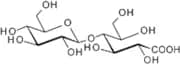
CAS:Produto Controlado<p>Stability Very Hygroscopic<br>Applications Lactose-3’-sulfate (cas# 159358-51-7) is a compound useful in organic synthesis.<br></p>Fórmula:C12H22O14SCor e Forma:Light Brown To BrownPeso molecular:422.36Propyl β-D-Glucuronide
CAS:Produto Controlado<p>Applications Propyl β-D-Glucuronide is a glucuronide of a short-chained aliphatic alcohol formed via glucuronidation in human liver microsomes in vitro.<br>References Jurowich, S. et al.: Alcohol, 32, 187 (2004);<br></p>Fórmula:C9H16O7Cor e Forma:Light Beige SolidPeso molecular:236.22Lauramine Oxide
CAS:Produto Controlado<p>Applications Lauramine Oxide, is an frequently-used amine oxide surfactant. It is strongly hydrophilic , and it forms normal micelles and normal liquid crystalline phases.<br> Not a dangerous good if item is equal to or less than 1g/ml and there is less than 100g/ml in the package<br>References Kocherbitov, v., et al.: J. Molec. Struct.: Theochem., 808, 111 (2007); Kocherbitov, v., et al.: J. Phys. Chem. B., 110 (27), 13649 (2006);<br></p>Fórmula:C14H31NOCor e Forma:NeatPeso molecular:229.40Sucrose Octasulfate, Ammonium Salt
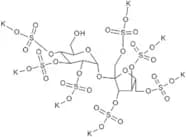
CAS:Produto ControladoFórmula:C12H14O35S8·8H4NCor e Forma:NeatPeso molecular:1119.053-(2-Methoxyphenoxy) Lactic Acid
CAS:Produto Controlado<p>Applications 3-(2-Methoxyphenoxy) Lactic Acid is a metabolite of the Guaifenesin (G810500), a centrally acting muscle relaxant with expectorant properties.<br>References D.G. Workmann et. al. Curr. Ther. Res. 41 1751 (1980).<br></p>Fórmula:C10H12O5Cor e Forma:NeatPeso molecular:212.22’-Nitrophenyl 2,3,4-Tri-O-acetyl-β-D-xylopyranoside
CAS:Produto Controlado<p>Stability Store in Freezer<br>Applications 2’-Nitrophenyl 2,3,4-Tri-O-acetyl-β-D-xylopyranoside (cas# 10256-24-3) is a compound useful in organic synthesis.<br></p>Fórmula:C17H19NO10Cor e Forma:NeatPeso molecular:397.33N-Chloroacetyl DL-Homocysteine Thiolactone
CAS:<p>Impurity Erdosteine Impurity RV 142<br>Applications An intermediate in the synthesis of Erdosteine (E596050).Erdosteine is a mucolytic agent used for the treatment of chronic obstructive bronchitis.<br>References Gobetti, M., et al.: Farmaco, Edizione Scientifica, 41, 69 (1986),<br></p>Fórmula:C6H8ClNO2SCor e Forma:NeatPeso molecular:193.65N-(1-Hydroxy-2-(hydroxymethyl)-4-(4-octylphenyl)butan-2-yl)acetamide
CAS:Fórmula:C21H35NO3Cor e Forma:NeatPeso molecular:349.51Citric Acid 1,2-Diethyl Ester
CAS:Produto Controlado<p>Applications Citric Acid 1,2-Diethyl Ester is an ethyl citrate found in lemon juice.<br>References Neurath, G. et al.: Zeitsch. Lebens.-Untersuch. Forsch., 136, 284 (1968);<br></p>Fórmula:C10H16O7Cor e Forma:Off-WhitePeso molecular:248.23N,N’,N’’,N’’’,N’’’’,N’’’’’-Hexaacetylchitohexaose
CAS:Produto Controlado<p>Stability Hygroscopic<br>Applications Studied for anti-tumor effects.<br>References Suzuki, K., et al.: Carbohydrate Research, 151, 403 (1986)<br></p>Fórmula:C48H80N6O31Cor e Forma:NeatPeso molecular:1237.20p-Nitrophenyl 2-Acetamido-2-deoxy-3-O-(β-D-galactopyranosyl)-β-D-glucopyranoside
CAS:Produto Controlado<p>Applications p-Nitrophenyl 2-Acetamido-2-deoxy-3-O-(β-D-galactopyranosyl)-β-_x000D_D-glucopyranoside (cas# 57467-13-7) is a compound useful in organic synthesis.<br></p>Fórmula:C20H28N2O13Cor e Forma:NeatPeso molecular:504.44Neoponcirin (Mixture of diastereomers)
CAS:Produto ControladoFórmula:C28H34O14Cor e Forma:NeatPeso molecular:594.56Xylobiose
CAS:Produto Controlado<p>Applications Xylobiose is a disaccharide that can reduce the blood sugar and blood fat and inhibit the fat accumulation of diet-induced obese rats.<br>References Chen, H., et al.: Shipin Kexue, 35, 255 (2014)<br></p>Fórmula:C10H18O9Cor e Forma:NeatPeso molecular:282.24Rubusoside
CAS:Produto ControladoFórmula:C32H50O13Cor e Forma:White To Off-WhitePeso molecular:642.73α-D-Galactose
CAS:<p>Applications α-D-Galactose is the alpha anomer of D-Galactose (G155250), the C-4 epimer of Glucose (G595000). D-Galactose is found in milk and sugar beets as well as being synthesized by the body.<br>References De Smet, E. et al.: Nephrol. Dial. Transplant., 24, 2938 (2009); Kivele, R. et al.: Carb. Pol., 85, 645 (2011);<br></p>Fórmula:C6H12O6Cor e Forma:White To Off-WhitePeso molecular:180.16Biotin Sulfone
CAS:Produto Controlado<p>Applications Biotin Sulfone, is derivative of Biotin (B389040), which is a growth factor present in minute amounts in every living cell, and plays an indispensable role in numerous naturally occurring carboxylation reactions.<br>References du Vigneaud, et al.: J. Biol. Chem., 146, 475 (1942), Traub, et al.: Nature, 178, 649 (1956), Siegel, H., et al.: Experienta, 37, 789 (1981), Vesely, D.L., Science, 216, 1329 (1982), Hugues, M., et al.: Biochemistry, 31, 12 (1992),<br></p>Fórmula:C10H16N2O5SCor e Forma:NeatPeso molecular:276.31D-Psicose
CAS:Produto Controlado<p>Applications D-Psicose is a C3 epimer of L-Fructose, which maintains the ability to reduce fat accumulation when added to a diet through inhibition of intestinal α-glucosidase.<br>References Matsuo, T. et al.: J. Clin. Biochem. Nutri., 45, 202 (2009); Matsuo, T. et al.: J. Clin. Biochem. Nutri., 30, 55 (2001);<br></p>Fórmula:C6H12O6Cor e Forma:Off-WhitePeso molecular:180.16Rebaudioside C
CAS:<p>Stability Hygroscopic<br>Applications Rebaudioside C is a steviol glycoside used as a nutritive sweetener and may be used as a replacement for sugar in foods and beverages. Useful in the treatment of blood glucose sensitive diseases such as diabetes, high blood pressure, and obesity.<br>References Jooken, E. et al.: J. Agr. Food Chem., 60, 10606 (2012); Hellfritsch, C. et al.: J. Agr. Food. Chem., 60, 6782 (2012);<br></p>Fórmula:C44H70O22Cor e Forma:White To Off-WhitePeso molecular:951.011,3-Diethyl ester 2-[3-[(3aS,4S,6aR)-hexahydro-2-oxo-1,3-bis(phenylmethyl)-1H-thieno[3,4-d]imidazol-4-yl]propyl] Propanedioic acid
CAS:Produto Controlado<p>Applications 1,3-Diethyl ester 2-[3-[(3aS,4S,6aR)-hexahydro-2-oxo-1,3-bis(phenylmethyl)-1H-thieno[3,4-d]imidazol-4-yl]propyl] Propanedioic acid is an impurity of Biotin (B389040) which is a growth factor present in minute amounts in every living cell.<br>References du Vigneaud, et al.: J. Biol. Chem., 146, 475 (1942), Traub, et al.: Nature, 178, 649 (1956), Siegel, H., et al.: Experienta, 37, 789 (1981), Vesely, D.L., Science, 216, 1329 (1982), Hugues, M., et al.: Biochemistry, 31, 12 (1992),<br></p>Fórmula:C29H36N2O5SCor e Forma:NeatPeso molecular:524.672D-Mannitol
CAS:Produto Controlado<p>Applications D-Mannitol is widespread in plants and plant exudates; obtained from manna and seaweeds. D-Mannitol is used in the food industry as anticaking and free-flow agent, flavoring agent, lubricant and release agent, stabilizer and thickener and nutritive sweetener.<br>References Pigman, W., et al.: The Carbohydrates, 249 (1957), Makkee, M., et al.: Chem. Commun., 930 (1980),<br></p>Fórmula:C6H14O6Cor e Forma:NeatPeso molecular:182.17D-(-)-Tartaric Acid
CAS:<p>Applications D-(-)-Tartaric Acid the synthetic enantiomer of L-(+)-Tartaric Acid (T007630), used in the preparation of synthetic analgesics.<br>References Van Bever, W. et al.: J. Med. Chem., 17, 1047 (1974);<br></p>Fórmula:C4H6O6Cor e Forma:NeatPeso molecular:150.09(-)-3-Dehydro Shikimic Acid
CAS:Produto Controlado<p>Stability Temperature Sensitive<br>Applications A metabolite of Shikimic Acid.<br>References Lauhon, C.T. and Bartlett, P.A.: Biochemistry, 33, 14100 (1994), Balasubramanian, S., et al.: Biochemistry, 34, 341 (1995),<br></p>Fórmula:C7H8O5Cor e Forma:NeatPeso molecular:172.14Xylitol
CAS:Produto Controlado<p>Applications Xylitol, is a lower-calorie alternative to table sugar. Studies have shown xylitol chewing gum can help prevent acute otitis media. Xylitol is categorized by the U.S. Food and Drug Administration as a food additive.<br>References Code of Federal Regulations Title 21, US., FDA (2012); Azarparzhooh, A., et al.,: Cochrane data. Sys. Revi. (online) (11), (2011);<br></p>Fórmula:C5H12O5Cor e Forma:NeatPeso molecular:152.15N,N’,N’’,N’’’-Tetraacetylchitotetraose
CAS:Produto Controlado<p>Stability Store in freezer<br>Applications Prepared by acetolysis of chitin. Studies have shown this compound to have anti tumor effects.<br>References Barker, S.A., et al.: J. Chem. Soc., 2218 (1958); Suzuki, K., et al.: Carbohydrate Research, 151, 403 (1986)<br></p>Fórmula:C32H54N4O21Cor e Forma:NeatPeso molecular:830.79rac FTY720 Phosphate
CAS:Produto Controlado<p>Applications rac FTY720 is a sphingosine 1-phosphate receptor modular, ameliorates experimental autoimmune encephalomyelitis by inhibition of T cell infiltration.<br>References Igarashi, J., et al.: J. Biol. Chem., 275, 32363 (2000), Bandhuvula, P., et al.: J. Biol. Chem., 280, 33697 (2005),<br></p>Fórmula:C19H34NO5PCor e Forma:NeatPeso molecular:387.45rac Guaifenesin Cyclic Carbonate
CAS:<p>Applications Protected Guaifenesin.<br>References Petrow, V., et al.: J. Pharm. Pharmacol., 12, 37 (1960),<br></p>Fórmula:C11H12O5Cor e Forma:White SolidPeso molecular:224.214-Methylumbelliferyl a-L-Idopyranosiduronic Acid 2-Sulfate Disodium Salt
CAS:<p>Stability Hygroscopic<br>Applications 4-Methylumbelliferyl ?-L-Idopyranosiduronic Acid 2-Sulfate Disodium Salt is a fluorogenic substrate in the assay of ?-L-Iduronidase. A fluorimetric enzyme assay for the diagnosis of MPS II (Hunter disease).<br>References Matalon, R., et al.: Biochem. Biophys. Res. Commun., 47, 959 (1972), Voznyi, Y.V., et al.: J. Inherit. Metab. Dis., 24, 675 (2001)<br></p>Fórmula:C16H14Na2O12SCor e Forma:NeatPeso molecular:476.324-Amino-3.4-dideoxy-2-C-(hydroxymethyl)-D-epi-inositol
CAS:Produto Controlado<p>Applications Valiolamine is a aminocyclitol that exhibits potent alpha-D-glucosidase inhibitory activity against porcine intestinal sucrase, maltase and isomaltase.<br>References Kameda, Y., et al.: J. Antibiot., 11, 1301 (1984); Horii, S., et al.: J. Med. Chem., 29, 1038 (1986);<br></p>Fórmula:C7H15NO5Cor e Forma:NeatPeso molecular:193.20Oxonic Acid Potassium Salt
CAS:Produto Controlado<p>Applications Antitumor effect potentiator and antitumor agent.<br>References Chelbova, et al.: Biochem. Pharmacol., 19, 1785 (1970), Collins, J., et al.: Clin. Pharmacol. Ther., 28, 235 (1980), Hoff, P., et al.: Anticancer Drugs, 9, 479 (1998), Backus, H., et al.: Oncol. Res., 12, 231(2000), Peters, G., et al.: J. Clin. Oncol., 19, 4267 (2001).<br></p>Fórmula:C4H2N3O4·KCor e Forma:NeatPeso molecular:195.17Sucralose
CAS:<p>Applications A low-calorie artificial sweetener<br>References Agresti, C., et al.: Eur. J. Pharm. Biopharm., 70, 226 (2008), Kidd, M., et al.: Am. J. Physiol., 295, G260 (2008),<br></p>Fórmula:C12H19Cl3O8Cor e Forma:WhitePeso molecular:397.63Pidotimod
CAS:Produto Controlado<p>Applications Immunostimulant used in patients with cell-mediated immunodepression.<br>References Gu, C., et al.: Pharm. Res., 25, 979 (2008), Fliri, A., et al.: J. Med. Chem., 52, 8038 (2009), Giagulli, C., et al.: Int. Immunopharmacol., 9, 1366 (2009),<br></p>Fórmula:C9H12N2O4SCor e Forma:NeatPeso molecular:244.27Neotame
CAS:<p>Applications An alkylated dipeptide reported to be 6000 to 10000 times sweeter than sucrose; structurally related to Aspartame. A non-nutritive sweetener.<br>References Ranney, R., et al.: J. Toxicol. Environ. Health, 2, 441 (1976), Padden, B.E., et al.: Anal. Chem., 71, 3325 (1999), Arai, H., et al.: Metabolism, 56, 115 (2007),<br></p>Fórmula:C20H30N2O5Cor e Forma:NeatPeso molecular:378.469-Methyl Biotin (mixture of diastereomers)
CAS:Produto Controlado<p>Impurity Biotin EP Impurity D<br>Applications Biotin (B389040) impurity. Biotin EP Impurity D.<br>References Trotter, J., et al.: Biochemistry, 5, 713 (1966), Suurkuusk, J., et al.: Eur. J.Biochem., 28, 438 (1972),<br></p>Fórmula:C11H18N2O3SCor e Forma:NeatPeso molecular:258.34Sucrose Heptasulfate Potassium Salt (>95% purity)
CAS:<p>Stability Hygroscopic<br>Applications Sucrose Heptasulfate Potassium Salt is used as a reference standard for the drug Sucralfate.<br></p>Fórmula:C12H15O32S7·7KPureza:>95%Cor e Forma:NeatPeso molecular:1169.37Acarbose D-Fructose Impurity
CAS:Produto Controlado<p>Impurity Acarbose EP Impurity A<br>Applications Acarbose D-Fructose (Acarbose EP Impurity A) is an impurity of Acarbose (A123500) (1,2,3,4). Acarbose impurity A.<br>References (1) Kim, I., et al.: J. Biol. Chem., 267, 22108 (1992) (2) Tonozuka, T., et al.: Carbohydr. Res., 261, 157 (1994) (3) Brzozowski, A., et al.: Biochemistry, 36, 10837 (1997) (4) Cha, H., et al.: Eur. J. Biochem., 253, 251 (1998)<br></p>Fórmula:C25H43NO18Cor e Forma:NeatPeso molecular:645.60myo-Inositol Trispyrophosphate Hexasodium Salt
CAS:Produto Controlado<p>Stability Hygroscopic<br>Applications A novel membrane-permeant allosteric effector of hemoglobin (Hb), enhances the regulated oxygen release capacity of red blood cells, thus counteracting the effects of hypoxia in diseases such as cancer and cardiovascular ailments.<br>References Duarte,C.D. et al.: Chembiochem., 11, 2543 (2010); Biolo, A. et al.: Proc. Nat. Acad. Sci. U.S.A., 106, 1926 (2009);<br></p>Fórmula:C6H6O21P6NaCor e Forma:NeatPeso molecular:737.88Lactulose, >95%
CAS:Produto Controlado<p>Applications Lactulose is a synthetic, non-digestible sugar used in the treatment of chronic constipation; laxative.<br>References Voskuijl, W. et al.: Gut, 53, 1590 (2004);<br></p>Fórmula:C12H22O11Pureza:>95%Cor e Forma:NeatPeso molecular:342.30Citric Acid Monohydrate
CAS:Produto Controlado<p>Applications Citric Acid Monohydrate is a useful buffer component for antigen and epitope unmasking.<br></p>Fórmula:C6H8O7·H2OCor e Forma:White To Off-WhitePeso molecular:210.14D-Gluconic Acid (50% in Water)
CAS:<p>Applications D-Gluconic Acid is used as a reagent in the synthesis of Pangamic Acid (P179500, Ca Salt); a mineral supplement that is sometimes referred to as Vitamin B15 although it is not a true vitamin.<br>References Mansurova, I.D. et al.: Eks. Patol. Pech., 1, 58 (1973); Apanasenko, A.A.: Cor Vasa, 15, 20 (1973); Alkhanova, N.A.: Nauch. Tru. Kaz. Gosud. Med. Inst., 41, 83 (1974)<br></p>Fórmula:C6H12O7Cor e Forma:Single SolutionPeso molecular:196.1553Biocytin
CAS:<p>Applications Useful for the synthesis of Biocytin containing peptides to study the mechanism of reactions catalyzed by biotin - containing enzymes.<br>References Bodanszky, M., and Fagan, D.T.: J. Am. Chem. Soc., 99, 235 (1977)<br></p>Fórmula:C16H28N4O4SCor e Forma:White To Off-WhitePeso molecular:372.484-Methylumbelliferyl a-L-Idopyranosiduronic Acid, Sodium
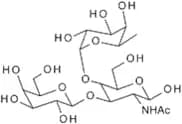
CAS:Produto ControladoFórmula:C16H15O9·NaCor e Forma:White To Light YellowPeso molecular:374.27Lewis X Trisaccharide
CAS:<p>Applications Lewis X and related compounds bind to the selectins and act as anti-inflammatory agents.<br>References Lasky, L.A.: Science, 258, 964 (1992), Mulligan, M.S., et al.: Nature, 364, 149 (1993), Mulligan, M.S., et al.: J. Exp. Med., 178, 623 (1993), Travis, J.: Science, 260, 906 (1993)<br></p>Fórmula:C20H35NO15Cor e Forma:NeatPeso molecular:529.49rac-trans-Ambroxol-d5
CAS:Produto Controlado<p>Applications A labelled metabolite of Bromohexine. Ambroxol Hydrochloride is a bronchosecretolytic drug.<br>References Jauch, R., et al.: Arzneim-Forsch., 13, 474 (1963)<br></p>Fórmula:C13H13D5Br2N2OCor e Forma:NeatPeso molecular:383.132-Amino-2-[2-(4-hexylphenyl)ethyl]-1,3-propanediol
CAS:Produto ControladoFórmula:C17H29NO2Cor e Forma:NeatPeso molecular:279.42rac-cis-Ambroxol
CAS:Produto Controlado<p>Impurity Ambroxol EP Impurity D<br>Applications cis-Ambroxol is the cis-isomeric impurity of Ambroxol (A575905). cis-Ambroxol is a metabolite Bromhexine (B678600). Ambroxol EP Impurity D<br>References Liu, J. et al.: J. Pharmac. Biomed. Anal., 51, 1134 (2010); Schmid, J.: J. Chrom. Biomed. Appl., 414, 65 (1987);<br></p>Fórmula:C13H18Br2N2OCor e Forma:NeatPeso molecular:378.10Sunset Yellow FCF
CAS:<p>Stability Light Sensitive<br>Applications Provisionally listed for use in food, drugs and cosmetics. Sunset Yellow is useful in fermented foods which must be heat treated. It may be found in orange sodas, orange jelly, marzipan, Swiss rolls, apricot jam, citrus marmalade, lemon curd, sweets, hot chocolate mix and packet soups, trifle mix, breadcrumbs, snack chips, shelf fresh noodles, cheese sauce mixes. Sunset Yellow is a sulfonated version of Sudan I, a possible carcinogen. Sunset Yellow itself may be responsible for causing an allergic reaction in people with an aspirin intolerance, resulting in various symptoms, including gastric upset, diarrhea, vomiting, nettle rash (urticaria), swelling of the skin (angioedema) and migraines. Dyes and metabolites, Environmental Testing<br>References Radomski, J.L., et al.: J. Pharmacol. Exp. Ther., 136, 259 (1962), Gaunt, I.F., et al.: Food Cosmet. Toxicol., 5, 747 (1967),<br></p>Fórmula:C16H10N2O7S2·2NaCor e Forma:NeatPeso molecular:452.37Erdosteine Thioacid Disodium Salt
CAS:Produto Controlado<p>Stability Air Sensitive, Hygroscopic<br>Applications The active metabolite of Erdosteine (E596050).<br>References Dechant, K., et al.: Drugs, 52, 875 (1996), Braga, P., et al.: Arzneim.-Forsch., 49, 344 (1999), Braga, P., et al.: Antimicrob. Agents Chemother., 43, 1013 (1999),<br></p>Fórmula:C8H11NO5S2·2NaCor e Forma:Off-WhitePeso molecular:311.29D-Mannose
CAS:Produto Controlado<p>Applications D-Mannose is a carbohydrate that is important in the glycosylation of molecules in a variety of cellular processes. It is involved in N and O glycosylation of bovine why protein products, used in infant formulas. It is also responsible for the O-glycosylation of the T helper cell-derived cytokine interlukin-17A, an important cell-signaling molecule.<br>References van Leeuwen, S. et al.: J. Agri. Food Chem., 60, 12553 (2012); Geoghegan, K. et al.: Prot. Express. Purif., 87, 27 (2013);<br></p>Fórmula:C6H12O6Cor e Forma:NeatPeso molecular:180.16Fingolimod Hydrochloride
CAS:Fórmula:C19H33NO2·ClHCor e Forma:White To Off-WhitePeso molecular:343.93Lactulose-13C
CAS:<p>Applications Lactulose is a synthetic, non-digestible sugar used in the treatment of chronic constipation; laxative.<br>References Voskuijl, W. et al.: Gut, 53, 1590 (2004);<br></p>Fórmula:C1113CH22O11Cor e Forma:NeatPeso molecular:343.291’N-Benzyl Biotin
CAS:Produto Controlado<p>Applications A biotin derivative used in the novel enantioselective syntheses of (+)-Biotin.<br>References Robinson, A.E.., et al.: J. Pharma. Pharmacol., 16, 342 (1964),<br></p>Fórmula:C17H22N2O3SCor e Forma:Light Beige SolidPeso molecular:334.43Deoxynojirimycin
CAS:<p>Stability Hygroscopic<br>Applications Deoxynojirimycin inhibits mammalian glucosidase 1. As well, it inhibits intestinal and lysosmal alpha-glucosidases, beta-glucosidase from sweet almonds, pancreatic alpha-amylase and amyloglucosidase.<br>References Eur. J. Biochem., 142, 85-90 (1984), Crit. Rev. Biochem., 16, 21-48 (1984), Biochem. Biochem. Acta. , 825, 95 (1985), Suhm, K., et al.: J. Biol. Chem., 267, 21671 (1992)<br></p>Fórmula:C6H13NO4Cor e Forma:NeatPeso molecular:163.17Citric acid-2,4-13C2
CAS:Produto Controlado<p>Applications Citric acid-2,4-13C2 is an isotopic analog of citric acid (C521000), a component of the Krebs cycle.<br></p>Fórmula:C2C4H8O7Cor e Forma:White To Light YellowPeso molecular:194.11N-Glycolyl Neuraminic Acid
CAS:<p>Applications Regulation of N-glycolylneuraminic acid biosynthesis in rat and mouse liver.<br>References Malykh, Y., et al.: Biochimie, 83, 623 (2001), Angata, T., et al.: Chem. Rev., 102, 439 (2002), Soh, N., et al.: Anal. Sci., 18, 1159 (2002), Taylor, P., et al.: Clin. Biochem., 38, 328 (2005),<br></p>Fórmula:C11H19NO10Cor e Forma:White To Off-WhitePeso molecular:325.27(2S,5S)-5-Benzyl-3,6-dioxo-2-piperazineacetic Acid
CAS:<p>Impurity Aspartame EP Impurity A/ Aspartame USP Related Compound A<br>Applications (2S,5S)-5-Benzyl-3,6-dioxo-2-piperazineacetic Acid (Aspartame EP Impurity A) is the diketopiperazine impurity of the sweetening agent Aspartame (A790015). It is also found in in processed cocoa powder.<br>References Ciranni Signoretti, E. et al.: Boll. Chim. Farmac., 122, 289 (1983); Prudel, M. et al.: Nahrung, 29, 381 (1985); Bonvehi, J.S. et al.: Eur. Food. Res. Technol., 210, 189 (2000);<br></p>Fórmula:C13H14N2O4Cor e Forma:White To Off-WhitePeso molecular:262.26p-Nitrophenyl 2-Acetamido-2-deoxy-4-O-(β-D-galactopyranosyl)-α-D-glucopyranoside
CAS:Produto Controlado<p>Stability Hygroscopic<br>Applications p-Nitrophenyl 2-Acetamido-2-deoxy-4-O-(β-D-galactopyranosyl)-α-_x000D_D-glucopyranoside (cas# 184377-56-8) is a compound useful in organic synthesis.<br></p>Fórmula:C20H28N2O13Cor e Forma:White To Off-WhitePeso molecular:504.44Sodium L-(+)-Tartaric Acid Dihydrate
CAS:Fórmula:C4H4O6·2Na·2H2OCor e Forma:NeatPeso molecular:230.08Biotin-[2-(2-pyridyldithio)ethylamide]
CAS:Produto Controlado<p>Applications A sulfhydryl reactive biotinylaton reagent.<br>References Carlsson, J., et al.: Biochem. J., 173, 723 (1978), Ghebrehiwet, B., et al.: J. Immunol. Methods, 110, 251 (1988)<br></p>Fórmula:C17H24N4O2S3Cor e Forma:White To Light YellowPeso molecular:412.592-Oleoyl Glycerol-d5
CAS:Produto Controlado<p>Applications Labelled 2-Oleoylglycerol (O528020). A metabolite of 2-acylglycerol used as biomarker.<br>References Owen, M., et al.: Biochem. J., 323, 17 (1997), Waterman, I., et al.: J. Lipid Res., 43, 1555 (2002), Chon, S., et al.: J. Biol. Chem., 282, 33346 (2007),<br></p>Fórmula:C21H35D5O4Cor e Forma:NeatPeso molecular:361.57Inulin
CAS:Produto Controlado<p>Applications Is a safe plant polysaccharide with a variety of uses in the food and chemical medical industry. It is a functional food, providing functional groups for beneficial bacteria, as well as improving properties of food such as texture, hydration and shelf-life. They are also used for vaccine and drug delivery via soluble storage.<br>References Corradini, C. et al.: Anal. Bioanal. Chem., 405, 4591 (2013); Kumar, S. et al.: Mol. Pharm., 10, 1845 (2013);<br></p>Fórmula:(C6H10O5)nCor e Forma:Neattrans-4-[[(2-Amino-3,5-dibromophenyl)methylene]amino]cyclohexanol(Ambroxol Impurity C)
CAS:Produto Controlado<p>Impurity Ambroxol EP Impurity C Hydrochloride<br>Stability Light Sensitive<br>Applications trans-4-[[(2-Amino-3,5-dibromophenyl)methylene]amino]cyclohexanol is an impurity of Ambroxol (A575900), a bronchosecretolytic drug and the metabolite of Bromhexine (B678600). Ambroxol EP Impurity C<br>References Jauch, R., et al.: Arzneim-Forsch., 13, 474 (1963)<br></p>Fórmula:C13H16Br2N2OCor e Forma:NeatPeso molecular:376.09Aspartame-D3
CAS:Produto Controlado<p>Applications A labelled dipeptide ester about 160 times sweeter than sucrose in aqueous solution. A non-nutritive sweetener.<br>References Cloninger, B., et al.: Science, 170, 81 (1970), Oppermann, et al.: J. Nutr., 103, 1454 (1973),<br></p>Fórmula:C14H15D3N2O5Cor e Forma:NeatPeso molecular:297.324-Hydroxybutanesulfonate Sodium Salt (Technical Grade)
CAS:Produto Controlado<p>Applications Impurity of β-cyclodextrin (C987830), a cyclic oligosaccharide produced from starch via enzymatic conversion.<br>References Johnson, M.D., et al.: J. Pharma. Sci., 83, 1142 (1994); Jain, A.C., et al.: Int. J. Pharma., 212, 177 (2001);<br></p>Fórmula:C4H9O4S·NaCor e Forma:NeatPeso molecular:176.17Plerixafor
CAS:<p>Stability Hygroscopic<br>Applications Plerixafor is a hematopoietic stem cell (HSC) mobilizer that inhibits the CXCR4 chemokine receptor and blocks binding of its ligand, stromal cell-derived factor-1-α (SDF-1-α). This agent was approved on Dec. 15, 2008, as treatment in combination with granulocyte-colony stimulating factor (G-CSF) to mobilize HSCs to the peripheral blood for collection and subsequent autologous transplantation in patients with non-Hodgkin's lymphoma (NHL) and multiple myeloma (MM). Selective CXCR4 antagonist.<br>References Xie, T., et al.: Science, 290, 328 (2000), Leone, D., et al.: J. Pharmacol. Exp. Ther., 305, 1150 (2003), Chigaev, A., et al.: J. Immunol. 178, 6828 (2007), Kiel, M., et al.: Cell Stem Cell, 1, 204 (2007),<br></p>Fórmula:C28H54N8Cor e Forma:Off White PowderPeso molecular:502.78D-Glucono-1,4-lactone (>85%)
CAS:Produto Controlado<p>Applications D-Glucono-1,4-lactone was a metabolite studied in mice tissue with induced chronic stress.<br>References Hamiliton, P. J., et al.: Sci. Rep., 10, 18134 (2020)<br></p>Fórmula:C6H10O6Pureza:>85%Cor e Forma:NeatPeso molecular:178.14N-Butyldeoxynojirimycin Hydrochloride-d9
CAS:Produto Controlado<p>Applications N-Butyldeoxynojirimycin Hydrochloride-d9 is labelled N-Butyldeoxynojirimycin Hydrochloride (B691000) which is an inhibitor of a-glucosidase 1 as well as being an inhibitor of HIV cytopathicity.<br>References Hettkamp, H., et al.: Eur. J. Biochem., 142, 85 (1984), Szumilo, T., et al.: Arch. Biochem. Biophys., 247, 261 (1986), Fleet, G.W.J., et al.: FEBS Letters, 237, Number 1,2, 128 (1988), Kolter, T., et al.: Angew. Chem. Int. Ed. Engl., 36, 1955 (1997),<br></p>Fórmula:C10H13D9ClNO4Cor e Forma:NeatPeso molecular:264.79Linarine
CAS:Produto Controlado<p>Impurity Diosmin EP Impurity E<br>Stability Hygroscopic<br>Applications Linarine (Diosmin EP Impurity E) is a naturally occurring flavone glycoside that was identified to possess potential sedative and anticonvulsant properties.<br>References Nugroho, A., et al.: Arch. Pharma. Res., 36, 51 (2013); Jung, H.A., et al.: Arch. Pharma. Res., 35, 1021 (2012); Shen, H.J., et al.: J. Med. Plants. Res., 5, 6555 (2011);<br></p>Fórmula:C28H32O14Cor e Forma:White To Light BeigePeso molecular:592.545(3aR,8aS,8bS)-Thieno[1',2':1,2]thieno[3,4-d]imidazol-5-ium, decahydro-2-oxo-1,3-bis(phenylmethyl) Bromide
CAS:<p>Applications Thiophanium is an impurity of Biotin (B389040) which is a growth factor present in minute amounts in every living cell.<br>References du Vigneaud, et al.: J. Biol. Chem., 146, 475 (1942), Traub, et al.: Nature, 178, 649 (1956), Siegel, H., et al.: Experienta, 37, 789 (1981), Vesely, D.L., Science, 216, 1329 (1982), Hugues, M., et al.: Biochemistry, 31, 12 (1992),<br></p>Fórmula:C22H25N2OS·BrCor e Forma:NeatPeso molecular:445.42D-Biotin Dimer Acid
CAS:<p>Impurity Biotin EP Impurity A<br>Applications D-Biotin Dimer Acid (Biotin EP Impurity A) is an impurity of D-Biotin that can be used in the synthesis of D-Biotin.<br>References Hanka, L.J., Antimicrob. Agents Chemother., 1, 135 (1972), Corey, E.J., et al.: Tetrahedon Lett., 29, 57 (1988),<br></p>Fórmula:C18H28N4O4S2Cor e Forma:NeatPeso molecular:428.5695-Oxothiomorpholine-3-carboxylic Acid
CAS:<p>Applications 5-Oxothiomorpholine-3-carboxylic Acid is an impurity of Carbocistene (C178760), a mucolytic agent used in the treatment of respiratory disorders ranging from the influenza virus infection to chronic obstructive pulmonary disease (COPD).<br>References Stevenson, G.B. et al.: Eur. Resp. J., 27, 865 (2006); Suer, E. et al.: J. Infect. Chemother., 14, 333 (2008); Yamaya, M. et al.: Am. J. Physiol., 299, L160 (2010); Fanigliulo, A. et al.: J. Pharm. Biomed. Anal., 115, 39 (2015);<br></p>Fórmula:C5H7NO3SCor e Forma:White To Light BrownPeso molecular:161.18p-Nitrophenyl 2-Acetamido-2-deoxy-4-O-(b-D-galactopyranosyl)-b-D-glucopyranoside
CAS:Produto ControladoFórmula:C20H28N2O13Cor e Forma:NeatPeso molecular:504.44Citric Acid
CAS:<p>Applications Citric acid is a weak organic acid that is known as a commodity chemical, as more than a million tonnes are produced every year by mycological fermentation on an industrial scale using crude sugar solutions, such as molasses and strains of Aspergillus niger. Citric acid is widely distributed in plants and in animal tissues and fluids and exist in greater than grace amounts in variety of fruits and vegetables, most notably in citrus fruits such as lemon and limes. Citric acid is mainly used as an acidifier, flavoring agent and chelating agent. Citric acid is also a metabolite of Dimethyl Fumarate (D464965), a compound used as a treatment for the relapsing forms of multiple sclerosis and psoriasis.<br>References Dawson, R.M., et al.: Data for Biochem. Rsch., (1959); Gruber, C. M., et al.: J. Pharmacol. Exp. Ther., 94, 65 (1948); Lofty, W.A., et al.: Bioresource. Tech., 98, 3470 (2007); Schimrigk, S., et al.: Eur. J. Neurol., 13, 604 (2006)<br></p>Fórmula:C6H8O7Cor e Forma:NeatPeso molecular:192.123-Deoxyglucosone
CAS:<p>Stability Hygroscopic, Light Sensitive, Temperature Sensitive<br>Applications An intermediate in the Maillard reaction of proteins with glucose, which is metabolised to 3-Deoxyfructose. An intermediate in the formation of pyrraline, which might contribute to a pathological effect, such as carcinogenesis.<br>References Kato, H. et al.: Agric. Biol. Chem., 51, 683 (1987), Hayase, F. et al.: J. Biol. Chem., 264, 3758 (1989), Kato, H. et al.: Biochimica et Biophysica Acta, 1035, 71 (1990)<br></p>Fórmula:C6H10O5Cor e Forma:White To YellowPeso molecular:162.14Dermatan Sulfate (>90%)
CAS:Produto Controlado<p>Applications Dermatan Sulfate is a glycosaminoglycan molecule used in the synthesis of tissue engineering. Used in the synthesis of artificial cartilage as an applicable biomaterial.<br>References Chen, Y. et al.: Biomat., 28, 2294 (2007); Hirano, S. et al.: J. Biomed. Mat. Res., 56, 556 (2001);<br></p>Fórmula:C20H28O3Pureza:>90%Cor e Forma:White To Off-WhiteIsosorbide
CAS:<p>Applications Reagent used to prepare detergents, cleansers, cosmetics, agrochemicals and vasodilators.<br>References Hastwell, P., et al.: Mutagen., 24, 455 (2009), Guillarme, S., et al.: Bioorg. Chem., 38, 43 (2010), Dillon, G., et al.: Bioorg. Med. Chem., 18, 1045 (2010),<br></p>Fórmula:C6H10O4Cor e Forma:NeatPeso molecular:146.14Steviolbioside
CAS:Produto ControladoFórmula:C32H50O13Cor e Forma:White To Off-WhitePeso molecular:642.73L-Thioproline
CAS:<p>Applications L-Thioproline is used to create a monolayer on gold electrodes for the determination Copper(II). L-Thioproline has shown to be an effect inhibitor of proline absorption in Saccharomyces chevalieri.<br> Not a dangerous good if item is equal to or less than 1g/ml and there is less than 100g/ml in the package<br>References Cui, X., et. al.: Sci. China Chem., 53, 257 (2010); Magana-Schwenchke, N., Schwencke, J.: BBA-Biomembranes, 173, 313 (1969)<br></p>Fórmula:C4H7NO2SCor e Forma:NeatPeso molecular:133.17Sucrose Heptasulfate, Potassium Salt, Technical Grade
CAS:<p>Applications Used as a reference standard for the drug Sucralfate.<br></p>Fórmula:C12H15O32S7·7KCor e Forma:Off-WhitePeso molecular:1169.37Sucrose
CAS:<p>Stability Hygroscopic<br>Applications Yuanzhen sugar is a polysaccharide polymer, containing a certain amount of fructooligosaccharides.<br>References Watanabe, T., et al.: Biosci. Biotech. Biochem., 72, 3167 (2008), You, Y., et al.: J. Agric. Food Chem., 57, 709 (2009),<br></p>Fórmula:C12H22O11Cor e Forma:WhitePeso molecular:342.30trans-Doxercalciferol
CAS:Produto Controlado<p>Applications A Vitamin D derivative.<br> Not a dangerous good if item is equal to or less than 1g/ml and there is less than 100g/ml in the package<br>References Koeffler, M.R., et al.: Blood, 74, 82 (1989),<br></p>Fórmula:C28H44O2Cor e Forma:NeatPeso molecular:412.651'-Nitrosobiotin
CAS:<p>Applications Nitrosobiotin Impurity is a useful research chemical.<br></p>Fórmula:C10H15N3O4SCor e Forma:NeatPeso molecular:273.311,7-Di(2-methoxyphenoxy)-2,6-dihydroxy-4-oxaheptane
CAS:Produto Controlado<p>Impurity Guaifenasin EP Impurity C<br>Applications 1,7-Di(2-methoxyphenoxy)-2,6-dihydroxy-4-oxaheptane is an impurity of Atenolol l (A790075), a cardioselective β-adrenergic blocker.<br>References Caplar, V., et al.: Anal. Profiles Drug Subs., 13, 1 (1984),<br></p>Fórmula:C20H26O7Cor e Forma:Colourless To YellowPeso molecular:378.42D-Glucosaminic Acid
CAS:<p>Applications D-Glucosaminic Acid is a useful starting material for the synthesis of aldonic acids containing a free carboxyl group and having all hydroxyl functions esterified with a simple carboxylic acid are well established deriviatives.<br>References Major, R.T., et al.: J.A.C.S., 58, 2474 (1936), Hurd, C.D., et al.: J.A.C.S., 60, 235 (1938), Wolfrom, M., et al.: J.A.C.S., 61, 574 (1939)<br></p>Fórmula:C6H13NO6Cor e Forma:NeatPeso molecular:195.17Biotin
CAS:<p>Applications Biotin is a growth factor present in minute amounts in every living cell. Plays an indispensable role in numerous naturally occurring carboxylation reactions. Occurs mainly bound to proteins or polypeptides. The richest sources are liver, kidney, pancreas, yeast, and milk. The biotin content of cancerous tumors is higher than that of normal tissue.<br>References du Vigneaud, et al.: J. Biol. Chem., 146, 475 (1942); Traub, et al.: Nature, 178, 649 (1956); Siegel, H., et al.: Experienta, 37, 789 (1981); Vesely, D.L., Science, 216, 1329 (1982); Hugues, M., et al.: Biochemistry, 31, 12 (1992);<br></p>Fórmula:C10H16N2O3SCor e Forma:WhitePeso molecular:244.31N,N'-Methylene Ambroxol Hydrochloride
CAS:Produto Controlado<p>Impurity Ambroxol EP Impurity B Hydrochloride<br>Stability Hygroscopic<br>Applications Ambroxol Cyclic Impurity is a metabolite as well as an impurity of the bronchosecretolytic drug, Ambroxol (A575900).<br>References Hammer, R. et al.: Arzneim.-Forsch., 28, 899 (1978); Nieder, M. et al.: HRC & CC, 9, 561 (1986); Huq, F. et al.: J. Pharmacol. Toxicol., 3, 147 (2008);<br></p>Fórmula:C14H18Br2N2O·ClHCor e Forma:White To Off-WhitePeso molecular:426.574-Methylumbelliferyl 2-Acetamido-2-deoxy-a-D-galactopyranoside
CAS:Produto ControladoFórmula:C18H21NO8Cor e Forma:NeatPeso molecular:379.36N-5-Carboxypentyl-1-deoxynojirimycin
CAS:Produto Controlado<p>Applications Ligand used for the preparation of an affinity resin highly specific for glucosidase I purification. Glucosidase I is involved in the post-translational processing of N-linked glycoproteins.<br>References HettKamp, H., et al.: Eur. J. Biochem., 142, 85 (1984); Shailubhai, K., et al.: Biochem. J., 247, 555 (1987); Bause, E., et al.: FEBS, 278, 167 (1991)<br></p>Fórmula:C12H23NO6Cor e Forma:Off White CrystallinePeso molecular:277.311-Bromo-6-(trimethylammonium)hexyl Bromide
CAS:Produto ControladoFórmula:C9H21BrN·BrCor e Forma:NeatPeso molecular:303.08N-Butyldeoxynojirimycin Hydrochloride
CAS:Produto Controlado<p>Applications An inhibitor of a-glucosidase 1 as well as being an inhibitor of HIV cytopathicity. N-Butyldeoxynojirimycin has recently been used to retard lipid storage in the central nervous system of an animal model of Tay-Sachs disease.1-Deoxynojirimycin derivatives as selective inhibitors of glucosylceramide metabolism in man.<br>References Hettkamp, H., et al.: Eur. J. Biochem., 142, 85 (1984), Szumilo, T., et al.: Arch. Biochem. Biophys., 247, 261 (1986), Fleet, G.W.J., et al.: FEBS Letters, 237, Number 1,2, 128 (1988), Kolter, T., et al.: Angew. Chem. Int. Ed. Engl., 36, 1955 (1997),<br></p>Fórmula:C10H21NO4·ClHCor e Forma:NeatPeso molecular:255.74N-(2-Hydroxyethyl)-1-deoxy-L-altronojirimycin Hydrochloride Salt
CAS:Produto Controlado<p>Stability Hygroscopic<br>Applications α-Glycosidase inhibitor.<br>References Jefferies, I., et al.: Bioorg. Med. Chem. Lett., 7, 1171 (1997), Hassan, A., et al.: Carbohydr. Res., 339, 1565 (2004),<br></p>Fórmula:C8H18ClNO5Cor e Forma:NeatPeso molecular:243.6852Thymidine-α,α,α,6-d4
CAS:Produto Controlado<p>Applications Thymidine-alpha,alpha,alpha,6-d4 (CAS# 347841-67-2) is a useful isotopically labeled research compound.<br></p>Fórmula:C10H10D4N2O5Cor e Forma:NeatPeso molecular:246.2532N,N'-Diacetylchitobiose
CAS:Produto Controlado<p>Stability Hygroscopic<br>Applications An inhibitor of lysozyme, reverses myocardial depression and lessens norepinephrine requirements in Escherichia coli sepsis in dogs.<br>References Lefer, A., et al.: Am. J. Physiol., 213, 492 ( 1967), Parrillo, J., et al.: J. Clin. Invest., 76, 1539 (1985), Mink, S., et al.: J. Mol. Cell. Cardiol ., 35, 265 (2003),<br></p>Fórmula:C16H28N2O11Cor e Forma:NeatPeso molecular:424.40Citric Acid-2,2,4,4-d4
CAS:Produto Controlado<p>Applications Widely distributed in plants and in animal tissues and fluids. Produced by mycological fermentation on an industrial scale using crude sugar solutions, such as molasses and strains of Aspergillus niger.<br>References Gruber, C. M., et al.: J. Pharmacol. Exp. Ther., 94, 65 (1948),<br></p>Fórmula:C62H4H4O7Cor e Forma:WhitePeso molecular:196.15p-Nitrophenyl 2-Azido-2-deoxy-α-D-galactopyranoside
CAS:Produto Controlado<p>Applications p-Nitrophenyl 2-Azido-2-deoxy-α-D-galactopyranoside (cas# 210418-04-5) is a compound useful in organic synthesis.<br></p>Fórmula:C12H14N4O7Cor e Forma:NeatPeso molecular:326.26Tetragalacturonic Acid
CAS:Produto Controlado<p>Applications Tetragalacturonic Acid, is the product of polygalacturonic acid degradation. The mixture of Oligogalacturonic Acids has shown to have shoot growth in cockscomb (Celosia argentea L.) seedlings.<br>References Suzuki, T., et al.: J. Plant Growth Reg., 21, 209 (2003);<br></p>Fórmula:C24H34O25Cor e Forma:NeatPeso molecular:722.51S-(3-Hydroxypropyl)-L-cysteine
CAS:<p>Applications An antiinflammatory expectorant used in the treatment of MUC5 mucin obstructive pulmonary disease.<br>References Takeyama, K., et al.: J. Immunol.,164, 1546 (2000), Komatsu, H., et al.: Pulm. Pharmacol. Ther., 18, 121 (2005), Rhee, C., et al.: Eur. Respir. J., 32, 1195 (2008),<br></p>Fórmula:C6H13NO3SCor e Forma:NeatPeso molecular:179.243-[2-(Ethylhexyl)oxyl]-1,2-propandiol
CAS:<p>Applications 3-[2-(Ethylhexyl)oxyl]-1,2-propandiol is the novel raw material for deodorants application and is widely used as a cosmetic emollient. 3-[2-(Ethylhexyl)oxyl]-1,2-propandiol reliably inhibits the odor-causing bacteria, yeast and fungi on the skin.<br>References Nagao, S.: Frag. J., 34, 39 (2006); Lawan, K. et al.: J. Health Sci., 23, 1 (2009); Leschke, M.: SOFW J., 136, 10 (2010);<br></p>Fórmula:C11H24O3Cor e Forma:ColourlessPeso molecular:204.31Galacto-PUGNAc (>90%)
CAS:Produto Controlado<p>Stability Moisture and Temperature Sensitive<br>Applications Galacto-PUGNAc is a highly selective inhibitor for β-hexosaminidases HEXA and HEXB is cell-permeable. Galacto-PUGNAc is able to modulate the activity of HEXA and HEXB in tissue culture, increasing ganglioside GM2 levels in neuroblastoma cells<br>References Stubbs, K.A. et al.: Angew. Chem. Int. Ed., 48, 1300 (2009);<br></p>Fórmula:C15H19N3O7Pureza:>90%Cor e Forma:NeatPeso molecular:353.33Fructosazine
CAS:Produto Controlado<p>Applications Fructosazine is used in the treatment of osteoarthritis and rheumatoid arthritis.<br>References Yamaguchi, T., et al.: Biol. Pharm. Bull., 21, 205 (1998), Fenton, J., et al.: Osteoarthritis Cartilage, 8, 444 (2000), Shimamura, T., et al.: J. Agric. Food. Chem., 48, 1204 (2000)<br></p>Fórmula:C12H20N2O8Cor e Forma:Beige To BrownPeso molecular:320.30Voglibose
CAS:<p>Applications An α-Glucosidase inhibitor used as an antidiabetic.<br>References Matsuo, T., et al.: Am. J. Clin. Nutr., 55, 314S (1992), Goke, B., et al.: Digestion, 56, 493 (1995), Shinozaki, K., et al.: Metabolism, 45, 731 (1996)<br></p>Fórmula:C10H21NO7Cor e Forma:NeatPeso molecular:267.28Sunset Yellow FCF
CAS:<p>Sunset Yellow FCF (Sunset yellow) is an orange azo dye with pH-dependent absorbance.Sunset Yellow FCF is used in food, cosmetics and pharmaceuticals.It is used</p>Fórmula:C16H10N2Na2O7S2Pureza:98.03%Cor e Forma:Dark Maroon Solid PowderPeso molecular:452.362-Methylcitric Acid
CAS:<p>Applications 2-Methylcitric Acid is a metabolite of Citric Acid (C521000). It is formed from the condensation of propionoyl-CoA and oxaloacetic acid catalyzed by a citrate synthase enzyme.<br>References Allen, R. H., et al.: Metabolism, 42, 978 (1993)<br></p>Fórmula:C7H10O7Cor e Forma:NeatPeso molecular:206.15D-Lactose Monohydrate
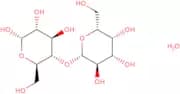
CAS:<p>Applications D-Lactose Monohydrate is an excipient used in dry powder inhaler of aspirin.<br>References Bais, N., et al.: Int. J. Pharm. Life Sci., 7, 5047-5050 (2016)<br></p>Fórmula:C12H22O11·H2OCor e Forma:White To Off-WhitePeso molecular:360.31D-Galactose
CAS:<p>Applications A C-4 epimer of Glucose (G595000) found in milk and sugar beets as well as being synthesized by the body. Potential use in oral therapy for nephrotic syndrome in focal and segmental glomerulosclerosis.<br>References De Smet, E. et al.: Nephrol. Dial. Transplant., 24, 2938 (2009); Kivele, R. et al.: Carb. Pol., 85, 645 (2011);<br></p>Fórmula:C6H12O6Cor e Forma:NeatPeso molecular:180.162,3-Pyridinedicarboxylic Acid-d3 (Major)
CAS:Produto Controlado<p>Applications A labelled inhibitor of glucose synthesis.<br>References Garcia-Salguero, L. et al.: Arch. Int. Physiol., Biochim. Biophys., 99, 237, (1991); Martirosyan, A., et al.: Biochem. Pharmacol., 68, 1729 (2004);<br></p>Fórmula:C7D3H2NO4Cor e Forma:NeatPeso molecular:170.142'-Fucosyllactose (~90%)
CAS:Produto ControladoFórmula:C18H32O15Pureza:~90%Cor e Forma:NeatPeso molecular:488.44Uridine Diphosphate Choline Ammonium Salt
CAS:Produto Controlado<p>Stability Very Hygroscopic<br>Applications CDPcholine cholinephosphotransferase analog.<br>References Kennedy, E.P., et al.: J. Biol. Chem.,222,185 (1956),<br></p>Fórmula:C14H28N4O12P2Cor e Forma:White To Dark YellowPeso molecular:506.342-Acetamido-4-O-(2-acetamido-2-deoxy-β-D-glucopyranosyl)-1,6-di-O-N-acetyl-α-D-muramic Acid
CAS:Produto Controlado<p>Applications 2-Acetamido-4-O-(2-acetamido-2-deoxy-β-D-glucopyranosyl)-1,6-di-O-N-acetyl-α-D-muramic Acid (cas# 475502-13-7) is a compound useful in organic synthesis.<br></p>Fórmula:C29H42N2O18Cor e Forma:NeatPeso molecular:706.651,3,4,6-Tetra-O-acetyl-2-O-trifluoromethanesulfonyl-β-D-mannopyranose
CAS:Produto Controlado<p>Applications A radiolabelled pharmaceutical preparation for diagnostic aims used in positron emission tomography.<br>References Chirakal, R., et al.: Applied Radiation Isotopes, 46, 149 (1995), Kuge, Y., et al.: Nuclear Med. Biol., 29, 275 ( 2002),<br></p>Fórmula:C15H19F3O12SCor e Forma:NeatPeso molecular:480.36Heparin derived dp12 Saccharide ammonium salt
<p>Heparin is a carbohydrate that is derived from the mucopolysaccharide heparin. It is a complex carbohydrate that consists of a chain of alternating N-acetylglucosamine and glucuronic acid. Heparin is used as an anticoagulant to prevent blood clotting, which may occur due to injury or during surgery. Heparin's use in medicine has been limited by its low solubility and rapid clearance from the body. Recently, it has been modified with a fluorine atom on the sugar ring, which increases their solubility and bioavailability. Click chemistry can be used to attach other molecules to the saccharide ammonium salt in order to modify the properties of heparin. This modification can be done with methyl groups or glycosyl groups, and it can also be done with other sugars such as galactose or glucose.</p>Pureza:Min. 95%Cor e Forma:PowderPeso molecular:~3550 (Average)D-Cellopentose heptadecaacetate
CAS:<p>D-Cellopentose heptadecaacetate is a fluorinated, monosaccharide that is synthesized from the sugar cellobiose. It is an oligosaccharide and a complex carbohydrate with one of its glycosidic bonds modified by methylation. D-Cellopentose heptadecaacetate has been shown to be effective in inhibiting glycosylation reactions and can be used as a sugar substitute or for custom synthesis. This product has been shown to have high purity and is available at CAS No. 83058-38-2.</p>Fórmula:C64H86O43Pureza:Min. 95%Cor e Forma:White to off-white solid.Peso molecular:1,543.34 g/molL-Rhamnose monohydrate
CAS:<p>Used to differentiate microorganisms based on their metabolic properties.</p>Fórmula:C6H14O6Pureza:Min. 98.0 Area-%Peso molecular:182.17 g/molRef: 3D-R-3000
1kgA consultar5kgA consultar10kgA consultar500gA consultar2500gA consultar-Unit-kgkgA consultarMethyl 2-acetamido-2-deoxy-3-O-(b-D-galactopyranosyl)-a-D-galactopyranoside
CAS:<p>Methyl 2-acetamido-2-deoxy-3-O-(b-D-galactopyranosyl)-a-D-galactopyranoside is a lectin that binds to the terminal galactose of b-D-galactopyranosides. It has been shown to be a potent inhibitor of cellular death and is able to bind to the surface of cells, preventing their destruction by the immune system or other natural factors. The binding site for MGA is found on cell membranes, and it can also act as an antiinflammatory agent. MGA has also been shown to inhibit interactions between proteins, which may lead to changes in protein synthesis and regulation. Lectins are proteins that bind to specific carbohydrates on the surfaces of cells. They are part of a group called glycoproteins and are often used as probes in techniques such as lectin histochemistry and immunohistochemistry.</p>Fórmula:C15H27NO11Pureza:Min. 98 Area-%Cor e Forma:White PowderPeso molecular:397.38 g/mol[UL-2H7glc]Lactose monohydrate
<p>Custom synthesis, Modification, Fluorination, Methylation, Monosaccharide, Synthetic, Click modification.<br>Oligosaccharide. Saccharide. CAS No. Polysaccharide. Glycosylation. Sugar. Carbohydrate complex carbohydrate<br>Custom synthesis, Modification, Fluorination, Methylation, Monosaccharide Synthetic Click modification Oligosaccharide saccharide CAS No Polysaccharide Glycosylation sugar Carbohydrate complex carbohydrate</p>Pureza:Min. 95%6'-(D-[UL-13C6]Galactosyl)lactose
CAS:<p>Galactosyllactose attenuated NF-κB inflammatory signaling in human intestinal epithelial cells and in human immature intestine. Thus, galactosyllactoses are strong anti-inflammatory agents in human colostrum and early milk, contributing to innate immune modulation. This product has a 13C heavy-label and so can be used in applications such as metabolic tracing and quantitative mass spectrometry.</p>Fórmula:C6C12H32O16Pureza:Min. 90 Area-%Peso molecular:510.39 g/molKojitriose
CAS:<p>Kojitriose is a disaccharide composed of two glucose molecules. It has been shown to have insulin-sensitizing effects in animals and humans. Kojitriose binds to the surface of Streptococcus faecalis and prevents the growth of this bacteria. Kojitriose also has an inhibitory effect on mesenteroides, which are a type of bacterium found in the human gut. This disaccharide is enzymatically hydrolyzed to produce hydrogen fluoride, which inhibits the growth of Streptococcus faecalis and mesenteroides. The enzyme trehalase is responsible for this hydrolysis reaction, while hydroxyl groups act as nucleophiles that react with chloride ions to form hydrogen fluoride.</p>Fórmula:C18H32O16Pureza:Min. 95%Cor e Forma:PowderPeso molecular:504.44 g/mol4-O-(α-D-Mannopyranosyl)-D-mannose
CAS:<p>Isolated from partial acetolysate of ivory-nut (Phytelephas macrocarpa) mannan</p>Fórmula:C12H22O11Pureza:Min. 95 Area-%Cor e Forma:PowderPeso molecular:342.3 g/molLaminaritriose
CAS:<p>Ex algal/bacterial polysaccharides-value in b1-3 glucanase assays & diagnostics</p>Fórmula:C18H32O16Pureza:Min. 97 Area-%Cor e Forma:White PowderPeso molecular:504.44 g/mol2-O-(β-D-Galactopyranosyl)-D-glucose
CAS:<p>2-O-(β-D-galactopyranosyl)-D-glucose is a sugar that can be custom synthesized to meet your needs. It is an oligosaccharide, polysaccharide, and carbohydrate that has been modified with methylation, glycosylation, and carbonylation. This product is available in high purity and fluorination.</p>Fórmula:C12H22O11Pureza:Min. 95%Cor e Forma:PowderPeso molecular:342.3 g/molDisialyllactose sodium
CAS:<p>Disialylated tetrasaccharide naturally present in human breast milk that has been identified as one of the binding sites of the C fragment of the clostridial tetanus toxin.</p>Fórmula:C34H54N2O27Na2Pureza:Min. 90 Area-%Cor e Forma:White PowderPeso molecular:968.77 g/molBlood Group H disaccharide, spacer-biotin conjugate
<p>The blood group H disaccharide is a custom synthesis, complex carbohydrate with an Oligosaccharide and CAS No. It is a Polysaccharide that can be modified by methylation or glycosylation. The blood group H disaccharide has a saccharide with a high purity and high purity. It is fluorinated at the 2' position of the sugar moiety in the backbone. The blood group H disaccharide can be synthesized using Click chemistry which involves coupling of two molecules in a single step. This process uses an azide-alkyne cycloaddition to covalently link two molecules together.</p>Fórmula:C31H54N4O13SPureza:Min. 95%Peso molecular:722.85 g/molKojitetraose
CAS:<p>Kojitetraose is a nutrient that is synthesised in the human body and found in foods such as dairy products, meat, eggs, and vegetables. Kojitetraose is a phosphorylase substrate and can be used to study thermophilic phosphorylases. It has been shown that the stereoselectivity of phosphorylases can be determined by the configuration of the glycosidic bond in the reactant or product. Structural studies have also shown that Kojitetraose binds to teichoic acid and trehalose, which are components of bacterial cell walls. Kojitetraose has been shown to stimulate intestinal contractions in rats and increase salivary secretion.</p>Fórmula:C24H42O21Pureza:Min. 95%Peso molecular:666.58 g/mol2-Acetamido-4-O-(2-acetamido-2-deoxy-b-D-glucopyranosyl)-2-deoxy-D-galactopyranose
CAS:<p>2-Acetamido-4-O-(2-acetamido-2,3-dideoxy-b-D-glucopyranosyl)-2,3,6,7-tetraaminopyranose (1) is a custom synthesis that has been modified by fluorination of the C5 and C6 hydroxyl groups and methylation of the C2 hydroxy group. It has also been shown to be effective in inhibiting the growth of bacteria such as Staphylococcus aureus and Clostridium perfringens. 2-Acetamido-4-O-(2,3,6,7,-tetraaminopyranose) (1) is an oligosaccharide with four sugar units that can be glycosylated to produce complex carbohydrates.</p>Fórmula:C16H28N2O11Pureza:Min. 95%Peso molecular:424.4 g/molMaltopentadecaose
CAS:<p>Produced from starch by transglycosylation-15 a-(1,4) linked glucose residues</p>Fórmula:C90H152O76Pureza:Min. 85 Area-%Cor e Forma:White PowderPeso molecular:2,450.12 g/molα-D-Cellobiose octaacetate
CAS:<p>Fully acetylated cellohexoses, part of a polymer homologous series of oligosaccharides isolated from cellulose by acetolysis followed by chromatography.</p>Fórmula:C28H38O19Pureza:Min. 98 Area-%Peso molecular:678.60 g/mol2-(2,3,6-Tri-O-acetyl-4-O-[(2,3,4,6-tetra-O-acetyl-a-D-glucopyranosyl)]-b-D-glucopyranosyl) thiopseudourea
<p>2-(2,3,6-Tri-O-acetyl-4-O-[(2,3,4,6-tetra-O-acetyl-a-D-glucopyranosyl)]-b-D-glucopyranosyl) thiopseudourea is a glycosylated oligosaccharide that has been modified using methylation and click chemistry. This compound has been used in the synthesis of various complex carbohydrates. The CAS number for this compound is 905835-79-8 and it can be custom synthesized to meet your needs.</p>Fórmula:C27H38N2O17SPureza:Min. 95%Peso molecular:694.66 g/molGloboisotetraose
CAS:<p>a1-3 linked isomer of globotetraose</p>Fórmula:C26H45NO21Pureza:Min. 90%Cor e Forma:PowderPeso molecular:707.63 g/molMethyl 2-O-(a-D-galactopyranosyl)-b-D-galactopyranoside
<p>Methyl 2-O-(a-D-galactopyranosyl)-b-D-galactopyranoside is a custom synthesis that is fluorinated at the 2 position. It is an oligosaccharide, polysaccharide, and carbohydrate. The product has been modified with the Click modification and has high purity. It is also a monosaccharide sugar or synthetic sugar. Methyl 2-O-(a-D-galactopyranosyl)-b-D-galactopyranoside can be used in complex carbohydrates and fluorination reactions.</p>Fórmula:C13H24O11Pureza:Min. 95%Peso molecular:356.32 g/molStachyose hydrate - 98%
CAS:<p>Non-reducing storage and transport sugar in woody plants; used as a sweetener</p>Fórmula:C24H42O21·xH2OPureza:Min. 98 Area-%Cor e Forma:White Off-White PowderPeso molecular:666.58 g/molLactitol monohydrate
CAS:<p>Lactitol is a sugar alcohol that is used in the food industry as a low-calorie sweetener and preservative. Lactitol has physiological effects such as increasing the glomerular filtration rate and decreasing serum cholesterol levels. It also inhibits inflammatory bowel disease by suppressing the production of proinflammatory cytokines, such as TNF-α, IL-1β, IL-6, and IL-8, which are associated with intestinal inflammation. Lactitol is used as an excipient for tablets or capsules to improve their dissolution properties and to provide bulk. Lactitol does not show any significant toxicity in animal studies and has been shown to be safe for human consumption at up to 15g/day.</p>Fórmula:C12H24O11·H2OPureza:Min. 95%Cor e Forma:White PowderPeso molecular:362.33 g/molN-Acetyl-D-lactosamine - 200mM solution in water
CAS:<p>A natural structural element in a variety of glycoconjugates. Substrate for galactosidases, fucosyltransferases, and sialyltransferases. Useful as a lectin inhibitory sugar and for characterizing lectins.</p>Fórmula:C14H25NO11Pureza:Min. 95%Cor e Forma:PowderPeso molecular:383.35 g/mol2,3,2',3',4',6'-Hexa-O-acetyl-1,6-anhydro-b-D-cellobiose
CAS:<p>2,3,2',3',4',6'-Hexa-O-acetyl-1,6-anhydro-b-D-cellobiose is a synthetic monosaccharide. It can be modified with methylation, fluorination and click modification to produce 2,3,2',3',4',6'-hexamethylene-1,6-anhydro-b-D-cellobiose. This carbohydrate has been shown to have antiinflammatory activities in vitro and in vivo.</p>Fórmula:C24H32O16Pureza:Min. 95%Cor e Forma:PowderPeso molecular:576.5 g/mol4-O-(α-L-Fucopyranosyl)-D-galactopyranose
CAS:<p>4-O-(a-L-Fucopyranosyl)-D-galactopyranose is a glycosidic sugar that has an alpha-1,3 linkage and a galactose residue. The sequence of this sugar is the same as that of D-galactose. 4-O-(a-L-Fucopyranosyl)-D-galactopyranose belongs to the group of carbohydrates. It is found in plants, animals, or fungi and can be used as a precursor for the synthesis of many other compounds.</p>Fórmula:C12H22O10Pureza:Min. 95%Cor e Forma:PowderPeso molecular:326.3 g/molSucrose octasulfate sodium salt
CAS:<p>This compound is generally known as sucralfates and are medications primarily taken to treat active duodenal ulcers. They are also used for the treatment of gastroesophageal reflux disease (GERD) and stress ulcers. Sucralfate is a sucrose sulfate-aluminium complex that binds to the ulcer, creating a physical barrier that protects the gastrointestinal tract from stomach acid and prevents the degradation of mucus. It also promotes bicarbonate production and acts like an acid buffer with cytoprotective properties.</p>Fórmula:C12H14Na8O35S8Pureza:Min. 98 Area-%Cor e Forma:White PowderPeso molecular:1,158.66 g/mol2-Acetamido-2-deoxy-4-O-([4-O-b-D-galactopyranosyl]-b-D-galactopyranosyl)-D-glucopyranose
CAS:<p>2-Acetamido-2-deoxy-4-O-[(4-O-[b-(D)-galactopyranosyl]-b-(D)-galactopyranosyl)-D-glucopyranosyl]-D-glucopyranose is a trisaccharide that has been shown to be an inhibitor of the bacterial enzyme UDP-N-acetylglucosamine pyrophosphorylase, which is involved in the synthesis of UDP-N-acetylglucosamine. This inhibition leads to a decrease in D-mannose production, which decreases the ability of bacteria to produce cell walls. 2ACPDG has also been shown to inhibit the growth of Mycobacterium tuberculosis and Mycobacterium avium complex.</p>Fórmula:C20H35NO16Pureza:Min. 95%Peso molecular:545.5 g/mol2-O-β-D-Galactopyranosyl-D-galactose
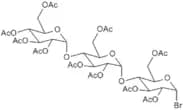
CAS:<p>Please enquire for more information about 2-O-β-D-Galactopyranosyl-D-galactose including the price, delivery time and more detailed product information at the technical inquiry form on this page</p>Fórmula:C12H22O11Pureza:Min. 95%Peso molecular:342.30 g/mol2,3,6-Tri-O-acetyl-4-O-(2,3,6-tri-O-acetyl-4-O-(2,3,4,6-tetra-O-acetyl-a-D-glucopyranosyl)-a-D-glucopyranosyl)-a-D-glucopyranosyl br omide
<p>2,3,6-Tri-O-acetyl-4-O-(2,3,6-tri-O-acetyl-4-O-(2,3,4,6-tetra-O-acetylaDglucopyranosyl)-aDglucopyranosyl)-aDglucopyranosyl bromide is a hexasaccharide that mimics the natural structure of deacetylated β1→4 glucans. It has been synthesized by electrochemical reduction of acetobromoglucose and coupling with glycomimetics. 2,3,6 Tri O acetyl 4 O (2 3 6 tri O acetyl 4 O (2 3 4 6 tetra O acetyl a D glucopyranos yl) a D glucopyranos yl) a D glucopyranos yl bromide is an anomeric mixture of diastereoisomers</p>Fórmula:C38H51BrO25Pureza:Min. 95%Peso molecular:987.7 g/molMan-5 Glycan, 2-AB labelled
<p>Man-5 Glycan, 2-AB labelled is a synthetic oligosaccharide that contains a mannose and a galactose moiety. It has been synthesized by click chemistry with the use of 2-aminobenzaldehyde and glycosylation with methylated and fluorinated mannose. This compound is used as a standard for the detection of carbohydrate binding proteins.</p>Pureza:Min. 95%Globo-N-tetraose
CAS:<p>Tetrasaccharide associated with the glycolipid globoside</p>Fórmula:C26H45NO21Pureza:Min. 95 Area-%Cor e Forma:White PowderPeso molecular:707.63 g/molMaltobionic acid
CAS:<p>An antioxidant chelator used in skin care. Also used in organ transplantation preservation solutions, due to its ability to inhibit hydroxyl radical production, via the complexation of oxidation-promoting iron found in blood.</p>Fórmula:C12H22O12Cor e Forma:White PowderPeso molecular:358.3 g/mol2-Aminoethyl 3-O-(α-D-galactopyranosyl)-β-D-galactopyranoside
CAS:<p>Ai Product Descriptions 50 Creative</p>Fórmula:C14H27NO11Pureza:Min. 95%Peso molecular:385.36 g/molGlycyl-Oligosaccharidesmannose 3(a)
<p>Glycyl-Oligosaccharidesmannose 3(a) (GL3(a)) is a complex carbohydrate that is composed of mannose and glycyl chains. It has been modified with methyl, click, fluorination, and saccharide modifications. GL3(a) has been synthesized using custom synthesis methods that yield high purity.</p>Fórmula:C36H62N4O26Pureza:Min. 95%Peso molecular:966.89 g/molGlycyl-sialyllacto-N-tetraose c
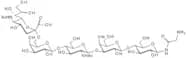
<p>Glycyl-sialyllacto-N-tetraose c is a custom synthesis of the carbohydrate polysaccharide glycyl-sialyllacto-N-tetraose. It is a complex carbohydrate that has been modified for use in biochemical research. Glycyl-sialyllacto-N-tetraose c contains four sugars, including erythrose and threose, and has been fluorinated at the C5 position. The modification of this carbohydrate was achieved through a click reaction. This product has been purified to be greater than 95% pure and is ready for use as an organic solvent or chemical reagent in laboratory experiments.</p>Fórmula:C39H66N4O29Pureza:Min. 95%Peso molecular:1,054.95 g/molGlucomannan oligosaccharides - from Konjac MW <10KDa
<p>Glucomannan oligosaccharides are modified polysaccharides of plant origin. They are not digested in the small intestine and are instead fermented by the large intestine to produce short-chain fatty acids. This is a novel approach to weight control. The modified monosaccharide backbone provides for a more complex carbohydrate than found in other dietary fibers, and this complex carbohydrate is resistant to digestion by mammalian enzymes. Glucomannan oligosaccharides can be used as a replacement for high-calorie sweeteners in many food applications and as a bulk laxative.</p>Pureza:Min. 95%Cor e Forma:PowderSialyl Lewis X ceramide
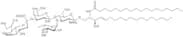
<p>Sialyl Lewis X ceramide is a monosaccharide that belongs to the pentasaccharide group. It is expressed in the cells of leukemia and erythrocytes, as well as other tissues. Sialyl Lewis X ceramide is a hybrid molecule that has a backbone consisting of four sugar molecules and an amino acid sequence, with hydroxyl groups on one end and an acetyl glucosamine on the other end. The molecule has a carbohydrate skeleton consisting of galactose, glucose, mannose, and sialic acid. Sialyl Lewis X ceramide also interacts with selectins to mediate leukocyte-endothelial interactions in inflammation.</p>Fórmula:C67H121N3O25Pureza:Min. 95%Peso molecular:1,368.68 g/molSucrose heptasulfate potassium
CAS:<p>Used to treat duodenal ulcers, GERD, stress ulcers; acid buffer; cytoprotective</p>Fórmula:C12H15K7O32S7Pureza:Min 80%Cor e Forma:White PowderPeso molecular:1,169.38 g/molLactose SPRAY-DRIED
CAS:<p>Lactose is the principal sugar in human and most other mammalian milks, ( 4-O-(beta-d-galactopyranosyl)-d-glucopyranose). Lactose undergoes mutarotation; it is a reducing sugar and is significantly less soluble in water than sucrose. Lactose is much less sweet than sucrose (at ~1% about 0.15 (sucrose=1). The enzyme lactase (beta-galactosidase), which is present in the small intestine, catalyzes hydrolysis of lactose to form glucose and galactose. Anhydrous lactose is an excipient, filler, diluent, and bulking agent in a wide variety of pharmaceutical tablets, capsules, powders and other preparations. Lactose also has applications as a nutrient and multi-functional ingredient in infant formulae, geriatric, dietetic and health foods.</p>Fórmula:C12H22O11·H2OPureza:Min. 96 Area-%Cor e Forma:White Off-White PowderPeso molecular:360.31 g/mol3-(b-D-Glucopyranosyl)-D-mannose
<p>3-(b-D-Glucopyranosyl)-D-mannose is a sugar that is a component of the complex carbohydrate called glycosaminoglycan. It can be used in the synthesis of oligosaccharides and monosaccharides or as a modification to saccharides. 3-(b-D-Glucopyranosyl)-D-mannose is synthesized through Click modification with fluorination, glycosylation, and methylation. This sugar has CAS No. 27212-79-4 and molecular weight of 360.3 g/mol.</p>Pureza:Min. 95%GD2-Oligosaccharide
<p>GD2 oligosaccharide is the core trisaccharide structure of the ganglioside GD2 (sodium salt) (GalNAcβ1,4Galβ1,4Glc) with its two sialic acids linked α2,3/α2,8 to the central galactose residue (Ledeen, 2009). GD2 ganglioside is expressed at a low concentration in the central nervous system, nerves, skin melanocytes and stem cells in healthy adults. On the other hand, GD2 ganglioside is overexpressed in a number of tumors, including: neuroblastoma, melanoma, small cell lung carcinoma and brain tumors. Recently, GD2 ganglioside has been found in low concentrations on breast cancer stem cells (CSC) that possess: self-renewal properties (division without disrupting the undifferentiated state) and tumor-initiating capabilities. It has been suggested that GD2 ganglioside may be developed as an effective target antigen for CSC immunotherapy (Fleurence, 2017).</p>Fórmula:C42H67N3O32Na2Pureza:Min. 95%Cor e Forma:White PowderPeso molecular:1,171.96 g/mol4'-O-(a-D-Galactopyranosyl)-D-lactose
<p>4'-O-(a-D-Galactopyranosyl)-D-lactose is a synthetic and fluorinated glycoside that belongs to the class of oligosaccharides. It has a molecular weight of 474.07 Da and a chemical formula of C12H23NO8. This product is available in custom synthesis in order to meet the needs of customers. It also has been modified with methylation, monosaccharide, polysaccharide, saccharide, click modification, and complex carbohydrate modifications. This product is available at high purity with CAS No. 834-02-4 and can be ordered from our website.</p>Pureza:Min. 95%Lewis A trisaccharide
CAS:<p>Lewis A is a trisaccharide that has been found to be present in the glycan structures of spermatozoa. It has also been identified as a major component of the glycan structures on the surface of HL-60 cells. Lewis A is composed of three monosaccharides, galactose, fucose, and N-acetylgalactosamine, which are linked together with a beta (1→4) linkage. The hydroxyl group on the galactose molecule allows for steric interactions with neighboring sugar molecules through hydrogen bonding and van der Waals forces. The Lewis A trisaccharide is an important marker for identifying blood type O because it does not have any antigenic determinants that can cause an immune response.</p>Fórmula:C20H35NO15Pureza:Min. 95 Area-%Cor e Forma:White PowderPeso molecular:529.49 g/mol4-O-(a-D-Galactopyranosyl)-D-glucopyranose
CAS:<p>Disaccharide is a carbohydrate with two simple sugars. It is soluble in water and has a density of 1.621 g/ml. Disaccharides are found in the tissues of many plants and animals, where they can be hydrolyzed by various enzymes to release monosaccharides. Disaccharides are also found in certain types of lichen and algae, where they are produced through photosynthesis. The most common disaccharides are sucrose, lactose, maltose, trehalose, and cellobiose. The simplest type of disaccharide is called a monosaccharide or sugar molecule. Monosaccarides have the same chemical formula but different physical forms that depend on their molecular mass (i.e., they may be a solid or liquid). Disaccharides can be classified as either sulfuric or organic solvent-soluble depending on whether they dissolve in sulfuric acid or an organic solvent such as ethanol or</p>Fórmula:C12H22O11Pureza:Min. 95%Cor e Forma:PowderPeso molecular:342.3 g/molLacDiNAc dimer ethylazide
<p>LacDiNAc dimer ethylazide is a modified form of LacdiNAc that has been iodinated. It is synthesized by the reaction of two molecules of LacdiNAc with ethylazide. The product has an average molecular weight of 2,000 and is the most highly purified synthetic carbohydrate available. It can be used in a wide range of applications, including click chemistry, glycosylation reactions, and fluorination synthesis.</p>Fórmula:C34H57N7O21Pureza:Min. 95%Peso molecular:899.85 g/molDextran 60, MW: 54,000 to 66,000
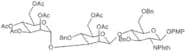
CAS:<p>Complex glucan (a 1-6) from Leuconostoc spp.; extender in blood transfusions</p>Fórmula:(C6H10O5)nCor e Forma:White Powder4-Methoxyphenyl 4-O-[2,6-di-O-acetyl-3-O-(2,3,4,6-tetra-O-acetyl-α-D-mannopyranosyl)-4-O-benzyl-β-D-mannopranosyl]-3,6-di-O-benzyl-2 -deoxy-2-phthalimido-β-D-glucopyranoside
<p>4-Methoxyphenyl 4-O-[2,6-di-O-acetyl-3-O-(2,3,4,6-tetra-O-acetyl-a-D-mannopyranosyl)-4-O-benzylbDmannopranosyl]-3,6diObenzyl 2 -deoxy2 -phthalimidoBglucopyranoside is a carbohydrate that belongs to the group of oligosaccharides. It is a saccharide that consists of an acetate ester and an acetal linkage. This carbohydrate has been custom synthesized for use in click chemistry. 4MPP4ODABAGMBZ is a synthetic monosaccharide with a methylation and glycosylation modification.</p>Fórmula:C66H71NO24Pureza:Min. 95%Peso molecular:1,262.26 g/molNeoagarohexaose
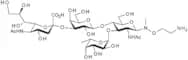
CAS:<p>Agarose is a polysaccharide found in red algae, typically Gelidium and Gracilaria. It is a strictly alternating polysaccharide of α-1,3 linked D-galactose and β-1,4 linked L-3,6 anhydrogalactose with occasional sulfation at position 6 of the anhydrogalactose residue. Agaro-oligosaccharides result from cleavage at galactose residues and neoagaro-oligosaccharides from cleavage at 3,6-anhydro residues. Neoagarohexaose is reported to have potential for novel cosmeceuticals.</p>Fórmula:C36H56O28Pureza:Min. 98 Area-%Cor e Forma:White PowderPeso molecular:936.81 g/mol3'-Sialyl Lewis X 1-N-methyl-N-hydroxyethylamine
<p>3'-Sialyl Lewis X 1-N-methyl-N-hydroxyethylamine is a custom synthesis of a monosaccharide that contains an N-hydroxymethyl group. The fluorination and methylation reactions are examples of modifications that can be done to this molecule. This monosaccharide can be modified by the click chemistry reaction, which involves the use of azide and alkyne reagents. 3'-Sialyl Lewis X 1-N-methyl-N-hydroxyethylamine is used in glycosylation with complex carbohydrates such as polysaccharides and saccharides, which are large sugars or sugar chains.</p>Fórmula:C34H60N4O23Pureza:Min. 95%Cor e Forma:PowderPeso molecular:892.85 g/molChitosan oligomer - Molecular weight 5000 - 15000 Da
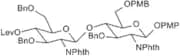
CAS:<p>Chitosan is the deacetylated form of chitin. The polysaccharide is deacetylated in order to render it soluble, which is then possible at pH values of less than 7 (normally in dilute acid). This then allows the material to be used in a number of industrial applications as a binder and film former.</p>Cor e Forma:Powder4-Methoxyphenyl 4-O-(3,6-di-O-benzyl-2-deoxy-4-O-levulinoyl-2-phthalimido-b-D-glucopyranosyl)-3-O-benzyl-2-deoxy-6-O-(4-methoxybenzy l)-2-phthalimido-b-D-glucopyranoside
<p>4-Methoxyphenyl 4-O-(3,6-di-O-benzyl-2-deoxy-4-O-levulinoyl-2-phthalimido-b-D-glucopyranosyl)-3-O-(4 methoxybenzyl)-2 deoxy 6 - O-(4 methoxybenzyl) - 2 phthalimido b D glucopyranoside is a complex carbohydrate that can be custom synthesized. It has been fluorinated. The modification of methyl groups on the saccharide moiety and its glycosylation make it a highly purified carbohydrate. This product has CAS No. 71181, Click modification, and Modification.</p>Fórmula:C69H66N2O17Pureza:Min. 95%Peso molecular:1,195.27 g/mol2,3,6,2',3',4',6'-Hepta-O-acetyl-a-D-maltosyl bromide
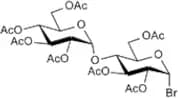
CAS:<p>2,3,6,2',3',4',6'-Hepta-O-acetyl-a-D-maltosyl bromide is a fatty acid that is isolated from the fungus Penicillium notatum. It has been shown to have anti-cancer properties by inhibiting cell proliferation and inducing cancer cell death by apoptosis. The mechanism of action has been shown to be due to its ability to inhibit the phospholipid membrane synthesis and disrupt the interaction between lipids and proteins in the membrane. This compound also inhibits the growth of cancer cells by binding with the hydroxyl group on the surface of cancer cells. 2,3,6,2',3',4',6'-Hepta-O-acetyl-a-D-maltosyl bromide has been shown to inhibit muscle cell proliferation in vitro and in vivo. This drug can be used as an alternative for treatment for cancer or other diseases that are caused by muscle</p>Fórmula:C26H35BrO17Pureza:Min. 95 Area-%Cor e Forma:White PowderPeso molecular:699.45 g/molMan-7 Glycan, 2-AB labelled
<p>Man-7 Glycan is a synthetic, 2-AB labelled fluorinated monosaccharide. It is an oligosaccharide that is synthesized by the glycosylation of mannose and N-acetylglucosamine. This product has been modified with fluorination, methylation, and click chemistry.</p>Pureza:Min. 95%Neoagarotetraose
CAS:<p>Agarose is a polysaccharide found in red algae, typically Gelidium and Gracilaria. It is a strictly alternating polysaccharide of α-1,3 linked D-galactose and β-1,4 linked L-3,6 anhydrogalactose with occasional sulfation at position 6 of the anhydrogalactose residue. Agaro-oligosaccharides result from cleavage at galactose residues and neoagaro-oligosaccharides from cleavage at 3,6-anhydro residues. Neoagarotetraose is reported to have potential for novel cosmeceuticals.</p>Fórmula:C24H38O19Pureza:Min. 98 Area-%Cor e Forma:White PowderPeso molecular:630.55 g/mol4-Methoxyphenyl 4-O-{3-O-[2,4-di-O-(3,4 ,6-tri-O-acetyl-2-deoxy-2-phthalimido-β-D-glucopyranosyl)-3 ,6-di-O-benzyl-β-D-mannopyranosyl]-4 ,6-O-benzylidene-2-O-levulinoyl-β-D-glucopyranosyl}-3 ,6-di-O-benzyl-2-deoxy-2-phthalimido-β-D-glucopyranoside
<p>4-Methoxyphenyl 4-O-{3-O-[2,4-di-O-(3,4,6-tri-O-acetyl-2-deoxy-2-phthalimido -bDglucopyranosyl)-3,6-di-ObenzylbDmannopyranosyl] -4,6-- Obenzylidene--2-- Olevulinoyl-- bDglucopyranosyl} -3,6-- diOBenzyl 2-- deoxy 2-- phthalimido bDglucopyranoside is an oligosaccharide with a sugar backbone. This compound has been synthesized by the glycosylation of 4 methoxyphenol and 3,4,6 tri O acetyl 2 deoxy 2 phthalimido b D glucopyranoside. The glycosidic bond was formed between C 1</p>Fórmula:C113H113N3O38Pureza:Min. 95%Peso molecular:2,121.1 g/mol1,4-b-D-Mannotriose
CAS:<p>Isolated from the partial acid and enzymic hydrolysates of several of the mannans, galactomannans and glucomannans. While the trisaccharide has been isolated from all of these sources the tetrasaccharide has only been isolated from ivory-nut mannan, white spruce (Picea glauca) and Pinus strobus glucomannans. Crystalline penta- and hexa-saccharides have been isolated from ivory-nut mannan hydrolysates.</p>Fórmula:C18H32O16Pureza:Min. 95 Area-%Cor e Forma:White PowderPeso molecular:504.44 g/mol1-O-Aminohexyl 3'-sialyllactose sodium
<p>Key synthetic precursor for the synthesis of lacto-oligosaccharides</p>Fórmula:C29H52N2O19•NaPureza:Min. 95 Area-%Cor e Forma:PowderPeso molecular:755.71 g/molBenzyl hepta-O-acetyl-b-D-lactoside
CAS:<p>Useful starting point and intermediate in the synthesis of lacto-oligosaccharides</p>Fórmula:C33H42O18Pureza:Min. 95%Cor e Forma:White to off-white solid.Peso molecular:726.69 g/molO-(2,2',3,3',4',6,6'-Hepta-O-acetyl-b-D-lactosyl)-N-hydroxysuccinimide
<p>O-(2,2',3,3',4',6,6'-Hepta-O-acetyl-b-D-lactosyl)-N-hydroxysuccinimide is a modified oligosaccharide that is synthesized by the reaction of an acetylated succinimide with a glycosylase. This product is used as a chemical intermediate in the production of saccharides and polysaccharides. It can be used for fluorination reactions to produce fluorinated saccharides.</p>Fórmula:C30H39NO20Pureza:Min. 95%Peso molecular:733.64 g/molGlycyl-monosialyllacto-N-neohexose I
<p>Glycyl-monosialyllacto-N-neohexose I is a monosaccharide that is used as a building block in the synthesis of complex carbohydrates. It is custom synthesized and purified to high purity. This product can be fluorinated and methylated, which allows for the attachment of glycosyl groups. Glycyl-monosialyllacto-N-neohexose I is also a sugar with a CAS number. It has an average molecular weight of 137.14 g/mol and is made up of three atoms: carbon, hydrogen, and oxygen.</p>Fórmula:C53H89N5O39Pureza:Min. 95%Peso molecular:1,420.28 g/mol1,3,4,6-Tetra-O-benzyl-2-O-(2,3,4,6-tetra-O-benzyl-a-D-glucopyranosyl)-b-D-galactopyranoside
CAS:<p>Tetra-O-benzyl-2-O-(2,3,4,6-tetra-O-benzyl-a-D-glucopyranosyl)-b-D-galactopyranoside is a polysaccharide that is synthesized by the methylation of 1,3,4,6-tetra-O-benzyl -2,3,4,6 tetra - O - benzyl - a - D - glucopyranoside. It can be used to modify proteins and oligosaccharides. This product is custom synthesized and has high purity.</p>Fórmula:C68H70O11Pureza:Min. 95%Peso molecular:1,063.28 g/molSucrose distearate - 30% monostearate
CAS:<p>The ‘tallowate’ esters are probably the best known derivatives of sucrose and many attempts have been made to commercialise them in order to exploit their excellent surfactant functionalities. The most functional products are the mono- and diesters of the tallow acids (stearic, palmitic, oleic) with hydrophile-lipophile balance (HLB) values that lend themselves to surfactant applications in foods and cosmetics. They also have other uses, for example in coating fruits with a semipermeable membrane that acts as a preservative. Manufacturing economics have prevented these products from mass production and they remain in niche applications.</p>Fórmula:C48H90O13Pureza:Min. 95%Cor e Forma:PowderPeso molecular:875.24 g/molβ-Gentiobiose octaacetate
CAS:<p>Beta-gentiobiose octaacetate is a macrocyclic structure that is glycosidated with an antigen. It has a neutralizing effect on the biological properties of the antigen. Beta-gentiobiose octaacetate has shown antitumour activity in animals, which may be due to its ability to inhibit tumor cell proliferation. Beta-gentiobiose octaacetate also has high fluidity and can be used as an oligosaccharide antigen in biological research. The molecule has a constant molecular weight of 400 Da and is conjugated with proton, which makes it useful for electron microscopy.</p>Fórmula:C28H38O19Pureza:Min. 95%Cor e Forma:White PowderPeso molecular:678.59 g/mol1,3-Diazido-1,2,3-trideoxy-4-O-(2,6-diazido-2,6-dideoxy-a-D-glucopyranosyl)-D-myo-inositol
CAS:<p>1,3-Diazido-1,2,3-trideoxy-4-O-(2,6-diazido-2,6-dideoxy-a-D-glucopyranosyl)-D-myo--inositol is a synthetic sugar that is used for glycosylation. It can be modified with fluorine to produce a fluorinated sugar. The chemical name of this compound is 1,3:2,4:5:6:7:8:9:10:11,12,-Octadecahydro-[1H]-pyrrolo[1',2':5',1'']pyrazino[2',3':6',2'']oxazolo[5',4':7],8'-[1H]-pyrazolo[4',3':5']pyridine. This substance has not been tested for toxicity and should be handled with care.</p>Fórmula:C12H18N12O6Pureza:Min. 95%Peso molecular:426.35 g/mol


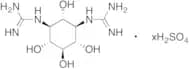
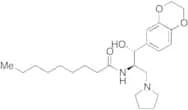
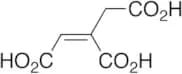
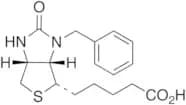
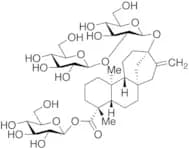
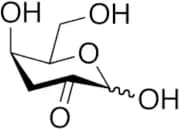

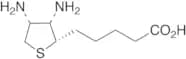
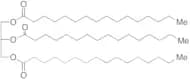
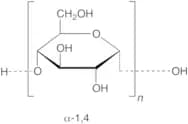
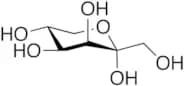
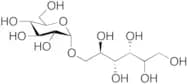
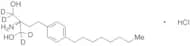
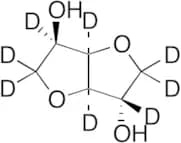
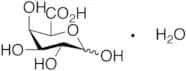
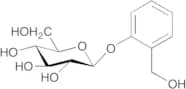
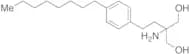

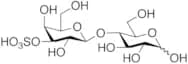
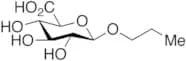


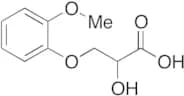
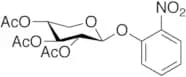
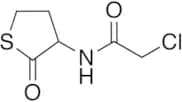
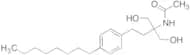
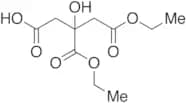
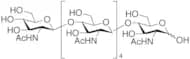
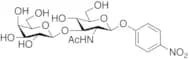
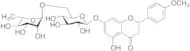
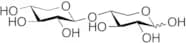
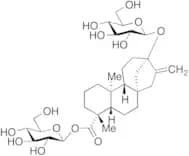

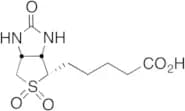
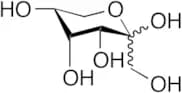
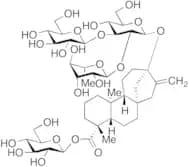
![1,3-Diethyl ester 2-[3-[(3aS,4S,6aR)-hexahydro-2-oxo-1,3-bis(phenylmethyl)-1H-thieno[3,4-d]imidazo…](/_next/image/?url=https%3A%2Fstatic.cymitquimica.com%2Fproducts%2FTR%2Fthumb-webp%2FD456100.webp&w=3840&q=75)
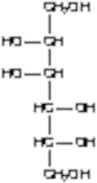
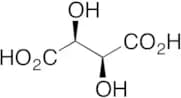
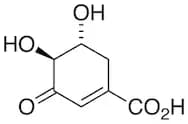
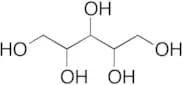
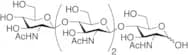
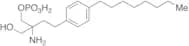
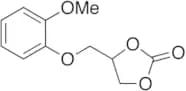

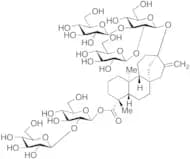
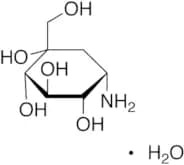
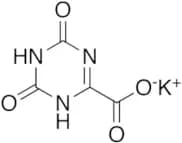
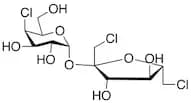

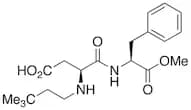
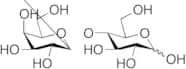
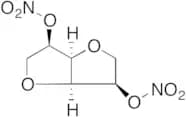
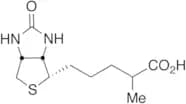
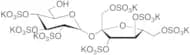
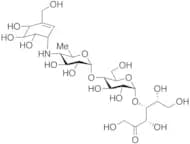
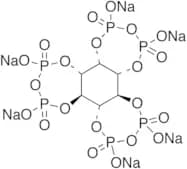
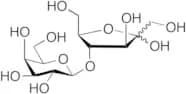
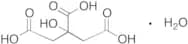
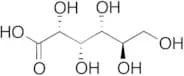
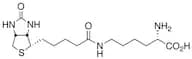
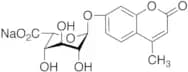
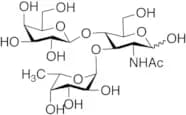
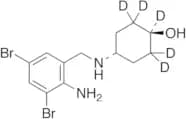
![2-Amino-2-[2-(4-hexylphenyl)ethyl]-1,3-propanediol](/_next/image/?url=https%3A%2Fstatic.cymitquimica.com%2Fproducts%2FTR%2Fthumb-webp%2FA611073.webp&w=3840&q=75)
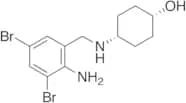
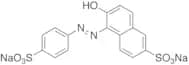
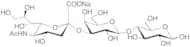

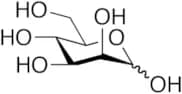
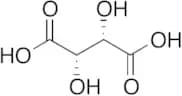
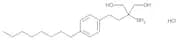
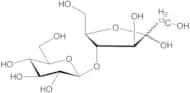

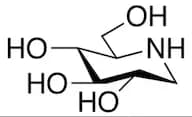
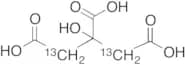
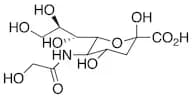
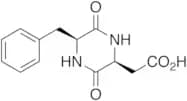

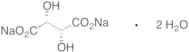
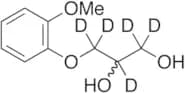
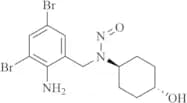
![Biotin-[2-(2-pyridyldithio)ethylamide]](/_next/image/?url=https%3A%2Fstatic.cymitquimica.com%2Fproducts%2FTR%2Fthumb-webp%2FB391500.webp&w=3840&q=75)
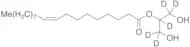
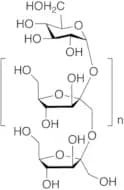
![trans-4-[[(2-Amino-3,5-dibromophenyl)methylene]amino]cyclohexanol(Ambroxol Impurity C)](/_next/image/?url=https%3A%2Fstatic.cymitquimica.com%2Fproducts%2FTR%2Fthumb-webp%2FA604605.webp&w=3840&q=75)
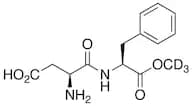

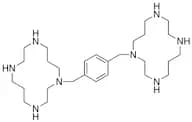
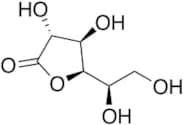
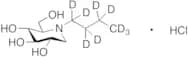
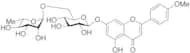
![(3aR,8aS,8bS)-Thieno[1',2':1,2]thieno[3,4-d]imidazol-5-ium, decahydro-2-oxo-1,3-bis(phenylmethyl) …](/_next/image/?url=https%3A%2Fstatic.cymitquimica.com%2Fproducts%2FTR%2Fthumb-webp%2FT344755.webp&w=3840&q=75)

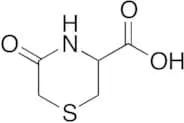
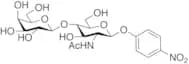
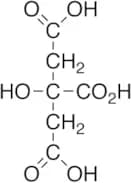
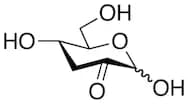
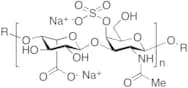

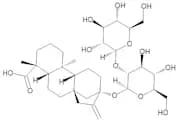
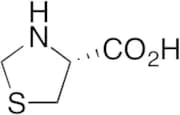

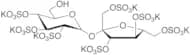
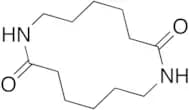
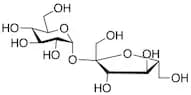
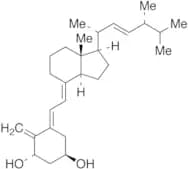
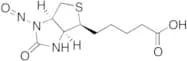
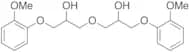
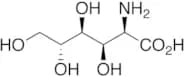
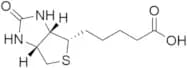
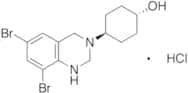
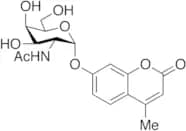
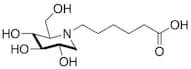
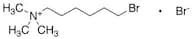
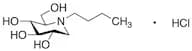
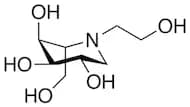

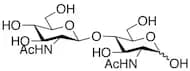
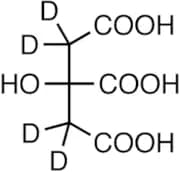
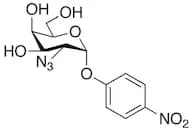
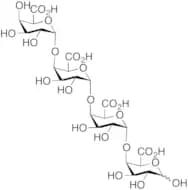

![3-[2-(Ethylhexyl)oxyl]-1,2-propandiol](/_next/image/?url=https%3A%2Fstatic.cymitquimica.com%2Fproducts%2FTR%2Fthumb-webp%2FE918770.webp&w=3840&q=75)
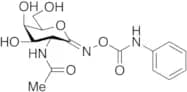
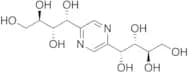
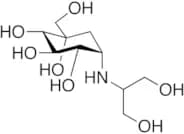

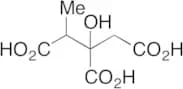
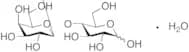

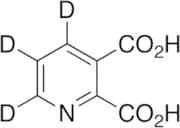

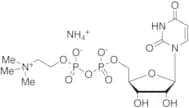
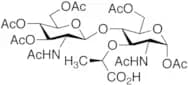
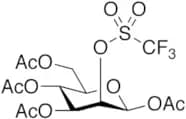
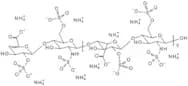



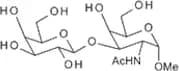
![[UL-2H7glc]Lactose monohydrate](/_next/image/?url=https%3A%2Fstatic.cymitquimica.com%2Fproducts%2F3D%2Fthumb-webp%2FOL16276.webp&w=3840&q=75)
![6'-(D-[UL-13C6]Galactosyl)lactose](/_next/image/?url=https%3A%2Fstatic.cymitquimica.com%2Fproducts%2F3D%2Fthumb-webp%2FOG15067.webp&w=3840&q=75)
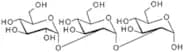
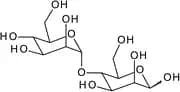
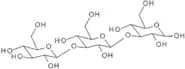
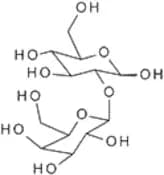
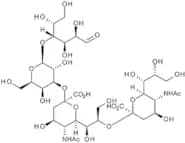

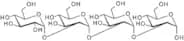
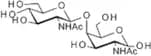


![2-(2,3,6-Tri-O-acetyl-4-O-[(2,3,4,6-tetra-O-acetyl-a-D-glucopyranosyl)]-b-D-glucopyranosyl) thiops…](/_next/image/?url=https%3A%2Fstatic.cymitquimica.com%2Fproducts%2F3D%2Fthumb-webp%2FOT10963.webp&w=3840&q=75)
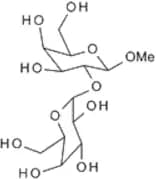
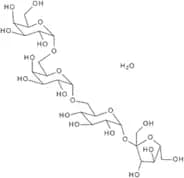
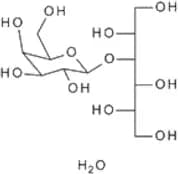
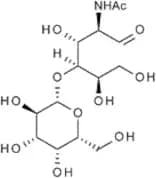

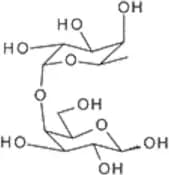
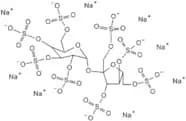
![2-Acetamido-2-deoxy-4-O-([4-O-b-D-galactopyranosyl]-b-D-galactopyranosyl)-D-glucopyranose](/_next/image/?url=https%3A%2Fstatic.cymitquimica.com%2Fproducts%2F3D%2Fthumb-webp%2FOA07925.webp&w=3840&q=75)