Monossacáridos
Monossacarídeos são a forma mais simples de carboidratos e servem como building blocks fundamentais para açúcares mais complexos e polissacarídeos. Essas moléculas de açúcar único desempenham papéis críticos no metabolismo energético, na comunicação celular e nos componentes estruturais das células. Nesta seção, você encontrará uma ampla variedade de monossacarídeos essenciais para pesquisas em bioquímica, biologia molecular e glicociência. Esses compostos são cruciais para estudar vias metabólicas, processos de glicosilação e desenvolvimento de agentes terapêuticos. Na CymitQuimica, oferecemos monossacarídeos de alta qualidade para apoiar suas necessidades de pesquisa, garantindo precisão e confiabilidade em suas investigações científicas.
Subcategorias de "Monossacáridos"
- Aloses(11 produtos)
- Arabinoses(21 produtos)
- Eritroses(11 produtos)
- Frutoses(9 produtos)
- Fucoses(36 produtos)
- Galactosamina(41 produtos)
- Galactoses(260 produtos)
- Glucoses(365 produtos)
- Ácidos Glucurónicos(51 produtos)
- Glico-substratos para enzimas(77 produtos)
- Guloses(6 produtos)
- Idoses(4 produtos)
- Inositóis(15 produtos)
- Lixoses(4 produtos)
- Mannoses(65 produtos)
- O-Glicanos(48 produtos)
- Psicoses(3 produtos)
- Ramnoses(10 produtos)
- Riboses(61 produtos)
- Ácidos siálicos(100 produtos)
- Sorboses(4 produtos)
- Açúcares(173 produtos)
- Tagatoses(4 produtos)
- Taloses(8 produtos)
- Xiloses(20 produtos)
Exibir 17 mais subcategorias
Foram encontrados 6088 produtos de "Monossacáridos"
Ordenar por
Pureza (%)
0
100
|
0
|
50
|
90
|
95
|
100
2-Azidomethyl-2-deoxy-D-ribono-1.5-lactone
<p>2-Azidomethyl-2-deoxy-D-ribono-1.5-lactone is a custom synthesis of an oligosaccharide with a carbohydrate chain that has been modified by methylation and glycosylation. It is a high purity product that can be used in the synthesis of complex carbohydrates, such as polysaccharides, and has been fluorinated to create a click modification. This compound has an CAS number and can be used in the synthesis of saccharides or sugars. It can also be used for the preparation of complex carbohydrates, such as polysaccharides, and has been fluorinated to create a click modification.</p>Pureza:Min. 95%1,2,3,4-Tetra-O-acetyl-6-deoxy-6-gluoro-D-glucopyranose
CAS:<p>1,2,3,4-Tetra-O-acetyl-6-deoxy-6-gluoro-D-glucopyranose is a glycosylation sugar that is synthesized by the click reaction of 2,3,4,6-tetraacetylpyridine with 6-deoxygluconohexose. It is a white to off white powder that is soluble in water and ethanol. This compound has been used as a building block for oligosaccharides and polysaccharides because it can be modified with methyl groups or fluorine atoms. 1,2,3,4-Tetra-O-acetyl-6-deoxyglucofuranose is also known for its high purity and chemical stability.</p>Fórmula:C14H19FO9Pureza:Min. 95%Peso molecular:350.29 g/mol5-Ketomannose
CAS:<p>5-Ketomannose is a catalytic α-d-mannopyranoside that is used as a glycosidase inhibitor. It binds to the active site of glycosidases, blocking their activity and inhibiting the breakdown of carbohydrates. 5-Ketomannose has been shown to inhibit the action of a number of enzyme types, including glycosidases, glycoprocessing enzymes, and catalytic hydrogenation. This compound also inhibits deoxymannojirimycin, which is an inhibitor of glycosidase. 5-Ketomannose has anti-inflammatory effects and may be useful for treatment in inflammatory bowel disease (IBD) or ulcerative colitis.</p>Fórmula:C6H10O6Pureza:Min. 95%Cor e Forma:PowderPeso molecular:178.14 g/molAllyl 2-acetamido-3,4-di-O-acetyl-6-azido-2-deoxy-D-galactopyranoside
<p>Allyl 2-acetamido-3,4-di-O-acetyl-6-azido-2-deoxy-D-galactopyranoside is a carbohydrate that belongs to the group of sugars. It is a complex carbohydrate with a CAS number. This compound has fluorination and methylation modifications. Allyl 2-acetamido-3,4-di-O-acetyl-6-azido-2,6 -dideoxygalactopyranoside is synthesized from allyl 2,3,4,6 -tetraacetate by reaction with acetamide and sodium azide in an acetone/water mixture. The product contains high purity and custom synthesis.</p>Pureza:Min. 95%4-Toluoyl 2,3-di-O-benzoyl-4,6-O-benzylidene-b-D-thioglucopyranoside
<p>4-Toluoyl 2,3-di-O-benzoyl-4,6-O-benzylidene-b-D-thioglucopyranoside is a custom synthesis of an oligosaccharide. It is available as a white solid and has a molecular formula of C14H14F6O8S2 and a molecular weight of 458.35. This compound is soluble in water and can be stored at room temperature.</p>Pureza:Min. 95%Fructosyl-lysine
CAS:<p>Fructosyl-lysine is a substituted lysine that is formed through the glycation of proteins by sugars. It can be detected by fluorescence spectrometry and has been shown to inhibit the activity of receptor tyrosine kinases, which are involved in physiological functions such as cell growth and differentiation. Fructosyl-lysine also inhibits collagen synthesis and reduces the amount of glucose in human serum. This compound may be used as a model system to study glycation reactions with lysine, fatty acids, and other amino acids. The concentration of fructosyl-lysine found in human serum is at physiological levels and may not have any effect on antibody response.</p>Fórmula:C12H24N2O7Pureza:Min. 95%Cor e Forma:PowderPeso molecular:308.33 g/mol1-Fmoc-amino-2,4-O-D-butane-2,3,4-triol
<p>1-Fmoc-amino-2,4-O-D-butane-2,3,4-triol is a custom synthesis of an oligosaccharide that is a sugar or carbohydrate. It is modified with fluorination, methylation and click chemistry. 1-Fmoc-amino-2,4-O-D-butane-2,3,4-triol has been shown to have antiangiogenic activity. This compound also has saccharide and glycosylation activity. 1Fmoc amino 2,4 O D butane 2 3 4 triol is a polysaccharide that is glycosylated with sugar and complex carbohydrates.</p>Pureza:Min. 95%D-Mannoheptulose
CAS:<p>Inhibitor of glucokinases and hexokinases</p>Fórmula:C7H14O7Pureza:Min. 98.0 Area-%Cor e Forma:White PowderPeso molecular:210.18 g/mol2,6-Dideoxy-L- arabino- hexose
CAS:<p>2,6-Dideoxy-L-arabino-hexose is a carbohydrate that can be custom synthesized. It has a high purity with a custom synthesis and can be methylated and glycosylated. This modification changes the chemical structure of the sugar, which may have important therapeutic effects on cancer cells.</p>Fórmula:C6H12O4Pureza:Min. 95%Peso molecular:148.16 g/molMethyl-5-O-benzoyl-2-chloro-2,3-dideoxy-3-fluoro-D-ribofuranoside
<p>Methyl-5-O-benzoyl-2-chloro-2,3-dideoxy-3-fluoro-D-ribofuranoside is a custom synthesis of Methylation. It is also known as methyl 5-(benzoyl)furanosyl 2,3-dideoxyfuroate. This compound is used in the preparation of oligosaccharides and polysaccharides. It has a CAS number of 90627-95-6 and an Oligosaccharide molecular weight of 380.<br>Methylation is the addition of a methyl group to a molecule. The result is an alkyl group with one less hydrogen atom (CH3). Methyl groups are often used in organic chemistry to modify other molecules, such as sugars or carbohydrates, by adding them to the molecule's structure. <br>Methylation occurs most often in two ways:<br>1) In chemical synthesis, for example</p>Fórmula:C13H14ClFO4Pureza:Min. 95%Peso molecular:288.7 g/mol3,4:5,6-Di-O-Isopropylidene-2-O-tert.butyldimethylsilyl-L-idonic acid methyl ester
<p>3,4:5,6-Di-O-isopropylidene-2-O-(tert.butyldimethylsilyl)-L-idonic acid methyl ester is an organosilicon compound that is used in the preparation of oligosaccharides and polysaccharides. This compound has a CAS number of 2134160-04-6 and can be custom synthesized to meet your needs. 3,4:5,6-Di-O-isopropylidene-2-O-(tert.butyldimethylsilyl)-L-idonic acid methyl ester is available at a purity of 99% or greater, which makes it ideal for modification to produce monosaccharides or other types of sugar derivatives.</p>Pureza:Min. 95%Methyl 2,3,4-tri-O-benzoyl-6-O-trityl-a-D-galactopyranoside
CAS:<p>Methyl 2,3,4-tri-O-benzoyl-6-O-trityl-a-D-galactopyranoside is an oligosaccharide. It is a highly pure and custom synthesis of methylated saccharides. The modification is done by Click chemistry, which is a reaction between an azide and an alkyne in the presence of copper catalyst. This modification helps to introduce fluorine atoms into the saccharide chain. The glycosylation process is then carried out on the modified saccharides to form the desired oligosaccharides. Methyl 2,3,4-tri-O-benzoyl-6-O-trityl-a-D galactopyranoside can be used as a raw material for various applications such as pharmaceuticals, agrochemicals and food additives.</p>Fórmula:C47H40O9Pureza:Min. 95%Peso molecular:748.84 g/molL-Erythrulose
CAS:<p>L-Erythrulose is an organic compound that is a sugar alcohol. It can be synthesized from the aldol reaction of glycolaldehyde and dehydroascorbic acid, which are both found in natural sources. L-Erythrulose has shown to have intramolecular hydrogen transfer (H-transfer) reactions, where the hydroxyl group migrates from one C atom to another. This kinetic data was obtained using surface methodology on model systems containing l-erythrulose and bacteria with wild-type or mutant strains. The conformational properties of L-erythrulose were also investigated by comparing its chemical structures with those of other sugars.</p>Fórmula:C4H8O4Pureza:Min. 95%Cor e Forma:Yellow Clear LiquidPeso molecular:120.1 g/mol4-Aminophenyl b-D-glucopyranoside
CAS:<p>4-Aminophenyl b-D-glucopyranoside is a membrane transport inhibitor that prevents the uptake of glucose by inhibiting the enzyme hexose transporter. It is used in biological treatment and has been shown to be effective against glutamicum. 4-Aminophenyl b-D-glucopyranoside can also be used in assays to identify bacteria based on their surface antigens. This compound was isolated from corynebacterium glutamicum and its metabolic pathway has been elucidated. 4-Aminophenyl b-D-glucopyranoside has also been shown to inhibit enzymatic activity, which may be due to inhibition of the enzyme dihydroorotate dehydrogenase.</p>Fórmula:C12H17NO6Pureza:Min. 95%Cor e Forma:White PowderPeso molecular:271.27 g/mol2,5:3,4-Dianhydro-6-O-2-propenyl-dimethyl acetal-L-talose
CAS:<p>2,5:3,4-Dianhydro-6-O-2-propenyl-dimethyl acetal-L-talose is a fluorinated sugar that is synthesized by the reaction of an acetal with glycosylation. It has been modified to contain a methyl group and a click modification. 2,5:3,4-Dianhydro-6-O-2-propenyl-dimethyl acetal-L-talose is used as a fluorescent probe for the detection of nucleic acids in living cells. It has high purity and can be custom synthesized to meet customer specifications.</p>Fórmula:C11H18O5Pureza:Min. 95%Peso molecular:230.26 g/mol(2S, 3S, 4S, 5S) -3, 4- Dihydroxy- 5- (hydroxymethyl) - N- methyl- 2- pyrrolidinecarboxami de
CAS:<p>(2S, 3S, 4S, 5S) -3, 4- Dihydroxy- 5- (hydroxymethyl) - N- methyl- 2- pyrrolidinecarboxami de is a custom synthesis of an oligosaccharide. It is a complex carbohydrate that can be modified to the customer's specifications. The product is available in high purity and with good monosaccharide and methylation yield. The chemical structure of this product contains a fluorinated saccharide.</p>Pureza:Min. 95%2-Deoxy-D-xylose
CAS:<p>2-Deoxy-D-xylose is a sugar that is metabolized by bacteria in the absence of oxygen. It has been shown to be highly chemotactic, inducing the migration of cells from the surrounding tissue into the area where it is present. 2-Deoxy-D-xylose has also been shown to inhibit the growth of cancer cells and induce apoptosis in vitro. 2-Deoxy-D-xylose binds to mitochondria and inhibits cytochrome oxidase, which may contribute to its anti-cancer activity. 2-Deoxy-D-xylose has also been shown to have angiogenic effects by stimulating endothelial cell proliferation and migration.</p>Fórmula:C5H10O4Pureza:Min. 98 Area-%Cor e Forma:White PowderPeso molecular:134.13 g/molN- (2, 5- Anhydro- 3- azido- 3- deoxy- D- altronoyl) - 2, 5- Anhydro- 3- amino- 3- deoxy- D- altronic acid propyl ester
<p>N- (2, 5- Anhydro- 3- azido- 3- deoxy- D- altronoyl) - 2, 5- Anhydro- 3- amino - 3 - deoxy- D - altronic acid propyl ester is a synthetic compound that has been modified to include an N-(2,5 anhydroazido)-3,6 dideoxydulonic acid moiety. The chemical structure of this product includes a methyl group and two hydroxyl groups on the anomeric carbon. This product is a white powder at room temperature and can be used in the synthesis of oligosaccharides or polysaccharides.</p>Pureza:Min. 95%2,3,4,6-Tetra-O-benzoyl-D-mannopyranose
CAS:<p>2,3,4,6-Tetra-O-benzoyl-D-mannopyranose is a methylated saccharide with a molecular weight of 596. It is easily modified and can be used in the synthesis of complex carbohydrates. This product has been synthesized by Click chemistry and it is fluorinated. The purity of this product is >99%. CAS No. 627466-98-2.</p>Fórmula:C34H28O10Pureza:Min. 95%Cor e Forma:PowderPeso molecular:596.58 g/molNAcDGJ
<p>NAcDGJ is a glycosylation-derived, synthetic, complex carbohydrate with methylation, click modification, fluorination, saccharide and sugar modifications. NAcDGJ has shown to have anticancer activity in vitro and in vivo. This compound can be custom synthesized with high purity and CAS number.</p>Pureza:Min. 95%2-Amino-4-hydroxy-1,4-butanedioic acid
<p>2-Amino-4-hydroxy-1,4-butanedioic acid is a synthetic monosaccharide with the chemical formula HOOCCH(NH)COH. It has an empirical formula of CHNO and a molecular weight of 146.14 g mol−1. 2-Amino-4-hydroxy-1,4-butanedioic acid is soluble in water and has no odor or taste. This product can be used for Glycosylation, Oligosaccharide, sugar, Synthetic, Fluorination, Custom synthesis, Methylation, Monosaccharide, Polysaccharide and saccharide modification. 2-Amino-4 hydroxy butanedioic acid can also be used as a building block in Click modification reactions.</p>Fórmula:C4H7NO5Pureza:Min. 95%Peso molecular:149.1 g/mol3,5-Dideoxy-3,5-imino-1,2-O-isopropylidene-N-methyl-6-O-tert.butyldimethylsilyl-b-L-glucofuranose
<p>3,5-Dideoxy-3,5-imino-1,2-O-isopropylidene-N-methyl-6-O-tert.butyldimethylsilyl-b-L-glucofuranose is a modified sugar that is used as a chemical intermediate for the synthesis of saccharides, oligosaccharides, and other carbohydrate molecules. It can be synthesized from 3,5,-dichloroisonicotinic acid by the reaction with sodium methylate in methanol. This compound has been shown to form glycosidic bonds with sugars such as glucose and galactose and is used in click chemistry reactions.</p>Pureza:Min. 95%D-Galactose - non-animal origin
CAS:<p>D-Galactose is a monosaccharide that is found in the form of a white, odorless powder. It has many applications, including as an additive in foods and beverages, as an intermediate in the production of other modified sugars, and as an important component of glycoproteins. D-Galactose is also used to produce glycogen or lactose by modifying it with phosphate or acetate groups. The synthesis of D-galactose is done by methylation of D-glucose followed by glycosylation reactions. This product can be custom synthesized to meet your needs.</p>Fórmula:C6H12O6Pureza:Min. 99 Area-%Peso molecular:180.16 g/mol6-O-Benzyl-1-(-)-carboxymenthyl-2,3:4,5-di-O-cyclohexylidene-L-myo-inositol
CAS:<p>6-O-Benzyl-1-(-)-carboxymenthyl-2,3:4,5-di-O-cyclohexylidene-L-myo-inositol is a synthetic oligosaccharide with the chemical formula C9H14FNO5. It is a monosaccharide composed of a single sugar unit, inositol, which has been modified with benzyl groups on the 6th and 1st positions of the inositol ring. This compound is used as an intermediate in the synthesis of other saccharides.</p>Fórmula:C36H52O8Pureza:Min. 95%Peso molecular:612.79 g/molMethyl [(R)-4,6-O-benzylidene-]-2,3-di-O-toluensulfonyl-a-D-glucopyranoside
CAS:<p>Methyl [(R)-4,6-O-benzylidene-]-2,3-di-O-toluensulfonyl-a-D-glucopyranoside is a complex carbohydrate compound that is composed of a sugar molecule and a methoxy group. It has been custom synthesized for use in glycosylation reactions, which are used to produce oligosaccharides and polysaccharides. This compound is also useful in the production of therapeutic drugs and other chemical compounds due to its high purity.</p>Fórmula:C28H30O10S2Pureza:Min. 95%Peso molecular:590.66 g/mol3,5-Di-O-(tert-butyldimethylsilyl)-2-deoxy-D-ribono-1,4-lactone
CAS:<p>3,5-Di-O-(tert-butyldimethylsilyl)-2-deoxy-D-ribono-1,4-lactone is a nucleoside analog that inhibits the synthesis of viral RNA. It can be hydrolyzed to uridine, which is then converted to phosphorylated uridine by uridine phosphorylase. 3,5-Di-O-(tert-butyldimethylsilyl)-2-deoxy-D-ribono-1,4-lactone binds to the enzyme ribonucleotide reductase and blocks the production of DNA precursors. This may lead to a decrease in DNA synthesis and cell proliferation. The antiviral properties of 3,5-Di-O-(tert-butyldimethylsilyl)-2-deoxy--D--ribono--1,4--lactone have been shown in animal models against cyt</p>Fórmula:C17H36O4Si2Pureza:Min. 95%Cor e Forma:PowderPeso molecular:360.65 g/mol3,4-Di-O-benzyl-D-glucose
<p>3,4-Di-O-benzyl-D-glucose is a monosaccharide that is synthetically modified with an O-benzyl group at the 3' and 4' positions. It is a custom synthesis and has a CAS number. This sugar can be used as a building block for polysaccharides or oligosaccharides with the addition of other sugars. 3,4-Di-O-benzyl-D-glucose is highly pure and can be modified with fluorine to make it more stable for use in click chemistry reactions. This sugar is soluble in water, ethanol, DMSO, DMF, and acetonitrile. It has been shown to inhibit the growth of bacteria such as Staphylococcus aureus and Mycobacterium tuberculosis.</p>Pureza:Min. 95%tert-Amyl 2-acetamido-3,4,6-tri-O-acetyl-2-deoxy-b-D-glucopyranoside
CAS:<p>Tert-Amyl 2-acetamido-3,4,6-tri-O-acetyl-2-deoxy-b-D-glucopyranoside is a custom synthesis that has not been reported in the literature or commercialized. The compound is an oligosaccharide with a fluorinated saccharide unit. It is synthesized by methylation of glycosylation and click modification of the sugar. Tert-Amyl 2-acetamido-3,4,6-tri-O-acetyl-2DGPA has been shown to be resistant to enzymatic digestion and hydrolysis by esterases. The compound can also be used as a fluorescent probe for studying carbohydrate metabolism.</p>Fórmula:C19H31NO9Pureza:Min. 95%Peso molecular:417.45 g/mol5-Azido-5-deoxy-2-C-(hydroxymethyl)-L-lyxono-1.4-lactone
<p>5-Azido-5-deoxy-2-C-(hydroxymethyl)-L-lyxono-1.4-lactone (5AZDOL) is a modified oligosaccharide with a molecular weight of 558. It is synthesized from L-lyxonic acid, which is obtained from the hydrolysis of L-xylose. The methylation and glycosylation reactions are carried out in the presence of DMSO and ammonium hydroxide respectively. The final product is purified by crystallization and characterized by IR and NMR spectroscopy. 5AZDOL has CAS No. 607634-06-7, an M 1 monosaccharide, an Oligosaccharide, a Carbohydrate, a complex carbohydrate, and Synthetic.br>br></p>Pureza:Min. 95%Neocarraoctaose-4¹,4³,4⁵,4⁷-tetra-O-sulfate sodium
CAS:<p>Neocarraoctaose-41,3,5,7-tetra-O-sulfate sodium salt is a synthetic carbohydrate compound that is used in the synthesis of oligosaccharides and polysaccharides. The chemical name of this product is Neocarraoctaose-41,3,5,7-tetra-O-sulfate sodium salt. It has a molecular weight of 598.34 g/mol and a CAS number of 133647-94-6. This product can be synthesized by methylation, custom synthesis, click modification and fluorination.</p>Fórmula:C48H74O49S4•Na4Pureza:Min. 95%Cor e Forma:PowderPeso molecular:1,655.3 g/molMethyl 2,4-di-O-benzyl-a-D-mannopyranoside
CAS:<p>Methyl 2,4-di-O-benzyl-a-D-mannopyranoside is a monosaccharide that is used in the synthesis of complex carbohydrates and polysaccharides. It can be custom synthesized to meet specific requirements. This product has been fluorinated at the 2, 4, and 6 positions with a purity of 99%. Methyl 2,4-di-O-benzyl-a-D-mannopyranoside can be modified by methylation or glycosylation, which can change its properties such as solubility or reactivity. The product is also available in an Oligosaccharide form. This product has been successfully used for Click modification.</p>Fórmula:C21H26O6Pureza:Min. 95%Peso molecular:374.43 g/mol1,2:3,4-Di-O-isopropylidene-a-D-galacturonide methyl ester
CAS:<p>1,2:3,4-Di-O-isopropylidene-a-D-galacturonide methyl ester is a synthetic monosaccharide that is used in the synthesis of oligosaccharides and polysaccharides. This product has been synthesized by fluorination of galacturonic acid and methylation of the resulting alcohol with methanol. The desired product can be obtained through glycosylation using a variety of sugars or click modification using an azide building block. This product has been shown to have high purity, which is determined by HPLC analysis.</p>Fórmula:C13H20O7Pureza:Min. 95%Peso molecular:288.29 g/mol(2R, 3R, 4R) -3-Benzyloxy- 1- benzyl-4- (hydroxymethyl) - 2- azetidinecarboxylic acid methyl ester
<p>(2R, 3R, 4R) -3-Benzyloxy- 1- benzyl-4-(hydroxymethyl)- 2-azetidinecarboxylic acid methyl ester is an oligosaccharide. It is a modification of the Oligosaccharide which is a carbohydrate with multiple saccharides. This means that it contains two or more types of sugar monomers. The primary type of sugar in this compound is the Monosaccharide, which are single units of sugar that are joined together to form a sugar polymer. The other type of sugar in this compound is the Polysaccharide, which is made up of many different monomers. Carbohydrates are an important source of energy for living organisms and they can be found in many different forms such as sugars and starches. This compound has been modified by Methylation (addition of a methyl group), Glycosylation (addition of glycosidic</p>Pureza:Min. 95%5-Deoxy-3,4-di-O-methyl-L-arabinose
<p>5-Deoxy-3,4-di-O-methyl-L-arabinose is a sugar building block that is used as a monosaccharide or polysaccharide. It can be modified with fluorination, methylation, and click chemistry to produce glycosylations and oligosaccharides. 5DAMOL can also be used in the synthesis of complex carbohydrates. The CAS number for 5DAMOL is 107879-64-2.</p>Pureza:Min. 95%(2R, 3S, 4R, 5S) -3,4-Dihydroxy-2, 5- pyrrolidinedimethano l
CAS:<p>(2R, 3S, 4R, 5S) -3,4-Dihydroxy-2,5-pyrrolidinedimethanol is a methylated form of levoglucosan. It is a synthetic compound that can be produced by the modification of glucose or by the fluorination of glycerol. This white crystalline solid can be used in various applications such as the synthesis of oligosaccharides and polysaccharides or as a sugar for use in high purity experiments. This product is available for custom synthesis and has been shown to have an excellent quality.</p>Pureza:Min. 95%3-Aminopropyl α-D-mannopyranoside
CAS:<p>Mannose with an aliphatic 3 carbon amine linker.</p>Fórmula:C9H19NO6Pureza:Min. 95%Cor e Forma:PowderPeso molecular:237.25 g/molEthyl 2-deoxy-2-fluoro-L-thiofucopyranoside
<p>Ethyl 2-deoxy-2-fluoro-L-thiofucopyranoside is a synthetic sugar that has been modified to include fluorine atoms. It is a custom synthesis and is available in quantities of 50 grams or more. It can be used as an ingredient in glycoprotein synthesis, where it is used to produce oligosaccharides. Ethyl 2-deoxy-2-fluoro-L-thiofucopyranoside may also be useful for the modification of sugars and polysaccharides, which are complex carbohydrates. The chemical can be modified with methyl groups and click chemistry, making it suitable for use in the production of monosaccharides or saccharides. This chemical can also be used for the synthesis of drugs that target specific cells, such as cancer cells.</p>Pureza:Min. 95%Methyl β-D-fructopyranoside
CAS:<p>Methyl β-D-fructopyranoside is a glycoside that is made up of a pyranose ring and the sugar d-fructose. This molecule is stable because of its hydrogen bonds, which are formed between the oxygen atom of the hydroxyl group and the hydrogen atom of the methyl group. Methyl β-D-fructopyranoside has two chiral centers, so it can exist as two enantiomers. The most common form is D-(+)-methyl β-d-fructopyranoside, which has a configuration of R (right) and S (left).</p>Fórmula:C7H14O6Pureza:One SpotCor e Forma:PowderPeso molecular:194.18 g/molTriclosan-β-D-glucopyranoside
<p>Triclosan-beta-D-glucopyranoside is a sugar that is custom synthesized to your specifications. The sugar can be modified by fluorination, glycosylation, methylation, or modification. Triclosan-beta-D-glucopyranoside is an oligosaccharide that has a molecular weight of 534.2 and is soluble in water. This compound has CAS number 6051-08-4.</p>Fórmula:C18H17Cl3O7Pureza:Min. 98.0 Area-%Peso molecular:451.68 g/mol1,2-O-Benzylidene -β- L- idofuranuronic acid γ-lactone
<p>1,2-O-Benzylidene -beta- L- idofuranuronic acid gamma-lactone is a custom synthesis of a fluorinated monosaccharide. The modification of the sugar is accomplished by methylation and click chemistry. The monosaccharide can be used as a building block for oligosaccharides and polysaccharides. It is also used as an intermediate in the glycosylation process that produces complex carbohydrates.</p>Pureza:Min. 95%1-Deoxy- 4- C- methyl- 3, 4-isopropylidene-L- erythro- 2- pentulose
<p>1-Deoxy-4-C-methyl-3,4-isopropylidene-L-erythro-2-pentulose is a custom synthesis of saccharide in nature. It has fluorination and methylation modification. It is a monosaccharide, which can be modified to form an oligosaccharide or polysaccharide. The CAS number for this compound is</p>Pureza:Min. 95%2-Azidoethyl 2-acetamido-2-deoxy-b-D-glucopyranoside
CAS:<p>2-Azidoethyl 2-acetamido-2-deoxy-b-D-glucopyranoside is a toxic compound that inhibits protein synthesis by binding to the enzyme glucokinase. It has been shown to inhibit the release of fatty acids in hepatocytes and to inhibit triglyceride lipase activity in cell culture. This chemical also has a damaged sequence, which is a factor that may lead to toxicity. 2-Azidoethyl 2-acetamido-2-deoxy-b-D-glucopyranoside also has been shown to have physiological activities, such as inhibition of cardiac cells and symptoms such as inflammation. These effects are thought to be mediated by its ability to bind with DNA and RNA, altering their function.</p>Fórmula:C10H18N4O6Pureza:Min. 95%Cor e Forma:White PowderPeso molecular:290.27 g/molmeso-D-glycero-D-gulo-heptitol
CAS:<p>Meso-D-glycero-D-gulo-heptitol is an enzyme inhibitor that is used in food composition. It has a redox potential of +0.5 V and can be used to inhibit the growth of metal hydroxides through chelation. This compound was found to have skin cell protective effects, as well as an ability to inhibit protein synthesis. Meso-D-glycero-D-gulo-heptitol is also a natural compound with physiological function, such as the prevention of dmannnoheptulose from being converted into D-mannitol. The hydrochloric acid or alcohol residue on this compound does not cause any adverse effects on human cells because it does not affect their redox potentials.</p>Fórmula:C7H16O7Pureza:Min. 95%Peso molecular:212.2 g/molN-Benzyl-3,5-dideoxy-3,5-imino-L-arabinofuranose
<p>N-Benzyl-3,5-dideoxy-3,5-imino-L-arabinofuranose is a modification of the sugar arabinofuranose. It is an oligosaccharide that is synthesized by the transfer of a benzyl group from C6 to C2 in L-arabinofuranose. The methylation and glycosylation reactions on this sugar are also possible. N-Benzyl-3,5-dideoxy-3,5-imino-L-arabinofuranose is soluble in water and can be easily modified with fluorination or saccharide additions.</p>Pureza:Min. 95%Ribitol
CAS:<p>Non-cariogenic sweetener; part of carbohydrate-based, biodegradable tensides</p>Fórmula:C5H12O5Pureza:Min. 98 Area-%Cor e Forma:White Off-White PowderPeso molecular:152.15 g/mol2-O-Benzoyl-3,4-O-benzylidene-D-ribopyranose
<p>2-O-Benzoyl-3,4-O-benzylidene-D-ribopyranose is a fluorinated monosaccharide that has been synthesized and modified. The molecular formula is C11H14FO7 and the molecular weight is 307.27. It can be used in glycosylation reactions to produce oligosaccharides or polysaccharides. 2-O-Benzoyl-3,4-O-benzylidene-D-ribopyranose can also be methylated to produce methylated carbohydrates. This product is of high purity and has a CAS number.</p>Pureza:Min. 95%(3aS, 4S, 6aR) Tetrahydro- 2, 2, 6a- trimethyl- 4H- 1, 3- dioxolo[4, 5- c] pyrrole- 4- methanol
<p>(3aS, 4S, 6aR) Tetrahydro- 2, 2, 6a- trimethyl- 4H- 1, 3- dioxolo[4, 5- c] pyrrole- 4- methanol is a synthetic compound that is a member of the class of compounds known as tetrahydropyrroloquinolines. It is a monosaccharide sugar with an alkyl group at C6 and an amine group at C2. The compound has been shown to inhibit bacterial growth by inhibiting DNA synthesis. This inhibition leads to the production of less nucleotides and nucleic acids necessary for DNA replication. The methylation at C2 is critical for this inhibitory effect.</p>Pureza:Min. 95%Methyl 2,3,4-tri-O-acetyl-6-O-tert-butyldiphenylsilyl-a-D-mannopyranoside
<p>Methyl 2,3,4-tri-O-acetyl-6-O-tert-butyldiphenylsilyl-a-D-mannopyranoside is a custom synthesis of an oligosaccharide. It is modified by fluorination, methylation and acetylation. This compound can be used in the production of glycosylated proteins for use as pharmaceuticals. The CAS number for this compound is 568792–66–8.</p>Fórmula:C29H38O9SiPureza:Min. 95%Peso molecular:558.71 g/mol(3R, 4S,5R) -3-O-Benzhydryloxybis(trimethylsilyloxy)silyl 1-benzyl-4,5-O-isopropylidene-3, 4, 5- piperidinetriol
<p>(3R, 4S,5R) -3-O-Benzhydryloxybis(trimethylsilyloxy)silyl 1-benzyl-4,5-O-isopropylidene-3, 4, 5-piperidinetriol is a high purity methylated oligosaccharide. It is synthesized using Click chemistry and fluorination. This product can be modified with different functional groups. It is an excellent candidate for glycoprotein analysis due to its high purity and modification capabilities.</p>Pureza:Min. 95%2,3:5,6-Di-O-isopropylidene-L-gulono-1,4-lactone
CAS:<p>2,3:5,6-Di-O-isopropylidene-L-gulono-1,4-lactone is a methylated form of L-gulono-1,4-lactone which is a monosaccharide. The methylation of this compound makes it more soluble in water and lipids. This product can be synthesized to any desired purity and can be modified to suit the needs of the customer. The oligosaccharides produced from 2,3:5,6-Di-O-isopropylidene L -gulono 1,4 lactone are polysaccharides composed of repeating units of monosaccharides that are linked together by glycosidic bonds. Polysaccharides are complex carbohydrates that can be either linear or branched and have many different functions in living organisms. Carbohydrates are saccharides that contain carbon atoms and hydrogen atoms as</p>Fórmula:C12H18O6Pureza:Min. 95 Area-%Cor e Forma:White crystals.Peso molecular:258.27 g/mol4-Acetylphenyl-β-D-glucopyranoside
CAS:<p>4-Acetylphenyl-β-D-glucopyranoside (4APG) is a natural compound that belongs to the group of p-hydroxybenzoic acid. It has been shown to have antibacterial properties, with an optimum pH of 5.0 and an MIC of 1.0 μg/mL. 4APG was found to be active against Gram-positive bacteria, including Staphylococcus aureus, Bacillus subtilis, and Clostridium perfringens. This compound also inhibits the growth of Gram-negative bacteria such as Escherichia coli, Salmonella enteritidis, and Shigella dysenteriae. The chemical structure of 4APG was determined by NMR spectroscopy analysis and HPLC analysis. Analysis by GCMS revealed that 4APG contains protocatechuic acid, 5-caffeoylquinic acid, and other unknown compounds.</p>Fórmula:C14H18O7Pureza:Min. 95%Cor e Forma:Off-White Slightly Yellow PowderPeso molecular:298.29 g/molD-Gluconic acid magnesium (II) hydrate
CAS:<p>D-Gluconic acid magnesium (II) hydrate is a proton that is used as an enzyme inhibitor. It has been shown to inhibit glutamate pyruvate transaminase, which is involved in the production of inflammatory cytokines such as TNF-α and IL-1β. D-Gluconic acid magnesium (II) hydrate also inhibits creatine kinase, which plays an important role in the production of inflammatory cytokines. This compound has been shown to be effective at inhibiting bowel disease and inflammatory diseases.</p>Fórmula:C6H11O7Mg·xH2OPureza:Min. 95%Cor e Forma:PowderPeso molecular:207.3 g/mol1,2,3,4-Tetra-O-benzoyl-6-O-tert-butyldimethylsilyl-b-D-glucopyranose
CAS:<p>1,2,3,4-Tetra-O-benzoyl-6-O-tert-butyldimethylsilyl-b-D-glucopyranose is a custom synthesis. It is an oligosaccharide that is glycosylated with methyl groups and fluorinated. This product has a purity of >99% and can be used as a substitute for natural glycosides in pharmaceuticals or other applications.</p>Fórmula:C40H42O10SiPureza:Min. 95%Peso molecular:710.86 g/mol(2S, 3R, 4R) -3- Fluoro- 4- (hydroxymethyl) - 1- (phenylmethyl) -2- azetidinecarboxylic acid
CAS:<p>This is a synthetic carbohydrate with a fluorinated azetidinecarboxylic acid moiety. The monosaccharide is an L-rhamnose derivative, which has been methylated and glycosylated at the C-5 position. This sugar has been modified by Click chemistry to introduce a reactive group at the C-3 position. The oligosaccharides are composed of D-glucose, L-galactose, and L-fucose, which have been modified by fluorination and polysaccharide modification. This compound can be custom synthesized to suit your needs.</p>Pureza:Min. 95%Ethyl 2,3,4-tri-O-benzyl-β-L-thiofucopyranoside
CAS:<p>Ethyl 2,3,4-tri-O-benzyl-beta-L-thiofucopyranoside is a sugar that is used in the synthesis of complex carbohydrates. It can be custom synthesized to meet your specifications. Ethyl 2,3,4-tri-O-benzyl-beta-L-thiofucopyranoside is a monosaccharide that has been fluorinated and methylated. The CAS number for this compound is 99409-34-4.</p>Fórmula:C29H34O4SPureza:Min. 98 Area-%Peso molecular:478.64 g/molD-Glucose-6-phosphate barium
CAS:<p>D-Glucose-6-phosphate barium salt is a custom synthesis of the saccharide, which is a component of the carbohydrates. It has been modified by fluorination, methylation, and monosaccharide modification. The synthesis of this compound can be done in a single reaction, and it is an example of glycosylation. This product has been shown to have high purity.</p>Fórmula:C6H13O9P•BaxPureza:Min. 95%Cor e Forma:PowderPeso molecular:395.454-Chloro-2-cyclopentylphenyl b-D-galactopyranoside
CAS:<p>4-Chloro-2-cyclopentylphenyl b-D-galactopyranoside is a synthetic monosaccharide with a methylated, fluorinated, and glycosylated backbone. It is often used as an artificial sweetener or sugar substitute in foods and beverages. The saccharide can be modified to contain one or more click modifications and/or polysaccharides. This product has been custom synthesized for high purity.</p>Fórmula:C17H23ClO6Pureza:Min. 95%Cor e Forma:PowderPeso molecular:358.81 g/mol6-Azido-6-deoxy-D-galactose
CAS:<p>6-Azido-6-deoxy-D-galactose is a mutagenic compound that is used as a carbon source in the synthesis of other compounds. It has been shown to have mutagenicity in TA100 cells and to be active against Staudinger's naphthol. The compound is synthesised by chemoenzymatic methods, which involve the use of alcohols and an acetyl group. 6-Azido-6-deoxy-D-galactose can be used as a mutagenic agent for the production of mutants with desired properties.</p>Fórmula:C6H11N3O5Pureza:Min. 95%Cor e Forma:White PowderPeso molecular:205.17 g/mol2- Azido- 2- deoxy- 2- C- methyl-D- ribonic acid g- lactone
<p>2-Azido-2-deoxy-2-C-methyl-D-ribonic acid g-lactone is a glycoside that can be used as a monosaccharide or an oligosaccharide. It's custom synthesis allows for the modification of saccharides, such as fluorination and methylation, to create complex carbohydrates. This product has been shown to have high purity with a CAS number in the range of 108411-41-8.</p>Pureza:Min. 95%Ezetimibe b-D-glucuronide
CAS:<p>Ezetimibe b-D-glucuronide is a glucuronide conjugate of ezetimibe. It can be found in human serum, as well as in the liver and small intestine. Ezetimibe b-D-glucuronide has been shown to inhibit uptake of uridine into Caco2 cells, which may be due to its ability to inhibit the activity of drug transporters such as P-glycoprotein and organic anion transporting polypeptides. This drug also inhibits the production of creatine kinase in the liver and lowers cholesterol levels by inhibiting dietary cholesterol absorption. The drug interactions with statins are still unclear and require further investigation. Ezetimibe b-D-glucuronide is metabolized by glucuronidation in the liver and small intestine.</p>Fórmula:C30H29F2NO9Pureza:Min. 95%Cor e Forma:PowderPeso molecular:585.55 g/mol5-Azido-1-O-acetyl-2,3-di-O-benzyl-5-deoxy-6-hydroxy-b-D-xylopyranoside
CAS:<p>5-Azido-1-O-acetyl-2,3-di-O-benzyl-5-deoxy-6-hydroxyb-Dxylopyranoside is a synthetic sugar that has been modified with fluorine and methyl groups. It is used in the synthesis of complex carbohydrate chains. The product is available in custom synthesis which may include other modifications such as acetylation, monosaccharide, or polysaccharide. 5AOBDX5 can be synthesized from 1,2,3,4,5,6 hexaoxohexane at elevated temperature by reacting with sodium azide and benzaldehyde. This product is available in high purity and can be used for click chemistry modifications.</p>Pureza:Min. 95%(2R, 3S, 4S) -N-Benzyl-3- fluoro- 4- (hydroxymethyl) - 2- azetidinecarboxylic acid
<p>(2R, 3S, 4S)-N-Benzyl-3-fluoro-4-(hydroxymethyl)-2-azetidinecarboxylic acid is a synthetic sugar that is custom synthesized for pharmaceutical applications. It has a purity of 98% and is available in different quantities. The drug can be modified with fluorination, glycosylation, methylation, and modification. (2R, 3S, 4S)-N-Benzyl-3-fluoro-4-(hydroxymethyl)-2-azetidinecarboxylic acid can be used as a sugar or carbohydrate in the synthesis of oligosaccharide or monosaccharide. It has an CAS number of 58614-82-1 and can be found in the Glycosylations and Synthetic sections of the catalog.</p>Pureza:Min. 95%2-Amino-2,4-dideoxy-4-fluoro-D-glucose HCl
<p>2-Amino-2,4-dideoxy-4-fluoro-D-glucose HCl is a synthetic carbohydrate. It is a modification of the sugar glucose with fluorine substitution. The CAS Number for this compound is 53635-91-5. 2-Amino-2,4-dideoxy-4-fluoro-D-glucose HCl has an average molecular weight of 258.1 g/mol and it can be synthesized in custom amounts. This product is available as a white crystalline powder and it can be used in various applications such as glycosylation, methylation, or click chemistry modifications.</p>Pureza:Min. 95%3-O-Benzyl-4-(hydroxymethyl)-1,2-O-isopropylidene-α-D-ribofuranose
CAS:<p>Synthetic building block for nucleic acid research</p>Fórmula:C16H22O6Pureza:Min. 98 Area-%Cor e Forma:White PowderPeso molecular:310.34 g/mol4-Azido-4,6-dideoxy-2,3-O-isopropylidene-L-talono(L-gulono)-1.5-lactone
<p>4-Azido-4,6-dideoxy-2,3-O-isopropylidene-L-talono(L-gulono)-1.5 lactone is a high purity synthetic carbohydrate. It is a custom synthesis and can be fluorinated, glycosylated, methylated or modified to meet your specifications. It has CAS number 1263289-75-9. This product is an oligosaccharide with a saccharide repeating unit of 3 to 7 units. The monosaccharides are D and L glucose and the oligosaccharides are D and L maltose. The complex carbohydrate is composed of one or more glycans linked by glycosidic bonds. This product is a sugar that consists of one or more monosaccharides with at least one hexose (D or L) and at least one pentose (D or L).</p>Pureza:Min. 95%D-Saccharic acid calcium salt tetrahydrate
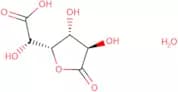
CAS:<p>D-Saccharic acid calcium salt tetrahydrate is a white crystalline powder. It is a synthetic sugar that has been modified with fluorine and other substituents to produce a high purity, stable molecule. It can be used as an intermediate in the synthesis of oligosaccharides, monosaccharides, or glycosylations. D-Saccharic acid calcium salt tetrahydrate is synthesized by methylation and glycosylation of the saccharic acid molecule. This product can also be custom synthesized to meet your needs.</p>Fórmula:C6H16CaO12Peso molecular:320.26 g/mol1,2-Di-O-acetyl-3,5-di-O-benzoyl-D-ribofuranose
CAS:<p>1,2-Di-O-acetyl-3,5-di-O-benzoyl-D-ribofuranose is a fluorinated carbohydrate that is synthesized through a glycosylation reaction. It has been shown to be stable in the presence of strong acid and base. The molecular weight of 1,2-Di-O-acetyl-3,5-di-O-benzoyl-D -ribofuranose is 694.49 g/mol. The purity of this compound is >99%.</p>Pureza:Min. 95%2,3-O-Isopropylidene-1-C-methyl-D-erythrose
<p>2,3-O-Isopropylidene-1-C-methyl-D-erythrose is a modified oligosaccharide that is synthesized from D-erythrose. It can be used in the synthesis of complex carbohydrates with various biological activities. It is a sugar that can be methylated, glycosylated, or fluorinated and has been shown to have anti-inflammatory properties.</p>Pureza:Min. 95%b-L-Fucose-1-phosphate bis(cyclohexylammonium) salt
CAS:<p>b-L-Fucose-1-phosphate bis(cyclohexylammonium) salt is a synthetic, fluorinated monosaccharide that is used in the synthesis of oligosaccharides, polysaccharides and glycoproteins. The compound can be modified using click chemistry. It has been synthesized by reacting b-D-fucose with 2 equivalents of cyclohexylamine in the presence of BF3.</p>Fórmula:C6H11O8P·2C6H14NPureza:Min. 95%Cor e Forma:White PowderPeso molecular:442.48 g/mol1-O-Methyl-β-D-xylopyranoside
CAS:<p>1-O-Methyl-beta-D-xylopyranoside is a glycoside that consists of a glucose molecule linked to the hydroxyl group of p-hydroxybenzoic acid through an alpha glycosidic bond. It is found in many plants, such as in the leaves of the common bay tree (Laurus nobilis) and in the bark of the cinnamon tree (Cinnamomum verum). 1-O-Methyl-beta-D-xylopyranoside is used as a sweetener and flavoring agent. It is also used in some pharmaceutical drugs, including antiulcer agents and antidiarrheal agents. This compound has been shown to have an effective dose of 5 mg/kg when given orally to humans.</p>Fórmula:C6H12O5Pureza:Min. 98.0 Area-%Peso molecular:164.16 g/molMethyl 2,3,5-tri-O-(2,4-dichlorobenzyl)-b-D-ribofuranoside
CAS:<p>Methyl 2,3,5-tri-O-(2,4-dichlorobenzyl)-b-D-ribofuranoside is a glycosylation agent that is used as a monosaccharide or oligosaccharide modification. It can be utilized in the synthesis of saccharides and polysaccharides. Methyl 2,3,5-tri-O-(2,4-dichlorobenzyl)-b-D-ribofuranoside is a custom synthesis product with high purity and CAS No. 163759-40-8.</p>Fórmula:C27H24Cl6O5Pureza:Min. 95%Peso molecular:641.21 g/molEstrone b-D-glucuronide sodium salt
CAS:<p>Estrone b-D-glucuronide sodium salt (EBGG) is a steroid hormone that is synthesized in the ovaries. EBGG has been shown to be effective against bacterial vaginosis and polycystic ovarian syndrome. It is not active against other types of vaginal infections, such as yeast vaginitis or candida vulvovaginitis. EBGG has also been used to treat infertility in women, with promising results. The compound may work by increasing the metabolic rate and suppressing the production of progesterone and testosterone, which are important for fertility. EBGG binds to an estrogen receptor on cells in the uterus, stimulating the growth of uterine tissue and increasing blood flow to the uterus. EBGG binds to a specific site on the surface of cells called a monoclonal antibody, which can inhibit cell proliferation. This binding leads to an increase in progesterone receptor expression on uterine cells and inhibits the production of progesterone receptors on breast cancer</p>Fórmula:C24H29O8·NaPureza:Min. 95%Cor e Forma:PowderPeso molecular:468.47 g/mol3,4:5,6-Di-O-isopropylidene-D-glucitol
CAS:<p>3,4:5,6-Di-O-isopropylidene-D-glucitol is a chemical compound that belongs to the class of aldehydes. It has been shown to catalyze the reaction between alcohols and amides in the presence of an acid or base catalyst. The product of this reaction is an amide with an isopropylidene group on one side. 3,4:5,6-Di-O-isopropylidene-D-glucitol also has two chiral centers and can be used to synthesize stereoselective aldoses, such as D-(+)-gluconic acid and L-(+)-gluconolactone.</p>Fórmula:C12H22O6Pureza:Min. 98 Area-%Cor e Forma:PowderPeso molecular:262.3 g/mol1-Deoxytagatose
<p>1-Deoxytagatose is a fluorescent ketone that can be used as a chemical probe for the detection of protein synthesis. The fluorescence properties of 1-deoxytagatose are well suited for use as a marker in fluorometric assays and it has been used to measure ketone bodies in urine. The mechanism of 1-deoxytagatose is not fully understood, but it has been found to react with phosphate groups and form a phosphoric acid derivative.</p>Pureza:Min. 95%Cerebroside sulfate
CAS:<p>Myelin component; opioid receptor</p>Fórmula:C42H80NNaO11SPureza:Min. 95%Cor e Forma:White PowderPeso molecular:830.14 g/mol1,3:4,6-Di-O-benzylidene-2,5-dideoxy-2,5-imino-L-iditol
CAS:<p>1,3:4,6-Di-O-benzylidene-2,5-dideoxy-2,5-imino-L-iditol is a synthetic oligosaccharide that can be used as a glycosylation probe. It has been shown to have high purity and good stability in the presence of strong acids and bases. The methyl group on the benzene ring can be replaced with other functional groups such as fluoro or chloro. This product is also available in custom synthesis for those who need it.</p>Fórmula:C20H21NO4Pureza:Min. 95%Cor e Forma:White PowderPeso molecular:339.39 g/molAllyl 2,3-di-O-benzyl-4,6-O-benzylidene-a-D-glucopyranoside
CAS:<p>Allyl 2,3-di-O-benzyl-4,6-O-benzylidene-a-D-glucopyranoside is a synthetic, water soluble glycoside with a high purity that has been fluorinated and methylated. This product is stable at room temperature in both the solid and liquid form. It has a CAS number of 20746-71-8.</p>Fórmula:C30H32O6Pureza:Min. 95%Peso molecular:488.57 g/molN-Benzyl-3,5-dideoxy-3,5-imino-1,2-O-isopropylidene-D-arabinofuranose
<p>N-Benzyl-3,5-dideoxy-3,5-imino-1,2-O-isopropylidene-D-arabinofuranose is a high purity custom synthesis sugar that has been modified with fluorination and glycosylation. The CAS number for this molecule is 51459-06-8 and it is an oligosaccharide. This molecule can be methylated or modified with other sugars to create complex carbohydrates.</p>Pureza:Min. 95%D-Mannose
CAS:<p>Used to differentiate microorganisms based on their metabolic properties.</p>Fórmula:C6H12O6Pureza:Min. 99.5 Area-%Peso molecular:180.16 g/molRef: 3D-M-1000
1kgA consultar50gA consultar5kgA consultar500gA consultar2500gA consultar-Unit-kgkgA consultar7-Deoxy- 6- O- tert.butyldimethylsilyl - 1, 2- O- isopropylidene -L- glycero- a- D- gluco- heptofuranose
<p>7-Deoxy-6-O-tert.butyldimethylsilyl-1,2-O-isopropylidene -L-glucoheptofuranose is a fluorinated monosaccharide that is used as a synthetic intermediate for the production of oligosaccharides and polysaccharides. 7DGTS can be modified with methyl groups and/or click chemistry to form various derivatives. The CAS Number for this product is 58959-14-8. This product has been shown to have a purity of 99% or higher.</p>Pureza:Min. 95%2-Deoxy-2-fluoro-D-arabinofuranose-1-phosphate
<p>2-Deoxy-2-fluoro-D-arabinofuranose-1-phosphate is a synthetic sugar that is used in the synthesis of oligosaccharides and saccharide derivatives. It has been shown to be a promising candidate for Click modification, as well as fluorination, glycosylation, methylation, and other modifications. This sugar can be found under CAS No. 131069-06-6.</p>Fórmula:C5H7FO7PPureza:Min. 95%Peso molecular:229.08 g/mol(2S, 3R, 4R, 5R, 6R) -2-Ethyl- 6- (hydroxymethyl) -3, 4, 5- piperidinetriol
<p>(2S, 3R, 4R, 5R, 6R) -2-Ethyl- 6- (hydroxymethyl) -3, 4, 5- piperidinetriol is a synthetic monosaccharide that is modified with fluorine. The physicochemical properties of this chemical compound are:</p>Pureza:Min. 95%2,3,4,6-Tetra-O-acetyl-a-D-thiomannopyranse sodium salt
<p>2,3,4,6-Tetra-O-acetyl-a-D-thiomannopyranse sodium salt is a synthetic compound that is used as an intermediate in the production of glycosaminoglycans. It is a complex carbohydrate with four mannose units and two acetyl groups. This compound can be methylated, fluorinated, or modified with click chemistry to produce various derivatives. 2,3,4,6-Tetra-O-acetyl-a-D-thiomannopyranse sodium salt has been shown to have antiviral and anti cancer properties and can be custom synthesized for specific needs.</p>Fórmula:C14H19O9SNaPureza:Min. 95%Peso molecular:386.35 g/molN-(2-Furylacetonitrile)-2,3,4,6-tetra-O-pivaloyl-b-D-glucopyranoside
<p>The compound is a custom synthesis. It is a polysaccharide that has been modified by methylation and glycosylation, as well as being click-modified at the C6 position. The compound is a complex carbohydrate with an Oligosaccharide in the center. The CAS number for this compound is</p>Fórmula:C32H48N2O10Pureza:Min. 95%Peso molecular:620.73 g/molMethyl 3,4-di-O-acetyl-β-D-xylopyranoside
CAS:<p>Acetyl protected xyloside</p>Fórmula:C10H16O7Pureza:Min. 95%Cor e Forma:PowderPeso molecular:248.2 g/molMethyl 6-O-tert.butyldiphenylsilyl-a-D-galactopyranoside
<p>Methyl 6-O-tert.butyldiphenylsilyl-a-D-galactopyranoside is an organic chemical compound that belongs to the class of sugar derivatives. This substance is a high purity, custom synthesis and can be modified by fluorination, glycosylation, and methylation. The CAS number for this substance is 52793-71-0.<br>Methyl 6-O-tert.butyldiphenylsilyl-a-D-galactopyranoside is an oligosaccharide with a molecular formula of C14H21NO4S and a molecular weight of 299.38 g/mol. It has a monosaccharide sequence of D -Galp1,6(Galp)2,3GlcNAc(Galp)2,4GlcNAc(Galp)2,5GlcNAc(Galp)2</p>Pureza:Min. 95%Methyl 2,3,4-tri-O-acetyl-6-O-tert-butyldiphenylsilyl-a-D-galactopyranoside
CAS:<p>Methyl 2,3,4-tri-O-acetyl-6-O-tert-butyldiphenylsilyl a-D-galactopyranoside is an oligosaccharide that has been modified with methylation, glycosylation and fluorination. It is an important compound in carbohydrate chemistry. The oligosaccharide is synthesized by the condensation of 3 molecules of galactose with 1 molecule of mannose to form a disaccharide. This product is manufactured by custom synthesis and has been purified to high purity.</p>Fórmula:C29H38O9SiPureza:Min. 95%Peso molecular:558.71 g/mol2,5-Anhydro-D-mannitol-1-phosphate barium salt hydrate
CAS:<p>2,5-Anhydro-D-mannitol-1-phosphate barium salt hydrate is a fluorinated synthetic oligosaccharide. It is a complex carbohydrate that can be modified with the addition of methyl groups or click chemistry. This product is CAS No. 352000-02-3 and has been synthesized with glycosylation and polysaccharide modifications. The chemical formula for this product is C6H14O7P2Ba.</p>Fórmula:C6H11BaO8P·H2OPureza:Min. 95%Peso molecular:397.46 g/molMethyl 2-azido-2-deoxy-a-D-galactopyranoside
CAS:<p>Methyl 2-azido-2-deoxy-a-D-galactopyranoside is a custom synthesis product. It belongs to the category of Carbohydrate and is a fluorinated monosaccharide. This product is also known as Methyl 2-azido-2,3,4,6-tetra‑O‑benzoyl-a‑D‑galactopyranoside.</p>Fórmula:C7H13N3O5Pureza:Min. 95%Peso molecular:219.2 g/mol4,6-O-Isopropylidene-D-mannopyranose
<p>4,6-O-Isopropylidene-D-mannopyranose is a custom synthesis of a polysaccharide that has been modified with fluorination, methylation, and click modification. This product can be used in the synthesis of oligosaccharides or saccharides. It may also be used in glycosylation reactions to produce complex carbohydrates.</p>Pureza:Min. 95%Lipid X
CAS:<p>Lipid X is a monosaccharide precursor of E. coli lipid A. It is an N-acyl-D-glucosamine 1-phosphate where the N-acyl group is (R)-3-hydroxytetradecanoyl and carrying an additional (R)-3-hydroxytetradecanoyl, and it is a component of the cell wall of Gram-negative bacteria. Due to its physiological functions and biological properties, Lipid X can be used to treat infectious diseases, autoimmune diseases, and HIV infection. It has also been shown to inhibit the production of inflammatory cytokines such as tumor necrosis factor alpha (TNF-α) and interleukin-1β (IL-1β). This effect is due to its ability to disrupt hydrogen bonds between lipids in the cell membrane. As a biosynthetic intermediate of Lipid A, it seems to play a role in bacterial virulence and can trigger an immune response in humans, and protect against endotoxins.</p>Fórmula:C34H66NO12PPureza:Min. 95%Peso molecular:711.86 g/mol2-O-Benzyl-3,4-O-benzylidene-2-C-methyl-D-arabino-1.5-lactone
<p>2-O-Benzyl-3,4-O-benzylidene-2-C-methyl-D-arabino-1.5lactone is a fluorinated monosaccharide that is synthesized by the glycosylation of 1,5 D arabinofuranose. It has been used for the synthesis of oligosaccharides and polysaccharides with a variety of sugar modifications. This product is available in high purity and can be custom synthesized to meet your needs.</p>Pureza:Min. 95%2,3,4,6-Tetra-O-acetyl-b-D-thiogalactopyranose sodium salt
CAS:<p>2,3,4,6-Tetra-O-acetyl-β-D-thiogalactopyranose sodium salt is a high purity custom synthesis sugar with a click modification. The fluorination and glycosylation are carried out to give the desired product. It has CAS No. 73962-00-2 and is a synthetic carbohydrate that can be used in oligosaccharides, monosaccharides, saccharide and complex carbohydrates.</p>Fórmula:C14H19O9SNaPureza:Min. 95%Peso molecular:386.35 g/mol3-Azidopropyl 2-acetamido-2-deoxy-3,4,6-tri-O-acetyl-b-D-glucopyranoside
<p>3-Azidopropyl 2-acetamido-2-deoxy-3,4,6-tri-O-acetyl-b-D-glucopyranoside is a synthetic carbohydrate. It is a modification of the natural saccharide 3,4,6 tri O acetyl b D glucopyranoside. The modification in this case is the addition of an azide group to one of the hydroxyl groups on the sugar. This product has a CAS number and can be custom synthesized to meet your specific needs. It is available in high purity and can be modified by methylation or glycosylation.</p>Pureza:Min. 95%2-Azido-2-deoxy-3,5-di-O-tert-butylsimethyl-D-xylitol
<p>2-Azido-2-deoxy-3,5-di-O-tert-butylsimethyl-D-xylitol is a monosaccharide with the molecular formula C8H12N2O6. It is an important intermediate for the synthesis of saccharides and oligosaccharides. A major application of 2AA2DTBSX is in the modification of complex carbohydrates such as polysaccharides and glycoproteins. This carbohydrate can be fluorinated to produce 2-(azido)-2-(deoxy) -3,5-(di)O-(tert) butylsulfonylmethyl -D-xylitol. 2AA2DTBSX can also be methylated to produce 2-[(methylthio)methyl]-2,3,5,6 tetraiodo -D-xylitol.</p>Pureza:Min. 95%3-Azido-3-deoxy-5, 6- O- isopropylidene- D- gulonic acid g- lactone
CAS:<p>3-Azido-3-deoxy-5, 6-O-isopropylidene-Dgulonic acid g-lactone is a fluorinated monosaccharide. It is synthesized by the reaction between 3,4,6,7 tetra fluorobenzaldehyde and 5,6 O isopropylidene Dgulonic acid. It can be used for glycosylation reactions in order to produce oligosaccharides. The modification of this product can be achieved through methylation and sugar modification techniques. This product has CAS No. 244057-17-8 and is highly pure with a purity of 99%.</p>Fórmula:C9H13N3O5Pureza:Min. 95%Peso molecular:243.22 g/molL-Arabinose - Syrup
CAS:<p>L-arabinose is a monosaccharide that is found in many plants, but not in humans. It is metabolized by the liver to produce L-arabinose-1-phosphate and L-ribulose-1,5-bisphosphate. L-Arabinose syrup is used for the treatment of bacterial infections such as escherichia coli or listeria monocytogenes.</p>Fórmula:C5H10O5Pureza:Min. 95%Peso molecular:150.13 g/molMethyl 4,6-O-benzylidene-2,3-di-O-benzyl-a-D-glucopyranoside
CAS:<p>Methyl 4,6-O-benzylidene-2,3-di-O-benzyl-a-D-glucopyranoside is a synthetic compound that is used as an intermediate in the production of other chemicals. The compound has been shown to be resistant to methylation and glycosylation. It has also been modified with a click chemistry reaction and fluorinated. Methyl 4,6-O-benzylidene-2,3-di-O-benzyl-a-D -glucopyranoside is a carbohydrate with a molecular formula of C12H24O14 and a molecular weight of 594.8 g/mol.</p>Fórmula:C28H30O6Pureza:Min. 95%Cor e Forma:White PowderPeso molecular:462.53 g/molEzetimibe hydroxy-D-glucuronide D4
Produto Controlado<p>Ezetimibe hydroxy-D-glucuronide D4 is a synthetic glycosylation product, which belongs to the category of oligosaccharides. It is a sugar that has been modified through fluorination and methylation. This product is soluble in water and has a purity of greater than 99% (based on HPLC analysis). Ezetimibe hydroxy-D-glucuronide D4 is a white, crystalline powder with a molecular weight of 586.2 g/mol and CAS number 144479-19-5.</p>Fórmula:C30H25D4F2NO9Pureza:Min. 95%Peso molecular:589.57 g/mol2,3-O-Isopropylidene-5-O-triphenylmethyl-D- ribonic acid γ-lactone
<p>2,3-O-Isopropylidene-5-O-triphenylmethyl-D-ribonic acid gamma-lactone is a modified and synthetic oligosaccharide. It is also known as 2,3:5,6:7,8:5',6'-O-isopropylidene-D-riboaldonic acid gamma lactone or 2,3:5,6:7,8:5',6'-0-(2,2,2,-trimethyl)propane. It is an important precursor for the synthesis of complex carbohydrates such as polysaccharides and glycosylation reactions. This product can be used in research on carbohydrate chemistry and in pharmaceuticals.<br>1. <br>2. <br>3.<br>4. <br>5. <br>6. <br>7.</p>Pureza:Min. 95%Tri-O-acetyl-4-pentulosonic acid methyl ester
CAS:<p>Tri-O-acetyl-4-pentulosonic acid methyl ester is a high purity, custom synthesis sugar that has been modified by click chemistry. It is fluorinated, glycosylated and synthetically modified. The chemical name for this product is 3'-O-Acetyl-4'-O-(2,3,5,6-tetrafluoro)pentylosonic acid methyl ester. Tri-O-acetyl-4-pentulosonic acid methyl ester is a saccharide that has the CAS No. 108595-14-8 and has been shown to be useful in the synthesis of oligosaccharides and monosaccharides.</p>Fórmula:C12H16O9Pureza:Min. 95%Peso molecular:304.25 g/mol2,4,6-Tri-O-acetyl-3-O-benzyl-a-D-glucopyranosyl bromide
CAS:<p>2,4,6-Tri-O-acetyl-3-O-benzyl-a-D-glucopyranosyl bromide is a custom synthesis made by Modification of the chemical structure of a natural sugar. It is Fluorinated, Methylated and Monosaccharide with Synthetic Click modification and Oligosaccharide. The CAS number for this compound is 34339-69-0. This compound has many uses including being a Carbohydrate that can be used as a Complex carbohydrate for various purposes.</p>Pureza:Min. 95%Methyl 2,6-dideoxy-a-D-glucopyranoside
<p>Methyl 2,6-dideoxy-a-D-glucopyranoside is a custom synthesis of an oligosaccharide that is modified with fluorination. It is a saccharide, or carbohydrate, that has been methylated and glycosylated. The modification of this complex carbohydrate has been achieved through the use of the Click reaction. This product has been purified to high purity and is ready for use in research and development.</p>Fórmula:C7H14O4Pureza:Min. 95%Peso molecular:162.18 g/mol2,3,4,6-Tetra-O-benzyl-b-D-glucopyranosyl Fluoride
CAS:<p>2,3,4,6-Tetra-O-benzyl-b-D-glucopyranosyl Fluoride (TBG) is a drug that has antibiotic properties. It inhibits bacterial growth by binding to the D-glucose residue in the cell wall of gram positive bacteria, which prevents the synthesis of peptidoglycan and thus inhibits protein synthesis. TBG binds to the hydroxyl group on the stannic chloride to form an insoluble complex. The stannic chloride is then converted into a soluble complex with fluoride ion. TBG can be used as an antibiotic for gram positive bacteria such as Staphylococcus aureus and Streptococcus pyogenes.</p>Fórmula:C34H35FO5Pureza:(%) Min. 96%Cor e Forma:PowderPeso molecular:542.64 g/molPhosphoric acid mono-((2R,3R,4S,5R)-2,3,4,5,6,7-hexahydroxy-heptyl) ester barium salt
<p>Phosphoric acid mono-((2R,3R,4S,5R)-2,3,4,5,6,7-hexahydroxy-heptyl) ester barium salt is a Glycosylation product. It is a complex carbohydrate with the molecular formula C6H14O6P. The glycosylation of this compound can be accomplished by methylation or by Click modification. This product also has an Oligosaccharide content and Polysaccharide properties. The CAS Number for this compound is 595-25-1.</p>Fórmula:C7H15O10PBaPureza:Min. 95%Peso molecular:427.49 g/molMethyl 2-azido-2-deoxy-3-O-benzyl-6-O-benzoyl-a-D-glucopyranoside
CAS:<p>Methyl 2-azido-2-deoxy-3-O-benzyl-6-O-benzoyl-a-D-glucopyranoside is a synthetic carbohydrate that can be used as a fluorescent probe. It has been used to study the glycosylation of proteins and saccharides, and also as an intermediate in the synthesis of oligosaccharides. The chemical structure of Methyl 2-azido-2-deoxy-3 -O -benzyl -6 -O -benzoyl -a -D -glucopyranoside is shown below:</p>Fórmula:C21H22N3O6Pureza:Min. 95%Peso molecular:412.42 g/molIsosorbide 5-mononitrate 2-b-D-glucuronide
CAS:<p>Isosorbide 5-mononitrate 2-b-D-glucuronide is a reconstituted form of Isosorbide 5-mononitrate. It is used in the treatment of congestive heart failure and angina pectoris. The drug is a nitrovasodilator that relaxes smooth muscle cells, increasing blood flow to the heart. It has been shown to be effective in reducing the frequency of angina attacks and improving exercise tolerance. Isosorbide 5-mononitrate 2-b-D-glucuronide may also have beneficial effects on other cardiovascular diseases such as coronary heart disease, heart attack, or high blood pressure.</p>Fórmula:C12H17NO12Pureza:Min. 95%Peso molecular:367.26 g/mol1,2-Di-O-tert.butyldimethylsilyl-3,4:5,6-di-O-isopropylidene-D-glycero-a-D-talopyranoside
<p>This compound is a high purity, custom synthesis. It is a sugar that can be fluorinated and glycosylated. It also has the ability to be modified with methylation and modification. The CAS Number is 1213-78-3. This carbohydrate has many functions: it can act as an oligosaccharide or monosaccharide and can also be used as a complex carbohydrate.</p>Pureza:Min. 95%2-Keto-L-gulonic acid hydrate
CAS:<p>2-Keto-L-gluonic acid hydrate, also called 2-oxo-gulonic acid hydrate, L-xylo-2-hexulosonic acid hydrate (2-KLG) and D-sorbosonic acid hydrate, is an important intermediate in the synthesis of L-ascorbic acid (vitamin C) and can be produced by modified E. herbicola.</p>Fórmula:C6H10O7•(H2O)xPureza:Min. 95%Cor e Forma:PowderPeso molecular:194.14 g/mol2-Propynyl-2,3,4,6-tetra-O-acetyl-b-D-glucopyranoside
CAS:<p>2-Propynyl-2,3,4,6-tetra-O-acetyl-b-D-glucopyranoside is a carbohydrate. It is an oligosaccharide that contains a glucose molecule with four acetyl groups at the 2 position. This type of modification can be used to create high purity compounds for research purposes. 2-Propynyl-2,3,4,6-tetra-O-acetyl-b-D-glucopyranoside also has methylation and glycosylation sites available for custom synthesis.</p>Fórmula:C17H22O10Pureza:Min. 95%Cor e Forma:White PowderPeso molecular:386.35 g/molGalacto-PUGNAc
CAS:<p>Galacto-PUGNAc is an oligosaccharide with a complex carbohydrate structure. It is synthesized from galactose and pyranose, which are sugars that belong to the group of carbohydrates. Galacto-PUGNAc is modified by methylation, glycosylation, and fluorination. The chemical modification of this compound provides it with high purity and fluorescence properties. Click chemistry is also used in its synthesis, which involves the use of reactive species that contain azides or alkyne groups. This modification increases the stability of the compound, making it a useful tool for molecular biology and biochemistry research.</p>Fórmula:C15H19N3O7Pureza:Min. 75 Area-%Cor e Forma:PowderPeso molecular:353.33 g/molAdenosine-5'-b-D-galactopyranoside
CAS:<p>Adenosine-5'-b-D-galactopyranoside is a complex carbohydrate, which is a glycoconjugate consisting of an adenosine molecule linked to the sugar galactose by an alpha (1→4) glycosidic linkage. It is a methylated, fluorinated, and saccharide-modified analogue of adenosine monophosphate. Adenosine-5'-b-D-galactopyranoside is also known as 5'-Deoxyadenosine 5'-b-D-galactopyranoside or 3',5'-Diadenylic acid 5'-b-D-galactopyranoside. The compound can be custom synthesized in high purity with the desired modifications.</p>Pureza:Min. 95%(2R, 3R, 4S, 5R) -3, 4- Dihydroxy- 5- (hydroxymethyl) - N- methyl-2- pyrrolidinecarboxami de
CAS:<p>(2R, 3R, 4S, 5R) -3, 4- Dihydroxy- 5- (hydroxymethyl) - N- methyl-2- pyrrolidinecarboxami de is an Methylation product of 2-pyrrolidinone. It is a white to off-white solid. This product has been modified with Click chemistry to create a glycosylation site at the C6 position. It is soluble in water and alcohols. The CAS number for this product is 1591783-03-7.</p>Pureza:Min. 95%5-Bromo-5,6-dideoxy-3-O-benzoyl-D-gulono-1.4-lactone
<p>5-Bromo-5,6-dideoxy-3-O-benzoyl-D-gulono-1.4-lactone is a Carbohydrate with the molecular formula C8H12Br2O7 and a molecular weight of 338. The CAS number for this compound is 9061-52-8. This compound is an Oligosaccharide with a molecular weight of 334. The structure of this compound is related to the structure of the natural sugar, glucose. 5-Bromo-5,6-dideoxy-3-O-(benzoyl)-D--gulono--1.4--lactone has been synthesized from 5,6 dideoxy erythrose in which one hydroxyl group has been replaced by bromine and one hydroxyl group has been replaced by benzoyl chloride. It has also been methylated and glycosylated.</p>Pureza:Min. 95%D-Fructose-1,6-diphosphate
CAS:<p>D-Fructose-1,6-diphosphate is a chemical that is found in the cytosol of cells. It is an intermediate in the metabolism of fructose and also has an important role in the synthesis of fatty acids and phospholipids. D-Fructose-1,6-diphosphate is an effective inhibitor of sodium succinate dehydrogenase, which converts succinate to fumarate. D-Fructose-1,6-diphosphate has a neutral pH profile and is not affected by changes in pH levels. The optimum pH for this compound is between 6.5 and 7.5. D-Fructose-1,6-diphosphate binds to proteins with unsaturated alkyl chains such as creatine kinase and glutamate dehydrogenase. It has been shown to have hemolytic effects on erythrocytes (red blood cells) at high concentrations, which may be due to its ability to bind</p>Fórmula:C6H14O12P2Pureza:(¹H-Nmr) Min. 95 Area-%Cor e Forma:White PowderPeso molecular:340.12 g/molN-[2-(4'-Dimethylaminophenyl)-1-cyano-3-butene]-2,3,4,6-tetra-O-pivaloyl-D-glucopyranoside
<p>2-(4'-Dimethylaminophenyl)-1-cyano-3-butene-2,3,4,6-tetra-O-pivaloyl-D-glucopyranoside is a synthetic compound. It is an oligosaccharide that can be modified to produce various sugar derivatives. The modification process includes fluorination and methylation. 2-(4'-Dimethylaminophenyl)-1-cyano-3-butene-2,3,4,6 tetra O pivaloyl D glucopyranoside is a white powder with a melting point of 110°C and an optical rotation of +33°C.</p>Fórmula:C39H59N2O9Pureza:Min. 95%Peso molecular:699.91 g/mol4,6-O-Benzylidene-1-O-(N-Cbz-3-aminopropyl)-b-D-galactopyranose
CAS:<p>4,6-O-Benzylidene-1-O-(N-Cbz-3-aminopropyl)-b-D-galactopyranose is a methylated saccharide. It can be modified with click chemistry to produce a wide variety of compounds. 4,6-O-Benzylidene-1-O-(N-Cbz 3 -aminopropyl)-b D galactopyranose is a synthetic sugar that can be used for glycosylation and polysaccharide synthesis. This product is available in various purities and CAS number 189819 33 8.</p>Fórmula:C24H29NO8Pureza:Min. 95%Peso molecular:459.49 g/molDL-Apiose - Aqueous solution
CAS:<p>DL-Apiose, also known as D-apiose, is a carbohydrate that is found in the bark of the tree Dolichandrone. It can be synthesized from verbascoside, a product of the thermally and irradiation degradation of verbascoside. This compound has been shown to have anti-inflammatory properties. DL-Apiose has two stereoisomers: alpha and beta. Alpha-DL-apiose is an intramolecular hydrogen bond donor while beta-DL-apiose is an intramolecular hydrogen bond acceptor. The alpha form can be converted to the beta form by ring opening. The alpha form of this compound has a hydroxyl group at carbon 2 and the beta form does not have this group. The alpha form of DL-apiose is more soluble than the beta form and may be more biologically active than its counterpart.</p>Fórmula:C5H10O5Pureza:Min. 95%Cor e Forma:Clear LiquidPeso molecular:150.13 g/mol2-C-(2,3,4,6-Tetra-O-acetyl-b-D-glucopyranosyl) ethyne
CAS:<p>2-C-(2,3,4,6-Tetra-O-acetyl-b-D-glucopyranosyl) ethyne is a fluorescent reagent that is used to detect glycosylation. It reacts with the glucose residue of an oligosaccharide or polysaccharide to form a fluorescent product. This product can be detected by fluorescence spectroscopy. 2-C-(2,3,4,6-Tetra-O-acetyl-b-D-glucopyranosyl) ethyne has been shown to react with Oligo 1 and Oligo 2 in the following reaction:<br>2-[(2,3,4,6 Tetra -O -acetyl -b -D -glucopyranosyl )ethynyl]</p>Fórmula:C16H20O9Pureza:Min. 95%Peso molecular:356.32 g/molD-Arabinose
CAS:<p>The aldopentose D-arabinose also known as aloinose, Aloe sugar, pectinose (Collins, 2006), is not as common in nature as its enantiomer L-arabinose. D-arabinose is a component of the polysaccharide in Aloe (Haynes, 1963) and is present in the unripe (green) tomato (Lycopersicon esculentum) (Chandra, 2009). The major cell wall carbohydrate of Corynebacterineae (a bacterial group that includes tuberculosis, leprosy and diphtheriae) is an arabinogalactan, a branched polysaccharide that is essential for the physiology of these bacteria. The arabinogalactan complex is often referred to as mycolyl-arabinogalactan-peptidoglycan complex. As arabinogalactan is made up of D-arabinofuranosyl and D-galactofuranosyl residues, a complete understanding of their biosynthethic pathways could provide suitable targets for new chemotherapeutics (Meniche, 2008).</p>Fórmula:C5H10O5Pureza:Min. 99 Area-%Cor e Forma:PowderPeso molecular:150.13 g/molMethyl 2,3,4-tri-O-benzyl-6-O-tert-butyldimethylsilyl-a-D-mannopyranoside
CAS:<p>Methyl 2,3,4-tri-O-benzyl-6-O-tert-butyldimethylsilyl-a-D-mannopyranoside is a synthetic carbohydrate that has been modified with fluorination. The structure of this compound is a complex carbohydrate consisting of a monosaccharide and two oligosaccharides. This product can be custom synthesized to meet the specific needs of customers and offers high purity.</p>Fórmula:C34H46O6SiPureza:Min. 95%Peso molecular:578.83 g/molD-Allose
CAS:<p>Anti-proliferative in cancer cells</p>Fórmula:C6H12O6Pureza:Min. 95%Cor e Forma:White PowderPeso molecular:180.16 g/mol(2S,3R,4S)-2-(Benzoyloxy)methyl-3,4,N-tri-O-benzoyl-5-methyl-pyrrolidine-3,4-diol
<p>(2S,3R,4S)-2-(Benzoyloxy)methyl-3,4,N-tri-O-benzoyl-5-methyl-pyrrolidine-3,4-diol is a high purity synthetic carbohydrate that is custom synthesized to your specifications. It can be used for saccharide and oligosaccharide modification or glycosylation. (2S,3R,4S)-2-(Benzoyloxy)methyl-3,4,N-tri-O-benzoyl-5-methyl-pyrrolidine-3,4-diol is prepared from benzoyl chloride and 3'-chloroacetyl chloride in the presence of triethylamine. This product is available for methylation and click chemistry modification.</p>Pureza:Min. 95%Methyl (benzyl 2,3-di-O-benzyl-4-O-methyl-β-D-glucopyranoside)uronate
CAS:<p>A useful glucuronide building block</p>Fórmula:C29H32O7Pureza:Min. 95%Cor e Forma:PowderPeso molecular:492.56 g/molN-(2'-Phenylacetonitrile)-2,3,4,6-tetra-O-pivaloyl-D-glucopyranoside
CAS:<p>N-(2'-Phenylacetonitrile)-2,3,4,6-tetra-O-pivaloyl-D-glucopyranoside is a synthetic glycosyl compound that has been modified with fluorine. The compound has been shown to be effective in the methylation of saccharides and oligosaccharides. It can be used for modification of polysaccharides and carbohydrates by Click chemistry. This product is offered as a custom synthesis and can be ordered in high purity.</p>Fórmula:C34H50N2O9Pureza:Min. 95%Peso molecular:630.77 g/mol2-C-Azidomethyl- 2, 3:5, 6- di-O-isopropylidene)-D- mannose
<p>2-C-Azidomethyl-2,3:5,6-di-O-isopropylidene)-D-mannose (2CAM) is a custom synthesis that is created by modifying the natural sugar D-mannose. The modification of this sugar yields 2CAM, which is a fluorinated and methylated compound. The monosaccharide in 2CAM is an alpha anomeric structure with a 6 carbon chain. This chemical can be synthesized from D-mannose through the addition of an azide group to the C4 hydroxyl group on the mannose ring. This modification to the natural sugar leads to a complex carbohydrate that exhibits saccharide properties as well as glycosylation properties.<br>2CAM has been shown to have inhibitory effects against bacterial pathogens such as Mycobacterium tuberculosis and Clostridium perfringens, which are both gram negative bacteria. In contrast,</p>Pureza:Min. 95%2-Amino- 2- deoxy- 3- O- methyl-D- glucose
CAS:<p>2-Amino-2-deoxy-3-O-methyl-D-glucose is a modified sugar that has been synthesized by the methylation of D-glucose. This product is often used as a building block in glycosylation, which is the process of adding sugars to proteins or polysaccharides. The modification of this carbohydrate makes it resistant to hydrolysis and oxidation reactions, making it suitable for use in pharmaceuticals and other applications.<br>2-Amino-2-deoxy-3-O-methyl-D-glucose can be fluorinated to produce 2-(Fluoro)amino 2 deoxy 3 O methyl D glucose, which has been shown to have antihypertensive effects in rats with high blood pressure. This product can also be modified with click chemistry to produce 2-[(Azidomethyl)amino]-2 deoxy 3 O methyl D glucose, which can be used</p>Fórmula:C7H15NO5Pureza:Min. 95%Peso molecular:193.2 g/molMethyl 2,4-Di-O-acetyl-3-deoxy-3-fluoro-b-D-xylopyranoside
CAS:<p>Methyl 2,4-Di-O-acetyl-3-deoxy-3-fluoro-b-D-xylopyranoside is a synthetic, fluorinated glycosylation product. It is used in the synthesis of complex carbohydrates, and has been shown to be useful for click modification. This product has been custom synthesized by our company, and can be ordered in high purity.</p>Fórmula:C10H15FO6Pureza:Min. 95%Peso molecular:250.22 g/molMethyl 2,3,4-tri-O-pivaloyl-6-O-trityl-a-D-mannopyranoside
<p>Methyl 2,3,4-tri-O-pivaloyl-6-O-trityl-a-D-mannopyranoside is a custom synthesis of a complex carbohydrate. It is an Oligosaccharide that has been modified with saccharide Methylation and glycosylation. This product is also fluorinated and Click modified. The CAS number for this product is <br>[[Category:Chemical compounds]]</p>Fórmula:C41H52O9Pureza:Min. 95%Peso molecular:688.87 g/molEthyl 2-O-benzyl-4,6-O-benzylidene-b-D-thioglucopyranoside
<p>Ethyl 2-O-benzyl-4,6-O-benzylidene-b-D-thioglucopyranoside is a custom synthesis of a monosaccharide. It consists of an ethoxy group at the 4th position and a benzyl group at the 6th position on the ring. The compound has been fluorinated, methylated, and modified with click chemistry to make it more stable. This product is a synthetic oligosaccharide that has been glycosylated and modified with saccharide chains. It is used as a complex carbohydrate for dietary supplements.</p>Pureza:Min. 95%Allyl 3,4-di-O-benzyl-2-O-(2-naphthylmethyl)-a-D-galactopyranoside
<p>Allyl 3,4-di-O-benzyl-2-O-(2-naphthylmethyl)-a-D-galactopyranoside is a synthetic carbohydrate with a complex structure. It is a modification of a D-galactopyranose sugar and has been glycosylated and methylated. This compound contains an allyl group that has been fluorinated at the 3 position.</p>Pureza:Min. 95%Methyl 2-acetamido-2-deoxy-β-D-galactopyranoside
CAS:<p>Methyl 2-acetamido-2-deoxy-β-D-galactopyranoside is an acetamido derivative of the sugar galactose. It is a white powder that is soluble in water and sparingly soluble in methanol. Methyl 2-acetamido-2-deoxy-β-D-galactopyranoside is used as a substituent for the synthesis of other compounds.</p>Fórmula:C9H17NO6Pureza:Min. 95%Cor e Forma:White PowderPeso molecular:235.24 g/mol2-Acetamido-3,4,6-tri-O-acetyl-2-deoxy-β-D-glucopyranosyl-Fmoc-asparagine
CAS:<p>2-Acetamido-3,4,6-tri-O-acetyl-2-deoxy-β-D-glucopyranosyl-Fmoc-asparagine is a synthetic oligosaccharide that has been modified with a fluorine atom at the 6 position. The acetamido group has been methylated and the sugar moiety is attached to an Fmoc group. The molecular weight of this compound is 1,000. It can be used for the synthesis of saccharides and polysaccharides by click chemistry or as a monosaccharide in carbohydrate research. 2AATGFFmocAsp can also be used for modification purposes with different reagents such as hydrazine, NIS, and TEMPO.</p>Fórmula:C33H37N3O13Pureza:Min. 95 Area-%Cor e Forma:PowderPeso molecular:683.66 g/mol1,3,5-Tri-O-benzoyl-a-D-ribofuranose
CAS:<p>1,3,5-Tri-O-benzoyl-a-D-ribofuranose is a modified carbohydrate. It is synthesized by the methylation of 1,3,5-tri-O-benzoyl-a-D-arabinopyranose followed by glycosylation with 3,6-dideoxyhexose. This compound has been used as a substrate in enzymatic studies to investigate the modification of carbohydrates by glycosylation and methylation and can be used for the synthesis of other saccharides.</p>Fórmula:C26H22O8Pureza:Min. 95%Cor e Forma:White PowderPeso molecular:462.45 g/molAllyl 4,6-O-benzylidene-L-glucopyranoside
<p>Allyl 4,6-O-benzylidene-L-glucopyranoside is a modification of the carbohydrate allyl 4,6-O-benzylidene-D-glucopyranoside. This modification can be synthesized from benzyl alcohol and sodium hydroxide in the presence of sodium borohydride. Allyl 4,6-O-benzylidene-L-glucopyranoside is a monosaccharide with a CAS number of 159430-38-3. It is an important component of many polysaccharides and glycosides. This compound has been fluorinated to produce allyl 4,6-(difluoroacetoxy)-L glucopyranoside (CAS No. 160105). <br>Allyl 4,6 - O - benzyldene - L - glucopyranoside has high purity and is available for custom</p>Fórmula:C16H20O6Pureza:Min. 95%Cor e Forma:White to off-white solid.Peso molecular:308.33 g/mol(2R, 4S) - 3- Fluoro- 2,4- azetidinedimethanol
<p>(2R, 4S) - 3- Fluoro- 2,4- azetidinedimethanol is a fluorinated monosaccharide. It is a synthetic compound that has been modified by methylation and Click chemistry. The fluorination of the sugar allows for high purity and modification of the carbohydrate. This compound is used in the synthesis of oligosaccharides and polysaccharides.</p>Pureza:Min. 95%D-Allose pentaacetate
CAS:<p>D-Allose pentaacetate is a modified oligosaccharide that can be used as a synthetic intermediate in the production of complex carbohydrates. It has been shown to have high purity and is easily synthesized in a laboratory setting. D-Allose pentaacetate is a monosaccharide with five acetate groups that can be methylated or glycosylated, which makes it an ideal candidate for modification. D-Allose pentaacetate has CAS No. 144071-49-8 and can be found on PubChem CID: 1215965.</p>Fórmula:C16H22O11Pureza:Min. 95%Cor e Forma:PowderPeso molecular:390.34 g/molα-D-Mannose-1-phosphate sodium
CAS:<p>α-D-Mannose-1-phosphate sodium is a synthetically made mannose phosphate. This compound is used in the synthesis of oligosaccharides and glycoproteins.</p>Fórmula:C6H11Na2O9PPureza:Min. 98 Area-%Cor e Forma:White PowderPeso molecular:304.1 g/molEthyl 2-O-benzoyl-4,6-O-benzylidene-β-D-galactopyranoside
CAS:<p>Ethyl 2-O-benzoyl-4,6-O-benzylidene-β-D-galactopyranoside (E2B) is a fluorinated oligosaccharide that has been synthesized using the Click chemistry. The synthesis proceeds via an oxidative coupling of benzoyl chloride and 4,6-O-benzylidene β-D galactopyranose. The product was purified by crystallization from methanol.<br>E2B is a complex carbohydrate that can be modified to suit your needs. It is used in research as a model for glycosylation and polysaccharides with methylation or sugar modification.</p>Fórmula:C22H24O7Pureza:Min. 95%Cor e Forma:Off-White PowderPeso molecular:400.43 g/mol2-Azidoethyl b-D-fructopyranoside
CAS:<p>2-Azidoethyl b-D-fructopyranoside is a custom synthesis of glycogen, which is a complex carbohydrate. This product can be fluorinated or methylated at the 2’ position of the sugar moiety. It also has been modified with Click chemistry and polysaccharides. The CAS number for this product is 99042-58-7 and it has a purity of >99%.</p>Fórmula:C8H15N3O6Pureza:Min. 95%Cor e Forma:PowderPeso molecular:249.3 g/molMethylanthranilate glucoside
CAS:<p>Methylanthranilate glucoside is a carbohydrate that is custom synthesized to order. It is a synthetic, high purity, methylated, glycosylated, and click-modified oligosaccharide. This product has CAS No. 1875079-80-3 and can be used in medical research for the identification of saccharides or glycans with a specific modification pattern.</p>Fórmula:C14H19NO7Pureza:Min. 95%Cor e Forma:PowderPeso molecular:313.3 g/mol1,2,3,4-Tetra-O-acetyl-6-diphenylphosphoryl-b-D-mannopyranose
CAS:<p>This product is custom synthesized. The synthesis of this product was accomplished by modification, fluorination, methylation and monosaccharide synthesis. It is a synthetic oligosaccharide that has been modified with click chemistry. This product is made up of saccharides in a glycosylation configuration. It is a complex carbohydrate that contains sugar units in various configurations. This product has high purity and can be used as an intermediate for the synthesis of other products.</p>Fórmula:C26H29O13PPureza:Min. 95%Cor e Forma:White PowderPeso molecular:580.47 g/molMaltol glucoside
CAS:<p>Maltol is a polyhydric alcohol that is a natural product of plants. Maltol glucoside is an oligomer of maltol that is formed by the glycosylation of maltol with glucose. This compound has been used as a diagnostic agent to detect lymphocyte transformation and bound form in viruses. It has also been shown to inhibit cancer cell growth, which may be due to its ability to interact with complex enzyme systems. Maltol glucoside has been shown to have anti-inflammatory effects in humans, which may be due to its inhibition of inflammatory enzymes such as cyclooxygenase-2 (COX-2) and lipoxygenase (LOX).</p>Fórmula:C12H16O8Pureza:Min. 95%Cor e Forma:PowderPeso molecular:288.25 g/molParacetamol glucoside
CAS:<p>Paracetamol glucoside is a prodrug that is hydrolyzed in vivo to paracetamol. It has an inhibitory effect on the uptake of photosynthetic pigments, and has been shown to have a chronic exposure inhibitory effect on the activity of enzymes such as catalase, peroxidase, and glutathione reductase. The uptake and toxic effects of paracetamol glucoside have been studied in vitro and also in vivo. In vitro studies have shown that animals are less sensitive to the toxicity of this compound than humans.</p>Fórmula:C14H19NO7Pureza:Min. 95%Cor e Forma:PowderPeso molecular:313.3 g/molN-Butyldeoxymannojirimycin HCl
CAS:<p>N-Butyldeoxymannojirimycin HCl is a custom synthesis, complex carbohydrate that is synthesized from Oligosaccharides and Polysaccharides. This product is modified with Methylation, Glycosylation, and Carbohydrate. It has the CAS No. 155501-85-2 and it is high purity and fluorinated. The product can be used in Synthetic applications such as Click modification, sugar, or Fluorination.</p>Fórmula:C10H21NO4·HClPureza:Min. 95%Cor e Forma:SolidPeso molecular:255.74 g/molN-Boc-1,5-imino-1,5-dideoxy-D-glucitol
CAS:<p>N-Boc-1,5-imino-1,5-dideoxy-D-glucitol is a custom synthesis product that is synthesized by methylation and click chemistry. The chemical name of N-Boc-1,5-imino-1,5-dideoxyglucitol is 1,5-(N′-(tertiary butyloxycarbonyl)-L-serine)-1,5-dideoxyglucitol. It has a CAS number of 1305391207 and molecular weight of 478.18 g/mol. It is a modified carbohydrate with the molecular formula C14H27NO8 and molecular weight of 478.18 g/mol. It has an Oligosaccharide with the molecular formula C14H27NO8 and molecular weight of 478.18 g/mol. It has a Polysaccharide with the molecular formula C14H27NO8 and</p>Fórmula:C11H21NO6Pureza:Min. 95%Cor e Forma:Beige solid.Peso molecular:263.29 g/molD-myo-Inositol-1,3,5-triphosphate sodium salt
<p>D-myo-Inositol-1,3,5-triphosphate sodium salt is a Glycosylation, complex carbohydrate. It can be Methylated, Click modified, Polysaccharide, Fluorinated and Saccharide. D-myo-Inositol-1,3,5-triphosphate sodium salt can be Modified by Modification and Sugar. D-myo-Inositol-1,3,5-triphosphate sodium salt is Synthetic. It has CAS No. and Monosaccharide Custom synthesis. D-myo-Inositol-1,3,5-triphosphate sodium salt is High purity.</p>Fórmula:C6H12O15P3·xNaPureza:Min. 95%Peso molecular:417.07 g/molMedicagenic acid 3,28-di-O-glucoside
CAS:<p>Medicagenic acid 3,28-di-O-glucoside is a synthetic compound that is the product of a custom synthesis. It is a sugar with 1,2-linked glucose units. Medicagenic acid 3,28-di-O-glucoside is an intermediate in the synthesis of glycoconjugates. Medicagenic acid 3,28-di-O-glucoside can be modified to produce saccharides with various properties and functions. This compound has been modified by fluorination, methylation and click chemistry to produce medicagenic acid 3,28-di-O-[(2-(4′-[N′-(3′,5′'-dimethoxytrityl)-3H]thiophenyl)carbonyl]-6′-(4′-[N′-(3',5'-dimethoxytrityl)-3H]thiophenyl)methyl] glucopyranoside.</p>Fórmula:C42H66O16Pureza:Min. 95%Peso molecular:826.96 g/molN-Azidoacetylgalactosamine
<p>Click reagent for metabolic labeling of GalNAc</p>Fórmula:C8H14N4O6Pureza:Min. 98 Area-%Cor e Forma:White PowderPeso molecular:262.22 g/mol2,3-O-Isopropylidene-D-ribofuranose
CAS:<p>Pharmaceutical intermediate</p>Fórmula:C8H14O5Pureza:Min. 95%Cor e Forma:PowderPeso molecular:190.19 g/molD-Lyxono-1,4-lactone
CAS:<p>D-Lyxono-1,4-lactone is an inhibitor of the enzyme fucosidase. It competitively inhibits the enzyme, but does not inhibit other hydroxamic acids such as enantiomers of D-lyxono-1,4-lactone. D-Lyxono-1,4-lactone has been used to treat HIV and AIDS because it prevents viral replication by blocking the synthesis of glycoproteins in the virus's envelope. It also has inhibitory effects on tumor cells that are not dependent on fucosidase activity. Magnetic resonance spectroscopy (NMR) studies have shown that d-lyxono-1,4-lactone binds to human liver cells and blocks the binding site for cytotoxic molecules in these cells. The molecular modelling study has demonstrated that d-lyxono 1,4 lactone binds to a specific site on human HLA class II molecule and reduces its</p>Fórmula:C5H8O5Pureza:(%) Min. 97%Cor e Forma:PowderPeso molecular:148.11 g/mol2-Acetamido-2,6-dideoxy-D-galactose
CAS:<p>2-Acetamido-2,6-dideoxy-D-galactose (2ADG) is a structural analogue of the natural monosaccharide 2,6-dideoxy-D-galactose. It has been shown to have an antimicrobial effect against aerobacter aerogenes in vitro. 2ADG is metabolized by glycosidases and methyl glycosides to form 1,4-anhydro-2,3,4,6 tetraacetamido-2,4,6 dideoxy D galactose. This compound inhibits the growth of bacterial strains that are resistant to polymyxin b., such as Pseudomonas aeruginosa. The inhibition of these bacteria is due to the inhibition of the synthesis of their outer membrane lipopolysaccharides by 2ADG. The antibacterial activity is also attributed to its ability to inhibit the metabolism of glycan molecules in some bacteria</p>Fórmula:C8H15NO5Pureza:Min. 95%Cor e Forma:White PowderPeso molecular:205.21 g/molPhenyl 3,4-O-isopropylidene-b-D-thiogalactopyranoside
CAS:<p>Phenyl 3,4-O-isopropylidene-b-D-thiogalactopyranoside is a custom synthesis of the complex carbohydrate Oligosaccharide, Polysaccharide. It belongs to Modification, saccharide, Methylation, Glycosylation, Carbohydrate. Phenyl 3,4-O-isopropylidene-b-D-thiogalactopyranoside can be used for Click modification, sugar and High purity. This compound is Fluorinated and Synthetic.</p>Fórmula:C15H20O5SPureza:Min. 95%Cor e Forma:PowderPeso molecular:312.38 g/mol3-O-Methanesulfonyl-D-glucopyranose
CAS:<p>3-O-Methanesulfonyl-D-glucopyranose is a high purity, custom synthesis sugar that can be modified with fluorination, glycosylation, methylation and modification. It is also synthesized from glycoaldehyde and methanesulfonic acid in the presence of sodium hydroxide and sodium acetate. 3-O-Methanesulfonyl-D-glucopyranose can be used to synthesize saccharides and oligosaccharides. This compound is soluble in water and has a boiling point of 218°C at 760 mmHg. It is slightly soluble in methanol, ethanol and acetone. 3-O-Methanesulfonyl-D-glucopyranose has a CAS number of 40631-95-6.</p>Fórmula:C7H14O8SPureza:Min. 95%Cor e Forma:PowderPeso molecular:258.25 g/molPoly-D-galacturonic acid methyl ester
CAS:<p>Poly-D-galacturonic acid methyl ester (PDGME) is a natural compound that has been shown to possess anti-inflammatory and anti-diabetic properties. PDGME has been shown to increase the expression of pro-apoptotic proteins in mouse macrophages, as well as inhibit the activity of toll-like receptor 4, which may be due to its ability to induce caspase-independent cell death. PDGME also inhibits the growth of Clostridium difficile and other bacteria by inhibiting their enzyme activities. PDGME is water soluble and can be used as a reagent for biochemical studies.</p>Pureza:Min. 98 Area-%Cor e Forma:White Off-White PowderD-Sedoheptulose 7-phosphate lithium
CAS:<p>D-Sedoheptulose 7-phosphate lithium (DSDP) is a substance that is used in the synthesis of ribulose. It provides the carbonyl group for the synthesis of acetyl-CoA and plays an important role in energy metabolism. DSDP has been shown to be effective against streptococcus faecalis, which may be due to its ability to inhibit protein synthesis by binding to ribulose phosphates, thereby preventing the production of ATP. DSDP also inhibits cellular transformation, which may be due to its ability to bind with DNA and block RNA synthesis. In vitro studies have shown that DSDP can inhibit both Streptococcus faecalis and Escherichia coli at concentrations below 10 mM. These effects are likely mediated by enzymatic activities that are involved in bacterial cell physiology.</p>Fórmula:C7H15O10P•(Li)xPureza:Min. 95%Cor e Forma:PowderPeso molecular:290.16 g/molSuberoylanilide-D5 hydroxamic acid b-D-glucuronide
Produto Controlado<p>Suberoylanilide-D5 hydroxamic acid b-D-glucuronide is a modification of sucrose. It is a complex carbohydrate that has been modified with an Oligosaccharide and Carbohydrate. This compound is synthesized with Custom synthesis, Synthetic, High purity, CAS No., Monosaccharide, Methylation, Glycosylation, Polysaccharide, sugar and Fluorination. Suberoylanilide-D5 hydroxamic acid b-D-glucuronide is a fluorinated saccharide that can be used as a sugar for glycosylation or methylation.</p>Fórmula:C20H23N2O9D5Pureza:Min. 95%Cor e Forma:White to off-white solid.Peso molecular:445.47 g/mol2,5-Anhydro-1-O-trityl-D-mannitol
CAS:<p>2,5-Anhydro-1-O-trityl-D-mannitol is a complex carbohydrate with the molecular formula C6H14O6 that has been modified for use in glycosylation reactions. It is a type of sugar that can be modified to create desired properties and can be used as an alternative to other sugars such as glucose. 2,5-Anhydro-1-O-trityl-D-mannitol can be used in the synthesis of oligosaccharides and monosaccharides. This product is available in high purity and has a CAS number of 68774-48-1.</p>Fórmula:C25H26O5Pureza:Min. 95%Peso molecular:406.48 g/mol4-Methoxyphenyl 2-azido-4,6-O-benzylidene-2-deoxy-β-D-glucopyranoside
CAS:<p>The objective of this study is to investigate the efficacy of 4-methoxyphenyl 2-azido-4,6-O-benzylidene-2-deoxy-b-D-glucopyranoside (MPAB) as a vaccine adjuvant for the prevention of esophageal candidiasis. MPAB was shown to induce antigen specific immune responses in vitro and in vivo. In addition, MPAB enhanced the protective efficacy of Covid® 19 pandemic influenza vaccine against gastrointestinal infection by Candida albicans. The results from this study provide proof of concept that MPAB can be used as a vaccine adjuvant for the prevention of esophageal candidiasis.</p>Fórmula:C20H21N3O6Pureza:Min. 95%Cor e Forma:PowderPeso molecular:399.41 g/molD-Xylose-1-phosphate triethylammonium
CAS:<p>D-Xylose-1-phosphate triethylammonium is a synthetic compound that is used as an intermediate in the synthesis of oligosaccharides and polysaccharides. It has been shown to be a substrate for glycosylation reactions, with the potential to form glycosidic bonds with a variety of monosaccharides and polysaccharides. This product can also be fluorinated or methylated, and can undergo click modification or other modifications to make it suitable for use in various applications. D-Xylose-1-phosphate triethylammonium is available in high purity and can be custom synthesized according to customer specifications.</p>Fórmula:C5H11O8PPureza:Min. 95%Cor e Forma:PowderPeso molecular:230.11 g/molMethyl 2-acetamido-2-deoxy-b-D-glucopyranoside
CAS:<p>Methyl 2-acetamido-2-deoxy-b-D-glucopyranoside is a xylose sugar that is found in the leaves of Nepeta cataria. It has shown to inhibit bacterial growth by binding to DNA and RNA, as well as inhibit transcription, translation, and replication. Methyl 2-acetamido-2-deoxy-b-D-glucopyranoside also binds to cardiac channels and inhibits their activity. This compound has been shown to have anti cancer effects on prostate cancer cells in mice. Furthermore, it inhibits microbial metabolism in vitro by inhibiting the enzyme acetolactate synthase. Methyl 2-acetamido-2-deoxy-b-D -glucopyranoside has also been shown to be an effective treatment for autoimmune diseases such as multiple sclerosis and rheumatoid arthritis in mice.</p>Fórmula:C9H17NO6Pureza:Min. 95%Cor e Forma:White Off-White PowderPeso molecular:235.24 g/molD-Rhamnose
CAS:<p>Chiral-pool sugar used to mirror syntheses based on natural L-Rha</p>Fórmula:C6H12O5Pureza:Min. 97 Area-%Cor e Forma:White PowderPeso molecular:164.16 g/mol2-Deoxy-2-fluoro-D-glucose
CAS:<p>Inhibitor of hexokinase isozymes and cellular glycosylation</p>Fórmula:C6H11FO5Pureza:Min. 95%Cor e Forma:White PowderPeso molecular:182.15 g/mol6-Epi-castanospermine
CAS:<p>6-Epi-castanospermine is a nitro compound that is synthesized by the allylic oxidation of castanospermine. It has been shown to inhibit glycosidases and glycosidase inhibitors in vitro, including those from the families of α-amylase, α-L-arabinofuranosidases, β-hexosaminidases, α-glucuronidases, and phytases. 6-Epi-castanospermine has also been used as an intermediate for the synthesis of chiral polyhydroxylated compounds. The 13C NMR spectrum of this compound was found to be diagnostic for its structural assignment.</p>Fórmula:C8H15NO4Pureza:Min. 95 Area-%Cor e Forma:White Off-White PowderPeso molecular:189.21 g/molN-Benzyl-3,5-dideoxy-3,5-imino-D-lyxofuranose
<p>N-Benzyl-3,5-dideoxy-3,5-imino-D-lyxofuranose is a fluorinated sugar with a complex carbohydrate. It is synthesized by glycosylation of N-benzylglycine and D-lyxofuranose. This compound can be used for the synthesis of glycoproteins, polysaccharides and other complex carbohydrates. It has been modified using methylation and click chemistry to produce a wide range of derivatives. The compound can be used for research purposes in glycobiology, biochemistry, and materials science.</p>Pureza:Min. 95%3,4,6-Tri-O-acetyl-b-D-mannopyranose 1,2-(methyl orthoacetate)
CAS:<p>3,4,6-Tri-O-acetyl-b-D-mannopyranose 1,2-(methyl orthoacetate) is a glycosylation product that is used in the synthesis of oligosaccharides. 3,4,6-Tri-O-acetyl-b-D-mannopyranose 1,2-(methyl orthoacetate) is synthesized by the reaction of 3,4,6-triacetyl b D mannopyranose with methyl orthoacetate in aqueous solution containing an acid catalyst. This compound can be used to modify saccharides and complex carbohydrates. It is also used in click chemistry to create modified sugars. The molecular weight of this compound ranges from 200 to 600 grams per mole and it has a CAS number of 4435 05 6.</p>Fórmula:C15H22O10Pureza:Min. 95%Cor e Forma:PowderPeso molecular:362.33 g/mol2-Deoxy-2-fluoro-D-arabinofuranose
CAS:<p>2-Deoxy-2-fluoro-D-arabinofuranose is a purine nucleoside that is used in the diagnosis and treatment of herpes simplex virus infection. It inhibits viral replication by competitively inhibiting acycloguanosine, an enzyme that catalyzes the conversion of 2’-deoxyguanosine to deoxyadenosine. 2-Deoxy-2-fluoro-D-arabinofuranose has been shown to be active against cancer cells and can be used as chemotherapeutic agent. This drug may also be used for the diagnosis of cancer by detecting the presence of activated T cells in patients with tumor necrosis factor α (TNFα) receptor gene polymorphism.</p>Fórmula:C5H9FO4Pureza:Min. 95%Cor e Forma:PowderPeso molecular:152.12 g/molEthyl 2,3,4-tri-O-benzyl-L-thiofucopyranoside
CAS:<p>Ethyl 2,3,4-tri-O-benzyl-L-thiofucopyranoside is a glycosylation agent that is used in the synthesis of complex carbohydrates. It can also be used in the methylation and click modification of saccharides. Ethyl 2,3,4-tri-O-benzyl-L-thiofucopyranoside has been shown to have a high purity and can be custom synthesized to fit the needs of the customer. This product has a CAS number of 169532-17-6 and it is available in both monosaccharides and oligosaccharides.</p>Fórmula:C29H34O4SPureza:Min. 95%Cor e Forma:White Off-White PowderPeso molecular:478.64 g/molMethyl a-D-xylopyranoside
CAS:<p>Methyl a-D-xylopyranoside is an iron chelator that can be used as a mycobacterial drug candidate. It binds to both ferric and ferrous iron, and has been shown to inhibit the uptake of ferric iron by Mycobacterium tuberculosis. It also inhibits the synthesis of siderophores, which are molecules produced by bacteria in order to acquire iron from their environment. Methyl a-D-xylopyranoside does not bind to the alpha-d-glucopyranoside moiety typically found in iron complexes. This is due to its hydroxamate group, which causes it to have an increased affinity for Fe3+. This compound is active against gram negative bacteria such as E. coli and Salmonella enterica serovar Typhimurium, but not against gram positive organisms such as Staphylococcus aureus or Streptococcus pneumoniae.</p>Fórmula:C6H12O5Pureza:Min. 95%Cor e Forma:White Off-White PowderPeso molecular:164.16 g/molButyl b-D-glucopyranoside
CAS:<p>Butyl b-D-glucopyranoside is a fluorinated monosaccharide that is used in the synthesis of oligosaccharides and polysaccharides. It is also used as a synthetic sugar for glycosylation, methylation, and click modification reactions. Butyl b-D-glucopyranoside has been shown to be stable under both acidic and basic conditions and has a CAS number of 5391-18-4.</p>Fórmula:C10H20O6Pureza:Min. 95%Cor e Forma:White PowderPeso molecular:236.26 g/molBenzyl 3-O-benzyl-4,6-O-benzylidene-2-deoxy-2-N-phthalamido-a-D-glucopyranoside
CAS:<p>Benzyl 3-O-benzyl-4,6-O-benzylidene-2-deoxy-2-N-phthalamido-a-D-glucopyranoside is a sugar that is used as a building block for the synthesis of glycosaminoglycans. This sugar can be fluorinated, glycosylated, or methylated and is a synthetically modified oligosaccharide with an average molecular weight of about 880 Da. The monomer unit consists of two glucose residues linked by an α(1→4) glycosidic bond. It has been shown to have antihypertensive properties in vitro and in vivo.</p>Fórmula:C35H31NO7Pureza:Min. 95%Cor e Forma:White to off-white solid.Peso molecular:577.62 g/molMethyl 6-chloro-6-deoxy-a-D-altropyranoside
<p>Methyl 6-chloro-6-deoxy-a-D-altropyranoside is a custom synthesis that has been modified to have fluorination and methylation. This product is a monosaccharide that has been synthesized with the click modification and oligosaccharides. It is also polysaccharides and glycosylations, which are complex carbohydrates. These modifications can be found by CAS number.</p>Fórmula:C7H13ClO5Pureza:Min. 95%Peso molecular:212.63 g/molD-Talitol
CAS:<p>D-Talitol is a drug that is used to treat eye disorders and chronic pulmonary diseases. It belongs to the class of drugs called xylitol dehydrogenase inhibitors. D-Talitol inhibits the enzyme xylitol dehydrogenase, which converts xylitol into a different sugar called sorbitol. Sorbitol accumulates in certain parts of cells, such as the mitochondria, and can disrupt cellular processes by inhibiting oxidative phosphorylation and glycolysis. In addition, there are other effects of sorbitol accumulation that may lead to mitochondrial dysfunction, including inhibition of protein synthesis, induction of apoptosis (cell death), and inhibition of cell proliferation. D-Talitol has been shown to inhibit the growth of chronic kidney cells in culture by interfering with cellular metabolism in mitochondria.<br>A kinetic study has also shown that D-Talitol inhibits b-raf activity at concentrations that are not cytotoxic. This suggests that D-Talitol may be useful for</p>Fórmula:C6H14O6Pureza:Min. 98 Area-%Cor e Forma:White PowderPeso molecular:182.17 g/mol1,2,3,5-Tetra-O-benzoyl-2-C-methyl-b-D-ribofuranose
CAS:<p>Building block for the synthesis of 2'-C-methyl substituted nucleosides</p>Fórmula:C34H28O9Pureza:Min. 95%Cor e Forma:White Off-White PowderPeso molecular:580.58 g/mol1-Deoxy-D- tagatofuranose
<p>1-Deoxy-D-tagatofuranose is a sugar that is found in many plants. It is a monosaccharide with a carbohydrate group at the reducing end of the molecule. 1-Deoxy-D-tagatofuranose has been synthesized by Click chemistry, which enables selective modification of its hydroxyl groups. This sugar is methylated, glycosylated, and fluorinated to make it more stable and resistant to chemical degradation. 1-Deoxy-D-tagatofuranose has various applications such as use as a food additive and as a pharmaceutical drug in the treatment of cancer.</p>Pureza:Min. 95%Salicylic acid D-glucuronide
CAS:<p>Salicylic acid D-glucuronide is the major metabolite of aspirin, which is formed by hydrolysis of acetylsalicylic acid. It has been demonstrated to have anti-inflammatory and analgesic effects. Salicylic acid D-glucuronide is excreted in urine and can be detected in human serum. The formation rate of this metabolite varies with the individual's age, sex, and kidney function.<br>Salicylic acid D-glucuronide can be formed in vitro using hydrochloric acid and acetylsalicylic acid as substrates. This reaction is catalyzed by the enzyme uridine diphosphate glucuronyltransferase (UGT). Salicylic acid D-glucuronide has been shown to form covalent adducts with hydroxyl groups from other molecules in vivo and in vitro, including proteins (e.g., albumin) and DNA bases (e.g.,</p>Fórmula:C13H14O9Pureza:Min. 95%Cor e Forma:PowderPeso molecular:314.24 g/mol1L-Epi-2-inosose
CAS:<p>1-L-Epi-2-inosose is a natural compound that has been found to have broad-spectrum antimicrobial activity. This substance is a product of the hemocyte's enzymatic conversion of L-epinephrine into 1,2,3,4,5,6-hexahydroxyisoquinoline (1L-Epi). 1L-Epi is also synthesized in vitro from epinephrine by the enzyme dehydrogenase. In addition to its antimicrobial activity, 1L-Epi has been shown to be a potent proliferation inhibitor for human cells and to be effective against gram negative bacteria.</p>Fórmula:C6H10O6Pureza:Min. 95%Cor e Forma:PowderPeso molecular:178.14 g/molMethyl mandelate glucoside
<p>Methyl mandelate glucoside is a glycosylation product that is custom synthesized for its fluorination and methylation. The molecule has a complex structure, consisting of monosaccharides and polysaccharides. Methyl mandelate glucoside is a high-purity compound with a CAS number. This chemical is also modified by click chemistry to create an oligosaccharide.</p>Fórmula:C15H20O8Pureza:Min. 95%Peso molecular:328.31 g/mol4-Aminophenyl b-D-cellobioside
CAS:<p>4-Aminophenyl b-D-cellobioside is a cyclopentadienyl cellobioside. The ocean and the timings of polymerization, as well as the use of catalysts, are crucial for the production of this compound. 4-Aminophenyl b-D-cellobioside is an important chemical intermediate used in the production of pharmaceuticals and other products with applications in various industries such as textiles, plastics, coatings, dyes and pigments. Metal complexes are widely used catalysts for olefin polymerization reactions. Indian chemists have developed a new catalyst that has shown high activity in olefin polymerization. The indian scientists have also found a new way to recycle cyclopentadiene.</p>Fórmula:C18H27NO11Pureza:Min. 95%Cor e Forma:Off-White PowderPeso molecular:433.41 g/mol4-Methylphenyl 3-O-[(4-methoxyphenyl)methyl]-4,6-O-[(R)-phenylmethylene]-1-thio-α-D-mannopyranoside
CAS:<p>4-Methylphenyl 3-O-[(4-methoxyphenyl)methyl]-4,6-O-[(R)-phenylmethylene]-1-thio-α-D-mannopyranoside is a synthetic glycosaminoglycan. It is a complex carbohydrate that contains a saccharide and an oligosaccharide bound to each other by an aminosugar link. 4-Methylphenyl 3-O-[(4-methoxyphenyl)methyl]-4,6-O-[(R)-phenylmethylene]-1-thio-α-D mannopyranoside has been synthesized with the use of Click chemistry and fluorination. The CAS number for this compound is 1071226–24–8. This compound was custom synthesized in high purity.</p>Fórmula:C28H30O6SPureza:Min. 95%Peso molecular:494.6 g/mol3-Aminopropyl α-D-glucopyranoside
CAS:<p>3-Aminopropyl α-D-glucopyranoside is a monomer that can be used to produce polymers. It has been shown to be effective in methylation, saccharide and oligosaccharide modifications. 3-Aminopropyl α-D-glucopyranoside is an alpha glucosidase inhibitor. The compound also inhibits the action of other enzymes, such as glycosidases, which are responsible for breaking down glycogen and starch. 3-Aminopropyl α-D-glucopyranoside is a white powder with a melting point of about 150°C and boiling point of about 300°C.</p>Fórmula:C9H19NO6Pureza:Min. 95%Cor e Forma:PowderPeso molecular:237.35 g/mol5-Alkynyl-L-fucose
CAS:<p>Inhibits GDP-4-keto-6-deoxymannose 3,5-epimerase-4-reductase (FX), which is required for the synthesis of GDP-Fuc. 5-alkynylfucose is also incorporated into the core glycan structures of the antibody. Thus, reduced concentration of endogenous substrates of fucosyltransferase 8 (FUT8) leads to reduced fucosylation of antibodies and increased therapeutic efficacy.</p>Fórmula:C7H10O5Pureza:Min. 95%Cor e Forma:PowderPeso molecular:174.15 g/mol2,5-Anhydro-D-mannitol
CAS:<p>2,5-Anhydro-D-mannitol is a glucose analogue that is metabolized by the body to produce energy. It has been shown to inhibit the proliferation of HL-60 cells in vitro, and also inhibits glucose uptake and utilization in liver cells. 2,5-Anhydro-D-mannitol has been shown to have a direct effect on cellular metabolism and ATP levels. This molecule interacts with cell surface glycoproteins and nitrous oxide (NO) through hydrogen bonding interactions. 2,5-Anhydro-D-mannitol also appears to regulate peptide hormone production in the liver. The hydroxyl group on this molecule is responsible for its redox potential. In addition, 2,5-Anhydro-D-mannitol can induce cell lysis by interfering with protein synthesis due to its enzyme activities.</p>Fórmula:C6H12O5Pureza:Min. 98 Area-%Cor e Forma:PowderPeso molecular:164.16 g/mol2,3,5-Tri-O-benzoyl-2-C-methyl-D-ribonic acid-1,4-lactone
CAS:<p>2,3,5-Tri-O-benzoyl-2-C-methyl-D-ribonic acid-1,4-lactone is a glutamate receptor agonist that has been shown to have pharmacological properties. It binds to the GluR2/3 family of glutamate receptors and is an agonist at these receptors. The experiments with this drug have been conducted on both animals and humans. 2,3,5-Tri-O-benzoyl-2-C-methyl D ribonic acid lactone has also been shown to be an effective probe for the identification of glutamate receptor sequences in the brain and spinal cord.</p>Fórmula:C27H22O8Pureza:Min. 95%Cor e Forma:White PowderPeso molecular:474.46 g/mol4-Methylphenyl 4,6-O-[bis(1,1-dimethylethyl)silylene]-1-thio-β-D-galactopyranoside
CAS:<p>4-Methylphenyl 4,6-O-[bis(1,1-dimethylethyl)silylene]-1-thio-β-D-galactopyranoside is a synthetic sugar that is used in the glycosylation of proteins. It is synthesized from 4-methylphenol and 1,1'-dimethylethylsilylene in the presence of trichlorosilane, followed by silylation with trimethylchlorosilane. The fluorinated site can be modified to suit your needs by following a Click chemistry protocol. This product has CAS No. 1242144-05-3 and is available for custom synthesis upon request.</p>Fórmula:C21H34O5SSiPureza:Min. 95%Peso molecular:426.64 g/mol4-Methoxyphenyl β-D-glucopyranoside
CAS:<p>Bearberry has been used for centuries to treat various disorders of the urinary tract and prostate. The active ingredient in bearberry is a flavonol glycoside called arbutin, which is converted to hydroquinone during metabolism. As an antioxidant, hydroquinone inhibits the oxidation of LDL cholesterol and may reduce the risk of atherosclerosis. Hydroquinone has also been shown to have anti-inflammatory properties in rat liver microsomes and tissue culture, inhibiting prostaglandin synthesis by blocking cyclooxygenase activity. In vitro, bearberry extracts have been shown to inhibit bacterial growth on agar plates with pH levels from 4-7 and at concentrations between 0.1-1%. It was found that bearberry extracts were most effective against Pseudomonas aeruginosa strains, with MIC values ranging from 2-4 mg/mL. Bearberry extract was observed to be more effective than ampicillin against these strains in a chromatographic assay.</p>Fórmula:C13H18O7Pureza:Min. 95%Cor e Forma:PowderPeso molecular:286.28 g/molUDP-2-deoxy-2-fluoro-D-glucose sodium salt
CAS:<p>UDP-2-deoxy-2-fluoro-D-glucose sodium salt (UDPFG) is a fluorinated analog of the sugar donor, UDP-glucose. It is an acceptor for the enzyme, glycosylation protein glucosyltransferase, which catalyzes the transfer of glucose to proteins. This compound has been shown to be an activating sugar donor in vitro and in vivo. In addition, it was found that UDFG can bind to the active site of glucosyltransferase in a hydrogen bond interaction that may be important for catalysis.</p>Fórmula:C15H21FN2O16P2·2NaPureza:Min. 95%Cor e Forma:PowderPeso molecular:568.29 g/mol3,4-O-Isopropylidene-D-arabinose
CAS:<p>3,4-O-Isopropylidene-D-arabinose is a synthetic compound that has been used as an active analogue for the study of nucleophile reactions. 3,4-O-Isopropylidene-D-arabinose undergoes nucleophilic addition with potassium azide to form a thiazolidine intermediate. The stereospecificity of this reaction was shown by the chemists and biochemists who synthesized it. It has also been shown to react with an anion in a similar manner. This chemical is used in the synthesis of d-arabinose, which can be used for the production of other compounds.</p>Fórmula:C8H14O5Pureza:Min. 95%Peso molecular:190.2 g/mol3-O-Acetyl-1,2-O-isopropylidene-α-D-glucofuranose
CAS:<p>3-O-Acetyl-1,2-O-isopropylidene-a-D-glucofuranose is a synthetic sugar that can be custom synthesized and modified. It has been shown to be an excellent substrate for glycosylation, where it can be used as a sugar donor or acceptor. This sugar can also be fluorinated and complexed with other sugars. 3-O-Acetyl-1,2-O-isopropylidene-a-D-glucofuranose is a high purity carbohydrate with CAS No. 24807-96-3.</p>Fórmula:C11H18O7Pureza:Min. 95%Cor e Forma:White To Off-White SolidPeso molecular:262.26 g/molGypsogenin-3-O-glucuronide
CAS:<p>Gypsogenin-3-O-glucuronide is a saponin found in the roots of Gypsophila paniculata, a plant native to China. It has been shown to have anti-inflammatory and anti-tumor activities. Gypsogenin-3-O-glucuronide has been shown to inhibit tumor growth in mice by inhibiting protein synthesis. The pentasaccharides that make up gypsogenin are present in different proportions, which leads to differences in the biological activity of this compound. This is one of the reasons why saponins have not yet been fully explored for potential use in medicine.</p>Fórmula:C37H56O10Pureza:Min. 95%Cor e Forma:PowderPeso molecular:660.83 g/molD-Gulose
CAS:<p>D-Gulose is a sugar that has been shown to have inhibitory properties on blood glucose levels. It also has insulin-like effects and can be used as an alternative to insulin injections in patients with Type 1 diabetes. D-Gulose is metabolized by the liver into 5-deoxy-D-gluconic acid and then into glucose, which can then be used for cellular energy production. The rate constant for this process was determined in experiments using rat liver slices. D-Gulose may also have potent angiogenic effects, as it increased the proliferation of pluripotent cells and caused significant increases in growth factor β1 expression. D-Gulose may also have potential anti-cancer effects, as it inhibited nitrate reductase activity in tumor cells and decreased xanthine oxidase activity.</p>Fórmula:C6H12O6Pureza:Min. 99 Area-%Cor e Forma:White PowderPeso molecular:180.16 g/molD-Mannitol 1-phosphate lithium salt
CAS:<p>D-Mannitol 1-phosphate lithium salt (DMPL) is a bacterial growth-inhibiting agent that inhibits the ribitol dehydrogenase enzyme that converts mannitol to ribitol. The wild-type strain of bacteria is more sensitive to DMPL than the mutant strains, which lack this enzyme. This compound has been shown to be active against Aerobacter aerogenes, and it can be used as an antimicrobial agent in plant physiology, where it prevents cell lysis. DMPL is also effective against wild-type strains of E. coli K-12 and has a broad range of pH optima with a maximum at pH 6.0 to 7.0. The reaction mechanism for this drug is not well understood, but it may involve inhibition of the polymerase chain reaction or other enzyme activities.</p>Fórmula:C6H15O9P·xLiPureza:Min. 95 Area-%Cor e Forma:White Off-White PowderPeso molecular:262.15 g/mol2-Acetamido-4,6-O-benzylidene-2-deoxy-D-galactopyranose
CAS:<p>2-Acetamido-4,6-O-benzylidene-2-deoxy-D-galactopyranose is a fluorescent dye that binds to the hydroxyl group of nucleic acids. It can be used for microscopy of cells and bacteria in culture. This dye is also used for the measurement of cavitation activity. The dye is added at a concentration of 0.1% to the cell culture media. After 24 hours, it can then be observed with a microscope under UV light. 2-Acetamido-4,6-O-benzylidene-2-deoxy-D-galactopyranose has been shown to have lysis effects on cells such as agarose gels and mammalian cells, leading to cell death by apoptosis or necrosis. It's also used as an indicator in gel electrophoresis experiments because it can bind to DNA and RNA molecules, which makes</p>Fórmula:C15H19NO6Pureza:Min. 95%Cor e Forma:White PowderPeso molecular:309.31 g/molMethyl 2-deoxy-3,5-di-O-toluoyl-D-ribofuranoside
CAS:<p>Methyl 2-deoxy-3,5-di-O-toluoyl-D-ribofuranoside is a carbohydrate compound that is a modification of the saccharide and oligosaccharide. It is fluorinated at the 3' position. The monosaccharide is synthesized from D-ribose and methylated at the 2' and 5' positions. Methyl 2-deoxy-3,5-di-O-toluoyl-D-ribofuranoside is a synthetic sugar that has been modified with glycosylation and Click chemistry.</p>Fórmula:C22H24O6Pureza:Min. 95%Cor e Forma:PowderPeso molecular:384.42 g/mol2-Acetamido-1,3,4,6-tetra-O-acetyl-2-deoxy-a-D-glucopyranose
CAS:<p>2-Acetamido-1,3,4,6-tetra-O-acetyl-2-deoxy-a-D-glucopyranose (2AAT) is a synthetic nucleoside that binds to the same sequence of n-acetylgalactosamine in the cell wall of Gram positive bacteria. It was found to be effective against bacterial strains that produce beta lactamase enzymes. 2AAT has been shown to inhibit the growth of Gram positive bacteria and is able to penetrate tissues. It also prevents bacterial DNA gyrase and topoisomerase IV from binding with their respective substrates. 2AAT is made up of four parts: two ribose molecules, one deoxyribose molecule and one acetamido group. This last part is what makes it bind to the bacterial cell wall and inhibits protein synthesis by preventing mRNA from being translated into proteins.</p>Fórmula:C16H23NO10Pureza:Min. 98 Area-%Cor e Forma:White PowderPeso molecular:389.36 g/mol2,3-O-Isopropylidene-2-C-methyl-D-ribono-1,4-lactone
CAS:<p>2,3-O-Isopropylidene-2-C-methyl-D-ribono-1,4-lactone is a crystalline compound that is obtained by the reaction of dimethylamine with epichlorohydrin. The compound has an asymmetric carbon atom and exists in two enantiomeric forms. It can be used as an acceptor in crystallographic analysis. The chemical structure of 2,3-O-Isopropylidene-2-C-methyl-D-ribono-1,4 -lactone is a lactone form of episulfide. Episulfides are lactones with episulfide groups attached to the C2 and C3 positions on the D ring. The episulfide group is formed by the reaction between the alcohol and sulfhydryl group from cysteamine with sulfur trioxide. The chemical formula for this compound is C13H20N2O8S</p>Fórmula:C9H14O5Pureza:Min. 95%Cor e Forma:PowderPeso molecular:202.2 g/mol1-(2,2,2-Trifluoro-N-phenylethanimidate)-2,3,4-tri-O-acetyl-D-glucopyranuronic acid methyl ester
CAS:<p>1-(2,2,2-Trifluoro-N-phenylethanimidate)-2,3,4-tri-O-acetyl-D-glucopyranuronic acid methyl ester is a methylated variant of an oligosaccharide. It has been synthesized by the click modification of an oligosaccharide with a monosaccharide and a fluorinated saccharide. This compound has been shown to have antiviral activity against the influenza virus in vitro. The antiviral activity may be due to its ability to inhibit the viral polymerase and RNA synthesis or to prevent virus assembly and release.</p>Fórmula:C21H22F3NO10Pureza:Min. 95%Peso molecular:505.4 g/mol1-Deoxy-1-(hydroxyethylamino)-D-glucitol
CAS:<p>1-Deoxy-1-(hydroxyethylamino)-D-glucitol (DEG) is a sugar alcohol that has been used as a transport inhibitor for the efflux of galactitol. It competitively inhibits the uptake of galactitol in the cell, resulting in a decrease in intracellular levels of this sugar. The uptake of other sugars is not affected by DEG, which makes it an effective tool for studying the transport mechanisms for these sugars. DEG is also chiral and has been used to study the uptake of chiral molecules. This research was done by using Drosophila melanogaster as an animal model, showing that DEG can be used to investigate how cells take up different molecules. These studies have led to insights into how cells metabolize different sugars and fats.</p>Fórmula:C8H19NO6Pureza:Min. 95%Cor e Forma:PowderPeso molecular:225.24 g/mol4-Acetamidophenyl b-D-glucuronide sodium salt
CAS:<p>4-Acetamidophenyl b-D-glucuronide sodium salt is a pharmaceutical drug that is a metabolite of acetaminophen. It can be detected in the urine by biochips, which are microarrays that contain immobilized binding sites for specific analytes. The analysis of 4-acetamidophenyl b-D-glucuronide sodium salt in urine is used to screen for the use of acetaminophen and to identify cytochrome P450 2C19 (CYP2C19) activity. This drug can also be detected by spectrometric methods using biochemical assays on plates or hepatocytes and mass spectrometric detection methods using liquid chromatography/mass spectrometry (LC/MS). Acetaminophen has been shown to have toxic effects on the liver, kidneys, and lungs in humans, as well as on diode photoluminescence.</p>Fórmula:C14H16NNaO8Pureza:Min. 95%Cor e Forma:PowderPeso molecular:349.27 g/molD-Glucaric acid-1,4-lactone
CAS:<p>Inhibitor of β-glucuronidase enzyme; prevents cleavage of glucuronides.</p>Fórmula:C6H8O7·H2OPureza:(%) Min. 96%Cor e Forma:White PowderPeso molecular:210.14 g/mol

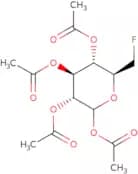


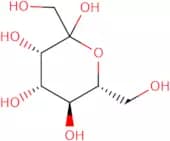


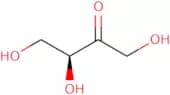
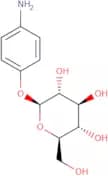
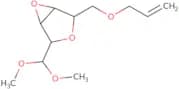
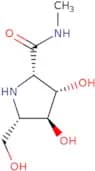
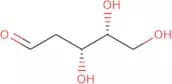



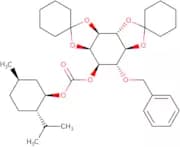
![Methyl [(R)-4,6-O-benzylidene-]-2,3-di-O-toluensulfonyl-a-D-glucopyranoside](/_next/image/?url=https%3A%2Fstatic.cymitquimica.com%2Fproducts%2F3D%2Fthumb-webp%2FMM163567.webp&w=3840&q=75)
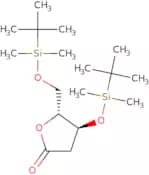
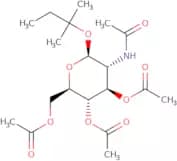

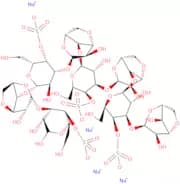
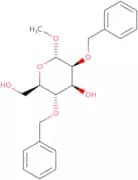


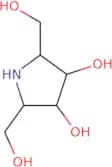
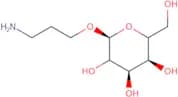
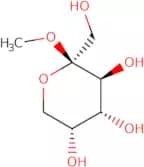


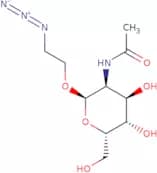
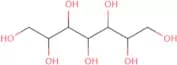
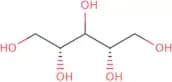
![(3aS, 4S, 6aR) Tetrahydro- 2, 2, 6a- trimethyl- 4H- 1, 3- dioxolo[4, 5- c] pyrrole- 4- methanol](/_next/image/?url=https%3A%2Fstatic.cymitquimica.com%2Fproducts%2F3D%2Fthumb-webp%2FMT168716.webp&w=3840&q=75)
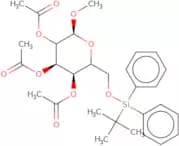

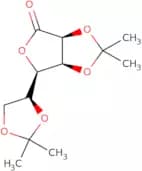

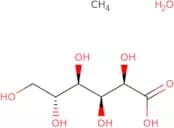
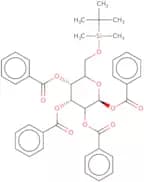

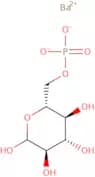

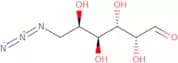

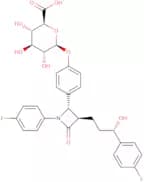


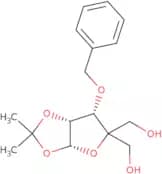


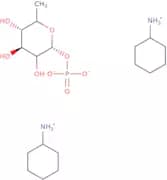
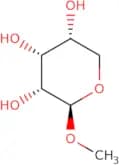
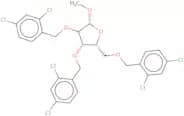
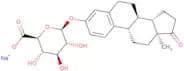

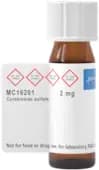
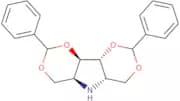
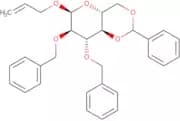
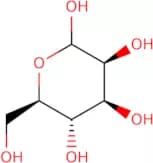
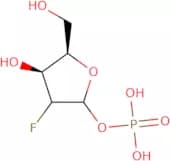
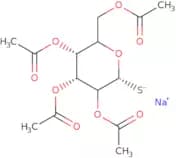

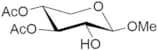
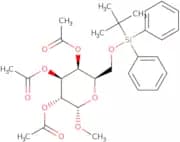
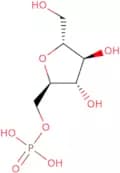

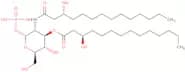

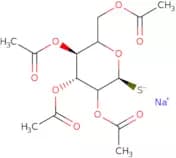

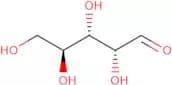

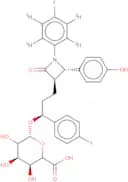
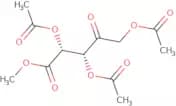

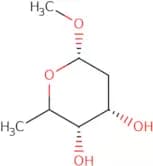

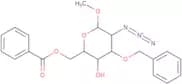
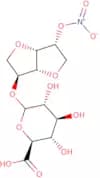

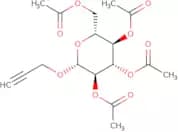
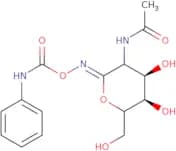
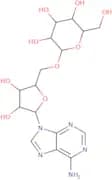
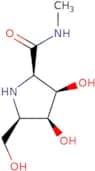
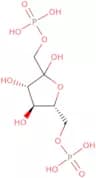
![N-[2-(4'-Dimethylaminophenyl)-1-cyano-3-butene]-2,3,4,6-tetra-O-pivaloyl-D-glucopyranoside](/_next/image/?url=https%3A%2Fstatic.cymitquimica.com%2Fproducts%2F3D%2Fthumb-webp%2FMD08488.webp&w=3840&q=75)

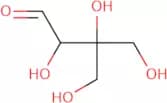
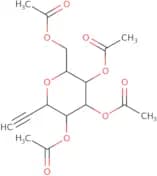


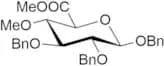
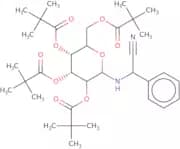

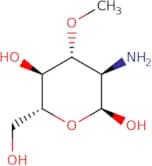

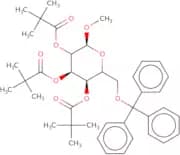


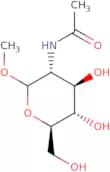
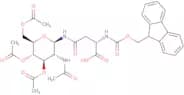
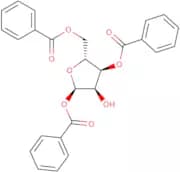


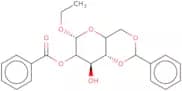
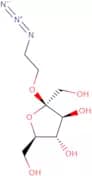
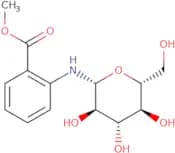
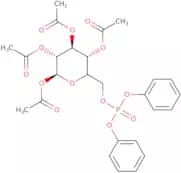
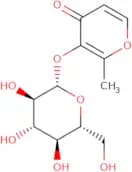
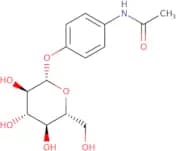
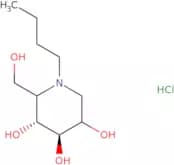
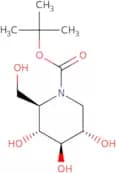
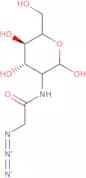
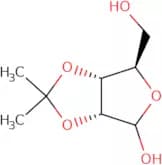
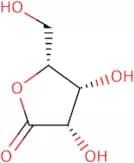

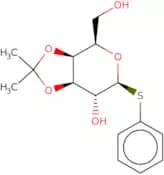



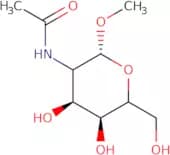
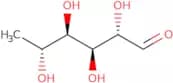
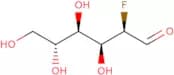
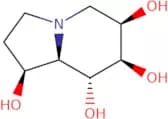
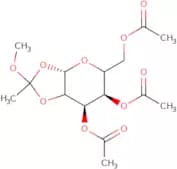
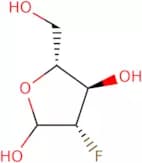

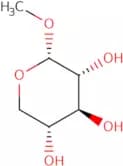
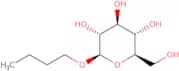
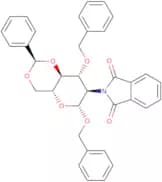
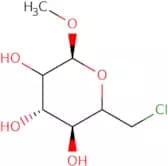
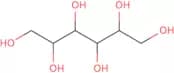
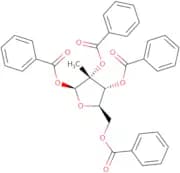
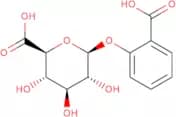
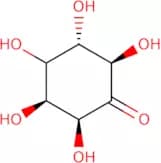
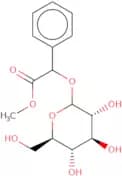
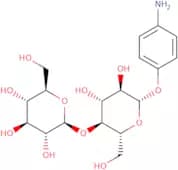
![4-Methylphenyl 3-O-[(4-methoxyphenyl)methyl]-4,6-O-[(R)-phenylmethylene]-1-thio-α-D-mannopyranoside](/_next/image/?url=https%3A%2Fstatic.cymitquimica.com%2Fproducts%2F3D%2Fthumb-webp%2FMM182805.webp&w=3840&q=75)


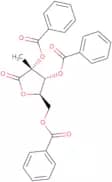
![4-Methylphenyl 4,6-O-[bis(1,1-dimethylethyl)silylene]-1-thio-β-D-galactopyranoside](/_next/image/?url=https%3A%2Fstatic.cymitquimica.com%2Fproducts%2F3D%2Fthumb-webp%2FMM182806.webp&w=3840&q=75)