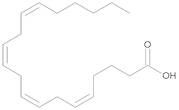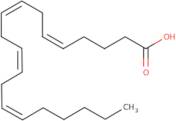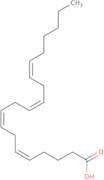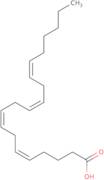
CAS 506-32-1
:Arachidonsäure
- (5E,8E,11E,14E)-icosa-5,8,11,14-tetraenoic acid
- (5Z,8Z,11Z,14Z)-5,8,11,14-Eicosatetraenoic acid
- (5Z,8Z,11Z,14Z)-5,8,11,14-Icosatetraenoic acid
- (5Z,8Z,11Z,14Z)-icosa-5,8,11,14-tetraenoic acid
- (all-Z)-5,8,11,14-Eicosatetraenoic acid
- 20:4N-6
- 5,8,11,14-Eicosatetraenoic Acid
- 5,8,11,14-Eicosatetraenoic Acid (7CI,8CI,9CI)
- 5,8,11,14-Eicosatetraenoic acid, (5Z,8Z,11Z,14Z)-
- 5,8,11,14-Eicosatetraenoic acid, (all-Z)-
- 5,8,11,14-all-cis-Eicosatetraenoic acid
- 5-cis,8-cis,11-cis,14-cis-Eicosatetraenoic acid
- 5Z,8Z,11Z,14Z-Eicosatetraenoic acid
- A 0871
- ARA
- Acide Icosa-5,8,11,14-Tetraenoique
- Acido Icosa-5,8,11,14-Tetraenoico
- Arachidonate
- Icosa-5,8,11,14-Tetraenoic Acid
- Icosa-5,8,11,14-tetraensaure
- Immunocytophyt
- Immunocytophyte
- Vevodar
- all-cis-5,8,11,14-Eicosatetraenoic acid
- cis-Δ5,8,11,14-Eicosatetraenoic acid
- cis-Δ<sup>5,8,11,14</sup>-Eicosatetraenoic acid
- Weitere Synonyme anzeigen
- Niedrigster Preis
- Höchster Preis
- Niedrigste Reinheit
- Höchste Reinheit
- Schnellste Lieferung
Arachidonic Acid
CAS:Formel:C20H32O2Reinheit:>98.0%(GC)(T)Farbe und Form:Colorless to Light yellow to Light orange clear liquidMolekulargewicht:304.47(5Z,8Z,11Z,14Z)-Icosa-5,8,11,14-Tetraenoic Acid
CAS:(5Z,8Z,11Z,14Z)-Icosa-5,8,11,14-Tetraenoic AcidFormel:C20H32O2Reinheit:99%Molekulargewicht:304.47Arachidonic acid, 10%
CAS:Formel:C20H32O2Farbe und Form:White to yellow free-flowing powderMolekulargewicht:304.475(Z),8(Z),11(Z),14(Z)-Eicosatetraenoic acid, >90%
CAS:Formel:C20H32O2Reinheit:>90%Farbe und Form:Colorless OilMolekulargewicht:304.475(Z),8(Z),11(Z),14(Z)-Eicosatetraenoic acid
CAS:Formel:C20H32O2Reinheit:>99%Farbe und Form:LiquidMolekulargewicht:304.47Arachidonic acid (Standard)
CAS:Arachidonic acid (Standard) is a standard for analysis; it is an omega-6 fatty acid, a membrane component, and precursor of lipid mediators.Formel:C20H32O2Molekulargewicht:304.47Arachidonic Acid
CAS:Stability Light and Temperature Sensitive
Applications Arachidonic Acid is an essential fatty acid and a precursor in the biosynthesis of prostaglandins, thromboxanes, and leukotrienes. Arachidonic Acid occurs in liver, brain, glandular organs, and depot fats of animals, in small amounts in human depot fats, and Arachidonic Acid is also a constituent of animal phosphatides.
References Kurosawa, T., et al.: J. Cell. Physiol., 219, 606 (2009); Mazalli, M., et al.: J. Agric. Food Chem., 57, 5028 (2009);Formel:C20H32O2Reinheit:>97%Farbe und Form:NeatMolekulargewicht:304.47Arachidonic acid
CAS:(5Z,8Z,11Z,14Z)-Icosa-5,8,11,14-tetraenoic acidFormel:C20H32O2Reinheit:99%Molekulargewicht:304.47Arachidonic acid
CAS:Arachidonic acid: essential unsaturated fat, in liver/brain/organs, from linoleic acid, leads to prostaglandins, thromboxanes, leukotrienes.Formel:C20H32O2Reinheit:99.21% - ≥99%Farbe und Form:Transparent LiquidMolekulargewicht:304.47Arachidonic acid - 98%
CAS:Arachidonic acid is a free fatty acid that has been shown to be a potent activator of the oxidative response in human polymorphonuclear leukocytes. This activation results in the production of reactive oxygen species, which may contribute to the inflammatory response associated with infectious diseases, bowel disease, and myocardial infarct. Arachidonic acid also binds to the guanine nucleotide-binding proteins and activates signal pathways involved in cell proliferation and differentiation. Arachidonic acid is metabolized by cyclooxygenases, lipoxygenases, and cytochrome P450 enzymes to produce prostaglandins (PGs), leukotrienes (LTs), and hydroxyeicosatetraenoic acids (HETEs). These metabolites are responsible for many of the biological effects of arachidonic acid.
Formel:C20H32O2Reinheit:Min. 98%Farbe und Form:Clear LiquidMolekulargewicht:304.47 g/molArachidonic acid - 40%
CAS:Arachidonic acid is a fatty acid that is found in the cell membrane of human polymorphonuclear leukocytes and also plays a role in the inflammatory response. Arachidonic acid can be converted to prostaglandins, which are involved in many physiological processes such as blood pressure regulation, pain transmission, and inflammation. The production of these compounds is inhibited by nonsteroidal anti-inflammatory drugs (NSAIDs). NSAIDs work by blocking the enzyme cyclooxygenase, which converts arachidonic acid to prostaglandin H2. Prostaglandin H2 causes inflammation and pain by stimulating the release of histamine from mast cells and thereby increasing vascular permeability. NSAIDs may also have anti-inflammatory properties by inhibiting other enzymes such as lipoxygenase or cyclooxygenase 2. br>br> Arachidonic acid has been shown to have an effect on bowel disease activity in humans with ulcerative colFormel:C20H32O2Farbe und Form:Clear LiquidMolekulargewicht:304.47 g/mol