CAS 9001-62-1
:Triacylglycerollipase
Beschreibung:
Triacylglycerollipase, mit der CAS-Nummer 9001-62-1, ist ein Enzym, das eine entscheidende Rolle im Lipidstoffwechsel spielt, indem es die Hydrolyse von Triglyceriden in freie Fettsäuren und Glycerin katalysiert. Dieses Enzym kommt hauptsächlich im Fettgewebe und in der Bauchspeicheldrüse vor, wo es die Mobilisierung von gespeicherten Fetten zur Energieproduktion erleichtert. Triacylglycerollipase zeigt eine Spezifität für Triglycerid-Substrate und arbeitet optimal unter physiologischen pH- und Temperaturbedingungen. Seine Aktivität wird durch verschiedene Faktoren reguliert, einschließlich hormoneller Signale wie Insulin und Glukagon, die das Fettlager und die Mobilisierung beeinflussen. Das Enzym ist auch in verschiedenen physiologischen Prozessen von Bedeutung, einschließlich Verdauung, Energiehomöostase und der Regulierung der Lipidspiegel im Blutkreislauf. In klinischen Kontexten können veränderte Aktivitätsniveaus von Triacylglycerollipase mit Stoffwechselstörungen assoziiert sein, was es zu einem potenziellen Biomarker für Zustände wie Fettleibigkeit und Diabetes macht. Insgesamt ist Triacylglycerollipase entscheidend für die Aufrechterhaltung des Lipidgleichgewichts und des Energiestoffwechsels im Körper.
Formel:Unspecified
Synonyme:- 2212E
- Accelerase
- Ble-F
- Butyrinase
- C-Lipase
- Cacordase
- Capalase
- ChiroCLEC-CAB
- ChiroCLEC-CR
- ChiroCLEC-PC
- DeGreez
- E.C.3.1.1.3.
- Esterzyme
- Fetipase
- Ga-56
- Greasex
- Icr-107
- Icr-113
- Ilozyme
- Immcala-T2-150
- Italase
- Leveking
- Lipase-esterase
- Lipases
- Lipazin
- Lipex
- LipoPrime
- Lipolase
- Lipolex
- Lipomax
- Lipomod
- Lipoorizin
- Lipooryzin
- Liposam
- Lipozyme
- LipozymeTL100L
- Lumafast
- Monomax
- Nzl-102-Lyo
- Nzl-103-Lyo
- Nzl-107-Lyo
- PPL
- Palatase
- Phytolipase
- Rizolipase
- Rizolipasum
- Steapsin
- Talipase
- TheraCLEC-Lipase
- Transzyme
- Triacetinase
- Triacylglycerollipaza
- Tributyrase
- Tributyrinase
- Triglyceridase
- Trioleinase
- Tweenase
- Unii-8Myc33932O
- Unii-Fq3Drg0N5K
- XHlip-F
- Remzyme PL 600
- Lipozyme TL IM
- Triglyceride lipase
- Lipozyme CALB L
- Tween esterase
- Enzylon PF
- GA 56 (Enzyme)
- Amano N-AP
- Animal lipase
- Lipase, triacylglycerol
- Rizolipasa [INN-Spanish]
- Lipase of Rhizopus arrhizus var. Delemar
- Meito MY 30
- Triacylglycerol lipase
- Tributyrin esterase
- Fungal lipase
- Lipase AP
- Triglyceride hydrolase
- Allzyme Lipase
- Triacylglycerol hydrolase
- Chirazyme L
- Lipase, fungal
- Palatase 20000L
- Lipozyme RM IM
- Fluozim G 3Kh
- Glycerol ester hydrolase
- Lipozyme 435
- Triolein hydrolase
- Recombinant lipase A
- Plant lipase
- Lipase
- Triacylglycerol lipase
- Lipase, triacylglycerol
- Glycerol ester hydrolase
- Tween hydrolase
- Weitere Synonyme anzeigen
Sortieren nach
Reinheit (%)
0
100
|
0
|
50
|
90
|
95
|
100
Lipase, triacylglycerol
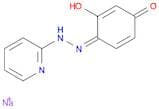
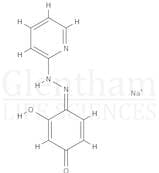
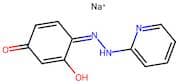
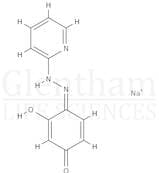
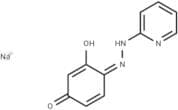
CAS:Lipase, triacylglycerol (Alkaline lipase) is a specific enzyme catabolism of triacylglycerol to glycerol and fatty acids,transfer to various tissues.Formel:C11H9N3NaO2Farbe und Form:SolidMolekulargewicht:238.201Lipase 008
CAS:Lipases belong to the family of esterases and naturally act on triglycerides at lipid-water interfaces. Lipases/esterases can be used as versatile tools in hydrolytic reactions, esterifications and transesterification reactions in industrial and food applications.
Lipase 067
CAS:Lipases belong to the family of esterases and naturally act on triglycerides at lipid-water interfaces. Lipases/esterases can be used as versatile tools in hydrolytic reactions, esterifications and transesterification reactions in industrial and food applications.
Lipase 032
CAS:Lipases belong to the family of esterases and naturally act on triglycerides at lipid-water interfaces. Lipases/esterases can be used as versatile tools in hydrolytic reactions, esterifications and transesterification reactions in industrial and food applications.Lipase 014
CAS:Lipases belong to the family of esterases and naturally act on triglycerides at lipid-water interfaces. Lipases/esterases can be used as versatile tools in hydrolytic reactions, esterifications and transesterification reactions in industrial and food applications.Lipase immo Kit 01
CAS:Lipase immo Kit 01 is an advanced biochemical tool designed for the immobilization of lipase, an enzyme commonly sourced from microorganisms. This innovative kit utilizes a sophisticated immobilization matrix to enhance enzyme stability and reusability. By binding the enzyme to a solid support, the kit facilitates repeated and continuous use in various reactions without significant loss of activity.Farbe und Form:PowderLipase 064
CAS:Lipases belong to the family of esterases and naturally act on triglycerides at lipid-water interfaces. Lipases/esterases can be used as versatile tools in hydrolytic reactions, esterifications and transesterification reactions in industrial and food applications.Lipase 038
CAS:Lipases belong to the family of esterases and naturally act on triglycerides at lipid-water interfaces. Lipases/esterases can be used as versatile tools in hydrolytic reactions, esterifications and transesterification reactions in industrial and food applications.Lipase 013
CAS:Lipases belong to the family of esterases and naturally act on triglycerides at lipid-water interfaces. Lipases/esterases can be used as versatile tools in hydrolytic reactions, esterifications and transesterification reactions in industrial and food applications.Lipase 044
CAS:Lipases belong to the family of esterases and naturally act on triglycerides at lipid-water interfaces. Lipases/esterases can be used as versatile tools in hydrolytic reactions, esterifications and transesterification reactions in industrial and food applications.