CAS 93-15-2
:Methyleugenol
Beschreibung:
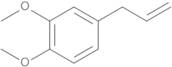
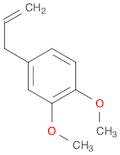
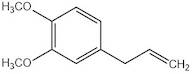
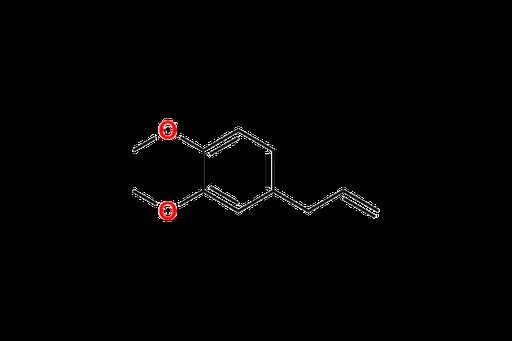
Methyleugenol ist eine organische Verbindung, die als Phenylpropen klassifiziert ist, ein Typ aromatischer Verbindungen. Es ist eine farblose bis blassgelbe Flüssigkeit mit einem süßen, würzigen Aroma, das an Nelken erinnert. Methyleugenol wird hauptsächlich aus ätherischen Ölen gewonnen, insbesondere von Pflanzen wie Basilikum, Lorbeer und Nelkenöl. Seine chemische Struktur weist eine Methoxygruppe und eine Allylgruppe auf, die an einem Eugenol-Rückgrat befestigt sind, was zu seinen charakteristischen Duft- und Geschmacksstoffen beiträgt. Methyleugenol wird häufig in der Duft- und Aromabranche sowie in der Formulierung von Parfums und Kosmetika verwendet. Es ist jedoch wichtig zu beachten, dass Methyleugenol in Tierversuchen als potenzielles Karzinogen identifiziert wurde, was zu regulatorischen Prüfungen hinsichtlich seiner Verwendung in Lebensmittel- und Kosmetikprodukten geführt hat. Infolgedessen ist seine Anwendung oft eingeschränkt oder unterliegt spezifischen Richtlinien, um die Sicherheit zu gewährleisten. Insgesamt wird Methyleugenol für seine aromatischen Eigenschaften geschätzt, muss jedoch aufgrund der damit verbundenen Gesundheitsrisiken mit Vorsicht behandelt werden.
Formel:C11H14O2
InChl:InChI=1S/C11H14O2/c1-4-5-9-6-7-10(12-2)11(8-9)13-3/h4,6-8H,1,5H2,2-3H3
InChI Key:InChIKey=ZYEMGPIYFIJGTP-UHFFFAOYSA-N
SMILES:O(C)C1=C(OC)C=CC(CC=C)=C1
Synonyme:- 1,2-Dimethoxy-4-(2-propen-1-yl)benzene
- 1,2-Dimethoxy-4-(2-propenyl)benzene
- 1,2-Dimethoxy-4-Prop-2-En-1-Ylbenzene
- 1,3,4-Eugenol methyl ether
- 1-(3,4-Dimethoxyphenyl)-2-propene
- 1-Allyl-3,4-dimethoxybenzene
- 2-Methoxy-4-(Prop-2-En-1-Yl)Phenol-Methoxymethane (1:1)
- 3,4-Dimethoxy-1-(2-propenyl)benzene
- 3,4-Dimethoxyallylbenzene
- 3-(3,4-Dimethoxyphenyl)-1-propene
- 3-(3,4-Dimethoxyphenyl)propene
- 4-Alilveratrol
- 4-Allyl-1,2-Dimethoxy-Benzol
- 4-Allyl-1,2-dimethoxybenzene
- 4-Allylveratrol
- 4-Allylveratrole
- Benzene, 1,2-dimethoxy-4-(2-propen-1-yl)-
- Benzene, 1,2-dimethoxy-4-(2-propenyl)-
- Benzene, 4-allyl-1,2-dimethoxy-
- Chavibetol methyl ether
- Ent 21040
- Eugenol methyl ether
- Eugenyl Methyl Ether Extra
- Eugenyl methyl ether
- Methyl Eugenol
- Methyl eugenol ether
- Methyl eugenyl ether
- Methylchavibetol
- Methyleugenol
- Nsc 209528
- Nsc 8900
- O-Methyleugenol
- Veratrole methyl ether
- Weitere Synonyme anzeigen
Filtern nach
Reinheitsanteil
0
100
|
0
|
50
|
90
|
95
|
100
- Niedrigster Preis
- Höchster Preis
- Niedrigste Reinheit
- Höchste Reinheit
- Schnellste Lieferung
4-Allyl-1,2-dimethoxybenzene
CAS:Formel:C11H14O2Reinheit:>98.0%(GC)Farbe und Form:Colorless to Light yellow to Light orange clear liquidMolekulargewicht:178.23Methyl eugenol
CAS:Methyl eugenolFormel:C11H14O2Reinheit:97%Farbe und Form:LiquidMolekulargewicht:178.234-Allyl-1,2-dimethoxybenzene
CAS:Formel:H2CCHCH2C6H3(OCH3)2Reinheit:≥ 99.0%Farbe und Form:Clear, colourless to pale yellow liquidMolekulargewicht:178.23Eugenol Methyl-13C-d3 Ether
CAS:Formel:C1013CH11D3O2Farbe und Form:Colorless LiquidMolekulargewicht:182.24Methyl eugenol (Standard)
CAS:Methyl eugenol (Standard) is a reference standard for research and analysis in studies involving Methyl eugenol. 1. Methyl eugenol (4-allylveratrole) is a natural constituent of the essential oils of a number of plants widely used in foodstuffs as flavouring agents, in view of the carcinogenic potential of ME, the need to check its presence in food products with effective analytical methods. 2. Methyleugenol has insecticidal properties. 3. Methyleugenol can inhibit the production of nitric oxide and decreased the protein expression of inducible nitric oxide synthase, it down-regulates the production of pro-inflammatory cytokines in the ischemic brain as well as in immunostimulated mixed glial cells; indicates that methyleugenol could be useful for the treatment of ischemia/inflammation-related diseases. 4. Methyleugenol has cytotoxicity and genotoxicity. 5. Intravenous (i.v.) treatment with methyleugenol (ME) in either anesthetized or conscious rats elicits hypotension, an effect that seems related to an active vascular relaxation rather than withdrawal of sympathetic tone. 6. Methyleugenol has antinociceptive effect on the second phase of formalin-induced pain, may be due to the inhibition of N-methyl-d-aspartic acid (NMDA) receptor-mediated hyperalgesia via GABA(A) receptors. 7. Methyleugenol has elaxant and antispasmodic actions on guinea-pig isolated ileum.Formel:C11H14O2Molekulargewicht:178.2277Eugenol-methyl ether
CAS:Kontrolliertes ProduktFormel:C11H14O2Farbe und Form:NeatMolekulargewicht:178.23Eugenol methylether
CAS:Eugenol methylether analytical standard provided with w/w absolute assay, to be used for quantitative titration.Formel:C11H14O2Reinheit:(GC) ≥95%Farbe und Form:LiquidMolekulargewicht:178.23Methyleugenol
CAS:Applications Methyleugenol is a phenylpropene that is commonly found in plants such as nutmeg, pimento, lemongrass, tarragon, basil, star anise, and fennel. Methyleugenol has been shown to inhibit histone deacetylase (HDAC) activity in the human colon carcinoma cell line HT29. Compounds that exhibit HDAC-inhibitory properties or disrupt the HDAC complex have potential applications in cancer therapy and chemoprevention. In addition, Methyleugenol is a flavoring agent often used in consumer products such as jellies, baked goods, beverages,chewing gums, ice cream, and fragrance.
References Groh, I. A., et al.: J Nutr Metab. 2013, 821082 (2013); R. L. Smith, et al.: Food Chem Toxicol 40, 851 (2002)Formel:C11H14O2Farbe und Form:NeatMolekulargewicht:178.23Methyl eugenol
CAS:Methyl eugenol (4-allylveratrole) is a natural constituent of the essential oils of a number of plants widely used in foodstuffs as flavouring agents.Formel:C11H14O2Reinheit:97.13% - 97.45%Farbe und Form:Transparent LiquidMolekulargewicht:178.22773-(3,4-Dimethoxyphenyl)-1-propene
CAS:Formel:C11H14O2Reinheit:98%Farbe und Form:LiquidMolekulargewicht:178.231Methyl Eugenol extrapure, 99%
CAS:Formel:C11H14O2Reinheit:min. 99%Farbe und Form:Clear, Colourless to pale yellow, LiquidMolekulargewicht:178.23