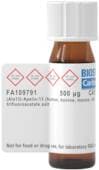
CAS 568565-11-7
:L-Alanina, L-glutaminil-L-arginil-L-prolil-L-arginil-L-leucil-L-seril-L-histidil-L-lisilglicil-L-prolil-L-metionil-L-prolil-(9CI)
- Qrprlshkgpmpa
- [Ala13]-Apelin-13
- (Ala13)-Apelin-13 (Human, Bovine, Mouse, Rat)
- H-Gln-Arg-Pro-Arg-Leu-Ser-His-Lys-Gly-Pro-Met-Pro-Ala-Oh
- [Ala13]Apelin-13, human, bovine, mouse, rat (F13A) (2)
- [Ala13]Apelin 13 (human, mouse, rat, bovine)
(Ala¹³)-Apelin-13 (human, bovine, mouse, rat) (Salt form acetate)
CAS:(Ala13)-Apelin 13 showed scavenging abilities against active oxygen species such as superoxide and hydroxyl radicals. Apelin-13 F13A could act as an antioxidant that may have a therapeutic effect against diseases (e.g. arthritis and cancer) in which hydroxyl radical damage plays a role.Fórmula:C63H107N23O16SPureza:100%Forma y color:WhitePeso molecular:1474.75(Ala¹³)-Apelin-13 (human, bovine, mouse, rat) (Salt form trifluoroacetate)
CAS:Specific anatagonist of apelin-13. Systemic administration of Apelin-13 F13A (30 µg/kg) abolished the blood pressure-lowering effects of apelin-13 (15 µg/kg) in hypertensive rats.Fórmula:C63H107N23O16SPureza:> 96%Forma y color:WhitePeso molecular:1474.75(Ala13)-Apelin-13
CAS:(Ala13)-Apelin-13 is a useful organic compound for research related to life sciences. The catalog number is T35374 and the CAS number is 568565-11-7.Fórmula:C63H107N23O16SPureza:98%Forma y color:SolidPeso molecular:1474.75[Ala13]-Apelin-13 trifluoroacetate salt
CAS:Apelin-13 is a peptide that is involved in the regulation of locomotor activity and pain. It has been shown to decrease the activity of matrix metalloproteinases, growth factors, and collagen, which are all important for animal development. Apelin-13 also interacts with the factor receptor, which regulates platelet-derived growth. This peptide has been shown to have antinociceptive properties and can be used in a pain model. Apelin-13 also interacts with the cb2 receptor, which may regulate inflammation.Fórmula:C63H107N23O16S·xC2HF3O2Pureza:Min. 95%(Ala13)-Apelin-13 (human, bovine, mouse, rat) acetate salt
CAS:Apelin-13 is a peptide hormone that is secreted from the stomach and small intestine. It may have analgesic effects through its interaction with μ-opioid receptors, which are also activated by morphine. Apelin-13 has been shown to increase locomotor activity in rats, suggesting it can potentiate the antinociceptive effect of morphine.Fórmula:C63H107N23O16S·xC2H4O2Pureza:Min. 95%Peso molecular:1,474.74 g/mol...(Ala13)-Apelin-13 (human, bovine, mouse, rat) trifluoroacetate salt
CAS:Apelin-13 is a peptide hormone that is involved in the regulation of cardiovascular, respiratory and gastrointestinal functions. It has been shown to stimulate receptor activity and pain sensitivity in animal models. Apelin-13 has been shown to act as an opioid receptor agonist, meaning that it binds to the opioid receptors and activates them. This activation leads to an increase in the production of growth factors and matrix metalloproteinases, which are proteins that break down collagen and other substances in the body. The increased production of these substances can lead to inflammation and tissue destruction. Apelin-13 also interacts with several other receptors including CB2 (a cannabinoid receptor), GPCR (a G protein-coupled receptor), CRHR1 (a corticotropin releasing hormone receptor 1) and Naloxone (an opioid antagonist).
Fórmula:C63H107N23O16S·xC2HF3O2Pureza:Min. 95%Peso molecular:1,474.74 g/mol
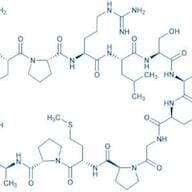

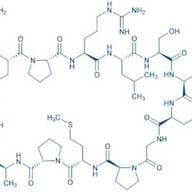
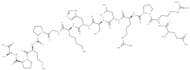

![[Ala13]-Apelin-13 trifluoroacetate salt](/_next/image/?url=https%3A%2Fstatic.cymitquimica.com%2Fproducts%2F3D%2Fthumb%2FTXA56511.jpg&w=3840&q=75)