CAS 93-15-2
:Metileugenol
Descripción:
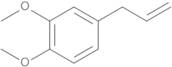
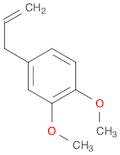
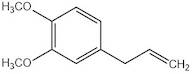
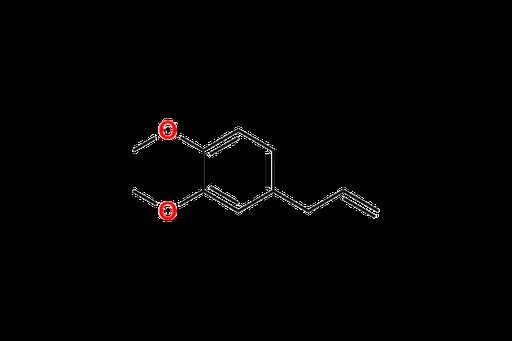
Metileugenol es un compuesto orgánico clasificado como un fenilpropano, que es un tipo de compuesto aromático. Es un líquido incoloro a amarillo pálido con un aroma dulce y especiado que recuerda a los clavos. Metileugenol se deriva principalmente de aceites esenciales, particularmente de plantas como albahaca, laurel y aceite de clavo. Su estructura química presenta un grupo metoxi y un grupo alilo unidos a una estructura de eugenol, lo que contribuye a sus propiedades distintivas de fragancia y sabor. Metileugenol se utiliza comúnmente en las industrias de fragancias y sabores, así como en la formulación de perfumes y cosméticos. Sin embargo, es importante señalar que Metileugenol ha sido identificado como un posible carcinógeno en estudios con animales, lo que ha llevado a un escrutinio regulatorio respecto a su uso en productos alimenticios y cosméticos. Como resultado, su aplicación a menudo está limitada o sujeta a pautas específicas para garantizar la seguridad. En general, Metileugenol es valorado por sus cualidades aromáticas, pero debe manejarse con precaución debido a los riesgos para la salud asociados.
Fórmula:C11H14O2
InChI:InChI=1S/C11H14O2/c1-4-5-9-6-7-10(12-2)11(8-9)13-3/h4,6-8H,1,5H2,2-3H3
Clave InChI:InChIKey=ZYEMGPIYFIJGTP-UHFFFAOYSA-N
SMILES:O(C)C1=C(OC)C=CC(CC=C)=C1
Sinónimos:- 1,2-Dimethoxy-4-(2-propen-1-yl)benzene
- 1,2-Dimethoxy-4-(2-propenyl)benzene
- 1,2-Dimethoxy-4-Prop-2-En-1-Ylbenzene
- 1,3,4-Eugenol methyl ether
- 1-(3,4-Dimethoxyphenyl)-2-propene
- 1-Allyl-3,4-dimethoxybenzene
- 2-Methoxy-4-(Prop-2-En-1-Yl)Phenol-Methoxymethane (1:1)
- 3,4-Dimethoxy-1-(2-propenyl)benzene
- 3,4-Dimethoxyallylbenzene
- 3-(3,4-Dimethoxyphenyl)-1-propene
- 3-(3,4-Dimethoxyphenyl)propene
- 4-Alilveratrol
- 4-Allyl-1,2-Dimethoxy-Benzol
- 4-Allyl-1,2-dimethoxybenzene
- 4-Allylveratrol
- 4-Allylveratrole
- Benzene, 1,2-dimethoxy-4-(2-propen-1-yl)-
- Benzene, 1,2-dimethoxy-4-(2-propenyl)-
- Benzene, 4-allyl-1,2-dimethoxy-
- Chavibetol methyl ether
- Ent 21040
- Eugenol methyl ether
- Eugenyl Methyl Ether Extra
- Eugenyl methyl ether
- Methyl Eugenol
- Methyl eugenol ether
- Methyl eugenyl ether
- Methylchavibetol
- Methyleugenol
- Nsc 209528
- Nsc 8900
- O-Methyleugenol
- Veratrole methyl ether
- Ver más sinónimos
Filtrar por
Porcentaje de pureza
0
100
|
0
|
50
|
90
|
95
|
100
- Precio más bajo
- Precio más alto
- Pureza más baja
- Pureza más alta
- Entrega estimada más rápida
4-Allyl-1,2-dimethoxybenzene
CAS:Fórmula:C11H14O2Pureza:>98.0%(GC)Forma y color:Colorless to Light yellow to Light orange clear liquidPeso molecular:178.234-Allyl-1,2-dimethoxybenzene
CAS:Fórmula:H2CCHCH2C6H3(OCH3)2Pureza:≥ 99.0%Forma y color:Clear, colourless to pale yellow liquidPeso molecular:178.23Eugenol Methyl-13C-d3 Ether
CAS:Fórmula:C1013CH11D3O2Forma y color:Colorless LiquidPeso molecular:182.24Methyl eugenol (Standard)
CAS:Methyl eugenol (Standard) is a reference standard for research and analysis in studies involving Methyl eugenol. 1. Methyl eugenol (4-allylveratrole) is a natural constituent of the essential oils of a number of plants widely used in foodstuffs as flavouring agents, in view of the carcinogenic potential of ME, the need to check its presence in food products with effective analytical methods. 2. Methyleugenol has insecticidal properties. 3. Methyleugenol can inhibit the production of nitric oxide and decreased the protein expression of inducible nitric oxide synthase, it down-regulates the production of pro-inflammatory cytokines in the ischemic brain as well as in immunostimulated mixed glial cells; indicates that methyleugenol could be useful for the treatment of ischemia/inflammation-related diseases. 4. Methyleugenol has cytotoxicity and genotoxicity. 5. Intravenous (i.v.) treatment with methyleugenol (ME) in either anesthetized or conscious rats elicits hypotension, an effect that seems related to an active vascular relaxation rather than withdrawal of sympathetic tone. 6. Methyleugenol has antinociceptive effect on the second phase of formalin-induced pain, may be due to the inhibition of N-methyl-d-aspartic acid (NMDA) receptor-mediated hyperalgesia via GABA(A) receptors. 7. Methyleugenol has elaxant and antispasmodic actions on guinea-pig isolated ileum.Fórmula:C11H14O2Peso molecular:178.2277Eugenol methylether
CAS:Eugenol methylether analytical standard provided with w/w absolute assay, to be used for quantitative titration.Fórmula:C11H14O2Pureza:(GC) ≥95%Forma y color:LiquidPeso molecular:178.23Methyleugenol
CAS:Applications Methyleugenol is a phenylpropene that is commonly found in plants such as nutmeg, pimento, lemongrass, tarragon, basil, star anise, and fennel. Methyleugenol has been shown to inhibit histone deacetylase (HDAC) activity in the human colon carcinoma cell line HT29. Compounds that exhibit HDAC-inhibitory properties or disrupt the HDAC complex have potential applications in cancer therapy and chemoprevention. In addition, Methyleugenol is a flavoring agent often used in consumer products such as jellies, baked goods, beverages,chewing gums, ice cream, and fragrance.
References Groh, I. A., et al.: J Nutr Metab. 2013, 821082 (2013); R. L. Smith, et al.: Food Chem Toxicol 40, 851 (2002)Fórmula:C11H14O2Forma y color:NeatPeso molecular:178.23Methyl eugenol
CAS:Methyl eugenol (4-allylveratrole) is a natural constituent of the essential oils of a number of plants widely used in foodstuffs as flavouring agents.Fórmula:C11H14O2Pureza:97.13% - 97.45%Forma y color:Transparent LiquidPeso molecular:178.22773-(3,4-Dimethoxyphenyl)-1-propene
CAS:Fórmula:C11H14O2Pureza:98%Forma y color:LiquidPeso molecular:178.231Methyl Eugenol extrapure, 99%
CAS:Fórmula:C11H14O2Pureza:min. 99%Forma y color:Clear, Colourless to pale yellow, LiquidPeso molecular:178.23