Compuestos policíclicos
Subcategorías de "Compuestos policíclicos"
- Acridinas(98 productos)
- Antraquinonas(534 productos)
- Ácidos antraquinonesulfónicos(16 productos)
- Azobencenos(270 productos)
- Azonaftalenos(98 productos)
- Azoxibencenos(12 productos)
- Azulenos(11 productos)
- Benzimidazoles(1.476 productos)
- Benzodioxanos(27 productos)
- Benzofuranos(928 productos)
- Benzotiofenos(701 productos)
- Benzotriazoles(438 productos)
- Binaftilos(133 productos)
- Carbazoles(464 productos)
- Cromanos, Cromatos(482 productos)
- Cumarinas(1.138 productos)
- Ciclofanos(11 productos)
- Fluorenos y fluorenonas(384 productos)
- Imidazopiridinas(10 productos)
- Indans(118 productos)
- Indazoles(2.043 productos)
- Indenes(22 productos)
- Indoles(4.022 productos)
- Indolines(119 productos)
- Isatinos(234 productos)
- Isobenzofuranos(17 productos)
- Ftalimidas N-sustituidas(154 productos)
- Naftalenos(2.440 productos)
- Naftiridinas(17 productos)
- Naftoquinona(2 productos)
- Perilenos(36 productos)
- Fenazinas(25 productos)
- Ftalazinas(33 productos)
- Ftalimida(154 productos)
- Hidrocarburos aromáticos policíclicos (HAP)(566 productos)
- Polifenol(270 productos)
- Pteridinas(52 productos)
- Pirenos(87 productos)
- Quinuclidina(1 productos)
- Tetracenos(7 productos)
Se han encontrado 4585 productos de "Compuestos policíclicos"
2-(3,5-Dimethyl-1H-pyrazol-1-yl)quinolin-8-amine
CAS:2-(3,5-Dimethyl-1H-pyrazol-1-yl)quinolin-8-amine is a fine chemical that belongs to the group of versatile building blocks. It can be used as a reagent or as a speciality chemical in research and development. 2-(3,5-Dimethyl-1H-pyrazol-1-yl)quinolin-8-amine is also a useful scaffold for the synthesis of complex compounds and has been shown to be an effective inhibitor of protein tyrosine kinases.Fórmula:C14H14N4Pureza:Min. 95%Forma y color:PowderPeso molecular:238.29 g/mol(9-Phenanthryl)methyl methacrylate
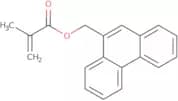
CAS:9-Phenanthryl)methyl methacrylate is a fluorescent pigment that is used as a nanomaterial. It is an acidic material and can be used in coatings to improve the properties of materials. 9-Phenanthryl)methyl methacrylate has been shown to have fluorescence resonance energy transfer (FRET) properties, which may be due to its monolayer structure and chromophore. The diameter of this particle ranges from 10-20 nm, with a water permeability of 20% at pH 7.0 and 0.1% at pH 2.0. This pigment has a high degree of surface roughness, which is due to its morphology and the microenvironment in which it exists.Fórmula:C19H16O2Pureza:Min. 95 Area-%Forma y color:PowderPeso molecular:276.33 g/mol5-Azaindole
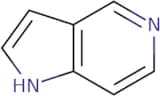
CAS:5-Azaindole is a heterocyclic compound that has been studied for its biological properties. It is a prodrug of trifluoroacetic acid, which can be used to treat metabolic disorders and autoimmune diseases. 5-Azaindole has also been shown to increase the expression of growth factor in cells, which may be useful in treating pain or bowel disease. This drug is metabolized by hydroxylation followed by conjugation with glucuronic acid and excretion in the urine. 5-Azaindole is also converted to an active form by enzymatic oxidation of a hydroxyl group and protonation on the nitrogen atom, as well as conversion to sorafenib (a drug used to inhibit tumor growth).Fórmula:C7H6N2Pureza:Min. 95%Forma y color:PowderPeso molecular:118.14 g/mol[2,2':6',2''- Terpyridine]-4'-methanol
CAS:2,2':6',2''- Terpyridine-4'-methanol is a high quality reagent that is used as an intermediate in the synthesis of other fine chemicals. It has been shown to be a useful scaffold for synthesis of complex compounds with interesting biological and chemical properties. 2,2':6',2''- Terpyridine-4'-methanol has also been found to be a versatile building block for the preparation of new speciality chemicals. This compound can be used as a reaction component in many organic reactions.Fórmula:C16H13N3OPureza:Min. 95%Forma y color:PowderPeso molecular:263.29 g/molBis(8-quinolinolato)zinc(II)
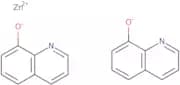
CAS:Bis(8-quinolinolato)zinc (II) is a molecule that contains carboxylate groups. It has been shown to be processable and can be used in fabrication processes. Bis(8-quinolinolato)zinc (II) also exhibits optical properties. The metal ion in the molecule is able to form complexes with other metals, which may affect transport properties, ionization mass and morphology of the compound. It can also be used for magnetic resonance spectroscopy studies, as well as plasma mass spectrometry.
Fórmula:C18H12N2O2ZnPureza:Min. 95%Forma y color:PowderPeso molecular:353.7 g/mol4,4'-Dicyano-2,2'-bipyridine
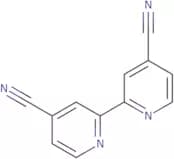
CAS:4,4'-Dicyano-2,2'-bipyridine is a ligand that binds to molybdenum and has been used in the diagnosis of mitochondrial DNA. It has been shown to be an effective treatment for tropical diseases such as malaria. This drug binds to the molybdenum cofactor in the enzyme ribonucleotide reductase, thereby inhibiting the production of ATP. 4,4'-Dicyano-2,2'-bipyridine also reacts with formic acid and ruthenium to produce a redshifted product that can be detected by electron paramagnetic resonance spectroscopy.
Fórmula:C12H6N4Pureza:Min. 98 Area-%Forma y color:PowderPeso molecular:206.2 g/mol[2-[(8S,10S,11S,13S,14S,16R,17S)-9-Fluoro-11,16,17-Trihydroxy-10,13-Dimethyl-3-Oxo-1,2,6,7,8,11,12,14,15,16-Decahydrocyclopenta[a]Ph enanthren-17-Yl]-2-Oxoethyl] Propanoate
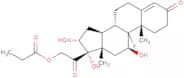
CAS:Producto controlado(8S,10S,11S,13S,14S,16R,17S)-9-fluoro-11,16,17-trihydroxy-10,13-dimethyl-3-oxo-1,2,6,7,8,11,12,14,-15,-16-decahydrocyclopenta[a]phenanthren-17-yl]-2-oxoethyl propanoate is a pesticide that is classified as a pyrethroid. It has been shown to be an insecticide that binds to cholinergic receptors in the nerve synapses of insects and disrupts transmission of nerve impulses. This allows the insect's nervous system to recover from the initial attack. The molecule has also been shown to bind to other proteins that have been identified as targets for pesticide interaction.Fórmula:C24H33FO7Pureza:Min. 95%Peso molecular:452.51 g/molGeiparvarin
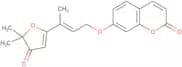
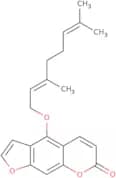
CAS:Geiparvarin is a cytotoxic compound, which is a plant-derived chemical with notable bioactivity. It is sourced from the roots of the Daflon plant, known for various natural compounds with potential therapeutic effects. Geiparvarin acts by interfering with cellular processes, leading to apoptosis in malignant cells. This mode of action is particularly significant in the study and development of anticancer therapies.Pureza:Min. 95%Indole-2-carboxylic acid
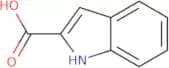
CAS:Indole-2-carboxylic acid is a potent inducer of the cytochrome P450 enzyme. It has been shown to bind to the active site of the enzyme and inhibit its activity. Indole-2-carboxylic acid is an acidic molecule with two hydrogen atoms that are capable of forming an intermolecular hydrogen bond, which may be responsible for its ability to bind to the enzyme. This compound has been shown to inhibit the activity of other enzymes such as xanthine oxidase and phosphodiesterase, which are involved in chemical reactions that produce reactive oxygen species (ROS). ROS are implicated in neuronal death and Parkinson's disease.Fórmula:C9H7NO2Pureza:Min 98%Forma y color:PowderPeso molecular:161.16 g/mol6-Bromo-2-oxindole
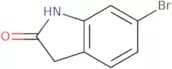
CAS:6-Bromo-2-oxindole is a crystalline compound with a molecular formula of C10H6BrO. It has been shown to have a high efficiency in the production of butyric acid and other organic acids. 6-Bromo-2-oxindole is also used in electron microscopy studies as an electron acceptor, and can be used for producing polymers with crystalline structures and dihedral angles. The compound has been shown to inhibit the growth of breast cancer cells by preventing the synthesis of mda-mb-231 breast cancer cells. It also has been shown to inhibit the production of isoindigo and morphology.
Fórmula:C8H6BrNOPureza:Min. 98 Area-%Forma y color:PowderPeso molecular:212.04 g/mol5-Formylindole
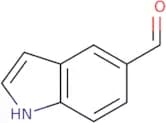
CAS:5-Formylindole is a non-selective and irreversible inhibitor of protein α, which is the catalytic subunit of the enzyme AMP-activated protein kinase. It binds to the hydroxyl group at position Cys177 in the ATP binding pocket of protein α, thereby inhibiting its activity. 5-Formylindole has been shown to inhibit tumor growth in xenografts and also inhibits fat accumulation in 3T3-L1 preadipocytes by inhibition of fatty acid synthesis. This compound has also been used to study molecular modeling in order to understand hydrogen bond interactions between aldehyde groups and intramolecular hydrogen. The genus that this compound belongs to is stilbene derivatives.Fórmula:C9H7NOPureza:Min. 95%Forma y color:PowderPeso molecular:145.16 g/molBergamottin
CAS:Bergamottin is a furanocoumarin compound, which is primarily found in grapefruit juice and other citrus fruits. It is derived from natural sources, specifically within the fruit and peel of grapefruits. The mode of action of Bergamottin involves the inhibition of the cytochrome P450 enzymes, particularly CYP3A4, which play a significant role in the metabolism of various drugs. This inhibitory effect can alter the pharmacokinetics of certain medications by increasing their bioavailability.
Fórmula:C21H22O4Pureza:Min. 98 Area-%Forma y color:White PowderPeso molecular:338.4 g/mol6-[4-(1-Cyclohexyl-1H-tetrazol-5-yl)butoxy]-3,4-dihydro-2(1H)-quinolinone
CAS:Cilostazol is a drug that binds to ATP-binding cassette (ABC) transporters, which are proteins that transport molecules across membranes. It decreases the production of cyclic nucleotides and phosphodiesterase, which are important in the regulation of blood vessel tone. Cilostazol has been shown to be effective in treating heart failure and atherosclerosis. Cilostazol also inhibits cyclase activity, an enzyme involved in the synthesis of cyclic nucleotides, which leads to vasodilation by increasing the concentration of cAMP. The drug is available in both immediate-release and controlled-release preparations. Cilostazol can have serious side effects such as congestive heart failure or stroke if it is taken with other drugs that inhibit platelet aggregation such as aspirin or warfarin.Fórmula:C20H27N5O2Pureza:Min. 95%Forma y color:White PowderPeso molecular:369.46 g/mol7-Azaindole
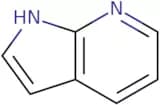
CAS:7-Azaindole is a reactive chemical that has been shown to be effective in the treatment of skin cancer, as well as hepatic steatosis. The compound can promote the transfer of hydrogen atoms and form a dimer with protonated nitrogen. 7-Azaindole reacts rapidly with nucleophiles such as amines, alcohols, and thiols to form covalent bonds. The reaction mechanism is characterized by an initial protonation step followed by nucleophilic attack or hydrogen transfer from the nucleophile to 7-azaindole. Kinetic studies have demonstrated that the rate of this reaction depends on the concentration of both reactants.
Fórmula:C7H6N2Forma y color:PowderPeso molecular:118.14 g/mol1-Acetyl-5-bromoindole
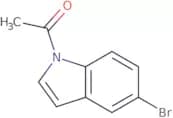
CAS:1-Acetyl-5-bromoindole is a high quality reagent that is useful as an intermediate in the synthesis of a wide range of complex compounds. It can be used as a speciality chemical for research purposes or to make other chemicals. 1-Acetyl-5-bromoindole is also needed for the synthesis of indoles, which are useful scaffolds and building blocks in organic chemistry. This compound can be used to form reactions with other chemical compounds and can be used to create versatile building blocks.Fórmula:C10H8BrNOPureza:Min. 95%Forma y color:SolidPeso molecular:238.08 g/molMeranzin
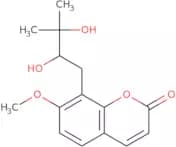
CAS:Meranzin is a bioactive compound, which is a naturally occurring coumarin derivative found in various citrus fruits. Its source lies primarily in the peels and seeds of specific citrus species, notably within the Rutaceae family. The mode of action of Meranzin involves the inhibition of acetylcholinesterase, thereby influencing neurotransmitter activity, specifically in the modulation of acetylcholine levels. This action can have significant implications in research focused on neurodegenerative disorders.
Fórmula:C15H16O4Pureza:Min. 98 Area-%Forma y color:PowderPeso molecular:260.29 g/mol5-Hydroxy-2-methylindole
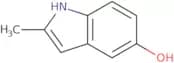
CAS:5-Hydroxy-2-methylindole is a product that transfers serotonin and melatonin, which are neurotransmitters. It can be used in animal studies to investigate the effects on cancer cells and its potential as an anti-cancer agent. 5-Hydroxy-2-methylindole can also be used to stabilize nitro compounds, such as TNT and RDX, by inhibiting the oxidation of these substances. This compound has been shown to have antiviral properties against HIV and HSV and may also have potentials for treating Alzheimer's disease. 5-Hydroxy-2-methylindole is synthesized by reacting indole with hydrogen peroxide in the presence of a halogeno (e.g., chlorine) or ferrous salts. The reaction rate of this synthesis depends on the concentrations of these reactants.Fórmula:C9H9NOForma y color:PowderPeso molecular:147.17 g/mol6,7,8-Trimethoxycoumarin
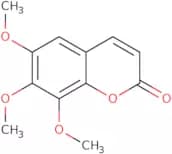
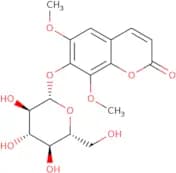
CAS:6,7,8-Trimethoxycoumarin is a methoxylated coumarin compound, which is a derivative of the natural product coumarin. It is primarily sourced from certain plant species where methoxylation occurs naturally as part of plant secondary metabolism. The compound exhibits interesting properties due to its structural modifications, particularly in its potential interactions with biological molecules.Fórmula:C12H12O5Pureza:Min. 95%Forma y color:PowderPeso molecular:236.22 g/mol5-Methoxyindole-3-acetonitrile
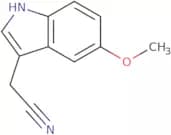
CAS:5-Methoxyindole-3-acetonitrile is a synthetic compound used as a reference for the synthesis of melatonin. It is produced by the addition of magnesium to 5-methoxyindole, followed by reaction with cyanide and nitrile. The synthesis of this compound was first published in 1938 and has since been used as a reference for many other studies. It has been shown that 5-methoxyindole-3-acetonitrile has high performance liquid chromatography properties, with a linear range from 0.5 to 50 mg/mL and an ultraviolet spectrum that falls within the region between 220 nm and 400 nm. A molecular modeling study was conducted on this compound, which showed that it conforms with 4-hydroxy indole ring systems found in natural products such as tryptophan and serotonin. This product also has fluorescent properties, which are caused by its electron withdrawing group (cyano).Fórmula:C11H10N2OPureza:Min. 95%Forma y color:PowderPeso molecular:186.21 g/molBergaptol
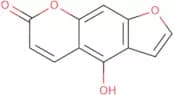
CAS:Bergaptol is a naturally occurring furanocoumarin, which is a compound derived from plants, particularly from the Rutaceae family such as bergamot and other citrus species. It is primarily characterized by its chemical structure containing a furan ring fused to a coumarin moiety. Bergaptol acts primarily through its interaction with biological systems by inhibiting certain enzymatic activities and interfering with the biological pathways that involve reactive oxygen species. This compound exhibits antioxidant properties, reducing oxidative stress by scavenging free radicals and thereby protecting cells from damage.Fórmula:C11H6O4Pureza:Min. 95%Forma y color:Off-White PowderPeso molecular:202.16 g/mol5-Chloro-2-mercaptobenzimidazole
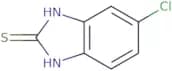
CAS:5-Chloro-2-mercaptobenzimidazole is an inorganic base that is used as a microscopy reagent. It has been shown to have a transfer mechanism that is similar to the hydrogen ion transfer mechanism. 5-Chloro-2-mercaptobenzimidazole has been used in vivo assays and has functional groups that are important for its use in coatings and aluminum oxide. The molecule also contains chlorine atoms, which are important for its use in chlorination reactions. 5-Chloro-2-mercaptobenzimidazole can be used in voltammetry to test samples of organic compounds (e.g., casein) and has been shown to be effective against the Gram positive bacterium Staphylococcus aureus.Fórmula:C7H5ClN2SPureza:Min. 98.5 Area-%Forma y color:Off-White PowderPeso molecular:184.65 g/mol6-Methoxyindole-2-carboxylic acid methyl ester
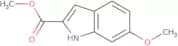
CAS:6-Methoxyindole-2-carboxylic acid methyl ester is a pyrroloquinoline alkaloid with cytotoxic and antiproliferative activities. It inhibits the growth of cancer cells in culture by inducing apoptosis and cell cycle arrest. 6-Methoxyindole-2-carboxylic acid methyl ester has been shown to be effective against breast cancer cell lines in vitro and to inhibit the proliferation of breast cancer cells in vivo. This compound also inhibits the growth of a number of other cancer cell lines such as prostate, colon, lung, liver, stomach, and leukemia. The mechanism of action for this compound is thought to be due to its ability to act as an intramolecular quencher of reactive oxygen species (ROS) or as an inhibitor of DNA synthesis through inhibition of ribonucleotide reductase activity.
Fórmula:C11H11NO3Pureza:Min. 95%Forma y color:PowderPeso molecular:205.21 g/mol(11β,16β)-9-Fluoro-11,21-dihydroxy-16-methyl-17-((1-oxopentyl)oxy)-Pregna-1,4-diene-3,20-dione mixt. with 5-chloro-7-iodo-8-qu inolinol
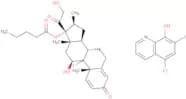
CAS:Producto controladoClioquinol is a topical corticosteroid that is used to treat skin disorders such as pemphigoid, psoriasis, and eczema. It is also used to treat the inflammation associated with acne. Clioquinol has been shown to be effective in treating bacterial infections of the skin by inhibiting the growth of bacteria. This drug also has anti-inflammatory properties and can be used for the treatment of various inflammatory skin conditions. Clioquinol is not absorbed through the skin and does not affect the blood's ability to clot.
Fórmula:C36H42ClFINO7Pureza:Min. 95%Peso molecular:782.08 g/molPiperacillin
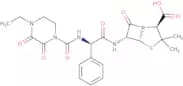
CAS:Piperacillin is a β-lactam antibiotic that inhibits the synthesis of bacterial cell walls by binding to penicillin-binding proteins. It is used for the treatment of serious infections caused by gram-negative organisms such as Aerogenes, Enterobacter, and Klebsiella. Piperacillin has a high MIC90 value against Staphylococcus and other gram-positive bacteria, but it is not active against β-lactamase producing strains of bacteria such as E. coli or Klebsiella pneumoniae. The MIC90 values are determined through an analytical method on different strains of bacteria and validated with a sample preparation before use in clinical trials.Fórmula:C23H27N5O7SPureza:Min. 95 Area-%Forma y color:White PowderPeso molecular:517.56 g/molVindoline
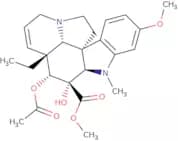
CAS:Producto controladoVindoline is a monoterpenoid indole alkaloid that is found in plants of the genus Vinca. It has been used to prepare samples for thin-layer chromatography, and can be detected by sephadex g-100. The reaction mechanism of vindoline is thought to be similar to other indole alkaloids, such as tryptamine, where two molecules are combined through a covalent bond between the amine group and the carbonyl group. Vindoline has been shown to inhibit polymerase chain reactions and also has a number of biological properties that could be useful in tissue culture. This natural product structure has been shown to have steric interactions with enzymes, including tyrosinase, which is involved in plant metabolism. Vindoline may also be able to inhibit plant physiology by altering photosynthesis or respiration.
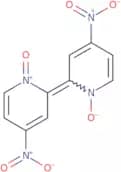
Fórmula:C25H32N2O6Pureza:Min. 98 Area-%Forma y color:White PowderPeso molecular:456.53 g/mol4,4'-Dinitro-2,2'-bipyridine-N,N'-dioxide - crude
CAS:4,4'-Dinitro-2,2'-bipyridine-N,N'-dioxide is a fine chemical with a high quality. It is a versatile building block with a wide range of applications in research and as a reagent. The compound is used in the synthesis of organic compounds and many other products. This product can be used as an intermediate for the production of more complex compounds or scaffolds. 4,4'-Dinitro-2,2'-bipyridine-N,N'-dioxide has been shown to be useful in the synthesis of pharmaceuticals and agrochemicals.Fórmula:C10H6N4O6Pureza:Min. 95%Forma y color:Yellow PowderPeso molecular:278.18 g/molOsthole
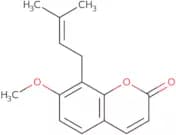
CAS:Osthole is a coumarin derivative, which is a type of natural compound. It is predominantly sourced from the Cnidium monnieri plant, as well as other Apiaceae family members. Osthole exerts its effects primarily through modulation of various molecular pathways, including the suppression of inflammatory mediators and the modulation of calcium channels, which results in vasodilation and various other physiological effects.Fórmula:C15H16O3Pureza:Min. 95%Forma y color:PowderPeso molecular:244.29 g/mol6-Iodopurine
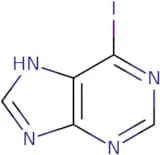
CAS:6-Iodopurine is a biologically active substance that belongs to the group of carbinols. It is biosynthesized from 6-chloropurine and an iridoid glucoside, and has been shown to have biochemical properties. 6-Iodopurine can be converted into 6-iodoindoxyl by oxidation with halogens or transfer mechanism with palladium-catalyzed cross-coupling. A high efficiency method for the synthesis of this substance has been developed using a strain of bacteria. The reaction requires an activation energy of 150 kJ/mol.br> 6-Iodopurine inhibits tumor growth by inhibiting DNA synthesis. It also possesses anti-inflammatory activity, which may be due to its inhibitory effects on prostaglandin synthesis.Fórmula:C5H3IN4Pureza:Min. 95%Forma y color:White PowderPeso molecular:246.01 g/mol1H-Indazole-3-carboxylic acid
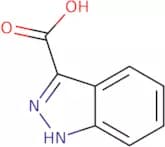
CAS:1H-Indazole-3-carboxylic acid is an organic compound with a molecular formula of C9H6N2O2. It is a colorless solid, but appears yellow in solution. This compound has been shown to inhibit protein synthesis by binding to the apical site of the ribosome, preventing the peptide bond from forming between amino acids. It also inhibits carboxylate metabolism and cellular glycolysis by inhibiting ATP production. 1H-Indazole-3-carboxylic acid has been shown to be effective against cancer cells and can be used as a potential anti-cancer drug.Fórmula:C8H6N2O2Pureza:Min. 98 Area-%Forma y color:PowderPeso molecular:162.15 g/molXanthine sodium salt monohydrate
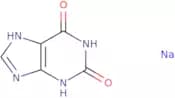
CAS:Xanthine sodium salt monohydrate is a dietary supplement that is used to treat metabolic disorders such as hyperuricemia and gout. It also has antiviral effects against herpes simplex virus-1 (HSV-1) and type-2 (HSV-2). Xanthine sodium salt monohydrate inhibits the production of viral DNA polymerase, which causes cell death by inhibiting the synthesis of proteins vital for cell division. Xanthine sodium salt monohydrate can be used to inhibit the growth of cancer cells in vitro. The mechanism of action is not yet fully understood, but it is thought that xanthine may inhibit phosphodiesterase activity or have a direct effect on the cell membrane.Fórmula:C5H3N4NaO2•H2OPureza:Min. 95 Area-%Forma y color:PowderPeso molecular:192.11 g/mol1-Methyl-1H-indole-2,3-dione
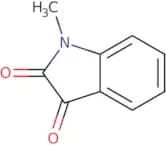
CAS:1-Methyl-1H-indole-2,3-dione is a chemical compound that belongs to the class of indole derivatives. It can be synthesized by reacting 2,3-dihydroxybenzaldehyde with 2,2'-azobis(2-amidinopropane) dihydrochloride and methyl iodide in the presence of copper (II) acetate. This reaction mechanism is similar to that of other reactions involving an intramolecular hydrogen transfer. The binding constants for 1-methyl-1H-indole-2,3-dione are very high and this compound has been shown to inhibit herpes simplex virus replication in vitro. 1MIDD binds to the active site of tryptophan fluorescence and synchronous fluorescence proteins. 1MIDD also binds to copper ions in a coordination geometry that is similar to that found for other compounds containing a carbonyl group.
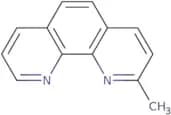
Fórmula:C9H7NO2Pureza:Min. 95%Forma y color:PowderPeso molecular:161.16 g/mol2-Methyl-1,10-phenanthroline
CAS:2-Methyl-1,10-phenanthroline is a bidentate ligand that can be used as a catalyst in some organic reactions. It has been shown to selectively inhibit the activity of the enzyme carbonic anhydrase. This drug is also able to bind to metal ions with nitrogen atoms, such as copper and zinc, which may be useful for cancer treatments. 2-Methyl-1,10-phenanthroline has also been shown to have anti-tumor activity in prostate carcinoma cells when used as a ternary complex with hypophosphorous acid and anhydrase.Fórmula:C13H10N2Pureza:Min. 95%Forma y color:PowderPeso molecular:194.23 g/mol1,3-Diacetylindole
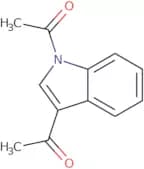
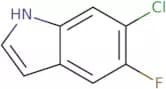
CAS:1,3-Diacetylindole is an alkene that belongs to the class of organic compounds. It can be prepared by Friedel-Crafts acylation of cyclopentenone with formaldehyde and hydrogen chloride gas. The molecule has a molecular electrostatic potential of -0.8 eV and a molecular weight of 126.1 g/mol. 1,3-Diacetylindole has been shown to react with Grignard reagent in an electrochemical study. Additionally, it has been used as a starting material for the synthesis of other molecules such as 2-methylquinoline and 1,2-dihydroquinoline. The vibrational and spectral data for 1,3-diacetylindole have been obtained using both experimental and computational methods. These data are useful for understanding the structure and reactivity of this compound at the molecular level.br>br> br>br>Fórmula:C12H11NO2Pureza:Min. 95%Peso molecular:201.22 g/mol6-Chloro-5-fluoroindole
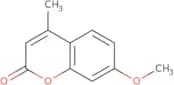
CAS:6-Chloro-5-fluoroindole is a chemical compound that has been shown to be an effective inhibitor of 5-HT2C receptors. 6-Chloro-5-fluoroindole was synthesized in 1972 by the reaction of formamide with chloroacetyl chloride, and it was found to have anti-cancer effects in 1979. 6-Chloro-5-fluoroindole binds to 5HT2C receptors and prevents the activation of G proteins. This inhibition leads to cancer cell death because the receptor is involved in many important signalling pathways. 6CI5FI is used as a research tool for studying the function of this receptor.Fórmula:C8H5ClFNPureza:Min. 95%Forma y color:PowderPeso molecular:169.58 g/mol7-Methoxy-4-methylcoumarin
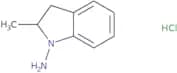
CAS:7-Methoxy-4-methylcoumarin is a synthetic organic compound, which is a derivative of coumarins—a class of compounds widely found in plants. This compound is primarily synthesized through organic chemical reactions rather than extracted directly from natural sources. Its mode of action involves exhibiting fluorescence, which makes it a valuable probe in various scientific studies.Fórmula:C11H10O3Pureza:Min. 95%Forma y color:PowderPeso molecular:190.2 g/molN-Amino-2-methylindoline hydrochloride
CAS:N-Amino-2-methylindoline HCl is an organic chemical compound that belongs to the class of acylating agents. It is a colorless solid that is soluble in water and methanol. The compound has been used in the acylation reaction with triethylamine and chloride to synthesize dioxane. N-Amino-2-methylindoline HCl is also a substance that can be found in nature, such as in the leaves of plants. Organic chemistry deals with the study of compounds and their reactions, which includes N-Amino-2-methylindoline HCl and its uses.
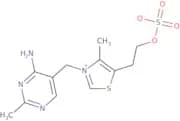
Fórmula:C9H12N2•HClPureza:Min. 95%Forma y color:PowderPeso molecular:184.67 g/molThiamine sulfate inner salt
CAS:Thiamine sulfate inner salt is a hyaluronic acid that is used in skin cancer treatment. It has been shown to have antimicrobial properties, which may be due to its ability to disrupt the cell membrane. Thiamine sulfate inner salt has also been shown to increase the germination rate of damaged seeds and can be used as a stabilizer for carrageenan. This compound is an acidic substance with a pH of 2-3. It is soluble in water and hydrochloric acid and reacts with magnesium salts, ethylene diamine, diamine tetraacetic acid, and antimicrobial peptides.
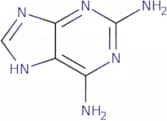
Fórmula:C12H16N4O4S2Pureza:Min. 95%Forma y color:White PowderPeso molecular:344.41 g/mol2,6-Diaminopurine
CAS:2,6-Diaminopurine is a nucleotide analogue that is synthesized from guanosine. It inhibits the enzyme ribonucleotide reductase and blocks the synthesis of DNA precursors, which are necessary for viral replication. 2,6-Diaminopurine has been shown to inhibit hiv infection in tissue culture and animal models by decreasing the levels of nucleotides in cells. This drug can be used as an anti-viral agent against HIV and other retroviruses. 2,6-Diaminopurine has also been shown to be effective against murine sarcoma virus. The compound binds to the enzyme ribonucleotide reductase, which is important for DNA synthesis, and prevents its activity by mimicking adenosine triphosphate (ATP). The binding of 2,6-diaminopurine to ATP results in a coordination geometry that causes a long hydrogen bond with one oxygen
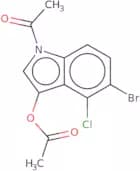
Fórmula:C5H6N6Pureza:Min. 95%Forma y color:PowderPeso molecular:150.14 g/mol5-Bromo-4-chloroindolyl 1,3-diacetate
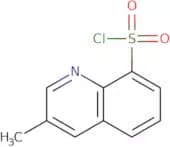
CAS:5-Bromo-4-chloroindolyl 1,3-diacetate (5BCDA) is a clinical response predictor of postoperative radiotherapy. It is an acr20 response predictor for the diagnosis of chronic hepatitis C and the disease activity index in women with genital herpes. 5BCDA has been found to be effective in reducing levels of IL-17a and IL-17f, which are cytokines that are important for immune responses. 5BCDA has also been shown to be effective in treating infectious diseases such as malaria and tuberculosis.Fórmula:C12H9BrClNO3Pureza:Min. 95%Forma y color:Off-White PowderPeso molecular:330.57 g/mol3-Methyl-8-quinolinesulfonyl chloride
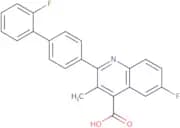
CAS:3-Methyl-8-quinolinesulfonyl chloride (3MQSC) is a reaction product of 1,2,4-trioxane and thionyl chloride. 3MQSC is used as an intermediate in the production of l-citrulline from chloroacetic acid. It reacts with paraformaldehyde to form a solid phase synthesis catalyst. 3MQSC catalyzes the reaction between phosphorus pentachloride and chlorine to produce ethyl formate and hydrogen chloride gas. This process is industrialized for the production of ethyl formate, which is used for the manufacture of acetic acid, chlorinated solvents, polymers, and plastics. The high yield of this process makes it one of the most popular routes for producing ethyl formate. Catalysis by 3MQSC can be achieved at low temperature and pressure due to its resistance to heat and low boiling point.Fórmula:C10H8ClNO2SPureza:Min. 97 Area-%Forma y color:White Yellow PowderPeso molecular:241.69 g/mol6-Fluoro-2-(2'-fluorobiphenyl-4-yl)-3-methylquinoline-4-carboxylic acid
CAS:Brequinar sodium is a drug that belongs to the class of quinoline carboxylic acid derivatives. It has been shown to be effective in the treatment of infectious diseases and bowel disease. Brequinar sodium inhibits bacterial growth by binding to DNA-dependent RNA polymerase, thereby preventing transcription and replication. The high frequency of human activity has been shown using a patch-clamp technique on human erythrocytes. This active form is metabolized through a number of metabolic transformations, including hydrolysis by esterases or glucuronidases, oxidation by cytochrome P450 enzymes, reduction by glutathione reductase, or conjugation with glucuronic acid. Brequinar also specifically binds to markers expressed at high levels in Mycobacterium tuberculosis strains (e.g., ESX-1 secretion system protein) and inhibits cell growth in culture.Fórmula:C23H15F2NO2Pureza:Min. 97 Area-%Forma y color:White/Off-White SolidPeso molecular:375.37 g/mol2-Oxo-1,2,3,4-tetrahydroquinoline-4-carboxylic acid
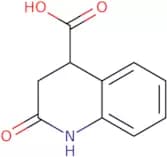
CAS:2-Oxo-1,2,3,4-tetrahydroquinoline-4-carboxylic acid is a carboxylic acid that is an intermediate in the chemical synthesis of 2H and 3H tetrahydroquinolines. It can be synthesized by the oxidation of 2-(N,N-dimethylamino)benzaldehyde with hydrogen peroxide in methanol. The compound has been used to label animals for use in mass spectrometry studies and as a reactant in electron and nuclear magnetic resonance (NMR) spectroscopy experiments. In addition, 2-oxo-1,2,3,4-tetrahydroquinoline-4-carboxylic acid has been used to study equilibrium and reversible reactions as well as to identify the abundances of different spectral peaks. 2-Oxo-1,2,3,4-tetrahydroquinoline-4Fórmula:C10H9NO3Pureza:Min. 95%Peso molecular:191.18 g/mol2-Acetamido-6-chloropurine
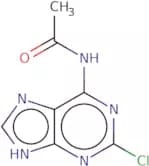
CAS:2-Acetamido-6-chloropurine (2ACAP) is a nucleophilic agent that inhibits cancer cells by binding to the enzyme cholinesterase. It is used in the treatment of T-cell leukemia and herpes simplex virus. 2ACAP binds to the amine group of cholinesterase, which prevents it from breaking down acetylcholine. This inhibition leads to accumulation of acetylcholine, which has been shown to induce apoptosis in k562 cells. The molecular modeling study showed that 2ACAP binds to both chlorine atom and benzyl groups in the active site of cholinesterase. 2ACAP also has a potent inhibitory effect on cancer cell proliferation and can be used as an anti-cancer agent for many types of cancers including colon, breast, and prostate cancer.
Fórmula:C7H6ClN5OPureza:Min. 97 Area-%Forma y color:Yellow PowderPeso molecular:211.61 g/molLauryl isoquinolinium bromide
CAS:Lauryl isoquinolinium bromide is a pyridinium cationic surfactant that is used as a diagnostic agent and pharmaceutical preparation. It is also used as an antimicrobial agent in liquid chromatography, which is a technique to separate chemical compounds. Lauryl isoquinolinium bromide has been shown to be effective against Gram-positive bacteria such as Staphylococcus aureus and Enterococcus faecalis, and Gram-negative bacteria such as Pseudomonas aeruginosa. Lauryl isoquinolinium bromide has also been shown to be effective against yeast such as Candida albicans. Lauryl isoquinolinium bromide is not effective against viruses or fungi. This agent can be used to enhance the permeability of membranes during cross-linking reactions between polymers.Fórmula:C21H32NBrPureza:Min. 95%Forma y color:PowderPeso molecular:378.39 g/mol4,5-Dicyanoimidazole
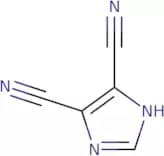
CAS:Please enquire for more information about 4,5-Dicyanoimidazole including the price, delivery time and more detailed product information at the technical inquiry form on this page
Fórmula:C5H2N4Pureza:Min. 98 Area-%Forma y color:White Off-White PowderPeso molecular:118.1 g/molEpoxybergamottin
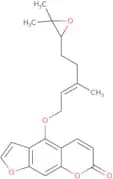
CAS:Epoxybergamottin is a furanocoumarin derivative, which is a natural bioactive compound. It is primarily sourced from citrus fruits, particularly grapefruit. The primary mode of action of epoxybergamottin is the inhibition of cytochrome P450 enzymes, specifically CYP3A4. This enzyme is a major player in the metabolism of many pharmaceuticals, and its inhibition can lead to increased bioavailability and prolonged effects of drugs metabolized by this pathway.
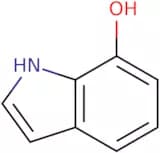
Fórmula:C21H22O5Pureza:Min. 95 Area-%Forma y color:PowderPeso molecular:354.40 g/mol7-Hydroxyindole
CAS:7-Hydroxyindole is a biochemical that is produced by wild-type strains of Escherichia coli. It has been shown to inhibit the action of an efflux pump, which is a protein that pumps drugs and other foreign substances out of the cell. The alkoxy radical reacts with 7-hydroxyindole to form a hydroperoxide intermediate. This intermediate then reacts with molecular oxygen to form hydrogen peroxide, which may be responsible for the antimicrobial activity of 7-hydoxyindole. Studies have shown that this compound can also inhibit multidrug efflux pumps in Pseudomonas aeruginosa cells, which may lead to an increase in antibiotic uptake.
Fórmula:C8H7NOPureza:Min. 98 Area-%Forma y color:Off-White PowderPeso molecular:133.15 g/molCalycanthoside
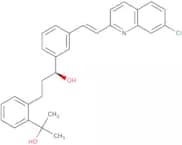
CAS:Calycanthoside is a phenolic glycoside, which is a type of natural compound characterized by a glycosidic bond linking a phenolic moiety. It is derived from the plant Calycanthus chinensis, known for its rich array of bioactive compounds. The extraction and isolation processes of Calycanthoside involve sophisticated chromatographic techniques to ensure its purity and activity.Fórmula:C17H20O10Pureza:Min. 95%Forma y color:PowderPeso molecular:384.33 g/mol2-(2-(3(S)-(3-(2-(7-Chloro-2-quinolinyl)-ethenylphenyl)-3-hydroxypropyl)phenyl)-2-propanol
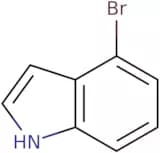
CAS:Covid-19 is a polymer that can be used as a coating for surfaces, such as plastics and metals. Covid-19 has been shown to have antibacterial properties against bacteria, including methicillin-resistant Staphylococcus aureus (MRSA) and Clostridium perfringens. Covid-19 also has functional groups that can be used in analytical methods to determine the concentration of drugs in biological samples. Covid-19 is soluble in polyvinyl alcohol and glycerol, which are both common additives in pharmaceuticals. Covid-19 has optical properties that make it suitable for use as a coating on contact lenses or other ophthalmic devices.Fórmula:C29H28ClNO2Pureza:Min. 95%Forma y color:PowderPeso molecular:457.99 g/mol4-Bromoindole
CAS:4-Bromoindole is a model compound that serves as a building block for the synthesis of pharmaceutically important compounds. 4-Bromoindole has been shown to have high catalytic rates for the oxidative coupling of zirconium oxide. This compound can also be used in asymmetric synthesis because it is able to form both R and S enantiomers in moderate yield. The reaction mechanism is thought to involve a nucleophilic attack by bromide on the carbonyl group, followed by elimination of hydrogen bromide from this intermediate. 4-Bromoindole can be synthesized in three ways: (1) via an oxidative coupling reaction with ZrOCl2 and H2O2; (2) via an oxidative coupling reaction with ZrOCl2 and HBr; or (3) by reacting 4-bromoaniline with CuSO4 and Mn(NO3)2.
Fórmula:C8H6BrNPureza:Min. 95%Forma y color:Brown Yellow Clear LiquidPeso molecular:196.04 g/mol2-Thioxanthine
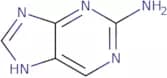
CAS:2-Thioxanthine is a hydrated form of xanthine, which is a purine base that occurs in all living cells. This compound has been shown to be able to inhibit the growth of resistant mutants and the formation of atherosclerotic lesions in mice. 2-Thioxanthine also inhibits the transfer reactions that are required for bacterial DNA synthesis. The stability of 2-thioxanthine can be increased by forming stable complexes with hydrochloric acid and by reducing the pH to less than 7. 2-Thioxanthine has been shown to have genotoxic effects on mouse liver cells and human fibroblasts, as well as pharmacological properties against cardiovascular disease.Fórmula:C5H4N4OSPureza:Min. 95%Forma y color:PowderPeso molecular:168.18 g/mol2-Aminopurine
CAS:Purine analog; fluorescent probe; kinase inhibitor; mutagenic
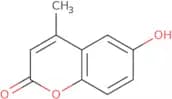
Fórmula:C5H5N5Pureza:Min. 95%Forma y color:White PowderPeso molecular:135.13 g/mol6-Hydroxy-4-methylcoumarin
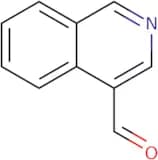
CAS:6-Hydroxy-4-methylcoumarin is a chemical compound that serves as a lactone derivative. It is commonly derived from synthetic sources through various organic reactions involving resorcinol and ethyl acetoacetate. The compound functions primarily through its ability to absorb ultraviolet light and fluoresce, making it highly valuable in spectroscopic analyses.Fórmula:C10H8O3Pureza:Min. 95%Peso molecular:176.17 g/molIsoquinoline-4-carbaldehyde
CAS:Isoquinoline-4-carbaldehyde is an aldehyde chemical that has been synthesized in the laboratory. It is a chiral molecule with one asymmetric carbonyl group. Isoquinoline-4-carbaldehyde is a potential precursor to naphthyridine, which can be used as a building block for the synthesis of natural products. Isoquinoline-4-carbaldehyde has been shown to have phosphine properties, and it can be used as a ligand in transition metal complexes. The molecule has been shown to exist in two forms, which coexist in equilibrium and can undergo interconversion.
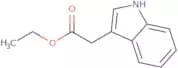
Fórmula:C10H7NOPureza:Min. 95%Peso molecular:157.17 g/molEthyl indole-3-acetate
CAS:Ethyl indole-3-acetate (EIA) is a compound that inhibits the growth of certain cancer cells. It belongs to the group of acyl halides. EIA inhibits the synthesis of nucleic acids, proteins and other macromolecules by the cancer cells. It has been shown to be effective in reducing the size of tumors in mice with prostate and breast cancer. This compound also inhibits enzymes such as abscisic acid oxidase, which is responsible for converting abscisic acid into reactive oxygen species. EIA has been shown to have hemolytic activity in human lung tissue, but not ovules or human erythrocytes. This may be due to its ability to inhibit hormone production and cause an increase in progesterone levels.Fórmula:C12H13NO2Pureza:Min. 95%Forma y color:PowderPeso molecular:203.24 g/mol4,4'-Dipyridyl - 98%
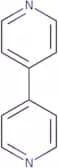
CAS:4,4'-Dipyridyl is a cyclic peptide with a basic structure. It has been found to have inhibitory effects against the growth of bacteria in human serum and group P2. The x-ray crystal structures reveal that it has strong intermolecular hydrogen bonding interactions. Experimental solubility data and coordination models show that 4,4'-dipyridyl is soluble in anhydrous sodium. Structural analysis and kinetic energy calculations indicate that the inhibitor binding site is located on the hydroxyl groups of the backbone of the molecule. This ligand also binds to metal ions such as copper or zinc.
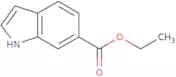
Fórmula:C10H8N2Forma y color:Off-White PowderPeso molecular:156.19 g/molEthyl indole-6-carboxylate
CAS:Ethyl indole-6-carboxylate is a chiral compound with nitrogen atoms. It has a topology and substituents, so it can be substituted in several positions. It also has nitrate, which is an ion that can carry an electric charge. This molecule can form channels and crystals with a single-crystal x-ray diffraction pattern. The hydrocarbon part of the molecule has a crystal system and framework, making it porous. The x-ray diffraction pattern of ethyl indole-6-carboxylate shows its chemistry as well.
Fórmula:C11H11NO2Pureza:Min. 95%Peso molecular:189.21 g/mol5-Amino Isoquinoline
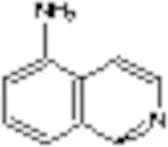
CAS:Producto controladoApplications Used for synthesis of Rho kinase inhibitors.
References Biggadike, K., et al.: J. Med. Chem., 50, 6519 (2007), Cheng, Y., et al.: Bioorg. Med. Chem., 16, 4617 (2008),Fórmula:C9H8N2Forma y color:NeatPeso molecular:144.171-Benzyl-5-bromoindole
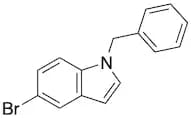
CAS:Producto controladoApplications 1-Benzyl-5-bromoindole
Fórmula:C15H12BrNForma y color:NeatPeso molecular:286.1661,2-Diazabicyclo[2.2.2]octan-3-one
CAS:Producto controladoApplications 1,2-Diazabicyclo[2.2.2]octan-3-one is an intermediate used in the synthesis of Bicyclo Risperidone (B382800), which is an impurity of Risperidone (R525000); a combined serotonin (5-HT2) and dopamine (D2) receptor antagonist.
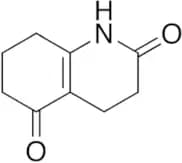
References Jannssen, P.A.J., et al.: J. Pharmacol. Exp. Ther., 244, 685 (1988); Gelders, Y.G., et al.: Pharmacopsychiatry, 23, 206 (1990); Green, B.: Curr. Med. Res. Opin., 16, 57 (2000)Fórmula:C6H10N2OForma y color:NeatPeso molecular:126.164,6,7,8-Tetrahydro-2,5(1H,3H)-quinolinedione
CAS:Producto controladoApplications 4,6,7,8-Tetrahydro-2,5(1H,3H)-quinolinedione (cas# 5057-12-5) is a compound useful in organic synthesis.
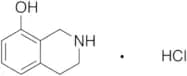
Fórmula:C9H11NO2Forma y color:NeatPeso molecular:165.191,2,3,4-Tetrahydro-8-isoquinolinol Hydrochloride
CAS:Producto controladoApplications Used in the synthesis of tetrahydroisoquinoline derivatives.
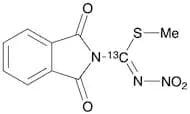
Fórmula:C9H12ClNOForma y color:NeatPeso molecular:185.651,3-Dihydro-N-nitro-1,3-dioxo-2H-isoindole-2-carboximidothioic acid Methyl Ester-13C
CAS:Producto controladoApplications 1,3-Dihydro-N-nitro-1,3-dioxo-2H-isoindole-2-carboximidothioic acid Methyl Ester-13C is an intermediate used in the synthesis of Clothianidin-d3,13C1 (C588502), which is the isotope labelled analog of Clothianidin. Clothianidin is a neonicotinoid insecticide for use in food crops.
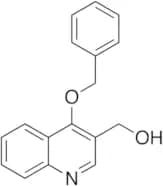
References Kamel, A., et al.: J. Agric. Food Chem., 58, 5926 (2010), Lynd, L., et al.: Energy Environ. Sci., 3, 1150 (2010), Cresswell, J., et al.: Ecotoxicology, 20, 149 (2011),Fórmula:CC9H7N3O4SForma y color:NeatPeso molecular:266.2384-Hydroxy-3-quinolinemethanol Benzyl Ether
CAS:Producto controladoApplications 4-Hydroxy-3-quinolinemethanol Benzyl Ether is a reactant used in the preparation of propanol and propylamine quinoline derivatives used as glucocorticoid ligands.
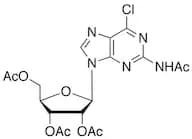
Fórmula:C17H15NO2Forma y color:NeatPeso molecular:265.312-Acetamido-6-chloro-9-(2’,3’,5’-tri-O-acetyl-β-D-ribofuranosyl)purine
CAS:Producto controladoApplications 2-Acetamido-6-chloro-9-(2’,3’,5’-tri-O-acetyl-β-D-ribofuranosyl)purine (cas# 137896-02-7) is a compound useful in organic synthesis.
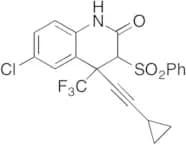
References Matsuda, A., et al.: J. Med. Chem., 35, 241 (1992),Fórmula:C18H20ClN5O8Forma y color:NeatPeso molecular:469.836-Chloro-4-(2-cyclopropylethynyl)-3,4-dihydro-3-(phenylsulfonyl)-4-(trifluoromethyl)-2(1H)-quinolinone
CAS:Producto controladoApplications 6-Chloro-4-(2-cyclopropylethynyl)-3,4-dihydro-3-(phenylsulfonyl)-4-(trifluoromethyl)-2(1H)-quinolinone is an intermediate in the synthesis of novel quinolinones as HIV-1 reverse transcriptase inhibitors.
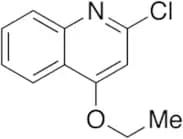
References Patel, M., et al.: Bioorg. Med. Chem. Lett., 11, 1943 (2001);Fórmula:C21H15ClF3NO3SForma y color:NeatPeso molecular:453.862-Chloro-4-ethoxyquinoline
CAS:Producto controladoApplications Quinoline derivative used in the preparation of compounds with anticonvulsant activity as well as compounds with potent antibacterial activity against gram-positive pathogens.
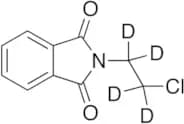
References Guo, L. et al.: Eur. J. Med. Chem., 44, 954 (2009); Jarvest, R.L. et al.: J. Med. Chem., 45, 1959 (2002);Fórmula:C11H10ClNOForma y color:NeatPeso molecular:207.662-(2-Chloroethyl-d4)-1H-isoindole-1,3-dione
CAS:Producto controladoApplications 2-(2-Chloroethyl-d4)-1H-isoindole-1,3-dione (cas# 1252995-10-0) is a compound useful in organic synthesis.
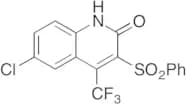
Fórmula:C10H4D4ClNO2Forma y color:NeatPeso molecular:213.656-Chloro-3-(phenylsulfonyl)-4-(trifluoromethyl)-2(1H)-quinolinone
CAS:Producto controladoApplications 6-Chloro-3-(phenylsulfonyl)-4-(trifluoromethyl)-2(1H)-quinolinone is an intermediate in the synthesis of novel quinolinones as HIV-1 reverse transcriptase inhibitors.
References Patel, M., et al.: Bioorg. Med. Chem. Lett., 11, 1943 (2001);Fórmula:C16H9ClF3NO3SForma y color:NeatPeso molecular:387.762-(Cyanomethyl)-1H-indole-1-carboxylic Acid tert-Butyl Ester-13C,15N
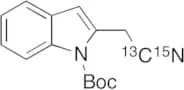
Producto controladoApplications 2-(Cyanomethyl)-1H-indole-1-carboxylic Acid tert-Butyl Ester-13C,15N is an isotope labelled intermediate in the synthesis of endothelial lipase inhibitors.
Fórmula:CC14H1615NNO2Forma y color:NeatPeso molecular:258.286(1S)-3,4-Dihydro-1-phenyl-2(1H)-isoquinolinecarboxylic Acid 2,5-Dioxo-1-pyrrolidinyl Ester
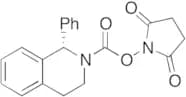
CAS:Producto controladoApplications (1S)-3,4-Dihydro-1-phenyl-2(1H)-isoquinolinecarboxylic Acid 2,5-Dioxo-1-pyrrolidinyl Ester is an intermediate in the synthesis of ((R)-1-phenyl-3,4-dihydroisoquinolin-2(1H)-yl)((S)-1-phenyl-3,4-dihydroisoquinolin-2(1H)-yl)methanone (P309025). ((R)-1-phenyl-3,4-dihydroisoquinolin-2(1H)-yl)((S)-1-phenyl-3,4-dihydroisoquinolin-2(1H)-yl)methanone is a possible impurity of solifenacin (S676700) which is a muscarinic M3 receptor antagoinst. Solifenacin is used in treatment of urinary incontinence.
References Ikeda K., et al.: Arch. Pharmacol., 366, 97, (2002); Chapple, C.R., et al.: Br. J. Urol., 93, 303 (2004); Ohtake, A., et al.: Eur. J. Pharmacol., 492, 243 (2004); Brunton, S., et al.: Curr. Med. Res. Opin., 21, 71 (2005); Habb, F., et al.: Eur. Urol. 47, 376 (2005); Payne, C.K., et al.: Drugs, 66, 175 (2006)Fórmula:C21H26O2Forma y color:NeatPeso molecular:310.435-Hydrazino-2(1H)-quinolinone Hydrochloride
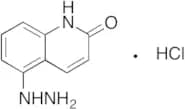
CAS:Producto controladoApplications 5-Hydrazino-2(1H)-quinolinone Hydrochloride is an intermediate used in the synthesis of sodium-hydrogen exchanger type 1 inhibitor (NHE-1).
Fórmula:C9H10ClN3OForma y color:NeatPeso molecular:211.652-[(Diethylamino)methyl]indole Methiodide
CAS:Producto controladoApplications 2-[(Diethylamino)methyl]indole Methiodide is an intermediate in the preparation of carcinogenic indole derivatives.
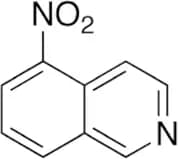
References Eenkhoom, J.A., et al.: CND. J. Chem., 51, 792 (1973);Fórmula:C14H21IN2Forma y color:NeatPeso molecular:344.235-Nitroisoquinoline
CAS:Producto controladoApplications 5-Nitroisoquinoline (cas# 607-32-9) is a compound useful in organic synthesis.
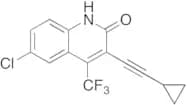
Fórmula:C9H6N2O2Forma y color:NeatPeso molecular:174.166-Chloro-3-(cyclopropylethynyl)-4-(trifluoromethyl)quinolin-2(1H)-one
CAS:Producto controladoApplications 6-Chloro-3-(cyclopropylethynyl)-4-(trifluoromethyl)quinolin-2(1H)-one is an intermediate in the synthesis of novel quinolinones as HIV-1 reverse transcriptase inhibitors.
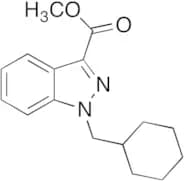
References Patel, M., et al.: Bioorg. Med. Chem. Lett., 11, 1943 (2001);Fórmula:C15H9ClF3NOForma y color:NeatPeso molecular:311.69Methyl 1-(Cyclohexylmethyl)-1H-indazole-3-carboxylate
CAS:Producto controladoApplications Methyl 1-(Cyclohexylmethyl)-1H-indazole-3-carboxylate is an intermediate in the synthesis of MDMB-CHMINACA (M203515), a synthetic cannabinoid with potential neurochemical effects at the CB1 receptor.
References Banister, S. ET AL.: ACS Chem. Neurosci., 7, 1241 (2016);Fórmula:C16H20N2O2Forma y color:NeatPeso molecular:272.342-Chloroindole
CAS:Producto controladoStability Light Sensitive
Applications 2-Chloroindole is used to prepare 2-pyrrolidinone derivatives as anticonvulsants.
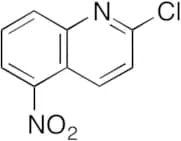
References Kenda, B., et al.: PCT Int. Appl. (2006), WO 2006128692 A2 20061207Fórmula:C8H6ClNForma y color:NeatPeso molecular:151.592-Chloro-5-nitroquinoline
CAS:Producto controladoApplications 2-Chloro-5-nitroquinoline is used in the synthesis of potent, orally active corticotropin-releasing factor-1 receptor antagonists.
References Takeda, K., et al.: BIoorg. Med. Chem., 20, 6559 (2012); Verheij, M.H.P., et al.: J. Med. Chem., 55, 8603 (2012); Takeda, K., et al.: Bioorg. Med. Chem. Lett., 22, 5372 (2012);Fórmula:C9H5ClN2O2Forma y color:NeatPeso molecular:208.62-n-Butyl-d7-1,3-diazaspiro[4.4]non-1-en-4-one
CAS:Producto controladoApplications A labelled intermediate of Irbesartan (I751000).
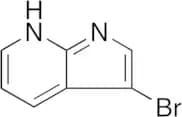
References Gillis, J., et al.: Drugs, 54, 885 (1997), Chando, T., et al.: Drug Metab. Disps., 26, 408 (1998), Hines, J., et al.: Eur. J. Pharmacol., 384, 81 (1999)Fórmula:C11H11D7N2OForma y color:NeatPeso molecular:201.323-Bromo-7-azaindole
CAS:Producto controladoApplications A reagent used in the preparation of biologically active Azaindoles.
References Minakata, S., et al.: J. Agric. Food Chem., 45, 2345 (1997),Fórmula:C7H5BrN2Forma y color:NeatPeso molecular:197.03(S)-Benzyl 2-(5-Bromo-1H-indole-3-carbonyl)pyrrolidine-1-carboxylate
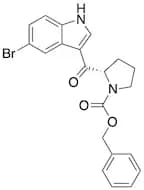
CAS:Producto controladoApplications (S)-Benzyl 2-(5-Bromo-1H-indole-3-carbonyl)pyrrolidine-1-carboxylate is an intermediate in the synthesis of ent-Eletriptan (E505005), an enantiomeric impurity of the serotonin 5-HTIB/ID receptor agonist Eletriptan (E505000).
References Orita, A., et al.: Green Chem., 3, 13 (2001);Fórmula:C21H19BrN2O3Forma y color:NeatPeso molecular:427.293-Bromoquinoline
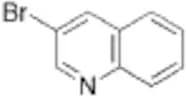
CAS:Producto controladoApplications 3-Bromoquinoline (cas# 5332-24-1) is a compound useful in organic synthesis.
Fórmula:C9H6BrNForma y color:NeatPeso molecular:208.054-Chloro-2-ethoxyquinoline
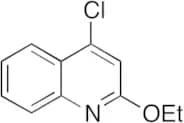
CAS:Producto controladoApplications Quinoline derivative used in the preparation of compounds with anticonvulsant activity as well as compounds with potent antibacterial activity against gram-positive pathogens.
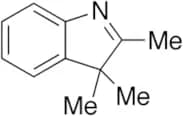
References Guo, L. et al.: Eur. J. Med. Chem., 44, 954 (2009); Jarvest, R.L. et al.: J. Med. Chem., 45, 1959 (2002);Fórmula:C11H10ClNOForma y color:NeatPeso molecular:207.662,3,3-Trimethylindolenine (Technical Grade, contain dimer)
CAS:Producto controladoApplications 2,3,3-Trimethylindolenine is an indole derivative used in the preparation of cyanine dye labelleing reagents and other imaging agents.
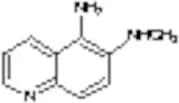
References Mujumdar, R. et al.: Cytometry, 10, 3 (1989); Mushkalko, I.L. et al.: Ukr. Khim. Zhur., 52, 509 (1986);Fórmula:C11H13NForma y color:NeatPeso molecular:159.235-Amino-6-(methylamino)quinoline
CAS:Producto controladoStability Store in freezer at -20°C
Applications 5-Amino-6-(methylamino)quinoline (cas# 14204-98-9) is a compound useful in organic synthesis.Fórmula:C10H11N3Forma y color:NeatPeso molecular:173.213-Acetylindole
CAS:Producto controladoApplications 3-acetylindole (cas# 703-80-0) is a useful research chemical.
Fórmula:C10H9NOForma y color:NeatPeso molecular:159.186-Chloropurine, Hydrochloride
CAS:Producto controladoApplications 6-Chloropurine, Hydrochloride (cas# 88166-54-5 ) is a compound useful in organic synthesis.
Fórmula:C5H3ClN4·ClHForma y color:NeatPeso molecular:191.0183-Amino-4-bromo-5-phenylpyrazole
CAS:Producto controladoApplications 3-Amino-4-bromo-5-phenylpyrazole (cas# 2845-78-5) is a compound useful in organic synthesis.
Fórmula:C9H8BrN3Forma y color:NeatPeso molecular:238.08[S-(R*,R*)]-2-[2-tert-Butyloxycarbonylamino-1-oxopropyl]-1,2,3,4-tetrahydro-3-isoquinolinecarboxylic Acid Phenylmethyl Ester
CAS:Producto controladoApplications [S-(R*,R*)]-2-[2-tert-Butyloxycarbonylamino-1-oxopropyl]-1,2,3,4-tetrahydro-3-isoquinolinecarboxylic Acid Phenylmethyl Ester (cas# 92829-12-4) is a compound useful in organic synthesis.
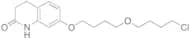
Fórmula:C25H30N2O5Forma y color:NeatPeso molecular:438.527-(4-(4-Chlorobutoxy)butoxy)-3,4-dihydroquinolin-2(1H)-one
Producto controladoApplications 7-(4-(4-Chlorobutoxy)butoxy)-3,4-dihydroquinolin-2(1H)-one is an internmediate in the synthesis of Aripiprazole (A771000) related compounds, a selective dopamine D2-receptor antagonist with dopamine autoreceptor agonist activity.
References Nagasaka, Y., et al.: Biopharma. Drug. Dispo., 33, 304 (2012); Chen, X., et al.: J. Med. Chem., 55, 7141 (2012);Fórmula:C10H11IO2Forma y color:NeatPeso molecular:290.0981,1,2-Trimethyl-1H-benzo[e]indole-d6
Producto controladoApplications 1,1,2-Trimethyl-1H-benzo[e]indole-d6 is a labelled analogue of 1,1,2-Trimethyl-1H-benzo[e]indole (T896032). It is a useful research chemical.
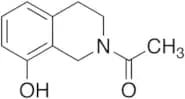
Fórmula:C15D6H9NForma y color:NeatPeso molecular:215.3232-Acetyl-1,2,3,4-tetrahydro-8-isoquinolinol
CAS:Producto controladoApplications Used in the synthesis of tetrahydroisoquinoline derivatives.
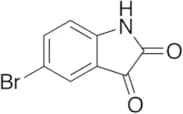
Fórmula:C11H13NO2Forma y color:NeatPeso molecular:191.235-Bromoisatin
CAS:Producto controladoApplications Indole derivative
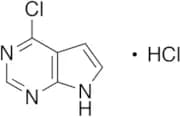
Fórmula:C8H4BrNO2Forma y color:NeatPeso molecular:226.036-Chloro-7-deazapurine Hydrochloride
CAS:Producto controladoApplications 6-Chloro-7-deazapurine Hydrochloride (cas# 1243346-92-0) is a compound useful in organic synthesis.
Fórmula:C6H5Cl2N3Forma y color:NeatPeso molecular:190.03Indole-3-acetonitrile
CAS:Indole-3-acetonitrile is a natural product that belongs to the class of antimicrobial agents. It has been shown to have antiinflammatory activity in mice and to inhibit enzyme activities in the plasma of rats. This compound was also found to be an inhibitor of indole synthesis, which may provide insight into its potential use as a therapeutic agent for cancer treatment. Indole-3-acetonitrile has been shown to have antimicrobial properties against galleria mellonella, which are insect larvae that are used as model organisms for research on development and genetics. The biological properties of this compound have been studied using structural analysis and biochemical research.Fórmula:C10H8N2Pureza:Min. 95%Forma y color:Yellow To Brown SolidPeso molecular:156.18 g/mol7-Chloroquinoline-3-carboxylicacid
CAS:7-Chloroquinoline-3-carboxylicacid (7CQCA) is a synthetic compound that has been shown to have regulatory, immunomodulatory, and anticancer properties. It is a potent inhibitor of mammalian DNA polymerase beta and it has been shown to induce apoptosis in human prostate cancer cells by inhibiting the production of cAMP. 7CQCA also inhibits the proliferation of mouse CD1 leukemia cells in vitro and induces apoptosis in these cells. The compound was found to be more effective when used with other agents such as triticum aestivum extract, which may be due to its synergistic interaction with these compounds.Fórmula:C10H6ClNO2Pureza:Min. 95%Forma y color:Off-White PowderPeso molecular:207.61 g/mol5,6-Dimethyl-1,10-phenanthroline
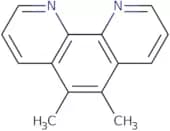
CAS:5,6-Dimethyl-1,10-phenanthroline (DMPA) is a molecule with the chemical formula H2C8N4O2. It has been shown to have antioxidant and anticancer properties. DMPA binds to DNA to form an adduct that denatures the DNA. This prevents DNA from being transcribed into RNA, which prevents gene expression and cell division. The anticancer activity of DMPA may be due to its ability to increase oxidative dna damage in cancer cells, leading to apoptosis. DMPA has also been shown to bind redox potentials of metals such as copper, iron and nickel that are found in the environment or in cancer cells. This binding alters the electron transfer reactions involving these metals and leads to a change in the viscosity of the solution. The molecular modeling studies have shown that DMPA binds with nitrogen atoms in coordination geometry with oxygen atoms on two sites on one molecule (see Figure 1). This binding is characterized byFórmula:C14H12N2Pureza:Min. 95%Forma y color:PowderPeso molecular:208.26 g/mol2-Azabicyclo[2.2.1]heptane
CAS:2-Azabicyclo[2.2.1]heptane is a lactam that has been synthesized in the laboratory. The compound exhibits significant antiproliferative activity and is shown to have a stereoselective, stereogenic, nucleophilic attack on amides. 2-Azabicyclo[2.2.1]heptane has been used to study the mechanisms of neurodegenerative diseases such as Parkinson's disease and Alzheimer's disease. The conformational properties of this compound can be determined by NMR spectra, which show that it has a skeleton with significant conformational flexibility.Fórmula:C6H11NPureza:Min. 95%Forma y color:Red PowderPeso molecular:97.16 g/mol5-Fluoro-1-Methyl-1H-Indole-3-Carbaldehyde
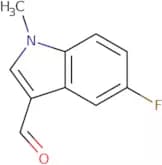
CAS:5-Fluoro-1-Methyl-1H-Indole-3-Carbaldehyde is a high quality chemical that is used as a reagent, an intermediate for the synthesis of pharmaceuticals, and in the production of fine chemicals. 5FMICA is also a useful scaffold for developing valuable building blocks. This chemical has been shown to be a versatile building block for the synthesis of complex compounds. 5FMICA can be used as a reaction component for the preparation of speciality chemicals and research chemicals.Fórmula:C10H8FNOPureza:Min. 95%Forma y color:PowderPeso molecular:177.18 g/mol1-Methylindole-6-carboxylic acid
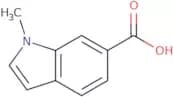
CAS:1-Methylindole-6-carboxylic acid is a versatile building block that is used in the synthesis of more complex compounds. It can be used as a reagent, speciality chemical, and useful building block for pharmaceuticals and other research chemicals. 1-Methylindole-6-carboxylic acid has been shown to be an effective intermediate for the production of a number of different compounds. The compound can also act as a reaction component or scaffold for chemical reactions.Fórmula:C10H9NO2Pureza:Min. 95%Forma y color:PowderPeso molecular:175.18 g/mol


![[2,2':6',2''- Terpyridine]-4'-methanol](/_next/image/?url=https%3A%2Fstatic.cymitquimica.com%2Fproducts%2F3D%2Fthumb-webp%2FFT171190.webp&w=3840&q=75)
![6-[4-(1-Cyclohexyl-1H-tetrazol-5-yl)butoxy]-3,4-dihydro-2(1H)-quinolinone](/_next/image/?url=https%3A%2Fstatic.cymitquimica.com%2Fproducts%2F3D%2Fthumb-webp%2FFC03161.webp&w=3840&q=75)



![1,2-Diazabicyclo[2.2.2]octan-3-one](/_next/image/?url=https%3A%2Fstatic.cymitquimica.com%2Fproducts%2FTR%2Fthumb-webp%2FD417148.webp&w=3840&q=75)
![2-[(Diethylamino)methyl]indole Methiodide](/_next/image/?url=https%3A%2Fstatic.cymitquimica.com%2Fproducts%2FTR%2Fthumb-webp%2FD460995.webp&w=3840&q=75)

![2-n-Butyl-d7-1,3-diazaspiro[4.4]non-1-en-4-one](/_next/image/?url=https%3A%2Fstatic.cymitquimica.com%2Fproducts%2FTR%2Fthumb-webp%2FB691033.webp&w=3840&q=75)


![[S-(R*,R*)]-2-[2-tert-Butyloxycarbonylamino-1-oxopropyl]-1,2,3,4-tetrahydro-3-isoquinolinecarboxyl…](/_next/image/?url=https%3A%2Fstatic.cymitquimica.com%2Fproducts%2FTR%2Fthumb-webp%2FB693505.webp&w=3840&q=75)
![1,1,2-Trimethyl-1H-benzo[e]indole-d6](/_next/image/?url=https%3A%2Fstatic.cymitquimica.com%2Fproducts%2FTR%2Fthumb-webp%2FT896032.webp&w=3840&q=75)


![2-Azabicyclo[2.2.1]heptane](/_next/image/?url=https%3A%2Fstatic.cymitquimica.com%2Fproducts%2F3D%2Fthumb-webp%2FFA116876.webp&w=3840&q=75)