Compuestos policíclicos
Los compuestos policíclicos son moléculas orgánicas que contienen múltiples anillos interconectados. Estos compuestos incluyen hidrocarburos aromáticos policíclicos y otros sistemas de anillos complejos. Son significativos en la ciencia de materiales, productos farmacéuticos y electrónica orgánica. En CymitQuimica, ofrecemos compuestos policíclicos de alta calidad para apoyar sus investigaciones y aplicaciones industriales, asegurando resultados confiables y efectivos en sus proyectos.
Subcategorías de "Compuestos policíclicos"
- Acridinas(97 productos)
- Antraquinonas(533 productos)
- Ácidos antraquinonesulfónicos(16 productos)
- Azobencenos(270 productos)
- Azonaftalenos(98 productos)
- Azoxibencenos(12 productos)
- Azulenos(11 productos)
- Benzimidazoles(1.470 productos)
- Benzodioxanos(27 productos)
- Benzofuranos(923 productos)
- Benzotiofenos(690 productos)
- Benzotriazoles(436 productos)
- Binaftilos(133 productos)
- Carbazoles(462 productos)
- Cromanos, Cromatos(480 productos)
- Cumarinas(1.121 productos)
- Ciclofanos(11 productos)
- Fluorenos y fluorenonas(381 productos)
- Imidazopiridinas(10 productos)
- Indans(118 productos)
- Indazoles(2.029 productos)
- Indenes(22 productos)
- Indoles(3.984 productos)
- Indolines(119 productos)
- Isatinos(231 productos)
- Isobenzofuranos(17 productos)
- Ftalimidas N-sustituidas(153 productos)
- Naftalenos(2.427 productos)
- Naftiridinas(17 productos)
- Naftoquinona(2 productos)
- Perilenos(36 productos)
- Fenazinas(25 productos)
- Ftalazinas(33 productos)
- Ftalimida(153 productos)
- Hidrocarburos aromáticos policíclicos (HAP)(270 productos)
- Polifenol(261 productos)
- Pteridinas(52 productos)
- Pirenos(87 productos)
- Quinuclidina(1 productos)
- Tetracenos(7 productos)
Mostrar 32 subcategorías más
Se han encontrado 4574 productos de "Compuestos policíclicos"
Ordenar por
Pureza (%)
0
100
|
0
|
50
|
90
|
95
|
100
6-Benzylamino-7-deazapurine
CAS:<p>6-Benzylamino-7-deazapurine is a drug that has been shown to be effective in the treatment of pancreatic cancer. It is a monomer that reacts with nucleophiles such as 6-mercaptopurine, which are present in the human lung. The reaction generates an exergonic molecule that can be used to generate ATP and regenerate NAD+ during irradiation. This process has been observed using kinetic studies on human colon adenocarcinoma cells. 6-Benzylamino-7-deazapurine can also react with triazole compounds to form a linker and increase the rate of polymerization. The optimization of this reaction time could lead to more efficient cancer treatments.</p>Fórmula:C13H12N4Pureza:Min. 95%Forma y color:PowderPeso molecular:224.26 g/mol5,6-Methylenedioxyindole
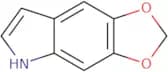
CAS:<p>5,6-Methylenedioxyindole (MDI) is a compound that is often used in the synthesis of other bioactive molecules. It has been shown to bind to the pyridinium moiety of receptor sites and form a stable complex, which can then be displaced by an agonist or antagonist. The binding experiments were performed using radioactive MDI and zoxazolamine as the ligand. Radiolabelled MDI was synthesized from 5-methyl-2-pyridinone with the use of a linker, methylenetriphenylphosphorane (MTPP). The molecular electrostatic potentials of the two compounds were calculated in order to investigate the possible binding interactions between them. Ellipticines are also synthesised using MDI as a precursor molecule, which is alkylated with dimethyl sulfate and then reacted with phenylhydrazine. This reaction produces a mixture containing both ellipticines and</p>Fórmula:C9H7NO2Pureza:Min. 95%Peso molecular:161.16 g/mol4,6-Dimethoxyindole
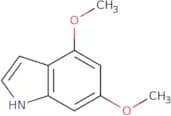
CAS:<p>4,6-Dimethoxyindole is a molecule that can be used as an amide or chloride. The molecular modeling study indicated that the 4,6-dimethoxyindole is hydrophobic and has a molecular weight of 164.4 g/mol. In the acetylation reaction, the 4,6-dimethoxyindole was synthesized with an acetyl group on one side of the molecule and an acetate group on the other side of the molecule. This molecule has shown to have anticholinesterase activity in vitro and can be used as an antibiotic. The synthesis of this molecule was confirmed by X-ray diffraction analysis, which showed that it had a crystal structure with two molecules in space group P2(1)2(1).</p>Fórmula:C10H11NO2Pureza:Min. 95%Peso molecular:177.2 g/molXanthine sodium salt monohydrate
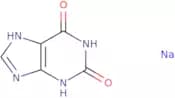
CAS:<p>Xanthine sodium salt monohydrate is a dietary supplement that is used to treat metabolic disorders such as hyperuricemia and gout. It also has antiviral effects against herpes simplex virus-1 (HSV-1) and type-2 (HSV-2). Xanthine sodium salt monohydrate inhibits the production of viral DNA polymerase, which causes cell death by inhibiting the synthesis of proteins vital for cell division. Xanthine sodium salt monohydrate can be used to inhibit the growth of cancer cells in vitro. The mechanism of action is not yet fully understood, but it is thought that xanthine may inhibit phosphodiesterase activity or have a direct effect on the cell membrane.</p>Fórmula:C5H3N4NaO2•H2OPureza:Min. 95 Area-%Forma y color:PowderPeso molecular:192.11 g/mol1-Methyl-1H-indole-2,3-dione
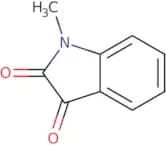
CAS:<p>1-Methyl-1H-indole-2,3-dione is a chemical compound that belongs to the class of indole derivatives. It can be synthesized by reacting 2,3-dihydroxybenzaldehyde with 2,2'-azobis(2-amidinopropane) dihydrochloride and methyl iodide in the presence of copper (II) acetate. This reaction mechanism is similar to that of other reactions involving an intramolecular hydrogen transfer. The binding constants for 1-methyl-1H-indole-2,3-dione are very high and this compound has been shown to inhibit herpes simplex virus replication in vitro. 1MIDD binds to the active site of tryptophan fluorescence and synchronous fluorescence proteins. 1MIDD also binds to copper ions in a coordination geometry that is similar to that found for other compounds containing a carbonyl group.</p>Fórmula:C9H7NO2Pureza:Min. 95%Forma y color:PowderPeso molecular:161.16 g/mol2-Amino-8-hydroxyquinoline
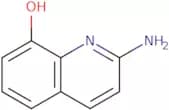
CAS:<p>2-Amino-8-hydroxyquinoline is a molecule that has been shown to have optical properties. 2-Amino-8-hydroxyquinoline has also been shown to be reactive in vitro and inhibit the growth of cancer cells. It is thought that this inhibition may be due to its ability to bind to the active site of DNA polymerase, preventing DNA replication. 2-Amino-8-hydroxyquinoline has also been shown in vitro studies and vivo studies to have potent inhibition activity against human serum albumin (HSA). The molecules that are used as linkers to attach 2-amino 8 hydroxyquinoline to other molecules are thermodynamically stable. The isomers of 2 amino 8 hydroxyquinoline have also been studied by X-ray crystallography and nuclear magnetic resonance spectroscopy, which provides information about the structure of the molecule. Finally, 2 amino 8 hydroxyquinoline has been found to be an odorant</p>Fórmula:C9H8N2OPureza:Min. 98%Forma y color:Off-White PowderPeso molecular:160.17 g/mol5-Chloro-3-methyl-1H-indole-2-carboxylic acid
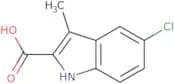
CAS:<p>5-Chloro-3-methyl-1H-indole-2-carboxylic acid (5CMC) is a versatile building block and research chemical. It has been shown to be an effective intermediate for the synthesis of many complex compounds with interesting pharmacological properties. 5CMC is also used as a speciality chemical in the production of pharmaceuticals, agrochemicals, and other chemicals. The compound is a fine chemical that can be used in various research and industrial applications.</p>Fórmula:C10H8ClNO2Pureza:Min. 95 Area-%Forma y color:PowderPeso molecular:209.63 g/molIndole-3-acetyl-L-tryptophan
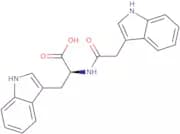
CAS:<p>Indole-3-acetyl-L-tryptophan is a water soluble anion that can be used as a recovery agent in the analysis of salicylic acid. It has been shown to quantitatively recover ammonium formate, which is an indicator for the presence of salicylic acid in a sample. Indole-3-acetyl-L-tryptophan also has been shown to quantitatively recover indole-3-acetyl-l -aspartic acid, which is another indicator for the presence of salicylic acid in a sample. Indole-3-acetyl L tryptophan can also be used to quantify and identify indoles. This compound has been proposed as a possible regulatory molecule for abscisic acid, which regulates plant growth and seed germination. Indole 3 acetyl tryptophan can also be used to measure the level of salicylic acid in plants and plant extracts by using UV spectrosc</p>Fórmula:C21H19N3O3Pureza:Min. 98 Area-%Forma y color:White Slightly Brown PowderPeso molecular:361.39 g/molN1-(6-Methoxy-8-quinolinyl)-1,4-pentanediamine
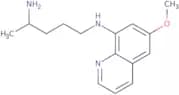
CAS:<p>Impurity found in Primaquine diphosphate</p>Fórmula:C15H21N3OPureza:Min. 95%Forma y color:Yellow PowderPeso molecular:259.35 g/mol1,1,3,3,4,4,4a,5,5,6,6,7,7,8,8,8a-Hexadecafluoro-2-(trifluoromethyl)decahydroisoquinoline
CAS:Producto controlado<p>1,1,3,3,4,4,4a,5,5,6,6,7,7,8,8,8a-Hexadecafluoro-2-(trifluoromethyl)decahydroisoquinoline is an organic solvent that has a very low boiling point and high volatility. It can be used in dry powder inhalers or as a component of hydrogel compositions for oxygen delivery to the lungs. The uptake of 1HF-2TFI into human colon carcinoma cells was found to be significantly higher than uptake by mammary carcinomas. This may be due to the difference in cell types and/or the phosphate group on the molecule. The binding constants of this molecule are also higher than those of other organic solvents such as acetone and ethanol. The results from a questionnaire study also indicated that 1HF-2TFI can be used for perfusion with oxygenated gas mixtures for</p>Fórmula:C10F19NPureza:Min. 95%Peso molecular:495.08 g/mol6-Fluoro-2-(2'-fluorobiphenyl-4-yl)-3-methylquinoline-4-carboxylic acid
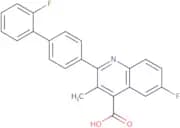
CAS:<p>Brequinar sodium is a drug that belongs to the class of quinoline carboxylic acid derivatives. It has been shown to be effective in the treatment of infectious diseases and bowel disease. Brequinar sodium inhibits bacterial growth by binding to DNA-dependent RNA polymerase, thereby preventing transcription and replication. The high frequency of human activity has been shown using a patch-clamp technique on human erythrocytes. This active form is metabolized through a number of metabolic transformations, including hydrolysis by esterases or glucuronidases, oxidation by cytochrome P450 enzymes, reduction by glutathione reductase, or conjugation with glucuronic acid. Brequinar also specifically binds to markers expressed at high levels in Mycobacterium tuberculosis strains (e.g., ESX-1 secretion system protein) and inhibits cell growth in culture.</p>Fórmula:C23H15F2NO2Pureza:Min. 97 Area-%Forma y color:White/Off-White SolidPeso molecular:375.37 g/mol(+/-)-Heraclenin
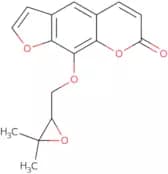
CAS:<p>(+/-)-Heraclenin is a naturally occurring coumarin, which is a class of organic compounds notable for diverse biological activities. This compound is primarily sourced from various plant species belonging to the family Apiaceae, such as Heracleum species. Coumarins like (+/-)-heraclenin are known for their ability to modify biological responses due to their chemical structure.</p>Fórmula:C16H14O5Pureza:Min. 98 Area-%Forma y color:PowderPeso molecular:286.28 g/mol4-Hydroxyindole
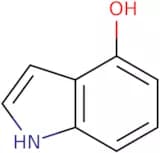
CAS:<p>4-Hydroxyindole is an inorganic acid that is produced by the oxidation of 4-hydroxyphenylacetic acid. It is a metabolite of the synthetic cannabinoids, JWH-018 and JWH-073. The production of 4-hydroxyindole has been shown to be dependent on the presence of a nucleophilic attack on the diazonium salt, which leads to protonation. The fluorescence properties of this molecule are dependent on its hydroxyl group, which allows for detection using magnetic resonance spectroscopy. Hydrochloric acid can be used as an alternate solvent to produce 4-hydroxyindole from 4-hydroxyphenylacetic acid. 4-Hydroxyindole has been shown to have pharmacokinetic properties that are similar to those of THC, but it does not bind well to cannabinoid receptors or activate them.br> br> The structure of this molecule can be seen below</p>Fórmula:C8H7NOForma y color:White PowderPeso molecular:133.15 g/mol(9R,11S,14S,16R,17R)-6,6,9-Trifluoro-11,17-Dihydroxy-17-(2-Hydroxyacetyl)-10,13,16-Trimethyl-8,11,12,14,15,16-Hexahydro-7H-Cyclopent a[a]Phenanthren-3-One
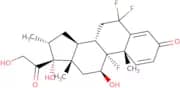
CAS:Producto controlado<p>(9R,11S,14S,16R,17R)-6,6,9-Trifluoro-11,17-dihydroxy-17-(2-hydroxyacetyl)-10,13,16-trimethyl-8,11,12,14,15,16-hexahydro-7H-cyclopenta[a]phenanthrene 3-one is a congestive heart failure drug that belongs to the group of cardiotonic drugs. It has high resistance to elution and is used in the diagnosis of autoimmune diseases. (9R,11S) 6-(1′Hexahydrocyclohexa[b]pyrrolo[2′1′b]indolizinium bromide) is a nitrogenous compound that has been employed as a pharmaceutical preparation for the treatment of cardiac disorders. The biological properties of (9R) 11-(2′Hydroxyacetyl</p>Fórmula:C22H27F3O5Pureza:Min. 95%Peso molecular:428.44 g/mol4-Amino isoquinoline
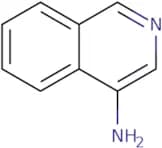
CAS:<p>4-Amino isoquinoline is a synthetic chemical that has a pyridine ring and chlorine atom. It can be synthesized by reacting 2,4-dichlorobenzene with acetaldehyde and hydrochloric acid. 4-Amino isoquinoline binds to the receptor that it interacts with, such as the ligand, dimethyl acetylenedicarboxylate, or taraxasterol acetate. This binding process can be used for treatment purposes. The ligand is usually introduced into the body through injection or ingestion of a drug. The ligand can also be attached to an antibody in order to target specific cells. The ligand has shown efficacy in treating cancerous tumors and other diseases like Parkinson's disease and Alzheimer's disease.</p>Fórmula:C9H8N2Pureza:Min. 95%Forma y color:White To Brown SolidPeso molecular:144.17 g/mol6-Methylpurine
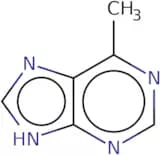
CAS:<p>6-Methylpurine is a product of the nucleotide metabolism in E. coli, which is a model organism for protein synthesis. 6-Methylpurine inhibits protein synthesis and exerts significant cytotoxicity. It has been shown to inhibit the enzyme activities of DNA polymerase alpha, DNA ligase, and RNA polymerase, as well as other enzymes involved in nitrogen metabolism. 6-Methylpurine has been shown to be an analog of adenine and has a similar reaction mechanism. The uptake of 6-methyl purine by cells is mediated by hydrogen bonds with amino acid residues on the cell membrane surface. This molecule also forms glycosidic bonds with ribose sugar groups on cellular surfaces. 6-Methylpurine plays an important role in energy metabolism through its incorporation into glucose and glycogen molecules.</p>Fórmula:C6H6N4Pureza:Min. 98 Area-%Forma y color:White PowderPeso molecular:134.14 g/mol3-Indolemethanol
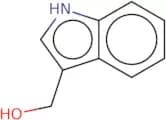
CAS:<p>3-Indolemethanol is a chemical compound that is used for chemiluminescent reaction. It can be used as an experimental model for studying the effects of 3-indolemethanol on murine hepatoma and human osteosarcoma cells in vitro. This compound has been shown to have oral hypoglycemic activity and to inhibit cancer cell growth. 3-Indolemethanol has also been shown to modulate signal pathways, such as the MAPK pathway, which may lead to pro-apoptotic protein activation or inhibition of physiological effects.</p>Fórmula:C9H9NOPureza:Min. 95%Forma y color:White PowderPeso molecular:147.18 g/molEsculin hydrate
CAS:<p>Fluorescent dye used in diagnostic culture media</p>Fórmula:C15H16O9·xH2OPureza:Min. 98 Area-%Forma y color:White PowderPeso molecular:340.28 g/mol6-Hydroxy-4-methylcoumarin
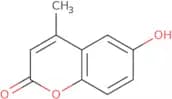
CAS:6-Hydroxy-4-methylcoumarin is a chemical compound that serves as a lactone derivative. It is commonly derived from synthetic sources through various organic reactions involving resorcinol and ethyl acetoacetate. The compound functions primarily through its ability to absorb ultraviolet light and fluoresce, making it highly valuable in spectroscopic analyses.Fórmula:C10H8O3Pureza:Min. 95%Peso molecular:176.17 g/mol2,6-Diaminopurine hemisulfate
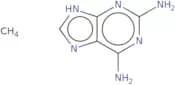
CAS:<p>2,6-Diaminopurine hemisulfate salt is a fine chemical that can be used as a building block for research chemicals, reagents, and specialty chemicals. It has been shown to be useful in the synthesis of various types of complex compounds. 2,6-Diaminopurine hemisulfate salt is also versatile in the sense that it can be used as an intermediate in reactions or as a scaffold for chemical synthesis. This product has CAS number 69369-16-0.</p>Fórmula:C5H6N6•(H2O4S)0Pureza:Min. 95%Forma y color:PowderPeso molecular:398.36 g/mol6-Azaspiro[2.5]octane hydrochloride
CAS:<p>6-Azaspiro[2.5]octane hydrochloride is a high quality, reagent, complex compound that is useful as an intermediate in the synthesis of various organic compounds. CAS No. 1037834-62-0 is a fine chemical with many applications including use as a building block and scaffold for speciality chemicals such as research chemicals and versatile building blocks for reactions. 6-Azaspiro[2.5]octane hydrochloride can be used for the synthesis of various compounds including pharmaceuticals, agrochemicals, flavors and fragrances, dyes and pigments, polymers and plasticizers, perfumes and flavorings, agricultural chemicals, surfactants, catalysts and solvents.</p>Fórmula:C7H14ClNPureza:Min. 95%Forma y color:PowderPeso molecular:147.65 g/mol1-Cyanoimidazole
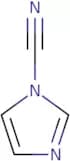
CAS:<p>1-Cyanoimidazole is a phosphodiester that is used in the chemical ligation of nucleic acids. It reacts with terminal alkynes to form covalent linkages between DNA molecules, and can be used as a crosslinker for dna duplexes. 1-Cyanoimidazole can be used as a phosphate group replacement in DNA replication. This compound has been shown to react with terminal alkyne groups on DNA templates, forming stable covalent linkages between strands in the presence of an appropriate nucleophile. 1-Cyanoimidazole has been shown to have sequence specificity and efficient method for linking strands of DNA.</p>Fórmula:C4H3N3Pureza:Min. 95%Forma y color:Off-White PowderPeso molecular:93.09 g/mol6-[4-(1-Cyclohexyl-1H-tetrazol-5-yl)butoxy]-3,4-dihydro-2(1H)-quinolinone
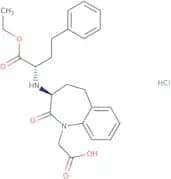
CAS:<p>Cilostazol is a drug that binds to ATP-binding cassette (ABC) transporters, which are proteins that transport molecules across membranes. It decreases the production of cyclic nucleotides and phosphodiesterase, which are important in the regulation of blood vessel tone. Cilostazol has been shown to be effective in treating heart failure and atherosclerosis. Cilostazol also inhibits cyclase activity, an enzyme involved in the synthesis of cyclic nucleotides, which leads to vasodilation by increasing the concentration of cAMP. The drug is available in both immediate-release and controlled-release preparations. Cilostazol can have serious side effects such as congestive heart failure or stroke if it is taken with other drugs that inhibit platelet aggregation such as aspirin or warfarin.</p>Fórmula:C20H27N5O2Pureza:Min. 95%Forma y color:White PowderPeso molecular:369.46 g/molBenazepril HCl
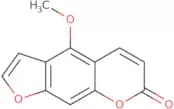
CAS:<p>Angiotensin-converting enzyme inhibitor; anti-hypertensive</p>Fórmula:C24H29ClN2O5Pureza:Min. 95%Forma y color:PowderPeso molecular:460.95 g/mol5-Methoxypsoralen
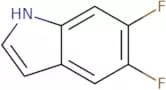
CAS:<p>5-Methoxypsoralen is a light-activated compound, which is a naturally derived organic substance found in certain plants, particularly from the Apiaceae family. This compound functions as a furocoumarin that interacts with DNA through photoactivation, forming cross-links upon exposure to ultraviolet A (UVA) light. These cross-links disrupt DNA replication, ultimately inhibiting cell proliferation.</p>Fórmula:C12H8O4Pureza:Min. 98 Area-%Forma y color:White PowderPeso molecular:216.19 g/mol5,6-Difluoroindole
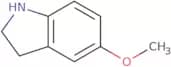
CAS:<p>5,6-Difluoroindole is a chemical compound that has been studied in biological and chemical research. It is an analog of the neurotransmitter serotonin, which binds to the 5-HT2C receptor and activates phospholipase C (PLC) to produce inositol triphosphate (IP3). This compound may be useful for the treatment of neurodegenerative diseases such as Alzheimer's disease. 5,6-Difluoroindole has been shown to block the activity of acetylcholinesterase (AChE), which is an enzyme that breaks down acetylcholine. This leads to an increase in acetylcholine levels and a decrease in AChE activity. The reaction mechanism for this process is not known.</p>Fórmula:C8H5NF2Forma y color:PowderPeso molecular:153.13 g/mol5-Methoxy-2,3-dihydroindoline
CAS:<p>5-Methoxy-2,3-dihydroindoline is a methoxy compound that is substituted with a methyl group. It has been shown to be an effective hydrogen transfer agent in cyclopentenone reactions, and can also be used as a sensor for nitroaromatic compounds. 5-Methoxy-2,3-dihydroindoline can be synthesized by the reaction of methoxylated aniline with sodium ethoxide in acetonitrile. This reaction produces the desired product in high yield (70%), and it can also be used for the methylation of secondary amines in good yield (80%). 5-Methoxy-2,3-dihydroindoline is potently active when titrated against benzo[a]pyrene.</p>Fórmula:C9H11NOPureza:Min. 95%Forma y color:PowderPeso molecular:149.19 g/mol6-Mercaptopurine hydrate
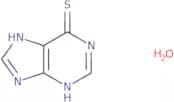
CAS:<p>6-Mercaptopurine is a purine analog that suppresses the production of white blood cells by inhibiting the enzyme thiopurine methyltransferase. It has been used to treat bowel disease and also for long-term suppression of the immune system in patients with autoimmune diseases. 6-Mercaptopurine is metabolized to 6-mercaptopurine, which is then converted to dinucleotide phosphate (dNTP) by group P2 enzymes. This conversion allows 6-mercaptopurine to inhibit dNTP synthesis and cell division. The effects of 6-mercaptopurine are potentiated when given in conjunction with azathioprine, another drug that inhibits purine metabolism. 6-Mercaptopurine is not active against human serum albumin or erythrocytes because it cannot be cleaved into an active form by these proteins. However, it does inhibit enzyme activities such as DNA polymerase, RNA polymerase, and protein</p>Fórmula:C5H4N4S•H2OPureza:Min. 97 Area-%Forma y color:Yellow PowderPeso molecular:152.18 g/mol4,4'-Diethyl-2,2'-bipyridine
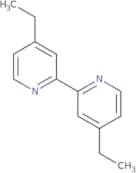
CAS:<p>Please enquire for more information about 4,4'-Diethyl-2,2'-bipyridine including the price, delivery time and more detailed product information at the technical inquiry form on this page</p>Fórmula:C14H16N2Pureza:Min. 95%Forma y color:PowderPeso molecular:212.29 g/mol7-Azaindole
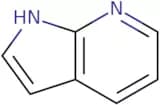
CAS:<p>7-Azaindole is a reactive chemical that has been shown to be effective in the treatment of skin cancer, as well as hepatic steatosis. The compound can promote the transfer of hydrogen atoms and form a dimer with protonated nitrogen. 7-Azaindole reacts rapidly with nucleophiles such as amines, alcohols, and thiols to form covalent bonds. The reaction mechanism is characterized by an initial protonation step followed by nucleophilic attack or hydrogen transfer from the nucleophile to 7-azaindole. Kinetic studies have demonstrated that the rate of this reaction depends on the concentration of both reactants.</p>Fórmula:C7H6N2Forma y color:PowderPeso molecular:118.14 g/mol4-Nitroindole
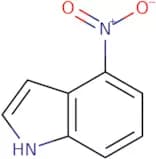
CAS:<p>4-Nitroindole is a chemical compound that is used to synthesize 5-hydroxytryptamine (5-HT) and also has been used as a substitute for tryptophan in the synthesis of serotonin. It can be prepared by reacting sodium nitrite with an organic acid such as acetic acid or propionic acid. The reaction proceeds through a diazonium salt intermediate, which is hydrolyzed with hydrochloric acid to give 4-nitroindole. 4-Nitroindole can also be prepared by the Friedel-Crafts reaction between an aromatic nitro compound and an alkyl halide. The hydrogen bond between the hydroxyl group and nitrogen atom in the molecule makes it soluble in organic solvents. In addition, the constant boiling point of the compound allows it to be analyzed using gas chromatography.</p>Fórmula:C8H6N2O2Pureza:Min. 95%Forma y color:PowderPeso molecular:162.15 g/mol7-Fluoroisatin
CAS:<p>7-Fluoroisatin is a crystalline compound that can exist as two different polymorphs. The metastable form of 7-fluoroisatin has been shown to have low energy vibrations and hydrogen bonding interactions, which are responsible for the intermolecular hydrogen bonding. 7-Fluoroisatin also has a tautomeric form that exists as a hydrochloride salt, which is not stable in the solid state. The protonated form of 7-fluoroisatin has been shown to be an excellent hydrogen bond acceptor, with the ability to stabilize long range interactions.</p>Fórmula:C8H4FNO2Pureza:Min. 95%Forma y color:SolidPeso molecular:165.12 g/mol2,4-Dihydroxy-6-methoxyquinoline
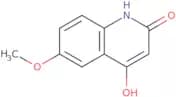
CAS:<p>2,4-Dihydroxy-6-methoxyquinoline is a compound that exhibits antifungal properties. It has been shown to have activity against Aspergillus flavus, Aspergillus fumigatus, Candida albicans and other fungi. 2,4-Dihydroxy-6-methoxyquinoline also inhibits the growth of E. coli and A. aureus in vitro. Elemental analysis showed that this compound possesses antibacterial properties and can inhibit the growth of Staphylococcus aureus.</p>Fórmula:C10H9NO3Pureza:Min. 95%Forma y color:PowderPeso molecular:191.18 g/mol1-Acetyl-5-bromoindole
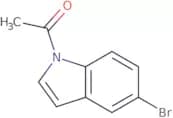
CAS:<p>1-Acetyl-5-bromoindole is a high quality reagent that is useful as an intermediate in the synthesis of a wide range of complex compounds. It can be used as a speciality chemical for research purposes or to make other chemicals. 1-Acetyl-5-bromoindole is also needed for the synthesis of indoles, which are useful scaffolds and building blocks in organic chemistry. This compound can be used to form reactions with other chemical compounds and can be used to create versatile building blocks.</p>Fórmula:C10H8BrNOPureza:Min. 95%Forma y color:SolidPeso molecular:238.08 g/mol4'-(4-Methylphenyl)-2,2':6',2''-terpyridine
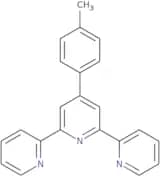
CAS:<p>4'-(4-Methylphenyl)-2,2':6',2''-terpyridine (TPEN) is a chemical compound with anti-cancer properties that has been shown to induce apoptosis in cancer cells. TPEN also inhibits the growth of tumor cells by interacting with mitochondria and inducing mitochondrial dysfunction. TPEN synergistically induces death in neuronal cells when combined with other agents that are known to cause neuronal cell death. In vivo studies have shown that TPEN produces neuroprotective effects at normoxic temperatures, but can be toxic at hyperthermic temperatures.</p>Fórmula:C22H17N3Pureza:Min. 95%Forma y color:PowderPeso molecular:323.39 g/molN-Nitroso-3-azabicyclo[3.3.0]octane
CAS:<p>N-Nitroso-3-azabicyclo[3.3.0]octane is a nitrosating agent that can be used for the determination of gliclazide in pharmaceuticals and other applications. It is synthesized by reacting 3-azabicyclo[3.3.0]octane with sodium nitrite in an alkaline environment, followed by hydrolysis with hydrochloric acid. Nitrosation reactions are usually slow, but N-nitroso-3-azabicyclo[3.3.0]octane has been shown to have a fast reaction kinetics, which makes it useful for the determination of gliclazide in pharmaceuticals and other applications. The product is analyzed using chromatographic techniques such as high performance liquid chromatography (HPLC) or gas chromatography/mass spectrometry (GC/MS). The product was found to be linear over the range of 0–</p>Fórmula:C7H12N2OPureza:Min. 95%Forma y color:Colorless PowderPeso molecular:140.18 g/mol7-Nitroindole-2-carboxylic acid
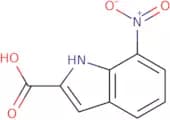
CAS:<p>7-Nitroindole-2-carboxylic acid is a molecule that has been shown to inhibit the activity of cytidine deaminase, an enzyme involved in the synthesis of DNA. This drug also inhibits the replication of dna and can be used for the treatment of cancer. 7-Nitroindole-2-carboxylic acid binds to basic proteins and has a helical structure. The affinity constants for this compound have not been reported, but it is thought that hydrogen bonding interactions are involved in its binding.</p>Fórmula:C9H6N2O4Pureza:Min. 95%Forma y color:PowderPeso molecular:206.16 g/mol6-Methyl-2,2':6',2''-terpyridine
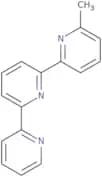
CAS:<p>6-Methyl-2,2':6',2''-terpyridine is a versatile building block that can be used in the synthesis of complex compounds. It is a fine chemical and is sold for research purposes only. 6-Methyl-2,2':6',2''-terpyridine has been used as a reagent or speciality chemical in the manufacture of pharmaceuticals, agrochemicals, and other organic compounds. This compound also has potential use as an intermediate in the synthesis of other useful compounds or scaffolds.</p>Fórmula:C16H13N3Pureza:Min. 85 Area-%Forma y color:PowderPeso molecular:247.29 g/mol5,7-Dibromo-8-hydroxyquinoline
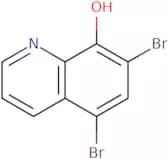
CAS:<p>5,7-Dibromo-8-hydroxyquinoline is a cytotoxic agent that has been shown to inhibit the growth of xenograft tumor cells. It was found to be effective in inhibiting the mitochondrial membrane potential and decrease the rate of cell proliferation. 5,7-Dibromo-8-hydroxyquinoline also showed significant cytotoxicity against carcinoma cell lines, with no effect on normal human fibroblast cells. The drug is an organophosphate compound that inhibits fatty acid synthesis by binding to an enzyme involved in fatty acid biosynthesis. This inhibition causes diarrhoea and sodium salt loss. 5,7-Dibromo-8-hydroxyquinoline can be extracted from hydrochloric acid through a solvent extraction process.</p>Fórmula:C9H5Br2NOPureza:Min. 95%Forma y color:PowderPeso molecular:302.95 g/molMethyl (1R,2S,3S,5S)-3-(4-Fluorophenyl)-8-[(E)-3-Iodoprop-2-Enyl]-8-Azabicyclo[3.2.1]Octane-2-Carboxylate
CAS:Producto controlado<p>Methyl (1R,2S,3S,5S)-3-(4-fluorophenyl)-8-[(E)-3-iodoprop-2-enyl]-8-azabicyclo[3.2.1]octane-2-carboxylate is an imaging agent that is used to diagnose and treat bowel diseases. It has pharmacokinetic properties that allow for a more accurate diagnosis of eye disorders and bowel disease. Methyl (1R,2S,3S,5S)-3-(4-fluorophenyl)-8-[(E)-3-iodoprop-2-enyl]-8-azabicyclo[3.2.1]octane-2-carboxylate is a DPPIV inhibitor that modulates the dopamine transporter in the brain by binding to its extracellular site of action on dopamine transporter proteins and blocking the reuptake of dopamine into the pres</p>Fórmula:C18H21FINO2Pureza:Min. 95%Peso molecular:429.27 g/molIndole
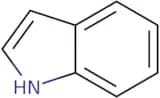
CAS:<p>Indole is a nitrogen-containing heterocyclic aromatic organic compound. Copper chloride in the presence of trifluoroacetic acid and indole gives rise to an indolenine derivative, which reacts with nitrogen atoms to form a copper nitride. This reaction is used as a model system for biological properties of indole. Indolenine has been shown to have bone cancer prevention and treatment effects in mice, and may also be beneficial in autoimmune diseases and metabolic disorders, due to its ability to inhibit toll-like receptor signaling pathways. The wild-type strain has shown resistance to antibiotics, which can be overcome by using mutant strains that are resistant to antibiotic treatments.</p>Fórmula:C8H7NPureza:Min. 95 Area-%Forma y color:Off-White PowderPeso molecular:117.15 g/mol4,4'-Dihydroxy-2,2'-bipyridine
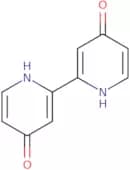
CAS:<p>4,4'-Dihydroxy-2,2'-bipyridine is a metallo-organic compound that can be used as a homogeneous catalyst for the oxidation of hydroxyl groups. It is also used in cancer research because it has been shown to inhibit tumor cell proliferation and induce apoptosis. 4,4'-Dihydroxy-2,2'-bipyridine is an activated form of 2,2'-bipyridyl with a hydroxyl group on its ortho position. It can be prepared by reacting bromine with the metal salt of 2-hydroxybenzaldehyde in the presence of sodium hydroxide. This reaction produces two products: 4,4'-dihydroxy-2,2'-bipyridine and 2-bromoethanol. The deuterium isotope is used for nuclear magnetic resonance spectroscopy studies because it has a spin quantum number of one and does not cause chemical shift</p>Fórmula:C10H8N2O2Pureza:Min. 98 Area-%Forma y color:White PowderPeso molecular:188.18 g/molMeranzin
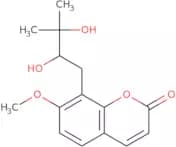
CAS:<p>Meranzin is a bioactive compound, which is a naturally occurring coumarin derivative found in various citrus fruits. Its source lies primarily in the peels and seeds of specific citrus species, notably within the Rutaceae family. The mode of action of Meranzin involves the inhibition of acetylcholinesterase, thereby influencing neurotransmitter activity, specifically in the modulation of acetylcholine levels. This action can have significant implications in research focused on neurodegenerative disorders.</p>Fórmula:C15H16O4Pureza:Min. 98 Area-%Forma y color:PowderPeso molecular:260.29 g/molIndole-3-carboxaldehyde
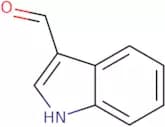
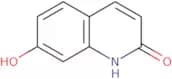
CAS:<p>Indole-3-carboxaldehyde is a chemical compound that is used as an antimicrobial agent. The biological properties of this compound are not well studied, but it has been shown to be effective against bacteria and fungi. Indole-3-carboxaldehyde has been shown to inhibit the enzyme activity of sodium carbonate, which is involved in the production of lactic acid in bacteria. This effect may contribute to its antibacterial activity. Indole-3-carboxaldehyde is also a potential anticancer agent because it can bind to toll-like receptor 4 (TLR4). Indole-3-carboxaldehyde reacts with sulfa drugs through a mechanism similar to the reaction between hydrogen peroxide and potassium permanganate. It has been shown that indole-3-carboxaldehyde can be used as a pesticide for plants and as an electrochemical impedance spectroscopy probe for histological analysis.</p>Fórmula:C9H7NOForma y color:PowderPeso molecular:145.16 g/mol7-Hydroxyquinoline-(1H)-2-one
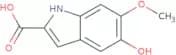
CAS:<p>7-Hydroxyquinoline-(1H)-2-one is a quinoline derivative that binds to epidermal growth factor (EGF) receptors. It has been shown to inhibit the chloride current in neurons, which may be due to its ability to bind to the dopamine receptors in these cells. 7-Hydroxyquinoline-(1H)-2-one also inhibits DNA and protein synthesis by binding to nucleophilic nitrogen atoms and protonated nitrogen atoms, respectively. It has been shown to have an inhibitory effect on cancer cell growth in control experiments. This drug is not active against normal cells because it does not bind well to them. 7-Hydroxyquinoline-(1H)-2-one binds with high affinity to piperazine and this interaction can be used as a fluorescent probe for the presence of quinoline derivatives.</p>Fórmula:C9H7NO2Pureza:Min. 95%Forma y color:PowderPeso molecular:161.16 g/mol5-Hydroxy-6-methoxyindole-carboxylic acid
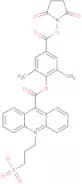
CAS:<p>5-Hydroxy-6-methoxyindole-carboxylic acid (5-HMICA) is a molecule that is found in the pericardium and urine of patients with cancer. 5-HMICA has been shown to suppress tumor growth and activate cell mediated cytotoxicity in vitro. It also induces T helper type 1 (Th1) immune responses, which are associated with the production of cytokines such as interferon gamma and tumor necrosis factor alpha.</p>Fórmula:C10H9NO4Forma y color:PowderPeso molecular:207.18 g/mol2',6'-Dimethylcarbonylphenyl-10-sulfopropylacridinium-9-carboxylate 4'-NHS ester
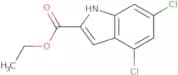
CAS:<p>2',6'-Dimethylcarbonylphenyl-10-sulfopropylacridinium-9-carboxylate 4'-NHS ester is a chemiluminescent acridinium ester label used widely in clinical diagnostics, particularly in automated immunochemistry analysers. Acridinium ester labels are also useful research tools for the investigation of protein-carbohydrate interactions to characterise the binding affinity between specific carbohydrate and its binding protein. An example of those are lectin-acridinium ester conjugates used as chemiluminescent probes.</p>Fórmula:C30H26N2O9SPureza:Min. 95 Area-%Forma y color:Yellow PowderPeso molecular:590.6 g/mol4,6-Dichloro-1H-indole-2-carboxylic acid ethyl ester
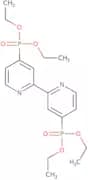
CAS:<p>4,6-Dichloro-1H-indole-2-carboxylic acid ethyl ester is a synthetic compound that functions as an agonist of the indole 2 receptor. It has been shown to have affinity for cortical and brain membranes, with a greater affinity for acidic regions of the membrane. 4,6-Dichloro-1H-indole-2-carboxylic acid ethyl ester is also capable of binding to the indole 2 receptor and activating it. The carboxyl group in this compound is substituted with benzene rings, which are connected by a moiety containing two carboxylic groups. 4,6-Dichloro-1H-indole-2-carboxylic acid ethyl ester was synthesised from 1H -indole acetic acid and chloroethane in four steps.</p>Fórmula:C11H9Cl2NO2Pureza:Min. 95%Forma y color:SolidPeso molecular:258.1 g/molTetraethyl 2,2'-bipyridine-4,4'-diylbisphosphonate
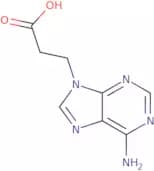
CAS:<p>Tetraethyl 2,2'-bipyridine-4,4'-diylbisphosphonate is a chemical that is used as an intermediate in the synthesis of other fine chemicals. Tetraethyl 2,2'-bipyridine-4,4'-diylbisphosphonate can be used as a building block for synthesis of more complex compounds with high chemical and biological activity. Tetraethyl 2,2'-bipyridine-4,4'-diylbisphosphonate can also be used to synthesize speciality chemicals or research chemicals. This compound has many versatile uses due to its ability to react with different substances to form new chemical compounds.</p>Fórmula:C18H26N2O6P2Pureza:Min. 95%Forma y color:PowderPeso molecular:428.36 g/mol6-Amino-9H-purine-9-propanoic acid
CAS:<p>6-Amino-9H-purine-9-propanoic acid is an acid lactam that belongs to the class of dihedral molecules. It is a colorless solid that crystallizes in plates, which have been shown to have a strong affinity for ammonium ions. 6-Amino-9H-purine-9-propanoic acid has been shown to be a substrate for the enzyme purine nucleoside phosphorylase, which catalyzes the phosphorolysis of nucleosides with the release of inorganic phosphate and ribose 5'-phosphate. The molecule can also react with electron radiation to form gamma rays, which may lead to its use as a molecular probe.</p>Fórmula:C8H9N5O2Pureza:Min. 95%Forma y color:PowderPeso molecular:207.19 g/mol




![6-Azaspiro[2.5]octane hydrochloride](/_next/image/?url=https%3A%2Fstatic.cymitquimica.com%2Fproducts%2F3D%2Fthumb-webp%2FFA141499.webp&w=3840&q=75)
![6-[4-(1-Cyclohexyl-1H-tetrazol-5-yl)butoxy]-3,4-dihydro-2(1H)-quinolinone](/_next/image/?url=https%3A%2Fstatic.cymitquimica.com%2Fproducts%2F3D%2Fthumb-webp%2FFC03161.webp&w=3840&q=75)

![N-Nitroso-3-azabicyclo[3.3.0]octane](/_next/image/?url=https%3A%2Fstatic.cymitquimica.com%2Fproducts%2F3D%2Fthumb-webp%2FFN166610.webp&w=3840&q=75)
![Methyl (1R,2S,3S,5S)-3-(4-Fluorophenyl)-8-[(E)-3-Iodoprop-2-Enyl]-8-Azabicyclo[3.2.1]Octane-2-Carb…](/_next/image/?url=https%3A%2Fstatic.cymitquimica.com%2Fproducts%2F3D%2Fthumb-webp%2FFM102777.webp&w=3840&q=75)