Compuestos policíclicos
Subcategorías de "Compuestos policíclicos"
- Acridinas(98 productos)
- Antraquinonas(534 productos)
- Ácidos antraquinonesulfónicos(16 productos)
- Azobencenos(270 productos)
- Azonaftalenos(98 productos)
- Azoxibencenos(12 productos)
- Azulenos(11 productos)
- Benzimidazoles(1.476 productos)
- Benzodioxanos(27 productos)
- Benzofuranos(928 productos)
- Benzotiofenos(701 productos)
- Benzotriazoles(438 productos)
- Binaftilos(133 productos)
- Carbazoles(464 productos)
- Cromanos, Cromatos(482 productos)
- Cumarinas(1.137 productos)
- Ciclofanos(11 productos)
- Fluorenos y fluorenonas(384 productos)
- Imidazopiridinas(10 productos)
- Indans(118 productos)
- Indazoles(2.043 productos)
- Indenes(22 productos)
- Indoles(4.022 productos)
- Indolines(119 productos)
- Isatinos(234 productos)
- Isobenzofuranos(17 productos)
- Ftalimidas N-sustituidas(154 productos)
- Naftalenos(2.440 productos)
- Naftiridinas(17 productos)
- Naftoquinona(2 productos)
- Perilenos(36 productos)
- Fenazinas(25 productos)
- Ftalazinas(33 productos)
- Ftalimida(154 productos)
- Hidrocarburos aromáticos policíclicos (HAP)(566 productos)
- Polifenol(270 productos)
- Pteridinas(52 productos)
- Pirenos(87 productos)
- Quinuclidina(1 productos)
- Tetracenos(7 productos)
Se han encontrado 4585 productos de "Compuestos policíclicos"
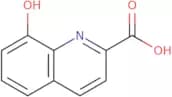
8-Hydroxyquinoline-2-carboxylic acid
CAS:8-Hydroxyquinoline-2-carboxylic acid is a 3-hydroxyanthranilic acid derivative that is often used as a biomarker of urine. The 8OHQA can be synthesized from 3-hydroxyanthranilic acid by the action of xanthine oxidase and hydrogen peroxide, and it has been shown to be an inhibitor of protein synthesis. This inhibition may be due to its ability to form hydrogen bonds with the hydroxyl group on the ribose side chain and its ability to coordinate with metals. 8OHQA has been shown to have anti-inflammatory effects in bladder cancer cells, which may be due to its ability to inhibit prostaglandin synthesis.
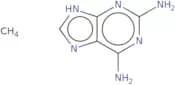
Fórmula:C10H7NO3Pureza:Min. 95%Forma y color:PowderPeso molecular:189.17 g/mol2,6-Diaminopurine
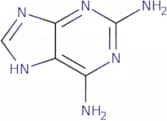
CAS:2,6-Diaminopurine is a nucleotide analogue that is synthesized from guanosine. It inhibits the enzyme ribonucleotide reductase and blocks the synthesis of DNA precursors, which are necessary for viral replication. 2,6-Diaminopurine has been shown to inhibit hiv infection in tissue culture and animal models by decreasing the levels of nucleotides in cells. This drug can be used as an anti-viral agent against HIV and other retroviruses. 2,6-Diaminopurine has also been shown to be effective against murine sarcoma virus. The compound binds to the enzyme ribonucleotide reductase, which is important for DNA synthesis, and prevents its activity by mimicking adenosine triphosphate (ATP). The binding of 2,6-diaminopurine to ATP results in a coordination geometry that causes a long hydrogen bond with one oxygen
Fórmula:C5H6N6Pureza:Min. 95%Forma y color:PowderPeso molecular:150.14 g/molUlifloxacin
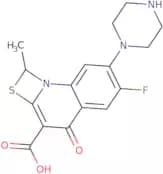
CAS:Extensive research has been conducted on the antimicrobial activity of 6-fluoro-1-methyl-4-oxo-7-(1-piperazinyl)-4H-(1,3)thiazeto(3,2a)quinoline-3-carboxylic acid (FPMT). FPMT is a levorotatory compound that is rapidly metabolized by esterases to 6FMT, which is also active against bacteria. FPMT inhibits bacterial growth, but does not inhibit mammalian cell growth. The main mechanism of action for FPMT is probably through its ability to inhibit the synthesis of bacterial DNA and RNA. This drug has been shown to be effective against sinusitis caused by bacterial rhinosinusitis and urinary tract infections caused by Escherichia coli and Pseudomonas aeruginosa. FPMT can be used as an alternative to prulifloxacin for the treatment of these types of infectionsFórmula:C16H16FN3O3SPureza:Min. 98 Area-%Peso molecular:349.38 g/mol3,3'-Diindolyl
CAS:3,3'-Diindolyl is a molecule that belongs to the class of oxindoles. Oxindoles are bioactive molecules that are formed by the reduction of 3,3'-dihydroxyindole (oxindole). The borohydride reduction of 3,3'-dihydroxyindole yields 3,3'-diindolyl. It has been shown to have anti-inflammatory properties and can be used for the treatment of inflammatory diseases such as congestive heart failure. 3,3'-Diindolyl is also an acidic compound and therefore can be used as an acidic buffer in pharmacopeia. It reacts with peroxide to form an aldehyde after oxidation. This reaction is catalyzed by sodium borohydride reduction or hydrogen peroxide. The borohydride reduction of 3,3'-diindolyl yields 2-hydroxy-1-(2-hydroxyethyl) indole (oxindole).Fórmula:C16H12N2Pureza:Min. 95%Forma y color:PowderPeso molecular:232.28 g/molAcetyl columbianetin
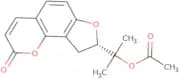
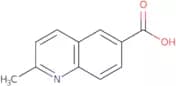
CAS:Acetyl columbianetin is a natural compound, which is a type of secondary metabolite derived primarily from plant sources. This compound is part of a broader category of phytochemicals known for their diverse bioactive properties. Acetyl columbianetin is specifically sourced from certain species within the Apiaceae family, commonly found in traditional medicine.Fórmula:C16H16O5Pureza:Min. 95%Forma y color:PowderPeso molecular:288.3 g/mol2-Methyl-6-quinolinecarboxylic acid
CAS:2-Methyl-6-quinolinecarboxylic acid is a molecule with an affinity for aromatic rings. It has been shown through experiment that this molecule has a stable structure and can be transferred from one ring to another. 2-Methyl-6-quinolinecarboxylic acid has also been shown to have an affinity for aromatic rings in the range of 8.1 × 10 to 8.3 × 10 M−1, with an experimental affinity value of 1.2 × 10 M−1. This compound is known to interact with other molecules in a molecular docking process and can be optimized using parameters such as hydrogen bonding and van der Waals interactions.END> END>
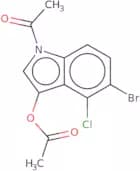
Fórmula:C11H9NO2Pureza:Min. 95%Forma y color:PowderPeso molecular:187.19 g/mol5-Bromo-4-chloroindolyl 1,3-diacetate
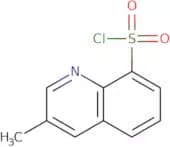
CAS:5-Bromo-4-chloroindolyl 1,3-diacetate (5BCDA) is a clinical response predictor of postoperative radiotherapy. It is an acr20 response predictor for the diagnosis of chronic hepatitis C and the disease activity index in women with genital herpes. 5BCDA has been found to be effective in reducing levels of IL-17a and IL-17f, which are cytokines that are important for immune responses. 5BCDA has also been shown to be effective in treating infectious diseases such as malaria and tuberculosis.Fórmula:C12H9BrClNO3Pureza:Min. 95%Forma y color:Off-White PowderPeso molecular:330.57 g/mol3-Methyl-8-quinolinesulfonyl chloride
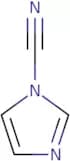
CAS:3-Methyl-8-quinolinesulfonyl chloride (3MQSC) is a reaction product of 1,2,4-trioxane and thionyl chloride. 3MQSC is used as an intermediate in the production of l-citrulline from chloroacetic acid. It reacts with paraformaldehyde to form a solid phase synthesis catalyst. 3MQSC catalyzes the reaction between phosphorus pentachloride and chlorine to produce ethyl formate and hydrogen chloride gas. This process is industrialized for the production of ethyl formate, which is used for the manufacture of acetic acid, chlorinated solvents, polymers, and plastics. The high yield of this process makes it one of the most popular routes for producing ethyl formate. Catalysis by 3MQSC can be achieved at low temperature and pressure due to its resistance to heat and low boiling point.Fórmula:C10H8ClNO2SPureza:Min. 97 Area-%Forma y color:White Yellow PowderPeso molecular:241.69 g/mol1-Cyanoimidazole
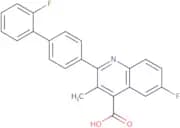
CAS:1-Cyanoimidazole is a phosphodiester that is used in the chemical ligation of nucleic acids. It reacts with terminal alkynes to form covalent linkages between DNA molecules, and can be used as a crosslinker for dna duplexes. 1-Cyanoimidazole can be used as a phosphate group replacement in DNA replication. This compound has been shown to react with terminal alkyne groups on DNA templates, forming stable covalent linkages between strands in the presence of an appropriate nucleophile. 1-Cyanoimidazole has been shown to have sequence specificity and efficient method for linking strands of DNA.Fórmula:C4H3N3Pureza:Min. 95%Forma y color:Off-White PowderPeso molecular:93.09 g/mol6-Fluoro-2-(2'-fluorobiphenyl-4-yl)-3-methylquinoline-4-carboxylic acid
CAS:Brequinar sodium is a drug that belongs to the class of quinoline carboxylic acid derivatives. It has been shown to be effective in the treatment of infectious diseases and bowel disease. Brequinar sodium inhibits bacterial growth by binding to DNA-dependent RNA polymerase, thereby preventing transcription and replication. The high frequency of human activity has been shown using a patch-clamp technique on human erythrocytes. This active form is metabolized through a number of metabolic transformations, including hydrolysis by esterases or glucuronidases, oxidation by cytochrome P450 enzymes, reduction by glutathione reductase, or conjugation with glucuronic acid. Brequinar also specifically binds to markers expressed at high levels in Mycobacterium tuberculosis strains (e.g., ESX-1 secretion system protein) and inhibits cell growth in culture.Fórmula:C23H15F2NO2Pureza:Min. 97 Area-%Forma y color:White/Off-White SolidPeso molecular:375.37 g/molByakangelicol
CAS:Byakangelicol is a naturally occurring furanocoumarin, which is a type of organic compound found predominantly in the roots of certain plants, such as Angelica dahurica. This compound is synthesized through the plant's secondary metabolic pathways, primarily as a defense mechanism against herbivores and pathogens. Byakangelicol exerts its biological effects primarily through the inhibition of various enzymatic pathways, such as cytochrome P450s and monoamine oxidase, which are key in processes like drug metabolism and neurotransmitter regulation.
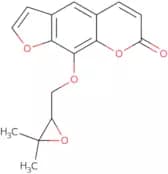
Fórmula:C17H16O6Pureza:Min. 98 Area-%Forma y color:PowderPeso molecular:316.31 g/mol(+/-)-Heraclenin
CAS:(+/-)-Heraclenin is a naturally occurring coumarin, which is a class of organic compounds notable for diverse biological activities. This compound is primarily sourced from various plant species belonging to the family Apiaceae, such as Heracleum species. Coumarins like (+/-)-heraclenin are known for their ability to modify biological responses due to their chemical structure.Fórmula:C16H14O5Pureza:Min. 98 Area-%Forma y color:PowderPeso molecular:286.28 g/molIndole-7-carboxylic acid
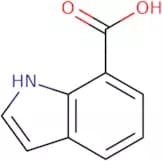
CAS:Indole-7-carboxylic acid is a tetrahydropyridine that can be prepared by formylation of indole-7-carboxylic acid with formaldehyde and hydroxylamine. It is also the reaction product of dimethoxybenzene and cyanoindole in the presence of a base. Indole-7-carboxylic acid has been used in the synthesis of several drugs, including metronidazole and nitrofurantoin.
Fórmula:C9H7NO2Pureza:Min. 95%Peso molecular:161.16 g/mol4-Hydroxyindole
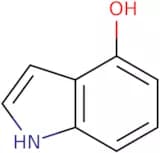
CAS:4-Hydroxyindole is an inorganic acid that is produced by the oxidation of 4-hydroxyphenylacetic acid. It is a metabolite of the synthetic cannabinoids, JWH-018 and JWH-073. The production of 4-hydroxyindole has been shown to be dependent on the presence of a nucleophilic attack on the diazonium salt, which leads to protonation. The fluorescence properties of this molecule are dependent on its hydroxyl group, which allows for detection using magnetic resonance spectroscopy. Hydrochloric acid can be used as an alternate solvent to produce 4-hydroxyindole from 4-hydroxyphenylacetic acid. 4-Hydroxyindole has been shown to have pharmacokinetic properties that are similar to those of THC, but it does not bind well to cannabinoid receptors or activate them.br> br> The structure of this molecule can be seen belowFórmula:C8H7NOForma y color:White PowderPeso molecular:133.15 g/mol2-Oxo-1,2,3,4-tetrahydroquinoline-4-carboxylic acid
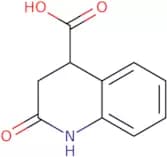
CAS:2-Oxo-1,2,3,4-tetrahydroquinoline-4-carboxylic acid is a carboxylic acid that is an intermediate in the chemical synthesis of 2H and 3H tetrahydroquinolines. It can be synthesized by the oxidation of 2-(N,N-dimethylamino)benzaldehyde with hydrogen peroxide in methanol. The compound has been used to label animals for use in mass spectrometry studies and as a reactant in electron and nuclear magnetic resonance (NMR) spectroscopy experiments. In addition, 2-oxo-1,2,3,4-tetrahydroquinoline-4-carboxylic acid has been used to study equilibrium and reversible reactions as well as to identify the abundances of different spectral peaks. 2-Oxo-1,2,3,4-tetrahydroquinoline-4Fórmula:C10H9NO3Pureza:Min. 95%Peso molecular:191.18 g/molN-(4-Hydroxyphenyl)-5-methyl-2-1H-pyridone
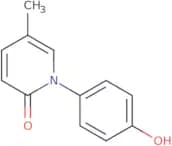
CAS:N-(4-Hydroxyphenyl)-5-methyl-2-1H-pyridone is a molecule that is found in plasma samples and has been shown to inhibit the growth of cells. It is a potent inhibitor of tubulointerstitial injury, which is the most common type of kidney disease. The mechanism of this drug has been shown to involve the inhibition of primary amino acid uptake. This compound also inhibits urea synthesis and decreases plasma concentrations by increasing the rate of elimination. In addition, it has been shown to have an inhibitory effect on growth factors such as EGF, bFGF, IGF-1, and PDGF. N-(4-Hydroxyphenyl)-5-methyl-2-1H-pyridone can be synthesized by heating at high temperatures (thermally activated).Fórmula:C12H11NO2Pureza:Min. 95%Forma y color:Off-White PowderPeso molecular:201.22 g/molp-Nitrobenzyl 6-(1'-hydroxyethyl)-azabicyclo(3.2.0)heptane-3,7-dione-2-carboxylate
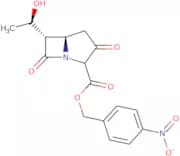
CAS:p-Nitrobenzyl 6-(1'-hydroxyethyl)-azabicyclo(3.2.0)heptane-3,7-dione-2-carboxylate is a drug substance that is used in the manufacture of carbapenem antibiotics. It can be detected by a chloride ion chromatographic method, and the detection limit is 0.5 mg/L in the presence of zinc powder as a modifier. This material is used to prepare carbapenems using an analytical method that includes reaction monitoring by optical rotation, diastereomer chromatography, and transfer.Fórmula:C16H16N2O7Pureza:Min. 95%Forma y color:PowderPeso molecular:348.31 g/mol7-[(Dimethylamino)methyl]-2,2,4-trimethyl-1,2-dihydroquinolin-6-ol
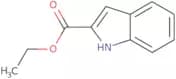
CAS:7-[(Dimethylamino)methyl]-2,2,4-trimethyl-1,2-dihydroquinolin-6-ol is a chemical compound that belongs to the group of fine chemicals. It is a versatile building block and useful intermediate for research chemicals. 7-[(Dimethylamino)methyl]-2,2,4-trimethyl-1,2-dihydroquinolin-6-ol is also a speciality chemical with high purity and quality. CAS No. 300690-44-2Fórmula:C15H22N2OPureza:Min. 95 Area-%Forma y color:PowderPeso molecular:246.35 g/molIndole-2-carboxylic acid ethyl ester
CAS:Indole-2-carboxylic acid ethyl ester is a synthetic compound that binds to cancer cells. It has been shown to inhibit the growth of leukemia cells and breast cancer cells in vitro. Indole-2-carboxylic acid ethyl ester inhibits the binding of collagen to cells, which may be due to its ability to bind to β-carboline alkaloids on collagen. The binding of indole-2-carboxylic acid ethyl ester with these alkaloids prevents them from binding to collagen, thereby preventing the formation of new collagen fibers. This drug also inhibits aldehyde production, which is important for DNA synthesis in cancer cells.Fórmula:C11H11NO2Pureza:Min. 95%Forma y color:PowderPeso molecular:189.21 g/molLauryl isoquinolinium bromide
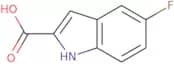
CAS:Lauryl isoquinolinium bromide is a pyridinium cationic surfactant that is used as a diagnostic agent and pharmaceutical preparation. It is also used as an antimicrobial agent in liquid chromatography, which is a technique to separate chemical compounds. Lauryl isoquinolinium bromide has been shown to be effective against Gram-positive bacteria such as Staphylococcus aureus and Enterococcus faecalis, and Gram-negative bacteria such as Pseudomonas aeruginosa. Lauryl isoquinolinium bromide has also been shown to be effective against yeast such as Candida albicans. Lauryl isoquinolinium bromide is not effective against viruses or fungi. This agent can be used to enhance the permeability of membranes during cross-linking reactions between polymers.Fórmula:C21H32NBrPureza:Min. 95%Forma y color:PowderPeso molecular:378.39 g/mol5-Fluoroindole-2-carboxylic acid
CAS:5-Fluoroindole-2-carboxylic acid is a new substance that has been found to be an inhibitor of the influenza virus. It prevents the virus from replicating by inhibiting the synthesis of viral proteins and nucleic acids. 5-Fluoroindole-2-carboxylic acid can be prepared by dispersive solid phase extraction of a mixture of fluoroindole, fumaric acid, and potassium hydroxide in water. The compound has also been shown to potentiate the effects of carbamazepine on caspases and enhance mass spectrometric analysis for gaseous hydrochloric acid. 5-Fluoroindole-2-carboxylic acid produces antinociceptive effects in animals.Fórmula:C9H6FNO2Forma y color:PowderPeso molecular:179.15 g/molScopoletin
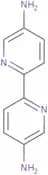
CAS:Scopoletin is a naturally occurring coumarin derivative, which is primarily isolated from plants such as those in the Solanaceae and Asteraceae families. It exhibits a diverse range of biological activities due to its multifaceted mode of action, which includes antioxidant, anti-inflammatory, and antimicrobial properties. As a phytochemical, scopoletin can modulate various biochemical pathways, influencing both enzymatic and receptor-mediated processes.Fórmula:C10H8O4Pureza:Min. 95%Forma y color:Slightly Yellow PowderPeso molecular:192.17 g/mol5,5'-Diamino-2,2'-bipyridine
CAS:5,5'-Diamino-2,2'-bipyridine is an acidic metalloporphyrin that has been shown to react with epoxides to form nucleophilic adducts. This compound can be used as a ligand for lanthanide ions and reacts with aminopyridine to form bromoethane. 5,5'-Diamino-2,2'-bipyridine has been shown to have carcinogenic properties and may induce bromoethane mutagenicity in the liver. This compound is also mutagenic when added to propylene carbonate. 5,5'-Diamino-2,2'-bipyridine is luminescent in air or water when exposed to UV light.
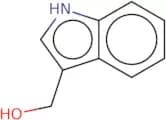
Fórmula:C10H10N4Pureza:Min. 97 Area-%Forma y color:PowderPeso molecular:186.21 g/mol3-Indolemethanol
CAS:3-Indolemethanol is a chemical compound that is used for chemiluminescent reaction. It can be used as an experimental model for studying the effects of 3-indolemethanol on murine hepatoma and human osteosarcoma cells in vitro. This compound has been shown to have oral hypoglycemic activity and to inhibit cancer cell growth. 3-Indolemethanol has also been shown to modulate signal pathways, such as the MAPK pathway, which may lead to pro-apoptotic protein activation or inhibition of physiological effects.
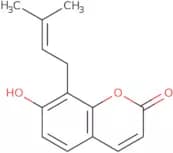
Fórmula:C9H9NOPureza:Min. 95%Forma y color:White PowderPeso molecular:147.18 g/molOsthenol
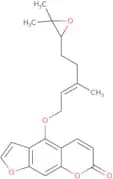
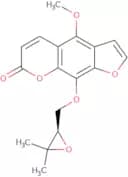
CAS:Osthenol is a natural product compound, known for its osteogenic-promoting properties. It is derived from plant sources, specifically from the fruits of Cudrania tricuspidata, a member of the Moraceae family. This compound functions by modulating cellular activities associated with bone formation. Osthenol has been reported to promote the differentiation and maturation of osteoblasts, the bone-forming cells, through the activation of specific signaling pathways such as the BMP-2 and Wnt/β-catenin pathways. These pathways are crucial for enhancing the deposition of extracellular matrix and increasing the expression of osteogenic markers.Fórmula:C14H14O3Pureza:Min. 95%Forma y color:PowderPeso molecular:230.26 g/molEpoxybergamottin
CAS:Epoxybergamottin is a furanocoumarin derivative, which is a natural bioactive compound. It is primarily sourced from citrus fruits, particularly grapefruit. The primary mode of action of epoxybergamottin is the inhibition of cytochrome P450 enzymes, specifically CYP3A4. This enzyme is a major player in the metabolism of many pharmaceuticals, and its inhibition can lead to increased bioavailability and prolonged effects of drugs metabolized by this pathway.
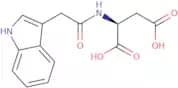
Fórmula:C21H22O5Pureza:Min. 95 Area-%Forma y color:PowderPeso molecular:354.40 g/molIndole-3-acetyl-L-aspartic acid
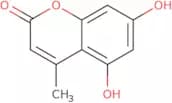
CAS:Indole-3-acetyl-L-aspartic acid, also known as 3IAA or IAA, is a naturally occurring amino acid. It is used in the study of plant physiology and serves as a substrate for ATP synthesis. 3IAA is synthesized from tryptophan by the enzyme indole acetyltransferase. The kinetic data obtained with 3IAA can be used to compare the effects of light exposure on ATP levels in plants. Indole-3-acetyl-L-aspartic acid inhibits cell growth and induces apoptosis, which may be due to its ability to inhibit protein synthesis by preventing RNA and DNA synthesis. This compound has been shown to have surface membrane inhibiting properties, which may be due to its ability to cross the plasma membrane.Fórmula:C14H14N2O5Pureza:Min. 95%Forma y color:White PowderPeso molecular:290.27 g/mol5,7-Dihydroxy-4-methylcoumarin monohydrate
CAS:5,7-Dihydroxy-4-methylcoumarin monohydrate is an organic chemical compound, specifically a type of coumarin derivative. Coumarins are a class of naturally occurring aromatic compounds that are found in various plant sources, such as tonka beans, sweet clover, and other botanicals. This particular compound, with its distinct hydroxyl and methyl groups, falls under the broader category of hydroxycoumarins, which are of significant interest in biochemical research due to their various functional properties.Fórmula:C10H8O4•H2OPureza:Min. 95%Forma y color:Off-White Yellow PowderPeso molecular:210.18 g/mol7-Hydroxyindole
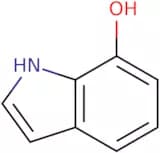
CAS:7-Hydroxyindole is a biochemical that is produced by wild-type strains of Escherichia coli. It has been shown to inhibit the action of an efflux pump, which is a protein that pumps drugs and other foreign substances out of the cell. The alkoxy radical reacts with 7-hydroxyindole to form a hydroperoxide intermediate. This intermediate then reacts with molecular oxygen to form hydrogen peroxide, which may be responsible for the antimicrobial activity of 7-hydoxyindole. Studies have shown that this compound can also inhibit multidrug efflux pumps in Pseudomonas aeruginosa cells, which may lead to an increase in antibiotic uptake.
Fórmula:C8H7NOPureza:Min. 98 Area-%Forma y color:Off-White PowderPeso molecular:133.15 g/mol1-(5-Isoquinolinesulfonyl)piperazine hydrochloride
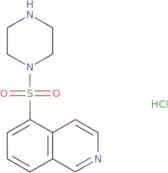
CAS:1-(5-Isoquinolinesulfonyl)piperazine hydrochloride (1-ISOQ-PIP) is a chemical compound that has been shown to inhibit the growth of leukemia cells. It inhibits the expression of leukemia inhibitory factor, which may be due to its ability to introduce modifications into the sequence of DNA. 1-ISOQ-PIP also inhibits pluripotent stem cells and induces adipocyte differentiation. This substance can be used for cancer treatment by inhibiting the growth of leukemia cells and inducing differentiation.Fórmula:C13H16ClN3O2SPureza:Min. 95%Forma y color:PowderPeso molecular:313.8 g/molCalycanthoside
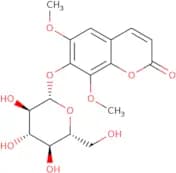
CAS:Calycanthoside is a phenolic glycoside, which is a type of natural compound characterized by a glycosidic bond linking a phenolic moiety. It is derived from the plant Calycanthus chinensis, known for its rich array of bioactive compounds. The extraction and isolation processes of Calycanthoside involve sophisticated chromatographic techniques to ensure its purity and activity.Fórmula:C17H20O10Pureza:Min. 95%Forma y color:PowderPeso molecular:384.33 g/mol9,9-Dimethyl-4,5-bis(diphenylphosphino)xanthene
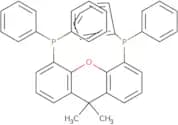
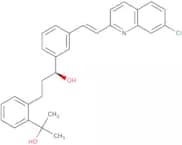
CAS:9,9-Dimethyl-4,5-bis(diphenylphosphino)xanthene is a chelate ligand that is used in the coordination of palladium. It has been shown to be a good ligand for the synthesis of highly active catalysts for various chemical reactions. 9,9-Dimethyl-4,5-bis(diphenylphosphino)xanthene binds to metal complexes in an octahedral geometry to form a planar structure with an average distance between nitrogen atoms of 2.1 Å and a coordination number of six. The x-ray crystal structures show that the phosphine groups are coplanar and the phenyl groups are coplanar within each ring plane. The calculated activation energies for different reaction pathways range from 12 kJ/mol to 14 kJ/mol.Fórmula:C39H32OP2Pureza:Min. 98 Area-%Forma y color:PowderPeso molecular:578.62 g/mol2-(2-(3(S)-(3-(2-(7-Chloro-2-quinolinyl)-ethenylphenyl)-3-hydroxypropyl)phenyl)-2-propanol
CAS:Covid-19 is a polymer that can be used as a coating for surfaces, such as plastics and metals. Covid-19 has been shown to have antibacterial properties against bacteria, including methicillin-resistant Staphylococcus aureus (MRSA) and Clostridium perfringens. Covid-19 also has functional groups that can be used in analytical methods to determine the concentration of drugs in biological samples. Covid-19 is soluble in polyvinyl alcohol and glycerol, which are both common additives in pharmaceuticals. Covid-19 has optical properties that make it suitable for use as a coating on contact lenses or other ophthalmic devices.Fórmula:C29H28ClNO2Pureza:Min. 95%Forma y color:PowderPeso molecular:457.99 g/mol4-Bromoindole
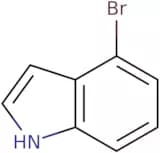
CAS:4-Bromoindole is a model compound that serves as a building block for the synthesis of pharmaceutically important compounds. 4-Bromoindole has been shown to have high catalytic rates for the oxidative coupling of zirconium oxide. This compound can also be used in asymmetric synthesis because it is able to form both R and S enantiomers in moderate yield. The reaction mechanism is thought to involve a nucleophilic attack by bromide on the carbonyl group, followed by elimination of hydrogen bromide from this intermediate. 4-Bromoindole can be synthesized in three ways: (1) via an oxidative coupling reaction with ZrOCl2 and H2O2; (2) via an oxidative coupling reaction with ZrOCl2 and HBr; or (3) by reacting 4-bromoaniline with CuSO4 and Mn(NO3)2.
Fórmula:C8H6BrNPureza:Min. 95%Forma y color:Brown Yellow Clear LiquidPeso molecular:196.04 g/mol5-Cyano-1H-indole-2-carboxylic acid
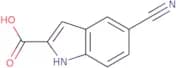
CAS:5-Cyano-1H-indole-2-carboxylic acid is a high quality reagent that is used as an intermediate in the synthesis of complex compounds. It can also be used as a building block for the synthesis of speciality chemicals and research chemicals. The versatile nature of this compound makes it useful as a reaction component in the synthesis of many different types of compounds, including fine chemicals and pharmaceuticals. 5-Cyano-1H-indole-2-carboxylic acid is available commercially with CAS No. 169463-44-9.Fórmula:C10H6N2O2Pureza:Min. 95%Forma y color:PowderPeso molecular:186.17 g/molEsculetin dibenzyl ether
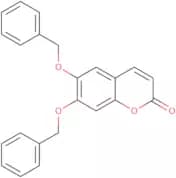
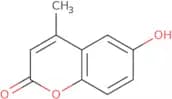
CAS:Esculetin dibenzyl ether is a chemical compound, which is a derivative of esculetin, a natural coumarin obtained chiefly from plant sources such as the bark of horse chestnut and other similar species. The source of esculetin dibenzyl ether is typically synthesized from natural precursors through chemical modifications, allowing for the exploration of its structural analogs.Fórmula:C23H18O4Pureza:Min. 95%Peso molecular:358.39 g/mol6-Hydroxy-4-methylcoumarin
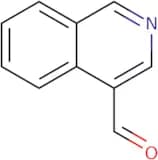
CAS:6-Hydroxy-4-methylcoumarin is a chemical compound that serves as a lactone derivative. It is commonly derived from synthetic sources through various organic reactions involving resorcinol and ethyl acetoacetate. The compound functions primarily through its ability to absorb ultraviolet light and fluoresce, making it highly valuable in spectroscopic analyses.Fórmula:C10H8O3Pureza:Min. 95%Peso molecular:176.17 g/molIsoquinoline-4-carbaldehyde
CAS:Isoquinoline-4-carbaldehyde is an aldehyde chemical that has been synthesized in the laboratory. It is a chiral molecule with one asymmetric carbonyl group. Isoquinoline-4-carbaldehyde is a potential precursor to naphthyridine, which can be used as a building block for the synthesis of natural products. Isoquinoline-4-carbaldehyde has been shown to have phosphine properties, and it can be used as a ligand in transition metal complexes. The molecule has been shown to exist in two forms, which coexist in equilibrium and can undergo interconversion.
Fórmula:C10H7NOPureza:Min. 95%Peso molecular:157.17 g/mol2,6-Diaminopurine hemisulfate
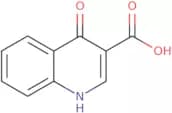
CAS:2,6-Diaminopurine hemisulfate salt is a fine chemical that can be used as a building block for research chemicals, reagents, and specialty chemicals. It has been shown to be useful in the synthesis of various types of complex compounds. 2,6-Diaminopurine hemisulfate salt is also versatile in the sense that it can be used as an intermediate in reactions or as a scaffold for chemical synthesis. This product has CAS number 69369-16-0.Fórmula:C5H6N6•(H2O4S)0Pureza:Min. 95%Forma y color:PowderPeso molecular:398.36 g/mol4-Oxo-1,4-dihydroquinoline-3-carboxylic acid
CAS:4-Oxo-1,4-dihydroquinoline-3-carboxylic acid is a synthetic compound that belongs to the class of quinoline derivatives. It has been shown to inhibit HIV infection in vitro by binding to the receptor CD4 on the surface of T cells. 4-Oxo-1,4-dihydroquinoline-3-carboxylic acid has also been shown to be cytotoxic against cancer cells and other human cell lines. Powders of 4-oxo-1,4-dihydroquinoline 3 carboxylic acid have been synthesized by reacting ethyl esters with diphenyl ether in the presence of radiation or ndimethylformamide. This compound was also used as a molecular model for designing new drugs.
Fórmula:C10H7NO3Pureza:Min. 98 Area-%Forma y color:Off-White PowderPeso molecular:189.17 g/mol2-Aminoacridone
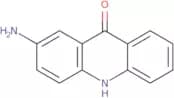
CAS:2-Aminoacridone is a fluorescent dye. The applications of 2-Aminoacridone are extensive in biochemical and analytical research. It is commonly employed in glycoprotein and glycoconjugate studies, leveraging its high sensitivity and specificity in detecting saccharide structures. Researchers utilize this dye in various assays, including high-performance liquid chromatography (HPLC) and electrophoresis, to analyze carbohydrate content and structure. Its role is critical in advancing our understanding of carbohydrate-related biological processes, such as cell signaling and disease pathogenesis, facilitating developments in both diagnostics and therapeutic strategies.
Fórmula:C13H10N2OPureza:Min. 95%Forma y color:PowderPeso molecular:210.23 g/mol5-Iodoindole
CAS:5-Iodoindole is an organic compound that is used as a nematicide. It has been shown to have cytostatic effects on the growth of human pathogens, juveniles, and model systems. 5-Iodoindole inhibits the production of reactive amines and pyridine in vivo. It also inhibits glutamine metabolism by competitive inhibition at the glutamate dehydrogenase enzyme. 5-Iodoindole also has hemolytic activity and is able to induce transcriptomic changes in P. aeruginosa cells.
Fórmula:C8H6NIPureza:Min. 95%Forma y color:PowderPeso molecular:243.04 g/mol5-Hydroxyoxindole
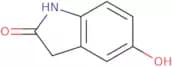
CAS:5-Hydroxyoxindole (5HO) is a naturally occurring molecule that is found in oxindole and other indoles. It has been shown to have regulatory effects on inflammatory diseases, notably in the treatment of colitis. 5HO possesses significant cytotoxicity against carcinoma cells and also has radical scavenging activity. This compound can be synthesized using a solid-phase synthesis method. The presence of 5HO in skin cells has been correlated with the production of skin pigment called melanin. In addition, this molecule has been shown to bind to picolinic acid, which may contribute to its anti-inflammatory properties. 5HO is also present in neurologic disorders such as Alzheimer's disease, Parkinson's disease, and amyotrophic lateral sclerosis.Fórmula:C8H7NO2Pureza:Min. 95%Forma y color:Beige PowderPeso molecular:149.15 g/mol6-Methylpurine
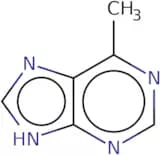
CAS:6-Methylpurine is a product of the nucleotide metabolism in E. coli, which is a model organism for protein synthesis. 6-Methylpurine inhibits protein synthesis and exerts significant cytotoxicity. It has been shown to inhibit the enzyme activities of DNA polymerase alpha, DNA ligase, and RNA polymerase, as well as other enzymes involved in nitrogen metabolism. 6-Methylpurine has been shown to be an analog of adenine and has a similar reaction mechanism. The uptake of 6-methyl purine by cells is mediated by hydrogen bonds with amino acid residues on the cell membrane surface. This molecule also forms glycosidic bonds with ribose sugar groups on cellular surfaces. 6-Methylpurine plays an important role in energy metabolism through its incorporation into glucose and glycogen molecules.
Fórmula:C6H6N4Pureza:Min. 98 Area-%Forma y color:White PowderPeso molecular:134.14 g/molIndole-3-acetyl-l-leucine
CAS:Indole-3-acetyl-l-leucine is a homologous auxin. It is a conjugated acid that is found in plants and has been shown to be involved in postharvest physiology, growth regulation, and plant tissue culture. Indole-3-acetyl-l-leucine has been used as a model system for the study of plant physiology and tissue culture. The physiological function of indole-3-acetyl-l-leucine is not currently known. However, it has been shown to be converted into butyric acid by certain bacteria, which can lead to the formation of conjugates with carboxylic acids.
Fórmula:C16H20N2O3Pureza:Min. 95%Forma y color:PowderPeso molecular:288.34 g/mol5-Hydroxyindole-3-acetic acid
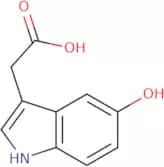
CAS:Reduces brain amyloid plaques; induces neprilysin expression
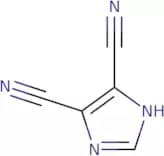
Fórmula:C10H9NO3Pureza:Min. 95%Forma y color:Off-White PowderPeso molecular:191.18 g/mol4,5-Dicyanoimidazole
CAS:Please enquire for more information about 4,5-Dicyanoimidazole including the price, delivery time and more detailed product information at the technical inquiry form on this page
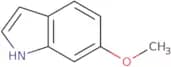
Fórmula:C5H2N4Pureza:Min. 98 Area-%Forma y color:White Off-White PowderPeso molecular:118.1 g/mol6-Methoxyindole
CAS:6-Methoxyindole is an acetate extract of the plant 5-methoxyindole. It has been shown to be a 5-HT1A receptor agonist in animals, and has been shown to have cardiac effects in rats. 6-Methoxyindole is also used as a precursor for the synthesis of diphenylacetylindoles. 6-Methoxyindole is one of the molecules that can be recombined to form a batcho-leimgruber indole (BLI).
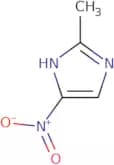
Fórmula:C9H9NOPureza:Min. 99 Area-%Forma y color:PowderPeso molecular:147.17 g/mol2-Methyl-5-nitroimidazole
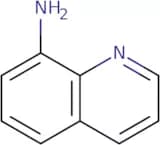
CAS:2-Methyl-5-nitroimidazole, also known as menidazole, is an impurity of metronidazole, which is used as an antibacterial and antiprotozoal medication in the treatment of infections, including rosacea. 2-Methyl-5-nitroimidazole is a derivative of nitroimidazole and has potential antimicrobial and antitrichomonal activities. Its synthesis can be achieved using various methods, including nucleophilic reaction, ester derivatives, reaction with metronidazole, and substitution reactions. Several derivatives of 2-Methyl-5-nitroimidazole have been synthesized and tested for their antibacterial, antifungal, and antitrichomonal activities. Both 2-Methyl-5-nitroimidazole and its derivatives have potential applications as antimicrobial and antitrichomonal agents.Fórmula:C4H5N3O2Pureza:Min. 95%Forma y color:PowderPeso molecular:127.1 g/mol8-Aminoquinoline
CAS:8-Aminoquinoline is a fluorescent probe that is used to detect the presence of nitrite ions in biological samples. It is used in electron paramagnetic resonance (EPR) experiments and can be used as a chemical inhibitor of cytochrome P450 enzymes. 8-Aminoquinoline has been shown to have minimal toxicity in animal models. It has been shown to inhibit the growth of Leishmania, an organism that causes leishmaniasis, by arresting protein synthesis at the ribosome level. The drug interactions of 8-aminoquinoline have not been well studied, but it may be necessary for patients to avoid other drugs that are metabolized by cytochrome P450 enzymes when taking this agent.
Fórmula:C9H8N2Pureza:Min. 95%Forma y color:Slightly Yellow PowderPeso molecular:144.17 g/mol


![7-[(Dimethylamino)methyl]-2,2,4-trimethyl-1,2-dihydroquinolin-6-ol](/_next/image/?url=https%3A%2Fstatic.cymitquimica.com%2Fproducts%2F3D%2Fthumb-webp%2FFD129815.webp&w=3840&q=75)