Ligandos organometálicos
En esta categoría, encontrará un gran número de moléculas organometálicas utilizadas como ligandos en biomoléculas. Estos ligandos organometálicos pueden usarse en química orgánica y síntesis en el laboratorio. Desempeñan un papel crucial en la formación de complejos de coordinación y la catálisis de diversas reacciones químicas. En CymitQuimica, ofrecemos una selección diversa de ligandos organometálicos de alta calidad para apoyar sus investigaciones y necesidades industriales.
Subcategorías de "Ligandos organometálicos"
- Ligandos de Buchwald(22 productos)
- DPEN(4 productos)
- DPHEN(4 productos)
- JOSIPHOS(4 productos)
- Fosfina(497 productos)
- Porfirinas(75 productos)
Se han encontrado 2887 productos de "Ligandos organometálicos"
Ordenar por
Pureza (%)
0
100
|
0
|
50
|
90
|
95
|
100
AR-AO 14418
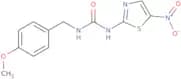
CAS:Inhibitor of GSK3β kinaseFórmula:C12H12N4O4SPureza:Min. 95%Forma y color:PowderPeso molecular:308.31 g/molPerfluorophenyl 19-(2,5-dioxo-2H-pyrrol-1(5H)-yl)-17-oxo-4,7,10,13-tetraoxa-16-azanonadecan-1-oate
CAS:<p>Perfluorophenyl 19-(2,5-dioxo-2H-pyrrol-1(5H)-yl)-17-oxo-4,7,10,13-tetraoxa-16-azanonadecan-1-oate is a synthetic compound, which is derived through a series of complex organic syntheses involving perfluorinated reagents. This compound is meticulously designed to incorporate both perfluorinated aromatic groups and a flexible, polyether-based linker. The mode of action for this compound primarily revolves around its unique chemical structure, which facilitates interactions at the molecular level that can be favorable for a variety of biochemical applications.</p>Fórmula:C24H27F5N2O9Pureza:Min. 95%Peso molecular:582.5 g/molAvocadene acetate
CAS:Avocadene acetate is a synthetic compound, which is a pharmacologically active ester synthesized in laboratories. It is derived from acetic acid and specialized organic compounds, tailored for specific biochemical interactions. Its mode of action involves the modulation of various enzymatic pathways, potentially impacting cellular functions and metabolic processes, although the exact mechanisms may vary depending on the application and target system.Fórmula:C19H36O4Pureza:Min. 95%Peso molecular:328.5 g/molML191
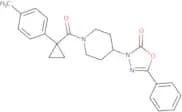
CAS:<p>Please enquire for more information about ML191 including the price, delivery time and more detailed product information at the technical inquiry form on this page</p>Fórmula:C24H25N3O3Pureza:Min. 95%Peso molecular:403.47 g/molBifluranolum
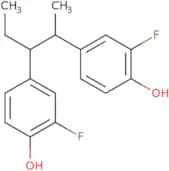
CAS:Bifluranolum is a synthetic nonsteroidal antiandrogen, which is synthesized in laboratory settings and not derived from natural sources. Its mode of action involves competitive inhibition of androgen receptors. By occupying these receptor sites, Bifluranolum inhibits the binding of endogenous androgens, effectively blocking their physiological actions. This property makes it a valuable tool in studies related to androgen-dependent biological processes.Fórmula:C17H18F2O2Pureza:Min. 95%Peso molecular:292.32 g/molSiponimod fumarate
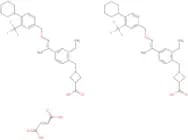
CAS:Siponimod fumarate is a selective sphingosine 1-phosphate (S1P) receptor modulator, which is a synthetically derived agent with immunomodulatory properties. Its mode of action involves high affinity for S1P receptors 1 and 5, which plays a crucial role in immune cell signaling. By binding to these receptors, siponimod sequesters lymphocytes in lymphoid organs, reducing peripheral blood lymphocyte counts and thereby modulating immune responses.Pureza:Min. 95%L 690330
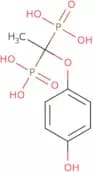
CAS:Inositol monophosphatase (IMPase) inhibitorFórmula:C8H12O8P2Pureza:Min. 95%Peso molecular:298.12 g/molWM 1119
CAS:<p>Selective and potent inhibitor of lysine acetyltransferases KAT6A and KAT6B with IC50 values in low nanomolar range. The compound is a reversible competitor of acetyl coenzyme A domain of KAT6A/B enzymes. It inhibits MYST-catalysed histone acetylation and was shown to arrest lymphoma progression in mice models. The compound opened the door to a new class of cancer therapeutics that could potentially direct the cancer cells in senescence or permanent dormancy.</p>Fórmula:C18H13F2N3O3SPureza:Min. 95%Forma y color:White/Off-White SolidPeso molecular:389.38 g/molDimethicone ~2000 (polydimethylsiloxane)
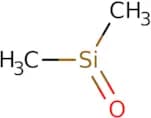
CAS:<p>Dimethicone ~2000 is a type of polydimethylsiloxane, which is a synthetic, organosilicon compound. This product is derived from silicon, oxygen, and organic groups, typically through the hydrolysis of dimethyldichlorosilane. Its primary mode of action involves forming a hydrophobic, flexible barrier on surfaces, which minimizes water evaporation and provides lubrication.</p>Fórmula:(C2H6OSi)nPureza:Min. 95%Peso molecular:74.15 g/molTizoxanide
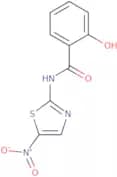
CAS:<p>Anti-parasitic; pyruvate ferredoxin oxidoreductase inhibitor</p>Fórmula:C10H7N3O4SPureza:Min. 95%Forma y color:PowderPeso molecular:265.25 g/molUrolithin M7
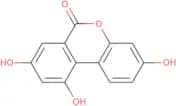
CAS:Urolithin M7 is a metabolite, which is derived from the transformation of ellagitannins, compounds found predominantly in pomegranates, berries, and nuts. This transformation occurs via intestinal microbiota, which convert ellagitannins into various urolithins, including Urolithin M7. Its mode of action involves influencing cellular processes, potentially modulating mitochondrial function and autophagy pathways. The action mechanisms are being explored for their roles in enhancing cell viability and metabolic health.Fórmula:C13H8O5Pureza:Min. 95%Peso molecular:244.2 g/molYK11
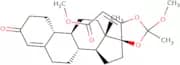
CAS:Producto controlado<p>YK11 is a synthetic gene-selective androgen receptor modulator, which is derived from steroidal structures and designed to modulate specific pathways. This compound is characterized by its unique ability to act as a partial agonist/antagonist at the androgen receptor, with a focus on inhibiting the activity of myostatin, a regulatory protein that limits muscle growth.</p>Fórmula:C25H34O6Pureza:Min. 95%Peso molecular:430.53 g/molH-9 hydrochloride
CAS:<p>H-9 hydrochloride is a selective protein kinase inhibitor, which is synthetically derived. It primarily inhibits cyclic nucleotide-dependent protein kinases, including protein kinase A (PKA) and protein kinase G (PKG), along with myosin light chain kinase (MLCK). The mode of action involves competitive inhibition at the ATP binding site of these kinases, thereby impacting phosphorylation pathways crucial for multiple physiological functions. The selective inhibition by H-9 hydrochloride allows for detailed exploration of kinase-mediated signaling pathways in cellular biology. Moreover, it is extensively utilized in studies involving cell motility, smooth muscle contraction, and signal transduction. The relevance of H-9 hydrochloride in academic research lies in its ability to provide insights into kinase activity modulation and its ensuing effects on cellular dynamics. This compound serves as an invaluable tool for scientists aiming to elucidate the complex role of protein kinases in health and disease, enabling the development of innovative therapeutic strategies.</p>Fórmula:C11H14ClN3O2SPureza:Min. 95%Forma y color:White To Off-White SolidPeso molecular:287.77 g/mol(+/-)-Blebbistatin
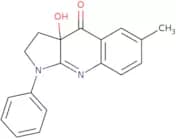
CAS:Inactive enantiomer of the inhibitor of myosin II-ATPaseFórmula:C18H16N2O2Pureza:Min. 95%Peso molecular:292.33 g/molCalcium Dobesilate Hydrate
CAS:Calcium Dobesilate Hydrate is a pharmaceutical compound, which is a synthesized chemical derived from dobesilic acid. It functions primarily as a vasoprotective agent, reducing vascular permeability and stabilizing capillary walls by inhibiting platelet aggregation and the release of free radicals. This results in decreased capillary fragility and improved blood flow in microcirculatory systems.Fórmula:C12H10CaO10S2·xH2OPureza:Min. 95%Peso molecular:418.4 g/molCID 16020046
CAS:Puromycin is an aminonucleoside antibiotic, derived from the bacterium Streptomyces albus, with its primary mode of action involving the inhibition of protein synthesis. During translation, puromycin mimics the aminoacyl end of tRNA, enabling its incorporation into the growing polypeptide chain within the ribosome. This incorporation disrupts further chain elongation, ultimately leading to premature termination of protein synthesis.Fórmula:C25H19N3O4Pureza:Min. 95%Peso molecular:425.44 g/molGanetespib
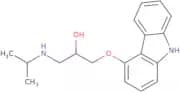
CAS:Heat shock protein 90 (HSP90) inhibitorFórmula:C20H20N4O3Pureza:Min. 95%Forma y color:White PowderPeso molecular:364.4 g/mol(±)-Carazolol-d7
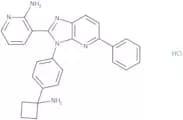
CAS:<p>(±)-Carazolol-d7 is a deuterated beta-adrenergic receptor antagonist, often used for pharmacological and biochemical studies. This isotopically labeled compound is a synthetic derivative of carazolol, sourced through precise deuterium exchange techniques designed to ensure high isotopic purity.</p>Fórmula:C18H22N2O2Pureza:Min. 95%Peso molecular:305.4 g/molMiransertib (ARQ 092) HCl
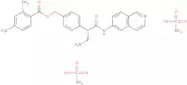
CAS:Miransertib (ARQ 092) HCl is a selective inhibitor, which is a synthetic small molecule specifically targeting the AKT pathway. It is sourced through specialized chemical synthesis designed to interfere with key signaling pathways implicated in the proliferation and survival of cancer cells. The mode of action involves the inhibition of the serine/threonine kinase AKT, an integral part of the PI3K/AKT/mTOR signaling pathway that is frequently dysregulated in various cancers.Fórmula:C27H25ClN6Pureza:Min. 95%Peso molecular:468.98 g/molAR-13324 mesylate
CAS:<p>AR-13324 mesylate is a pharmaceutical compound, which is a selective Rho kinase inhibitor derived from chemical synthesis with a specific mode of action targeting the modulation of aqueous humor outflow in the eye. Structurally, it is designed to inhibit the Rho-associated protein kinase (ROCK) pathway, which plays a crucial role in controlling various cellular functions including contraction, motility, proliferation, and apoptosis, specifically affecting the trabecular meshwork and uveoscleral pathway in ocular tissues.</p>Fórmula:C29H31N3O6SPureza:Min. 95%Peso molecular:549.64 g/mol