Compuestos de organosilicio
En esta sección, encontrará un gran número de compuestos organosilícicos. Los compuestos organosilícicos se caracterizan por átomos de carbono unidos a átomos de silicio. También pueden estar presentes otros compuestos no metálicos. Estos compuestos son ampliamente utilizados en síntesis orgánica, ciencia de materiales y productos farmacéuticos debido a sus propiedades químicas únicas. En CymitQuimica, ofrecemos una amplia gama de compuestos organosilícicos de alta calidad para apoyar sus investigaciones y proyectos industriales.
Subcategorías de "Compuestos de organosilicio"
Se han encontrado 4325 productos de "Compuestos de organosilicio"
Ordenar por
Pureza (%)
0
100
|
0
|
50
|
90
|
95
|
100
Sodium 3-(Trimethylsilyl)-1-propanesulfonate [1H NMR Standard for D2O Solvent]
CAS:Fórmula:C6H15NaO3SSiPureza:>98.0%(T)Forma y color:White to Almost white powder to crystalPeso molecular:218.32Maiti-Patra-Bag Auxiliary
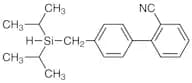
CAS:Fórmula:C20H25NSiPureza:>98.0%(GC)Forma y color:Colorless to Light yellow clear liquidPeso molecular:307.51Allylchlorodimethylsilane [Allyldimethylsilylating Reagent for GC/MS]
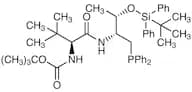
CAS:Fórmula:C5H11ClSiPureza:>96.0%(GC)Forma y color:Colorless to Light yellow clear liquidPeso molecular:134.68O-TBDPS-D-Thr-N-Boc-L-tert-Leu-Diphenylphosphine
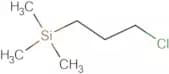
CAS:Fórmula:C43H57N2O4PSiPureza:>98.0%(HPLC)Forma y color:White to Almost white powder to crystalPeso molecular:725.003-Chloropropyltrimethylsilane
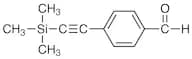
CAS:<p>S04700 - 3-Chloropropyltrimethylsilane</p>Fórmula:C6H15ClSiPureza:98%Forma y color:Liquid, ClearPeso molecular:150.724-(Trimethylsilylethynyl)benzaldehyde
CAS:Fórmula:C12H14OSiPureza:>98.0%(GC)Forma y color:White to Yellow to Orange powder to crystalPeso molecular:202.33Trimethyl[3-(trimethoxysilyl)propyl]ammonium Chloride (ca. 50% in Methanol)
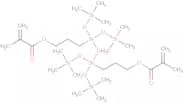
CAS:Fórmula:C9H24ClNO3SiForma y color:Colorless to Light yellow clear liquidPeso molecular:257.831,3-Bis(methacryloxypropyl)tetrakis-(trimethylsiloxy) disiloxane
CAS:<p>S01940 - 1,3-Bis(methacryloxypropyl)tetrakis-(trimethylsiloxy) disiloxane</p>Fórmula:C26H58O9Si6Pureza:85%Forma y color:Liquid, ClearPeso molecular:683.251Silicon(IV) Oxide, AEROSIL® 130
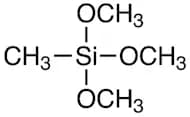
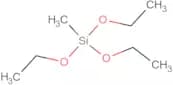
CAS:Fórmula:SiO2Forma y color:White to Almost white powder to crystalPeso molecular:60.08Trimethoxy(methyl)silane
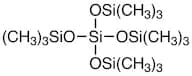
CAS:Fórmula:C4H12O3SiPureza:>98.0%(GC)Forma y color:Colorless clear liquidPeso molecular:136.22Tetrakis(trimethylsilyl) Orthosilicate
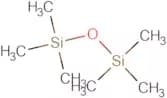
CAS:Fórmula:C12H36O4Si5Pureza:>98.0%(GC)Forma y color:Colorless to Almost colorless clear liquidPeso molecular:384.84Hexamethyldisiloxane, NMR grade
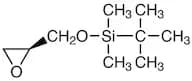
CAS:<p>S09675 - Hexamethyldisiloxane, NMR grade</p>Fórmula:C6H18OSi2Pureza:99%Forma y color:Liquid, Colourless liquidPeso molecular:162.379tert-Butyldimethylsilyl (S)-Glycidyl Ether
CAS:Fórmula:C9H20O2SiPureza:>95.0%(GC)Forma y color:Colorless to Almost colorless clear liquidPeso molecular:188.34Hexamethyldisilane
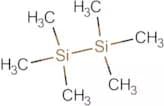
CAS:<p>S09600 - Hexamethyldisilane</p>Fórmula:C6H18Si2Pureza:97%Forma y color:LiquidPeso molecular:146.38Diphenylmethylsilane
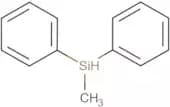
CAS:<p>S08000 - Diphenylmethylsilane(Methyldiphenylsilane)</p>Fórmula:C13H14SiPureza:95+%Forma y color:Liquid, Clear LiquidPeso molecular:198.343-Aminopropylmethyldiethoxysilane
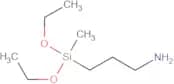
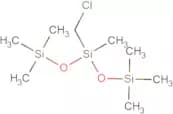
CAS:<p>ISI0150 - 3-Aminopropylmethyldiethoxysilane</p>Fórmula:C8H21NO2SiPureza:97%Forma y color:ClearPeso molecular:191.3463-Chloromethyl heptamethyl trisiloxane
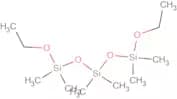
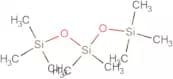
CAS:<p>S04150 - 3-Chloromethyl heptamethyl trisiloxane</p>Fórmula:C8H23ClO2Si3Forma y color:Liquid, ClearPeso molecular:270.981,1,3,3,5,5, Hexamethyl diethoxy trisiloxane
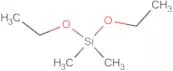
CAS:<p>S09575 - 1,1,3,3,5,5, Hexamethyl diethoxy trisiloxane</p>Fórmula:C10H28O4Si3Pureza:97%Forma y color:Liquid, ClearPeso molecular:296.585Dimethyldiethoxysilane
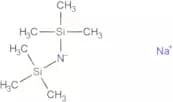
CAS:<p>S07125 - Dimethyldiethoxysilane</p>Fórmula:C6H16O2SiPureza:>98.0%(GC)Forma y color:Liquid, ClearPeso molecular:148.277Sodium bis(trimethylsilyl)amide 2M in THF
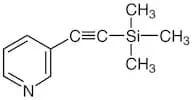
CAS:<p>S14980 - Sodium bis(trimethylsilyl)amide 2M in THF</p>Fórmula:C6H18NNaSi2Forma y color:LiquidPeso molecular:183.3773-(Trimethylsilylethynyl)pyridine
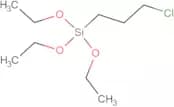
CAS:Fórmula:C10H13NSiPureza:>98.0%(GC)Forma y color:Colorless to Light yellow clear liquidPeso molecular:175.313-Chloropropyltriethoxysilane
CAS:<p>S04650 - 3-Chloropropyltriethoxysilane</p>Fórmula:C9H21ClO3SiPureza:97%Forma y color:LiquidPeso molecular:240.8A Hexamethyldisilazane-treated Fumed Silica, AEROSIL® R 812
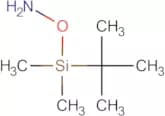
CAS:Forma y color:White to Almost white powder to crystalO-(t-butyldimethylsilyl)hydroxylamine, 95%
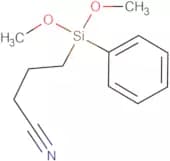
CAS:<p>S25303 - O-(t-butyldimethylsilyl)hydroxylamine, 95%</p>Fórmula:C6H17NOSiPureza:90+%Forma y color:SolidPeso molecular:147.2933-Cyanopropylphenyldimethoxysilane
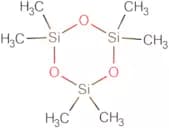
CAS:<p>S04990 - 3-Cyanopropylphenyldimethoxysilane</p>Fórmula:C12H17NO2SiPureza:95%Forma y color:LiquidPeso molecular:235.358Hexamethylcyclotrisiloxane
CAS:<p>S09550 - Hexamethylcyclotrisiloxane</p>Fórmula:C6H18O3Si3Pureza:95%Forma y color:SolidPeso molecular:222.462Polydimethylsiloxanes, trimethylsiloxy terminated cSt 2.0
CAS:<p>DMS-T02 - Polydimethylsiloxanes, trimethylsiloxy terminated cSt 2.0</p>Fórmula:(C2H6OSi)nC6H18OSi2Forma y color:Liquid, ClearPeso molecular:236.5333-(Triisopropoxysilyl)propyl Methacrylate (stabilized with BHT)
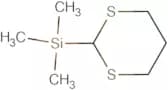
CAS:Fórmula:C16H32O5SiPureza:>95.0%(GC)Forma y color:Colorless to Light yellow clear liquidPeso molecular:332.512-Trimethylsilyl-1,3-dithiane
CAS:<p>S19325 - 2-Trimethylsilyl-1,3-dithiane</p>Fórmula:C7H16S2SiPureza:95%Forma y color:LiquidPeso molecular:192.41A Polydimethylsiloxane-treated Fumed Silica, AEROSIL® R 202
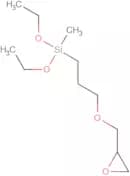
CAS:Forma y color:White to Almost white powder to crystal(3-Glycidoxypropyl)methyldiethoxysilane
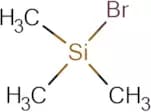
CAS:<p>S09100 - (3-Glycidoxypropyl)methyldiethoxysilane</p>Fórmula:C11H24O4SiPureza:95%Forma y color:LiquidPeso molecular:248.394Trimethylbromosilane
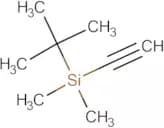
CAS:<p>S18500 - Trimethylbromosilane</p>Fórmula:C3H9BrSiPureza:97%Forma y color:LiquidPeso molecular:153.094tert-Butyldimethylsilylacetylene
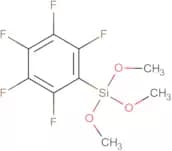
CAS:<p>S03339 - tert-Butyldimethylsilylacetylene</p>Fórmula:C8H16SiPureza:>97.0%(GC)Forma y color:Liquid, Low Melting SolidPeso molecular:140.301Pentafluorophenyltrimethoxysilane
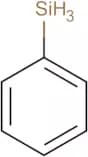
CAS:<p>S25338 - Pentafluorophenyltrimethoxysilane</p>Fórmula:C9H9F5O3SiPureza:>95%Forma y color:LiquidPeso molecular:288.245Phenylsilane
CAS:<p>S13600 - Phenylsilane</p>Fórmula:C6H8SiPureza:97%Forma y color:Liquid, Clear LiquidPeso molecular:108.215Trimethyl[(2-methylprop-1-en-1-yl)oxy]silane
CAS:Fórmula:C7H16OSiPureza:>95.0%(GC)Forma y color:Colorless to Light yellow clear liquidPeso molecular:144.291-(Dimethylisopropylsilyl)imidazole [Dimethylisopropylsilylating Agent]
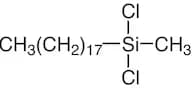
CAS:Fórmula:C8H16N2SiPureza:>98.0%(T)Forma y color:Colorless to Light yellow clear liquidPeso molecular:168.32Dichloro(methyl)octadecylsilane
CAS:Fórmula:C19H40Cl2SiPureza:>94.0%(GC)Forma y color:White or Colorless to Almost white or Almost colorless powder to lump to clear liquidPeso molecular:367.51Octamethyltrisiloxane
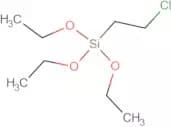
CAS:<p>S12475 - Octamethyltrisiloxane</p>Fórmula:C8H24O2Si3Pureza:>97%Forma y color:Liquid, ClearPeso molecular:236.5332-Chloroethyltriethoxysilane,95%
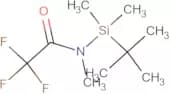
CAS:<p>S03950 - 2-Chloroethyltriethoxysilane,95%</p>Fórmula:C8H19ClO3SiPureza:95%Forma y color:LiquidPeso molecular:226.77N-Methyl-N-(tert-butyldimethylsilyl)trifluoro-acetamide
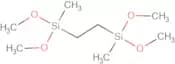
CAS:<p>S11050 - N-Methyl-N-(tert-butyldimethylsilyl)trifluoro-acetamide</p>Fórmula:C9H18F3NOSiPureza:95%Forma y color:Liquid, ClearPeso molecular:241.329Dimethyltetramethoxydisilethylene
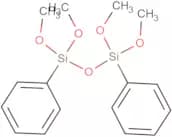
CAS:<p>S07560 - Dimethyltetramethoxydisilethylene</p>Fórmula:C8H22O4Si2Forma y color:LiquidPeso molecular:238.431,3 Diphenyl tetramethoxy disiloxane
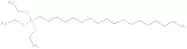
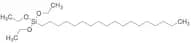
CAS:<p>S08105 - 1,3 Diphenyl tetramethoxy disiloxane</p>Fórmula:C16H22O5Si2Forma y color:Liquid, ClearPeso molecular:350.517Octadecyltriethoxysilane, 95%
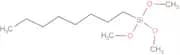
CAS:<p>S12300 - Octadecyltriethoxysilane, 95%</p>Fórmula:C24H52O3SiPureza:95%Forma y color:Liquid, ClearPeso molecular:416.762n-Octyltrimethoxysilane
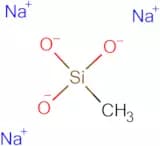
CAS:<p>S12800 - n-Octyltrimethoxysilane</p>Fórmula:C11H26O3SiPureza:95%Forma y color:Liquid, Clear LiquidPeso molecular:234.411Sodium methylsiliconate, 30% in water
CAS:<p>S15050 - Sodium methylsiliconate, 30% in water</p>Fórmula:CH3Na3O3SiForma y color:LiquidPeso molecular:160.086Methyltriethoxysilane
CAS:<p>ISI0950 - Methyltriethoxysilane</p>Fórmula:C7H18O3SiPureza:98%Forma y color:LiquidPeso molecular:178.303N-[(Triethoxysilyl)methyl]aniline
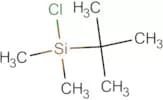
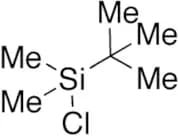
CAS:Fórmula:C13H23NO3SiPureza:>95.0%(GC)(T)Forma y color:Colorless to Light yellow clear liquidPeso molecular:269.42tert-Butyldimethylchlorosilane
CAS:<p>S03300 - tert-Butyldimethylchlorosilane</p>Fórmula:C6H15ClSiPureza:98%Forma y color:SolidPeso molecular:150.721,3-Bis(heptadecafluoro-1,1,2,2-tetrahydrodecyl)tetramethylsiloxane
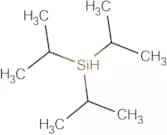
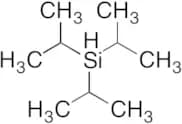
CAS:<p>S25061 - 1,3-Bis(heptadecafluoro-1,1,2,2-tetrahydrodecyl)tetramethylsiloxane</p>Fórmula:C24H26F28OSi2Pureza:95Forma y color:Liquid, ClearPeso molecular:918.596Triisopropylsilane
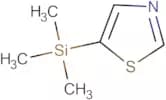
CAS:<p>S17975 - Triisopropylsilane</p>Fórmula:C9H22SiPureza:99%Forma y color:Clear LiquidPeso molecular:157.1415-Trimethylsilylthiazole
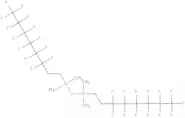
CAS:<p>S20280 - 5-Trimethylsilylthiazole</p>Fórmula:C6H11NSSiPureza:98%Forma y color:Liquid, ClearPeso molecular:157.31Bis(tridecafluoro-1,1,2,2-tetrahydrooctyl)tetra-methyldisiloxane
CAS:<p>S02106 - Bis(tridecafluoro-1,1,2,2-tetrahydrooctyl)tetra-methyldisiloxane</p>Fórmula:C20H20F26OSi2Forma y color:Clear to straw liquidPeso molecular:826.507Hexamethylcyclotrisiloxane
CAS:Producto controlado<p>Applications Hexamethylcyclotrisiloxane is used in the preparation of Silicone coated Celgard-2400 for the adhesion of canine platelets and leucocytes.<br> Not a dangerous good if item is equal to or less than 1g/ml and there is less than 100g/ml in the package<br>References Chawla, A.S.: Biomaterials, 2, 83 (1981)<br></p>Fórmula:C6H18O3Si3Forma y color:NeatPeso molecular:222.46Tris(trimethylsiloxy)-3-methacryloxypropylsilane <4% Dimer
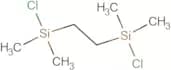
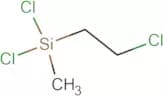
CAS:<p>S21125 - Tris(trimethylsiloxy)-3-methacryloxypropylsilane <4% Dimer</p>Fórmula:C16H38O5Si4Pureza:>98.0%(GC)Forma y color:ClearPeso molecular:422.8151,2-Bis(chlorodimethylsilyl)ethane
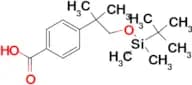
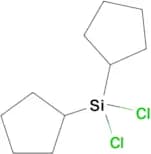
CAS:Pureza:95%Forma y color:SolidPeso molecular:215.259994506835944-(1-((TERT-BUTYLDIMETHYLSILYL)OXY)-2-METHYLPROPAN-2-YL)BENZOIC ACID
CAS:Pureza:90.0%Peso molecular:308.4930114746094Ref: 10-F530699
1gA consultar2gA consultar5gA consultar100mgA consultar250mgA consultar500mgA consultarn-Octyldimethylchlorosilane
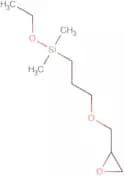
CAS:Pureza:97%Forma y color:Liquid, ClearPeso molecular:206.8300018310547(3-Glycidoxypropyl)dimethylethoxysilane
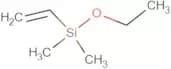
CAS:<p>S09075 - (3-Glycidoxypropyl)dimethylethoxysilane</p>Fórmula:C10H22O3SiForma y color:LiquidPeso molecular:218.3679962158203Vinyldimethylethoxysilane
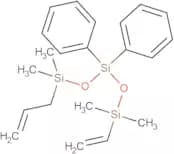
CAS:<p>S21725 - Vinyldimethylethoxysilane</p>Fórmula:C6H14OSiPureza:95%Forma y color:ClearPeso molecular:130.2621,5-Divinyl-3,3-diphenyl-1,1,5,5-tetramethyl-trisiloxane
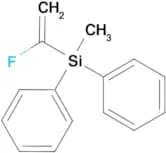
CAS:<p>S08360 - 1,5-Divinyl-3,3-diphenyl-1,1,5,5-tetramethyl-trisiloxane</p>Fórmula:C21H30O2Si3Forma y color:LiquidPeso molecular:398.724(1-Fluorovinyl)methyldiphenylsilane
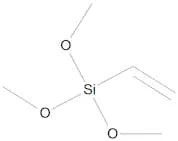
CAS:Fórmula:C15H15FSiPureza:96.0%Forma y color:LiquidPeso molecular:242.368Vinyltrimethoxysilane
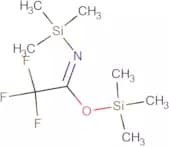
CAS:<p>Applications Vinyltrimethoxysilane (cas# 2768-02-7) is a useful research chemical.<br></p>Fórmula:C5H12O3SiForma y color:Light YellowPeso molecular:148.2325N,0-Bis(trimethylsilyl)trifluoroacetamide
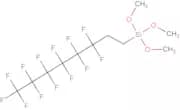
CAS:<p>S02825 - N,0-Bis(trimethylsilyl)trifluoroacetamide</p>Fórmula:C8H18F3NOSi2Pureza:95%Forma y color:LiquidPeso molecular:257.4031H,1H,2H,2H-Perfluorooctyltrimethoxysilane
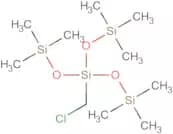
CAS:<p>S13160 - 1H,1H,2H,2H-Perfluorooctyltrimethoxysilane</p>Fórmula:C11H13F13O3SiPureza:95%Forma y color:LiquidPeso molecular:468.286Chloromethyltris(trimethylsiloxy)silane
CAS:<p>S04435 - Chloromethyltris(trimethylsiloxy)silane</p>Fórmula:C10H29ClO3Si4Forma y color:Liquid, ClearPeso molecular:345.13Bis(trimethylsilyl)itaconate
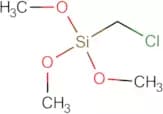
CAS:<p>S02680 - Bis(trimethylsilyl)itaconate</p>Fórmula:C11H22O4Si2Forma y color:LiquidPeso molecular:274.463Chloromethyltrimethoxysilane
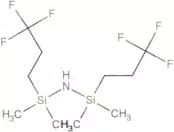
CAS:<p>S04420 - Chloromethyltrimethoxysilane</p>Fórmula:C4H11ClO3SiPureza:95%Forma y color:LiquidPeso molecular:170.661,3-Bis(3,3,3-trifluoropropyl)tetramethyl-disilazane
CAS:<p>S02175 - 1,3-Bis(3,3,3-trifluoropropyl)tetramethyl-disilazane</p>Fórmula:C10H21F6NSi2Pureza:>94.0%(GC)Forma y color:LiquidPeso molecular:325.4453-Methacryloxypropylpentamethyldisiloxane(inhibited with MEHQ)
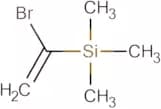
CAS:<p>S10675 - 3-Methacryloxypropylpentamethyldisiloxane(inhibited with MEHQ)</p>Fórmula:C12H26O3Si2Forma y color:Liquid, ClearPeso molecular:274.5071(Bromovinyl)trimethylsilane
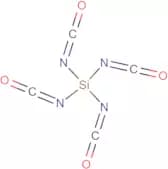
CAS:<p>S03150 - 1(Bromovinyl)trimethylsilane</p>Fórmula:C5H11BrSiPureza:97%Forma y color:Liquid, ClearPeso molecular:179.132Silicon tetraisocyanate
CAS:<p>S14931 - Silicon tetraisocyanate</p>Fórmula:C4N4O4SiForma y color:Liquid, ClearPeso molecular:196.1529998779297Diphenylvinylchlorosilane
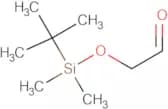
CAS:<p>S08200 - Diphenylvinylchlorosilane</p>Fórmula:C14H13ClSiForma y color:LiquidPeso molecular:244.79t-Butyldimethylsiloxyacetaldehyde
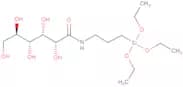
CAS:<p>S25086 - t-Butyldimethylsiloxyacetaldehyde</p>Fórmula:C8H18O2SiPureza:90%Forma y color:Liquid, ClearPeso molecular:174.315N-(3-Triethoxysilylpropyl)gluconamide, 30% in ethanol
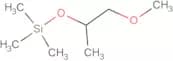
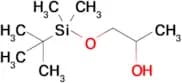
CAS:<p>S17325 - N-(3-Triethoxysilylpropyl)gluconamide, 30% in ethanol</p>Fórmula:C15H33NO9SiPureza:95%Forma y color:LiquidPeso molecular:399.512(1-Methoxy-2-propoxy)trimethylsilane
CAS:<p>S10925 - (1-Methoxy-2-propoxy)trimethylsilane</p>Fórmula:C7H18O2SiForma y color:ClearPeso molecular:162.304(6-7% Aminopropylmethylsiloxane)-dimethylsiloxane Co-polymer cSt 80-120
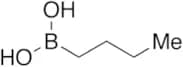
CAS:<p>AMS-162 - (6-7% Aminopropylmethylsiloxane)-dimethylsiloxane Co-polymer cSt 80-120</p>Fórmula:(C2H5OSi)n(C2H6OSi)nC8H24NOSi2Pureza:7%Forma y color:Liquid, Clear to pale yellow liquidPeso molecular:7000-9000Butylboronic Acid
CAS:Producto controlado<p>Applications Butylboronic Acid is a boronic acid derivative that can be used as a transport carriers in membrane-based sugar separations. Butylboronic Acid is used as an analytical reagent in the determination of serum glucose.<br>References Smith, B.D. et al.: ACS Symp. Ser., 642, 194 (1996); Prendergast, J.L. et al.: Anal. Bional. Chem., 397, 1779 (2010);<br></p>Fórmula:C4H11BO2Forma y color:NeatPeso molecular:101.943-Carboxyphenylboronic Acid
CAS:Producto controlado<p>Applications 3-Carboxyphenylboronic Acid is used in phenylboronic acid-decorated gelatin nanoparticles for enhanced tumor targeting and penetration.<br>References Wang, X., et al.: Nanotechnology, 27, 385101 (2016); Wang, X., et al.: Eur. J. Pharm. Biopharm., 113, 168 (2017)<br></p>Fórmula:C7H7BO4Forma y color:Off WhitePeso molecular:165.94Diisopropyldimethoxysilane
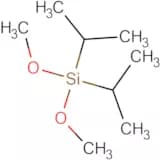
CAS:<p>S06810 - Diisopropyldimethoxysilane</p>Fórmula:C8H20O2SiPureza:95+%Forma y color:Liquid, ClearPeso molecular:176.3313-Cyanopropylmethyldichlorosilane
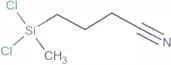
CAS:Pureza:95%Forma y color:Liquid, ClearPeso molecular:182.11999511718753-Cyanopropyltrimethoxysilane
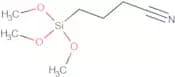
CAS:<p>S05035 - 3-Cyanopropyltrimethoxysilane</p>Fórmula:C7H15NO3SiForma y color:Liquid, ClearPeso molecular:189.286(3-Cyanopropyl)dimethylchlorosilane
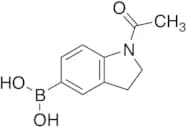
CAS:Pureza:98%Forma y color:LiquidPeso molecular:161.6999969482422(1-acetyl-2,3-dihydro-1H-indol-5-yl)boronic Acid
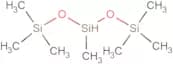
CAS:Producto controlado<p>Applications (1-acetyl-2,3-dihydro-1H-indol-5-yl)boronic acid (cas# 905971-97-3) is a useful research chemical.<br></p>Fórmula:C10H12BNO3Forma y color:BeigePeso molecular:205.02Bis(trimethylsiloxy)methylsilane
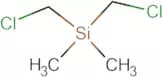
CAS:<p>S02350 - Bis(trimethylsiloxy)methylsilane</p>Fórmula:C7H22O2Si3Pureza:95%Forma y color:ClearPeso molecular:222.506Bis(chloromethyl)dimethylsilane
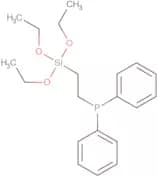
CAS:<p>S01400 - Bis(chloromethyl)dimethylsilane</p>Fórmula:C4H10Cl2SiPureza:97.0%Forma y color:Liquid, ClearPeso molecular:157.110000610351562-(Diphenylphosphino)ethyltriethoxysilane
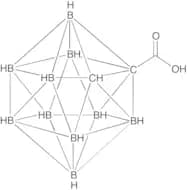
CAS:<p>S08025 - 2-(Diphenylphosphino)ethyltriethoxysilane</p>Fórmula:C20H29O3PSiPureza:97%Forma y color:Liquid, ClearPeso molecular:376.508o-Carborane-1-carboxylic Acid
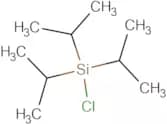
CAS:Producto controladoFórmula:C3H12B10O2Forma y color:NeatPeso molecular:188.24triisopropyl chlorosilane
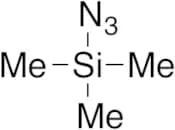
CAS:<p>S17950 - triisopropyl chlorosilane</p>Fórmula:C9H21ClSiPureza:97%Forma y color:LiquidPeso molecular:192.8000030517578Trimethylsilyl Azide
CAS:Producto controlado<p>Applications Trimethylsilyl azide is used to mediate Schmidt rearragement reactions and is also used as a nucleophile in organic synthesis. Versatile azidonation reagent for amines, amides, aldehydes, and ketones.<br> Not a dangerous good if item is equal to or less than 1g/ml and there is less than 100g/ml in the package<br>References Mphahlele, M.: J. Chem. Soc. Perk. T. 1, 23, 3477 (1999); Pastor, I. & Yus, M.: Org. Chem., 9, 1 (2005)<br></p>Fórmula:C3H9N3SiForma y color:NeatPeso molecular:115.21N-(3-Trimethoxysilylpropyl)-4-azido-2,3,5,6-tetrafluorobenzamide >90%
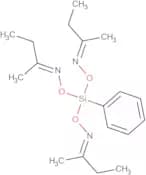
CAS:<p>Stability Light and Temperature sensitive<br>Applications PFPA-silane is a functionalized perfluorophenyl azides for covalent immobilization of ultrathin polymer films.<br>References Mosbach, K., et al.: Biotechnology, 14, 163 (1996), Keren, K., et al.: Science, 297, 72 (2002), Lidstrom, M., et al.: Nature Rev. Microbiol., 1, 158 (2003),<br></p>Fórmula:C13H16F4N4O4SiPureza:>90%Forma y color:Off White SolidPeso molecular:396.37Phenyltris(methylethylketoxime)silane
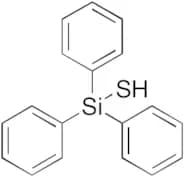
CAS:<p>S13085 - Phenyltris(methylethylketoxime)silane</p>Fórmula:C18H29N3O3SiForma y color:Liquid, ClearPeso molecular:363.533Triphenylsilanethiol
CAS:Producto controlado<p>Applications Triphenylsilanethiol is a useful organic building block used for carboxyl activation via silylthioesterification, and in the preparation of synthesis of tetraphenylporphyrinate manganese(III) siloxides.<br>References Lamar, A. A.; et al.: Tetrahedron Lett., 56, 6034 (2015); Meininger, D. J.; et al.: J. Coord. Chem., 69, 1970 (2016).<br></p>Fórmula:C18H16SSiForma y color:NeatPeso molecular:292.471-(Trimethylsiloxy)cyclohexene
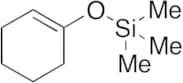
CAS:Producto controlado<p>Stability Moisture Sensitive<br>Applications 1-(Trimethylsiloxy)cyclohexene is used as a reagent in the synthesis of 6-Methyl Chrysene (M265140); an aryl hydrocarbon receptor (AhR) agonist that has been listed as possibly carcinogenic to humans.<br> Not a dangerous good if item is equal to or less than 1g/ml and there is less than 100g/ml in the package<br>References Amin, S. et al.: Cancer Res., 45, 6406 (1985); Blaha, L. et al.: Toxicol. Sci., 65, 43 (2002); Brack, W. et al.: Environ. Sci. Technol., 37, 3062 (2003); Andrysik, Z. et al.: Mutat. Res., 615, 87 (2007)<br></p>Fórmula:C9H18OSiForma y color:NeatPeso molecular:170.32Iodotrimethylsilane (>90%)
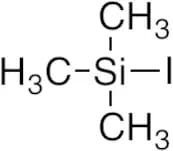
CAS:<p>Stability Moisture Sensitive (Reactive)<br>Applications Iodotrimethylsilane is a reagent used for cleaving ethers, esters, carbamates, ketals and lactones.<br> Not a dangerous good if item is equal to or less than 1g/ml and there is less than 100g/ml in the package<br>References Heck, M., et al.: Tetrahedron Lett., 35, 5445 (1994); Hiral, G., et al.: Biorg. Med. Chem. Lett., 14, 2647 (2004)<br></p>Fórmula:C3H9ISiPureza:>90%Forma y color:NeatPeso molecular:200.09Hydrogen Tetrafluoroborate(1-) (48% solution in H2O)
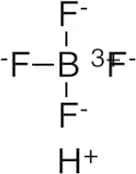
CAS:<p>Applications Hydrogen Tetrafluoroborate(1-) is a useful building block for organic synthesis.<br>References Ohkuma, T., et al.: Journal of the American Chemical Society., 218, 8724 (2006)<br></p>Fórmula:BF4·HForma y color:ColourlessPeso molecular:87.817-O-(Triethylsilyl) Paclitaxel
CAS:Producto controlado<p>Impurity Paclitaxel - Impurity K<br>Applications Protected Paclitaxel. Paclitaxel - Impurity K.<br>References Kerns, E., et al.: J. Nat. Products, 57, 1391 (1994), Golik, J., et al.: Bioorg. Med. Chem. Lett., 6, 1837 (1996),<br></p>Fórmula:C53H65NO14SiForma y color:Off-WhitePeso molecular:968.17Di-t-butylmethylsilane
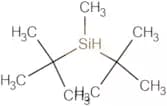
CAS:<p>S05860 - Di-t-butylmethylsilane</p>Fórmula:C9H22SiPureza:95%Forma y color:Liquid, ClearPeso molecular:158.36Dodecamethylpentasiloxane
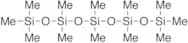
CAS:Producto controlado<p>Applications A non-cyclic polydimethyl siloxane. Study shows that it can be transformed by a specific microflora and in the natural environment degraded by mechanisms similar to other organic compounds.<br>References Watanabe, N. et al.: Ecotoxic. Env. Safety, 11, 174 (1986); Wasserbauer, R. et al.: Folia Microbiologica, 35, 384 (1990);<br></p>Fórmula:C12H36O4Si5Forma y color:NeatPeso molecular:384.84Di-tert-butyldichlorosilane
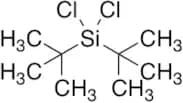
CAS:Producto controlado<p>Applications Di-tert-butyldichlorosilane (cas# 18395-90-9) is a useful research chemical.<br></p>Fórmula:C8H18Cl2SiForma y color:NeatPeso molecular:213.22Methyl-n-octadecyldichlorosilane
CAS:Pureza:95%Forma y color:Solid, Low Melting SolidPeso molecular:367.510009765625Octamethyl-1,7-tetrasiloxanediol
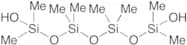
CAS:Producto controlado<p>Applications Octamethyl-1,7-tetrasiloxanediol, can be used in the preparation of Silicone coated Celgard-2400 for the adhesion of canine platelets and leucocytes.<br>References Chawla, A. S.: Biomaterials, 2, 83 (1981)<br></p>Fórmula:C8H26O5Si4Forma y color:ColourlessPeso molecular:314.63Trimethylsilyloxyfuran
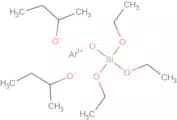
CAS:<p>S19920 - Trimethylsilyloxyfuran</p>Fórmula:C7H12O2SiPureza:98%Forma y color:LiquidPeso molecular:156.256Di-s-butoxyaluminoxytriethoxysilane
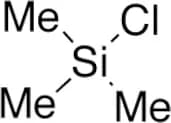
CAS:<p>S05725 - Di-s-butoxyaluminoxytriethoxysilane</p>Fórmula:C14H33AlO6SiForma y color:Liquid, ClearPeso molecular:352.479Chlorotrimethylsilane
CAS:<p>Stability Moisture Sensitive<br>Applications Chlorotrimethylsilane have been used in the preparation of volatile derivatives of a wide range of compounds for GC analysis. Chlorotrimethylsilane has been used for silylation and as a protection group in the process of various organic synthesis.<br> E0<br>References Casimiro, M., et al.: Org. Lett., 15, 2378 (2013); Lifchits, O., et al.: J. Am. Chem. Soc., 135, 6677 (2013);<br></p>Fórmula:C3H9ClSiForma y color:NeatPeso molecular:108.64Dodecamethylcyclohexasiloxane
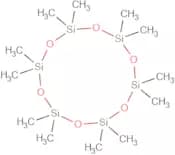
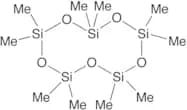
CAS:<p>S08515 - Dodecamethylcyclohexasiloxane</p>Fórmula:C12H36O6Si6Pureza:95% ;Forma y color:Liquid, ClearPeso molecular:444.924Decaborane
CAS:Producto controlado<p>Applications Decaborane is a useful building block mostly used in the preparation of carboranes. On its own, Decaborane is able to undergo reduction via acetate as a neat liquid.<br> E0<br>References Marsh, A. V.; et al.: Angew. Chem. Int. Ed., 57, 10640 (2018); Kelley, S. P.; et al.: ACS Omega, 3, 8491 (2018).<br></p>Fórmula:B10H14Forma y color:NeatPeso molecular:122.22Octadecyltriethoxysilane
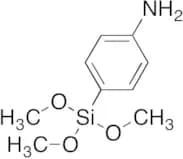
CAS:Producto controlado<p>Applications OCTADECYLTRIETHOXYSILANE (cas# 7399-00-0) is a useful research chemical.<br></p>Fórmula:C24H52O3SiPureza:>90%Forma y color:NeatPeso molecular:416.753Aminophenyltrimethoxysilane
CAS:Producto controlado<p>Applications Aminophenyltrimethoxysilane is a useful intermediate for the preparation of aromatic silanes as high thermal stability coupling agents.<br>References Pan, Y., et al.: Adv. Mat. Res., 690, 1483 (2013)<br></p>Fórmula:C9H15NO3SiForma y color:NeatPeso molecular:213.317-Bromo-6-methyl-1-((2-(trimethylsilyl)ethoxy)methyl)-1H-indazole
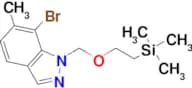
CAS:Pureza:95.0%Peso molecular:341.3240051269531(R)-Methyl 3-((tert-butyldimethylsilyl)oxy)hex-5-enoate
CAS:Pureza:97%Peso molecular:258.4330139160156tert-Butyldimethylsilyl Chloride
CAS:<p>Applications Used to protect alcohols during organic synthesis.<br>References Shen, H., et al.: J. Med. Chem., 53, 2666 (2010), Qiang, L., et al.: Bioorg. Med. Chem. Lett., 20, 836 (2010),<br></p>Fórmula:C6H15ClSiForma y color:White SolidPeso molecular:150.72Decamethylcyclopentasiloxane
CAS:Producto controlado<p>Applications A cyclic volatile methylsiloxane (cVMS) used in cosmetic and personal care products. Used in dermal exposure and inhalation toxicity study.<br>References Wang, R. et al: Env. Int., 35, 900 (2009); Johnson, B. et al.: Chem. Ind. Digest, 23, 79 (2010); Reddy, M.D, et al.: Toxic. Sci., 105, 275 (2008);<br></p>Fórmula:C10H30O5Si5Forma y color:ColourlessPeso molecular:370.77n-Triacontyldimethylchlorosilane, blend
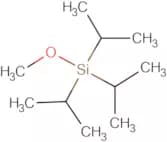
CAS:Pureza:techForma y color:SolidPeso molecular:515.4199829101562Triisopropylmethoxysilane
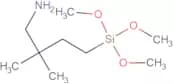
CAS:<p>S17960 - Triisopropylmethoxysilane</p>Fórmula:C10H24OSiForma y color:Liquid, ClearPeso molecular:188.3864-Amino-3,3-dimethylbutyltrimethoxysilane
CAS:<p>S25031 - 4-Amino-3,3-dimethylbutyltrimethoxysilane</p>Fórmula:C9H23NO3SiPureza:97%Forma y color:LiquidPeso molecular:221.372N,O-Bis(trimethylsilyl)trifluoroacetamide (~90%)
CAS:Producto controlado<p>Applications Used as a reactant in the preparation of pyrimidinone ribosides and analogs that show anti-tumor properties.<br> Not a dangerous good if item is equal to or less than 1g/ml and there is less than 100g/ml in the package<br>References Driscoll, J.S. et al.: J. Med. Chem., 34, 3280 (1991); Pan, L. et al.: J. Pharm. Biomed. Anal., 52, 589 (2010);<br></p>Fórmula:C8H18F3NOSi2Pureza:~90%Forma y color:Colourless To Light YellowPeso molecular:257.40Triisopropylsilane
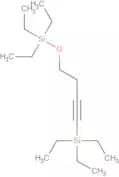
CAS:Producto controlado<p>Applications Triisopropylsilane is used in the design of internalizing PSMA-specific Glu-ureido-based radiotherapeuticals for prostrate cancers. Reagent for the rational design of dual peptides targeting ghrelin and Y2 receptors to regulate food intake and body weight. Also functions as a highly selective reducing agent used in the preparation of anti-1,2-diols.<br> Not a dangerous good if item is equal to or less than 1g/ml and there is less than 100g/ml in the package<br>References Wuestemann, T., et al.: Theranostics, 6, 1085 (2016); Kilian, T., et al.: J. Med. Chem., 58, 4180 (2015); Horners, L.; et al.: Organomet. Chem., 282, 155 (1985)<br></p>Fórmula:C9H22SiForma y color:NeatPeso molecular:158.361-Triethylsilyl-4-(Triethlylsilyloxy)-1-Butyne
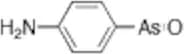
CAS:<p>S17624 - 1-Triethylsilyl-4-(Triethlylsilyloxy)-1-Butyne</p>Fórmula:C16H34OSi2Pureza:97%Forma y color:LiquidPeso molecular:298.617p-Aminophenyl Arsenoxide
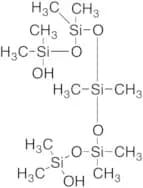
CAS:Producto controlado<p>Applications p-Aminophenyl Arsenoxide is a useful reagent for the study of 2-oxoacid dehydrogenase multienzyme complexes.<br> Not a dangerous good if item is equal to or less than 1g/ml and there is less than 100g/ml in the package<br>References Stevenson, et al.: Biochemistry, 17, 11, 2191 (1978)<br></p>Fórmula:C6H6AsNOForma y color:NeatPeso molecular:183.04Decamethyl-1,9-Pentasiloxanediol
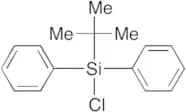
CAS:Producto controladoFórmula:C10H32O6Si5Forma y color:ColourlessPeso molecular:388.78tert-Butyldiphenylchlorosilane
CAS:Producto controlado<p>Applications tert-Butyldiphenylchlorosilane is used to synthesize interphenylene phenyloxazoles, compounds that have antagonistic activity against thromboxane receptors which can be used for treatment of circulatory disorders, angina and stroke.<br> Not a dangerous good if item is equal to or less than 1g/ml and there is less than 100g/ml in the package<br>References Hadjipavlou–Litina, D. & Kontogiorgis, C.: Int. Elect. J. Mol. Des., 1, 300 (2002); Misra, R., et al.: Bioorg. Med. Chem. Lett., 2, 937 (1992)<br></p>Fórmula:C16H19ClSiForma y color:NeatPeso molecular:274.86N-(triethoxysilylpropyl)-O-polyethyleneoxideurethane
CAS:Pureza:95%Forma y color:Liquid, ClearPeso molecular:353.186978862N-Hexylsilane
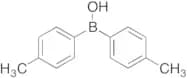
CAS:<p>S09900 - n-Hexylsilane</p>Fórmula:C6H16SiForma y color:Liquid, ClearPeso molecular:116.27899932861328Hydroxydi-p-tolylborane
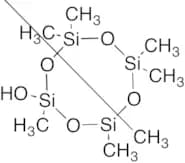
CAS:Producto controlado<p>Applications Hydroxydi-p-tolylborane is a building block used as a reactant in the nickel-catalyzed cross-coupling of diarylborinic acids with aryl chlorides.<br>References Chen, X., et al.: ACS Catalys., 4, 379 (2014);<br></p>Fórmula:C14H15BOForma y color:NeatPeso molecular:210.08Heptamethylcyclotetrasiloxan-2-ol
CAS:Producto controlado<p>Applications Heptamethylcyclotetrasiloxan-2-ol is a derivative of Octamethylcyclotetrasiloxane (O237145), which is an organometallic reagent that can be used in the preparation of siloxane polymers, with high surface-hydrophobicity restoration.<br>References Fritz, O., et al.: MRS Online Proceedings Library, 1535 (2012); Vanossi, A., et al.: Condensed Matter (2013);<br></p>Fórmula:C7H22O5Si4Forma y color:NeatPeso molecular:298.59N,O-Bis(trimethylsilyl)acetamide
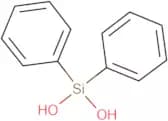
CAS:Producto controlado<p>Applications N,O-Bis(trimethylsilyl)acetamide is used as a reagent in the synthesis of 4'-spirocyclic phosphono-nucleosides as potential inhibitors of hepatitis C virus NS5B polymerase. Also used as a reagent in the microwave-assisted synthesis of purine nucleosides as selective cholinesterase inhibitors.<br> Not a dangerous good if item is equal to or less than 1g/ml and there is less than 100g/ml in the package<br>References Dang, Q., et al.: Tetrahedron Lett., 55, 4407 (2014); Schwarz, S., et al.: Org. Biomol. Chem., 12, 2446 (2014)<br></p>Fórmula:C8H21NOSi2Forma y color:NeatPeso molecular:203.43Diphenylsilanediol
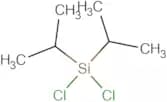
CAS:<p>S08075 - Diphenylsilanediol</p>Fórmula:C12H12O2SiPureza:>98.0%(GC)Forma y color:White powderPeso molecular:216.311Diisopropyldichlorosilane
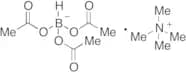
CAS:<p>S06800 - Diisopropyldichlorosilane</p>Fórmula:C6H14Cl2SiPureza:>98.0%(GC)Forma y color:LiquidPeso molecular:185.16000366210938Tetramethylammonium Triacetoxyborohydride (>90%)
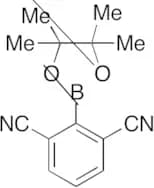
CAS:Producto controlado<p>Applications Tetramethylammonium Triacetoxyborohydride is used in the synthesis of Peloruside A. Epoxypropanoate is a neurokinin substance P receptor antagonist synthesized from this compound.<br> Not a dangerous good if item is equal to or less than 1g/ml and there is less than 100g/ml in the package<br>References Gazaille, J. et al.: Org. Lett., 14, 178 (2012); Prevost, S. et al.: Tetrahedron Asymm., 21, 16 (2010);<br></p>Fórmula:C10H22BNO6Pureza:>90%Forma y color:NeatPeso molecular:263.12-(4,4,5,5-Tetramethyl-1,3,2-dioxaborolan-2-yl)isophthalonitrile (~90%)
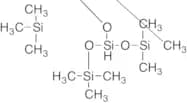
CAS:Producto controlado<p>Applications 2-(4,4,5,5-Tetramethyl-1,3,2-dioxaborolan-2-yl)isophthalonitrile, is an intermediate used for the synthesis of more complex compounds.<br></p>Fórmula:C14H15BN2O2Pureza:~90%Forma y color:NeatPeso molecular:254.092Tris(trimethylsiloxy)silane
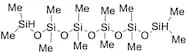
CAS:Producto controlado<p>Stability Moisture Sensitive<br>Applications Tris(trimethylsiloxy)silane functions as a modified siloxane elastomer for controlled cell growth or as a biomaterial surface that induces a desired cellular response.<br> Not a dangerous good if item is equal to or less than 1g/ml and there is less than 100g/ml in the package<br>References Gibson, A. L., et al.: Mater. Res. Soc. Symp. Proc., 711, 169 (2002)<br></p>Fórmula:C9H28O3Si4Forma y color:NeatPeso molecular:296.661,1,3,3,5,5,7,7,9,9,11,11-Dodecamethylhexasiloxane
CAS:<p>Applications 1,1,3,3,5,5,7,7,9,9,11,11-DODECAMETHYLHEXASILOXANE (cas# 995-82-4) is a useful research chemical.<br></p>Fórmula:C12H38O5Si6Forma y color:NeatPeso molecular:430.94Dodecyldimethylchlorosilane
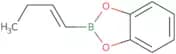
CAS:Pureza:>95.0%(GC)Forma y color:LiquidPeso molecular:262.94000244140625(E)-2-(1-Butenyl)-1,3,2-benzodioxaborole
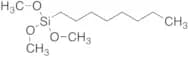
CAS:Producto controlado<p>Applications (E)-2-(1-Butenyl)-1,3,2-benzodioxaborole (cas# 106094-36-4) is a compound useful in organic synthesis.<br></p>Fórmula:C10H11BO2Forma y color:NeatPeso molecular:174.0Trimethoxy(octyl)silane
CAS:Producto controlado<p>Applications Trimethoxy(octyl)silane is a surface modifier used as additive for polymer encapsulation and for controlled drug delivery.<br>References Erdem, B., et al.: Langmuir, 17, 2664 (2001); Doadrio, J., et al.: J. Mater. Chem., 16, 462 (2006);<br></p>Fórmula:C11H26O3SiForma y color:NeatPeso molecular:234.408(3,3,3-Trifluoropropyl)dimethylchlorosilane
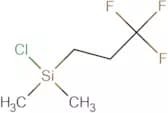
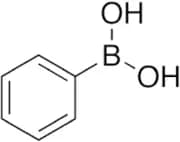
CAS:Pureza:90%Forma y color:LiquidPeso molecular:190.6699981689453Phenylboronic Acid (95%)
CAS:Producto controlado<p>Applications Phenylboronic Acid is a compound used in organic synthesis of various pharmaceutical goods.<br>References Ainley, A.D., et al.: J. Chem. Soc., 2171 (1930);<br></p>Fórmula:C6H7BO2Pureza:95%Forma y color:NeatPeso molecular:121.93Hydroxymethyltriethoxysilane 50% in ethanol
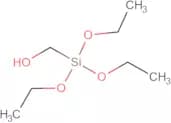
CAS:<p>S25189 - Hydroxymethyltriethoxysilane 50% in ethanol</p>Fórmula:C7H18O4SiForma y color:LiquidPeso molecular:194.3020019531253-(2-Aminoethyl)3-Aminopropyltrimethoxy silane
CAS:Fórmula:C8H22N2O3SiPureza:98%Forma y color:LiquidPeso molecular:222.36Trimethylsilylacetylene
CAS:<p>Trimethylsilylacetylene is a chemical compound that belongs to the class of organic compounds. It is an intermediate in the production of fatty acids and has been shown to be involved in the metabolism of other compounds, such as halides. Trimethylsilylacetylene is also used to inhibit inflammatory diseases and metabolic disorders, such as diabetes mellitus and Alzheimer's disease. Trimethylsilylacetylene inhibits replication by binding to the amine group on purine bases or DNA at the replication fork. This prevents DNA synthesis, which prevents cell division, causing cells to die. Trimethylsilylacetylene also inhibits cell division by reacting with carbonyl groups on proteins during replication.</p>Fórmula:C5H10SiPureza:Min. 95%Forma y color:Colorless Clear LiquidPeso molecular:98.22 g/mol4-Bromophenylboronic acid
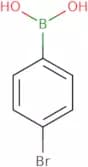
CAS:<p>4-Bromophenylboronic acid is a boronic acid with a basic structure. It has been used to synthesize picolinic acid, which is a water-soluble drug with light emission and anhydrous sodium. 4-Bromophenylboronic acid has been shown to have diagnostic properties because of its ability to enhance the concentration–time curve of sodium salts in human serum. It can also be used as an asymmetric synthesis agent for the production of fatty acids.</p>Fórmula:C6H6BBrO2Pureza:Min. 97.5 Area-%Forma y color:PowderPeso molecular:200.83 g/molγ-Chloropropyl trimethoxysilane
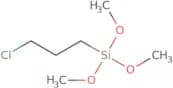
CAS:<p>Gamma-chloropropyl trimethoxysilane (CPS) is a chemical compound with the formula Cl3Si(OCH3)2. It is an organosilicon compound that is used in surface preparation and modification to improve hydrophobicity, chemical stability, and mechanical properties. CPS forms covalent linkages with organic compounds on the surface by reaction with hydroxyl groups. It has been shown to react with fatty acids such as oleic acid, forming a metal chelate. CPS reacts with sodium carbonate (Na2CO3) to form sodium chloropropoxide (NaClOCH3). This reaction is exothermic and can be used for sample preparation. The mechanism of this reaction is thought to involve the formation of a copper complex followed by its hydrolysis.</p>Fórmula:C6H15ClO3SiPureza:Min. 95%Forma y color:Clear LiquidPeso molecular:198.72 g/mol3-Cyanophenylboronic acid
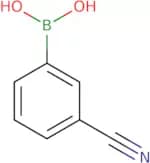
CAS:<p>3-Cyanophenylboronic acid is an organic compound that has been shown to have antimicrobial activity against Pseudomonas aeruginosa. The synthetic pathway of this compound begins with the benzamidine, which reacts with dibutyltin oxide to form 3-cyanophenylboronic acid. This molecule can then be reacted with a cationic polymerization agent such as polyethyleneimine or polyallylamine, producing a polymerized product. When tested in humans, 3-cyanophenylboronic acid showed a high oral bioavailability and low plasma protein binding. It also has a short serum half-life and is metabolized by serine proteases in the liver.</p>Fórmula:C7H6BNO2Pureza:Min. 95%Forma y color:PowderPeso molecular:146.94 g/molN-α-Boc-N-ε-Fmoc-L-lysine
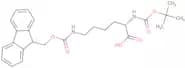
CAS:<p>N-alpha-Boc-N-epsilon-Fmoc-L-lysine is a cyclic peptide that has antimicrobial properties. The peptide is synthesized from the amino acid lysine and contains a sequence of lysine residues. N-alpha-Boc-N-epsilon-Fmoc-L-lysine can be used to treat herpes simplex virus infections and influenza virus infections. It also has the potential to neutralize glycopeptide antibiotics, such as vancomycin, by binding to their cell wall targets and interfering with the function of these molecules. In addition, this peptide can be used to manufacture insulin analogues with improved pharmacokinetic properties and increased stability in blood plasma.</p>Fórmula:C26H32N2O6Pureza:Min. 95%Forma y color:White To Off-White SolidPeso molecular:468.54 g/mol3-Dansylaminophenylboronic acid
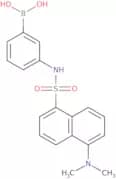
CAS:<p>3-Dansylaminophenylboronic acid is a boronic acid that forms reversible covalent bonds with dopamine. It can be used in the diagnosis of cancer, as it binds to histone lysine and magnetic particles. The fluorescence resonance of 3-Dansylaminophenylboronic acid can also be used in the diagnosis of cancer, as it produces a strong signal. This compound has been shown to have homogeneous assays for the detection of dopamine and lipoprotein lipase in urine samples. 3-Dansylaminophenylboronic acid has also been found to be effective against cancer cells in culture, although it is not active against polysialic-expressing cells.</p>Fórmula:C18H19BN2O4SPureza:Min. 95%Forma y color:PowderPeso molecular:370.23 g/molArsenazo III
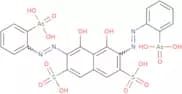
CAS:<p>Arsenazo III is a metal-binding dye that has been shown to bind to the cytosolic calcium ion. The binding of Arsenazo III to calcium has been shown to inhibit the voltage-dependent calcium channels, leading to a decrease in cytosolic calcium concentration. This reduction in cytosolic calcium is associated with energy metabolism and human serum titration calorimetry experiments. The binding of Arsenazo III to calcium is also responsible for its light signal. Arsenazo III binds to copper chloride and forms an insoluble precipitate when reacted with acidic solutions. This reaction can be used for analytical purposes as it produces a quantifiable end-point with plasma mass spectrometry.</p>Fórmula:C22H18As2N4O14S2Pureza:(%) Min. 85%Peso molecular:776.37 g/mol6-Chloro-2-fluoropyridine-3-boronic acid
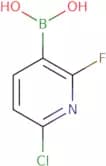
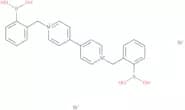
CAS:<p>6-Chloro-2-fluoropyridine-3-boronic acid is a versatile building block for the synthesis of complex compounds, which can be used as a reagent in research or as a speciality chemical. This compound can be used as an intermediate, reaction component, or scaffold to synthesize other more complex structures. 6-Chloro-2-fluoropyridine-3-boronic acid is available in high quality and has CAS No. 1256345-66-0.</p>Fórmula:C5H4BClFNO2Pureza:Min. 95%Forma y color:Light (Or Pale) Orange SolidPeso molecular:175.35 g/molN,N'-4,4'-Bis(benzyl-2-boronic acid)-bipyridinium dibromide
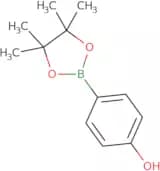
CAS:<p>N,N'-4,4'-Bis(benzyl-2-boronic acid)-bipyridinium dibromide is a high quality reagent that can be used as an intermediate for the synthesis of complex organic compounds. It is a complex compound that contains boronic acid and bipyridinium moieties. N,N'-4,4'-Bis(benzyl-2-boronic acid)-bipyridinium dibromide is useful in the synthesis of fine chemicals and speciality chemicals. It has versatile building block properties and can be used as a reaction component in many chemical reactions.</p>Fórmula:C24H24B2N2O4Br2Pureza:Min. 95%Forma y color:PowderPeso molecular:585.89 g/mol4-Hydroxyphenylboronic acid pinacol ester
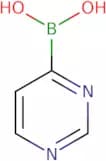
CAS:<p>4-Hydroxyphenylboronic acid pinacol ester is a hydrophilic compound that has been used as a long-acting iron chelator. It has been shown to be active in the treatment of anemic patients with chronic kidney disease. 4-Hydroxyphenylboronic acid pinacol ester has been shown to bind to hepcidin, which is a peptide hormone that regulates iron homeostasis in the body by decreasing its absorption from the gut and increasing its excretion. It also binds to functional groups on proteins and other molecules, which allow for selective targeting of certain tissues or cells. This compound can be activated by light, making it photochromic. The addition of an active oxygen atom enables this molecule to react at a faster rate than most compounds and also creates reactive oxygen species (ROS) in humans when activated.</p>Fórmula:C12H17BO3Pureza:Min. 95%Forma y color:White PowderPeso molecular:220.1 g/molPyrimidine-4-boronic acid
CAS:<p>Pyrimidine-4-boronic acid is a pyrimidine derivative that is used as a building block or intermediate in organic chemistry. It has the CAS number 852362-24-4 and can be found in research chemicals and speciality chemicals. Pyrimidine-4-boronic acid is a versatile chemical with many uses, including as a reaction component or reagent. This compound has many properties that make it useful for synthesis, such as its low toxicity and high quality.</p>Fórmula:C4H5BN2O2Pureza:Min. 95 Area-%Forma y color:PowderPeso molecular:123.91 g/mol(1-Methylethyl)boronic acid
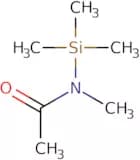
CAS:<p>(1-Methylethyl)boronic acid is a boronic acid that can be used as a catalyst in organic synthesis. This compound is an organometallic compound that has been shown to be a good catalyst for the polymerization of olefins, and for the preparation of copolymers with polyenes. It can also be used in asymmetric synthesis and as a site-specific ligand in transition metal catalyzed reactions. (1-Methylethyl)boronic acid has been shown to inhibit protease activity and may have therapeutic potential for metabolic disorders such as obesity.</p>Fórmula:C3H9BO2Pureza:Min. 95%Forma y color:PowderPeso molecular:87.91 g/molN-Methyl-N-trimethylsilylacetamide
CAS:<p>N-Methyl-N-trimethylsilylacetamide is a bifunctional amide that can react with an electrophile, such as hexane, to form an N-methylated product. The amide group of the molecule can also be deprotonated by a strong base to form an enolate, which can then react with a nucleophile. The NMR spectra of this compound show that it has a multinuclear structure and contains two tautomers. It is used in analytical chemistry for sample preparation, chromatographic science for reaction intermediates, and chemical study for its reactivity.</p>Fórmula:C6H15NOSiPureza:Min. 97 Area-%Forma y color:Clear LiquidPeso molecular:145.27 g/molDichlorodiethylsilane
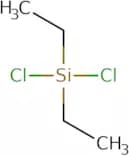
CAS:<p>Dichlorodiethylsilane is an aromatic hydrocarbon that is a colorless liquid with a pungent odor. It has been used as a chemical intermediate and in the synthesis of dyes, pharmaceuticals, and other organic chemicals. Dichlorodiethylsilane reacts with hydrogen fluoride to form hydrogen chloride and dichloroethane. The reaction products are acidic due to the presence of hydroxyl groups, which react with water vapor to form hydrochloric acid and alcohols. Dichlorodiethylsilane reacts with nucleophiles such as chlorides or hydroxides to form ether linkages. This compound also reacts with c1-c4 haloalkyls to form chlorinated alkyl groups. Dichlorodiethylsilane is soluble in water, but not in ether or benzene. It is stable at room temperature but decomposes when heated to temperatures above 200°C (392°F).</p>Fórmula:C4H10Cl2SiPureza:Min. 95%Forma y color:PowderPeso molecular:157.11 g/mol1-Isopropyl-o-carborane
CAS:Producto controlado<p>1-Isopropyl-o-carborane is a solvent that is used in the preparation of alicyclic and iso-alicyclic compounds. It can be used as an alkylating agent for the preparation of substituted cyclohexanes, butyric acid, and aldehydes. 1-Isopropyl-o-carborane has been shown to react with carbon nuclei to form organometallic reagents. This reaction allows for the substitution of hydrogen atoms in hydrocarbons with other organic groups. 1-Isopropyl-o-carborane is also an organometallic reagent that reacts with butyric acid to form 1,2,3,4,5,6,-hexahydrobenzocyclobuta[cd]pentalene and 1,2,3,4,-tetrahydrobenzocyclobuta[cd]pentalene.</p>Pureza:Min. 95%3-Trifluoromethoxyphenylboronic acid
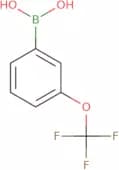
CAS:<p>3-Trifluoromethoxyphenylboronic acid is a lead compound that has the potential to be an efficient and water-soluble inhibitor of protein kinases. It has been shown to have a significant inhibitory effect on vismodegib transport. This compound may also have anticancer properties. 3-Trifluoromethoxyphenylboronic acid binds to the active site of protein kinases, blocking their catalytic activity and inhibiting cell proliferation by interfering with the signaling pathway that regulates cancer cells.</p>Fórmula:C7H6BF3O3Pureza:Min. 90%Forma y color:PowderPeso molecular:205.93 g/mol3-Acetylphenylboronic acid
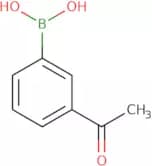
CAS:<p>3-Acetylphenylboronic acid is a functional group with an acetyl group substituted for the hydroxyl group of phenol. 3-Acetylphenylboronic acid has been shown to inhibit cholinesterase through competitive inhibition. It also binds to the endocannabinoid receptor CB1 and competes with anandamide, which is a natural ligand of this receptor. 3-Acetylphenylboronic acid may be used as a replacement for fatty acids in carbon nanotubes because it has the same basic structure but does not react with oxygen or other chemicals. 3-Acetylphenylboronic acid also reacts with metal ions such as copper and zinc, which may be due to its electron withdrawing ability.</p>Fórmula:C8H9BO3Pureza:Min. 98 Area-%Forma y color:White Slightly Yellow PowderPeso molecular:163.97 g/molDimethyl(methylthio)sulfonium Tetrafluoroborate
CAS:<p>Dimethyl(methylthio)sulfonium Tetrafluoroborate (DMTSBF) is a synthetic, activated, nucleophilic reagent that has the ability to cleave disulfide bonds in proteins. DMTSBF is used for the synthesis of fatty acids and other organic compounds. It can also be used as an analytical reagent for determining the blood group of proteins. The chloride ion is necessary for this reaction. DMTSBF reacts with a nucleophile (e.g., hydroxyl, amine, thiol) to form a new bond and release sodium carbonate and silver trifluoromethanesulfonate.</p>Fórmula:C3H9BF4S2Pureza:Min. 95%Forma y color:PowderPeso molecular:196.04 g/molSodium tetrakis[3,5-bis(trifluoromethyl)phenyl]borate
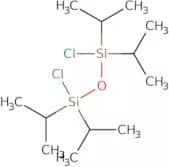
CAS:<p>Tetrakis(3,5-bis(trifluoromethyl)phenyl)borate is a boron compound that has the formula [(CH)B] and is an ionic compound. It is a model system for studying conformational properties of organic compounds in solution. A reaction solution containing sodium tetrakis(3,5-bis(trifluoromethyl)phenyl)borate reacts with coumarin derivatives to form stable complexes. These complexes are then detected by infrared spectroscopy, mass spectrometry, and nuclear magnetic resonance (NMR). This method has been applied to urine samples and plasma from healthy subjects as well as human serum. The stable complexes can be used to measure the concentration of free coumarin derivatives in these samples. The cationic polymerization of polystyrene was studied using tetrakis(3,5-bis(trifluoromethyl)phenyl)borate</p>Fórmula:C32H12BF24•NaPureza:(%) Min. 95%Forma y color:PowderPeso molecular:886.2 g/mol1,3-Dichloro-1,1,3,3-tetraisopropyldisiloxane
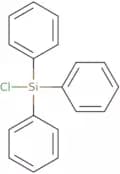
CAS:<p>1,3-Dichloro-1,1,3,3-tetraisopropyldisiloxane is a chromatographic stationary phase that has been used for the analysis of oligosaccharides and hydrogen bonds. 1,3-Dichloro-1,1,3,3-tetraisopropyldisiloxane has been shown to be useful in the separation of uridine from other nucleotides. It also has been shown to be useful as a titration calorimetry standard. This stationary phase can be used with fluorescence spectrometry and tryptophan fluorescence for structural analysis of pyrimidine compounds. Molecular modeling studies have also demonstrated that this stationary phase is stereoselective with regards to hydroxyl group emissions. The 1,3-Dichloro-1,1,3,3-tetraisopropyldisiloxane stationary phase is</p>Fórmula:C12H28Cl2OSi2Pureza:Min. 95%Forma y color:Colorless Slightly Yellow Clear LiquidPeso molecular:315.43 g/molTriphenylchlorosilane
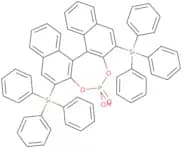
CAS:<p>Triphenylchlorosilane is a reactive compound that has been used as a model system for studying the reaction of congestive heart failure. It has been shown to inhibit energy metabolism and cell factor, which are important factors in the progression of congestive heart failure. Triphenylchlorosilane also reacts with p-hydroxybenzoic acid to form an unstable intermediate, which undergoes intramolecular hydrogen transfer to give the final product. The reaction mechanism is proposed to be a coordination geometry involving three chlorine atoms. This compound is not reactive with sodium salts or structural analysis, but it does bind signal peptide in vivo models and can be used as a probe for protein-protein interactions.</p>Fórmula:C18H15ClSiPureza:Min. 95%Forma y color:PowderPeso molecular:294.85 g/mol(R)-(-)-3,3′-Bis(triphenylsilyl)-1,1′-binaphthyl-2,2′-diyl hydrogenphosphate
CAS:<p>(R)-(-)-3,3′-Bis(triphenylsilyl)-1,1′-binaphthyl-2,2′-diyl hydrogenphosphate is a fine chemical that is a useful reagent and building block. It can be used as an intermediate in the synthesis of complex compounds. This chemical has a CAS number of 791616-55-2 and is classified as a speciality chemical. (R)-(-)-3,3′-Bis(triphenylsilyl)-1,1′-binaphthyl-2,2′-diyl hydrogenphosphate is also a versatile building block for the synthesis of reaction components with high quality.</p>Fórmula:C56H41O4PSi2Pureza:Min. 94.5 Area-%Forma y color:PowderPeso molecular:865.07 g/molo-Carborane-9-Carboxylic acid
CAS:Producto controlado<p>o-Carborane-9-carboxylic acid (C9CA) is a new antitumour agent that has been shown to be effective against human tumour cells and tumour cell lines. C9CA also has a high affinity for the active site of the enzyme dihydrofolate reductase, which is involved in the synthesis of DNA. The antitumour activity of C9CA is mediated by its ability to inhibit DNA synthesis and induce apoptosis. C9CA has been shown to be less toxic than methotrexate and doxorubicin, with the potential for fewer side effects.</p>Pureza:Min. 95%2,3-Dimethoxyphenylboronic acid
CAS:<p>2,3-Dimethoxyphenylboronic acid is a synthetic molecule that contains a boronic acid group. This compound has been shown to interact with histones H3 and L6. It has also been shown to modify lysine residues on the histone H3 protein by methylation. In addition, 2,3-dimethoxyphenylboronic acid interacts with other molecules in a way that changes their conformation and this interaction can be studied using vibrational spectroscopy. Organic chemists may use 2,3-dimethoxyphenylboronic acid as a ligand for biological targets or as a means of modifying proteins.</p>Fórmula:C8H11BO4Pureza:Min. 95%Forma y color:PowderPeso molecular:181.98 g/mol(1R,2R,3S,5R)-Pinanediol pyrrolidine-2S-boronate hydrochloride
CAS:<p>(1R,2R,3S,5R)-Pinanediol pyrrolidine-2S-boronate hydrochloride is a reagent that can be used in the synthesis of complex compounds. It is a fine chemical with CAS No. 149716-73-4. (1R,2R,3S,5R)-Pinanediol pyrrolidine-2S-boronate hydrochloride has a number of uses including as an intermediate for the preparation of speciality chemicals and as a building block for reactions in research. This compound is also useful as a versatile building block for many reactions.</p>Fórmula:C14H25BClNO2Pureza:Min. 95%Forma y color:PowderPeso molecular:285.62 g/molN-Benzyl-4-phenyl pyridinium tetrafluoroborate
CAS:<p>N-Benzyl-4-phenyl pyridinium tetrafluoroborate is a fine chemical that can be used as a building block in the synthesis of complex compounds. It has been shown to have versatile applications in organic synthesis, such as being a useful intermediate and reaction component. N-Benzyl-4-phenyl pyridinium tetrafluoroborate is an extremely high quality reagent with few side effects and low toxicity.</p>Fórmula:C18H16N•BF4Pureza:Min. 95%Peso molecular:333.13 g/mol(E)-2-(1-Butenyl)-1,3,2-benzodioxaborole
CAS:<p>(E)-2-(1-Butenyl)-1,3,2-benzodioxaborole is a novel glycogen synthase inhibitor that has been shown to be effective in diabetic animal models. It was found to inhibit the activity of glycogen phosphorylase and increase the level of glycogen in the liver. (E)-2-(1-Butenyl)-1,3,2-benzodioxaborole has been optimized by replacing one or more of its moieties with anthranilimide groups. This replacement increases potency by 2 orders of magnitude with nanomolar potency. (E)-2-(1-Butenyl)-1,3,2-benzodioxaborole inhibits xanthine oxidase and xanthine dehydrogenase enzymes and prevents the formation of uric acid from xanthine during purine metabolism. It also inhibits glycolysis and glucose production through inhibition of phosphofructokinase 1.</p>Fórmula:C10H11BO2Pureza:Min. 95%Forma y color:PowderPeso molecular:174 g/molOctadecamethylcyclononasiloxane
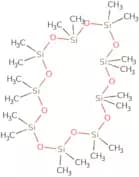
CAS:<p>Octadecamethylcyclononasiloxane is a silicon-containing molecule, which has been shown to have antihypertensive activity. It works by inhibiting the production of angiotensin II, a key regulator of blood pressure, and thereby reducing blood pressure. Octadecamethylcyclononasiloxane also exhibits tumor-promoting activities in some animal models. This molecule is used as a surface active agent in many household products such as dishwashing detergents, shampoos, and cosmetics. It is also used as an acid catalyst in organic synthesis and in the manufacture of magnetic particles for use in biotechnology.<br>A fatty acid ester with functional groups that can be found on its surface may contribute to octadecamethylcyclononasiloxane's cancer-promoting activities.</p>Fórmula:C18H54O9Si9Pureza:Min. 95%Forma y color:Clear LiquidPeso molecular:667.39 g/molOctakis(trimethylsiloxy)silsesquioxane
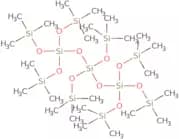
CAS:<p>Octakis(trimethylsiloxy)silsesquioxane is a cross-linking agent that forms covalent bonds with ethylene diamine and aluminium ions. It has been shown to be active against bacterial species such as Staphylococcus aureus, Pseudomonas aeruginosa, and Escherichia coli. Octakis(trimethylsiloxy)silsesquioxane binds to the calcium carbonate of the cell wall, forming a complex that prevents the bacteria from adhering to surfaces. The fluidity of octakis(trimethylsiloxy)silsesquioxane particles allows them to penetrate the cell membrane and inhibit protein synthesis by binding to ribosomes. Octakis(trimethylsiloxy)silsesquioxane can also be used as an encapsulation agent for drugs in order to prevent their degradation by enzymes in the gastrointestinal tract.</p>Fórmula:C24H72O20Si16Pureza:Min. 95%Forma y color:Clear LiquidPeso molecular:1,130.18 g/molN-α-Fmoc-Nε-1-(4,4-dimethyl-2,6-dioxocyclohex-1-ylidene)ethyl-L-lysine
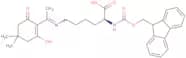
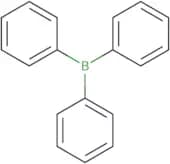
CAS:<p>N-alpha-Fmoc-Nepsilon-1-(4,4-dimethyl-2,6-dioxocyclohex-1-ylidene)ethyl-L-lysine is a synthetic amide with a peptide backbone. It has been shown to have anti tumor activity in vivo and in vitro against a variety of solid tumor xenografts. The compound was conjugated to the integrin receptor ligand RGD, which is expressed on the surface of various types of cancer cells. This modification increased the uptake of N-alpha-Fmoc-Nepsilon-1-(4,4 dimethyl 2,6 dioxocyclohex1 ylidene)ethyl L lysine by leukemia cells and solid tumor xenografts.</p>Fórmula:C31H36N2O6Pureza:Min. 98 Area-%Forma y color:Slightly Yellow PowderPeso molecular:532.63 g/molTriphenylborane
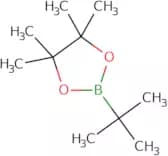
CAS:<p>Triphenylborane is a chemical compound with the formula B(C6H5)3. It is a white solid that is soluble in organic solvents, but not water. Triphenylborane reacts with phosphorus pentoxide to form diphenyl sulfoxide, and it also reacts with nitrogen gas to form diphenyl diazonium salts. Triphenylborane has been shown to be nontoxic when administered orally at doses up to 100 mg/kg in rats and mice, although it has acute toxicities when injected into rabbits and dogs. The chemical stability of triphenylborane makes it an ideal candidate for use as a high-temperature fuel additive.</p>Fórmula:C18H15BPureza:Min. 95%Forma y color:PowderPeso molecular:242.12 g/moltert-Butylboronic acid pinacol ester
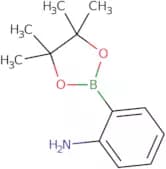
CAS:<p>tert-Butylboronic acid pinacol ester is a fine chemical reagent that is used as a building block in the synthesis of complex compounds. It is an intermediate in reactions involving the conversion of alcohols to esters with the use of acid catalysts. Tert-butylboronic acid pinacol ester has been shown to be a useful scaffold for organic synthesis, and can be used as a high quality reaction component. It also has applications as a research chemical and speciality chemical.</p>Fórmula:C10H21BO2Pureza:Min. 95%Forma y color:Clear LiquidPeso molecular:184.08 g/mol2-Aminophenylboronic acid pinacol cyclic ester
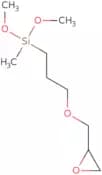
CAS:<p>This compound is a drug target that is an organic molecule found in many pharmaceuticals. It is an acidic, ammonium persulfate-sensitive biomolecule, which can be introduced into cells and tissues to study their function. This compound has been shown to have cancer-fighting abilities, and has potent inhibitory activity against microbial infections. The compound also has suzuki coupling properties, which are used to introduce hemicyanine groups onto other molecules.</p>Fórmula:C12H18BNO2Pureza:Min. 95%Forma y color:White PowderPeso molecular:219.09 g/mol(3-glycidoxypropyl)methyldimethoxysilane
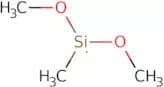
CAS:<p>3-Glycidoxypropyl methyldimethoxysilane (3-GPMDMS) is a compound that belongs to the group of organosilicon compounds. It is an organic solvent that has been used for the activation energy of ring-opening reactions. 3-GPMDMS is also suitable for immobilizing polysaccharides, proteins, and enzymes on surfaces or in polymer matrices. 3-GPMDMS has been used to produce polymers with high molecular weight and a wide range of molecular weights by polymerization. 3-GPMDMS can be synthesized by reacting glycidoxypropyltrimethoxysilane with methanol in the presence of hydrochloric acid. The chemical structure includes methoxy groups connected to silicon atoms via methylphenyl groups. 3-GPMDMS has been shown to exhibit excellent magnetic resonance properties and be a potential candidate for use as nanomaterials. It</p>Fórmula:C9H20O4SiPureza:Min. 95%Peso molecular:220.34 g/molDimethoxy(methyl)silane - 90%
CAS:<p>Dimethoxy(methyl)silane is a fluorescing hydrocarbon that is used as a sealant. It has been shown to react with calcium carbonate and chloride, forming stable complexes. Dimethoxy(methyl)silane reacts with hydrogen chloride to form a divalent hydrocarbon and can be used to produce polymer films.</p>Fórmula:C3H10O2SiPureza:Min. 95%Forma y color:Clear LiquidPeso molecular:106.2 g/molBis[3-(triethoxysilyl)propyl]tetrasulfide
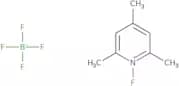
CAS:<p>Bis[3-(triethoxysilyl)propyl]tetrasulfide is a cross-linking agent that can be used to create polymer films. It has been shown to form hydrated films in deionized water, which have been studied with atomic force microscopy. Kinetic data for the polymerization of bis[3-(triethoxysilyl)propyl]tetrasulfide has also been obtained by following the increase in viscosity of a solution containing a small amount of bis[3-(triethoxysilyl)propyl]tetrasulfide and an organic modifier. Bis[3-(triethoxysilyl)propyl]tetrasulfide is typically synthesized using solid-phase synthesis on carbon nanotubes or particles.</p>Fórmula:C18H42Si2S4O6Pureza:Min. 80%Forma y color:Yellow Clear LiquidPeso molecular:538.96 g/mol1-Fluoro-2,4,6-trimethylpyridinium tetrafluoroborate
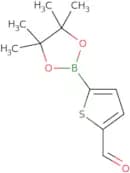
CAS:<p>1-Fluoro-2,4,6-trimethylpyridinium tetrafluoroborate is a reactive compound that is used in the synthesis of organic compounds. It can be used as a precursor to introduce fluorine into organic molecules. This reagent may also be used in reductive eliminations and dehydrogenative coupling reactions. 1-Fluoro-2,4,6-trimethylpyridinium tetrafluoroborate is thermodynamically stable and can be stored at room temperature for long periods of time.</p>Fórmula:C8H11BF5NPureza:Min. 98 Area-%Forma y color:PowderPeso molecular:226.98 g/mol5-Formyl-2-thiopheneboronic acid pinacol ester
CAS:<p>5-Formyl-2-thiopheneboronic acid pinacol ester is a boron derivative ester that serves as a Suzuki coupling building block. It is a highly versatile building block that can be used in the synthesis of various organic compounds. This compound has been widely used in the pharmaceutical industry for the development of new drugs and other bioactive molecules. Its unique structure makes it an ideal starting material for the synthesis of complex molecules with diverse biological activities. As a key intermediate in organic synthesis, 5-Formyl-2-thiopheneboronic acid pinacol ester has become an important tool for chemists working in drug discovery, materials science, and other fields. With its exceptional reactivity and versatility, this compound is an essential building block for any chemist's toolkit.</p>Fórmula:C11H15BO3SPureza:Min. 95%Forma y color:PowderPeso molecular:238.11 g/mol6-(4,4,5,5-Tetramethyl-1,3,2-dioxaborolan-2-yl)imidazo[1,2-α]pyridine
CAS:<p>6-(4,4,5,5-Tetramethyl-1,3,2-dioxaborolan-2-yl)imidazo[1,2-a]pyridine is a fine chemical that can be used as a building block in organic synthesis. It is a useful reagent and intermediate for the synthesis of other compounds. 6-(4,4,5,5-Tetramethyl-1,3,2-dioxaborolan-2-yl)imidazo[1,2-a]pyridine is soluble in acetone and ethanol. The compound has been found to be an effective reaction component in the synthesis of various complex molecules.</p>Fórmula:C13H17BN2O2Pureza:Min. 95%Forma y color:SolidPeso molecular:244.1 g/mol2-(4-(AzidoMethyl)phenyl)-4,4,5,5-tetraMethyl-1,3,2-dioxaborolane
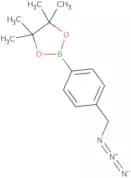
CAS:<p>2-(4-(AzidoMethyl)phenyl)-4,4,5,5-tetraMethyl-1,3,2-dioxaborolane is a high quality reagent that is useful for complex compound synthesis. It has CAS No. 1239481-05-0 and has been shown to be a useful intermediate in many reactions. 2-(4-(AzidoMethyl)phenyl)-4,4,5,5-tetraMethyl-1,3,2-dioxaborolane is also a fine chemical that can be used as a research chemical or as a building block for speciality chemicals. This compound has shown to be versatile because it can react with nucleophiles and electrophiles to produce diverse products.</p>Fórmula:C13H19BN3O2Pureza:Min. 95%Peso molecular:260.12 g/moltert-Butyldimethylsilyl trifluoromethanesulfonate
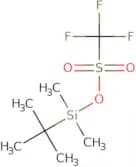
CAS:<p>tert-Butyldimethylsilyl trifluoromethanesulfonate is a nucleophilic reagent that forms an addition product with metal carbonyls. It can be used for the synthesis of indacaterol maleate, which is a phosphite prodrug for the treatment of asthma and chronic obstructive pulmonary disease. Tert-butyldimethylsilyl trifluoromethanesulfonate has been shown to catalyze asymmetric hydrogenation reactions in the presence of ammonia as a chiral auxiliary. This reagent has also been shown to inhibit the growth of bacteria and fungi through its ability to inhibit protein synthesis.</p>Fórmula:C7H15F3O3SSiForma y color:Colorless Clear LiquidPeso molecular:264.34 g/mol4-Borono-L-phenylalanine
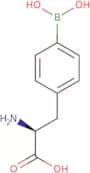
CAS:<p>4-Borono-L-phenylalanine is a boron-containing compound that has been used to study the biological effects of radiation. 4-Borono-L-phenylalanine is an analytical tool for measuring neutron scattering and other physical properties. It has also been used as a biochemical probe in studies of DNA duplexes. 4-Borono-L-phenylalanine is toxic to cells, inhibiting protein synthesis, and it can induce apoptosis in tumor cells. In experimental models, 4-borono-L phenylalanine can be administered orally or intravenously and has shown acute toxicity in animals at doses of up to 1000 mg/kg body weight.</p>Fórmula:C9H12BNO4Pureza:Min. 95%Forma y color:White PowderPeso molecular:209.01 g/molPoly(methylhydrosiloxane)
CAS:<p>Polymethylhydrosiloxane is a polymer that is used in coatings and adhesives. It has been shown to be an efficient aid for removing copper chloride from water and can be applied to the treatment of calcium carbonate sludge. Poly(methylhydrosiloxane) also has high affinity for fatty esters, which is important for its use as a mass analyzer in environmental pollution studies. This polymer has been shown to have excellent kinetic and optical properties, making it a good candidate for electrochemical studies.</p>Forma y color:Colorless Clear LiquidTrichloro(1H,1H,2H,2H- tridecafluoro-n-octyl)silane
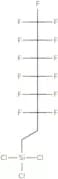
CAS:<p>Trichloro(1H,1H,2H,2H-tridecafluoro-n-octyl)silane is a chemical compound with the formula CClF[CF(CF)CFSiCl]. It is a colorless liquid that can be used in coatings and as a precursor to other fluorinated compounds. Trichloro(1H,1H,2H,2H-tridecafluoro-n-octyl)silane has been shown to have synergistic effects when combined with cationic surfactants and laser ablation techniques for microbial infection. This compound also has transport properties that are influenced by the presence of water vapor. Trichloro(1H,1H,2H,2H-tridecafluoro-n-octyl)silane is an inert monolayer on boron nitride substrates and has constant optical properties.</p>Fórmula:C8H4Cl3F13SiPureza:Min. 95%Forma y color:Clear LiquidPeso molecular:481.54 g/molN-Benzyl-2,4,6-triphenyl pyridinium tetrafluoroborate
CAS:<p>N-Benzyl-2,4,6-triphenyl pyridinium tetrafluoroborate is a molecule that regulates transcriptional activity. It can be used to isolate regulatory genes from different organisms and identify the specific genes that regulate the expression of other genes. The algorithm for this process is a stepwise, stereoselective, aerobic search. This process starts with an algorithm that identifies the best possible match between the gene sequence and the database sequences. The algorithm then transfers to another stepwise and stereoselective search of the database until it finds a match. The process ends when there are no more matches in the database or when all possible combinations have been searched. N-Benzyl-2,4,6-triphenyl pyridinium tetrafluoroborate has been shown to activate Staphylococcus aureus at very low concentrations but does not cause activation of mammalian cells at these concentrations.</p>Fórmula:C30H24N·BF4Pureza:Min. 95%Peso molecular:485.32 g/mol4-Amino-2-chlorophenylboronic acid pinacol ester
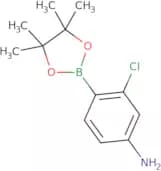
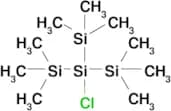
CAS:<p>4-Amino-2-chlorophenylboronic acid pinacol ester is a versatile building block that is used in the synthesis of complex compounds. It can be used as a research chemical, reagent, or speciality chemical depending on the desired use. 4-Amino-2-chlorophenylboronic acid pinacol ester reacts with nucleophiles to form covalent bonds and is also useful as a scaffold for synthesizing other compounds. This compound has been shown to be useful in the synthesis of many different types of chemicals.</p>Fórmula:C12H17BClNO2Pureza:Min. 95%Forma y color:PowderPeso molecular:253.53 g/molChlorotris(trimethylsilyl)silane
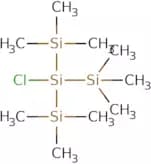
CAS:<p>Chlorotris(trimethylsilyl)silane is a chlorosilane with a trifluoromethyl group and one other organic group. It can be prepared by thermal decomposition of chlorotrimethylsilane. Chlorotris(trimethylsilyl)silane has been used in the synthesis of branched-chain alkanes and cycloalkanes, as well as in the preparation of molecular fragments for use in organometallic syntheses. This molecule absorbs ultraviolet light strongly at 254 nm, making it useful for measurements of UV absorption spectra.</p>Fórmula:C9H27ClSi4Pureza:Min. 95 Area-%Forma y color:White PowderPeso molecular:283.11 g/moltert-Butyldimethylsilyl chloride
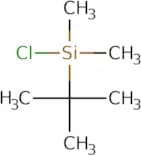
CAS:<p>Tert-butyldimethylsilyl chloride is a silicon-containing compound that is used to prepare the tert-butyl group, which is an important part of many organic compounds. Tert-butyldimethylsilyl chloride reacts with trifluoroacetic acid to form hydrogen bonds. It can also react with hydrochloric acid to form a tert-butyl chloride, which is soluble in water and hydrolyzes in human serum. Tert-butyldimethylsilyl chloride has been used for the synthesis of carbohydrates and fatty acids. It has been used as a sample preparation agent for gas chromatography mass spectrometry and high performance liquid chromatography. The reaction solution can be prepared by reacting tert-butyldimethylsilyl chloride with an alcohol or carboxylic acid in the presence of base at low temperature. Tert-butyldimethylsilyl chloride can be synthesized by reacting</p>Fórmula:C6H15ClSiPureza:Min. 95 Area-%Forma y color:Colorless PowderPeso molecular:150.73 g/mol
![Sodium 3-(Trimethylsilyl)-1-propanesulfonate [1H NMR Standard for D2O Solvent]](/_next/image/?url=https%3A%2Fstatic.cymitquimica.com%2Fproducts%2F3B%2Fthumb-webp%2FT1638.webp&w=3840&q=75)

![Allylchlorodimethylsilane [Allyldimethylsilylating Reagent for GC/MS]](/_next/image/?url=https%3A%2Fstatic.cymitquimica.com%2Fproducts%2F3B%2Fthumb-webp%2FA1275.webp&w=3840&q=75)

![Trimethyl[3-(trimethoxysilyl)propyl]ammonium Chloride (ca. 50% in Methanol)](/_next/image/?url=https%3A%2Fstatic.cymitquimica.com%2Fproducts%2F3B%2Fthumb-webp%2FT2796.webp&w=3840&q=75)





![Trimethyl[(2-methylprop-1-en-1-yl)oxy]silane](/_next/image/?url=https%3A%2Fstatic.cymitquimica.com%2Fproducts%2F3B%2Fthumb-webp%2FT4325.webp&w=3840&q=75)
![1-(Dimethylisopropylsilyl)imidazole [Dimethylisopropylsilylating Agent]](/_next/image/?url=https%3A%2Fstatic.cymitquimica.com%2Fproducts%2F3B%2Fthumb-webp%2FD1596.webp&w=3840&q=75)
![N-[(Triethoxysilyl)methyl]aniline](/_next/image/?url=https%3A%2Fstatic.cymitquimica.com%2Fproducts%2F3B%2Fthumb-webp%2FT2886.webp&w=3840&q=75)






























![Sodium tetrakis[3,5-bis(trifluoromethyl)phenyl]borate](/_next/image/?url=https%3A%2Fstatic.cymitquimica.com%2Fproducts%2F3D%2Fthumb-webp%2FFS93415.webp&w=3840&q=75)


![Bis[3-(triethoxysilyl)propyl]tetrasulfide](/_next/image/?url=https%3A%2Fstatic.cymitquimica.com%2Fproducts%2F3D%2Fthumb-webp%2FFB33713.webp&w=3840&q=75)
![6-(4,4,5,5-Tetramethyl-1,3,2-dioxaborolan-2-yl)imidazo[1,2-α]pyridine](/_next/image/?url=https%3A%2Fstatic.cymitquimica.com%2Fproducts%2F3D%2Fthumb-webp%2FFT159967.webp&w=3840&q=75)