Compuestos de organosilicio
En esta sección, encontrará un gran número de compuestos organosilícicos. Los compuestos organosilícicos se caracterizan por átomos de carbono unidos a átomos de silicio. También pueden estar presentes otros compuestos no metálicos. Estos compuestos son ampliamente utilizados en síntesis orgánica, ciencia de materiales y productos farmacéuticos debido a sus propiedades químicas únicas. En CymitQuimica, ofrecemos una amplia gama de compuestos organosilícicos de alta calidad para apoyar sus investigaciones y proyectos industriales.
Subcategorías de "Compuestos de organosilicio"
Se han encontrado 4325 productos de "Compuestos de organosilicio"
Ordenar por
Pureza (%)
0
100
|
0
|
50
|
90
|
95
|
100
Bis[3-(triethoxysilyl)propyl]-disulfide
CAS:<p>Bis[3-(triethoxysilyl)propyl]-disulfide is a polymer that has been shown to inhibit tumor growth in vivo and in vitro. It also inhibits the synthesis of fatty acids. Bis[3-(triethoxysilyl)propyl]-disulfide is synthesized by reacting triethoxysilane with sulfur dioxide, followed by hydrolysis of the resultant bis(hydroxysilyl)sulfide with water. The polymer is then purified by precipitation from an alcohol solution, followed by drying to form a powder. Bis[3-(triethoxysilyl)propyl]-disulfide has a viscosity of about 1 cP at room temperature and can be used as a polymer matrix for drug delivery.</p>Fórmula:C18H42O6S2Si2Pureza:Min. 85.0 Area-%Forma y color:Clear LiquidPeso molecular:474.83 g/mol1-Methyl-1H-imidazole-2-boronic acid pinacolester
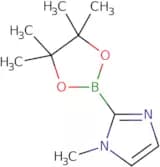
CAS:<p>1-Methyl-1H-imidazole-2-boronic acid pinacolester is a chemical compound that is used as a reagent in organic synthesis. It is also a useful building block for complex compounds, and can be used as a versatile building block for drug discovery research. 1-Methyl-1H-imidazole-2-boronic acid pinacolester is soluble in water, has good solubility in organic solvents such as ethanol, acetone, THF, and DMF. It has a CAS number of 553651-31-3 and the molecular weight of 252.24 g/mol.</p>Fórmula:C10H17BN2O2Pureza:Min. 95 Area-%Forma y color:White PowderPeso molecular:208.07 g/mol4-Hydroxyphenylboronic acid pinacol ester
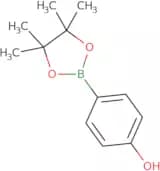
CAS:<p>4-Hydroxyphenylboronic acid pinacol ester is a hydrophilic compound that has been used as a long-acting iron chelator. It has been shown to be active in the treatment of anemic patients with chronic kidney disease. 4-Hydroxyphenylboronic acid pinacol ester has been shown to bind to hepcidin, which is a peptide hormone that regulates iron homeostasis in the body by decreasing its absorption from the gut and increasing its excretion. It also binds to functional groups on proteins and other molecules, which allow for selective targeting of certain tissues or cells. This compound can be activated by light, making it photochromic. The addition of an active oxygen atom enables this molecule to react at a faster rate than most compounds and also creates reactive oxygen species (ROS) in humans when activated.</p>Fórmula:C12H17BO3Pureza:Min. 95%Forma y color:White PowderPeso molecular:220.1 g/molN,N'-4,4'-Bis(benzyl-2-boronic acid)-bipyridinium dibromide
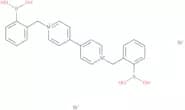
CAS:<p>N,N'-4,4'-Bis(benzyl-2-boronic acid)-bipyridinium dibromide is a high quality reagent that can be used as an intermediate for the synthesis of complex organic compounds. It is a complex compound that contains boronic acid and bipyridinium moieties. N,N'-4,4'-Bis(benzyl-2-boronic acid)-bipyridinium dibromide is useful in the synthesis of fine chemicals and speciality chemicals. It has versatile building block properties and can be used as a reaction component in many chemical reactions.</p>Fórmula:C24H24B2N2O4Br2Pureza:Min. 95%Forma y color:PowderPeso molecular:585.89 g/molN-Ethylbenzene-2,4,6-triphenyl pyridinium tetrafluoroborate
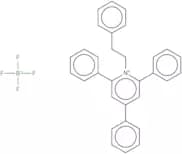
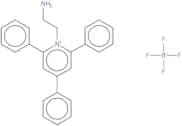
CAS:<p>N-Ethylbenzene-2,4,6-triphenyl pyridinium tetrafluoroborate is a reagent that can be used in chemical reactions. It is a fine chemical and research chemicals with high quality and a versatile scaffold. It is useful as an intermediate in the synthesis of complex compounds. N-Ethylbenzene-2,4,6-triphenyl pyridinium tetrafluoroborate has CAS number 66310-06-3.</p>Fórmula:C31H26N·BF4Pureza:Min. 95%Forma y color:PowderPeso molecular:499.35 g/molN-α-Boc-Nε-4-nitro-Z-L-lysine
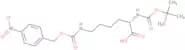
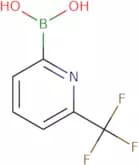
CAS:<p>Nepsilon-4-nitro-Z-L-lysine is a plant nutrient that can be used in agricultural and horticultural applications. It is a particle that can be added to the soil to improve fertility and stimulate plant growth. Nepsilon-4-nitro-Z-L-lysine has been shown to have a protective effect on plants against insect pests and fungal infections, as well as inhibiting the formation of toxic compounds during fermentation. This product also provides an alternative to chemical treatment and can be used for environmental monitoring or mesoscale studies. Nepsilon-4-nitro-Z-L-lysine has been shown to improve horse fertility and reduce the number of treatments required for resistant bacterial infections.</p>Fórmula:C19H27N3O8Pureza:Min. 95%Forma y color:SolidPeso molecular:425.43 g/mol6-(Trifluoromethyl)pyridine-2-boronic acid
CAS:<p>6-(Trifluoromethyl)pyridine-2-boronic acid is a solid chemical that is soluble in organic solvents. It is a building block for the synthesis of more complex compounds, and also serves as an intermediate in the synthesis of pharmaceuticals. 6-(Trifluoromethyl)pyridine-2-boronic acid has been shown to be useful for the preparation of fine chemicals and has been widely used as a reagent in research.</p>Fórmula:C6H5BF3NO2Pureza:Min. 95%Forma y color:PowderPeso molecular:190.92 g/molN-Ethylheptadecafluoro-N-[3-(Trimethoxysilyl)Propyl]Octanesulphonamide
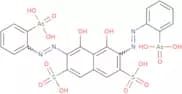
CAS:Producto controlado<p>N-Ethylheptadecafluoro-N-[3-(Trimethoxysilyl)Propyl]Octanesulphonamide is a membrane filtration technology that is used to remove all organic and inorganic pollutants from water. It is effective for the removal of oils, pesticides, herbicides, detergents, antibiotics, and heavy metals. N-Ethylheptadecafluoro-N-[3-(Trimethoxysilyl)Propyl]Octanesulphonamide is also used to treat wastewater and surface water. This process can be used on large quantities of water with high efficiency. The use of this process can be beneficial for the health of humans, animals, and the environment.</p>Fórmula:C16H20F17NO5SSiPureza:Min. 95%Peso molecular:689.46 g/molArsenazo III
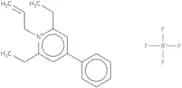
CAS:<p>Arsenazo III is a metal-binding dye that has been shown to bind to the cytosolic calcium ion. The binding of Arsenazo III to calcium has been shown to inhibit the voltage-dependent calcium channels, leading to a decrease in cytosolic calcium concentration. This reduction in cytosolic calcium is associated with energy metabolism and human serum titration calorimetry experiments. The binding of Arsenazo III to calcium is also responsible for its light signal. Arsenazo III binds to copper chloride and forms an insoluble precipitate when reacted with acidic solutions. This reaction can be used for analytical purposes as it produces a quantifiable end-point with plasma mass spectrometry.</p>Fórmula:C22H18As2N4O14S2Pureza:(%) Min. 85%Peso molecular:776.37 g/molN-Propyl-1-ene-2,6-diethyl-4-phenylpyridinium tetrafluoroborate
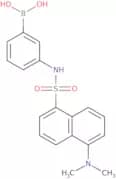
CAS:<p>N-Propyl-1-ene-2,6-diethyl-4-phenylpyridinium tetrafluoroborate (NPEEDPBF) is a fine chemical that has been used as a building block in research and industrial chemistry. The synthesis of NPEEDPBF typically involves the reaction of diethyl phenylpyridinium bromide with n propyl iodide. It can be used as a reagent for organic syntheses and as an intermediate for other compounds. NPEEDPBF is also a versatile building block for complex compounds.</p>Fórmula:C18H22N•BF4Pureza:Min. 95%Peso molecular:339.18 g/mol3-Dansylaminophenylboronic acid
CAS:<p>3-Dansylaminophenylboronic acid is a boronic acid that forms reversible covalent bonds with dopamine. It can be used in the diagnosis of cancer, as it binds to histone lysine and magnetic particles. The fluorescence resonance of 3-Dansylaminophenylboronic acid can also be used in the diagnosis of cancer, as it produces a strong signal. This compound has been shown to have homogeneous assays for the detection of dopamine and lipoprotein lipase in urine samples. 3-Dansylaminophenylboronic acid has also been found to be effective against cancer cells in culture, although it is not active against polysialic-expressing cells.</p>Fórmula:C18H19BN2O4SPureza:Min. 95%Forma y color:PowderPeso molecular:370.23 g/molTrimethylsilylacetylene
CAS:<p>Trimethylsilylacetylene is a chemical compound that belongs to the class of organic compounds. It is an intermediate in the production of fatty acids and has been shown to be involved in the metabolism of other compounds, such as halides. Trimethylsilylacetylene is also used to inhibit inflammatory diseases and metabolic disorders, such as diabetes mellitus and Alzheimer's disease. Trimethylsilylacetylene inhibits replication by binding to the amine group on purine bases or DNA at the replication fork. This prevents DNA synthesis, which prevents cell division, causing cells to die. Trimethylsilylacetylene also inhibits cell division by reacting with carbonyl groups on proteins during replication.</p>Fórmula:C5H10SiPureza:Min. 95%Forma y color:Colorless Clear LiquidPeso molecular:98.22 g/mol1,1,1,3,5,7,7,7-Octamethyltetrasiloxane
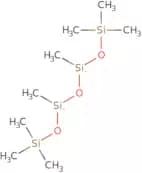
CAS:<p>1,1,1,3,5,7,7,7-Octamethyltetrasiloxane is a volatile liquid that is used as a fumigant. It is used in the manufacture of silicone elastomers and sealants. This chemical has been shown to be an effective sealant and to have good adhesion properties. It also has excellent resistance to high temperatures and chemicals. The mechanism of 1,1,1,3,5,7,7,7-octamethyltetrasiloxane is not fully understood but it may involve hydrogen bonding with the organic solvent. In addition to its use as a sealant and fumigant this chemical can be used as a ligand for bifunctional catalysts for polymerization reactions or for kinetic studies on polyolefins</p>Fórmula:C8H26O3Si4Pureza:Min. 95%Forma y color:Clear LiquidPeso molecular:282.63 g/molN-ε-Acetyl-L-lysine
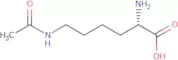
CAS:<p>N-epsilon-acetyl-L-lysine is a diagnostic agent that is used to identify cancer cells. This compound is synthesized by the enzyme polymerase chain reaction (PCR) and is a fluorescent probe that selectively binds to lysine residues in proteins of the cell membrane, including glycoproteins and proteoglycans. The presence of this compound can be detected using spectroscopy. It has been shown that higher levels of N-epsilon-acetyl-L-lysine in urine are associated with an increased body mass index and fatty acid content.</p>Fórmula:C8H16N2O3Pureza:Min. 98 Area-%Forma y color:White PowderPeso molecular:188.22 g/mol2-Methylpyridine-4-boronic acid pinacol ester
CAS:<p>Please enquire for more information about 2-Methylpyridine-4-boronic acid pinacol ester including the price, delivery time and more detailed product information at the technical inquiry form on this page</p>Fórmula:C12H18BNO2Pureza:Min. 95%Peso molecular:219.09 g/molIsobutylboronic acid
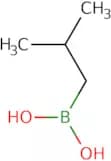
CAS:<p>Isobutylboronic acid is a chemical compound that is used as an antimicrobial treatment for autoimmune diseases. This drug has a polyene structure and inhibits the production of proinflammatory cytokines such as IL-1, TNF-α, and IL-2. Isobutylboronic acid also inhibits the growth of cancer cells in vitro by inhibiting DNA synthesis. Isobutylboronic acid is also used to determine the mechanisms of organometallic compounds. It can be analyzed using liquid chromatography or gas chromatography techniques. The effective dose for this drug is not yet known.</p>Fórmula:C4H11BO2Pureza:Min. 95%Forma y color:PowderPeso molecular:101.94 g/molTris[3-(trimethoxysilyl)propyl] isocyanurate
CAS:<p>Tris(trimethoxysilyl)propyl isocyanurate (TTIPi) is an efficient method for the synthesis of conjugates. TTIPi can be used to prepare a variety of conjugates, such as those containing biomolecules such as proteins, peptides, nucleotides, and small molecules. The resulting conjugates can be visualized by microscopy and analyzed using the Anova statistical package. TTIPi has been shown to form covalent bonds with DNA bases and other substrates. It has also been shown to form coordination bonds with ethylene oxide or tetraethyl silane which are worthwhile for dispersive polymerization in organic solvents. The mesoporous silica support used in this process has been shown to be acidic or basic depending on the pH of the solution. This versatile technique is useful for preparing a wide range of conjugates.</p>Fórmula:C21H45N3O12Si3Pureza:Min. 95%Forma y color:Colorless Clear LiquidPeso molecular:615.85 g/molPolysiloxanes di-Me, Me 3,3,3-trifluoropropyl vinyl group-terminated, 14,000-18,000 Cst
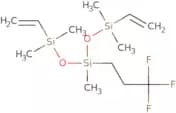
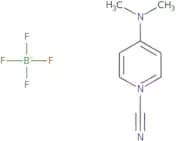
CAS:<p>14,000-18,000 Cst</p>Pureza:Min. 95%Forma y color:Clear Liquid1-Cyano-4-(dimethylamino)pyridinium tetrafluoroborate
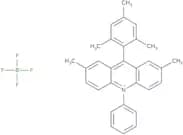
CAS:<p>1-Cyano-4-(dimethylamino)pyridinium tetrafluoroborate (CDAP) is an organic cyanylating agent. It is reactive under acidic conditions giving CDAP an advantage over other sulfhydryl labeling agents, as it can avoid potential thiol-disulfide exchange.</p>Fórmula:C8H10N3BF4Pureza:Min. 98 Area-%Forma y color:PowderPeso molecular:234.99 g/mol9-Mesityl-2,7-dimethyl-10-phenylacridinium tetrafluoroborate
CAS:<p>9-Mesityl-2,7-dimethyl-10-phenylacridinium tetrafluoroborate is a versatile building block and reagent for organic synthesis. It is a fine chemical that is used in the production of research chemicals and speciality chemicals. 9-Mesityl-2,7-dimethyl-10-phenylacridinium tetrafluoroborate can be used as a reaction component to synthesize complex compounds with various functional groups. It has been reported to have high quality, being both useful and stable. CAS NO: 1621020-00-5</p>Fórmula:C30H28BF4NForma y color:Yellow PowderPeso molecular:489.35 g/molEthylboronic acid
CAS:<p>Ethylboronic acid is a β-amino acid with a serine protease inhibitory effect. It has been shown to inhibit the Toll-like receptor cascade, which is involved in the inflammatory response. Ethylboronic acid also inhibits the serine proteases that are responsible for cleaving peptides at their carboxy termini. This inhibition leads to an increase in the level of active peptides and a decrease in the level of inactive peptides, which can lead to an antimicrobial effect. Ethylboronic acid also inhibits chloride ion channels, which may lead to new treatments for asthma and cancer.</p>Fórmula:C2H7BO2Pureza:Min. 95%Forma y color:PowderPeso molecular:73.89 g/mol3-Aminopropyldiisopropylethoxysilane
CAS:<p>3-Aminopropyldiisopropylethoxysilane (APDS) is a monolayer chemical that is used to modify the surface properties of a variety of substrates. This chemical can be used for patterning, functionalization, and immobilization of biomolecules. APDS has been shown to have a protective effect on cells in culture by preventing oxidation and denaturation of proteins. APDS also has been used for detection methods such as electron microscopy and photoelectron spectroscopy.</p>Fórmula:C10H29NO2Si3Pureza:Min. 95%Forma y color:Clear LiquidPeso molecular:279.6 g/molN-α-Boc-N-ε-Fmoc-L-lysine
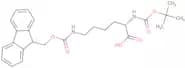
CAS:<p>N-alpha-Boc-N-epsilon-Fmoc-L-lysine is a cyclic peptide that has antimicrobial properties. The peptide is synthesized from the amino acid lysine and contains a sequence of lysine residues. N-alpha-Boc-N-epsilon-Fmoc-L-lysine can be used to treat herpes simplex virus infections and influenza virus infections. It also has the potential to neutralize glycopeptide antibiotics, such as vancomycin, by binding to their cell wall targets and interfering with the function of these molecules. In addition, this peptide can be used to manufacture insulin analogues with improved pharmacokinetic properties and increased stability in blood plasma.</p>Fórmula:C26H32N2O6Pureza:Min. 95%Forma y color:White To Off-White SolidPeso molecular:468.54 g/molN-α-Fmoc-N-ε-4-methyltrityl-L-lysine
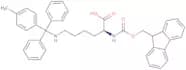
CAS:<p>N-alpha-Fmoc-Nepsilon-methyltrityl-L-lysine is a synthetic amino acid that is used in the industrial production of peptides. It has been used for the synthesis of polypeptides, which are made up of chains of amino acids, and to analyze uptake in urine samples. The uptake was tracked by using a trifluoroacetic acid analog to radiolabel the N-alpha-Fmoc-Nepsilon-methyltrityl-L-lysine. This analog was synthesized from histidine and butyric acid, and its carboxy terminal sequence was determined by solid phase synthesis. N-alpha-Fmoc-Nepsilon methyltrityl L Lysine binds to the receptor site on cells that is responsible for binding histidine residues on proteins.</p>Fórmula:C41H40N2O4Pureza:Min. 95%Forma y color:White To Off-White SolidPeso molecular:624.77 g/mol3-Cyanophenylboronic acid
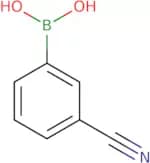
CAS:<p>3-Cyanophenylboronic acid is an organic compound that has been shown to have antimicrobial activity against Pseudomonas aeruginosa. The synthetic pathway of this compound begins with the benzamidine, which reacts with dibutyltin oxide to form 3-cyanophenylboronic acid. This molecule can then be reacted with a cationic polymerization agent such as polyethyleneimine or polyallylamine, producing a polymerized product. When tested in humans, 3-cyanophenylboronic acid showed a high oral bioavailability and low plasma protein binding. It also has a short serum half-life and is metabolized by serine proteases in the liver.</p>Fórmula:C7H6BNO2Pureza:Min. 95%Forma y color:PowderPeso molecular:146.94 g/molFmoc-O-tert-butyldimethylsilyl-L-serine
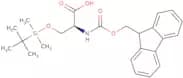
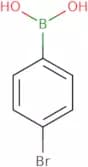
CAS:<p>Fmoc-O-tert-butyldimethylsilyl-L-serine is a monomer that can be used in the solid-phase synthesis of conjugates. It has been shown to be an efficient method for synthesizing bioconjugates, which are used in chemical biology and biotechnology. Fmoc-O-tert-butyldimethylsilyl-L-serine is also efficient for the synthesis of proteins, small organic molecules, and carbohydrates. This monomer is often used as a building block for peptide synthesis because it can be easily removed from the peptides with trifluoroacetic acid or other acid catalysts.</p>Fórmula:C24H31NO5SiPureza:Min. 95%Forma y color:SolidPeso molecular:441.59 g/mol4-Bromophenylboronic acid
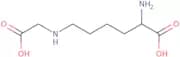
CAS:<p>4-Bromophenylboronic acid is a boronic acid with a basic structure. It has been used to synthesize picolinic acid, which is a water-soluble drug with light emission and anhydrous sodium. 4-Bromophenylboronic acid has been shown to have diagnostic properties because of its ability to enhance the concentration–time curve of sodium salts in human serum. It can also be used as an asymmetric synthesis agent for the production of fatty acids.</p>Fórmula:C6H6BBrO2Pureza:Min. 97.5 Area-%Forma y color:PowderPeso molecular:200.83 g/molN-ε-(1-Carboxymethyl)-L-lysine
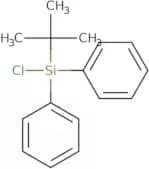
CAS:<p>N-ε-(1-Carboxymethyl)-L-lysine (NEM) is a versatile building block that is used in the synthesis of complex compounds. It is a reagent and speciality chemical that can be used as an intermediate to produce other useful chemicals or as a reaction component. It has been shown to be useful in the synthesis of peptides, oligonucleotides, and organic molecules. NEM has also been shown to have high quality and purity, making it a useful scaffold for further research into new compounds.</p>Fórmula:C8H16N2O4Pureza:Min. 97%Forma y color:White PowderPeso molecular:204.22 g/moltert-Butyl diphenylchlorosilane
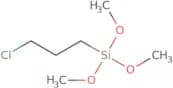
CAS:<p>Tert-butyl diphenylchlorosilane is a chemical compound that belongs to the group of organosilicon compounds. It is used for the preparation of various organosilicon compounds, such as trifluoroacetic acid, which is used in analytical chemistry. The synthesis of tert-butyl diphenylchlorosilane starts with the reaction between hydrochloric acid and sodium citrate. This yields a phosphate bond and a hydroxyl group. In order to form the desired product, tert-butyl diphenylchlorosilane, this intermediate is reacted with trifluoroacetic acid in an asymmetric synthesis to yield the desired product. The reaction mechanism of this process involves hydrogen chloride as an electrophile attacking the carbonyl carbon atom in trifluoroacetic acid, leading to an elimination reaction. This elimination reaction results in two possible products: tert-butyl acetate or tert-butyl chloros</p>Fórmula:C16H19ClSiPureza:Min. 97 Area-%Forma y color:Clear LiquidPeso molecular:274.87 g/molγ-Chloropropyl trimethoxysilane
CAS:<p>Gamma-chloropropyl trimethoxysilane (CPS) is a chemical compound with the formula Cl3Si(OCH3)2. It is an organosilicon compound that is used in surface preparation and modification to improve hydrophobicity, chemical stability, and mechanical properties. CPS forms covalent linkages with organic compounds on the surface by reaction with hydroxyl groups. It has been shown to react with fatty acids such as oleic acid, forming a metal chelate. CPS reacts with sodium carbonate (Na2CO3) to form sodium chloropropoxide (NaClOCH3). This reaction is exothermic and can be used for sample preparation. The mechanism of this reaction is thought to involve the formation of a copper complex followed by its hydrolysis.</p>Fórmula:C6H15ClO3SiPureza:Min. 95%Forma y color:Clear LiquidPeso molecular:198.72 g/mol4-Biphenylboronic acid
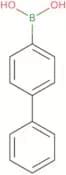
CAS:<p>4-Biphenylboronic acid is a molecule that belongs to the group of amines. It is used in plant science to study the effects of amines on plants. The molecule has been shown to have a high UV absorption and catalysis activity. 4-Biphenylboronic acid has also been shown to bind with p-hydroxybenzoic acid, which inhibits binding with proteins, leading to a change in morphology. 4-Biphenylboronic acid can be used as a chemical inhibitor for root formation and other biological functions.</p>Fórmula:C12H11BO2Pureza:Min. 95%Forma y color:White Off-White PowderPeso molecular:198.03 g/molDimethylammonium tetrafluoroborate
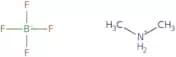
CAS:Producto controlado<p>Dimethylammonium tetrafluoroborate is a reagent that is used in organic chemistry. It is a solid with a melting point of -56°C and can be synthesized by the reaction of ethyl amine and hexafluoro-2-butyne. This reagent has been used to synthesize quaternary ammonium salts, anions, and aliphatic hydrocarbons. Dimethylammonium tetrafluoroborate is also employed as a solvent for some devices due to its physicochemical properties, including its low boiling point and high dielectric constant.</p>Fórmula:C2H8BF4NPureza:Min. 95%Peso molecular:132.9 g/mol4-Fluorophenylboronic acid
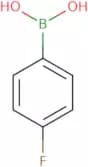
CAS:<p>4-Fluorophenylboronic acid is a boron compound that has been used in molecular modeling and functional assays. It has been shown to be a strong ligand for palladium complexes and can be used to synthesize metal complexes. 4-Fluorophenylboronic acid has also been shown to bind to the CB2 receptor with high affinity and selectivity, making it a potential drug for the treatment of pain. This compound can be synthesized by many different methods, but one of the most common is the synthesis from phenylacetic acid and boron trifluoride gas. The other methods include direct reaction with phenylboronic acid, or by heating anhydrous copper chloride in anhydrous hydrochloric acid with boric acid at high temperatures. Magnetic resonance spectroscopy (MRS) has also been used to study its properties. Canagliflozin is an example of a drug that contains this chemical group as</p>Fórmula:C6H6BFO2Pureza:Min. 95%Forma y color:White PowderPeso molecular:139.92 g/molNα-Z-Nε-Boc-D-lysine methyl ester
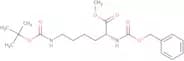
CAS:<p>Please enquire for more information about Nα-Z-Nε-Boc-D-lysine methyl ester including the price, delivery time and more detailed product information at the technical inquiry form on this page</p>Fórmula:C20H30N2O6Pureza:Min. 95%Forma y color:PowderPeso molecular:394.46 g/molPhenylboronic acid
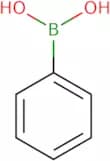
CAS:<p>Phenylboronic acid is a natural compound that has been shown to inhibit the growth of squamous carcinoma cells. The optical sensor can be used to measure the amount of phenylboronic acid in a solution. The sensor is made from a thin film of colloidal gold, which changes color in response to phenylboronic acid. This method of detection is not as accurate as other methods and can only be used with low concentrations. Phenylboronic acid has been shown to have anti-inflammatory properties, which may be due to its ability to inhibit toll-like receptor 4 and toll-like receptor 6 signaling pathways.</p>Fórmula:C6H7BO2Pureza:Min. 95%Forma y color:White PowderPeso molecular:121.93 g/molFerrocenium Tetrafluoroborate
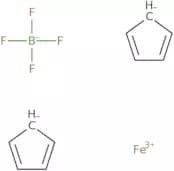
CAS:<p>Ferrocenium tetrafluoroborate is a chiral, unreactive compound that is synthesized through the reaction of ferrocene and tetrafluoroboric acid. Ferrocenium tetrafluoroborate is a kinetic polymer that can be used as a linker in the synthesis of polymeric materials. This compound has been shown to catalyze the epoxidation of aliphatic alcohols to yield epoxides. Ferrocenium tetrafluoroborate has also been shown to catalyze the epoxidation of cyclic olefins, such as 1-octene. Ferrocenium tetrafluoroborate is an achiral catalyst and does not change during the course of the reaction.</p>Fórmula:C10H2BF4FeForma y color:Brown PowderPeso molecular:264.77 g/moltert-Butyldimethylsilyl chloride
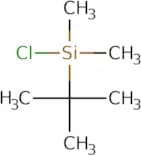
CAS:<p>Tert-butyldimethylsilyl chloride is a silicon-containing compound that is used to prepare the tert-butyl group, which is an important part of many organic compounds. Tert-butyldimethylsilyl chloride reacts with trifluoroacetic acid to form hydrogen bonds. It can also react with hydrochloric acid to form a tert-butyl chloride, which is soluble in water and hydrolyzes in human serum. Tert-butyldimethylsilyl chloride has been used for the synthesis of carbohydrates and fatty acids. It has been used as a sample preparation agent for gas chromatography mass spectrometry and high performance liquid chromatography. The reaction solution can be prepared by reacting tert-butyldimethylsilyl chloride with an alcohol or carboxylic acid in the presence of base at low temperature. Tert-butyldimethylsilyl chloride can be synthesized by reacting</p>Fórmula:C6H15ClSiPureza:Min. 95 Area-%Forma y color:Colorless PowderPeso molecular:150.73 g/molChlorotris(trimethylsilyl)silane
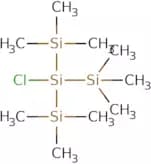
CAS:<p>Chlorotris(trimethylsilyl)silane is a chlorosilane with a trifluoromethyl group and one other organic group. It can be prepared by thermal decomposition of chlorotrimethylsilane. Chlorotris(trimethylsilyl)silane has been used in the synthesis of branched-chain alkanes and cycloalkanes, as well as in the preparation of molecular fragments for use in organometallic syntheses. This molecule absorbs ultraviolet light strongly at 254 nm, making it useful for measurements of UV absorption spectra.</p>Fórmula:C9H27ClSi4Pureza:Min. 95 Area-%Forma y color:White PowderPeso molecular:283.11 g/molN-Ethylamine-2,4,6-triphenyl pyridinium tetrafluoroborate
CAS:<p>N-Ethylamine-2,4,6-triphenyl pyridinium tetrafluoroborate is a chemical reagent that belongs to the group of fine chemicals. It is soluble in water and ethanol, and has a melting point of around 100°C. N-Ethylamine-2,4,6-triphenyl pyridinium tetrafluoroborate is used in organic synthesis as a useful building block or as a research chemical for the production of other compounds. This compound is a versatile building block that can be used in the preparation of complex compounds such as pharmaceuticals. N-Ethylamine-2,4,6-triphenyl pyridinium tetrafluoroborate has been classified as an extremely hazardous substance by the US Department of Transportation due to its high reactivity with water.</p>Fórmula:C25H23N2·BF4Pureza:Min. 95%Peso molecular:438.27 g/molN-Benzyl-2,4,6-triphenyl pyridinium tetrafluoroborate
CAS:<p>N-Benzyl-2,4,6-triphenyl pyridinium tetrafluoroborate is a molecule that regulates transcriptional activity. It can be used to isolate regulatory genes from different organisms and identify the specific genes that regulate the expression of other genes. The algorithm for this process is a stepwise, stereoselective, aerobic search. This process starts with an algorithm that identifies the best possible match between the gene sequence and the database sequences. The algorithm then transfers to another stepwise and stereoselective search of the database until it finds a match. The process ends when there are no more matches in the database or when all possible combinations have been searched. N-Benzyl-2,4,6-triphenyl pyridinium tetrafluoroborate has been shown to activate Staphylococcus aureus at very low concentrations but does not cause activation of mammalian cells at these concentrations.</p>Fórmula:C30H24N·BF4Pureza:Min. 95%Peso molecular:485.32 g/molOctadecamethylcyclononasiloxane
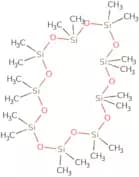
CAS:<p>Octadecamethylcyclononasiloxane is a silicon-containing molecule, which has been shown to have antihypertensive activity. It works by inhibiting the production of angiotensin II, a key regulator of blood pressure, and thereby reducing blood pressure. Octadecamethylcyclononasiloxane also exhibits tumor-promoting activities in some animal models. This molecule is used as a surface active agent in many household products such as dishwashing detergents, shampoos, and cosmetics. It is also used as an acid catalyst in organic synthesis and in the manufacture of magnetic particles for use in biotechnology.<br>A fatty acid ester with functional groups that can be found on its surface may contribute to octadecamethylcyclononasiloxane's cancer-promoting activities.</p>Fórmula:C18H54O9Si9Pureza:Min. 95%Forma y color:Clear LiquidPeso molecular:667.39 g/mol4,4,5,5-Tetramethyl-2-(1,4-dioxaspiro[4.5]dec-7-en-8-yl)-1,3,2-dioxaborolane
CAS:<p>4,4,5,5-Tetramethyl-2-(1,4-dioxaspiro[4.5]dec-7-en-8-yl)-1,3,2-dioxaborolane is a pinacol ester that can be polymerized to form polytetrafluoroethylene (PTFE). It has a high reactivity and is used as a monomer in the production of PTFE.</p>Fórmula:C14H23BO4Pureza:Min. 95%Forma y color:PowderPeso molecular:266.14 g/molTrichloro(1H,1H,2H,2H- tridecafluoro-n-octyl)silane
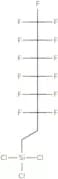
CAS:<p>Trichloro(1H,1H,2H,2H-tridecafluoro-n-octyl)silane is a chemical compound with the formula CClF[CF(CF)CFSiCl]. It is a colorless liquid that can be used in coatings and as a precursor to other fluorinated compounds. Trichloro(1H,1H,2H,2H-tridecafluoro-n-octyl)silane has been shown to have synergistic effects when combined with cationic surfactants and laser ablation techniques for microbial infection. This compound also has transport properties that are influenced by the presence of water vapor. Trichloro(1H,1H,2H,2H-tridecafluoro-n-octyl)silane is an inert monolayer on boron nitride substrates and has constant optical properties.</p>Fórmula:C8H4Cl3F13SiPureza:Min. 95%Forma y color:Clear LiquidPeso molecular:481.54 g/molFerroceneboronic acid
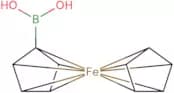
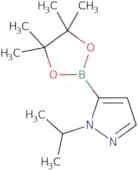
CAS:<p>Ferroceneboronic acid is a reagent, complex compound, useful intermediate, fine chemical and useful scaffold. It is also a versatile building block for the synthesis of speciality chemicals. Ferroceneboronic acid reacts with an organic halide to form a ferrocenyl-containing boronate ester that is useful as a reaction component in organic synthesis. The CAS number for ferroceneboronic acid is 12152-94-2.</p>Fórmula:C5H6BO2·C5H5·FePureza:Min. 95 Area-%Forma y color:PowderPeso molecular:229.85 g/mol1-Isopropyl-5-(4,4,5,5-tetramethyl-1,3,2-dioxaborolan-2-yl)-1H-pyrazole
CAS:<p>1-Isopropyl-5-(4,4,5,5-tetramethyl-1,3,2-dioxaborolan-2-yl)-1H-pyrazole is a compound with a high quality and versatile building blocks. It can be used as a reagent in organic synthesis and as a research chemical. CAS No. 1282518-60-8.</p>Fórmula:C12H21BN2O2Pureza:Min. 98 Area-%Forma y color:Colorless PowderPeso molecular:236.12 g/molCarboxyethylsilanetriol sodium salt - 25% in water
CAS:<p>Carboxyethylsilanetriol sodium salt - 25% in water is a reagent that is used to form complex compounds. It can be used as a reaction component or a building block to create more complex compounds, such as new medicines. Carboxyethylsilanetriol sodium salt - 25% in water has been shown to be an efficient and versatile scaffold for the production of fine chemicals and research chemicals. CAS No. 18191-40-7 is a speciality chemical that can react with other organic compounds to form new compounds for research purposes. Carboxyethylsilanetriol sodium salt - 25% in water is a useful intermediate and building block for various synthetic reactions because it can easily react with other organics to form new compounds which are useful in pharmaceuticals, agrochemicals, and other industries.</p>Fórmula:C3H6Na2O5SiPureza:Approximately 25%Forma y color:Clear LiquidPeso molecular:196.14 g/molPoly(methylhydrosiloxane)
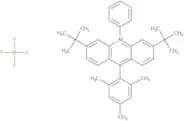
CAS:<p>Polymethylhydrosiloxane is a polymer that is used in coatings and adhesives. It has been shown to be an efficient aid for removing copper chloride from water and can be applied to the treatment of calcium carbonate sludge. Poly(methylhydrosiloxane) also has high affinity for fatty esters, which is important for its use as a mass analyzer in environmental pollution studies. This polymer has been shown to have excellent kinetic and optical properties, making it a good candidate for electrochemical studies.</p>Forma y color:Colorless Clear Liquid3,6-Bis(1,1-dimethylethyl)-10-phenyl-9-(2,4,6-trimethylphenyl)-acridinium tetrafluoroborate
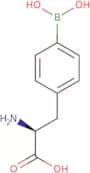
CAS:<p>3,6-Bis(1,1-dimethylethyl)-10-phenyl-9-(2,4,6-trimethylphenyl)-acridinium tetrafluoroborate is a high quality reagent that is used as an intermediate in the synthesis of other compounds. It has CAS No. 1810004-87-5 and a molecular weight of 345.7 g/mol. This compound is useful for the synthesis of complex compounds and can be used in fine chemicals. 3,6-Bis(1,1-dimethylethyl)-10-phenyl-9-(2,4,6-trimethylphenyl)-acridinium tetrafluoroborate is also useful for research purposes and can be used as a scaffold for drug discovery. It is also a versatile building block that can be used in reactions to produce speciality chemicals and reaction components such as esters or amides.</p>Fórmula:C36H40BF4NPureza:Min 95%Forma y color:PowderPeso molecular:573.51 g/mol4-Borono-L-phenylalanine
CAS:<p>4-Borono-L-phenylalanine is a boron-containing compound that has been used to study the biological effects of radiation. 4-Borono-L-phenylalanine is an analytical tool for measuring neutron scattering and other physical properties. It has also been used as a biochemical probe in studies of DNA duplexes. 4-Borono-L-phenylalanine is toxic to cells, inhibiting protein synthesis, and it can induce apoptosis in tumor cells. In experimental models, 4-borono-L phenylalanine can be administered orally or intravenously and has shown acute toxicity in animals at doses of up to 1000 mg/kg body weight.</p>Fórmula:C9H12BNO4Pureza:Min. 95%Forma y color:White PowderPeso molecular:209.01 g/moltert-Butyldimethylsilyl trifluoromethanesulfonate
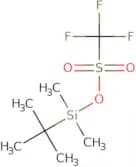
CAS:<p>tert-Butyldimethylsilyl trifluoromethanesulfonate is a nucleophilic reagent that forms an addition product with metal carbonyls. It can be used for the synthesis of indacaterol maleate, which is a phosphite prodrug for the treatment of asthma and chronic obstructive pulmonary disease. Tert-butyldimethylsilyl trifluoromethanesulfonate has been shown to catalyze asymmetric hydrogenation reactions in the presence of ammonia as a chiral auxiliary. This reagent has also been shown to inhibit the growth of bacteria and fungi through its ability to inhibit protein synthesis.</p>Fórmula:C7H15F3O3SSiForma y color:Colorless Clear LiquidPeso molecular:264.34 g/mol2-(4-(AzidoMethyl)phenyl)-4,4,5,5-tetraMethyl-1,3,2-dioxaborolane
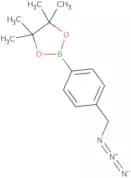
CAS:<p>2-(4-(AzidoMethyl)phenyl)-4,4,5,5-tetraMethyl-1,3,2-dioxaborolane is a high quality reagent that is useful for complex compound synthesis. It has CAS No. 1239481-05-0 and has been shown to be a useful intermediate in many reactions. 2-(4-(AzidoMethyl)phenyl)-4,4,5,5-tetraMethyl-1,3,2-dioxaborolane is also a fine chemical that can be used as a research chemical or as a building block for speciality chemicals. This compound has shown to be versatile because it can react with nucleophiles and electrophiles to produce diverse products.</p>Fórmula:C13H19BN3O2Pureza:Min. 95%Peso molecular:260.12 g/mol6-(4,4,5,5-Tetramethyl-1,3,2-dioxaborolan-2-yl)imidazo[1,2-α]pyridine
CAS:<p>6-(4,4,5,5-Tetramethyl-1,3,2-dioxaborolan-2-yl)imidazo[1,2-a]pyridine is a fine chemical that can be used as a building block in organic synthesis. It is a useful reagent and intermediate for the synthesis of other compounds. 6-(4,4,5,5-Tetramethyl-1,3,2-dioxaborolan-2-yl)imidazo[1,2-a]pyridine is soluble in acetone and ethanol. The compound has been found to be an effective reaction component in the synthesis of various complex molecules.</p>Fórmula:C13H17BN2O2Pureza:Min. 95%Forma y color:SolidPeso molecular:244.1 g/molImidazo[1,2-α]pyridin-3-yl-boronic acid pinacol ester
CAS:<p>Imidazo[1,2-a]pyridin-3-yl-boronic acid pinacol ester is a reagent that is used as an intermediate in the synthesis of complex compounds. The compound has been shown to be useful for research purposes and can be used as a building block in the synthesis of chemical compounds. Imidazo[1,2-a]pyridin-3-yl-boronic acid pinacol ester has an CAS number of 1238337-02-4 and is a versatile building block that can be used to synthesize speciality chemicals.</p>Fórmula:C13H17BN2O2Pureza:Min. 95%Forma y color:PowderPeso molecular:244.1 g/molB-(4-Fluoro-2-hydroxyphenyl)-boronic acid
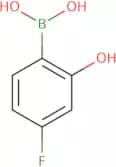
CAS:<p>B-(4-Fluoro-2-hydroxyphenyl)-boronic acid is a fungicide that has been synthesized to inhibit the growth of fungi. This compound is an effective fungicide against a wide variety of plant pathogens. It has been shown to be highly efficient in catalyzing intramolecular cyclization reactions, which are sometimes difficult to perform with traditional methods. The regulatory nature of this compound makes it an excellent candidate for commercial applications in agroscience and industry.</p>Fórmula:C6H6BFO3Pureza:Min. 95%Forma y color:PowderPeso molecular:155.92 g/molQuinolin-4-ylboronic acid
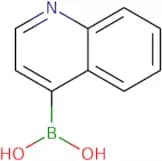
CAS:<p>Quinolin-4-ylboronic acid is a heterocyclic compound with two nitrogen atoms that are attached to the ring by means of carbonyl groups. This compound is a precursor in the synthesis of the drug dorsomorphin, which is used for pain relief. It also has an important role in pharmacokinetics because it can be used as a marker for estimating blood levels of other drugs. Quinolin-4-ylboronic acid yields an active form, quinolin-4-yl boronic acid, when reacted with piperazine in basic conditions. The drug ldn-193189 is a derivative of this active form and has been evaluated as a potential drug for treating osteoporosis and cancer.</p>Fórmula:C9H8BNO2Pureza:Min. 95 Area-%Forma y color:PowderPeso molecular:172.98 g/mol2,4-Dimethoxypyrimidine-5-boronic acid, pinacol ester
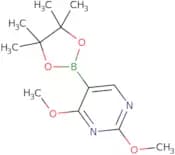
CAS:<p>2,4-Dimethoxypyrimidine-5-boronic acid is a high quality chemical that can be used as a reagent or a complex intermediate. It is an important building block for the synthesis of many compounds and has been shown to be useful in the synthesis of 2,4-dimethoxybenzaldehyde. This compound has been used in the preparation of 2,4-dimethoxypyrimidin-5(6H)-ones and as a reaction component in organic chemistry.</p>Fórmula:C12H19BN2O4Pureza:Min. 97%Peso molecular:266.1 g/molN-α-Boc-Nε-Z-D-lysine
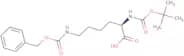
CAS:<p>N-alpha-Boc-Nepsilon-Z-D-lysine is a fusogenic peptide that has an acidic pKa. It is a potent inhibitor of survivin, which is a protein that regulates cell death. It also inhibits the uptake of l-phenylalanine to promote cancer cell death. The functional groups on this compound are epoxyketones, which have regulatory properties as well as being able to inhibit the growth of cells.</p>Fórmula:C19H28N2O6Pureza:Min. 95%Peso molecular:380.44 g/molN,O-Bis(trimethylsilyl) acetamide
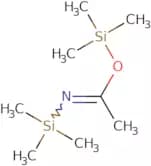
CAS:<p>N,O-Bis(trimethylsilyl) acetamide is a protein that is used as a reagent for the detection of integrin receptors. It can be used to identify human immunoglobulin and human serum proteins. This compound has been shown to be pluripotent in cells, which means that it can differentiate into any type of cell. N,O-Bis(trimethylsilyl) acetamide has been shown to have surfactant properties and can be used as an alternative in toxicity studies. This compound has been shown to be toxic to bowel disease cells when tested with a dose of 3mg/mL. The disulfide bond within this molecule may be important for its biological activity. Synchronous fluorescence spectroscopy and plasma mass spectrometry are two methods that have been used to study the structure of this molecule. Electrochemical impedance spectroscopy is another method that has been used in the structural analysis of this molecule.</p>Fórmula:C8H21NOSi2Pureza:Min. 95 Area-%Forma y color:Colorless Yellow Clear LiquidPeso molecular:203.43 g/molCalcium dobesilate
CAS:<p>Calcium dobesilate is a calcium salt that emits chemiluminescence in the presence of an oxidant. It has been used as a treatment for hypercalcemia, which is caused by high levels of calcium in the blood, and to prevent skin cancer. The experimental model was conducted on human serum and showed that calcium dobesilate reduced the enzyme activities in serum samples by 30% after 15 minutes of incubation. This reduction was statistically significant when compared to untreated groups. Calcium dobesilate also inhibited the growth of skin cancer cells in a pharmacological agent-induced experimental model.</p>Fórmula:C8H6O5S•Ca0Pureza:Min. 98 Area-%Forma y color:PowderPeso molecular:418.41 g/mol4-Formylphenylboronic acid pinacol cyclic ester
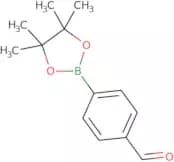
CAS:<p>4-Formylphenylboronic acid pinacol cyclic ester is a boronic ester that can be used in cross-coupling reactions. It reacts with a variety of halides and metal surfaces, including palladium. 4-Formylphenylboronic acid pinacol cyclic ester has been shown to be a useful model system for the synthesis of conjugates and has been used in clinical development as a fluorophore for cancer diagnosis. The photophysical properties of 4-Formylphenylboronic acid pinacol cyclic ester have been studied extensively and the chromophore is sensitive to changes in the environment. The boronic acids are responsible for the reactivity of 4-Formylphenylboronic acid pinacol cyclic ester, which undergoes an oxidative addition reaction mechanism.</p>Fórmula:C13H17BO3Forma y color:PowderPeso molecular:232.08 g/mol3,7-Dibromo-5,5-dioctyl-5H-dibenzo[b,d]silole
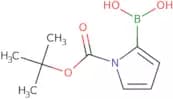
CAS:<p>3,7-Dibromo-5,5-dioctyl-5H-dibenzo[b,d]silole is a fine chemical that belongs to the group of versatile building blocks for organic synthesis. It is a complex compound that has been used in research as a reagent and speciality chemical. It also has many applications in the production of commercial chemicals such as pharmaceuticals and agrochemicals. This compound can be used as an intermediate for the production of other compounds with pharmaceutical or agricultural uses.</p>Fórmula:C28H40Br2SiPureza:Min. 95%Forma y color:Colorless PowderPeso molecular:564.51 g/molN-Boc-pyrroyl-boronic acid
CAS:<p>N-Boc-pyrroyl-boronic acid is a linker that is used in organic synthesis. It reacts with chloride to form an organochlorine compound, which can be used as an inhibitor of s. aureus or other bacteria. The reaction time for this chemical is shorter than for the corresponding boronic acid, and it does not require the presence of a Lewis acid. This chemical has been shown to have anticancer activity in vitro, and its optimization has been studied using fluorescent carbonyl groups as the active component.</p>Fórmula:C9H14BNO4Pureza:Min. 95%Peso molecular:211.02 g/molN-α-tert-BOC-N-ε-formyl-L-lysine
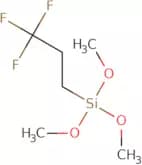
CAS:<p>N-alpha-tert-BOC-N-epsilon-formyl-L-lysine is a dry weight of 4.1g/100g. It's diameter is 2.5mm with a growth rate of 0.3mm per day. This compound has been statistically shown to have no effect on the growth rates of bacteria in the presence of zinc bacitracin. The leucaena plant, which is a natural source of antibiotics, can be used as a sustainable treatment for bacterial infections because it contains N-alpha-tert-BOC-N-epsilon-formyl-L-lysine and other compounds that are effective against infections. This compound also catalyses energy efficiency, by providing an alternative to antibiotics, which may lead to more sustainable treatments for bacterial infections.</p>Fórmula:C12H22N2O5Pureza:Min. 95%Forma y color:White PowderPeso molecular:274.31 g/molTrimethoxy(3,3,3-trifluoropropyl)silane
CAS:<p>Trimethoxy(3,3,3-trifluoropropyl)silane is a chemical that is used as a coating for metals and plastics. It has been shown to be an excellent lubricant and can be used as a fuel additive. Trimethoxy(3,3,3-trifluoropropyl)silane is also used in analytical chemistry for gravimetric analysis. This chemical can undergo reactions with other compounds such as hydrogen gas to form trimethoxysilane (SiH), which can be detected by FT-IR spectroscopy. Trimethoxy(3,3,3-trifluoropropyl)silane also reacts with metal ions in the presence of light to form metal complexes that have potential applications in photovoltaic devices and electrochemical studies. !--END--> !--END--></p>Fórmula:C6H13F3O3SiPureza:Min. 95%Forma y color:Clear LiquidPeso molecular:218.25 g/mol(3,4,5-Trimethoxyphenyl)boronic acid
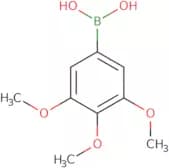
CAS:<p>(3,4,5-Trimethoxyphenyl)boronic acid is an active analogue of 3,4,5-trimethoxybenzoic acid. It has potent anti-inflammatory properties and inhibits cancer cell proliferation. (3,4,5-Trimethoxyphenyl)boronic acid has been shown to inhibit the growth of cancer cells in vitro by binding to the gyrase enzyme. This drug also has biological properties that may be useful for treating human liver diseases such as hepatic steatosis or nonalcoholic fatty liver disease (NAFLD).</p>Fórmula:C9H13BO5Pureza:Min. 95 Area-%Forma y color:PowderPeso molecular:212.01 g/molLithium tetraborate
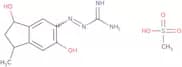
CAS:<p>Lithium tetraborate (LiBO) is a compound used in the preparation of samples for laser ablation. It can be synthesized by reacting lithium carbonate with boron nitride in a hydrochloric acid solution at room temperature. Lithium tetraborate is often used as a buffer to increase the pH of the solution and to maintain it at a constant level during reactions. This compound has been studied extensively, and its spectroscopic properties have been well documented. The thermal expansion coefficient of LiBO is high, which makes it suitable for use in radiation experiments. Lithium tetraborate has also been shown to be an effective catalyst for organic synthesis reactions that require high activation energies, such as the synthesis of phenol from benzene and formaldehyde.</p>Fórmula:Li2B4O7Pureza:Min. 95%Forma y color:PowderPeso molecular:169.12 g/molAdrenochrome monoaminoguanidine mesilate
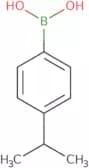
CAS:<p>Adrenochrome monoaminoguanidine mesilate is a synthetic drug that has been used in the treatment of cellulite, obesity, and chronic fatigue syndrome. It is an orally administered drug that causes the body to release adrenaline and noradrenaline. Adrenochrome monoaminoguanidine mesilate is a crystalline substance with a melting point of 130-140°C. The drug contains no additives or excipients other than gelatinization and cellulose.</p>Fórmula:C11H17N5O5SPureza:Min. 95%Forma y color:PowderPeso molecular:331.35 g/mol4-Isopropylphenylboronic acid
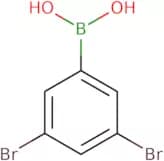
CAS:<p>4-Isopropylphenylboronic acid is a chiral organic chemical that is used as a Grignard reagent. It is an optically pure compound that can be isolated by recrystallization. The optical purity of 4-isopropylphenylboronic acid has been confirmed by the red shift observed in its IR spectrum. This compound undergoes nucleophilic substitution reactions, and it also catalyses the hydrostannylation of styrene with phenyllithium or butyllithium. The synthesis of this molecule requires relatively mild reaction conditions, and it can be obtained in high yield.</p>Fórmula:C9H13BO2Pureza:Min. 95%Forma y color:PowderPeso molecular:164.01 g/mol3,5-Dibromophenylboronic acid
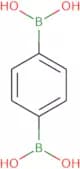
CAS:<p>3,5-Dibromophenylboronic acid is a boronic acid with the chemical formula B(OH)Br. The boron atom in this molecule has a unique electron configuration that allows it to form strong bonds with other atoms and molecules. This reactive compound can be used as a ligand in cross-coupling reactions or to modify an organic molecule by coupling it to another molecule. 3,5-Dibromophenylboronic acid is typically used as a precursor for the synthesis of nanomaterials and can be synthesized from monomers at temperatures ranging from -78°C to 80°C.</p>Fórmula:C6H5BBr2O2Pureza:Min. 95%Peso molecular:279.72 g/mol1,4-Phenylenebisboronic acid
CAS:<p>1,4-Phenylenebisboronic acid is a chemical compound with the following structural formula:<br>It is a white crystalline solid, soluble in water and ethanol. 1,4-Phenylenebisboronic acid has been used for analytical chemistry and photochemical studies. It has also been studied as a model system for ternary complex formation, x-ray diffraction data analysis, and ester linkages. Structural analysis of 1,4-phenylenebisboronic acid reveals hydrogen bonding interactions between the nitrogen atoms and the boron atoms.</p>Fórmula:C6H8B2O4Pureza:Min. 95 Area-%Forma y color:PowderPeso molecular:165.75 g/mol3-Aminophenylboronic acid hemisulphate
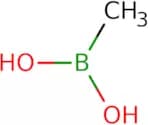
CAS:<p>3-Aminophenylboronic acid hemisulphate is a cross-linking agent that has been shown to induce apoptosis in mammalian cells. It also has the ability to bind to glycan, a sugar molecule on the surface of cells. The binding of 3-aminophenylboronic acid hemisulphate induces morphogenetic protein (MP) secretion, which leads to cell death. This compound is used as an adjuvant in vaccines and also as a research reagent for studying protein sequences and antigen/antibody interactions.</p>Fórmula:C6H8BNO2•(H2SO4)0Pureza:Min. 95%Forma y color:White PowderPeso molecular:185.98 g/molMethylboronic acid
CAS:<p>Methylboronic acid is a cyclic peptide that can be found in plants. It was first discovered as an antimicrobial agent in the 1980s and has since been used to treat infectious diseases. Methylboronic acid reacts with oxygen nucleophiles such as penicillin-binding proteins, leading to their inhibition and subsequent death of bacteria. This compound also has potential for use in treating autoimmune diseases and inflammatory bowel disease due to its ability to inhibit the production of cytokines and other inflammatory mediators.</p>Fórmula:CH5BO2Pureza:Min. 95%Forma y color:PowderPeso molecular:59.86 g/mol(3R,4R)-4-Acetoxy-3-[(R)-1-(tert-butyldimethylsilyloxy)ethyl]-2-azetidinone
CAS:<p>(3R,4R)-4-Acetoxy-3-[(R)-1-(tert-butyldimethylsilyloxy)ethyl]-2-azetidinone is a versatile building block that can be used as a reagent and speciality chemical. It is also a useful scaffold for the synthesis of complex compounds. It has been shown to be useful in the manufacture of research chemicals and other fine chemicals. This compound is characterized by its high quality and can be used as an intermediate in reactions involving nucleophilic substitution, alkylation, acylation, esterification, and amination.</p>Fórmula:C13H25NO4SiPureza:Min. 98 Area-%Forma y color:White PowderPeso molecular:287.43 g/mol2-(MorpholinoMethyl)phenylboronic acid pinacol ester
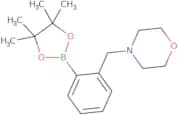
CAS:<p>2-(MorpholinoMethyl)phenylboronic acid pinacol ester is a fine chemical that can be used as a building block for the synthesis of complex compounds. It is also suitable for use in research and development, as it has been shown to be a reagent and speciality chemical. This compound is an intermediate for the synthesis of other compounds, such as pharmaceuticals, agrochemicals, and cosmetics. 2-(MorpholinoMethyl)phenylboronic acid pinacol ester can be used as a versatile building block in organic synthesis reactions. It has been shown to have high quality properties and can be used to synthesize valuable scaffolds.</p>Fórmula:C17H26BNO3Pureza:Min. 95%Forma y color:PowderPeso molecular:303.20 g/mol(S)-BoroLeu-(+)-pinanediol-trifluoroacetate
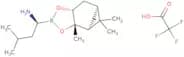
CAS:<p>(S)-BoroLeu-(+)-pinanediol-trifluoroacetate is a useful scaffold, building block, and intermediate for the synthesis of complex compounds. It is a high quality reagent that can be used in research chemicals and speciality chemicals. (S)-BoroLeu-(+)-pinanediol-trifluoroacetate is a versatile building block because it can be used as a reaction component in the synthesis of fine chemicals and as an intermediate in the synthesis of other reagents. CAS No. 477254-69-6</p>Fórmula:C15H28BNO2·C2HF3O2Pureza:Min. 95%Forma y color:PowderPeso molecular:379.22 g/mol(1R)-(1S,2S,3R,5S)-Pinanediol-N-(N-pyrazinylphenylalaninoyl)-1-amino-3-methyl-butane-1-boronate
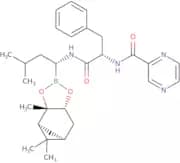
CAS:<p>(1R)-(1S,2S,3R,5S)-Pinanediol-N-(N-pyrazinylphenylalaninoyl)-1-amino-3-methyl-butane-1-boronate is a boronic acid derivative that has been shown to have an antiproliferative effect on cancer cells. It is a biodegradable, water soluble drug with a low toxicity profile. The maximum tolerated dose has been established in vivo studies and it can be used as an imaging agent for diagnosis. (1R)-(1S,2S,3R,5S)-Pinanediol-N-(N-pyrazinylphenylalaninoyl)-1-amino-3-methyl-butane-1-boronate may be used to treat cancers such as breast cancer or leukemia. This drug targets the proteasome and inhibits its activity by binding to the active site of the 20s</p>Fórmula:C29H39BN4O4Pureza:Min. 95%Forma y color:SolidPeso molecular:518.46 g/molBenzothiazole-5-boronic acid pinacol ester
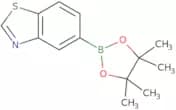
CAS:<p>Benzothiazole-5-boronic acid pinacol ester is a fine chemical that is used as a versatile building block in the synthesis of complex compounds. It can be used for research purposes, as a reagent in organic synthesis, or as a speciality chemical. This compound has been shown to be useful in the preparation of high quality and useful intermediates, which are then used in the production of other chemicals. Benzothiazole-5-boronic acid pinacol ester is also an important reaction component and can be used as a scaffold for the synthesis of new compounds.</p>Fórmula:C13H16BNO2SPureza:Min. 95%Forma y color:PowderPeso molecular:261.15 g/molN-[3-(4,4,5,5-TetraMethyl-[1,3,2]dioxaborolan-2-yl)-phenyl]succinamic acid
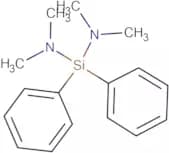
CAS:<p>N-[3-(4,4,5,5-TetraMethyl-[1,3,2]dioxaborolan-2-yl)-phenyl]succinamic acid is an intermediate in the synthesis of a variety of compounds. It is also a useful building block in the synthesis of complex compounds. In addition to its use as a research chemical and reagent, N-[3-(4,4,5,5-TetraMethyl-[1,3,2]dioxaborolan-2-yl)-phenyl]succinamic acid can be used as a speciality chemical.</p>Fórmula:C16H22BNO5Pureza:Min. 95%Peso molecular:319.16 g/molBis(dimethylamino)diphenylsilane
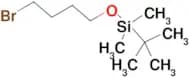
CAS:<p>S01625 - Bis(dimethylamino)diphenylsilane</p>Fórmula:C16H22N2SiPureza:98%Forma y color:ClearPeso molecular:270.4511-Bromo-4-(t-butyldimethylsilyloxy)butane
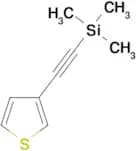
CAS:Fórmula:C10H23BrOSiPureza:95%Forma y color:LiquidPeso molecular:267.282(3-Thienylethynyl)trimethylsilane
CAS:Fórmula:C9H12SSiPureza:97%Forma y color:LiquidPeso molecular:180.343-(t-Butyl dimethylsiloxy) iodobenzene
CAS:<p>S03323 - 3-(t-Butyl dimethylsiloxy) iodobenzene</p>Fórmula:C12H19IOSiPureza:98%Peso molecular:334.2722-Trimethylsilylethanol
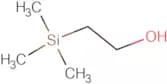
CAS:<p>S19375 - 2-Trimethylsilylethanol</p>Fórmula:C5H14OSiPureza:95%Forma y color:ClearPeso molecular:118.251n-Decyltrimethoxysilane
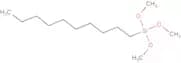
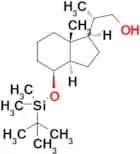
CAS:<p>S05625 - n-Decyltrimethoxysilane</p>Fórmula:C13H30O3SiPureza:97%Forma y color:LiquidPeso molecular:262.465(S)-2-((1R,3aR,4S,7aR)-4-((tert-butyldimethylsilyl)oxy)-7a-methyloctahydro-1H-inden-1-yl)propan-1-ol
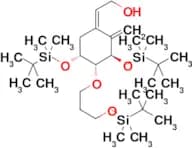
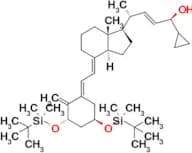
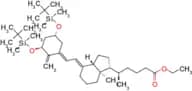
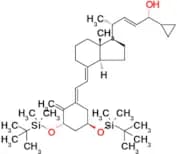
CAS:Pureza:96%Peso molecular:326.5960083(Z)-2-((3R,4R,5R)-3,5-BIS((TERT-BUTYLDIMETHYLSILYL)OXY)-4-(3-((TERT-BUTYLDIMETHYLSILYL)OXY)PROPOXY)-2-METHYLENECYCLOHEXYLIDENE)ETHAN-1-OL
CAS:Pureza:95%Peso molecular:587.0759888N-(4-((tert-Butyldimethylsilyl)oxy)phenyl)-4-chloro-5-(trifluoromethyl)pyrimidin-2-amine
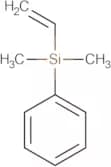
CAS:Pureza:98%Peso molecular:403.9100037Vinylphenyldimethylsilane
CAS:<p>S21880 - Vinylphenyldimethylsilane</p>Fórmula:C10H14SiPureza:98%Forma y color:Liquid, ClearPeso molecular:162.307(4-((Trimethylsilyl)ethynyl)phenyl)methanol
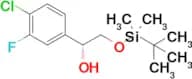
CAS:Fórmula:C12H16OSiPureza:98%Forma y color:Liquid, No data available.Peso molecular:204.344(R)-2-((tert-butyldimethylsilyl)oxy)-1-(4-chloro-3-fluorophenyl)ethanol
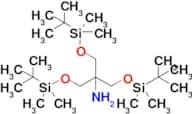
CAS:Pureza:95%Peso molecular:304.85998546-(((tert-Butyldimethylsilyl)oxy)methyl)-2,2,3,3,9,9,10,10-octamethyl-4,8-dioxa-3,9-disilaundecan-6-amine
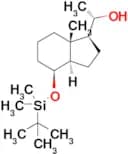
CAS:Pureza:97%Peso molecular:463.9249878(S)-1-((1S,3aR,4S,7aR)-4-((tert-Butyldimethylsilyl)oxy)-7a-methyloctahydro-1H-inden-1-yl)ethan-1-ol
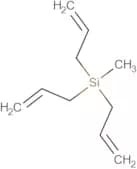
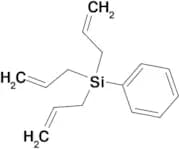
CAS:Pureza:98%Peso molecular:312.5690002Methyl trially silane
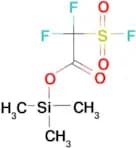
CAS:<p>S11740 - Methyl trially silane</p>Fórmula:C10H18SiPureza:98%Forma y color:LiquidPeso molecular:166.339Trimethylsilyl fluorosulfonyldifluoroacetate
CAS:Fórmula:C5H9F3O4SSiPureza:95%Forma y color:Liquid, ClearPeso molecular:250.26(S)-(-)-[(Diphenyl)trimethylsiloxymethyl]pyrrolidine
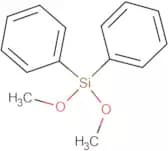
CAS:Producto controlado<p>S25143 - (S)-(-)-[(Diphenyl)trimethylsiloxymethyl]pyrrolidine</p>Fórmula:C20H27NOSiPureza:95%Forma y color:ClearPeso molecular:325.527Diphenyldimethoxysilane(Dimethoxydiphenylsilane)
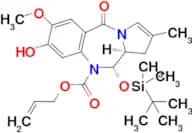
CAS:<p>S07875 - Diphenyldimethoxysilane(Dimethoxydiphenylsilane)</p>Fórmula:C14H16O2SiPureza:95+%Forma y color:Liquid, ClearPeso molecular:244.365Allyl (11S,11aS)-11-((tert-butyldimethylsilyl)oxy)-8-hydroxy-7-methoxy-2-methyl-5-oxo-11,11a-dihydro-1H-benzo[e]pyrrolo[1,2-a][1,4]diazepine-10(5H)-carboxylate
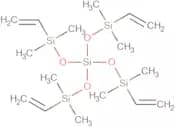
CAS:Pureza:97%Peso molecular:474.6289978Tetrakis(vinyldimethylsiloxy)silane
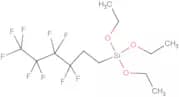
CAS:<p>S15910 - Tetrakis(vinyldimethylsiloxy)silane</p>Fórmula:C16H36O4Si5Pureza:95%Forma y color:Liquid, ClearPeso molecular:432.885Nonafluorohexyltriethoxysilane
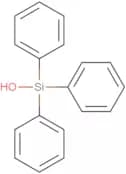
CAS:<p>S25247 - Nonafluorohexyltriethoxysilane</p>Fórmula:C12H19F9O3SiPureza:97%Forma y color:Liquid, ClearPeso molecular:410.352Triphenylsilanol
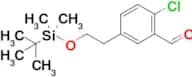
CAS:<p>S20625 - Triphenylsilanol</p>Fórmula:C18H16OSiPureza:98%Forma y color:Solid, Off-white solidPeso molecular:276.415-(2-((tert-Butyldimethylsilyl)oxy)ethyl)-2-chlorobenzaldehyde
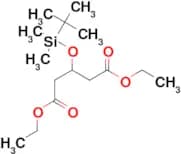
CAS:Pureza:95%Peso molecular:298.8800049Diethyl 3-(tert-Butyldimethylsilyloxy)glutarate
CAS:Fórmula:C15H30O5SiPureza:97%Peso molecular:318.4853-Bromo-1-triisopropylsilyl pyrrole
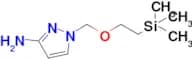
CAS:<p>S03129 - 3-Bromo-1-triisopropylsilyl pyrrole</p>Fórmula:C13H24BrNSiPureza:95%Forma y color:LiquidPeso molecular:302.3314-Bromo-1-((2-(trimethylsilyl)ethoxy)methyl)-1H-pyrrolo[2,3-b]pyridine
CAS:Pureza:95%Peso molecular:327.2969971Ethyl 2-amino-1-[trans-4-[(tert-butyldimethylsilyl)oxy]cyclohexyl]-1H-benzo[d]imidazole-5-carboxylate
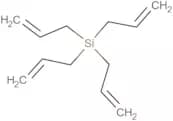
CAS:Pureza:98%Peso molecular:417.625Tetraallyl silane
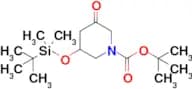
CAS:<p>S15190 - Tetraallyl silane</p>Fórmula:C12H20SiPureza:95%Forma y color:LiquidPeso molecular:192.377tert-Butyl 3-((tert-butyldimethylsilyl)oxy)-5-oxopiperidine-1-carboxylate
CAS:Pureza:97%Peso molecular:329.5119934n-Octadecyltrimethoxysilane, includes up to 5-10% C18 Isomers
CAS:<p>S12325 - n-Octadecyltrimethoxysilane, includes up to 5-10% C18 Isomers</p>Fórmula:C21H46O3SiPureza:95%Forma y color:Clear to straw liquidPeso molecular:374.681Ref: 10-F763494
1g65,00€5g165,00€10g272,00€25g507,00€100g1.162,00€250g2.904,00€100mg25,00€250mg32,00€2-Methyl-4-trimethylsilyl-3-butyn-2-ol
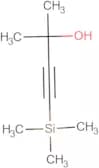
CAS:<p>S11970 - 2-Methyl-4-trimethylsilyl-3-butyn-2-ol</p>Fórmula:C8H16OSiPureza:98%Forma y color:SolidPeso molecular:156.33-Trimethylsilyl phenyl boronic acid
CAS:<p>S20000 - 3-Trimethylsilyl phenyl boronic acid</p>Fórmula:C9H15BO2SiPureza:95%Forma y color:SolidPeso molecular:194.11(3-Chloropropyl)pentamethyldisiloxane
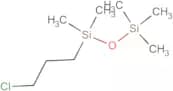
CAS:<p>S25113 - (3-Chloropropyl)pentamethyldisiloxane</p>Fórmula:C8H21ClOSi2Pureza:98%Peso molecular:224.884,5-Difluoro-2-(trimethylsilyl)phenyl trifluoromethanesulfonate
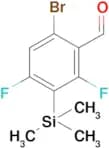
CAS:Pureza:98%Peso molecular:334.32998663-[[(1,1-DIMETHYLETHYL)DIMETHYLSILYL]OXY]CYCLOBUTANONE
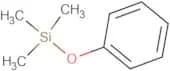
CAS:Fórmula:C10H20O2SiPureza:98%Peso molecular:200.353Phenoxytrimethyl silane
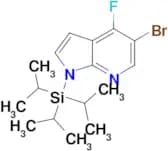
CAS:<p>S13170 - Phenoxytrimethyl silane</p>Fórmula:C9H14OSiPureza:97%Forma y color:Liquid, ClearPeso molecular:166.2955-BROMO-4-FLUORO-1-(TRIISOPROPYLSILANYL)-7-AZAINDOLE
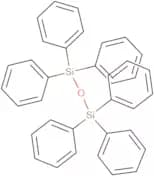
CAS:Fórmula:C16H24BrFN2SiPureza:98%Peso molecular:371.369Hexaphenyldisiloxane
CAS:<p>S09775 - Hexaphenyldisiloxane</p>Fórmula:C36H30OSi2Pureza:96%Peso molecular:534.805(S,Z)-(2-(5-((tert-butyldimethylsilyl)oxy)-2-methylenecyclohexylidene)ethyl)diphenylphosphine oxide
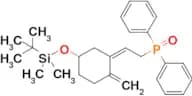
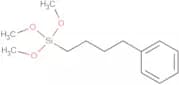
CAS:Pureza:96%Peso molecular:452.64999394-Phenylbutyltrimethoxy silane
CAS:<p>S25349 - 4-Phenylbutyltrimethoxy silane</p>Fórmula:C13H22O3SiPureza:98%Forma y color:LiquidPeso molecular:254.401Octavinyl-T8-silsequioxane
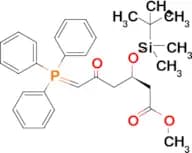
CAS:<p>S25251 - Octavinyl-T8-silsequioxane</p>Fórmula:C16H24O12Si8Pureza:95%Forma y color:SolidPeso molecular:633.036METHYL (3R)-3-(TERT-BUTYLDIMETHYLSILYLOXY)-5-OXO-6-TRIPHENYLPHOSPHORANYLIDENEHEXANOATE
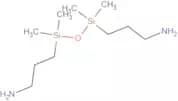
CAS:Pureza:97%Peso molecular:534.70800781,3-Bis(3-aminopropyl)-1,1,3,3-tetramethyl-disiloxane
CAS:<p>S01250 - 1,3-Bis(3-aminopropyl)-1,1,3,3-tetramethyl-disiloxane</p>Fórmula:C10H28N2OSi2Pureza:95%Forma y color:Liquid, ClearPeso molecular:248.517tert-Butyl 4-chloro-1-(triisopropylsilyl)-1H-pyrrolo[2,3-b]pyridine-5-carboxylate
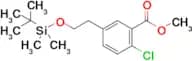
CAS:Pureza:95%Peso molecular:409.0400085Methyl 5-(2-((tert-butyldimethylsilyl)oxy)ethyl)-2-chlorobenzoate
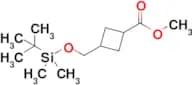
CAS:Pureza:98%Peso molecular:328.9100037Methyl 3-(((tert-butyldimethylsilyl)oxy)methyl)cyclobutane-1-carboxylate
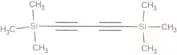
CAS:Pureza:97%Peso molecular:258.43301391,4-Bis(trimethylsilyl)1,3-butadiyne
CAS:<p>S02525 - 1,4-Bis(trimethylsilyl)1,3-butadiyne</p>Fórmula:C10H18Si2Pureza:95%Forma y color:Solid, Off-white solidPeso molecular:194.4241,3,2-Dioxaborolane, 4,4,5,5-tetramethyl-2-[(1E)-2-(trimethylsilyl)ethenyl]-
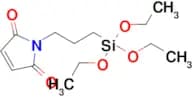
CAS:Pureza:97%(stabilized with TBC)Peso molecular:226.21-(3-(Triethoxysilyl)propyl)-1H-pyrrole-2,5-dione
CAS:Fórmula:C13H23NO5SiPureza:95%Forma y color:LiquidPeso molecular:301.4142,5-Dioxopyrrolidin-1-yl (2-(trimethylsilyl)ethyl) carbonate
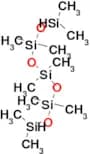
CAS:Fórmula:C10H17NO5SiPureza:95%Forma y color:Solid, White to very pale yellow powderPeso molecular:259.333PENTASILOXANE, 1,1,3,3,5,5,7,7,9,9-DECAMETHYL-
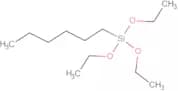
CAS:Fórmula:C10H32O4Si5Pureza:97%Forma y color:LiquidPeso molecular:356.787n-Hexyltriethoxysilane
CAS:<p>S09950 - n-Hexyltriethoxysilane</p>Fórmula:C12H28O3SiPureza:95%Forma y color:Liquid, ClearPeso molecular:248.4383-(4,4,5,5-Tetramethyl-1,3,2-dioxaborolan-2-yl)-1-[tris(1-methylethyl)silyl]-1H-pyrrole
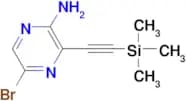
CAS:Fórmula:C19H36BNO2SiPureza:97%Forma y color:SolidPeso molecular:349.45-Bromo-3-((trimethylsilyl)ethynyl)pyrazin-2-amine
CAS:Fórmula:C9H12BrN3SiPureza:97%Peso molecular:270.205Tetraphenylsilane
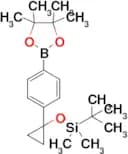
CAS:<p>S16375 - Tetraphenylsilane</p>Fórmula:C24H20SiPureza:98%Forma y color:SolidPeso molecular:336.509tert-Butyldimethyl(1-(4-(4,4,5,5-tetramethyl-1,3,2-dioxaborolan-2-yl)phenyl)cyclopropoxy)silane
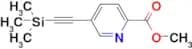
CAS:Pureza:95%Peso molecular:374.46-((Trimethylsilyl)ethynyl)pyridin-3-amine
CAS:Fórmula:C10H14N2SiPureza:97%Forma y color:SolidPeso molecular:190.3211,3-Bis(trimethylsilylethynyl)benzene
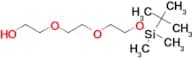
CAS:<p>S02610 - 1,3-Bis(trimethylsilylethynyl)benzene</p>Fórmula:C16H22Si2Pureza:98%Forma y color:SolidPeso molecular:270.5222,2,3,3-TETRAMETHYL-4,7,10-TRIOXA-3-SILADODECAN-12-OL
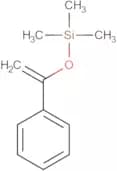
CAS:Fórmula:C12H28O4SiPureza:95%Peso molecular:264.4371-Phenyl-1-trimethylsiloxyethylene
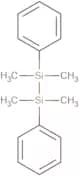
CAS:<p>S13776 - 1-Phenyl-1-trimethylsiloxyethylene</p>Fórmula:C11H16OSiPureza:95%Forma y color:Liquid, ClearPeso molecular:192.3331,2-Diphenyltetramethyldisilane
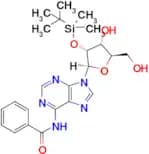
CAS:<p>S08125 - 1,2-Diphenyltetramethyldisilane</p>Fórmula:C16H22Si2Pureza:97%Forma y color:SolidPeso molecular:270.522N-(9-((2R,3R,4R,5R)-3-((tert-Butyldimethylsilyl)oxy)-4-hydroxy-5-(hydroxymethyl)tetrahydrofuran-2-yl)-9H-purin-6-yl)benzamide
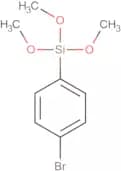
CAS:Pureza:98%Peso molecular:485.616Bromophenyltrimethoxysilane (mixed isomers)
CAS:<p>S03075 - Bromophenyltrimethoxysilane (mixed isomers)</p>Fórmula:C9H13BrO3SiPureza:97%Forma y color:LiquidPeso molecular:277.189TERT-BUTYL((1-METHOXYVINYL)OXY)DIMETHYLSILANE
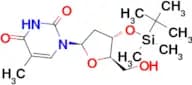
CAS:Fórmula:C9H20O2SiPureza:95%Forma y color:LiquidPeso molecular:188.3421-((2R,4S,5R)-4-((tert-Butyldimethylsilyl)oxy)-5-(hydroxymethyl)tetrahydrofuran-2-yl)-5-methylpyrimidine-2,4(1H,3H)-dione
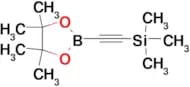
CAS:Fórmula:C16H28N2O5SiPureza:97%Forma y color:SolidPeso molecular:356.494Trimethyl((4,4,5,5-tetramethyl-1,3,2-dioxaborolan-2-yl)ethynyl)silane
CAS:Fórmula:C11H21BO2SiPureza:95%Forma y color:SolidPeso molecular:224.184-Nitrophenyl 2-(trimethylsilyl)ethyl carbonate
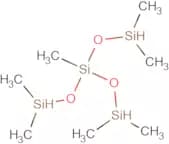
CAS:Fórmula:C12H17NO5SiPureza:95%Forma y color:CrystallinePeso molecular:283.355Methyltris(dimethylsiloxy)silane
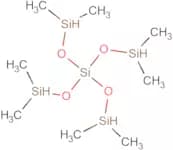
CAS:<p>S12050 - Methyltris(dimethylsiloxy)silane</p>Fórmula:C7H24O3Si4Pureza:95%Forma y color:Clear LiquidPeso molecular:268.606Tetrakis(dimethylsiloxy)silane
CAS:<p>S15675 - Tetrakis(dimethylsiloxy)silane</p>Fórmula:C8H28O4Si5Pureza:95%Forma y color:ClearPeso molecular:328.733Methyl 3,3-dimethyl-1,2,3,4-tetrahydro-1,3-azasiline-5-carboxylate
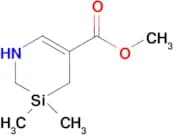
CAS:Pureza:98%Peso molecular:185.2981,2-Bis(dimethylsilyl)benzene
CAS:<p>S01774 - 1,2-Bis(dimethylsilyl)benzene</p>Fórmula:C10H18Si2Pureza:97%Forma y color:LiquidPeso molecular:194.424N,N-Dibenzyl-2-(3-((tert-butyldimethylsilyl)oxy)propoxy)ethanamine
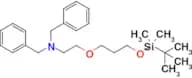
CAS:Pureza:95%Peso molecular:413.6770024-Chloro-7-((2-(trimethylsilyl)ethoxy)methyl)-7H-pyrrolo[2,3-d]pyrimidine
CAS:Fórmula:C12H18ClN3OSiPureza:98%Forma y color:Liquid, No data available.Peso molecular:283.831,4-Bis(triethoxysilyl)benzene
CAS:<p>S25067 - 1,4-Bis(triethoxysilyl)benzene</p>Fórmula:C18H34O6Si2Pureza:98%Forma y color:Liquid, ClearPeso molecular:402.634Tris(trimethylsiloxy)silane
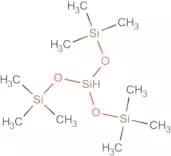
CAS:<p>S21175 - Tris(trimethylsiloxy)silane</p>Fórmula:C9H28O3Si4Pureza:96%Forma y color:ClearPeso molecular:296.66(3R,4R)-3-(2,2-Dibromoethenyl)-4-methyl-4-[2-(triethylsilyl)ethynyl]cyclohexene
CAS:Pureza:97%Peso molecular:418.288(S)-8-(Benzyloxy)-7-methoxy-10-((2-(trimethylsilyl)ethoxy)methyl)-1H-benzo[e]pyrrolo[1,2-a][1,4]diazepine-2,5,11(3H,10H,11aH)-trione
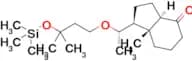
CAS:Pureza:96%Peso molecular:496.635(1S,3aR,7aR)-7a-methyl-1-((S)-1-(3-methyl-3-((trimethylsilyl)oxy)butoxy)ethyl)octahydro-4H-inden-4-one
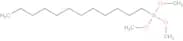
CAS:Pureza:98%Peso molecular:354.6059875Dodecyltrimethoxysilane(1-trimethoxysilyldodecane)
CAS:<p>S08575 - Dodecyltrimethoxysilane(1-trimethoxysilyldodecane)</p>Fórmula:C15H34O3SiPureza:97%Forma y color:ClearPeso molecular:290.519(4-(((Tert-butyldimethylsilyl)oxy)methyl)cyclohexyl)methanol
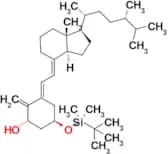
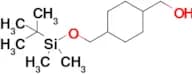
CAS:Pureza:97%Peso molecular:258.4769897(1,1-Dimethylethyl)dimethyl[[(3β,5E,7E)-9,10-secocholesta-5,7,10(19)-trien-3-yl]oxy]silane
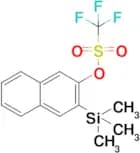
CAS:Pureza:96%Peso molecular:498.9113-(Trimethylsilyl)naphthalen-2-yl trifluoromethanesulfonate
CAS:Pureza:95%Forma y color:Viscous LiquidPeso molecular:348.41000374-Methoxyphenyltrimethoxysilane
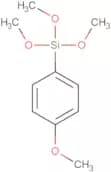
CAS:<p>S10905 - 4-Methoxyphenyltrimethoxysilane</p>Fórmula:C10H16O4SiPureza:96%Forma y color:Liquid, ClearPeso molecular:228.319Trimethyl(2,3,4,5-tetramethylcyclopenta-2,4-dien-1-yl)silane
CAS:Pureza:97%Peso molecular:194.3930054Tetraisopropylsilane
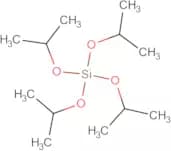
CAS:<p>S15610 - Tetraisopropylsilane</p>Fórmula:C12H28O4SiPureza:98%Forma y color:LiquidPeso molecular:264.437Dicyclopentyldimethoxysilane
CAS:Fórmula:C12H24O2SiPureza:96%Forma y color:LiquidPeso molecular:228.407
![Bis[3-(triethoxysilyl)propyl]-disulfide](/_next/image/?url=https%3A%2Fstatic.cymitquimica.com%2Fproducts%2F3D%2Fthumb-webp%2FFB40976.webp&w=3840&q=75)

![N-Ethylheptadecafluoro-N-[3-(Trimethoxysilyl)Propyl]Octanesulphonamide](/_next/image/?url=https%3A%2Fstatic.cymitquimica.com%2Fproducts%2F3D%2Fthumb-webp%2FFE98932.webp&w=3840&q=75)


![Tris[3-(trimethoxysilyl)propyl] isocyanurate](/_next/image/?url=https%3A%2Fstatic.cymitquimica.com%2Fproducts%2F3D%2Fthumb-webp%2FFT168667.webp&w=3840&q=75)

![4,4,5,5-Tetramethyl-2-(1,4-dioxaspiro[4.5]dec-7-en-8-yl)-1,3,2-dioxaborolane](/_next/image/?url=https%3A%2Fstatic.cymitquimica.com%2Fproducts%2F3D%2Fthumb-webp%2FFT140502.webp&w=3840&q=75)

![6-(4,4,5,5-Tetramethyl-1,3,2-dioxaborolan-2-yl)imidazo[1,2-α]pyridine](/_next/image/?url=https%3A%2Fstatic.cymitquimica.com%2Fproducts%2F3D%2Fthumb-webp%2FFT159967.webp&w=3840&q=75)
![Imidazo[1,2-α]pyridin-3-yl-boronic acid pinacol ester](/_next/image/?url=https%3A%2Fstatic.cymitquimica.com%2Fproducts%2F3D%2Fthumb-webp%2FFI51745.webp&w=3840&q=75)

![3,7-Dibromo-5,5-dioctyl-5H-dibenzo[b,d]silole](/_next/image/?url=https%3A%2Fstatic.cymitquimica.com%2Fproducts%2F3D%2Fthumb-webp%2FFD141100.webp&w=3840&q=75)



![(3R,4R)-4-Acetoxy-3-[(R)-1-(tert-butyldimethylsilyloxy)ethyl]-2-azetidinone](/_next/image/?url=https%3A%2Fstatic.cymitquimica.com%2Fproducts%2F3D%2Fthumb-webp%2FFA16979.webp&w=3840&q=75)
![N-[3-(4,4,5,5-TetraMethyl-[1,3,2]dioxaborolan-2-yl)-phenyl]succinamic acid](/_next/image/?url=https%3A%2Fstatic.cymitquimica.com%2Fproducts%2F3D%2Fthumb-webp%2FFT39771.webp&w=3840&q=75)






![(S)-(-)-[(Diphenyl)trimethylsiloxymethyl]pyrrolidine](/_next/image/?url=https%3A%2Fstatic.cymitquimica.com%2Fproducts%2F10%2Fthumb-webp%2FS25143.webp&w=3840&q=75)


![4-Bromo-1-((2-(trimethylsilyl)ethoxy)methyl)-1H-pyrrolo[2,3-b]pyridine](/_next/image/?url=https%3A%2Fstatic.cymitquimica.com%2Fproducts%2F10%2Fthumb-webp%2FF600247.webp&w=3840&q=75)
![1,1-Dimethyl-2,3-dihydrobenzo[d][1,3]azasilin-4(1H)-one](/_next/image/?url=https%3A%2Fstatic.cymitquimica.com%2Fproducts%2F10%2Fthumb-webp%2FF609608.webp&w=3840&q=75)
![Ethyl 2-amino-1-[trans-4-[(tert-butyldimethylsilyl)oxy]cyclohexyl]-1H-benzo[d]imidazole-5-carboxyl…](/_next/image/?url=https%3A%2Fstatic.cymitquimica.com%2Fproducts%2F10%2Fthumb-webp%2FF986358.webp&w=3840&q=75)







![3-[[(1,1-DIMETHYLETHYL)DIMETHYLSILYL]OXY]CYCLOBUTANONE](/_next/image/?url=https%3A%2Fstatic.cymitquimica.com%2Fproducts%2F10%2Fthumb-webp%2FF468032.webp&w=3840&q=75)

![tert-Butyl 4-chloro-1-(triisopropylsilyl)-1H-pyrrolo[2,3-b]pyridine-5-carboxylate](/_next/image/?url=https%3A%2Fstatic.cymitquimica.com%2Fproducts%2F10%2Fthumb-webp%2FF789882.webp&w=3840&q=75)
![1,3,2-Dioxaborolane, 4,4,5,5-tetramethyl-2-[(1E)-2-(trimethylsilyl)ethenyl]-](/_next/image/?url=https%3A%2Fstatic.cymitquimica.com%2Fproducts%2F10%2Fthumb-webp%2FF980037.webp&w=3840&q=75)

![3-(4,4,5,5-Tetramethyl-1,3,2-dioxaborolan-2-yl)-1-[tris(1-methylethyl)silyl]-1H-pyrrole](/_next/image/?url=https%3A%2Fstatic.cymitquimica.com%2Fproducts%2F10%2Fthumb-webp%2FF230788.webp&w=3840&q=75)



![2-[2-(trimethylsilyl)ethynyl]aniline](/_next/image/?url=https%3A%2Fstatic.cymitquimica.com%2Fproducts%2F10%2Fthumb-webp%2FF641058.webp&w=3840&q=75)
![2-[2-(Trimethylsilyl)ethynyl]benzaldehyde](/_next/image/?url=https%3A%2Fstatic.cymitquimica.com%2Fproducts%2F10%2Fthumb-webp%2FF618474.webp&w=3840&q=75)



![5-Methyl-5H-dibenzo[b,d]silole](/_next/image/?url=https%3A%2Fstatic.cymitquimica.com%2Fproducts%2F10%2Fthumb-webp%2FF634173.webp&w=3840&q=75)



![4-Chloro-7-((2-(trimethylsilyl)ethoxy)methyl)-7H-pyrrolo[2,3-d]pyrimidine](/_next/image/?url=https%3A%2Fstatic.cymitquimica.com%2Fproducts%2F10%2Fthumb-webp%2FF319918.webp&w=3840&q=75)

![(3R,4R)-3-(2,2-Dibromoethenyl)-4-methyl-4-[2-(triethylsilyl)ethynyl]cyclohexene](/_next/image/?url=https%3A%2Fstatic.cymitquimica.com%2Fproducts%2F10%2Fthumb-webp%2FF982627.webp&w=3840&q=75)
![3-[[(1,1-Dimethylethyl)diphenylsilyl]oxy]-1-propanamine](/_next/image/?url=https%3A%2Fstatic.cymitquimica.com%2Fproducts%2F10%2Fthumb-webp%2FF983446.webp&w=3840&q=75)
![(S)-8-(Benzyloxy)-7-methoxy-10-((2-(trimethylsilyl)ethoxy)methyl)-1H-benzo[e]pyrrolo[1,2-a][1,4]di…](/_next/image/?url=https%3A%2Fstatic.cymitquimica.com%2Fproducts%2F10%2Fthumb-webp%2FF982607.webp&w=3840&q=75)
![(1,1-Dimethylethyl)dimethyl[[(3β,5E,7E)-9,10-secocholesta-5,7,10(19)-trien-3-yl]oxy]silane](/_next/image/?url=https%3A%2Fstatic.cymitquimica.com%2Fproducts%2F10%2Fthumb-webp%2FF986319.webp&w=3840&q=75)