Haluros orgánicos
Subcategorías de "Haluros orgánicos"
Se han encontrado 20442 productos de "Haluros orgánicos"
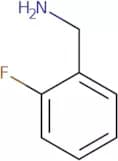
o-Fluorobenzyl amine
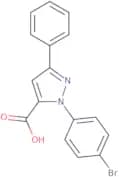
CAS:o-Fluorobenzyl amine (o-FA) is an inhibitor of the HIV integrase enzyme. It forms a covalent bond with the active site of the enzyme and has been shown to be effective in inhibiting HIV replication in vitro. Impurities such as chloride, water molecule, hydrogen bond, and fluorine can be found in o-FA. o-FA has been shown to inhibit monoamine oxidase and may have other biological properties. o-FA also has an intramolecular hydrogen bond that is stabilized by a dihedral angle. The low energy of this compound makes it difficult to detect by chromatographic methods or spectrometry.Fórmula:C7H8FNPureza:Min. 95%Forma y color:Clear LiquidPeso molecular:125.14 g/mol1-(4-Bromophenyl)-3-phenyl-1H-pyrazole-5-carboxylic acid
CAS:Producto controladoPlease enquire for more information about 1-(4-Bromophenyl)-3-phenyl-1H-pyrazole-5-carboxylic acid including the price, delivery time and more detailed product information at the technical inquiry form on this pageFórmula:C16H11BrN2O2Pureza:Min. 95%Forma y color:PowderPeso molecular:343.17 g/molChlorfenvinphos
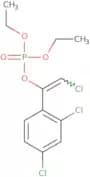
CAS:Chlorfenvinphos is an organophosphate pesticide that inhibits the enzyme acetylcholinesterase. It is used in agricultural and commercial settings to control insect pests, such as aphids, leafhoppers, and thrips. Chlorfenvinphos has been shown to have acute toxicities in humans and animals, as well as chronic effects on the environment. This chemical has been shown to reduce the activity of enzymes involved in metabolism and cell division. The use of chlorfenvinphos in wastewater treatment systems has been shown to be ineffective at removing this agent from wastewater effluent. Chlorfenvinphos is toxic to aquatic organisms and can cause ecological damage by disrupting the balance of natural ecosystems.
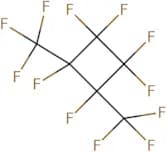
Fórmula:C12H14Cl3O4PPureza:Min. 95 Area-%Forma y color:Colorless Clear LiquidPeso molecular:359.57 g/molPerfluorodimethylcyclobutane
CAS:Producto controladoPerfluorodimethylcyclobutane is an organic compound that belongs to the class of perfluorinated compounds. It is a polymer film-forming agent with a chemical formula of C5H8F2. The chemical structure of this drug consists of a chlorine atom, two fluorine atoms, and two hydrogen atoms. The molecular weight is 126.7 g/mol. Perfluorodimethylcyclobutane has been used in microcapsules as an analytical chemistry tool and in the development of pharmaceutical drugs for cardiac conditions. This molecule has been used as a chromatographic science analytical method to identify fatty acids in petroleum products and chlorinated solvents.Fórmula:C6F12Pureza:Min. 95%Peso molecular:300.05 g/mol2-Hydroxy-4-(trifluoromethyl)benzaldehyde
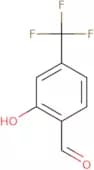
CAS:2-Hydroxy-4-(trifluoromethyl)benzaldehyde is an analgesic and anti-inflammatory agent that belongs to the pyrazole family. It has shown analgesic and anti-inflammatory effects in animal studies. 2-Hydroxy-4-(trifluoromethyl)benzaldehyde has been shown to be a potent inhibitor of cyclooxygenase (COX), which is responsible for prostaglandin synthesis, and as such, may have potential as a treatment for inflammatory conditions such as rheumatoid arthritis. This drug also inhibits the production of nitric oxide, which is involved in vasodilation and increased blood flow. 2-Hydroxy-4-(trifluoromethyl)benzaldehyde has been demonstrated to inhibit COX enzymes by forming a covalent bond with active site serine residues on the enzyme. The docked complex shows hydrogen bonding interactions between the hydroxyl group of 2
Fórmula:C8H5F3O2Pureza:Min. 95%Peso molecular:190.12 g/mol5-Bromo-N1-methylbenzene-1,2-diamine
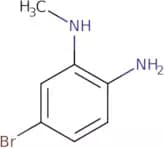
CAS:Please enquire for more information about 5-Bromo-N1-methylbenzene-1,2-diamine including the price, delivery time and more detailed product information at the technical inquiry form on this pageFórmula:C7H9BrN2Pureza:Min. 95%Peso molecular:201.06 g/mol(4-Bromophenyl)methanesulfonyl chloride
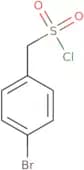
CAS:Please enquire for more information about (4-Bromophenyl)methanesulfonyl chloride including the price, delivery time and more detailed product information at the technical inquiry form on this page
Fórmula:C7H6BrClO2SPureza:Min. 95%Peso molecular:269.54 g/mol4-Nitrobenzoyl chloride
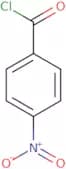
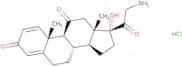
CAS:4-Nitrobenzoyl chloride is an amide that has been shown to have a number of pharmacokinetic properties. It binds to the gamma-aminobutyric acid (GABA) receptor, and has been shown to be a potent inhibitor of GABA transaminase in vitro. The structure of 4-Nitrobenzoyl chloride has been determined by FT-IR spectroscopy. The kinetic data for this compound showed that it is a substrate for diazonium salt and chloride reactions. 4-Nitrobenzoyl chloride is also found in wastewater and can cause cutaneous lesions in rats with high doses. This amine reacts with nitrous acid to form nitro compounds, which are known to be carcinogenic.Fórmula:C7H4ClNO3Pureza:Min. 95%Forma y color:Slightly Yellow PowderPeso molecular:185.56 g/mol21-Amino-17-hydroxypregna-1,4-diene-3,11,20-trioneHydrochloride
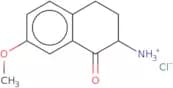
CAS:Producto controladoPlease enquire for more information about 21-Amino-17-hydroxypregna-1,4-diene-3,11,20-trioneHydrochloride including the price, delivery time and more detailed product information at the technical inquiry form on this pageFórmula:C21H28ClNO4Pureza:Min. 95%Peso molecular:393.9 g/mol2-Amino-3,4-dihydro-7-methoxy-2H-1-naphthalenone, hydrochloride
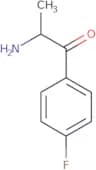
CAS:Producto controladoPlease enquire for more information about 2-Amino-3,4-dihydro-7-methoxy-2H-1-naphthalenone, hydrochloride including the price, delivery time and more detailed product information at the technical inquiry form on this pageFórmula:C11H14ClNO2Pureza:Min. 95%Peso molecular:227.69 g/mol2-Amino-1-(4-fluorophenyl)-1-propanone
CAS:Producto controlado2-Amino-1-(4-fluorophenyl)-1-propanone (Fluoroamphetamine) is a chemical that binds to the serotonin transporter, which is responsible for the reuptake of serotonin into the presynaptic neuron. Fluoroamphetamine has been shown to lower empathy and increase feelings of reward in animals. This drug has no significant effect on dopamine and noradrenaline levels but does cause an increase in metabolic acidosis. Fluoroamphetamine is most often used by analytical laboratories as a synthetic intermediate, but it can also be used as a strategy to develop specific antidotes against serotonin blockers. Fluoroamphetamine's health effects are similar to those of amphetamine with regards to cardiovascular risks and addictive potential.
Fórmula:C9H10FNOPureza:Min. 95%Peso molecular:167.18 g/mol2-Chloropropionyl chloride
CAS:2-Chloropropionyl chloride is a phase-transition catalyst that has been shown to be a solid catalyst for the detection of hydroxyl groups in organic solvents. It has been used as an extractant for acetate from soybean lipoxygenase and as a fluorescence probe for copper chloride. 2-Chloropropionyl chloride is also an acylation agent, which can be used in reactions with malonic acid to produce 2,4-dichlorobenzene. This chemical is moderately acidic and hydrolyzes readily in water to form hydrochloric acid and propionic acid.
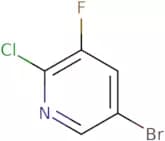
Fórmula:C3H4Cl2OPureza:Min. 95%Peso molecular:126.97 g/mol5-Bromo-2-chloro-3-fluoropyridine
CAS:5-Bromo-2-chloro-3-fluoropyridine is a catalytic reagent for the amination of anilines. It is extracted from coal tar, and is used in the manufacture of pesticides and pharmaceuticals. 5-Bromo-2-chloro-3-fluoropyridine has been shown to be an effective catalyst for the synthesis of functionalized adducts. This compound can also be used as a chemoselective agent in palladium catalysis, where it selectively adds hydrogen bromide to form aryl halides.Fórmula:C5H2BrCIFNPureza:Min. 95%Peso molecular:210.43 g/molCopper hexafluorosilicate
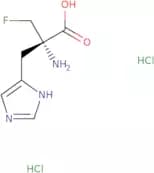
CAS:Copper hexafluorosilicate is a peroxide, which is used to produce reactive oxygen species. It has been shown to adsorb copper ions from solutions, and it can be used in texturing applications. Copper hexafluorosilicate is an ionic complex of copper and fluorosilicic acid. It is a hydrogenated form of the salt, a mixture of copper oxide and hydroxyl group. The complex is formed by the reaction of silver ions with ruthenium, which are then reduced to form a sulfate solution. This process produces metal-based particles that have potential applications in the treatment of silver-resistant bacteria or as catalysts for organic reactions.Fórmula:CuF6SiPureza:Min. 95%Forma y color:Blue PowderPeso molecular:205.62 g/mol(S)-(+)-α-Fluoromethylhistidine dihydrochloride
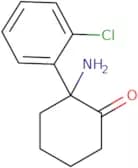
CAS:(S)-(+)-a-Fluoromethylhistidine dihydrochloride is a maleate salt of (S)-(+)-a-fluoromethylhistidine that has been shown to have analgesic effects in rats. According to the plate test, the antinociceptive effect of (S)-(+)-a-fluoromethylhistidine dihydrochloride is dose-dependent and can be antagonized by histamine. Histamine levels were found to be statistically significantly elevated in response to the administration of (S)-(+)-a-fluoromethylhistidine dihydrochloride, suggesting that its antinociceptive effect may be due to an endogenous histamine release. The antagonist activity of this compound was also confirmed in vivo by blocking the modulatory effect of histamine on abdominal contractions in rats.Fórmula:C7H10FN3O2•(HCl)2Pureza:Min. 95%Peso molecular:260.09 g/mol2-Amino-2-(2-chlorophenyl)cyclohexan-1-one
CAS:Producto controlado2-Amino-2-(2-chlorophenyl)cyclohexan-1-one is an anesthetic drug that belongs to the group of ketamine. It is a chiral compound and has been shown to have central nervous system depressant effects, which are more pronounced than those of ketamine. This drug also affects the cardiovascular system and can cause respiratory depression. 2-Amino-2-(2-chlorophenyl)cyclohexan-1-one has been shown to be metabolized in humans by cytochrome P450 (CYP3A4). It may potentiate the effect of drugs that induce CYP3A4 activity such as erythromycin, rifampin, and phenobarbital. 2-Amino-2-(2-chlorophenyl)cyclohexan-1-one is not active against MRSA or methicillin resistant pseudomonas aeruginosa (MRFórmula:C12H14ClNOPureza:Min. 95%Forma y color:PowderPeso molecular:223.7 g/molDesmethyl-8-bromo dragonfly hydrochloride
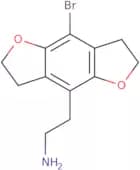
CAS:Producto controladoDesmethyl-8-bromo dragonfly hydrochloride is a recreational drug that is a benzofuran derivative. It acts as a serotonin receptor agonist, with high potency for 5HT1A receptors and with an affinity for histamine H1 receptors. Desmethyl-8-bromo dragonfly hydrochloride has been shown to be addictive in humans, and the behavioral effects of this drug include increased motor activity and decreased anxiety.Fórmula:C12H15BrClNO2Pureza:Min. 95%Peso molecular:320.61 g/molFluorobenzene
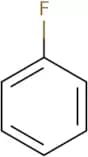
CAS:Fluorobenzene is a chemical compound that has the chemical formula CHF. It is a colorless liquid with a sweet odor. Fluorobenzene is an organic compound that is used in the synthesis of epidermal growth factor and other drugs. It also has shown anti-inflammatory activity and can be used to synthesize other organic compounds, such as amides, which are used in the production of pharmaceuticals. The reaction mechanism for this process has not been identified, but it may involve hydrogen bonding between the hydroxyl group of fluorobenzene and an electron-pair acceptor, such as oxygen or nitrogen.Fórmula:C6H5FPureza:Min. 95%Peso molecular:96.1 g/molProperidine hydrochloride
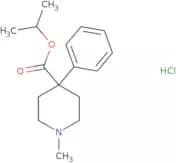
CAS:Producto controladoPlease enquire for more information about Properidine hydrochloride including the price, delivery time and more detailed product information at the technical inquiry form on this page
Fórmula:C16H24ClNO2Pureza:Min. 95%Peso molecular:297.82 g/molPiperazine-2-carboxylic acid methyl esterdihydrochloride
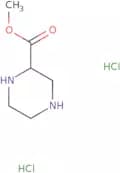
CAS:Piperazine-2-carboxylic acid methyl ester (PPCM) is a chemical compound that is used as an intermediate in the production of ethylenediamine and piperazine-2-carboxylic acid dihydrochloride. It is a white crystalline solid that can be synthesized by reacting ethylene diamine with piperazine-2-carboxylic acid. PPCM has been shown to inhibit the growth of bacteria, yeast, and fungi by inhibiting protein synthesis. This chemical also inhibits the production of proteins essential for respiration and cell wall formation.Fórmula:C6H14Cl2N2O2Pureza:Min. 95%Peso molecular:217.09 g/mol