Compuestos y reactivos bioquímicos
Los bioquímicos y reactivos son sustancias fundamentales para la investigación y el desarrollo en campos como la biotecnología, la biología molecular, la farmacología y la medicina. Estos productos son esenciales para una variedad de aplicaciones, incluyendo la síntesis de compuestos, el análisis de muestras biológicas, la investigación de procesos metabólicos y la producción de medicamentos. En CymitQuimica, ofrecemos una amplia selección de bioquímicos y reactivos de alta calidad y pureza, adecuados para diversas necesidades científicas e industriales. Nuestro catálogo incluye enzimas, anticuerpos, ácidos nucleicos, aminoácidos, y muchos otros productos, todos diseñados para apoyar a los investigadores y profesionales en sus proyectos de investigación y desarrollo, asegurando resultados confiables y reproducibles.
Subcategorías de "Compuestos y reactivos bioquímicos"
- Biomoléculas(99.185 productos)
- Por objetivo biológico(99.150 productos)
- Según efectos farmacológicos(6.789 productos)
- Crioconservantes(21 productos)
- Desinfectantes y compuestos relacionados(28 productos)
- Hormonas(346 productos)
- Biología Vegetal(6.764 productos)
- Metabolitos secundarios(14.307 productos)
Se han encontrado 130581 productos de "Compuestos y reactivos bioquímicos"
Ordenar por
Pureza (%)
0
100
|
0
|
50
|
90
|
95
|
100
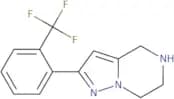
FIDAS-3
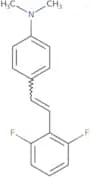
CAS:<p>FIDAS-3 is an anticancer drug that has been developed as a kinase inhibitor analog of artesunate. It has been shown to be effective in inducing apoptosis in human cancer cells. FIDAS-3 targets kinases that are involved in cell proliferation and survival, leading to the inhibition of tumor growth. This drug has been tested on Chinese hamster ovary cells and human lung cancer cells, showing potent antitumor activity. FIDAS-3 can be detected in urine after administration, making it a promising candidate for clinical trials. The combination of FIDAS-3 with chloroquine has also been shown to increase its anticancer effects by inhibiting autophagy. Overall, FIDAS-3 is a promising new drug for the treatment of cancer that shows great potential for further development.</p>Fórmula:C16H15F2NPureza:Min. 95%Peso molecular:259.29 g/molAniline-N,N-d2
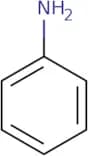
CAS:<p>Please enquire for more information about Aniline-N,N-d2 including the price, delivery time and more detailed product information at the technical inquiry form on this page</p>Fórmula:C6H7NPureza:Min. 95%Peso molecular:95.14 g/molNSC 668036
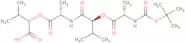
CAS:<p>NSC 668036 is a natural compound with antitumor properties. It has been shown to inhibit the growth of tumor cells by altering cell signaling pathways. NSC 668036 blocks the signal transduction pathway of epidermal growth factor (EGF) and interferes with the activation of the downstream protein kinase, which inhibits the phosphorylation and inactivation of glycogen synthase kinase-3β (GSK-3β). This leads to a decrease in intracellular calcium levels, which has been shown to be associated with chemoresistance. In vitro studies have confirmed that NSC 668036 suppresses proliferation of colorectal cancer cells and inhibits metastasis as well as increased ATP levels.</p>Fórmula:C21H36N2O9Pureza:Min. 95%Peso molecular:460.52 g/molSNAP23 antibody
<p>The SNAP23 antibody is a highly specialized polyclonal antibody that targets the necrosis factor-related apoptosis-inducing protein complex. It is commonly used in the field of Life Sciences to study endothelial growth and other related processes. This antibody can also be used as a monoclonal antibody to neutralize specific proteins or growth factors in human serum. Additionally, it has been shown to have a high affinity for steroid receptors and can be used in various nuclear studies. With its advanced technology and specificity, the SNAP23 antibody is an essential tool for researchers in the field of Life Sciences.</p>LARP1 antibody
<p>LARP1 antibody was raised using the N terminal of LARP1 corresponding to a region with amino acids HKSVQPQSHKPQPTRKLPPKKDMKEQEKGEGSDSKESPKTKSDESGEEKN</p>Takeda 103a
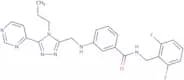
CAS:<p>Takeda 103a is a homeobox protein that belongs to the group of chromatographic science. It is involved in the regulation of gene expression, which is essential for cellular differentiation, development and growth. Takeda 103a has been shown to be an antigen for diagnosis and can be used as a monoclonal antibody against cardiac hypertrophy. Takeda 103a also interacts with the Na+ channel and causes an increase in heart rate by activating the kinase domain. The analog of Takeda 103a may have a role in the treatment of heart disease or Alzheimer's disease.</p>Fórmula:C24H23F2N7OPureza:Min. 95%Peso molecular:463.5 g/molGLMN antibody
<p>GLMN antibody was raised using the N terminal of GLMN corresponding to a region with amino acids AVEELQSIIKRCQILEEQDFKEEDFGLFQLAGQRCIEEGHTDQLLEIIQN</p>Pureza:Min. 95%2,7-Dimethoxy-6-(1-acetoxyethyl)juglone
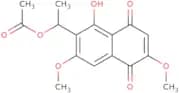
CAS:<p>Please enquire for more information about 2,7-Dimethoxy-6-(1-acetoxyethyl)juglone including the price, delivery time and more detailed product information at the technical inquiry form on this page</p>Fórmula:C16H16O7Pureza:Min. 95%Peso molecular:320.29 g/molPRPH antibody
<p>PRPH antibody was raised using the N terminal of PRPH corresponding to a region with amino acids RFANFIEKVRFLEQQNAALRGELSQARGQEPARADQLCQQELRELRRELE</p>2,4-Diamino-5-(2,3-dichlorophenyl)-6-fluoromethylpyrimidine
CAS:<p>2,4-Diamino-5-(2,3-dichlorophenyl)-6-fluoromethylpyrimidine is a peptide that is used as a research tool. It activates the ion channels in cells and can be used to study protein interactions. 2,4-Diamino-5-(2,3-dichlorophenyl)-6-fluoromethylpyrimidine has been shown to inhibit ligand binding to GABA receptors and can be used as an inhibitor of receptor activation.</p>Fórmula:C11H9Cl2FN4Pureza:Min. 95%Peso molecular:287.12 g/molBOP
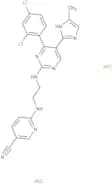
CAS:<p>BOP is a coupling reagent, which is derived from phosphonium sources and employed in peptide synthesis. It functions by facilitating the formation of peptide bonds between amino acids through its highly effective activation mechanism. BOP acts as an agent that promotes the formation of amide bonds, crucial in the construction of polypeptide chains.</p>Fórmula:C25H28N3NaO7SPureza:Min. 95%Peso molecular:537.56 g/molCHIR 99021 dihydrochloride
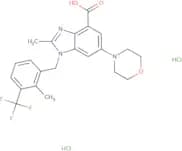
CAS:<p>Please enquire for more information about CHIR 99021 dihydrochloride including the price, delivery time and more detailed product information at the technical inquiry form on this page</p>Fórmula:C22H20Cl4N8Pureza:Min. 95%Peso molecular:538.3 g/molWnt3 α antibody
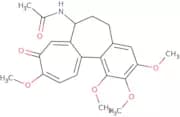
<p>WNT3 alpha antibody was raised in rabbit using highly pure recombinant human WNT-3-alpha as the immunogen.</p>Pureza:Min. 95%(R/S)-Colchicine
CAS:<p>Disrupts tubulin polymerization; destabilizes microtubules; treatment for gout</p>Fórmula:C22H25NO6Pureza:Min. 95%Peso molecular:399.44 g/molLRFN3 antibody
<p>LRFN3 antibody was raised using the C terminal of LRFN3 corresponding to a region with amino acids VYRMIPAESRSFLLTDLASGRTYDLCVLAVYEDSATGLTATRPVGCARFS</p>Pureza:Min. 95%CHUK antibody
<p>CHUK antibody was raised in Mouse using a purified recombinant fragment of human CHUK expressed in E. coli as the immunogen.</p>Toll-like receptor 4 antibody (allophycocyanin)
<p>Rat monoclonal Toll-like receptor 4 antibody (allophycocyanin)</p>α-methyl-α-phenyl-2-pyridinemethanol 1-oxide
CAS:<p>Please enquire for more information about Alpha-methyl-alpha-phenyl-2-pyridinemethanol 1-oxide including the price, delivery time and more detailed product information at the technical inquiry form on this page</p>Fórmula:C13H13NO2Pureza:Min. 95%Peso molecular:215.25 g/molGSK 2636771 dihydrochloride
CAS:<p>Please enquire for more information about GSK 2636771 dihydrochloride including the price, delivery time and more detailed product information at the technical inquiry form on this page</p>Fórmula:C22H24Cl2F3N3O3Pureza:Min. 95%Peso molecular:506.3 g/molIgf2bp3 antibody
<p>Igf2bp3 antibody was raised in rabbit using the middle region of Igf2bp3 as the immunogen</p>Pureza:Min. 95%Elacestrant dihydrochloride
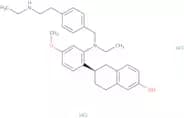
CAS:Producto controlado<p>Elacestrant dihydrochloride is a potential drug for the treatment of breast cancer. This agent has been shown to inhibit the activity of CDK4/6, which are enzymes that regulate the cell cycle and prevent progression from G1 to S phase. Elacestrant dihydrochloride also causes apoptosis in tumor cells by binding to death receptors, causing them to trigger the release of proteins that activate apoptosis. The uptake of elacestrant dihydrochloride into tumor cells is increased by epidermal growth factor (EGF) and other receptor binding drugs. A study found that elacestrant dihydrochloride at a dose of 100 mg/kg was effective in reducing tumor growth in xenograft mice models when combined with palbociclib.</p>Fórmula:C30H40Cl2N2O2Pureza:Min. 95%Peso molecular:531.56 g/molGSK840
CAS:Producto controlado<p>GSK840 is a potent inhibitor of kinase activity, which plays an important role in regulating cell growth and apoptosis. It has been shown to induce apoptosis in human cancer cells and inhibit the growth of tumors in mice. GSK840 is an analog of nintedanib, another kinase inhibitor that has been approved for the treatment of certain cancers. GSK840 inhibits a wide range of kinases, including those involved in cancer cell proliferation and survival. It can be detected in urine after administration and has high protein binding capacity. GSK840 shows promising anticancer activity and may have potential as a therapeutic agent for various types of cancer. Its effectiveness against Chinese hamster ovary cells also suggests its potential as a tool compound for research purposes.</p>Fórmula:C21H23N3O3Pureza:Min. 95%Peso molecular:365.4 g/molCytokeratin 7 antibody
<p>The Cytokeratin 7 antibody is a highly specialized product in the field of Life Sciences. It belongs to the category of chemokine Antibodies and is widely used in various research applications. This antibody has been extensively tested and proven to be effective in detecting specific proteins in human serum samples.</p>Bozitinib (PLB-1001)
CAS:<p>Bosutinib is a CDK4/6 inhibitor that inhibits the activity of proteins that regulate cell division. Bosutinib has been shown to have anti-cancer properties by inhibiting the growth of cancer cells in preclinical models. Bosutinib also inhibits epidermal growth factor (EGF) and tumor necrosis factor (TNF). Bosutinib has been shown to have clinical benefit in patients with subcutaneous tumors, glioma, and other cancers. Bosutinib has not been evaluated in pregnant women or children and should be used only if potential benefits outweigh risks.</p>Fórmula:C20H15F3N8Pureza:Min. 95%Peso molecular:424.38 g/molDebio 0932
CAS:<p>Debio 0932 is a peptide-based protein that has potent antitumor activity against solid tumors and has the potential to interact with tumor cells. This protein is a potent inhibitor of HSP90, which is an important cellular chaperone and regulator of cell growth. Debio 0932 has been shown to inhibit the proliferation of cancer cells in animal models and xenograft tumor growth in vitro. It is also able to induce an antitumor response in mice, leading to complete regression of established tumours. Debio 0932 has been shown to be active against all tested carcinoma cell lines, including those resistant to conventional chemotherapeutic agents such as doxorubicin.</p>Fórmula:C22H30N6O2SPureza:Min. 95%Peso molecular:442.58 g/molCALP2
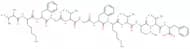
CAS:<p>Calp2 is a protein that regulates the intracellular calcium concentration. Calp2 is found in the ventral horn of the spinal cord, where it is involved in nerve injury and inflammatory cell activation. Calp2 has been shown to be upregulated during eye disorders, such as uveitis and retinitis, with calp2 knockout mice showing reduced inflammation. Calp2 also interacts with target enzymes such as TNF-α, which are responsible for inflammation. The protein can be conjugated to drugs or other molecules to target specific cells or tissues.</p>Fórmula:C68H104N14O13SPureza:Min. 95%Peso molecular:1,357.7 g/molBMS 561392
CAS:<p>BMS 561392 is an analog inhibitor that has demonstrated potent anticancer activity in human cancer cells. It is a kinase inhibitor that targets multiple kinases involved in tumor growth and progression. BMS 561392 has been shown to induce apoptosis in cancer cells and inhibit the growth of tumors. This compound has been tested in Chinese hamster ovary cells, where it was found to be a potent inhibitor of protein kinases. In addition, BMS 561392 has been shown to enhance the effects of nintedanib, another anticancer drug, when used in combination therapy. Its unique mechanism of action makes it a promising candidate for the development of new cancer therapies.</p>Fórmula:C27H32N4O4Pureza:Min. 95%Peso molecular:476.6 g/molMyeloperoxidase antibody
Myeloperoxidase antibody was raised in mouse using human myeloperoxidase as the immunogen.Complement C9 antibody
<p>Complement C9 antibody is a highly effective monoclonal antibody that specifically targets and neutralizes the activated form of complement C9. This antibody has been shown to have potent cytotoxic effects on cancer cells, making it a promising candidate for targeted cancer therapy. In addition, the colloidal nature of this antibody allows for easy administration and distribution throughout the body. Studies have also demonstrated its ability to inhibit β-catenin signaling, which plays a crucial role in tumor growth and metastasis. Furthermore, this antibody has shown potential in treating thrombocytopenia by blocking the activation of platelets. With its high specificity and low toxicity, complement C9 antibody holds great promise in the field of life sciences and may pave the way for new therapeutic approaches in various diseases.</p>YTHDF3 antibody
<p>YTHDF3 antibody was raised using the N terminal of YTHDF3 corresponding to a region with amino acids GEAAWSTAGDQPMPYLTTYGQMSNGEHHYIPDGVFSQPGALGNTPPFLGQ</p>KEAP1 antibody
<p>The KEAP1 antibody is a highly reactive monoclonal antibody that specifically targets the amyloid protein found in adipose tissue. This antibody has been extensively studied and proven to effectively neutralize the activity of TNF-α, interleukins, superoxide, and other inflammatory proteins. By binding to the amyloid protein, the KEAP1 antibody prevents its aggregation and deposition, leading to a reduction in inflammation and potential improvement in various pathological conditions associated with amyloid accumulation. This high-quality antibody is produced using advanced techniques and has shown excellent specificity and affinity for its target. Whether you're conducting research or developing therapeutic strategies, the KEAP1 antibody is an essential tool for studying amyloid-related disorders.</p>SNX1 antibody
<p>The SNX1 antibody is a powerful tool in the field of Life Sciences. This monoclonal antibody is specifically designed to neutralize lipase, an enzyme involved in triglyceride metabolism. By targeting lipase, the SNX1 antibody can effectively inhibit its activity and prevent the breakdown of triglycerides into fatty acids and glycerol. This can be particularly useful in research studies that focus on understanding the role of lipase in various biological processes.</p>TGM4 antibody
<p>The TGM4 antibody is a polyclonal antibody that is used in the field of Life Sciences. It is commonly used in research studies involving human serum and electrode analysis. This antibody specifically targets TGM4, a protein complex involved in various cellular processes. Additionally, the TGM4 antibody has been shown to have neutralizing effects on certain growth factors, such as human chorionic gonadotropin and endothelial growth factor. Furthermore, it has been found to bind to necrosis factor-related apoptosis-inducing ligand (TRAIL), suggesting its potential role in modulating cell death pathways. Whether you're conducting groundbreaking research or exploring new avenues in the field of Life Sciences, the TGM4 antibody can be a valuable tool for your experiments.</p>LY6E antibody
<p>The LY6E antibody is a highly activated monoclonal antibody that belongs to the class of anti-CD20 antibodies. It is commonly used in Life Sciences research for its ability to target and bind to specific proteins, such as glucose transporters and protein kinases, which play crucial roles in various cellular processes. The LY6E antibody has been shown to exhibit cytotoxic effects on targeted cells, leading to their destruction. Additionally, it has been found to interact with mitogen-activated protein (MAP) pathways and nuclear tyrosine residues, further enhancing its therapeutic potential. This antibody has also demonstrated promising results in inhibiting the activity of alpha-synuclein, a protein associated with neurodegenerative disorders like Parkinson's disease. Moreover, the LY6E antibody has shown excellent stability and specificity when tested in human serum samples. With its diverse applications and impressive performance, this antibody is a valuable tool for researchers in fields such as immunology, oncology, and neuroscience.</p>TRIB1 antibody
<p>TRIB1 antibody was raised using a synthetic peptide corresponding to a region with amino acids TEERTQLRLESLEDTHIMKGEDDALSDKHGCPAYVSPEILNTTGTYSGKA</p>Dengue NS1 protein (Serotype 1)
<p>Purified recombinant Dengue NS1 protein (Serotype 1) (His tag)</p>Pureza:>95% By Sds-Page.2-(5-{[(3,4-Dichlorophenyl)methyl]sulfanyl}-4-[(furan-2-yl)methyl]-4H-1,2,4-triazol-3-yl)pyridine
CAS:<p>2-(5-{[(3,4-Dichlorophenyl)methyl]sulfanyl}-4-[(furan-2-yl)methyl]-4H-1,2,4-triazol-3-yl)pyridine is a triazole that is used as an antifungal agent. It inhibits the biosynthesis of ergosterol, which is a vital component of fungal cell membranes. This inhibition leads to the death of the fungi by disrupting membrane integrity and function.</p>Fórmula:C19H14Cl2N4OSPureza:Min. 95%Peso molecular:417.3 g/molFAM92B antibody
<p>FAM92B antibody was raised using the N terminal of FAM92B corresponding to a region with amino acids FAEDLAKVQDYRQAQVERLETKVVNPLKLYGAQIKQTRAEIKKFKHVQNH</p>2'-Methoxy-6-methylflavone
CAS:<p>2'-Methoxy-6-methylflavone is a ligand that binds to the alpha subunit of the GABA A receptor. It has a high affinity for this receptor and is an agonist at this site. 2'-Methoxy-6-methylflavone has been shown to inhibit GABA uptake, leading to increased levels of GABA in synapses. This compound has also been shown to inhibit calcium ion channels and activate potassium channels, which may be related to its ability to increase protein synthesis. 2'-Methoxy-6-methylflavone is structurally related to flavonoids found in plants such as citrus fruits, apples, and tea leaves.<br>2'-Methoxy-6-methylflavone can be used as a research tool for studying cell biology and pharmacology by identifying the interaction of this ligand with other proteins in cells or by characterizing its effects on ion channels. In addition, this compound can be used</p>Fórmula:C17H14O3Pureza:Min. 95%Forma y color:PowderPeso molecular:266.29 g/molMD2-TLR4-IN-1
CAS:<p>MD2-TLR4-IN-1 is a synthetic bioactive compound, which is a selective inhibitor predominantly targeting the TLR4/MD2 signaling complex. It is sourced from advanced chemical synthesis techniques focusing on the modulation of immune receptors. The mode of action of MD2-TLR4-IN-1 involves binding to the MD2-TLR4 complex, thereby inhibiting its activation and subsequent downstream signaling pathways. This results in the suppression of pro-inflammatory cytokine production.</p>Fórmula:C22H14Cl2N4OPureza:Min. 95%Peso molecular:421.28 g/molADAT1 antibody
<p>ADAT1 antibody was raised using the C terminal of ADAT1 corresponding to a region with amino acids LFRSFQKLLSRIARDKWPHSLRVQKLDTYQEYKEAASSYQEAWSTLRKQV</p>MSH6 antibody
<p>The MSH6 antibody is a powerful tool used in life sciences research. It belongs to the family of polyclonal antibodies and has neutralizing properties. This antibody specifically targets the protein MSH6, which plays a crucial role in DNA repair and maintenance of genomic stability. By binding to MSH6, this antibody inhibits its activity and prevents it from interacting with other proteins involved in DNA repair processes.</p>ND5 antibody
<p>ND5 antibody was raised using a synthetic peptide corresponding to a region with amino acids SIVASTFIISLFPTTMFMCLDQEVIISNWHWATTQTTQLSLSFKLDYFSM</p>Pureza:Min. 95%α 1 Antiplasmin Antibody Pair
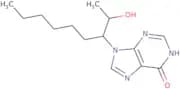
<p>alpha 1 Antiplasmin Matched Pair antibody Set for ELISA</p>Pureza:Min. 95%1,9-Dihydro-9-(1-(1-hydroxyethyl)heptyl)-6H-purin-6-one
CAS:<p>1,9-Dihydro-9-(1-(1-hydroxyethyl)heptyl)-6H-purin-6-one is a synthetic purine derivative that acts as an inhibitor of the ion channels TRPV2 and TRPM3. It blocks the channels by binding to the extracellular ligand binding domain. This compound is used as a research tool in cell biology, ion channel research, and protein interactions.</p>Fórmula:C14H22N4O2Pureza:Min. 95%Peso molecular:278.35 g/molEIF4E antibody
<p>EIF4E antibody was raised using the C terminal of EIF4E corresponding to a region with amino acids TECENREAVTHIGRVYKERLGLPPKIVIGYQSHADTATKSGSTTKNRFVV</p>PML antibody
<p>PML antibody was raised in rabbit using the C terminal of PML as the immunogen</p>Pureza:Min. 95%STRAP antibody
<p>STRAP antibody was raised using the N terminal of STRAP corresponding to a region with amino acids HIVKTVDFTQDSNYLLTGGQDKLLRIYDLNKPEAEPKEISGHTSGIKKAL</p>Diisopromine-d14
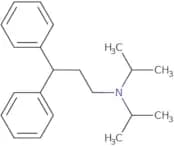
CAS:<p>Please enquire for more information about Diisopromine-d14 including the price, delivery time and more detailed product information at the technical inquiry form on this page</p>Fórmula:C21H29NPureza:Min. 95%Peso molecular:309.5 g/molSLC10A5 antibody
<p>SLC10A5 antibody was raised using a synthetic peptide corresponding to a region with amino acids GYSFAKVCTLPLPVCKTVAIESGMLNSFLALAVIQLSFPQSKANLASVAP</p>Cytokeratin 8 antibody
<p>The Cytokeratin 8 antibody is a recombinant monoclonal antibody that serves as a diagnostic reagent for various applications. It is specifically designed to target cytokeratin 8, a protein found in liver microsomes and human serum. This antibody can be used in immunohistochemistry, Western blotting, and other techniques for the detection and analysis of cytokeratin 8 expression.</p>Pureza:Min. 95%Anhydrolutein III
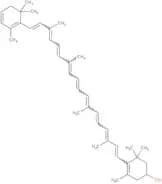
CAS:<p>Anhydrolutein III is a medicinal compound that has shown potential as an inhibitor of protein kinases in cancer cells. Derived from Chinese herbs, this compound has been found to induce apoptosis (programmed cell death) in human leukemia cell lines and inhibit tumor growth in animal models. Anhydrolutein III is a potent inhibitor of several kinase inhibitors, including those involved in cancer cell signaling pathways. It has also been detected in human urine and may have diagnostic value as a marker for certain types of cancer. This analog of anhydrolutein shows promise as a therapeutic agent for the treatment of cancer.</p>Fórmula:C40H54OPureza:Min. 95%Peso molecular:550.9 g/molFmoc-Val-Cit-PAB-MMAE
CAS:<p>Please enquire for more information about Fmoc-Val-Cit-PAB-MMAE including the price, delivery time and more detailed product information at the technical inquiry form on this page</p>Fórmula:C73H104N10O14Pureza:Min. 95%Peso molecular:1,345.67 g/molSelumetinib sulfate
CAS:<p>Selumetinib sulfate is an anticancer drug that inhibits the activity of kinases, which are enzymes involved in cell growth and proliferation. It is a synthetic analog of indirubin, a natural compound found in Chinese herbal medicine. Selumetinib sulfate has been shown to induce apoptosis (programmed cell death) in human cancer cells by inhibiting the activity of specific kinases involved in tumor growth. This drug has been used to treat various types of cancer, including lung and thyroid cancers, with promising results. Selumetinib sulfate also shows potential as a protein kinase inhibitor for the treatment of other diseases such as neurofibromatosis type 1. The drug is excreted mainly through urine after metabolism by esterases and CYP3A4 enzymes.</p>Fórmula:C17H17BrClFN4O7SPureza:Min. 95%Peso molecular:555.8 g/mol18:1 Dansyl ps
CAS:<p>18:1 Dansyl ps is a fluorescent lipid probe, which is a synthetic derivative of phosphatidylserine. It is labeled with a dansyl group, providing unique fluorescent properties. This product is sourced from synthetic lipid modification processes, allowing for precise incorporation of the fluorescent moiety into the lipid structure. The mode of action of 18:1 Dansyl ps involves its integration into lipid bilayers, where its fluorescent properties can be used to investigate membrane dynamics, interactions, and organization.</p>Fórmula:C54H95N4O12PSPureza:Min. 95%Peso molecular:1,055.39 g/molOBP-801
CAS:<p>OBP-801 is a monoclonal antibody that specifically binds to the extracellular domain of the human epidermal growth factor receptor 2 (HER2). OBP-801 is used as a research tool for studies related to cell biology, peptides, pharmacology and ion channels. It is also used to study protein interactions and receptor activation. OBP-801 has been shown to inhibit HER2 signaling in vitro and in vivo, leading to reduced tumor growth.</p>Fórmula:C20H31N3O6S2Pureza:Min. 95%Peso molecular:473.6 g/molUCRC antibody
<p>UCRC antibody was raised using a synthetic peptide corresponding to a region with amino acids LFRRTSTFALTIIVGVMFFERAFDQGADAIYDHINEGKLWKHIKHKYENK</p>Pureza:Min. 95%HLY78
CAS:<p>HLY78 is a monoclonal antibody that targets the prostate cancer cell surface antigen, Prostate Specific Membrane Antigen (PSMA). This antibody has been shown to inhibit growth of prostate cancer cells in vitro and to suppress the growth of prostate tumors in vivo. HLY78 has also been shown to inhibit signal pathways, such as the phosphatidylinositol 3-kinase (PI3K) pathway, which may lead to decreased tumor progression and metastasis. HLY78 has been shown to bind to PSMA on prostate cancer cells with high affinity and specificity, thereby blocking the interaction between PSMA and its receptor. This binding inhibits the activation of PI3K and other signal pathways, leading to decreased tumor progression and metastasis.</p>Fórmula:C17H17NO2Pureza:Min. 95%Peso molecular:267.32 g/molN2-[4-[[(2-Amino-1,4-dihydro-4-oxo-6-pteridinyl)methyl]amino]benzoyl]-N-[2-[[[(3',6'-dihydroxy-3-oxospiro[isobenzofuran-1(3H),9'-[9H ]xanthen]-5-yl)amino]thioxomethyl]amino]ethyl]-L-glutamine disodium salt
CAS:<p>N2-[4-[[(2-Amino-1,4-dihydro-4-oxo-6-pteridinyl)methyl]amino]benzoyl]-N-[2-[[[(3',6'-dihydroxy-3-oxospiro[isobenzofuran-1(3H),9'-[9H ]xanthen]-5-yl)amino]thioxomethyl]amino]ethyl]-L-glutamine disodium salt is a peptide that is used as a research tool to study ion channels and receptor binding. This product is also known to inhibit protein interactions in the cell. N2-[4-[[(2-Amino-1,4-dihydro-4 -oxo6pteridinyl)methyl]amino]benzoyl]-N-[2 [[[(3',6'-dihydroxy3</p>Fórmula:C42H34N10Na2O10SPureza:Min. 95%Peso molecular:916.8 g/molFBXO11 antibody
<p>FBXO11 antibody was raised using the middle region of FBXO11 corresponding to a region with amino acids HDVEFIRHDRFFCDCGAGTLSNPCTLAGEPTHDTDTLYDSAPPIESNTLQ</p>KCNK5 Blocking Peptide
<p>A synthetic peptide for use as a blocking control in assays to test for specificity of KCNK5 antibody, catalog no. 70R-5224</p>Pureza:Min. 95%Dolastatin 10 trifluoroacetate
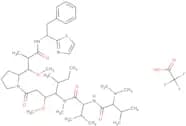
CAS:<p>Dolastatin 10 trifluoroacetate is an anticancer drug that belongs to the class of kinase inhibitors. It is a potent inhibitor of cancer cell growth and has been shown to induce apoptosis in tumor cells. Dolastatin 10 trifluoroacetate is an analog of dolastatin, which was originally isolated from the marine mollusk Dolabella auricularia. This drug has been found to be effective against a variety of human cancers, including breast, lung, ovarian, and colon cancer. It works by binding to tubulin and inhibiting microtubule formation, which is essential for cell division. Additionally, Dolastatin 10 trifluoroacetate has been found to inhibit the activity of protein kinase C and indirubin derivatives. This medicinal compound has great potential as a cancer treatment due to its ability to target multiple pathways involved in cancer development and progression.</p>Fórmula:C44H69F3N6O8SPureza:Min. 95%Peso molecular:899.1 g/molVinculin antibody
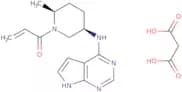
<p>The 6-Fluoro-3-indoxyl-beta-D-galactopyranoside is an active compound used as an antituberculosis drug. It belongs to the class of rifamycins and is highly effective in treating tuberculosis infections. This drug works by inhibiting bacterial growth through its bactericidal activity. By binding to DNA-dependent RNA polymerase, it prevents transcription and replication, thus stopping the spread of the infection. Additionally, it specifically targets Mycobacterium tuberculosis strains and inhibits their cell growth. The 6-Fluoro-3-indoxyl-beta-D-galactopyranoside undergoes various metabolic transformations in the body, ensuring its effectiveness against the bacteria.</p>PF 06651600 malonate
CAS:<p>Inhibitor of Janus kinase JAK3</p>Fórmula:C15H19N5O·C3H4O4Pureza:Min. 95%Peso molecular:389.41 g/molAG 126
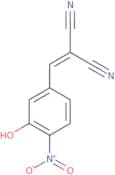
CAS:<p>AG 126 is a nanoparticulate composition with the ability to inhibit LPS-induced inflammatory response in vitro. In vivo, AG 126 reduces the severity of eye disorders and bowel disease, as well as an infectious disease caused by BCR-ABL kinase. This drug also has a positive effect on pluripotent cells, which have been shown to be useful for regenerative medicine. AG 126 has been shown to inhibit the activity of toll-like receptor 4 (TLR4), which is a membrane protein that responds to bacterial and viral components. The kinetic energy of AG 126 particles can trigger apoptosis in infected cells through mitochondrial membrane potential collapse and induction of reactive oxygen species.</p>Fórmula:C10H5N3O3Pureza:Min. 95%Peso molecular:215.17 g/molVSV-G antibody
<p>VSV-G antibody was raised in goat using VSV-G (YTDIEMNRLGK) conjugated to KLH as the immunogen.</p>Pureza:Min. 95%K145 hydrochloride
CAS:<p>Sphingosine kinase 2 (SphK2) inhibitor</p>Fórmula:C18H24N2O3S·HClPureza:Min. 95%Peso molecular:384.92 g/molTAK-041
CAS:<p>TAK-041 is an analog of a protein that acts as an anticancer agent by inhibiting cyclin-dependent kinases (CDKs). This inhibitor has been shown to be effective against various types of cancer cells, including those derived from human urine and Chinese hamster ovary cells. TAK-041 induces apoptosis in cancer cells by inhibiting the activity of CDKs, which are involved in cell cycle regulation. The inhibition of these kinases leads to cell cycle arrest and ultimately cell death. TAK-041 is a promising candidate for the development of new anticancer drugs and may have potential as a targeted therapy for a variety of tumors.</p>Fórmula:C18H15F3N4O3Pureza:Min. 95%Peso molecular:392.3 g/mol[6-(Dimethylamino)-9-(2-methoxycarbonylphenyl)xanthen-3-ylidene]-dimethylazanium
CAS:<p>[6-(Dimethylamino)-9-(2-methoxycarbonylphenyl)xanthen-3-ylidene]-dimethylazanium is a synthetic compound that can be used to treat cancer. It is a mitochondrial inhibitor that blocks the production of ATP by inhibiting the mitochondrial electron transport chain. This inhibits cellular respiration, leading to cell death. This agent has been shown to inhibit choroidal neovascularization in rats and mice by inhibiting angiogenesis and vascular permeability. This agent has also been shown to protect against neuronal damage in rat brain tissue following radiation exposure. The structure of this compound contains two azanyl groups that can be reduced with potassium ion, which may account for its low energy radiation properties.</p>Fórmula:C25H25ClN2O7Pureza:Min. 95%Peso molecular:500.9 g/molAmisulpride hydrochloride
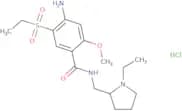
CAS:Producto controlado<p>Amisulpride is a neuroleptic drug with antipsychotic properties. It has been shown to have anti-inflammatory effects in animal models of inflammatory bowel disease, and also to alleviate symptoms of bowel disease. Amisulpride is thought to exert its effects by binding to the CB2 cannabinoid receptor, which is found on immune cells. Amisulpride has also been shown to reduce locomotor activity in mice, indicating that it may inhibit dopamine receptors. The mechanism of this inhibition is still unknown, but it may be due to an effect on endogenous substances such as stem cells and hydrochloric acid.</p>Fórmula:C17H28ClN3O4SPureza:Min. 95%Peso molecular:405.9 g/molAbh hydrochloride
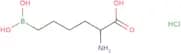
CAS:<p>Abh hydrochloride is a medicine that inhibits arginase activity. It is used as a treatment for symptoms of chronic liver disease and other diseases in which high levels of ammonia are produced. Abh hydrochloride works by inhibiting the production of ammonia, which is toxic to the human body.</p>Fórmula:C6H15BClNO4Pureza:Min. 95%Peso molecular:211.45 g/molC1S antibody
<p>The C1S antibody is a potent monoclonal antibody that belongs to the class of neutralizing antibodies. It is widely used in the field of Life Sciences for various applications. This antibody specifically targets and neutralizes C1S, a protease involved in the complement system. By inhibiting C1S activity, this antibody can modulate immune responses and prevent excessive inflammation. Additionally, this monoclonal antibody has been shown to have mitogenic properties, stimulating cell growth and proliferation in various cell types such as dopamine-producing cells and collagen-producing cells. Furthermore, it has been used in research studies to enhance the oncolytic activity of adenoviruses and inhibit protease activity at low pH levels. The C1S antibody is a valuable tool for researchers studying hepatocyte growth and activation pathways.</p>NKAIN1 Blocking Peptide
<p>A synthetic peptide for use as a blocking control in assays to test for specificity of NKAIN1 antibody, catalog no. 70R-7160</p>Pureza:Min. 95%RAB27A antibody
<p>RAB27A antibody was raised using the middle region of RAB27A corresponding to a region with amino acids SQAIEMLLDLIMKRMERCVDKSWIPEGVVRSNGHASTDQLSEEKEKGACG</p>Pureza:Min. 95%4-Propargyloxy-L-phenylalanine
CAS:<p>4-Propargyloxy-L-phenylalanine is an ion channel activator that is used as a research tool. It has been shown to activate potassium channels, calcium channels, and GABAA receptors. 4-Propargyloxy-L-phenylalanine binds to the ligand binding site of the receptor, which leads to changes in the conformation of the receptor and activation of the ion channel. This compound is a white solid. It is soluble in DMSO and methanol, but not water or ethanol.</p>Fórmula:C12H13NO3Pureza:Min. 95%Peso molecular:219.24 g/molOXCT1 antibody
<p>OXCT1 antibody was raised using the N terminal of OXCT1 corresponding to a region with amino acids TLAERIRAGGAGVPAFYTPTGYGTLVQEGGSPIKYNKDGSVAIASKPREV</p>Pureza:Min. 95%Amphetamine-BSA
<p>Amphetamine-BSA is a hapten conjugate that consists of amphetamine linked to bovine serum albumin (BSA). It is commonly used in various assays and research applications in the field of life sciences. The binding proteins present in Amphetamine-BSA make it an ideal tool for studying the interaction between amphetamine and other molecules, such as chemokines or monoclonal antibodies. Additionally, this product can be used for nuclear assays or as a reference standard for the quantification of amphetamine in biological samples. Amphetamine-BSA has also been utilized in studies related to androgen receptors, cystatin inhibitors, or neutralizing antibodies. With its high-quality composition and reliability, Amphetamine-BSA is an essential component for any laboratory conducting research in these areas.</p>CY 208-243
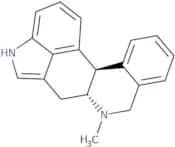
CAS:<p>CY 208-243 is a selective dopamine D2 receptor agonist that has been shown to produce dose-dependent effects in animal models of Parkinson's disease. It is also an inhibitor of uptake of dopamine and cholinergic neurotransmitters. The drug binds to the agonist binding site on the dopamine D2 receptor, which inhibits the inhibitory effect on dopamine release and increases blood pressure. CY 208-243 has been tested in animals and found to have no effect on cognitive function or locomotor activity.</p>Fórmula:C19H18N2Pureza:Min. 95%Peso molecular:274.36 g/molICI 192605
CAS:<p>ICI 192605 is a leukotriene receptor antagonist, which is a synthetic compound that specifically inhibits leukotriene activity. Leukotrienes are lipid compounds derived from arachidonic acid through the 5-lipoxygenase pathway. ICI 192605 functions by selectively blocking the cysteinyl leukotriene receptor 1 (CysLT1), thereby preventing leukotrienes from binding to this receptor.</p>Fórmula:C22H23ClO5Pureza:Min. 95%Peso molecular:402.87 g/molHydroxyzine-d8
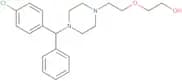
CAS:Producto controlado<p>Hydroxyzine-d8 is an analog of hydroxyzine, which is a medication used to treat anxiety and allergies. Hydroxyzine-d8 has been shown to have anticancer properties by inhibiting the activity of kinases in cancer cells. In particular, it has been shown to inhibit the activity of elastase, a kinase that is overexpressed in some types of cancer. Hydroxyzine-d8 has also been shown to induce apoptosis, or programmed cell death, in cancer cells. This drug can be detected in urine samples and is being studied for its potential as an inhibitor of protein kinases in human cancers.</p>Fórmula:C21H27ClN2O2Pureza:Min. 95%Peso molecular:383 g/molN-[3-[(2R,3R)-5-Amino-3,6-dihydro-3-methyl-2-(trifluoromethyl)-2H-1,4-oxazin-3-yl]-4-fluorophenyl]-5-cyano-2-pyridinecarboxamide
CAS:<p>N-[3-[(2R,3R)-5-Amino-3,6-dihydro-3-methyl-2-(trifluoromethyl)-2H-1,4-oxazin-3-yl]-4-fluorophenyl]-5-cyano-2-pyridinecarboxamide is a high purity chemical compound that is used in research. CAS No. 1352416-78-4 is an antibody that binds to the receptor of the ion channels and can be used as a research tool. The ligand is an inhibitor or activator of the protein interactions. This reagent has been shown to be useful for the study of cell biology and pharmacology.</p>Fórmula:C19H15F4N5O2Pureza:Min. 95%Peso molecular:421.3 g/mol(4Z,7Z,10Z,13Z,16Z,19Z)-N-[(4-Nitrophenyl)sulfonyl]docosa-4,7,10,13,16,19-docosahexaenamide
CAS:<p>Please enquire for more information about (4Z,7Z,10Z,13Z,16Z,19Z)-N-[(4-Nitrophenyl)sulfonyl]docosa-4,7,10,13,16,19-docosahexaenamide including the price, delivery time and more detailed product information at the technical inquiry form on this page</p>Fórmula:C28H36N2O5SPureza:Min. 95%Peso molecular:512.7 g/molHydnocarpic acid
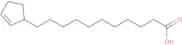
CAS:<p>Hydnocarpic acid is a potent anticancer agent that has been shown to inhibit the growth of tumor cells. It works by binding to chitin, a major component of the cell wall in fungi and insects, and disrupting its structure. This leads to cell death by inducing apoptosis, a process where cells self-destruct. Hydnocarpic acid also inhibits heparin-induced platelet aggregation in human urine, which may be useful in preventing blood clots. Additionally, this compound has been found to be an inhibitor of protein kinase C, a family of enzymes involved in regulating cell growth and division. Hydnocarpic acid is an analog of potassium ionophores produced by Chinese medicinal plants and may have potential as a novel cancer therapy.</p>Fórmula:C16H28O2Pureza:Min. 95%Peso molecular:252.39 g/molLUF6000
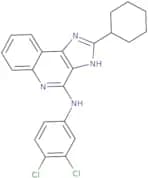
CAS:<p>LUF6000 is a small molecule that has been shown to have various physiological activities, including membrane hyperpolarization. LUF6000 is an inhibitor of the enzyme phosphodiesterase 4 (PDE4), which is involved in the regulation of adenosine levels and fatty acid metabolism. LUF6000 also inhibits the activity of P2Y receptors, which are involved in the transmission of pain signals. LUF6000 may be used as a diagnostic agent or therapeutic for metabolic disorders, cancer, autoimmune diseases, and other diseases involving adenosine signaling.</p>Fórmula:C22H20Cl2N4Pureza:Min. 95%Peso molecular:411.33 g/molGPR87 antibody
<p>The GPR87 antibody is a highly effective polyclonal antibody that specifically targets G-protein coupled receptor 87 (GPR87). This antibody has the ability to neutralize the activity of GPR87, which is known to play a crucial role in various cellular processes. It has been shown to inhibit the epidermal growth factor (EGF) signaling pathway, making it an excellent candidate for therapeutic applications in cancer treatment. Additionally, this antibody has shown promising results as a potential anti-HER2 antibody, further highlighting its versatility and effectiveness. With its ability to bind to interferon-gamma (IFN-gamma) and other growth factors, the GPR87 antibody offers a wide range of applications in the field of life sciences. Whether used as a research tool or for therapeutic purposes, this antibody is a valuable asset for scientists and researchers alike.</p>REEP1 antibody
<p>REEP1 antibody was raised using the middle region of REEP1 corresponding to a region with amino acids AKDRSYDALVHFGKRGLNVAATAAVMAASKGQGALSERLRSFSMQDLTTI</p>Pureza:Min. 95%MS402
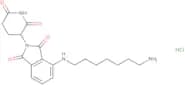
CAS:<p>MS402 is a biological control agent derived from a naturally occurring entomopathogenic fungus, which targets specific agricultural pests through a parasitic mode of action. Upon application, this microorganism adheres to the host insect’s cuticle, penetrating it and proliferating within the body. Subsequently, the pest is incapacitated, which results in its death, thereby mitigating pest populations in crop environments.</p>Fórmula:C20H19ClN2O3Pureza:Min. 95%Peso molecular:370.8 g/molPomalidomide 4'-alkylc7-amine
CAS:<p>Please enquire for more information about Pomalidomide 4'-alkylc7-amine including the price, delivery time and more detailed product information at the technical inquiry form on this page</p>Fórmula:C20H27ClN4O4Pureza:Min. 95%Peso molecular:422.9 g/molMFAP4 antibody
<p>MFAP4 antibody was raised using the N terminal of MFAP4 corresponding to a region with amino acids TEGGKWTVFQKRFNGSVSFFRGWNDYKLGFGRADGEYWLGLQNMHLLTLK</p>Pureza:Min. 95%SYNCRIP antibody
<p>The SYNCRIP antibody is a highly specialized antibody used in the field of Life Sciences. It is available as both polyclonal and monoclonal antibodies, providing researchers with options for their specific needs. This antibody has been extensively tested and shown to be effective in detecting SYNCRIP proteins in human serum samples.</p>N-Nitrosopendimethalin
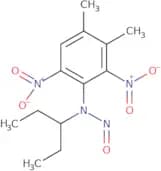
CAS:<p>N-Nitrosopendimethalin is a potent inhibitor of kinase activity, which is essential for the function of many proteins in the human body. It is an analog of a medicinal compound that has been shown to induce tumor cell apoptosis and has potential as an anticancer agent. N-Nitrosopendimethalin inhibits the activity of Chinese hamster ovary cell kinases, which are involved in cancer cell proliferation and survival. This compound has also been detected in urine samples, indicating its potential as a biomarker for cancer diagnosis and monitoring. As an inhibitor of protein kinases, N-Nitrosopendimethalin shows promise as a therapeutic agent for various types of cancer.</p>Fórmula:C13H18N4O5Pureza:Min. 95%Peso molecular:310.31 g/molRabbit anti Rat IgG (H + L) (biotin)
<p>This antibody reacts with heavy (gamma) chains on rat IgG and light chains on all rat immunoglobulins.</p>Pureza:Min. 95%(5-(4-Ethylpyridin-3-yl)thiophen-2-yl)methanamine dihydrochloride
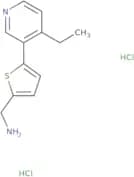
CAS:<p>Please enquire for more information about (5-(4-Ethylpyridin-3-yl)thiophen-2-yl)methanamine dihydrochloride including the price, delivery time and more detailed product information at the technical inquiry form on this page</p>Fórmula:C12H16Cl2N2SPureza:Min. 95%Peso molecular:291.2 g/molGSK9311
CAS:<p>GSK9311 is a chemical compound, classified as a small molecule inhibitor, which is a synthetic product developed through advanced medicinal chemistry techniques. Its mode of action involves selectively binding to specific target proteins or enzymes in biological pathways, leading to the modulation of these pathways to achieve a desired pharmacological effect.</p>Fórmula:C24H31N5O3Pureza:Min. 95%Peso molecular:437.53 g/molCD10 antibody
<p>The CD10 antibody is a monoclonal antibody that targets the CD10 protein, which is also known as neutral endopeptidase. This protein plays a crucial role in the degradation of extracellular matrix components such as collagen and acts as a kinase inhibitor. The CD10 antibody has been widely used in Life Sciences research to study various biological processes.</p>WD2000-012547
CAS:<p>WD2000-012547 is a potent and selective activator of the GPRC6A receptor, which is implicated in the regulation of pain sensitivity. WD2000-012547 was shown to be a high affinity ligand for the GPRC6A receptor, with a Ki value of 1.5 nM. It also inhibited protein phosphatase 2A at micromolar concentrations, which may account for its analgesic effects. WD2000-012547 has been shown to have no effect on ion channels or on cell viability and proliferation in vitro. This compound has not been tested in vivo but can be used as a research tool for studying the role of GPRC6A receptors in pain sensitivity.</p>Fórmula:C17H14N2OPureza:Min. 95%Peso molecular:262.3 g/molFGF12 protein (His tag)
<p>1-181 amino acids: MGSSHHHHHH SSGLVPRGSH MESKEPQLKG IVTRLFSQQG YFLQMHPDGT IDGTKDENSD YTLFNLIPVG LRVVAIQGVK ASLYVAMNGE GYLYSSDVFT PECKFKESVF ENYYVIYSST LYRQQESGRA WFLGLNKEGQ IMKGNRVKKT KPSSHFVPKP IEVCMYREQS LHEIGEKQGR SRKSSGTPTM NGGKVVNQDS T</p>Pureza:Min. 95%GFM2 Blocking Peptide
<p>A synthetic peptide for use as a blocking control in assays to test for specificity of GFM2 antibody, catalog no. 70R-10104</p>Pureza:Min. 95%7α-Hydroxycholestenone-d7
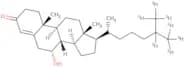
CAS:Producto controlado<p>7α-Hydroxycholestenone-d7 is a cholesterol metabolite that is formed in the liver. It is an intermediate in the synthesis of bile acids and is excreted into the intestine as well as into serum. 7α-Hydroxycholestenone-d7 can be detected with a serum concentration assay. This compound has been shown to be effective against cardiovascular disorders and may also have a role in treating infantile cholestasis.</p>Fórmula:C27H37D7O2Pureza:Min. 95%Peso molecular:407.68 g/molHOMEZ antibody
<p>HOMEZ antibody was raised in rabbit using the N terminal of HOMEZ as the immunogen</p>Pureza:Min. 95%Cenisertib
CAS:<p>Cenisertib is a potent ATP-competitive kinase inhibitor, which is a synthetic small molecule developed for therapeutic use in oncology. Sourced from rational drug design and medicinal chemistry efforts, Cenisertib targets the aurora kinases, particularly AURORA A and B, which play critical roles in cell division and tumor progression.</p>Fórmula:C24H30FN7OPureza:Min. 95%Peso molecular:451.5 g/molNEU2 antibody
<p>The NEU2 antibody is a highly specialized monoclonal antibody that has a range of unique characteristics. It exhibits colloidal properties, making it an excellent choice for various applications. This antibody has been proven to have antiviral properties and can effectively neutralize the activity of specific viruses. Additionally, the NEU2 antibody is capable of binding to autoantibodies, providing potential therapeutic benefits in autoimmune disorders.</p>1-Benzyl-N5-cyclopropyl-N3-methyl-2-oxo-1,2-dihydropyridine-3,5-dicarboxamide
CAS:<p>1-Benzyl-N5-cyclopropyl-N3-methyl-2-oxo-1,2-dihydropyridine-3,5-dicarboxamide is a potent and selective inhibitor of the ion channel TRPV4. It binds to the receptor with an IC50 of 0.2 μM. This compound has been shown to inhibit TRPV4 in human embryonic kidney cells (HEK293) and HEK293 cells stably expressing TRPV4. The inhibition of TRPV4 by 1BPNDC has been shown to be concentration dependent. This compound is suitable for research purposes such as pharmacology, protein interactions, receptor binding, peptides activation, ion channels ligand, cell biology and antibody production.</p>Fórmula:C18H19N3O3Pureza:Min. 95%Peso molecular:325.4 g/mol8-((6-Bromobenzo[D][1,3]dioxol-5-yl)thio)-9-(pent-4-yn-1-yl)-9H-purin-6-amine
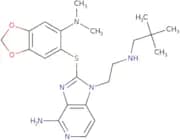
CAS:<p>8-((6-Bromobenzo[D][1,3]dioxol-5-yl)thio)-9-(pent-4-yn-1-yl)-9H-purin-6-amine is a novel small molecule that binds to the extracellular domain of the human α7 nicotinic acetylcholine receptor (nAChR). The binding of this compound to the α7 nAChR is selective and has been shown to be a potent inhibitor of this receptor. It also binds with high affinity and selectivity to the extracellular domain of the human α7 nAChR.</p>Fórmula:C17H14BrN5O2SPureza:Min. 95%Peso molecular:432.3 g/molLY 3000328
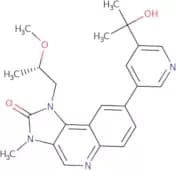
CAS:<p>LY 3000328 is a small molecule that inhibits the activation of pro-apoptotic proteins. It has been shown to induce apoptotic cell death in cancer cells. LY 3000328 also induces autophagy and enhances the activity of chaperones, which are proteins that help other proteins fold correctly. The drug inhibits the phosphatase PP2A, which is involved in many cellular processes, including cytosolic calcium regulation. LY 3000328 was found to have no effect on endoplasmic reticulum or ryanodine receptor function. This inhibition may be due to its ability to bind with ATP and inhibit its hydrolysis by PP2A.</p>Fórmula:C25H29FN4O5Pureza:Min. 95%Peso molecular:484.52 g/molWWP2 antibody
<p>WWP2 antibody was raised using the middle region of WWP2 corresponding to a region with amino acids TKTTTWERPLPPGWEKRTDPRGRFYYVDHNTRTTTWQRPTAEYVRNYEQW</p>PIGA antibody
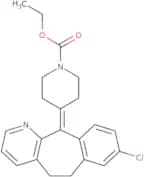
<p>PIGA antibody was raised using the middle region of PIGA corresponding to a region with amino acids SVKSLCEGLEKAIFQLKSGTLPAPENIHNIVKTFYTWRNVAERTEKVYDR</p>Pureza:Min. 95%Loratadine-d4
CAS:<p>Please enquire for more information about Loratadine-d4 including the price, delivery time and more detailed product information at the technical inquiry form on this page</p>Fórmula:C22H23ClN2O2Pureza:Min. 95%Peso molecular:386.9 g/molLoxapine-d8
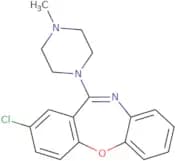
CAS:Producto controlado<p>Loxapine-d8 is an analog of Loxapine, a medication used to treat psychiatric disorders such as schizophrenia. However, Loxapine-d8 has been found to have potential anticancer properties. It inhibits the activity of kinases, which are enzymes that play a crucial role in the development and progression of cancer. Additionally, Loxapine-d8 has been shown to induce apoptosis (programmed cell death) in cancer cells, making it a promising candidate for cancer treatment. This compound also acts as an inhibitor of elastase, an enzyme involved in tissue damage and inflammation. Loxapine-d8 is excreted in urine and has shown efficacy against various types of tumors including Chinese hamster ovary cells. With its unique characteristics and potential therapeutic benefits, Loxapine-d8 is a promising candidate for further research and development as an anticancer agent.</p>Fórmula:C18H18ClN3OPureza:Min. 95%Peso molecular:335.9 g/molamyloid P-IN-1
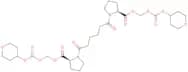
CAS:<p>Amyloid P-IN-1 is a ligand that binds to the amyloid peptide and inhibits the formation of amyloids. Amyloid P-IN-1 has been shown to be an orally active molecule in humans, with a low oral bioavailability due to its physicochemical properties. The affinity for amyloid P-IN-1 to bind to the amyloid peptide is high and it has been shown to inhibit the growth of amyloids in vitro and in vivo. Amyloid P-IN-1 also has pharmacological effects on ligands, such as binding to receptors on cells, which may account for its potential use as a therapeutic agent.</p>Fórmula:C30H44N2O14Pureza:Min. 95%Peso molecular:656.68 g/molKO 143
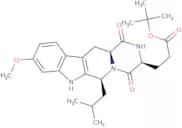
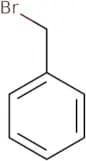
CAS:<p>KO 143 is a methyltransferase inhibitor that blocks the activity of p-glycoprotein. It has been shown to inhibit the activity of ABCG2 in vitro and is used for the treatment of cancer. KO 143 also inhibits protein kinase B (Akt), which is found in high levels in many types of cancer cells. KO 143 can be used synergistically with natural compounds, such as curcuminoids, to inhibit the growth of cancer cells.</p>Fórmula:C26H35N3O5Pureza:Min. 95%Peso molecular:469.57 g/molBenzyl bromide-13C6
CAS:<p>Benzyl bromide-13C6 is an analog of benzyl bromide that has been labeled with six carbon-13 isotopes. It has been shown to have anticancer properties by inhibiting the activity of kinases, which are enzymes involved in cell signaling pathways. Benzyl bromide-13C6 has been found to induce apoptosis, or programmed cell death, in human cancer cells. This compound can be used as a potent inhibitor of kinase activity and may have potential therapeutic applications for the treatment of cancer. Additionally, it can be used as a biomarker for monitoring the metabolism of benzyl bromide in humans, as it is excreted in urine after administration. Benzyl bromide-13C6 may also have potential use as a research tool for studying protein kinases and developing new kinase inhibitors.</p>Fórmula:C7H7BrPureza:Min. 95%Peso molecular:176.99 g/molN-[2-[[[1-[[(4-Fluorophenyl)amino]carbonyl]cyclopropyl]carbonyl]amino]ethyl]-2-methylene-3-oxoolean-12-en-28-amide
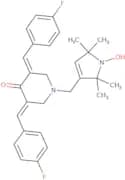
CAS:<p>N-[2-[[[1-[[(4-Fluorophenyl)amino]carbonyl]cyclopropyl]carbonyl]amino]ethyl]-2-methylene-3-oxoolean-12-en-28-amide is a research tool for the study of protein interactions and the development of new drugs. It has shown to be a potent inhibitor of ion channels, including voltage gated sodium channels. This compound binds to the extracellular domain of these channels and prevents activation, leading to inhibition of nerve impulse transmission. N-[2-[[[1-[[(4-Fluorophenyl)amino]carbonyl]cyclopropyl]carbonyl]amino]ethyl]-2-methylene-3-oxoolean-12-en-28 amide also inhibits ligand binding to its receptor by binding in an allosteric site that is distinct from the active site.</p>Fórmula:C44H60FN3O4Pureza:Min. 95%Peso molecular:714.00 g/molHO-3867
CAS:<p>HO-3867 is a synthetic small molecule, which is a derivative of curcumin, designed to enhance its therapeutic potential. Curcumin, a natural compound found in turmeric, is known for its anti-inflammatory and anticancer properties; however, its application is limited due to poor bioavailability and rapid systemic elimination. HO-3867 is engineered to overcome these limitations with structural modifications, improving its stability and bioavailability.</p>Fórmula:C28H30F2N2O2Pureza:Min. 95%Peso molecular:464.55 g/molCalicin antibody
<p>Calicin antibody was raised using the C terminal of CCIN corresponding to a region with amino acids TTSVPVLPNSCPLDVSHAICSIGDSKVFVCGGVTTASDVQTKDYTINPNA</p>AD80
CAS:<p>AD80 is a multi-kinase inhibitor that prevents the phosphorylation and activation of tyrosine kinases. It has been shown to inhibit the proliferation of leukemia cells in vivo. AD80 has been found to be effective against glioblastoma cells and other cancer types, such as melanoma, breast cancer, and lung cancer. AD80 inhibits protein synthesis by binding to the ATP-binding site of the enzyme kinase domain. The solubility data for AD80 shows that it is highly soluble in water and organic solvents.</p>Fórmula:C22H19F4N7OPureza:Min. 95%Peso molecular:473.43 g/molASB6 antibody
<p>ASB6 antibody was raised using the middle region of ASB6 corresponding to a region with amino acids LKMAELGLTRAADVLLRHGANLNFEDPVTYYTALHIAVLRNQPDMVELLV</p>Pureza:Min. 95%threo-ICI 118551 hydrochloride
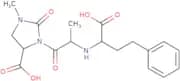
CAS:<p>Threo-ICI 118551 hydrochloride is a potent and selective antagonist of the alpha1A adrenergic receptor, which is involved in the regulation of cardiac function. The drug is used to treat conditions such as hyperhomocysteinemia and heart disease that are characterized by increased levels of this amino acid. Threo-ICI 118551 hydrochloride has been shown to inhibit the release of calcium from the reticulum, which leads to decreased contractile function of the myocardium. In vivo studies have shown that threo-ICI 118551 hydrochloride can improve cardiac function in patients with chronic congestive heart failure.</p>Fórmula:C17H28ClNO2Pureza:Min. 95%Peso molecular:313.86 g/molImidaprilat-d3
CAS:<p>Please enquire for more information about Imidaprilat-d3 including the price, delivery time and more detailed product information at the technical inquiry form on this page</p>Fórmula:C18H23N3O6Pureza:Min. 95%Peso molecular:380.4 g/molMbp, gst tagged human
CAS:<p>Mbp, gst tagged human is a recombinant fusion protein designed for molecular and biochemical research. It is derived from a human source and engineered by fusing the maltose-binding protein (MBP) with the human sequence of interest, alongside a glutathione S-transferase (GST) tag. This configuration allows for dual-affinity purification and enhances solubility, ultimately facilitating the study and manipulation of the target protein.</p>Pureza:Min. 95%Cytochrome P450 2D6 antibody
<p>The Cytochrome P450 2D6 antibody is a highly specialized monoclonal antibody that has the unique ability to neutralize the activity of the Cytochrome P450 2D6 enzyme. This enzyme plays a crucial role in drug metabolism and can affect the efficacy and safety of various medications.</p>SOX12 antibody
<p>SOX12 antibody was raised in mouse using recombinant Human Sry (Sex Determining Region Y)-Box 12</p>α Synuclein 195 protein
<p>MDVFMKGLSK AKEGVVAAAE KTKQGVAEAA GKTKEGVLYV GSKTKEGVVH GVATVAEKTK EQVTNVGGAV VTGVTAVAQK TVEGAGSIAA ATGFV</p>Pureza:Min. 95%16:0(Alkyne)-18:1 pc
CAS:<p>A 'click' phospholipid</p>Fórmula:C42H78NO8PPureza:Min. 95%Peso molecular:756.04 g/molIl6 protein
<p>Il6 protein is an inhibitory factor that belongs to the group of proteins and antigens. It can be used in combination with adalimumab or other inhibitors for therapeutic purposes. Il6 protein has been shown to have chemokine and epidermal growth factor properties, as well as anti-VEGF (vascular endothelial growth factor) and neutralizing effects on TNF-α (tumor necrosis factor-alpha). It also exhibits activity against interleukins and interferons. Additionally, Il6 protein has carbonic properties and can be used in conjugated proteins for various applications, including the treatment of endothelial growth disorders.</p>Pureza:Min. 95%CLAN antibody
<p>CLAN antibody was raised in rabbit using N terminus sequence MNFIKDNSRA LIQRMGM of the A and B isoforms of the human CLAN protein as the immunogen.</p>Pureza:Min. 95%G6PC antibody
<p>G6PC antibody was raised using the N terminal of G6PC corresponding to a region with amino acids NLVFKWILFGQRPYWWVLDTDYYSNTSVPLIKQFPVTCETGPGSPSGHAM</p>4-Azidophlorizin
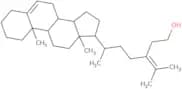
CAS:<p>High affinity probe for glucose transporter; photoaffinity label</p>Fórmula:C21H23N3O9Pureza:Min. 95%Peso molecular:461.42 g/mol5,24-Stigmastadienol
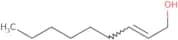
CAS:Producto controlado<p>5,24-Stigmastadienol is a potent anticancer compound that has been found to have kinase inhibitory activity. It is an analog of a compound found in Chinese traditional medicine and has been shown to induce apoptosis in human tumor cells. 5,24-Stigmastadienol acts as a cyclin-dependent kinase inhibitor and targets specific proteins involved in the growth and division of cancer cells. This compound has been found to inhibit the activity of several kinases involved in cancer progression, making it a promising candidate for cancer therapy. Additionally, 5,24-Stigmastadienol has been detected in human urine samples, indicating its potential use as a diagnostic marker for certain types of cancer.</p>Fórmula:C29H48OPureza:Min. 95%Peso molecular:412.7 g/mol2-Nonen-1-ol-d2
CAS:<p>Please enquire for more information about 2-Nonen-1-ol-d2 including the price, delivery time and more detailed product information at the technical inquiry form on this page</p>Fórmula:C9H18OPureza:Min. 95%Peso molecular:144.25 g/molBovine Red Blood Cells
<p>Bovine Red Blood Cells are a vital component in the field of Life Sciences and have various applications, especially in Veterinary Applications. These cells can be used as a fluorophore for imaging studies and other research purposes. The emission properties of Bovine Red Blood Cells make them suitable for use in fluorescence-based assays.</p>Pureza:Min. 95%RPS16 antibody
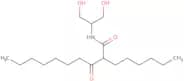
<p>RPS16 antibody was raised in rabbit using the N terminal of RPS16 as the immunogen</p>Pureza:Min. 95%N-(1,3-Dihydroxypropan-2-yl)-2-hexyl-3-oxodecanamide
CAS:<p>N-(1,3-Dihydroxypropan-2-yl)-2-hexyl-3-oxodecanamide is a terpene that has been shown to have anti-inflammatory properties. This compound is a benzophenone derivative and has been used as an absorber in sunscreen products. It has also been shown to stabilize amines and excipients in pharmaceutical formulations. N-(1,3-Dihydroxypropan-2-yl)-2-hexyl-3-oxodecanamide is a skin surface active agent due to its ability to form amides and dibenzoylmethane derivatives. It also has antioxidant activity and acts as a flavonoid. This compound has been shown to be effective against human skin cells in vitro.</p>Fórmula:C19H37NO4Pureza:Min. 95%Peso molecular:343.5 g/molNAT2 antibody
<p>NAT2 antibody was raised using a synthetic peptide corresponding to a region with amino acids CLTEERGIWYLDQIRREQYITNKEFLNSHLLPKKKHQKIYLFTLEPRTIE</p>Normal Donkey Serum
<p>Normal Donkey Serum is a valuable biospecimen used in various life science and veterinary applications. Derived from donkeys, this serum contains a range of important components that make it useful for research purposes. Normal Donkey Serum is commonly used as a blocking agent to prevent non-specific binding of antibodies in immunohistochemistry and immunocytochemistry experiments. It also serves as an essential component in the development of monoclonal antibodies and other cell-based assays. This serum contains various growth factors, such as epidermal growth factor, which can promote cell proliferation and differentiation. Additionally, Normal Donkey Serum contains inhibitors that can modulate specific signaling pathways, including the interferon pathway and the phosphoinositide 3-kinase (PI3K) pathway. Researchers often use Normal Donkey Serum as a control or reference sample in their experiments. Its acidic pH and low hemolysis rate make it suitable for a wide range of applications. Furthermore, its immobilization properties allow for stable electrode</p>Arntl2 antibody
<p>Arntl2 antibody was raised in rabbit using the C terminal of Arntl2 as the immunogen</p>Pureza:Min. 95%1-(2-Piperidinylethyl)-2-[3-(3,4-dichlorophenoxy)phenyl]benzimidazole
CAS:<p>1-(2-Piperidinylethyl)-2-[3-(3,4-dichlorophenoxy)phenyl]benzimidazole is a co-crystal inhibitor of the voltage-gated sodium channel. It blocks the sodium ion channels in the nerve cell membrane, preventing the passage of these ions and thereby inhibits the generation of an action potential.</p>Fórmula:C26H25Cl2N3OPureza:Min. 95%Peso molecular:466.4 g/molN-Boc-glycine-13C
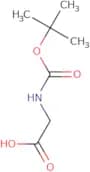
CAS:<p>Please enquire for more information about N-Boc-glycine-13C including the price, delivery time and more detailed product information at the technical inquiry form on this page</p>Fórmula:C7H13NO4Pureza:Min. 95%Peso molecular:176.18 g/molBTK antibody
<p>The 6-Fluoro-3-indoxyl-beta-D-galactopyranoside is a powerful antituberculosis drug that falls under the class of rifamycins. It is highly effective in treating tuberculosis infections and contains active compounds that exhibit bactericidal activity. This drug works by binding to DNA-dependent RNA polymerase, preventing transcription and replication, thereby inhibiting bacterial growth. Its efficacy has been demonstrated through extensive research using techniques like patch-clamp on human erythrocytes. The drug undergoes various metabolic transformations, including hydrolysis by esterases or glucuronidases, oxidation by cytochrome P450 enzymes, reduction by glutathione reductase, or conjugation with glucuronic acid. Additionally, it specifically targets markers expressed at high levels in Mycobacterium tuberculosis strains and inhibits their growth in culture.</p>Hydroxysulochrin
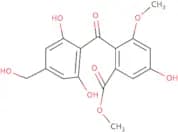
CAS:<p>Hydroxysulochrin is a potent anticancer agent that induces apoptosis in human tumor cells. It belongs to the class of protein kinase inhibitors and is a medicinal compound derived from Chinese urine. Hydroxysulochrin has been shown to inhibit the activity of various kinases involved in cancer cell growth, including protein kinase C and mitogen-activated protein kinase. This compound also exhibits inhibitory effects on other proteins involved in cancer progression, making it a promising candidate for cancer therapy. Its analogs have been synthesized and tested for their potential as anticancer agents. Hydroxysulochrin has shown significant activity against various types of cancers, including breast, lung, prostate, and colon cancers. It is an important addition to the arsenal of anticancer drugs available today.</p>Fórmula:C17H16O8Pureza:Min. 95%Peso molecular:348.3 g/molFYN antibody
<p>FYN antibody was raised using the N terminal of FYN corresponding to a region with amino acids GCVQCKDKEATKLTEERDGSLNQSSGYRYGTDPTPQHYPSFGVTSIPNYN</p>Pureza:Min. 95%IL16 antibody
<p>The IL16 antibody is a powerful tool in the field of Life Sciences. It is an interferon that plays a crucial role in various biological processes. This polyclonal antibody targets IL16, which is involved in the regulation of immune responses and inflammation. The IL16 antibody can be used for applications such as immunoassays, immunohistochemistry, and Western blotting.</p>Pureza:Min. 95%Samotolisib
CAS:<p>Samotolisib is a novel drug that has been shown to inhibit tumor growth in vivo. Samotolisib was effective against tumors in a mouse xenograft model, as well as against both skin and bone cancer in mice. The molecular docking analysis suggests that samotolisib binds to the ATP-binding site of the enzyme ribonucleotide reductase (RNR), thereby inhibiting the production of DNA precursors required for protein synthesis. This inhibition leads to apoptosis and necrosis of tumor cells. Samotolisib has also been shown to induce autophagy and apoptosis in cultured human skin cells, suggesting it may have potential for treating skin cancers.</p>Fórmula:C23H26N4O3Pureza:Min. 95%Peso molecular:406.48 g/mol2-(2-(3-Phenylureido)thiazol-4-yl)-N-(4-(trifluoromethoxy)phenyl)acetamide
CAS:<p>2-(2-(3-Phenylureido)thiazol-4-yl)-N-(4-(trifluoromethoxy)phenyl)acetamide is a potent inhibitor of angiotensin II. It has been shown to inhibit the binding of the peptide angiotensin II to its receptor, and thus prevents the activation of a number of biological responses including vasoconstriction, release of renin from the kidneys, and increased blood pressure. This drug is structurally similar to captopril, but with a different functional group on the phenyl ring. 2-(2-(3-Phenylureido)thiazol-4-yl)-N-(4-(trifluoromethoxy)phenyl)acetamide has also been shown to act as an inhibitor of ion channels that are involved in pain perception, such as voltage gated calcium channels.</p>Fórmula:C19H15F3N4O3SPureza:Min. 95%Peso molecular:436.4 g/molDC41SMe
CAS:<p>Please enquire for more information about DC41SMe including the price, delivery time and more detailed product information at the technical inquiry form on this page</p>Fórmula:C38H36ClN5O4S2Pureza:Min. 95%Peso molecular:726.3 g/molCD4 antibody (allophycocyanin)
<p>Rat monoclonal CD4 antibody (allophycocyanin); IgG2a kappa; clone RM4-5</p>CLIC3 antibody
<p>CLIC3 antibody was raised in rabbit using the N terminal of CLIC3 as the immunogen</p>Pureza:Min. 95%Licofelone-d4
CAS:<p>Please enquire for more information about Licofelone-d4 including the price, delivery time and more detailed product information at the technical inquiry form on this page</p>Fórmula:C23H22ClNO2Pureza:Min. 95%Peso molecular:383.9 g/molCGP 78608 hydrochloride
CAS:<p>NMDA receptor antagonist; anti-convulsant</p>Fórmula:C11H13BrN3O5P•HClPureza:Min. 95%Peso molecular:414.58 g/molRab11B antibody
<p>Rab11B antibody was raised in Rat using Mouse RAB11B and GST fusion protein as the immunogen.</p>Kushenol B
CAS:<p>Kushenol B is a ligand that activates the G protein-coupled receptor. Kushenol B has been shown to have activity in cell biology, pharmacology and life science research. Kushenol B is a high-purity compound that can be used as an inhibitor in the study of protein interactions with other proteins and peptides. Kushenol B also has been shown to inhibit ion channels, which may lead to potential therapeutic applications for epilepsy and other disorders.</p>Fórmula:C30H36O6Pureza:Min. 95%Peso molecular:492.6 g/mol















![2-(5-{[(3,4-Dichlorophenyl)methyl]sulfanyl}-4-[(furan-2-yl)methyl]-4H-1,2,4-triazol-3-yl)pyridine](/_next/image/?url=https%3A%2Fstatic.cymitquimica.com%2Fproducts%2F3D%2Fthumb-webp%2FFEC24324.webp&w=3840&q=75)













![N2-[4-[[(2-Amino-1,4-dihydro-4-oxo-6-pteridinyl)methyl]amino]benzoyl]-N-[2-[[[(3',6'-dihydroxy-3-o…](/_next/image/?url=https%3A%2Fstatic.cymitquimica.com%2Fproducts%2F3D%2Fthumb-webp%2FKLB66133.webp&w=3840&q=75)






![[6-(Dimethylamino)-9-(2-methoxycarbonylphenyl)xanthen-3-ylidene]-dimethylazanium](/_next/image/?url=https%3A%2Fstatic.cymitquimica.com%2Fproducts%2F3D%2Fthumb-webp%2FQEA53249.webp&w=3840&q=75)




![N-[3-[(2R,3R)-5-Amino-3,6-dihydro-3-methyl-2-(trifluoromethyl)-2H-1,4-oxazin-3-yl]-4-fluorophenyl]…](/_next/image/?url=https%3A%2Fstatic.cymitquimica.com%2Fproducts%2F3D%2Fthumb-webp%2FCEC41678.webp&w=3840&q=75)
![(4Z,7Z,10Z,13Z,16Z,19Z)-N-[(4-Nitrophenyl)sulfonyl]docosa-4,7,10,13,16,19-docosahexaenamide](/_next/image/?url=https%3A%2Fstatic.cymitquimica.com%2Fproducts%2F3D%2Fthumb-webp%2FEYD24625.webp&w=3840&q=75)









![8-((6-Bromobenzo[D][1,3]dioxol-5-yl)thio)-9-(pent-4-yn-1-yl)-9H-purin-6-amine](/_next/image/?url=https%3A%2Fstatic.cymitquimica.com%2Fproducts%2F3D%2Fthumb-webp%2FCJB03047.webp&w=3840&q=75)


![N-[2-[[[1-[[(4-Fluorophenyl)amino]carbonyl]cyclopropyl]carbonyl]amino]ethyl]-2-methylene-3-oxoolea…](/_next/image/?url=https%3A%2Fstatic.cymitquimica.com%2Fproducts%2F3D%2Fthumb-webp%2FBQD75358.webp&w=3840&q=75)













![1-(2-Piperidinylethyl)-2-[3-(3,4-dichlorophenoxy)phenyl]benzimidazole](/_next/image/?url=https%3A%2Fstatic.cymitquimica.com%2Fproducts%2F3D%2Fthumb-webp%2FDBB57360.webp&w=3840&q=75)