Compuestos y reactivos bioquímicos
Los bioquímicos y reactivos son sustancias fundamentales para la investigación y el desarrollo en campos como la biotecnología, la biología molecular, la farmacología y la medicina. Estos productos son esenciales para una variedad de aplicaciones, incluyendo la síntesis de compuestos, el análisis de muestras biológicas, la investigación de procesos metabólicos y la producción de medicamentos. En CymitQuimica, ofrecemos una amplia selección de bioquímicos y reactivos de alta calidad y pureza, adecuados para diversas necesidades científicas e industriales. Nuestro catálogo incluye enzimas, anticuerpos, ácidos nucleicos, aminoácidos, y muchos otros productos, todos diseñados para apoyar a los investigadores y profesionales en sus proyectos de investigación y desarrollo, asegurando resultados confiables y reproducibles.
Subcategorías de "Compuestos y reactivos bioquímicos"
- Biomoléculas(99.130 productos)
- Por objetivo biológico(99.159 productos)
- Según efectos farmacológicos(6.787 productos)
- Crioconservantes(21 productos)
- Desinfectantes y compuestos relacionados(28 productos)
- Hormonas(346 productos)
- Biología Vegetal(6.747 productos)
- Metabolitos secundarios(14.222 productos)
Se han encontrado 130579 productos de "Compuestos y reactivos bioquímicos"
Ordenar por
Pureza (%)
0
100
|
0
|
50
|
90
|
95
|
100
β-Neo-Endorphin
<p>Custom research peptide; min purity 95%.</p>Fórmula:C54H77N13O12Pureza:Min. 95%Peso molecular:1,100.3 g/molMART-1 (27-35) (human)
<p>Custom research peptide; min purity 95%.</p>Fórmula:C37H67N9O11Pureza:Min. 95%Peso molecular:814 g/mol[Met5,Arg6,Phe7] Enkephalin
<p>Custom research peptide; min purity 95%.</p>Fórmula:C42H56N10O9SPureza:Min. 95%Peso molecular:877.04 g/molCFTR (108-117), Pseudomonas aeruginosa Inhibitor
<p>Custom research peptide; min purity 95%.</p>Fórmula:C51H77N15O22Pureza:Min. 95%Peso molecular:1,252.27 g/molTyrosinase (206-214) (human)
<p>Custom research peptide; min purity 95%.</p>Fórmula:C61H83N15O10Pureza:Min. 95%Peso molecular:1,186.44 g/molExendin 4
CAS:<p>Custom research peptide; min purity 95%.</p>Fórmula:C184H282N50O60S1Pureza:Min. 95%Peso molecular:4,186.03 g/molInsulin B (9-23)
<p>Custom research peptide; min purity 95%.</p>Fórmula:C72H116N20O22SPureza:Min. 95%Peso molecular:1,645.9 g/molG250.A2
<p>Custom research peptide; min purity 95%.</p>Fórmula:C45H72N14O12Pureza:Min. 95%Peso molecular:1,001.16 g/mol234 CW
<p>Custom research peptide; min purity 95%.</p>Fórmula:C41H67N11O14S4Pureza:Min. 95%Peso molecular:1,066.3 g/molTRAP-14 amide
<p>Custom research peptide; min purity 95%.</p>Fórmula:C81H119N21O22Pureza:Min. 95%Peso molecular:1,738.98 g/molHemokinin 1 (mouse, rat)
<p>Custom research peptide; min purity 95%.</p>Fórmula:C61H100N22O15SPureza:Min. 95%Peso molecular:1,413.68 g/molBradykinin [Hyp3]
<p>Custom research peptide; min purity 95%.</p>Fórmula:C30H72N15O10Pureza:Min. 95%Peso molecular:1,077.23 g/molα-ANF(1-28), human
CAS:<p>Custom research peptide; min purity 95%.</p>Fórmula:C127H203N45O39S3Pureza:Min. 95%Peso molecular:3,080.46 g/molC-Peptide 2 (rat)
<p>Custom research peptide; min purity 95%.</p>Fórmula:C135H222N38O49Pureza:Min. 95%Peso molecular:3,161.5 g/molHuman CMV pp65 (495-503)
<p>Custom research peptide; min purity 95%.</p>Fórmula:C42H74N10O12SPureza:Min. 95%Peso molecular:943.18 g/molPAR-3 (1-6) amide (human)
<p>Custom research peptide; min purity 95%.</p>Fórmula:C29H46N10O7Pureza:Min. 95%Peso molecular:646.75 g/molMotilin, porcine
<p>Custom research peptide; min purity 95%.</p>Fórmula:C120H188N34O35SPureza:Min. 95%Peso molecular:2,699.1 g/molMelanocyte Protein PMEL 17 (185-193) (human, bovine, mouse)
<p>Custom research peptide; min purity 95%.</p>Fórmula:C46H72N10O15Pureza:Min. 95%Peso molecular:1,005.14 g/molNAP
<p>Custom research peptide; min purity 95%.</p>Fórmula:C36H60N10O12Pureza:Min. 95%Peso molecular:824.94 g/molCaldaret
CAS:<p>Caldaret is an analog of the natural hormone calcitonin, which has a number of biological effects. Caldaret is used for the treatment of osteoporosis, but it can also be used to treat bowel disease. Caldaret works by inhibiting the activity of enzymes that break down or destroy cytosolic calcium (Ca2+). It has been shown to reduce symptoms of inflammatory bowel disease, such as abdominal pain and diarrhea, in animal models and humans. Caldaret may be administered as a low-dose group with degarelix acetate for prostate cancer therapy. This combination therapy may be effective in preventing the recurrence of cancer cells due to its ability to inhibit cardiac ryanodine receptor and Ca2+ overload in heart tissue.</p>Fórmula:C11H16N2O3SPureza:Min. 95%Peso molecular:256.32 g/molV5 Epitope Tag
<p>Custom research peptide; min purity 95%.</p>Fórmula:C64H1081N16O20Pureza:Min. 95%Peso molecular:1,421.67 g/molNeuropeptide Y (free acid) (human)
<p>Custom research peptide; min purity 95%.</p>Fórmula:C189H284N54O58S1Pureza:Min. 95%Peso molecular:4,272.8 g/molBradykinin [Des-Arg9]
<p>Custom research peptide; min purity 95%.</p>Fórmula:C44H61N11O10Pureza:Min. 95%Peso molecular:904.04 g/molAngiotensin I/II (1-6)
<p>Custom research peptide; min purity 95%.</p>Fórmula:C36H55N11O10Pureza:Min. 95%Peso molecular:801.91 g/molG-R-G-D-S-P
CAS:<p>Custom research peptide; min purity 95%.</p>Fórmula:C22H37N9O10Pureza:Min. 95%Peso molecular:587.59 g/molproFIX18
<p>Custom research peptide; min purity 95%.</p>Fórmula:C95H157N31O27Pureza:Min. 95%Peso molecular:2,165.5 g/molInfluenza HA (518-526)
<p>Custom research peptide; min purity 95%.</p>Fórmula:C42H69N9O15Pureza:Min. 95%Peso molecular:940.07 g/mol[Lys0]-Bradykinin (Kallidin)
<p>Custom research peptide; min purity 95%.</p>Fórmula:C56H85N17O12Pureza:Min. 95%Peso molecular:1,188.41 g/molHemorphin-7
<p>Custom research peptide; min purity 95%.</p>Fórmula:C49H64N12O11Pureza:Min. 95%Peso molecular:997.12 g/molInfluenza HA (110-119)
<p>Custom research peptide; min purity 95%.</p>Fórmula:C63H90N14O16Pureza:Min. 95%Peso molecular:1,299.5 g/molβ- Amyloid (1-38)
<p>Custom research peptide; min purity 95%.</p>Fórmula:C184H277N51O56SPureza:Min. 95%Peso molecular:4,131.63 g/molCasein Kinase II Assay Kit
<p>Custom research peptide; min purity 95%.</p>Fórmula:C45H73N19O24Pureza:Min. 95%Peso molecular:1,264.2 g/molLMP2 (419-427), TYG
<p>Custom research peptide; min purity 95%.</p>Fórmula:C48H71N9O12S2Pureza:Min. 95%Peso molecular:1,030.27 g/molSubstance P (3-11)/Nona- Substance P
<p>Custom research peptide; min purity 95%.</p>Fórmula:C52H79N13O11SPureza:Min. 95%Peso molecular:1,094.35 g/molβ-Amyloid (1-15)
<p>Custom research peptide; min purity 95%.</p>Fórmula:C78H107N25O27Peso molecular:1,826.87 g/molFluM1 A2 (58-66)
<p>Custom research peptide; min purity 95%.</p>Fórmula:C49H75N9O11Pureza:Min. 95%Peso molecular:966.2 g/molGluten Exorphin B5
<p>Custom research peptide; min purity 95%.</p>Fórmula:C30H38N6O7Pureza:Min. 95%Peso molecular:594.67 g/molSpinorphin, bovine
<p>Custom research peptide; min purity 95%.</p>Fórmula:C45H64N8O10Pureza:Min. 95%Peso molecular:877.06 g/molBradykinin (1-7)
CAS:<p>Custom research peptide; min purity 95%.</p>Fórmula:C35H52N10O9Pureza:Min. 95%Peso molecular:756.87 g/molAkt Specific Substrate Peptide, Akt/PKB
<p>Custom research peptide; min purity 95%.</p>Fórmula:C36H59N13O9Pureza:Min. 95%Peso molecular:817.95 g/molSting agonist-3
CAS:<p>Sting agonist-3 is a cytotoxic agent that binds to extracellular nucleic acid. It is used in the treatment of systemic inflammation, such as sepsis and chronic obstructive pulmonary disease. Sting agonist-3 has been shown to modulate the immune response by increasing the production of myeloid cells, which are important for fighting infections. This agent also inhibits tumor growth by inducing apoptosis and inhibiting tumor cell proliferation. Sting agonist-3 has been shown to be an anticancer drug with anti-cancer activity in animal models that may be due to its ability to inhibit cancer cell proliferation and induce apoptosis.</p>Fórmula:C37H42N12O6Pureza:Min. 95%Peso molecular:750.8 g/molAdipophilin
<p>Custom research peptide; min purity 95%.</p>Fórmula:C35H63N9O14Pureza:Min. 95%Peso molecular:833.94 g/molLuteinizing Hormone Releasing Hormone LH-RH
CAS:<p>Custom research peptide; min purity 95%.</p>Fórmula:C55H75N17O13Pureza:Min. 95%Peso molecular:1,182.4 g/molAngiotensin II human
CAS:<p>Custom research peptide; min purity 95%.</p>Fórmula:C50H71N13O12Pureza:Min. 95%Peso molecular:1,046.19 g/molGAD65 (206-220)
<p>Custom research peptide; min purity 95%.</p>Fórmula:C86H129N15O24Pureza:Min. 95%Peso molecular:1,757.07 g/molRFRP-1 (Human)
<p>Custom research peptide; min purity 95%.</p>Fórmula:C67H101N19O14SPureza:Min. 95%Peso molecular:1,428.73 g/molDTrp-γ MSH
<p>Custom research peptide; min purity 95%.</p>Fórmula:C74H99N21O16SPureza:Min. 95%Peso molecular:1,570.81 g/molgp100 (476-485)
<p>Custom research peptide; min purity 95%.</p>Fórmula:C57H83N13O15Pureza:Min. 95%Peso molecular:1,190.38 g/molBombinin-like Peptide (BLP-1)
<p>Custom research peptide; min purity 95%.</p>Fórmula:C115H194N34O33Pureza:Min. 95%Peso molecular:2,581.04 g/molSIVmac239-1
<p>Custom research peptide; min purity 95%.</p>Fórmula:C65H115N21O23S1Pureza:Min. 95%Peso molecular:1,590.83 g/molMART-1 (26-35) (human)
<p>Custom research peptide; min purity 95%.</p>Fórmula:C42H74N10O14Pureza:Min. 95%Peso molecular:943.12 g/molGlucagon (1-29), bovine, human, porcine
CAS:<p>Glucagon (1-29), bovine, human, porcine, is a peptide hormone, which is derived from bovine, human, and porcine sources. It comprises 29 amino acids and functions as a crucial regulator of glucose metabolism by promoting the increase of blood glucose levels. The mode of action involves binding to receptors on liver cells, activating adenylate cyclase, and subsequently increasing intracellular cyclic AMP. This cascade triggers glycogenolysis and gluconeogenesis, leading to elevated blood glucose.In scientific research, Glucagon (1-29), bovine, human, porcine, is utilized to study metabolic pathways and the regulation of glucose homeostasis. Its applications extend to diabetes research, where it serves as a model for understanding glucagon's role in insulin resistance and pancreatic beta-cell dysfunction. Furthermore, this product is employed in the development of therapeutic strategies for hypoglycemic events experienced by diabetic patients. It also serves as a tool in pharmacological studies to elucidate receptor-ligand interactions and signaling mechanisms in different species.</p>Fórmula:C153H225N43O49SPureza:Min. 95%Peso molecular:3,482.78 g/molMcl1-IN-2
CAS:<p>Mcl1-IN-2 is a recombinant human Mcl-1 inhibitor peptide. Mcl-1 is a proapoptotic protein that regulates cell death and survival signaling pathways. This recombinant peptide can be used as a research tool to study the regulation of apoptosis by Mcl-1. The peptide has been shown to inhibit the activation of caspases, which are enzymes that play an important role in the execution phase of apoptosis.</p>Fórmula:C19H15N3OSPureza:Min. 95%Peso molecular:333.41 g/molML327
CAS:<p>ML327 is a small molecule that has been shown to inhibit the growth of cancer cells in the mesial, lingually, and distal regions of the tongue. It also inhibits choroidal neovascularization (CNV) in mouse models. ML327 is a chemical entity that belongs to the class of protein synthesis inhibitors. It targets the protein synthesis machinery by binding to ribosomes and inhibiting translation. ML327 also binds to TNF-related apoptosis-inducing ligand (TRAIL) receptors and induces TRAIL-mediated apoptosis in cancer cells.</p>Fórmula:C19H18N4O4Pureza:Min. 95%Peso molecular:366.37 g/molMardepodect hydrochloride
CAS:<p>Mardepodect hydrochloride is a small molecule compound, which is a synthetic derivative developed for pharmacological applications. It is sourced from chemical synthesis processes, enabling precise control over its structural and functional properties. The mode of action of Mardepodect hydrochloride involves modulation of specific receptor pathways, potentially affecting signaling mechanisms within cellular systems. This modulation can lead to alterations in various physiological processes, making it a compound of interest in therapeutic research.<br><br>The primary uses and applications of Mardepodect hydrochloride are in the realm of experimental and therapeutic research. It is particularly valuable in studies aiming to elucidate receptor functions and their downstream effects in various biological contexts. Researchers utilize this compound to investigate potential therapeutic pathways, with a focus on optimizing interventions for conditions that involve dysregulated receptor activity. Such studies contribute to the broader understanding of receptor-targeted therapies and the development of new pharmacological strategies.</p>Fórmula:C25H21ClN4OPureza:Min. 95%Peso molecular:428.9 g/molCB30865
CAS:<p>CB30865 is a proliferation inhibitor that has been shown to be effective in the treatment of cancer. It has been shown to inhibit cell growth and induce cell death in vitro and in vivo. CB30865 binds to a cellular target that is not yet identified, which may be due to its chemical structure. This drug has been shown to have no effect on healthy cells, making it an ideal candidate for the treatment of cancer. It also has potential uses as a diagnostic agent for inflammatory diseases or other diseases with specific targets.</p>Fórmula:C26H22BrN5O2Pureza:Min. 95%Peso molecular:516.39 g/molAZ084
CAS:<p>AZ084 is a ccr5 receptor antagonist that inhibits chemokine-induced migration of T cells and microglia. AZ084 has been shown to inhibit the activation of TNF-α, which is a proinflammatory cytokine that regulates inflammation and immunity in the body. AZ084 also has anti-inflammatory properties, which may be due to its ability to attenuate the production of other inflammatory molecules such as IL-1β and IL-6. It also has potent inhibition of HIV infection when administered orally in animal models. This compound is an amide with a molecular weight of 337.2 g/mol and can be used for the treatment of AIDS.</p>Fórmula:C26H34N4O2Pureza:Min. 95%Peso molecular:434.6 g/molRilmenidine hemifumarate
CAS:<p>Agonist of ?2-adrenoceptor</p>Fórmula:C10H16N2O•(C4H4O4)0Pureza:Min. 95%Peso molecular:238.28 g/molPF-562271 HCl
CAS:<p>PF-562271 HCl is a novel type of hyperbranched polymer that is synthesized by the decoded section transition method. The composites are composed of a pixel and a flexural section, which are rotated with respect to each other by 180 degrees. PF-562271 HCl has excellent thermal stability and can be functionalized with carbon nanotubes or carbon nanotubes. This material has been shown to be an excellent candidate for use in advanced electronics applications such as flexible displays and touch screens, as well as in nanoelectronics applications such as complementary metal-oxide semiconductor field effect transistors (CMOSFETs). PF-562271 HCl's asynchronous nature makes it an ideal candidate for use in high speed communications systems.</p>Fórmula:C21H21ClF3N7O3SPureza:Min. 95%Peso molecular:543.95 g/mol9-Cis-4-ketoretinol
CAS:<p>Please enquire for more information about 9-Cis-4-ketoretinol including the price, delivery time and more detailed product information at the technical inquiry form on this page</p>Fórmula:C20H28O2Pureza:Min. 95%Peso molecular:300.4 g/molEtoricoxib-d3
CAS:<p>Etoricoxib-d3 is a peptide inhibitor that binds to the active site of the enzyme cyclooxygenase-2 (COX-2) and blocks its activity. It has been shown to bind to the COX-2 receptor, which is an important mediator in the inflammatory response. Etoricoxib-d3 has also been used as a research tool for studying protein interactions and protein activation. Etoricoxib-d3 is a high purity product with no detectable impurities.</p>Fórmula:C18H15ClN2O2SPureza:Min. 95%Peso molecular:361.9 g/molDOTA-tris(Acid)-Amido-dPEG®24-TFP Ester
<p>DOTA-tris(Acid)-Amido-dPEG®24-TFP Ester is a PEG compound with two different functional groups (also known as heterobifunctional). Unlike homobifunctional PEG compounds (same functional group on both ends), this type of compounds are more versatile as have two different anchor points. DOTA-tris(Acid)-Amido-dPEG®24-TFP Ester is used as a linker and spacer to add a PEG moiety, via pegylation (a bioconjugation technique) to proteins, peptides, oligonucleotides, small molecules and nanoparticles.</p>Pureza:Min. 95%Peso molecular:1,908.86 g/molSPDP-dPEG®8-NHS Ester
<p>SPDP-dPEG®8-NHS Ester is a PEG compound with two different functional groups (also known as heterobifunctional). Unlike homobifunctional PEG compounds (same functional group on both ends), this type of compounds are more versatile as have two different anchor points. SPDP-dPEG®8-NHS Ester is used as a linker and spacer to add a PEG moiety, via pegylation (a bioconjugation technique) to proteins, peptides, oligonucleotides, small molecules and nanoparticles.</p>Pureza:Min. 95%PF-4191834
CAS:<p>PF-4191834 is a fatty acid derivative that inhibits the redox cycle of reactive oxygen species. PF-4191834 is also active against inflammatory diseases, such as arthritis and colitis, without affecting the production of prostaglandins. The mechanism of action is not yet known, but it may be due to inhibition of lipid peroxide formation or an increase in lipid peroxide detoxification enzymes.</p>Fórmula:C22H23N3O2SPureza:Min. 95%Peso molecular:393.5 g/molDNP-dPEG®12-Acid
<p>DNP-dPEG®12-Acid is a PEG compound with two different functional groups (also known as heterobifunctional). Unlike homobifunctional PEG compounds (same functional group on both ends), this type of compounds are more versatile as have two different anchor points. DNP-dPEG®12-Acid is used as a linker and spacer to add a PEG moiety, via pegylation (a bioconjugation technique) to proteins, peptides, oligonucleotides, small molecules and nanoparticles.</p>Pureza:Min. 95%DBCO-dPEG®4-TFP Ester
<p>DBCO-dPEG®4-TFP Ester is a PEG compound with two different functional groups (also known as heterobifunctional). Unlike homobifunctional PEG compounds (same functional group on both ends), this type of compounds are more versatile as have two different anchor points. DBCO-dPEG®4-TFP Ester is used as a linker and spacer to add a PEG moiety, via pegylation (a bioconjugation technique) to proteins, peptides, oligonucleotides, small molecules and nanoparticles.</p>Pureza:Min. 95%Peso molecular:714.7 g/molAmino-dPEG®24 Acid
CAS:<p>Amino-dPEG®24 Acid is a PEG compound with two different functional groups (also known as heterobifunctional). Unlike homobifunctional PEG compounds (same functional group on both ends), this type of compounds are more versatile as have two different anchor points. Amino-dPEG®24 Acid is used as a linker and spacer to add a PEG moiety, via pegylation (a bioconjugation technique) to proteins, peptides, oligonucleotides, small molecules and nanoparticles.</p>Fórmula:C51H103NO26Pureza:Min. 95%Peso molecular:1,146.35 g/molLaniquidar
CAS:<p>Laniquidar is a pharmacological agent classified as a third-generation multidrug resistance (MDR) modulator. It is derived from a class of compounds specifically designed to overcome MDR in cancer by targeting P-glycoprotein, a well-known efflux transporter protein. Laniquidar functions by inhibiting the action of P-glycoprotein, which is often overexpressed in various cancer cells and facilitates the efflux of chemotherapeutic drugs, thereby reducing their intracellular concentrations and effectiveness.</p>Fórmula:C37H36N4O3Pureza:Min. 95%Peso molecular:584.7 g/molH2N-PEG-O-C3H6-COOH hydrochloride
<p>H2N-PEG-O-C3H6-COOH hydrochloride is a PEG compound with two different functional groups (also known as heterobifunctional). Unlike homobifunctional PEG compounds (same functional group on both ends), this type of compounds are more versatile as have two different anchor points. H2N-PEG-O-C3H6-COOH hydrochloride is used as a linker and spacer to add a PEG moiety, via pegylation (a bioconjugation technique) to proteins, peptides, oligonucleotides, small molecules and nanoparticles.</p>Pureza:Min. 95%6-[[4-(2-Fluorophenyl)-1-piperazinyl]methyl]-N2-1-naphthalenyl-1,3,5-triazine-2,4-diamine
CAS:<p>6-[[4-(2-Fluorophenyl)-1-piperazinyl]methyl]-N2-1-naphthalenyl-1,3,5-triazine-2,4-diamine is a synthetic triazine compound, which is an intriguing molecule in the field of medicinal chemistry. Triazines are heterocyclic compounds known for their diverse pharmacological properties. This specific compound originates from the inclusion of a piperazine group, a 2-fluorophenyl moiety, and a naphthalenyl structure, which collectively contribute to its unique chemical characteristics.</p>Fórmula:C24H24FN7Pureza:Min. 95%Peso molecular:429.49 g/molPhen-DC3
CAS:<p>Phen-DC3 is a fluorescent derivative that belongs to the class of pyridostatin analogues. It is a small molecule with an anti-cancer effect and can be used as a model system for studying cellular processes such as DNA replication, transcription, and translation. Phen-DC3 binds to nuclear dna and prevents the formation of dna duplexes by binding to the minor groove of the double helix. This binding leads to inhibition of RNA synthesis and DNA replication. The compound also inhibits protein synthesis by inhibiting ribosomes. Phen-DC3 has been shown to have polymorphic activity against cancer cells in vitro, which may be due to its ability to inhibit rna replication in cancer cells.</p>Fórmula:C34H26N6O2Pureza:Min. 95%Peso molecular:550.6 g/molHDAC8-IN-1
CAS:<p>HDAC8-IN-1 is a small molecule inhibitor of class I histone deacetylases (HDACs). It is a potent inhibitor of HDAC8, the most abundant HDAC in the human genome. In vitro studies have shown that HDAC8-IN-1 inhibits self-renewal and differentiation of cancer stem cells. In vivo, HDAC8-IN-1 treatment inhibited tumor growth in mouse models of leukemia and breast cancer. The pharmacological inhibition of HDAC8 with HDAC8-IN-1 has been shown to inhibit expression of genes involved in cell cycle regulation, angiogenesis, metastasis, and immune suppression.</p>Fórmula:C22H19NO3Pureza:Min. 95%Peso molecular:345.39 g/molIvacaftor hydrate
CAS:<p>Ivacaftor is a small molecule that inhibits the CFTR protein. It is used as a research tool to study the function of CFTR and as an experimental treatment for cystic fibrosis. Ivacaftor is a potent, selective inhibitor of the CFTR protein with activity against all known mutations in the CFTR gene, including those that confer resistance to other drugs. Ivacaftor is not an agonist or antagonist, but instead blocks the channel by binding at its open state. The efficacy of ivacaftor was demonstrated in animal models and in clinical trials involving patients with cystic fibrosis who have specific mutations in their CFTR gene.<br>Ivacaftor has been shown to be effective in treating symptoms of cystic fibrosis such as pulmonary exacerbations, weight loss, and sweat chloride levels.</p>Fórmula:C24H30N2O4Pureza:Min. 95%Peso molecular:410.5 g/molIsoasatone A
CAS:<p>Isoasatone A is a fatty acid that is expressed by host plants in response to insect attack. Isoasatone A has been shown to have an inhibitory effect on lepidoptera larvae and may be used as a natural pesticide. It inhibits nicotinic acetylcholine (NA) receptors, which are involved in the transmission of impulses from the central nervous system to muscles, and the synthesis of density lipoprotein (LDL). Isoasatone A also has a molecular response to polymerase chain reaction (PCR) amplification, which may be due to its ability to inhibit enzyme genes. The enzyme activity of isoaustone A can be inhibited by piperonyl butoxide, an inhibitor of the enzyme cytochrome P450.</p>Fórmula:C24H32O8Pureza:Min. 95%Peso molecular:448.5 g/molDOTA-tris(Acid)-Amido-dPEG®11-Bromoacetamide
<p>DOTA-tris(Acid)-Amido-dPEG®11-Bromoacetamide is a PEG compound with two different functional groups (also known as heterobifunctional). Unlike homobifunctional PEG compounds (same functional group on both ends), this type of compounds are more versatile as have two different anchor points. DOTA-tris(Acid)-Amido-dPEG®11-Bromoacetamide is used as a linker and spacer to add a PEG moiety, via pegylation (a bioconjugation technique) to proteins, peptides, oligonucleotides, small molecules and nanoparticles.</p>Pureza:Min. 95%Peso molecular:1,280.06 g/molBiotin-dPEG®12-DBCO
<p>Biotin-dPEG®12-DBCO is a PEG compound with two different functional groups (also known as heterobifunctional). Unlike homobifunctional PEG compounds (same functional group on both ends), this type of compounds are more versatile as have two different anchor points. Biotin-dPEG®12-DBCO is used as a linker and spacer to add a PEG moiety, via pegylation (a bioconjugation technique) to proteins, peptides, oligonucleotides, small molecules and nanoparticles.</p>Pureza:Min. 95%Peso molecular:1,102.34 g/molBromoacetamido-dPEG®4 -TFP Ester
<p>Bromoacetamido-dPEG®4 -TFP Ester is a PEG compound with two different functional groups (also known as heterobifunctional). Unlike homobifunctional PEG compounds (same functional group on both ends), this type of compounds are more versatile as have two different anchor points. Bromoacetamido-dPEG®4 -TFP Ester is used as a linker and spacer to add a PEG moiety, via pegylation (a bioconjugation technique) to proteins, peptides, oligonucleotides, small molecules and nanoparticles.</p>Pureza:Min. 95%Peso molecular:534.29 g/molTonibral
CAS:Producto controlado<p>Tonibral is a synthetic surfactant that can be used in pharmaceutical formulations and as a coating for medical devices. It is also used as a neuroprotective agent and an analytical reagent. Tonibral has been shown to have long-term effects on the muscle, which may be due to its ability to reduce biogenic amines and increase the flow rate of blood vessels in the brain. Tonibral is synthesized by combining two chemicals, one that contains a long hydrophobic chain (e.g., octadecanol) and one with a hydrophilic head group (e.g., sodium dodecyl sulfate). This synthesis can be accomplished in two ways: 1) through the condensation of octadecanol with sodium dodecyl sulfate or 2) through the reaction of octadecanol with sodium dodecyl sulfate and sulfuric acid. Tonibral can also be synthesized by reacting 8-hydroxyquinoline with sodium</p>Fórmula:C8H15NO4Pureza:Min. 95%Peso molecular:189.21 g/molTNP-470
CAS:<p>TNP-470 is a drug that inhibits angiogenesis by binding to and inhibiting the activity of the angiogenic protein vascular endothelial growth factor (VEGF). TNP-470 has been shown to block tumor-induced angiogenesis in mice. This drug also blocks tumor growth in human cancers, such as melanoma and colorectal cancer, by inhibiting VEGF. TNP-470 is an inhibitor of the polymerase chain reaction and is used as a model system for studying the molecular biology of angiogenesis. The drug has been shown to inhibit the activation of toll-like receptor 4 (TLR4) on endothelial cells which prevents TLR4 from activating proinflammatory cytokines, thereby preventing blood vessel formation.</p>Fórmula:C19H28ClNO6Pureza:Min. 95%Peso molecular:401.88 g/molML 221
CAS:<p>ML 221 is a monoclonal antibody that specifically binds to follicular growth factor (FGF). It blocks the interaction between FGF and its receptor, thereby inhibiting follicular growth. The effects of ML 221 in vivo have been demonstrated in wild-type mice. In these mice, ML 221 inhibited the proliferation of granulosa cells, which are cells found in the ovaries responsible for producing estrogen. This effect was also seen in human liver cells and endothelial cells. Additionally, ML 221 has been shown to inhibit mitochondrial membrane potential and endothelial cell proliferation. Finally, ML 221 has been shown to decrease the severity of proliferative diabetic retinopathy (PDR) by blocking FGF receptors on blood vessels that line the retina.<br>ML 221 is an experimental drug that inhibits follicular growth and can be used to treat PDR.</p>Fórmula:C17H11N3O6SPureza:Min. 95%Peso molecular:385.35 g/molRilmenidine
CAS:<p>Agonist of alpha-2-adrenoceptor</p>Fórmula:C10H16N2OPureza:Min. 95%Peso molecular:180.25 g/molTM5007
CAS:<p>TM5007 is a molecule that has been shown to have a predictive biomarker for cancer. The acyl chain of TM5007 has been shown to be an important determinant for the biological activity of this molecule. TM5007 is orally bioavailable and can be used as a structural analysis tool for predicting the efficacy of other molecules. TM5007 inhibits the growth factor-induced proliferation of cardiac cells, and also blocks cardiomyocyte hypertrophy in vitro. It has also been shown to inhibit serine protease activity in cell culture experiments, which may provide a mechanism for its anticancer effects.</p>Fórmula:C24H20N2O6S4Pureza:Min. 95%Peso molecular:560.7 g/molFIT-039
CAS:<p>FIT-039 is a drug that inhibits the sodium taurocholate cotransporting polypeptide (NTCP) in human cells. It prevents the absorption of bile salts from the gut, which leads to an increase in the concentration of bile acids and cholesterol in the blood. FIT-039 has been shown to have anti-cancer properties, as well as inhibitory effects on viruses such as hepatitis C virus, papilloma virus, and herpes simplex virus. This drug also has been shown to have an inhibitory effect on cervical cancer cells with curcumin analogs. FIT-039 is not active against other types of cancer cells including lung cancer, prostate cancer, breast cancer, or colorectal cancer.</p>Fórmula:C17H18FN3SPureza:Min. 95%Peso molecular:315.4 g/molMarbofloxacin-d8
CAS:<p>Marbofloxacin-d8 is an analog of the medicinal drug Marbofloxacin that is used as a potent inhibitor of kinases. It has shown promising anticancer properties in various studies, inhibiting the growth and proliferation of cancer cells by targeting specific proteins involved in tumor formation. This drug induces apoptosis (cell death) in cancer cells, which makes it a potential candidate for cancer treatment. In addition to its anticancer effects, Marbofloxacin-d8 has also been used as an inhibitor in urine analysis to study the activity of certain kinases. Overall, this drug shows great potential for further development as an effective anticancer agent.</p>Fórmula:C17H19FN4O4Pureza:Min. 95%Peso molecular:370.4 g/molGDC-0834
CAS:<p>GDC-0834 is an irreversible inhibitor of the enzyme tyrosine protein kinase. It has a pharmacokinetic profile that is similar to radiation and can be used as a replacement for radiation therapy. GDC-0834 selectively targets human liver, lung, and kidney cells, which are indicated by increased levels of apoptosis in these tissues. The molecule also inhibits the proliferation of hematopoietic cells, possibly due to its ability to cause mitochondrial membrane depolarization. GDC-0834 has been shown to have therapeutic efficacy against autoimmune diseases such as rheumatoid arthritis and psoriasis.</p>Fórmula:C33H36N6O3SPureza:Min. 95%Peso molecular:596.74 g/molBenzyl 3-fluoro-4-(3-oxopyrrolidin-1-yl)phenylcarbamate
CAS:<p>Benzyl 3-fluoro-4-(3-oxopyrrolidin-1-yl)phenylcarbamate is a synthetic carbamate derivative, which is derived from the combination of fluorinated aromatic structures and pyrrolidinone rings. The compound is designed to act on biological systems by leveraging the unique properties of its fluorine and carbamate constituents. Fluorine's electronegativity can alter the compound's pharmacokinetics, while the carbamate moiety offers potential reactivity with enzymatic or cellular targets.</p>Fórmula:C18H17FN2O3Pureza:Min. 95%Peso molecular:328.3 g/molClothiapine
CAS:Producto controlado<p>Clothiapine is a psychotropic agent, which is a type of drug used in psychiatry. It is sourced from the dibenzothiazepine class of compounds. As a thioxanthene derivative, clothiapine acts as a dopamine receptor antagonist, specifically targeting D2 receptors. This mode of action results in its antipsychotic effects by modulating neurotransmitter pathways in the brain, particularly those involving dopamine, which is often implicated in psychiatric disorders.</p>Fórmula:C18H18ClN3SPureza:Min. 95%Peso molecular:343.88 g/molVon Willebrand Factor Heavy Tryptic Peptide Standard (4nmol)
<p>This is a Von Willebrand Factor Heavy Tryptic Peptide Standard for use in protein identification and quantitation. Von Wilebrand Factor is a glycoprotein involved in platelet adhesion and when it is deficient in the body it can result in diseases such as von Willebrand disease.</p>Pureza:Min. 95%GRP, humanAntiserum
<p>GRP is a protein that belongs to the G-protein-coupled receptor family. It is activated by the ligand ghrelin and has been shown to be involved in the regulation of food intake, energy expenditure, gastric acid secretion and other physiological processes. GRP is also expressed in various types of cells including neurons, pancreatic beta cells, and cardiac myocytes. The antibody against GRP recognizes human GRP with high purity. This antibody can be used as a research tool for studying the functions of GRP or for immunohistochemistry to study the distribution of GRP in tissues.</p>Pureza:Min. 95%Mni-caged-L-glutamate trifluoroacetate
CAS:<p>Please enquire for more information about Mni-caged-L-glutamate trifluoroacetate including the price, delivery time and more detailed product information at the technical inquiry form on this page</p>Fórmula:C16H18F3N3O8Pureza:Min. 95%Peso molecular:437.32 g/molAZD 6482
CAS:<p>Inhibitor of PI3Kβ kinase</p>Fórmula:C22H24N4O4Pureza:Min. 95%Peso molecular:408.45 g/molAnti Secretin (Rat) Serum
<p>Anti-Secretin (Rat) Serum is a high purity antibody that can be used as a research tool for studying the interactions between proteins. It is suitable for use in immunoassays, such as ELISA and Western blotting. Anti-Secretin (Rat) Serum has been shown to inhibit the activation of ion channels and receptors, as well as protein synthesis and ligand binding.</p>Pureza:Min. 95%1-Palmitoyl-2-oleoyl-sn-glycerol-3-phosphocholine
CAS:<p>1-Palmitoyl-2-oleoyl-sn-glycerol-3-phosphocholine (POPC) is a phospholipid that has been shown to have the ability to inhibit the growth of bacteria. POPC is an amphiphilic molecule with hydrophobic and hydrophilic properties, which allows it to form micelles in aqueous environments, thereby increasing its antimicrobial activity. The lipid chains are composed of saturated and unsaturated fatty acids, which confer POPC with thermal expansion properties. These properties allow POPC to be used as a matrix for drug delivery systems, as well as an experimental model for studying metabolic disorders such as hepatic steatosis.</p>Fórmula:C42H83NO8PPureza:Min. 95%Peso molecular:761.08 g/molAdrenomedullin 2 (Rat)
<p>Adrenomedullin 2, a peptide hormone product, of rat source and has disulfide bond between Cys10-Cys15. Adrenomedullin 2 can be applied as a potent cardiovascular and renal regulator as well as a suppressor for food intake and gastric emptying. This product is available as a 0.1mg vial.</p>Fórmula:C226H361N75O64S2Pureza:Min. 95%Peso molecular:5,216.9 g/mol1,2-Hexadecyliden-rac-glycero-3-phosphocholine
CAS:<p>1,2-Hexadecyliden-rac-glycero-3-phosphocholine (1,2-HDGPC) is a lipid molecule that is found in the intestinal lumen. It is hydrolyzed by enzymes to produce 1,2-hexadecylglycerol and phosphocholine. The phosphocholine is then converted into choline by phosphatidylcholine transferase. 1,2-HDGPC has been shown to act as an inhibitor of the enzyme monoacylglycerol lipase (MAGL), which hydrolyzes monoacylglycerols from cell membranes. This inhibition prevents the formation of arachidonate from docosahexaenoate, preventing the production of inflammatory eicosanoids.</p>Pureza:Min. 95%Schizophrenia Related Peptide
<p>Schizophrenia Related Peptide is a research tool that can be used to study ion channels and receptors. It is an artificial peptide that has the same amino acid sequence as the part of the human brain that is believed to be responsible for schizophrenia. The Schizophrenia Related Peptide can bind to cell membranes and inhibit protein interactions, which may lead to new pharmacological treatments for schizophrenia.</p>Fórmula:C15H29N3O5Pureza:Min. 95%Peso molecular:331.41 g/molSCR7 pyrazine
CAS:<p>SCR7 pyrazine is a synthetic, catalytic subunit that belongs to the group of protein complexes. It has been shown to have a homologous structure with human DNA polymerase beta, which is involved in transcriptional regulation and DNA replication. SCR7 pyrazine is not efficient in its function, but it has shown an increase in fibroblast proliferation and a shift in the cell cycle from G2/M to S phase. This can be seen by the increased levels of RNA synthesis and DNA replication. SCR7 pyrazine also inhibits the expression of genes involved in apoptosis and cell death. This drug may be used as a potential cancer treatment due to its ability to inhibit proteins involved in apoptosis.</p>Fórmula:C18H12N4OSPureza:Min. 95%Peso molecular:332.38 g/molRo 25-6981 maleate
CAS:<p>Ro 25-6981 is a potent, selective, and reversible inhibitor of the extracellular glutamate transporter. It has been shown to have antidepressant properties in animal studies. Ro 25-6981 also blocks MK-801 binding to the NMDA receptor and inhibits MK-801-induced convulsions in animals. This agent has a profile of excitatory effects on neuronal growth factors and is an uptake inhibitor for 2-aminoethoxydiphenyl borate (2APB). Ro 25-6981 also inhibits carrageenan-induced paw edema in animals, as well as stepwise pain behavior induced by perirhinal cortex stimulation.</p>Fórmula:C22H29NO2·C4H4O4Pureza:Min. 95%Peso molecular:455.55 g/mol2-Chloro-N-[2-[[4-[2-(pyrrolidin-1-yl)ethoxy]phenyl]amino]pyrimidin-5-yl]-5-(3-trifluoromethylbenzoylamino)benzamide
CAS:<p>2-Chloro-N-[2-[[4-[2-(pyrrolidin-1-yl)ethoxy]phenyl]amino]pyrimidin-5-yl]-5-(3-trifluoromethylbenzoylamino)benzamide is a high purity, research tool that has been shown to be an activator of ion channels. It is also an inhibitor of protein interactions and receptor binding. This product has not been evaluated in any clinical trials.</p>Fórmula:C31H28ClF3N6O3Pureza:Min. 95%Peso molecular:625 g/molBMS 193885
CAS:<p>BMS 193885 is a blood pressure lowering agent that is an analog of candesartan. It binds to angiotensin II type 1 receptors in the body, which are located on the surface of blood vessels and heart muscle cells. These receptors are responsible for regulating the contraction of these muscles, thereby controlling blood pressure. BMS 193885 has been shown to be effective against cancer cells in knockout mice and has potential use as a cancer drug. The effect of BMS 193885 on cancer cells has been shown to be due to its ability to modulate cellular pathways involved in tumor growth and survival, such as cell cycle progression and protein synthesis. <br>BMS 193885 is not active against Caco-2 cells at high concentrations (10 μM or greater), but does have activity against other types of cancer cells. There is also no evidence that this drug inhibits any specific proteins or enzymes at concentrations up to 10 μM.</p>Fórmula:C36H48N4O9Pureza:Min. 95%Peso molecular:680.8 g/molPeptide T
<p>Peptide T is a synthetic peptide that has been shown to inhibit the activity of protein kinase C. This inhibition may be due to its ability to bind with high affinity and specificity to a site on the receptor protein. Peptide T is a research tool used in studies of cell biology, pharmacology, and physiology. It has been used as an inhibitor for studies of ion channels and has also been used as an activator for studies of receptor-ligand interactions. Peptide T is also known by its CAS number, which is P25657-1-2.</p>Fórmula:C35H55N9O16Pureza:Min. 95%Peso molecular:857.86 g/molmonobiotin RLN3
<p>Monobiotin is a pharmacological substance that has been used as an activator of protein kinase C (PKC) and for the inhibition of ion channels. It is also responsible for the phosphorylation of proteins such as glycogen synthase kinase-3β, which are involved in cell proliferation and differentiation. Monobiotin can be used as a research tool to study PKC activation and ion channel inhibition.</p>Pureza:Min. 95%Glt-Ala-Ala-Pro-Leu-pNA hydrate
<p>Glt-Ala-Ala-Pro-Leu-pNA hydrate is a peptide substrate that is used in the study of elastase activity. This compound has been shown to be hydrolyzed by human pancreatic elastase and human recombinant elastase. Glt-Ala-Ala-Pro-Leu-pNA hydrate also has a high affinity for proteases, such as chymotrypsin, trypsin, and pepsin.</p>Fórmula:C28H40N6O9•H2OPureza:Min. 95%Peso molecular:622.67 g/molN-(2-(1H-1,2,4-Triazol-1-yl)-5-(trifluoromethoxy)phenyl)-4-(cyclopropylmethoxy)-3-methoxybenzamide
CAS:<p>N-(2-(1H-1,2,4-Triazol-1-yl)-5-(trifluoromethoxy)phenyl)-4-(cyclopropylmethoxy)-3-methoxybenzamide is a modulator of metabotropic glutamate receptors. It has been shown to be orally bioavailable and to have an effect on the spinal cord. This drug is effective in doses ranging from 1 mg/kg to 10 mg/kg. N-(2-(1H-1,2,4-Triazol-1-yl)-5-(trifluoromethoxy)phenyl)-4-(cyclopropylmethoxy)-3-methoxybenzamide is still in preclinical stages and has not been tested on humans yet.</p>Fórmula:C21H19F3N4O4Pureza:Min. 95%Peso molecular:448.4 g/molKras g12C inhibitor 13
CAS:<p>Kras g12C inhibitor 13 is a peptide that has been shown to be an activator of Kras. It has also been shown to have the ability to inhibit the activity of k-Ras. This inhibitor binds to the ATP binding site on K-Ras, which blocks the interaction with other proteins and prevents activation. This peptide was purified from E. coli and has a purity of >98%.</p>Fórmula:C40H46F3N7O4Pureza:Min. 95%Peso molecular:745.8 g/molFk1052 hydrochloride
CAS:<p>Fk1052 hydrochloride is a drug that has been shown to be mediated by the 5-HT4 receptor. It has been shown to have an inhibitory effect on cancer cells in vivo. Fk1052 hydrochloride binds to the 5HT4 receptor, which is expressed in regions of the brain that are involved with mood and anxiety. This binding leads to an increase in serotonin release and inhibition of cancer cell growth. Fk1052 hydrochloride also inhibits cisplatin-induced nausea and vomiting, which occurs through its ability to inhibit serotonin release from the gut.</p>Fórmula:C18H20ClN3OPureza:Min. 95%Peso molecular:329.8 g/molStigmasterol-d5
CAS:Producto controlado<p>Stigmasterol-d5 is a potent and specific activator of the ion channels TRPV1 and TRPA1. It is also an inhibitor of the ligand-gated ion channel, nicotinic acetylcholine receptor (nAChR). Stigmasterol-d5 binds to the protein, with a K d of 0.06 μM. The binding affinity is higher than that of capsaicin, which has a K d of 0.05 μM. This compound has been used as a research tool in cell biology and neuroscience studies.</p>Fórmula:C29H43D5OPureza:Min. 95%Peso molecular:417.72 g/mol3,6,9,12,15,18,21-Heptaoxatricosanedioic acid
CAS:<p>3,6,9,12,15,18,21-Heptaoxatricosanedioic acid is a peptide that can be used as a research tool in cell biology and pharmacology. It is also an inhibitor of ion channels and receptor. 3,6,9,12,15,18,21-Heptaoxatricosanedioic acid binds to the ligand binding site of the receptor and inhibits receptor activation. This compound has been shown to activate potassium channels and inhibit sodium channels in some studies. 3HATDAD has been shown to bind to antibodies with high affinity.</p>Fórmula:C16H30O11Pureza:Min. 95%Peso molecular:398.4 g/molTG MS Calibrator-8 (25nmol)
<p>TG MS Calibrator-8 is a high quality, quantitated heavy/light peptide calibrator for Mass Spectroscopy research. Thyroglobulin is a protein which is produced by the thyroid and is a precursor to thryoid hormones.</p>Pureza:Min. 95%14:0 Pe-dtpa (gd)
CAS:<p>Pe-dtpa (gd) is a cell-targeting agent that binds to the surface of tumor cells and induces apoptosis. Pe-dtpa (gd) is composed of hyaluronic acid and vinyl alcohol, which has been shown to induce apoptosis in cancer cells. This agent also targets tumor vasculature, leading to the accumulation of gadolinium ions at the site of injection. The gadolinium ions can be detected by MRI imaging, providing a diagnostic tool for cancer detection. The nanovesicles containing Pe-dtpa (gd) are delivered intravenously or intraperitoneally for diagnosis and therapy.</p>Fórmula:C47H90GdN6O17PPureza:Min. 95%Peso molecular:1,199.47 g/molTentaGel® MB NH2
<p>grafted copolymers consisting of a low crosslinked polystyrene matrix on which polyethylene glycol (PEG or POE) is grafted via an ethyl ether group which increases stability towards acid treatment and minimizes PEG-leaching. These copolymers are pressure stable. They have high diffusion rates and excellent swelling in a wide range of solvents from e.g. toluene to water. Can be used in a wide variety of applications such as acylations.</p>Pureza:Min. 95%[Pyr33]-Pancreastatin (Porcine, 33-49)
<p>Pancreastatin is a peptide that has been shown to inhibit pancreatic cancer cell proliferation. Pancreastatin binds to the receptor for pancreatic polypeptide and inhibits the release of insulin, leading to inhibition of protein synthesis. This drug is also an activator of voltage-gated potassium channels, which are proteins that regulate the flow of positively charged potassium ions across the membranes of cells. Pancreatastatin is purified from porcine pancreas and has a purity greater than 95%.</p>Fórmula:C77H116N22O30Pureza:Min. 95%Peso molecular:1,829.9 g/molDnp-Leu-Gly-Ile-Ala-Gly-Arg-NH₂
CAS:<p>DNP-Leu-Gly-Ile-Ala-Gly-Arg-NH₂ is a synthetic peptide that belongs to the group of Ligands. It interacts with receptors, ion channels, and other proteins. DNP-Leu-Gly-Ile-Ala-Gly-Arg-NH₂ can be used as a research tool in pharmacology, protein interactions, cell biology, and antibody production. This compound is also an activator or inhibitor depending on the type of receptor it binds to.</p>Fórmula:C31H50N12O10Pureza:Min. 95%Peso molecular:750.8 g/molTalabostat
CAS:<p>Talabostat is a small-molecule inhibitor, specifically targeting dipeptidyl peptidase (DPP) enzymes. It is a synthetic compound designed to inhibit these serine proteases, which are known to play critical roles in tumor growth and metastasis by affecting the tumor microenvironment. The primary mode of action of Talabostat involves the irreversible inhibition of DPP IV and related enzymes, disrupting key signaling pathways that facilitate cancer cell proliferation and immune evasion.</p>Fórmula:C9H19BN2O3Pureza:Min. 95%Peso molecular:214.07 g/molPamiparib
CAS:Producto controlado<p>Pamiparib is a drug that is used to treat breast cancer and other solid tumours. It has been shown to inhibit the activity of the P-glycoprotein (P-gp) transporter, which prevents the escape of anticancer drugs from cells, resulting in increased concentrations of these drugs in tumour tissues. Pamiparib binds to the PDGFR-β receptor, inhibiting the growth factor epidermal growth factor (EGF). Pamiparib has been shown to be effective on resistant prostate cancer cells with high levels of EGF receptors. This drug also inhibits adenosine diphosphate ribose (ADPR) synthesis and platinum-based chemotherapy, as well as radiation therapy. The pharmacokinetic properties of pamiparib have been shown through plasma concentration–time curves for a single dose and multiple doses over time.</p>Fórmula:C16H15FN4OPureza:Min. 95%Peso molecular:298.32 g/molDiltiazem-d6
CAS:<p>Diltiazem-d6 is a high purity, stable diltiazem labeled with the radioisotope carbon-11. Diltiazem-d6 is used as a research tool for studying protein interactions, receptor binding and ion channel activation. The product is also used as a ligand for mapping peptide libraries and antibody production. Diltiazem-d6 has shown to have an inhibitory effect on calcium channels in cardiac muscle cells.</p>Fórmula:C22H26N2O4SPureza:Min. 95%Peso molecular:420.6 g/mol[5-(3-Pyridyl)-2-thienyl]methanamine
CAS:<p>The ebola virus is a member of the family Filoviridae, which contains two genera: Marburg and Ebola. Ebolavirus is an enveloped virus with a filamentous morphology that causes fever and often fatal hemorrhagic fever in humans and other primates. The glycoprotein (GP) structure of the ebola virus consists of seven proteins: three structural proteins (VP24, VP35, and VP40) and four nonstructural proteins (sGP, NP, VP30, and L). Ebolavirus GP makes up approximately 80% of the virion's mass. It is responsible for mediating the attachment of ebola to host cells by binding to sialic acid on host cell surfaces. This protein also has anti-inflammatory properties that may be related to its ability to inhibit prostaglandin synthesis.</p>Fórmula:C10H10N2SPureza:Min. 95%Peso molecular:190.27 g/molBI-4464
CAS:<p>BI-4464 is a novel anti-inflammatory agent that has been shown to have a potential beneficial effect on acute ischemic stroke. It has been shown to decrease the size of the infarcted area and improve neurologic function in animal models of stroke. BI-4464 binds to matrix metalloproteinases, which are enzymes involved in inflammation, and prevents them from degrading extracellular matrix proteins. These proteinases are also thought to be involved in the pathogenesis of acute ischemic stroke by breaking down blood vessels. BI-4464 also inhibits DNA polymerase activity, leading to reduced levels of DNA synthesis and cell death.<br>BI-4464 has not yet been tested in humans but is currently being evaluated in clinical trials for safety and efficacy as an anti-inflammatory agent.</p>Fórmula:C28H28F3N5O4Pureza:Min. 95%Peso molecular:555.55 g/molIbα (1-175), gst tagged human
CAS:<p>Ibα (1-175) is a peptide that has been synthesized by solid-phase peptide synthesis. It is used as a research tool for studying protein interactions and antibody recognition. Ibα (1-175) can be used to identify ligands, receptors, ion channels, or other proteins that interact with the active site of the enzyme. This product is high purity and can be used in pharmacology and life science research.</p>Pureza:Min. 95%EPZ 011989
CAS:<p>Inhibitor of lysine methyltransferase EZH2; antineoplastic</p>Fórmula:C35H51N5O4Pureza:Min. 95%Peso molecular:605.81 g/molBMP 4 Human
<p>BMP 4 Human is a recombinant human protein that is a member of the TGF-β superfamily. It interacts with Ligand, Receptor, and Activator and has been shown to inhibit Ion channels in vitro. BMP 4 Human is a research tool for studying signaling pathways in pharmacology and cell biology.</p>Pureza:>95% By Sds-Page And Rp-HplcFGF 9 Human
<p>FGF 9 is a protein that belongs to the FGF family. It is a ligand of FGFR3 and FGFR4, which are receptor tyrosine kinases. FGF 9 has been shown to have many biological activities, including the ability to activate other ligands such as EGF and PDGF. FGF 9 also has been shown to be able to stimulate the proliferation of cells, promote cell migration, and regulate ion channels. This protein may also be involved in angiogenesis by stimulating endothelial cell proliferation and migration.</p>Pureza:Min. 95%Total GLP-1-HS ELISA (1ea)
<p>The Total GLP-1-HS ELISA (1ea) is a sandwich enzyme-linked immunosorbent assay that measures the concentration of active GLP-1 in human serum. The assay employs a monoclonal antibody specific to human GLP-1 and an enzyme conjugate, which is a radiolabeled anti-human GLP-1 antibody. The Total GLP-1-HS ELISA (1ea) has been validated for use with samples from both healthy subjects and subjects with type 2 diabetes mellitus.</p>Pureza:Min. 95%Fak ligand-linker conjugate 1
CAS:<p>Fak ligand-linker conjugate 1 is a recombinant protein that contains the extracellular domain of the human Fak receptor. This antibody is useful for studying protein interactions, ion channels, and other cell biology and pharmacology research. It has a purity of >95% and a CAS number of 2307461-45-4. This antibody can be used as a research tool in life science.</p>Fórmula:C25H28F3N5O6SPureza:Min. 95%Peso molecular:583.6 g/molTrifarotene
CAS:<p>Retinoic acid receptor (RAR) agonist</p>Fórmula:C29H33NO4Pureza:Min. 95%Peso molecular:459.58 g/molPNU 282987
CAS:<p>Agonist of ?7 nicotinic acetylcholine receptor</p>Fórmula:C14H17ClN2O·HClPureza:Min. 95%Peso molecular:301.21 g/molCDG
CAS:<p>A glucose analog; can enter mammalian cells and be used as a glucose tracer</p>Fórmula:C15H17NO7Pureza:Min. 95%Peso molecular:323.3 g/molBesulpamide
CAS:<p>Besulpamide is a peptide that has been shown to act as an activator of the ion channel TRPV1. It binds to the receptor, which leads to conformational changes and activation of the channel. Besulpamide also has an inhibitory effect on protein interactions, such as antibody-antigen binding or receptor-ligand binding. Besulpamide may be used in research as a tool for studying ion channels and their role in cell biology. This peptide has been shown to have high purity and is available at CAS No. 90992-25-9 in order to conduct research on Protein interactions, Receptor ligands, or Pharmacology.</p>Fórmula:C15H16ClN3O3SPureza:Min. 95%Peso molecular:353.80 g/molIntegrin modulator 1
CAS:<p>Integrin modulator 1 is a peptide that binds to integrins and inhibits their interaction with extracellular matrix proteins. Integrin modulator 1 has been shown to inhibit the activation of ion channels, which may be due to its ability to bind to different peptides on the cell surface.</p>Fórmula:C13H14N2O4Pureza:Min. 95%Peso molecular:262.26 g/molHydroxy bosentan-d6
CAS:<p>Hydroxy bosentan-d6 is an analog of the medicinal compound bosentan that has potent anticancer properties. It works by inhibiting protein kinases, which are enzymes that play a crucial role in cell division and growth. Hydroxy bosentan-d6 has been shown to induce apoptosis, or programmed cell death, in cancer cells. This compound can be used as a urinary biomarker for tumor progression and is being studied as a potential treatment for various types of cancer. In Chinese medicine, Hydroxy bosentan-d6 has been used as an inhibitor of kinase activity and has been found to have promising results against certain types of tumors. With its potent anti-cancer properties, Hydroxy bosentan-d6 is a valuable tool in the fight against cancer.</p>Fórmula:C27H29N5O7SPureza:Min. 95%Peso molecular:573.7 g/molHuman-monoFITC (PheB1)
<p>Human-monoFITC (PheB1) is a peptide with the amino acid sequence Phe-B1. It is a fluorescent ligand that is used as a research tool for receptor binding studies. The antibody conjugated to human-monoFITC (PheB1) can be used to detect and quantify the protein in Western blots.</p>Pureza:Min. 95%Anti IL-1α (Rat) Serum
<p>Anti IL-1alpha (Rat) Serum is a serum that provides an inhibitor for IL-1alpha. The serum is used in the study of peptides and cell biology. This serum is made from high purity, life science grade material and has been shown to be effective in inhibiting the activation of ion channels.</p>Pureza:Min. 95%2-(1-Bromonaphthalen-2-yloxy)-N-(pyridin-3-yl)acetamide
CAS:<p>2-(1-Bromonaphthalen-2-yloxy)-N-(pyridin-3-yl)acetamide (CGP55845) is an antiarrhythmic drug that blocks the delayed rectifier potassium current (IKr). It has been shown to have a high potency and good selectivity in inhibiting IKr. CGP55845 is being studied for use in the treatment of cardiac arrhythmias. The compound also has potential as an antiarrhythmic agent because it inhibits contractility, prevents ventricular fibrillation and tachycardia, and has a low incidence of proarrhythmia.</p>Fórmula:C17H13BrN2O2Pureza:Min. 95%Peso molecular:357.2 g/molAP39
CAS:<p>AP39 is a potent small molecule that acts as a mitochondrially-targeted hydrogen sulfide (H2S) donor exhibiting promising anticancer properties. Beyond its antitumor activity, AP39 demonstrates remarkable protective effects in renal oxidative injury and cardiomyopathy. The mechanism of action of AP39 appears to improve mitochondrial function, attenuate inflammation, and regulate mitophagy via the AMPK-ULK1-FUNDC1 pathway. Notably, AP39 prevents gastric mucosal damage and enhances cardiac function in doxorubicin-induced cardiotoxicity models. These pleiotropic effects makes AP39 to be a potential therapeutic candidate with broad applicability, and it could bring further studies for preclinical and clinical research.</p>Fórmula:C37H38O2PS3Pureza:Min. 95%Peso molecular:641.9 g/mol5-Chloro-2-fluoro-4-[[(tetrahydro-1H-pyrrolizin-7a(5H)-yl)methyl]amino]-N-2-thiazolylbenzenesulfonamide
CAS:<p>5-Chloro-2-fluoro-4-[[(tetrahydro-1H-pyrrolizin-7a(5H)-yl)methyl]amino]-N-2-thiazolylbenzenesulfonamide is a potent inhibitor of voltage gated sodium channels. It has been shown to inhibit the activation of these channels, which are involved in the transmission of nerve impulses. This leads to an increase in neuronal excitability and also has an effect on cardiac function. 5CFB is a high purity compound, with >95% purity by HPLC and NMR measurements.</p>Fórmula:C17H20ClFN4O2S2Pureza:Min. 95%Peso molecular:431 g/molJAK-IN-1
CAS:<p>JAK-IN-1 is an antibody that inhibits the Janus Kinase 1 enzyme. It is a research tool used in cell biology and pharmacology. JAK-IN-1 binds to and blocks the activity of JAK-1, preventing the activation of various cytokines. The ligand of JAK-IN-1 is a peptide with a molecular weight of 10 kDa. The CAS number for this ligand is 1334673-53-8.</p>Fórmula:C20H24N6O2Pureza:Min. 95%Peso molecular:380.4 g/molIGHG1 MS Calibrator-7 (25nmol)
<p>IGHG1 MS Calibrator-7 is a 25nmol peptide that is derived from the C region of Ig gamma-1 chain. It is a tryptic peptide that corresponds to the sequence of IGHG1. The molecular weight of this peptide is 584.6Da and its theoretical pI is 9.26. This calibrator can be used in various proteomics applications, including proteomics tools such as TrypTides and Proteomics Tools from New England Peptide Company.</p>Pureza:Min. 95%Phpad-dalphos
CAS:<p>Phpad-dalphos is an ancillary that can be used as a ligand in coordination chemistry. It has been optimized to yield the desired product with high efficiency. It is a chloride ligand, which is typically used in cross-coupling reactions, such as the palladium-catalyzed coupling of aryl chlorides and alkylamines. The use of this ligand can lead to a higher rate of reaction and improved yields. This ancillary has also been shown to have photocatalytic properties that can be used for chlorine generation from water and solar irradiation.</p>Fórmula:C28H30O3P2Pureza:Min. 95%Peso molecular:476.48 g/mol(E)-2-Cyano-3-[5-(1-cyclohexyl-6-methyl-1,6-dihydro-1,3,5,6-tetraaza-aS-indacen-2-yl)-furan-2-yl]-N,N-dimethyl-acrylamide
CAS:<p>(E)-2-Cyano-3-[5-(1-cyclohexyl-6-methyl-1,6-dihydro-1,3,5,6-tetraaza-aS-indacen-2-yl)-furan-2-yl]-N,Ndimethylacrylamide is a molecule that is not yet classified. It has been found in the saccharomycetaceae family of fungi and is autonomously replicated. This molecule is a model organism that can be used to study replication of DNA. (E)-2Cyano 3-[5-(1cyclohexyl 6methyl 1 6dihydro 1 3 5 6 tetraazaasindacen 2 yl)furan 2 yl] N Ndimethyl acrylamide may also be used for replicating cassettes and sequences for organisms. This molecule has been shown to have an amino acid composition that is expressed</p>Fórmula:C25H26N6O2Pureza:Min. 95%Peso molecular:442.5 g/molAZ505
CAS:<p>AZ505 is a small molecule that binds to the transcriptional activator of the leukemia inhibitory factor (LIF) gene and prevents its activation. AZ505 has been shown to have a potential use as a biomarker for infectious diseases, autoimmune diseases, or cancer. It also inhibits tumor growth in cervical cancer cells and has anti-inflammatory effects in hematopoietic cells. AZ505's mechanism of action is not well understood; it may be due to its ability to bind to peptide sequences on proteins or affect LIF signalling.</p>Fórmula:C29H38Cl2N4O4Pureza:Min. 95%Peso molecular:577.54 g/molMS4
CAS:<p>MS4 is a protein that is encoded by the MS4 gene. It has been shown to have an important role in regulating meiosis and DNA recombination, as well as in the regulation of bacterial growth. In addition to its role in protein synthesis, MS4 is also involved in the production of the cell's energy through reactions with chlorogenic acids. The enzyme may play a role in preventing cancer progression by inhibiting cells from proliferating or dividing. This enzyme also has diagnostic uses for detecting bacterial infections such as tuberculosis or leprosy.</p>Fórmula:C28H33NO4S2Pureza:Min. 95%Peso molecular:511.7 g/molWWL229
CAS:<p>WWL229 is a synthetic, lipid-based molecule that has been shown to have immunomodulatory effects. It is a diacylglycerol that activates peroxisome proliferator-activated receptor alpha (PPARα) and PPARγ which leads to increased expression of genes involved in lipid metabolism. WWL229 has also been shown to induce thermogenesis in vivo assays and increase lipolysis in vitro. In addition, WWL229 has been shown to inhibit the differentiation of monocytic cells into macrophages in vitro. The lack of macrophage differentiation is thought to be due to the ability of WWL229 to inhibit the production of proinflammatory cytokines such as tumor necrosis factor-α (TNF-α).</p>Fórmula:C16H22N2O5Pureza:Min. 95%Peso molecular:322.36 g/mol(6R)-6-Isopropyl-10-methoxy-9-(3-methoxypropoxy)-2-oxo-6,7-dihydrobenzo[A]quinolizine-3-carboxylic acid
CAS:<p>(6R)-6-Isopropyl-10-methoxy-9-(3-methoxypropoxy)-2-oxo-6,7-dihydrobenzo[A]quinolizine-3-carboxylic acid binds to the GABAA receptor. It inhibits the binding of GABA and benzodiazepines and thus prevents the opening of chloride channels. This results in an increase in the neuronal activity of these neurons. (6R)-6-Isopropyl-10-methoxy-9-(3-methoxypropoxy)-2-oxo - 6,7 - dihydrobenzo[A]quinolizine - 3 - carboxylic acid can be used as a research tool for studying protein interactions and activators as well as a ligand for receptors.</p>Fórmula:C22H27NO6Pureza:Min. 95%Peso molecular:401.5 g/molS29434
CAS:<p>S29434 is a synthetic compound that functions as a selective adenosine A2A receptor antagonist. Originating from chemical synthesis, this product is designed to bind selectively to the A2A subtype of adenosine receptors, which are G protein-coupled receptors widely expressed in the central nervous system and peripheral tissues.</p>Fórmula:C21H18N4O3Pureza:Min. 95%Peso molecular:374.4 g/molSM 16
CAS:<p>SM-16 cells are pluripotent cells that can differentiate into various cell types, including cardiomyocytes, neurons, and adipocytes. They have been shown to be resistant to the effects of fatty acid and insecticide. SM-16 cells are responsive to a variety of stimuli. In particular, they express Toll-like receptors (TLRs) and respond by modulating cytokine expression in response to bacterial strain or lipid exposure. SM-16 cells have also been shown to inhibit tumor growth in mice bearing human leukemia cell lines. SM-16 cells have immunomodulatory effects on both normal human macrophages and on T lymphocyte function.<br>SM 16 is a mouse cell line that was obtained from a BALB/c mouse embryo at embryonic day 12.5 (E12.5). The cells were grown as adherent cultures in DMEM supplemented with 10% fetal bovine serum, 2 mM L-glutamine, penicillin/streptomycin solution</p>Fórmula:C25H26N4O3Pureza:Min. 95%Peso molecular:430.5 g/molPironetin
CAS:<p>Pironetin is a benzyl-containing natural product that inhibits the growth of leukemia cells in culture. It has a carbonic anhydrase inhibitory activity, which may be responsible for its antitumour activity. Pironetin is also shown to have anti-inflammatory properties by inhibiting the production of reactive oxygen species and tumor necrosis factor-α. The mechanism of this inhibition is not yet known. Pironetin also has carnitinease inhibitory activity and reacts with disulfides in proteins, resulting in protein degradation.</p>Fórmula:C19H32O4Pureza:Min. 95%Peso molecular:324.5 g/mol(1S,2R,5S,7R,9R,10S,14R,15S,19S)-19-Ethyl-15-hydroxy-14-methyl-7-[(2R,3R,4R,5S,6S)-3,4,5-trimethoxy-6-methyloxan-2-yl]oxy-20-oxatetr acyclo[10.10.0.02,10.05,9]docosa-3,11-diene-13,21-dione
CAS:Producto controlado<p>Spinosad is a stereoselective and anomeric insecticide. It is derived from the natural product (1S,2R,5S,7R,9R,10S,14R,15S,19S)-19-ethyl-15-hydroxy-14-methyl-7-[(2R,3R,4R,5S,6S)-3,4,5-trimethoxy-6-methyloxan-2yl]oxy-20-oxatetracyclo[10.10.0.02,10.05 9]docosa 3 11 diene 13 21 dione (spinosyn). The spinosyns are synthesized by the oxidative deamination of the axial lactone with hydroxylamine or azide followed by an intramolecular cyclization to form the 14 alpha-, 15 beta-, 16 alpha-, 17 beta-, 18 beta-, 19 alpha-, 20 beta</p>Fórmula:C33H50O9Pureza:Min. 95%Peso molecular:590.7 g/molH-SFLLRN-OH
<p>Thrombin Receptor Activator Peptide 6 (TRAP-6), also called Selective Protease-Activated Receptor 1 (PAR-1) Agonist, is an hexapeptide fragment of the thrombin receptor (residues 42-47).</p>TAT antibody
<p>Please enquire for more information about TAT antibody including the price, delivery time and more detailed product information at the technical inquiry form on this page</p>Pureza:Min. 95%Anti PHI, humanSerum
<p>Anti PHI, humanSerum is a research tool that is used to study protein interactions. It can be used in the study of ion channels, cell biology, and pharmacology. Anti PHI, humanSerum is also an inhibitor that binds to cells and prevents them from functioning normally. This product has been shown to inhibit the activity of erythropoietin receptor (EPOR) and has been used in the inhibition of tumor growth.</p>Pureza:Min. 95%NRG1 B1 Human
<p>NRG1 B1 Human is a cytokine that is produced by human cells. It belongs to the group of interleukins and functions as an inflammatory mediator. NRG1 B1 Human is involved in a wide range of biological processes, such as the regulation of cellular proliferation, differentiation, and immune response. It may also be used as a treatment for cancer.</p>Pureza:Min. 95%Bodipy 8-chloromethane
CAS:<p>Fluorescent probe</p>Fórmula:C14H16BClF2N2Pureza:Min. 95%Peso molecular:296.55 g/molα-2,3-Sialyltransferase-in-1
CAS:<p>α-2,3-Sialyltransferase-in-1 is a protein that belongs to the family of glycosyltransferases. It has been shown to have a high affinity for α-2,3-sialic acid and α-2,6-sialic acid in vitro. This activity may be due to its ability to catalyze the transfer of sialic acid from CMP-sialic acid to free sialic acid. The purified recombinant human protein has been shown to inhibit the binding of human IgG1 and IgM antibodies with high specificity and low affinity.</p>Fórmula:C28H45NO6Pureza:Min. 95%Peso molecular:491.66 g/molSX-682
CAS:<p>SX-682 is an orally bioavailable antagonist of the chemokine receptor CCR1, which is derived from advanced medicinal chemistry efforts targeting inflammatory pathways. Its mode of action involves selectively blocking the interaction between CCR1 and its ligands, thereby inhibiting the recruitment and activation of immune cells such as monocytes and macrophages. This action modulates inflammatory responses and has shown promise in dampening pathological inflammation.</p>Fórmula:C19H14BF4N3O4SPureza:Min. 95%Peso molecular:467.2 g/mol2-Arachidonoyl-1-palmitoyl-sn-glycero-3-phosphocholine
CAS:<p>2-Arachidonoyl-1-palmitoyl-sn-glycero-3-phosphocholine is a phospholipid compound with a wide range of characteristics and applications. It has been found to have various effects on the body, including interactions with capsicum, electrolytes, and dopamine receptors. Additionally, it has shown potential in research related to Gaucher disease, chemokine signaling, glucosylceramide metabolism, and cancer studies.</p>Fórmula:C44H80NO8PPureza:Min. 95%Peso molecular:782.08 g/molCC-115
CAS:<p>CC-115 is a small molecule that inhibits transcriptional regulation. It binds ATP-binding cassette transporters and blocks the export of fatty acids from the cell, which leads to increased levels of intracellular fatty acids and autophagy. CC-115 has shown efficacy in prostate cancer treatment, as well as squamous carcinoma. This drug has a potent inhibitory effect on gene expression and is currently undergoing clinical trials for use in high-risk disease.</p>Fórmula:C16H16N8OPureza:Min. 95%Peso molecular:336.35 g/molGly-Gly-Tyr-Arg acetate dihydrate
<p>Gly-Gly-Tyr-Arg acetate dihydrate is a tetrapeptide and a ligand for the enzyme papain. It binds to the active site of papain and inhibits its proteolytic activity. Gly-Gly-Tyr-Arg acetate dihydrate has been shown to be an inhibitor of trypsin and chymotrypsin, but not other proteases. It has also been shown to inhibit the polymerase chain reaction and RNA synthesis in vitro.</p>Fórmula:C19H29N7O6•CH3COOH•2H2OPureza:Min. 95%Peso molecular:547.56 g/mol[Pyr33]-Pancreastatin (Porcine, 33-49) Antiserum
<p>Pancreastatin is a peptide that is an inhibitor of potassium channels. Pancreastatin binds to and blocks the opening of K+ channels, thereby inhibiting the propagation of action potentials. Pancreastatin is a potent inhibitor of voltage-gated K+ channels in pancreatic β-cells and inhibits insulin secretion. Pancreastatin has been shown to inhibit the activity of sodium channels in the central nervous system, which may have therapeutic benefits for patients with epilepsy or other seizure disorders. Pancreastatin also has inhibitory effects on norepinephrine release from sympathetic nerves and acetylcholine release from parasympathetic nerves, which may be beneficial for patients with Parkinson's disease or Alzheimer's disease.</p>Pureza:Min. 95%Streptavidin-NC Recombinant
<p>Streptavidin-NC is a recombinant protein that is used in immunoassays. It binds to biotin and can be used as an alternative to the antigen-antibody reaction. Streptavidin-NC binds to the biotinylated antigen at the same time as it binds to the specific antibody, forming a sandwich complex. Streptavidin-NC has been shown to be more sensitive than antibodies in cardiac muscle and skeletal muscle immunoassays, with better specificity for cardiac troponin I and T than monoclonal antibodies. The molecular mass of this protein is about 50000 Da, which corresponds to a chain with about 500 amino acids.</p>Pureza:>93% By Sds-Page.Anti Preprogalanin (89-124) (Rat) Serum
<p>Anti Preprogalanin (89-124) (Rat) Serum is a research tool that can be used to study the interactions of proteins with other proteins, peptides, and receptors. Anti Preprogalanin (89-124) (Rat) Serum has been shown to activate ion channels and ligand-gated ion channels. It also has an antibody against it, which can be used in immunoassays. This serum is purified from rat plasma and contains no preservatives.</p>Pureza:Min. 95%PSB 0739
CAS:<p>PSB 0739 is a potent and selective adenosine receptor antagonist. It binds to the p2 receptor, which is a G-protein coupled receptor involved in cell signaling. PSB 0739 has been shown to inhibit contractility of bladder cells and granule cells, as well as inhibiting the release of noradrenaline from adrenergic nerve terminals. This compound also inhibits the activation of cardiac myocytes by increasing cytosolic calcium concentrations. PSB 0739 also blocks the clopidogrel-induced platelet aggregation in vitro and reduces platelet thrombus formation in vivo. PSB 0739 has been shown to block the binding of adenosine to A1 and A2A receptors, but does not bind to other adenosine receptors such as A3 or A4 receptors.</p>Fórmula:C26H17N3Na2O8S2Pureza:Min. 95%Peso molecular:609.5 g/molTIMP1 Heavy Tryptic Peptide Standard (4nmol)
<p>A TIMP1 Heavy Tryptic Peptide Standard for protein identification and quantitation studies. TIMP1, also known as TIMP metallopeptidase inhibitor 1 is an inhibitor of matrix metalloproteinases, which are enzymes that break down the extracellular matrix. It has also been associated with cell proliferation promotion and may have a role in apoptosis.</p>Pureza:Min. 95%6-((3-Cyclobutyl-2,3,4,5-tetrahydro-1H-3-benzazepin-7-yl)oxy)-N-methyl-3-pyridinecarboxamide
CAS:<p>6-((3-Cyclobutyl-2,3,4,5-tetrahydro-1H-3-benzazepin-7-yl)oxy)-N-methyl-3-pyridinecarboxamide is a research tool that can be used to study the function of ion channels. This compound has been shown to activate ligand receptors and bind to cell biology and antibody. 6-(3-(Cyclobutyl(2,3,4,5-tetrahydrobenzo[b]azepin-7(8H)yl)oxy)-Nmethylpyridinecarboxamide is an inhibitor of the protein interactions in cells. It can also be used as a pharmacology reagent for peptides and proteins. The CAS number for this compound is 945493-87-8.</p>Fórmula:C21H26ClN3O2Pureza:Min. 95%Peso molecular:387.9 g/molAES-135
CAS:<p>AES-135 is a hydroxamic acid that inhibits histone deacetylase (HDAC). It has been shown to be effective in treating cancer cells. AES-135 binds to HDACs and prevents them from removing acetyl groups from lysine residues on histones, which prevents the transcription of genes. This drug has been shown to inhibit the growth of pancreatic cancer cells in culture, but it is not known if this effect occurs in humans. A phase I clinical trial with AES-135 was conducted in patients with pancreatic cancer, but the results were inconclusive. Preclinical studies have shown that this drug can be used as a treatment for breast cancer, leukemia, and other cancers.</p>Fórmula:C33H29F6N3O5SPureza:Min. 95%Peso molecular:693.7 g/molAnakinra
CAS:<p>Anakinra is a recombinant human IL-1 receptor antagonist protein that binds to IL-1 receptors and blocks the binding of IL-1, preventing the formation of IL-1 complexes with its receptors and thereby inhibiting inflammation. It is used for the treatment of rheumatoid arthritis and other autoimmune diseases. Anakinra has been shown to inhibit ion channels and has high purity.</p>Fórmula:C20H23N5O7S2Pureza:Min. 95%Forma y color:Clear LiquidPeso molecular:509.6 g/molDarodipine
CAS:<p>Darodipine is a calcium channel blocker, which is derived from dihydropyridine compounds. Its primary mode of action involves the inhibition of voltage-gated calcium channels in the smooth muscle cells of the vascular system. By preventing calcium influx, Darodipine leads to reduced contraction of the vascular smooth muscle, resulting in vasodilation and decreased vascular resistance.</p>Fórmula:C19H21N3O5Pureza:Min. 95%Peso molecular:371.4 g/molIndanidine
CAS:<p>Indanidine is a competitive inhibitor of guanylate cyclase and is used in the treatment of cardiac and epithelial cancers. It has been shown to inhibit the production of extracellular Ca2+ by inhibiting the binding of guanylate cyclase to its intracellular target, thereby preventing activation of protein kinase G. Indanidine is an efficient method for inducing maximal response in isolated human atrial muscle preparations, as well as for inhibiting blood pressure in vivo. The drug also has a cosmetically beneficial effect on skin.</p>Fórmula:C11H13N5Pureza:Min. 95%Peso molecular:215.25 g/molThiophene-4
CAS:<p>Thiophene-4 is a chemical compound with the molecular formula C4H6S. It is a colorless liquid that has been shown to bind to and activate the benzodiazepine receptor, leading to its potential use as a pharmaceutical agent for the treatment of anxiety disorders. Thiophene-4 also has transport properties, which have been characterized by x-ray diffraction data. This molecule was detected at subpicomolar concentrations in biological samples, and it exhibited significant cytotoxicity in rat liver microsomes. The basic structure of thiophene-4 is a fatty acid, which may be responsible for its light emission properties when exposed to ultraviolet light.</p>Fórmula:C16H11F5N2O4SPureza:Min. 95%Peso molecular:422.3 g/molCINC-1/gro (Rat) Antiserum
<p>CINC-1/gro (Rat) Antiserum is a research tool that can be used in the study of protein interactions and cell biology. This antibody is an activator of Ligands and Receptors. CINC-1/gro (Rat) Antiserum binds to ion channels and has been found to inhibit the activity of these channels in pharmacology studies. This antibody also inhibits the activity of peptides, which are small proteins that function as hormones or neurotransmitters. CINC-1/gro (Rat) Antiserum is high purity and will not react with other antigens.</p>Pureza:Min. 95%TentaGel® Macrobead-NH2 Resin (Particle size: 140-170 µm)
<p>TentaGel® Macrobead-NH2 Resin (Particle size: 140-170 µm) is a building block for peptide synthesis. It is a resin of crosslinked polystyrene macroparticles with an average particle size of 140-170 µm. TentaGel® Macrobead-NH2 Resin (Particle size: 140-170 µm) is used as a solid support in peptide synthesis. The resin is made up of crosslinked polystyrene macroparticles that are insoluble in water and organic solvents, making it particularly suitable for use as a solid support in peptide synthesis.</p>Pureza:Min. 95%M CSF Mouse
<p>M CSF Mouse is a research tool that is an activator, ligand, and receptor in cell biology. It is a cell-surface protein that binds to the receptor for macrophage colony-stimulating factor (M-CSF). M-CSF Mouse stimulates the proliferation of hematopoietic progenitor cells and enhances their differentiation into macrophages. This product has been extensively used as an antibody with high purity. M CSF Mouse has also been shown to be a natural inhibitor of ion channels, which may be due to its ability to bind to voltage-gated potassium channels.</p>Pureza:>95% By Sds-Page.Ethyl (2-(5-nitrothiophene-2-carboxamido)thiophene-3-carbonyl)carbamate
CAS:<p>Ethyl (2-(5-nitrothiophene-2-carboxamido)thiophene-3-carbonyl)carbamate is a biochemical that belongs to the class of thiourea derivatives. It has been shown to inhibit the growth of viruses and regulate the inflammatory response, which is due to its ability to affect the regulatory pathways that are involved in inflammation. Ethyl (2-(5-nitrothiophene-2-carboxamido)thiophene-3-carbonyl)carbamate has been shown to reduce epidermal growth factor levels, which may be beneficial for skin conditions such as psoriasis. Further research on this compound is required before clinical data can be obtained.</p>Fórmula:C13H11N3O6S2Pureza:Min. 95%Peso molecular:369.4 g/mol(2,3-Dioxo-7-(1H-imidazol-1-yl)-6-nitro-1,2,3,4- tetrahydro-1-quinoxalinyl)acetic acid monohydrate
CAS:<p>2,3-Dioxo-7-(1H-imidazol-1-yl)-6-nitro-1,2,3,4-tetrahydroquinoxalinyl)acetic acid monohydrate is an ester of 2,3-dioxohexahydroquinoxaline with acetic acid. It has been shown to have neuroprotective effects in humans suffering from degenerative diseases. The drug has been shown to inhibit the uptake of neurotransmitters in the brain by blocking the organic anion transporters that allow these neurotransmitters to be taken up by cells. 2,3-Dioxohexahydroquinoxaline also blocks ATP channels and prevents neuronal depolarization. This drug may also reduce glomerular filtration rate and prevent renal dysfunction caused by diabetes mellitus.</p>Fórmula:C13H9N5O6Pureza:Min. 95%Peso molecular:331.24 g/molTriricinolein
CAS:<p>Triricinolein is an analog of ricinoleic acid, a fatty acid found in castor oil. It has been shown to have potent anticancer properties and can inhibit the growth of tumor cells. Triricinolein works by targeting kinases, which are enzymes that play a key role in cell signaling pathways. By inhibiting these kinases, triricinolein can induce apoptosis (cell death) in cancer cells. This medicinal compound has been studied extensively in Chinese hamster ovary cells and human cancer cell lines, where it has demonstrated significant anti-cancer activity. Triricinolein may be a promising candidate for the development of novel kinase inhibitors for cancer therapy.</p>Fórmula:C57H104O9Pureza:Min. 95%Peso molecular:933.43 g/mol4-Desfluoro-6-fluoro dolutegravir
CAS:<p>Please enquire for more information about 4-Desfluoro-6-fluoro dolutegravir including the price, delivery time and more detailed product information at the technical inquiry form on this page</p>Fórmula:C20H19F2N3O5Pureza:Min. 95%Peso molecular:419.4 g/mol5-Fluoro-2-(1-methyl-1H-pyrrolo(2,3-B)pyridin-5-yl)oxazolo(5,4-B)pyridine
CAS:<p>5-Fluoro-2-(1-methyl-1H-pyrrolo(2,3-B)pyridin-5-yl)oxazolo(5,4-B)pyridine is an antibody that targets the protein Ion channels. It has a high purity and is being used to study the interactions of proteins with other proteins and ions. 5FMOPP has been shown to inhibit the activation of ion channels by binding to them. This antibody is also used as a research tool for studying cell biology and pharmacology.</p>Fórmula:C14H9FN4OPureza:Min. 95%Peso molecular:268.25 g/molFurobufen
CAS:<p>Furobufen is a potent inhibitor of the enzyme c-Jun N-terminal kinase. It blocks the activity of this enzyme, which is involved in the regulation of cell proliferation, differentiation and apoptosis. Furobufen is therefore used as a research tool to study the role of c-Jun N-terminal kinase in these processes. Furobufen also binds to and inhibits protein interactions such as receptor and ligand interactions, and ion channel activity. Furobufen has been shown to act as an antagonist of potassium channels, which are important for regulating membrane potentials and cellular excitability.</p>Fórmula:C16H12O4Pureza:Min. 95%Peso molecular:268.26 g/mol1,2-Dipalmitoyl-sn-glycero-3-phosphocholine-1,1,2,2-d4-N,N,N-trimethyl-d9
CAS:Producto controlado<p>Dipalmitoyl-sn-glycero-3-phosphocholine (DPPC) is a lipid that is used as a research tool for studying ion channels and membrane protein functions. DPPC is an activator of G protein coupled receptors and can be used to study the binding of ligands to receptors. DPPC also acts as a ligand for certain receptors, such as the beta-adrenergic receptor. DPPC has been shown to inhibit ion channel activity by interacting with the channel pore. It has also been shown to be an effective inhibitor of glycolytic enzymes in yeast cells, although it does not inhibit acetylcholinesterase activity in vitro.</p>Fórmula:C40H67NO8PD13Pureza:Min. 95%Peso molecular:747.12 g/molH-Trp-2-ClTrt-Resin (200-400 mesh) 1% DVB
<p>H-Trp-2-ClTrt-Resin is a resin that has been used for the synthesis of peptides. It can be used as a building block for peptides, or as a building block in the synthesis of other compounds. H-Trp-2-ClTrt-Resin is available in two mesh sizes: 200 mesh and 400 mesh. The resin is soluble in ethyl acetate and alcohols, but insoluble in water.</p>Pureza:Min. 95%2-Furanyl-[4-(2-methyl-5,6,7,8-tetrahydro-[1]benzothiolo[2,3-d]pyrimidin-4-yl)-1-piperazinyl]methanone
CAS:Producto controlado<p>2-Furanyl-[4-(2-methyl-5,6,7,8-tetrahydro-[1]benzothiolo[2,3-d]pyrimidin-4-yl)-1-piperazinyl]methanone is a research tool that activates the IKr potassium channel and blocks the voltage dependent calcium channels. This compound also acts as a ligand for the GABA receptor and has been shown to inhibit protein interactions.</p>Fórmula:C20H22N4O2SPureza:Min. 95%Peso molecular:382.5 g/molMALEIMIDE-ACTIVATED BSA (Bovine Serum Albumin)
<p>Maleimide-activated BSA (BSA-M) is a maleimide-activated form of Bovine Serum Albumin (BSA). It is a peptide that can be used for immunization, as well as in biochemistry experiments. BSA-M has been shown to stimulate antibody production and can be used in the development of new vaccines.</p>Pureza:Min. 95%1,2-Dioleoyl-sn-glycero-3-phosphoethanolamine-N-(hexanoylamine)
CAS:<p>1,2-Dioleoyl-sn-glycero-3-phosphoethanolamine-N-(hexanoylamine) is a versatile compound that has various applications in research and chemical studies. It is commonly used as a chloride or potassium ion channel inhibitor, making it useful in experiments involving the modulation of ion channels. Additionally, this compound can be utilized as a brominated compound for specific research purposes.</p>Fórmula:C47H89N2O9PPureza:Min. 95%Peso molecular:857.2 g/molDecorin, human, recombinant
<p>it is a non-glycosylated polypeptide chain containing 350 amino acids (31-359 a.a) with a molecular mass of 38.6kDa. It is fused to a 21 amino acid His-tag at N-terminus.</p>Pureza:Min. 95%AIP-II
CAS:<p>Autoinducing peptide (AIPs) are produced by Staphylococcus aureus bacterium in order to regulate virulence.</p>Fórmula:C38H58N10O12SPureza:Min. 95%Peso molecular:878.99 g/molMN58b
CAS:<p>MN58b is a novel chemotherapeutic drug that is clinically relevant to the treatment of autoimmune diseases. MN58b has been shown to be toxic to primary cells, with potential for chemotherapy. MN58b may be used in the treatment of cancer and other autoimmune diseases by inhibiting the production of inflammatory cytokines such as TNF-α and IL-6. The mechanism of action is not well understood, but it has been shown to inhibit toll-like receptor signaling pathways. This agent also exhibits antimicrobial activity against Gram-positive bacteria and fungi.</p>Fórmula:C32H40Br2N4Pureza:Min. 95%Peso molecular:640.5 g/molUbiquitin Isopeptidase Inhibitor I, G5
CAS:<p>The G5 ubiquitin isopeptidase inhibitor is a caspase-3 inhibitor that has been shown to induce apoptosis in cells by preventing the cleavage of pro-apoptotic proteins. This product is a monoclonal antibody that binds to cytokeratin and inhibits the activation of caspases. It also has anti-cancer activity and can be used for cancer screening.</p>Fórmula:C19H14N2O7SPureza:Min. 95%Peso molecular:414.39 g/mol16:0 Monomethyl PE
CAS:<p>16:0 Monomethyl PE is a monolayer lipid molecule with a single acyl chain that is composed of 16 carbons. The fluorescence micrographs reveal the orientation of the molecules in the monolayer at different temperatures. The spacing between phosphatidylethanolamine molecules can be observed through epifluorescence microscopy and fluorescence microscopy. The orientation of 16:0 Monomethyl PE molecules was found to be dependent on temperature, with a greater degree of ordering at lower temperatures. Diffraction patterns obtained from 16:0 Monomethyl PE revealed that it had a molecular shape similar to that of phosphatidylethanolamine, with a radius of curvature of 13 Å.</p>Fórmula:C38H76NO8PPureza:Min. 95%Peso molecular:705.99 g/molCytidine Monophosphate Kinase 1 , human, recombinant
<p>The recombinant human cytidine monophosphate kinase 1 (CMPK) enzyme is a peptide with an N-terminal His tag. The enzyme is activated by ATP and phosphorylates the 3' carbon of cytidine monophosphate to form CMP. CMPK is also inhibited by a number of ligands, including adenosine, AMP, and guanosine. It has been shown that the binding of these ligands to CMPK affects ion channel activity in cells. This recombinant human CMPK enzyme is used in research as a tool for investigating protein interactions and pharmacological responses.<br>CAS Number: 223435-78-6</p>Pureza:Min. 95%Biphenyl-4,4'-d2
CAS:<p>Biphenyl-4,4'-d2 is an inhibitor of indirubin analogs that has been shown to have potent anticancer activity. This compound is a kinase inhibitor that targets proteins involved in cancer cell growth and survival. In Chinese hamster ovary cells, biphenyl-4,4'-d2 has been shown to induce apoptosis and inhibit the growth of tumors. Additionally, this inhibitor has been found in human urine samples and may have potential as a diagnostic marker for cancer. Overall, biphenyl-4,4'-d2 shows great promise as an anticancer agent with the ability to target specific kinases involved in tumor development.</p>Fórmula:C12H10Pureza:Min. 95%Peso molecular:156.22 g/molLB-60-OF61
CAS:<p>LB-60-OF61 is a small molecule that can inhibit the activity of the enzyme methylenetetrahydrofolate reductase (MTHFR). MTHFR plays an important role in folate metabolism, which is essential for DNA synthesis, repair and methylation. LB-60-OF61 is expected to be used as a therapeutic agent for cancer and other diseases. This drug has been shown to bind with high affinity to the cellular target and has been shown to have pharmacological effects in mammalian cells. The molecule also has potential as a chemical biology tool to advance strategies for drug development.</p>Fórmula:C29H30N6O2Pureza:Min. 95%Peso molecular:494.6 g/molFlt3 Ligand Mouse
<p>Flt3 ligand is a peptide that functions as an inhibitor of the receptor tyrosine kinase, Flt3. It is used in cell biology research to study protein interactions and receptor signaling pathways. Flt3 ligand binds to the extracellular domain of Flt3 and can activate the receptor by binding to it. This activation leads to phosphorylation of a number of proteins that regulate cellular processes such as ion channels, transcription factors, and other protein kinases.</p>Pureza:Min. 95%Anti GIP (18-42) (Rat) Serum
<p>Anti GIP (18-42) (Rat) Serum is a research tool used to activate the Ligand, Receptor, Cell Biology, Antibody, Ion channels, High purity, Protein interactions, Pharmacology, Peptides, Life Science. It can be used in the inhibition of GIP receptor and is an excellent choice for pharmacological studies.</p>Pureza:Min. 95%1,2-Dimyristoyl-d54-sn-glycero-3-phosphoethanolamine
CAS:<p>Please enquire for more information about 1,2-Dimyristoyl-d54-sn-glycero-3-phosphoethanolamine including the price, delivery time and more detailed product information at the technical inquiry form on this page</p>Fórmula:C33H66NO8PPureza:Min. 95%Peso molecular:635.9 g/mol(2S,3S)-E1R
CAS:<p>(2S,3S)-E1R is a stereoisomeric chemical compound, which is a synthetic chiral molecule derived from specific organic precursors. Its design is rooted in stereochemical arrangements, crucial for interactions with biological targets, offering insights into chiral specificity in biochemical pathways. The compound is typically synthesized through enantioselective synthesis, employing catalysts to ensure precise configuration.</p>Fórmula:C13H16N2O2Pureza:Min. 95%Peso molecular:232.28 g/molBorrelia Burgdorferi Basic Membrane Protein A (recombinant)
<p>Borrelia Burgdorferi Basic Membrane Protein A (BBMPA) is a protein that belongs to the Borrelia burgdorferi bacterium. It is a glycoprotein found on the surface of the bacterial cell, which has been shown to be involved in adhesion to host tissue. BBMPA is composed of two identical subunits, each containing five domains. These domains are involved in different functions and range from binding to other proteins and lipids to receptor-binding sites for host cells. This protein has been studied extensively as it is important for pathogenicity and infectivity of Borrelia Burgdorferi.</p>Pureza:Min. 95%SR-318
CAS:<p>SR-318 is a synthetic, non-antigenic peptide that mimics the antigen tropomyosin. It has been shown to be effective in treating inflammatory diseases, cancer, and autoimmune diseases by binding to the sensor protein on cells that are activated by the peptide. SR-318 binds to the tropomyosin receptor on the cell surface and inhibits cellular activation by regulating kinase activity. This allows for termination of an immune response at its source, preventing inflammatory and autoimmune disorders. The high concentration of SR-318 also prevents cancer cells from dividing and spreading throughout the body.<br>SR-318 has been shown to be effective in treating pulmonary fibrosis in animal models with a body mass index (BMI) greater than 25 kg/m2.</p>Fórmula:C21H20Cl2N10OPureza:Min. 95%Peso molecular:499.4 g/mol5-(5-Chloro-2-methoxybenzenesulfonamido)pyridine-3-carboxamide
CAS:<p>5-(5-Chloro-2-methoxybenzenesulfonamido)pyridine-3-carboxamide is a phosphatase inhibitor that binds to the phosphate group of pyrophosphate. It inhibits the enzyme pyrophosphatase, which is involved in the mineralization process. This drug has been shown to be safe and effective for the treatment of pathological mineralization, such as dental plaque, urinary stones, and kidney stones. 5-(5-Chloro-2-methoxybenzenesulfonamido)pyridine-3-carboxamide also inhibits phosphatases present in extracellular fluids and thereby reduces bone resorption. The drug can be administered orally or intravenously and has been shown to increase bone mineral density in a mouse model of osteoporosis.</p>Fórmula:C13H12ClN3O4SPureza:Min. 95%Peso molecular:341.77 g/mol



![[Met5,Arg6,Phe7] Enkephalin](/_next/image/?url=https%3A%2Fstatic.cymitquimica.com%2Fproducts%2F3D%2Fthumb-webp%2FPM16880.webp&w=3840&q=75)








![Bradykinin [Hyp3]](/_next/image/?url=https%3A%2Fstatic.cymitquimica.com%2Fproducts%2F3D%2Fthumb-webp%2FPB16921.webp&w=3840&q=75)







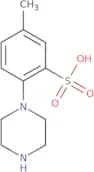



![Bradykinin [Des-Arg9]](/_next/image/?url=https%3A%2Fstatic.cymitquimica.com%2Fproducts%2F3D%2Fthumb-webp%2FPB16925.webp&w=3840&q=75)




![[Lys0]-Bradykinin (Kallidin)](/_next/image/?url=https%3A%2Fstatic.cymitquimica.com%2Fproducts%2F3D%2Fthumb-webp%2FPL16878.webp&w=3840&q=75)












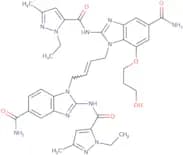











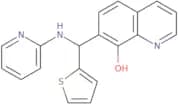
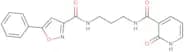

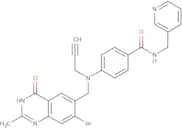
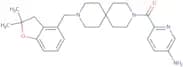
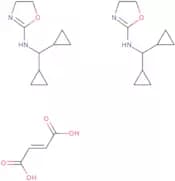
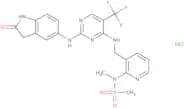
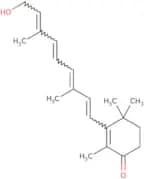
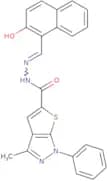


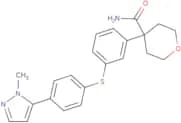

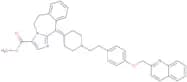

![6-[[4-(2-Fluorophenyl)-1-piperazinyl]methyl]-N2-1-naphthalenyl-1,3,5-triazine-2,4-diamine](/_next/image/?url=https%3A%2Fstatic.cymitquimica.com%2Fproducts%2F3D%2Fthumb-webp%2FZLB86633.webp&w=3840&q=75)
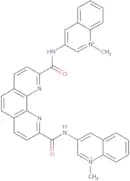
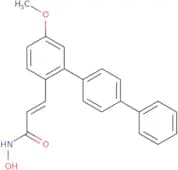
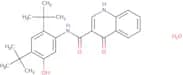
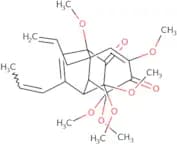



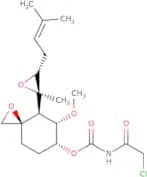
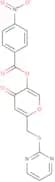
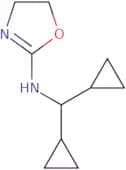

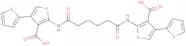
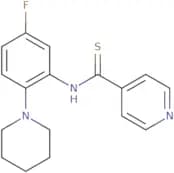
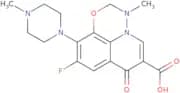
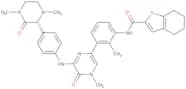
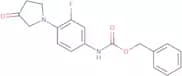
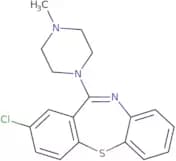


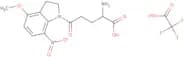
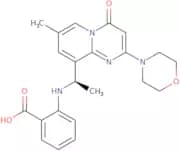

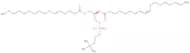



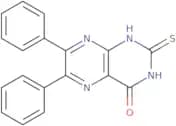
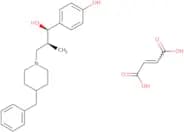
![2-Chloro-N-[2-[[4-[2-(pyrrolidin-1-yl)ethoxy]phenyl]amino]pyrimidin-5-yl]-5-(3-trifluoromethylbenz…](/_next/image/?url=https%3A%2Fstatic.cymitquimica.com%2Fproducts%2F3D%2Fthumb-webp%2FBQB34127.webp&w=3840&q=75)
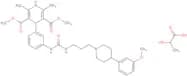


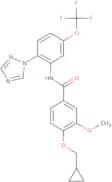
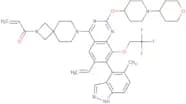
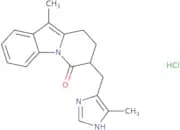



![[Pyr33]-Pancreastatin (Porcine, 33-49)](/_next/image/?url=https%3A%2Fstatic.cymitquimica.com%2Fproducts%2F3D%2Fthumb-webp%2FPPP-4186-V.webp&w=3840&q=75)



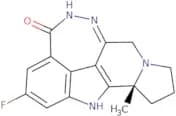
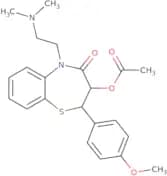
![[5-(3-Pyridyl)-2-thienyl]methanamine](/_next/image/?url=https%3A%2Fstatic.cymitquimica.com%2Fproducts%2F3D%2Fthumb-webp%2FBP178925.webp&w=3840&q=75)
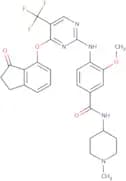

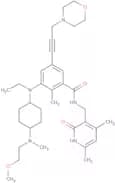


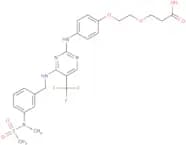
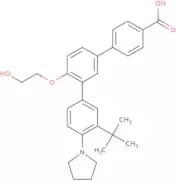
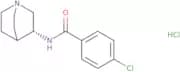

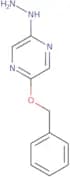
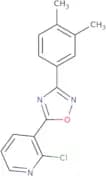
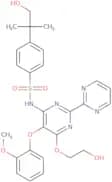


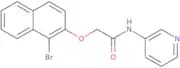
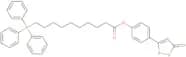
![5-Chloro-2-fluoro-4-[[(tetrahydro-1H-pyrrolizin-7a(5H)-yl)methyl]amino]-N-2-thiazolylbenzenesulfon…](/_next/image/?url=https%3A%2Fstatic.cymitquimica.com%2Fproducts%2F3D%2Fthumb-webp%2FNWC87206.webp&w=3840&q=75)
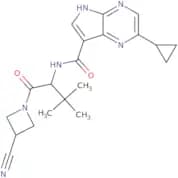


![(E)-2-Cyano-3-[5-(1-cyclohexyl-6-methyl-1,6-dihydro-1,3,5,6-tetraaza-aS-indacen-2-yl)-furan-2-yl]-…](/_next/image/?url=https%3A%2Fstatic.cymitquimica.com%2Fproducts%2F3D%2Fthumb-webp%2FBPD52164.webp&w=3840&q=75)
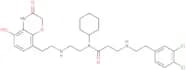
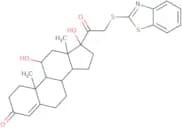
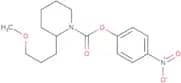
![(6R)-6-Isopropyl-10-methoxy-9-(3-methoxypropoxy)-2-oxo-6,7-dihydrobenzo[A]quinolizine-3-carboxylic…](/_next/image/?url=https%3A%2Fstatic.cymitquimica.com%2Fproducts%2F3D%2Fthumb-webp%2FXHD05718.webp&w=3840&q=75)

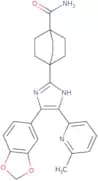
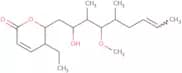
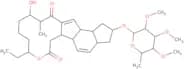




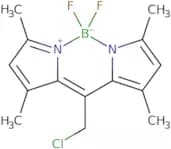
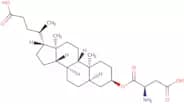

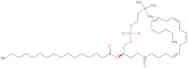

![[Pyr33]-Pancreastatin (Porcine, 33-49) Antiserum](/_next/image/?url=https%3A%2Fstatic.cymitquimica.com%2Fproducts%2F3D%2Fthumb-webp%2FNPP-14186-V.webp&w=3840&q=75)



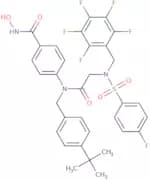

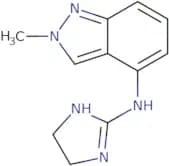


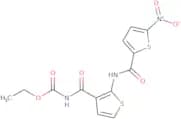
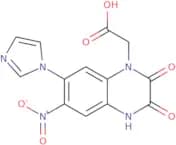
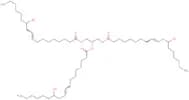
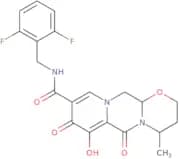
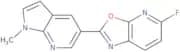
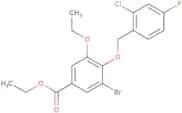


![2-Furanyl-[4-(2-methyl-5,6,7,8-tetrahydro-[1]benzothiolo[2,3-d]pyrimidin-4-yl)-1-piperazinyl]metha…](/_next/image/?url=https%3A%2Fstatic.cymitquimica.com%2Fproducts%2F3D%2Fthumb-webp%2FKTA33161.webp&w=3840&q=75)