


Heterociclos con nitrógeno (N)
En esta categoría, encontrará una amplia variedad de heterociclos que contienen nitrógeno. Los heterociclos son cadenas de carbono que forman un ciclo en el cual al menos una posición está ocupada por un heteroátomo, en este caso, nitrógeno. Estos compuestos son esenciales en la síntesis de productos farmacéuticos, agroquímicos y colorantes, ofreciendo una reactividad y estabilidad únicas. En CymitQuimica, ofrecemos una selección completa de heterociclos que contienen nitrógeno de alta calidad para apoyar sus investigaciones y aplicaciones industriales.
Subcategorías de "Heterociclos con nitrógeno (N)"
- Azepano(434 productos)
- Benzotriazoles(436 productos)
- Diazepanes(331 productos)
- Imidazoles(4.011 productos)
- Imidazolinas(385 productos)
- Isoxazol(1.077 productos)
- Piperazinas(3.736 productos)
- Piperidinas(8.406 productos)
- Pirazinas(1.299 productos)
- Pirazol(5.921 productos)
- Pirazolidina(21 productos)
- Pirazolina(142 productos)
- Piridazina(856 productos)
- Piridinas(21.917 productos)
- Pirimidina(6.041 productos)
- Pirrol(2.443 productos)
- Pirrolidinas(5.816 productos)
- Pirrolina(48 productos)
- Pirrolo [1,2-b] piridazina(10 productos)
- Tetrazol(510 productos)
- Triazinas(462 productos)
- Triazoles(1.680 productos)
Mostrar 14 subcategorías más
Se han encontrado 17855 productos de "Heterociclos con nitrógeno (N)"
Ordenar por
Pureza (%)
0
100
|
0
|
50
|
90
|
95
|
100
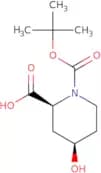
(2S,4R)-Boc-4-hydroxypiperidine-2-carboxylic acid
CAS:<p>(2S,4R)-Boc-4-hydroxypiperidine-2-carboxylic acid is a fine chemical that is used as an intermediate in organic synthesis. It has been shown to be a versatile building block for the construction of complex compounds. (2S,4R)-Boc-4-hydroxypiperidine-2-carboxylic acid is also a speciality chemical with many applications in the research field.</p>Fórmula:C11H19NO5Pureza:Min. 95%Forma y color:PowderPeso molecular:245.27 g/mol5-Methyl-2-phenyl-1H-imidazole-4-carboxylic acid
CAS:<p>5-Methyl-2-phenyl-1H-imidazole-4-carboxylic acid (MPICA) is a potent inhibitor of xanthine oxidase. It is also an inhibitor of β-glucuronidase and enzymes that maintain the integrity of bacterial DNA. MPICA has been shown to inhibit xanthine oxidase in a dose dependent manner and can be used as a lead compound for new inhibitors of this enzyme.</p>Fórmula:C11H10N2O2Pureza:Min. 95%Forma y color:White PowderPeso molecular:202.21 g/molN-(3-Fluoro-4-piperidinyl)formamide
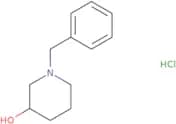
CAS:<p>Please enquire for more information about N-(3-Fluoro-4-piperidinyl)formamide including the price, delivery time and more detailed product information at the technical inquiry form on this page</p>Fórmula:C6H11FN2OPureza:Min. 95%Peso molecular:146.16 g/mol1-Benzyl-3-hydroxypiperidine hydrochloride
CAS:<p>1-Benzyl-3-hydroxypiperidine hydrochloride is a versatile building block that can be used as a research chemical, reagent, speciality chemical or useful building block. It is a high quality compound with many potential uses as a reaction component or scaffold.</p>Fórmula:C12H17NO·HClPureza:Min. 95%Forma y color:PowderPeso molecular:227.73 g/mol2-[2-[4-[Bis(4-fluorophenyl)methyl]piperazin-1-yl]ethoxy]acetic acid HCl
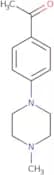
CAS:<p>2-[2-[4-[Bis(4-fluorophenyl)methyl]piperazin-1-yl]ethoxy]acetic acid HCl (BAY-85788) is a drug which acts as a histamine receptor antagonist. It has been shown to be effective in the treatment of idiopathic urticaria. BAY-85788 has also been found to have less potential for drug interactions than other histamine receptor antagonists, and does not cause an increase in blood pressure, unlike other compounds with this activity. This compound is metabolized by cytochrome P450 enzymes and does not contain nitrogen atoms or heterocyclic rings. Experimental studies have shown that orally administered BAY-85788 is absorbed from the GI tract and eliminated unchanged in urine. Studies have also shown that BAY-85788 is active against inflammatory diseases such as atopic dermatitis, asthma, and chronic obstructive pulmonary disease (COPD</p>Fórmula:C21H24F2N2O3·xHClPureza:Min. 95%Forma y color:PowderPeso molecular:390.42 g/mol4-(4-Methylpiperazino)acetophenone
CAS:<p>4-(4-Methylpiperazino)acetophenone is a chemical compound that can be used as a building block in the synthesis of more complex compounds. It is a versatile intermediate and can be used to synthesize other compounds. 4-(4-Methylpiperazino)acetophenone has been shown to act as a reaction component in the synthesis of pharmaceuticals, pesticides, and agrochemicals. This compound has high purity and quality.</p>Fórmula:C13H18N2OPureza:Min. 95%Forma y color:PowderPeso molecular:218.30 g/mol[2-(6-Methylpyridin-2-yl)ethyl]amine
CAS:<p>2-(6-Methylpyridin-2-yl)ethyl]amine is a reagent that is used as a building block for the synthesis of heterocycles. It is used in the preparation of various complex compounds, such as 2-(6-methylpyridin-2-yl)ethylamine hydrochloride, 2-(6-methylpyridin-2-yl)ethylamine hydrobromide, and 2-[(6-methylpyridin-2-yl)ethyl]amine hydrochloride. This chemical can be used as an intermediate in the synthesis of fine chemicals or speciality chemicals. It has CAS No. 19363-94-1 and is an important research chemical with versatile uses in organic synthesis reactions.</p>Fórmula:C8H12N2Pureza:Min. 95%Forma y color:Colourless LiquidPeso molecular:136.19 g/moltrans-4-Propyl-L-proline
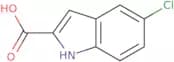
CAS:<p>Please enquire for more information about trans-4-Propyl-L-proline including the price, delivery time and more detailed product information at the technical inquiry form on this page</p>Fórmula:C8H15NO2Pureza:Min. 95%Peso molecular:157.21 g/mol5-Chloroindole-2-carboxylic acid
CAS:<p>5-Chloroindole-2-carboxylic acid is a fatty acid that is synthesized from glucose. It has been shown to have inhibitory properties against the enzyme cyclooxygenase-2 (COX-2), which may be due to its ability to suppress prostaglandin synthesis. 5-Chloroindole-2-carboxylic acid also has been shown to have anticancer properties and can inhibit cancer cell growth in vitro. The drug may also play a role in the central nervous system, as it has been shown to cause neuronal death. 5-Chloroindole-2-carboxylic acid is not water soluble, so it must be dissolved in organic solvents such as cyclohexane or chloroform before being used for chemical reactions. This drug can be used with other drugs that are coxib sensitive, such as aspirin, acetaminophen, and ibuprofen.</p>Fórmula:C9H6ClNO2Forma y color:PowderPeso molecular:195.6 g/mol2-Amino-3-pyridinecarbonitrile
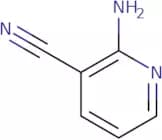
CAS:<p>2-Amino-3-pyridinecarbonitrile is an analgesic that belongs to the group of nonsteroidal anti-inflammatory drugs. It is a member of the class of chemical compounds known as aminopyridines. 2-Amino-3-pyridinecarbonitrile has been shown to have a high affinity for binding to the water vapor in cells, and has physiological effects on tissues. 2APC binds to adenosine receptors in cell membranes and blocks their activation. As a result, it inhibits the release of substances such as prostaglandins and leukotrienes that are involved in inflammation. This drug also has an inhibitory effect on the growth of cancerous cells by interfering with cell proliferation.</p>Pureza:Min. 95%Forma y color:PowderPeso molecular:119.12 g/mol2,2'-Bipyridine-4,4'-dicarboxylic acid
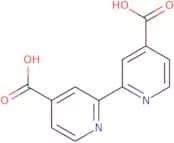
CAS:<p>2,2'-Bipyridine-4,4'-dicarboxylic acid (BBDA) is a synthetic molecule that has been used as an oxidant in organic synthesis. It is a redox-active compound with a reversible oxidation potential of +0.2 V. The electron transfer to the adjacent nitrogen atom is accompanied by light emission at 490 nm and chloride ion release. BBDA reacts with potassium dichromate in water to form 2,2'-bipyridine-6,6'-dicarboxylic acid and potassium chloride. This reaction can be monitored by magnetic resonance analysis and X-ray absorption spectroscopy. The formation of BBDA from dimethylformamide and esters has been reported in the literature.</p>Fórmula:C12H8N2O4Pureza:Min. 95%Forma y color:PowderPeso molecular:244.21 g/mol2-(2-Aminophenyl)benzimidazole
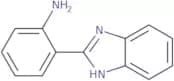
CAS:<p>2-(2-Aminophenyl)benzimidazole is a synthetic compound with the chemical formula C8H6N2. It has an intramolecular hydrogen bond and reacts with salicylaldehyde to form 2-aminobenzimidazole, which is a reaction product. 2-(2-Aminophenyl)benzimidazole may be used as an antimicrobial agent, but it also has other uses such as a reagent in organic synthesis. It is soluble in water and can be obtained through liquid chromatography.</p>Fórmula:C13H11N3Pureza:Min. 95%Forma y color:Off-White PowderPeso molecular:209.25 g/molPiperonyl alcohol
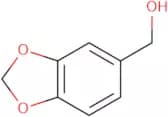
CAS:Producto controlado<p>Piperonyl alcohol is an enzyme inhibitor that blocks the oxidation of piperonal, a chemical found in many plants and fruits. It has been used as a pharmaceutical preparation to treat skin conditions such as acne and psoriasis. Piperonyl alcohol can be used in food composition as a preservative and antioxidant. This compound is also used in the production of polymers for paints, plastics, and rubber. Piperonyl alcohol inhibits melanogenesis by inhibiting tyrosinase activity and interrupting the synthesis of melanin. The use of this compound to inhibit melanin synthesis has been approved for cosmetic use in Europe.<br>Piperonyl alcohol was first synthesized by Ludwig Knorr in 1885 from piperonal, an aromatic organic compound found in many plants and fruits. The reaction solution obtained from the hydrolysis of piperonyl acetate with hydrochloric acid is reacted with cationic polymerization using sodium carbonate (NaCO) as a catalyst to produce</p>Fórmula:C8H8O3Pureza:Min. 95%Forma y color:PowderPeso molecular:152.15 g/molN-Pyrazinylcarbonyl-L-phenylalanine
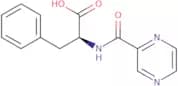
CAS:<p>N-Pyrazinylcarbonyl-L-phenylalanine is a high quality chemical that is an intermediate for the production of other compounds. It has been shown to be a useful scaffold for the synthesis of complex compounds and is also used as a building block in the synthesis of fine chemicals, research chemicals, and specialty chemicals. It can be used as a versatile building block in organic synthesis reactions. N-Pyrazinylcarbonyl-L-phenylalanine are available for purchase at www.chemistrystore.com/N-Pyrazinylcarbonyl-L-phenylalanine</p>Fórmula:C14H13N3O3Pureza:Min. 95%Forma y color:White PowderPeso molecular:271.27 g/mol4-Amino-pyridine-2-carboxylic acid methyl ester
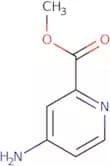
CAS:<p>4-Amino-pyridine-2-carboxylic acid methyl ester is a compound that is used as a reactant, reagent, and building block in organic synthesis. It is also useful for the preparation of complex compounds. 4-Amino-pyridine-2-carboxylic acid methyl ester is soluble in water and has a melting point of 183°C. The CAS number for this chemical is 71469-93-7.</p>Fórmula:C7H8N2O2Pureza:Min. 95%Forma y color:White PowderPeso molecular:152.15 g/mol5-Nitroquinoline
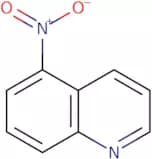
CAS:<p>5-Nitroquinoline is a nitrogen-containing heterocyclic organic compound. It is a white solid that has a melting point of 104 °C and a boiling point of 212 °C. 5-Nitroquinoline can be synthesized by the addition of sodium carbonate to 6-nitroquinoline in hydrochloric acid. The product is then purified by vacuum distillation and recrystallization from nitric acid and acetic acid. 5-Nitroquinoline can be used as an intermediate in the synthesis of other molecules, such as quinolones, which are used in pharmaceuticals. This compound has been shown to cause metastatic colorectal cancer in mice, but not in human liver cells or human lymphocytes.</p>Fórmula:C9H6N2O2Pureza:Min. 95%Forma y color:Light (Or Pale) Yellow To Dark Yellow SolidPeso molecular:174.16 g/mol6-Ethylmercaptopurine
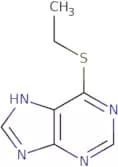
CAS:<p>6-Ethylmercaptopurine is a purine analogue that inhibits the synthesis of DNA. It is used as an inhibitor of protein synthesis and in the treatment of inflammatory bowel disease. 6-Ethylmercaptopurine has been shown to inhibit the activity of ATPase, which may be responsible for its ability to suppress the proliferation of cells. This drug can also act as an analog to adenosine, which can be used to determine ATP levels in a cell or tissue sample by measuring the amount of p-nitrophenyl phosphate produced. 6-Ethylmercaptopurine has been shown to block phosphatase activity, which may lead to inflammation in some cases.<br>6-Ethylmercaptopurine has a molecular weight of 194.2 g/mol and an optimum pH of 4.5</p>Fórmula:C7H8N4SPureza:Min. 95%Forma y color:Off-White PowderPeso molecular:180.23 g/mol5,6,7,7a-Tetrahydrothieno[3,2-c]pyridine-2(4H)-onepara-toluenesulfonic acidsalt
CAS:<p>Please enquire for more information about 5,6,7,7a-Tetrahydrothieno[3,2-c]pyridine-2(4H)-onepara-toluenesulfonic acidsalt including the price, delivery time and more detailed product information at the technical inquiry form on this page</p>Fórmula:C14H17NO4S2Pureza:Min. 95%Peso molecular:327.42 g/mol4-Methoxy-3-nitropyridine
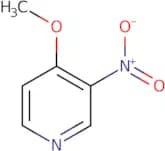
CAS:<p>4-Methoxy-3-nitropyridine (4MNOP) is an organic compound that is a white solid at room temperature. 4MNOP has been shown to interact with alkali metals and can be used in the preparation of emulsifying agents. It also has been found to have pharmacokinetic properties, including a low molecular weight, good solubility in water, and a high degree of absorption. The imidazopyridine ring system is susceptible to reductive amination reactions, which may lead to the formation of amine or surfactant residues.</p>Fórmula:C6H6N2O3Pureza:Min. 95%Forma y color:PowderPeso molecular:154.13 g/molHoechst 33342
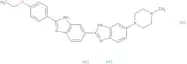
CAS:<p>2'-(4-Ethoxyphenyl)-5-(4-methyl-1-piperazinyl)-2,5'-bi-1H-benzimidazole trihydrochloride (EPMB) is a DNA binding agent that is used in tumor detection and research into apoptosis. It has been shown to inhibit the activity of p-glycoprotein, which is an efflux pump protein, and Bcl-2 protein. EPMB has also been shown to cause apoptosis in human squamous cell carcinoma cells in a concentration dependent manner. This compound has shown potential as a treatment for cancer because it inhibits the ability of cancer cells to proliferate by binding to the NMDA receptor.</p>Fórmula:C27H28N6O·3HCl·xH2OPureza:Min. 95%Forma y color:Yellow PowderPeso molecular:561.93 g/mol4-Hydrazinopiperidine dihydrochloride
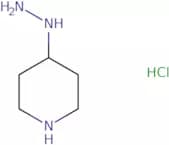
CAS:<p>4-Hydrazinopiperidine dihydrochloride is a versatile chemical compound that can be used as a reagent and as a building block in organic synthesis. It is also an intermediate for the production of pharmaceuticals, dyes, and pesticides. 4-Hydrazinopiperidine dihydrochloride is a fine chemical that has been approved by the U.S. Food and Drug Administration (FDA) for use in food contact applications, such as polymers, coatings, adhesives and sealants.</p>Fórmula:C5H13N3·2ClHPureza:Min. 95%Peso molecular:188.1 g/mol2-Chloro-5-hydroxymethylpyridine
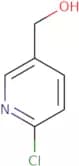
CAS:<p>2-Chloro-5-hydroxymethylpyridine is a metabolite of the active substance 2-chloro-5,6-dihydroxymethylpyridine (mk-0674), which has been shown to inhibit cytochrome P450 enzymes. It is found in urine samples from patients treated with mk-0674 and can be used to monitor the efficacy of treatment. The biochemical properties of 2-chloro-5,6-dihydroxymethylpyridine have been studied in yeast cells and it has been shown that this compound is glucuronidated and excreted as a conjugate with glycine. The yeast strain Saccharomyces cerevisiae was used for these studies.</p>Fórmula:C6H6ClNOPureza:Min. 95%Forma y color:Off-White To Light Brown SolidPeso molecular:143.57 g/molMethyl 2,4-dichloropyrimidine-5-carboxylate
CAS:<p>Methyl 2,4-dichloropyrimidine-5-carboxylate is a versatile building block for the synthesis of complex compounds. It has been used as a reagent for research, and as an intermediate in the synthesis of pharmaceuticals and other chemicals. Methyl 2,4-dichloropyrimidine-5-carboxylate can be used as a high quality intermediate for the production of pharmaceuticals, such as Tamsulosin. This compound is also known to have useful scaffold properties.</p>Fórmula:C6H4N2O2Cl2Pureza:Min. 95%Forma y color:White PowderPeso molecular:207.01 g/mol2-Chloro-5-chloromethylpyridine
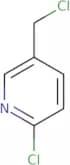
CAS:<p>2-Chloro-5-chloromethylpyridine is a nicotinic acetylcholine analog. It is synthesized by chlorinating anhydrous sodium and phosphorus pentachloride in the presence of sodium carbonate. 2-Chloro-5-chloromethylpyridine is soluble in water, but insoluble in organic solvents. The synthesis produces a yellow solution that contains hydrogen chloride, hydrogen fluoride, and other products such as 2-chloropyridinol and 2-methylpyridine. The yield of this reaction is not reported.END></p>Fórmula:C6H5Cl2NPureza:Min. 95%Forma y color:White To Yellow SolidPeso molecular:162.02 g/mol2,2'-Bipyridine-6,6'-(1H,1'H)dione
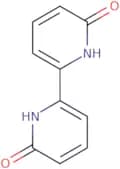
CAS:<p>2,2'-Bipyridine-6,6'-(1H,1'H)dione is a high-quality compound that is used as a reagent to provide a variety of useful compounds. This compound can be used as a building block for various chemical syntheses or as a component in many reactions. It is also a versatile building block and can be used in the synthesis of other compounds. 2,2'-Bipyridine-6,6'-(1H,1'H)dione has been shown to be an effective intermediate for organic synthesis.</p>Fórmula:C10H8N2O2Pureza:Min. 95%Forma y color:Off-White To Light Brown SolidPeso molecular:188.18 g/mol3-Piperazin-1-yl-benzo[d]isothiazole hydrochloride
CAS:<p>3-Piperazin-1-yl-benzo[d]isothiazole hydrochloride is an atypical antipsychotic that belongs to the group of inorganic compounds. It has been shown to have a high affinity for acidic surfaces and can be used in industrial applications such as the removal of metal ions from water by filtration. 3-Piperazin-1-yl-benzo[d]isothiazole hydrochloride is synthesized by reacting an inorganic base with a piperazine compound, followed by hydrolysis of the piperazine ring using acid. Impurities are often found during synthesis, which may contain traces of other compounds such as pyridine or methylamine.</p>Fórmula:C11H13N3SPureza:Min. 95%Forma y color:PowderPeso molecular:219.31 g/mol5-Pyridin-2-yl-2H-pyrazol-3-ylamine
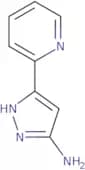
CAS:<p>5-Pyridin-2-yl-2H-pyrazol-3-ylamine is a chemical intermediate that can be used in the synthesis of many different compounds. This compound is a versatile building block that can be used to make complex substances, as well as being an excellent reagent for research purposes. It has been shown to be useful as a reactant in the preparation of high quality chemicals and speciality chemicals. 5-Pyridin-2-yl-2H-pyrazol-3-ylamine is a fine chemical with CAS No. 92352-29-9.</p>Fórmula:C8H8N4Pureza:Min. 95%Forma y color:Off-White Or Light Brown SolidPeso molecular:160.18 g/mol1-(Phenylsulfonyl)-1H-indole
CAS:<p>1-Phenylsulfonyl-1H-indole is a synthetic, non-naturally occurring compound that belongs to the class of indole alkaloids. It is an asymmetrical molecule with a dihedral angle of 12.2° and a molecular weight of 226.11 g/mol. The compound has two benzyl groups that are attached to the phenylsulfonyl group at C4 and C5 positions, which are both hydrogen bonded to the indole group at C3 position. 1-Phenylsulfonyl-1H-indole is used as a starting material in organic reactions. It can be reacted with organolithium reagents to form sulfonamides or with Friedel–Crafts reaction to produce ketones.</p>Fórmula:C14H11NO2SPureza:Min. 95%Peso molecular:257.31 g/mol1-(5-Chloro-2-methoxyphenyl)piperazine HCl
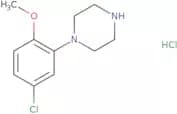
CAS:Producto controlado<p>1-(5-Chloro-2-methoxyphenyl)piperazine HCl is a fine chemical that belongs to the group of research chemicals. It is used as a reagent, speciality chemical and intermediate in organic synthesis. 1-(5-Chloro-2-methoxyphenyl)piperazine HCl is an effective building block for complex compounds, which can be used in reactions involving acetals, amides, nitriles, sulfones, sulfonamides and imines. This compound also has versatile building blocks and is a useful scaffold in organic synthesis.</p>Fórmula:C11H16Cl2N2OPureza:Min. 95%Forma y color:Off-White PowderPeso molecular:263.16 g/mol4-Nitropyridine-2-carboxylic acid
CAS:<p>4-Nitropyridine-2-carboxylic acid (4NPCA) is a nitro compound that can form both an n-oxide and a deuterium isotope effect. 4NPCA has been shown to react with picolinic acid, forming a stable chelate ligand that is stabilized by the electron withdrawal of the nitro group. 4NPCA also reacts with acetonitrile to form isotopomers, which are molecules that differ only in the number of atoms of hydrogen or deuterium present. The formation of these isotopomers occurs through an intramolecular hydrogen transfer from the hydroxyl group on one molecule to the nitro group on another.</p>Fórmula:C6H4N2O4Pureza:Min. 95%Forma y color:Pale yellow solid.Peso molecular:168.11 g/mol2,5,6-Triamino-4-hydroxypyrimidine
CAS:<p>2,5,6-Triamino-4-hydroxypyrimidine (THP) is a nitrogenous base that has been shown to have anticancer activity. It is an intermediate in the biosynthesis of lysine and can be found in environmental pollution. THP is formed by the reaction of hydrogen chloride with dimethylformamide, which produces hydrochloric acid as a byproduct. 2,5,6-Triamino-4-hydroxypyrimidine also reacts with glyoxal to produce a compound that can cause metabolic disorders. THP is an acidic compound that becomes neutral when dissolved in water. The molecular formula for THP is C 3 H 6 N 8 O 4 .</p>Fórmula:C4H7N5OPureza:Min. 95%Forma y color:PowderPeso molecular:141.13 g/mol7-Bromo-2-chlorothieno[3,2-d]pyrimidine
CAS:<p>7-Bromo-2-chlorothieno[3,2-d]pyrimidine is a high quality, reagent grade compound that is used as an intermediate in the synthesis of other complex compounds. It is also a useful scaffold for the synthesis of speciality chemicals and research chemicals. This compound can be used as a versatile building block for the synthesis of many different compounds.</p>Fórmula:C6H2BrClN2SPureza:Min. 95%Forma y color:Off-White To Yellow SolidPeso molecular:249.52 g/mol4-(Piperidin-1-ylmethyl)benzaldehyde
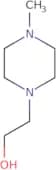
CAS:<p>4-(Piperidin-1-ylmethyl)benzaldehyde is a benzyl compound that has been shown to inhibit the activity of some imidazole compounds. It has been shown to have an agonistic effect on h3 receptors, and can be used for the treatment of anxiety disorders. This compound can be used in drug design as a linker or pharmacophore for other compounds. 4-(Piperidin-1-ylmethyl)benzaldehyde can be synthesized from commercially available materials, which makes it worth further exploration.</p>Fórmula:C13H17NOPureza:Min. 95%Forma y color:PowderPeso molecular:203.28 g/mol1-(2-Hydroxyethyl)-4-methylpiperazine
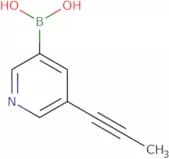
CAS:<p>1-(2-Hydroxyethyl)-4-methylpiperazine is an organic compound with the formula CHN(CHOH)CHNH. It is a colorless, viscous liquid that is soluble in water and has a pungent odor. The chemical is used as a viscosity control agent and as an intermediate in the manufacture of other chemicals. 1-(2-Hydroxyethyl)-4-methylpiperazine can be synthesized by the reaction of ethylene oxide with amines, or by quaternization of diethanolamine with chloroethane. 1-(2-Hydroxyethyl)-4-methylpiperazine is used in industrial applications such as in ion exchange resins and to control the viscosity of drilling fluids. It has been detected at low levels in surface waters and soils, where it may be derived from wastewater treatment plants or atmospheric deposition.</p>Fórmula:C7H16N2OPureza:Min. 95%Forma y color:PowderPeso molecular:144.21 g/mol(5-(Prop-1-yn-1-yl)pyridin-3-yl)boronic acid
CAS:<p>(5-(Prop-1-yn-1-yl)pyridin-3-yl)boronic acid is a versatile building block that has been used in the synthesis of complex compounds, reagents, and speciality chemicals. It can also be used in reactions as a reaction component or scaffold. This chemical is soluble in most organic solvents and can be used as a high quality intermediate for synthesis of pharmaceuticals or research chemicals. It has been shown to have a CAS number of 917471-30-8.</p>Fórmula:C8H8BNO2Pureza:Min. 95%Forma y color:PowderPeso molecular:160.97 g/mol6-(Hydroxymethyl)pyridine-2-carboxaldehyde
CAS:<p>6-(Hydroxymethyl)pyridine-2-carboxaldehyde is a ligand that has anisotropic magnetic properties. It crystallizes in an orthorhombic system, and its structure consists of two iron atoms (II) coordinated by two hydrazone groups and one carboxylate group. The compound is dimeric, with each unit consisting of two iron atoms (II) coordinated by two hydrazone groups and one carboxylate group. The compound exhibits ferromagnetic properties, being paramagnetic at room temperature. In crystallography studies, it was found that the 6-(hydroxymethyl)pyridine-2-carboxaldehyde adducts are tetranuclear with a helicate geometry around the Fe(II) atom. This compound is also paramagnetic at room temperature due to the presence of unpaired electrons on the two Fe(II) centers.</p>Fórmula:C7H7NO2Pureza:Min. 99.8 Area-%Forma y color:White Off-White PowderPeso molecular:137.14 g/mol2-Methyl-5-nitroimidazole-1-propanol
CAS:<p>2-Methyl-5-nitroimidazole-1-propanol (2MI) is a matrix effect correction reagent that can be used to reconstitute the original concentrations of drugs in plasma and urine samples. It is also used for sample preparation, validation and quality control. 2MI has been shown to bind with cervical cancer cells, which may be due to its ability to bind with drug receptors on the surface of these cells. A liquid chromatography-mass spectrometry (LC-MS/MS) method was developed to measure 2MI in plasma and urine samples. The method was validated using test samples and showed good agreement with the target concentration.</p>Fórmula:C7H11N3O3Pureza:Min. 95%Forma y color:PowderPeso molecular:185.18 g/mol4-Chloro-6-hydroxypyrimidine
CAS:<p>4-Chloro-6-hydroxypyrimidine is an organic compound that is used as a precursor to other chemical compounds. It can be prepared by the reaction of ethylene with chlorine in the presence of carbon disulphide. 4-Chloro-6-hydroxypyrimidine has been shown to react with halides, amidines, and ethylene to form tritiated pyrimidines. It also reacts with disulphides, chlorinates and uracil. 4-Chloro-6-hydroxypyrimidine is reactive and can undergo desulfurization reactions with aluminium and malonate to form chloride or sulphoxide. The halides, amidines, and ethylene are all reactive substances that can react with each other or undergo other reactions to form new substances.</p>Fórmula:C4H3ClN2OPureza:Min. 95%Forma y color:White To Light (Or Pale) Yellow SolidPeso molecular:130.53 g/mol4-Chloro-6-methoxyquinolin-7-ol
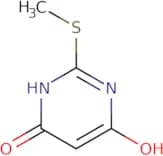
CAS:<p>4-Chloro-6-methoxyquinolin-7-ol (CMQ) is an alkali metal that inhibits the sodium/potassium ATPase pump, which is responsible for maintaining the cell's intracellular ion balance. It was discovered in a search for compounds that inhibit this enzyme and show promise in the treatment of heart diseases. CMQ has been shown to inhibit the sodium concentration in rat hearts with no effect on potassium concentrations, which may be due to its ability to bind to sodium ions but not potassium ions. The long-term effects of CMQ on human populations are unknown, as well as its effects on genotype and parameters. CMQ also has been shown to cause drug resistance mutations in bacteria, such as methicillin resistant Staphylococcus aureus (MRSA), by increasing the mutation rate. This is due to the fact that it inhibits DNA replication and protein synthesis in bacteria cells.</p>Fórmula:C10H8ClNO2Pureza:Min. 95%Forma y color:Yellow PowderPeso molecular:209.63 g/mol2-Methylthio-4,6-dihydroxypyrimidine
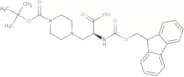
CAS:<p>2-Methylthio-4,6-dihydroxypyrimidine is an organic compound that has a hypsochromic and bathochromic effect. This ligand belongs to the group of neutral compounds and is found in its intramolecular hydrogen form. It also reacts with hydrochloric acid to form tautomers. 2-Methylthio-4,6-dihydroxypyrimidine can exist in two tautomeric forms: the chloride and oxalyl forms. The vibrational frequencies of these tautomers are different. 2-Methylthio-4,6-dihydroxypyrimidine is an intermediate in the synthesis of other chemical compounds such as chloropropionates, methanesulfonic acid, and piperazine.</p>Fórmula:C5H6N2O2SPureza:Min. 95%Forma y color:PowderPeso molecular:158.18 g/mol(S)-3-(4-Boc-piperazin-1-yl)-2-(Fmoc-amino)propionic acid
CAS:<p>(S)-3-(4-Boc-piperazin-1-yl)-2-(Fmoc-amino)propionic acid is a high quality reagent which has been synthesized in our lab. It is used as a reaction component and can be used as a speciality chemical, versatile building block, or useful intermediate. This compound has been shown to have complex properties and can be used as a fine chemical.</p>Fórmula:C27H33N3O6Pureza:Min. 95%Forma y color:White PowderPeso molecular:495.57 g/mol2-(1H-Pyrazol-3-yl)pyrazine
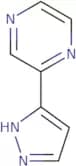
CAS:<p>2-(1H-Pyrazol-3-yl)pyrazine is a dinuclear compound that has been shown to inhibit the activity of anions. It has also been used in the treatment of diabetes by increasing the thermal expansion of beta cells and decreasing insulin resistance. 2-(1H-Pyrazol-3-yl)pyrazine has been shown to have magnetic properties, which can be exploited for its use in medicine. This compound is a single crystal x-ray diffraction research tool that is used to aid in understanding the structural changes that occur during thermal expansion. This compound also expands when heated, which may be due to an increase in volume or less electron density as a result of loss of hydrogens.</p>Fórmula:C7H6N4Pureza:Min. 95%Forma y color:White PowderPeso molecular:146.15 g/mol6-Bromopyrrolo[2,1-f][1,2,4]triazin-4(3H)-one
CAS:<p>Kinase inhibitor mimicking quinazoline kinase inhibitor scaffold</p>Fórmula:C6H4BrN3OPureza:Min. 95%Forma y color:Yellow PowderPeso molecular:214.02 g/mol1,5-Dihydro-4H-pyrrolo[3,2-d]pyrimidin-4-one
CAS:<p>1,5-Dihydro-4H-pyrrolo[3,2-d]pyrimidin-4-one is a versatile building block that can be used in the synthesis of complex compounds and research chemicals. It is a very useful reagent that is widely used in pharmaceuticals and other chemical syntheses. The compound has been shown to be an effective scaffold for the synthesis of new drugs. 1,5-Dihydro-4H-pyrrolo[3,2-d]pyrimidin-4-one is a high quality, useful intermediate for the production of many different drugs.</p>Fórmula:C6H5N3OPureza:Min. 95%Forma y color:PowderPeso molecular:135.12 g/mol4,6-Dihydroxy-1H-pyrazolo[3,4-d]pyrimidine
CAS:<p>4,6-Dihydroxypyrazolo[3,4-d]pyrimidine is a xanthine derivative that is used as a therapeutic agent. It has inhibitory properties against xanthine oxidase and other enzymes. 4,6-Dihydroxypyrazolo[3,4-d]pyrimidine inhibits the activity of xanthine oxidase by covalent bonding to the iron atom in the enzyme's active site. This binding prevents the conversion of hypoxanthine to xanthine and subsequently prevents the conversion of xanthine to uric acid. The resulting accumulation of hypoxanthine can lead to bowel disease. 4,6-Dihydroxypyrazolo[3,4-d]pyrimidine has also been shown to be toxic when administered orally in large doses or injected intravenously in small doses because it binds to matrix proteins and causes epidermal necrosis.</p>Fórmula:C5H4N4O2Pureza:Min. 95%Forma y color:White PowderPeso molecular:152.11 g/mol2,4,6-Triaminopyrimidine
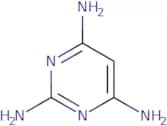
CAS:<p>2,4,6-Triaminopyrimidine is an organic compound that can be found in a variety of sources. It is used as a research chemical and has shown to have anti-inflammatory properties in the rat kidney. This compound has been shown to bind with nucleobases and form hydrogen bonds with glycosidic bonds. 2,4,6-Triaminopyrimidine has also been shown to be a ligand for affinity chromatography.</p>Fórmula:C4H7N5Pureza:Min. 95%Forma y color:Off-White To Yellow SolidPeso molecular:125.070154-Benzoylpyridine
CAS:<p>4-Benzoylpyridine is a reactive molecule that can undergo electron reduction and protonation. The protonated form of 4-benzoylpyridine has been shown to inhibit the enzyme methionine aminopeptidase, which is involved in the degradation of amino acids. The crystallographic structure of 4-benzoylpyridine was determined by X-ray diffraction and was found to contain nitrogen atoms at the center of its ring. The electron density map showed that there are no hydrogen bonds or lone pairs in 4-benzoylpyridine. This molecule is an inhibitor of the transfer reactions in mitochondria, which are required for ATP synthesis. It has been shown to be cytotoxic to mammalian cells in culture and may have photochemical properties.</p>Fórmula:C12H9NOPureza:Min. 95%Forma y color:White PowderPeso molecular:183.21 g/mol6-Hydroxy-5-nitronicotinic Acid
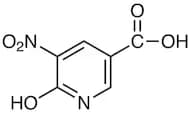
CAS:Fórmula:C6H4N2O5Pureza:>97.0%(GC)(T)Forma y color:Light yellow to Yellow powder to crystalPeso molecular:184.11Sodium 3,5,6-trichloro-2-pyridinol
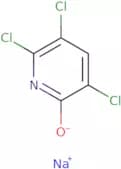
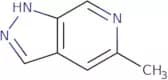
CAS:<p>Sodium 3,5,6-trichloro-2-pyridinol is an inorganic compound that has been shown to be an effective biocide for the removal of hydrogen chloride and hydroxide solution. The optimal reaction was found to be at pH 10.3 with a reaction vessel containing 1% sodium hydroxide solution and a concentration of 0.2 grams per liter of hydrogen chloride. This compound reacts with hydrogen chloride to form hydrochloric acid (HCl) and sodium 3,5,6-trichloro-2-pyridinol hydrochloride (NCTP), which can then be removed by wastewater treatment or precipitation as sodium chloride. NCTP is also used for the treatment of skin conditions such as acne and eczema.</p>Fórmula:C5HCl3NONaPureza:Min. 95%Forma y color:Off-White SolidPeso molecular:220.42 g/mol6-Aza-5-methyl-1H-indazole
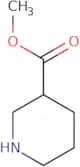
CAS:<p>6-Aza-5-methyl-1H-indazole is a chemical compound that acts as a building block for the synthesis of pharmaceuticals and other compounds. It is used in research for the development of new drugs, such as antihypertensive agents, antibiotics, and immunosuppressants. 6-Aza-5-methyl-1H-indazole has been shown to be an effective intermediate in the synthesis of many complex compounds, including cephalosporins, penicillins, carbapenems, and aminoglycosides. This versatile reagent can be used to synthesize a wide variety of organic compounds.</p>Fórmula:C7H7N3Pureza:Min. 95%Forma y color:White To Beige SolidPeso molecular:133.15 g/molMethyl piperidine-3-carboxylate
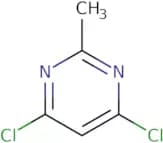
CAS:<p>Methyl piperidine-3-carboxylate (PMP) is a potent inhibitor of the enzyme ido1, which is involved in the metabolism of tryptophan to serotonin. It was synthesized by reacting methyl piperidine-3-carboxylate with 3 equivalents of 1,2-propanediol and 2 equivalents of potassium carbonate in an aqueous solution at room temperature for 2 hours. This reaction yields PMP as a white solid that can be characterized by nuclear magnetic resonance spectroscopy and thin layer chromatography. PMP has been shown to inhibit the enzymatic activity of ido1 and may be useful in the treatment of neurodegenerative diseases because it inhibits the production of serotonin.</p>Fórmula:C7H13NO2Pureza:Min. 95%Forma y color:PowderPeso molecular:143.18 g/mol4,6-Dichloro-2-methylpyrimidine
CAS:<p>2-Chloro-6-methylaniline is a synthetic compound that has been used in the synthesis of medicines, such as dasatinib. It is a nucleophile that binds to the receptor site on cells and blocks the binding of natural hormones. It is also an inhibitor of certain enzymes, including RNA polymerase and protein kinase. 2-Chloro-6-methylaniline is industrially produced by reacting sodium chloride with chlorosulfonic acid or hydrochloric acid in an autoclave at a temperature of 180 °C for three hours. The product can be purified by adding magnesium oxide and activated with hydrochloric acid to form 2-chloro-6-methylpyrimidine. The main impurities are 4,6-dichloro2 methylpyrimidine and 6,8 dichloro2 methylpyrimidine.</p>Fórmula:C5H4Cl2N2Pureza:Min. 95%Forma y color:White To Yellow SolidPeso molecular:163 g/mol1-(3-Chlorophenyl)piperazine HCl
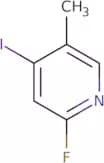
CAS:Producto controlado<p>1-(3-Chlorophenyl)piperazine HCl is a drug that belongs to the group of pharmacological agents. It is used as an antidepressant and antipsychotic, and has been shown to decrease serotonin levels in the brain. 1-(3-Chlorophenyl)piperazine HCl is a potent 5-HT2C receptor agonist that inhibits ovarian activity in vitro. The compound has also been shown to be effective against trazodone and 5-HT2 receptors in vitro.</p>Fórmula:C10H14Cl2N2Pureza:Min. 95 Area-%Forma y color:White PowderPeso molecular:233.14 g/mol2-Fluoro-4-iodo-5-methylpyridine
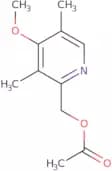
CAS:<p>2-Fluoro-4-iodo-5-methylpyridine is a versatile building block that can be used as a reagent or reaction component. It is an intermediate for the production of pharmaceuticals, pesticides, and other organic compounds. 2-Fluoro-4-iodo-5-methylpyridine is also used as a speciality chemical in research laboratories. 2-Fluoro-4-iodo-5-methylpyridine can be used as a building block to produce complex compounds with various functionalities.</p>Fórmula:C6H5FINPureza:Min. 95%Forma y color:White PowderPeso molecular:237.01 g/mol4-Methoxy-3,5-dimethyl-pyridin-2-yl)methyl acetate
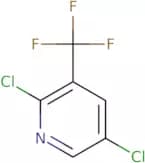
CAS:<p>4-Methoxy-3,5-dimethyl-pyridin-2-yl)methyl acetate is a chemical intermediate that is used in the manufacture of pharmaceuticals and other fine chemicals. It has been found to be a useful scaffold for the synthesis of other compounds. This compound may also be used as a building block or reaction component in research. 4-Methoxy-3,5-dimethyl-pyridin-2-yl)methyl acetate has a CAS number of 91219-90-8 and can be purchased from suppliers such as TCI America.</p>Fórmula:C11H15NO3Pureza:Min. 95%Forma y color:White PowderPeso molecular:209.24 g/mol2,5-Dichloro-3-(trifluoromethyl)pyridine
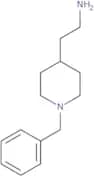
CAS:<p>2,5-Dichloro-3-(trifluoromethyl)pyridine is a hypochlorite that is produced by the reaction of hydrazine and fluoro with sodium hypochlorite. It is a colorless solid with a molecular weight of 180.2. The compound has been used in spectroscopy to study the reaction mechanism of hypochlorites with various substrates.</p>Fórmula:C6H2Cl2F3NPureza:Min. 95%Forma y color:Slightly Yellow PowderPeso molecular:215.99 g/mol2-(1-Benzylpiperidin-4-yl)ethanamine
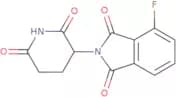
CAS:<p>2-(1-Benzylpiperidin-4-yl)ethanamine is a linker that has been shown to have neuroprotective, antioxidant, and anti-inflammatory properties. It can be used as an innovative drug for the treatment of Alzheimer's disease and other neurological disorders. 2-(1-Benzylpiperidin-4-yl)ethanamine has been shown to exhibit significant antioxidant activity in biochemical assays and molecular modeling. This compound interacts with a number of proteins involved in oxidative stress including NADPH oxidases, peroxiredoxins, catalases, glutathione reductase, cytochrome p450s, mycobacterium tuberculosis protein ESX1 secretion system protein (ESX1), and thioredoxin reductase 1.</p>Fórmula:C14H22N2Pureza:Min. 95%Forma y color:Colorless Clear LiquidPeso molecular:218.34 g/mol2-(2,6-Dioxo-piperidin-3-yl)-4-fluoroisoindoline-1,3-dione
CAS:<p>2-(2,6-Dioxo-piperidin-3-yl)-4-fluoroisoindoline-1,3-dione (2,6DPI) is a synthetic chemical compound that has been shown to inhibit NF-κB activation in vitro. 2,6DPI is a competitive inhibitor of the p65 subunit of NF-κB and functions by binding to the cysteine residue on the p65 subunit. It has been shown to be effective against inflammatory diseases such as pulmonary disease and inflammation. This drug also inhibits deacetylases, which are enzymes involved in regulating gene expression. 2,6DPI may have therapeutic potential for the treatment of inflammatory diseases and cancer.</p>Fórmula:C13H9FN2O4Pureza:Min. 95%Forma y color:Violet To Grey SolidPeso molecular:276.22 g/mol4-Methyl-3-[[4-(3-pyridinyl)-2-pyrimidinyl]amino]benzoicacid methylester
CAS:<p>4-Methyl-3-[[4-(3-pyridinyl)-2-pyrimidinyl]amino]benzoicacid methylester is a fine chemical that is useful as a scaffold for more complex compounds and has many other uses. It is a versatile building block, useful intermediate and research chemical, reaction component, speciality chemical, and building block. This compound can be used to make high quality reagents with many applications in medicine, chemistry, and biology.</p>Fórmula:C18H16N4O2Pureza:Min. 95%Forma y color:PowderPeso molecular:320.35 g/mol5,6-Diaminobenzimidazole dihydrochloride
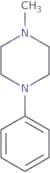
CAS:<p>Please enquire for more information about 5,6-Diaminobenzimidazole dihydrochloride including the price, delivery time and more detailed product information at the technical inquiry form on this page</p>Fórmula:C7H10Cl2N4Pureza:Min. 95%Forma y color:Off-white to pale brown solid.Peso molecular:221.09 g/mol1-Methyl-4-phenyl-piperazine
CAS:Producto controlado<p>1-Methyl-4-phenyl-piperazine (MPP) is a drug that inhibits the serine protease and blocks the activation of tyrosine kinases. It is used in diagnostic testing to identify mutations in genes encoding for serine proteases, such as trypsin, chymotrypsin, and elastase. MPP has been shown to reduce blood pressure in rats by blocking the 5-HT4 receptor. This compound also enhances mitochondrial membrane potential and emits light when it is excited by an electron beam.</p>Fórmula:C11H16N2Pureza:Min. 95%Forma y color:Colorless PowderPeso molecular:176.26 g/mol1-(Methylsulfonyl)piperidine-4-carbohydrazide
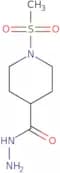
CAS:<p>1-(Methylsulfonyl)piperidine-4-carbohydrazide is a fine chemical that has been used as a versatile building block in the synthesis of pharmaceuticals, research chemicals, and speciality chemicals. It has been used in the synthesis of a number of complex compounds, such as for example 4-methyl-N-[(4'-methoxybenzoyl)amino]benzenesulfonamide. 1-(Methylsulfonyl)piperidine-4-carbohydrazide is also an intermediate in the synthesis of other compounds. It is a white solid with CAS No. 312515-49-4 and melting point 159°C.</p>Fórmula:C7H15N3O3SPureza:Min. 95%Forma y color:White PowderPeso molecular:221.28 g/molN-Boc-4-cyanopiperidine
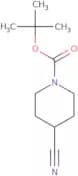
CAS:<p>N-Boc-4-cyanopiperidine is a synthetic compound that has been used as a competitive inhibitor in the study of biochemistry and neurochemistry. It has been shown to inhibit ligand binding to calcium channels, which are proteins that regulate the flow of calcium ions into cells. N-Boc-4-cyanopiperidine also inhibits the production of prostaglandins, which are chemicals that promote inflammation. This drug has been investigated for its possible use in treating neuropathic pain, since it inhibits voltage-gated sodium channels and potassium channels.</p>Fórmula:C11H18N2O2Pureza:Min. 95%Forma y color:PowderPeso molecular:210.27 g/mol2-Fluoro-5-methylpyridine-3-boronic acid
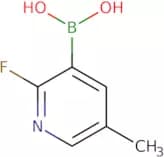
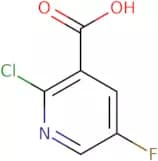
CAS:<p>2-Fluoro-5-methylpyridine-3-boronic acid is a high quality chemical with CAS No. 1072952-45-4 that is a useful building block for the synthesis of complex compounds and speciality chemicals. 2-Fluoro-5-methylpyridine-3-boronic acid is also a versatile building block that can be used in organic reactions as a reaction component for the synthesis of speciality chemicals and other reagents. It can also be used to make fluoroquinolones and related pharmaceuticals, which are used to treat bacterial infections. This compound has many uses in research, including being a valuable scaffold for the synthesis of new drugs.</p>Fórmula:C6H7BFNO2Pureza:Min. 95%Forma y color:White PowderPeso molecular:154.93 g/mol2-Chloro-5-fluoropyridine-3-carboxylic acid
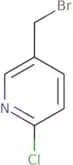
CAS:<p>2-Chloro-5-fluoropyridine-3-carboxylic acid is an intermediate in the synthesis of fluorine compounds used in the industrial process. It can be synthesized by chlorinating 5-fluoropyridine with chlorine gas and a catalyst such as platinum, or by hydrogenating 2-chloro-5-pyridinecarboxylic acid. This chemical is used to manufacture other chemicals such as ethylene oxide, tetrafluoroethylene, and hexafluoroethane.</p>Fórmula:C6H3ClFNO2Pureza:Min. 95%Peso molecular:175.54 g/mol5-(Bromomethyl)-2-chloropyridine
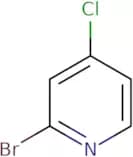
CAS:<p>5-(Bromomethyl)-2-chloropyridine is a drug with mediated activity. It is a potent inhibitor of the enzyme aldehyde oxidase, which is responsible for the oxidation of aldehydes to carboxylic acids. The inhibition of this enzyme leads to an increase in the concentration of reactive aldehydes and reactive oxygen species, which can lead to cell death. 5-(Bromomethyl)-2-chloropyridine has been shown to be effective as an anti-inflammatory agent in animal models and has also been used as an immunosuppressant in organ transplantation.<br>5-(Bromomethyl)-2-chloropyridine analogues have been synthesized and shown to be potent inhibitors of aldehyde oxidase, with much better pharmacokinetics than the parent molecule.</p>Fórmula:C6H5BrClNPureza:Min. 95%Forma y color:SolidPeso molecular:206.47 g/mol2-Bromo-4-chloropyridine
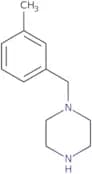
CAS:<p>2-Bromo-4-chloropyridine is a 4-chloropyridine derivative with the chemical structure of a heterocyclic amine. It has been synthesised as an analog of 2,4,6-trimethylaniline to explore its pharmacological effect. 2-Bromo-4-chloropyridine has been shown to have a bladder carcinogenic effect in animals. The compound was evaluated for its potential to cause bladder cancer in humans by determining the concentration of the compound in human urine following oral administration and by measuring the frequency of bladder tumors in rats. It has also been found that 2-bromo-4-chloropyridine inhibits serotonin receptors (5HT2C) and dopamine receptors (D2).</p>Fórmula:C5H3BrCINPureza:Min. 95%Forma y color:Off-White To Yellow Solid Or Liquid (May Vary)Peso molecular:192.44 g/mol1-(3-Methylbenzyl)piperazine
CAS:Producto controlado<p>1-(3-Methylbenzyl)piperazine (MBZP) is a piperazine-type stimulant drug that has been used recreationally as an antidepressant or anorectic. MBZP can affect the levels of catecholamines, which are neurotransmitters that play a role in mood and appetite control. It is believed that MBZP works by blocking the reuptake of catecholamines, prolonging their presence in synapses and increasing the likelihood of stimulation.</p>Fórmula:C12H18N2Pureza:Min. 95%Forma y color:Clear Colourless LiquidPeso molecular:190.28 g/mol6-Fluoropyridine-2-carbonyl chloride
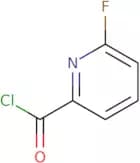
CAS:<p>6-Fluoropyridine-2-carbonyl chloride (6FC) is a versatile building block that is used in the synthesis of complex compounds. It is also a reagent for organic chemistry, research chemicals, and speciality chemicals. 6FC has been shown to be useful as a building block for the preparation of high quality and useful intermediates. The compound reacts with nucleophiles in good yields to produce amines, nitriles, alcohols, and carboxylic acids. 6FC can also be used as a reaction component in organic reactions. It has been shown to be an excellent scaffold for the synthesis of bioactive molecules such as amino acid derivatives and natural products.</p>Fórmula:C6H3ClFNOPureza:Min. 95%Forma y color:White PowderPeso molecular:159.55 g/mol3-Cyano-2-hydroxypyridine
CAS:<p>3-Cyano-2-hydroxypyridine is an inhibitor of the noradrenaline transporter, which is a type of l-type calcium channel. 3-Cyano-2-hydroxypyridine has been shown to be a potent inhibitor of the noradrenaline transporter. It inhibits the binding of neurotransmitters to their receptors by blocking active methylene sites on the transporter molecule. This drug also has a cavity that can accommodate bulky inhibitor molecules, making it more difficult for these inhibitors to bind to the active site and compete with neurotransmitters for uptake. 3Cyano-2-hydroxypyridine also inhibits nitric oxide synthase, which may provide anti-tumor activity as well as inhibit tumor cell growth. The inhibitory effect of this drug is due to structural studies that have revealed hydrogen bonding interactions with the drug's nitrogen and oxygen atoms.</p>Fórmula:C6H4N2OPureza:Min. 95%Forma y color:Yellow To Brown SolidPeso molecular:120.11 g/mol7-Bromoquinoline
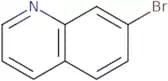
CAS:<p>7-Bromoquinoline is a synthetic molecule that was first synthesized in the early 1980s. It is an analog of 7-bromoquinoline, which has been shown to have cytotoxic properties against cancer cells. The synthesis of 7-bromoquinoline involves a cross-coupling reaction with chloroacetonitrile and N-methylformamide. The nmr spectra for this compound are very similar to those for 7-bromoquinoine, but it lacks the secondary amine peak at δ 10.7 ppm. Primary culture cells were used to test the bioactivity of 7-bromoquinoline, and these cells were disrupted by adding trypsin after incubation with various concentrations of 7-bromoquinoline. This study showed that the quinoline derivatives had cytotoxic effects on cultured cells at low concentrations, suggesting that they may be useful as anticancer agents. Molecular modeling studies show that</p>Fórmula:C9H6BrNPureza:Min. 95%Forma y color:PowderPeso molecular:208.05 g/mol1-(4-Chlorophenyl)piperazine 2HCl
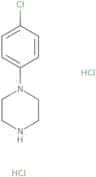
CAS:Producto controlado<p>1-(4-Chlorophenyl)piperazine 2HCl is an antidepressant drug that binds to the 5-HT7 receptor. It has been shown to be effective in reducing symptoms of depression and may be a valuable alternative to other antidepressants. 1-(4-Chlorophenyl)piperazine 2HCl is synthesized through a synthetic scheme that starts with the reaction of 4-chlorobenzaldehyde and piperazine. The molecular structure of this compound was determined by molecular modelling techniques, which showed that it has a linear shape with two hydrogen bonds. 1-(4-Chlorophenyl)piperazine 2HCl is metabolised into the glucuronide conjugate, which can be detected using analytical methods such as LC-MS/MS. This compound also interacts with aluminium, which could affect its pharmacokinetics and metabolism.</p>Fórmula:C10H13ClN2•(HCl)2Pureza:Min. 95%Forma y color:White/Off-White SolidPeso molecular:269.6 g/mol4-Piperidinobutyric acid
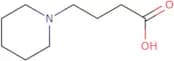
CAS:<p>The aim of this study is to assess the effect of 4-Piperidinobutyric acid (4-PABA) on the efficiency of rats in a dietary model. The experimental design included two treatments with different levels of 4-PABA, and a control group with no supplementation. The experiment was conducted by feeding rats a diet with low protein content (6% casein), and measuring their weight gain, feed intake, and food conversion ratio (FCR). The results indicated that 4-PABA had no statistically significant effects on weight gain or feed intake. However, FCR was significantly higher for the high 4-PABA treatment group. These findings support the hypothesis that dietary protein is an important determinant in rat energy metabolism.</p>Fórmula:C9H17NO2Pureza:Min. 95%Peso molecular:171.24 g/mol1-Ethyl-1,2-dihydro-2,2,4-trimethyl-7-quinolinol hydrochloride
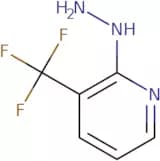
CAS:<p>Please enquire for more information about 1-Ethyl-1,2-dihydro-2,2,4-trimethyl-7-quinolinol hydrochloride including the price, delivery time and more detailed product information at the technical inquiry form on this page</p>Fórmula:C14H19NO•HClPureza:Min. 95%Forma y color:PowderPeso molecular:253.77 g/mol(3-Trifluoromethylpyrid-2-yl)hydrazine
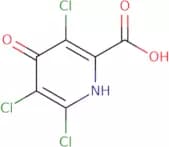
CAS:<p>Building block for preparation of heteroaryltriazole derivatives</p>Fórmula:C6H6F3N3Pureza:Min. 95%Forma y color:PowderPeso molecular:177.13 g/mol3,5,6-Trichloro-4-hydroxy-2-picolinic acid
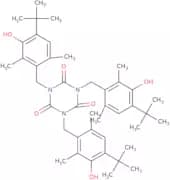
CAS:<p>3,5,6-Trichloro-4-hydroxy-2-picolinic acid is a high quality reagent that is used as a building block for the synthesis of complex compounds with potential pharmaceutical applications. It can be used as an intermediate in the production of fine chemicals and speciality chemicals. This compound is also useful for research purposes and as a versatile building block for reactions.</p>Fórmula:C6H2Cl3NO3Pureza:Min. 95%Forma y color:White to off-white solid.Peso molecular:242.44 g/mol1,3,5-Tris(4-tert-butyl-3-hydroxy-2,6-dimethylbenzyl)-1,3,5-triazine-2,4,6-(1H,3H,5H)-trione
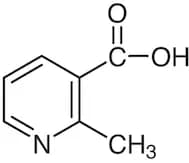
CAS:<p>The polymeric matrix of this product is a heterogeneous mixture of functional groups that are dispersed in a particle. Different functional groups are present, including hydrogen chloride (HCl), hydrochloric acid (HCl), phosphite, and polylactic acid. The phase liquid chromatography technique was used to identify the presence of boron nitride, radix angelicae dahuricae, angelicae dahuricae, and calcium carbonate. The sample preparation included an extraction process using water and a subsequent drying process using calcium carbonate.</p>Fórmula:C42H57N3O6Pureza:Min. 95%Forma y color:White PowderPeso molecular:699.92 g/mol2-Methylnicotinic Acid
CAS:Fórmula:C7H7NO2Pureza:>98.0%(GC)(T)Forma y color:White to Green to Brown powder to crystalPeso molecular:137.141H-Pyrazolo[3,4-b]pyridine-3-amine
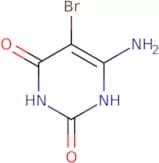
CAS:<p>1H-Pyrazolo[3,4-b]pyridine-3-amine (1HPP) is a β-unsaturated ketone that can be synthesized from nitrous acid and triazine. 1HPP has been shown to inhibit the growth of cancer cells by binding to the DNA and inhibiting transcription and replication. Its binding to DNA may be due to hydrogen bonding interactions with chloride ions, as well as the presence of functional groups such as a carbonyl group and nitro group. 1HPP also inhibits the activity of xanthine oxidase, an enzyme that catalyzes the oxidation of hypoxanthine to xanthine. This inhibition may be due to its ability to form a covalent bond with this enzyme's cofactor, NADPH.</p>Fórmula:C6H6N4Pureza:Min. 95%Forma y color:PowderPeso molecular:134.14 g/mol6-Amino-5-bromopyrimidine-2,4(1H,3H)-dione
CAS:<p>6-Amino-5-bromopyrimidine-2,4(1H,3H)-dione (6ABPD) is a purine derivative that functions as an inhibitor of phosphorylase kinase. It has been shown to inhibit tumor growth in vivo and in vitro and is used as a therapeutic agent for the treatment of cancer. 6ABPD inhibits the production of phosphorylase kinase by binding to the enzyme's active site with noncompetitive inhibition. Inhibition of phosphorylase kinase leads to a decrease in the levels of ATP and thus decreases the availability of substrates for tumor cell growth and proliferation. 6ABPD also binds to thymidine kinase and inhibits its activity, which may account for some of its antitumor effects.</p>Fórmula:C4H4BrN3O2Pureza:Min. 95%Forma y color:PowderPeso molecular:206 g/mol3-Methylpyridine
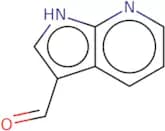
CAS:<p>3-Methylpyridine is a compound that can be used in the treatment of wastewater. It has been shown to have high adsorption capacity for malonic acid and a Langmuir adsorption isotherm with high values. 3-Methylpyridine is stable in acidic conditions and has been shown to efficiently remove nitrogen from wastewater. The coordination geometry of 3-methylpyridine is octahedral, which makes it capable of removing hydrogen fluoride from wastewater. This compound also has the ability to transfer reactions and can be used for titration calorimetry.</p>Fórmula:C6H7NPureza:Min. 95%Forma y color:Colorless Clear LiquidPeso molecular:93.13 g/mol7-Azaindole-3-carboxaldehyde
CAS:<p>7-Azaindole-3-carboxaldehyde is a molecule that belongs to the class of indoles. It has been shown to have cytotoxic activity in vitro against cancer cells and isomers have been identified. 7-Azaindole-3-carboxaldehyde has been investigated for its ability to bind to CB2 receptors, which are located on the surface of immune cells, and may be used as a lead compound for the development of novel anti-cancer drugs. 7-Azaindole-3-carboxaldehyde also binds to chloride ions, which may be important in understanding how it interacts with other compounds or proteins.</p>Fórmula:C8H6N2OPureza:Min. 95%Forma y color:PowderPeso molecular:146.15 g/mol2-Amino-6-methoxypurine
CAS:<p>Intermediate in the synthesis of nelarabine</p>Fórmula:C6H7N5OPureza:Min. 95%Forma y color:PowderPeso molecular:165.15 g/mol1-Allylpiperazine
CAS:<p>1-Allylpiperazine is a synthetic molecule that has affinity values for the binding sites of 4-hydroxy-3-nitrophenylacetic acid and zearalenone. It has been shown to have anticancer activity in vitro, as well as antiadrenergic effects by acting as a competitive antagonist at adrenergic receptors. This compound also has potential use as a template molecule for the design of novel drugs with anticancer and antiadrenergic activity. 1-Allylpiperazine is synthesized from the monomers trimethylolpropane and piperazine in two steps. It is also known to be an inhibitor of cellular protein synthesis.</p>Fórmula:C7H14N2Pureza:Min. 95%Forma y color:Colourless to yellow liquid.Peso molecular:126.2 g/mol5-Chloro-8-iodoimidazo[1,2-a]pyridine HBr
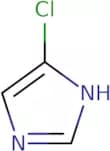
CAS:<p>5-Chloro-8-iodoimidazo[1,2-a]pyridine HBr is a fine chemical that can be used as a versatile building block in the synthesis of complex compounds. This chemical is also useful as a reagent or speciality chemical for research purposes. This product has been shown to have high quality and is an efficient reaction component for organic synthesis. 5-Chloro-8-iodoimidazo[1,2-a]pyridine HBr has CAS No. 1031289-77-6 and is a useful scaffold for the preparation of other compounds.</p>Fórmula:C7H4ClIN2·HBrPureza:Min. 95%Forma y color:Pale yellow solid.Peso molecular:359.39 g/mol4-Chloro-1H-imidazole
CAS:<p>4-Chloro-1H-imidazole is an organic chemical compound that contains a heterocyclic ring with one nitrogen and three carbons. It is classified as a weak acid. 4-Chloro-1H-imidazole can be found in hydrochloric acid, methyl ketones, and the acid conjugates of pyrazole rings. It has minimal toxicity. 4-Chloro-1H-imidazole binds to receptors in the body, which may account for its effects on blood pressure and heart rate. This drug also reacts with diazonium salts to form an intermediate that is then oxidized by chloride ions to form a reactive intermediate that can react with histidine or flavin (a type of vitamin B2) to form a fluorescent product that can be detected by light absorption or fluorescence emission spectroscopy.</p>Fórmula:C3H3ClN2Pureza:Min. 95%Forma y color:White PowderPeso molecular:102.52 g/mol2,3-Diethyl-5-methylpyrazine
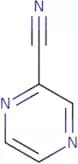
CAS:<p>2,3-Diethyl-5-methylpyrazine is a methyl ketone that is used as a model for fatty acids. It has been shown to be an important precursor for the synthesis of unsaturated ketones. 2,3-Diethyl-5-methylpyrazine can be produced by the reaction of acetone with ethylene and then subjected to acid catalyzed cyclization. This compound also has a characteristic odor that has been described as "fruity" or "spicy." It is used in the production of butyric acid, which is an important industrial chemical.</p>Fórmula:C9H14N2Pureza:Min. 95%Forma y color:Colorless PowderPeso molecular:150.22 g/mol2-Cyanopyrazine
CAS:<p>2-Cyanopyrazine is a molecule that belongs to the group of nitrogen-containing heterocyclic compounds. It has been shown to exhibit antiinflammatory activity in skin cancer cells and bacterial strain, group P2. This compound inhibits the growth of bacteria by binding to their pyrazinoic acid, which is an electron acceptor. 2-Cyanopyrazine also exhibits tuberculostatic activity against M. tuberculosis and M. avium complex by inhibiting the synthesis of mycolic acids and cell wall lipids, respectively. The redox cycle of this compound is coordinated with a hydrogen bond between the hydroxyl group and the carbonyl carbon atom. 2-Cyanopyrazine is oxidized from its initial state through a reaction mechanism involving molecular oxygen or hydrogen peroxide as an oxidant and water as a reductant. The oxidation products can be reduced back to 2-cyanoapyrazine using ascorbate or NADH as</p>Fórmula:C5H3N3Pureza:Min. 95%Forma y color:Off-White To Light (Or Pale) Yellow Solid Or Liquid (May Vary)Peso molecular:105.1 g/mol3-Bromo-5-chloropyridine-4-amine
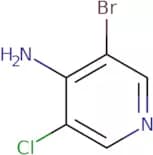
CAS:<p>3-Bromo-5-chloropyridine-4-amine is a versatile building block that can be used in many different chemical syntheses. It is a reagent and a useful scaffold for the synthesis of complex compounds. 3-Bromo-5-chloropyridine-4-amine has been used as a high quality, useful intermediate in the synthesis of other chemicals. It is also an effective reaction component for reactions involving amines and thiols.</p>Fórmula:C5H4BrClN2Pureza:Min. 95%Forma y color:White PowderPeso molecular:207.46 g/mol1-(3-Aminopropyl)imidazole
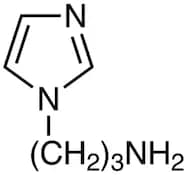
CAS:Fórmula:C6H11N3Pureza:>97.0%(GC)Forma y color:Colorless to Almost colorless clear liquidPeso molecular:125.181-(1-Naphthyl)piperazine hydrochloride
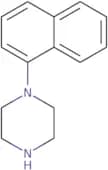
CAS:<p>1-(1-Naphthyl)piperazine hydrochloride is a 5-HT3 receptor antagonist that has been shown to act as a potent serotonergic agent in the central nervous system of mammals. It is believed to inhibit the presynaptic serotonin uptake, resulting in an increase of serotonin concentration at the postsynaptic 5-HT1A receptor cells. 1-(1-Naphthyl)piperazine hydrochloride has also been shown to be a potent 5-HT1A receptor agonist and has antinociceptive effects following administration. This drug has been found to be more selective for the peripheral nervous system than other drugs of this type. It does not cross the blood-brain barrier and therefore does not interfere with mental function or behavior.</p>Fórmula:C14H16N2·HClPureza:Min. 95%Peso molecular:248.75 g/mol6-Nitroquinoline
CAS:<p>6-Nitroquinoline is a nucleophilic compound that reacts with nitroalkanes to form alkyl nitrites. It undergoes a bioreductive reaction, in which it is reduced to the corresponding amine by hydrogen peroxide and ammonia. 6-Nitroquinoline contains functional groups that can act as either electron donors or electron acceptors and is therefore reactive towards other compounds. The reaction mechanism involves nucleophilic attack at the carbon atom in the ring of the 6-nitroquinoline molecule, resulting in an addition product. 6-Nitroquinoline has been shown to react with fluorophores such as fluorescein, forming a fluorescent product that can be detected by spectroscopy. This chemical can also form hydrogen bonds with other molecules, which are important for its reactivity. The reaction products of this compound are nitrite and quinolines where one or more of the nitrogens have been oxidized to nitro groups.<br>END</p>Fórmula:C9H6N2O2Pureza:Min. 95%Forma y color:White PowderPeso molecular:174.16 g/mol2,2'-Bipyridine-3,3'-dicarboxylic acid
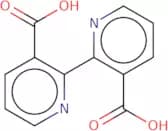
CAS:<p>2,2'-Bipyridine-3,3'-dicarboxylic acid is a coordination compound that contains two carboxylic acid groups. It forms a dihydrate in water and is orthorhombic in crystal form. The molecule can be represented by the following chemical structure:</p>Fórmula:C12H8N2O4Pureza:Min. 95%Forma y color:SolidPeso molecular:244.2 g/mol2-Chlorobenzimidazole
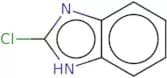
CAS:<p>2-Chlorobenzimidazole is an analog of benzimidazole that has been synthesized by Langmuir adsorption isotherm. It is a white crystalline solid that can be dissolved in water and hydrochloric acid. 2-Chlorobenzimidazole inhibits the growth of herpes simplex virus by acting as a competitive inhibitor for the viral enzyme thymidine kinase, which catalyzes the conversion of thymine to thymidine. 2-Chlorobenzimidazole also binds to monoclonal antibodies, inhibiting their binding to their corresponding antigens. This activity may be due to its ability to bind covalently with amino groups on proteins and other molecules. Magnetic resonance spectroscopy has shown that 2-chlorobenzimidazole binds tightly with protonated (positively charged) phosphorous atoms within cells.</p>Fórmula:C7H5ClN2Pureza:Min. 95%Forma y color:White PowderPeso molecular:152.58 g/mol1-Methyl-1H-imidazole-4-carboxylic acid methyl ester
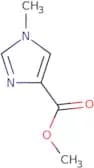
CAS:<p>1-Methyl-1H-imidazole-4-carboxylic acid methyl ester is a carboxylic acid that is aniline derivative with the chemical formula C6H5NCH2COOH. It is soluble in water, ethanol and acetone. 1-Methyl-1H-imidazole-4-carboxylic acid methyl ester hydrolyzes to form aniline and methanol. The reflux of 1-methyl imidazole can produce the same products as well as formaldehyde and hydrogen cyanide.</p>Fórmula:C6H8N2O2Pureza:Min. 95%Forma y color:PowderPeso molecular:140.14 g/mol6-Chloropyridine-3-sulfonyl chloride
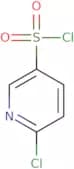
CAS:<p>6-Chloropyridine-3-sulfonyl chloride is a synthetic compound that has been shown to be an inhibitor of the enzyme anhydrase, which is involved in the production of carbonic acid. This inhibition leads to a decrease in the pH of tissues and may inhibit the proliferation of malignant cancer cells. 6-Chloropyridine-3-sulfonyl chloride has also been shown to have anticancer activity against eukaryotes.</p>Fórmula:C5H3Cl2NO2SPureza:Min. 95%Forma y color:PowderPeso molecular:212.05 g/mol2-Amino-3-bromopyridine
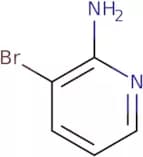
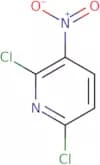
CAS:<p>2-Amino-3-bromopyridine (2ABP) is a nucleoside analogue that is used as a photosensitizer for photodynamic therapy. It has been shown to be effective against the fungus Cryptococcus neoformans, which can cause cryptococcal meningitis. 2ABP is unstable when exposed to light and requires an acidic environment to maintain stability. It binds to the ribose ring of levulinate, forming hydrogen bonding interactions with the hydroxide group on C5 and C8. 2ABP has been shown to have high transport properties in cells. This drug also has photophysical properties that are sensitive to pH, requiring it to be dissolved in a solution of trifluoroacetic acid or acetonitrile at a neutral pH. The 2ABP molecule has been characterized by nuclear magnetic resonance spectroscopy (NMR). Aqueous solutions of sodium hydroxide have been used successfully for the preparation</p>Fórmula:C5H5BrN2Pureza:Min. 95%Forma y color:White PowderPeso molecular:173.01 g/mol2,6-Dichloro-3-nitropyridine
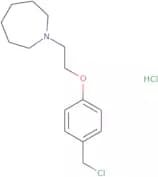
CAS:<p>2,6-Dichloro-3-nitropyridine is a nitro compound that is used to synthesize the drug flupirtine. Flupirtine has been shown to be effective in treating hepatitis C and prostate cancer cells. It inhibits glycogen synthase kinase-3 (GSK-3) by binding to the ATP site on the enzyme, which prevents phosphorylation of its substrate proteins and leads to cell death. 2,6-Dichloro-3-nitropyridine can also inhibit pim-1 and ammonolysis, two enzymes involved in DNA damage repair.</p>Fórmula:C5H2Cl2N2O2Pureza:Min. 95%Forma y color:Slightly Yellow PowderPeso molecular:192.99 g/mol1-(2-(4-(Chloromethyl)phenoxy)ethyl)azepane HCl
CAS:<p>1-(2-(4-(Chloromethyl)phenoxy)ethyl)azepane HCl is a versatile building block that can be used as a reagent, speciality chemical, or intermediate. It is also a useful scaffold for the synthesis of complex compounds. The compound has been shown to be useful in research and industry due to its high quality and versatility. 1-(2-(4-(Chloromethyl)phenoxy)ethyl)azepane HCl has CAS No. 223251-25-0 and can be used as a reaction component in organic synthesis reactions.</p>Fórmula:C15H23Cl2NOPureza:Min. 95%Forma y color:Off-White PowderPeso molecular:304.25 g/mol2,3,3-Trimethyl-3H-benzo[e]indole
CAS:<p>2,3,3-Trimethyl-3H-benzo[e]indole is a reactive molecule that has been shown to be an effective treatment for cervical cancer. It can be used in conjunction with monoclonal antibodies that have been designed to target the acidic protonation sites on the surface of cervical cancer cells. This active form binds to the site and emits fluorescence when illuminated with a laser, which can then be detected by a confocal microscope. This technique can also be used for the diagnosis of other cancers. 2,3,3-Trimethyl-3H-benzo[e]indole is not toxic to human serum as it does not react with this type of tissue.</p>Fórmula:C15H15NPureza:Min. 98 Area-%Forma y color:PowderPeso molecular:209.29 g/mol



![2-[2-[4-[Bis(4-fluorophenyl)methyl]piperazin-1-yl]ethoxy]acetic acid HCl](/_next/image/?url=https%3A%2Fstatic.cymitquimica.com%2Fproducts%2F3D%2Fthumb-webp%2FFB98570.webp&w=3840&q=75)
![[2-(6-Methylpyridin-2-yl)ethyl]amine](/_next/image/?url=https%3A%2Fstatic.cymitquimica.com%2Fproducts%2F3D%2Fthumb-webp%2FFM123522.webp&w=3840&q=75)

![5,6,7,7a-Tetrahydrothieno[3,2-c]pyridine-2(4H)-onepara-toluenesulfonic acidsalt](/_next/image/?url=https%3A%2Fstatic.cymitquimica.com%2Fproducts%2F3D%2Fthumb-webp%2FFT153026.webp&w=3840&q=75)

![3-Piperazin-1-yl-benzo[d]isothiazole hydrochloride](/_next/image/?url=https%3A%2Fstatic.cymitquimica.com%2Fproducts%2F3D%2Fthumb-webp%2FFP50755.webp&w=3840&q=75)



![7-Bromo-2-chlorothieno[3,2-d]pyrimidine](/_next/image/?url=https%3A%2Fstatic.cymitquimica.com%2Fproducts%2F3D%2Fthumb-webp%2FFB156457.webp&w=3840&q=75)



![6-Bromopyrrolo[2,1-f][1,2,4]triazin-4(3H)-one](/_next/image/?url=https%3A%2Fstatic.cymitquimica.com%2Fproducts%2F3D%2Fthumb-webp%2FFB63187.webp&w=3840&q=75)
![1,5-Dihydro-4H-pyrrolo[3,2-d]pyrimidin-4-one](/_next/image/?url=https%3A%2Fstatic.cymitquimica.com%2Fproducts%2F3D%2Fthumb-webp%2FFD153605.webp&w=3840&q=75)
![4,6-Dihydroxy-1H-pyrazolo[3,4-d]pyrimidine](/_next/image/?url=https%3A%2Fstatic.cymitquimica.com%2Fproducts%2F3D%2Fthumb-webp%2FFD00465.webp&w=3840&q=75)



![4-Methyl-3-[[4-(3-pyridinyl)-2-pyrimidinyl]amino]benzoicacid methylester](/_next/image/?url=https%3A%2Fstatic.cymitquimica.com%2Fproducts%2F3D%2Fthumb-webp%2FFM151656.webp&w=3840&q=75)



![1H-Pyrazolo[3,4-b]pyridine-3-amine](/_next/image/?url=https%3A%2Fstatic.cymitquimica.com%2Fproducts%2F3D%2Fthumb-webp%2FFP09386.webp&w=3840&q=75)



![5-Chloro-8-iodoimidazo[1,2-a]pyridine HBr](/_next/image/?url=https%3A%2Fstatic.cymitquimica.com%2Fproducts%2F3D%2Fthumb-webp%2FFC07295.webp&w=3840&q=75)


![2,3,3-Trimethyl-3H-benzo[e]indole](/_next/image/?url=https%3A%2Fstatic.cymitquimica.com%2Fproducts%2F3D%2Fthumb-webp%2FFT29018.webp&w=3840&q=75)