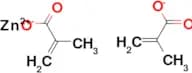
Compuestos y derivados alifáticos
Los compuestos alifáticos y sus derivados son compuestos orgánicos caracterizados por estructuras de cadena recta o ramificada, a diferencia de las estructuras en anillo encontradas en los compuestos aromáticos. Estos compuestos incluyen alcanos, alquenos, alquinos y sus derivados funcionalizados, desempeñando un papel vital en varios procesos químicos y aplicaciones industriales. En CymitQuimica, ofrecemos una diversa selección de compuestos alifáticos de alta pureza y sus derivados, meticulosamente seleccionados y probados para cumplir con los estrictos requisitos de las necesidades de investigación e industriales. Nuestro catálogo abarca una amplia gama de compuestos, incluyendo hidrocarburos, alcoholes, aldehídos, cetonas y ácidos, cada uno conocido por su reactividad y versatilidad en la síntesis orgánica, la farmacéutica y la ciencia de materiales. Al proporcionar compuestos alifáticos y derivados de alta calidad, apoyamos a los investigadores y profesionales en la consecución de transformaciones químicas precisas y eficientes, fomentando la innovación y los avances en múltiples campos científicos y tecnológicos.
Se han encontrado 8718 productos de "Compuestos y derivados alifáticos"
Ordenar por
Pureza (%)
0
100
|
0
|
50
|
90
|
95
|
100
Agaric acid
CAS:<p>Agaric acid is a high-quality, versatile chemical that is used as an intermediate in many organic and biochemistry reactions. It is also used as a reagent for the isolation of metals such as silver and gold. As a complex compound, it has many uses, including being a useful building block in the synthesis of various drugs. Agaric acid can be used to produce other chemicals such as speciality chemicals or research chemicals</p>Fórmula:C22H40O7Peso molecular:416.56 g/molRef: 3D-A-3920
1gA consultar5gA consultar250mgA consultar500mgA consultar2500mgA consultar-Unit-ggA consultarPropionamide
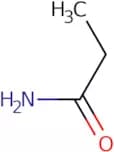
CAS:<p>Propionamide is an amide that inhibits bacterial growth by binding to the DNA-dependent RNA polymerase and preventing transcription. It is used in treatment trials for bacterial infections. Propionamide has been shown to inhibit the growth of bacteria in vitro and in vivo, as well as to have an inhibitory effect on experimental solubility data. The chemical properties of propionamide are consistent with a potential use as a drug for treating metabolic disorders, such as diabetes mellitus and obesity.</p>Fórmula:C3H7NOPureza:Min. 95%Forma y color:White PowderPeso molecular:73.09 g/mol2-Chloro-1,3-propanediol
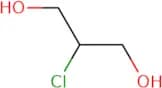
CAS:<p>2-Chloro-1,3-propanediol is a useful intermediate and building block in organic synthesis. It is also a reagent that can be used to synthesize other organic compounds. 2-Chloro-1,3-propanediol has been shown to be a versatile scaffold for the synthesis of many different types of organic molecules. It is also an important component of research chemicals and speciality chemicals. This chemical can be used as a high quality fine chemical or complex compound in the manufacture of other products.</p>Fórmula:C3H7ClO2Pureza:Min. 97 Area-%Forma y color:Colorless Clear LiquidPeso molecular:110.54 g/molPhentolamine methanesulfonate
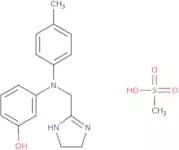
CAS:<p>Phentolamine is a synthetic mesylate that is used as an antihypertensive agent, and for the treatment of Raynaud's syndrome and pheochromocytoma. Phentolamine is also used to prevent frostbite and to treat various types of shock. Phentolamine blocks alpha-2-adrenergic receptors, thereby decreasing sympathetic nerve impulses to the heart, blood vessels, kidneys, and other organs. This drug also acts as a histamine antagonist by blocking H1-receptors on vascular smooth muscle cells. Phentolamine has been shown to have no significant effects on 5-hydroxytryptamine (5HT) release in vitro or in vivo.</p>Fórmula:C18H23N3O4SPureza:Min. 95%Forma y color:White PowderPeso molecular:377.46 g/mol(S)-(+)-2-Amino-3-methylbutane
CAS:<p>(S)-(+)-2-Amino-3-methylbutane is a chiral, optically active pyruvate. It can be used as an optical reagent to determine the configuration of an amino acid in the presence of a hydrazone or amine. The 2-amino group is attached to the C1 carbon atom and the methyl group is attached to the C4 carbon atom. Hydrogenolysis of (S)-(+)-2-amino-3-methylbutane produces ethyl pyruvate and hydrogen gas.</p>Fórmula:C5H13NPureza:Min. 95%Forma y color:Clear LiquidPeso molecular:87.17 g/mol(S)-N-Boc-2-aminopent-4-en-1-ol
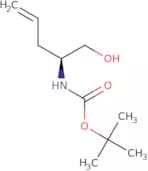
CAS:<p>(S)-N-Boc-2-aminopent-4-en-1-ol is an organic compound that is a useful scaffold for the synthesis of complex compounds. It is also a useful intermediate in organic synthesis and can be used as a building block to synthesize fine chemicals. The chemical has been registered with CAS number 116613-81-1.</p>Fórmula:C10H19NO3Pureza:Min. 95%Forma y color:Colourless To Yellow LiquidPeso molecular:201.26 g/mol1,3-Di-(2-pyrenyl)propane
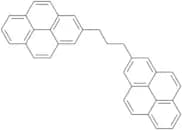
CAS:<p>1,3-Di-(2-pyrenyl)propane is a synthetic molecule that has been used as a model for the phosphatidylethanolamine (PE) component of bacterial membranes. 1,3-Di-(2-pyrenyl)propane has been shown to have a phase transition temperature of -7 degrees Celsius. It is hydrophobic and highly soluble in organic solvents like chloroform, ethanol, ether, and benzene. This molecule is kinetically inert and thermodynamically stable. The monomeric form of 1,3-Di-(2-pyrenyl)propane is not sensitive to ionizing radiation. However, in the bilayer form it is highly sensitive to radiation and can lead to the formation of double bonds that can break down into radicals.</p>Fórmula:C35H24Pureza:Min. 95%Forma y color:White PowderPeso molecular:444.57 g/molGuaiazulene
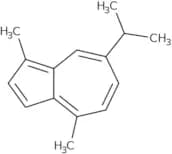
CAS:<p>愈创木菊烯或甘蓝酮是菊烯的衍生物,是用于药品和化妆品的活性成分。它是在愈创木精油中发现的一种天然化合物,由于其抗氧化特性,历史上一直用于药用。愈创木菊烯也是一种具有免疫抑制特性的抗炎药,已用于治疗慢性炎症和食管念珠菌病。已经证明,愈创木菊烯可以作为细胞毒性剂以及脂质过氧化和六氟磷酸盐诱导的 DNA 损伤的抑制剂。此外,它还能抑制肿瘤生长并对口腔病原体表现出抗菌活性。一些研究表明,愈创木菊烯可能用于治疗关节炎等慢性疾病和作为干细胞相关治疗,取得了有希望的结果。</p>Fórmula:C15H18Pureza:(Gc) Min. 99.00%Forma y color:PowderPeso molecular:198.3 g/mol2-Chloroethyl methyl sulfide
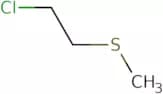
CAS:<p>2-Chloroethyl methyl sulfide (2CEMS) is a reactive compound that has been shown to enhance membrane interactions and fatty acid metabolism in experimental models. 2CEMS is a substrate molecule for the reaction mechanism of the enzyme phospholipase A2, which plays an important role in the production of arachidonic acid. 2CEMS has been shown to have cytotoxic effects on 3T3-L1 preadipocytes, with cell death occurring as a result of kinetic energy emissions. The halides in 2CEMS can coordinate with hematopoietic cells, leading to the inhibition of their proliferation and differentiation. 2CEMS is also able to bind with various metals such as copper and zinc, which may be useful for pharmaceutical drug applications.</p>Fórmula:C3H7ClSPureza:Min. 96 Area-%Forma y color:Colorless Yellow Clear LiquidPeso molecular:110.61 g/molMethanesulfinic acid sodium salt
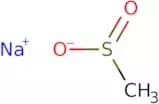
CAS:<p>Methanesulfinic acid sodium salt (MSAS) is a chemical compound that inhibits the growth of bacteria by inhibiting the synthesis of proteins. It is used as an antimicrobial agent in plant physiology and has been shown to be effective against infectious diseases including HIV infection. MSAS inhibits protein synthesis by binding to the hydroxyl group of a substrate molecule, which is required for amino acid formation. This inhibitory effect leads to a decrease in the production of proteins vital for cell division. Inhibiting protein synthesis also prevents the production of enzymes needed for metabolism, leading to metabolic disorders.</p>Fórmula:CH3O2S·NaPureza:Min. 95%Forma y color:PowderPeso molecular:102.09 g/molCyclic-3-(1,2-ethanediylacetal)-17β-cyano-17α-hydroxy-estra-5(10),9(11)-dien-3-one
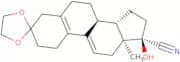
CAS:<p>Cyclic-3-(1,2-ethanediylacetal)-17beta-cyano-17alpha-hydroxy-estra-5(10),9(11)-dien-3 -one is a chemical compound that is used as a reaction component, reagent, and high quality research chemical. It can be used as a useful scaffold or building block for the synthesis of complex compounds. Cyclic-3-(1,2-ethanediylacetal)-17beta-cyano-17alpha -hydroxyestra-5(10),9(11)-diene 3 one has CAS number 3330019 5.</p>Fórmula:C21H27NO3Pureza:Min. 95%Forma y color:White to off-white solid.Peso molecular:341.44 g/mol6-Mercapto-1-hexanol
CAS:<p>6-Mercapto-1-hexanol is a redox active molecule that has been shown to be a potent inhibitor of human immunodeficiency virus type 1 reverse transcriptase. It has also been shown to inhibit the polymerase chain reaction and transfer reactions, including those mediated by DNA-dependent RNA polymerase. 6-Mercapto-1-hexanol can be detected with high sensitivity in human serum, which is its main application for the diagnosis of HIV infection. This compound reacts with molecular oxygen to form superoxide radicals, which are responsible for its redox potential. The rate constant for this reaction has been shown to be dependent on pH and temperature. 6-Mercapto-1-hexanol can also form stable complexes with proteins such as albumin or human immunoglobulin G (IgG). These complexes have been shown to exhibit electrochemical impedance spectroscopy activity at low concentrations and chemical stability in biological media.</p>Fórmula:C6H14OSPureza:Min. 96%Forma y color:Clear LiquidPeso molecular:134.24 g/molPotassium nonafluoro-1-butanesulfonate
CAS:<p>Potassium nonafluoro-1-butanesulfonate (NBS) is a chemical compound that is used to remove trifluoroacetic acid from wastewater. It can also be used as an analytical reagent to measure cytosolic calcium concentrations in cells. In addition, NBS has been shown to have a high degree of chemical stability, but it may react with hydrogen fluoride and cause toxicity in humans. The pharmacokinetic properties of this drug are not well-known, but it has been shown to accumulate in the liver and fat tissues and pass into the maternal blood stream during pregnancy. NBS also inhibits the synthesis of p-hydroxybenzoic acid, which leads to hepatic steatosis in mice with diet-induced obesity. This drug also affects 3t3-l1 preadipocytes and human serum.</p>Fórmula:C4F9KO3SForma y color:PowderPeso molecular:338.19 g/mol2-Oxa-7-azaspiro[3.5]nonane hemioxalate
CAS:<p>2-Oxa-7-azaspiro[3.5]nonane hemioxalate is a fine chemical that is used as a building block in research and development of complex compounds, such as pharmaceuticals, agrochemicals, and polymers. It has been shown to be useful in the synthesis of heterocycles, such as pyrrolidines, piperazines, indoles, and benzoxazoles. 2-Oxa-7-azaspiro[3.5]nonane hemioxalate can serve as a versatile building block for the preparation of various scaffolds with different functionalities. 2-Oxa-7-azaspiro[3.5]nonane hemioxalate is a reagent that can be used for the preparation of other compounds and intermediates as well.</p>Fórmula:C7H13NOC2H2O4Pureza:Min. 95%Forma y color:Off-White Clear LiquidPeso molecular:172.2 g/mol1,3,3-Trimethoxypropene
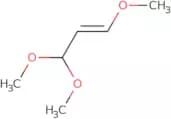
CAS:<p>1,3,3-Trimethoxypropene is a fluorophore that can be used for the labeling of nucleic acids. It has been shown to be photostable and can be used in fluorescence techniques. 1,3,3-Trimethoxypropene has also been used in structural biology research and studies on the physicochemical properties of fluorescent probes. This compound can also be used as a building block for the synthesis of supramolecular structures and conjugates with other molecules that have different properties. 1,3,3-Trimethoxypropene is a fluorophore that emits cyanines in the visible range of light.</p>Fórmula:C6H12O3Pureza:Min. 95%Forma y color:Clear LiquidPeso molecular:132.16 g/mol1-(4-Chlorophenyl)-2-nitroethene
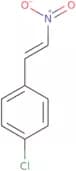
CAS:<p>1-(4-Chlorophenyl)-2-nitroethene is a high yield, versatile reagent for the synthesis of nitro groups. It is prepared by the reaction of 1-(4-chlorophenyl)ethanone with nitric acid in an organic solvent at a temperature of 100 °C. The product can be used as a dehydrating agent, and also has functional groups such as carbonyl, hydroxyl, methoxy, azide, phenyliodonium. It has been shown to be effective in the conversion of diacetates to oximes and ketones.<br>The 1-(4-chlorophenyl)-2-nitroethene reagent is a yellowish liquid that can be handled magnetically, but should be stored under nitrogen gas to avoid oxidation.</p>Fórmula:C8H6ClNO2Pureza:Min. 95%Forma y color:Yellow PowderPeso molecular:183.59 g/mol1-Cyano-2-hydroxy-3-butene
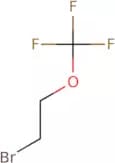
CAS:<p>1-Cyano-2-hydroxy-3-butene is a mitochondrial toxin that causes apoptosis in liver cells. It has been shown to cause liver lesions in CD1 mice. 1-Cyano-2-hydroxy-3-butene reduces the mitochondrial membrane potential, which leads to a decrease in ATP production and an increase in reactive oxygen species (ROS) production. This toxin also inhibits the transcriptional activity of nuclear receptors and induces the expression of cytochrome P450 2E1, leading to increased detoxification enzyme activity. 1-Cyano-2-hydroxy-3-butene is activated by mitochondria, which leads to its ability to cause apoptosis of liver cells.</p>Fórmula:C5H7NOPureza:Min. 95%Forma y color:Colorless PowderPeso molecular:97.12 g/mol1-Bromo-2-(trifluoromethoxy)ethane
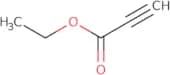
CAS:<p>1-Bromo-2-(trifluoromethoxy)ethane is a chemical compound with the formula CBrFO. It is a colorless liquid that reacts violently with water and alkali metals. 1-Bromo-2-(trifluoromethoxy)ethane has been used as a precursor to 2-chloroethyl peroxide, which can be used in organic synthesis as an oxidant or in solvents to produce chloroprene. The bromine atom in this molecule can be replaced by fluorine or chlorine atoms, forming 1-fluoro-2-(trifluoromethoxy)ethane and 1,1,1-trichloroethylene.</p>Fórmula:C3H4BrF3OPureza:Min. 95%Forma y color:PowderPeso molecular:192.96 g/molEthyl propiolate
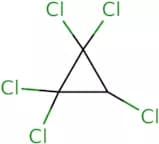
CAS:<p>Ethyl propiolate is a halide that is structurally related to the alkylating agent trifluoroacetic acid. Ethyl propiolate inhibits the activity of several enzymes including phosphofructokinase and pyruvate kinase, which are important for energy metabolism in cells. It also has been shown to have beneficial effects on autoimmune diseases such as lupus erythematosus. The mechanism of action of ethyl propiolate is due to its ability to react with activated oxygen and form an intramolecular hydrogen bond with carbon atoms in the substrate molecule. The reaction between ethyl propiolate and diethyl ketomalonate results in the formation of diethyl 2-propiolate, which can then be hydrolyzed by water into acetaldehyde and diethyl ketomalonate.</p>Fórmula:C5H6O2Pureza:Min. 98 Area-%Forma y color:Colorless Clear LiquidPeso molecular:98.1 g/molPentachlorocyclopropane
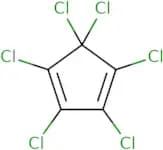
CAS:<p>Pentachlorocyclopropane is a chemical compound that belongs to the class of cyclic chlorinated hydrocarbons. It is a colorless liquid with a strong odor and a boiling point of 176 °C. Pentachlorocyclopropane has been used as an intermediate for the production of other chemicals, such as alkyl chlorides, amines, and polymers. Pentachlorocyclopropane can be synthesized from hydrogen chloride and 1-chloro-2-propanone in the presence of aluminum chloride or zinc chloride. The Friedel-Crafts reaction can also be used to produce pentachlorocyclopropane from benzene and chlorine gas. The chemical stability of pentachlorocyclopropane is due to its intramolecular hydrogen bonds. This allows it to be stored at room temperature without undergoing any reactions or decomposing. Pentachlorocyclopropane is not</p>Fórmula:C3HCl5Pureza:Min. 95%Forma y color:Colorless Clear LiquidPeso molecular:214.3 g/molHexachlorocyclopentadiene
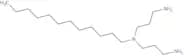
CAS:<p>Only available for delivery in the Europe. Prohibited for transport by air. The substantial reactivity and versatility of Hexachlorocyclopentadiene in facilitating multiple synthetic pathways make it indispensable in both agrochemical and industrial sectors.</p>Fórmula:C5Cl6Pureza:Min. 97 Area-%Forma y color:Clear LiquidPeso molecular:272.77 g/molN-(3-Aminopropyl)-N-dodecylpropane-1,3-diamine
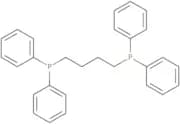
CAS:<p>N-(3-Aminopropyl)-n-dodecylpropane-1,3-diamine, also called N,N-bis(3-aminopropyl)dodecylamine and laurylamine dipropylenediamine, is dodecylamine substituted with 2 propylamine units. Laurylamine dipropylenediamine is a non-ionic surfactant, antimicrobial agent, preservative, emulsifying agent, dispersing agent, corrosion inhibitor and an anti-static agent used in hair products.</p>Fórmula:C18H41N3Pureza:(¹H-Nmr) Min. 85 Area-%Forma y color:Colorless Clear LiquidPeso molecular:299.54 g/mol1,4-Bis-(diphenylphosphino)butane
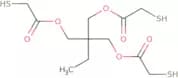
CAS:<p>1,4-Bis-(diphenylphosphino)butane is a coordination compound that contains a bicyclic heterocycle. The compounds are made up of phosphorus and nitrogen atoms which are arranged in a tetrahedral geometry. It has photochemical properties and can be used to inhibit the growth of myeloid leukemia cells. The complexes bind to amines and form stable complexes with hydroxyl groups, so they are also able to cross mitochondrial membranes. This compound has been shown to bind to copper ions in x-ray crystal structures. 1,4-Bis-(diphenylphosphino)butane binds more strongly to ethylene diamine than it does to aryl halides such as chloroethane or phenylethane. Activation energies for the binding of 1,4-bis-(diphenylphosphino)butane with ethylene diamine have been found by measuring the free energy change for its formation from</p>Fórmula:C28H28P2Pureza:Min. 95%Forma y color:White PowderPeso molecular:426.47 g/molTrimethylolpropane tris(2-mercaptoacetate)
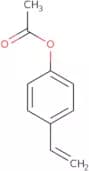
CAS:<p>Trimethylolpropane tris(2-mercaptoacetate) (TMPTMA) is a functional group that is used as an actuator in organic solvent-based inkjet printing. It has been shown to be a cross-linking agent and a treatment effect modifier. TMPTMA has been shown to be a hydroxyl group donor and has the ability to form vinyl groups. In addition, it can act as an organic acid by donating protons and carboxyl groups. TMPTMA can also function as a heat energy absorber and has low molecular weight, making it highly reactive with other substances. The alicyclic structure of TMPTMA makes it susceptible to ring opening reactions with strong acids or bases.</p>Fórmula:C12H20O6S3Pureza:Min. 95%Forma y color:PowderPeso molecular:356.48 g/mol4-Acetoxystyrene, stabilized with TBC
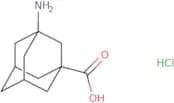
CAS:<p>4-Acetoxystyrene is a monomer that belongs to the group of hydroxylated styrenes. It is stabilized with TBC, which protects the hydroxyl group from reactive substances such as hydrogen fluoride and hydrochloric acid. 4-Acetoxystyrene has a phase transition temperature of 130°C, high resistance to oxidation and reduction, and a high affinity for metal hydroxides. The molecule has been shown to scavenge anion radicals in the presence of hydrogen fluoride or hydrochloric acid and can be used as a hydrogenation catalyst in the palladium-catalyzed coupling reaction. It also has polymerization properties and copolymerizes with malonic acid to produce polyester resins. 4-Acetoxystyrene is also used in electrochemical impedance spectroscopy (EIS) studies, where it acts as an effective solvent for fatty acids.</p>Fórmula:C10H10O2Pureza:Min. 98 Area-%Forma y color:Colorless Clear LiquidPeso molecular:162.19 g/mol3-Amino-adamantane-1-carboxylic hydrochloride
CAS:<p>3-Amino-adamantane-1-carboxylic hydrochloride is a versatile building block that can be used as a research chemical, reagent, speciality chemical, and useful scaffold in the synthesis of various complex compounds. It is a high quality intermediate and reaction component that can be used in the synthesis of fine chemicals. 3-Amino-adamantane-1-carboxylic hydrochloride has a variety of uses due to its versatility and can be used in the production of pharmaceuticals, agrochemicals, dyes, plastics, perfumes, pesticides, herbicides, explosives, and more.</p>Fórmula:C11H17NO2•HClPureza:Min. 95%Forma y color:PowderPeso molecular:231.72 g/mol4-Amino-1-adamantanecarboxylic acid
CAS:<p>4-Amino-1-adamantanecarboxylic acid is a useful building block for the synthesis of 4-aminopyridine and 4-aminopyrimidine derivatives. It is an important intermediate in the production of speciality chemicals and has been used as a reaction component in organic synthesis. This compound is also used as a reagent for chemical reactions.</p>Fórmula:C12H19NO2Pureza:Min. 95%Forma y color:White PowderPeso molecular:209.28 g/mol1,3-Adamantanediamine dihydrochloride
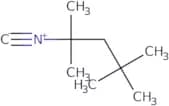
CAS:<p>1,3-Adamantanediamine dihydrochloride is a mimetic that has been shown to inhibit the fibrinolytic activity of nipecotic acid. This compound also inhibits the platelet aggregation induced by the activation of collagen receptors. It has been shown to have an antagonistic effect on NMDA receptors and to induce apoptosis in cancer cells. The structure of 1,3-Adamantanediamine dihydrochloride is similar to that of adamantane, which is a naturally occurring molecule found in plants and animals.</p>Fórmula:C10H18N2·2HClPureza:Min. 95%Forma y color:White PowderPeso molecular:239.18 g/mol1,1,3,3-Tetramethylbutyl isocyanide
CAS:<p>1,1,3,3-Tetramethylbutyl isocyanide (TMBC) is a palladium complex that has been used in palladium-catalyzed coupling reactions. TMBC is also a ligand for the synthesis of β-amino acid and can be used to form hydrogen bonds with nucleophiles. It has been used in biological studies as well as clinical diagnostics. The solid-phase synthesis of TMBC has been shown to be an efficient method for producing this compound. In addition, TMBC shows stereoselective reactivity with amines and methoxy groups. The nmr spectra of TMBC are characteristic of a carbonyl group at δ 3.20 ppm and two methyl groups at δ 1.36 and 1.37 ppm respectively.</p>Fórmula:C9H17NPureza:Min. 98%Forma y color:Clear LiquidPeso molecular:139.24 g/mol6-Azido-hexan-1-ol
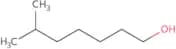
CAS:<p>6-Azido-hexan-1-ol is an organic compound with the chemical formula CH3CH2OCH2CH2N3. It is a colorless liquid that boils at 29°C and has a melting point of -60°C. 6-Azido-hexan-1-ol has been shown to be a reactive site in polymerization kinetics, with a kinetic rate constant of 2.0x10^5 M^(-1)s^(-1). This compound also exhibits high reactivity when used as a substrate for ring opening polymerization, which may be due to its hydroxy group and functional groups. 6-Azido-hexan-1-ol can be synthesized by reacting 4 vinylbenzyl alcohol with hydrazine hydrate in the presence of an acid catalyst, such as sulfuric acid or pyridine. The reaction can be monitored using matrix assisted laser desorption ionization time of flight (MALDI</p>Fórmula:C6H13N3OPureza:Min. 95%Forma y color:Clear LiquidPeso molecular:143.19 g/mol6-Methylheptanol
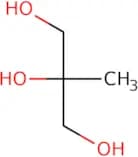
CAS:<p>6-Methylheptanol is a chemical compound that belongs to the group of imidazole hydrochlorides. It is used as a catalyst for the treatment of wastewater. 6-Methylheptanol has been shown to catalyze the reaction of malonic acid with glycol ethers and hydroxyl groups in water, which produces high values of phosphorus pentoxide. The kinetic data and reaction mechanism for this process have been elucidated by using a model system and reaction solution. 6-Methylheptanol also has an effect on polymerase chain reactions (PCR) due to its ability to increase the temperature at which the enzyme works.</p>Fórmula:C8H18OPureza:Min. 97 Area-%Forma y color:Colorless Clear LiquidPeso molecular:130.23 g/mol2-Methyl-1,2,3-propanetriol
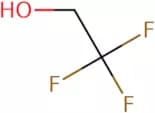
CAS:<p>2-Methyl-1,2,3-propanetriol is a monomer that is used in the production of polymers. It has been shown to be an efficient cross-linking agent for metal surfaces and is used as a polymerization catalyst. 2-Methyl-1,2,3-propanetriol also plays a role in the synthesis of amino acids by acting as a substrate for kinesin and aliphatic hydrocarbon. It can be used as a feedstock for producing plastics with deionized water or aromatic hydrocarbons such as phenol. This chemical has been shown to be pluripotent in mammalian cells and can act as a cationic surfactant.</p>Fórmula:C4H10O3Pureza:Min. 95 Area-%Forma y color:Clear LiquidPeso molecular:106.12 g/mol2,2,2-Trifluoroethanol
CAS:<p>2,2,2-Trifluoroethanol is a trifluoroacetic acid analogue that has been shown to be an effective antimicrobial agent. It binds to the active site of the enzyme enoyl reductase, inhibiting the synthesis of fatty acids and disrupting cell membrane function. 2,2,2-Trifluoroethanol has also been shown to have anti-inflammatory effects. The drug binds to human serum albumin and inhibits hydrogen peroxide release from neutrophils. This complexation with albumin prevents the release of hydroxyl radicals that are generated in response to oxidative stress. Intramolecular hydrogen bonding between 2,2,2-trifluoroethanol molecules may also contribute to its activity as a natural drug.</p>Fórmula:C2H3F3OPureza:Min. 95%Forma y color:Clear LiquidPeso molecular:100.04 g/mol8-Chloro-1-octanol
CAS:<p>8-Chloro-1-octanol is an organic compound with a hydroxyl group at the 8th position of the octane ring. It has been shown to inhibit bacterial growth in vitro by binding to fatty acid biosynthesis enzymes and preventing the formation of fatty acids, which are vital for bacterial cell wall synthesis. The 8-chloro-1-octanol also inhibits the population growth of bacteria in corneal epithelium, leading to reduced biofilm formation. This compound has been shown to have regulatory effects on microbial populations. 8-Chloro-1-octanol is currently under study for its potential use as a topical antibacterial agent for treating corneal infections.</p>Fórmula:C8H17ClOPureza:Min. 95%Forma y color:Colorless Clear LiquidPeso molecular:164.67 g/mol11-Mercaptoundecanoic acid
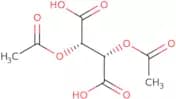
CAS:<p>11-Mercaptoundecanoic acid (11MUA) is a fluorescence probe that reacts with the amide group of proteins. It has been used to study HIV-1 infection and the early stages of human immunodeficiency virus (HIV) replication. 11MUA can be detected by fluorescence spectrometry and gives a strong, selective signal in human serum. This compound is also used as a model system for studying protease activity and electrochemical impedance spectroscopy. 11MUA is stable in solution and can be detected at very low levels, making it an excellent probe for protein degradation studies. The reaction solution containing 11MUA can be prepared using trifluoroacetic acid (TFA), which facilitates the formation of esters from carboxylic acids, or by adding TFA to an acyl chloride derivative of 11-mercaptoundecanoic acid.</p>Fórmula:C11H22O2SPureza:Min. 95%Forma y color:White PowderPeso molecular:218.36 g/mol(+)-Diacetyl-D-tartaric acid
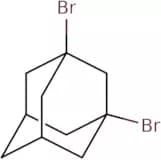
CAS:<p>(+)-Diacetyl-D-tartaric acid is a chiral organic compound that is soluble in organic solvents. It can be used as a catalyst for the asymmetric synthesis of organic compounds and has been shown to cleave bonds with high stereoselectivity. (+)-Diacetyl-D-tartaric acid also exhibits mesomorphic properties, meaning it changes from liquid to solid and vice versa at certain temperatures. The optical activity of this compound can be seen by its magnetic resonance spectrum, which displays two peaks at different wavelengths. This molecule has been shown to have potential uses in microscopy, as well as for the preparation of monomers for magnetic materials.</p>Fórmula:C8H10O8Pureza:Min. 95%Forma y color:White PowderPeso molecular:234.16 g/mol1,3-Dibromoadamantane
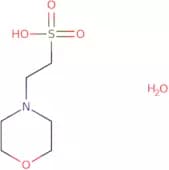
CAS:<p>1,3-Dibromoadamantane is an organic compound that belongs to the group of organobromides. It has a chemical structure with three bromine atoms and one carbon atom, which are bonded to each other in a triangle shape. 1,3-Dibromoadamantane is soluble in solvents such as water and methanol. The reaction yield of 1,3-dibromoadamantane is 100% when it reacts with hydrochloric acid as the catalyst under optimal conditions. The reaction also occurs at a high temperature (100 degrees Celsius) and releases energy efficiently. 1,3-Dibromoadamantane can be used as a substrate molecule for the Suzuki coupling reaction.<br>The coordination chemistry of 1,3-dibromoadamantane involves the formation of a square planar complex with copper ions and ammonia molecules to form copper(I) ammine complexes, which are then able to bind</p>Fórmula:C10H14Br2Pureza:Min. 95%Forma y color:PowderPeso molecular:294.03 g/molMES monohydrate
CAS:<p>MES buffer is a synthetic buffer commonly used in biological and biochemical experiments. It's known for its buffering capacity within the pH range of 5.5 to 6.7, making it suitable for various applications. It has good water solubility, chemical stability, and minimal interaction with metal ions, which is crucial for many biological systems.</p>Fórmula:C6H13NO4S·H2OForma y color:White Off-White PowderPeso molecular:213.25 g/mol11-Bromoundecanoic acid
CAS:<p>11-Bromoundecanoic acid is a heterobifunctional reagent that is used in the synthesis of phospholipids. This chemical reacts with an amide group on a phosphatidylcholine to introduce a bromine atom, which can be used as a fluorophore. The reaction is done in an organic solvent, such as dichloromethane, which facilitates the reaction by dissolving the reactants. The reaction can be monitored using fluorescence assay techniques and 11-bromoundecanoic acid is characterized by its constant ring-opening constant and fatty acid chain length.</p>Fórmula:C11H21BrO2Pureza:Min. 95%Forma y color:PowderPeso molecular:265.19 g/mol1,3-Adamantanediacetic acid
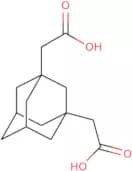
CAS:<p>1,3-Adamantanediacetic acid is a linker molecule that is used in analytical chemistry. It is a bifunctional reagent that reacts with trifluoroacetic acid and triflic acid to form a chelate ring. This reaction product can be analyzed using analytical methods such as gas chromatography or nuclear magnetic resonance spectroscopy. 1,3-Adamantanediacetic acid has been shown to react with amides and hydrogen bonding interactions to form supramolecular structures. The introduction of this compound into the synthesis of peptides has allowed for the elucidation of the structural analysis of these molecules.</p>Fórmula:C14H20O4Pureza:Min. 98 Area-%Forma y color:PowderPeso molecular:252.31 g/molEthyl 4-acetyl-5-oxohexanoate
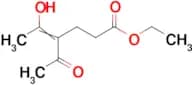
CAS:Fórmula:C10H16O4Pureza:98%Forma y color:LiquidPeso molecular:200.234Benzyl vinylcarbamate
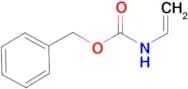
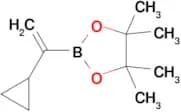
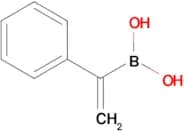
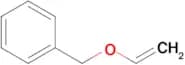
CAS:Fórmula:C10H11NO2Pureza:95% (stabilized with TBC)Forma y color:SolidPeso molecular:177.2032-(1-Cyclopropylvinyl)-4,4,5,5-tetramethyl-1,3,2-dioxaborolane
CAS:Pureza:97%Forma y color:LiquidPeso molecular:194.0800018Ref: 10-F667875
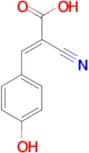
1g225,00€5g692,00€10g1.173,00€25g2.144,00€2.5g472,00€100mg40,00€250mg83,00€500mg141,00€a-Cyano-4-hydroxycinnamic acid
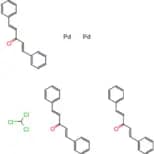
CAS:Fórmula:C10H7NO3Pureza:97%Forma y color:Pale yellow to yellow green powderPeso molecular:189.17Tris(Dibenzylideneacetone)dipalladium (0)chloroform adduct
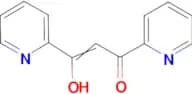
CAS:Fórmula:C52H43Cl3O3Pd2Pureza:98%Forma y color:SolidPeso molecular:1035.11,3-Di(2-pyridyl)-1,3-propanedione
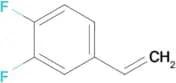
CAS:Fórmula:C13H10N2O2Pureza:95%Forma y color:SolidPeso molecular:226.2353,4-Difluorostyrene
CAS:Fórmula:C8H6F2Pureza:98% (stabilized with TBC)Forma y color:LiquidPeso molecular:140.133(R)-2-((((9H-Fluoren-9-yl)methoxy)carbonyl)amino)-2-methyldec-9-enoic acid
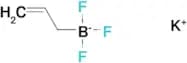
CAS:Fórmula:C26H31NO4Pureza:95%Forma y color:SolidPeso molecular:421.537Potassium allyltrifluoroborate
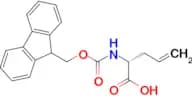
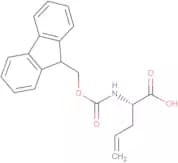
CAS:Fórmula:C3H5BF3KPureza:95%Forma y color:Solid, Chunks or Crystalline PowderPeso molecular:147.98(R)-2-((((9H-Fluoren-9-yl)methoxy)carbonyl)amino)pent-4-enoic acid
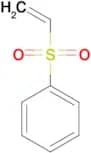
CAS:Fórmula:C20H19NO4Pureza:95%Forma y color:SolidPeso molecular:337.375Phenyl vinyl sulfone
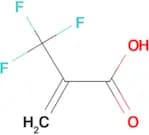
CAS:Fórmula:C8H8O2SPureza:96%Forma y color:White to pale yellow powderPeso molecular:168.212-(Trifluoromethyl)propenoic acid
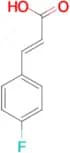
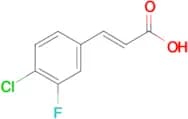
CAS:Fórmula:C4H3F3O2Pureza:98%Forma y color:SolidPeso molecular:140.061(E)-3-(4-Chloro-3-fluorophenyl)acrylic acid
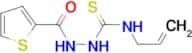
CAS:Fórmula:C9H6ClFO2Pureza:95%Forma y color:SolidPeso molecular:200.59N-allyl-2-(2-thienylcarbonyl)hydrazinecarbothioamide
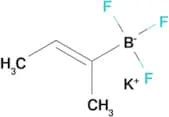
CAS:Fórmula:C9H11N3OS2Pureza:98%Peso molecular:241.33POTASSIUM (MIX)-2-BUTEN-2-YLTRIFLUOROBORATE
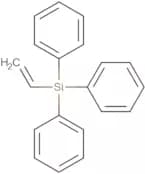
CAS:Fórmula:C4H7BF3KPureza:95%Forma y color:SolidPeso molecular:162Triphenylvinylsilane
CAS:<p>S20725 - Triphenylvinylsilane</p>Fórmula:C20H18SiPureza:98%Forma y color:Solid, White to very pale yellow powderPeso molecular:286.4491-Boc-4-vinyl-piperidine
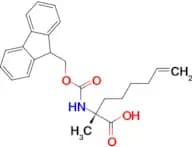
CAS:Fórmula:C12H21NO2Pureza:97% (stabilized with MEHQ)Forma y color:LiquidPeso molecular:211.305(R)-2-((((9H-Fluoren-9-yl)methoxy)carbonyl)amino)-2-methyloct-7-enoic acid
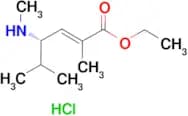
CAS:Fórmula:C24H27NO4Pureza:98%Peso molecular:393.483(S,E)-ethyl 2,5-dimethyl-4-(methylamino)hex-2-enoate hydrochloride
CAS:Pureza:98%Peso molecular:235.75Fmoc-allyl-L-glycine
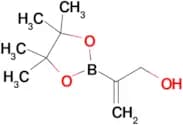
CAS:<p>M06090 - Fmoc-allyl-L-glycine</p>Fórmula:C20H19NO4Pureza:95%Forma y color:Solid, Crystalline Powder or PowderPeso molecular:337.3752-(4,4,5,5-Tetramethyl-1,3,2-dioxaborolan-2-yl)prop-2-en-1-ol
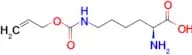
CAS:Pureza:90%Peso molecular:184.0399933(S)-6-(((Allyloxy)carbonyl)amino)-2-aminohexanoic acid
CAS:Fórmula:C10H18N2O4Pureza:95%Forma y color:SolidPeso molecular:230.2642-(Diphenylphosphino)-N-[(8α,9S)-6′-methoxycinchonan-9-yl]benzamide
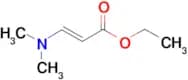
CAS:Pureza:98%Peso molecular:611.726Ethyl-N,N-dimethylaminoacrylate
CAS:Fórmula:C7H13NO2Pureza:97%Forma y color:ClearPeso molecular:143.186Ethyl 3-aminocrotonate
CAS:Fórmula:C6H11NO2Pureza:95%Forma y color:Liquid, ClearPeso molecular:129.159(E)-3-(4-Amino-3,5-dimethylphenyl)acrylonitrile hydrochloride
CAS:Fórmula:C11H13ClN2Pureza:98%Forma y color:SolidPeso molecular:208.693-Vinyl-7-oxabicyclo[4.1.0]heptane
CAS:Fórmula:C8H12OPureza:98% (stabilized with MEHQ)Forma y color:Liquid, ClearPeso molecular:124.183





![2-Oxa-7-azaspiro[3.5]nonane hemioxalate](/_next/image/?url=https%3A%2Fstatic.cymitquimica.com%2Fproducts%2F3D%2Fthumb-webp%2FFO29380.webp&w=3840&q=75)

















![5-[(1E)-2-Phenylethenyl]-1,3,4-thiadiazol-2-amine](/_next/image/?url=https%3A%2Fstatic.cymitquimica.com%2Fproducts%2F10%2Fthumb-webp%2FF986153.webp&w=3840&q=75)
![2-(Diphenylphosphino)-N-[(8α,9S)-6′-methoxycinchonan-9-yl]benzamide](/_next/image/?url=https%3A%2Fstatic.cymitquimica.com%2Fproducts%2F10%2Fthumb-webp%2FF987830.webp&w=3840&q=75)


![3-Vinyl-7-oxabicyclo[4.1.0]heptane](/_next/image/?url=https%3A%2Fstatic.cymitquimica.com%2Fproducts%2F10%2Fthumb-webp%2FF242917.webp&w=3840&q=75)