Building Blocks
Subcategorías de "Building Blocks"
- Ácidos borónicos y derivados del ácido borónico(5.786 productos)
- Building Blocks quirales(1.246 productos)
- Building Blocks de hidrocarburos(6.107 productos)
- Building Blocks orgánicos(61.079 productos)
Se han encontrado 205461 productos de "Building Blocks"
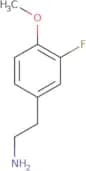
2-(3-Fluoro-4-methoxyphenyl)ethan-1-amine
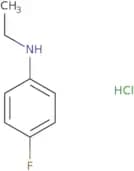
CAS:Producto controladoVersatile small molecule scaffoldFórmula:C9H12FNOPureza:Min. 95%Peso molecular:169.2 g/molN-Ethyl-p-fluoroaniline hydrochloride
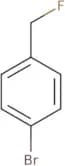
CAS:Versatile small molecule scaffoldFórmula:C8H11ClFNPureza:Min. 95%Peso molecular:175.63 g/mol4-Bromobenzyl fluoride
CAS:4-Bromobenzyl fluoride is a conformationally constrained amide that is used as an intermediate in the synthesis of antibiotics and vitamins. This chemical has been shown to be active against resistant strains of bacteria, such as methicillin-resistant Staphylococcus aureus. 4-Bromobenzyl fluoride has also been shown to be effective against some parasites and fungi. The mechanism of action for this drug is not known, but it may be due to its ability to act as a nucleophile and react with the phosphate group on the enzyme reductoisomerase. It has been synthesized using fluorine chemistry, which focuses on the structure of electron orbitals and how they interact with one another.Fórmula:C7H6BrFPureza:Min. 95%Peso molecular:189.02 g/molDecaprenoic acid, 98% sum of isomers
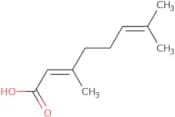
CAS:Decaprenoic acid is a sesquiterpene lactone that has been isolated from the plant Nepeta cataria. It has minimal toxicity and can be used to make other drugs. Decaprenoic acid inhibits the production of prostaglandins by inhibiting the enzyme cyclooxygenase. This compound is also used to produce monoclonal antibodies, which are used to fight cancer cells. Decaprenoic acid is also effective in treating skin diseases such as psoriasis and atopic dermatitis, due to its ability to inhibit keratinocyte proliferation and regulate cell differentiation.
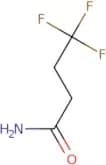
Fórmula:C10H16O2Pureza:Min. 95%Peso molecular:168.24 g/mol4,4,4-Trifluorobutanamide
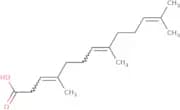
CAS:Versatile small molecule scaffoldFórmula:C4H6F3NOPureza:Min. 95%Peso molecular:141.09 g/mol(3E,7E)-4,8,12-Trimethyl-3,7,11-tridecatrienoic acid
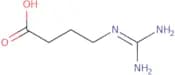
CAS:Versatile small molecule scaffoldFórmula:C16H26O2Pureza:Min. 95%Peso molecular:250.38 g/mol4-Guanidinobutanoic acid
CAS:4-Guanidinobutanoic acid is a metabolite of creatine that is excreted in the urine. The metabolic profiles of 4-guanidinobutanoic acid have been determined in rat kidneys and compared to other metabolites, such as creatinine, gamma-aminobutyric acid, and urea nitrogen. Chronic exposure to 4-guanidinobutanoic acid leads to an increase in urea nitrogen and creatinine levels. It also causes a decrease in enzyme activities and uptake of creatine by the kidney. 4-Guanidinobutanoic acid has not shown any toxic effects on the kidney or any other organ system at concentrations up to 1000 mg/kg body weight per day.Fórmula:C5H11N3O2Pureza:Min. 95%Peso molecular:145.16 g/mol2-Bromo-2-ethyl-3-methylbutanamide
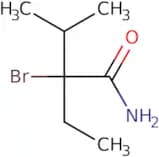
CAS:2-Bromo-2-ethyl-3-methylbutanamide is a fatty acid which is a possible nonsteroidal anti-inflammatory drug. It is also used in the production of pharmaceutical dosage forms, and in the manufacture of other chemicals. This compound has been shown to have analgesic effects, as well as other pharmacological activities such as antiemetic, anesthetic, and vasodilator properties. 2-Bromo-2-ethyl-3-methylbutanamide is soluble in organic solvents but insoluble in water. It can be reconstituted with sodium citrate or sodium bicarbonate to form a sterile solution for injection. The reconstituted solution should be refrigerated and used within 24 hours.Fórmula:C7H14BrNOPureza:Min. 95%Peso molecular:208.1 g/mol3,3-Diethyl-5-methyl-1,2,3,4-tetrahydropyridine-2,4-dione
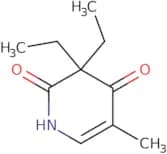
CAS:3,3-Diethyl-5-methyl-1,2,3,4-tetrahydropyridine-2,4-dione is an insoluble hydrophobic implantable drug that can be reconstituted with a diluent and injected. It has been developed as a targetable drug delivery system for iontophoresis devices and has shown clinical effects in the treatment of various diseases. 3,3-Diethyl-5-methyl-1,2,3,4-tetrahydropyridine-2,4-dione is a bioactive agent that acts as an ion channel blocker. It inhibits the uptake of calcium ions into cells by blocking voltage gated calcium channels in the cell membrane. This leads to a reduction in intracellular free calcium concentration and subsequent inhibition of cellular activity.Fórmula:C10H15NO2Pureza:Min. 95%Peso molecular:181.23 g/mol[2,2-Bis(propan-2-yl)-1,3-dioxolan-4-yl]methanol
CAS:2,2-Bis(propan-2-yl)-1,3-dioxolan-4-yl]methanol is a chemical compound with the molecular formula CHO. It is a colorless liquid that readily decomposes at high temperatures and has a pungent odor. 2,2-Bis(propan-2-yl)-1,3-dioxolan-4-yl]methanol is used as a buffer in sodium citrate injections to prevent the formation of kidney stones. It also has antiinflammatory properties and is used in horticultural applications to control pests and plant diseases. This chemical can be reconstituted with water to form an occlusive or inflammatory agent for use in controlling diseases such as herpes simplex virus and inflammatory diseases such as rheumatoid arthritis.Fórmula:C10H20O3Pureza:Min. 95%Peso molecular:188.26 g/mol2,2-Dimethyl-4-oxopentanoic acid
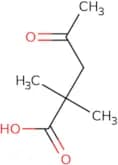
CAS:2,2-Dimethyl-4-oxopentanoic acid is a molecule that belongs to the group of polarizers. It has an important role in the nervous system and has been shown to be involved in numerous diseases such as psychotic disorders, diabetes mellitus, and inflammatory diseases. 2,2-Dimethyl-4-oxopentanoic acid is synthesized from two molecules of acetyl coenzyme A via a series of reactions. In addition, this molecule is hydrolyzed by phospholipase C to form diacylglycerol. 2,2-Dimethyl-4-oxopentanoic acid also inhibits the production of inflammatory cytokines such as IL-1β and TNFα.Fórmula:C7H12O3Pureza:Min. 95%Peso molecular:144.17 g/mol2,6,6-Trimethyl-1-cyclohexene-1-acetaldehyde
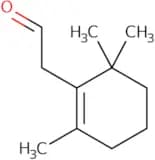
CAS:Trimethylcyclohexanone peroxide is a colorless to yellowish liquid that is soluble in organic solvents and in water. It is used as a precursor for the production of ester hydrochloride and formamide, which are used in the manufacture of plastics and pesticides. Trimethylcyclohexanone peroxide is also used as an intermediate for the synthesis of various other organic compounds, such as eugenol and acetaldehyde. The compound has been shown to be a powerful oxidizing agent capable of initiating radical reactions with many types of substrates.
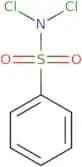
Fórmula:C11H18OPureza:Min. 95%Peso molecular:166.26 g/molN,N-Dichlorobenzenesulfonamide
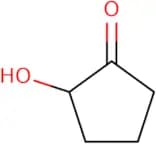
CAS:N,N-Dichlorobenzenesulfonamide is a sulfonyl chloride that is used as an additive in the production of cellulose derivatives. It reacts with sodium salts to produce a number of sodium salts and acetylation products. The reaction proceeds through a two-step process: first, the chloroalkene reacts with sodium carbonate to form the corresponding sodium salt and an intermediate chloride; secondly, this intermediate chloride reacts with styrene to form N,N-dichlorobenzenesulfonamide. The chemical properties of N,N-dichlorobenzenesulfonamide have been examined by means of kinetic studies and structural analysis. This chemical has shown potential for use as a quaternary ammonium compound.Fórmula:C6H5Cl2NO2SPureza:Min. 95%Peso molecular:226.08 g/mol2-Hydroxycyclopentan-1-one
CAS:Versatile small molecule scaffold
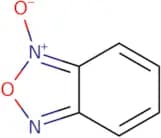
Fórmula:C5H8O2Pureza:Min. 95%Peso molecular:100.12 g/molBenzofuroxan
CAS:Benzofuroxan is a nitrogen-containing heterocyclic compound that has been shown to have minimal toxicity in animal studies. It has been used as a pharmacological treatment for cardiac diseases, and as an ester hydrochloride, it can be applied topically or taken orally. Benzofuroxan reacts with water vapor to form oxalic acid and hydrogen fluoride, which is the major cause of its toxic effects. The chemical structure of benzofuroxan has been analyzed by X-ray crystallography and NMR spectroscopy. In addition, skin cancer in mice was induced by topical application of benzofuroxan in the form of a solution in trifluoroacetic acid (TFA), which may be due to its antimicrobial properties.
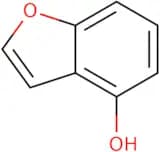
Fórmula:C6H4N2O2Pureza:Min. 95%Peso molecular:136.11 g/molBenzofuran-4-ol
CAS:Benzofuran-4-ol is a decarboxylated, branched-chain, synthetic compound that has been shown to have anti-inflammatory properties. It was obtained by the ring opening of bromoacetic acid with benzene in the presence of hydrogen chloride and amines. In addition, it has been shown to inhibit leukocyte migration, suggesting that it could be used as an anti-inflammatory agent. Benzofuran derivatives are reactive and readily form hydrogen bonds with amines. This property makes them useful for chemical modification of proteins and nucleic acids.Fórmula:C8H6O2Pureza:Min. 95%Peso molecular:134.13 g/mol1-Chloro-2-naphthol
CAS:1-Chloro-2-naphthol is a chemical compound that is used for biological purposes.Fórmula:C10H7ClOPureza:Min. 95%Peso molecular:178.62 g/mol1,2,3,4-Tetrachlorobenzene
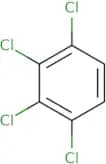
CAS:1,2,3,4-Tetrachlorobenzene is a chemical compound that has been used as an intermediate in the production of other chemicals. It is also used as a solvent and in the manufacture of dyes and pesticides. 1,2,3,4-Tetrachlorobenzene is stable in air but reacts with metal hydroxides and sodium carbonate to form tetrachloro-1-hydroxybenzene. It has shown hypoglycemic effect in bacterial strain. The toxicity of 1,2,3,4-tetrachlorobenzene is evaluated by studying its effects on redox potential and water vapor. It also causes liver cells to release enzymes; therefore it can be used for analytical methods. The surface methodology of 1,2,3,4-tetrachlorobenzene can be studied by solid phase microextraction (SPME).Fórmula:C6H2Cl4Pureza:Min. 95%Peso molecular:215.89 g/mol2-Methylquinoline-3-carboxylic acid
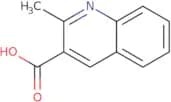
CAS:2-Methylquinoline-3-carboxylic acid (2MQCA) is a nucleophilic, acidic and hiv integrase inhibitor. It has been shown to inhibit the activity of HIV integrase by binding to the active site of the enzyme. 2MQCA has a strong affinity for chloride ions and is soluble in organic solvents such as diethyl ether or chloroform. 2MQCA shows diffraction peaks at 2.5Å, which is indicative of an acidic molecule with a hydroxymethyl group. Reaction time for a reaction between 2MQCA and methylamine was found to be optimal at 10 minutes at room temperature and pH 5. The technique used for this reaction was NMR spectroscopy.Fórmula:C11H9NO2Pureza:Min. 95%Peso molecular:187.2 g/mol1,2,4,5-Tetraiodobenzene
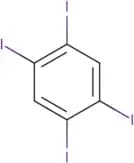
CAS:1,2,4,5-Tetraiodobenzene is a fluorescent molecule that has been used in optical imaging and molecular imaging. 1,2,4,5-Tetraiodobenzene is a fluorophore with an isolated yield of 100%. It has been shown to be useful as a rate enhancer for the transfer of singlet oxygen.
Fórmula:C6H2I4Pureza:Min. 95%Peso molecular:581.7 g/mol2-Ethylsuccinic acid
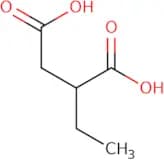
CAS:2-Ethylsuccinic acid is a trifluoroacetic acid derivative. It can be used as a cationic surfactant, cross-linking agent, and a trifluoromethanesulfonic acid (TFMS) catalyst. 2-Ethylsuccinic acid has been shown to react with calcium carbonate, hydroxyl group, or divalent hydrocarbon to form a film-forming polymer. This compound also has the ability to form polycarboxylic acids when reacted with glycol ethers and aluminium. 2-Ethylsuccinic acid is used as a solid catalyst for the acylation reaction of amines and alcohols.
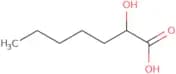
Fórmula:C6H10O4Pureza:Min. 95%Peso molecular:146.14 g/mol2-Hydroxyheptanoic acid
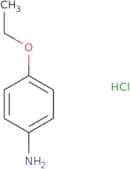
CAS:2-Hydroxyheptanoic acid is a metabolite of 2,6-dihydroxypyridine (DHP), which is an organic compound that can be found in the environment and produced by microbes. 2-Hydroxyheptanoic acid has been shown to inhibit the function of the ryanodine receptor in rat cardiac cells, which may cause arrhythmia. The drug also inhibits fatty acid synthesis and hydrolysis in the small intestine. It is synthesized from oleic acid through demethylation or hydroxylation. The technique used to produce this drug is not known. Verticillium produces this metabolite as a result of its metabolism of DHP.END>Fórmula:C7H14O3Pureza:Min. 95%Peso molecular:146.18 g/molp-Phenetidine Hydrochloride
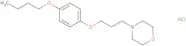
CAS:p-Phenetidine hydrochloride is a pharmaceutical preparation that is used as an intermediate in the production of chlorate, which is used in the synthesis of other organochlorine compounds. It can be prepared by reacting p-phenetidine with a solution of hydrochloric acid and zirconium dichloride in a reaction vessel. The reaction products are then heat treated to produce a solid catalyst, which can be further reacted with organic acids to form metal ion complexes. These complexes are stable and can be separated from unreacted reactants by distillation or recrystallization. The kinetic method has been shown to be useful for determining the order of reaction between these complex ions. The benzalkonium chloride acts as a cocatalyst in this process, while the solid catalyst provides kinetic stability to the process.Fórmula:C8H11NO·HClPureza:Min. 95%Peso molecular:173.64 g/molPramoxine HCl
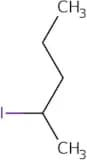
CAS:Pramoxine HCl is a leukotriene receptor antagonist that inhibits the action of the enzyme phospholipase A2, which is responsible for the conversion of arachidonic acid to prostaglandin H2. Pramoxine HCl has been shown to inhibit skin cell proliferation and induce apoptosis in human skin cells. It also has anti-inflammatory properties, and may have therapeutic potential for treating autoimmune diseases such as Crohn's disease. Pramoxine HCl is a colorless liquid that has a particle size of less than 10 microns, and has an odor of benzalkonium chloride. The melting point of pramoxine is 203°C, and its boiling point is 390°C.Fórmula:C17H27NO3·HClPureza:Min. 95%Peso molecular:329.86 g/mol2-Iodopentane
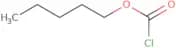
CAS:2-Iodopentane is a thiourea that has been shown to react with iodide to form the crystalline compound 2-iodopentane diiodide. The crystal x-ray diffraction pattern and optical properties of this compound are similar to those reported for the rare earth metal arenium ions. A spectroscopic study has also been carried out on this compound, which indicates that it is an efficient method for generating nitrate, halides, and frequencies. The solvents used in these reactions are not identified, but may include polyols or other unidentified compounds.Fórmula:C5H11IPureza:Min. 95%Peso molecular:198.05 g/molAmyl Chloroformate
CAS:Amyl chloroformate is a synthetic compound that is used as an intermediate in the manufacture of detergent compositions, antimicrobial agents, and other chemicals. It has been shown to inhibit the activity of cytidine deaminase, which is involved in the synthesis of DNA. This inhibition can lead to cancer cell death or inflammatory diseases. Amyl chloroformate also inhibits uridine phosphorylase, an enzyme that is important for lipid metabolism.Fórmula:C6H11ClO2Pureza:Min. 95%Peso molecular:150.6 g/molN-{2-[(2-Acetamidoethyl)disulfanyl]ethyl}acetamide
CAS:Versatile small molecule scaffoldFórmula:C8H16N2O2S2Pureza:Min. 95%Peso molecular:236.4 g/molTridecanoic acid
CAS:Tridecanoic acid is a fatty acid that is found in the skin cells of humans. It is a metabolic disorder, and has been shown to have antimicrobial properties. Tridecanoic acid may be used in wastewater treatment as a glycol ester and to reduce the presence of organic molecules such as caproic acid, alkanoic acid, and multivariate logistic regression. It has also been shown to be effective against chemical pesticides such as dinucleotide phosphate and hydroxyl group.Fórmula:C13H26O2Pureza:Min. 95%Peso molecular:214.34 g/molBis[2-(2-chloroethoxy)ethyl] Ether
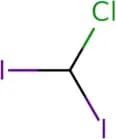
CAS:Bis[2-(2-chloroethoxy)ethyl] Ether is an alkylating agent that has been used in the synthesis of organic compounds. It reacts with a variety of nucleophiles, including thionyl chloride and hydrogen chloride, to generate ether linkages. Bis[2-(2-chloroethoxy)ethyl] Ether can also be used as a solvent for reactions involving alcohols, amines, and other nucleophiles. The x-ray crystal structures of the monomers show that this compound is planar with a small dipole moment. The solubility of this compound is determined by its ability to form hydrogen bonds. The reaction time for Bis[2-(2-chloroethoxy)ethyl] Ether depends on the type of nucleophile being reacted with: it takes longer for more reactive nucleophiles such as thionyl chloride or hydrogen chloride than ethanolamine or dimethylformamide.Fórmula:C8H16Cl2O3Pureza:Min. 95%Peso molecular:231.12 g/molDiiodochloromethane
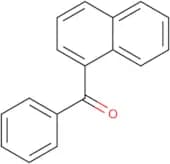
CAS:Diiodochloromethane is a halogenated hydrocarbon that is used as a wastewater treatment agent. It can be used in biological treatment to break down organic compounds and remove heavy metals, such as mercury. Diiodochloromethane has been shown to have cytotoxic effects on mammalian cells and may be toxic at high concentrations. This chemical has been shown to react with trichloroacetic acid in the presence of ultraviolet light and generate iodoacetic acid, which can be used for specific treatment of chlorinated compounds. Diiodochloromethane binds to chloride ions present in the water and forms chlorine atoms, which are then released into the environment.Fórmula:CHClI2Pureza:Min. 95%Peso molecular:302.28 g/mol1-Naphthyl phenyl ketone
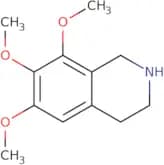
CAS:1-Naphthyl phenyl ketone is a hydroxylated aromatic compound that has shown anticancer activity in leukemia cells. The 1-Naphthyl phenyl ketone molecule also possesses fluorescence properties, which are used for optical imaging. When 1-Naphthyl phenyl ketone is acylated with an electron-deficient alkylating agent such as methyl chloroformate, it forms the corresponding carbonyl compound, which can be used as a polymerization initiator in polymers. This reaction was first studied in detail by Otto Wallach and Heinrich Otto Wieland in 1891 and 1892. Radiation can also induce the decomposition of 1-naphthyl phenyl ketone to produce naphthalene.Fórmula:C17H12OPureza:Min. 95%Peso molecular:232.28 g/mol6,7,8-Trimethoxy-1,2,3,4-tetrahydroisoquinoline
CAS:6,7,8-Trimethoxy-1,2,3,4-tetrahydroisoquinoline is a neurally active alkaloid found in the plant Solanum nigrum. It has been shown to act as an antagonist of acetylcholine at the neuromuscular junction. This compound has also been shown to have muscle relaxant properties and can be used as a potential treatment for acute gastral spasms. 6,7,8-Trimethoxy-1,2,3,4-tetrahydroisoquinoline also has calcium hydrogen phosphate binding properties and may play a role in carbohydrate metabolism. This natural compound may also have addictive properties due to its effects on the cholinergic system.Fórmula:C12H17NO3Pureza:Min. 95%Peso molecular:223.27 g/mol2-Propylphenol
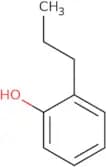
CAS:2-Propylphenol is a diphenyl ether that inhibits the growth of microorganisms by inhibiting enzymes in the electron transport chain. It can be used as an herbicide to control weeds and as a disinfectant for animals and humans. 2-Propylphenol has been shown to have anti-inflammatory properties, which may be due to its inhibition of prostaglandin synthesis. This compound also has been shown to inhibit the transfer of electrons from NADH to oxygen, which may reduce the production of reactive oxygen species. The production of reactive oxygen species leads to oxidative stress, which can cause DNA damage and cell death. 2-Propylphenol is a colorless liquid with a boiling point of 221°C at atmospheric pressure. It is soluble in water, alcohols, esters, ethers, and chloroform but insoluble in fats and oils.Fórmula:C9H12OPureza:Min. 95%Peso molecular:136.19 g/mol(2Z)-2-Bromo-2-butenedioic acid
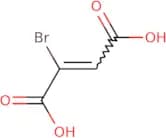
CAS:2-Bromobut-2-enedioic acid is a reactive chemical that can be used for the production of acrylates. It is also a hydroxyl compound with an acidic property. 2-Bromobut-2-enedioic acid has been shown to react with hydrogen fluoride, dimethyl fumarate, and fatty acids to form products with different structures and properties. The detection sensitivity of this compound was found to be 0.5 ppm in the gas phase and 0.1 ppm in the liquid phase. This compound has a particle size of 30 nm and an optical sensor that can detect its presence at concentrations of 1 ppm or higher.Fórmula:C4H3BrO4Pureza:Min. 95%Peso molecular:194.97 g/molDL-2-Aminocaprylic acid
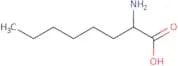
CAS:DL-2-Aminocaprylic acid is a fatty acid that is synthesized from lysine by the enzyme lysine decarboxylase. It is one of the major lipids in cancer cells, and its level can be used to measure the severity of a cancerous tumor. DL-2-Aminocaprylic acid has been shown to have antimicrobial properties against bacteria and fungi. This compound also possesses an inhibitory effect on the biosynthesis of polyunsaturated fatty acids, which may contribute to its anticancer effects.
Fórmula:C8H17NO2Pureza:Min. 95%Peso molecular:159.23 g/mol4²-Isopropylacetophenone
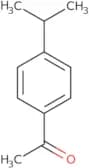
CAS:Propiophenone is a propionic acid derivative that can be synthesized from acetone and formaldehyde. The reaction is selective for the 4-position of the phenyl ring, and the product is largely in the 2-isopropylacetophenone (2-IPAP) form. This compound is used to manufacture industrial chemicals such as propionitrile, which are used to make other chemicals such as acrylic acid. It can also be used to produce synthetic rubber and polymers.
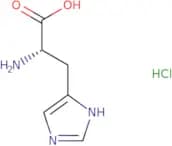
Fórmula:C11H14OPureza:Min. 95%Peso molecular:162.23 g/molL-Histidine hydrochloride solution
CAS:L-Histidine hydrochloride solution is a chemical that is used as a nutrient in the treatment of bowel disease. It can be used to treat leukemia, autoimmune diseases, and bowel disease. L-histidine hydrochloride solution contains sodium citrate, which is an essential ingredient for the formation of blood clots. This chemical also has been shown to inhibit group P2 enzymes that are responsible for the degradation of heparin. L-histidine hydrochloride solution may have anti-inflammatory effects due to its ability to inhibit neutrophil chemotaxis and leukocyte adhesion, which are both important factors in inflammation.Fórmula:C6H9N3O2·HClPureza:Min. 95%Peso molecular:191.62 g/molN,N-Diethyl-p-toluenesulfonamide
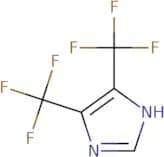
CAS:N,N-Diethyl-p-toluenesulfonamide is a sulfonamide compound that has the chemical formula CH3CONHCH2CH2SO2N(CH3)2. It is an organic amine with a sulfonic acid group. This compound is mainly used as a solvent for cellulose acetate and nitrocellulose, as well as in pharmaceuticals and photographic chemicals. N,N-Diethyl-p-toluenesulfonamide also has pharmacophoric properties and can be used to study biomolecules such as peptides and proteins. It reacts with organolithium reagents to form lithium salts. The bond cleavage of this compound occurs at temperatures between 190°C and 210°C, which make it useful in chromatographic science. N,N-Diethyl-p-toluenesulfonamide is synthesized by the condensation of amines with sulfonic acidsFórmula:C11H17NO2SPureza:Min. 95%Peso molecular:227.32 g/mol4,5-Bis(trifluoromethyl)imidazole
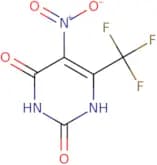
CAS:4,5-Bis(trifluoromethyl)imidazole is a heterocyclic organic compound and a dimethylhydrazone derivative. It can be used as an intermediate in the synthesis of pharmaceuticals.Fórmula:C5H2F6N2Pureza:Min. 95%Peso molecular:204.08 g/mol5-Nitro-6-(trifluoromethyl)-1,2,3,4-tetrahydropyrimidine-2,4-dione
CAS:Versatile small molecule scaffold
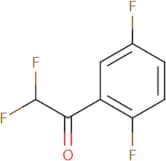
Fórmula:C5H2F3N3O4Pureza:Min. 95%Peso molecular:225.08 g/mol1-(2,5-Difluorophenyl)-2,2-difluoroethan-1-one
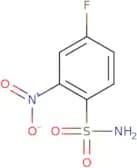
CAS:Versatile small molecule scaffoldFórmula:C8H4F4OPureza:Min. 95%Peso molecular:192.11 g/mol4-Fluoro-2-nitrobenzene-1-sulfonamide
CAS:Versatile small molecule scaffold
Fórmula:C6H5FN2O4SPureza:Min. 95%Peso molecular:220.18 g/molThozalinone
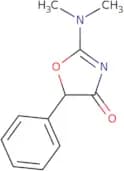
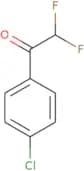
CAS:Thozalinone is a synthetic compound that has been used as an antidepressant treatment for the symptoms of clinical depression. It binds to the CB2 receptor and prevents the reuptake of norepinephrine, which helps to increase levels of this neurotransmitter in the brain. Thozalinone has also shown efficacy in treating inflammatory bowel disease, hepatitis, and bowel diseases. This drug binds to a number of different substrate molecules, such as Toll-like receptor 4 (TLR4), which may be responsible for its ability to suppress inflammation. Thozalinone also acts as a substrate molecule for polymeric matrix metalloproteinases (MMPs), which are involved in tissue remodeling and degradation.Fórmula:C11H12N2O2Pureza:Min. 95%Peso molecular:204.23 g/mol1-(4-Chloro-phenyl)-2,2-difluoro-ethanone
CAS:Versatile small molecule scaffoldFórmula:C8H5ClF2OPureza:Min. 95%Peso molecular:190.57 g/molN-[4-Chloro-3-(trifluoromethyl)phenyl]formamide
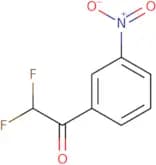
CAS:Versatile small molecule scaffoldFórmula:C8H5ClF3NOPureza:Min. 95%Peso molecular:223.58 g/mol2,2-Difluoro-1-(3-nitrophenyl)ethan-1-one
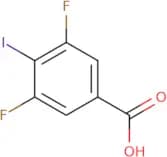
CAS:Versatile small molecule scaffoldFórmula:C8H5F2NO3Pureza:Min. 95%Peso molecular:201.13 g/mol3,5-Difluoro-4-iodobenzoic acid
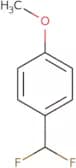
CAS:Versatile small molecule scaffoldFórmula:C7H3F2IO2Pureza:Min. 95%Peso molecular:284 g/mol1-(Difluoromethyl)-4-methoxybenzene
CAS:Versatile small molecule scaffold
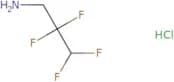
Fórmula:C8H8F2OPureza:Min. 95%Peso molecular:158.14 g/mol2,2,3,3-Tetrafluoropropan-1-amine hydrochloride
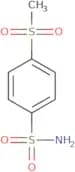
CAS:Versatile small molecule scaffoldFórmula:C3H6ClF4NPureza:Min. 95%Peso molecular:167.53 g/mol4-Methanesulfonylbenzene-1-sulfonamide
CAS:4-Methanesulfonylbenzene-1-sulfonamide is a research chemical that is used in assays to study the metabolism of penicillium chrysogenum and other fungi. The metabolite 4-methanesulfonylbenzenesulfonic acid has been shown to inhibit fungal growth by inhibiting the synthesis of proteins, such as ribosomal proteins, which are necessary for cell division. This research chemical has also been shown to inhibit the production of aflatoxins, which are carcinogenic compounds produced by Aspergillus flavus and other species of fungi. 4-Methanesulfonylbenzene-1-sulfonamide has been found to be safe for use in humans and animals and can be used as a replacement for methyl bromide due to its sustainable functionality.
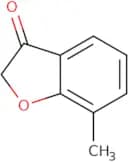
Fórmula:C7H9NO4S2Pureza:Min. 95%Peso molecular:235.3 g/mol7-Methylbenzofuran-3(2H)-one
CAS:7-Methylbenzofuran-3(2H)-one is a cyclic compound that consists of four rings in a furan and thiophene ring system. It is a reactive oxygen species (ROS) that can be found in the environment as an air pollutant. 7-Methylbenzofuran-3(2H)-one is used as an oxidant in organic synthesis and has been shown to have antiplatelet effects. This compound also reacts with sulfur compounds to form sulfides, which can be found in foods such as garlic, onion, and cabbage. The presence of ascorbic acid or other antioxidants may prevent this reaction from occurring. 7-Methylbenzofuran-3(2H)-one can also react with pyrazine to form hydroxypyrazines. This reaction product has been detected in human blood samples, where it may play a role in the development of atherosclerosis or heart disease.Fórmula:C9H8O2Pureza:Min. 95%Peso molecular:148.16 g/mol5-Methyl-2,3-dihydro-1-benzofuran-3-amine hydrochloride
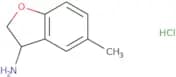
CAS:Versatile small molecule scaffold
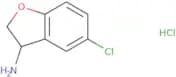
Fórmula:C9H12ClNOPureza:Min. 95%Peso molecular:185.65 g/mol5-Chloro-2,3-dihydro-1-benzofuran-3-amine hydrochloride
CAS:Versatile small molecule scaffoldFórmula:C8H8ClNO·HClPureza:Min. 95%Peso molecular:206.07 g/molTricyclo[5.2.1.0,2,6]decan-8-amine
CAS:Versatile small molecule scaffold
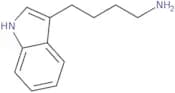
Fórmula:C10H17NPureza:Min. 95%Peso molecular:151.25 g/mol4-(1H-Indol-3-yl)butan-1-amine
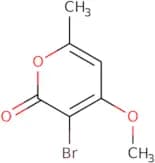
CAS:4-(1H-Indol-3-yl)butan-1-amine is a chemical compound that belongs to the group of indole compounds. It has been shown to have an antitumor effect on colon tumor cells in vivo as well as inhibiting cell growth and inducing apoptosis in vitro. 4-(1H-Indol-3-yl)butan-1-amine is structurally similar to 1,4 butanediol, which has been shown to inhibit histone deacetylase activity. The clinical trials are still ongoing for this drug.Fórmula:C12H16N2Pureza:Min. 95%Peso molecular:188.27 g/mol3-Bromo-4-methoxy-6-methyl-2H-pyran-2-one
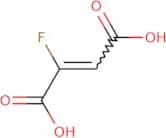
CAS:3-Bromo-4-methoxy-6-methyl-2H-pyran-2-one (BMMP) is a substrate that is used in the synthesis of 1,3,5,7,9,11,13,15,17,19-octahydrocyclopenta[a]phenanthrene (CCHP). The BMMP molecule has a bromine atom at the 4th position and two methoxy groups at the 6th and 10th positions. This compound was synthesized by reacting 3-bromopropionitrile with 2-(chloromethyl)-1-(chloromethyl)ethene in a cross coupling reaction. The BMMP compound has been shown to have myelogenous properties and can be used as a probe for chloride ions.Fórmula:C7H7BrO3Pureza:Min. 95%Peso molecular:219.03 g/mol(2Z)-2-Fluorobut-2-enedioic acid
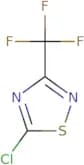
CAS:(2Z)-2-Fluorobut-2-enedioic acid is an enzyme inhibitor that binds to the active site of enzymes. It has cross-linking properties and can be used as an activator or catalyst of polymerization reactions. (2Z)-2-Fluorobut-2-enedioic acid has been shown to be a good substrate for hydrogen fluoride, which converts it into a more reactive form that reacts with fatty acids to form esters. The reaction product is biocompatible and can be used in a variety of medical applications, such as the prevention of adhesions following surgery. (2Z)-2-Fluorobut-2-enedioic acid also acts as an antigen and can be used in the detection of specific antibodies.Fórmula:C4H3FO4Pureza:Min. 95%Peso molecular:134.06 g/mol5-Chloro-3-(trifluoromethyl)-1,2,4-thiadiazole
CAS:5-Chloro-3-(trifluoromethyl)-1,2,4-thiadiazole is a molecule that has been synthesized and shown to have Raman spectroscopic features. It has been shown to be stable at temperatures up to 250°C and can be thermolyzed with wavelengths in the range of 270-700 nm. This molecule has also been observed in the gas phase by Raman spectroscopy. 5-Chloro-3-(trifluoromethyl)-1,2,4-thiadiazole is an orange solid that absorbs light in the ultraviolet region. The molecule is a sulfur analog of 1,2,4-triazole.Fórmula:C3ClF3N2SPureza:Min. 95%Peso molecular:188.56 g/mol2-Oxo-2H-pyran-6-carboxylic acid
CAS:2-Oxo-2H-pyran-6-carboxylic acid is a diphenyl ether that is used as an antimicrobial preservative. It functions by inhibiting bacterial growth and the activity of enzymes, such as pyrylium, which is required for the synthesis of DNA. 2-Oxo-2H-pyran-6-carboxylic acid has also been shown to bind to biphenyl and ether linkages in bacterial cells, preventing their replication. This compound has an acidic pH (4) and can be synthesized on a solid support using hydrochloric acid as a catalyst at neutral pH. The culture supernatant is then mixed with organic acids, such as acetic acid or formic acid, to produce 2-oxo-2H-pyran-6 carboxylic acid in solution.Fórmula:C6H4O4Pureza:Min. 95%Peso molecular:140.09 g/mol4-Chlorobenzene-1-diazonium, tetrafluoroboranuide
CAS:4-Chlorobenzene-1,4-diazonium tetrafluoroborate is a carbocyclic nucleoside that has been synthesized and characterized by Raman spectroscopy. The systematic study of this molecule reveals that it has a crystalline structure and quantum theory. It also has low detection in the range of 0.03 ppm and can be used for the detection of guanine in DNA. 4-Chlorobenzene-1,4-diazonium tetrafluoroborate was immobilized on nanotubes with ammonolysis to form an exfoliated surface for use in surface-enhanced Raman spectroscopy.Fórmula:C6H4BClF4N2Pureza:Min. 95%Peso molecular:226.37 g/mol2-[(2,2,2-Trifluoroethyl)sulfanyl]acetic acid
CAS:2-[(2,2,2-Trifluoroethyl)sulfanyl]acetic acid (TFAA) is a pharmaceutical excipient that is used as a raw material for the production of cephalosporin. It has antibacterial activity against gram-positive and gram-negative bacteria. TFAA inhibits bacterial growth by binding to the active site of the enzyme methoxylmethyl esterase, which converts methoxymethyl esters to methyl esters. This leads to an accumulation of intermediates in cephalosporin synthesis and eventually cell death. TFAA has been shown to be effective against infections caused by methicillin-resistant Staphylococcus aureus (MRSA).Fórmula:C4H5F3O2SPureza:Min. 95%Peso molecular:174.14 g/mol1,1,1,3,3,3-Hexafluoro-2-isocyanatopropane
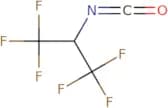
CAS:1,1,1,3,3,3-Hexafluoro-2-isocyanatopropane (HFI) is an unsymmetrical molecule that is a colorless gas at room temperature. It is used as a reagent in the synthesis of carbodiimides. HFI has been shown to be an effective and selective nucleophile for the coupling of aryl halides with amines. The reactions are carried out in water without any additives or catalysts.
Fórmula:C4HF6NOPureza:Min. 95%Peso molecular:193.05 g/molMethoxy(2,2,2-trichloro-1-hydroxyethyl)phosphinic acid
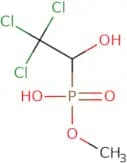
CAS:Methoxy(2,2,2-trichloro-1-hydroxyethyl)phosphinic acid is a chemical substance that has been shown to be mutagenic in laboratory animals. It has been shown to produce birth defects in laboratory mice when given orally or intraperitoneally. Methoxy(2,2,2-trichloro-1-hydroxyethyl)phosphinic acid also causes damage to the central nervous system and can cause behavioral changes in rats.
Fórmula:C3H6Cl3O4PPureza:Min. 95%Peso molecular:243.41 g/molN-Chloroacetyl-L-leucine
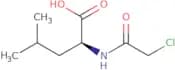
CAS:N-Chloroacetyl-L-leucine is a chloromethyl ketone that is used as a pesticide and insecticide. It is effective against insects such as the Colorado potato beetle and the European corn borer, but not against snails or slugs. N-Chloroacetyl-L-leucine denatures proteins at high concentrations. This chemical has been shown to be toxic to the pancreas and can cause hepatitis in rats. N-Chloroacetyl-L-leucine can be used for pest control by disrupting the metabolism of an organism's nervous system. Techniques include thermal denaturation, metal ion uptake, and homogenization.Fórmula:C8H14ClNO3Pureza:Min. 95%Peso molecular:207.65 g/molMethyl 3-amino-3-thioxopropanoate
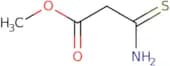
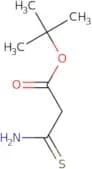
CAS:Methyl 3-amino-3-thioxopropanoate is an antipyretic agent that belongs to the group of acid derivatives. The compound has been shown to have a blood pH lowering effect in animals. It also inhibits the synthesis of triglycerides, fibrinogen, and cholesterol. Methyl 3-amino-3-thioxopropanoate also displays anti-inflammatory properties and is used as an analgesic for rheumatic conditions.Fórmula:C4H7NO2SPureza:Min. 95%Peso molecular:133.17 g/moltert-butyl 3-amino-3-thioxopropanoate
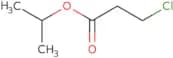
CAS:Versatile small molecule scaffoldFórmula:C7H13NO2SPureza:Min. 95%Peso molecular:175.25 g/molPropan-2-yl 3-chloropropanoate
CAS:Versatile small molecule scaffoldFórmula:C6H11ClO2Pureza:Min. 95%Peso molecular:150.6 g/mol2-Aminooctane
CAS:2-Aminooctane is an organic compound that has a variety of industrial applications. It is used in the production of butyric acid and as a viscosity index improver in lubricating oils. 2-Aminooctane is also used to produce nitrides, which are compounds containing nitrogen and at least one other element. These compounds are useful for their high thermal stability, low reactivity, and high melting point. 2-Aminooctane can be obtained by oxidizing 2-aminoethanol with nitric acid or by reacting aminobutyric acid with formaldehyde. The product is then distilled under vacuum to remove excess water and other volatile substances.
2-Aminooctane is a colorless liquid that boils at 140°C (284°F) and freezes at -89°C (-129°F). It has an acidic odor and can react with bases such as calcium hydroxide to form calcium aminFórmula:C8H19NPureza:Min. 95%Peso molecular:129.25 g/mol1-Bromoundecane
CAS:1-Bromoundecane is an antimicrobial agent that inhibits the growth of bacteria by binding to their cell wall, thereby preventing its synthesis. It has been found to be effective against chronic kidney disease and metabolic disorders in tissue culture. 1-Bromoundecane has a low potency and is not reactive or activated. The chemical can react with hydrochloric acid to form a polarizer, which is used in optical instruments for measuring the refractive index of transparent materials such as glass and water. 1-Bromoundecane also inhibits the production of growth factors that are necessary for cellular proliferation. This drug may have biological functions as a fatty acid and hydrogen bond donor.Fórmula:C11H23BrPureza:Min. 95%Peso molecular:235.2 g/molVinylcyclopropane
CAS:Versatile small molecule scaffold
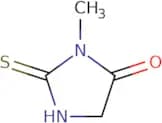
Fórmula:C5H8Pureza:Min. 95%Peso molecular:68.12 g/mol2-Mercapto-3-methyl-3,5-dihydro-imidazol-4-one
CAS:2-Mercapto-3-methyl-3,5-dihydro-imidazol-4-one (MMI) is a diagnostic agent that belongs to the group of chemical ionization reagents. It has been shown to be effective as a carcinogen in Sprague Dawley rats and to induce cancer at high doses. MMI is used in the analysis of acidity, and is also used for the analysis of amino acids in proteins by chromatography. MMI reacts with histidine residues on ribosomes and forms an iminium ion, which leads to protein synthesis inhibition. This reaction mechanism can be inhibited by adding an amine such as methylamine or ammonia, thereby inhibiting protein synthesis.Fórmula:C4H6N2OSPureza:Min. 95%Peso molecular:130.17 g/mol2-Bromobicyclo[2.2.1]hept-2-ene
CAS:2-Bromobicyclo[2.2.1]hept-2-ene is a brominating agent that is used for the synthesis of organic compounds, such as halogenated hydrocarbons and pharmaceuticals. The use of this reagent in the synthesis of halogenated hydrocarbons is based on its ability to form a metal hydride with the desired metal, which can then be used as a reducing agent. This brominating agent also has stereospecificity, allowing for the selective introduction of one type of substituent at one position in an organic molecule. 2-Bromobicyclo[2.2.1]hept-2-ene is a precursor to other brominating agents and metal hydrides, such as lithium bromide and sodium hydride.Fórmula:C7H9BrPureza:Min. 95%Peso molecular:173.05 g/mol3-Bromotricyclo[2.2.1.0,2,6]heptane
CAS:3-Bromotricyclo[2.2.1.0,2,6]heptane is a biomolecule and azabicyclic compound with molecular formula C8H14Br and molecular weight of 152.19 g/mol. It has been shown to react through nucleophilic attack at the carbonyl carbon to produce an intermediate that tautomerizes to the corresponding ketone in a cycloaddition reaction with acetaldehyde or xylene. The deuterated derivative of this compound has been synthesized using deuteration techniques and can be used for studies on the mechanism of substitution reactions of nucleophiles such as chloride or butyltin compounds. This biomolecule also reacts with alkoxides at temperatures greater than 0°C to form ethyl 2-bromo-3-methylhexanoate, which can be used as a starting material for the synthesis of biphenyls by Friedel-CraftsFórmula:C7H9BrPureza:Min. 95%Peso molecular:173.05 g/mol5,6-Dihydro Thymine
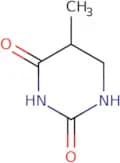
CAS:5,6-Dihydrothymine is a metabolic precursor to thymine. It has been shown to inhibit the production of DNA and RNA in cells, which causes cellular transformation. 5,6-Dihydrothymine also inhibits enzyme activity by competing with substrates or by forming covalent bonds with the enzyme. This drug has been found to be genotoxic and may cause cancer, but it can also be used for diagnosis and treatment of radiation-induced genetic damage. The drug is an oral prodrug that is hydrolyzed in the gastrointestinal tract to release thymine. 5,6-Dihydrothymine is used for molecular pathogenesis studies on solid tumours, such as breast cancer and prostate cancer.Fórmula:C5H8N2O2Pureza:Min. 95%Peso molecular:128.13 g/mol1-Methyl-1,3-diazinane-2,4-dione
CAS:1-Methyl-1,3-diazinane-2,4-dione is a heterocycle that has been shown to have immunosuppressive effects. It has been shown to inhibit the production of inflammatory cells, including T cells and natural killer cells, in response to stimulation with mitogens. In addition, 1-methyl-1,3-diazinane-2,4-dione inhibits the activation of T cells by inhibiting the synthesis of β-amino acid and reducing intracellular levels of LPS. This compound also has been shown to be a potent inhibitor of HIV replication and cancer growth in vitro.Fórmula:C5H8N2O2Pureza:Min. 95%Peso molecular:128.13 g/molalpha-Fluorostyrene
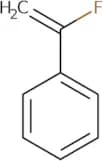
CAS:Styrene is a synthetic monomer that belongs to the group of cycloalkanes. It is a colorless, volatile liquid with a boiling point of at least 100°C and a viscosity of 0.5-2 mm2/s. Styrene is usually used in the production of polystyrene plastic and styrenic resins. Its most well-known application is in the manufacture of polystyrene foam insulation (commonly known as Styrofoam). Styrene can be converted into other compounds by thermolysis, oxidation, or hydrolysis. One such conversion is debromination, which occurs when styrene reacts with bromine in an alkaline solution to produce di-bromostyrene and hydrogen bromide gas. The isotopomers alpha-fluorostyrene and beta-fluorostyrene are derivatives of styrene that are used for analysis purposes because they have different physical properties due to their different masses.
Fórmula:C8H7FPureza:Min. 95%Peso molecular:122.14 g/molCyclooctanol
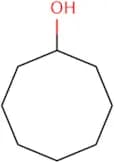
CAS:Cyclooctanol is an organic compound that belongs to the group of aliphatic hydrocarbons. It is a reaction product of trifluoroacetic acid and cyclooctyl, which is formed at a rate dependent on the hydroxyl group content. Cyclooctanol inhibits monoamine reuptake, which may be due to its carbonyl group, and has been shown to have insulin resistance-inducing properties. Cyclooctanol also inhibits the formation of insulin receptors in diabetic neuropathy by binding with piperazine, thus inhibiting the redox potential of the cells.
Fórmula:C8H16OPureza:Min. 95%Peso molecular:128.22 g/mol(1R,2S)rel-cyclopropane1,2dicarboxylic acid
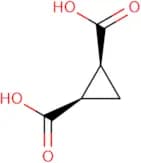
CAS:(1R,2S)rel-cyclopropane1,2dicarboxylic acid is a synthetic compound. It has been shown to activate the camp-dependent protein kinase C and inhibit the phosphodiesterase type 3 enzyme. It also has gametocide properties in vitro assays. (1R,2S)rel-cyclopropane1,2dicarboxylic acid has been analysed using nmr spectra and transition state theory to determine its structure. The pharmacophore of (1R,2S)rel-cyclopropane1,2dicarboxylic acid is a dione with an activating hydrogen atom on one side and a hydrogenolysis site on the other.Fórmula:C5H6O4Pureza:Min. 95%Peso molecular:130.1 g/mol1-(2-Chloroethoxy)-2,5-dihydro-1H-1λ⁵-phosphol-1-one
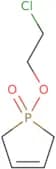
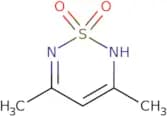
CAS:Versatile small molecule scaffoldFórmula:C6H10ClO2PPureza:Min. 95%Peso molecular:180.57 g/mol3,5-Dimethyl-2H-1,2,6-thiadiazine-1,1-dione
CAS:Versatile small molecule scaffoldFórmula:C5H8N2O2SPureza:Min. 95%Peso molecular:160.2 g/molTricyclo[2.2.1.0,2,6]heptane-3-carboxylic acid
CAS:Versatile small molecule scaffold
Fórmula:C8H10O2Pureza:Min. 95%Peso molecular:138.16 g/mol7-Chlorothieno[2,3-d]pyridazine
CAS:Versatile small molecule scaffoldFórmula:C6H3ClN2SPureza:Min. 95%Peso molecular:170.62 g/mol6H,7H-Thieno[2,3-d]pyridazin-7-one
CAS:Versatile small molecule scaffoldFórmula:C6H4N2OSPureza:Min. 95%Peso molecular:152.18 g/mol2-Bromo-N,N-dimethylaniline
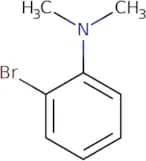
CAS:2-Bromo-N,N-dimethylaniline is a chemical compound that belongs to the class of alkylating agents. It is prepared by the reaction of 2-bromoaniline with a Grignard reagent, followed by acidification and removal of the volatile bromide. 2-Bromo-N,N-dimethylaniline has been used in the preparation of ligands for metal complexes and as an acetal protecting group for alcohols and phenols. 2-Bromo-N,N-dimethylaniline has been shown to be a good cross-coupling agent for halides or aromatic heterocycles, which is an important property in organic synthesis. The mechanism involves initial abstraction of hydrogen from the substrate molecule by 2-bromo-N,N-dimethylaniline forming an intermediate cationic species. This intermediate cationic species then reacts with the substrate molecule
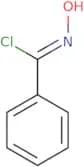
Fórmula:C8H10BrNPureza:Min. 95%Peso molecular:200.08 g/mola-Chlorobenzaldoxime
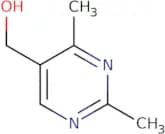
CAS:a-Chlorobenzaldoxime is a potent antibacterial agent that inhibits bacterial growth by binding to the enzyme protein, thereby preventing the synthesis of essential proteins. It also has insecticidal activities. a-Chlorobenzaldoxime is an inorganic compound and is not metabolized by the body. This makes it an efficient method for treating bacterial infections.Fórmula:C7H6ClNOPureza:Min. 95%Peso molecular:155.58 g/mol(2,4-Dimethylpyrimidin-5-yl)methanol
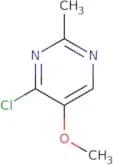
CAS:(2,4-Dimethylpyrimidin-5-yl)methanol is an ethylene diamine molecule that is covalently bonded to a cyclic peptide. It has been shown to have strong antimicrobial activity against various types of bacteria and fungi. (2,4-Dimethylpyrimidin-5-yl)methanol is able to kill bacteria by inhibiting protein synthesis, which may be due to its ability to form hydrogen bonds with the transfer reactions of the ribosome. In addition, (2,4-Dimethylpyrimidin-5-yl)methanol has also been shown to form acid in the presence of malonic acid and inhibitor molecules. This results in inhibition of bacterial growth and structural analysis by electrochemical impedance spectroscopy.Fórmula:C7H10N2OPureza:Min. 95%Peso molecular:138.17 g/mol4-Chloro-5-methoxy-2-methylpyrimidine
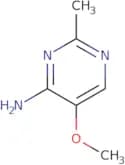
CAS:Versatile small molecule scaffoldFórmula:C6H7ClN2OPureza:Min. 95%Peso molecular:158.58 g/mol5-Methoxy-2-methylpyrimidin-4-amine
CAS:Versatile small molecule scaffold
Fórmula:C6H9N3OPureza:Min. 95%Peso molecular:139.16 g/mol5-Methoxy-2-methyl-1,4-dihydropyrimidin-4-one
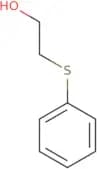
CAS:Versatile small molecule scaffoldFórmula:C6H8N2O2Pureza:Min. 95%Peso molecular:140.14 g/mol2-(Phenylthio)ethanol
CAS:2-Phenylthioethanol is a monomer that is used in the synthesis of silver trifluoromethanesulfonate. 2-Phenylthioethanol reacts with hydroxyl groups to form an ether linkage, which is the basis for its use as a monomer. 2-Phenylthioethanol has been shown to react with orthophosphate to form an ester linkage. This reaction is catalyzed by a nucleophile (e.g., chloride) and occurs at neutral pH in the presence of aluminium powder. The rate of this reaction increases with temperature and can be accelerated by diphenyl sulfoxide. The coatings industry uses 2-phenylthioethanol as a solvent for polyvinylchloride and polyurethane coatings, due to its ability to dissolve these materials without degrading them.
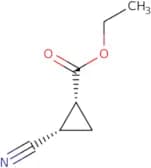
Fórmula:C8H10OSPureza:Min. 95%Peso molecular:154.23 g/molcis-ethyl (1R,2S)-2-cyanocyclopropane-1-carboxylate
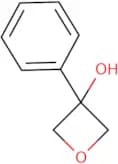
CAS:Versatile small molecule scaffoldFórmula:C7H9NO2Pureza:Min. 95%Peso molecular:139.15 g/mol3-Phenyloxetan-3-ol
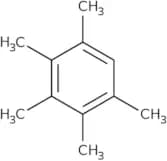
CAS:3-Phenyloxetan-3-ol is a degassing agent that can be used to regulate the sensitivity of metal plates. It has been shown to increase the efficiency of hydroelectric power generation by reducing the amount of turbidity in water. 3-Phenyloxetan-3-ol is not resistant to impurities, and can form metal oxides with copper and other elements. 3-Phenyloxetan-3-ol is a liquid that has a particle size of about 1 micrometre, which makes it useful for industrial applications such as plates and alloys.Fórmula:C9H10O2Pureza:Min. 95%Peso molecular:150.17 g/molPentamethylbenzene
CAS:Pentamethylbenzene is a reactive organic chemical that is used in the production of other chemicals and is used as a solvent. It has been shown to have high reactivity with hydrochloric acid, pentamethylbenzene, and trifluoroacetic acid. Pentamethylbenzene reacts with redox potentials to form bicyclic heterocycles. This reaction mechanism leads to metabolic disorders such as protonation of amino acids and deamination of nucleosides. Pentamethylbenzene also reacts with oxygen in vivo to form trifluoroacetic acid, which may lead to treatment of metabolic disorders by reducing the concentration of proton ions.Fórmula:C11H16Pureza:Min. 95%Peso molecular:148.25 g/molBicyclo[2.2.1]hept-5-ene-2-sulfonyl fluoride, somers
CAS:Versatile small molecule scaffoldFórmula:C7H9FO2SPureza:Min. 95%Peso molecular:176.21 g/mol1-(Propan-2-yl)-1,3-diazinane-2,4-dione
CAS:Versatile small molecule scaffold
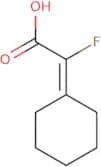
Fórmula:C7H12N2O2Pureza:Min. 95%Peso molecular:156.18 g/mol2-Cyclohexylidene-2-fluoroacetic acid
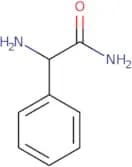
CAS:2-Cyclohexylidene-2-fluoroacetic acid is a geometrically constrained molecule that has been synthesized and characterized by X-ray crystallography. The compound adopts three conformations, each of which is related to the other two by a rotation of the cyclohexane ring around the central fluoroacetate group.Fórmula:C8H11FO2Pureza:Min. 95%Peso molecular:158.17 g/mol2-Amino-2-phenylacetamide
CAS:2-Amino-2-phenylacetamide is a model compound that has been used to study enzyme catalysis. It is an amide with a hydroxylamine group and an aromatic ring. 2-Amino-2-phenylacetamide inhibits the replication of DNA by binding to the protein polymerase, which blocks the transfer of amino acids from the tRNA molecule to the growing strand of DNA. This leads to apoptosis in cells that are susceptible to this type of inhibition. The synthesis of 2-Amino-2-phenylacetamide can be achieved through two methods: nitration of phenylacetic acid and oxidation of benzoic acid with nitric acid. Hydrochloric acid is required for both methods, as well as zinc chloride for the nitration method.
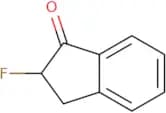
2-Amino-2-phenylacetamide is also known as succinoyl.Fórmula:C8H10N2OPureza:Min. 95%Peso molecular:150.18 g/mol2-Fluoro-2,3-dihydro-1H-inden-1-one
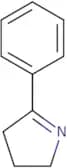
CAS:2-Fluoro-2,3-dihydro-1H-inden-1-one is an enolate salt that has been shown to be effective as a ligand for palladium complexes. The compound is used in the photochemical production of cycloalkanones from allyl alcohols and ketones. 2-Fluoro-2,3-dihydro-1H-inden-1-one has also been used in the synthesis of chiral phosphine ligands. This chemical can be synthesized by reacting potassium phosphate with triflates in the presence of carbonyl compounds. It is also produced when uv irradiation interacts with enolates.Fórmula:C9H7FOPureza:Min. 95%Peso molecular:150.15 g/mol5-Phenyl-3,4-dihydro-2H-pyrrole
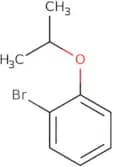
CAS:5-Phenyl-3,4-dihydro-2H-pyrrole is a heterocyclic compound that is used in the synthesis of other chemicals. It can be positioned with a variety of functional groups and undergoes aromatisation by the cytochrome P450 enzyme system. 5-Phenyl-3,4-dihydro-2H-pyrrole reacts with perchlorates to form heterocycles such as pyrrolidine and activated pyrrole, which are used in supramolecular chemistry. 5PDP has been shown to react with haloalkanes to form bicyclic heterocycles such as 1,3,5-trioxane.Fórmula:C10H11NPureza:Min. 95%Peso molecular:145.2 g/mol1-Bromo-2-isopropoxybenzene
CAS:Versatile small molecule scaffoldFórmula:C9H11BrOPureza:Min. 95%Peso molecular:215.09 g/mol

![[2,2-Bis(propan-2-yl)-1,3-dioxolan-4-yl]methanol](/_next/image/?url=https%3A%2Fstatic.cymitquimica.com%2Fproducts%2F3D%2Fthumb-webp%2FAAA47043.webp&w=3840&q=75)

![N-{2-[(2-Acetamidoethyl)disulfanyl]ethyl}acetamide](/_next/image/?url=https%3A%2Fstatic.cymitquimica.com%2Fproducts%2F3D%2Fthumb-webp%2FAAA63844.webp&w=3840&q=75)

![Bis[2-(2-chloroethoxy)ethyl] Ether](/_next/image/?url=https%3A%2Fstatic.cymitquimica.com%2Fproducts%2F3D%2Fthumb-webp%2FAAA63856.webp&w=3840&q=75)
![N-[4-Chloro-3-(trifluoromethyl)phenyl]formamide](/_next/image/?url=https%3A%2Fstatic.cymitquimica.com%2Fproducts%2F3D%2Fthumb-webp%2FAAA65696.webp&w=3840&q=75)
![Tricyclo[5.2.1.0,2,6]decan-8-amine](/_next/image/?url=https%3A%2Fstatic.cymitquimica.com%2Fproducts%2F3D%2Fthumb-webp%2FAAA66951.webp&w=3840&q=75)


![2-[(2,2,2-Trifluoroethyl)sulfanyl]acetic acid](/_next/image/?url=https%3A%2Fstatic.cymitquimica.com%2Fproducts%2F3D%2Fthumb-webp%2FAAA67568.webp&w=3840&q=75)



![2-Bromobicyclo[2.2.1]hept-2-ene](/_next/image/?url=https%3A%2Fstatic.cymitquimica.com%2Fproducts%2F3D%2Fthumb-webp%2FAAA69490.webp&w=3840&q=75)
![3-Bromotricyclo[2.2.1.0,2,6]heptane](/_next/image/?url=https%3A%2Fstatic.cymitquimica.com%2Fproducts%2F3D%2Fthumb-webp%2FAAA69502.webp&w=3840&q=75)

![Tricyclo[2.2.1.0,2,6]heptane-3-carboxylic acid](/_next/image/?url=https%3A%2Fstatic.cymitquimica.com%2Fproducts%2F3D%2Fthumb-webp%2FAAA69756.webp&w=3840&q=75)
![7-Chlorothieno[2,3-d]pyridazine](/_next/image/?url=https%3A%2Fstatic.cymitquimica.com%2Fproducts%2F3D%2Fthumb-webp%2FAAA69771.webp&w=3840&q=75)
![6H,7H-Thieno[2,3-d]pyridazin-7-one](/_next/image/?url=https%3A%2Fstatic.cymitquimica.com%2Fproducts%2F3D%2Fthumb-webp%2FAAA69772.webp&w=3840&q=75)

![Bicyclo[2.2.1]hept-5-ene-2-sulfonyl fluoride, somers](/_next/image/?url=https%3A%2Fstatic.cymitquimica.com%2Fproducts%2F3D%2Fthumb-webp%2FAAA70026.webp&w=3840&q=75)