Building Blocks
Subcategorías de "Building Blocks"
- Ácidos borónicos y derivados del ácido borónico(5.780 productos)
- Building Blocks quirales(1.241 productos)
- Building Blocks de hidrocarburos(6.100 productos)
- Building Blocks orgánicos(61.023 productos)
Se han encontrado 205289 productos de "Building Blocks"
3-{[(tert-Butoxy)carbonyl]amino}-2,2,4-trimethylpentanoic acid
CAS:Versatile small molecule scaffoldFórmula:C13H25NO4Pureza:Min. 95%Peso molecular:259.3 g/mol1-(Aminomethyl)tricyclo[2.2.1.0,2,6]heptan-3-ol
CAS:Versatile small molecule scaffold
Fórmula:C8H13NOPureza:Min. 95%Peso molecular:139.19 g/mol2-(2-Oxo-1,3-oxazolidin-5-yl)acetonitrile
CAS:Versatile small molecule scaffold
Fórmula:C5H6N2O2Pureza:Min. 95%Peso molecular:126.11 g/moltert-Butyl 2-(hydroxymethyl)-3,3-dimethylazetidine-1-carboxylate
CAS:Versatile small molecule scaffoldFórmula:C11H21NO3Pureza:Min. 95%Peso molecular:215.29 g/mol7,7-Dimethyl-2-azabicyclo[4.1.1]octane
CAS:Versatile small molecule scaffoldFórmula:C9H17NPureza:Min. 95%Peso molecular:139.24 g/mol6-Methylmorpholine-2-carboxamide
CAS:Versatile small molecule scaffoldFórmula:C6H12N2O2Pureza:Min. 95%Peso molecular:144.17 g/mol5-(Bromomethyl)-3,3-dimethylpyrrolidin-2-one
CAS:Versatile small molecule scaffoldFórmula:C7H12BrNOPureza:Min. 95%Peso molecular:206.08 g/molMethyl 5-cyano-2-sulfanylbenzoate
CAS:Versatile small molecule scaffoldFórmula:C9H7NO2SPureza:Min. 95%Peso molecular:193.22 g/mol2,2-Dimethyl-3-(2-methylprop-1-en-1-ylidene)cyclopropane-1-carbaldehyde
CAS:Versatile small molecule scaffoldFórmula:C10H14OPureza:Min. 95%Peso molecular:150.22 g/mol2,2-Dimethyl-1,2-dihydroquinolin-4-ol hydrochloride
CAS:Versatile small molecule scaffoldFórmula:C11H14ClNOPureza:Min. 95%Peso molecular:211.69 g/mol2-Bromo-5,6-dimethylpyridin-3-amine
CAS:Versatile small molecule scaffoldFórmula:C7H9BrN2Pureza:Min. 95%Peso molecular:201.06 g/mol6-tert-Butylquinolin-8-amine
CAS:Versatile small molecule scaffold
Fórmula:C13H16N2Pureza:Min. 95%Peso molecular:200.28 g/molMethyl 5,6,7,8-tetrahydro-1,8-naphthyridine-3-carboxylate
CAS:Versatile small molecule scaffold
Fórmula:C10H12N2O2Pureza:Min. 95%Peso molecular:192.21 g/mol5,6,7,8,8a,9,10,10a-Octahydroanthracen-2-ol
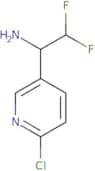
CAS:Versatile small molecule scaffoldFórmula:C14H18OPureza:Min. 95%Peso molecular:202.3 g/mol1-(6-Chloropyridin-3-yl)-2,2-difluoroethan-1-amine
CAS:Versatile small molecule scaffoldFórmula:C7H7ClF2N2Pureza:Min. 95%Peso molecular:192.59 g/mol4-Formyl-1,3-thiazole-2-carbonitrile
CAS:Versatile small molecule scaffold
Fórmula:C5H2N2OSPureza:Min. 95%Peso molecular:138.15 g/mol{8-Fluoro-2-oxa-6-azaspiro[3.4]octan-8-yl}methanol
CAS:Versatile small molecule scaffoldFórmula:C7H12FNO2Pureza:Min. 95%Peso molecular:161.17 g/mol2-(3-Amino-4-cyanophenyl)acetic acid
CAS:Versatile small molecule scaffold
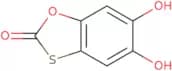
Fórmula:C9H8N2O2Pureza:Min. 95%Peso molecular:176.17 g/mol5,6-Dihydroxy-2H-1,3-benzoxathiol-2-one
CAS:Versatile small molecule scaffoldFórmula:C7H4O4SPureza:Min. 95%Peso molecular:184.17 g/moltert-Butyl N-[4-(ethoxysulfonyl)but-3-en-2-yl]carbamate
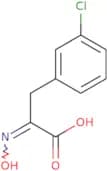
CAS:Versatile small molecule scaffoldFórmula:C11H21NO5SPureza:Min. 95%Peso molecular:279.36 g/mol3-(3-Chlorophenyl)-2-(N-hydroxyimino)propanoic acid
CAS:Versatile small molecule scaffoldFórmula:C9H8ClNO3Pureza:Min. 95%Peso molecular:213.62 g/mol2-(2-Fluorobenzoyl)-octahydropyrrolo[3,4-c]pyrrole hydrochloride
CAS:Versatile small molecule scaffoldFórmula:C13H16ClFN2OPureza:Min. 95%Peso molecular:270.73 g/mol(1S,3R)-3-[(2S)-2-Phenylpropanamido]cyclopentane-1-carboxylic acid
CAS:Versatile small molecule scaffoldFórmula:C15H19NO3Pureza:Min. 95%Peso molecular:261.3 g/molN-(3-Chloropropyl)-2-ethylbutanamide
CAS:Versatile small molecule scaffold
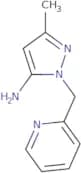
Fórmula:C9H18ClNOPureza:Min. 95%Peso molecular:191.7 g/mol3-Methyl-1-(pyridin-2-ylmethyl)-1H-pyrazol-5-amine
CAS:Versatile small molecule scaffoldFórmula:C10H12N4Pureza:Min. 95%Peso molecular:188.23 g/mol3-{[1,2,4]Triazolo[4,3-a]pyridin-3-yl}propan-1-amine hydrochloride
CAS:Versatile small molecule scaffoldFórmula:C9H13ClN4Pureza:Min. 95%Peso molecular:212.68 g/molrac-Benzyl (3R,4R)-3-hydroxy-4-(methylamino)pyrrolidine-1-carboxylate
CAS:Versatile small molecule scaffoldFórmula:C13H18N2O3Pureza:Min. 95%Peso molecular:250.29 g/mol(5-Amino-1-butyl-1H-1,3-benzodiazol-2-yl)methanol
CAS:Versatile small molecule scaffoldFórmula:C12H17N3OPureza:Min. 95%Peso molecular:219.28 g/mol3-Isothiocyanatobenzamide
CAS:Versatile small molecule scaffold
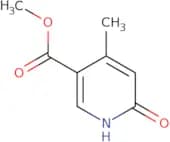
Fórmula:C8H6N2OSPureza:Min. 95%Peso molecular:178.21 g/molMethyl 4-methyl-6-oxo-1,6-dihydropyridine-3-carboxylate
CAS:Versatile small molecule scaffold
Fórmula:C8H9NO3Pureza:Min. 95%Peso molecular:167.16 g/molMethyl 2-bromobenzo[D]thiazole-7-carboxylate
CAS:Versatile small molecule scaffoldFórmula:C9H6BrNO2SPureza:Min. 95%Peso molecular:272.12 g/molMethyl 2-(1-aminocyclopentyl)acetate hydrochloride
CAS:Versatile small molecule scaffoldFórmula:C8H16ClNO2Pureza:Min. 95%Peso molecular:193.67 g/molMethyl 4-(propan-2-yloxy)cyclohexane-1-carboxylate
CAS:Versatile small molecule scaffoldFórmula:C11H20O3Pureza:Min. 95%Peso molecular:200.27 g/mol2-Bromo-1-(2,5-dimethoxyphenyl)ethan-1-ol
CAS:Versatile small molecule scaffold
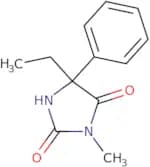
Fórmula:C10H13BrO3Pureza:Min. 95%Peso molecular:261.11 g/molMephenytoin
CAS:Mephenytoin is a drug that inhibits the activity of CYP2C19, which is an enzyme in the cytochrome P450 system. It has been shown to be effective in treating chronic viral hepatitis and autoimmune diseases such as psoriasis. The minimal toxicity of mephenytoin makes it a desirable candidate for use in chronic oral therapy. This drug also interacts with many other drugs, including nonsteroidal anti-inflammatory drugs, which may cause an increase or decrease in their effectiveness. Mephenytoin has been shown to inhibit the activities of the polymerase chain reaction (PCR) and reverse transcriptase in humans, making it useful for analytical purposes.
Fórmula:C12H14N2O2Pureza:Min. 95%Peso molecular:218.25 g/mol4-Amino-N-[2-(pyrrolidin-1-yl)ethyl]benzamide
CAS:Versatile small molecule scaffoldFórmula:C13H19N3OPureza:Min. 95%Peso molecular:233.31 g/mol4-Amino-N-[2-(morpholin-4-yl)ethyl]benzamide
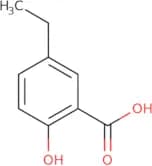
CAS:Versatile small molecule scaffoldFórmula:C13H19N3O2Pureza:Min. 95%Peso molecular:249.31 g/mol5-Ethyl-2-hydroxybenzoic acid
CAS:5-Ethyl-2-hydroxybenzoic acid has the chemical nature of a phenol and is also known as salicylic acid. It is a monosubstituted aromatic carboxylic acid with a methoxy group. The hydroxyl group on this molecule interacts with the hydroxyl group on adjacent molecules to form hydrogen bonds, which gives it stability. Salicylic acid reacts with 4-methoxybenzoic acid to produce 2,4-dihydroxybenzoic acid and salicylic acid. Salicylic acid can also react with ascorbic acid to produce 2,5-dihydroxybenzoic acid and salicylic acid. Salicylic acid can also react with benzoic acids to produce 4-hydroxybenzoic and 2,4,6-trihydroxybenzoic acids.Fórmula:C9H10O3Pureza:Min. 95%Peso molecular:166.18 g/mol1-Phenylbiguanide hydrochloride
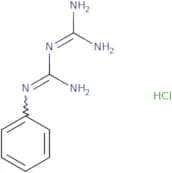
CAS:1-Phenylbiguanide hydrochloride (1PBGH) is a potent inhibitor of the enzyme tyrosinase, which is involved in the synthesis of melanin. It inhibits the production of melanin, resulting in lightening skin coloration. 1PBGH has been shown to inhibit the growth of cancer cells by inhibiting energy metabolism and adenosine triphosphate (ATP) production. 1PBGH also reduces intracellular calcium levels in neuroblastoma cells and inhibits the proliferation of these cancer cells. This drug has been tested for its effectiveness against skin cancers.Fórmula:C8H11N5·HClPureza:Min. 95%Peso molecular:213.67 g/molPhenylephrine
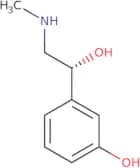
CAS:Phenylephrine is a sympathomimetic drug that stimulates α-adrenergic receptors. It is used to relieve the symptoms of chronic cough and to reduce blood pressure in patients with high blood pressure. Phenylephrine has been shown to inhibit the activity of toll-like receptor 4 on human cells, leading to a reduction in proinflammatory cytokines. In addition, phenylephrine has been shown to inhibit the activity of TLR2 on human cells, which leads to an increase in intracellular calcium levels. The effects of phenylephrine are mediated by activation of non-selective cation channels and inhibition of phosphodiesterases. This drug is also used as a mydriatic and cycloplegic agent for eye disorders such as glaucoma or ocular hypertension.Fórmula:C9H13NO2Pureza:Min. 95%Peso molecular:167.21 g/mol5-Nitro-2-furonitrile
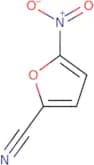
CAS:5-Nitro-2-furonitrile is a nitro compound that is used in the synthesis of other organic compounds. 5-Nitro-2-furonitrile reacts with chloride ions, hydrogen chloride and acid to form nitro radicals, which have a kinetic energy of 5 kcal/mole. The resulting nitro radical can then react with an olefinic or alkoxy radical to form 3-chloroperoxybenzoic acid. This reaction releases the chloride ion and generates hydrochloric acid. 5-Nitro-2-furonitrile is also capable of reacting with azides such as phosphorus oxychloride, forming an azide radical that can be oxidized by 3-chloroperoxybenzoic acid to form a nitric oxide radical. Nitric oxide radicals react with oxygen molecules to produce ozone, thereby releasing the chloride ion and generating hydrochloric acid. 5-Nitro-2-furonitrile is usedFórmula:C5H2N2O3Pureza:Min. 95%Peso molecular:138.08 g/mol4-Aminoazobenzene
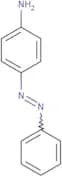
CAS:4-Aminoazobenzene is an azole compound that is structurally similar to diazonium salts. It is an enzyme inducer, which means that it induces the activity of other enzymes. 4-Aminoazobenzene has been shown to increase the activity of DNA polymerase and RNA polymerase in vitro and also inhibits the growth of cultured human cancer cells. This drug has shown genotoxic effects in mice and rats, which may be due to its ability to bind to DNA or form cross-links with DNA. 4-Aminoazobenzene has been used as a chemical intermediate for dyes, photographic chemicals, and pharmaceuticals. It is chemically stable in aqueous solutions at low pH levels but decomposes at higher pH levels or under alkaline conditions. The nitrogen atoms in this compound are not essential for its chemical stability, but are important for binding with monoclonal antibodies such as anti-IgG antibody.
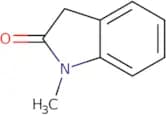
Fórmula:C6H5NNC6H4NH2Pureza:Min. 95%Peso molecular:197.24 g/mol1-Methylindolin-2-one
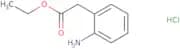
CAS:1-Methylindolin-2-one is an enolate that is synthetically prepared from a methoxymethyl group. 1-Methylindolin-2-one has the ability to inhibit bacterial growth by inhibiting the synthesis of proteins and nucleic acids. It binds to the carbonyl group on the bacteria surface, which prevents the formation of reactive compounds which are necessary for cell division. The reactive form of 1-methylindolin-2-one also has antibacterial activity against a variety of bacteria such as Pseudomonas aeruginosa, Staphylococcus aureus, and Escherichia coli.Fórmula:C9H9NOPureza:Min. 95%Peso molecular:147.18 g/molethyl 2-(2-aminophenyl)acetate hydrochloride
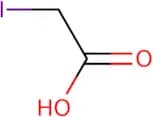
CAS:Versatile small molecule scaffoldFórmula:C10H13NO2·HClPureza:Min. 95%Peso molecular:215.67 g/molIodoaceticacid
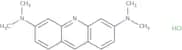
CAS:Iodoacetic acid is a non-steroidal anti-inflammatory drug that is used to relieve pain and reduce inflammation. It reduces the production of prostaglandin E2, which is a chemical mediator of inflammation. Iodoacetic acid has been shown to have no significant effects on energy metabolism or response element activity in human polymorphonuclear leukocytes. Iodoacetic acid has shown to be an effective inhibitor of the enzyme form that converts dinucleotide phosphate (NAD) into NADH (NADase). This compound is stable in sephadex g-100, which allows for easy separation by high-performance liquid chromatography (HPLC). The analytical method for iodoacetic acid involves adding the compound to a buffer solution containing sephadex g-100 and measuring the decrease in light transmission at 236 nm over time.Fórmula:C2H3IO2Pureza:Min. 95%Peso molecular:185.95 g/molAcridine orange hydrochloride hydrate
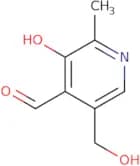
CAS:Acridine orange hydrochloride hydrate is a fluorescent dye that is used as a nucleic acid stain. It can be used to detect the presence of dna in cells. Acridine orange hydrochloride hydrate binds to DNA, intercalates into the double helix, and changes its fluorescence properties. This dye was first synthesized in 1927 by German chemists, but it was not until 1953 that the biological applications became clear. Acridine orange hydrochloride hydrate has been shown to bind to the nuclear DNA of human HL-60 cells and inhibit the polymerase chain reaction (PCR). Acridine orange hydrochloride hydrate is also capable of inhibiting enzyme activities and reactions involving transfer reactions.Fórmula:C17H20ClN3Pureza:Min. 95%Peso molecular:301.8 g/mol3-Hydroxy-5-(hydroxymethyl)-2-methyl-pyridine-4-carbaldehyde
CAS:3-Hydroxy-5-(hydroxymethyl)-2-methyl-pyridine-4-carbaldehyde (3HMPA) is a natural compound that has been shown to have tissue nonspecific effects on the bowel. It is structurally similar to pyridoxal, an amino acid present in food, and may have a role in the synthesis of proteins. 3HMPA has also been shown to be an effective treatment for infectious diseases such as HIV and tuberculosis. 3HMPA binds metal ions by chelation and inhibits the growth of bacteria by inhibiting glutamate production. This compound has also been shown to stimulate physiological responses in mice, including increased heart rate and blood pressure.
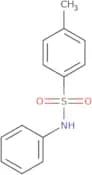
Fórmula:C8H9NO3Pureza:Min. 95%Peso molecular:167.16 g/molp-Toluenesulfonanilide
CAS:p-Toluenesulfonanilide is a disinfectant that is used to control the growth of bacteria and fungi. It is effective against a variety of organisms, including Chaetoceros, Cladosporium, Alternaria, and Aspergillus. p-Toluenesulfonanilide has been shown to inhibit the growth of these organisms by interfering with their metabolism. The method for disinfecting water or other liquids is to add one part p-toluenesulfonanilide to at least 100 parts water. This method involves diluting the chemical in water and then adding it to a container containing the liquid that needs to be disinfected.Fórmula:C13H13NO2SPureza:Min. 95%Peso molecular:247.32 g/molQuinethazone
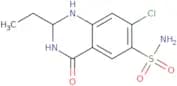
CAS:Quinethazone is a drug that belongs to the class of angiotensin II receptor antagonists. It is used for the treatment of hypertension and congestive heart failure. Quinethazone inhibits angiotensin II, which causes vasoconstriction, increases blood pressure, and decreases sodium excretion. The drug is also an effective inhibitor of the cardiac enzyme carbonic anhydrase and has been shown to be useful in treating diabetic neuropathy. Quinethazone has been found to have inhibitory properties against complex enzymes involved in infectious diseases such as tuberculosis and hepatitis C. This drug also regulates cardiac tissue growth by inhibiting protein genes, thereby preventing the development of cardiac hypertrophy.Fórmula:C10H12ClN3O3SPureza:Min. 95%Peso molecular:289.74 g/mol4-Amino-5-formyl-2-methylpyrimidine
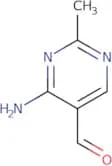
CAS:4-Amino-5-formyl-2-methylpyrimidine is an intermediate in the metabolism of pargyline and is able to inhibit oxidative enzymes. It has also been shown to be a potent inhibitor of the oxidation of aldehydes, ketones, and alcohols to their corresponding carboxylic acids. 4-Amino-5-formyl-2-methylpyrimidine is capable of inhibiting the oxidation of acetonitrile to nitrile with an IC50 value of 3.6 mM. This compound has not been shown to be an inhibitor of cytochrome P450 or monoamine oxidase, but it inhibits pyridoxal phosphate (a cofactor for tyrosine hydroxylase) and can therefore inhibit dopamine synthesis. The postulated mechanism is that 4-amino-5 formyl 2MMP binds to the active site on pyridoxal phosphate, thereby preventing its conversion intoFórmula:C6H7N3OPureza:Min. 95%Peso molecular:137.14 g/mol2,2-Dichloropropanoic Acid
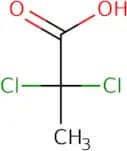
CAS:2,2-Dichloropropanoic Acid is a metabolite of propionic acid that is used in the treatment of autoimmune diseases. It has been shown to inhibit the enzyme activities of calcium pantothenate, polymerase chain, and protease in vitro. 2,2-Dichloropropanoic Acid has also been shown to be effective against bacteria such as Escherichia coli and Klebsiella pneumoniae in animal studies. The optimum concentration for 2,2-dichloropropanoic acid is not yet determined but it has been shown to have no acute toxic effects in rats.
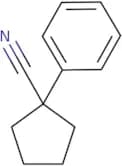
Fórmula:C3H4Cl2O2Pureza:Min. 95%Forma y color:Clear LiquidPeso molecular:142.97 g/mol1-Phenylcyclopentanecarbonitrile
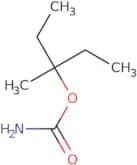
CAS:1-Phenylcyclopentanecarbonitrile (PCN) is a chemical compound that has biological properties. It is used in the production of polyvinyl chloride, polyvinylidene chloride, and other plastics. PCN may also be used as an intermediate for the production of other chemicals such as diammonium cyanide, which is a raw material for the manufacture of fertilizers, and methoxyacetic acid, which is a precursor to pharmaceuticals. PCN has been shown to have neurotoxic effects on the nervous system in mice. It also causes atropine-like effects when administered to rats.Fórmula:C12H13NPureza:Min. 95%Peso molecular:171.24 g/mol3-Methylpentan-3-yl carbamate
CAS:Producto controlado3-Methylpentan-3-yl carbamate (MMPC) is a chemical compound that has been studied for its potential in the treatment of autoimmune and inflammatory diseases. It is an analog of 3-methylpentanoic acid, which has been shown to have anti-inflammatory activity. MMPC has also been shown to be effective against bowel disease, such as ulcerative colitis and Crohn's disease. MMPC acts by inhibiting the synthesis of proteins that are involved in inflammation and cell proliferation, such as cytokines and matrix metalloproteinases.Fórmula:C7H15NO2Pureza:Min. 95%Peso molecular:145.2 g/molTetrahydrolinalool
CAS:Tetrahydrolinalool is a diphenyl ether that can be used to prepare a film-forming polymer. It is often used as a sample preparation agent for biological samples. Tetrahydrolinalool reacts with chlorine atoms in the presence of sodium carbonate and cationic surfactant to form a glycol ether, which then reacts with piperonal to form an ion channel. This reaction mechanism results in the formation of detergent compositions, which are often used to remove fatty acids and hydroxyl groups from biological samples.Fórmula:C10H22OPureza:Min. 95%Peso molecular:158.29 g/mol1,1,2-Tribromoethane
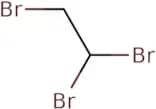
CAS:1,1,2-Tribromoethane is a chemical compound that contains hydrogen and fluorine. It is a colorless liquid that has a boiling point of -114.4°C. 1,1,2-Tribromoethane has been shown to have biological properties as an inhibitor of the enzyme covid-19 pandemic. This compound also has photoelectron spectroscopy and quantum theory in its physical properties. It can be found in water vapor or thermodynamic reactions with carbon dioxide, sulfur dioxide, hydrogen chloride, chlorine atom or chloride ion at high temperatures and pressures. The section of 1,1,2-tribromoethane is covalent and it has a molecular weight of 132.3 g/mol.
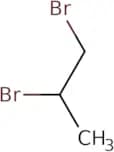
Fórmula:C2H3Br3Pureza:Min. 95%Peso molecular:266.76 g/mol1,2-Dibromopropane
CAS:1,2-Dibromopropane is a chemical that has been used as a solvent and refrigerant. It is also used to produce other chemicals such as ethylene oxide and 1,3-dichloropropane. 1,2-Dibromopropane can be metabolized by the liver or kidney into reactive intermediates that cause damage to DNA. This chemical has been shown to cause an antibody response in rats when orally administered at high doses. The mechanism of this chemical's toxicity is not known, but it may involve the formation of reactive intermediates with the release of glucuronide conjugate and kinetic energy.
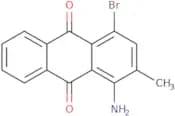
Fórmula:C3H6Br2Pureza:Min. 95%Peso molecular:201.89 g/mol1-Amino-4-bromo-2-methylanthraquinone
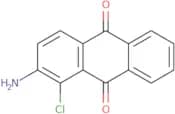
CAS:1-Amino-4-bromo-2-methylanthraquinone is a hypervalent molecule that binds to the iron atom in human liver and human lymphocytes. It has been shown to have a protective effect against radiation, and also may have potential as an antiviral agent. 1-Amino-4-bromo-2-methylanthraquinone has been shown to inhibit the replication of retroviruses, such as HIV, by binding to the virus and preventing it from entering into host cells. The colorant properties of this compound are used in paints and dyes. 1-Amino-4-bromo-2-methylanthraquinone can be synthesized by reacting bromobenzene with ethyleneimine.Fórmula:C15H10BrNO2Pureza:Min. 95%Peso molecular:316.15 g/mol2-Amino-1-chloro-9,10-dihydroanthracene-9,10-dione
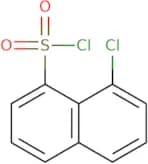
CAS:2-Amino-1-chloro-9,10-dihydroanthracene-9,10-dione is a naphthalene derivative that can be used as an intermediate in the synthesis of dyes. It has been shown to be an acid binder and can react with nitrotoluene, dimethylamide, and copper chloride to form 2-aminoantranilic acid. The nitrogen atom in this molecule is also reactive and can bind to chlorides, iodides, and chlorine molecules to form 2-aminobenzylidene, 4-chloroiodobenzene, or 4-(2'-nitrobenzylidene)phenol.Fórmula:C14H8ClNO2Pureza:Min. 95%Peso molecular:257.67 g/mol8-Chloro-1-naphthalenesulfonyl chloride
CAS:Versatile small molecule scaffold
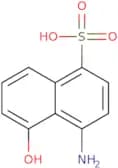
Fórmula:C10H6Cl2O2SPureza:Min. 95%Peso molecular:261.12 g/mol8-Amino-1-naphthol-5-sulfonic acid
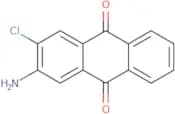
CAS:8-Amino-1-naphthol-5-sulfonic acid is a fluorescent compound that reacts with phosphate groups of proteins and nucleic acids. The conjugate between 8-amino-1-naphthol and sulfonic acid, i.e., 8ANAS, is used as a probe to identify phosphatases and hydroxyproline in polyvinyl. The chromatographic separation of 8ANAS from the reaction mixture is accomplished by piperazine as an acidic mobile phase. The phosphorylation assay using 8ANAS can be used for the measurement of protein kinase activity in cells and tissues. In addition, it has been found that 8ANAS has anti-inflammatory properties against various inflammatory diseases such as neuro2a cells.Fórmula:C10H9NO4SPureza:Min. 95%Peso molecular:239.25 g/mol2-Amino-3-chloro-9,10-dihydroanthracene-9,10-dione
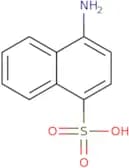
CAS:Versatile small molecule scaffoldFórmula:C14H8ClNO2Pureza:Min. 95%Peso molecular:257.67 g/mol4-Amino-1-naphthalenesulfonic Acid
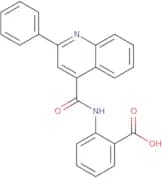
CAS:4-Amino-1-naphthalenesulfonic acid (ANS) is a sulphanilic, hydroxyl group, nitrogen atoms, and amine. ANS has been shown to induce genotoxic effects in the presence of nitrite ion. ANS reacts with amines to form diazonium salts which are unstable and can undergo electrochemical reactions. This instability can lead to DNA damage in the presence of oxygen. 4-Amino-1-naphthalenesulfonic acid (ANS) is an analytical reagent that is used for the detection of fatty acids.Fórmula:C10H9NO3SPureza:Min. 95%Peso molecular:223.25 g/mol2-(2-Phenylquinoline-4-amido)benzoic acid
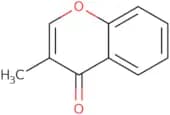
CAS:Versatile small molecule scaffoldFórmula:C23H16N2O3Pureza:Min. 95%Peso molecular:368.4 g/mol3-Methyl-4H-chromen-4-one
CAS:3-Methyl-4H-chromen-4-one is a natural compound that has been shown to be effective against various bowel diseases. It is synthesized in the body by hydrolysis of 3,4-dihydroxybenzoic acid and can also be found in plants. This compound is a prodrug for the formation of 4-hydroxyphenylacetic acid, which then undergoes a glycosidic bond with collagen to form 3,4-dihydroxybenzoic acid. The hydroxyl group on this molecule also reacts with benzylic amino groups on proteins and nucleophilic groups on carbohydrates to form covalent bonds. These reactions lead to the formation of a variety of compounds that can be used as drugs for inflammatory bowel disease.Fórmula:C10H8O2Pureza:Min. 95%Peso molecular:160.17 g/mol2-Ethylbenzene-1-sulfonamide
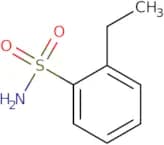
CAS:Versatile small molecule scaffold
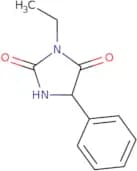
Fórmula:C8H11NO2SPureza:Min. 95%Peso molecular:185.25 g/molEthotoin-d5
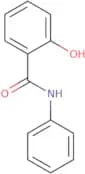
CAS:Ethotoin is a hydantoin antiepileptic drug. It acts by blocking the action of the sodium/potassium ATPase pump, which is important in maintaining the electrochemical gradient necessary for nerve cell repolarization and subsequent synaptic transmission. This leads to an increase in neuronal excitability and seizures, making it an effective antiepileptic drug. Ethotoin is also used to treat depression and other mental disorders. The uptake of ethotoin into nervous tissue can be inhibited by calcium ions, stabilizing membranes and preventing depolarization.Fórmula:C11H7D5N2O2Pureza:Min. 95%Peso molecular:209.26 g/molSalicylanilide
CAS:Salicylanilide is an anthelmintic drug that belongs to the group of salicylanilides. It is used to treat infectious diseases such as bowel disease, which can be caused by protozoa or helminths. Salicylanilide has been shown to have in vivo antifungal activity against Candida albicans and in vitro activity against Trichophyton mentagrophytes. The mechanism of action of this drug is not known, but it has shown potential as a drug target for interfering with the polymerase chain reaction (PCR) process. Salicylanilide inhibits the growth of bacteria by inhibiting DNA synthesis and RNA synthesis. This drug also has a potent effect on human serum, and may be useful for analytical methods such as high-performance liquid chromatography (HPLC).Fórmula:C13H11NO2Pureza:Min. 95%Forma y color:PowderPeso molecular:213.23 g/molVioluric acid
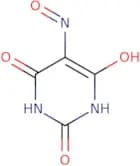
CAS:Violuric acid is a chemical compound that is used in biological treatment. It has a hydroxyl group and UV absorption, which makes it reactive. Violuric acid undergoes protonation and deprotonation to form an acid complex with water. The nitrogen atoms in violuric acid can react with the oxygen atoms of water molecules to form nitrous acid, which then reacts with hydrogen peroxide to form an oxidizing agent. Violuric acid is synthesized by chain reactions between organic acids and inorganic acids. Violuric acid has a redox potential of −0.35 volts, making it an excellent reducing agent for organic compounds. In organic chemistry, violuric acid is used as a reducing agent for esters or amides.
Fórmula:C4H3N3O4Pureza:Min. 95%Forma y color:PowderPeso molecular:157.08 g/mol2-tert-Butylphenol
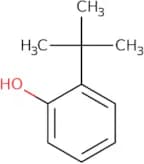
CAS:2-tert-Butylphenol is a specific agonist of the enzyme activity of fatty acid hydroxylase (Fah). 2-tert-Butylphenol also has an inhibitory effect on hexane oxidation and p-hydroxybenzoic acid production. This compound is used in industrial chemicals as well as in the synthesis of pharmaceuticals. The hydroxyl group in 2-tert-butylphenol can be activated by an oxidizing agent, such as sodium hypochlorite or hydrogen peroxide, to form a reactive hydroxy group. The hydroxy group may react with other molecules to form adducts or free radicals. In tissue culture, 2-tert-butylphenol is used for the activation of enzymes that are involved in the synthesis of fatty acids and prostaglandins.Fórmula:C10H14OPureza:Min. 95%Peso molecular:150.22 g/mol2,6-Di-tert-butyl-4-(dimethylaminomethyl)phenol
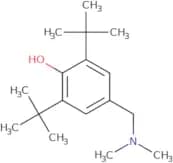
CAS:2,6-Di-tert-butyl-4-(dimethylaminomethyl)phenol is a synthetic antioxidant that has been used as a corrosion inhibitor and to protect against long-term exposure to radiation. It is found in many commercial products, including plastics and rubber products, paints and coatings, textiles, and detergents. 2,6-Di-tert-butyl-4-(dimethylaminomethyl)phenol has been shown to have antioxidant properties which may be due to its ability to scavenge free radicals or inhibit lipid peroxidation. This active form reacts with oxygen at high temperatures. The reaction products are soluble in organic solvents but not in water. It is also reactive with strong oxidizing agents such as potassium permanganate or nitric acid.Fórmula:C17H29NOPureza:Min. 95%Peso molecular:263.42 g/mol4-Chloroaniline-3-sulfonic acid
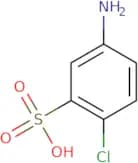
CAS:4-Chloroaniline-3-sulfonic acid is a dianhydride that can be used for the synthesis of graphene oxide. The ionic nature of this compound is demonstrated by its ability to generate an electric current when in contact with a metal electrode. It has been shown to have sensing properties and can be used in experimental sensors. Its monomeric nature makes it an ideal precursor for the production of conductive membranes made of graphene oxide. 4-Chloroaniline-3-sulfonic acid also has ionic properties, which make it useful as a proton conductor and synergistic effects with naphthalenic derivatives.Fórmula:C6H6ClNSO3Pureza:Min. 95%Peso molecular:207.64 g/mol4-Aminotoluene-3-sulfonic acid
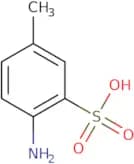
CAS:4-Aminotoluene-3-sulfonic acid (ATSA) is a chemical compound that is used as a solvent in organic synthesis. It has been shown to inhibit the acetylation of histone H3, which may be the cause of autoimmune diseases and metabolic disorders. ATSA also blocks colony-stimulating factor (CSF), which is an effector protein that regulates the proliferation and differentiation of cells, including T cells and B cells. This compound has been used as a model system for studying the mechanism of CSF regulation and intermolecular hydrogen bonding. ATSA binds to CSF by forming hydrogen bonds with amino acid residues on the surface of CSF. Structural analysis has revealed that ATSA interacts with protein in a manner similar to other inhibitors of CSF.Fórmula:C7H9NO3SPureza:Min. 95%Peso molecular:187.22 g/mol4-Chloro-2,5-dimethylbenzenesulfonyl chloride
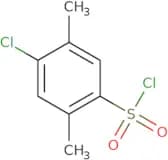
CAS:Versatile small molecule scaffoldFórmula:C8H8Cl2O2SPureza:Min. 95%Peso molecular:239.12 g/molPhthalamide
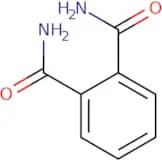
CAS:Phthalamide is a crystalline polymorph that has inhibitory properties. It is an anthranilic acid derivative and is usually found as the sodium salt. This compound has been used in horticulture to control water vapor loss from plants. Phthalamide can also be used to titrate calorimetry, with a melting point of about 190°C. Biological studies have shown that phthalamide inhibits calcium uptake by the cell, which may lead to cancer.Fórmula:C8H8N2O2Pureza:Min. 95%Peso molecular:164.16 g/molEthyl 5-oxo-1-phenyl-4,5-dihydro-1H-pyrazole-3-carboxylate
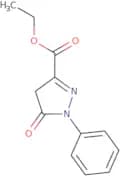
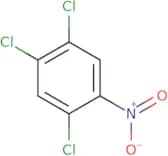
CAS:Ethyl 5-oxo-1-phenyl-4,5-dihydro-1H-pyrazole-3-carboxylate (EOPC) is a chemical intermediate. It is produced by the condensation of diethyl oxalate and ethyl acetate in the presence of hydrazine. EOPC is a colorless liquid that has an odor similar to that of benzaldehyde. The compound has been shown to inhibit the growth of methicillin resistant Staphylococcus aureus (MRSA) and Mycobacterium tuberculosis. EOPC may also have antiinflammatory properties.Fórmula:C12H12N2O3Pureza:Min. 95%Peso molecular:232.24 g/mol2,4,5-Trichloronitrobenzene- 13C6
CAS:2,4,5-Trichloronitrobenzene- 13C6 is a compound that can be found in the environment as a result of environmental pollution. It is also found in acid solutions, for example, in the presence of high concentrations of hydrogen chloride. The compound has been shown to inhibit the growth of Fusarium oxysporum f. at high concentrations and is thought to have anti-fungal properties. 2,4,5-Trichloronitrobenzene- 13C6 has been studied primarily as an inhibitor of nitrate reductase enzymes and has been shown to be an effective inhibitor of hydrogen chloride-dependent methylate activity and hydrogenated enzyme activities.
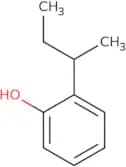
Fórmula:C6H2Cl3NO2Pureza:Min. 95%Peso molecular:232.4 g/mol2-sec-Butylphenol
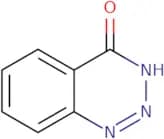
CAS:2-sec-Butylphenol is an organic compound that is used as a solvent and has been used in the production of polymers. It can be synthesized from phenol and 2-butanol by cationic polymerization. The reaction mechanism for this process is similar to that of polyethylene, which involves the formation of monomers with reactive double bonds. Aromatase inhibition was observed in a kinetic study of 2-sec-butylphenol with human placental microsomes. This was attributed to the benzene ring substitution at position two on the phenyl group. The genotoxic potential of 2-sec-butylphenol has been investigated by exposing cells to different concentrations and observing DNA damage as measured by comet assay. Solubility data for 2-sec-butylphenol show that it is soluble up to 1g/L in water and up to 1g/L in acetone or ethanol. Low energy is required for polymerFórmula:C10H14OPureza:Min. 95%Peso molecular:150.22 g/mol1,2,3-Benzotriazin-4(3H)-one
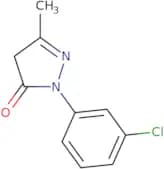
CAS:1,2,3-Benzotriazin-4(3H)-one is a molecule that belongs to the class of anthranilic acid derivatives. It is a competitive inhibitor of hydrogen chloride in the reaction mechanism for the conversion of methyl anthranilate to piperazine. The bioassay showed that it inhibits the growth of an organism at a concentration of 10 μg/mL. This molecule has been shown to be effective against Staphylococcus aureus and Helicobacter pylori. A molecular modeling study was conducted on 1,2,3-benzotriazin-4(3H)-one and it was found that this molecule binds to the enzyme's active site by hydrogen bonding with the phosphate group on its target protein. This binding prevents substrate binding to the enzyme and inhibits its activity.Fórmula:C7H5N3OPureza:Min. 95%Peso molecular:147.13 g/mol1-(3-Chlorophenyl)-3-methyl-4,5-dihydro-1H-pyrazol-5-one
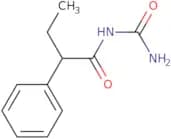
CAS:Versatile small molecule scaffoldFórmula:C10H9ClN2OPureza:Min. 95%Peso molecular:208.64 g/mol(2-Phenylbutanoyl)urea
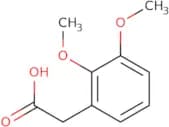
CAS:2-Phenylbutanoyl)urea is an enzyme inducer that belongs to the group of acidic compounds. It has been shown to be a potent inducer of drug metabolism enzymes, such as cytochrome P450 enzymes and uridine 5'-diphospho-glucuronosyltransferases. 2-Phenylbutanoyl)urea has also been shown to have a significant effect on the pharmacokinetics of drugs that are substrates for these enzymes. This compound is insoluble in water and soluble in organic solvents, like acetone. 2-Phenylbutanoyl)urea is soluble in organic solvents, like acetone, and insoluble in water. 2-Phenylbutanoyl)urea is used as a model system for studying enzyme induction by acidic compounds.Fórmula:C11H14N2O2Pureza:Min. 95%Peso molecular:206.24 g/mol2,3-Dimethoxyphenylacetic acid
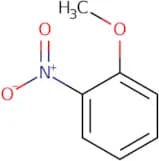
CAS:2,3-Dimethoxyphenylacetic acid is an amino acid derivative that is used as a precursor for the synthesis of drugs. It is a natural product that can be found in plants and animals. This compound has been synthesized by introducing a halide to the olefination of naphthoic acid with 2-methoxybenzaldehyde. The synthetic route has been modified to produce 2,3-dimethoxyphenylacetic acid from phenylacetic acid in order to avoid inefficiencies such as photochemical decomposition.Fórmula:C10H12O4Pureza:Min. 95%Peso molecular:196.2 g/mol2-Nitroanisole
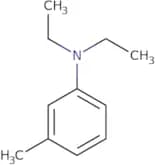
CAS:2-Nitroanisole is a chemical that can be found in the bladder of humans and rats. It is a byproduct of nitrosation reactions that occur in the body. Nitrosation reactions are catalyzed by hydrochloric acid, which converts nitric oxide to nitrous acid and further converts it to 2-nitroanisole. 2-Nitroanisole has been shown to induce genotoxic effects in rats and mice. This compound also has carcinogenic potential, as evidenced by carcinogenesis studies on rats and mice. The mechanism of action may involve the formation of reactive oxygen species that cause DNA damage.Fórmula:C7H7NO3Pureza:Min. 95%Peso molecular:153.14 g/molN,N-Diethyl-m-toluidine
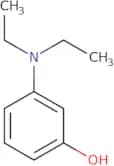
CAS:N,N-Diethyl-m-toluidine is a chemical that is used as an intermediate in the synthesis of other chemicals. It has been shown to have a dipole moment and can be used in the production of dyes, pharmaceuticals, and herbicides. N,N-Diethyl-m-toluidine has been shown to inhibit heterocyclic amines from reacting with p-hydroxyphenylacetic acid which may prevent carcinogenesis. This product also has a chloride ion that will react with hydrochloric acid to form a fatty acid. The optical properties of N,N-Diethyl-m-toluidine are bathochromic and butyric acid.Fórmula:C11H17NPureza:Min. 95%Peso molecular:163.26 g/molN,N-Diethyl-3-aminophenol
CAS:N,N-Diethyl-3-aminophenol is a fluorescent probe that is used for the detection of nucleophilic substitutions. This nucleophile can react with electron-rich aromatic compounds to form stable covalent adducts. The reaction mechanism of this probe is not yet well understood, but it may involve a substitution reaction between the hydroxyl group and an electron-deficient aromatic compound to form a phenolate ester. N,N-Diethyl-3-aminophenol has been shown to exhibit high stability in organic solvents and can be used as a crosslinking agent for biomolecules. It also exhibits fluorescence properties that make it useful for the detection of chloride ions in solution.Fórmula:C10H15NOPureza:Min. 95%Peso molecular:165.24 g/mol1-Chloro-2-naphthol
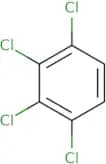
CAS:1-Chloro-2-naphthol is a chemical compound that is used for biological purposes.Fórmula:C10H7ClOPureza:Min. 95%Peso molecular:178.62 g/mol1,2,3,4-Tetrachlorobenzene
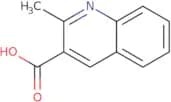
CAS:1,2,3,4-Tetrachlorobenzene is a chemical compound that has been used as an intermediate in the production of other chemicals. It is also used as a solvent and in the manufacture of dyes and pesticides. 1,2,3,4-Tetrachlorobenzene is stable in air but reacts with metal hydroxides and sodium carbonate to form tetrachloro-1-hydroxybenzene. It has shown hypoglycemic effect in bacterial strain. The toxicity of 1,2,3,4-tetrachlorobenzene is evaluated by studying its effects on redox potential and water vapor. It also causes liver cells to release enzymes; therefore it can be used for analytical methods. The surface methodology of 1,2,3,4-tetrachlorobenzene can be studied by solid phase microextraction (SPME).Fórmula:C6H2Cl4Pureza:Min. 95%Peso molecular:215.89 g/mol2-Methylquinoline-3-carboxylic acid
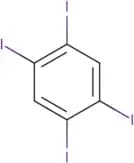
CAS:2-Methylquinoline-3-carboxylic acid (2MQCA) is a nucleophilic, acidic and hiv integrase inhibitor. It has been shown to inhibit the activity of HIV integrase by binding to the active site of the enzyme. 2MQCA has a strong affinity for chloride ions and is soluble in organic solvents such as diethyl ether or chloroform. 2MQCA shows diffraction peaks at 2.5Å, which is indicative of an acidic molecule with a hydroxymethyl group. Reaction time for a reaction between 2MQCA and methylamine was found to be optimal at 10 minutes at room temperature and pH 5. The technique used for this reaction was NMR spectroscopy.Fórmula:C11H9NO2Pureza:Min. 95%Peso molecular:187.2 g/mol1,2,4,5-Tetraiodobenzene
CAS:1,2,4,5-Tetraiodobenzene is a fluorescent molecule that has been used in optical imaging and molecular imaging. 1,2,4,5-Tetraiodobenzene is a fluorophore with an isolated yield of 100%. It has been shown to be useful as a rate enhancer for the transfer of singlet oxygen.
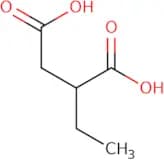
Fórmula:C6H2I4Pureza:Min. 95%Peso molecular:581.7 g/mol2-Ethylsuccinic acid
CAS:2-Ethylsuccinic acid is a trifluoroacetic acid derivative. It can be used as a cationic surfactant, cross-linking agent, and a trifluoromethanesulfonic acid (TFMS) catalyst. 2-Ethylsuccinic acid has been shown to react with calcium carbonate, hydroxyl group, or divalent hydrocarbon to form a film-forming polymer. This compound also has the ability to form polycarboxylic acids when reacted with glycol ethers and aluminium. 2-Ethylsuccinic acid is used as a solid catalyst for the acylation reaction of amines and alcohols.
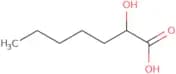
Fórmula:C6H10O4Pureza:Min. 95%Peso molecular:146.14 g/mol2-Hydroxyheptanoic acid
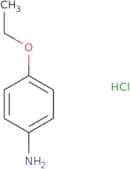
CAS:2-Hydroxyheptanoic acid is a metabolite of 2,6-dihydroxypyridine (DHP), which is an organic compound that can be found in the environment and produced by microbes. 2-Hydroxyheptanoic acid has been shown to inhibit the function of the ryanodine receptor in rat cardiac cells, which may cause arrhythmia. The drug also inhibits fatty acid synthesis and hydrolysis in the small intestine. It is synthesized from oleic acid through demethylation or hydroxylation. The technique used to produce this drug is not known. Verticillium produces this metabolite as a result of its metabolism of DHP.END>Fórmula:C7H14O3Pureza:Min. 95%Peso molecular:146.18 g/molp-Phenetidine Hydrochloride
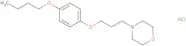
CAS:p-Phenetidine hydrochloride is a pharmaceutical preparation that is used as an intermediate in the production of chlorate, which is used in the synthesis of other organochlorine compounds. It can be prepared by reacting p-phenetidine with a solution of hydrochloric acid and zirconium dichloride in a reaction vessel. The reaction products are then heat treated to produce a solid catalyst, which can be further reacted with organic acids to form metal ion complexes. These complexes are stable and can be separated from unreacted reactants by distillation or recrystallization. The kinetic method has been shown to be useful for determining the order of reaction between these complex ions. The benzalkonium chloride acts as a cocatalyst in this process, while the solid catalyst provides kinetic stability to the process.Fórmula:C8H11NO·HClPureza:Min. 95%Peso molecular:173.64 g/molPramoxine HCl
CAS:Pramoxine HCl is a leukotriene receptor antagonist that inhibits the action of the enzyme phospholipase A2, which is responsible for the conversion of arachidonic acid to prostaglandin H2. Pramoxine HCl has been shown to inhibit skin cell proliferation and induce apoptosis in human skin cells. It also has anti-inflammatory properties, and may have therapeutic potential for treating autoimmune diseases such as Crohn's disease. Pramoxine HCl is a colorless liquid that has a particle size of less than 10 microns, and has an odor of benzalkonium chloride. The melting point of pramoxine is 203°C, and its boiling point is 390°C.Fórmula:C17H27NO3·HClPureza:Min. 95%Peso molecular:329.86 g/mol2-Iodopentane
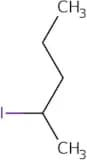
CAS:2-Iodopentane is a thiourea that has been shown to react with iodide to form the crystalline compound 2-iodopentane diiodide. The crystal x-ray diffraction pattern and optical properties of this compound are similar to those reported for the rare earth metal arenium ions. A spectroscopic study has also been carried out on this compound, which indicates that it is an efficient method for generating nitrate, halides, and frequencies. The solvents used in these reactions are not identified, but may include polyols or other unidentified compounds.Fórmula:C5H11IPureza:Min. 95%Peso molecular:198.05 g/molAmyl Chloroformate
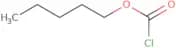
CAS:Amyl chloroformate is a synthetic compound that is used as an intermediate in the manufacture of detergent compositions, antimicrobial agents, and other chemicals. It has been shown to inhibit the activity of cytidine deaminase, which is involved in the synthesis of DNA. This inhibition can lead to cancer cell death or inflammatory diseases. Amyl chloroformate also inhibits uridine phosphorylase, an enzyme that is important for lipid metabolism.Fórmula:C6H11ClO2Pureza:Min. 95%Peso molecular:150.6 g/molN-{2-[(2-Acetamidoethyl)disulfanyl]ethyl}acetamide
CAS:Versatile small molecule scaffoldFórmula:C8H16N2O2S2Pureza:Min. 95%Peso molecular:236.4 g/molTridecanoic acid
CAS:Tridecanoic acid is a fatty acid that is found in the skin cells of humans. It is a metabolic disorder, and has been shown to have antimicrobial properties. Tridecanoic acid may be used in wastewater treatment as a glycol ester and to reduce the presence of organic molecules such as caproic acid, alkanoic acid, and multivariate logistic regression. It has also been shown to be effective against chemical pesticides such as dinucleotide phosphate and hydroxyl group.Fórmula:C13H26O2Pureza:Min. 95%Peso molecular:214.34 g/molBis[2-(2-chloroethoxy)ethyl] Ether
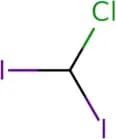
CAS:Bis[2-(2-chloroethoxy)ethyl] Ether is an alkylating agent that has been used in the synthesis of organic compounds. It reacts with a variety of nucleophiles, including thionyl chloride and hydrogen chloride, to generate ether linkages. Bis[2-(2-chloroethoxy)ethyl] Ether can also be used as a solvent for reactions involving alcohols, amines, and other nucleophiles. The x-ray crystal structures of the monomers show that this compound is planar with a small dipole moment. The solubility of this compound is determined by its ability to form hydrogen bonds. The reaction time for Bis[2-(2-chloroethoxy)ethyl] Ether depends on the type of nucleophile being reacted with: it takes longer for more reactive nucleophiles such as thionyl chloride or hydrogen chloride than ethanolamine or dimethylformamide.Fórmula:C8H16Cl2O3Pureza:Min. 95%Peso molecular:231.12 g/molDiiodochloromethane
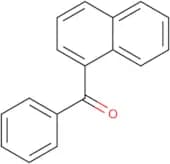
CAS:Diiodochloromethane is a halogenated hydrocarbon that is used as a wastewater treatment agent. It can be used in biological treatment to break down organic compounds and remove heavy metals, such as mercury. Diiodochloromethane has been shown to have cytotoxic effects on mammalian cells and may be toxic at high concentrations. This chemical has been shown to react with trichloroacetic acid in the presence of ultraviolet light and generate iodoacetic acid, which can be used for specific treatment of chlorinated compounds. Diiodochloromethane binds to chloride ions present in the water and forms chlorine atoms, which are then released into the environment.Fórmula:CHClI2Pureza:Min. 95%Peso molecular:302.28 g/mol1-Naphthyl phenyl ketone
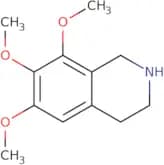
CAS:1-Naphthyl phenyl ketone is a hydroxylated aromatic compound that has shown anticancer activity in leukemia cells. The 1-Naphthyl phenyl ketone molecule also possesses fluorescence properties, which are used for optical imaging. When 1-Naphthyl phenyl ketone is acylated with an electron-deficient alkylating agent such as methyl chloroformate, it forms the corresponding carbonyl compound, which can be used as a polymerization initiator in polymers. This reaction was first studied in detail by Otto Wallach and Heinrich Otto Wieland in 1891 and 1892. Radiation can also induce the decomposition of 1-naphthyl phenyl ketone to produce naphthalene.Fórmula:C17H12OPureza:Min. 95%Peso molecular:232.28 g/mol6,7,8-Trimethoxy-1,2,3,4-tetrahydroisoquinoline
CAS:6,7,8-Trimethoxy-1,2,3,4-tetrahydroisoquinoline is a neurally active alkaloid found in the plant Solanum nigrum. It has been shown to act as an antagonist of acetylcholine at the neuromuscular junction. This compound has also been shown to have muscle relaxant properties and can be used as a potential treatment for acute gastral spasms. 6,7,8-Trimethoxy-1,2,3,4-tetrahydroisoquinoline also has calcium hydrogen phosphate binding properties and may play a role in carbohydrate metabolism. This natural compound may also have addictive properties due to its effects on the cholinergic system.Fórmula:C12H17NO3Pureza:Min. 95%Peso molecular:223.27 g/mol
![3-{[(tert-Butoxy)carbonyl]amino}-2,2,4-trimethylpentanoic acid](/_next/image/?url=https%3A%2Fstatic.cymitquimica.com%2Fproducts%2F3D%2Fthumb-webp%2FZXC52103.webp&w=3840&q=75)

![1-(Aminomethyl)tricyclo[2.2.1.0,2,6]heptan-3-ol](/_next/image/?url=https%3A%2Fstatic.cymitquimica.com%2Fproducts%2F3D%2Fthumb-webp%2FZXC53117.webp&w=3840&q=75)


![7,7-Dimethyl-2-azabicyclo[4.1.1]octane](/_next/image/?url=https%3A%2Fstatic.cymitquimica.com%2Fproducts%2F3D%2Fthumb-webp%2FZXC54473.webp&w=3840&q=75)


![{8-Fluoro-2-oxa-6-azaspiro[3.4]octan-8-yl}methanol](/_next/image/?url=https%3A%2Fstatic.cymitquimica.com%2Fproducts%2F3D%2Fthumb-webp%2FZXC63251.webp&w=3840&q=75)
![tert-Butyl N-[4-(ethoxysulfonyl)but-3-en-2-yl]carbamate](/_next/image/?url=https%3A%2Fstatic.cymitquimica.com%2Fproducts%2F3D%2Fthumb-webp%2FZXC68577.webp&w=3840&q=75)
![2-(2-Fluorobenzoyl)-octahydropyrrolo[3,4-c]pyrrole hydrochloride](/_next/image/?url=https%3A%2Fstatic.cymitquimica.com%2Fproducts%2F3D%2Fthumb-webp%2FZXC96156.webp&w=3840&q=75)
![(1S,3R)-3-[(2S)-2-Phenylpropanamido]cyclopentane-1-carboxylic acid](/_next/image/?url=https%3A%2Fstatic.cymitquimica.com%2Fproducts%2F3D%2Fthumb-webp%2FZXC96910.webp&w=3840&q=75)
![3-{[1,2,4]Triazolo[4,3-a]pyridin-3-yl}propan-1-amine hydrochloride](/_next/image/?url=https%3A%2Fstatic.cymitquimica.com%2Fproducts%2F3D%2Fthumb-webp%2FZYB17044.webp&w=3840&q=75)
![Methyl 2-bromobenzo[D]thiazole-7-carboxylate](/_next/image/?url=https%3A%2Fstatic.cymitquimica.com%2Fproducts%2F3D%2Fthumb-webp%2FZYB46503.webp&w=3840&q=75)

![4-Amino-N-[2-(pyrrolidin-1-yl)ethyl]benzamide](/_next/image/?url=https%3A%2Fstatic.cymitquimica.com%2Fproducts%2F3D%2Fthumb-webp%2FAAA05107.webp&w=3840&q=75)
![4-Amino-N-[2-(morpholin-4-yl)ethyl]benzamide](/_next/image/?url=https%3A%2Fstatic.cymitquimica.com%2Fproducts%2F3D%2Fthumb-webp%2FAAA05109.webp&w=3840&q=75)


![N-{2-[(2-Acetamidoethyl)disulfanyl]ethyl}acetamide](/_next/image/?url=https%3A%2Fstatic.cymitquimica.com%2Fproducts%2F3D%2Fthumb-webp%2FAAA63844.webp&w=3840&q=75)

![Bis[2-(2-chloroethoxy)ethyl] Ether](/_next/image/?url=https%3A%2Fstatic.cymitquimica.com%2Fproducts%2F3D%2Fthumb-webp%2FAAA63856.webp&w=3840&q=75)