Building Blocks
Esta sección contiene productos fundamentales para la síntesis de compuestos orgánicos y biológicos. Building blocks son los materiales de partida esenciales utilizados para construir moléculas complejas a través de diversas reacciones químicas. Desempeñan un papel crítico en el descubrimiento de fármacos, la ciencia de materiales y la investigación química. En CymitQuimica, ofrecemos una gama diversa de building blocks de alta calidad para apoyar sus investigaciones innovadoras y proyectos industriales, asegurando que tenga los componentes esenciales para una síntesis exitosa.
Subcategorías de "Building Blocks"
- Ácidos borónicos y derivados del ácido borónico(5.756 productos)
- Building Blocks quirales(1.242 productos)
- Building Blocks de hidrocarburos(6.093 productos)
- Building Blocks orgánicos(60.534 productos)
Se han encontrado 195534 productos de "Building Blocks"
Ordenar por
Pureza (%)
0
100
|
0
|
50
|
90
|
95
|
100
1-(2-Bromoethoxy)-4-chloro-benzene
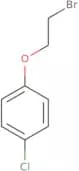
CAS:<p>1-(2-Bromoethoxy)-4-chloro-benzene is a monomer that is soluble in organic solvents and has been shown to be an electron donor. The reaction mechanism of the bromination of 1-(2-bromoethoxy)-4-chlorobenzene involves the formation and subsequent decomposition of a radical anion, which is stabilized by the solvent acetonitrile. This monomer can also be used as a sensitizer for polymerization reactions. The yield of this product has been found to increase with increasing amounts of ethanol in the solution. 1-(2-Bromoethoxy)-4-chlorobenzene can also undergo an intramolecular cyclization to form a five membered ring with two stereogenic centers.<br>1-(2-Bromoethoxy)-4-chlorobenzene yields optical rotation values that are dependent on the concentration of water in the solution and it has been</p>Fórmula:C8H8BrClOPureza:Min. 95%Forma y color:Off-White PowderPeso molecular:235.51 g/mol3-Hexylthiophene
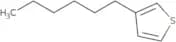
CAS:<p>Starting reagent for synthesis of P3HT; nanofibres used for preparation of OPTs</p>Fórmula:C10H16SPureza:Min. 95%Forma y color:Colorless Clear LiquidPeso molecular:168.3 g/mol5-Bromo-6-chloro-1H-indole
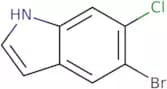
CAS:<p>5-Bromo-6-chloro-1H-indole is a fine chemical that is used as a building block for research chemicals, reagents, and speciality chemicals. It is soluble in chloroform and benzene, but insoluble in water. This product can be used as a reaction component or a useful intermediate in the production of complex compounds. 5-Bromo-6-chloro-1H-indole has been reported to be an effective scaffold for the synthesis of many novel compounds with potential applications such as pharmaceuticals, agrochemicals, and dyes.</p>Fórmula:C8H5BrClNPureza:Min. 95%Forma y color:PowderPeso molecular:230.49 g/mol2-Butyl-4-chloro-1H-imidazole-5-carboxaldehyde
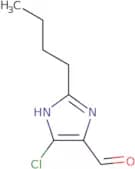
CAS:<p>Glyoxal is a chemical compound that has shown to have bactericidal activity against human pathogens such as Mycobacterium tuberculosis, Helicobacter pylori, and Staphylococcus aureus. It is used in the synthesis of heterocyclic amines and can be found as an impurity in imidazole derivatives. Glyoxal is a broad-spectrum antimicrobial that has been shown to inhibit the growth of fungi and bacteria by reacting with functional groups on the microorganisms' cell walls. It reacts with bacterial cell walls by forming an intermediate molecule, which reacts with other molecules present in the microorganism's environment to form carbon dioxide, water, and glyoxal. The reaction time for glyoxal depends on temperature; higher temperatures will result in faster reactions. Techniques used to synthesize glyoxal include dehydration of oximes or by reaction with phosphorus oxychloride.</p>Fórmula:C8H11ClN2OPureza:Min. 95%Forma y color:PowderPeso molecular:186.64 g/molN-Butanesulfonyl-O-[4-(4-pyridinyl)-butyl]-(S)-tyrosine
CAS:<p>N-Butanesulfonyl-O-[4-(4-pyridinyl)-butyl]-(S)-tyrosine is a synthetic amino acid. It is soluble in water and forms hydrates. The yield of this reaction is 60%. The molecular weight of this compound is 233.3 g/mol. This compound has been shown to have proteolytic activity, which may be due to its ability to cleave peptide bonds in proteins. N-Butanesulfonyl-O-[4-(4-pyridinyl)-butyl]-(S)-tyrosine may also be used as an intermediate for the synthesis of other compounds, such as aminoglycosides and antibiotics. This chemical can be synthesized by reacting L-tyrosine with butanesulfonyl chloride in the presence of sodium hydroxide and an organic base, such as pyridine. The solvents used in this process are chloroform, dich</p>Fórmula:C22H30N2O5SPureza:Min. 95%Forma y color:PowderPeso molecular:434.55 g/mol2-(Bromomethyl)-3-nitrobenzoic acid methyl ester
CAS:<p>2-(Bromomethyl)-3-nitrobenzoic acid methyl ester is a synthetic compound that is a byproduct of ammonium nitrate production. It is prepared by the reaction of 2-methyl-3-nitrobenzoic acid with bromine and methanol in the presence of palladium catalyst. The product is used to synthesize l-glutamic acid, which has many applications in industry.</p>Fórmula:C9H8BrNO4Pureza:Min. 98 Area-%Forma y color:Off-White PowderPeso molecular:274.07 g/mol3-Bromo-5-hydroxypyridine
CAS:<p>3-Bromo-5-hydroxypyridine is a nicotinic acetylcholine receptor ligand that has been shown to be an analog of acetylcholine. It binds to the nicotinic acetylcholine receptors, which are found in the neuromuscular junction and autonomic ganglia. 3-Bromo-5-hydroxypyridine can be used as a probe for studying the function of acetylcholine receptors. This drug has also been shown to have anti-tumor activity in vivo and to inhibit the growth of tumor cells in vitro. 3-Bromo-5-hydroxypyridine inhibits cancer cell proliferation by binding to the cholinergic receptor on tumor cells and interfering with its function.</p>Fórmula:C5H4BrNOPureza:Min. 95%Forma y color:PowderPeso molecular:174 g/mol6-Bromo-2-(4-bromophenyl)-indole
CAS:<p>6-Bromo-2-(4-bromophenyl)-indole is a fine chemical with CAS No. 28718-96-9 that can be used as a versatile building block for the synthesis of complex compounds, useful scaffold for research chemicals, and reaction component for speciality chemicals. This compound has high quality and is a reagent in the synthesis of other compounds.</p>Fórmula:C14H9Br2NPureza:Min. 95%Forma y color:Off white to pale yellow powder.Peso molecular:351.04 g/mol12-(t-Boc-amino)-1-dodecanol
CAS:<p>12-(t-Boc-amino)-1-dodecanol is a versatile building block that is used in the synthesis of complex compounds. It can be used by itself or as a reagent or speciality chemical. This compound is useful for the synthesis of high quality research chemicals and useful scaffolds. 12-(t-Boc-amino)-1-dodecanol has CAS No. 67341-03-1 and is a fine chemical that has been widely used in the synthesis of pharmaceuticals, agrochemicals, and other organic compounds.</p>Fórmula:C17H35NO3Pureza:Min. 95%Forma y color:PowderPeso molecular:301.46 g/mol6-N-Biotinylaminohexanol
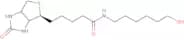
CAS:<p>6-N-Biotinylaminohexanol is a fine chemical that is used as a reagent or as a speciality chemical in research. This compound has also been shown to be a versatile building block for the synthesis of complex compounds and useful scaffolds for medicinal chemistry. 6-N-Biotinylaminohexanol is soluble in organic solvents, such as alcohols and ethers, but insoluble in water. It can be used as an intermediate in organic synthesis or as a reactant for the preparation of other chemicals.</p>Fórmula:C16H29N3O3SPureza:Min. 95%Forma y color:PowderPeso molecular:343.49 g/molBenzo[d]isoxazol-3-yl-methanesulfonyl chloride
CAS:<p>Benzo[d]isoxazol-3-yl-methanesulfonyl chloride is a synthetic intermediate that is used in the synthesis of zonisamide. This compound has a flow rate of 1.0 mL/min, monitored at 215 nm, and reproducible within 3% or 10%. It is manufactured to pharmaceutical standards and has impurities below 0.1%. Benzo[d]isoxazol-3-yl-methanesulfonyl chloride has been validated for use with liquid chromatography, and the elution time for this compound is 7 minutes. The chromatographic method for this substance consists of an acetonitrile and hydrogen phosphate mobile phase. Disodium hydrogen phosphate (DSP) can be used as an eluent modifier to reduce peak tailing and improve resolution.</p>Fórmula:C8H6ClNO3SPureza:Min. 95%Forma y color:Clear LiquidPeso molecular:231.66 g/molEthyl 2-aminothiophene-3-carboxylate
CAS:<p>Ethyl 2-aminothiophene-3-carboxylate is a triazole derivative with anticancer activity. It has been shown to inhibit the adenosine A1 receptor and show anticancer activity in vitro. The drug has also been shown to have potent cytotoxic effects against cancer cells, which may be due to its ability to activate apoptosis in tumor cells through structural modifications that lead to the inhibition of DNA synthesis. This compound has also been shown to be less toxic than other chemotherapeutic drugs, such as thiosemicarbazide and ethylene diamine, and it does not cause red blood cell lysis or hemolysis.</p>Fórmula:C7H9NO2SPureza:Min. 95%Forma y color:Slightly Yellow PowderPeso molecular:171.22 g/molBoc-homo-L-tyrosine
CAS:<p>Boc-homo-L-tyrosine is a high quality reagent, which is a useful intermediate for the synthesis of complex compounds. It is also a useful scaffold that can be used in the creation of fine chemicals and research chemicals. Boc-homo-L-tyrosine has been shown to be versatile, as it can serve as a reaction component in different types of chemical reactions. This compound can be used as a building block and is classified as a speciality chemical. Boc-homo-L-tyrosine has an CAS number of 198473-94-8.</p>Fórmula:C15H21NO5Pureza:Min. 95%Forma y color:White PowderPeso molecular:295.33 g/mol3-Bromo-5-methylpyridine
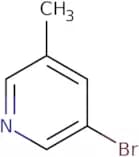
CAS:<p>3-Bromo-5-methylpyridine is a synthetic compound that has been found in the filtrate of a diethyl malonate synthesis. It was also observed as an impurity in the hydrogenation reduction of 3-bromo-5-methylpyridine. The addition of sodium nitrite to toluene results in the formation of 3-bromo-5-methylpyridine, which is an acidic organic compound.</p>Fórmula:C6H6BrNPureza:Min. 95%Forma y color:PowderPeso molecular:172.02 g/molBoc-1-amino-3,6-dioxa-8-octanediamine
CAS:<p>Boc-1-amino-3,6-dioxa-8-octanediamine is a linker used to attach targeting moieties to drugs. It is capable of binding iron, chlorine and other metals. Boc-1-amino-3,6-dioxa-8-octanediamine has been shown to be a useful tool for the development of novel cancer treatments by enhancing the uptake of chemotherapeutic agents in tumor tissue. This linker can be modified with functional groups such as amines and carboxyls that allow it to bind various types of molecules. The cellular distribution of this compound is not well understood due to its lack of availability in cell culture models.</p>Fórmula:C11H24N2O4Pureza:Min. 95%Forma y color:Red Clear LiquidPeso molecular:248.32 g/mol1-Bromo-5-fluoropentane
CAS:<p>1-Bromo-5-fluoropentane is a colorless liquid with a high viscosity. It is an inhibitor of enzymes that catalyze fatty acid synthesis, and can be used to treat hepatitis C. 1-Bromo-5-fluoropentane has been shown to have anti-HIV activity in vitro, inhibiting the infection of human cells by HIV. This compound blocks the cb2 receptor, which is involved in the inflammatory process. 1-Bromo-5-fluoropentane also inhibits hydroxylase and thiolase activities in human liver cells. This agent is a synthetic cannabinoid that is structurally similar to THC, but does not bind to CB1 or CB2 receptors. It has a liquid crystal composition at room temperature, but becomes a solid crystal at higher temperatures. 1-Bromo-5-fluoropentane exhibits spontaneous activity when heated to about 100°C. It reacts</p>Fórmula:C5H10BrFPureza:Min. 95%Forma y color:Colorless Slightly Yellow Clear LiquidPeso molecular:169.04 g/mol3-Hydroxy-2-pyridine carboxylic acid
CAS:<p>3-Hydroxy-2-pyridine carboxylic acid is a picolinic acid derivative. It is a ligand for the P2 site of ATP synthase, which it binds to by hydrogen bonding interactions. 3-Hydroxy-2-pyridine carboxylic acid has been shown to be an inhibitor of human immunoglobulin production. 3-Hydroxy-2-pyridine carboxylic acid has also been shown to inhibit matrix metalloproteinases (MMPs) and collagenases, which are enzymes that degrade extracellular matrix proteins in the tumor microenvironment.</p>Fórmula:C6H5NO3Pureza:Min. 95%Forma y color:Off-White PowderPeso molecular:139.11 g/mol1-Amino-1-cyclopropanecarbonitrile hydrochloride
CAS:<p>1-Amino-1-cyclopropanecarbonitrile hydrochloride (ACN) is a synthetic compound that has been shown to be effective against cancer and inflammatory diseases. It is an acidic compound that has been shown to inhibit the growth of tumor cells by inducing apoptosis. This drug also binds to chloride ions and inhibits the production of inflammatory cytokines, such as IL-6, TNFα, and IL-2. 1-Amino-1-cyclopropanecarbonitrile hydrochloride is soluble in water and acetonitrile with a melting point of about 157°C. The molecule's structure was determined through kinetic measurements and thermodynamic calculations.</p>Fórmula:C4H6N2·HClPureza:Min. 95%Forma y color:Off-White PowderPeso molecular:118.56 g/mol2,2-Diphenylethylamine
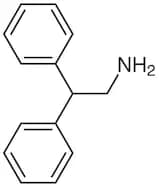
CAS:Fórmula:C14H15NPureza:>98.0%(GC)(T)Forma y color:White or Colorless to Light yellow to Light orange powder to lump to clear liquidPeso molecular:197.282-Amino-3-bromopyrazine
CAS:<p>2-Amino-3-bromopyrazine is a molecule that belongs to the class of pyrazoles. It has been synthesized and optimised for its diffraction properties. The active conformation of 2-amino-3-bromopyrazine has been determined by xanthate methylation and hydrobromide formation. This molecule has been synthesised using a variety of different methods, including an intramolecular hydrogen transfer reaction with methyl derivatives, as well as the use of xanthates. The physicochemical properties of this molecule have also been studied, yielding some interesting results.</p>Fórmula:C4H4BrN3Pureza:Min. 95%Forma y color:PowderPeso molecular:174.01 g/mol

![N-Butanesulfonyl-O-[4-(4-pyridinyl)-butyl]-(S)-tyrosine](/_next/image/?url=https%3A%2Fstatic.cymitquimica.com%2Fproducts%2F3D%2Fthumb-webp%2FFB19373.webp&w=3840&q=75)



![Benzo[d]isoxazol-3-yl-methanesulfonyl chloride](/_next/image/?url=https%3A%2Fstatic.cymitquimica.com%2Fproducts%2F3D%2Fthumb-webp%2FFB18205.webp&w=3840&q=75)