Alcoholes
Los alcoholes son una amplia gama de moléculas orgánicas derivadas de hidrocarburos que contienen uno o más grupos hidroxilo (grupo OH). Estos compuestos son esenciales en diversas reacciones químicas y se utilizan ampliamente en entornos de laboratorio para síntesis, como disolventes y en química analítica. En CymitQuimica, ofrecemos alcoholes de alta calidad preparados para uso en laboratorio, apoyando sus investigaciones y aplicaciones industriales con productos fiables y efectivos. Nuestra selección garantiza que tenga los alcoholes adecuados para sus necesidades específicas, ya sea para trabajos rutinarios de laboratorio o proyectos de investigación especializados.
Subcategorías de "Alcoholes"
Se han encontrado 5814 productos de "Alcoholes"
Ordenar por
Pureza (%)
0
100
|
0
|
50
|
90
|
95
|
100
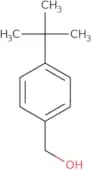
4-tert-Butylbenzyl alcohol
CAS:<p>4-tert-Butylbenzyl alcohol is a chemical compound that binds to the acetyltransferase enzyme and blocks the conversion of acetate to acetyl-CoA. It is used as an inhibitor in biochemical research, where it is commonly used in control experiments. 4-tert-Butylbenzyl alcohol has a binding constant of 10 M, which is much higher than other inhibitors such as ethylene diamine (K = 3 x 10 M) and hydroxymethyl furfural (K = 1 x 10 M). This compound has been shown to inhibit wild type viruses by binding with the active site on their surface. The reaction mechanism for 4-tert-butylbenzyl alcohol involves forming an intermediate with chloride ions, which then reacts with ethylene diamine to form ethyl formate. The non-nucleoside inhibitors are thought to bind at the same site as nucleoside analogues, which inhibits reverse transcriptase activity</p>Fórmula:C11H16OPureza:Min. 95%Forma y color:Colorless Clear LiquidPeso molecular:164.24 g/mol2-Amino-8-hydroxyquinoline
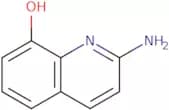
CAS:<p>2-Amino-8-hydroxyquinoline is a molecule that has been shown to have optical properties. 2-Amino-8-hydroxyquinoline has also been shown to be reactive in vitro and inhibit the growth of cancer cells. It is thought that this inhibition may be due to its ability to bind to the active site of DNA polymerase, preventing DNA replication. 2-Amino-8-hydroxyquinoline has also been shown in vitro studies and vivo studies to have potent inhibition activity against human serum albumin (HSA). The molecules that are used as linkers to attach 2-amino 8 hydroxyquinoline to other molecules are thermodynamically stable. The isomers of 2 amino 8 hydroxyquinoline have also been studied by X-ray crystallography and nuclear magnetic resonance spectroscopy, which provides information about the structure of the molecule. Finally, 2 amino 8 hydroxyquinoline has been found to be an odorant</p>Fórmula:C9H8N2OPureza:Min. 98%Forma y color:Off-White PowderPeso molecular:160.17 g/mol2,6-Dimethoxybenzyl alcohol
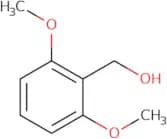
CAS:<p>2,6-Dimethoxybenzyl alcohol is a synthetic compound that is a peroxidase substrate. It is used as an alternative for papaverine in the synthesis of penicillin and cephalosporin antibiotics. 2,6-Dimethoxybenzyl alcohol reacts with Mn2+ ions to form hydronium and hydrogen peroxide. This reaction has been shown to be more efficient than the decomposition of hydrogen peroxide by catalases or superoxide dismutases. 2,6-Dimethoxybenzyl alcohol also forms a reactive congener with erythrocytes and plasma proteins that can cause vasoconstriction in the blood vessels. The dimethoxybenzyl group (DMB) is a monosubstituted phenol group that binds to the active site of enzymes such as cytochrome P450s and glutathione reductase.</p>Fórmula:C9H12O3Pureza:Min. 95%Peso molecular:168.19 g/mol1-(3-Methylphenyl)ethanol
CAS:<p>1-(3-Methylphenyl)ethanol is an organic compound that has a hydroxyl group, homochiral carbonyl group, and aromatic hydrocarbon. It is a product of the catalysed reaction between a hydroxyl compound and an alkyne molecule. The reaction mechanism begins with the formation of an imine intermediate. This intermediate then undergoes a double displacement to form the desired product and regenerate the catalyst. 1-(3-Methylphenyl)ethanol can be used as a building block for other organic compounds, such as epoxides or esters.</p>Fórmula:C9H12OPureza:Min. 95%Forma y color:Clear LiquidPeso molecular:136.19 g/molPhosphoenolpyruvate potassium salt
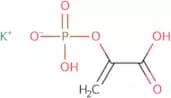
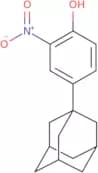
CAS:<p>Emax (230 nm) = 3113</p>Fórmula:C3H4O6PKForma y color:White PowderPeso molecular:206.13 g/mol4-(1-Adamantyl)-2-nitrophenol
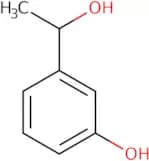
CAS:<p>4-(1-Adamantyl)-2-nitrophenol is a versatile building block that can be used to construct complex compounds. It is a research chemical that can be used as a reagent, as well as in the synthesis of pharmaceuticals and other chemicals. 4-(1-Adamantyl)-2-nitrophenol is soluble in water and ethanol, and has an odorless and colorless appearance. This chemical can be found under the CAS number 32599-84-1.</p>Fórmula:C16H19NO3Pureza:Min. 95%Peso molecular:273.33 g/mol3-Hydroxyphenylmethylcarbinol
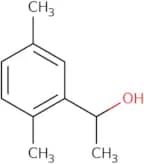
CAS:<p>3-Hydroxyphenylmethylcarbinol is a phenolic compound that has been shown to increase the uptake of iron by cells. It has been shown to induce apoptotic signaling in cancer cells and to be cytotoxic. 3-Hydroxyphenylmethylcarbinol is synthesized from 2-hydroxyphenylacetic acid, which is found in many natural sources such as plants and animals. This compound can be extracted from hexane or other organic solvents. 3-Hydroxyphenylmethylcarbinol has two isomers: 3HPMC and 3HPMC-O-β-D-glucopyranoside. The latter form has a greater affinity for iron than the former.</p>Fórmula:C8H10O2Pureza:Min. 95%Forma y color:PowderPeso molecular:138.16 g/mol2,5-Dimethylphenylmethyl carbinol
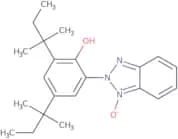
CAS:<p>2,5-Dimethylphenylmethyl carbinol is a reagent that is used in the synthesis of aromatic hydrocarbons and alkenylated products. It reacts with an electron-deficient alkyl compound to form an alkenylated product. 2,5-Dimethylphenylmethyl carbinol is highly selective for electron-deficient alkyl compounds. The reaction rate of 2,5-dimethylphenylmethyl carbinol can be increased by increasing the temperature or adding a base catalyst, such as sodium methoxide or potassium tert-butoxide.</p>Fórmula:C10H14OPureza:Min. 95%Forma y color:Clear LiquidPeso molecular:150.22 g/mol2-(2H-Benzotriazol-2-yl)-4,6-bis(tert-pentyl)phenol N-oxide
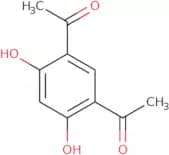
CAS:<p>Please enquire for more information about 2-(2H-Benzotriazol-2-yl)-4,6-bis(tert-pentyl)phenol N-oxide including the price, delivery time and more detailed product information at the technical inquiry form on this page</p>Fórmula:C22H29N3O2Pureza:Min. 95%Forma y color:PowderPeso molecular:367.48 g/mol4,6-Diacetylresorcinol
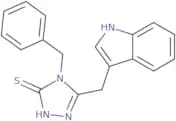
CAS:<p>4,6-Diacetylresorcinol is a tetradentate ligand that can be used for the palladium-catalyzed hydrogenation of phenols. The compound has been shown to have anticancer activity and was found to be selective against cancer cell lines. It also inhibits the growth of staphylococcus bacteria in biological studies. 4,6-Diacetylresorcinol is thermodynamically stable and has a high binding affinity with nitrogen nucleophiles such as amines and anilines. Molecular modeling studies show that the nitrogen atoms are located near the center of the molecule, making them accessible for intramolecular hydrogen transfer reactions.</p>Fórmula:C10H10O4Pureza:Min. 95%Forma y color:PowderPeso molecular:194.18 g/mol5-(Indol-3-ylmethyl)-4-benzyl-1,2,4-triazole-3-thiol
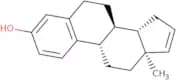
CAS:<p>Please enquire for more information about 5-(Indol-3-ylmethyl)-4-benzyl-1,2,4-triazole-3-thiol including the price, delivery time and more detailed product information at the technical inquiry form on this page</p>Fórmula:C18H16N4SPureza:Min. 95%Forma y color:PowderPeso molecular:320.41 g/molEstratetraenol
CAS:<p>Estratetraenol is a synthetic estrogen that has the same structure as 17β-estradiol, but with three additional hydroxyl groups. It is used in research to study the effects of estrogens on humans and animals. Estratetraenol has been shown to activate the cell membrane receptors, which leads to a physiological response. This drug also causes an increase in oxygen consumption and inhibits ovulation. Estratetraenol binds to estrogen receptor cells and is metabolized by chemical substances in the liver into 17β-estradiol, which is then excreted by the kidneys. The drug does not bind to other types of receptor cells in humans or animals, such as those for progesterone or testosterone.</p>Fórmula:C18H22OPureza:Min. 98 Area-%Forma y color:PowderPeso molecular:254.37 g/molDesmosterol
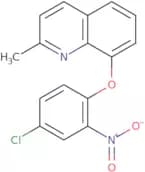
CAS:Producto controlado<p>3b-Cholesta-5,24-dien-3-ol is a natural product that has been shown to be active against autoimmune diseases and infectious diseases. 3b-Cholesta-5,24-dien-3-ol inhibits the activity of the ATP binding cassette transporter (ABC) in human cells. ABC is a protein that transports molecules across cell membranes, which may play an important role in the development of autoimmune diseases and infectious diseases. 3b-Cholesta-5,24-dien-3-ol binds to cholesterol and phosphorus pentoxide to form an intermediate complex with ATP. This complex is then broken down into desmosterol and atp which can't bind to ABC anymore.</p>Fórmula:C27H44OPureza:Min. 95%Forma y color:White PowderPeso molecular:384.64 g/mol4-Chloro-1-(2-methyl(8-quinolyloxy))-2-nitrobenzene
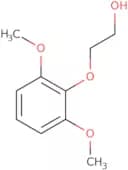
CAS:<p>Please enquire for more information about 4-Chloro-1-(2-methyl(8-quinolyloxy))-2-nitrobenzene including the price, delivery time and more detailed product information at the technical inquiry form on this page</p>Fórmula:C16H11ClN2O3Pureza:Min. 95%Forma y color:PowderPeso molecular:314.72 g/mol2-(2,6-Dimethoxyphenoxy)ethanol
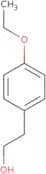
CAS:<p>2-(2,6-Dimethoxyphenoxy)ethanol is a cleavage agent that can be used for the synthesis of lignin model compounds. It is a benzylic ether that is catalyzed by laccase to produce 2,6-dimethoxybenzaldehyde. The compound can be used as a substrate for versicolor or peroxy cleavage reactions. Versicolor cleavage is performed with 1-hydroxybenzotriazole, while peroxy cleavage is performed with hydrogen peroxide. 2-(2,6-Dimethoxyphenoxy)ethanol has been shown to have radical properties and reacts with molecular oxygen and ethanone in the presence of deuterium gas to form 2,6-dimethoxyacetophenone.</p>Fórmula:C10H14O4Pureza:Min. 95%Forma y color:PowderPeso molecular:198.22 g/mol4-Ethoxyphenylethyl alcohol
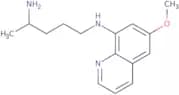
CAS:<p>4-Ethoxyphenylethyl alcohol (4EPEA) is a non-invasive fluorescent probe that has been used in the study of nucleic acids. It is a small molecule that can be used to identify DNA and RNA sequences. 4EPEA terminates at a specific site on the DNA or RNA, where it forms a cavity with its hydroxyl group pointing outward. The cavity is then filled by the next base in the sequence, which reverses the orientation of 4EPEA and causes it to fluoresce. This process can be repeated to map the entire length of an RNA molecule or DNA strand. When 4EPEA is mixed with acetonitrile (ACN), it undergoes a transition from an amorphous state to a more crystalline state, which allows for better separation of 4EPEA from other compounds in ACN. The use of β-cyclodextrin as an additive further improves this separation as well as increasing the stability of</p>Fórmula:C10H14O2Pureza:Min. 95%Forma y color:PowderPeso molecular:166.22 g/molN1-(6-Methoxy-8-quinolinyl)-1,4-pentanediamine
CAS:<p>Impurity found in Primaquine diphosphate</p>Fórmula:C15H21N3OPureza:Min. 95%Forma y color:Yellow PowderPeso molecular:259.35 g/mol1,1,3,3,4,4,4a,5,5,6,6,7,7,8,8,8a-Hexadecafluoro-2-(trifluoromethyl)decahydroisoquinoline
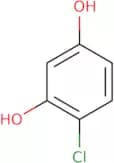
CAS:Producto controlado<p>1,1,3,3,4,4,4a,5,5,6,6,7,7,8,8,8a-Hexadecafluoro-2-(trifluoromethyl)decahydroisoquinoline is an organic solvent that has a very low boiling point and high volatility. It can be used in dry powder inhalers or as a component of hydrogel compositions for oxygen delivery to the lungs. The uptake of 1HF-2TFI into human colon carcinoma cells was found to be significantly higher than uptake by mammary carcinomas. This may be due to the difference in cell types and/or the phosphate group on the molecule. The binding constants of this molecule are also higher than those of other organic solvents such as acetone and ethanol. The results from a questionnaire study also indicated that 1HF-2TFI can be used for perfusion with oxygenated gas mixtures for</p>Fórmula:C10F19NPureza:Min. 95%Peso molecular:495.08 g/mol4-Chlororesorcinol
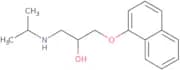
CAS:<p>4-Chlororesorcinol is a chemical compound that has been shown to have antimicrobial properties. It inhibits the growth of bacteria by reacting with tyrosinase and other enzymes that are important for the synthesis of melanin, the pigment responsible for skin, hair, and eye color. 4-Chlororesorcinol also reacts with protocatechuic acid to form chlorprotocatecholic acid and other products. This reaction is optimal at pH 3.4 and occurs at an increased rate in the presence of calcium ions. 4-Chlororesorcinol has been shown to inhibit root formation in plants, as well as inhibiting the growth of certain fungi such as Phytophthora infestans and Rhizoctonia solani.</p>Fórmula:C6H5ClO2Pureza:Min. 95%Forma y color:PowderPeso molecular:144.56 g/molrac-Propranolol hydrochloride
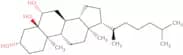
CAS:Producto controlado<p>Propranolol is a beta-adrenergic receptor antagonist that is used to treat high blood pressure, chest pain and heart failure. It also has been shown to be effective in the treatment of inflammatory bowel disease (IBD). Propranolol blocks the binding of proprotein convertase subtilisin/kexin type 9 (PCSK9) to its receptors, which inhibits the production of LDL cholesterol. In humans, propranolol is metabolized through hydrolysis by esterases or glucuronidases, oxidation by cytochrome P450 enzymes, reduction by glutathione reductase, or conjugation with glucuronic acid. The drug also has a synergic effect with other drugs such as erythromycin and phenobarbital. Propranolol binds to proteins in red blood cells and decreases diastolic pressure.</p>Fórmula:C16H22ClNO2Pureza:Min. 98%Forma y color:White PowderPeso molecular:295.8 g/molCholestan-3β,5α,6β-triol
CAS:Producto controlado<p>Cholestan-3b,5a,6b-triol is a naturally occurring fatty acid that has been shown to inhibit the synthesis of cholesterol and oxysterols in animal studies. It also acts as a receptor agonist for the LDL receptor. This compound is used in clinical trials to assess risk for cerebrotendinous xanthomatosis (CTX), a rare genetic disorder characterized by high levels of cholesterol and fatty acids in the brain and spinal cord. Cholestan-3b,5a,6b-triol is being studied as a potential treatment for atherosclerosis. The drug inhibits the uptake of cholesterol from macrophages and reduces the accumulation of atherosclerotic lesions in mouse models. Cholestan-3b,5a,6b-triol may be useful for treating patients with diabetes because it blocks the synthesis of fatty acids that can lead to diabetic complications such as retinopathy and nephropathy.</p>Fórmula:C27H48O3Pureza:Min. 95%Forma y color:PowderPeso molecular:420.67 g/mol2-[(Ethylamino)methyl]-4-nitrophenol
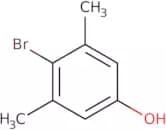
CAS:<p>Please enquire for more information about 2-[(Ethylamino)methyl]-4-nitrophenol including the price, delivery time and more detailed product information at the technical inquiry form on this page</p>Fórmula:C9H12N2O3Pureza:Min. 95%Forma y color:PowderPeso molecular:196.2 g/mol4-Bromo-3,5-dimethylphenol
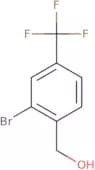
CAS:<p>4-Bromo-3,5-dimethylphenol is a brominating agent that reacts with organic substances by the addition of bromine. It is used as an industrial solvent and reagent in organic synthesis. The reaction of 4-bromo-3,5-dimethylphenol with methanol produces an organic solution. The selectivity of this reaction depends on the reactivity of the hydantoin. The acetate ion is used to adjust the pH to 7, which activates the ammonium ion for the formation of ammonium hydroxide. In this way, the brominating agent will be converted into a salt form and no longer be reactive.</p>Fórmula:C8H9BrOPureza:Min. 95%Peso molecular:201.06 g/mol2-Bromo-4-(trifluoromethyl)benzyl alcohol
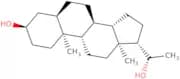
CAS:<p>2-Bromo-4-(trifluoromethyl)benzyl alcohol is a versatile building block that can be used as a reactant in organic synthesis. It is also a useful intermediate and building block for complex compounds. This compound has been used as a reagent in the preparation of 2,2'-dipyridyldisulfide, which was shown to have potent antiproliferative activity against human cancer cells.</p>Fórmula:C8H6BrF3OPureza:Min. 95%Peso molecular:255.03 g/mol5β-Pregnane-3α,20α-diol
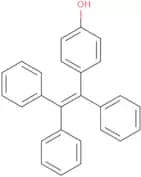
CAS:Producto controlado<p>5β-Pregnane-3α,20α-diol is a human metabolite of estradiol that has been found to be an active inhibitor of the enzyme activity of GABA transaminase. It has been shown to have therapeutic potential in the prevention and treatment of cervical cancer, as well as other cancers. 5β-Pregnane-3α,20α-diol has also been found to inhibit ovarian activity. The diagnostic method for this metabolite is based on monoclonal antibody (MAb) reactivity with immunosorbent assay (ELISA) and gas chromatography/mass spectrometry (GC/MS). Women who have high values for this metabolite may be at risk for uterine cancer or breast cancer.</p>Fórmula:C21H36O2Pureza:Min. 98 Area-%Forma y color:White PowderPeso molecular:320.51 g/mol4-(1,2,2-triphenylvinyl)phenol
CAS:<p>4-(1,2,2-triphenylvinyl)phenol is a fluorescent molecule that can be used as a biomarker for Listeria monocytogenes. The fluorescence of 4-(1,2,2-triphenylvinyl)phenol is quenched when it binds to the bacteria and then restored when it is removed from the bacteria. This molecule has been shown to bind to bacterial DNA and proteins. It has also been shown to have hydrophobic properties and can be used for fingerprint analysis. 4-(1,2,2-triphenylvinyl)phenol has been synthesized through a Suzuki coupling reaction with chloroacetophenone and 1,4-dibromobutane. It has two isomers: one with two phenyl groups on either side of the vinyl group and one with only one phenyl group on either side of the vinyl group.</p>Fórmula:C26H20OPureza:Min. 95%Forma y color:SolidPeso molecular:348.44 g/mol1-Palmitoyl-2-oleoyl-rac-glycerol
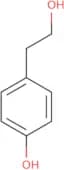
CAS:<p>1-Palmitoyl-2-oleoyl-rac-glycerol is a fatty acid that is made in the mitochondria and is an intermediate in the production of diacylglycerol. It has been shown to have a linear response with cellular protein levels, and it has been shown to be involved in the genetic mechanisms of cells. 1-Palmitoyl-2-oleoyl-rac-glycerol has been found to have a number of protein targets, including phosphatidylinositide 3 kinase, PKC, and Akt. This molecule also has been used as an analytical method for measuring fatty acids in tissue samples and has been shown to alter enzyme levels, such as those found in prostaglandin synthase 2. 1-Palmitoyl-2-oleoyl-rac-glycerol can be synthesized by laser ablation or chromatographic science methods.</p>Fórmula:C37H70O5Pureza:Min. 95%Forma y color:Solidified MassPeso molecular:594.95 g/mol4-Hydroxyphenethyl alcohol
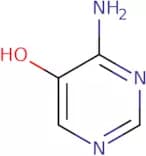
CAS:<p>Produces a fluorogenic signal in the presence of peroxidase</p>Fórmula:C8H10O2Pureza:Min. 98 Area-%Forma y color:PowderPeso molecular:138.16 g/mol4-Aminopyrimidin-5-ol
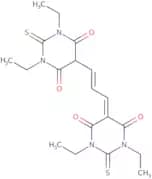
CAS:<p>4-Aminopyrimidin-5-ol (4AP) is a small molecule that has been shown to mitigate populations of bacteria that are resistant to antibiotics. 4AP is a thiol compound that can be synthesized in high quantities using scalable, scalable synthesis. It has been shown to inhibit the protein synthesis of sensitive populations of bacteria by targeting their ribosomes and inhibiting the activity of bacterial DNA gyrase and topoisomerase IV. 4AP inhibits bacterial growth at low concentrations, with no effect on mammalian cells. This drug also shows potential as an antibiotic adjuvant because it utilizes trigonometric calculations, multigram scales, and chromatographic techniques for purification. 4AP is stable under a variety of temperatures, making it suitable for use in many environments.</p>Fórmula:C4H5N3OPureza:Min. 95%Forma y color:SolidPeso molecular:111.1 g/molBis-(1,3-diethylthiobarbituric acid)trimethine oxonol
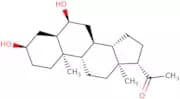
CAS:<p>Bis-(1,3-diethylthiobarbituric acid)trimethine oxonol (BTTMO) is a compound class of drugs that inhibit the ATP-binding cassette transporter and block the transport of cellular metabolites across the mitochondrial membrane. This inhibition leads to a decrease in cellular ATP levels and an increase in cytosolic calcium. BTTMO has shown promising results in animal models for treatment of cervical cancer, which may be due to its ability to stimulate epidermal growth factor receptor signaling. BTTMO also inhibits energy metabolism by inhibiting mitochondrial membrane potential and blocking atp-sensitive potassium channels. It also induces gamma-aminobutyric acid release from neurons, leading to hyperpolarization of the cell membrane.</p>Fórmula:C19H24N4O4S2Pureza:Min. 95%Forma y color:Dark Purple SolidPeso molecular:436.55 g/mol5β-Pregnan-3α,6α-diol-20-one
CAS:Producto controlado<p>5β-Pregnan-3α,6α-diol-20-one is an anticoagulant that inhibits the action of thrombin. It has been shown to inhibit the inflammatory response in a number of autoimmune diseases and inflammatory disorders. This drug also has a nitro group, which can be reduced to an hydroxyl group by reaction with sodium nitrite or other reducing agents. The antimicrobial properties of 5β-pregnan-3α,6α-diol-20-one are thought to be due to its ability to form particle aggregates with magnetic particles. These aggregates have an inhibitory effect on bacterial growth.</p>Fórmula:C21H34O3Pureza:Min. 95%Forma y color:PowderPeso molecular:334.49 g/mol4-Amino-3-chloro-a-[[(1,1-dimethylethyl)amino]methyl]-5-(trifluoromethyl)benzenemethanol
CAS:Producto controlado<p>4-Amino-3-chloro-a-[(1,1-dimethylethyl)amino]methyl]-5-(trifluoromethyl)benzenemethanol (4ACBEM) is a fluorescent probe for the detection of intracellular Ca2+ levels. It binds to ryanodine receptors in the plasma membrane and can be used as a marker for Ca2+ mobilization in cells. 4ACBEM is used in flow cytometry and has been shown to bind to human serum albumin and other proteins with high affinity. The pharmacokinetics of 4ACBEM has been studied in rats, showing that it is eliminated by hepatic metabolism. This compound has also been shown to have no toxic effects on fetal bovine liver cells in vitro, although it does exhibit some interactions with the matrix that are dependent on the concentration of Ca2+.</p>Fórmula:C13H18ClF3N2OPureza:Min. 95%Forma y color:Off-White To Yellow To Orange SolidPeso molecular:310.74 g/molQuinazolin-2-ol
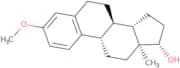
CAS:<p>Quinazolin-2-ol is a quinazolone compound that inhibits the growth of bacteria, fungi and viruses. It is an antimicrobial agent used to treat bacterial and fungal infections and has been shown to be effective against methicillin resistant Staphylococcus aureus. Quinazolin-2-ol also exhibits significant cytotoxicity and in vitro antifungal activity against Candida albicans. This compound is absorbed into human serum and can inhibit copper-dependent enzymes such as anthranilate synthase. Quinazolin-2-ol also has immunosuppressive properties, which may be due to its ability to inhibit the production of cytokines such as IL-1β, IL-6, TNFα, or IL-10.</p>Fórmula:C8H6N2OPureza:Min. 95%Forma y color:PowderPeso molecular:146.15 g/molβ-Estradiol 3-methyl ether
CAS:Producto controlado<p>Beta-estradiol 3-methyl ether is a synthetic estrogen that is used as an oral contraceptive. It has been shown to be effective in the treatment of secondary amenorrhea and menorrhagia, as well as in the prevention of pregnancy. Beta-estradiol 3-methyl ether has been shown to increase fibrinogen levels and may be useful in the treatment of thrombocytopenia. A bolus dose of beta-estradiol 3-methyl ether may also be used to induce abortion, resulting in a decrease in blood pressure. The active form is taken up by cells via passive diffusion and is converted into estradiol by cytochrome P450 enzymes. Beta-estradiol 3-methyl ether binds to fatty acids with two or more carbon atoms, which then enter the cell by facilitated diffusion through specific membrane protein carriers. These carriers are blocked by atropine sulfate, preventing uptake of beta-estradiol 3-methyl ether</p>Fórmula:C19H26O2Pureza:Min. 98 Area-%Forma y color:PowderPeso molecular:286.41 g/mol4-[3-[2-(Trifluoromethyl)-9H-thioxanthen-9-ylidene]propyl]-1-piperazineethanol dihydrochloride
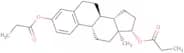
CAS:Producto controlado<p>4-[3-[2-(Trifluoromethyl)-9H-thioxanthen-9-ylidene]propyl]-1-piperazineethanol dihydrochloride is a potent antagonist of the 5-HT2A receptor. It has been shown to reduce body weight and food intake in animal models. The compound has also been shown to decrease motor activity and increase grooming behavior, which are symptoms of Parkinson's disease. 4-[3-[2-(Trifluoromethyl)-9H-thioxanthen-9-ylidene]propyl]-1-piperazineethanol dihydrochloride is a Pgp substrate and can be used to measure the activity of this transporter in human serum, as well as determining its effect on renal function in rats.</p>Fórmula:C23H27Cl2F3N2OSPureza:Min. 95%Forma y color:PowderPeso molecular:507.44 g/molEstradiol dipropionate
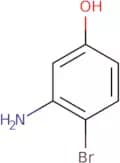
CAS:<p>Estradiol dipropionate is a synthetic, non-steroidal estrogen. It is a prodrug that is hydrolyzed to estradiol benzoate and estradiol dipropionate in vivo. Estradiol dipropionate binds to the estrogen receptors of cells, which stimulates the production of erythropoietin and thus increases the number of red blood cells. Estradiol dipropionate has been shown to have beneficial effects on autoimmune diseases such as bowel disease and rheumatoid arthritis. This drug also increases protein synthesis in cells by increasing the basic fibroblast growth factor (bFGF) levels, leading to an increase in cellular proliferation. The chemical composition of estradiol dipropionate includes a pyrazole ring, an estradiol moiety, and two propionic acid residues.</p>Fórmula:C24H32O4Pureza:Min. 97 Area-%Forma y color:White Off-White PowderPeso molecular:384.51 g/mol3-Amino-4-bromophenol
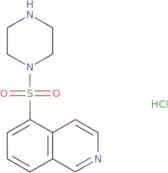
CAS:<p>3-Amino-4-bromophenol is an industrial chemical that is used in the diazotization and reduction reactions. 3-Amino-4-bromophenol can be synthesized by reacting hydrazine with iron oxide and nitrite in a condition of acetone and sodium nitrite. The product yield for this reaction is about 90%. 3-Amino-4-bromophenol crystallizes from acetone as a white powder.</p>Fórmula:C6H6BrNOPureza:Min. 95%Peso molecular:188.02 g/mol1-(5-Isoquinolinesulfonyl)piperazine hydrochloride
CAS:<p>1-(5-Isoquinolinesulfonyl)piperazine hydrochloride (1-ISOQ-PIP) is a chemical compound that has been shown to inhibit the growth of leukemia cells. It inhibits the expression of leukemia inhibitory factor, which may be due to its ability to introduce modifications into the sequence of DNA. 1-ISOQ-PIP also inhibits pluripotent stem cells and induces adipocyte differentiation. This substance can be used for cancer treatment by inhibiting the growth of leukemia cells and inducing differentiation.</p>Fórmula:C13H16ClN3O2SPureza:Min. 95%Forma y color:PowderPeso molecular:313.8 g/mol1,3-Dibenzyloxy-2-propanol
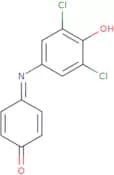
CAS:<p>1,3-Dibenzyloxy-2-propanol is a nucleophilic compound that has been shown to be effective against herpes simplex virus. This antiviral agent is also cytotoxic and has high molecular weight. It is acetylated to produce the corresponding acetate ester, which is scalable for industrial production. 1,3-Dibenzyloxy-2-propanol binds to the carbohydrate ligand on the surface of cells and inhibits the growth of viruses by trapping them in a hydrophobic environment. This drug has been shown to inhibit ganciclovir phosphorylation and can be used as an antiviral agent if combined with other drugs such as cannabinoids or nervous system agents. 1,3-Dibenzyloxy-2-propanol also reacts with endogenous ligands such as histidine, glutathione and dopamine receptors.</p>Fórmula:C17H20O3Pureza:Min. 95%Forma y color:Clear LiquidPeso molecular:272.34 g/mol2,6-Dichlorophenolindophenol
CAS:<p>2,6-Dichlorophenolindophenol is a redox indicator that can be used as an optical sensor for the measurement of hydrogen peroxide and other reactive oxygen species. It has been shown to inhibit caspase-independent cell death in carcinoma cells and is active against the opportunistic fungus Candida glabrata. The optimum concentration for this compound has been determined to be 1 mM.</p>Fórmula:C12H7Cl2NO2Pureza:Min. 95%Forma y color:Black Green PowderPeso molecular:268.09 g/molcis-(+/-)-2-[(N-Benzyl-N-methyl)aminomethyl]-1-(3-methoxyphenyl)cyclohexanol hydrochloride
CAS:<p>cis-(+/-)-2-[(N-Benzyl-N-methyl)aminomethyl]-1-(3-methoxyphenyl)cyclohexanol hydrochloride is a versatile building block that can be used in the synthesis of complex compounds. This compound is also a useful reagent, speciality chemical, and reaction component. cis-(+/-)-2-[(N-Benzyl-N-methyl)aminomethyl]-1-(3-methoxyphenyl)cyclohexanol hydrochloride has been shown to be a valuable scaffold for research chemicals with high quality.</p>Fórmula:C22H30ClNO2Pureza:Min. 95 Area-%Forma y color:PowderPeso molecular:375.93 g/mol4-[2-[[3-(4-Hydroxyphenyl)-1-methylpropyl]amino]ethyl]-1,2-benzenediol hydrochloride
CAS:<p>Dobutamine is a beta-adrenergic agonist that causes the heart to contract and increase blood pressure. It is used for pharmacological treatment of congestive heart failure and ventricular arrhythmias, as well as during angiography of the coronary arteries. Dobutamine stimulates dopamine receptors in the heart, which increases the systolic pressure. Dobutamine has been shown to be effective in improving myocardial contractility, left ventricle function, and cardiac output in patients with chronic congestive heart failure. This drug also improves left ventricular regional wall motion, papillary muscle function, and mitral valve regurgitation. Dobutamine may cause side effects such as nausea, vomiting, headache, or chest pain.</p>Fórmula:C18H24ClNO3Pureza:Min. 95%Forma y color:PowderPeso molecular:337.84 g/mol11b-Hydroxy etiocholanolone
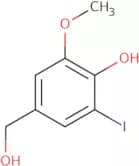
CAS:Producto controlado<p>11b-Hydroxy etiocholanolone is a major metabolite of 11-ketotestosterone. It is formed from the reaction of 11-ketotestosterone with either carbon disulphide or plasma cortisol. The physiological levels of 11b-hydroxy etiocholanolone are not well known, but it has been observed that there are higher levels in women than in men. This metabolite is an active form of testosterone and can be detected in urine samples. 11b-hydroxy etiocholanolone has been shown to have a biphasic response to testosterone treatment, where it increases at low concentrations and decreases at high concentrations. This metabolite is also involved in the synthesis of estradiol through the side chain cleavage, which leads to a chromatographic peak during gas chromatography analysis.</p>Fórmula:C19H30O3Pureza:Min. 95%Forma y color:White PowderPeso molecular:306.44 g/mol4-Hydroxy-5-iodo-3-methoxybenzyl alcohol
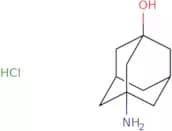
CAS:<p>4-Hydroxy-5-iodo-3-methoxybenzyl alcohol is a polymer that has been synthesized as a model compound for lignin. It is a synthetic compound, which has not been found in nature. 4-Hydroxy-5-iodo-3-methoxybenzyl alcohol is toxic to bacteria and fungi, but not to mammalian cells. The metabolic products of this compound have not yet been identified.</p>Fórmula:C8H9IO3Pureza:Min. 95%Forma y color:PowderPeso molecular:280.06 g/mol3-Amino-1-adamantanol hydrochloride
CAS:<p>3-Amino-1-adamantanol hydrochloride (3AAAH) is a versatile building block that can be used for the synthesis of complex compounds. It has been shown to have a high quality and is useful as a reagent, research chemical, speciality chemical, or useful scaffold in organic synthesis.</p>Fórmula:C10H17NO·HClPureza:Min. 95%Peso molecular:203.71 g/mol3-Fluoro-4-methylphenol
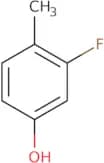
CAS:<p>3-Fluoro-4-methylphenol is a regiospecific, nature, activating, radiopharmaceutical, which is used in the synthesis of asymmetric formylation reagents. It can be synthesized from nitrobenzene and formaldehyde in the presence of sodium hydroxide. 3-Fluoro-4-methylphenol can be converted to 3-fluoroacetophenone by hydrogenation with palladium on charcoal. This compound has an electron withdrawing group and a nucleophilic group that are activated by a dihedral angle of 30° or less. The nitro group has the ability to accept electrons from other compounds or compounds such as ammonia or amines.</p>Fórmula:C7H7FOPureza:Min. 95%Forma y color:PowderPeso molecular:126.13 g/mol4,6-Diaminoresorcinol dihydrochloride
CAS:<p>4,6-Diaminoresorcinol dihydrochloride is a white solid that has viscosity and hydrochloric acid as its structural formula. It is soluble in water and reacts with proton, monosodium salt to form a precipitate. 4,6-Diaminoresorcinol dihydrochloride reacts with phosphorus pentoxide to form the sulfonation product. The thermal expansion of this material is 2.8 x 10^-5/K and it has shown chemical stability at high temperatures up to 450°C. This compound has been found to be an element analysis for chloride (Cl), hydrogen chloride (HCl) and morphology.</p>Fórmula:C6H10N2O2Cl2Pureza:Min. 98 Area-%Peso molecular:213.06 g/mol4-Aminobenzyl alcohol
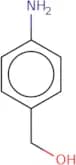
CAS:<p>4-Aminobenzyl alcohol is an ethylene diamine derivative that is insoluble in water. It has been shown to react with sodium carbonate in aqueous solution to form a polymer. The polymer has potential as a biomarker for the early detection of cancer and other diseases. 4-Aminobenzyl alcohol has low potency and is activated by caproic acid, which is used as an inhibitor of the enzyme epidermal growth factor (EGF). This compound also reacts with azobenzene to form a primary cell line.</p>Fórmula:C7H9NOPureza:Min. 98 Area-%Forma y color:White PowderPeso molecular:123.15 g/mol(R)-(+)-Diphenyl-2-pyrrolidinemethanol
CAS:Producto controlado<p>(R)-(+)-Diphenyl-2-pyrrolidinemethanol is a chiral reagent that is used to catalyze the hydrogenolysis of esters and amides. This reaction yields a mixture of the corresponding alcohol and acid. The reagent can also be used to deprotonate azides, yielding diphenylprolinol. The product can then be hydrolyzed with an alkaline solution to form a methyl ester or an ester hydrochloride. This process is useful for the preparation of chiral alcohols and amines.</p>Fórmula:C17H19NOPureza:Min. 95%Forma y color:White PowderPeso molecular:253.34 g/mol2-Phenoxybenzyl alcohol
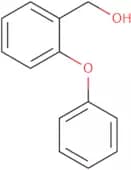
CAS:<p>2-Phenoxybenzyl alcohol is an active compound that is a diarylamine with a phenoxy group. It has photochemistry activity, which can be used to form methanes and polyhalogenated phenoxy compounds. 2-Phenoxybenzyl alcohol has been found to react with amides and carbonyl groups in nature. This chemical also has the ability to undergo transfer and shift reactions.</p>Fórmula:C13H12O2Pureza:Min. 95%Forma y color:Clear LiquidPeso molecular:200.23 g/mol3-Bromo-5-methylphenol
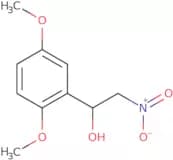
CAS:<p>3-Bromo-5-methylphenol is an enolate that can be used to synthesize methicillin-resistant dibenzofurans. The synthesis of these compounds is a multistep process, which includes the formation of an enolate from 3-bromo-5-methylphenol and subsequent displacement with a variety of electrophiles. The use of 3-bromo-5-methylphenol as an enolate allows for high yields in the synthesis of dibenzofurans. Further, this compound has antibacterial properties and is effective against both gram positive and negative bacteria. 3-Bromo-5-methylphenol also has chloride and sulfonation properties, which have been used to make advances in the development of antibacterial agents.</p>Fórmula:C7H7BrOPureza:Min. 95%Forma y color:PowderPeso molecular:187.03 g/mol1-(2,5-Dimethoxyphenyl)-2-nitroethanol
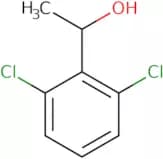
CAS:<p>1-(2,5-Dimethoxyphenyl)-2-nitroethanol is a chiral, asymmetric catalyst that has been shown to be effective in the enantioselective reduction of ketones. This process is important because it allows for the synthesis of chiral amino alcohols, which are then used in a variety of chemical reactions. The reaction can also be carried out with methyl amine as an amine source. 1-(2,5-Dimethoxyphenyl)-2-nitroethanol is an example of a catalyst that participates in catalysis through the lone pair on oxygen and nitrogen atoms.</p>Fórmula:C10H13NO5Pureza:Min. 95%Forma y color:White PowderPeso molecular:227.21 g/mol2,6-Dichlorophenylmethyl carbinol
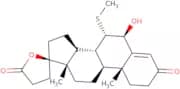
CAS:<p>2,6-Dichlorophenylmethyl carbinol is a synthetic oxidant that can be used in the oxidation of alcohols. It is used to convert alcohols into aldehydes and ketones with magnesium as a catalyst. 2,6-Dichlorophenylmethyl carbinol has been shown to be effective in the oxidation of cyclohexanone and styrene. It also has been shown to undergo homologation reactions, which are useful for the synthesis of natural products.<br>!--</p>Fórmula:C8H8Cl2OPureza:Min. 95%Forma y color:PowderPeso molecular:191.05 g/mol6b-Hydroxy-7a-(thiomethyl) spironolactone
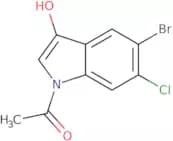
CAS:<p>6b-Hydroxy-7a-(thiomethyl) spironolactone is a drug that is metabolized in the liver and excreted in the bile. It has been found to be safe and effective for the treatment of ascites due to cirrhosis. The pharmacokinetics of 6b-hydroxy-7a-(thiomethyl) spironolactone are linear, with a plasma elimination rate of 0.3 mg/kg/h. The elimination half-life for 6b-hydroxy-7a-(thiomethyl) spironolactone is about 3 hours. 6b-Hydroxy-7a-(thiomethyl) spironolactone has been found to be eliminated from the body at a constant rate, regardless of age, gender or weight. The population studied was healthy adult males who ingested 6b-hydroxy-7a-(thiometh</p>Fórmula:C23H32O4SPureza:Min. 95%Forma y color:PowderPeso molecular:404.56 g/mol1-Acetyl-5-bromo-6-chloro-1H-indol-3-ol
CAS:<p>Please enquire for more information about 1-Acetyl-5-bromo-6-chloro-1H-indol-3-ol including the price, delivery time and more detailed product information at the technical inquiry form on this page</p>Fórmula:C10H7BrClNO2Pureza:Min. 95 Area-%Forma y color:PowderPeso molecular:288.52 g/molPiceatannol
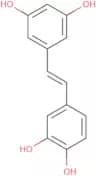
CAS:<p>Piceatannol is a natural compound that is found in grapes, red wine, and grape seed extract. It has been shown to inhibit the injury-induced expression of proinflammatory cytokines and to protect against oxidative stress. Piceatannol has also been reported to bind DNA by competitive inhibition and to have inhibitory properties on 3T3-L1 preadipocytes. In addition, it has been shown to induce apoptosis in murine hepatoma cells and cancer tissues. Piceatannol may be an effective dietary antioxidant due to its ability to regulate gene expression by binding with response elements or through its antioxidant properties.</p>Fórmula:C14H12O4Pureza:Min. 95%Forma y color:Slightly Yellow PowderPeso molecular:244.24 g/molTrimethylolpropane trioleate
CAS:<p>Trimethylolpropane trioleate (TTOP) is a fatty acid that is derived from trimethylolpropane. It has a hydroxyl group and three oleate ester groups with one hydrochloric acid molecule. The optimal concentration of TTOP is 20%. The surface methodology for the synthesis of TTOP involves the reaction of sodium citrate with a cationic surfactant, which produces an intermediate. This intermediate can then react with an alcohol to form TTOP. The molecular weight of TTOP is 906.81 g/mol and its chemical formula is C18H36O6. The following are examples of high-quality product descriptions: "Rifapentine is an anti-tuberculosis drug that belongs to the class of rifamycins." "Tilmicosin is a macrolide antibiotic that inhibits the growth of bacteria by binding to the 50S ribosomal subunit</p>Fórmula:C60H110O6Pureza:Min. 95%Forma y color:Colorless Clear LiquidPeso molecular:927.51 g/mol1-Stearoyl-rac-glycerol
CAS:<p>1-Stearoyl-rac-glycerol is a synthetic lipid molecule that has been shown to inhibit leukemia inhibitory factor (LIF). It also inhibits the activity of benzalkonium chloride, which is used in many household products such as laundry detergents, disinfectants, and fabric softeners. The LIF inhibitor 1-stearoyl-rac-glycerol has been shown to be effective in treating chronic oral toxicity in animal models. This drug also has clinical properties and can be used for the treatment of metabolic disorders such as diabetes mellitus.</p>Fórmula:C21H42O4Pureza:Min. 95%Forma y color:White PowderPeso molecular:358.56 g/mol2,6-Dimethylphenylmethyl carbinol
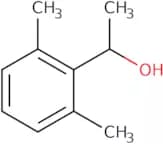
CAS:<p>2,6-Dimethylphenylmethyl carbinol is a high quality chemical that is useful as a reagent in the synthesis of complex compounds. It can be used as an intermediate for the production of fine chemicals and speciality chemicals, such as research chemicals and versatile building blocks. This compound has been used in several chemical reactions to produce various compounds with different functional groups.</p>Fórmula:C10H14OPureza:Min. 95%Forma y color:PowderPeso molecular:150.22 g/mol3-Cyclohexyl-1-[4-[2-(7-methoxy -4,4-dimethyl-1,3-dioxo-isoquinolin -2-yl)ethyl]phenyl]sulfonyl-urea
CAS:<p>3-Cyclohexyl-1-[4-[2-(7-methoxy -4,4-dimethyl-1,3-dioxo-isoquinolin -2-yl)ethyl]phenyl]sulfonyl-urea is a drug that inhibits the enzyme DPPIV, which breaks down the incretin hormone glucagon-like peptide (GLP)-1. It may be used to treat diabetes by regulating blood glucose levels. This drug has been shown to reduce postprandial blood glucose levels in patients with type 2 diabetes. 3CYCSU is also capable of reducing body weight and food intake in mice. The mechanism of action of this drug is not fully understood, but it appears to have an effect on the cytosolic calcium ion concentration and may reduce inflammatory responses in cells. 3CYCSU is a promising potential treatment for infectious diseases such as Hepatitis C virus (HCV).</p>Fórmula:C27H33N3O6SForma y color:PowderPeso molecular:527.63 g/molFlurandrenolide
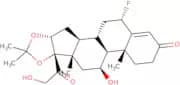
CAS:<p>Flurandrenolide is a corticosteroid that is used for the treatment of bowel disease and autoimmune diseases. Flurandrenolide reduces inflammation by inhibiting the production of effector proteins, such as cytokines, chemokines, and eicosanoids. Flurandrenolide has been shown to have low potency in the treatment of lymphocyte transformation. This corticosteroid also inhibits the growth of various carcinoma cell lines. The mechanism of action of flurandrenolide is not fully understood, but it may be due to its ability to interfere with enzymes involved in cellular signaling pathways or to inhibit transcription factors. It has been found that flurandrenolide has a biocompatible polymer that can be used for sample preparation and analytical method.</p>Fórmula:C24H33FO6Pureza:Min. 95%Forma y color:White PowderPeso molecular:436.51 g/mol9-cis-Retinol acetate
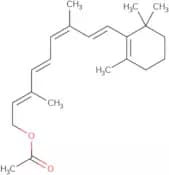
CAS:<p>9-cis-Retinol acetate is a synthetic retinoid that has been shown to have antioxidant properties. It prevents the oxidation of lipids, proteins and DNA by inhibiting the activity of enzymes such as cyclooxygenase and lipoxygenase, which are responsible for generating reactive oxygen species. 9-cis-Retinol acetate also increases glutathione levels, which scavenges reactive oxygen species. 9-cis-Retinol acetate can be used to treat oxidative injury in different tissues such as the skin, liver, bowel, lung and eye. 9-cis-Retinol acetate can be used in low doses to prevent oxidative injury in the human fetus during pregnancy or in high doses to treat oxidant injuries caused by radiation exposure or chemotherapy.</p>Fórmula:C22H32O2Pureza:Min. 95%Forma y color:Pale yellow oil.Peso molecular:328.49 g/molSorbitan monolaurate
CAS:<p>Sorbitan monolaurate is a natural compound that can be isolated from the seeds of the Cucurbitaceae family. It is used in sample preparation for biocompatible polymers, as well as for detergent compositions. Sorbitan monolaurate has been shown to act as an absorption enhancer, which may be due to its ability to form hydrogen bonds with other molecules and its capacity to interact with sodium citrate. Sorbitan monolaurate also has biological properties such as the inhibition of autoimmune diseases, malonic acid production, and bacterial growth.</p>Fórmula:C18H34O6Pureza:Min. 95%Forma y color:Slightly Yellow Clear LiquidPeso molecular:346.46 g/molm-Aminophenolsulfate
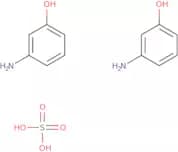
CAS:<p>m-Aminophenolsulfate is a sulfonated derivative of m-aminophenol. It has been used for wastewater treatment and as an analytical reagent for the determination of p2 group substances, such as sulfa drugs. It is also used in pharmaceutical preparations and human serum. m-Aminophenolsulfate may be activated by hydrochloric acid to form a reactive intermediate (m-aminophenoxy radical) that reacts with electron acceptors such as oxygen or nitrous oxide to generate reactive oxygen species. In this way, m-aminophenolsulfate can act as a broad-spectrum antimicrobial agent against both Gram negative and Gram positive bacteria. The mechanism of this reaction is adsorption on the bacterial cell wall, which leads to cell death through osmotic lysis or disruption of membrane integrity.</p>Fórmula:C12H16N2O6SPureza:Min. 95%Forma y color:PowderPeso molecular:316.33 g/mol17-epi-Ethynyl estradiol
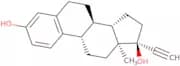
CAS:<p>17-epi-ethynyl estradiol is an estrogen that has osmotic effects on the blood vessels. It is a potent inhibitor of platelet aggregation and haemostasis. 17-Epi-ethynyl estradiol has been shown to increase the risk of venous thrombosis by increasing the plasma concentrations of coagulation factors II, VII, IX and X. It also decreases blood pressure. 17-epi-ethynyl estradiol can interact with other drugs such as felodipine and may lead to increased levels of coagulation proteins in the blood. The drug can be found in wastewater and may have negative effects on the environment by causing atherogenesis. 17-epi-Ethynyl estradiol can be analyzed using high performance liquid chromatography (HPLC).</p>Fórmula:C20H24O2Pureza:Min. 95%Forma y color:White Off-White PowderPeso molecular:296.4 g/mol(S)-(-)-3-tert-Butylamino-1,2-propanediol
CAS:<p>(S)-(-)-3-tert-Butylamino-1,2-propanediol is a hydrophobic liquid that has been used as a stationary phase in chromatography. It interacts with nonaromatic compounds and has been used for the validation of high performance liquid chromatography (HPLC) detection sensitivity. It is also used as a ligand for ternary complexes and as an anion in chromatographic science. This compound's interactions are studied using evaporative light scattering, which can be used to determine the molecular weight of the compound.</p>Fórmula:C7H17NO2Pureza:Min. 95%Peso molecular:147.22 g/molCCT 241533
CAS:<p>CCT 241533 is a Chinese herb that has been shown to have anti-cancer properties. It has been demonstrated to inhibit the growth of HL-60 cells and induce apoptosis in these cells. CCT 241533 also inhibits the proliferation of epidermal growth factor (EGF) and induces cell death in response to radiation. This drug also binds to toll-like receptors, which are proteins on the surface of cells that detect pathogens and initiate an immune response. CCT 241533 has been shown to inhibit polymerase chain reactions by competitive inhibition or by binding to DNA, preventing transcription or replication. CCT 241533 may be useful for the treatment of infectious diseases, such as tuberculosis, because it can bind to bacterial 16S ribosomal RNA and inhibit protein synthesis, leading to cell death by inhibiting the production of proteins vital for cell division.<br>CCT 241533 has been shown in animal studies to be effective against cervical cancer due to its ability to bind</p>Fórmula:C23H27FN4O4Pureza:Min. 95%Peso molecular:442.48 g/molL-Homocysteine thiolactone hydrochloride
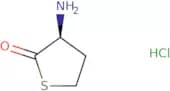
CAS:<p>L-Homocysteine thiolactone hydrochloride is a synthetic radiotracer. It has been used as a positron emission tomography (PET) radiopharmaceutical to image brain tumors and other cancers. L-homocysteine thiolactone hydrochloride is synthesized from L-cysteine and aluminium chloride. The yield of this reaction is usually low, but can be increased by addition of sodium hydroxide or tetrabutylammonium bromide. L-homocysteine thiolactone hydrochloride has been shown to be an effective radiotracer for the detection of cancerous tissue in the brain, breast, and prostate.</p>Fórmula:C4H7NOS•HClPureza:Min. 95%Forma y color:PowderPeso molecular:153.63 g/mol2-Amino-3-nitrophenol
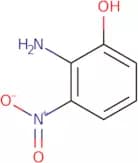
CAS:<p>2-Amino-3-nitrophenol is an inhibitor of matrix metalloproteinases that is active against a broad spectrum of pro-inflammatory and destructive enzymes. It has been used to inhibit the activity of matrix metalloproteinases in vitro and in vivo, with a wide range of applications in the fields of biochemistry, cell biology, and medicine. This compound has been shown to be effective against type strain C. albicans and C. glabrata strains, as well as other fungi such as Aspergillus niger, A. fumigatus, A. terreus, and A. flavus. 2-Amino-3-nitrophenol may have antifungal activity due to its ability to inhibit the synthesis of hyaluronic acid by these fungi.</p>Fórmula:C6H6N2O3Pureza:Min. 95%Forma y color:PowderPeso molecular:154.12 g/molGlycerol triacetate
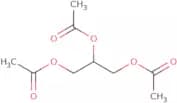
CAS:<p>Glycerol triacetate is a triacetin compound that is used in the production of glycerol and glycerin. The water vapor-resistant nature of this compound makes it an excellent candidate for use in projects where water vapor may be present. Glycerol triacetate has been shown to have a high resistance to solid phase microextraction and can be used as a model system for studying the interactions of triacetates with other materials. The reaction solution containing glycerol triacetate is acidic, which may lead to problems with water permeability if not properly treated. This analytical method utilizes hydrogen bonding interactions between glycerol and glycerine molecules to measure the concentration of each component in the sample.</p>Fórmula:C9H14O6Forma y color:Clear LiquidPeso molecular:218.2 g/molo-Fluorobenzyl alcohol
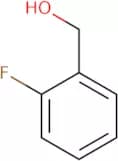
CAS:<p>O-Fluorobenzyl alcohol is a compound with the chemical formula of C6H5FO. It is a colorless liquid with a sweet odor and tastes like ether. This compound is soluble in water, ethanol, and acetone. O-Fluorobenzyl alcohol has been used as an analytical reagent for the determination of protonated molecules such as phenols or carbohydrates. It also has cytotoxic properties, which have been shown to be effective against cancer cells. O-Fluorobenzyl alcohol acts as a γ-secretase inhibitor by binding to the catalytic site of the enzyme, preventing proteolytic cleavage of amyloid precursor protein (APP) and subsequent production of amyloid β peptide (Aβ).</p>Fórmula:C7H7FOPureza:Min. 95%Forma y color:Clear LiquidPeso molecular:126.13 g/mol4-Bromo-3-fluorobenzyl alcohol
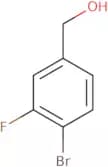
CAS:<p>4-Bromo-3-fluorobenzyl alcohol is an analog of prenylation, a process that is essential for the synthesis of many cellular components. It inhibits farnesyltransferase, an enzyme involved in the process of prenylation. Farnesyltransferase catalyzes the conversion of the 5-carbon farnesol to the 15-carbon geranylgeraniol, which is then converted to a 20-carbon geranylgeranyl pyrophosphate. This reaction generates a molecule with two prenyl groups. The discovery of 4-bromo-3-fluorobenzyl alcohol was made possible by its potent inhibition of farnesyltransferase and it has been shown to have promising results as a potential treatment for cancer.</p>Fórmula:C7H6BrFOPureza:Min. 95%Forma y color:PowderPeso molecular:205.02 g/mol4-Benzyloxy-2-chlorobenzyl alcohol
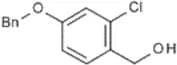
CAS:<p>4-Benzyloxy-2-chlorobenzyl alcohol is an intermediate in the synthesis of a number of complex compounds. It has been found to be useful as a reagent and as a building block in the synthesis of fine chemicals and speciality chemicals. This chemical has also been used as a reaction component in the synthesis of versatile building blocks. CAS No. 219764-60-0, this compound is often used by researchers for its versatility and ability to act as a scaffold.</p>Fórmula:C14H13ClO2Pureza:Min. 95%Forma y color:PowderPeso molecular:248.7 g/mol3,5-Dimethylbenzyl alcohol
CAS:<p>3,5-Dimethylbenzyl alcohol (3,5-DMB) is an organic solvent that is used as a degreaser and wetting agent for metals. It has been shown to have anticancer properties in vitro, but not in vivo. 3,5-DMB binds to the active site of the enzyme dehydrogenase and prevents it from binding with substrates. This inhibition leads to a decrease in the activity of this enzyme and a decrease in the production of reactive oxygen species. 3,5-DMB has also been shown to be effective against cancer cells both in vitro and in vivo. In addition, 3,5-DMB has been shown to bind tightly to ferula (a dye used for staining), xylene (a hydrocarbon), and hexane (an organic solvent).</p>Fórmula:C9H12OPureza:Min. 95%Peso molecular:136.19 g/molOspemifene
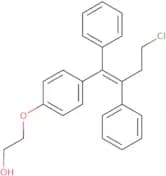
CAS:Producto controlado<p>2-[4-[(1Z)-4-Chloro-1,2-diphenyl-1-buten-1-yl]phenoxy]ethanol is a selective estrogen receptor modulator that has been shown to inhibit the growth of breast cancer cells in mice. It binds to the estrogen receptor (ER) and inhibits its transcriptional activity by competing with estradiol for binding. 2-[4-[(1Z)-4-Chloro-1,2-diphenyl-1-buten-1-yl]phenoxy]ethanol can be used as a postmenopausal hormonal therapy in women who are at an increased risk for breast cancer. This drug has been shown to have genotoxic activity and may cause dyspareunia and carcinogenic potential.</p>Fórmula:C24H23ClO2Pureza:Min. 95%Forma y color:PowderPeso molecular:378.89 g/mol4-Ethylresorcinol
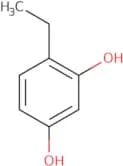
CAS:<p>4-Ethylresorcinol is a natural compound that has been shown to be an effective inhibitor of the enzyme acetylcholinesterase. It is synthesized from resorcinol and 4-ethylphenol by a Friedel-Crafts reaction. This compound can exist in two different crystalline polymorphs: monoclinic or orthorhombic. 4-Ethylresorcinol exhibits good solubility in water, alcohols, and organic solvents. The molecular weight of this compound ranges from 310 to 340g/mol. 4-Ethylresorcinol inhibits the transcriptional activity of RNA polymerase II and III, as well as DNA polymerase, by binding to the active sites on these enzymes. It also prevents DNA replication by binding to the enzyme DNA gyrase. 4-Ethylresorcinol is most commonly used in cell culture studies where it inhibits cellular protein synthesis and decreases protein levels within cells</p>Fórmula:C8H10O2Pureza:Min. 95%Forma y color:PowderPeso molecular:138.16 g/molSenkyunolide A
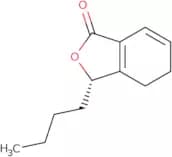
CAS:<p>Senkyunolide A is a bioactive compound, which is a type of phthalide derived from the roots of Ligusticum chuanxiong, a plant commonly used in traditional Chinese medicine. This compound is notable for its antioxidant and anti-inflammatory properties, which are believed to arise from its ability to scavenge free radicals and modulate inflammatory pathways.</p>Fórmula:C12H16O2Pureza:Min. 95%Forma y color:PowderPeso molecular:192.25 g/mol1-Methyl-3-pyrrolidinol
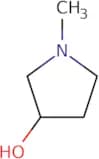
CAS:<p>1-Methyl-3-pyrrolidinol is a synthetic, organic compound that is soluble in organic solvents. It has been shown to have potent inducers of systemic effect and receptor binding. The structural formula for 1-methyl-3-pyrrolidinol is CHNO. It has been shown to have anticholinergic properties, which may be due to its ability to bind to nicotinic acetylcholine receptors.</p>Fórmula:C5H11NOPureza:Min. 97 Area-%Forma y color:Colorless Clear LiquidPeso molecular:101.15 g/molEthyl 2-hydroxy-5,6,7,8-tetrahydroquinoline-3-carboxylate
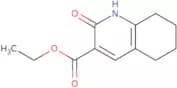
CAS:<p>Ethyl 2-hydroxy-5,6,7,8-tetrahydroquinoline-3-carboxylate is a fine chemical that is used as a building block in the manufacture of other compounds. It is also used as a reagent and speciality chemical. Ethyl 2-hydroxy-5,6,7,8-tetrahydroquinoline-3-carboxylate is an intermediate that can be used to produce other compounds. It can be used as a reaction component or useful scaffold for complex molecules.</p>Fórmula:C12H15NO3Pureza:Min. 95%Forma y color:PowderPeso molecular:221.25 g/mol4-Bromo-α-methylbenzyl alcohol
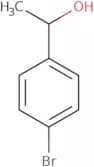
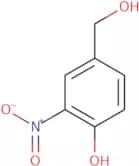
CAS:<p>4-Bromo-alpha-methylbenzyl alcohol is a reactive compound, which can be synthesized in two different forms. The first form is an isomer with the bromine atom on the alpha position and the second form has the bromine atom on the beta position. 4-Bromo-alpha-methylbenzyl alcohol reacts with hydrogen peroxide in order to produce borohydride reduction products. It has also been shown to inhibit protein synthesis by binding to DNA and RNA molecules, such as primary alcohols and benzyl groups. 4-Bromo-alpha-methylbenzyl alcohol may have potential therapeutic uses in cancer treatment due its ability to inhibit cell growth in prostate cancer cells (Mcf7) and breast cancer cells (MCF7).</p>Fórmula:C8H9BrOPureza:Min. 95%Forma y color:White Clear LiquidPeso molecular:201.06 g/mol4-Hydroxy-3-nitrobenzyl alcohol
CAS:<p>4-Hydroxy-3-nitrophenylacetic acid (4ONPA) is an organic compound that is the product of the reaction between hydroxylamine and nitrobenzaldehyde. It has been shown to have cytotoxicity in breast cancer cells and has been used as a probe for optical imaging studies. 4ONPA has also been shown to be able to inhibit the activity of enzymes such as catalase, peroxidase, and lipoxygenase. The uptake of 4ONPA into cells is dependent on its concentration and the cell type. This drug can be useful for treating degenerative diseases because it inhibits microglia activation by blocking the enzyme phospholipase A2. Clinical trials are currently being conducted for 4ONPA’s potential use in treating herpes simplex virus infections and cancerous lesions associated with Alzheimer's disease.</p>Fórmula:C7H7NO4Pureza:Min. 95%Forma y color:PowderPeso molecular:169.13 g/mol2,6-Dimethoxy-4-methylbenzyl alcohol
CAS:<p>2,6-Dimethoxy-4-methylbenzyl alcohol is a high quality, versatile building block that is used as a reagent. The chemical has been shown to be a useful intermediate in the production of fine chemicals and speciality chemicals. 2,6-Dimethoxy-4-methylbenzyl alcohol can be used as a reaction component in the production of research chemicals and versatile building blocks. This compound can be found on CAS registry number 875664-51-0.</p>Fórmula:C10H14O3Pureza:Min. 95%Forma y color:PowderPeso molecular:182.22 g/mol3-O-Hexadecyl-sn-glycerol
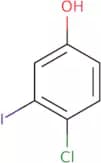
CAS:<p>3-O-Hexadecyl-sn glycerol (3OHG) is a neutral, high molecular weight glycol ether that is used for the preparation of zirconium oxide. 3OHG has been shown to be a substrate for carbohydrate chemistry and as an inhibitor of enzymes, such as hexokinase and phosphoglycerate kinase. 3OHG has minimal toxicity when administered orally to rats and does not cause any hemolysis in human erythrocytes. This compound is also a monoclonal antibody that binds to the surface glycoprotein on the HL-60 cell line and inhibits its growth. 3OHG is not cytotoxic at concentrations up to 10 mM in cultured cells, but it can induce Ca2+ release from the cytosol in HL-60 cells with minimal toxicity. The structure of 3OHG appears closely related to benzalkonium chloride (BAC).</p>Fórmula:C19H40O3Pureza:Min. 95%Peso molecular:316.52 g/mol4-Chloro-3-iodophenol
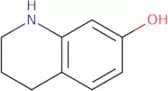
CAS:<p>4-Chloro-3-iodophenol is a reactive chemical substance that can be used as a reagent in the synthesis of diagnostic agents, sunscreens and disinfectants. The reaction rate is increased by the presence of chlorine and other halogens such as iodine or bromine. 4-Chloro-3-iodophenol reacts with triclosan to form chlorinated trihalomethanes, which are more efficient disinfectants than their nonchlorinated counterparts. However, 4-chloro-3-iodophenol can also react with the oxidant hydrogen peroxide to form an unstable intermediate compound that degrades into toxic products like hypochlorous acid and chloramines. This instability makes this substance unsuitable for use in certain applications such as water purification.</p>Fórmula:C6H4ClIOPureza:Min. 98 Area-%Forma y color:PowderPeso molecular:254.45 g/mol7-Hydroxy-1,2,3,4-tetrahydroquinoline
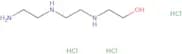
CAS:<p>7-Hydroxy-1,2,3,4-tetrahydroquinoline (7OH-THQ) is a fluorophore that can be used to detect the presence of cancer cells. It is a linker and labile and can be synthesized from the lactam 7-hydroxypyrazolo-[4,3-a]pyridin-5(6H)-one. The synthesis of 7OH-THQ is possible by reacting 4-(dimethylamino)benzenesulfonyl chloride with 2,2'-dithiolethane in the presence of sodium hydroxide. 7OH-THQ has been shown to be effective as an anticancer drug in vitro assays for colon and breast cancer cells. It also has fluorescence properties that are sensitive to acidic conditions and pH levels.</p>Fórmula:C9H11NOPureza:Min. 96 Area-%Forma y color:PowderPeso molecular:149.19 g/mol2-(2-(2-Aminoethylamino)ethylamino)ethanol trihydrochloride
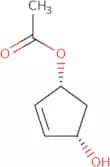
CAS:<p>2-(2-(2-Aminoethylamino)ethylamino)ethanol trihydrochloride is a chemical compound that is used as a reaction component and as a reagent in the synthesis of other chemicals. 2-(2-(2-Aminoethylamino)ethylamino)ethanol trihydrochloride is an intermediate for many organic compounds, including pharmaceuticals and pesticides. It has also been used to synthesize drugs for treating bacterial infections. 2-(2-(2-Aminoethylamino)ethylamino)ethanol trihydrochloride can be used in research or as a specialty chemical.</p>Fórmula:C6H17N3O·3HClPureza:Min. 95%Forma y color:PowderPeso molecular:256.6 g/mol(1S,4R)-cis-4-Acetoxy-2-cyclopenten-1-ol
CAS:<p>Chiral building block for synthesis of functionalised nucleosides</p>Fórmula:C7H10O3Pureza:Min. 98 Area-%Forma y color:White PowderPeso molecular:142.15 g/mol21-(Acetyloxy) triamcinolone acetonide
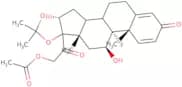
CAS:<p>21-(Acetyloxy) triamcinolone acetonide is a fine chemical that can be used as a versatile building block for the synthesis of complex compounds. It is also an intermediate in the synthesis of pharmaceuticals, research chemicals, and other specialty chemicals. 21-(Acetyloxy) triamcinolone acetonide has been shown to have high quality, making it useful as a reagent in organic synthesis.</p>Fórmula:C26H33FO7Pureza:Min. 95%Forma y color:White PowderPeso molecular:476.53 g/mol6-Chloropyridazine-3-thiol
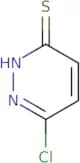
CAS:<p>6-Chloropyridazine-3-thiol is a potent inhibitor of platelet aggregation. This drug binds to the active site of the enzyme ADP-thrombin, thereby blocking the conversion of ADP to thrombin. 6-Chloropyridazine-3-thiol has been shown to have a high affinity for human liver microsomes, and is metabolized by conjugation with glutathione or glucuronide. 6CpT also inhibits the activation of factor V and factor VIII, which are involved in blood clotting. It is hypothesized that this inhibition may be due to its ability to bind to reactive chlorine atoms found on these proteins. 6-Chloropyridazine-3-thiol is a potent inhibitor of platelet aggregation, but it does not show any antiplatelet activity when used at low doses.</p>Fórmula:C4H3ClN2SPureza:Min. 95%Forma y color:White PowderPeso molecular:146.6 g/molResorcinol-o,o'-diacetic acid
CAS:<p>Resorcinol-o,o'-diacetic acid is a copolymer that is used in the production of polyurethane, glyceride, or heptane. It has been shown to have a brittleness of less than 1% and can be used for the production of polyester. Resorcinol-o,o'-diacetic acid is also used as an intermediate in the synthesis of terephthalic acid and chromatographic detection method. Resorcinol-o,o'-diacetic acid is hydrophilic and can be used for packaging food and packaging materials.</p>Fórmula:C10H10O6Pureza:Min. 95%Forma y color:White PowderPeso molecular:226.18 g/molMethylandrostanediol
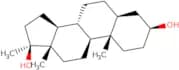
CAS:Producto controlado<p>Methylandrostenediol is a naturally occurring hormone that has been shown to have proteolytic, antigenic, and polymorphic properties. It is found in urine samples, and can be used as a supplement for the treatment of viruses or cancer. Methylandrostenediol also inhibits the growth of certain types of cancer cells by binding to specific receptors on their surfaces. It also binds to hydroxyl groups in proteins, which may inhibit the growth of bacteria.<br>Methylandrostanediol has been shown to be an inhibitory compound against various types of cancer cells through various assays and sequences that have been performed on these cells.</p>Fórmula:C20H34O2Pureza:Min. 95%Forma y color:White Off-White PowderPeso molecular:306.48 g/molArotinolol hydrochloride
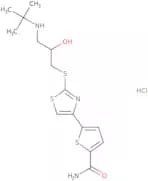
CAS:<p>Arotinolol hydrochloride is a beta-blocker that, in contrast to propranolol, has a higher selectivity for the β1 receptor. It is used to treat hypertension and angina pectoris. Arotinolol hydrochloride lowers blood pressure by inhibiting the activity of α-adrenergic receptors, which are found in the heart and vascular smooth muscle. This inhibition reduces the release of norepinephrine and causes vasodilation. Arotinolol hydrochloride also has a positive effect on cardiac function as it decreases myocardial oxygen demand and increases coronary flow. Arotinolol hydrochloride has been shown to lower systolic pressure in anesthetized dogs with an intravenous dose of sodium citrate. The drug also lowers diastolic pressure in conscious dogs at doses of 0.5 mg/kg (0.2 mg/lb) or greater when given intravenously or subcutaneously.</p>Fórmula:C15H22ClN3O2S3Pureza:Min. 98%Forma y color:PowderPeso molecular:408 g/mol5-Fluoro-2-methoxyphenol
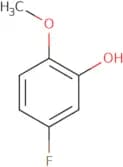
CAS:<p>5-Fluoro-2-methoxyphenol is a heterodimeric natural product that consists of anisoles and acetanilides. It has been shown to induce liver microsomes in rats, as well as hypervalent organometallic complexes with methoxy groups. 5-Fluoro-2-methoxyphenol also exhibits vinylic shift and product synthesis abilities. This compound is useful for the synthesis of acetanilides and other compounds with a methoxy group. Reagents such as phenyllithium, butyllithium, and lithium diisopropylamide are used in this synthesis.</p>Fórmula:C7H7FO2Pureza:Min. 95%Forma y color:Clear LiquidPeso molecular:142.13 g/mol2-Methylphenethyl alcohol
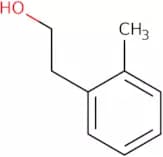
CAS:<p>2-Methylphenethyl alcohol (2MPE) is an organic acid that is found in plants. It has been shown to have anti-inflammatory and anti-cancer properties. 2MPE inhibits the production of prostaglandins, which are a type of hormone that causes inflammation and pain. When 2MPE is combined with ferrocene, it forms a complex that can be used as a gas sensor. This complex absorbs light at certain wavelengths, which can then be detected by lasers to indicate the presence of various gases. The use of 2MPE as an organic solvent for coating plates has also been investigated. The process involves adding 2MPE to an organic solution, followed by the addition of ferrocene and argon gas. This process creates a thin film on the plate's surface that can be used for kinetic data collection.</p>Fórmula:C9H12OPureza:Min. 95%Forma y color:Clear LiquidPeso molecular:136.19 g/molMonolaurin
CAS:<p>Monolaurin is a natural compound that has been shown to be effective against aurease, sephadex g-100, monolaurin, and monocytogenes. It is also an antimicrobial and can be used in the prevention of bacterial growth. Monolaurin has antibacterial efficacy against Gram-positive bacteria such as methicillin-resistant Staphylococcus aureus (MRSA) and Streptococcus pyogenes, which are difficult to treat with antibiotics. This agent is also active against Gram-negative bacteria such as Escherichia coli, Neisseria meningitides, and Pseudomonas aeruginosa. The anti-bacterial activity of monolaurin is due to its ability to disrupt the cell membrane by binding to the fatty acids on the surface of bacterial cells. This agent may have drug interactions with other drugs that are metabolized through cytochrome P450 enzymes or glucuronid</p>Fórmula:C15H30O4Pureza:Min. 95%Forma y color:PowderPeso molecular:274.4 g/mol1,2-Dioleoyl-sn-glycero-3-phosphatidylethanolamino (+)-biotin
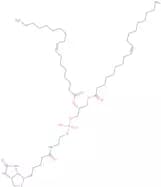
CAS:<p>This is a speciality chemical and is not intended for use in food, drug, or cosmetic applications. This fine chemical is a useful building block, which can be used to synthesize complex compounds. It has been shown to have high reactivity with a variety of reagents, making it an excellent research component.</p>Fórmula:C51H92N3O10PSPureza:Min. 95%Forma y color:PowderPeso molecular:970.33 g/mol3,5-Dinitrobenzenethiol
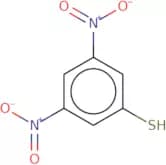
CAS:<p>3,5-Dinitrobenzenethiol is a chemical that has been used as a building block for the synthesis of other fine chemicals. 3,5-Dinitrobenzenethiol is an intermediate used in the synthesis of research chemicals, such as pharmaceuticals and pesticides. It can also be used as a reaction component or reagent in organic synthesis. 3,5-Dinitrobenzenethiol is an excellent chemical with high quality because it has no impurities and is readily available.</p>Fórmula:C6H4N2O4SPureza:Min. 95%Forma y color:PowderPeso molecular:200.17 g/mol24-Methylenecycloartan-3-ol
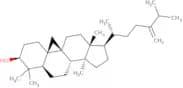
CAS:<p>24-Methylenecycloartan-3-ol is an enzyme form of a fatty acid that is found in the leaves and bark of Eucalyptus. It has been shown to inhibit cholesterol esterase, which is an enzyme involved in the production of cholesterol. This compound also inhibits acetylcholinesterase, an enzyme that regulates the activity of acetylcholine at the neuromuscular junction. 24-Methylenecycloartan-3-ol is toxic to rats when administered orally at doses of 1 g/kg or greater. The LD50 for this compound when administered intravenously to rats was found to be 7 mg/kg.</p>Fórmula:C31H52OPureza:Min. 90 Area-%Forma y color:PowderPeso molecular:440.74 g/mol2,2,3,3-Tetrafluoro-1-propanol
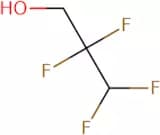
CAS:<p>2,2,3,3-Tetrafluoro-1-propanol is a solvent that has been used in the manufacture of polymers. It can be distilled from sodium trifluoroacetate at high pressure and temperature to give a constant boiling point. 2,2,3,3-Tetrafluoro-1-propanol is transported by gas or liquid diffusion. The kinetic energy of the molecules increases with increasing temperature and pressure; however, it does not have an appreciable chemical reaction with oxygen or ozone. This chemical has been used as a photoinitiator to polymerize cationic monomers such as trifluoroacetic acid and acrylamide. 2,2,3,3-Tetrafluoro-1-propanol has also been shown to react with water vapor to form hydrogen fluoride and hydrofluoric acid.</p>Fórmula:C3H4F4OPureza:Min. 98 Area-%Forma y color:Clear LiquidPeso molecular:132.06 g/mol1-Benzyl-2,3-O-isopropylidene glycerol
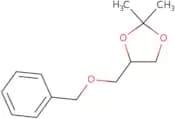
CAS:<p>1-Benzyl-2,3-O-isopropylidene glycerol is a chemical compound that is classified as an atypical inhibitor of protein tyrosine phosphatases. This means that it inhibits the enzyme phosphatase, which is involved in the activation of many other enzymes. It has been shown to have potential as a drug for treating Alzheimer's disease and cancer. 1-Benzyl-2,3-O-isopropylidene glycerol interacts with protein tyrosine phosphatase 1B (PTP1B) and activates this enzyme, leading to inhibition of cell growth and apoptosis. 1B has been shown to be overactive in some cancer cells and may play a role in the development of cancers such as breast cancer.</p>Fórmula:C13H18O3Pureza:Min. 95 Area-%Forma y color:Clear LiquidPeso molecular:222.28 g/mol




![2-[(Ethylamino)methyl]-4-nitrophenol](/_next/image/?url=https%3A%2Fstatic.cymitquimica.com%2Fproducts%2F3D%2Fthumb-webp%2FFE23132.webp&w=3840&q=75)

![4-Amino-3-chloro-a-[[(1,1-dimethylethyl)amino]methyl]-5-(trifluoromethyl)benzenemethanol](/_next/image/?url=https%3A%2Fstatic.cymitquimica.com%2Fproducts%2F3D%2Fthumb-webp%2FFA24968.webp&w=3840&q=75)

![4-[3-[2-(Trifluoromethyl)-9H-thioxanthen-9-ylidene]propyl]-1-piperazineethanol dihydrochloride](/_next/image/?url=https%3A%2Fstatic.cymitquimica.com%2Fproducts%2F3D%2Fthumb-webp%2FFT23498.webp&w=3840&q=75)

![cis-(+/-)-2-[(N-Benzyl-N-methyl)aminomethyl]-1-(3-methoxyphenyl)cyclohexanol hydrochloride](/_next/image/?url=https%3A%2Fstatic.cymitquimica.com%2Fproducts%2F3D%2Fthumb-webp%2FFB18402.webp&w=3840&q=75)
![4-[2-[[3-(4-Hydroxyphenyl)-1-methylpropyl]amino]ethyl]-1,2-benzenediol hydrochloride](/_next/image/?url=https%3A%2Fstatic.cymitquimica.com%2Fproducts%2F3D%2Fthumb-webp%2FFH27507.webp&w=3840&q=75)






![3-Cyclohexyl-1-[4-[2-(7-methoxy -4,4-dimethyl-1,3-dioxo-isoquinolin -2-yl)ethyl]phenyl]sulfonyl-ur…](/_next/image/?url=https%3A%2Fstatic.cymitquimica.com%2Fproducts%2F3D%2Fthumb-webp%2FFG40551.webp&w=3840&q=75)