Alcoholes
Subcategorías de "Alcoholes"
Se han encontrado 5817 productos de "Alcoholes"
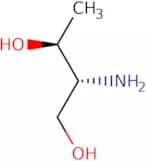
L-allo-Threoninol
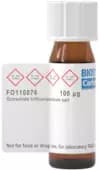
CAS:Please enquire for more information about L-allo-Threoninol including the price, delivery time and more detailed product information at the technical inquiry form on this pageFórmula:C4H11NO2Pureza:Min. 95%Forma y color:Colourless To Pale Yellow LiquidPeso molecular:105.14 g/molOctreotide trifluoroacetate salt (Dimer, Antiparallel) (
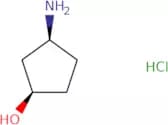
Please enquire for more information about Octreotide trifluoroacetate salt (Dimer, Antiparallel) ( including the price, delivery time and more detailed product information at the technical inquiry form on this pageFórmula:C98H132N20O20S4Pureza:Min. 95%Peso molecular:2,038.48 g/mol(1R,3S)-3-Aminocyclopentanol hydrochloride
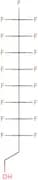
CAS:Intermediate in the synthesis of bictegravirFórmula:C5H12ClNOPureza:Min. 95%Peso molecular:137.61 g/mol1,1,2,2-Tetrahydroperfluoro dodecanol
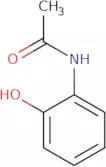
CAS:1,1,2,2-Tetrahydroperfluoro dodecanol (1HFPD) is a chemical substance used in analytical chemistry as an internal standard for gas chromatography. It is also used to prepare samples for analysis by particle-induced X-ray emission. 1HFPD has been shown to have a high uptake in preschool children and can be detected in human serum at levels of 0.5 micrograms per milliliter. The use of 1HFPD has been linked to adverse health effects such as kidney and liver damage.Fórmula:C12H5F21OPureza:Min. 95%Peso molecular:564.13 g/mol2-Acetamidophenol
CAS:2-Acetamidophenol is an apoptotic agent that has been used as a hydroxyl radical scavenger in the treatment of oxidative injury. The drug has also been shown to possess anti-inflammatory properties. 2-Acetamidophenol is a stable complex with nitrite ion, which is formed during the redox cycle and may be responsible for the drug's antirheumatic activity. The drug does not react with p-hydroxybenzoic acid, which may be due to its protective effect on enzymes such as cytochrome P450 that are involved in the metabolism of drugs. 2-Acetamidophenol can be detected by analytical methods such as nmr spectra or gas chromatography under neutral pH conditions.Fórmula:C8H9NO2Pureza:Min. 95%Peso molecular:151.16 g/mol5β-Pregnan-3β,17α,21-triol-20-one
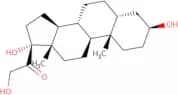
CAS:Producto controlado5-b-Pregnan-3-b,17-a-,21-triol-20-one is a high quality chemical that can be used as a reagent, building block or scaffold for complex molecules. It has a CAS number of 601-03-6. This compound is useful in the synthesis of fine chemicals and speciality chemicals. It is also a versatile building block for reactions involving other organic compounds. 5-b-Pregnan-3-b,17-a-,21-triol 20 one is a useful intermediate in the production of research chemicals and pharmaceuticals.Fórmula:C21H34O4Pureza:Min. 95%Forma y color:PowderPeso molecular:350.49 g/mol2-Bromo-1-indanol
CAS:2-Bromo-1-indanol is an industrial solvent used in the production of dyes, pigments, perfumes, pharmaceuticals, and other organic compounds. It is a chiral compound with two stereoisomers (R and S) that have different properties. The R isomer has a hydroxyl group on the 2 position of the indane ring, while the S isomer does not. The industrial process involves recycling of 2-bromo-1-indanol from the reaction mixture. This process can be monitored using mass spectrometric detection for bromine and hydrogen ions released during hydrolysis. 2-Bromo-1-indanol can be used to synthesize methoxybenzaldehyde with high regioselectivity, which can then be used to make some drugs such as amphetamine and methamphetamine.Fórmula:C9H9BrOPureza:Min. 95%Forma y color:PowderPeso molecular:213.07 g/mol5-Bromo-2-fluorophenol
CAS:5-Bromo-2-fluorophenol is an organic solvent that is used in hydrotalcite to extract biphenyl. 5-Bromo-2-fluorophenol has been shown to have a high affinity for the cavity of hydrotalcite, which is a desorption technique. It can also be used to extract supramolecular systems and biomolecules, such as proteins and nucleic acids. The nature of 5-bromo-2-fluorophenol is an aromatic compound with a density of 1.40 g/mL at 20°C and a boiling point of 221°C. 5-Bromo-2-fluorophenol can be eluted using isopropyl alcohol or ethyl acetate, and the transfer rate depends on the nature of the solvent used in elution.Fórmula:C6H4BrFOPureza:Min. 95%Forma y color:PowderPeso molecular:191 g/molH-Tyr-L-1,2,3,4-tetrahydroisoquinoline-3-carboxamide·HCl
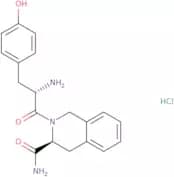
CAS:H-Tyr-L-1,2,3,4-tetrahydroisoquinoline-3-carboxamide·HCl is a monoclinic crystalline compound. It has a molecular weight of 607.14 and contains the dipeptide Tyr-Lys in its structure. H-Tyr-L-1,2,3,4-tetrahydroisoquinoline-3-carboxamide·HCl crystallizes in the P21/c space group and has an asymmetric unit cell with dimensions a=8.851 Å, b=7.965 Å and c=5.98 Å. This compound has been shown to have antibacterial properties against methicillin resistant Staphylococcus aureus (MRSA) isolates and Clostridium perfringens strains by inhibiting bacterial protein synthesis through inhibition of peptidyl transferase activity.Fórmula:C19H21N3O3·HClPureza:Min. 95%Peso molecular:375.85 g/mol3,4-Dichlorothiophenol
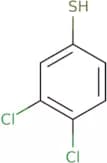
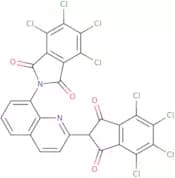
CAS:3,4-Dichlorothiophenol is a chemical compound that belongs to the group of reactive compounds. It can be used as a chemical intermediate for the synthesis of other organic compounds. 3,4-Dichlorothiophenol is an inhibitor of methylating enzymes such as glyoxalase I and II and glyceraldehyde-3-phosphate dehydrogenase. This inhibition leads to the accumulation of methylglyoxal and 3-deoxyglucosone in cells, which are potent inhibitors of protein glycosylation. 3,4-Dichlorothiophenol also inhibits nucleophilic attack on DNA by epoxide hydrolases such as epoxide hydrolase 1 and 2. This inhibition results in the accumulation of reactive metabolites that are covalently adducted with DNA bases.Fórmula:C6H4Cl2SPureza:Min. 95%Peso molecular:179.07 g/molPigment Yellow 138;3,4,5,6-Tetrachloro-N-[2-(4,5,6,7-tetrachloro-2,3-dihydro-1,3-dioxo-1H-inden-2-yl)-8-Quinolyl]phthalimide
CAS:Pigment Yellow 138 is a polycarboxylic acid with the chemical formula C8H6Cl4O2. Pigment Yellow 138 has a molecular weight of 434.07 and can be used as a yellow pigment in paint, plastics, and textiles. Pigment Yellow 138 has an acidic pH and can be prepared by reacting phthalic anhydride with sodium hydroxide in aqueous solution to produce the sodium salt of pigment yellow 138. Pigment Yellow 138 is also soluble in hydroxide solutions, which makes it an excellent cross-linking agent for polymers. The color of pigments depends on the size of their particles; pigments with larger particle sizes are more opaque than those with smaller particle sizes.
Fórmula:C26H6Cl8N2O4Pureza:Strengh Min 95%.Peso molecular:693.96 g/mol4-Methylaminophenol sulfate
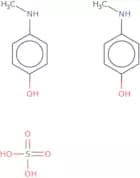
CAS:4-Methylaminophenol sulfate is an enzyme substrate that is used in the analytical method for determining the concentration of potassium dichromate. It is prepared by reacting 4-methylaminophenol with sulfuric acid, and its optimum concentration is 0.2 mM. The linear calibration curve was obtained at a pH range of 2 to 5.4 and a temperature range of 25 to 37°C. The analytical method can be applied to human serum samples and has been shown to be applicable for studies on autoimmune diseases and anthelmintics.Fórmula:C7H9NO•(H2O4S)0Pureza:Min. 95%Forma y color:White PowderPeso molecular:344.39 g/mol12-Fluorododecan-1-ol
CAS:12-Fluorododecan-1-ol is a volatile chemical compound that is found in the exoskeleton of termites. It has been shown to be a major component of the termiticide, FluoroCitrate. 12-fluorododecan-1-ol can be used to control the growth of insect populations by interfering with their ability to synthesize fatty acids and alcohols. It also has an effect on protein synthesis and inhibits the activity of citrate synthase, which is an enzyme involved in glycolate metabolism. This compound is also toxic to some species of insects such as Rhinotermitidae. 12-fluorododecan-1-ol can be used as a marker for Reticulitermes flavipes (a type of wood eating cockroach) and it can be used to distinguish between different species or strains of termites.Fórmula:C12H25FOPureza:Min. 95%Forma y color:Clear LiquidPeso molecular:204.32 g/mol5-glutinen-3-ol
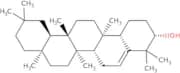
CAS:Producto controlado5-Glutinen-3-ol is an antiinflammatory compound that belongs to the group of bioactive phenolic compounds. It has significant cytotoxicity and can be used in cancer therapy. 5-Glutinen-3-ol has been shown to inhibit the proliferation of cervical cancer cells by inducing apoptosis through a mechanism involving the activation of gamma-aminobutyric acid (GABA) receptors. This compound also inhibits oxidative stress induced by reactive oxygen species and protects cells from DNA damage, which may protect against cancer. 5-Glutinen-3-ol also has antioxidant properties, which can help prevent or alleviate metabolic disorders such as diabetes mellitus and atherosclerosis.Fórmula:C30H50OPureza:Min. 95%Peso molecular:426.72 g/mol(8E,10E)-Dodeca-8,10-dien-1-ol
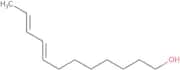
CAS:Codlemone is a pheromone that is secreted by the female codling moth (Cydia pomonella) to attract males for mating. This compound has been shown to have pesticidal activity against various insect species, including codling moths, fruit flies, and aphids. Codlemone is an odorant that binds to olfactory receptors in insects and mammals. It has been shown to bind to the OR1 receptor in mammalian cells and may be involved in physiological functions such as reproduction, stress response, and sexual behavior. The biosynthesis of codlemone starts with the conversion of fatty acid into fatty acid esters by means of transfer reactions with alcohols or alkyl halides. These esters are then converted into dienols by the action of aldehyde oxidase. The dienols are then converted into the final product by means of a palladium-catalyzed coupling reaction with acetaldehyde.
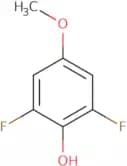
Fórmula:C12H22OPureza:90%MinForma y color:Clear LiquidPeso molecular:182.3 g/mol2,6-Difluoro-4-methoxyphenol
CAS:Please enquire for more information about 2,6-Difluoro-4-methoxyphenol including the price, delivery time and more detailed product information at the technical inquiry form on this page
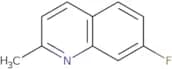
Fórmula:C7H6F2O2Pureza:Min. 95%Forma y color:PowderPeso molecular:160.12 g/mol7-Fluoro-2-methylquinoline
CAS:7-Fluoro-2-methylquinoline is a multistep synthetic compound that belongs to the family of quinoxalines. It has been shown to have potent antibacterial activity against a wide range of bacteria, including methicillin-resistant Staphylococcus aureus (MRSA) and Mycobacterium tuberculosis. 7-Fluoro-2-methylquinoline was developed as an analog of the natural product quinoxaline. The key step in its synthesis is the reaction between an aldehyde and hydroxyalkylating reagent in the presence of iron catalyst. This process results in the formation of functional groups such as hydroxyls, alkoxy, or halogens.Fórmula:C10H8FNPureza:Min. 95%Forma y color:White PowderPeso molecular:161.18 g/molTriglycerol monolaurate
CAS:Triglycerol monolaurate (GLA) is a fatty acid that can be synthesized by reacting glycerol with lauric acid. It has been shown to have antimicrobial properties, inhibiting the growth of fungi such as flavus and staphylococcus. GLA also inhibits the production of lipase and protease, enzymes that are required for the digestion of dietary fats. GLA has been used in infant formulas to inhibit the growth of bacteria, such as p. aeruginosa, which may cause infantile diarrhea. Triglycerol monolaurate is also used as dietary supplement to treat eczema due to its inhibitory effect on inflammatory cytokines such as tumor necrosis factor-α (TNF-α).
Fórmula:C21H42O8Pureza:Min. 95%Peso molecular:422.55 g/mol4-(2-Oxiranylmethoxy)benzeneethanol
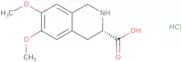
CAS:Please enquire for more information about 4-(2-Oxiranylmethoxy)benzeneethanol including the price, delivery time and more detailed product information at the technical inquiry form on this pageFórmula:C11H14O3Pureza:Min. 95%Peso molecular:194.23 g/mol(S)-(-)-6,7-Dimethoxy-1,2,3,4-tetrahydroisoquinoline-3-carboxylic acid hydrochloride
CAS:(S)-(-)-6,7-Dimethoxy-1,2,3,4-tetrahydroisoquinoline-3-carboxylic acid hydrochloride is a synthetic chiral compound that is used to study the role of glyoxylate in biochemical reactions. This drug is an enolate and alkylating agent that can react with nucleophiles such as amines and thiols. It has been shown to be effective against perchlorates by hydrolyzing them into chlorine and oxygen gas. This drug has also been shown to inhibit the growth of Rhodobacter sphaeroides by inhibiting glyoxylate metabolism.Fórmula:C12H15NO4·HClPureza:Min. 95%Forma y color:White PowderPeso molecular:273.71 g/mol20b-Dihydro pregnenolone
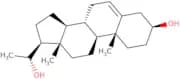
CAS:Producto controladoPregnenolone is a steroid hormone that is synthesized from cholesterol and secreted into the blood. It can be converted to other steroids such as progesterone, testosterone, and estradiol. Pregnenolone sulfate (PS) is a metabolite of pregnenolone that is produced by the enzyme steroid sulfatase. PS is an endogenous steroid hormone that has been shown to have potentiating effects on memory. This drug also inhibits the activity of sulfatase enzymes, which are responsible for breaking down steroids in the body.Fórmula:C21H34O2Pureza:Min. 95%Forma y color:PowderPeso molecular:318.49 g/mol(3R,5S)-5-(Hydroxymethyl)pyrrolidin-3-ol hydrochloride
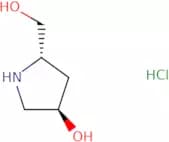
CAS:Please enquire for more information about (3R,5S)-5-(Hydroxymethyl)pyrrolidin-3-ol hydrochloride including the price, delivery time and more detailed product information at the technical inquiry form on this pagePureza:Min. 95%2-[(Ethylamino)methyl]-4-aminophenol dihydrochloride
CAS:Please enquire for more information about 2-[(Ethylamino)methyl]-4-aminophenol dihydrochloride including the price, delivery time and more detailed product information at the technical inquiry form on this pageFórmula:C9H14N2O•(HCl)2Pureza:Min. 95%Forma y color:PowderPeso molecular:239.14 g/mol(4S)-3,4-Dihydro-2-(3-methoxypropyl)-2H-thieno[3,2-e]-1,2-thiazin-4-ol 1,1-dioxide
CAS:Please enquire for more information about (4S)-3,4-Dihydro-2-(3-methoxypropyl)-2H-thieno[3,2-e]-1,2-thiazin-4-ol 1,1-dioxide including the price, delivery time and more detailed product information at the technical inquiry form on this page
Fórmula:C10H15NO4S2Pureza:Min. 95%Peso molecular:277.36 g/mol10-Fluorodecan-1-Ol
CAS:Please enquire for more information about 10-Fluorodecan-1-Ol including the price, delivery time and more detailed product information at the technical inquiry form on this pageFórmula:C10H21FOPureza:Min. 95%Peso molecular:176.27 g/molLinolenic acid - 85%
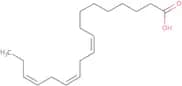
CAS:Linolenic acid is a polyunsaturated fatty acid that is found in plants, animals, and human cells. Linolenic acid has been shown to suppress the growth of cancer cells by inhibiting the production of linoleic acid, which can stimulate the growth of cancer cells. Linolenic acid has also been shown to cause skin reactions such as erythema and pruritus when applied topically or taken orally. Linolenic acid may be used for the treatment of ovarian follicles. In addition, linolenic acid has been shown to have an allergic response in humans when it is injected into the vein. It is important to note that linolenic acid can inhibit T-cell proliferation and cytokine production in a dose-dependent manner. Furthermore, linolenic acid inhibits lipopolysaccharide-induced acute lung injury in mice by reducing inflammatory cell infiltration and neutrophil activation.Fórmula:C18H30O2Pureza:Min. 95%Peso molecular:278.43 g/mol1-Oleoyl-2-docosahexaenoyl phosphatidylcholine
CAS:1-Oleoyl-2-docosahexaenoyl phosphatidylcholine is a fatty acid derived from the biogenesis of phosphatidylcholine, which is an important component of all cell membranes.Fórmula:C48H82NO8PPureza:Min. 95%Peso molecular:832.14 g/mol7-[(2S,3R)-3-Amino-2-methyl-azetidin-1-yl]-1-(2,4-difluorophenyl)-6-fluoro-4-oxo-quinoline-3-carboxylic acid
CAS:7-[(2S,3R)-3-Amino-2-methyl-azetidin-1-yl]-1-(2,4-difluorophenyl)-6-fluoro-4-oxo-quinoline-3-carboxylic acid (ABT) is a drug that binds to bacterial enzymes and inhibits their ability to synthesize proteins. ABT is a conjugate of fluoroquinolone and an amino acid. As the drug is degradable by hydrolysis, it has been shown to be less toxic in Sprague Dawley rats than other fluoroquinolones. This drug has been used in diagnostic tests as a ligand for affinity ligands, but has not been approved for human use. The drug also possesses functional groups that are important for binding to reconstituted enzymes.br>br>ABT's ester linkages are degradable by hydrolysis and can beFórmula:C20H16F3N3O3Pureza:Min. 95%Peso molecular:403.35 g/mol5-Amino-4-methyl-4H-1,2,4-triazole-3-thiol
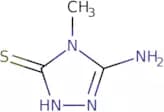
CAS:Please enquire for more information about 5-Amino-4-methyl-4H-1,2,4-triazole-3-thiol including the price, delivery time and more detailed product information at the technical inquiry form on this pageFórmula:C3H6N4SPureza:Min. 95%Peso molecular:130.17 g/mol5,5'-(1-Methylethylidene)-bis-[1,1'-(bisphenyl)-2-ol]
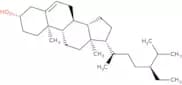
CAS:5,5'-(1-Methylethylidene)-bis-[1,1'-(bisphenyl)-2-ol] (BPE) is an organic compound that is used in coatings. BPE has a high thermal expansion coefficient and can be used as a plasticizer to make polymers more flexible. BPE hydrolyzes under acidic conditions to produce mercaptoacetic acid, which is corrosive and toxic. It also reacts with proteins, like albumin, at pH 7.4. In wastewater treatment systems, BPE can react with chlorine at a rate of 3% per day to form chlorobenzene, which is known to cause cancer in humans. The use of BPE in the bioreactor process leads to the release of reactive functional groups that are not easily degraded by microbes. In addition, it has been shown that this chemical binds to nuclear hormone receptors and has estrogenic effects on animals.Fórmula:C27H24O2Pureza:Min. 98 Area-%Forma y color:PowderPeso molecular:380.48 g/mol(3b,24S)-Stigmast-5-En-3-Ol
CAS:Producto controlado(3b,24S)-Stigmast-5-En-3-Ol is a natural compound that belongs to the group of beta-sitosterols. It is used in cosmetics, as well as in water vapor treatments for skin tumors. This compound has antiinflammatory activity and cholesterol lowering effects. It also has a protective effect on the liver against hepatotoxicity induced by p-hydroxybenzoic acid and other compounds. (3b,24S)-Stigmast-5-En-3-Ol can be found in wastewater treatment plants where it binds with heavy metals such as lead and zinc. The toxicity of this compound has been studied extensively and it is not toxic to cells at concentrations below 1mM.Fórmula:C29H50OPureza:Min. 95%Forma y color:PowderPeso molecular:414.71 g/mol2-Hydroxyamino-3-methyl-3H-imidazo[4,5-f]quinoline
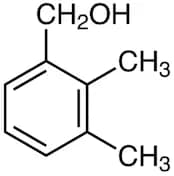
CAS:2-Hydroxyamino-3-methyl-3H-imidazo[4,5-f]quinoline (2HAIQ) is a reactive compound that binds to DNA. It has been shown to be a potent inhibitor of the enzyme cytosolic protein kinase C, which plays an important role in regulating cellular metabolism. 2HAIQ also inhibits the activity of enzymes such as hydroxylases and polymerases. The binding of 2HAIQ to DNA is thought to inhibit transcription by preventing RNA polymerase from transcribing DNA. 2HAIQ may also inhibit replication by binding to the dinucleotide phosphate molecule, which is essential for DNA synthesis.Fórmula:C11H10N4OPureza:Min. 95%Peso molecular:214.22 g/mol2,3-Dimethylbenzyl Alcohol
CAS:Fórmula:C9H12OPureza:>98.0%(GC)Forma y color:White to Orange to Green powder to crystalPeso molecular:136.194-Amino-2-methyl-1-butanol
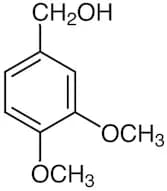
CAS:Fórmula:C5H13NOPureza:>98.0%(GC)(T)Forma y color:Colorless to Almost colorless clear liquidPeso molecular:103.17Veratryl Alcohol
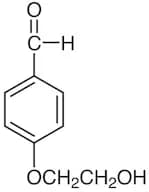
CAS:Fórmula:C9H12O3Pureza:>98.0%(GC)Forma y color:Colorless to Light yellow clear liquidPeso molecular:168.194-(2-Hydroxyethoxy)benzaldehyde
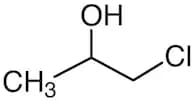
CAS:Fórmula:C9H10O3Pureza:>98.0%(GC)Forma y color:White to Light yellow to Light orange powder to crystalPeso molecular:166.181-Chloro-2-propanol (contains ca. 25% 2-Chloro-1-propanol)
CAS:Fórmula:C3H7ClOPureza:>70.0%(GC)Forma y color:Colorless to Light yellow clear liquidPeso molecular:94.542,2-Dimethyl-1-propanol
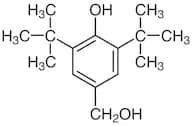
CAS:Fórmula:C5H12OPureza:>98.0%(GC)Forma y color:White to Almost white powder to lumpPeso molecular:88.152,6-Di-tert-butyl-4-hydroxymethylphenol
CAS:Fórmula:C15H24O2Pureza:>97.0%(GC)Forma y color:White to Yellow to Orange powder to crystalPeso molecular:236.36Ref: IN-DA0034YV
Producto descatalogadoRef: IN-DA001YD6
Producto descatalogadoRef: IN-DA00342I
Producto descatalogadoRef: IN-DA00BY8O
Producto descatalogado3-Hydroxy-1-methylpiperidine
CAS:Fórmula:C6H13NOPureza:95%+Forma y color:LiquidPeso molecular:115.1735cis-2-Nonen-1-ol
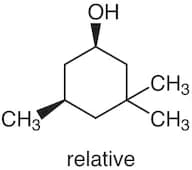
CAS:Fórmula:C9H18OPureza:>95.0%(GC)Forma y color:Colorless to Light yellow clear liquidPeso molecular:142.24cis-3,3,5-Trimethylcyclohexanol
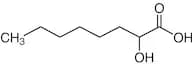
CAS:Fórmula:C9H18OPureza:>96.0%(GC)Forma y color:White or Colorless to Almost white or Almost colorless powder to lump to clear liquidPeso molecular:142.242-Hydroxy-n-octanoic Acid
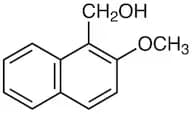
CAS:Fórmula:C8H16O3Pureza:>98.0%(T)Forma y color:White to Almost white powder to crystalPeso molecular:160.212-Methoxy-1-naphthalenemethanol
CAS:Fórmula:C12H12O2Pureza:>98.0%(GC)Forma y color:White to Light yellow to Dark green powder to crystalPeso molecular:188.234-[[4-(4-Chlorophenyl)-2-thiazolyl]amino]phenol
CAS:4-[[4-(4-Chlorophenyl)-2-thiazolyl]amino]phenol is a chemical that has been used in analytical and in vitro methods to study the cellular physiology of cells. It was found to inhibit sphingosine kinase, which is an enzyme that is involved in the synthesis of sphingosine. The inhibition of this enzyme leads to decreased levels of sphingosine and the effect on the cell. 4-[[4-(4-Chlorophenyl)-2-thiazolyl]amino]phenol can also affect mitochondrial membrane potential and cyclase activity, which may be useful for treating hyperproliferative diseases such as breast cancer.Fórmula:C15H11ClN2OSPureza:Min. 95%Peso molecular:302.78 g/molRef: 3D-FC137468
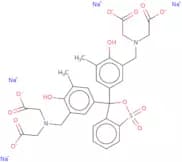
Producto descatalogadoXylenol orange tetrasodium salt
CAS:Xylenol orange tetrasodium salt is a fluorescent dye that can be used to measure the degree of mineralization in animal tissue. The dye is composed of xylenol, which is a fatty acid, and sodium chloride. Xylenol orange tetrasodium salt is used for measuring the rate of enzyme reactions by incubating it with the enzyme and measuring the formation rate. It has been shown to have damaging effects on mitochondria and tissues when exposed to an acidic environment. Xylenol orange tetrasodium salt binds to the membrane potential of cells in order to measure reactive oxygen species (ROS) production. This dye can also be used as a marker for autofluorescence of mitochondria and lipase activity.
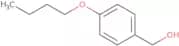
Fórmula:C31H28Na4O13SN2Forma y color:PowderPeso molecular:760.58 g/mol4-Butoxybenzyl alcohol
CAS:4-Butoxybenzyl alcohol is a primary alcohol that is used as a solvent and reagent. It has been shown to disrupt the architecture of bacterial cell walls by destabilizing the molybdenum cofactor, which is essential for the enzyme xylose reductase. The destabilization of this cofactor leads to inhibition of cell wall synthesis and subsequent death of bacteria. 4-Butoxybenzyl alcohol also has antibacterial properties and can be used to inhibit the growth of Gram-positive bacteria such as Staphylococcus aureus and Enterococcus faecalis. This compound may also act by inhibiting amide formation or by binding to magnesium, aluminium, or amides in the bacterial cell wall.
Fórmula:C11H16O2Pureza:Min. 95%Forma y color:PowderPeso molecular:180.24 g/molRef: 3D-FB64450
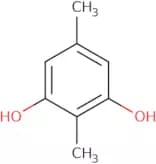
Producto descatalogado2,5-Dimethylresorcinol
CAS:2,5-Dimethylresorcinol is a natural organic compound that has been shown to have the ability to inhibit the formation of reactive oxygen species. It is used in wastewater treatment and as an antioxidant. 2,5-Dimethylresorcinol has been shown to exhibit an inhibitory effect on lipid hydroperoxides and hydroxyl group binding. This compound can also be used as a substrate or product in catalytic domains. 2,5-Dimethylresorcinol is found in the form of usnic acid and orsellinic acid. The use of this compound as a catalyst for oxidation reactions has been studied extensively. It has also been shown to be an effective inhibitor for catalytic domains with a range of different metal ions.
Fórmula:C8H10O2Pureza:Min. 95%Forma y color:PowderPeso molecular:138.16 g/molRef: 3D-FD70668
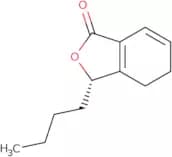
Producto descatalogadoSenkyunolide A
CAS:Senkyunolide A is a bioactive compound, which is a type of phthalide derived from the roots of Ligusticum chuanxiong, a plant commonly used in traditional Chinese medicine. This compound is notable for its antioxidant and anti-inflammatory properties, which are believed to arise from its ability to scavenge free radicals and modulate inflammatory pathways.
Fórmula:C12H16O2Pureza:Min. 95%Forma y color:PowderPeso molecular:192.25 g/mol4-Phenylazophenol
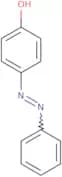
CAS:4-Phenylazophenol is an organic azobenzene that has a specific treatment for the degradation of amines and mineralization. It has been shown to reduce the levels of phenols, fatty acids, and amines in wastewater. 4-Phenylazophenol is also used as an enzyme inhibitor in reactions with hydrogen bond formation and as a receptor α ligand. The natural compounds found in 4-phenylazophenol have borohydride reduction properties.
Fórmula:C12H10N2OPureza:(Uv) Min. 98%Forma y color:PowderPeso molecular:198.22 g/mol3-Nitrophenol
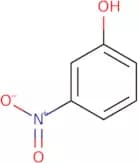
CAS:3-Nitrophenol is an organic compound that is used in wastewater treatment, specifically to remove nitrogenous compounds from the water. It reacts with a hydroxyl group and a nitro group to form a molecule with three nitro groups. The presence of this molecule in wastewater can lead to population growth, which may be reduced by thermal expansion. 3-Nitrophenol is also used as an electrode for gravimetric analysis of metals and as a reagent for the detection of sodium ions. This compound has been shown to have a ph optimum of 7.5, but will react with hydrogen bonds at any ph value.
Fórmula:C6H5NO3Pureza:Min. 95%Forma y color:PowderPeso molecular:139.11 g/molRef: 3D-FN52327
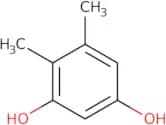
Producto descatalogado4,5-Dimethylresorcinol
CAS:4,5-Dimethylresorcinol is a decarboxylated form of resorcinol that has been extracted from the acetate extract of an endophytic fungus. It has been shown to have anti-inflammatory properties and can be used for the treatment of symptoms such as diarrhea. 4,5-Dimethylresorcinol is produced by a series of enzymatic reactions in which resorcinol is first decarboxylated and then hydroxylated to produce 4,5-dimethylresorcinol. There are two isomers of this compound: the alpha-isomer and beta-isomer. The alpha-isomer has been shown to have more potent anti-inflammatory activity than the beta-isomer. 4,5-Dimethylresorcinol has also been found to be effective in treating intestinal disorders such as Crohn's disease and ulcerative colitis in clinical trials.
Fórmula:C8H10O2Pureza:Min. 95%Forma y color:PowderPeso molecular:138.16 g/molAmodiaquine
CAS:Amodiaquine is a drug that belongs to the class of antimalarial agents. It is used for the treatment and prevention of malaria caused by erythrocytic forms of Plasmodium falciparum. Amodiaquine has shown synergistic effects with other drugs, such as sulfadoxine and pyrimethamine, for the treatment of malaria due to P. falciparum. The mechanism of action of amodiaquine is not well understood, but it may involve inhibition of the Toll-like receptor. Amodiaquine has been shown to inhibit polymerase chain reaction in a concentration-dependent manner and also inhibits polymorphonuclear leucocytes, which are important in innate immunity. In addition, amodiaquine is a hypoglycemic agent and can be used for the treatment of bowel disease.
Fórmula:C20H22ClN3OPureza:Min. 95%Forma y color:Off-White PowderPeso molecular:355.86 g/molRef: 3D-FC17879
Producto descatalogado5-Nitroisoquinoline
CAS:5-Nitroisoquinoline is a nitro compound that has been shown to be a potential biomarker for liver disease. 5-Nitroisoquinoline is synthesized from the reaction of hydroxylamine, sodium carbonate, and nitric acid. This chemical can also be found in human liver tissue. The titration calorimetry experiments performed on 5-nitroisoquinoline showed that the compound has a high heat of formation (194.1 kJ/mol) and low enthalpy of formation (-19.6 kJ/mol). Vibrational analysis revealed that there are four nitrogens in the molecule and two nitrogen atoms per molecule. X-ray crystal structures were obtained for 5-nitroisoquinoline with different solvents and hydrogen bonding was observed in all cases. Molecular modeling showed that there are five nitro groups, which would explain the name "5-nitro." The five nitrogen atoms coordinate to form a trigonal bip
Fórmula:C9H6N2O2Pureza:Min. 95%Forma y color:PowderPeso molecular:174.16 g/molRef: 3D-FN26314
Producto descatalogado1H,1H,2H,2H-Heptadecafluoro-1-decanol
CAS:Producto controladoHeptadecafluoro-1-decanol is a chemical substance that has been used in wastewater treatment and as an odorant. It is also found naturally in human liver, heart tissue, and adrenocortical carcinoma. Heptadecafluoro-1-decanol can be chemically synthesized by the reaction of 1H,1H,2H,2H-heptadecafluorodecane with hydrogen fluoride. This chemical substance is known for its ability to bind to fatty acids and other organic compounds on the surface of water droplets. The hydroxyl groups on this molecule are able to form hydrogen bonds with water molecules, which may lead to increased surface tension. Heptadecafluoro-1-decanol has been shown to have anti-inflammatory properties in humans.
Fórmula:C10H5F17OPureza:Min. 95%Forma y color:White To Light (Or Pale) Yellow SolidPeso molecular:464.12 g/mol5-Thiazolemethanol
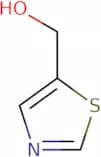
CAS:5-Thiazolemethanol is a synthetic compound that is used as an antimicrobial agent. It inhibits bacterial growth by disrupting the cell membrane and interfering with protein synthesis. 5-Thiazolemethanol has been shown to be effective against Escherichia coli, Salmonella enterica, Pseudomonas aeruginosa, Staphylococcus aureus, and other bacteria. 5-Thiazolemethanol is not toxic to humans and does not cause irritation or sensitization. The material has been classified as a low level of toxicity in animal studies. This chemical has also been found to have no mutagenic effects on human erythrocytes.
Fórmula:C4H5NOSPureza:Min. 95%Forma y color:Clear LiquidPeso molecular:115.15 g/mol3-Chloro-4-methylbenzyl alcohol - Technical grade
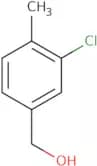
CAS:3-Chloro-4-methylbenzyl alcohol is a building block chemical that is used in the synthesis of a variety of organic compounds. It is a versatile chemical that can be used as a reagent, reaction component, and intermediate. 3-Chloro-4-methylbenzyl alcohol has been found to be useful in the synthesis of complex compounds, such as 4-chloromethoxybenzoic acid and 3-(3,5-dimethoxyphenyl)acetic acid. This chemical can also be used to produce speciality chemicals, such as 3-(2-(2,4-dichlorophenoxy)ethyl)benzonitrile.
Fórmula:C8H9ClOPureza:Min. 95%Forma y color:Colorless PowderPeso molecular:156.61 g/molRef: 3D-FC70227
Producto descatalogadoAllylestrenol
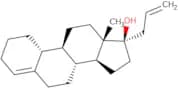
CAS:Producto controladoAllylestrenol is a synthetic steroid hormone that is used as a contraceptive. It works by preventing ovulation and thickening the cervical mucus to prevent sperm from reaching the egg. Allylestrenol has been shown to have a statistically significant effect on infectious diseases of the ovary, such as endometritis, pelvic inflammatory disease, and salpingitis. Allylestrenol also inhibits ovarian enzyme activity, which may lead to autoimmune diseases. This drug has not been studied for its toxicity or pharmacokinetics in humans, but it has been found to be highly toxic in animals with levels of allylestrenol that are 100 times higher than those found in humans. A polymer composition was developed to control the release of allylestrenol in vivo.
Fórmula:C21H32OPureza:Min. 95%Forma y color:White To Off-White SolidPeso molecular:300.48 g/molRef: 3D-FA55289
Producto descatalogado7-Chloro-4-hydroxyquinoline-3-carboxylic acid
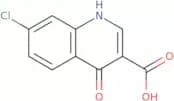
CAS:7-Chloro-4-hydroxyquinoline-3-carboxylic acid is a chemical compound that has antioxidative activity and is used in the production of various organic substances. It is synthesized by reacting ammonium nitrate with a hydroxy group, an organic solvent, and phenoxy. The resulting product can be heated to form 7-chloro-4-hydroxyquinoline, which undergoes a series of reactions to produce 7-chloro-4-(2,2,2,-trichloroethoxy)quinoline. This reaction system produces a quinoline derivative that has been shown to be expressed at high levels in phosphatidylcholine (PC) and alpha-tocopherol (a vitamin E derivative). The final product is then purified by triethyl orthoformate (TEO), which removes the sulfoxide group.
Fórmula:C10H6ClNO3Pureza:Min. 95%Forma y color:PowderPeso molecular:223.61 g/molRef: 3D-FC44132
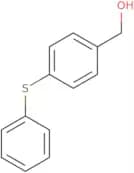
Producto descatalogado4-(Phenylthio)benzyl alcohol
CAS:4-(Phenylthio)benzyl alcohol is a versatile building block used in the synthesis of complex compounds. It has been shown to be an effective reagent for the synthesis of polymers and other organic molecules. 4-(Phenylthio)benzyl alcohol is also a useful intermediate for the preparation of chemical compounds with high quality, such as fine chemicals, speciality chemicals, and research chemicals. This compound can be used as a reaction component in the synthesis of valuable scaffolds.
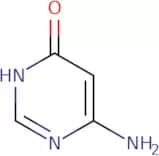
Fórmula:C13H12OSPureza:Min. 95%Forma y color:White To Yellow SolidPeso molecular:216.3 g/mol6-Aminopyrimidin-4-ol
CAS:6-Aminopyrimidin-4-ol is an intermediate in the synthesis of orotic acid. It is also a precursor to 6-chloropurine, which is used in the manufacture of orotic acid and 6-aminopurine. 6-Aminopyrimidin-4-ol can be prepared by benzannulation of phosphorus oxychloride with orotic acid or by hydrolysis of 6-chloropurine with thiourea. The latter method is preferred because it results in less waste.
6-Aminopyrimidin-4-ol is labile and must be stored under an inert gas at low temperature to prevent decomposition. It undergoes inactivating reactions with strong oxidizing agents, such as chlorine dioxide, peracetic acid, hydrogen peroxide, and potassium permanganate.
It also reacts with nucleophiles such as ammonia or amines to form stable tautFórmula:C4H5N3OPureza:Min. 95%Forma y color:PowderPeso molecular:111.1 g/molRef: 3D-FA11362
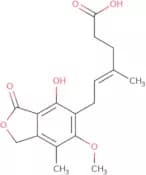
Producto descatalogadoMycophenolic acid
CAS:Mycophenolic acid is a guanosine monophosphate synthesis pathway blocker. It selectively inhibits inosine monophosphate dehydrogenase (IMPDH) which blocks the conversion of inosine-5-phosphate and xanthine-5-phosphate to guanosine-5-phosphate. This drug inhibits de novo purine biosynthesis. Mycophenolic acid is an immunosuppressant metabolite present in drug formulations that are used to prevent rejections after organ transplants. It has also shown to have antibacterial and antifungal properties.
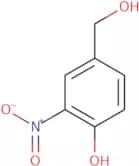
Fórmula:C17H20O6Pureza:Min. 95%Forma y color:PowderPeso molecular:320.34 g/mol4-Hydroxy-3-nitrobenzyl alcohol
CAS:4-Hydroxy-3-nitrophenylacetic acid (4ONPA) is an organic compound that is the product of the reaction between hydroxylamine and nitrobenzaldehyde. It has been shown to have cytotoxicity in breast cancer cells and has been used as a probe for optical imaging studies. 4ONPA has also been shown to be able to inhibit the activity of enzymes such as catalase, peroxidase, and lipoxygenase. The uptake of 4ONPA into cells is dependent on its concentration and the cell type. This drug can be useful for treating degenerative diseases because it inhibits microglia activation by blocking the enzyme phospholipase A2. Clinical trials are currently being conducted for 4ONPA’s potential use in treating herpes simplex virus infections and cancerous lesions associated with Alzheimer's disease.
Fórmula:C7H7NO4Pureza:Min. 95%Forma y color:PowderPeso molecular:169.13 g/molRef: 3D-FH66790
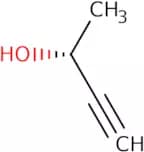
Producto descatalogado(R)-(+)-3-Butyn-2-ol
CAS:(R)-(+)-3-Butyn-2-ol is a chiral alcohol that can be used as a substrate for the synthesis of antibiotics. It has been shown to inhibit phosphatases in vivo and can be used as an inhibitor for phosphatases. (R)-(+)-3-Butyn-2-ol can also be used to synthesize glyoxylate, which is an intermediate for the production of antibiotics. This compound has been shown to have optical activity and stereoselectivity. The synthesis of (R)-(+)-3-butyn-2-ol starts with the alkylation reaction between acetylene and formaldehyde, followed by a cross-coupling reaction with bromoethane and lithium aluminum hydride. The final step is the hydrolysis of furfural using water or lipase, yielding (R)-(+)-3-butyn-2-ol.
Fórmula:C4H6OPureza:Min. 98 Area-%Forma y color:Clear LiquidPeso molecular:70.09 g/molRef: 3D-FB05622
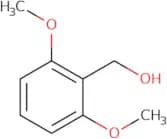
Producto descatalogado2,6-Dimethoxybenzyl alcohol
CAS:2,6-Dimethoxybenzyl alcohol is a synthetic compound that is a peroxidase substrate. It is used as an alternative for papaverine in the synthesis of penicillin and cephalosporin antibiotics. 2,6-Dimethoxybenzyl alcohol reacts with Mn2+ ions to form hydronium and hydrogen peroxide. This reaction has been shown to be more efficient than the decomposition of hydrogen peroxide by catalases or superoxide dismutases. 2,6-Dimethoxybenzyl alcohol also forms a reactive congener with erythrocytes and plasma proteins that can cause vasoconstriction in the blood vessels. The dimethoxybenzyl group (DMB) is a monosubstituted phenol group that binds to the active site of enzymes such as cytochrome P450s and glutathione reductase.
Fórmula:C9H12O3Pureza:Min. 95%Peso molecular:168.19 g/molRef: 3D-FD67333
Producto descatalogado1,7-Heptanediol
CAS:1,7-Heptanediol is a fatty acid that is used as a solvent and coating agent. It has been shown to inhibit leukemia cells in vitro. 1,7-Heptanediol has been shown to bind to the dna binding domains of transcription factors in vitro and may act as an anticancer agent by inhibiting the synthesis of proteins involved in biochemical pathways. 1,7-Heptanediol also inhibits tumor xenografts in vivo and induces apoptosis through hydrogen bond formation with DNA. It has been demonstrated to have detergent properties and can be used for biochemical reactions, such as the synthesis of chemical substances.
Fórmula:C7H16O2Pureza:min 98%Forma y color:Colorless Clear LiquidPeso molecular:132.2 g/molPhenol red sodium salt
CAS:Phenol red is a pH indicator that finds broad applications from chemistry to microbiology. Colour varies from yellow at pH<6.8 (lmax 443nm) through to light red/pink at 6.8<pH<8.2 (lmax 570 nm) to vivid purple/red at pH>8.2. It is widely used in cell culture to monitor pH and for colorimetric titration. For example, phenol red can be used to quantify Br- content in sea or fresh water. It is added to VTM as pH indicator, at the concentration of 10mg/ml, maintaining a pink colour at neutral pH.
Fórmula:C19H13NaO5SForma y color:Slightly Brown Red PowderPeso molecular:376.36 g/molRef: 3D-FP01503
Producto descatalogado2,4,6-Tribromo-3-methoxyphenol
CAS:2,4,6-Tribromo-3-methoxyphenol is a high quality reagent that is used as an intermediate in the production of many fine chemicals. It is also a useful building block for the synthesis of speciality chemicals and research chemicals. This chemical can be used as a versatile building block for reactions with other compounds. 2,4,6-Tribromo-3-methoxyphenol has CAS number 24967-79-1 and can be found at Chemical & Laboratory Equipment.
Fórmula:C7H5Br3O2Pureza:Min. 95%Peso molecular:360.83 g/mol2,4,5-Trimethoxybenzyl alcohol
CAS:2,4,5-Trimethoxybenzyl alcohol is a metabolite that is produced by the p. pastoris strain. It has been shown to be active against the enzyme glyceraldehyde-3-phosphate dehydrogenase and has been expressed heterologously in yeast. 2,4,5-Trimethoxybenzyl alcohol also has been shown to inhibit peroxidases and may have biochemical applications in pharmaceuticals as an inhibitor of lipid peroxidation.
Fórmula:C10H14O4Pureza:Min. 95%Forma y color:White PowderPeso molecular:198.22 g/molRef: 3D-FT70910
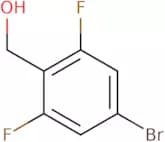
Producto descatalogado4-Bromo-2,6-difluorobenzyl alcohol
CAS:4-Bromo-2,6-difluorobenzyl alcohol (4BDFA) is a molecule that has been shown to be able to produce magnetic resonance images. It can be used in tumor diagnosis as well as in the imaging of tumors. 4BDFA is synthesized by coupling 2,6-difluoroaniline with bromoacetaldehyde diethyl acetal. The syntheses are carried out under phase transfer catalysis conditions and the reaction is monitored by thin layer chromatography.
The synthesis of 4BDFA starts with the preparation of 2,6-difluoroaniline via a Grignard reaction between aniline and magnesium metal. The Grignard reagent is then added to bromoacetaldehyde diethyl acetal in dichloromethane followed by addition of triethylamine dropwise to maintain pH neutrality. The product is then extracted from the organic solution using ethyl etherFórmula:C7H5BrF2OPureza:Min. 95%Forma y color:PowderPeso molecular:223.01 g/molRef: 3D-FB69822
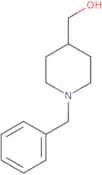
Producto descatalogado(1-Benzyl-4-piperidyl)methanol
CAS:1-Benzyl-4-piperidyl)methanol is a linker molecule that can be used to connect a variety of heterocycles with the ability to modulate their biological activities. This molecule has been shown to be a potent inhibitor of 5-HT receptor activity and has been used in molecular modeling studies. 1-Benzyl-4-piperidyl)methanol also has the potential for use as an environmental pollutant, which may be due to its reactivity with naphthalene compounds. The modifications that are possible on this molecule include introducing substituents on the benzene ring or amide groups, which can provide potent inhibitory activity.
Fórmula:C13H19NOPureza:Min. 95 Area-%Forma y color:Clear LiquidPeso molecular:205.3 g/molRef: 3D-FB71821
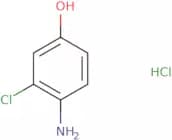
Producto descatalogado4-Amino-3-chlorophenol hydrochloride
CAS:Intermediate in the synthesis of lenvatinibFórmula:C6H7Cl2NOPureza:Min. 95%Forma y color:PowderPeso molecular:180.03 g/molRef: 3D-FA143829
Producto descatalogado






![2-[(Ethylamino)methyl]-4-aminophenol dihydrochloride](/_next/image/?url=https%3A%2Fstatic.cymitquimica.com%2Fproducts%2F3D%2Fthumb-webp%2FFE23131.webp&w=3840&q=75)
![(4S)-3,4-Dihydro-2-(3-methoxypropyl)-2H-thieno[3,2-e]-1,2-thiazin-4-ol 1,1-dioxide](/_next/image/?url=https%3A%2Fstatic.cymitquimica.com%2Fproducts%2F3D%2Fthumb-webp%2FFD21960.webp&w=3840&q=75)


![7-[(2S,3R)-3-Amino-2-methyl-azetidin-1-yl]-1-(2,4-difluorophenyl)-6-fluoro-4-oxo-quinoline-3-carbo…](/_next/image/?url=https%3A%2Fstatic.cymitquimica.com%2Fproducts%2F3D%2Fthumb-webp%2FFA30404.webp&w=3840&q=75)
![5,5'-(1-Methylethylidene)-bis-[1,1'-(bisphenyl)-2-ol]](/_next/image/?url=https%3A%2Fstatic.cymitquimica.com%2Fproducts%2F3D%2Fthumb-webp%2FFM29711.webp&w=3840&q=75)
![2-Hydroxyamino-3-methyl-3H-imidazo[4,5-f]quinoline](/_next/image/?url=https%3A%2Fstatic.cymitquimica.com%2Fproducts%2F3D%2Fthumb-webp%2FFH24305.webp&w=3840&q=75)









![4-[[4-(4-Chlorophenyl)-2-thiazolyl]amino]phenol](/_next/image/?url=https%3A%2Fstatic.cymitquimica.com%2Fproducts%2F3D%2Fthumb-webp%2FFC137468.webp&w=3840&q=75)