Alcoholes
Los alcoholes son una amplia gama de moléculas orgánicas derivadas de hidrocarburos que contienen uno o más grupos hidroxilo (grupo OH). Estos compuestos son esenciales en diversas reacciones químicas y se utilizan ampliamente en entornos de laboratorio para síntesis, como disolventes y en química analítica. En CymitQuimica, ofrecemos alcoholes de alta calidad preparados para uso en laboratorio, apoyando sus investigaciones y aplicaciones industriales con productos fiables y efectivos. Nuestra selección garantiza que tenga los alcoholes adecuados para sus necesidades específicas, ya sea para trabajos rutinarios de laboratorio o proyectos de investigación especializados.
Subcategorías de "Alcoholes"
Se han encontrado 5814 productos de "Alcoholes"
Ordenar por
Pureza (%)
0
100
|
0
|
50
|
90
|
95
|
100
Tetrabromobisphenol A Diglycidyl Ether
CAS:Producto controlado<p>Applications Tetrabromobisphenol A Diglycidyl Ether is a brominated flame retardant (BFR) with good stability and a thermal decomposition temperature over 300°.<br>References Oleszek S., et al.: Waste Manag., 33, 1835 (2013); Jia, X., et al.: Henan Daxue Xuebao, Ziran Kexueban, 36, 44 (2006)<br></p>Fórmula:C21H20Br4O4Forma y color:NeatPeso molecular:656.001,2-Hexanediol
CAS:Producto controlado<p>Applications 1,2-Hexanediol is used in the synthesis of sulfamidates which lead a simple route into β-amino acids. Also used in the controlled growth of GE nanowires.<br>References Nicolaou, K. et al.: Angew. Chem. Int. Ed., 41, 834 (2002); Lotty, O. et al.: J. Mat. Chem. C., Mat. Optic. Electro. Devices., 1, 4450 (2013);<br></p>Fórmula:C6H14O2Forma y color:ColourlessPeso molecular:118.172-(Methylamino)ethanol
CAS:Producto controlado<p>Applications 2-(Methylamino)ethanol used in the preparation of anticholesteremic, antilipemic and antioxidant biphenylylmorpholines. 2-(Methylamino)ethanol is also used in the preparation of enzyme inhibitors<br> Not a dangerous good if item is equal to or less than 1g/ml and there is less than 100g/ml in the package<br>References Chrysselis, M., Rekka, E., Kourounakis, P. N.: J. Med. Chem. 43, 609 (2000); Ciayadi, R., et. al.: Bioorg. Med. Chem., 21, 6496 (2013); Labadie, S., et. al.: Bioorg. Med. Chem. Lett., 23, 5923 (2013)<br></p>Fórmula:C3H9NOForma y color:ColourlessPeso molecular:75.1097Methanol
CAS:Producto controlado<p>Applications Methyl Alcohol is a common chemical reagent in organic synthesis participating in a variety of reactions. Used to prepare novel triazole-polyphenol hybrid compounds as FabG4 (Rv0242c) enzyme inhibitors for the treatment of Mycobacterium Tuberculosis (1). Also used in the synthesis of prodelphinidin B1/B2/B4 which display antitumor activities against prostate cancer cells.Drinking water contaminant candidate list 3 (CCL 3) compound as per United States Environmental Protection Agency (EPA), environmental, and food contaminants.<br> Not a dangerous good if item is equal to or less than 1g/ml and there is less than 100g/ml in the package<br>References 1. Banerjee, D. et al.: Org. Biomol. Chem. 2014 Jan 7;12(1):73-85.<br></p>Fórmula:CH4OForma y color:ColourlessPeso molecular:32.04Diethanolamine
CAS:<p>Stability Hygroscopic<br>Applications Diethanolamine similar to triethanolamine (T775580) is used as a surfactant. It also has the potential to be a corrosion inhibitor by means of chemisorption.<br>References Bhajiwala, H.M et al.: Bull. Electrochem., 17, 441 (2001); Yu, J. et al.: Thin. Solid. Films., 379, 7 (2000);<br></p>Fórmula:C4H11NO2Forma y color:NeatPeso molecular:105.142-Hydroxybenzyl Alcohol
CAS:Producto controlado<p>Applications 2-Hydroxybenzyl Alcohol is a phenolic component of a part of a salix bark extract which maintains a minor anti-depressant effect. Phenolic analog with potential for anti-melanomic effect<br>References Ulrich-M. et al.: Phytomed., 19, 930 (2012); Vad, N. et al.: Chem-Biol. Int., 183, 462 (2010);<br></p>Fórmula:C7H8O2Forma y color:NeatPeso molecular:124.14N-Lauryldiethanolamine
CAS:<p>Applications N-Lauryldiethanolamine (cas# 1541-67-9) is a useful research chemical.<br></p>Fórmula:C16H35NO2Forma y color:NeatPeso molecular:273.45Dicyclohexylmethanol
CAS:<p>Applications Dicyclohexylmethanol is a useful reagent for the synthetic preparation of cyclohexane derivatives.<br>References Moos, G., et al.: Angew. Chem. Int., 59, 11977 (2020)<br></p>Fórmula:C13H24OForma y color:NeatPeso molecular:196.321,4-Cyclohexanedimethanol
CAS:Producto controlado<p>Applications 1,4-Cyclohexanedimethanol is extensively used as cross-linking reagent in polymer industry. It has been used in the synthesis of polyketal copolymers. It was used as diol comonomer during the synthesis of polyester-carbonates based on 1,3-propylene-co-1,4-cyclohexanedimethylene succinate.<br>References Yang, S., et al.: Bioconjugate Chem., 19, 1164 (2008); Liu, Y., et al.: J. Polym. Sci. A Polym. Chem., 39, 2508 (2011); Hungria, A., et al.: Angewandte Chemie, 45, 4782 (2006)<br></p>Fórmula:C24H30O3SiForma y color:NeatPeso molecular:394.5792-Thiopheneethanol Tosylate
CAS:Producto controlado<p>Applications Intermediate in the preparation of Rotigotine<br>References Janssens, F., et al.: J. Med. Chem., 29, 2290 (1986),<br></p>Fórmula:C13H14O3S2Forma y color:NeatPeso molecular:282.38(1R,2R)-1,2-Cyclohexanedimethanol 1,2-Dimethanesulfonate
CAS:Producto controlado<p>Applications (1R,2R)-1,2-Cyclohexanedimethanol 1,2-Dimethanesulfonate (cas# 186204-35-3) is a compound useful in organic synthesis.<br></p>Fórmula:C10H20O6S2Forma y color:NeatPeso molecular:300.3924 Bisphenol S
CAS:Producto controlado<p>Applications 24 Bisphenol S is a material used in thermal printing. 24 Bisphenol S is also used in the development of black leuco dyes.<br>References Shima, H. et al.: J. Imag. Sci. Technol., 54, 020502 (2010)<br></p>Fórmula:C12H10O4SForma y color:NeatPeso molecular:250.27Triethyleneglycol Monolauryl Ether
CAS:Producto controlado<p>Applications Triethyleneglycol Monolauryl Ether is used as a reagent in the synthesis of N,N-dimethyl-N-dodecyl polyoxyethylene amine-based surfactants. It is also used as a reagent in the synthesis of hybrid carbohydrate/oligoethylene oxide surfactants.<br>References Hou, L., et al.: J. Surfactants Deterg., 17, 403 (2014); Catanoiu, G., et al.: J. Colloid Interf. Sci., 371, 82 (2012)<br></p>Fórmula:C18H38O4Forma y color:NeatPeso molecular:318.492-Benzothiazolethiol
CAS:Producto controlado<p>Applications 2-Benzothiazolethiol is an intermediate used to synthesize benzothiazole derivatives as cyclooxygenase inhibitors. It is also used to prepare pyridinone derivatives as potent non-nucleoside human immunodeficiency virus type 1 specific reverse transcriptase inhibitors.<br> Not a dangerous good if item is equal to or less than 1g/ml and there is less than 100g/ml in the package<br>References Paramashivappa, R., et al.: Bioorg. Med. Chem. Lett., 13, 657 (2003); Dolle, V., et al.: J. Med. Chem., 38, 4679 (1995)<br></p>Fórmula:C7H5NS2Forma y color:NeatPeso molecular:167.25(1)N-(Benzyloxycarbonyl)ethanolamine
CAS:Producto controlado<p>Applications N-(Benzyloxycarbonyl)ethanolamine is an intermediate used to prepare alkynylaryladenines as A2A adenosine receptor agonists and effects on hepatic glucose production. It is also used in the synthesis of functionalized N-arylaminoethyl amides as noncovalent inhibitors of cathepsin S.<br>References Harada, H., et al.: Bioorg. Med. Chem., 9, 2709 (2001); Tully, D., et al.: Bioorg. Med. Chem. Lett., 16, 5112 (2006)<br></p>Fórmula:C10H13NO3Forma y color:NeatPeso molecular:195.2155,16-Androstadien-3-ol
CAS:Producto controlado<p>Applications 5,16-Androstadien-3-ol is a useful analyte in the study of stir bar sorptive extraction-thermal desorption-capillary GC-MS applied to biological fluids.<br>References Tienpont, B., et al.: Anal. Bioanal. Chem., 373, 46 (2002);<br></p>Fórmula:C19H28OForma y color:NeatPeso molecular:272.431,2-Propanediol
CAS:Producto controlado<p>Applications 1,2-Propanediol is used in the preparation of polymers, existing as a linker unit. Also used in the preparation of colchine derivatives as anticancer agents.<br>References Wayakron Phetphaisit, C. et al.: Int. J. Ad. Adhesion. 41, 127 (2013); Shen, L. et al.: Asian J. Chem., 25, 3294 (2013);<br></p>Fórmula:C3H8O2Forma y color:NeatPeso molecular:76.09(8Z)-8-Dodecen-1-ol
CAS:Producto controlado<p>Applications (8Z)-8-Dodecen-1-ol is a component of various insect sex pheromones.<br>References Kim, S.H., et al: Repub. Korean Kongkae Taeho Kongbo, KR 2015046436 A 20150430 (2015); Ma, R., et al.: Faming Zhuanli Shenqing, CN 104177256 A 20141203 (2014)<br></p>Fórmula:C12H24OPureza:>90%Forma y color:Colourless To Light YellowPeso molecular:184.323-(Benzyloxy)-2,2-dimethyl-1-propanol
CAS:Producto controlado<p>Applications 3-(Benzyloxy)-2,2-dimethyl-1-propanol is an protected intermediate of NPG Glycol (N897000), is used in the synthesis of tetraphenylporphyrins.<br>References Lindsey, J. et al.: J. Org. Chem., 52, 827 (1987); Evans, D. et al.: J. Am. Chem. Soc., 121, 7540 (1999);<br></p>Fórmula:C12H18O2Forma y color:NeatPeso molecular:194.274-Decanolide
CAS:<p>Applications Please see 4-Dodecanolide (D525393).4-Decanolide was one of the organic compounds from meat charbroiling operations studied.<br>References Schauer, J., et al.: Environ. Sci. Technol., 33, 1566 (1999).<br></p>Fórmula:C10H18O2Forma y color:NeatPeso molecular:170.251-Octacosanol, 90%
CAS:<p>Octacosanol is a mixture of eight fatty alcohols that can be found in wheat germ oil. It has been shown to have hypoglycemic effects and may be useful for the treatment of bowel disease. Octacosanol has been shown to have anti-inflammatory properties, which may be due to its ability to prevent the release of prostaglandin E2 from macrophages, thereby inhibiting the production of inflammatory mediators. It also binds to 2-adrenergic receptors and is thought to regulate energy metabolism by increasing levels of ATP in cells. Octacosanol is commonly used for elderly patients with metabolic disorders such as type II diabetes or hyperlipidemia.</p>Fórmula:C28H58OPureza:Min. 90%Forma y color:PowderPeso molecular:410.76 g/mol8-Methoxy-2-methylquinolin-5-amine monohydrochloride
CAS:<p>8-Methoxy-2-methylquinolin-5-amine monohydrochloride is a fine chemical that is used as a versatile building block in the synthesis of complex compounds. 8-Methoxy-2-methylquinolin-5-amine monohydrochloride is an intermediate for the production of research chemicals and pharmaceuticals. It can be used to synthesize speciality chemicals, useful scaffolds, and reagents. It also has a wide range of applications as a reaction component in synthetic organic chemistry. 8-Methoxy-2-methylquinolin-5-amine monohydrochloride has high purity and quality.</p>Fórmula:C11H12N2O•HClPureza:Min. 95 Area-%Forma y color:PowderPeso molecular:224.73 g/mol(+)-Dehydrodiconiferyl alcohol
CAS:<p>(+)-Dehydrodiconiferyl alcohol is a lignan, which is a type of phenolic compound naturally occurring in a variety of plant species, including those in the families Magnoliaceae, Lauraceae, and others. As a secondary metabolite derived from the oxidative coupling of coniferyl alcohol, it plays roles in plant defense and structural integrity.</p>Fórmula:C20H22O6Pureza:Min. 95%Peso molecular:358.39 g/mol2,4,5-Trifluorophenol
CAS:<p>2,4,5-Trifluorophenol is a chemical compound that is used in the production of plastics and synthetic fibers. It is also found as an environmental pollutant when released into the environment from industrial waste. Trichloroacetic acid reacts with 2,4,5-trifluorophenol to produce dibenzodioxins that are toxic and mutagenic. Trifluorophenol has been shown to activate rat hepatocytes by increasing the rate of synthesis of messenger RNA (mRNA) for proteins involved in drug metabolism. This activation may be due to its ability to induce oxidative stress or because it can react with DNA bases to form covalent adducts. The photoelectron spectrum includes bands at 1210 and 1240 cm-1 that correspond to chlorine atoms attached to arene rings.<br>2,4,5-Trifluorophenol has been shown to inhibit the growth of primary cultures of rat hepatocytes</p>Fórmula:C6H3F3OPureza:Min. 95%Forma y color:PowderPeso molecular:148.08 g/mol(11β,16β)-9-Fluoro-11,21-dihydroxy-16-methyl-17-((1-oxopentyl)oxy)-Pregna-1,4-diene-3,20-dione mixt. with 5-chloro-7-iodo-8-qu inolinol
CAS:Producto controlado<p>Clioquinol is a topical corticosteroid that is used to treat skin disorders such as pemphigoid, psoriasis, and eczema. It is also used to treat the inflammation associated with acne. Clioquinol has been shown to be effective in treating bacterial infections of the skin by inhibiting the growth of bacteria. This drug also has anti-inflammatory properties and can be used for the treatment of various inflammatory skin conditions. Clioquinol is not absorbed through the skin and does not affect the blood's ability to clot.</p>Fórmula:C36H42ClFINO7Pureza:Min. 95%Peso molecular:782.08 g/mol4-Oxo-1,4-dihydroquinoline-3-carboxylic acid
CAS:<p>4-Oxo-1,4-dihydroquinoline-3-carboxylic acid is a synthetic compound that belongs to the class of quinoline derivatives. It has been shown to inhibit HIV infection in vitro by binding to the receptor CD4 on the surface of T cells. 4-Oxo-1,4-dihydroquinoline-3-carboxylic acid has also been shown to be cytotoxic against cancer cells and other human cell lines. Powders of 4-oxo-1,4-dihydroquinoline 3 carboxylic acid have been synthesized by reacting ethyl esters with diphenyl ether in the presence of radiation or ndimethylformamide. This compound was also used as a molecular model for designing new drugs.</p>Fórmula:C10H7NO3Pureza:Min. 98 Area-%Forma y color:Off-White PowderPeso molecular:189.17 g/mol20a-Dihydro pregnenolone
CAS:Producto controlado<p>Pregnenolone is a steroid hormone that is synthesized in the adrenal cortex. It has been used as a diagnostic agent for detecting low levels of human chorionic gonadotropin (hCG). Pregnenolone interacts with the 3β-hydroxysteroid dehydrogenase, which is an enzyme involved in the conversion of pregnenolone to progesterone. The gene encoding this enzyme has been found to be mutated in patients with hydroxylase deficiency. Pregnenolone can also be converted into other hormones such as cortisol and androstenedione by various hydroxylases. This process may be inhibited by 20a-dihydroprogesterone, leading to increased concentrations of pregnenolone in the plasma.</p>Fórmula:C21H34O2Pureza:Min. 95%Forma y color:White PowderPeso molecular:318.49 g/mol(R)-(+)-3-Benzyloxy-1,2-propanediol
CAS:<p>(R)-(+)-3-Benzyloxy-1,2-propanediol is a biologically active compound. It has been shown to have the ability to inhibit tumor growth and enhance the activity of certain anticancer drugs. (R)-(+)-3-Benzyloxy-1,2-propanediol is an enantiomer that has been found to be more potent than its counterpart. The biological function of (R)-(+)-3-Benzyloxy-1,2-propanediol is not entirely clear, but it may be involved in the metabolism of fatty acids and fatty acid esters. This compound can also increase levels of ATP in cells.</p>Fórmula:C10H14O3Pureza:Min. 98%Forma y color:PowderPeso molecular:182.22 g/molZinc ricinoleate
CAS:<p>Zinc ricinoleate is a metal compound that is an absorber of hydrogen. It is primarily used as a deodorant for cosmetics and is often found in deodorant creams, powders, gels, and sticks. Zinc ricinoleate has been shown to be effective against lipases and chloride-containing compounds. The metal ion zinc in this compound reacts with the fatty acid esters in the skin and forms a protective layer that prevents the skin from becoming dry or irritated. Zinc ricinoleate also inhibits bacterial growth by preventing the synthesis of proteins needed for cell division.</p>Fórmula:C36H66O6ZnPureza:Min. 95%Forma y color:PowderPeso molecular:660.29 g/mol2-Chloroquinoline-8-carboxylic acid
CAS:<p>2-Chloroquinoline-8-carboxylic acid is a fine chemical that is useful as a scaffold for the synthesis of other compounds. It is a versatile building block and can be used in the production of the drug chloroquine. 2-Chloroquinoline-8-carboxylic acid has been used as an intermediate in research chemicals, reaction components in speciality chemical and complex compound. This compound has high quality and can be used as a reagent.</p>Fórmula:C10H6ClNO2Pureza:Min. 95 Area-%Forma y color:White Off-White PowderPeso molecular:207.61 g/molXylenol orange tetrasodium salt
CAS:<p>Xylenol orange tetrasodium salt is a fluorescent dye that can be used to measure the degree of mineralization in animal tissue. The dye is composed of xylenol, which is a fatty acid, and sodium chloride. Xylenol orange tetrasodium salt is used for measuring the rate of enzyme reactions by incubating it with the enzyme and measuring the formation rate. It has been shown to have damaging effects on mitochondria and tissues when exposed to an acidic environment. Xylenol orange tetrasodium salt binds to the membrane potential of cells in order to measure reactive oxygen species (ROS) production. This dye can also be used as a marker for autofluorescence of mitochondria and lipase activity.</p>Fórmula:C31H28Na4O13SN2Forma y color:PowderPeso molecular:760.58 g/mol4-Fluoroestradiol
CAS:Producto controlado<p>4-Fluoroestradiol is an estrogen with a molecular weight of 270.4 g/mol that has been shown to be carcinogenic in animal models. 4-Fluoroestradiol binds to the estrogen receptor and activates the gene product, which stimulates cell growth and proliferation. This drug has been shown to induce cancer in tissues such as the liver, biliary tract, and mammary glands when administered at doses higher than 0.3 mg/kg/day. 4-Fluoroestradiol also interacts with hydrogen bonds in enzymes such as retinol dehydrogenase, all-trans-retinoic acid (ATRA), and specific agents such as retinoic acid (RA). This interaction may inhibit the catalytic rate of these enzymes or alter their substrate specificity.</p>Fórmula:C18H23FO2Pureza:Min. 95%Forma y color:PowderPeso molecular:290.37 g/mol4,6-Diacetylresorcinol
CAS:<p>4,6-Diacetylresorcinol is a tetradentate ligand that can be used for the palladium-catalyzed hydrogenation of phenols. The compound has been shown to have anticancer activity and was found to be selective against cancer cell lines. It also inhibits the growth of staphylococcus bacteria in biological studies. 4,6-Diacetylresorcinol is thermodynamically stable and has a high binding affinity with nitrogen nucleophiles such as amines and anilines. Molecular modeling studies show that the nitrogen atoms are located near the center of the molecule, making them accessible for intramolecular hydrogen transfer reactions.</p>Fórmula:C10H10O4Pureza:Min. 95%Forma y color:PowderPeso molecular:194.18 g/mol4-(tert-Butoxy)benzyl alcohol
CAS:<p>4-(tert-Butoxy)benzyl alcohol is a high quality reagent and a complex compound that can be used as an intermediate for the synthesis of other compounds. It is also a useful building block for the synthesis of speciality chemicals. This chemical has been extensively used in the synthesis of research chemicals and versatile building blocks, with applications in pharmaceuticals, agrochemicals, and materials science. 4-(tert-Butoxy)benzyl alcohol is one of the most widely used reaction components in organic synthesis due to its versatility. It has CAS number 51503-08-3.</p>Fórmula:C11H16O2Pureza:Min. 95%Forma y color:Clear LiquidPeso molecular:180.24 g/mol(S)-BoroLeu-(+)-pinanediol-trifluoroacetate
CAS:<p>(S)-BoroLeu-(+)-pinanediol-trifluoroacetate is a useful scaffold, building block, and intermediate for the synthesis of complex compounds. It is a high quality reagent that can be used in research chemicals and speciality chemicals. (S)-BoroLeu-(+)-pinanediol-trifluoroacetate is a versatile building block because it can be used as a reaction component in the synthesis of fine chemicals and as an intermediate in the synthesis of other reagents. CAS No. 477254-69-6</p>Fórmula:C15H28BNO2·C2HF3O2Pureza:Min. 95%Forma y color:PowderPeso molecular:379.22 g/molPotassium phloroglucinol carboxylate
CAS:<p>Potassium phloroglucinol carboxylate is a fine chemical that can be used as a versatile building block, complex compound, research chemical, reagent, speciality chemical and useful intermediate. It is also a useful scaffold for the synthesis of other compounds. Potassium phloroglucinol carboxylate has been shown to react with a wide variety of functional groups and has been used in the preparation of new compounds. The CAS number for potassium phloroglucinol carboxylate is 91313-55-2.</p>Fórmula:C7H5O5·KPureza:Min. 95%Forma y color:PowderPeso molecular:208.21 g/mol3,5-Di-tert-butyl-4-hydroxybenzyl alcohol
CAS:<p>3,5-Di-tert-butyl-4-hydroxybenzyl alcohol is a fatty acid ester that is used as an analytical reagent and polymerization initiator. It produces a high yield of polymer in the presence of calcium carbonate. The polymerization reaction is initiated by the addition of 2,2'-azobis(2,4-dimethylvaleronitrile) (AADVN). The polymerization reaction has been shown to be pH dependent with a ph optimum at 8.3. 3,5-Di-tert-butyl-4-hydroxybenzyl alcohol has also been shown to have anticorrosive properties at high concentrations and inhibits coagulation factors that are involved in blood clotting.</p>Fórmula:C15H24O2Pureza:Min. 95%Forma y color:PowderPeso molecular:236.35 g/mol11-cis-Retinol
CAS:<p>11-cis-Retinol is a retinoid that has been synthesized in the laboratory. 11-cis-Retinol has been shown to inhibit the activity of bacterial enzymes such as signal peptide, which is involved in protein synthesis. It also inhibits the growth of bacteria by inhibiting energy metabolism and atp-binding cassette transporter. Retinoids are active against infectious diseases, including HIV, and have shown anti-inflammatory properties that may be due to their ability to suppress cytokine production. 11-cis-Retinol is used as a vitamin supplement and is applied topically to treat eye disorders.</p>Fórmula:C20H30OPureza:Min. 85%Forma y color:Yellow PowderPeso molecular:286.45 g/mol2-(2,4-Dinitrophenoxy)ethanol
CAS:<p>2-(2,4-Dinitrophenoxy)ethanol is a glycol ether that has been shown to be an effective nucleophile in nucleophilic substitution reactions. It is a colorless liquid with a boiling point of between 204°C and 205°C. 2-(2,4-Dinitrophenoxy)ethanol reacts with deionized water in the presence of ethylene to produce a crystalline precipitate. The product can be recrystallized from ethanol/water or purified by chromatography on silica gel. This chemical can also be used as an activated nucleophile in the synthesis of spirocyclic compounds and isomeric ketones. 2-(2,4-Dinitrophenoxy)ethanol is toxic and may cause severe skin burns if it comes into contact with unprotected skin. It is also environmentally hazardous when released into the environment because it breaks down slowly and may accumulate in soil or water systems.</p>Fórmula:C8H8N2O6Pureza:Min. 95%Forma y color:PowderPeso molecular:228.16 g/mol(S)-(+)-Prolinol
CAS:<p>(S)-(+)-Prolinol is a chiral compound that belongs to the class of polymerase chain reaction (PCR) reagents. It is used as an antibacterial agent, which inhibits bacterial growth by interfering with DNA replication and transcription. The stereoselective nature of the compound has been shown by its differential activity against two different strains of subtilis. This molecule also interacts with diazepam and other drugs, as well as with environmental pollutants such as polychlorinated biphenyls (PCBs). <br>The anti-inflammatory properties of this molecule may be due to its ability to inhibit prostaglandin synthesis through inhibition of cyclooxygenase or lipoxygenase enzymes.</p>Fórmula:C5H11NOPureza:Min. 95%Forma y color:Clear LiquidPeso molecular:101.15 g/molL-Phenylalaninol
CAS:<p>L-Phenylalaninol is a β-amino acid with the molecular formula C9H11NO2. It is an organic compound that contains both a hydroxy methyl and a fatty acid group. L-Phenylalaninol has been shown to enhance the asymmetric synthesis of cycloleucine, which is an antibiotic with anti-inflammatory properties. The reaction mechanism for this process is not yet fully understood but it is hypothesized that the nitrogen atoms in l-phenylalaninol form intramolecular hydrogen bonds with the hydroxymethyl groups on the nitro group of cycloleucine, stabilizing it and allowing for more efficient reactions.</p>Fórmula:C9H13NOForma y color:White PowderPeso molecular:151.21 g/mol4-Benzyloxybenzyl alcohol
CAS:<p>4-Benzyloxybenzyl alcohol is a potent inhibitor of CXCR4, a receptor for chemokines that is involved in the trafficking of immune cells. It binds to CXCR4 and blocks its activation by HIV-1 gp120. 4-Benzyloxybenzyl alcohol inhibits both CXCR4-dependent and -independent chemotaxis. This compound also has a hydroxy group which can be used for the synthesis of β-amino acids or p-hydroxybenzoic acid. 4-Benzyloxybenzyl alcohol also has a monoclonal antibody that recognizes it, which can be used as an immunogen to raise antibodies against this molecule. The disulfide bond in 4-Benzyloxybenzyl alcohol prevents oxidation, which makes it stable at high temperatures.</p>Fórmula:C14H14O2Pureza:Min. 95%Forma y color:PowderPeso molecular:214.26 g/mol2-Bromo-4-tert-octylphenol
CAS:<p>2-Bromo-4-tert-octylphenol is a high quality chemical that can be used in research. It is an organic compound that reacts as a building block to create other complex compounds. 2-Bromo-4-tert-octylphenol is also a versatile building block, useful intermediate, and useful building block for the creation of speciality chemicals. This reagent has been shown to be effective as a reaction component in the synthesis of reagents, such as with the synthesis of 1,3-bis(2,4,6-trimethylbenzoyl)benzene.</p>Fórmula:C14H21BrOPureza:Min. 95 Area-%Forma y color:Clear LiquidPeso molecular:285.22 g/molBis-(1,3-diethylthiobarbituric acid)trimethine oxonol
CAS:<p>Bis-(1,3-diethylthiobarbituric acid)trimethine oxonol (BTTMO) is a compound class of drugs that inhibit the ATP-binding cassette transporter and block the transport of cellular metabolites across the mitochondrial membrane. This inhibition leads to a decrease in cellular ATP levels and an increase in cytosolic calcium. BTTMO has shown promising results in animal models for treatment of cervical cancer, which may be due to its ability to stimulate epidermal growth factor receptor signaling. BTTMO also inhibits energy metabolism by inhibiting mitochondrial membrane potential and blocking atp-sensitive potassium channels. It also induces gamma-aminobutyric acid release from neurons, leading to hyperpolarization of the cell membrane.</p>Fórmula:C19H24N4O4S2Pureza:Min. 95%Forma y color:Dark Purple SolidPeso molecular:436.55 g/mol6-Fluoro-2-iodobenzyl alcohol
CAS:<p>6-Fluoro-2-iodobenzyl Alcohol is a versatile building block for the synthesis of complex compounds. It is used in research and as a reagent for the synthesis of pharmaceuticals, pesticides and other organic compounds. 6-Fluoro-2-iodobenzyl alcohol has been shown to be useful in the formation of high quality and useful intermediates, reaction components, and scaffolds. The CAS number for this chemical is 911825-94-0.</p>Fórmula:C7H6FIOPureza:Min. 95%Peso molecular:252.02 g/mol2-(2H-Benzotriazol-2-yl)-4,6-bis(tert-pentyl)phenol N-oxide
CAS:<p>Please enquire for more information about 2-(2H-Benzotriazol-2-yl)-4,6-bis(tert-pentyl)phenol N-oxide including the price, delivery time and more detailed product information at the technical inquiry form on this page</p>Fórmula:C22H29N3O2Pureza:Min. 95%Forma y color:PowderPeso molecular:367.48 g/mol4-Chlorobenzyl diphenyl carbinol
CAS:<p>4-Chlorobenzyl diphenyl carbinol is an organic compound that is used as a reagent, intermediate, and building block in the synthesis of other compounds. The product is a white, crystalline solid and has a molecular weight of 243.3 g/mol. It can be used as a scaffold for the synthesis of new chemical compounds or as a building block to create speciality chemicals. 4-Chlorobenzyl diphenyl carbinol has been shown to react with a variety of functional groups and can be used in both research and industrial contexts.</p>Fórmula:C20H17ClOPureza:Min. 95%Forma y color:PowderPeso molecular:308.8 g/moltrans-1,2-Cyclohexanediol
CAS:<p>Trans-1,2-cyclohexanediol is a chemical compound that has been shown to have infectivity in the treatment of cardiac disorders. It has also been shown to be an effective anti-inflammatory agent and may have clinical relevance in the treatment of congestive heart disease. The mechanism of action is unknown, but it may be due to its ability to inhibit the production of prostaglandin E2 and thromboxane A2 by inhibiting cyclooxygenase. Trans-1,2-cyclohexanediol has also been shown to be metabolized into glucuronide conjugates, which are excreted through the kidneys.</p>Fórmula:C6H12O2Pureza:Min. 95%Forma y color:PowderPeso molecular:116.16 g/mol4-[[4-(4-Chlorophenyl)-2-thiazolyl]amino]phenol
CAS:<p>4-[[4-(4-Chlorophenyl)-2-thiazolyl]amino]phenol is a chemical that has been used in analytical and in vitro methods to study the cellular physiology of cells. It was found to inhibit sphingosine kinase, which is an enzyme that is involved in the synthesis of sphingosine. The inhibition of this enzyme leads to decreased levels of sphingosine and the effect on the cell. 4-[[4-(4-Chlorophenyl)-2-thiazolyl]amino]phenol can also affect mitochondrial membrane potential and cyclase activity, which may be useful for treating hyperproliferative diseases such as breast cancer.</p>Fórmula:C15H11ClN2OSPureza:Min. 95%Peso molecular:302.78 g/mol4-Nitrophenylmethylcarbinol
CAS:<p>4-Nitrophenylmethylcarbinol is a nitro compound that has been isolated from the nitration of 4-nitrophenol. It is used as a reagent to synthesize β-unsaturated ketones. The inhibitory effect of 4-nitrophenylmethylcarbinol is due to the presence of two nitro groups and one methyl group on its structure. This compound has been shown to have an inhibitory effect on glucose 6-phosphate dehydrogenase, which functions in cellular respiration by catalyzing the conversion of glucose 6-phosphate to glucose 1,6-bisphosphate. The inhibition of this enzyme leads to a reduction in the formation of ATP and NADPH, which are essential for cell growth. 4-Nitrophenylmethylcarbinol also has reductase activities that allow it to reduce phosphotriesters (e.g., DNA) and dehydrogenase deficiency (e.g., py</p>Fórmula:C8H9NO3Pureza:Min. 95%Forma y color:Orange Clear LiquidPeso molecular:167.16 g/mol(1R,4S)-4-Amino-2-cyclopentene-1-methanol hydrochloride
CAS:<p>(1R,4S)-4-Amino-2-cyclopentene-1-methanol hydrochloride is a chemical compound that is used as a building block in the synthesis of other compounds. It is also known to be a speciality chemical and a research chemical. (1R,4S)-4-Amino-2-cyclopentene-1-methanol hydrochloride can be used as an intermediate in the production of fine chemicals, pharmaceuticals and agrochemicals. The compound has been found to have high quality and good purity by the manufacturer.</p>Fórmula:C6H11NO•HClPureza:Min. 95%Forma y color:Brown SolidPeso molecular:149.62 g/mol4-Aminopyrimidin-5-ol
CAS:<p>4-Aminopyrimidin-5-ol (4AP) is a small molecule that has been shown to mitigate populations of bacteria that are resistant to antibiotics. 4AP is a thiol compound that can be synthesized in high quantities using scalable, scalable synthesis. It has been shown to inhibit the protein synthesis of sensitive populations of bacteria by targeting their ribosomes and inhibiting the activity of bacterial DNA gyrase and topoisomerase IV. 4AP inhibits bacterial growth at low concentrations, with no effect on mammalian cells. This drug also shows potential as an antibiotic adjuvant because it utilizes trigonometric calculations, multigram scales, and chromatographic techniques for purification. 4AP is stable under a variety of temperatures, making it suitable for use in many environments.</p>Fórmula:C4H5N3OPureza:Min. 95%Forma y color:SolidPeso molecular:111.1 g/mol2-(4-Methoxyphenoxy)ethanol
CAS:<p>2-(4-Methoxyphenoxy)ethanol is a carboxylic acid. It has been used as a hydrogen peroxide donor in catalytic reactions, and as an ethylene glycol ether in the production of polyester resins. 2-(4-Methoxyphenoxy)ethanol has been shown to be useful in multilayer coatings with optimal reaction rates, and is a good oxidant for many organic compounds.</p>Fórmula:C9H12O3Pureza:Min. 95%Forma y color:PowderPeso molecular:168.19 g/molCrotonyl alcohol
CAS:<p>Crotonyl alcohol is an isomerizing agent that can be used in the synthesis of hydroxyapatite. It is a colorless liquid with a pungent odor. Crotonyl alcohol has been shown to react with polycarboxylic acids such as oxalic acid to produce dihydrooxalic acid, which is an intermediate in the synthesis of hydroxyapatite. The reaction mechanism of crotonyl alcohol is unknown, but it has been proposed that this reaction proceeds through a dehydrative process whereby one water molecule is eliminated to form the carboxyl group and the other water molecule reacts with the hydroxyl group to form hydrogen peroxide. The kinetic data obtained from experiments on crotonyl alcohol demonstrate that its activation energies are lower than those for other types of reactions and that its rate-determining step occurs at a lower temperature than other reactions. This suggests that crotonyl alcohol may have an unusual reaction mechanism, which could be due</p>Fórmula:C4H8OPureza:Min. 95%Forma y color:Colourless To Yellow Clear LiquidPeso molecular:72.11 g/mol2-Boc-6-Chloro-3,4-dihydro-1H-isoquinoline-1-carboxylic acid
CAS:<p>2-Boc-6-Chloro-3,4-dihydro-1H-isoquinoline-1-carboxylic acid is a useful scaffold for the production of various chemical compounds. It is a versatile building block that can be used as an intermediate in various chemical reactions or as a speciality chemical. 2-Boc-6-Chloro-3,4-dihydro-1H-isoquinoline-1 carboxylic acid has been shown to be a high quality and reliable reagent for use in research and development.</p>Fórmula:C15H18ClNO4Pureza:Min. 95%Forma y color:White PowderPeso molecular:311.76 g/mol4-n-Butylresorcinol
CAS:<p>Inhibitor of tyrosinase; skin whitener</p>Fórmula:C10H14O2Forma y color:PowderPeso molecular:166.22 g/mol16-Methyl-16-dehydropregnenolone
CAS:Producto controlado<p>16-Methyl-16-dehydropregnenolone is a steroid that is used as an intermediate in the synthesis of other steroids. It is synthesized by the oxidation of tetrahydropyran with an aldehyde, followed by the addition of chloride to give 16-methyl-16-dehydropregnenolone. The acetonedicarboxylate group of 16-methyl-16-dehydropregnenolone can be removed by treatment with tert-butyl or cyclopentanedione, which yields intermediates for elaboration into other biologically active compounds such as steroids.</p>Fórmula:C22H32O2Pureza:Min. 95%Forma y color:PowderPeso molecular:328.49 g/mol3,4-Dimethyl-1H-pyrazol-5-ol
CAS:<p>3,4-Dimethyl-1H-pyrazol-5-ol is a fine chemical that belongs to the category of research chemicals. It has many uses as a reagent and as a speciality chemical. 3,4-Dimethyl-1H-pyrazol-5-ol is also a versatile building block and can be used as an intermediate or scaffold in complex reactions. The CAS number for this compound is 4344-72-3.</p>Fórmula:C5H8N2OPureza:Min. 95%Forma y color:PowderPeso molecular:112.13 g/mol4-Hydroxyphenethyl alcohol
CAS:<p>Produces a fluorogenic signal in the presence of peroxidase</p>Fórmula:C8H10O2Pureza:Min. 98 Area-%Forma y color:PowderPeso molecular:138.16 g/molIsoquinoline-4-carbaldehyde
CAS:<p>Isoquinoline-4-carbaldehyde is an aldehyde chemical that has been synthesized in the laboratory. It is a chiral molecule with one asymmetric carbonyl group. Isoquinoline-4-carbaldehyde is a potential precursor to naphthyridine, which can be used as a building block for the synthesis of natural products. Isoquinoline-4-carbaldehyde has been shown to have phosphine properties, and it can be used as a ligand in transition metal complexes. The molecule has been shown to exist in two forms, which coexist in equilibrium and can undergo interconversion.</p>Fórmula:C10H7NOPureza:Min. 95%Peso molecular:157.17 g/mol2-(2,2-Dimethyl-1,3-dioxolan-4-yl)ethan-1-ol
CAS:<p>2-(2,2-Dimethyl-1,3-dioxolan-4-yl)ethan-1-ol is a nucleoside analog that inhibits HIV replication by binding to the enzyme adenosine deaminase (ADA). This binding prevents the conversion of adenosine to inosine, which is required for the synthesis of DNA. 2-(2,2-Dimethyl-1,3-dioxolan-4-yl)ethan-1-ol has been shown to inhibit HIV replication in cell lines and human lymphocytes with IC50 values of 0.5–0.8 μM. It also inhibits the production of HIV proteins such as p24 and gp120. The drug has been shown to be more potent than other nucleoside analogues such as 3'-azido-, 3'-thio-, 3'-amino-, or 3'-fluoro-. The drug has been shown to have antiviral activity against a number of viruses</p>Fórmula:C7H14O3Pureza:Min. 95 Area-%Forma y color:Colorless Slightly Yellow Clear LiquidPeso molecular:146.18 g/mol2,5-Dimethoxybenzyl alcohol
CAS:<p>2,5-Dimethoxybenzyl alcohol is a monoterpene compound that is chemically related to menthol and thymol. It has been shown to have cytotoxic effects against cancer cells in culture. The mechanism of action is not fully understood, but it has been proposed that 2,5-dimethoxybenzyl alcohol may be an allelopathic compound. This means that it inhibits the growth of plants by releasing substances into the soil that inhibit the growth of other plants nearby. 2,5-Dimethoxybenzyl alcohol has also been shown to reduce blood pressure in rats. This effect is due to its ability to inhibit angiotensin I-converting enzyme (ACE) as well as increase vasodilation through nitric oxide release. A kinetic study on human urine showed that 2,5-dimethoxybenzyl alcohol undergoes a stepwise reaction with carbinols and methoxy groups. Further research is needed to determine</p>Fórmula:C9H12O3Pureza:Min. 95%Forma y color:Clear LiquidPeso molecular:168.19 g/mol16-Dehydropregnenolone acetate
CAS:Producto controlado<p>16-Dehydropregnenolone acetate is a synthetic compound that can be used in wastewater treatment. It reacts with phosphorus pentoxide to form an insoluble solid product. 16-Dehydropregnenolone acetate has been shown to inhibit the growth of human prostate cancer cells and breast cancer cells in vitro and in vivo. 16-Dehydropregnenolone acetate is also a specific agonist for the progesterone receptor, which may be due to its ability to bind to the stereospecific (S) binding site on this receptor. The optimum concentration for 16-dehydropregnanediol is 10 mM and it requires the presence of phosphotungstic acid for maximum activity. This substance has biological properties that are similar to those of natural progesterones, but it does not have any estrogenic properties.</p>Fórmula:C23H32O3Pureza:Min. 95%Forma y color:PowderPeso molecular:356.5 g/mol2,3-Difluoro-4-bromo phenol
CAS:<p>2,3-Difluoro-4-bromophenol (2,3-DFBP) is a phenolic compound that has been synthesized by a multistep process. It has been shown to have low birefringence, high optical anisotropy, and high yield of synthesis. 2,3-DFBP has also been shown to have mesomorphic properties and can be used in the development of devices such as microscopy.</p>Fórmula:C6H3BrF2OPureza:Min. 95%Peso molecular:208.99 g/mol2-Iminothiolane hydrochloride
CAS:<p>2-Iminothiolane hydrochloride is an amine that reacts with free thiol groups in proteins. It can be used to generate models of protein structures, as well as to study the effects of disulfide bonds on protein stability and function. 2-Iminothiolane hydrochloride has been shown to inhibit HIV infection by blocking the uptake of all-trans retinoic acid into cells. This drug also has minimal toxicity and can be used for cancer therapy. The drug was shown to have minimal toxicity in vitro, but it has not yet been tested in vivo.</p>Fórmula:C4H8ClNSPureza:Min. 95%Forma y color:White Off-White PowderPeso molecular:137.63 g/mol2,3-Difluoro-4-(trifluoromethyl)phenol
CAS:<p>2,3-Difluoro-4-(trifluoromethyl)phenol is a useful scaffold for the synthesis of complex compounds. The compound is a useful intermediate in the synthesis of research chemicals and speciality chemicals. It is also used as a reaction component in chemical reactions to produce fine chemicals, such as pharmaceuticals.</p>Fórmula:C7H3F5OPureza:Min. 95%Forma y color:PowderPeso molecular:198.09 g/molcis-13-Docosenol
CAS:<p>cis-13-Docosenol is a fatty acid that is biodegradable and is used in the production of film-forming polymers. It has been shown to have disinfectant properties, which may be due to its ability to break down hydrogen chloride. The molecular formula for cis-13-docosenol is C18H38O2. cis-13-Docosenol has not been assigned an IUPAC name and has a viscosity of 0.3 mPa·s at 25°C.</p>Fórmula:C22H44OPureza:Min. 95%Forma y color:PowderPeso molecular:324.58 g/mol3-(tert-Butoxy)benzyl alcohol
CAS:<p>3-(tert-Butoxy)benzyl alcohol is a high quality reagent that can be used as an intermediate in the synthesis of complex compounds. It is also a useful intermediate for the production of fine chemicals, pharmaceuticals, and speciality chemicals. 3-(tert-Butoxy)benzyl alcohol is a versatile building block that can be used as a reactant in many chemical reactions. This compound has been used as a research chemical to study its properties and has potential uses as a starting point for the synthesis of other compounds.</p>Fórmula:C11H16O2Pureza:Min. 95%Peso molecular:180.24 g/mol2-(Aminooxy)ethanol
CAS:<p>2-(Aminooxy)ethanol is an organic compound that has the chemical formula CH3NOCH2CH2OH. It belongs to the group of cyclic ketones and is a colorless liquid with a boiling point of 78°C. This substance can be produced by dehydrogenation of ethylene oxide or by reaction of formamide with sodium hydroxide and hydrochloric acid. The product can also be prepared from 2-hydroxyethanol, which reacts with ethylene in presence of HCl. The reaction time for this process is around 1 hour at room temperature. The chemical formula for 2-(Aminooxy)ethanol is C4H11NO2O.</p>Fórmula:C2H7NO2Pureza:Min. 95%Forma y color:Clear LiquidPeso molecular:77.08 g/mol3-(Diethylamino)-1-propanol
CAS:<p>3-(Diethylamino)-1-propanol is a chemical species that has been shown to inhibit the growth of epidermal cells in a model system. 3-(Diethylamino)-1-propanol inhibits the production and release of epidermal growth factor, which is required for cell proliferation. The chemical binds to the receptor for epidermal growth factor, thereby inhibiting its activity. The low energy activation energies of this compound make it an excellent candidate for use in radiation therapy, as it can be easily activated by low levels of radiation and will not break down before reaching the target tissue. 3-(Diethylamino)-1-propanol also has inhibitory properties against other amines, such as histamine and acetylcholine.</p>Fórmula:C7H17NOPureza:Min. 95%Forma y color:Clear LiquidPeso molecular:131.22 g/mol20S-Protopanaxatriol
CAS:Producto controlado<p>20S-Protopanaxatriol is a drug that has been shown to have anticancer effects in human HL60 cells. It inhibits the expression of cytokines and inflammatory mediators, such as tumor necrosis factor-α (TNF-α), interleukin-6 (IL-6), and IL-8. 20S-protopanaxatriol also has anti-inflammatory properties due to its ability to inhibit toll-like receptor 4 (TLR4) activity. The drug may also be used for the treatment of chronic inflammation, arthritis, and other diseases related to TLR4 activation. This compound is an active ingredient found in ginseng and ginsenosides. These natural compounds are thought to work by binding to a response element on DNA and regulating the transcription of genes involved in immune responses or cell growth.</p>Fórmula:C30H52O4Pureza:Min. 95%Forma y color:White PowderPeso molecular:476.73 g/molb-Cholestanol
CAS:Producto controlado<p>b-Cholestanol is a fatty acid that is used as a test compound in molecular modeling. It has been shown to be metabolized by the enzyme soybean lipoxygenase, which converts it to hydroxycholestanol. Hydroxycholestanol has been shown to have an inhibitory effect on the lipid peroxidation of hydrophobic lipids in human feces, which may be due to its ability to scavenge reactive oxygen species. b-Cholestanol has also been shown to be effective in treating cerebrotendinous xanthomatosis, a metabolic disorder characterized by high levels of cholesterol and triglycerides in the blood and tissues.</p>Fórmula:C27H48OPureza:Min. 95%Forma y color:Off-White PowderPeso molecular:388.67 g/mol2-Amino-5-chlorothiophenol
CAS:<p>2-Amino-5-chlorothiophenol is an aminothiophene derivative that has been shown to be an effective antibacterial agent. It is a substrate in the synthesis of polyesters and is used as a precursor in the synthesis of ciprofloxacin, a broad spectrum antibiotic. 2-Amino-5-chlorothiophenol has been shown to catalyze the reaction between phenyl groups and heterocycles, which is an important step in the synthesis of ciprofloxacin and fluconazole. The optimal reaction temperature for this process is between 150°C - 180°C. The irradiation time for this process varies depending on the intensity of light used, with optimal results obtained after 10 minutes at 25 kGy.</p>Fórmula:C6H6ClNSPureza:Min. 95 Area-%Forma y color:PowderPeso molecular:159.64 g/molQuinolin-4-ylboronic acid
CAS:<p>Quinolin-4-ylboronic acid is a heterocyclic compound with two nitrogen atoms that are attached to the ring by means of carbonyl groups. This compound is a precursor in the synthesis of the drug dorsomorphin, which is used for pain relief. It also has an important role in pharmacokinetics because it can be used as a marker for estimating blood levels of other drugs. Quinolin-4-ylboronic acid yields an active form, quinolin-4-yl boronic acid, when reacted with piperazine in basic conditions. The drug ldn-193189 is a derivative of this active form and has been evaluated as a potential drug for treating osteoporosis and cancer.</p>Fórmula:C9H8BNO2Pureza:Min. 95 Area-%Forma y color:PowderPeso molecular:172.98 g/mol3-Ethoxybenzyl alcohol
CAS:<p>3-Ethoxybenzyl alcohol is a lead compound that has been shown to be carcinogenic in mice. It has also been shown to have strong anti-inflammatory properties, as it inhibits the production of prostaglandins. This chemical is also able to inhibit sulfation and may be used as an analyte for high-throughput analysis in order to identify novel drugs for the treatment of asthma or other inflammatory diseases. 3-Ethoxybenzyl alcohol has a number of biological effects, including inhibition of protein synthesis and cell division, which are due to its ability to bind with sulfate ions.</p>Fórmula:C9H12O2Pureza:Min. 95%Forma y color:Clear LiquidPeso molecular:152.19 g/mol4-Amino-3-chlorophenol hydrochloride
CAS:<p>Intermediate in the synthesis of lenvatinib</p>Fórmula:C6H7Cl2NOPureza:Min. 95%Forma y color:PowderPeso molecular:180.03 g/mol(+/-)-Salsolinol hydrobromide
CAS:<p>(+/-)-Salsolinol hydrobromide is a chemical compound derived from the condensation of dopamine and acetaldehyde. This compound occurs naturally in the brain and certain fermented beverages, influencing neurological pathways. As a dopaminergic compound, it affects dopaminergic neurons by stimulating or inhibiting dopamine receptors, depending on the context of its application.The interest in (+/-)-Salsolinol hydrobromide centers around its potential involvement in neurodegenerative conditions such as Parkinson's disease. It is studied for its role in modulating dopamine metabolism and its impact on dopaminergic tone. The compound is also researched for its contribution to the addictive properties observed in alcohol consumption, given its formation during the metabolic processes initiated by alcohol intake.As a research tool, (+/-)-Salsolinol hydrobromide aids in understanding the interactions between neurotransmitter systems and their implications in neuropsychiatric disorders. Ongoing studies aim to elucidate its precise function, contributing to broader insights into the development of therapeutic targets for related pathological states.</p>Fórmula:C10H14BrNO2Pureza:Min. 97 Area-%Forma y color:PowderPeso molecular:260.13 g/mol2,6-Dinitrobenzene-1,4-dimethanol
CAS:<p>2,6-Dinitrobenzene-1,4-dimethanol is a developer that has been shown to have a sensitivity of 0.5 mg/ml and a molecular weight of 235.3 g/mol. It is also an amplified developer that has been shown to reduce the weight of polymers by up to 20%. This molecule can be used for the production of polymers with functional moieties and monomers with chemically reactive groups. 2,6-Dinitrobenzene-1,4-dimethanol is soluble in organic solvents and can be used as a monomer in polymerization reactions.</p>Fórmula:C8H8N2O6Pureza:Min. 95%Forma y color:PowderPeso molecular:228.16 g/mol2,2-Bis(hydroxymethyl)-2,2',2''-nitrilotriethanol
CAS:<p>Bis-Tris is a Bis(2-hydroxyethyl) amine buffer that forms metal chelates and can be used with proteins and nucleic acids. This buffering agent has an optimal pH range of 5.8-7.2 and a pKa of 6.46.</p>Fórmula:C8H19NO5Pureza:Min. 98%Forma y color:PowderPeso molecular:209.24 g/mol6-Fluoro-2-(2'-fluorobiphenyl-4-yl)-3-methylquinoline-4-carboxylic acid
CAS:<p>Brequinar sodium is a drug that belongs to the class of quinoline carboxylic acid derivatives. It has been shown to be effective in the treatment of infectious diseases and bowel disease. Brequinar sodium inhibits bacterial growth by binding to DNA-dependent RNA polymerase, thereby preventing transcription and replication. The high frequency of human activity has been shown using a patch-clamp technique on human erythrocytes. This active form is metabolized through a number of metabolic transformations, including hydrolysis by esterases or glucuronidases, oxidation by cytochrome P450 enzymes, reduction by glutathione reductase, or conjugation with glucuronic acid. Brequinar also specifically binds to markers expressed at high levels in Mycobacterium tuberculosis strains (e.g., ESX-1 secretion system protein) and inhibits cell growth in culture.</p>Fórmula:C23H15F2NO2Pureza:Min. 97 Area-%Forma y color:White/Off-White SolidPeso molecular:375.37 g/mol1,2-Dimyristoyl-sn-glycerol
CAS:<p>Dimyristoyl-sn-glycerol is a lipid that has a phase transition temperature of 42.6°C and melts at 44.6°C. It is found in the membrane of cells, where it interacts with other lipids to form structures that are essential for cellular function. Dimyristoyl-sn-glycerol has been shown to be an inhibitor of cycloheximide and can bind to the surface glycoprotein on the surface of some gram-negative bacteria, such as Escherichia coli. These interactions may play a role in protein synthesis and growth factor activation.</p>Fórmula:C31H60O5Pureza:Min. 98 Area-%Forma y color:PowderPeso molecular:512.81 g/mol4-Iodo-3-nitrophenol
CAS:<p>4-Iodo-3-nitrophenol is a chemical compound that is used in the synthesis of decanoic acid, an ester. It also has pharmacological properties and can be used as a cataleptic or neuroleptic agent. 4-Iodo-3-nitrophenol has been shown to have stimulant effects on the central nervous system, which may be due to its ability to inhibit the metabolism of acetylcholine by blocking cholinesterase enzymes. 4-Iodo-3-nitrophenol is also used in the preparation of analogues and it has been tested for use as a treatment for Parkinson's disease.</p>Fórmula:C6H4INO3Pureza:90%Forma y color:Brown Yellow PowderPeso molecular:265.01 g/mol2,5-Dimethylphenylmethyl carbinol
CAS:<p>2,5-Dimethylphenylmethyl carbinol is a reagent that is used in the synthesis of aromatic hydrocarbons and alkenylated products. It reacts with an electron-deficient alkyl compound to form an alkenylated product. 2,5-Dimethylphenylmethyl carbinol is highly selective for electron-deficient alkyl compounds. The reaction rate of 2,5-dimethylphenylmethyl carbinol can be increased by increasing the temperature or adding a base catalyst, such as sodium methoxide or potassium tert-butoxide.</p>Fórmula:C10H14OPureza:Min. 95%Forma y color:Clear LiquidPeso molecular:150.22 g/molQuinolin-2-yl-methylamine
CAS:<p>Quinolin-2-yl-methylamine is an amine that is used in the synthesis of other compounds. It can be prepared by protonation of quinoline with methylamine, followed by crystallization. The yield of this reaction is dependent on the purity of the starting materials and the reaction conditions. This compound has a molecular weight of 169.07 g/mol and a melting point at 217 °C. The infrared spectrum for Quinolin-2-yl-methylamine shows peaks at 2900 cm−1, 1670 cm−1, and 1590 cm−1. It also has x-ray crystallography data (space group P21/c).</p>Fórmula:C10H10N2Pureza:Min. 96 Area-%Forma y color:PowderPeso molecular:158.2 g/mol1-Benzylglycerol
CAS:<p>1-Benzylglycerol is a bifunctional reagent that can be used as an inorganic base or an organic solvent. It has been used to synthesize enantiopure compounds, such as fatty acids. 1-Benzylglycerol reacts with boron trifluoride etherate to form the corresponding ester, which is a reaction system for the synthesis of persulfates. The hydroxyl group on 1-benzylglycerol can be reacted with hydroxyl groups on fatty acids, catalyzed by lipase or chemoenzymes, to produce esters. 1-Benzylglycerol has been used in asymmetric synthesis and carbon tetrachloride immobilization reactions.</p>Fórmula:C10H14O3Pureza:Min. 95%Forma y color:Clear LiquidPeso molecular:182.22 g/molIndole-3-propanol
CAS:<p>Indole-3-propanol is a reversible inhibitor of the enzyme dihydrofolate reductase that blocks the synthesis of purine nucleotides. It has been shown to have a regulatory effect on bacterial growth and may be used as an antimicrobial agent. Indole-3-propanol is an inhibitor of the enzyme dihydrofolate reductase, which catalyzes the reduction of dihydrofolic acid to tetrahydrofolic acid. This conversion is essential for DNA synthesis and repair in bacteria. Indole-3-propanol inhibits this reaction reversibly by binding to the hydroxy group in the active site of the enzyme, thereby blocking access to substrate analogues such as phosphoribosyl pyrophosphate (PRPP). The compound also inhibits human serum proteins, such as albumin, which are involved in metabolizing drugs. Molecular modeling studies suggest that indole-3-propanol binds to two l</p>Fórmula:C11H13NOPureza:Min. 95%Forma y color:Clear LiquidPeso molecular:175.23 g/moltrans-4-Aminocyclohexanol hydrochloride
CAS:<p>Trans-4-aminocyclohexanol hydrochloride is a monomer that has been used in the synthesis of polymers, which are used in the production of medical devices. Trans-4-aminocyclohexanol hydrochloride has shown anticancer activity and is used to inhibit the growth of murine leukemia cells. It has also shown uptake in different tissues and amination reaction with amino acids. The melting point of trans-4-aminocyclohexanol hydrochloride is 198°C, constant at 1.0, and impurities are less than 0.2%. Trans-4-aminocyclohexanol hydrochloride has been found to be a colorless solid with a molecular weight of 154.2 g/mol, an amorphous morphology, and a particle size distribution between 5 nm and 10 μm.</p>Fórmula:C6H13NO·HClForma y color:White Off-White PowderPeso molecular:151.63 g/mol(6α,11β,16α,17α)-6,9-Difluoro-11-hydroxy-16-methyl-spiro[androsta-1,4-diene-17,5'-[1,3]oxathiolane]-2',3,4'-trione
CAS:<p>(6α,11β,16α,17α)-6,9-Difluoro-11-hydroxy-16-methyl-spiro[androsta-1,4-diene-17,5'-[1,3]oxathiolane]-2',3,4'-trione is a fine chemical that can be used as a building block for the synthesis of complex compounds. This compound is also useful as a reagent and specialty chemical. (6α,11β,16α,17α)-6,9-Difluoro-11-hydroxy-16-methyl spiro[androsta-1,4 diene 17.beta., 5'(1'3'oxathiolane)] 2',3',4'-trione has been shown to be an excellent intermediate for organic reactions and may be used as a scaffold in drug design.</p>Fórmula:C22H24F2O5SPureza:Min. 95%Peso molecular:438.49 g/mol1-Boc-4-piperidinol
CAS:<p>1-Boc-4-piperidinol is an inhibitor of serine proteases. It also has potent inhibitory activity against 5-HT2A receptors and inhibits the growth of cancer cells. 1-Boc-4-piperidinol is a molecule that contains a hydroxy group and a serine protease inhibitor. It reacts with hydrochloric acid to form 1-boc piperazine, which is then reacted with hydrogen chloride to form the final product. The pharmacokinetic properties of this drug are not known due to the lack of oral bioavailability in rats. However, it does show slow absorption by inhalation and subcutaneous administration, suggesting that it may be absorbed through these routes as well.</p>Fórmula:C10H19NO3Pureza:Min. 95%Forma y color:Off-White PowderPeso molecular:201.26 g/mol4-Bromo-2-fluorophenol
CAS:<p>4-Bromo-2-fluorophenol is a mesomorphic substance that has a helical structure. It has been shown to have ferroelectric properties and light emission, as well as being spontaneously polar. 4-Bromo-2-fluorophenol is a dipole molecule with two hydrogen bonds on each side of the molecule. The fluorine atom in 4-bromo-2-fluorophenol interacts with chlorine atoms through an intramolecular hydrogen bond.</p>Fórmula:C6H4BrFOPureza:Min. 95%Forma y color:Clear LiquidPeso molecular:191 g/mol3-Hydroxyphenylmethylcarbinol
CAS:<p>3-Hydroxyphenylmethylcarbinol is a phenolic compound that has been shown to increase the uptake of iron by cells. It has been shown to induce apoptotic signaling in cancer cells and to be cytotoxic. 3-Hydroxyphenylmethylcarbinol is synthesized from 2-hydroxyphenylacetic acid, which is found in many natural sources such as plants and animals. This compound can be extracted from hexane or other organic solvents. 3-Hydroxyphenylmethylcarbinol has two isomers: 3HPMC and 3HPMC-O-β-D-glucopyranoside. The latter form has a greater affinity for iron than the former.</p>Fórmula:C8H10O2Pureza:Min. 95%Forma y color:PowderPeso molecular:138.16 g/mol2-Nitro-4-tert-butylphenol
CAS:<p>2-Nitro-4-tert-butylphenol is a phenolic antioxidant that has been used as a substitute for 2,6-di-tert-butylphenol (BHT) in cellulose triacetate. It also has been used in the production of 16-membered macrolides and macrocyclization reactions. 2NBP has been shown to be a potent inhibitor of ionophore transport across membranes, with the ability to inhibit membrane protein function and affect macrocyclization. It is also able to form mesoporous materials with diameters in the range of 10 nm to 100 nm. Nitroarenes are good candidates for molecular size control because they can be easily synthesized by addition reactions, which makes them ideal for use in organic chemistry.</p>Fórmula:C10H13NO3Pureza:Min. 95%Forma y color:PowderPeso molecular:195.22 g/mol16-Epiestriol
CAS:Producto controlado<p>16-Epiestriol is a natural estrogen that can be found in urine samples. It has been shown to bind to the glucocorticoid receptor, which plays an important role in the regulation of immune responses and metabolism. 16-Epiestriol has also been shown to have immunosuppressive activities and may be used to treat cancer. 16-Epiestriol is metabolized by esterases in the liver, which leads to the production of covalent adducts. These covalent adducts bind to proteins in human liver and other tissues, leading to potential carcinogenicity. 16-Epiestriol binds with high affinity to streptococcus faecalis, which is an opportunistic pathogen associated with urinary tract infections. The optimum pH for this drug is 8.5 and it has been shown that it does not bind well at pH levels below 7 or above 11.</p>Fórmula:C18H24O3Pureza:Min. 95%Forma y color:PowderPeso molecular:288.38 g/mol5-Methoxyresorcinol
CAS:<p>5-Methoxyresorcinol is a plant product that has been shown to inhibit protein synthesis. It was found to have a second-order rate constant of 0.079 M-1s-1 at pH 7, which is much lower than the first order rate constant for urea hydrolysis (0.71 M-1s-1). 5-Methoxyresorcinol has also been shown to demethylate methyl glycosides and synthesize cell cultures. This product inhibits the replication of herpes simplex virus by inhibiting the synthesis of viral proteins in infected cells and blocking the maturation of progeny virus particles.</p>Fórmula:C7H8O3Pureza:Min. 95%Forma y color:Slightly Yellow PowderPeso molecular:140.14 g/mol4-Chloro-3-nitrobenzenethiol
CAS:<p>4-Chloro-3-nitrobenzenethiol (4CNBT) is a micropet that is used as a radiotracer to measure the uptake of serotonin in the brain. This compound has been shown to bind to the serotonin transporter, which is responsible for reuptake of serotonin from the synapse. The radiolabeled 4CNBT can be used for positron emission tomography (PET) scanning and postinjection autoradiography. 4CNBT has also been used as a ligand in pharmacological studies on serotonin transporters.</p>Fórmula:C6H4ClNO2SPureza:Min. 95%Forma y color:White PowderPeso molecular:189.62 g/mol6-Aminopyrimidin-4-ol
CAS:<p>6-Aminopyrimidin-4-ol is an intermediate in the synthesis of orotic acid. It is also a precursor to 6-chloropurine, which is used in the manufacture of orotic acid and 6-aminopurine. 6-Aminopyrimidin-4-ol can be prepared by benzannulation of phosphorus oxychloride with orotic acid or by hydrolysis of 6-chloropurine with thiourea. The latter method is preferred because it results in less waste.<br>6-Aminopyrimidin-4-ol is labile and must be stored under an inert gas at low temperature to prevent decomposition. It undergoes inactivating reactions with strong oxidizing agents, such as chlorine dioxide, peracetic acid, hydrogen peroxide, and potassium permanganate. <br>It also reacts with nucleophiles such as ammonia or amines to form stable taut</p>Fórmula:C4H5N3OPureza:Min. 95%Forma y color:PowderPeso molecular:111.1 g/mol1-Palmitoyl-2-oleoyl-rac-glycerol
CAS:<p>1-Palmitoyl-2-oleoyl-rac-glycerol is a fatty acid that is made in the mitochondria and is an intermediate in the production of diacylglycerol. It has been shown to have a linear response with cellular protein levels, and it has been shown to be involved in the genetic mechanisms of cells. 1-Palmitoyl-2-oleoyl-rac-glycerol has been found to have a number of protein targets, including phosphatidylinositide 3 kinase, PKC, and Akt. This molecule also has been used as an analytical method for measuring fatty acids in tissue samples and has been shown to alter enzyme levels, such as those found in prostaglandin synthase 2. 1-Palmitoyl-2-oleoyl-rac-glycerol can be synthesized by laser ablation or chromatographic science methods.</p>Fórmula:C37H70O5Pureza:Min. 95%Forma y color:Solidified MassPeso molecular:594.95 g/molLauryl isoquinolinium bromide
CAS:<p>Lauryl isoquinolinium bromide is a pyridinium cationic surfactant that is used as a diagnostic agent and pharmaceutical preparation. It is also used as an antimicrobial agent in liquid chromatography, which is a technique to separate chemical compounds. Lauryl isoquinolinium bromide has been shown to be effective against Gram-positive bacteria such as Staphylococcus aureus and Enterococcus faecalis, and Gram-negative bacteria such as Pseudomonas aeruginosa. Lauryl isoquinolinium bromide has also been shown to be effective against yeast such as Candida albicans. Lauryl isoquinolinium bromide is not effective against viruses or fungi. This agent can be used to enhance the permeability of membranes during cross-linking reactions between polymers.</p>Fórmula:C21H32NBrPureza:Min. 95%Forma y color:PowderPeso molecular:378.39 g/mol(R)-(+)-3-Butyn-2-ol
CAS:<p>(R)-(+)-3-Butyn-2-ol is a chiral alcohol that can be used as a substrate for the synthesis of antibiotics. It has been shown to inhibit phosphatases in vivo and can be used as an inhibitor for phosphatases. (R)-(+)-3-Butyn-2-ol can also be used to synthesize glyoxylate, which is an intermediate for the production of antibiotics. This compound has been shown to have optical activity and stereoselectivity. The synthesis of (R)-(+)-3-butyn-2-ol starts with the alkylation reaction between acetylene and formaldehyde, followed by a cross-coupling reaction with bromoethane and lithium aluminum hydride. The final step is the hydrolysis of furfural using water or lipase, yielding (R)-(+)-3-butyn-2-ol.</p>Fórmula:C4H6OPureza:Min. 98 Area-%Forma y color:Clear LiquidPeso molecular:70.09 g/mol9-Fluoro-10,13,17-Trimethyl-2,3,4,5,6,7,8,11,12,14,15,16-Dodecahydro-1H-Cyclopenta[a]Phenanthrene-3,11,17-Triol
CAS:Producto controlado<p>9-Fluoro-10,13,17-Trimethyl-2,3,4,5,6,7,8,11,12,14,15,16-Dodecahydro-1H-Cyclopenta[a]Phenanthrene-3,11,17-Triol is a synthetic nucleic acid molecule that can be used for diagnostic purposes. It has been shown to bind to the nucleic acid of human cells. This nucleic acid binds to the antibodies in order to detect and identify different types of RNA sequences. 9F18TMTD has also been shown to target specific sites on the DNA molecule and can be used as a probe for detecting specific sequences of DNA. The synthetic process starts by reacting an aromatic compound with methanol in the presence of a base catalyst to form an intermediate product. The intermediate is then oxidized with nitric acid and hydrogen peroxide in order form the final product.</p>Fórmula:C20H33FO3Pureza:Min. 95%Peso molecular:340.47 g/mol(S)-(-)-Diphenyl-2-pyrrolidinemethanol
CAS:Producto controlado<p>(S)-(-)-Diphenyl-2-pyrrolidinemethanol is a chiral compound that contains a chelate ring. It can be synthesized by the asymmetric synthesis of propargylamine, which is then converted to an amide chloride. The ester hydrochloride can be obtained from the esterification of propargylamine with epoxides, followed by hydrolysis. The stereoselective reaction of (S)-(-)-Diphenyl-2-pyrrolidinemethanol with primary amines at temperatures below -10°C produces secondary amines. This compound has been used in crystallography and in the reaction of β-unsaturated ketones with amines.</p>Fórmula:C17H19NOPureza:Min. 95%Forma y color:White To Off-White SolidPeso molecular:253.34 g/mol7-[(Dimethylamino)methyl]-2,2,4-trimethyl-1,2-dihydroquinolin-6-ol
CAS:<p>7-[(Dimethylamino)methyl]-2,2,4-trimethyl-1,2-dihydroquinolin-6-ol is a chemical compound that belongs to the group of fine chemicals. It is a versatile building block and useful intermediate for research chemicals. 7-[(Dimethylamino)methyl]-2,2,4-trimethyl-1,2-dihydroquinolin-6-ol is also a speciality chemical with high purity and quality. CAS No. 300690-44-2</p>Fórmula:C15H22N2OPureza:Min. 95 Area-%Forma y color:PowderPeso molecular:246.35 g/mol(1S,2R)-(-)-cis-1-Amino-2-indanol
CAS:<p>Precusor for preparation of indinavir; a chiral ligand for asymmetric synthesis</p>Fórmula:C9H11NOPureza:Min. 95%Forma y color:White PowderPeso molecular:149.19 g/mol4,4'-(2-Pyridylmethylene)bisphenol diacetate
CAS:<p>Laxative</p>Fórmula:C22H19NO4Pureza:Min. 95%Forma y color:PowderPeso molecular:361.39 g/mol2-(3-Hydroxyphenyl)ethyl alcohol
CAS:<p>2-(3-Hydroxyphenyl)ethyl alcohol is a reactive compound that can form an adduct with the tyrosinase enzyme, which catalyzes the conversion of tyrosine to dopa and dopaquinone. 2-(3-Hydroxyphenyl)ethyl alcohol also has been shown to inhibit tyrosinase activity in vitro. This compound has been found in natural compounds such as catechins and flavones.</p>Fórmula:C8H10O2Pureza:Min. 95%Forma y color:Clear LiquidPeso molecular:138.16 g/mol1-O-Tetradecyl-rac-glycerol
CAS:<p>1-O-Tetradecyl-rac-glycerol is a fatty acid ester that is used as a conditioning agent and a hydroxylated alcohol. The fatty acid ester is derived from 1-O-tetradecanoyl-racemic glycerol, which is an ester of the fatty acids, oleic acid and palmitic acid. The hydroxy group on the molecule allows it to be soluble in water. It also has transport properties because it can dissolve in lipids and penetrate hair follicles. It can also act as a solid catalyst for citric acid production and malic acid production because of its hydroxyl groups.</p>Fórmula:C17H36O3Pureza:Min. 95 Area-%Forma y color:PowderPeso molecular:288.47 g/mol3-(Dimethylamino)phenol
CAS:<p>3-(Dimethylamino)phenol is a chemical that is used as an additive in cosmetics. It has been shown to inhibit the production of epidermal growth factor and to have a growth-inhibiting effect on cells. 3-(Dimethylamino)phenol is found in many different types of products, including sunscreens, hair dyes, shampoos, and skin lotions. It has also been used as a preservative in food products, although it can be toxic at high doses. 3- (Dimethylamino)phenol has been shown to inhibit the production of fatty acids by inhibiting the activity of the enzyme lipoxygenase.</p>Fórmula:C8H11NOPureza:Min. 98 Area-%Forma y color:PowderPeso molecular:137.18 g/mol4-(1-Adamantyl)-2-nitrophenol
CAS:<p>4-(1-Adamantyl)-2-nitrophenol is a versatile building block that can be used to construct complex compounds. It is a research chemical that can be used as a reagent, as well as in the synthesis of pharmaceuticals and other chemicals. 4-(1-Adamantyl)-2-nitrophenol is soluble in water and ethanol, and has an odorless and colorless appearance. This chemical can be found under the CAS number 32599-84-1.</p>Fórmula:C16H19NO3Pureza:Min. 95%Peso molecular:273.33 g/mol7-Chloro-4-hydroxyquinoline-3-carboxylic acid
CAS:<p>7-Chloro-4-hydroxyquinoline-3-carboxylic acid is a chemical compound that has antioxidative activity and is used in the production of various organic substances. It is synthesized by reacting ammonium nitrate with a hydroxy group, an organic solvent, and phenoxy. The resulting product can be heated to form 7-chloro-4-hydroxyquinoline, which undergoes a series of reactions to produce 7-chloro-4-(2,2,2,-trichloroethoxy)quinoline. This reaction system produces a quinoline derivative that has been shown to be expressed at high levels in phosphatidylcholine (PC) and alpha-tocopherol (a vitamin E derivative). The final product is then purified by triethyl orthoformate (TEO), which removes the sulfoxide group.</p>Fórmula:C10H6ClNO3Pureza:Min. 95%Forma y color:PowderPeso molecular:223.61 g/mol2,4,6-Triformylphloroglucinol
CAS:<p>2,4,6-Triformylphloroglucinol is a highly functionalised and symmetrical building block. 2,4,6-Triformylphloroglucinol contains 3 aldehyde groups which can react with nucleophiles, such as amines or anilines, to make β-ketoenamines. When the nucleophile contains more than one amine group, microporous polymers can be formed. These microporous polymers find a wide range of applications, including carbon dioxide capture.</p>Fórmula:C9H6O6Pureza:Min. 97 Area-%Forma y color:Orange PowderPeso molecular:210.14 g/mol5-Aminoquinoline
CAS:<p>5-Aminoquinoline (5-AQ) is a chemical compound that was originally synthesized in the 1930s. 5-AQ is a trifluoroacetic acid derivative of quinoline, which has been used as a photographic developer and an agent for the removal of silver from photographic film. This molecule also has a fluorescence property, which can be seen when irradiated by light with a wavelength greater than 350 nm. A hydrogen bond exists between the hydroxyl group and the nitrogen atom of the amine group in 5-AQ. The reaction mechanism for 5-AQ is believed to involve the diazonium salt intermediate, which reacts with silver ions to form silver diazonide and free ammonia.<br>5-AQ is insoluble in water but soluble in organic solvents such as acetone or alcohol. It reacts with trifluoroacetic acid to form a precipitate, which may be removed by filt</p>Fórmula:C9H8N2Pureza:Min. 95%Forma y color:PowderPeso molecular:144.17 g/mol3-Mercapto-1-hexanol
CAS:<p>3-Mercapto-1-hexanol is a chemical compound that belongs to the group of thiols. It has been shown to have high values for in vitro assays and analytical method, as well as a matrix effect. The transcriptional regulation is interactive with other compounds and natural compounds, like isovaleric acid. 3-Mercapto-1-hexanol can be used in sample preparation, type strain, and synthetic pathway.</p>Fórmula:C6H14OSPureza:Min. 95%Forma y color:Clear LiquidPeso molecular:134.24 g/mol2-Hydroxyphenethylalcohol
CAS:<p>2-Hydroxyphenethylalcohol is a chemical compound with the molecular formula C8H10O2. It has a hydroxyl group on its phenyl ring and one hydroxy group on the alcohol side chain. 2-Hydroxyphenethylalcohol is used as a reaction solution for chemical ionization in mass spectrometry to identify unknown compounds by their molecular weight or other properties. The compound is also used in magnetic resonance spectroscopy as a model system to study the reactions of organic molecules with water and acids.</p>Fórmula:C8H10O2Pureza:Min. 97 Area-%Forma y color:Colorless Clear LiquidPeso molecular:138.16 g/mol4-Bromo-3,5-dimethoxybenzyl alcohol
CAS:<p>4-Bromo-3,5-dimethoxybenzyl alcohol is a bromoarene that can be used as a ligand in coupling reactions. It has been shown to be an efficient coupling partner for the synthesis of triphylla, featuring a skeleton of chelating 4-bromo-3,5-dimethoxybenzyl alcohol.</p>Fórmula:C9H11BrO3Pureza:Min. 95%Forma y color:PowderPeso molecular:247.09 g/mol3-(Aminomethyl)adamantan-1-ol HCl
CAS:<p>3-(Aminomethyl)adamantan-1-ol HCl is a chemical substance that can be used as a reaction component, reagent, and useful scaffold in the synthesis of pharmaceuticals. It is also a speciality chemical with versatile building block and useful intermediate properties. 3-(Aminomethyl)adamantan-1-ol HCl has been shown to be an effective building block for complex compounds, such as those used in the synthesis of anti-inflammatory drugs.</p>Fórmula:C11H19NO·HClPureza:Min. 95%Forma y color:PowderPeso molecular:217.74 g/mol5-Chlorovanillyl alcohol
CAS:<p>5-Chlorovanillyl alcohol is a useful building block. It is a fine chemical that can be used as a research chemical, reagent, or speciality chemical. This compound is versatile and can be used as a reaction component or scaffold for complex compounds. 5-Chlorovanillyl alcohol has CAS number 20624-92-4.</p>Fórmula:C8H9ClO3Pureza:Min. 95%Forma y color:PowderPeso molecular:188.61 g/molPhosphoenolpyruvate potassium salt
CAS:<p>Emax (230 nm) = 3113</p>Fórmula:C3H4O6PKForma y color:White PowderPeso molecular:206.13 g/mol2-Chlorophenol
CAS:<p>2-Chlorophenol is an organic compound that is used as a disinfectant and antiseptic. It has been shown to adsorb onto activated carbon and other organic matter in wastewater treatment facilities, where it is degraded by the intramolecular hydrogenation of 2-chlorophenol to 2-hydroxybenzoic acid. <br>This reaction can be catalyzed by sodium citrate, which acts as a proton donor. The kinetics of this transformation can be described using the pseudo-first order rate law. 2-Chlorophenol also regulates transcriptional activity through binding to DNA at specific sites. This binding can be detected using solid phase microextraction techniques on copper chloride or surfactant sodium dodecyl. The reaction mechanism for the conversion of 2-chlorophenol to 2-hydroxybenzoic acid involves intermolecular hydrogen bonding with a proton donor that leads to the oxidation of the substrate. The redox potential for this process</p>Fórmula:C6H5ClOPureza:Min. 95%Forma y color:LiquidPeso molecular:128.56 g/mol1,2-O-Dihexadecyl-sn-glycero-3-phosphoethanolamine
CAS:<p>1,2-O-Dihexadecyl-sn-glycero-3-phosphoethanolamine (DHEPE) is a lipid used as a fluorescent probe for the detection of carbohydrates. It has been shown to bind to high-mannose type oligosaccharides and to be stable in complex with them. DHEPE has been shown to form complexes with cell nuclei, which may be due to hydrogen bonding interactions between the sugar and phosphate head groups on the glycerol backbone. These interactions are thought to be responsible for the selectivity of DHEPE for mannose residues in cells. DHEPE also forms complexes with x-ray diffraction data, which is indicative of intermolecular hydrogen bonding between this molecule and other hydrophobic molecules. DHEPE's reaction mechanism is not clear, but it has been proposed that it reacts with proteins by reacting with amino groups on these proteins.</p>Fórmula:C37H78NO6PPureza:Min. 95%Forma y color:SolidPeso molecular:663.99 g/mol4-Chloro-3-nitrobenzyl alcohol
CAS:<p>4-Chloro-3-nitrobenzyl alcohol is a synthetic chemical that reacts with hydrochloric acid to form 4-chloro-3-nitrobenzyl chloride and hydrogen. It can be used in the preparation of other chemicals, such as divinylbenzene and chloride. This compound is insoluble in water and soluble in organic solvents, such as acetone and ether. 4-Chloro-3-nitrobenzyl alcohol has two stereoisomers, one of which is more reactive than the other.</p>Fórmula:C7H6ClNO3Pureza:Min. 95%Peso molecular:187.58 g/mol3-Nitrophenol
CAS:<p>3-Nitrophenol is an organic compound that is used in wastewater treatment, specifically to remove nitrogenous compounds from the water. It reacts with a hydroxyl group and a nitro group to form a molecule with three nitro groups. The presence of this molecule in wastewater can lead to population growth, which may be reduced by thermal expansion. 3-Nitrophenol is also used as an electrode for gravimetric analysis of metals and as a reagent for the detection of sodium ions. This compound has been shown to have a ph optimum of 7.5, but will react with hydrogen bonds at any ph value.</p>Fórmula:C6H5NO3Pureza:Min. 95%Forma y color:PowderPeso molecular:139.11 g/mol3-Buten-3-ethyl-1-ol
CAS:<p>3-Buten-3-ethyl-1-ol is a versatile building block that can be used as a reagent for chemical synthesis. It is a complex compound that can be used as a reaction component or intermediate in organic synthesis. 3-Buten-3-ethyl-1-ol has been shown to have antiinflammatory properties, which may be due to the inhibition of prostaglandin synthesis.</p>Fórmula:C6H12OPureza:Min. 95%Forma y color:Clear LiquidPeso molecular:100.16 g/mol2,5-Dichlorobenzyl alcohol
CAS:<p>2,5-Dichlorobenzyl alcohol is a lacteous compound that is used as a herbicide. It inhibits the growth of plants by inhibiting the activity of enzymes that are involved in the biosynthesis of amino acids and fatty acids. 2,5-Dichlorobenzyl alcohol is also used to produce polychlorinated compounds and has significant effects on weed science. 2,5-Dichlorobenzyl alcohol may be used as a linker molecule in chemical reactions. This compound can be catalysed by dioxygenation to produce chlorobenzal or benzaldehyde.</p>Fórmula:C7H6Cl2OPureza:Min. 95%Forma y color:PowderPeso molecular:177.03 g/mol5-Chloro-4-hydroxy-1-methyl-2-oxo-1,2-dihydro-quinoline-3-carboxylic acid ethyl-phenyl-amide
CAS:<p>Laquinimod is an immunomodulator drug that inhibits the activity of the immune system. It binds to toll-like receptor 7, which is a protein on the surface of certain cells that responds to infection and inflammation. Laquinimod has been shown to inhibit neurodegeneration in vitro, which may be due to its ability to bind with neuronal death receptors and block the inflammatory response. Laquinimod also inhibits bowel disease by reducing inflammation and controlling immunity in the intestinal tract. Laquinimod has been shown to have long-term efficacy when administered at physiological levels. This drug is chemically stable, even after exposure to light.</p>Fórmula:C19H17ClN2O3Pureza:Min. 95%Forma y color:White PowderPeso molecular:356.8 g/molN-Methyl-5-tetrazolethiol
CAS:<p>N-Methyl-5-tetrazolethiol is a vitamin B6 (pyridoxine) analog that inhibits bacterial growth by competitively inhibiting enzymes involved in the synthesis of folate. It has been shown to be toxic for animals and humans at high doses, but the toxicity of this compound has not been studied extensively. N-Methyl-5-tetrazolethiol has been shown to inhibit the activity of enzymes such as methionine synthase, cytochrome C reductase, and nitroreductase in vitro. This drug is used as a treatment for infectious diseases such as malaria and toxoplasmosis. The mechanism of action of N-methyl tetrazolethiol is not known, but it is believed to be related to its ability to inhibit enzyme activity.</p>Fórmula:C2H4N4SPureza:Min. 95 Area-%Forma y color:PowderPeso molecular:116.15 g/mol2,4-Dichloro-α-(chloromethyl)benzyl alcohol
CAS:<p>2,4-Dichloro-alpha-(chloromethyl)benzyl alcohol is an enantiopure compound that belongs to the class of acetylating agents. This drug is used in organic chemistry as a hydrophobic reagent to acetylate hydrophobic or electron-deficient carbon centers. It reacts with alcohols in the presence of aluminium and catalysts such as pyridine, 2,6-lutidine, or benzoyl chloride. The reaction time is dependent on the substrate binding and the kinetic effect. 2,4-Dichloro-alpha-(chloromethyl)benzyl alcohol has been shown to be an antifungal agent against Candida albicans. It has also been shown to be a chiral compound that can inhibit the growth of fungi by inhibiting the enzyme alcohol dehydrogenase which controls cellular levels of NADH2 and NAD+.</p>Fórmula:C8H7Cl3OPureza:Min. 95%Forma y color:SolidPeso molecular:225.5 g/mol2-(1-Adamantyl)-4-bromophenol
CAS:<p>2-(1-Adamantyl)-4-bromophenol is a synthetic polymer that is used in the production of film. It has been used to produce chromatographic films, which are used for the separation and purification of organic compounds. 2-(1-Adamantyl)-4-bromophenol is also used to manufacture ion-exchange resins, which are used for the separation and purification of ions in water.<br>2-(1-Adamantyl)-4-bromophenol has been shown to be carcinogenic when administered orally to rats, causing human colon carcinoma. It also causes pleural mesothelioma when administered intrapleurally in rats. This chemical has been shown to have anti-inflammatory properties due to its ability to inhibit prostaglandin synthesis.</p>Fórmula:C16H19BrOPureza:Min. 95%Forma y color:PowderPeso molecular:307.23 g/mol2,4-Dihydroxyquinoline
CAS:<p>2,4-Dihydroxyquinoline is a malonic acid derivative that is used as an antimicrobial agent. It is a diazonium salt that can be synthesized from 2-chloro-4-nitrobenzene and malonic acid. The reaction mechanism for this compound involves the formation of a diazo intermediate, which reacts with the amine to form a quinoline. This compound has been shown to have antibiotic properties and is able to inhibit the growth of bacteria such as Salmonella typhi, Mycobacterium tuberculosis, Escherichia coli, and Staphylococcus aureus. 2,4-Dihydroxyquinoline has also been shown to have anticancer activity in vitro on human liver cells (HepG2) and human hepg2 cells.</p>Fórmula:C9H7NO2Pureza:Min. 95%Forma y color:White PowderPeso molecular:161.16 g/mol4-Methylresorcinol
CAS:<p>4-Methylresorcinol is a phenolic compound that has been shown to have a broad spectrum of antimicrobial activity. It is an inhibitor of 3-hydroxybenzoic acid, a key metabolic intermediate in the biosynthesis of aromatic amino acids and lignin. 4-Methylresorcinol inhibits the enzyme tyrosine ammonia lyase, which converts tyrosine to 3-hydroxybenzoic acid. The synthetic nature of 4-methylresorcinol makes it an attractive candidate for use as an antifungal agent, since it does not produce any byproducts in the human body. 4-Methylresorcinol also has antifungal activity against other organisms such as Candida albicans, Aspergillus niger, and Trichoderma viride.</p>Fórmula:C7H8O2Pureza:Area-% Min. 90 Area-%Forma y color:White PowderPeso molecular:124.14 g/mol2-Chloro-1-methylquinolinium tetrafluoroborate
CAS:<p>2-Chloro-1-methylquinolinium tetrafluoroborate (2CQBF) is a synthetic compound that inhibits protein synthesis. It has been used as an analytical reagent for the determination of proteins, including those in urine samples. 2CQBF has been shown to be effective in the treatment of cancer and other diseases, such as lupus erythematosus, arthritis, and psoriasis.</p>Fórmula:C10H9ClN•BF4Pureza:Min. 95%Forma y color:White PowderPeso molecular:265.44 g/mol3,4-Dihydroxy-2-nitrobenzyl alcohol
CAS:<p>3,4-Dihydroxy-2-nitrobenzyl alcohol is a fine chemical that is useful as a scaffold and building block for organic synthesis. It is also an intermediate in the preparation of other chemicals such as reaction components. 3,4-Dihydroxy-2-nitrobenzyl alcohol has CAS No. 1017060-58-0 and belongs to the speciality chemical category. This compound can be used as a reagent or research chemical in biochemical assays and other applications. 3,4-Dihydroxy-2-nitrobenzyl alcohol is soluble in methanol, ethanol, acetone, dichloromethane, ethyl acetate, and chloroform. It is insoluble in water and ether. It is stable at pH values between 2 and 10 but decomposes when heated to 80°C or above.</p>Fórmula:C7H7NO5Pureza:Min. 95%Peso molecular:185.13 g/mol1-((6,7-dimethoxy(3,4-dihydroisoquinolyl))methoxy)-2,4-dichlorobenzene
CAS:<p>Please enquire for more information about 1-((6,7-dimethoxy(3,4-dihydroisoquinolyl))methoxy)-2,4-dichlorobenzene including the price, delivery time and more detailed product information at the technical inquiry form on this page</p>Pureza:Min. 95%(R)-(-)-3-Quinuclidinol
CAS:Producto controlado<p>Synthon for preparation of cholinergic receptor ligands; hypotensive</p>Fórmula:C7H13NOPureza:Min. 95%Forma y color:White PowderPeso molecular:127.18 g/mol3-Hydroxy-2-methylbenzyl alcohol
CAS:<p>3-Hydroxy-2-methylbenzyl alcohol is a solvent with a high molecular weight. It is insoluble in water and has good solvency power for organic solvents. 3-Hydroxy-2-methylbenzyl alcohol has anisotropy, which means it can rotate the plane of polarization of light passing through it. 3-Hydroxy-2-methylbenzyl alcohol is used as a reagent to measure the degree of birefringence, which is the property of crystalline materials that causes light passing through them to split into two rays with different polarizations. This property can be used to identify the type and size of chains in crystals. 3HMBAA has been shown to be soluble in organic solvents, but not in water or other nonpolar solvents. The theory behind this is that molecules are generally more soluble in liquids similar to themselves than they are in liquids that are dissimilar from themselves. Hel</p>Fórmula:C8H10O2Pureza:Min. 95%Forma y color:Off-White PowderPeso molecular:138.16 g/molBromophenol Red Free acid
CAS:<p>Bromophenol Red Free Acid is a synthetic substrate used in microbial infection and wastewater treatment. It has a pH of 2.0-3.0, which is acidic enough to disrupt the integrity of cellular membranes and cause cell lysis. Bromophenol Red Free Acid can be used as a lysing agent for human serum or cells in culture. This product is not soluble in water, so it must be dissolved in an organic solvent before it can be used. Bromophenol Red Free Acid reacts with hydrochloric acid to produce chemiluminescence that can be measured by luminometry, which is a quantitative technique for measuring light emission from chemical reactions. The hydroxyl group on the molecule reacts with the bromophenol group to form a bromohydrin intermediate, which reacts with hydrogen peroxide to produce chemiluminescence.</p>Fórmula:C19H12Br2O5SPureza:Min. 95%Peso molecular:512.17 g/molN1-(6-Methoxy-8-quinolinyl)-1,4-pentanediamine
CAS:<p>Impurity found in Primaquine diphosphate</p>Fórmula:C15H21N3OPureza:Min. 95%Forma y color:Yellow PowderPeso molecular:259.35 g/mol2,5,6-Triaminopyrimidin-4-ol sulphate
CAS:<p>2,5,6-Triaminopyrimidin-4-ol sulphate is a fine chemical that is used as a reagent in the synthesis of other compounds. It can be used as a building block for research chemicals and speciality chemicals such as pesticides. This compound is also useful in the manufacture of pharmaceuticals and agrochemicals. 2,5,6-Triaminopyrimidin-4-ol sulphate has been shown to react with aniline derivatives to produce a variety of products including pyrrolidine and piperidine derivatives. This versatile compound can also be used as a scaffold in the synthesis of complex molecules.</p>Fórmula:C4H7N5O4SPureza:Min. 95%Forma y color:Yellow PowderPeso molecular:221.2 g/molAllopurinol
CAS:<p>Allopurinol is a drug that is used in the treatment of gout and other disorders caused by excessive production of uric acid. It functions as an inhibitor of xanthine oxidase, which is the enzyme responsible for converting hypoxanthine to xanthine, and xanthine to uric acid. Allopurinol blocks the conversion of these compounds, thereby reducing the formation of uric acid. Allopurinol has been shown to be effective for treating inflammatory bowel disease such as ulcerative colitis and Crohn's disease. This drug also inhibits nuclear DNA synthesis, antioxidant vitamins (e.g., vitamin E), and brain functions. Allopurinol has been shown to be effective in protecting neurons against oxidative injury that may lead to neurodegenerative diseases such as Parkinson's disease.</p>Fórmula:C5H4N4OPureza:Min. 95%Forma y color:White PowderPeso molecular:136.11 g/mol(1-Methyl-1H-indazol-3-yl)methanol
CAS:Producto controlado<p>(1-Methyl-1H-indazol-3-yl)methanol is a heterocyclic compound with a chemical formula of CHN. It is a colorless liquid that reacts violently with water or alcohols. The compound has been shown to form lithium aluminum hydride and aluminum hydride, which react vigorously with water. (1-Methyl-1H-indazol-3-yl)methanol also forms acetylated amines in the presence of thionyl chloride. This reaction is used as an example of a translation reaction in chemistry, where one molecule is converted into another through the addition of other molecules.</p>Fórmula:C9H10N2OPureza:Min. 95%Peso molecular:162.19 g/molTretoquinol
CAS:Producto controlado<p>Tretoquinol is a bronchodilator, which is synthesized from specific chemical reactions involving quinoline derivatives. It functions primarily as a beta-adrenergic agonist, stimulating beta-2 adrenergic receptors. This activation leads to the relaxation of bronchial smooth muscle, resulting in widened air passages and improved airflow. Tretoquinol's mechanism of action involves enhancing cyclic adenosine monophosphate (cAMP) levels, which then promotes the relaxation of the bronchial and vascular musculature.</p>Fórmula:C19H23NO5Pureza:Min. 95%Peso molecular:345.39 g/molEstradiolbenzoate
CAS:<p>Estradiol benzoate is a mixture of estradiol and benzoate that is used in veterinary medicine. It has been used to treat bowel disease in animals, as well as to induce estrus in animals. Estradiol benzoate has been shown to be effective at preventing ovariectomy-induced bone loss, but it is not clear if this effect is due to its estrogenic or progestational activity. The estrogenic and progestational effects of estradiol benzoate are thought to be due to its ability to bind with high affinity to the estrogen receptor, which prevents binding of other ligands such as estradiol and progesterone. Estradiol benzoate can also bind with high affinity to the progesterone receptor, leading to a decrease in serum prolactin levels and an increase in ovarian activity.</p>Fórmula:C25H28O3Pureza:Min. 97 Area-%Forma y color:White Off-White PowderPeso molecular:376.49 g/mol2-Cyclopropyl-4-(4-fluorophenyl)-quinolyl-3-methanol
CAS:<p>2-Cyclopropyl-4-(4-fluorophenyl)-quinolyl-3-methanol is a crystalline compound that has been obtained by reacting 3-methoxyquinoline with cyclopropyl bromide. It has the dihedral angle of about 120 degrees and is stabilized by hydrogen bonds. The compound crystallizes in an asymmetric unit cell with two molecules in the asymmetric unit and space group P2/n. The target compound can be obtained in high yield, and it is soluble in organic solvents such as benzene and triphenylphosphine. 2-Cyclopropyl-4-(4-fluorophenyl)-quinolyl-3-methanol can be used to suppress wastewater containing halogenated aromatic compounds, such as quinoline.</p>Fórmula:C19H16FNOPureza:Min. 95%Peso molecular:293.33 g/mol(1R)-Endo-(+)-fenchyl alcohol
CAS:<p>(1R)-Endo-(+)-fenchyl alcohol is a chemotype of terpenes. Terpenes are hydrocarbons that are the major constituent of many essential oils and resins. The most well-known terpene is limonene, which is found in the rinds of citrus fruits. Terpenes are important for their flavors and aromas. They also have a variety of industrial uses, such as in fragrances and flavorings, paints, varnishes, and coatings. This particular chemotype has an equilibration time of 1-2 minutes at room temperature and can be prepared by evaporation or headspace techniques. (1R)-Endo-(+)-fenchyl alcohol has been detected in the aroma of grapefruit peel oil with a sensitivity of 0.5 ng/l air sample. It can be quantified using gas chromatography with flame ionization detection at 0.1 μg/l air sample or</p>Fórmula:C10H18OPureza:Min. 97%Forma y color:White PowderPeso molecular:154.25 g/mol4-(2-Hydroxyethylamino)-3-nitrophenol
CAS:<p>4-(2-Hydroxyethylamino)-3-nitrophenol is a nitrophenol that can cause toxicity in humans. It has been investigated for its potential use as a treatment for erectile dysfunction. The compound was found to have a long half-life of over 24 hours, which may be due to its slow metabolism by esterases and glucuronidases. 4-(2-Hydroxyethylamino)-3-nitrophenol has been shown to be an allergen and is toxic to the skin, lungs, and muscles. This chemical can cause cancer when it is irradiated or mixed with other chemicals such as 4-amino-2-nitrophenol (ANP).</p>Fórmula:C8H10N2O4Pureza:Min. 95%Forma y color:PowderPeso molecular:198.18 g/mol5-(Indol-3-ylmethyl)-4-(4-methoxyphenyl)-1,2,4-triazole-3-thiol
CAS:<p>Please enquire for more information about 5-(Indol-3-ylmethyl)-4-(4-methoxyphenyl)-1,2,4-triazole-3-thiol including the price, delivery time and more detailed product information at the technical inquiry form on this page</p>Fórmula:C18H16N4OSPureza:Min. 95%Forma y color:PowderPeso molecular:336.41 g/mol2,4,6-Tribromo-3-methoxyphenol
CAS:<p>2,4,6-Tribromo-3-methoxyphenol is a high quality reagent that is used as an intermediate in the production of many fine chemicals. It is also a useful building block for the synthesis of speciality chemicals and research chemicals. This chemical can be used as a versatile building block for reactions with other compounds. 2,4,6-Tribromo-3-methoxyphenol has CAS number 24967-79-1 and can be found at Chemical & Laboratory Equipment.</p>Fórmula:C7H5Br3O2Pureza:Min. 95%Peso molecular:360.83 g/molIodoquinol
CAS:<p>Iodoquinol is a quinoline derivative that has been shown to have antifungal properties in vitro. It is used to treat bowel disease and infectious diseases, such as malaria and tuberculosis. Iodoquinol has also been shown to reduce the incidence of autoimmune diseases by inhibiting the production of pro-inflammatory cytokines. The mechanism of action for this drug is not well understood, but it is believed that it reacts with DNA and may inhibit the synthesis of proteins. It has also been shown to cause genotoxic effects in a model system by binding covalently to DNA, as well as benzalkonium chloride</p>Fórmula:C9H5I2NOPureza:Min. 95%Forma y color:Yellow PowderPeso molecular:396.95 g/mol4-Ethoxyphenylethyl alcohol
CAS:<p>4-Ethoxyphenylethyl alcohol (4EPEA) is a non-invasive fluorescent probe that has been used in the study of nucleic acids. It is a small molecule that can be used to identify DNA and RNA sequences. 4EPEA terminates at a specific site on the DNA or RNA, where it forms a cavity with its hydroxyl group pointing outward. The cavity is then filled by the next base in the sequence, which reverses the orientation of 4EPEA and causes it to fluoresce. This process can be repeated to map the entire length of an RNA molecule or DNA strand. When 4EPEA is mixed with acetonitrile (ACN), it undergoes a transition from an amorphous state to a more crystalline state, which allows for better separation of 4EPEA from other compounds in ACN. The use of β-cyclodextrin as an additive further improves this separation as well as increasing the stability of</p>Fórmula:C10H14O2Pureza:Min. 95%Forma y color:PowderPeso molecular:166.22 g/mol2-(2-Chlorophenoxy)ethanol
CAS:<p>2-(2-Chlorophenoxy)ethanol is a versatile building block that can be used as a chemical reagent, speciality chemical, or useful intermediate. It is a high quality chemical with many uses in research and industrial chemistry. 2-(2-Chlorophenoxy)ethanol has been shown to be an efficient building block for the synthesis of complex compounds and has also been used as a reaction component in the synthesis of many other chemical compounds. This compound has been shown to have many applications and is worth consideration for any number of research or industrial endeavors.</p>Fórmula:C8H9ClO2Pureza:Min. 95%Forma y color:Clear LiquidPeso molecular:172.61 g/molFmoc-L-threoninol
CAS:<p>Fmoc-L-threoninol is a conjugate of L-threoninol with a protecting group, Fmoc. It is synthesized by the solid-phase method on an activated resin and then cleaved from the resin to give the desired product. The linker used in this synthesis is succinic acid diacetate. This compound has been shown to have anti-inflammatory effects in human serum, which may be due to its ability to inhibit prostaglandin synthesis.</p>Fórmula:C19H21NO4Pureza:Min. 95%Forma y color:PowderPeso molecular:327.37 g/mol2-(3-Methylphenyl)ethanol
CAS:<p>2-(3-Methylphenyl)ethanol is a benzene derivative that has been shown to be toxic at high doses. It is used as a solvent in dermatology and as an intermediate in the production of other chemicals. 2-(3-Methylphenyl)ethanol has been shown to have dermatologic effects such as erythema, scaling, and dryness. This compound also has a low degree of acute toxicity from ingestion or inhalation and is safe for use. The chemical structure consists of a benzene ring with two methyl groups on it, making it a primary alcohol.<br>2-(3-Methylphenyl)ethanol belongs to the class of alcohols. Alcohols are organic compounds containing one hydroxyl group attached to an alkyl or substituted alkyl radical. Alcohols can be classified according to their structure into primary, secondary, and tertiary alcohols, depending on how many carbon atoms are attached to the hydroxyl group</p>Fórmula:C9H12OPureza:Min. 95%Forma y color:Clear LiquidPeso molecular:136.19 g/mol1-Benzyl-2,3-O-isopropylidene glycerol
CAS:<p>1-Benzyl-2,3-O-isopropylidene glycerol is a chemical compound that is classified as an atypical inhibitor of protein tyrosine phosphatases. This means that it inhibits the enzyme phosphatase, which is involved in the activation of many other enzymes. It has been shown to have potential as a drug for treating Alzheimer's disease and cancer. 1-Benzyl-2,3-O-isopropylidene glycerol interacts with protein tyrosine phosphatase 1B (PTP1B) and activates this enzyme, leading to inhibition of cell growth and apoptosis. 1B has been shown to be overactive in some cancer cells and may play a role in the development of cancers such as breast cancer.</p>Fórmula:C13H18O3Pureza:Min. 95 Area-%Forma y color:Clear LiquidPeso molecular:222.28 g/mol4-Cyano-2-fluorobenzyl alcohol
CAS:<p>4-Cyano-2-fluorobenzyl alcohol is a reagent that is used to produce chlorine and hydrochloric acid. It is also used industrially in the production of potassium chloride, a compound that is used in fertilizers, animal feed supplements, and water treatment. 4-Cyano-2-fluorobenzyl alcohol reacts with chloride ions to form hypochlorous acid (HOCl), which then reacts with water to form hydrogen chloride gas. The reaction with fluoride ions leads to the formation of hydrofluoric acid (HF).</p>Fórmula:C8H6FNOPureza:Min. 95%Forma y color:White To Beige SolidPeso molecular:151.14 g/molEpifriedelanol
CAS:Producto controlado<p>Epifriedelanol is a sesquiterpene lactone that belongs to the group of natural compounds. This molecule is produced by the plant B. dracunculifolia and has shown anti-inflammatory properties in vitro. Epifriedelanol has been shown to inhibit mitochondrial membrane potential and activity index, which are important for cancer cell growth and survival. Epifriedelanol also has anticancer effects on colorectal adenocarcinoma cells as well as skin cancer cells. It may also be used for urinary tract infections due to its inhibition of bacterial growth.</p>Pureza:Min. 95%Forma y color:Powder2-Nitroethanol
CAS:<p>2-Nitroethanol is a chemical compound that is used as an antioxidant, antimicrobial preservative, and flavoring agent in foods. It can be synthesized in an asymmetric synthesis reaction, which involves the addition of a nitro group to one of the two carbons in ethylene glycol. The toxicity profile of 2-nitroethanol has not been extensively studied, but it appears to have low toxicity based on animal studies. A number of inhibitory compounds have been identified for 2-nitroethanol, including benzalkonium chloride and propionate. The inhibitory effects of 2-nitroethanol are concentration dependent and may be due to hydrogen bonding with proteins or intramolecular hydrogen transfer reactions with other molecules. Inhibition of viral replication by 2-nitroethanol has been observed in influenza virus and human immunodeficiency virus (HIV) studies. This inhibition may be due to alterations in fatty acid metabolism or changes in the</p>Fórmula:C2H5NO3Pureza:Min. 95 Area-%Forma y color:Clear LiquidPeso molecular:91.06 g/mol2-Methylresorcinol, technical
CAS:<p>2-Methylresorcinol, technical is the sodium salt of 2-methylresorcinol. It has been shown to be chemically stable at high temperatures and can be used in magnetic resonance spectroscopy. The nmr spectra of 2-methylresorcinol are different from those of other compounds. It is a molecule with a carbonyl group and one methyl group that reacts with hydrochloric acid to produce a reaction product with a chlorine atom, which reacts with trifluoroacetic acid or trifluoromethanesulfonic acid to produce an activated intermediate that can react with a second molecule to form another reaction product. This mechanism may be useful in the synthesis of anti-tuberculosis drugs.</p>Fórmula:C7H8O2Pureza:Min. 95%Forma y color:PowderPeso molecular:124.14 g/mol2,2,3,3-Tetrafluoro-1-propanol
CAS:<p>2,2,3,3-Tetrafluoro-1-propanol is a solvent that has been used in the manufacture of polymers. It can be distilled from sodium trifluoroacetate at high pressure and temperature to give a constant boiling point. 2,2,3,3-Tetrafluoro-1-propanol is transported by gas or liquid diffusion. The kinetic energy of the molecules increases with increasing temperature and pressure; however, it does not have an appreciable chemical reaction with oxygen or ozone. This chemical has been used as a photoinitiator to polymerize cationic monomers such as trifluoroacetic acid and acrylamide. 2,2,3,3-Tetrafluoro-1-propanol has also been shown to react with water vapor to form hydrogen fluoride and hydrofluoric acid.</p>Fórmula:C3H4F4OPureza:Min. 98 Area-%Forma y color:Clear LiquidPeso molecular:132.06 g/mol24-Methylenecycloartan-3-ol
CAS:<p>24-Methylenecycloartan-3-ol is an enzyme form of a fatty acid that is found in the leaves and bark of Eucalyptus. It has been shown to inhibit cholesterol esterase, which is an enzyme involved in the production of cholesterol. This compound also inhibits acetylcholinesterase, an enzyme that regulates the activity of acetylcholine at the neuromuscular junction. 24-Methylenecycloartan-3-ol is toxic to rats when administered orally at doses of 1 g/kg or greater. The LD50 for this compound when administered intravenously to rats was found to be 7 mg/kg.</p>Fórmula:C31H52OPureza:Min. 90 Area-%Forma y color:PowderPeso molecular:440.74 g/mol1,2,4-Thiadiazolidine-3,5-dithione barium
CAS:<p>1,2,4-Thiadiazolidine-3,5-dithione barium is a chemical building block that can be used in the synthesis of other compounds. It has been used as a reagent for research and as a speciality chemical. 1,2,4-Thiadiazolidine-3,5-dithione barium is soluble in organic solvents and is stable against heat. It can be used as an intermediate for complex compounds or as a scaffold for organic synthesis. CAS No. 82585-24-8</p>Fórmula:C2H2S3N2•BaPureza:Min. 95%Forma y color:PowderPeso molecular:287.57 g/mol3,5-Dinitrobenzenethiol
CAS:<p>3,5-Dinitrobenzenethiol is a chemical that has been used as a building block for the synthesis of other fine chemicals. 3,5-Dinitrobenzenethiol is an intermediate used in the synthesis of research chemicals, such as pharmaceuticals and pesticides. It can also be used as a reaction component or reagent in organic synthesis. 3,5-Dinitrobenzenethiol is an excellent chemical with high quality because it has no impurities and is readily available.</p>Fórmula:C6H4N2O4SPureza:Min. 95%Forma y color:PowderPeso molecular:200.17 g/mol5-(2,2,3-Trimethyl-3-cyclopentenyl)-3-methyl-pentan-2-ol
CAS:<p>5-(2,2,3-Trimethyl-3-cyclopentenyl)-3-methyl-pentan-2-ol (5MMPP) is a natural product that has been identified as an inhibitor of human immunodeficiency virus (HIV) replication. 5MMPP inhibits the formation of farnesyl diphosphate (FPP), which is essential for the production of protein kinase C and other cellular processes. This compound also blocks the HIV co-receptor CCR5, reducing the ability of HIV to latch onto cells. 5MMPP also has shown chemotactic activity against leukemia cells and skin cells in vitro, which may be due to its ability to stimulate growth factor release.</p>Fórmula:C14H26OPureza:Min. 95%Forma y color:Colorless PowderPeso molecular:210.36 g/molTilbroquinol
CAS:<p>Tilbroquinol is a coordination complex that contains a fatty acid. It is used in the treatment of bowel disease, infectious diseases, cancer and autoimmune diseases. Tilbroquinol has been shown to have broad-spectrum antimicrobial activity against bacteria such as Escherichia coli, Bacillus subtilis, Pseudomonas aeruginosa, Staphylococcus aureus and Salmonella typhimurium. It inhibits bacterial growth by inhibiting fatty acid synthesis through the inhibition of enzymes such as enoyl-acyl carrier protein reductase (ENR) and 3-hydroxyacyl-coenzyme A dehydrogenase (HAD). This drug also has anti-inflammatory properties because it is an antagonist of prostaglandin synthesis.</p>Fórmula:C10H8BrNOPureza:Min. 95%Forma y color:PowderPeso molecular:238.08 g/mol1,2-Bis-(4-methoxyphenylcyclohexan-1,2-diol)
CAS:<p>1,2-Bis-(4-methoxyphenylcyclohexan-1,2-diol) is a high quality reagent that is an important intermediate for the synthesis of complex compounds. It is also a useful building block in the synthesis of fine chemicals and speciality chemicals. This compound can be used as a versatile building block in the synthesis of various organic compounds. 1,2-Bis-(4-methoxyphenylcyclohexan-1,2-diol) is also a reaction component that can be used to synthesize pharmaceuticals and other research chemicals.</p>Fórmula:C20H24O4Pureza:Min. 95%Peso molecular:328.4 g/mol4-Pregnen-17α,20α,21-triol-3-one
CAS:Producto controlado<p>4-Pregnen-17alpha,20alpha,21-triol-3-one (4PT) is a versatile building block that can be used in the synthesis of complex compounds. It has been used as a reagent and speciality chemical in research chemicals and as an intermediate for pharmaceuticals and other organic syntheses. 4PT also has been shown to have high quality with a reaction component and scaffold for organic synthesis.</p>Fórmula:C21H32O4Pureza:Min. 95%Forma y color:PowderPeso molecular:348.48 g/molEthanolamine hydrochloride
CAS:<p>Ethanolamine hydrochloride is an ethylene diamine salt of ethanolamine. It has been shown to have a receptor activity in amines, such as human serum and monoclonal antibodies. Ethanolamine hydrochloride is used in sample preparation for the detection of proteins by western blotting and immunohistochemistry. It is also used for the production of monoclonal antibodies, which are used to detect antigens on cells.</p>Fórmula:C2H7NO·HClPureza:Min. 98%Forma y color:PowderPeso molecular:97.54 g/mol1,2-Dioleoyl-sn-glycero-3-phosphatidylethanolamino (+)-biotin
CAS:<p>This is a speciality chemical and is not intended for use in food, drug, or cosmetic applications. This fine chemical is a useful building block, which can be used to synthesize complex compounds. It has been shown to have high reactivity with a variety of reagents, making it an excellent research component.</p>Fórmula:C51H92N3O10PSPureza:Min. 95%Forma y color:PowderPeso molecular:970.33 g/mol5-Methylpyrimidin-2-ol
CAS:<p>5-Methylpyrimidin-2-ol is a photophysical, hydroxy group, and hydroxyl group. It has been shown to have an inhibitory effect on DNA methylation by glycosidic bond with the sugar moiety of the nucleotide. 5-Methylpyrimidin-2-ol reacts with the base moiety of the nucleotide to form an analog that inhibits RNA synthesis and is competitive against pyrimidine nucleosides. 5-Methylpyrimidin-2-ol also has a hydrogen bonding property that can react with other molecules such as proteins or sugars to form hydrogen bonds. This reaction rate is increased by fluorescence resonance energy transfer (FRET).</p>Fórmula:C5H6N2OPureza:Min. 95%Forma y color:PowderPeso molecular:110.11 g/molMonolaurin
CAS:<p>Monolaurin is a natural compound that has been shown to be effective against aurease, sephadex g-100, monolaurin, and monocytogenes. It is also an antimicrobial and can be used in the prevention of bacterial growth. Monolaurin has antibacterial efficacy against Gram-positive bacteria such as methicillin-resistant Staphylococcus aureus (MRSA) and Streptococcus pyogenes, which are difficult to treat with antibiotics. This agent is also active against Gram-negative bacteria such as Escherichia coli, Neisseria meningitides, and Pseudomonas aeruginosa. The anti-bacterial activity of monolaurin is due to its ability to disrupt the cell membrane by binding to the fatty acids on the surface of bacterial cells. This agent may have drug interactions with other drugs that are metabolized through cytochrome P450 enzymes or glucuronid</p>Fórmula:C15H30O4Pureza:Min. 95%Forma y color:PowderPeso molecular:274.4 g/mol4-(Phenylthio)benzyl alcohol
CAS:<p>4-(Phenylthio)benzyl alcohol is a versatile building block used in the synthesis of complex compounds. It has been shown to be an effective reagent for the synthesis of polymers and other organic molecules. 4-(Phenylthio)benzyl alcohol is also a useful intermediate for the preparation of chemical compounds with high quality, such as fine chemicals, speciality chemicals, and research chemicals. This compound can be used as a reaction component in the synthesis of valuable scaffolds.</p>Fórmula:C13H12OSPureza:Min. 95%Forma y color:White To Yellow SolidPeso molecular:216.3 g/mol1,10-Decanediol
CAS:<p>1,10-Decanediol is an organic compound that belongs to the group of glycols. It has a melting point of 117°C and a boiling point of 285°C. 1,10-Decanediol is an asymmetric molecule with two different stereoisomers: cis-1,10-decanediol and trans-1,10-decanediol. The melting point for cis-1,10-decanediol is higher than that for trans-1,10-decanediol. This indicates that the cis form is more stable at room temperature than the trans form. 1,10-Decanediol can be used in the synthesis of fatty acids and dna duplexes. It has also been shown to inhibit the replication of HIV by binding to its reverse transcriptase enzyme and preventing it from functioning properly.</p>Fórmula:C10H22O2Pureza:Min. 98 Area-%Forma y color:White PowderPeso molecular:174.28 g/mol4-Bromo-2,6-difluorobenzyl alcohol
CAS:<p>4-Bromo-2,6-difluorobenzyl alcohol (4BDFA) is a molecule that has been shown to be able to produce magnetic resonance images. It can be used in tumor diagnosis as well as in the imaging of tumors. 4BDFA is synthesized by coupling 2,6-difluoroaniline with bromoacetaldehyde diethyl acetal. The syntheses are carried out under phase transfer catalysis conditions and the reaction is monitored by thin layer chromatography.<br>The synthesis of 4BDFA starts with the preparation of 2,6-difluoroaniline via a Grignard reaction between aniline and magnesium metal. The Grignard reagent is then added to bromoacetaldehyde diethyl acetal in dichloromethane followed by addition of triethylamine dropwise to maintain pH neutrality. The product is then extracted from the organic solution using ethyl ether</p>Fórmula:C7H5BrF2OPureza:Min. 95%Forma y color:PowderPeso molecular:223.01 g/mol4-Keto retinol
CAS:<p>4-Keto retinol is an analog of vitamin A, which is used in the treatment of various diseases. It has been shown to reduce the levels of PGE2 and increase the redox potential in cells. 4-Keto retinol has also been shown to increase locomotor activity and improve energy metabolism. The structural analysis of 4-keto retinol has revealed that it binds to DNA polymerase, inhibiting transcriptional activity. The pharmacokinetic properties of this drug have been studied in rats and mice, but not yet humans. This compound will most likely be administered orally or intravenously with a dosage range from 0.01 mg/kg to 10 mg/kg per day.</p>Fórmula:C20H28O2Pureza:Min. 95%Forma y color:PowderPeso molecular:300.44 g/mol2-(2,5-Dichlorophenyl)ethanol
CAS:<p>2-(2,5-Dichlorophenyl)ethanol (2,5-DCPE) is an organic chemical that is used as a building block for the synthesis of fine chemicals and pharmaceuticals. 2,5-DCPE can be used as a reactant in synthesizing more complex compounds. It reacts with many different functional groups to form covalent bonds. The compound has been shown to have high quality and has been characterized by nuclear magnetic resonance spectroscopy and mass spectroscopy.</p>Fórmula:C8H8Cl2OPureza:Min. 95%Forma y color:PowderPeso molecular:191.05 g/mol2-Methylphenethyl alcohol
CAS:<p>2-Methylphenethyl alcohol (2MPE) is an organic acid that is found in plants. It has been shown to have anti-inflammatory and anti-cancer properties. 2MPE inhibits the production of prostaglandins, which are a type of hormone that causes inflammation and pain. When 2MPE is combined with ferrocene, it forms a complex that can be used as a gas sensor. This complex absorbs light at certain wavelengths, which can then be detected by lasers to indicate the presence of various gases. The use of 2MPE as an organic solvent for coating plates has also been investigated. The process involves adding 2MPE to an organic solution, followed by the addition of ferrocene and argon gas. This process creates a thin film on the plate's surface that can be used for kinetic data collection.</p>Fórmula:C9H12OPureza:Min. 95%Forma y color:Clear LiquidPeso molecular:136.19 g/molDL-Homocysteine thiolactone hydrochloride
CAS:<p>DL-Homocysteine thiolactone hydrochloride is a compound that has been found in human serum and urine. It is used to measure the concentration of homocysteine in the blood, which may be an indicator of coronary heart disease. DL-Homocysteine thiolactone hydrochloride is used to synthesize the amino acid cysteine, which is vital for cell growth and protein synthesis. DL-Homocysteine thiolactone hydrochloride also has optical properties that make it suitable as a photochromic material. The compound has been shown to be a hydrogen bond donor, which makes it useful for stabilizing proteins in mammalian cells.</p>Fórmula:C4H8ClNOSPureza:Min. 95%Forma y color:White PowderPeso molecular:153.63 g/mol4-Bromo-2-(5-isoxazolyl)phenol
CAS:<p>4-Bromo-2-(5-isoxazolyl)phenol is a fine chemical that is used as a building block in the synthesis of other chemicals. It is also useful as a reagent, speciality chemical, and intermediate to produce complex compounds. This compound has versatile uses as it can be used in reactions involving nucleophilic substitution, electrophilic substitution, and elimination. 4-Bromo-2-(5-isoxazolyl)phenol is also a useful scaffold for the synthesis of new molecules with biological activity.</p>Fórmula:C9H6BrNO2Pureza:Min. 95%Forma y color:PowderPeso molecular:240.05 g/mol5-Fluoro-2-methoxyphenol
CAS:<p>5-Fluoro-2-methoxyphenol is a heterodimeric natural product that consists of anisoles and acetanilides. It has been shown to induce liver microsomes in rats, as well as hypervalent organometallic complexes with methoxy groups. 5-Fluoro-2-methoxyphenol also exhibits vinylic shift and product synthesis abilities. This compound is useful for the synthesis of acetanilides and other compounds with a methoxy group. Reagents such as phenyllithium, butyllithium, and lithium diisopropylamide are used in this synthesis.</p>Fórmula:C7H7FO2Pureza:Min. 95%Forma y color:Clear LiquidPeso molecular:142.13 g/molArotinolol hydrochloride
CAS:<p>Arotinolol hydrochloride is a beta-blocker that, in contrast to propranolol, has a higher selectivity for the β1 receptor. It is used to treat hypertension and angina pectoris. Arotinolol hydrochloride lowers blood pressure by inhibiting the activity of α-adrenergic receptors, which are found in the heart and vascular smooth muscle. This inhibition reduces the release of norepinephrine and causes vasodilation. Arotinolol hydrochloride also has a positive effect on cardiac function as it decreases myocardial oxygen demand and increases coronary flow. Arotinolol hydrochloride has been shown to lower systolic pressure in anesthetized dogs with an intravenous dose of sodium citrate. The drug also lowers diastolic pressure in conscious dogs at doses of 0.5 mg/kg (0.2 mg/lb) or greater when given intravenously or subcutaneously.</p>Fórmula:C15H22ClN3O2S3Pureza:Min. 98%Forma y color:PowderPeso molecular:408 g/molMethylandrostanediol
CAS:Producto controlado<p>Methylandrostenediol is a naturally occurring hormone that has been shown to have proteolytic, antigenic, and polymorphic properties. It is found in urine samples, and can be used as a supplement for the treatment of viruses or cancer. Methylandrostenediol also inhibits the growth of certain types of cancer cells by binding to specific receptors on their surfaces. It also binds to hydroxyl groups in proteins, which may inhibit the growth of bacteria.<br>Methylandrostanediol has been shown to be an inhibitory compound against various types of cancer cells through various assays and sequences that have been performed on these cells.</p>Fórmula:C20H34O2Pureza:Min. 95%Forma y color:White Off-White PowderPeso molecular:306.48 g/mol3-Amino-1-adamantanol
CAS:<p>Intermediate in the synthesis of vildagliptin</p>Pureza:Min. 95%Forma y color:PowderPeso molecular:167.25 g/molResorcinol-o,o'-diacetic acid
CAS:<p>Resorcinol-o,o'-diacetic acid is a copolymer that is used in the production of polyurethane, glyceride, or heptane. It has been shown to have a brittleness of less than 1% and can be used for the production of polyester. Resorcinol-o,o'-diacetic acid is also used as an intermediate in the synthesis of terephthalic acid and chromatographic detection method. Resorcinol-o,o'-diacetic acid is hydrophilic and can be used for packaging food and packaging materials.</p>Fórmula:C10H10O6Pureza:Min. 95%Forma y color:White PowderPeso molecular:226.18 g/mol6-Benzyloxy-1-hexanol
CAS:<p>6-Benzyloxy-1-hexanol is a linker compound that has been used in the synthesis of galnac and trifluoromethylated compounds. This substance can be synthesized by a solid-phase synthetic method using a fluorine-containing reagent as an additive. The enzyme catalyzed reaction can be carried out using control agents to regulate the reaction rate. 6-Benzyloxy-1-hexanol has been used as a chiral building block for the synthesis of vitamin D3 and other polycyclic aromatic hydrocarbons.</p>Fórmula:C13H20O2Pureza:Min. 95%Forma y color:Colourless To Pale Yellow LiquidPeso molecular:208.3 g/mol4-[2-(4-Aminophenyl)ethyl]phenol
CAS:<p>4-[2-(4-Aminophenyl)ethyl]phenol belongs to the class of organogelators. It is an organic compound that has been used in various studies on supramolecular chemistry and catalytic rate research. 4-[2-(4-Aminophenyl)ethyl]phenol has been shown to form gels with a variety of solvents, including water, ethanol, and acetone. The compounds have also been studied for their ability to act as heterogeneously catalysts in the synthesis of polymers. These compounds are polymorphs, meaning they can exist in different crystal structures. Structural studies have revealed that these polymorphs display different architectures and reactivities.</p>Fórmula:C14H15NOPureza:Min. 95%Forma y color:PowderPeso molecular:213.28 g/mol6-Chloropyridazine-3-thiol
CAS:<p>6-Chloropyridazine-3-thiol is a potent inhibitor of platelet aggregation. This drug binds to the active site of the enzyme ADP-thrombin, thereby blocking the conversion of ADP to thrombin. 6-Chloropyridazine-3-thiol has been shown to have a high affinity for human liver microsomes, and is metabolized by conjugation with glutathione or glucuronide. 6CpT also inhibits the activation of factor V and factor VIII, which are involved in blood clotting. It is hypothesized that this inhibition may be due to its ability to bind to reactive chlorine atoms found on these proteins. 6-Chloropyridazine-3-thiol is a potent inhibitor of platelet aggregation, but it does not show any antiplatelet activity when used at low doses.</p>Fórmula:C4H3ClN2SPureza:Min. 95%Forma y color:White PowderPeso molecular:146.6 g/mol6-Amino-1-hexanethiol hydrochloride
CAS:<p>6-Amino-1-hexanethiol hydrochloride is a monolayer with an affinity for basic proteins, such as theophylline. The binding of 6-aminohexanethiol hydrochloride to theophylline has been shown to be linear and specific in electrochemical methods. 6-Aminohexanethiol hydrochloride immobilized on a surface binds theophylline with high affinity. This compound was also found to bind phosphatidylcholine, which is a major component of biological membranes. It has been demonstrated that 6-aminohexanethiol hydrochloride can be used as a functional group for immobilizing biomolecules on surfaces.</p>Fórmula:C6H15NS•HClPureza:Min. 95%Forma y color:PowderPeso molecular:169.72 g/mol21-(Acetyloxy) triamcinolone acetonide
CAS:<p>21-(Acetyloxy) triamcinolone acetonide is a fine chemical that can be used as a versatile building block for the synthesis of complex compounds. It is also an intermediate in the synthesis of pharmaceuticals, research chemicals, and other specialty chemicals. 21-(Acetyloxy) triamcinolone acetonide has been shown to have high quality, making it useful as a reagent in organic synthesis.</p>Fórmula:C26H33FO7Pureza:Min. 95%Forma y color:White PowderPeso molecular:476.53 g/mol2-(2,6-Dimethoxyphenoxy)ethanol
CAS:<p>2-(2,6-Dimethoxyphenoxy)ethanol is a cleavage agent that can be used for the synthesis of lignin model compounds. It is a benzylic ether that is catalyzed by laccase to produce 2,6-dimethoxybenzaldehyde. The compound can be used as a substrate for versicolor or peroxy cleavage reactions. Versicolor cleavage is performed with 1-hydroxybenzotriazole, while peroxy cleavage is performed with hydrogen peroxide. 2-(2,6-Dimethoxyphenoxy)ethanol has been shown to have radical properties and reacts with molecular oxygen and ethanone in the presence of deuterium gas to form 2,6-dimethoxyacetophenone.</p>Fórmula:C10H14O4Pureza:Min. 95%Forma y color:PowderPeso molecular:198.22 g/molBiotinyl-6-aminoquinoline
CAS:<p>Biotinyl-6-aminoquinoline is a synthetic chemical that has been shown to inhibit the growth of cancer cells in laboratory mice. It was synthesized to be a substrate for the enzyme quinolinate synthase, which is involved in the synthesis of nicotinic acid. Biotinyl-6-aminoquinoline is an analytical method that has been used in urinary samples from patients with bladder cancer as well as healthy individuals. The sequences of each individual were determined and analyzed using an algorithm that performs logistic regression, which can predict whether or not the patient has bladder cancer.</p>Fórmula:C19H22N4O2SPureza:Min. 95 Area-%Forma y color:PowderPeso molecular:370.47 g/mol(1S,4R)-cis-4-Acetoxy-2-cyclopenten-1-ol
CAS:<p>Chiral building block for synthesis of functionalised nucleosides</p>Fórmula:C7H10O3Pureza:Min. 98 Area-%Forma y color:White PowderPeso molecular:142.15 g/mol(3R,8S)-Falcarindiol
CAS:<p>(3R,8S)-Falcarindiol is a glycol ether that is found in the bark of the Dichapetalum cymosum tree. It has been shown to have potent anti-infective properties and can be used as an adjuvant treatment for infectious diseases. (3R,8S)-Falcarindiol has been shown to exhibit significant cytotoxicity against HL-60 cells and dextran sulfate, which may be due to its ability to inhibit energy metabolism by blocking enzymes such as succinic dehydrogenase. The anti-inflammatory effects of (3R,8S)-falcarindiol are due to its inhibition of prostaglandin synthesis and production of nitric oxide. This compound also inhibits apoptosis in Hl-60 cells by acting as a substrate for abcg2, one of the proteins involved in apoptosis pathways. Analysis of this compound is done using preparative high performance liquid chromatography.</p>Fórmula:C17H24O2Pureza:Min. 98 Area-%Forma y color:Clear LiquidPeso molecular:260.37 g/mol4-Amino-2-chlorophenol
CAS:<p>4-Amino-2-chlorophenol is an aminophenol that is used in the production of acetate, which is used in the manufacture of acetic acid. It is also used as a building block for organic synthesis. 4-Amino-2-chlorophenol reacts with acetyl chloride to form chloracetyl chloride, which can then be reacted with piperonyl butoxide to form 2-(4'-aminophenyl)-4,6-dichloropyridine. This reaction is catalyzed by hydrogen chloride and hydrogen bond formation with urea nitrogen. 4-Amino-2-chlorophenol has been shown to have long-term toxicity in animal studies and may be toxic when inhaled or ingested.</p>Fórmula:C6H6ClNOPureza:Min. 95%Forma y color:PowderPeso molecular:143.57 g/molPabulenol
CAS:<p>Pabulenol is an innovative biopolymer, which is synthesized from renewable plant-based resources through advanced biotechnological methods involving enzymatic polymerization. With its unique molecular structure, Pabulenol exhibits specific mode of action by facilitating biodegradation under ambient conditions, catalyzed by naturally occurring microbes. The polymer’s intrinsic ability to break down into non-toxic byproducts makes it an exceptional choice for sustainable environmental applications.</p>Pureza:Min. 95%2-(2-(2-Aminoethylamino)ethylamino)ethanol trihydrochloride
CAS:<p>2-(2-(2-Aminoethylamino)ethylamino)ethanol trihydrochloride is a chemical compound that is used as a reaction component and as a reagent in the synthesis of other chemicals. 2-(2-(2-Aminoethylamino)ethylamino)ethanol trihydrochloride is an intermediate for many organic compounds, including pharmaceuticals and pesticides. It has also been used to synthesize drugs for treating bacterial infections. 2-(2-(2-Aminoethylamino)ethylamino)ethanol trihydrochloride can be used in research or as a specialty chemical.</p>Fórmula:C6H17N3O·3HClPureza:Min. 95%Forma y color:PowderPeso molecular:256.6 g/mol5,7-Dibromo-8-hydroxyquinoline
CAS:<p>5,7-Dibromo-8-hydroxyquinoline is a cytotoxic agent that has been shown to inhibit the growth of xenograft tumor cells. It was found to be effective in inhibiting the mitochondrial membrane potential and decrease the rate of cell proliferation. 5,7-Dibromo-8-hydroxyquinoline also showed significant cytotoxicity against carcinoma cell lines, with no effect on normal human fibroblast cells. The drug is an organophosphate compound that inhibits fatty acid synthesis by binding to an enzyme involved in fatty acid biosynthesis. This inhibition causes diarrhoea and sodium salt loss. 5,7-Dibromo-8-hydroxyquinoline can be extracted from hydrochloric acid through a solvent extraction process.</p>Fórmula:C9H5Br2NOPureza:Min. 95%Forma y color:PowderPeso molecular:302.95 g/mol4-Chloro-1-(2-methyl(8-quinolyloxy))-2-nitrobenzene
CAS:<p>Please enquire for more information about 4-Chloro-1-(2-methyl(8-quinolyloxy))-2-nitrobenzene including the price, delivery time and more detailed product information at the technical inquiry form on this page</p>Fórmula:C16H11ClN2O3Pureza:Min. 95%Forma y color:PowderPeso molecular:314.72 g/mol7-Hydroxy-1,2,3,4-tetrahydroquinoline
CAS:<p>7-Hydroxy-1,2,3,4-tetrahydroquinoline (7OH-THQ) is a fluorophore that can be used to detect the presence of cancer cells. It is a linker and labile and can be synthesized from the lactam 7-hydroxypyrazolo-[4,3-a]pyridin-5(6H)-one. The synthesis of 7OH-THQ is possible by reacting 4-(dimethylamino)benzenesulfonyl chloride with 2,2'-dithiolethane in the presence of sodium hydroxide. 7OH-THQ has been shown to be effective as an anticancer drug in vitro assays for colon and breast cancer cells. It also has fluorescence properties that are sensitive to acidic conditions and pH levels.</p>Fórmula:C9H11NOPureza:Min. 96 Area-%Forma y color:PowderPeso molecular:149.19 g/molMycophenolate mofetil
CAS:<p>Inhibitor of inosine monophosphate dehydrogenase; immunosuppressant</p>Fórmula:C23H31NO7Pureza:Min. 95%Forma y color:White PowderPeso molecular:433.49 g/mol2-Amino-6-bromo-4-methoxyphenol
CAS:<p>2-Amino-6-bromo-4-methoxyphenol (2ABMP) is a benzyl compound that can be used as a substitute for 2,4-diaminophenol. It has been shown to have estrogenic activity and may function as an estrogen receptor agonist. 2ABMP has also been shown to inhibit the growth of breast cancer cells in culture. The role of this drug in the treatment of breast cancer is not yet clear, but it may be useful in combination therapy with other drugs.</p>Fórmula:C7H8BrNO2Pureza:Min. 95%Forma y color:PowderPeso molecular:218.05 g/mol4-Chloro-3-iodophenol
CAS:<p>4-Chloro-3-iodophenol is a reactive chemical substance that can be used as a reagent in the synthesis of diagnostic agents, sunscreens and disinfectants. The reaction rate is increased by the presence of chlorine and other halogens such as iodine or bromine. 4-Chloro-3-iodophenol reacts with triclosan to form chlorinated trihalomethanes, which are more efficient disinfectants than their nonchlorinated counterparts. However, 4-chloro-3-iodophenol can also react with the oxidant hydrogen peroxide to form an unstable intermediate compound that degrades into toxic products like hypochlorous acid and chloramines. This instability makes this substance unsuitable for use in certain applications such as water purification.</p>Fórmula:C6H4ClIOPureza:Min. 98 Area-%Forma y color:PowderPeso molecular:254.45 g/mol3-Benzyloxybenzyl alcohol
CAS:<p>3-Benzyloxybenzyl alcohol is a condensation product of benzaldehyde and acetone. Hydration leads to the formation of an intramolecular hydrogen bond between the carbonyl group and the hydroxyl group. The ammonium salt is formed by reaction with ammonium chloride in water, which then undergoes a cyclization to form bicyclic ring system. 3-Benzyloxybenzyl alcohol has been shown to have antihistamine properties, as it inhibits histamine release from mast cells.</p>Fórmula:C14H14O2Pureza:Min. 98 Area-%Forma y color:PowderPeso molecular:214.26 g/mol
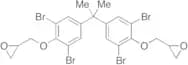

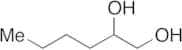
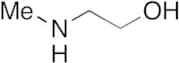
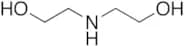


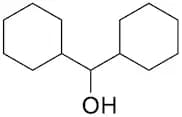
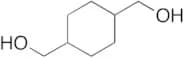

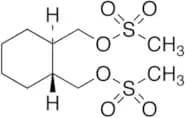
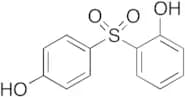


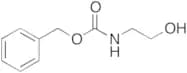
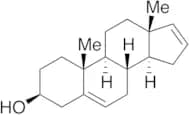
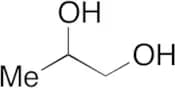

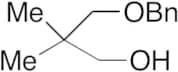
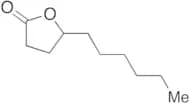


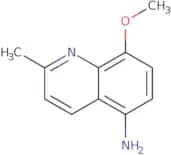

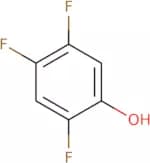
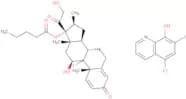
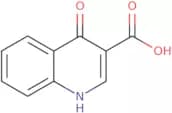
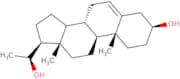
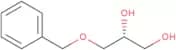
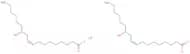
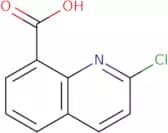
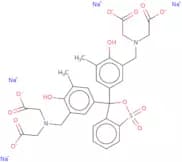
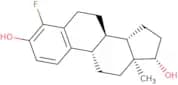
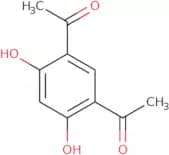
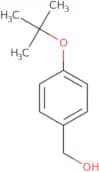
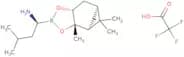
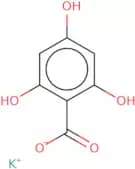
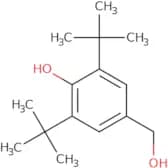
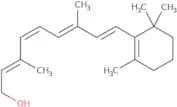
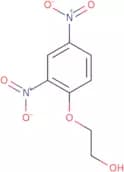
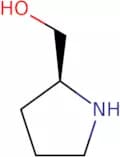
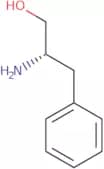
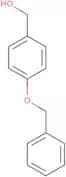
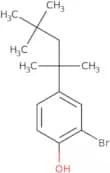
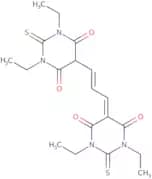
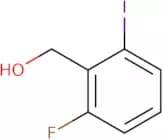
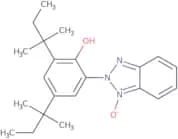
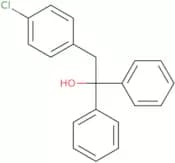
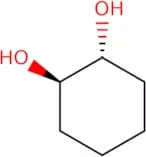
![4-[[4-(4-Chlorophenyl)-2-thiazolyl]amino]phenol](/_next/image/?url=https%3A%2Fstatic.cymitquimica.com%2Fproducts%2F3D%2Fthumb-webp%2FFC137468.webp&w=3840&q=75)
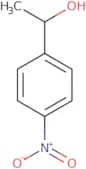
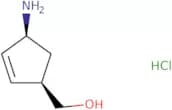
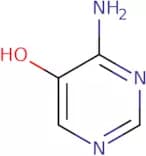
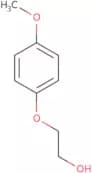
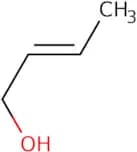
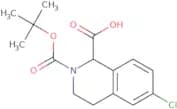
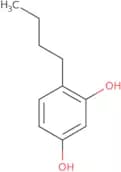
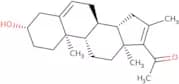
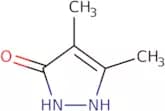
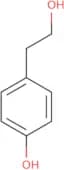
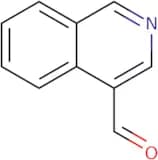
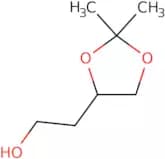
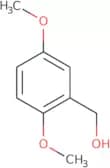
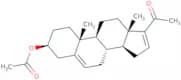
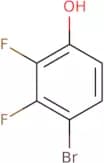
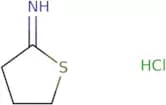
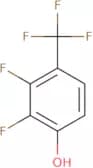
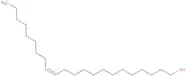
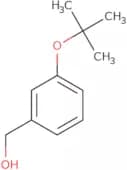
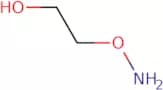
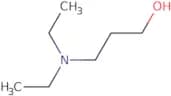
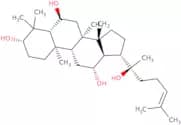
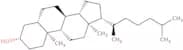

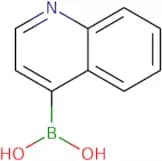
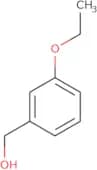
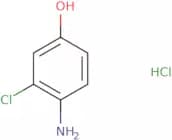
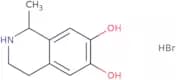
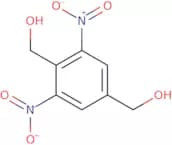

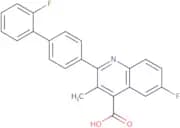

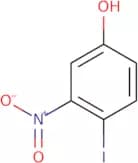
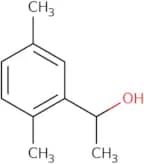
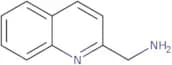
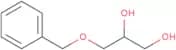
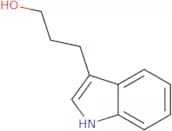
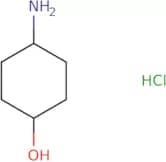
![(6α,11β,16α,17α)-6,9-Difluoro-11-hydroxy-16-methyl-spiro[androsta-1,4-diene-17,5'-[1,3]oxathiolane…](/_next/image/?url=https%3A%2Fstatic.cymitquimica.com%2Fproducts%2F3D%2Fthumb-webp%2FFD103607.webp&w=3840&q=75)
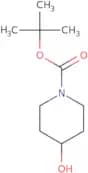
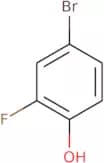
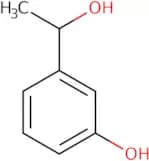
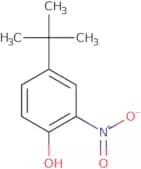
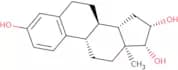
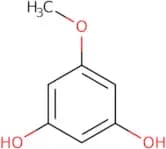
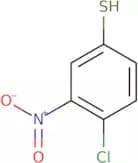
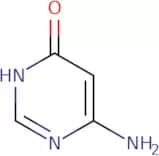


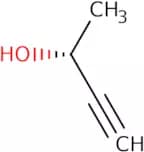
![9-Fluoro-10,13,17-Trimethyl-2,3,4,5,6,7,8,11,12,14,15,16-Dodecahydro-1H-Cyclopenta[a]Phenanthrene-…](/_next/image/?url=https%3A%2Fstatic.cymitquimica.com%2Fproducts%2F3D%2Fthumb-webp%2FFF103008.webp&w=3840&q=75)
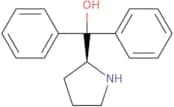
![7-[(Dimethylamino)methyl]-2,2,4-trimethyl-1,2-dihydroquinolin-6-ol](/_next/image/?url=https%3A%2Fstatic.cymitquimica.com%2Fproducts%2F3D%2Fthumb-webp%2FFD129815.webp&w=3840&q=75)

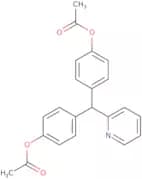


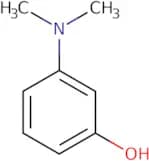
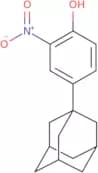
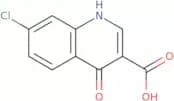
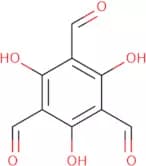
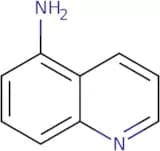
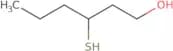
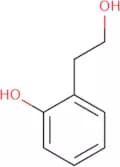
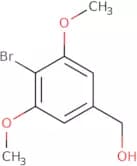
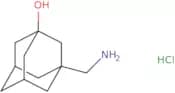
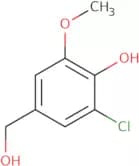
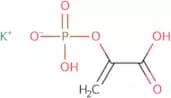
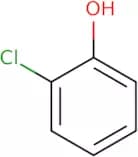
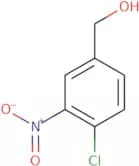
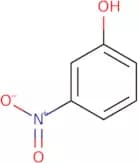
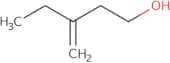
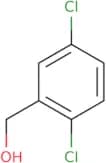
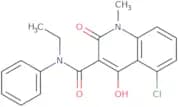
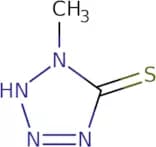
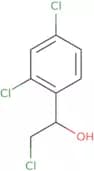
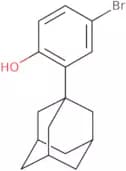
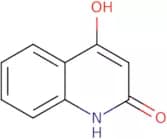
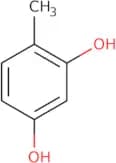

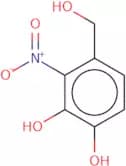
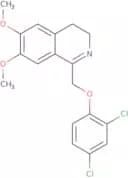
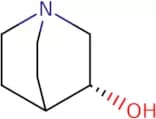
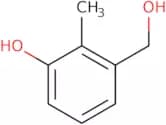

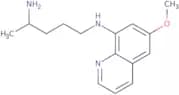
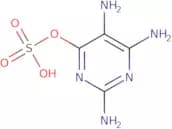
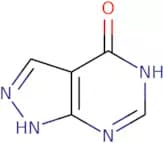
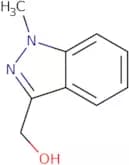
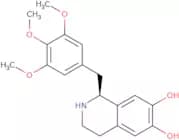

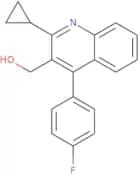
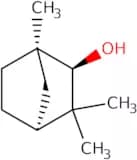
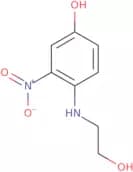
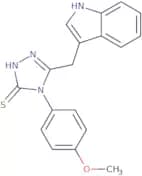

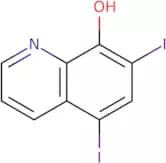
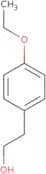
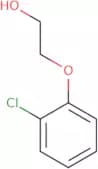
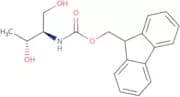
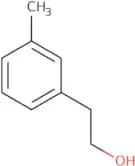
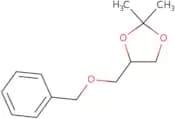
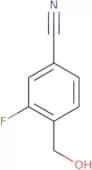
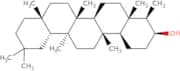
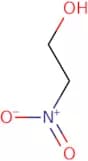
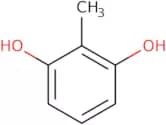
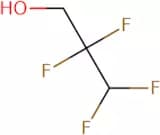
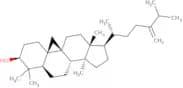
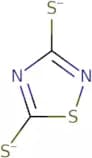
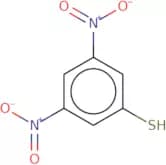
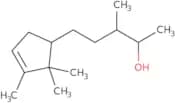
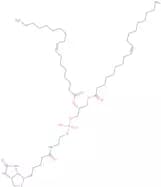
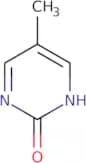

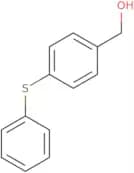

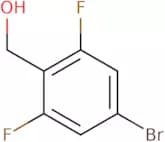
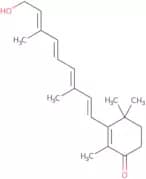
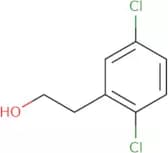
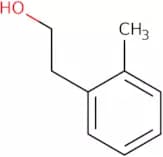
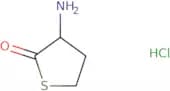
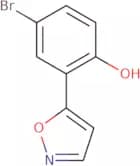
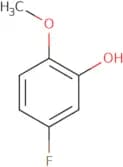
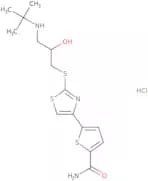
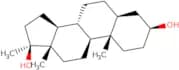
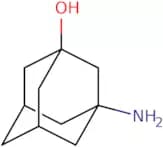

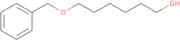
![4-[2-(4-Aminophenyl)ethyl]phenol](/_next/image/?url=https%3A%2Fstatic.cymitquimica.com%2Fproducts%2F3D%2Fthumb-webp%2FFA66482.webp&w=3840&q=75)