Alcoholes
Subcategorías de "Alcoholes"
Se han encontrado 5817 productos de "Alcoholes"
(R)-(+)-Diphenyl-2-pyrrolidinemethanol
CAS:Producto controlado(R)-(+)-Diphenyl-2-pyrrolidinemethanol is a chiral reagent that is used to catalyze the hydrogenolysis of esters and amides. This reaction yields a mixture of the corresponding alcohol and acid. The reagent can also be used to deprotonate azides, yielding diphenylprolinol. The product can then be hydrolyzed with an alkaline solution to form a methyl ester or an ester hydrochloride. This process is useful for the preparation of chiral alcohols and amines.Fórmula:C17H19NOPureza:Min. 95%Forma y color:White PowderPeso molecular:253.34 g/molDarunavir Ethanolate
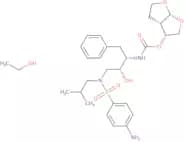
CAS:Darunavir is a HIV-1 protease inhibitor used orally in the treatment of patients with multi-drug resistant HIV-1 infection (Ghosh, 2007). It has also been shown to be effective against other infectious diseases such as hepatitis C virus and SARS coronavirus. Metabolized by cytochrome P450 3A (CYP3A) isoenzymes, darunavir is often administered together with ritonavir that prolongs its bioavaiability, giving a terminal elimination half-life (t1/2) of 15 hours (Back, 2008). The effect of darunavir on natural compounds such as matrix proteins and toll-like receptor activity has also been studied via high performance liquid chromatography (HPLC) experiments.
Fórmula:C27H37N3O7S·C2H6OPureza:Min. 95%Forma y color:White PowderPeso molecular:593.73 g/mol3-Bromo-5-chlorobenzyl alcohol
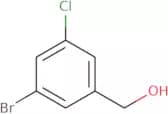
CAS:3-Bromo-5-chlorobenzyl alcohol is a useful building block for the synthesis of complex compounds. It reacts with metal chlorides to form bromochloromethane, which can be used in organic syntheses as a reaction component or reagent. 3-Bromo-5-chlorobenzyl alcohol is a versatile chemical that has been shown to have high quality and is useful in research.Fórmula:C7H6BrClOPureza:Min. 95%Forma y color:PowderPeso molecular:221.48 g/mol2-Phenoxybenzyl alcohol
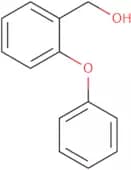
CAS:2-Phenoxybenzyl alcohol is an active compound that is a diarylamine with a phenoxy group. It has photochemistry activity, which can be used to form methanes and polyhalogenated phenoxy compounds. 2-Phenoxybenzyl alcohol has been found to react with amides and carbonyl groups in nature. This chemical also has the ability to undergo transfer and shift reactions.
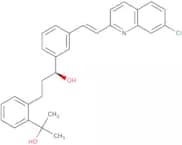
Fórmula:C13H12O2Pureza:Min. 95%Forma y color:Clear LiquidPeso molecular:200.23 g/mol2-(2-(3(S)-(3-(2-(7-Chloro-2-quinolinyl)-ethenylphenyl)-3-hydroxypropyl)phenyl)-2-propanol
CAS:Covid-19 is a polymer that can be used as a coating for surfaces, such as plastics and metals. Covid-19 has been shown to have antibacterial properties against bacteria, including methicillin-resistant Staphylococcus aureus (MRSA) and Clostridium perfringens. Covid-19 also has functional groups that can be used in analytical methods to determine the concentration of drugs in biological samples. Covid-19 is soluble in polyvinyl alcohol and glycerol, which are both common additives in pharmaceuticals. Covid-19 has optical properties that make it suitable for use as a coating on contact lenses or other ophthalmic devices.Fórmula:C29H28ClNO2Pureza:Min. 95%Forma y color:PowderPeso molecular:457.99 g/mol3-Bromo-5-methylphenol
CAS:3-Bromo-5-methylphenol is an enolate that can be used to synthesize methicillin-resistant dibenzofurans. The synthesis of these compounds is a multistep process, which includes the formation of an enolate from 3-bromo-5-methylphenol and subsequent displacement with a variety of electrophiles. The use of 3-bromo-5-methylphenol as an enolate allows for high yields in the synthesis of dibenzofurans. Further, this compound has antibacterial properties and is effective against both gram positive and negative bacteria. 3-Bromo-5-methylphenol also has chloride and sulfonation properties, which have been used to make advances in the development of antibacterial agents.
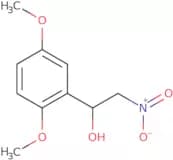
Fórmula:C7H7BrOPureza:Min. 95%Forma y color:PowderPeso molecular:187.03 g/mol1-(2,5-Dimethoxyphenyl)-2-nitroethanol
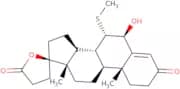
CAS:1-(2,5-Dimethoxyphenyl)-2-nitroethanol is a chiral, asymmetric catalyst that has been shown to be effective in the enantioselective reduction of ketones. This process is important because it allows for the synthesis of chiral amino alcohols, which are then used in a variety of chemical reactions. The reaction can also be carried out with methyl amine as an amine source. 1-(2,5-Dimethoxyphenyl)-2-nitroethanol is an example of a catalyst that participates in catalysis through the lone pair on oxygen and nitrogen atoms.Fórmula:C10H13NO5Pureza:Min. 95%Forma y color:White PowderPeso molecular:227.21 g/mol6b-Hydroxy-7a-(thiomethyl) spironolactone
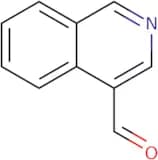
CAS:6b-Hydroxy-7a-(thiomethyl) spironolactone is a drug that is metabolized in the liver and excreted in the bile. It has been found to be safe and effective for the treatment of ascites due to cirrhosis. The pharmacokinetics of 6b-hydroxy-7a-(thiomethyl) spironolactone are linear, with a plasma elimination rate of 0.3 mg/kg/h. The elimination half-life for 6b-hydroxy-7a-(thiomethyl) spironolactone is about 3 hours. 6b-Hydroxy-7a-(thiomethyl) spironolactone has been found to be eliminated from the body at a constant rate, regardless of age, gender or weight. The population studied was healthy adult males who ingested 6b-hydroxy-7a-(thiomethFórmula:C23H32O4SPureza:Min. 95%Forma y color:PowderPeso molecular:404.56 g/molIsoquinoline-4-carbaldehyde
CAS:Isoquinoline-4-carbaldehyde is an aldehyde chemical that has been synthesized in the laboratory. It is a chiral molecule with one asymmetric carbonyl group. Isoquinoline-4-carbaldehyde is a potential precursor to naphthyridine, which can be used as a building block for the synthesis of natural products. Isoquinoline-4-carbaldehyde has been shown to have phosphine properties, and it can be used as a ligand in transition metal complexes. The molecule has been shown to exist in two forms, which coexist in equilibrium and can undergo interconversion.
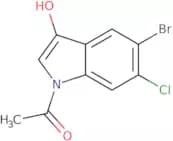
Fórmula:C10H7NOPureza:Min. 95%Peso molecular:157.17 g/mol1-Acetyl-5-bromo-6-chloro-1H-indol-3-ol
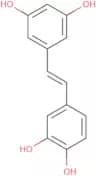
CAS:Please enquire for more information about 1-Acetyl-5-bromo-6-chloro-1H-indol-3-ol including the price, delivery time and more detailed product information at the technical inquiry form on this pageFórmula:C10H7BrClNO2Pureza:Min. 95 Area-%Forma y color:PowderPeso molecular:288.52 g/molPiceatannol
CAS:Piceatannol is a natural compound that is found in grapes, red wine, and grape seed extract. It has been shown to inhibit the injury-induced expression of proinflammatory cytokines and to protect against oxidative stress. Piceatannol has also been reported to bind DNA by competitive inhibition and to have inhibitory properties on 3T3-L1 preadipocytes. In addition, it has been shown to induce apoptosis in murine hepatoma cells and cancer tissues. Piceatannol may be an effective dietary antioxidant due to its ability to regulate gene expression by binding with response elements or through its antioxidant properties.
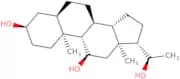
Fórmula:C14H12O4Pureza:Min. 95%Forma y color:Slightly Yellow PowderPeso molecular:244.24 g/mol5β-Pregnane-3α,11α,20β-triol
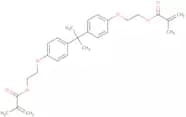
CAS:Producto controlado5-b-Pregnan-3-a,11-a-,20-b-triol is a high quality research chemical with CAS No. 55647-22-8. It is a complex compound that can be used as an intermediate in the synthesis of other compounds. 5-b-Pregnan-3-a,11-a-,20-b-triol is a speciality chemical that has many uses and is also a versatile building block for synthesis. This reagent can be used to create new compounds or to react in different ways with other chemicals to produce useful scaffolds or building blocks for reactions. 5 b pregna 3 a, 11 a, 20 b triol has been shown to have the ability to react with other chemicals in order to form useful reaction components.Fórmula:C21H36O3Pureza:Min. 95%Forma y color:PowderPeso molecular:336.51 g/molBisphenol A ethoxylate dimethacrylate - Average Mn -1700, stabilized with MEHQ 200ppm
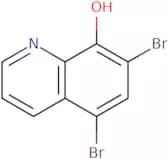
CAS:Bisphenol A ethoxylate dimethacrylate is a polymer that is used as a hydrophilic binder in pharmaceutical preparations. It has been shown to have an affinity for the receptor molecule, which may be due to its ability to form hydrogen bonds with water molecules. The polymer is also able to form cross-links with other polymers. Bisphenol A ethoxylate dimethacrylate has been shown to have radiation-resistant properties and can be used in the production of coatings for x-ray films. The chemical structure of this compound consists of two phenolic rings, one ester group, and one methacrylate group.Pureza:Min. 95%Forma y color:Clear LiquidPeso molecular:376.445,7-Dibromo-8-hydroxyquinoline
CAS:5,7-Dibromo-8-hydroxyquinoline is a cytotoxic agent that has been shown to inhibit the growth of xenograft tumor cells. It was found to be effective in inhibiting the mitochondrial membrane potential and decrease the rate of cell proliferation. 5,7-Dibromo-8-hydroxyquinoline also showed significant cytotoxicity against carcinoma cell lines, with no effect on normal human fibroblast cells. The drug is an organophosphate compound that inhibits fatty acid synthesis by binding to an enzyme involved in fatty acid biosynthesis. This inhibition causes diarrhoea and sodium salt loss. 5,7-Dibromo-8-hydroxyquinoline can be extracted from hydrochloric acid through a solvent extraction process.Fórmula:C9H5Br2NOPureza:Min. 95%Forma y color:PowderPeso molecular:302.95 g/mol4-Amino-2-chlorophenol
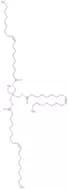
CAS:4-Amino-2-chlorophenol is an aminophenol that is used in the production of acetate, which is used in the manufacture of acetic acid. It is also used as a building block for organic synthesis. 4-Amino-2-chlorophenol reacts with acetyl chloride to form chloracetyl chloride, which can then be reacted with piperonyl butoxide to form 2-(4'-aminophenyl)-4,6-dichloropyridine. This reaction is catalyzed by hydrogen chloride and hydrogen bond formation with urea nitrogen. 4-Amino-2-chlorophenol has been shown to have long-term toxicity in animal studies and may be toxic when inhaled or ingested.Fórmula:C6H6ClNOPureza:Min. 95%Forma y color:PowderPeso molecular:143.57 g/molTrimethylolpropane trioleate
CAS:Trimethylolpropane trioleate (TTOP) is a fatty acid that is derived from trimethylolpropane. It has a hydroxyl group and three oleate ester groups with one hydrochloric acid molecule. The optimal concentration of TTOP is 20%. The surface methodology for the synthesis of TTOP involves the reaction of sodium citrate with a cationic surfactant, which produces an intermediate. This intermediate can then react with an alcohol to form TTOP. The molecular weight of TTOP is 906.81 g/mol and its chemical formula is C18H36O6. The following are examples of high-quality product descriptions: "Rifapentine is an anti-tuberculosis drug that belongs to the class of rifamycins." "Tilmicosin is a macrolide antibiotic that inhibits the growth of bacteria by binding to the 50S ribosomal subunitFórmula:C60H110O6Pureza:Min. 95%Forma y color:Colorless Clear LiquidPeso molecular:927.51 g/mol1-Stearoyl-rac-glycerol
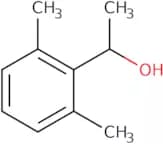
CAS:1-Stearoyl-rac-glycerol is a synthetic lipid molecule that has been shown to inhibit leukemia inhibitory factor (LIF). It also inhibits the activity of benzalkonium chloride, which is used in many household products such as laundry detergents, disinfectants, and fabric softeners. The LIF inhibitor 1-stearoyl-rac-glycerol has been shown to be effective in treating chronic oral toxicity in animal models. This drug also has clinical properties and can be used for the treatment of metabolic disorders such as diabetes mellitus.Fórmula:C21H42O4Pureza:Min. 95%Forma y color:White PowderPeso molecular:358.56 g/mol2,6-Dimethylphenylmethyl carbinol
CAS:2,6-Dimethylphenylmethyl carbinol is a high quality chemical that is useful as a reagent in the synthesis of complex compounds. It can be used as an intermediate for the production of fine chemicals and speciality chemicals, such as research chemicals and versatile building blocks. This compound has been used in several chemical reactions to produce various compounds with different functional groups.Fórmula:C10H14OPureza:Min. 95%Forma y color:PowderPeso molecular:150.22 g/mol16-Dehydropregnenolone acetate
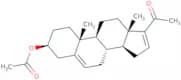
CAS:Producto controlado16-Dehydropregnenolone acetate is a synthetic compound that can be used in wastewater treatment. It reacts with phosphorus pentoxide to form an insoluble solid product. 16-Dehydropregnenolone acetate has been shown to inhibit the growth of human prostate cancer cells and breast cancer cells in vitro and in vivo. 16-Dehydropregnenolone acetate is also a specific agonist for the progesterone receptor, which may be due to its ability to bind to the stereospecific (S) binding site on this receptor. The optimum concentration for 16-dehydropregnanediol is 10 mM and it requires the presence of phosphotungstic acid for maximum activity. This substance has biological properties that are similar to those of natural progesterones, but it does not have any estrogenic properties.Fórmula:C23H32O3Pureza:Min. 95%Forma y color:PowderPeso molecular:356.5 g/mol3-Cyclohexyl-1-[4-[2-(7-methoxy -4,4-dimethyl-1,3-dioxo-isoquinolin -2-yl)ethyl]phenyl]sulfonyl-urea
CAS:3-Cyclohexyl-1-[4-[2-(7-methoxy -4,4-dimethyl-1,3-dioxo-isoquinolin -2-yl)ethyl]phenyl]sulfonyl-urea is a drug that inhibits the enzyme DPPIV, which breaks down the incretin hormone glucagon-like peptide (GLP)-1. It may be used to treat diabetes by regulating blood glucose levels. This drug has been shown to reduce postprandial blood glucose levels in patients with type 2 diabetes. 3CYCSU is also capable of reducing body weight and food intake in mice. The mechanism of action of this drug is not fully understood, but it appears to have an effect on the cytosolic calcium ion concentration and may reduce inflammatory responses in cells. 3CYCSU is a promising potential treatment for infectious diseases such as Hepatitis C virus (HCV).Fórmula:C27H33N3O6SForma y color:PowderPeso molecular:527.63 g/molFlurandrenolide
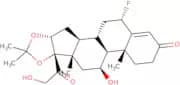
CAS:Flurandrenolide is a corticosteroid that is used for the treatment of bowel disease and autoimmune diseases. Flurandrenolide reduces inflammation by inhibiting the production of effector proteins, such as cytokines, chemokines, and eicosanoids. Flurandrenolide has been shown to have low potency in the treatment of lymphocyte transformation. This corticosteroid also inhibits the growth of various carcinoma cell lines. The mechanism of action of flurandrenolide is not fully understood, but it may be due to its ability to interfere with enzymes involved in cellular signaling pathways or to inhibit transcription factors. It has been found that flurandrenolide has a biocompatible polymer that can be used for sample preparation and analytical method.Fórmula:C24H33FO6Pureza:Min. 95%Forma y color:White PowderPeso molecular:436.51 g/mol3-Nitrophenylmethylcarbinol
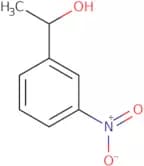
CAS:3-Nitrophenylmethylcarbinol (3NP) is a chiral molecule that is used as a versatile catalyst in organic synthesis. It has been shown to be an efficient and reusable nucleophile, which can be used for the hydrothiolation of enones. 3NP also has been shown to have high activity in asymmetric oxidation reactions, such as the conversion of alcohols to ketones or aldehydes. 3NP has been shown to be an excellent reagent for the conversion of carbinols into alkenes, due to its high oxidation potential.Fórmula:C8H9NO3Pureza:Min. 95%Forma y color:PowderPeso molecular:167.16 g/mol2-(2,5-Dichlorophenyl)ethanol
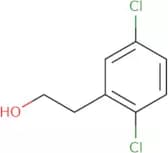
CAS:2-(2,5-Dichlorophenyl)ethanol (2,5-DCPE) is an organic chemical that is used as a building block for the synthesis of fine chemicals and pharmaceuticals. 2,5-DCPE can be used as a reactant in synthesizing more complex compounds. It reacts with many different functional groups to form covalent bonds. The compound has been shown to have high quality and has been characterized by nuclear magnetic resonance spectroscopy and mass spectroscopy.
Fórmula:C8H8Cl2OPureza:Min. 95%Forma y color:PowderPeso molecular:191.05 g/mol4-Diphenylmethylcarbinol
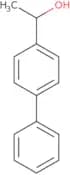
CAS:4-Diphenylmethylcarbinol is an organic compound that is a primary alcohol. It can be synthesized by the hydrogenolysis of biphenyl. 4-Diphenylmethylcarbinol has been used in the Raney-type process for the production of aluminum from bauxite and as a catalyst in the dehydrating reaction. This compound has also been used as a reagent for the synthesis of enantiomers and as a solvent for acetonitrile. The transfer of 4-diphenylmethylcarbinol to benzene, chlorobenzene, and phenanthrene has been studied.Fórmula:C14H14OPureza:Min. 95%Forma y color:PowderPeso molecular:198.26 g/mol9-cis-Retinol acetate
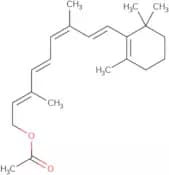
CAS:9-cis-Retinol acetate is a synthetic retinoid that has been shown to have antioxidant properties. It prevents the oxidation of lipids, proteins and DNA by inhibiting the activity of enzymes such as cyclooxygenase and lipoxygenase, which are responsible for generating reactive oxygen species. 9-cis-Retinol acetate also increases glutathione levels, which scavenges reactive oxygen species. 9-cis-Retinol acetate can be used to treat oxidative injury in different tissues such as the skin, liver, bowel, lung and eye. 9-cis-Retinol acetate can be used in low doses to prevent oxidative injury in the human fetus during pregnancy or in high doses to treat oxidant injuries caused by radiation exposure or chemotherapy.Fórmula:C22H32O2Pureza:Min. 95%Forma y color:Pale yellow oil.Peso molecular:328.49 g/molSorbitan monolaurate
CAS:Sorbitan monolaurate is a natural compound that can be isolated from the seeds of the Cucurbitaceae family. It is used in sample preparation for biocompatible polymers, as well as for detergent compositions. Sorbitan monolaurate has been shown to act as an absorption enhancer, which may be due to its ability to form hydrogen bonds with other molecules and its capacity to interact with sodium citrate. Sorbitan monolaurate also has biological properties such as the inhibition of autoimmune diseases, malonic acid production, and bacterial growth.Fórmula:C18H34O6Pureza:Min. 95%Forma y color:Slightly Yellow Clear LiquidPeso molecular:346.46 g/mol(22S,23S)-28-Homo brassinolide
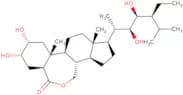
CAS:(22S,23S)-28-Homo brassinolide is a synthetic brassinosteroid that has been shown to have growth-promoting activity in the plant. It is synthesized by the reaction of tetroxide and 28-homobrassinolide. The structure of (22S,23S)-28-Homo brassinolide is stereoselective, with an R configuration at C2 and a S configuration at C3. The hydrogen atoms at C2 and C3 are involved in hydrogen bonds with other molecules. (22S,23S)-28-Homo brassinolide exhibits a conformation that differs from 24-epibrassinolide because it does not contain an intramolecular hydrogen bond between the two rings. This synthetic brassinosteroid also has anti-inflammatory effects due to its ability to inhibit prostaglandins.
Fórmula:C29H50O6Forma y color:PowderPeso molecular:494.7 g/molm-Aminophenolsulfate
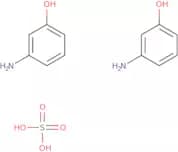
CAS:m-Aminophenolsulfate is a sulfonated derivative of m-aminophenol. It has been used for wastewater treatment and as an analytical reagent for the determination of p2 group substances, such as sulfa drugs. It is also used in pharmaceutical preparations and human serum. m-Aminophenolsulfate may be activated by hydrochloric acid to form a reactive intermediate (m-aminophenoxy radical) that reacts with electron acceptors such as oxygen or nitrous oxide to generate reactive oxygen species. In this way, m-aminophenolsulfate can act as a broad-spectrum antimicrobial agent against both Gram negative and Gram positive bacteria. The mechanism of this reaction is adsorption on the bacterial cell wall, which leads to cell death through osmotic lysis or disruption of membrane integrity.Fórmula:C12H16N2O6SPureza:Min. 95%Forma y color:PowderPeso molecular:316.33 g/mol2-(2-Methoxyphenethyl) alcohol
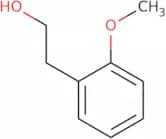
CAS:2-(2-Methoxyphenethyl) alcohol (2MPE) is a ligand that binds to the phenylpropanoid glycosides, which are responsible for the biosynthesis of plant pigments. It has been shown to inhibit tyrosinase and tyrosinase activity in vitro. 2MPE is used in radiopharmaceuticals as a radioactive label. It has also been shown to inhibit melanogenesis and the synthesis of volatile compounds in corncob at high temperatures. 2MPE is found in rhodiola and together with 2-hydroxyphenylacetic acid, it inhibits bacterial growth by inhibiting protein synthesis.Fórmula:C9H12O2Pureza:Min. 98%Forma y color:Clear LiquidPeso molecular:152.19 g/mol(S)-(-)-3-tert-Butylamino-1,2-propanediol
CAS:(S)-(-)-3-tert-Butylamino-1,2-propanediol is a hydrophobic liquid that has been used as a stationary phase in chromatography. It interacts with nonaromatic compounds and has been used for the validation of high performance liquid chromatography (HPLC) detection sensitivity. It is also used as a ligand for ternary complexes and as an anion in chromatographic science. This compound's interactions are studied using evaporative light scattering, which can be used to determine the molecular weight of the compound.
Fórmula:C7H17NO2Pureza:Min. 95%Peso molecular:147.22 g/mol4-Pregnen-17alpha,20alpha,21-triol-3-one
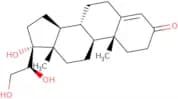
CAS:Producto controlado4-Pregnen-17alpha,20alpha,21-triol-3-one (4PT) is a versatile building block that can be used in the synthesis of complex compounds. It has been used as a reagent and speciality chemical in research chemicals and as an intermediate for pharmaceuticals and other organic syntheses. 4PT also has been shown to have high quality with a reaction component and scaffold for organic synthesis.Fórmula:C21H32O4Pureza:Min. 95%Forma y color:PowderPeso molecular:348.48 g/mol1,2,4-Thiadiazolidine-3,5-dithione barium
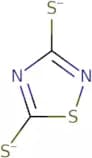
CAS:1,2,4-Thiadiazolidine-3,5-dithione barium is a chemical building block that can be used in the synthesis of other compounds. It has been used as a reagent for research and as a speciality chemical. 1,2,4-Thiadiazolidine-3,5-dithione barium is soluble in organic solvents and is stable against heat. It can be used as an intermediate for complex compounds or as a scaffold for organic synthesis. CAS No. 82585-24-8Fórmula:C2H2S3N2•BaPureza:Min. 95%Forma y color:PowderPeso molecular:287.57 g/mol2-Amino-3-nitrophenol
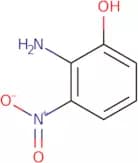
CAS:2-Amino-3-nitrophenol is an inhibitor of matrix metalloproteinases that is active against a broad spectrum of pro-inflammatory and destructive enzymes. It has been used to inhibit the activity of matrix metalloproteinases in vitro and in vivo, with a wide range of applications in the fields of biochemistry, cell biology, and medicine. This compound has been shown to be effective against type strain C. albicans and C. glabrata strains, as well as other fungi such as Aspergillus niger, A. fumigatus, A. terreus, and A. flavus. 2-Amino-3-nitrophenol may have antifungal activity due to its ability to inhibit the synthesis of hyaluronic acid by these fungi.Fórmula:C6H6N2O3Pureza:Min. 95%Forma y color:PowderPeso molecular:154.12 g/mol3-Bromo-4-hydroxybenzyl alcohol
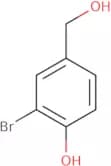
CAS:3-Bromo-4-hydroxybenzyl alcohol (3BHA) is a synthetic compound that is used as an antagonist in the treatment of platelet aggregation. It inhibits the activity of benzoxazine, an enzyme involved in the synthesis of 4-hydroxybenzoic acid. 3BHA blocks this pathway at high concentrations, inhibiting biosynthesis and leading to the accumulation of bromophenols. This inhibition may explain why aspirin has a potent inhibitory effect on platelet aggregation when combined with 3BHA.Fórmula:C7H7BrO2Pureza:Min. 95%Forma y color:PowderPeso molecular:203.03 g/molGlycerol triacetate
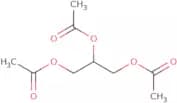
CAS:Glycerol triacetate is a triacetin compound that is used in the production of glycerol and glycerin. The water vapor-resistant nature of this compound makes it an excellent candidate for use in projects where water vapor may be present. Glycerol triacetate has been shown to have a high resistance to solid phase microextraction and can be used as a model system for studying the interactions of triacetates with other materials. The reaction solution containing glycerol triacetate is acidic, which may lead to problems with water permeability if not properly treated. This analytical method utilizes hydrogen bonding interactions between glycerol and glycerine molecules to measure the concentration of each component in the sample.Fórmula:C9H14O6Forma y color:Clear LiquidPeso molecular:218.2 g/mol(1R)-Endo-(+)-fenchyl alcohol
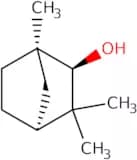
CAS:(1R)-Endo-(+)-fenchyl alcohol is a chemotype of terpenes. Terpenes are hydrocarbons that are the major constituent of many essential oils and resins. The most well-known terpene is limonene, which is found in the rinds of citrus fruits. Terpenes are important for their flavors and aromas. They also have a variety of industrial uses, such as in fragrances and flavorings, paints, varnishes, and coatings. This particular chemotype has an equilibration time of 1-2 minutes at room temperature and can be prepared by evaporation or headspace techniques. (1R)-Endo-(+)-fenchyl alcohol has been detected in the aroma of grapefruit peel oil with a sensitivity of 0.5 ng/l air sample. It can be quantified using gas chromatography with flame ionization detection at 0.1 μg/l air sample or
Fórmula:C10H18OPureza:Min. 97%Forma y color:White PowderPeso molecular:154.25 g/mol4-(Benzyloxy)cyclohexanol (cis / trans mixture)
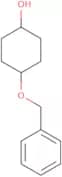
CAS:4-(Benzyloxy)cyclohexanol is a complex molecule that is synthesized by the alkylation of benzyl alcohol with cyclohexanol. It has been shown to be an efficient catalyst for the preparation of other molecules, such as methyl benzoate and ethyl benzoate. The use of this catalyst makes it possible to produce these compounds in large quantities at lower cost. 4-(Benzyloxy)cyclohexanol also has a hydroxyl group on its ring structure, which can be used to form esters and ethers that are used in the synthesis of complex molecules. This compound has been studied extensively due to its ability to act as an active site in biomolecules such as proteins and DNA.Fórmula:C13H18O2Pureza:Min. 95%Forma y color:Clear Viscous LiquidPeso molecular:206.28 g/mol3-Hydroxy-2-methylbenzyl alcohol
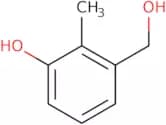
CAS:3-Hydroxy-2-methylbenzyl alcohol is a solvent with a high molecular weight. It is insoluble in water and has good solvency power for organic solvents. 3-Hydroxy-2-methylbenzyl alcohol has anisotropy, which means it can rotate the plane of polarization of light passing through it. 3-Hydroxy-2-methylbenzyl alcohol is used as a reagent to measure the degree of birefringence, which is the property of crystalline materials that causes light passing through them to split into two rays with different polarizations. This property can be used to identify the type and size of chains in crystals. 3HMBAA has been shown to be soluble in organic solvents, but not in water or other nonpolar solvents. The theory behind this is that molecules are generally more soluble in liquids similar to themselves than they are in liquids that are dissimilar from themselves. HelFórmula:C8H10O2Pureza:Min. 95%Forma y color:Off-White PowderPeso molecular:138.16 g/mol4-(Trifluoromethoxy)phenol
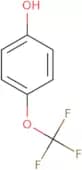
CAS:4-(Trifluoromethoxy)phenol is an anti-tuberculosis drug. It is a diode that has been shown to have pharmacokinetic properties in rats and mice. 4-(Trifluoromethoxy)phenol has been shown to act as a prodrug, which is activated by conversion to the active form. This active form inhibits the growth of Mycobacterium tuberculosis by binding to the 50S ribosomal subunit and preventing bacterial transcription and replication. The molecular structure of 4-(trifluoromethoxy)phenol is similar to phenoxypropanoid compounds, such as biphenyl, which may be responsible for its anti-tuberculosis effects. 4-(Trifluoromethoxy)phenol also binds DNA at specific sites with high affinity and specificity, inhibiting gene expression and RNA synthesis.Fórmula:C7H5F3O2Pureza:Min. 95%Forma y color:Clear LiquidPeso molecular:178.11 g/molMonoethanolamine
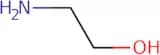
CAS:Monoethanolamine is an organic compound that is the simplest type of amine. It is a colorless liquid with a mild, neutral odor. Monoethanolamine has been shown to be an effective antimicrobial agent, inhibiting bacterial growth by reacting with water vapor and nitrogen atoms in the environment. Monoethanolamine has also been shown to inhibit the production of nitric oxide and other reactive nitrogen species, which may account for its antimicrobial properties. The inhibition of nitric oxide synthesis may also account for monoethanolamine's ability to improve locomotor activity in mice. This chemical can be used as a reagent in analytical methods such as gas chromatography and solid phase microextraction.Fórmula:C2H7NOPureza:Min. 95%Forma y color:Colorless Clear LiquidPeso molecular:61.08 g/mol4-Bromo-3-fluorobenzyl alcohol
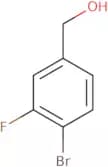
CAS:4-Bromo-3-fluorobenzyl alcohol is an analog of prenylation, a process that is essential for the synthesis of many cellular components. It inhibits farnesyltransferase, an enzyme involved in the process of prenylation. Farnesyltransferase catalyzes the conversion of the 5-carbon farnesol to the 15-carbon geranylgeraniol, which is then converted to a 20-carbon geranylgeranyl pyrophosphate. This reaction generates a molecule with two prenyl groups. The discovery of 4-bromo-3-fluorobenzyl alcohol was made possible by its potent inhibition of farnesyltransferase and it has been shown to have promising results as a potential treatment for cancer.Fórmula:C7H6BrFOPureza:Min. 95%Forma y color:PowderPeso molecular:205.02 g/mol2,6-Dichloro-4-(2,4,6-triphenyl-1-pyridinio)phenolate
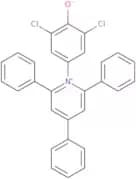
CAS:2,6-Dichloro-4-(2,4,6-triphenyl-1-pyridinio)phenolate is a protonated form of the anion of 2,6-dichloro-4-(2,4,6-triphenyl-1-pyridinio)phenolate. It has hydrophobic properties and a low solubility in water. The solution temperature is close to 0°C. It can be analyzed by regression and chloride or physicochemical methods. This compound has a polarizability that is similar to that of nitrogen atoms and hydrogen bonds with chloride ions.Fórmula:C29H19Cl2NOPureza:Min. 95%Forma y color:PowderPeso molecular:468.37 g/mol4-Benzyloxy-2-chlorobenzyl alcohol
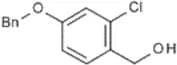
CAS:4-Benzyloxy-2-chlorobenzyl alcohol is an intermediate in the synthesis of a number of complex compounds. It has been found to be useful as a reagent and as a building block in the synthesis of fine chemicals and speciality chemicals. This chemical has also been used as a reaction component in the synthesis of versatile building blocks. CAS No. 219764-60-0, this compound is often used by researchers for its versatility and ability to act as a scaffold.
Fórmula:C14H13ClO2Pureza:Min. 95%Forma y color:PowderPeso molecular:248.7 g/mol3,5-Dimethylbenzyl alcohol
CAS:3,5-Dimethylbenzyl alcohol (3,5-DMB) is an organic solvent that is used as a degreaser and wetting agent for metals. It has been shown to have anticancer properties in vitro, but not in vivo. 3,5-DMB binds to the active site of the enzyme dehydrogenase and prevents it from binding with substrates. This inhibition leads to a decrease in the activity of this enzyme and a decrease in the production of reactive oxygen species. 3,5-DMB has also been shown to be effective against cancer cells both in vitro and in vivo. In addition, 3,5-DMB has been shown to bind tightly to ferula (a dye used for staining), xylene (a hydrocarbon), and hexane (an organic solvent).Fórmula:C9H12OPureza:Min. 95%Peso molecular:136.19 g/molOspemifene
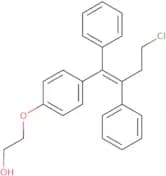
CAS:Producto controlado2-[4-[(1Z)-4-Chloro-1,2-diphenyl-1-buten-1-yl]phenoxy]ethanol is a selective estrogen receptor modulator that has been shown to inhibit the growth of breast cancer cells in mice. It binds to the estrogen receptor (ER) and inhibits its transcriptional activity by competing with estradiol for binding. 2-[4-[(1Z)-4-Chloro-1,2-diphenyl-1-buten-1-yl]phenoxy]ethanol can be used as a postmenopausal hormonal therapy in women who are at an increased risk for breast cancer. This drug has been shown to have genotoxic activity and may cause dyspareunia and carcinogenic potential.Fórmula:C24H23ClO2Pureza:Min. 95%Forma y color:PowderPeso molecular:378.89 g/mol5-Hydroxy-2-methyl-2-adamantanol
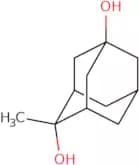
CAS:5-Hydroxy-2-methyl-2-adamantanol is a fine chemical that is used as a building block in research and development of various products. It can be used to make other substances, such as pharmaceuticals and cosmetics. 5-Hydroxy-2-methyl-2-adamantanol is also a versatile intermediate in the synthesis of complex molecules, such as peptides and polymers. This product is soluble in water and has a high quality standard. It is also an excellent reagent for many reactions, such as condensation, esterification, nitration, oxidation, reduction, and decarboxylation.Fórmula:C11H18O2Pureza:Min. 95%Peso molecular:182.26 g/mol4-Pregnen-20β-ol-3-one
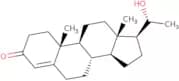
CAS:Producto controlado4-Pregnen-20beta-ol-3-one is a synthetic progestin that has been shown to have both contraceptive and noncontraceptive activities. It is used primarily to treat female infertility, endometriosis, and amenorrhea. The drug also has a number of other effects on the body, including anti-inflammatory and anti-angiogenic properties. 4-Pregnen-20beta-ol-3-one binds to the human liver receptor, which is responsible for its metabolism. The drug also has some activity in the endometrium of pregnant women and in the ovary cells of postmenopausal women. It increases epidermal growth factor production in skin cells and may be involved in lipid metabolism. 4-Pregnen-20beta-ol-3-one also stimulates lactogenic hormone production in women.Fórmula:C21H32O2Pureza:Min. 95%Forma y color:PowderPeso molecular:316.48 g/mol4-Fluoro-2-(trifluoromethyl)phenol
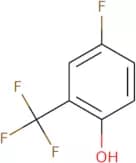
CAS:4-Fluoro-2-(trifluoromethyl)phenol is a reactive compound that can be used for the synthesis of a variety of functionalized molecules. It is prepared by a cross-coupling reaction with an organometallic reagent and a chloride such as methylene chloride or chloroform. The 4-fluoro group on the phenol provides the desired electrophilic character to react with electron rich nucleophiles, such as an allylbenzene or styrene. The product of this reaction is an alkylating agent that has been shown to have signalling properties, operational capabilities, and fabricating benefits.Fórmula:C7H4F4OPureza:Min. 95%Forma y color:PowderPeso molecular:180.1 g/mol4-Ethylresorcinol
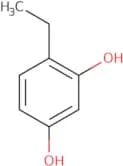
CAS:4-Ethylresorcinol is a natural compound that has been shown to be an effective inhibitor of the enzyme acetylcholinesterase. It is synthesized from resorcinol and 4-ethylphenol by a Friedel-Crafts reaction. This compound can exist in two different crystalline polymorphs: monoclinic or orthorhombic. 4-Ethylresorcinol exhibits good solubility in water, alcohols, and organic solvents. The molecular weight of this compound ranges from 310 to 340g/mol. 4-Ethylresorcinol inhibits the transcriptional activity of RNA polymerase II and III, as well as DNA polymerase, by binding to the active sites on these enzymes. It also prevents DNA replication by binding to the enzyme DNA gyrase. 4-Ethylresorcinol is most commonly used in cell culture studies where it inhibits cellular protein synthesis and decreases protein levels within cellsFórmula:C8H10O2Pureza:Min. 95%Forma y color:PowderPeso molecular:138.16 g/mol3,5-Dichlorobenzyl alcohol
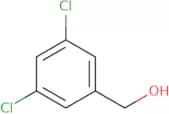
CAS:3,5-Dichlorobenzyl alcohol is an organic compound that is classified as a xylene. It is used in the synthesis of chitin synthase and has shown potential for use as an anti-fungal agent. 3,5-Dichlorobenzyl alcohol is synthesized by refluxing zinc chloride in benzene with dehydrogenase. The product can be isolated by adding solid phase synthesis to the reaction mixture followed by solvent removal. 3,5-Dichlorobenzyl alcohol has been shown to be toxicologically safe in rat studies and shows enzyme specificity for chitin synthase.Fórmula:C7H6Cl2OPureza:Min. 95%Forma y color:PowderPeso molecular:177.03 g/mol





![3-Cyclohexyl-1-[4-[2-(7-methoxy -4,4-dimethyl-1,3-dioxo-isoquinolin -2-yl)ethyl]phenyl]sulfonyl-ur…](/_next/image/?url=https%3A%2Fstatic.cymitquimica.com%2Fproducts%2F3D%2Fthumb-webp%2FFG40551.webp&w=3840&q=75)