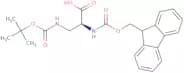
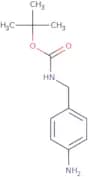
Aminas
Las aminas son un conjunto de moléculas que contienen un grupo funcional amino (derivado del amoníaco). Esta categoría incluye aminas en cualquier nivel de sustitución: primarias, secundarias, terciarias y sales de amonio. Las aminas son fundamentales en la síntesis orgánica y se utilizan ampliamente en productos farmacéuticos, agroquímicos y ciencias de los materiales. En CymitQuimica, ofrecemos una selección completa de aminas para satisfacer sus necesidades de investigación e industriales. Nuestra gama asegura el acceso a diversas aminas para diferentes procesos químicos e investigaciones innovadoras.
Subcategorías de "Aminas"
- Nitrosaminas(2.606 productos)
- Aminas primarias(30.947 productos)
- Cationes y sales de amonio cuaternario(1.099 productos)
- Aminas secundarias(20.886 productos)
- Aminas terciarias(17.193 productos)
Se han encontrado 8780 productos de "Aminas"
Ordenar por
Pureza (%)
0
100
|
0
|
50
|
90
|
95
|
100
2-Chloro-5-methylbenzylamine hydrochloride
CAS:2-Chloro-5-methylbenzylamine hydrochloride is a chemical that is used as a versatile building block in the synthesis of complex compounds. It has a wide range of uses, including as a research chemical, reagent, and speciality chemical. 2-Chloro-5-methylbenzylamine hydrochloride is also used as an intermediate in the synthesis of other chemicals and can be used as an organic building block, reaction component, and scaffold. This product can be used to produce high-quality products, such as pharmaceuticals and agrochemicals.Fórmula:C8H10ClN•HClPureza:Min. 95%Peso molecular:192.09 g/mol(2R,3S)-3-(tert-Butoxycarbonyl)amino-1,2-epoxy-4-phenylbutane
CAS:<p>The compound (2R,3S)-3-(tert-Butoxycarbonyl)amino-1,2-epoxy-4-phenylbutane is an epoxide with a thionyl chloride mediated reaction. This compound has been shown to react with amines and nucleophiles to form epoxides. The time required for this reaction was found to be dependent on the concentration of the amine. The reaction was also found to be chiral as it produced a mixture of diastereomers. When irradiated, this compound undergoes a stereoselective reaction that leads to a new epoxide product.</p>Fórmula:C15H21NO3Pureza:Min. 95%Forma y color:Off-White PowderPeso molecular:263.34 g/molL-Glutamine
CAS:<p>L-Glutamine is an amino acid that is important for protein synthesis and the maintenance of muscle mass. It is also a precursor for other compounds, such as nucleotides and glutathione, which are required for maintaining cell viability. L-Glutamine may be used to treat bowel diseases, such as Crohn's disease, by improving the function of the intestines and reducing intestinal permeability. It has been shown to decrease levels of oxidative injury in cells by acting as an antioxidant. L-Glutamine may also be used to help prevent or treat infectious diseases by increasing the activity of transcription activators that protect cells from oxidative injury. L-Glutamine can be administered intravenously or orally and can be used as a biocompatible polymer carrier for drugs that are difficult to administer due to their poor water solubility.</p>Fórmula:C5H10N2O3Pureza:Min. 95%Forma y color:White PowderPeso molecular:146.14 g/mol4-Amino-2-chlorobenzoic acid - 98%
CAS:4-Amino-2-chlorobenzoic acid (4ACBA) is a pharmaceutical chemical that is used in the preparation of pharmaceutical preparations. 4ACBA has been shown to be absorbed through the maternal blood and have an inhibitory effect on rat sciatic nerve. The uptake of 4ACBA was found to be dose dependent, with a maximum concentration reached after 30 minutes. The pharmacokinetic properties of 4ACBA have been shown to be nonlinear, with plasma concentrations decreasing as dosage increases.Fórmula:C7H6ClNO2Pureza:Min. 95%Forma y color:PowderPeso molecular:171.58 g/mol(2-indol-3-ylethyl)((2-(trifluoromethyl)phenyl)sulfonyl)amine
CAS:Please enquire for more information about (2-indol-3-ylethyl)((2-(trifluoromethyl)phenyl)sulfonyl)amine including the price, delivery time and more detailed product information at the technical inquiry form on this pageFórmula:C17H15F3N2O2SPureza:Min. 95%Forma y color:PowderPeso molecular:368.38 g/mol4-Amino-3,5-dinitrobenzoic acid
CAS:<p>4-Amino-3,5-dinitrobenzoic acid (4ADBA) is a reactive chemical compound with acidic properties. It reacts with nucleophiles to form diazo compounds, which are used in analytical methods for the detection of amines and phenols. 4ADBA can be used to measure the concentration of aspirin in pharmaceutical formulations. The reaction is linear over a wide range of concentrations and has an optimal reaction time of 10 minutes at pH 2.0–2.5. The half-life values for 4ADBA are approximately 3 hours at pH 3 and 7 hours at pH 5.</p>Fórmula:C7H5N3O6Pureza:Min. 95%Forma y color:SolidPeso molecular:227.13 g/mol2-Amino-3-methylpyridine
CAS:<p>2-Amino-3-methylpyridine is a colorless crystalline compound. It has the molecular formula of CHN and a molecular weight of 115.2 g/mol. 2-Amino-3-methylpyridine has an asymmetric carbon atom, so it is chiral and can be found in two different forms, enantiomers. The intermolecular hydrogen bond between nitrogen atoms is responsible for the high melting point of -40°C. The coordination geometry of group P2 is pyramidal with the nitrogen atom at the apex and two hydrogen atoms bonded to each other on either side of the nitrogen atom at 120° angles. X ray crystal structures have shown that 2-amino-3-methylpyridine exists as a molecule with an acylation reaction mechanism and intramolecular hydrogen bonding. Methanol solvent was used in this study to dissolve 2 amino 3 methyl pyridine because it does not react with copper chloride</p>Fórmula:C6H8N2Pureza:Min. 98 Area-%Forma y color:Solidified MassPeso molecular:108.14 g/molBiotinyl-6-aminoquinoline
CAS:<p>Biotinyl-6-aminoquinoline is a synthetic chemical that has been shown to inhibit the growth of cancer cells in laboratory mice. It was synthesized to be a substrate for the enzyme quinolinate synthase, which is involved in the synthesis of nicotinic acid. Biotinyl-6-aminoquinoline is an analytical method that has been used in urinary samples from patients with bladder cancer as well as healthy individuals. The sequences of each individual were determined and analyzed using an algorithm that performs logistic regression, which can predict whether or not the patient has bladder cancer.</p>Fórmula:C19H22N4O2SPureza:Min. 95 Area-%Forma y color:PowderPeso molecular:370.47 g/mol4-Dimethylaminocinnamic acid
CAS:<p>4-Dimethylaminocinnamic acid (DMA) is a natural organic compound found in plants and animals. This compound has been studied for its potential use as a drug, but it is not currently used in medicine. 4-Dimethylaminocinnamic acid can inhibit the activity of certain enzymes by binding to them, including the enzyme polymerase chain that synthesizes DNA. It also can bind to other proteins, such as carbonyl groups and cinnamic acid derivatives, which are found in human liver cells. 4-Dimethylaminocinnamic acid can form hydrogen bonds with other molecules due to its hydroxyl group and carboxylic acid group. It also has a high viscosity due to its long hydrocarbon chain.</p>Fórmula:C11H13NO2Pureza:Min. 95%Forma y color:PowderPeso molecular:191.23 g/molN-(Aminoethyl)-5-naphthylamine-1-sulfonic acid
CAS:The Michaelis-Menten kinetics of N-(Aminoethyl)-5-naphthylamine-1-sulfonic acid (NENSA) have been determined by studying the reaction of NENSA with a variety of acceptors. Basic fibroblasts were found to be a good substrate for this compound and it was shown that proteolytic activity is required for the hydrolysis of NENSA. The toxin is also reactive with the enzyme polymerase chain, which inhibits bacterial growth. In the presence of epidermal growth factor, NENSA has been shown to inhibit proliferation in fetal bovine retinal cells and human epidermal keratinocytes.Fórmula:C12H14N2O3SPureza:Min. 97 Area-%Forma y color:Yellow PowderPeso molecular:266.32 g/molL-2,4-Diaminobutyric acid dihydrochloride
CAS:<p>L-2,4-Diaminobutyric acid, dihydrochloride is a chemical compound that is a non-protein amino acid. It is used in the production of gamma-aminobutyric acid (GABA) and has been shown to be able to penetrate the blood-brain barrier. However, it also has many other health effects such as increasing fatty acids in the brain and decreasing GABA uptake. L-2,4-Diaminobutyric acid, dihydrochloride can be used for diagnostic purposes or animal health.</p>Fórmula:C4H10N2O2•(HCl)2Pureza:Min. 95%Forma y color:White to off-white solid.Peso molecular:191.06 g/mol2-Aminobenzhydrazide
CAS:<p>2-Aminobenzhydrazide is a hydrogen bond donor that binds to the 5-HT2 receptor. It has been shown to be effective in treating infectious diseases such as malaria and dengue fever. 2-Aminobenzhydrazide inhibits the production of the inflammatory hormone prostaglandin E2 by inhibiting cyclooxygenase, which is responsible for converting arachidonic acid into prostaglandins. This drug also has anti-inflammatory properties because it blocks the action of amide and hydrazide receptors, which are associated with pain transmission. 2-Aminobenzhydrazide has been shown to inhibit the growth of bacteria and fungi in culture, with inhibition constants of 4.4 x 10 M for Escherichia coli and 8 x 10 M for Candida albicans.</p>Fórmula:C7H9N3OPureza:Min. 95%Forma y color:PowderPeso molecular:151.17 g/mol3,4-Diaminofurazan
CAS:3,4-Diaminofurazan is a chemical compound that is stable in an oral environment. It has an optimal reactivity with a pyrazole ring and methoxy groups. 3,4-Diaminofurazan is active against Staphylococcus aureus strains that are resistant to other antibiotics. The molecule has been shown to inhibit bacterial growth by inhibiting the synthesis of DNA and RNA. The kinetic of 3,4-diaminofurazan was studied using nitro as the substrate, and it had an activation energy of 11.8 kcal/mol at 298 K. The chemical structure of 3,4-diaminofurazan has been determined by x-ray crystallography and nuclear magnetic resonance spectroscopy (NMR). It can be synthesized using nitric acid or hydrochloric acid as solvents: 1) Nitric Acid Synthesis: 2) HydrochlorFórmula:C2H4N4OPureza:Min. 98 Area-%Forma y color:PowderPeso molecular:100.08 g/mol[1-(Morpholin-4-ylcarbonyl)propyl]amine hydrochloride
CAS:Producto controladoPlease enquire for more information about [1-(Morpholin-4-ylcarbonyl)propyl]amine hydrochloride including the price, delivery time and more detailed product information at the technical inquiry form on this pageFórmula:C8H16N2O2Pureza:Min. 95%Peso molecular:172.22 g/molp-Xylylenediamine
CAS:<p>p-Xylylenediamine is a chemical compound that has hydrogen bonding interactions with its environment and is a substrate for film deposition. It also has the ability to form hydrogen bonds with other molecules such as DNA duplexes and sodium salts. p-Xylylenediamine is soluble in water and can be used to coat the surface of objects, which can result in reduced transport properties. This molecule has been found to be present in urine samples and may be used as a biomarker for prostate cancer diagnosis.</p>Fórmula:C8H12N2Pureza:Min. 95%Forma y color:White PowderPeso molecular:136.19 g/molN-Cyclopropyl-N-tetrahydro-2H-pyran-4-ylamine HCl
CAS:N-Cyclopropyl-N-tetrahydro-2H-pyran-4-ylamine HCl is a fine chemical used as a building block in the synthesis of many compounds. It is also used in research and development, as a reagent, and as a speciality chemical. N-Cyclopropyl-N-tetrahydro-2H-pyran-4-ylamine HCl has been shown to be an excellent intermediate for the synthesis of many different products. This product is versatile and can be used as a building block or scaffold for synthesizing other compounds. N-Cyclopropyl-N-tetrahydro-2H-pyran-4-ylamine HCl has a CAS number of 1158426–65–3.Fórmula:C8H16NOClPureza:Min. 95%Forma y color:PowderPeso molecular:177.67 g/mol4-Bromotriphenylamine
CAS:4-Bromotriphenylamine is a molecule that has two acceptor groups and one donor group. It reacts with methylamine to form the product 4,4′-dibromobutyric acid. The reaction rate of this chemical is increased by the presence of an electron withdrawing substituent on the aromatic ring such as bromine. This compound is stable at higher temperatures, but not at lower ones. When heated, it undergoes thermal expansion and molecules are forced apart from each other. The butyric acid formed in this reaction may be used to synthesize butyrate esters for use in cancer therapy or light emission systems. Light emission from this compound is due to its fluorescence properties, which depend on the chemical structure of the molecule and its environment. The efficiency of light emission is related to the number of electron-hole pairs created during excitation, which depends on the energy of incident photons and their wavelength.Fórmula:C18H14BrNPureza:Min. 95%Forma y color:PowderPeso molecular:324.21 g/molTris(3-Aminopropyl)amine
CAS:<p>Tris(3-Aminopropyl)amine is a polypeptide that binds to copper ions and forms a chelate ring. It also has binding constants with nitrogen atoms, which are important in enzyme activities, biochemical properties, and the molecule's structure. Tris(3-Aminopropyl)amine chelates copper ions and prevents them from reacting with other molecules in the environment. This compound is used as an antioxidant for proteins and other macromolecules. Tris(3-Aminopropyl)amine has been shown to be effective in inhibiting protein synthesis and preventing the growth of bacteria such as E. coli. Tris(3-Aminopropyl)amine is also used to stabilize biomacromolecules such as DNA, RNA, or proteins against chemical modification or degradation by metal ions such as copper or iron. In addition, this compound can be used for water permeability studies because it allows water molecules to penetrate its</p>Fórmula:C9H24N4Pureza:Min. 95 Area-%Forma y color:Clear LiquidPeso molecular:188.31 g/mol4-Hydroxy-4'-aminobiphenyl
CAS:<p>4-Hydroxy-4'-aminobiphenyl (4-OH-4'ABP) is a test compound that is an aromatic aminobiphenyl and has been shown to be carcinogenic. This compound has been found in the urine and serum of human subjects as well as in the liver, lung and brain of experimental animals. 4-OH-4'ABP has been shown to cause cancer in target organs such as the liver and lung. It is also considered a carcinogen due to its ability to bind to DNA, inhibit protein synthesis, and induce oxidative stress. 4-OH-4'ABP can be hydroxylated at position 3 or 4 by cytochrome P450 enzymes into reactive metabolites which are then able to bind covalently with cellular macromolecules like DNA, proteins, or lipids. This binding can lead to mutations or cell death.</p>Fórmula:C12H11NOPureza:Min. 95%Forma y color:PowderPeso molecular:185.22 g/molN-amino-2-(4-bromo-3,5-dimethylphenoxy)ethanamide
CAS:<p>Please enquire for more information about N-amino-2-(4-bromo-3,5-dimethylphenoxy)ethanamide including the price, delivery time and more detailed product information at the technical inquiry form on this page</p>Fórmula:C10H13BrN2O2Pureza:Min. 95%Forma y color:PowderPeso molecular:273.13 g/molChloropyramine HCl
CAS:<p>Chloropyramine is a drug that has been used to treat autoimmune diseases, such as rheumatoid arthritis and systemic lupus erythematosus. It is an antihistamine drug that acts by blocking the histamine receptor. Chloropyramine has been shown to have an effect on diastolic pressure in animal models. The model system used was human serum with locomotor activity as the endpoint. The sample preparation involved calcium pantothenate, which is a precursor of coenzymes A and C. The pharmacological agent chloropyramine binds to the agonist binding site, which is located at the end of the cell membrane and regulates ion channels, including those for calcium ions. Tricyclic antidepressant drugs are known to bind to this same binding site, inhibiting the action of both histamine and chloropyramine. Histamine causes increased blood flow due to vasodilation by stimulating H1 receptors in smooth muscles cells. Histamine</p>Fórmula:C16H20ClN3·HClPureza:Min. 98 Area-%Forma y color:White PowderPeso molecular:326.26 g/mol7-Aminodesacetoxycephalosporanic acid
CAS:7-Aminodesacetoxycephalosporanic acid is a chemical compound that is used for wastewater treatment as a biocatalyst. It has been shown to have group P2 activity and can be used in the treatment of corynebacterium glutamicum. 7-Adca has been found to bind to the magnesium salt, which leads to control analysis and kinetic studies. The reactions are initiated by the addition of an electron donor, such as penicillin, which results in a transfer reaction. The nitrogen atoms are substituted with hydrogen atoms, which produces a fatty acid intermediate. This intermediate reacts with nitrogen atoms from another molecule of 7-Adca or 7-adca to form an amide bond. The amide bond is then hydrolyzed in water to produce 7-aminodesacetoxycephalosporanic acid and ammonia.Fórmula:C8H10N2O3SPureza:Min. 95%Forma y color:White PowderPeso molecular:214.24 g/molIbogamine-18-carboxylic acid methyl ester
CAS:Ibogamine is a naturally occurring alkaloid that is found in the roots of plants from the Apocynaceae family. It has been shown to be low-potency and act as an α7 nicotinic acetylcholine receptor agonist. Ibogamine also possesses transport properties through the blood-brain barrier. In addition, it has been shown to inhibit coronaridine-induced convulsions in mice and alkaloids have been isolated from its leaves. Molecular docking analysis has shown that ibogamine binds to the protein data of hep-2 cells, which are used for tissue culture. Ibogamine is a monoterpenoid indole alkaloid with anti-inflammatory properties. It has been shown to have activity against infectious diseases such as tissue culture and plate test experiments, which are used to study fatty acid synthesis and β-oxidation respectively.Fórmula:C21H26N2O2Pureza:Min. 98 Area-%Forma y color:PowderPeso molecular:338.44 g/mol10-Aminodecanoic acid
CAS:<p>10-Aminodecanoic acid is an organic compound that belongs to the group of fatty acids. It is a monomeric molecule with two carboxylic acid groups and one hydroxyl group. 10-Aminodecanoic acid has been shown to induce tumor regression in xenograft models for human prostate, breast, and colon cancer cells. The mechanism of action is currently unclear but may be due to specific interactions with amino acids on glycoproteins or amides on proteins. 10-Aminodecanoic acid also stabilizes membranes by forming hydrogen bonds with phospholipids.</p>Fórmula:C10H21NO2Pureza:Min. 95%Forma y color:White PowderPeso molecular:187.28 g/mol5-Amino-(3,4'-bipyridin)-6(1H)-one
CAS:<p>Phosphodiesterase type 3 inhibitor; positive inotropic agent; vasodilatory</p>Fórmula:C10H9N3OPureza:Min. 95%Forma y color:PowderPeso molecular:187.2 g/molAmmonium metatungstate hydrate
CAS:<p>Ammonium metatungstate hydrate is a catalyst that is used for the efficient production of fatty acids from vegetable oils. It has been shown to be an effective catalyst in the reaction of deionized water and particle at various reaction temperatures. The cationic surfactant, optical properties, and morphology of the fatty acid are all dependent on the type of carbon source used in the reaction. Ammonium metatungstate hydrate is also used as a photocatalyst for gas sensors.</p>Fórmula:(H4N)6•H2O40W12•(H2O)xPureza:Min. 85%Forma y color:PowderPeso molecular:2,956.3 g/mol(R)-N-Methyl-3-(1-naphthoxy)-3-(2-thienyl)propylamine hydrochloride
CAS:Producto controlado(R)-N-Methyl-3-(1-naphthoxy)-3-(2-thienyl)propylamine hydrochloride is a nonsteroidal anti-inflammatory drug that has been shown to be effective for the treatment of osteoarthritis, rheumatoid arthritis, ankylosing spondylitis, and chronic low back pain. This drug can also be used for other inflammatory conditions such as psoriasis and Crohn's disease. The mechanism of action of (R)-N-Methyl-3-(1-naphthoxy)-3-(2-thienyl)propylamine hydrochloride is not fully understood. It may work by blocking the synthesis of prostaglandins in the body. This drug is metabolized in the liver to its active form, which binds to cyclooxygenase 1 and 2 enzymes to inhibit the production of prostaglandins. It also inhibits human serum x-rayFórmula:C18H19NOS•HClPureza:Min. 95%Forma y color:White To Off-White SolidPeso molecular:333.88 g/mol[(2-Methylimidazo[2,1-b][1,3,4]thiadiazol-6-yl)methyl]amine dihydrochloride
CAS:[(2-Methylimidazo[2,1-b][1,3,4]thiadiazol-6-yl)methyl]amine dihydrochloride is a high quality reagent with many uses. It is a complex compound that is used as an intermediate in the synthesis of many other compounds. This chemical has been shown to be useful as a scaffold for drug design and development. It also has been found to be a valuable building block for the synthesis of speciality chemicals and pharmaceuticals. This chemical can be used in reactions as a versatile building block and reaction component.Fórmula:C6H8N4S·2HClPureza:Min. 95%Forma y color:White PowderPeso molecular:241.14 g/mol2,3-Diaminobenzamide
CAS:<p>2,3-Diaminobenzamide is a synthetic aromatic compound that is used as a radiation stabilizer. It is also an effective antimicrobial agent with reactive properties against bacteria and fungi. 2,3-Diaminobenzamide has been shown to have anti-cancer properties and can be used to treat inflammatory diseases such as rheumatoid arthritis or ulcerative colitis. The intramolecular hydrogen bond between the amide group and the benzene ring in 2,3-diaminobenzamide contributes to its stability and biological activity.</p>Fórmula:C7H9N3OPureza:Min. 95%Forma y color:PowderPeso molecular:151.17 g/molp-Amino-N,N-diethylaniline sulfate
CAS:<p>p-Amino-N,N-diethylaniline sulfate (ADESA) is an organic compound that has been used as a reagent in analytical chemistry. ADESA is used to measure the concentration of 5-hmf, a metabolite of vitamin C, and it is also used to analyze the concentration of hydrogen chloride and hydrogen sulfate in water samples. ADESA is prepared by mixing hydrochloric acid with ethylene diamine and then adding diethaniline. It can be purified by chromatography or electrochemical methods. ADESA is an oxidant that can be used for analytical purposes because it reacts with potassium dichromate to form a colorless complex. This reaction has been shown to be useful for analyzing antioxidants in food products, such as pomegranate juice.</p>Fórmula:C10H18N2O4SForma y color:White PowderPeso molecular:262.33 g/mol2-(Aminooxy)ethanol
CAS:<p>2-(Aminooxy)ethanol is an organic compound that has the chemical formula CH3NOCH2CH2OH. It belongs to the group of cyclic ketones and is a colorless liquid with a boiling point of 78°C. This substance can be produced by dehydrogenation of ethylene oxide or by reaction of formamide with sodium hydroxide and hydrochloric acid. The product can also be prepared from 2-hydroxyethanol, which reacts with ethylene in presence of HCl. The reaction time for this process is around 1 hour at room temperature. The chemical formula for 2-(Aminooxy)ethanol is C4H11NO2O.</p>Fórmula:C2H7NO2Pureza:Min. 95%Forma y color:Clear LiquidPeso molecular:77.08 g/molPurmorphamine
CAS:<p>Purmorphamine is a cell factor that belongs to the group of morphogens. It is structurally related to dopamine and has been shown to be effective in the treatment of Parkinson's disease. Purmorphamine is involved in the regulation of neuronal survival, differentiation, proliferation, and axon guidance. Purmorphamine binds to a receptor on neurons called the cholinergic receptor, which stimulates a G-protein linked signal transduction pathway. This leads to an increase in intracellular calcium levels and activation of protein kinase C. Purmorphamine also has anti-inflammatory effects and can inhibit leukemia inhibitory factor (LIF). It has been shown to be effective against LPS-induced inflammatory responses by inhibiting protein synthesis. Purmorphamine also inhibits cancer cells through its ability to stimulate growth factor-β1 (GF-β1) gene expression.</p>Fórmula:C31H32N6O2Pureza:Min. 95%Forma y color:PowderPeso molecular:520.63 g/mol1-(Methylbenzyl)amine sulphate
1-(Methylbenzyl)amine sulphate is a high quality chemical that is an intermediate to the production of many useful compounds. It can be used in research as a building block for new compounds, or as a versatile building block for reactions. 1-(Methylbenzyl)amine sulphate has many uses, including being a reagent for the synthesis of complex compounds with high purity and usefulness as a speciality chemical in fine chemicals and research chemicals. CAS No.: 1026-97-3Fórmula:C8H11NSO4Pureza:Min. 95%Forma y color:PowderPeso molecular:217.00 g/mol2-Iodobenzylamine HCl
CAS:2-Iodobenzylamine HCl is an imine that is used in the synthesis of carboxamides. It can be produced by carbonylation of alkylamines with formaldehyde and hydrogen peroxide. In the presence of palladium, 2-iodobenzylamine HCl undergoes deprotection to give the desired carboxamide. 2-Iodobenzylamine HCl has been shown to react intramolecularly with amines to produce imines, which are useful intermediates in organic synthesis.Fórmula:C7H8IN·HClPureza:Min. 95%Forma y color:PowderPeso molecular:269.51 g/mol1,4-Diamino-2,3-dihydroanthraquinone
CAS:<p>1,4-Diamino-2,3-dihydroanthraquinone is an impurity found in the manufacture of the drug dermatan sulfate. It can be used as a chromatographic method for the detection of skin tumor cells. This compound has been shown to have neurodevelopmental and environmental effects. The liquid chromatography methods for this compound are based on its fluorescence properties, but it can also be detected by optical absorbance or by nmr spectroscopy. 1,4-Diamino-2,3-dihydroanthraquinone has been shown to cause cytotoxicity and morphological changes in liver cells in vitro.</p>Fórmula:C14H12N2O2Pureza:Min. 95%Forma y color:Green PowderPeso molecular:240.26 g/mol3-Nitro-5-(trifluoromethyl)benzene-1,2-diamine
CAS:3-Nitro-5-(trifluoromethyl)benzene-1,2-diamine is a chemical compound that can be used as a reaction component or reagent in research. It is a useful scaffold and building block for complex compounds. 3-Nitro-5-(trifluoromethyl)benzene-1,2-diamine has CAS No. 2078-01-5 and is classified as a speciality chemical. This chemical is versatile because it has many uses in both organic chemistry and biology, including use as an intermediate or building block for more complex compounds.Fórmula:C7H6F3N3O2Pureza:Min. 95%Forma y color:PowderPeso molecular:221.14 g/mol(6S)-5,6,7,8-Tetrahydro-6-(propylamino)-1-naphthalenol
CAS:Producto controlado<p>Rotigotine is a drug that is used to treat Parkinson's disease. It is a dopamine agonist that stimulates the release of dopamine in the brain. Rotigotine has been shown to be effective in controlling symptoms of Parkinson's disease, such as tremors and stiffness, and improving motor skills. This drug has also been shown to have a good tolerability profile, with few side effects reported. Rotigotine is rapidly absorbed from the gastrointestinal tract and metabolized by CYP2D6 into desalkyl rotigotine, which are pharmacologically inactive compounds. The mean terminal half-life for rotigotine is about 2 hours.</p>Fórmula:C13H19NOPureza:Min. 95%Peso molecular:205.3 g/molL-α-Aminoadipic acid
CAS:<p>L-alpha-Aminoadipic acid is a metabolite of the amino acid L-lysine. It is an intermediate in the synthesis of polyamines, which are essential for cell growth and replication. L-alpha-Aminoadipic acid has been shown to be important in energy metabolism and has also been found to have neuroprotective properties, which may be due to its ability to inhibit glutamate excitotoxicity by blocking neuronal death pathways. This amino acid is not active against most bacteria, but it inhibits the growth of pathogenic strains such as Escherichia coli and Clostridium difficile.</p>Fórmula:C6H11NO4Pureza:Min. 95%Forma y color:White PowderPeso molecular:161.16 g/mol3-Amino-3'-nitrobiphenyl hydrochloride
CAS:3-Amino-3'-nitrobiphenyl hydrochloride is a versatile intermediate that can be used in the synthesis of complex compounds. It is a white crystalline solid with a melting point of 178 °C. This product is soluble in water, methanol, ethanol, acetone and chloroform. 3-Amino-3'-nitrobiphenyl hydrochloride has many applications including research chemicals and speciality chemicals.Fórmula:C12H10N2O2·HClPureza:Min. 95%Forma y color:PowderPeso molecular:250.68 g/mol3-Amino-2,5,6-trifluorobenzoic acid
CAS:<p>3-Amino-2,5,6-trifluorobenzoic acid is a pharmaceutical agent that can be used in the synthesis of dyestuffs and as a matrix for laser desorption/ionization (LDI) mass spectrometry. 3-Amino-2,5,6-trifluorobenzoic acid has been shown to form crystals that are insoluble in water or organic solvents. The crystal morphology was determined by using XRD and FTIR. 3-Amino-2,5,6-trifluorobenzoic acid also has high concentrations of impurities such as 2,4,6-trichloroaniline and 2-(3,4 dichlorophenyl) ethyl amine.</p>Fórmula:C7H4F3NO2Pureza:Min. 95%Forma y color:PowderPeso molecular:191.11 g/molSulfur trioxide triethylamine complex
CAS:<p>Sulfur trioxide triethylamine complex is a second-order rate constant for the reaction of ester hydrochloride with carbapenem. It has been shown to have anti-inflammatory properties, which may be due to its inhibition of prostaglandin synthesis. Sulfur trioxide triethylamine complex has also been shown to be an effective inhibitor of pyrazoles and chromatographic analysis at nmr spectra. It has been found to act as a substrate for hydroxyl group, fetal bovine serum, and metabolic disorders in urine samples. Disulfate is a byproduct of this reaction.</p>Fórmula:C6H15N·SO3Pureza:Min. 95%Forma y color:White PowderPeso molecular:181.25 g/mol3-Amino-4-fluorobenzoic acid ethyl ester
CAS:<p>3-Amino-4-fluorobenzoic acid ethyl ester is a linker that is used to attach a drug molecule to the tautomycin, an analgesic. It has been shown to have nontoxic properties in animals and does not react with intestinal contents. The 3-Amino-4-fluorobenzoic acid ethyl ester also reacts with azide, phosphatase, and hydrocarbons. It is stable in the presence of aromatic hydrocarbons and can be used as a photolabeling agent for introducing a fluorescent group into a molecule.</p>Fórmula:C9H10FNO2Pureza:Min. 95%Forma y color:PowderPeso molecular:183.18 g/mol3-((2-bromophenyl)amino)-5-phenylcyclohex-2-en-1-one
CAS:Please enquire for more information about 3-((2-bromophenyl)amino)-5-phenylcyclohex-2-en-1-one including the price, delivery time and more detailed product information at the technical inquiry form on this pagePureza:Min. 95%4-Aminobenzoic acid sodium salt
CAS:4-Aminobenzoic acid sodium salt is an aminobenzoic acid that is used as a pharmaceutical intermediate. It is soluble in water and alcohol and has a pH of 4.5. The compound has been shown to inhibit the growth of bacteria by binding to enzymes involved in fatty acid synthesis, which prevents the formation of fatty acids and results in cell death. The compound also inhibits allergic reactions through its inhibition of histamine release from mast cells. 4-Aminobenzoic acid sodium salt has been found to have anti-inflammatory properties, which may be due to its ability to bind to epidermal growth factor receptors on the surface of keratinocytes, leading to increased cell proliferation and less inflammation.Fórmula:C7H6NO2NaPureza:Min. 95%Forma y color:PowderPeso molecular:159.12 g/mol2,3-Dimethyl-1H-indol-7-amine
CAS:<p>2,3-Dimethyl-1H-indol-7-amine is an organic compound that belongs to the group of ethyl acetoacetate esters. It is a colorless liquid with a sweet odor and can be used as a solvent and in the manufacture of other compounds such as dibenzoylmethane. 2,3-Dimethyl-1H-indol-7-amine reacts with acetylacetone to form acetoacetic acid, which is then catalyzed by alcohol dehydrogenase to form oxaloacetate. This reaction also produces acetoacetate, which is oxidized by the enzyme dibenzoylmethane to form benzaldehyde.</p>Fórmula:C10H12N2Pureza:Min. 95%Forma y color:PowderPeso molecular:160.22 g/mol4-Aminosalicylic acid hydrazide
CAS:<p>4-Aminosalicylic acid hydrazide is a reactive functional group that is used as an intermediate in organic synthesis. It has a structural formula of C6H7N3O2 and is a white solid. 4-Aminosalicylic acid hydrazide has been shown to be highly resistant to mycobacterium avium, and can be used for the treatment of tuberculosis. The reactivity of this compound was studied by gravimetric analysis. This reaction is also degradable due to the presence of chloride ions and amido groups.</p>Fórmula:C7H9N3O2Pureza:Min. 95%Forma y color:PowderPeso molecular:167.17 g/mol2-Bromo-5-fluorobenzylamine hydrochloride
CAS:2-Bromo-5-fluorobenzylamine hydrochloride is a high quality, reagent, complex compound that is useful as an intermediate for the synthesis of fine chemicals, speciality chemicals and research chemicals. This chemical can be used as a versatile building block in the synthesis of various compounds with different functional groups. 2-Bromo-5-fluorobenzylamine hydrochloride is also a useful scaffold for the synthesis of new organic compounds. It has been shown to react with other chemical compounds to produce a wide range of products that are useful in industry and research.Fórmula:C7H7BrFN•HClPureza:Min. 95%Forma y color:PowderPeso molecular:240.5 g/molN,N-Diethyl-2-[4-[(Z)-1-(4-Fluorophenyl)-2-Phenylethenyl]Phenoxy]Ethanamine
CAS:Producto controladoDiethylstilbestrol (DES) is a synthetic, nonsteroidal estrogen that is used to treat breast cancer and other estrogen-dependent conditions. DES binds to the estrogen receptor and acts as an agonist. It has minimal liver toxicity and is not metabolized by the body because it is rapidly excreted in urine. DES can be synthesized from benzyl chloride and diethylstolbesterol. This process requires two steps: first, benzyl chloride reacts with diethylstilbesterol to form a triazene intermediate; second, treatment of the triazene intermediate with hydrogen chloride yields DES.Fórmula:C26H28FNOPureza:Min. 95%Peso molecular:389.51 g/mol2-Amino-5-chlorobenzoic acid
CAS:<p>2-Amino-5-chlorobenzoic acid is a drug that inhibits the enzyme dopamine beta-hydroxylase. It has been used to treat Parkinson's disease, as well as schizophrenia and depression. This drug binds to the enzyme by forming a coordination complex with the 5th position of the substrate, which prevents it from binding to other substrates. 2-Amino-5-chlorobenzoic acid also inhibits prostaglandin E2 synthesis by inhibiting cyclooxygenase activity in rats. The inhibitory properties of this drug are enhanced when it is dissolved in hydroxide solution or in solutions containing sodium hydroxide. The synthesis of 2-amino-5-chlorobenzoic acid involves reacting 3,4-dihydroxybenzeneacetic acid with hydrochloric acid and sodium hydroxide solution. This reaction produces a carboxylate anion that reacts with hydrogen chloride gas to form</p>Pureza:Min. 95%Forma y color:PowderPeso molecular:171.58 g/mol2-(Butylamino)ethylamine
CAS:<p>2-(Butylamino)ethylamine is a cationic dye that is used in optical regulation. It has been shown to regulate optical properties of organic solvents, such as pH and viscosity, by altering the dipole moment of the solvent. The reaction solution contains 2-(butylamino)ethylamine and an organic solvent with a high boiling point (e.g., tetrahydrofuran). This reaction can be carried out in a magnetic field to increase yields. The reaction time can be shortened by using magnesium chloride as the catalyst instead of sulfuric acid.</p>Fórmula:C6H16N2Pureza:Min. 95 Area-%Forma y color:Clear LiquidPeso molecular:116.2 g/molTetraethylammonium acetate tetrahydrate
CAS:Tetraethylammonium acetate tetrahydrate (TEAT) is a trifluoroacetic acid salt that is used as a cyclase inhibitor. TEAT inhibits the activity of cyclases, which are enzymes that catalyze the formation of cyclic AMP (cAMP). This inhibition prevents the activation of protein kinases and subsequent phosphorylation of cytosolic proteins. TEAT has been shown to inhibit human serum albumin binding, transport properties, and fluorescence detector response in vitro. It also binds to DNA as a hydrogen-bond acceptor and can be used in enzymatic assays for DNA polymerase chain reaction.Fórmula:C10H23NO2·4H2OForma y color:PowderPeso molecular:261.36 g/mol1-Acetyl-1,2,3,4-tetrahydroquinolin-7-amine hydrochloride
CAS:<p>1-Acetyl-1,2,3,4-tetrahydroquinolin-7-amine hydrochloride is a versatile building block that can be used in the synthesis of complex compounds with high quality and as a speciality chemical. This compound is useful as a reagent and reaction component in organic synthesis. It has been shown to be useful in the synthesis of new scaffolds for drug discovery.</p>Fórmula:C11H14N2O·HClPureza:Min. 95%Forma y color:Off-White PowderPeso molecular:226.7 g/molMitotenamine
CAS:<p>Please enquire for more information about Mitotenamine including the price, delivery time and more detailed product information at the technical inquiry form on this page</p>Fórmula:C13H15BrClNSPureza:Min. 95%Peso molecular:332.69 g/mol4-Aminobenzaldehyde polymer
CAS:<p>4-Aminobenzaldehyde polymer is a crystalline solid that is soluble in organic solvents. It can be used as a reaction vessel for acylation reactions, such as the conversion of an acid chloride to the corresponding amide. 4-Aminobenzaldehyde polymer has been shown to react with diazonium salts to form the corresponding diazo compounds in high yields. The electron activity of the molecule was tested by measuring its oxidation potentials and reducing power. 4-Aminobenzaldehyde polymer is functionalized with both nucleophilic and electrophilic groups. This compound also has electrochemical properties, including optical properties and nmr spectra. The control experiments for this substance are sodium nitrate, which does not react with diazonium salts or react with 4-aminobenzaldehyde polymer at all.</p>Fórmula:(C7H7NO)xPureza:Min. 95%Forma y color:Powder2-bromo-5,5-dimethyl-3-((4-(trifluoromethoxy)phenyl)amino)cyclohex-2-en-1-one
CAS:Please enquire for more information about 2-bromo-5,5-dimethyl-3-((4-(trifluoromethoxy)phenyl)amino)cyclohex-2-en-1-one including the price, delivery time and more detailed product information at the technical inquiry form on this pagePureza:Min. 95%4-(3-Bromophenyl)-1,3-thiazol-2-amine
CAS:4-(3-Bromophenyl)-1,3-thiazol-2-amine is an inhibitor of enzymes such as cholinesterase and covalent binding. It has been shown to inhibit the activity of cholinesterase in vitro. This drug is not active against erythromycin or lincomycin. 4-(3-Bromophenyl)-1,3-thiazol-2-amine also has a phenylthiazole linkage that can be conjugated with other molecules for use as a therapeutic agent.Fórmula:C9H7BrN2SPureza:Min. 95%Forma y color:PowderPeso molecular:255.14 g/mol3-Dansylaminophenylboronic acid
CAS:<p>3-Dansylaminophenylboronic acid is a boronic acid that forms reversible covalent bonds with dopamine. It can be used in the diagnosis of cancer, as it binds to histone lysine and magnetic particles. The fluorescence resonance of 3-Dansylaminophenylboronic acid can also be used in the diagnosis of cancer, as it produces a strong signal. This compound has been shown to have homogeneous assays for the detection of dopamine and lipoprotein lipase in urine samples. 3-Dansylaminophenylboronic acid has also been found to be effective against cancer cells in culture, although it is not active against polysialic-expressing cells.</p>Fórmula:C18H19BN2O4SPureza:Min. 95%Forma y color:PowderPeso molecular:370.23 g/mol(2R)-2-Aminohept-6-ynoic acid
CAS:<p>2-Aminohept-6-ynoic acid is a useful building block and can be used as a reagent in organic synthesis. It is a versatile building block, and can be used as an intermediate or scaffold in the preparation of complex compounds. CAS No. 211054-03-4</p>Fórmula:C7H11NO2Pureza:Min. 95%Forma y color:PowderPeso molecular:141.17 g/mol(R)-(-)-Fenfluramine hydrochloride
CAS:Producto controlado<p>Serotonin reuptake inhibitor; anorectic</p>Fórmula:C12H17ClF3NPureza:Min. 95%Peso molecular:267.72 g/mol4-Amino-3-chlorobenzoic acid
CAS:<p>4-Amino-3-chlorobenzoic acid is a white solid with a molecular weight of 170.1 g/mol, melting point of 158.5°C and boiling point of 267°C. It has the molecular formula C6H5ClNO2 and the IUPAC name 4-(aminomethyl)-3-chlorobenzoic acid. The chemical structure of this compound is shown in Figure 1.</p>Fórmula:C7H6ClNO2Pureza:Min. 95%Forma y color:PowderPeso molecular:171.58 g/mol4-Amino-5-chloro-2,3-dihydro-N-[1-(3-methoxypropyl)-4-piperidinyl]-7-benzofurancarboxamide
CAS:The drug 4-Amino-5-chloro-2,3-dihydro-N-[1-(3-methoxypropyl)-4-piperidinyl]-7-benzofurancarboxamide (BZP) is a histamine H2 receptor antagonist. It binds to the histamine H2 receptor in the stomach and duodenum, thereby blocking stomach acid production. BZP has been shown to be effective for treating symptoms of constipation or diarrhoea caused by inflammatory bowel disease or abdominal surgery. BZP also reduces the risk of relapse after surgery but does not affect long term efficacy. This drug is not available in the United States and has significant interactions with other drugs and symptoms including constipation, bowel disease, long term efficacy, and analytical method.Fórmula:C18H26ClN3O3Pureza:Min. 95%Forma y color:White PowderPeso molecular:367.87 g/molFurfurylamine
CAS:Furfurylamine is a model system of fatty acid. It is an organic compound with the chemical formula C4H6O2, which belongs to the group of amines. Furfurylamine has been shown to have significant interactions with autoimmune diseases and infectious diseases. Furfurylamine has been shown to inhibit the production of prostaglandin E2 (PGE2) in animal models and may be effective at treating inflammatory diseases such as asthma and arthritis. Furfurylamine also displays anti-inflammatory properties that are independent of its effects on PGE2 production.Fórmula:C5H7NOPureza:Min. 99.0 Area-%Forma y color:Colorless Yellow Clear LiquidPeso molecular:97.12 g/molMonoethanolamine
CAS:Monoethanolamine is an organic compound that is the simplest type of amine. It is a colorless liquid with a mild, neutral odor. Monoethanolamine has been shown to be an effective antimicrobial agent, inhibiting bacterial growth by reacting with water vapor and nitrogen atoms in the environment. Monoethanolamine has also been shown to inhibit the production of nitric oxide and other reactive nitrogen species, which may account for its antimicrobial properties. The inhibition of nitric oxide synthesis may also account for monoethanolamine's ability to improve locomotor activity in mice. This chemical can be used as a reagent in analytical methods such as gas chromatography and solid phase microextraction.Fórmula:C2H7NOPureza:Min. 95%Forma y color:Colorless Clear LiquidPeso molecular:61.08 g/mol4-Amino-2-nitrobenzoic acid
CAS:4-Amino-2-nitrobenzoic acid is a chemical compound that can be found in human urine. It belongs to the group of amides and is an acidic substance. The pH optimum for 4-Amino-2-nitrobenzoic acid is between 1 and 2. This compound can be hydrolyzed by acidic conditions, forming an amide derivative. The uptake of 4-Amino-2-nitrobenzoic acid in humans and animals depends on the glomerular filtration rate, which influences how much of the compound will be excreted by the kidneys. The uptake also depends on the acetylation status of the compound, which is determined by its metabolism with phosphatase enzymes. Organic acids are also present in human urine, which may result in the formation of 4-Amino-2-nitrobenzoic acid as well as other compounds with similar structures.Fórmula:C7H6N2O4Pureza:Min. 95%Forma y color:SolidPeso molecular:182.13 g/mol(2-(3,4-dimethoxyphenyl)ethyl)(phenylsulfonyl)amine
CAS:<p>Please enquire for more information about (2-(3,4-dimethoxyphenyl)ethyl)(phenylsulfonyl)amine including the price, delivery time and more detailed product information at the technical inquiry form on this page</p>Pureza:Min. 95%Isopentylamine
CAS:<p>Isopentylamine is a chemical compound that belongs to the class of amines. It has been shown to be an agonist of the nicotinic acetylcholine receptor, which is a type of neurotransmitter receptor found in the central and peripheral nervous systems. Isopentylamine has been shown to have clinical relevance for congestive heart failure. This drug binds to the hydroxyl group on the receptor and increases the rate of diffusion into cells by increasing membrane permeability. The basic structure of isopentylamine is shown below:</p>Fórmula:C5H13NPureza:Min. 98%Forma y color:Clear LiquidPeso molecular:87.16 g/mol6-Aminouracil
CAS:<p>6-Aminouracil is a hydroxylated form of uracil. It has inhibitory properties against protein synthesis in bacteria, acting as an inhibitor of the enzyme dihydroorotase. 6-Aminouracil has been shown to be effective against PC3 cells and has high resistance to hydrolysis by acid or alkali. The reaction mechanism for the conversion of uracil to 6-aminouracil is unclear; however, it may involve a nucleophilic attack on the hydroxyl group.</p>Fórmula:C4H5N3O2Pureza:Min. 95%Forma y color:PowderPeso molecular:127.1 g/mol3-[1-(Dimethylamino)ethyl]phenol
CAS:Intermediate in the synthesis of rivastigmineFórmula:C10H15NOPureza:Min. 95%Forma y color:White PowderPeso molecular:165.23 g/mol7-Methylgramine
CAS:Please enquire for more information about 7-Methylgramine including the price, delivery time and more detailed product information at the technical inquiry form on this pageFórmula:C12H16N2Pureza:Min. 95%Forma y color:PowderPeso molecular:188.27 g/mol4-(Acetylamino)-3-chlorobenzoic acid
CAS:<p>4-(Acetylamino)-3-chlorobenzoic acid is a fine chemical that can be used as a building block in research, as a reagent in the synthesis of complex compounds, or as an intermediate for the synthesis of versatile scaffolds. This compound has been shown to be an effective starting material for the preparation of 4-aminomethylbenzoic acid derivatives. It is soluble in water and has a melting point of 215°C.</p>Fórmula:C9H8ClNO3Pureza:Min. 95%Forma y color:Pale brown solid.Peso molecular:213.62 g/mol6-Amino-5-bromoquinoxaline
CAS:<p>6-Amino-5-bromoquinoxaline is an inhibitor of serine proteases that has been shown to be effective in cell culture and in wild-type mice. It inhibits the enzyme by binding to the catalytic site, blocking the formation of a covalent bond between polypeptide chain and amino acid substrate. 6-Amino-5-bromoquinoxaline has also been shown to have an inhibitory effect on fibrinogen and polyclonal antibodies and can be used as a buffer for other proteases. In addition, this compound also inhibits caproic acid production from fatty acids via an unknown mechanism.br><br>6-Amino-5-bromoquinoxaline is not active against synthetic substrates or monoclonal antibodies.</p>Fórmula:C8H6BrN3Pureza:Min. 95%Forma y color:PowderPeso molecular:224.05 g/mol[(N-Acryloylamino)phenyl]mercuric chloride
CAS:Producto controlado<p>[(N-Acryloylamino)phenyl]mercuric chloride is a compound that can be used to treat bladder cancer. It is a small molecule that has been shown to inhibit the growth of bladder cancer cells in vitro, and it may have potential as a treatment for primary tumors in other tissues. The therapeutic efficacy of [(N-acryloylamino)phenyl]mercuric chloride was investigated in two multicenter phase II trials conducted by the National Cancer Institute. The results of these trials showed that it had a response rate of 30% and an overall survival rate of 59%. This drug is effective against primarily women with body mass index greater than or equal to 25 kg/m2. It binds to the receptor on the surface of cells, which inhibits proliferation and induces cell death.</p>Fórmula:C9H8ClHgNOPureza:Min. 95%Forma y color:White PowderPeso molecular:382.21 g/mol2-Fluoro-6-hydroxybenzylamine hydrochloride
CAS:2-Fluoro-6-hydroxybenzylamine hydrochloride is a chemical intermediate that can be used for the synthesis of more complex compounds. It reacts with acetic anhydride to produce 2-fluoro-6-acetoxybenzamide. It also reacts with chloroacetic acid to produce 2,6-dichloroquinoline. This compound has been shown to be useful in research and development as a versatile building block or a reagent for the synthesis of various complex compounds. CAS No. 2094868-94-5.Fórmula:C7H8FNO•HClPureza:Min. 95%Forma y color:PowderPeso molecular:177.6 g/molMethyl 4-amino-5-chloro-2-methoxybenzoate
CAS:<p>Methyl 4-amino-5-chloro-2-methoxybenzoate is an organic compound with the chemical formula CH3C6H4(OCH3)2Cl. It is a useful building block, reagent, and speciality chemical. This compound can be used as a versatile building block for the synthesis of complex compounds. Methyl 4-amino-5-chloro-2-methoxybenzoate can also be used as a reaction component or a useful intermediate.</p>Fórmula:C9H10ClNO3Pureza:Min. 95%Forma y color:PowderPeso molecular:215.63 g/mol5-Chloro-3-pyridinamine
CAS:<p>5-Chloro-3-pyridinamine is a catalyst that is used in the synthesis of polymers. It can be used in ring-opening polymerization reactions and is reactive with a variety of functional groups, including aliphatic and aromatic rings. 5-Chloro-3-pyridinamine also has high activity for ring opening polymerizations, which makes it an ideal choice for the synthesis of polymers. This catalyst can be used to control the molecular weight of polymers by dilution or by altering the amount of catalyst used. 5-Chloro-3-pyridinamine has been shown to be biocompatible and biodegradable, making it a good choice for biomedical applications.</p>Fórmula:C5H5ClN2Pureza:Min. 95%Forma y color:PowderPeso molecular:128.56 g/mol2-Amino-6-bromo-4-methoxyphenol
CAS:2-Amino-6-bromo-4-methoxyphenol (2ABMP) is a benzyl compound that can be used as a substitute for 2,4-diaminophenol. It has been shown to have estrogenic activity and may function as an estrogen receptor agonist. 2ABMP has also been shown to inhibit the growth of breast cancer cells in culture. The role of this drug in the treatment of breast cancer is not yet clear, but it may be useful in combination therapy with other drugs.Fórmula:C7H8BrNO2Pureza:Min. 95%Forma y color:PowderPeso molecular:218.05 g/mol5-Amino-1,3-benzoxazol-2(3H)-one hydrochloride
CAS:<p>5-Amino-1,3-benzoxazol-2(3H)-one hydrochloride is a fine chemical that belongs to the group of compounds known as benzoxazoles. Benzoxazoles are used as building blocks for the preparation of other compounds. 5-Amino-1,3-benzoxazol-2(3H)-one hydrochloride is soluble in water, and it can be used as a research chemical or intermediate in organic synthesis. This compound has a CAS number of 77408-77-6 and can be purchased at high quality.</p>Fórmula:C7H6N2O2·HClPureza:Min. 95%Forma y color:Off-White PowderPeso molecular:186.6 g/mol(2,4-dichlorophenyl)(3-((hydroxyimino)ethyl)-4-methyl(2,5-thiazolyl))amine
CAS:<p>Please enquire for more information about (2,4-dichlorophenyl)(3-((hydroxyimino)ethyl)-4-methyl(2,5-thiazolyl))amine including the price, delivery time and more detailed product information at the technical inquiry form on this page</p>Pureza:Min. 95%2-Amino-5-bromobenzoic acid methyl ester
CAS:2-Amino-5-bromobenzoic acid methyl ester is a small molecule with antiviral potency. It has a dipole moment and can form hydrogen bonds. 2-Amino-5-bromobenzoic acid methyl ester inhibits the PDE5 enzyme, which is an enzyme that breaks down cGMP. This inhibition of PDE5 leads to the increase in cGMP, which causes blood vessels to relax and widen. As a result, 2-amino-5-bromobenzoic acid methyl ester has been shown to decrease high blood pressure and improve heart function.Fórmula:C8H8BrNO2Pureza:Min. 95%Forma y color:PowderPeso molecular:230.06 g/mol2,6-Dichlorobenzylamine
CAS:<p>2,6-Dichlorobenzylamine (2,6-DCBA) is a potent inhibitor of creatine kinase. It has been shown to be a potent inhibitor of the enzyme in muscle cells. 2,6-DCBA binds to the phosphoryl group of creatine kinase and inhibits its activity. This inhibitory effect on muscle cells causes fatigue and weakness during exercise. 2,6-DCBA also inhibits the enzyme cytosolic creatine kinase from eukaryotes and may be a potential inhibitor for treating Duchenne muscular dystrophy.</p>Fórmula:C7H7Cl2NPureza:Min. 95%Forma y color:Clear LiquidPeso molecular:176.04 g/mol4-(2-Bromophenyl)-1,3-thiazol-2-amine
CAS:Please enquire for more information about 4-(2-Bromophenyl)-1,3-thiazol-2-amine including the price, delivery time and more detailed product information at the technical inquiry form on this pagePureza:Min. 95%2-(Boc-amino)-3-methylpyridine
CAS:<p>2-(Boc-amino)-3-methylpyridine is a cytotoxic agent that has been shown to inhibit the proliferation of cancer cells. It is a potent cytotoxic agent that can be used to treat cancer. 2-(Boc-amino)-3-methylpyridine inhibits the growth of cancer cells by inhibiting the activity of B-Raf, a protein involved in cell proliferation and apoptosis. The anticancer properties are due to its ability to inhibit protein synthesis in cells by inhibiting the enzyme carbinolamine N-methyltransferase, which is required for the synthesis of methionine. 2-(Boc-amino)-3-methylpyridine also inhibits DNA and RNA synthesis in cells. This drug has been shown to have antiangiogenic effects, which may be due to its ability to inhibit vascular endothelial growth factor (VEGF) production.<br>END></p>Fórmula:C11H16N2O2Pureza:Min. 95%Forma y color:PowderPeso molecular:208.26 g/molDiethylenetriaminepentaacetic acid dianhydride
CAS:<p>Diethylenetriaminepentaacetic acid dianhydride (DTPA) is a gadolinium chelate that can be used as a contrast agent. DTPA has been shown to have high affinity for the integrin receptor, which is expressed on the surface of many human cancer cells. This property makes DTPA an effective diagnostic tool for imaging and detecting tumor cells in vivo. DTPA is also useful for diagnosing myeloma cell lines and mouse tumors, due to its ability to bind to metal ions such as iron or copper.</p>Fórmula:C14H19N3O8Pureza:Min. 95%Forma y color:PowderPeso molecular:357.32 g/mol4-(Dimethylamino)-4-phenylcyclohexan-1-one
CAS:Producto controlado<p>Dimethylphencyclidine is a potent analgesic with high affinity for opioid receptors. It is an agonist at the μ-opioid receptor and κ-opioid receptor. Dimethylphencyclidine may also act as a nociceptive agent and has been shown to modulate pain in animals. This drug has also been shown to be neuropathic, as it inhibits the development of chronic constriction injury (CCI) in rats by reducing the formation of reactive oxygen species and increasing the expression of brain-derived neurotrophic factor (BDNF). Dimethylphencyclidine has undergone clinical trials for the treatment of neuropathic pain and is currently in phase II clinical development.<br>The pharmacological properties of dimethylphencyclidine are due to its ability to act on opioid receptors and other neurotransmitter systems, including serotonin, dopamine, acetylcholine, glutamate, and glycine. The chemical name for this drug is 4-(Dimethylamino)-4-phen</p>Fórmula:C14H19NOPureza:Min. 95%Peso molecular:217.31 g/molFmoc-(S)-3-amino-3-(2-nitrophenyl)propionic acid
CAS:<p>Please enquire for more information about Fmoc-(S)-3-amino-3-(2-nitrophenyl)propionic acid including the price, delivery time and more detailed product information at the technical inquiry form on this page</p>Fórmula:C24H20N2O6Pureza:Min. 95%Forma y color:White PowderPeso molecular:432.43 g/molN-(5-Amino-2-methylphenyl)-4-(3-pyridyl)-2-pyrimidineamine
CAS:<p>Imatinib is an anticancer drug that belongs to the class of trimethyls. It is a potent inhibitor of tyrosine-specific protein kinases, including Bcr-Abl and Src family kinases. It has been shown to have antineoplastic properties in human cells in vitro. Imatinib is structurally similar to the anticancer agent lapatinib and inhibits G1 phase cell cycle progression by preventing phosphorylation of retinoblastoma protein (Rb). Imatinib is also genotoxic due to its structural similarity to other known genotoxic compounds such as bromo-2′-deoxyuridine and 2-chloroimidazole.</p>Fórmula:C16H15N5Pureza:Min. 95%Forma y color:PowderPeso molecular:277.32 g/mol3-Amino-4-nitrobenzoic acid
CAS:<p>3-Amino-4-nitrobenzoic acid is a synthetic compound, which has been shown to inhibit the activity of trypanothione reductase. This inhibition of the enzyme causes an increase in the level of intracellular trypanothione, which is then acetylated by ATP sulfurylase and converted to trypanothione. 3-Amino-4-nitrobenzoic acid is also a potent inhibitor of fxa, which is a coagulation factor necessary for blood clotting. The active site of 3-amino-4-nitrobenzoic acid contains two nitroarenes that are responsible for its antithrombotic properties.</p>Fórmula:C7H6N2O4Pureza:Min. 95%Forma y color:PowderPeso molecular:182.13 g/molEthoxyamine hydrochloride
CAS:<p>Ethoxyamine hydrochloride is an organic compound that contains a hydroxyl group and a chlorine atom. It is an amine with properties of an acid. Ethoxyamine hydrochloride can be used in the treatment of metabolic disorders, such as nitro, dehydrogenase deficiency and amino acid transport disorder. The compound also has been shown to have anti-inflammatory effects, which may be due to its ability to inhibit the production of prostaglandin synthesis. This drug has been found to have no significant toxicity in humans and animals, and it has been shown to be safe for use in humans.</p>Fórmula:C2H7NO·HClPureza:Min. 95%Forma y color:White PowderPeso molecular:97.54 g/mol1-Aminopyridinium iodide
CAS:<p>1-Aminopyridinium iodide is a reactive compound that can bind to receptors, including the epidermal growth factor receptor. It is also a pyridinium salt and a type of chlorine. The compound has been shown to be effective in inhibiting cancer cell growth and has been used in chemotherapy treatments. 1-Aminopyridinium iodide binds to the glycogen synthase kinase 3 enzyme, which regulates cellular processes such as cell division, and inhibits its activity. This causes the process of glycogen synthesis to stop and leads to cell death by apoptosis. 1-Aminopyridinium iodide is most commonly used in cancer research because of its ability to inhibit tumor growth.</p>Fórmula:C5H7IN2Pureza:Min. 95%Forma y color:PowderPeso molecular:222.03 g/mol2-Amino-5-bromothiazole-4-carboxylic acid methyl ester
CAS:2-Amino-5-bromothiazole-4-carboxylic acid methyl ester is a reagent that can be used as a building block for the synthesis of complex compounds. It is also an intermediate in the synthesis of other chemical compounds with therapeutic potential. 2-Amino-5-bromothiazole-4-carboxylic acid methyl ester is a fine chemical, which is useful for research purposes. The CAS number for this product is 850429-60-6.Fórmula:C5H5BrN2O2SPureza:Min. 95%Forma y color:PowderPeso molecular:237.08 g/mol(R)-4-(Boc-amino)-3-(Z-amino)butyric acid
CAS:(R)-4-(Boc-amino)-3-(Z-amino)butyric acid is a synthetic ligand that binds to dna. The binding of this ligand can be monitored by the thermodynamic interaction between the ligand and dna. (R)-4-(Boc-amino)-3-(Z-amino)butyric acid has been shown to bind to the phosphate groups on dna, which are apolar in nature. This ligand also interacts with the vector group of dna, and it has a multivalency of two. It is water soluble and neutral, making it suitable for use in supramolecular chemistry. (R)-4-(Boc-amino)-3-(Z-amino)butyric acid is not very polar and does not have any charges or functional groups that would make it an ionizable species. It can form complexes with carbohydrates because it is neutral, and its interactions with them areFórmula:C17H24N2O6Pureza:Min. 98 Area-%Forma y color:PowderPeso molecular:352.38 g/mol1-Deoxy-1-(methylamino)-D-glucitol [3-[[(2R,3S)-2-[(1R)-1-[3,5-bis(trifluoromethyl)phenyl]ethoxy]-3-(4-fluorophenyl)-4-morpholinyl]m ethyl]-2,5-dihydro-5-oxo-1H-1,2,4-triazol-1-yl]phosphonate
CAS:Fosaprepitant is a drug that belongs to the class of drugs used for chemotherapy. It is a prodrug that is converted in vivo to aprepitant, its active form. Fosaprepitant acts as an antagonist of the neurokinin-1 receptor (NK-1R) and inhibits the binding of substance P, which leads to an anti-inflammatory effect. Fosaprepitant has been shown to inhibit the production of substance P in animal models, leading to a reduction in inflammation. In clinical trials, fosaprepitant has been shown to be safe and well tolerated when used with other drugs such as cisplatin and docetaxel in patients with cancer.Fórmula:C23H22F7N4O6P•(C7H17NO5)2Pureza:Min. 95%Forma y color:White To Off-White SolidPeso molecular:1,004.83 g/molFmoc-cis-1-amino-4-phenyl-cyclohexane carboxylic acid
CAS:<p>Fmoc-cis-1-amino-4-phenyl-cyclohexane carboxylic acid is a fine chemical, useful building block, and research chemical. It is a versatile building block that can be used in the synthesis of complex compounds such as pharmaceuticals and agrochemicals. Fmoc-cis-1-amino-4-phenyl-cyclohexane carboxylic acid has been shown to react with various other compounds to form useful intermediates, which can be used to produce more complex molecules. This compound has also been shown to have reagent properties.</p>Fórmula:C28H27NO4Pureza:Min. 95%Forma y color:PowderPeso molecular:441.52 g/mol4-Aminothiobenzamide
CAS:4-Aminothiobenzamide (4ATB) is a chemical compound that is used as an anticancer agent and an antimicrobial agent. It has been shown to have antitumor activity against human liver cancer cells and anticancer activity against human adrenergic receptor-positive lung cancer cells. 4ATB binds to the chloride ion present in the cell membrane, which prevents the influx of chloride ions into the cell. This leads to an increase in intracellular pH and disruption of cellular functions. 4ATB has also been shown to inhibit methicillin-resistant Staphylococcus aureus (MRSA) infections by inhibiting bacterial growth and reducing the production of proteins vital for cell division.Fórmula:C7H8N2SPureza:Min. 95%Forma y color:PowderPeso molecular:152.22 g/molEthyl 2-amino-4,5,6,7-tetrahydro-1-benzothiophene-3-carboxylate
CAS:Ethyl 2-amino-4,5,6,7-tetrahydro-1-benzothiophene-3-carboxylate is an antibacterial agent that inhibits the growth of bacteria by binding to amines and metal ions. It also has in vitro anticancer activity against cancer cells. Ethyl 2-amino-4,5,6,7-tetrahydro-1-benzothiophene-3-carboxylate has been shown to have antiinflammatory activity in rats.Fórmula:C11H15SNO2Pureza:Min. 95%Forma y color:PowderPeso molecular:225.31 g/mol(1-(4-Diethylamino)phenyl)-2-nitroethane
CAS:1-(4-Diethylamino)phenyl)-2-nitroethane is a reagent that is used as a building block in the synthesis of various heterocycles. It has been shown to be useful for the preparation of many heterocyclic compounds. The compound is also used as a research chemical and as a precursor to other organic compounds. 1-(4-Diethylamino)phenyl)-2-nitroethane is also an intermediate in the production of other speciality chemicals, such as pharmaceuticals, dyes, and pesticides.Fórmula:C12H18N2O2Pureza:Min. 95%Peso molecular:222.28 g/mol2-Amino-4,6-dichloro-s-triazine
CAS:<p>2-Amino-4,6-dichloro-s-triazine is a chemical compound that is used as an antimicrobial agent in wastewater treatment. It inhibits the growth of bacteria by binding to cell walls and disrupting the formation of crosslinks between peptidoglycan strands, thereby inhibiting the synthesis of proteins necessary for bacterial growth and reproduction. 2-Amino-4,6-dichloro-s-triazine has been shown to be effective against group p2 bacteria in cell culture experiments. This drug also displays antiinflammatory properties and has been shown to inhibit HIV infection in vitro.</p>Fórmula:C3H2Cl2N4Pureza:Min. 95%Forma y color:White To Light (Or Pale) Yellow SolidPeso molecular:163.96565Fmoc-4-amino-L-phenylalanine
CAS:<p>Fmoc-4-amino-L-phenylalanine is a molecule with the amino acid, aminophenylalanine, that is used in devices to detect epithelial cells. It has been functionalized with a fluoro group and can be used as a fluorescent probe for the detection of epithelial cells. Fmoc-4-amino-L-phenylalanine can also be used to diagnose tumors and tumor cells by detecting their presence in urine samples. This peptide has been shown to have anti-tumor properties when it interacts with the tumor cell membrane, which may be due to its ability to inhibit protein synthesis and induce apoptosis.</p>Fórmula:C24H22N2O4Pureza:Min. 97 Area-%Forma y color:Off-White PowderPeso molecular:402.44 g/mol1-[[5-(p-Nitrophenyl)furfurylidene]amino]-hydantoin sodium
CAS:<p>Dantrolene sodium is a muscle relaxant that belongs to the group of pharmacological agents. It is used to treat muscle spasms and hyperactivity in patients with neuromuscular disorders. Dantrolene sodium inhibits calcium release by blocking the activity of the enzyme ryanodine receptor in skeletal muscle cells. This inhibition prevents uncontrolled contraction of muscles and reduces their energy consumption. The drug also has an effect on malignant hyperthermia, which is caused by an increase in the production of adenosine triphosphate (ATP) due to increased cellular metabolism. Dantrolene sodium can inhibit ATP synthesis, thus reducing energy production and stabilizing cell membranes, thereby preventing cell death in neurons and other tissues.</p>Fórmula:C14H10N4O5•NaPureza:Min. 95%Forma y color:Yellow PowderPeso molecular:337.24 g/mol4-(N,N-Diethylamino)cinnamic acid
CAS:<p>4-(N,N-Diethylamino)cinnamic acid is a dye-sensitized solar cell sensitizer that has been synthesized from thiophene and acrylic acid. This compound is efficient in dye-sensitized solar cells and can be used to produce solar cells with an efficiency of over 10%.</p>Fórmula:C13H17NO2Pureza:Min. 95%Forma y color:PowderPeso molecular:219.28 g/molMethyl 4-(dimethylamino)benzoate
CAS:<p>Methyl 4-(dimethylamino)benzoate is a fluorescent probe that emits light at a wavelength of 360 nm when it absorbs ultraviolet radiation. It can be used in solvents to measure the acidity of solutions. The fluorescence properties are due to the dipole interaction between the trifluoromethyl group and the carbonyl group. The constant is dependent on the solvent, but it is typically around 3.2 x 10⁻² M/cm at 25°C. The solution has a greenish-yellow color, which can be attributed to its absorption in the visible region of the spectrum. This chemical also has properties as an organic solvent and can be used as a reaction medium for electrophilic aromatic substitution reactions.</p>Fórmula:C10H13NO2Pureza:90%Forma y color:PowderPeso molecular:179.22 g/molN-(Ethoxy-Fluorophosphoryl)-N-Methylmethanamine
CAS:Producto controlado<p>Ethoxy-Fluorophosphoryl-N-Methylmethanamine is a chemical that belongs to the class of nerve agents. It can be used as an antidote for sarin poisoning. This compound reacts with the enzyme butyrylcholinesterase, which breaks down acetylcholine in the synapses. In this way, it blocks the transmission of nerve impulses and causes muscle paralysis. Ethoxy-Fluorophosphoryl-N-Methylmethanamine acts as an antagonist of acetylcholine receptors in both animals and humans. It also inhibits cholinesterase activity in blood pressure regulation, which leads to increased blood pressure levels. When administered at sublethal doses, this compound induces a long lasting sensitization of the central nervous system to other cholinergic drugs such as atropine or nerve gases such as sarin.</p>Fórmula:C4H11FNO2PPureza:Min. 95%Peso molecular:155.11 g/mol4-(Dimethylamino)benzophenone
CAS:4-(Dimethylamino)benzophenone is a chemical compound that is used in the synthesis of resins. It is a cationic polymerization initiator and has been shown to be an effective catalyst for the conversion of zirconium oxide into zirconia. 4-(Dimethylamino)benzophenone has been shown to be cytotoxic and genotoxic, with high resistance levels, in hl-60 cells. It can also induce polymerase chain reactions (PCR).Fórmula:C15H15NOPureza:Min. 95%Forma y color:PowderPeso molecular:225.29 g/molImipramine hydrochloride
CAS:Producto controladoImipramine hydrochloride is a hydrochloride salt form of imipramine, a surface active tricyclic drug, a potent inhibitor of serotonin and norepinephrine reuptake. It has a greater affinity for the serotonin and it has more anticholinergic side effects which can be helpful in treating enuresis. Imipramine blocks D-2 receptors, H1 receptors, alpha 1 and alpha 2 adrenergic receptors and muscarinic receptors. It is used for therapy of depression (major and bipolar) and nocturnal enuresis in children. Also it is indicated for dysthymia, attention-deficit disorders, agoraphobia and it is effective in treating anxiety and panic disorders.Fórmula:C19H25ClN2Pureza:Min. 95%Forma y color:PowderPeso molecular:316.87 g/molAmmonium trifluoroacetate
CAS:Ammonium trifluoroacetate is a chemical compound that has two hydroxyl groups. It is used for the treatment of autoimmune diseases, such as rheumatoid arthritis, and in the synthesis of nomegestrol acetate, which is an estrogenic drug. Ammonium trifluoroacetate is also used to study the biological properties of receptors and other proteins. The thermal expansion property of ammonium trifluoroacetate can be used to determine its concentration in a sample. Ammonium trifluoroacetate also has potent antagonistic effects against HIV infection and can be detected with high sensitivity. Studies have shown that ammonium trifluoroacetate is toxic to humans; however, it does not accumulate in the body.Fórmula:C2H4F3NO2Pureza:Min. 95%Forma y color:PowderPeso molecular:131.05 g/molethyl 2-amino-4-(2-fluorophenyl)-7,7-dimethyl-5-oxo-4,6,7,8-tetrahydro2H-chromene-3-carboxylate
CAS:Please enquire for more information about ethyl 2-amino-4-(2-fluorophenyl)-7,7-dimethyl-5-oxo-4,6,7,8-tetrahydro2H-chromene-3-carboxylate including the price, delivery time and more detailed product information at the technical inquiry form on this pagePureza:Min. 95%7-Amino-2-(4-methoxyphenyl)[1,2,4]triazolo[1,5-a]pyrimidin-5(4H)-one
CAS:7-Amino-2-(4-methoxyphenyl)[1,2,4]triazolo[1,5-a]pyrimidin-5(4H)-one is a fine chemical that belongs to the category of versatile building blocks. It can be used as a reagent for research purposes and as a speciality chemical for the production of complex compounds. This compound is also an important building block for the synthesis of compounds with high quality and useful scaffolds.Fórmula:C12H11N5O2Pureza:Min. 95%Forma y color:PowderPeso molecular:257.25 g/mol2’-Epidihydroergotamine
CAS:2'-Epidihydroergotamine is a reagent that is used as an intermediate in the synthesis of ergot alkaloids. 2'-Epidihydroergotamine is a fine chemical that has been used as a building block for the synthesis of other compounds. It has also been used in the production of research chemicals and speciality chemicals such as antihistamines, anticancer agents, and vasoconstrictors. This compound can be used as a versatile building block in organic synthesis reactions.Fórmula:C33H37N5O5Pureza:Min. 95%Forma y color:PowderPeso molecular:583.68 g/mol(R,R)-(-)N,N'-Bis(3,5-di-tert-butylsalicylidene)-1,2-cyclohexanediaminomanganese(III) chloride
CAS:(R,R)-(-)N,N'-Bis(3,5-di-tert-butylsalicylidene)-1,2-cyclohexanediaminomanganese(III) chloride is a diamine ligand that has been used for the immobilization of ethylene. The reaction proceeds via an oxidation catalyzed by a metal such as copper or manganese. The reaction products are chlorides and alcohols. The molecular modeling and x-ray crystal structures of these reactions have been studied and kinetic data have been collected. Kinetics measurements show that the reactions are fast with an activation energy of 45 kcal/mol and proceed through a hydrogen transfer mechanism.Fórmula:C36H52ClMnN2O2Pureza:Min. 95%Forma y color:PowderPeso molecular:635.2 g/mol(S)-2-Amino-3-(3,4-dihydroxyphenyl)-2-methylpropionic acid sesquihydrate
CAS:<p>(S)-2-Amino-3-(3,4-dihydroxyphenyl)-2-methylpropionic acid sesquihydrate is a synthetic drug that is used for the treatment of metabolic disorders such as diabetes mellitus. It has been shown in animal studies to increase locomotor activity and decrease bowel disease. It also has an effect on α7 nicotinic acetylcholine receptors and 2 adrenergic receptors.</p>Fórmula:C10H13NO4•(H2O)1Pureza:Min 98%Forma y color:PowderPeso molecular:238.24 g/molEthyl 4-(butylamino)benzoate
CAS:Ethyl 4-(butylamino)benzoate is a white crystalline solid that has been shown to be an effective local anesthetic. It undergoes hydrolysis by phosphotungstic acid, which releases the active butylamine molecule. The butylamine molecule is then able to form hydrogen bonds with the negatively charged nerve endings in the spine, leading to depolarization and lack of sensation. Ethyl 4-butylamino benzoate has been used for epidural anesthesia, as well as for bronchial and mesomorphic inhalation anaesthetics. This drug also inhibits expiratory flow, which may be due to its ability to form hydrogen bonds with chloride ions in bronchial secretions.Fórmula:C13H19NO2Pureza:Min. 95%Forma y color:PowderPeso molecular:221.3 g/mol3-(N-Methyl-N-pentylamino)propionic acid hydrochloride
CAS:Trichloroethylene is a chlorinated hydrocarbon that is primarily used as a solvent. The propionic acid is the monosodium salt of 3-(N-Methyl-N-pentylamino)propionic acid hydrochloride, which is an organic compound. The monohydrate and trichloride are two polymorphic forms of this substance. Acetone and unreacted Trichloroethylene are substances that may be formed during the chemical process. The alkaline form of Trichloroethylene may be obtained by refluxing the substance with sodium hydroxide in water or with potassium hydroxide in alcohol. This substance can also exist in a polymorphic form.Fórmula:C9H20ClNO2Pureza:Min. 95%Forma y color:PowderPeso molecular:209.71 g/mol2,3,5,6-Tetramethyl-1,4-phenylenediamine
CAS:<p>2,3,5,6-Tetramethyl-1,4-phenylenediamine is a chemical compound that has been used in clinical pathology and plant physiology. The potential of this molecule as a photosynthetic agent has been studied extensively. It has also been shown to have biochemical properties that are similar to those of chlorophylls. 2,3,5,6-Tetramethyl-1,4-phenylenediamine is able to transfer electrons between molecules in the electron transport chain. It can be found in both prokaryotes and eukaryotes but not in plants or algae. 2,3,5,6-Tetramethyl-1,4-phenylenediamine may be toxic when ingested orally or inhaled and is capable of producing irreversible inhibition when it reacts with oxygen.</p>Fórmula:C10H16N2Pureza:98 To 102%Forma y color:White To Tan SolidPeso molecular:164.25 g/mol4-(Dimethylamino)phenylaceticacid
CAS:4-(Dimethylamino)phenylacetic acid (DMAPA) is a chemical inhibitor that binds to fatty acids. It has been shown to have antitumor effects on prostate cancer cells in vitro and in vivo, as well as anti-inflammatory properties. DMAPA also inhibits the synthesis of prostaglandins, which may be due to its binding to amines or the uv irradiation of the molecule. DMAPA has been shown to be effective in preventing the aggregation of serotonin receptors, which may play a role in its potential use for treating depression.Fórmula:C10H13NO2Pureza:Min. 95%Forma y color:PowderPeso molecular:179.22 g/mol2-Amino-5-chlorobenzenesulfonamide
CAS:2-Amino-5-chlorobenzenesulfonamide is a synthetic chemical that is used in the manufacture of amides and diazoxide. It is also found naturally in humans as a metabolite of the amino acid histidine. 2-Amino-5-chlorobenzenesulfonamide has been shown to be a potent receptor for the modulation of acetylcholine release by binding to muscarinic receptors, including M1 and M2 subtypes, and inhibiting the enzyme hydrolysis of acetylcholine. This chemical has been shown to be chemically stable at pH 5 or higher, and it has been found to be resistant to hydrolysis by enzymes such as esterases, glucuronidases, glutathione reductase, and cytochrome P450. 2-Amino-5-chlorobenzenesulfonamide is also an enantiomer that can bind to collagen in the humanFórmula:C6H7ClN2O2SPureza:Min. 95%Forma y color:PowderPeso molecular:206.65 g/mol4,4' -Bis(N,N-dimethylamino)-2,2' -bipyridine
CAS:4,4' -Bis(N,N-dimethylamino)-2,2' -bipyridine (DMAB) is a ligand that is used in electrochemical studies. It has been shown to have ancillary properties, which means that it does not interact directly with the substrate but modifies its environment. DMAB can form a complex with the proton at the electrode surface and x-ray crystal structures have been obtained for this interaction. These structures demonstrate that DMAB binds to the tetrazole ring of pyridine and stabilizes the molecule by increasing its redox potentials.Fórmula:C14H18N4Pureza:Min. 95%Forma y color:PowderPeso molecular:242.32 g/mol2,4,6-Trimethylbenzylamine
CAS:2,4,6-Trimethylbenzylamine is a benzyl amine that has been shown to increase bone mass and reduce insulin resistance. It is also used as a specific treatment for cardiovascular disorders, cardiovascular diseases, and cancer. Benzyl amines are ligands that activate the enzyme hydroxylase by binding to it and increasing the activity of this enzyme. This leads to an increase in the production of diacylglycerol (DAG) and monoacylglycerol (MAG), which are important signaling molecules involved in cellular growth. 2,4,6-Trimethylbenzylamine has been shown to have anti-inflammatory properties by inhibiting serotonin release from platelets.br> br> 2,4,6-Trimethylbenzylamine is metabolized by cytochrome p450 enzymes such as CYP1A2 into 2-methyltetrahydrofuran-3(2Fórmula:C10H15NForma y color:Clear LiquidPeso molecular:149.23 g/molN, N-Dimethylpyridin-4-amine 4-methylbenzenesulfonate
CAS:<p>N,N-Dimethylpyridin-4-amine 4-methylbenzenesulfonate is an integrating agent used in polymer chemistry. It can be used to study the effects of chromophores on both linear and nonlinear optical properties in polymers. N,N-Dimethylpyridin-4-amine 4-methylbenzenesulfonate has been shown to be a good 1,3-dipolar cycloadductor for the synthesis of polymers with polarizable hyperbranched structures.</p>Fórmula:C7H10N2·C7H8O3SPureza:Min. 95%Forma y color:White PowderPeso molecular:294.37 g/molSibutramine hydrochloride monohydrate
CAS:Producto controladoSerotonin receptor 5-HT antagonist; noradrenaline reuptake inhibitorFórmula:C17H29Cl2NOPureza:Min. 95%Forma y color:PowderPeso molecular:334.32 g/molO-(4-Nitrophenyl)hydroxylamine
CAS:O-(4-Nitrophenyl)hydroxylamine (OPH) is an enantioselective, catalytic, and thermal stable reagent for the synthesis of chiral methyl groups. OPH can be used as a nucleophile to convert electron-deficient alkenes into α-chloroalkenes. It also reacts with nitroarenes to give nitroalkenes in high yields. OPH has been shown to be effective in the asymmetric hydrolysis of esters and amides through its ability to oxidize the methyl group on the substrate. This reaction does not occur with other groups such as hydroxyl or hydrogen atoms. Methyl groups are important for many biological molecules, including proteins and nucleic acids, which form the backbone of cells that make up living organisms. The OPH reaction is catalyzed by enzymes called methyltransferases, which transfer one atom of methyl from S-adenosylmethionine (SAM)Fórmula:C6H6N2O3Pureza:Min. 95%Forma y color:PowderPeso molecular:154.12 g/mol5-(Benzyloxy)tryptamine hydrochloride
CAS:Producto controlado<p>5-(Benzyloxy)tryptamine hydrochloride (5-BOC-TRP) is a serotonin agonist that is used to study the effects of serotonin on various tissues. 5-BOC-TRP has been shown to increase extracellular Ca2+ concentrations in receptor cells, and it has also been shown to act as an agonist at synaptic and submandibular gland levels. It binds to specific receptors in the parotid, submandibular, and other salivary glands, where it induces a release of saliva. These effects were observed when 5-BOC-TRP was administered intravenously or intraperitoneally. The distribution of this drug within the salivary glands was determined by immunoreaction with antibodies against serotonin. The localization of 5-BOC-TRP was also confirmed by whole cell patch clamp recordings obtained from rat parotid cells perfused with 5-BOC-TRP.</p>Fórmula:C17H19ClN2OPureza:Min. 98.0 Area-%Forma y color:PowderPeso molecular:302.8 g/mol3-Amino-5-nitro-2,1-benzisothiazole
CAS:3-Amino-5-nitro-2,1-benzisothiazole is a diazonium salt that is used in wastewater treatment. It reacts with hydrogen peroxide to produce an unstable amine and a stable glycol ether. This process is known as the 3ABA reaction. The amine can be cleaved by water to produce ammonia and nitrous acid. Nitrous acid can react with organic matter in wastewater to form nitrate salts, which are soluble and easily removed from the wastewater stream. 3-Amino-5-nitro-2,1-benzisothiazole is also used in the manufacture of polyethylene terephthalate (PET) plastics. PET plastics are resistant to staining and have excellent color clarity.Fórmula:C7H5N3O2SPureza:Min. 98 Area-%Forma y color:PowderPeso molecular:195.2 g/mol1-Boc-1,8-diaminooctane
CAS:1-Boc-1,8-diaminooctane is a polymerase that is used in the synthesis of DNA. It has been shown to be able to cleave supercoiled DNA and bind to acidic surfaces. This compound is fluorescent and can form covalent adducts with nucleic acids. 1-Boc-1,8-diaminooctane also has a piperidine group, which can act as a linker for other molecules such as anthracene. 1-Boc-1,8-diaminooctane is a neutral pH compound that reacts well with biomolecules.Fórmula:C13H28N2O2Pureza:Min. 95%Forma y color:PowderPeso molecular:244.37 g/mol2-Amino-N-methylbenzamide
CAS:<p>2-Amino-N-methylbenzamide is a benzodiazepine receptor antagonist that has been shown to inhibit the proliferation of cancer cells in vitro. 2-Amino-N-methylbenzamide binds to the benzodiazepine receptor, which is found in cell nuclei and is involved in controlling the process of cell division. Benzodiazepines are a class of drugs that work by increasing the activity of GABA, which reduces neuronal excitability. 2-Amino-N-methylbenzamide prevents this activity by binding to the benzodiazepine receptor, preventing GABA from binding to its receptors and thereby inhibiting neuronal excitability. This drug has also been shown to inhibit cancer growth through an anthranilic acid derivative, methyl anthranilate. Methyl anthranilate inhibits DNA synthesis and induces apoptosis in cancer cells, leading to cell death.</p>Fórmula:C8H10N2OPureza:Min. 95%Forma y color:PowderPeso molecular:150.18 g/mol2-[(Ethylamino)methyl]-4-nitrophenol
CAS:<p>Please enquire for more information about 2-[(Ethylamino)methyl]-4-nitrophenol including the price, delivery time and more detailed product information at the technical inquiry form on this page</p>Fórmula:C9H12N2O3Pureza:Min. 95%Forma y color:PowderPeso molecular:196.2 g/mol1-Phenylcyclohexanamine hydrochloride
CAS:Producto controlado<p>1-Phenylcyclohexanamine hydrochloride is a secondary amine that binds to the nicotinic acetylcholine receptor. It has been shown to inhibit the activity of rat liver microsomes and dopamine, with a primary amino group. The analogs of 1-phenylcyclohexanamine hydrochloride are active and have been shown to inhibit acetylcholinesterase in rat brain tissue. This inhibition leads to an increase in the neurotransmitter acetylcholine, which causes an excitatory effect on the central nervous system. 1-Phenylcyclohexanamine hydrochloride is also used as a molecular model for studying glutamate receptors because of its similar structure.</p>Fórmula:C12H18ClNPureza:Min. 95%Peso molecular:211.73 g/mol5-(N-Ethyl-N-2-hydroxyethylamino)-2-pentylamine
CAS:<p>Chloroquine metabolite</p>Fórmula:C9H22N2OPureza:Min. 95%Forma y color:Clear LiquidPeso molecular:174.28 g/molFmoc-β-Ala-4-amino-D-Phe(Boc)-OH
Fmoc-beta-Ala-4-amino-D-Phe(Boc)-OH is a fine chemical that can be used as a building block in research, as a reagent for chemical synthesis, or as a speciality chemical. It is also a versatile building block that can be used to create other compounds. Fmoc-beta-Ala-4-amino-D-Phe(Boc)-OH is an intermediate compound and scaffold. This compound has been shown to react with ethyl chloroformate to yield the corresponding beta amino ester.Fórmula:C32H35N3O7Pureza:Min. 95%Forma y color:White to off-white solid.Peso molecular:573.64 g/mol2-(4-Aminophenoxy)acetic acid hydrate
CAS:2-(4-Aminophenoxy)acetic acid hydrate is a synthetic, chlorine atom, primary amino compound that has been used as a lysine analogue in the production of lysine-deficient media. It also has been shown to be an inhibitor of the uptake of L-lysine by rat liver cells. 2-(4-Aminophenoxy)acetic acid hydrate can also be used to synthesize conjugates with other compounds such as fluorescein and luciferin. This compound is acidic and can form hydrogen bonds with other molecules. 2-(4-Aminophenoxy)acetic acid hydrate has shown novartis in fluorescence techniques, which may be due to its ability to emit light when excited at specific wavelengths.Fórmula:C8H9NO3·H2OPureza:Min. 95%Forma y color:Off-White PowderPeso molecular:185.18 g/mol3-((4-(dimethylamino)phenyl)amino)-5,5-dimethylcyclohex-2-en-1-one
CAS:<p>Please enquire for more information about 3-((4-(dimethylamino)phenyl)amino)-5,5-dimethylcyclohex-2-en-1-one including the price, delivery time and more detailed product information at the technical inquiry form on this page</p>Pureza:Min. 95%3-((3,5-bis(trifluoromethyl)phenyl)amino)-5-phenylcyclohex-2-en-1-one
CAS:Please enquire for more information about 3-((3,5-bis(trifluoromethyl)phenyl)amino)-5-phenylcyclohex-2-en-1-one including the price, delivery time and more detailed product information at the technical inquiry form on this pagePureza:Min. 95%N,N-Diallyl-5-methoxytryptamine
CAS:Producto controlado<p>N,N-Diallyl-5-methoxytryptamine (DMAT) is a synthetic cannabinoid that has been shown to produce effects similar to those of tetrahydrocannabinol. It has been used in clinical studies to study the effects of cannabinoids on the central nervous system. DMAT binds with high affinity to 5-HT2A receptors and low affinity to histamine H1 receptors. DMAT also binds moderately with 5-HT1A receptors, which are serotonin receptors found in the cerebral cortex and hippocampus regions of the brain. DMAT is a potent monoamine neurotransmitter reuptake inhibitor, which means it prevents the reuptake of monoamines such as dopamine, norepinephrine, and serotonin by blocking their transporters. This results in an increase in extracellular concentrations of these monoamines. DMAT is structurally similar to other drugs that have been shown to cause seizures, such as meprobamate, benzodiazepines,</p>Fórmula:C17H22N2OPureza:Min. 95%Peso molecular:270.37 g/molRhodamine B
CAS:<p>Rhodamine B is a fluorescent dye that has been used as a model system to study the effects of drugs on P-glycoprotein (P-gp) function. It has been shown to inhibit P-gp function by binding to the transporter protein, which is responsible for pumping drugs and other compounds out of cells. Rhodamine B can be used as a probe for P-gp activity in cell lines, including squamous carcinoma cells, and can also be used to measure drug efflux from cells.<br>Rhodamine B was found to have an optimum concentration of 10 μM and a structural analysis showed it forms a complex with the transporter protein.</p>Fórmula:C28H31ClN2O3Pureza:Min. 95%Forma y color:Yellow Clear LiquidPeso molecular:479.01 g/molTetraheptylammonium bromide
CAS:<p>Tetraheptylammonium bromide is a solid catalyst that can be used for the preparation of pyrimidine compounds. Tetraheptylammonium bromide is a phase transition material with a melting point of about -60°C. It is used as an analytical reagent in the determination of metal ions by solution equilibria, and has been shown to have hemolytic activity. Tetraheptylammonium bromide has been shown to be a selective hydroxyl group-containing compound, which can be used in analytical chemistry methods such as linear calibration curves and carbon disulfide titrations.</p>Fórmula:C28H60BrNPureza:Min. 98%Forma y color:PowderPeso molecular:490.69 g/mol4-Amino-3-chloro-a-[[(1,1-dimethylethyl)amino]methyl]-5-(trifluoromethyl)benzenemethanol
CAS:Producto controlado4-Amino-3-chloro-a-[(1,1-dimethylethyl)amino]methyl]-5-(trifluoromethyl)benzenemethanol (4ACBEM) is a fluorescent probe for the detection of intracellular Ca2+ levels. It binds to ryanodine receptors in the plasma membrane and can be used as a marker for Ca2+ mobilization in cells. 4ACBEM is used in flow cytometry and has been shown to bind to human serum albumin and other proteins with high affinity. The pharmacokinetics of 4ACBEM has been studied in rats, showing that it is eliminated by hepatic metabolism. This compound has also been shown to have no toxic effects on fetal bovine liver cells in vitro, although it does exhibit some interactions with the matrix that are dependent on the concentration of Ca2+.Fórmula:C13H18ClF3N2OPureza:Min. 95%Forma y color:Off-White To Yellow To Orange SolidPeso molecular:310.74 g/mol3-Aminobutan-1-ol
CAS:<p>3-Aminobutan-1-ol is an amine that is synthesized industrially by the reduction of soybean trypsin with borohydride. This chemical has been used as a substrate in asymmetric synthesis and can be detected by high detection sensitivity. 3-Aminobutan-1-ol binds to the carbonyl group of amino acid residues and causes a reaction with chloride ions for detection. The product of this reaction is an enantiomer, which can be separated from other reaction products by purified chiral stationary phases. 3-Aminobutan-1-ol is also involved in the biosynthesis of proteins and enzymes. It reacts with hydrochloric acid to form a salt, which can then be used as an enzyme inhibitor.</p>Fórmula:C4H11NOPureza:Min. 95%Forma y color:Clear LiquidPeso molecular:89.14 g/molSolriamfetol
CAS:Producto controlado<p>Solriamfetol is a drug that belongs to the class of psychostimulants. It is used as an adjunct in the treatment of major depressive disorder, and has been shown to be clinically relevant in patients with major depression. Solriamfetol has been shown to have long-term efficacy and stable doses, which may be due to its chemical stability. It also has dose-dependent effects on dopamine release in the striatum, which can lead to increased symptoms of depression. The drug has also been shown to increase cardiac rate, even at stable doses and does not affect renal function. This may be because solriamfetol does not undergo oxidative injury or cause decreased glomerular filtration rate (GFR).</p>Fórmula:C10H14N2O2Pureza:Min. 95%Forma y color:PowderPeso molecular:194.23 g/molcis-(+/-)-2-[(N-Benzyl-N-methyl)aminomethyl]-1-(3-methoxyphenyl)cyclohexanol hydrochloride
CAS:<p>cis-(+/-)-2-[(N-Benzyl-N-methyl)aminomethyl]-1-(3-methoxyphenyl)cyclohexanol hydrochloride is a versatile building block that can be used in the synthesis of complex compounds. This compound is also a useful reagent, speciality chemical, and reaction component. cis-(+/-)-2-[(N-Benzyl-N-methyl)aminomethyl]-1-(3-methoxyphenyl)cyclohexanol hydrochloride has been shown to be a valuable scaffold for research chemicals with high quality.</p>Fórmula:C22H30ClNO2Pureza:Min. 95 Area-%Forma y color:PowderPeso molecular:375.93 g/mol2-Chloro-1,3-bis(dimethylamino)trimethinium hexafluorophosphate
CAS:2-Chloro-1,3-bis(dimethylamino)trimethinium hexafluorophosphate is a glycogen phosphorylase inhibitor. It is a synthetic compound that belongs to the class of allylamines. The synthesis of 2-chloro-1,3-bis(dimethylamino)trimethinium hexafluorophosphate has been achieved by reacting phosphorus oxychloride with dimethylformamide and amines. This reaction leads to the formation of chlorides and heterocycles. 2-Chloro-1,3-bis(dimethylamino)trimethinium hexafluorophosphate inhibits glycogen phosphorylase by binding to the active site and blocking access to the substrate glucose. It also inhibits β-glucosidase, which prevents the hydrolysis of glucosides into glucose.Fórmula:C7H14ClN2·PF6Pureza:Min. 95%Forma y color:White PowderPeso molecular:306.62 g/mol4,5-Dimethoxy-1,2-phenylenediamine hydrochloride
CAS:<p>Produces fluorescent benzimidazole derivatives; detects aromatic aldehydes</p>Fórmula:C8H14N2O2•xHClPureza:Min. 98%Forma y color:Purple PowderPeso molecular:241.11 g/mol1,2,2,3,3,4,4,5,5,6,6-Undecafluoro-N,N-Bis(1,1,2,2,2-Pentafluoroethyl)Cyclohexan-1-Amine
CAS:Producto controlado1,2,2,3,3,4,4,5,5,6,6-Undecafluoro-N,N-Bis(1,1,2,2,2-Pentafluoroethyl)Cyclohexan-1-Amine is an efficient mitochondrial respiratory uncoupler that has been shown to increase the rate of oxidative phosphorylation in rat liver. It is also a membrane permeable compound that can be incorporated into micelles. This drug has been shown to have suboptimal effects on morphology and mitochondrial function in mice. 1,2 2 3 3 4 4 5 5 6 6 -Undecafluoro-N N Bis (1 1 2 2 2 2 Pentafluoroethyl) Cyclohexan 1 Amine has potential applications as a therapeutic agent for patients with respiratory disorders such as cystic fibrosis or chronic obstructive pulmonary disease.Fórmula:C10F21NPureza:Min. 95%Peso molecular:533.08 g/mol2-Aminobenzimidazole
CAS:2-Aminobenzimidazole is a fluorescent compound that has been used as a probe for the detection of hydrogen bonding interactions. It is also an antihypertensive drug and has been shown to inhibit the growth of prostate cancer cells. 2-Aminobenzimidazole is able to pass through the mitochondrial membrane, which may be due to its ability to transport protons across this membrane. This drug has been shown to inhibit bowel disease by reducing inflammation and increasing bowel motility. The mechanism of action has not yet been elucidated, but it is thought that 2-aminobenzimidazole may work by altering proton flow across the mitochondrial membrane or by inhibiting the release of proinflammatory factors from immune cells.Fórmula:C7H7N3Pureza:Min. 95%Forma y color:PowderPeso molecular:133.15 g/mol2-(((4,6-dimethylpyrimidin-2-yl)amino)ethylidene)indane-1,3-dione
CAS:<p>Please enquire for more information about 2-(((4,6-dimethylpyrimidin-2-yl)amino)ethylidene)indane-1,3-dione including the price, delivery time and more detailed product information at the technical inquiry form on this page</p>Pureza:Min. 95%DL-2,3-Diaminopropionic acid monohydrochloride
CAS:DL-2,3-Diaminopropionic acid monohydrochloride is used in the preparation of drug samples for clinical chemistry analysis. This chemical has a number of uses, including as a modifier to increase the solubility and stability of drugs in solution and as a reagent to prepare analytical standards. DL-2,3-Diaminopropionic acid monohydrochloride also has been used as an inhibitor in titration methods for the determination of pH. DL-2,3-Diaminopropionic acid monohydrochloride is an inorganic chemical that can be derived from biochemical reactions by hydrolysis or derivatization. It has been shown to have selectivities for elimination reactions involving intramolecular hydrogen transfer.Fórmula:C3H8N2O2•HClPureza:Min. 95%Forma y color:White Off-White PowderPeso molecular:140.57 g/molN-[2-(Fmoc-amino)-ethyl]glycine tert-butylester hydrochloride
CAS:<p>Please enquire for more information about N-[2-(Fmoc-amino)-ethyl]glycine tert-butylester hydrochloride including the price, delivery time and more detailed product information at the technical inquiry form on this page</p>Fórmula:C23H28N2O4·HClPureza:Min. 95%Forma y color:PowderPeso molecular:432.94 g/molD-α-Aminosuberic acid
CAS:<p>D-alpha-Aminosuberic acid is a tetrapeptide with transcriptional regulatory properties. It has been shown to have minimal toxicity and lacks enzymatic inactivation, making it an attractive candidate as a drug for the treatment of cancer. D-alpha-Aminosuberic acid has been found to activate rat striatal cells in vitro and may have immunomodulatory effects that could be beneficial in infectious diseases. Clinical studies are needed before this drug can be used for these purposes.</p>Fórmula:C8H15NO4Pureza:Min. 95%Peso molecular:189.21 g/molAminomethylphosphonic acid
CAS:<p>Aminomethylphosphonic acid has proven action as a mimetic of both D- and L-alanine; it acts as an inhibitor of cell wall enzymes such as D-Ala-D-Ala synthetase, alanine racemase (JAA02406), and UDP-N-acetylmuramyl-L-alanine synthetase</p>Fórmula:CH6NO3PPureza:Min. 95%Forma y color:PowderPeso molecular:111.04 g/mol2-Amino-4-(trifluoromethyl)benzoic acid
CAS:<p>2-Amino-4-(trifluoromethyl)benzoic acid (2ATB) is a fluorescent compound that is used in assays to study the function of cells. It is a functional theory that 2ATB binds to the skeleton of cells, which are then subjected to optical properties testing. Fluorescence resonance energy transfer has been shown to occur between 2ATB and retinoic acid molecules in the cell nucleus, which may be related to cellular senescence. The structure of 2ATB has been determined by X-ray crystallography and it has been synthesized by halogenation.</p>Fórmula:C8H6F3NO2Pureza:Min. 95%Forma y color:PowderPeso molecular:205.13 g/molTetramethylammonium acetate monohydrate
CAS:<p>Tetramethylammonium acetate monohydrate is an on-line, inorganic acid that reacts with other reagents to form hydrogen bonds. Tetramethylammonium acetate monohydrate is used as a reactive solvent for organic solutes and has been used in hydrophilic interaction chromatography to separate fatty acids and phenolic acids. This compound has been shown to be effective in the treatment of chronic bronchitis due to its ability to break down mucus.</p>Fórmula:C6H15NO2•H2OForma y color:White PowderPeso molecular:151.2 g/mol3-Nitrobenzylamine hydrochloride
CAS:<p>3-Nitrobenzylamine HCl is an intermediate in the synthesis of peptides. This compound is used to produce polypeptides and can be immobilized on a solid support for high yield production. 3-Nitrobenzylamine HCl can be covalently linked to a solid support by reacting with an activated carboxyl group and can undergo conformational changes upon irradiation with ultraviolet light or azobenzene derivatives. 3-Nitrobenzylamine HCl has been used in solid phase peptide synthesis, a technique that produces polypeptides at high yields. It is also used as a substrate for NMR techniques, which are useful for determining the nature of the molecule and its potentials.</p>Fórmula:C7H8N2O2•HClPureza:Min. 95%Peso molecular:188.61 g/molBenzylhydroxylamine hydrochloride
CAS:<p>Benzylhydroxylamine hydrochloride is an antimicrobial agent that has inhibitory properties against a range of microorganisms, including bacteria and fungi. Benzylhydroxylamine hydrochloride was shown to have anticancer activity in a mouse model of bowel disease. It also inhibits the production of inflammatory cytokines, such as TNF-α, IL-1β, and IL-6, from human monocytes. This agent also has been shown to be effective in animal models of autoimmune diseases such as multiple sclerosis and rheumatoid arthritis. The mechanism by which this drug exerts its effects is not well understood but may involve the inhibition of dopamine β-hydroxylase in the brain or nitrogen atoms that are important for protein synthesis. Benzylhydroxylamine hydrochloride can react with trifluoroacetic acid (TFA) to form a reactive intermediate that can covalently bind to proteins and cause toxicity.</p>Fórmula:C7H9ON·HClPureza:Min. 95%Forma y color:PowderPeso molecular:159.61 g/molTris(dimethylamino)sulfonium difluorotrimethylsilicate
CAS:<p>Tris(dimethylamino)sulfonium difluorotrimethylsilicate is a solute that is used in synthetic chemistry. It has been shown to stimulate bone growth in vitro and to inhibit the metastasis of cancer cells in animal studies. Tris(dimethylamino)sulfonium difluorotrimethylsilicate has also been shown to be an effective treatment for bladder cancer. This compound has been shown to bind to cortistatin, an active substance that inhibits the proliferation of human bladder cancer cells. The compound binds to benzyl groups on cortistatin and prevents it from binding with its receptors on the bladder cancer cells, leading to cell death.</p>Fórmula:C6H18N3S•C3H9F2SiPureza:90%Forma y color:PowderPeso molecular:275.48 g/mol2,3,5-Trifluorobenzylamine hydrochloride
CAS:2,3,5-Trifluorobenzylamine hydrochloride is an important chemical building block that is used in a variety of chemical reactions. It can be used as a reagent to form 2,3,5-trifluorobenzaldehyde and other useful chemicals. The compound also has the ability to be used as a versatile building block in synthetic organic chemistry. 2,3,5-Trifluorobenzylamine hydrochloride is an intermediate in the synthesis of various pharmaceuticals and pesticides. The compound also has potential use as a scaffold in drug design applications.Fórmula:C7H6F3N·ClHPureza:Min. 95%Forma y color:PowderPeso molecular:197.59 g/mol1-(4-Aminophenyl)ethanone oxime
CAS:<p>4-Aminoacetophenone oxime is an organic compound that is soluble in water and methanol. It has a molecular weight of 169.17 g/mol, a melting point of 190 °C, and a boiling point of 260 °C. 4-Aminoacetophenone oxime has been shown to have antimicrobial activity against Gram-positive bacteria, such as Staphylococcus aureus, but not against Gram-negative bacteria. This compound can be used as a ligand for metal ions such as copper and zinc, which are important in biological processes. The magnetic properties of 4-aminoacetophenone oxime make it possible to detect the molecule using nuclear magnetic resonance spectroscopy.<br>4-Aminoacetophenone oxime can be synthesized by reacting 5-nitrosalicylaldehyde with ammonium acetate in the presence of hydrochloric acid:</p>Fórmula:C8H10N2OPureza:Min. 95%Forma y color:PowderPeso molecular:150.18 g/mol[2-(1,3-Benzoxazol-2-yl)ethyl]amine hydrochloride
CAS:<p>2-(1,3-Benzoxazol-2-yl)ethyl]amine hydrochloride is a fine chemical that is used as a building block in the synthesis of other chemicals. It can be used as an intermediate in the production of pharmaceuticals and agrochemicals. 2-(1,3-Benzoxazol-2-yl)ethyl]amine hydrochloride is also used to synthesize useful scaffolds and reaction components. This compound has been shown to be stable at high temperatures and has low toxicity.</p>Fórmula:C9H10N2O·HClPureza:Min. 95%Forma y color:White PowderPeso molecular:198.65 g/molN-Boc-ethylenediamine
CAS:<p>N-Boc-ethylenediamine is a chemical compound that belongs to the group of peptide hormones. It is historically used as a building block for peptides, such as luteinizing hormone releasing hormone (LHRH), which control reproduction and regulate the release of hormones. N-Boc-ethylenediamine has been shown to inhibit dpp-iv, an enzyme that breaks down proteins needed for cell growth and survival. This inhibition leads to cell death by apoptosis, or programmed cell death. N-Boc-ethylenediamine has also been shown to be an antimicrobial peptide against gram negative bacteria. The synthesis of this compound can be accomplished through several methods, including using diazonium salt or histone proteins. The analytical method involves hydrogen bonding between the amines and trifluoroacetic acid in order to produce the desired product.</p>Fórmula:C7H16N2O2Pureza:Min. 95%Forma y color:Clear LiquidPeso molecular:160.21 g/mol5-Amino-4,6-dichloropyrimidine
CAS:<p>5-Amino-4,6-dichloropyrimidine is a fluorescent probe that can be used in the detection of nucleophiles. It has been shown to inhibit the growth of cells infected with herpes simplex virus and hl-60 cells. This compound has also been shown to have nicotinic acetylcholine receptor activity and can be used as an analog for purines. The nitrogen atoms in this molecule are responsible for its anti-cancer properties. 5-Amino-4,6-dichloropyrimidine binds to epidermal growth factor (EGF) and blocks its binding site on the cell surface, reducing cancer cell proliferation. Benzyl groups on either end of this molecule act as a protective group against acid hydrolysis, making it stable in acidic environments such as stomach acid. This drug also contains chlorine atoms that make it easy to synthesize and purify by reacting with trifluoroacetic acid.</p>Fórmula:C4H3Cl2N3Pureza:Min. 95%Forma y color:PowderPeso molecular:163.99 g/mol4-Acetamido-2'-amino-2-nitrophenyl sulphide
CAS:4-Acetamido-2'-amino-2-nitrophenyl sulphide is a versatile building block that is used as a reagent, speciality chemical, and useful scaffold. It is a complex compound with CAS No. 1017060-37-5. This compound has been shown to be useful in the synthesis of fine chemicals and other research chemicals. 4-Acetamido-2'-amino-2-nitrophenyl sulphide can also be used as an intermediate in reactions or as a reaction component, making it an important building block for high quality compounds.Fórmula:C14H13N3O3SPureza:Min. 95%Forma y color:PowderPeso molecular:303.34 g/mol6-Bromo-naphthalen-2-ylamine
CAS:<p>6-Bromo-naphthalen-2-ylamine is a chromophore that has been used for the development of novel imaging techniques. This compound has been shown to have synaptic properties and can be used in the study of neurodegenerative diseases. It has also been shown to be an anticancer drug, with staining properties that are useful for the identification of motoneurons. 6-Bromo-naphthalen-2-ylamine is also useful as a fluorescent probe for studies of mechanisms of reaction yield and optical properties.</p>Fórmula:C10H8BrNPureza:Min. 98%Forma y color:PowderPeso molecular:222.08 g/mol2-Chloro-9-cyclohexyl-N-[4-(4-morpholinyl)phenyl]-9H-purin-6-amine
CAS:<p>2-Chloro-9-cyclohexyl-N-[4-(4-morpholinyl)phenyl]-9H-purin-6-amine is a synthetic chemical that has been used as a reaction component, reagent, and high quality research chemical. It has CAS No. 737005-53-7 and can be used as a useful scaffold for the synthesis of complex compounds. Other names for this compound are: 2C9H6N2ClN4P</p>Fórmula:C21H25ClN6OPureza:Min. 95%Forma y color:Beige PowderPeso molecular:412.92 g/molPhenoxybenzamine hydrochloride
CAS:<p>Phenoxybenzamine hydrochloride is a drug with pharmacological properties, which is used in the treatment of carcinoid syndrome. It is a combination therapy group that can be used to treat patients with neurological disorders. Phenoxybenzamine inhibits the activity of the 5-HT2 receptors and has been shown to reduce neuronal death. In addition, it has been shown to increase chemiluminescence in cells infected with HIV. Phenoxybenzamine also has effects on cardiac function and can be used to treat congestive heart failure as well as high levels of natriuretic peptides in maternal blood during pregnancy. It has also been shown to be effective against infectious diseases, such as tuberculosis and malaria.</p>Fórmula:C18H23Cl2NOPureza:Min. 90 Area-%Forma y color:PowderPeso molecular:340.29 g/molSulfo rhodamine methanethiosulfonate
CAS:Sulfo rhodamine methanethiosulfonate is a fluorescent dye that can be used for the modification of oligosaccharides. It is a water-soluble, non-toxic compound that is soluble in organic solvents and has a high affinity for proteins. This dye can be introduced into polysaccharides by chemical or enzymatic methods. Sulfo rhodamine methanethiosulfonate has been shown to modify glycosyltransferases, which are enzymes that transfer sugar molecules to other molecules. The introduction of sulfo rhodamine methanethiosulfonate alters the properties of polymers and can be used as an alternative to the use of radioactive isotopes in imaging studies.Fórmula:C30H37N3O8S4Pureza:Min. 95%Forma y color:PowderPeso molecular:695.89 g/molAc-Asp-Glu-Val-Asp-AMC ammonium salt
CAS:Ac-Asp-Glu-Val-Asp-AMC ammonium salt is a small molecule that is used as a tool to study apoptosis in vitro. Ac-Asp-Glu-Val-Asp-AMC ammonium salt induces apoptosis by blocking the mitochondrial membrane potential and inducing the release of cytochrome c from mitochondria into the cytoplasm. This drug also induces activation of caspase 3, which initiates the cascade of events leading to cell death. Ac-Asp-Glu-Val-Asp-AMC ammonium salt has been shown to have an antiangiogenic effect on hl60 cells. This effect may be due to its ability to inhibit expression of survivin, a protein that protects cells from apoptosis. The efficacy of this drug in an experimental model has been shown to be dependent on toll like receptor (TLR) signaling pathways and mitochondrial function.br>Fórmula:C30H37N5O13•NH3Pureza:Min. 97 Area-%Forma y color:PowderPeso molecular:692.67 g/mol2-(Diethylamino)ethyl cellulose
CAS:<p>DEAE-C is a cationic resin used in ion-exchange chromatography, a type of column chromatography for the separation and purification of proteins, nucleic acids, and charged molecules. Structurally, DEAE-C contains cellulose gel matrix beads which are derivatised with Diethylaminoethanol (DEAE). Negatively charged molecules and proteins are locked onto the matrix surface, until released by increasing the salt concentration or changing the PH in the mobile phase.</p>Forma y color:White Powder4,6-Diamino-5-(formylamino)pyrimidine hydrochloride
CAS:4,6-Diamino-5-(formylamino)pyrimidine hydrochloride (4,6-dA-FAP) is a nucleic acid polymerase chain reaction probe that binds to damaged DNA. It can be used to identify the presence of nuclear DNA in human polymorphonuclear leukocytes. 4,6-Diamino-5-(formylamino)pyrimidine hydrochloride is also known as a redox indicator and has been shown to have antioxidant properties. This drug is not toxic at physiological levels, but it has been found to be an inhibitor of a number of enzymes. 4,6-Diamino-5-(formylamino)pyrimidine hydrochloride has been used in studies on cancer tissues and biological samples.Fórmula:C5H7N5O•HClPureza:Min. 95%Forma y color:PowderPeso molecular:189.6 g/mol[1-(3-Methoxyphenyl)-1-methylethyl]amine hydrochloride
CAS:[1-(3-Methoxyphenyl)-1-methylethyl]amine hydrochloride is an organic compound that can be used as a reagent and a building block. It has been shown to be a useful intermediate in the synthesis of various other compounds, such as pharmaceuticals. This chemical is also used in research, as it is versatile and can react with other compounds easily. [1-(3-Methoxyphenyl)-1-methylethyl]amine hydrochloride can be purchased at our store if you are interested in purchasing this product.Fórmula:C10H15NO·HClPureza:Min. 95%Forma y color:PowderPeso molecular:201.69 g/mol4-{[(Dimethylamino)sulfonyl]amino}benzoic acid
CAS:<p>4-{[(Dimethylamino)sulfonyl]amino}benzoic acid is a reagent that is used as an intermediate in the synthesis of complex compounds. It is also a useful scaffold for the synthesis of speciality chemicals and research chemicals. The compound has been shown to be versatile as a building block in organic reactions, such as condensation, esterification, and nitration.</p>Fórmula:C9H12N2O4SPureza:Min. 95%Forma y color:Off-White To Brown SolidPeso molecular:244.27 g/molN-(4-Amino-2,5-diethoxyphenyl)-benzamide
CAS:<p>4-Amino-2,5-diethoxyphenyl)benzamide is a small molecule that inhibits the enzyme activity of polymerase chain reaction (PCR), DNA topoisomerase I, and DNA gyrase. It has been shown to inhibit the growth of human leukemia cells in culture. 4-Amino-2,5-diethoxyphenyl)benzamide also inhibits rat liver microsomes and can be used for the treatment of neurodegenerative diseases.</p>Fórmula:C17H20N2O3Pureza:Min. 95%Forma y color:PowderPeso molecular:300.35 g/molCarbonic acid ammonium zirconium salt
CAS:<p>Carbonic acid ammonium zirconium salt is a high quality, complex compound that is used as a reagent and an intermediate. It has been shown to be useful in the synthesis of fine chemicals and speciality chemicals. Carbonic acid ammonium zirconium salt can also be used as a building block for research chemicals and versatile building blocks.</p>Fórmula:CH2O3·xH3N·xZrPureza:Min. 95%Forma y color:Colorless Clear Liquid2-[(4-Isopropylphenyl)amino]nicotinic acid
CAS:2-[(4-Isopropylphenyl)amino]nicotinic acid is a fine chemical, useful building block, research chemicals, reagent, speciality chemical and a versatile building block. It is an intermediate in organic synthesis and can be used to form many types of compounds. This compound also has many applications in the field of chemistry including use as a reaction component or as a scaffold. 2-[(4-Isopropylphenyl)amino]nicotinic acid is used in the production of pharmaceuticals, pesticides and other industrial chemicals.Fórmula:C15H16N2O2Pureza:Min. 95%Forma y color:Yellow PowderPeso molecular:256.3 g/mol2-Chloro-4-methylbenzylamine hydrochloride
CAS:2-Chloro-4-methylbenzylamine hydrochloride is a fine chemical that is used in the research, development and manufacturing of pharmaceuticals, agrochemicals, polymers and other organic compounds. 2-Chloro-4-methylbenzylamine hydrochloride can be used as an intermediate for the synthesis of a variety of drugs with different structures. It is also useful as a reagent in organic synthesis. The product has been classified by the EU as an SDS (Substances of Very High Concern) due to its potential for use in the production of nerve agents like sarin gas.Fórmula:C8H10ClN•HClPureza:Min. 95%Peso molecular:192.09 g/mol2-Dimethylaminobenzoic acid
CAS:<p>2-Dimethylaminobenzoic acid (2DMB) is a chemical compound that is used as an amide. It has optical properties and can be used to study the hydrogen bond. 2DMB is also used in ultrasonic imaging and can be found in hydatid cysts, procumbens, anthranilic, proton and specific antibody. 2DMB is also used as a homogeneous catalyst for the synthesis of various chemical compounds including cancer drugs.</p>Fórmula:C9H11NO2Pureza:Min. 95%Forma y color:PowderPeso molecular:165.19 g/molBenzo[d]oxazol-7-amine
CAS:<p>Benzo[d]oxazol-7-amine is a fine chemical that is used as a versatile building block in the synthesis of complex compounds. It is also used as a reagent and speciality chemical for research purposes. Benzo[d]oxazol-7-amine has been shown to be useful in the synthesis of biologically active compounds, such as sildenafil citrate, which is prescribed to treat erectile dysfunction. This compound was found to have an antihypertensive effect on rats when administered orally. The benzo[d]oxazol-7-amine scaffold can also be used to create novel anti-cancer agents with high cytotoxicity against cancer cells in culture.</p>Fórmula:C7H6N2OPureza:Min. 95%Forma y color:PowderPeso molecular:134.14 g/molMethyl 3-amino-6-methylthieno[2,3-b]pyridine-2-carboxylate
CAS:<p>Please enquire for more information about Methyl 3-amino-6-methylthieno[2,3-b]pyridine-2-carboxylate including the price, delivery time and more detailed product information at the technical inquiry form on this page</p>Fórmula:C10H10N2O2SPureza:Min. 95%Peso molecular:222.27 g/mol2-Amino-3-fluorobenzoic acid
CAS:<p>2-Amino-3-fluorobenzoic acid is a covid-19 pandemic anti-infective agent that has been shown to modulate the nicotinic acetylcholine receptor. It has been shown to be effective in preventing the spread of influenza A (H1N1) and other flu strains, as well as the related H5N1 avian flu. 2-Amino-3-fluorobenzoic acid is an organofluorine compound with a five membered ring and fluorine atom in the para position. 2-Amino-3-fluorobenzoic acid binds to the ligand binding site of the acetylcholine receptor, which is found on nerve cells. The drug competitively inhibits acetylcholine's binding to this site, preventing activation of the receptor and blocking transmission of nerve impulses across synapses. This prevents muscle contraction, leading to paralysis and death from respiratory</p>Fórmula:C7H6FNO2Pureza:Min. 95%Forma y color:PowderPeso molecular:155.13 g/mol(1S,2R)-(-)-cis-1-Amino-2-indanol
CAS:Precusor for preparation of indinavir; a chiral ligand for asymmetric synthesisFórmula:C9H11NOPureza:Min. 95%Forma y color:White PowderPeso molecular:149.19 g/mol3-Hydroxy-4-methoxyphenethylamine HCl
CAS:Producto controlado<p>3-Hydroxy-4-methoxyphenethylamine HCl is an amine that is found in plants. It has been shown to be a reactive compound with a carbonyl group and an amine group. 3-Hydroxy-4-methoxyphenethylamine HCl can act as a dopamine receptor agonist, causing the release of serotonin from neurons. This chemical also has anti-inflammatory properties and may be used to treat inflammatory diseases such as asthma. 3-Hydroxy-4-methoxyphenethylamine HCl may also have blood pressure lowering effects.</p>Fórmula:C9H14ClNO2Pureza:Min. 95%Forma y color:White to off-white solid.Peso molecular:203.67 g/mol5-Aminogramine
CAS:<p>5-Aminogramine is a fine chemical that is used as a versatile building block for the synthesis of complex compounds. 5-Aminoguanidine is an aminoguanidine compound that has been reported to be useful in the synthesis of reagents and speciality chemicals, such as heterocycles, polymers, and pharmaceuticals. 5-Aminoguanidine has been used as a reactant in the preparation of high quality products with various applications. It is also known to be a useful intermediate for reactions involving nucleophiles or electrophiles. Furthermore, it can be used as a scaffold for the synthesis of other compounds.</p>Fórmula:C11H15N3Pureza:Min. 95%Forma y color:PowderPeso molecular:189.26 g/mol5-Amino-2-fluorobenzoic acid
CAS:<p>5-Amino-2-fluorobenzoic acid (5AFBA) is a synthetic aniline that is used as a fluoroquinolone antibiotic. 5AFBA inhibits the synthesis of trehalose, which is vital for bacterial growth. This drug also has been shown to be active against Mycobacterium tuberculosis and Mycobacterium avium complex. 5AFBA has also been shown to have antifungal properties, inhibiting the synthesis of ergosterol in the fungal cell membrane. 5AFBA can be modified by alkylation with geranyl groups or N-methylation at the amino group. These modifications have been shown to increase its antibacterial activity against Pseudomonas aeruginosa.</p>Fórmula:C7H6FNO2Forma y color:PowderPeso molecular:155.13 g/molMethyl 4-aminobutyrate HCl
CAS:Methyl 4-aminobutyrate HCl is an ester hydrochloride that is used as a chiral auxiliary in the synthesis of aminobutyric acid. It has been shown to have cognitive enhancing effects and to increase brain levels of l-glutamic acid. Methyl 4-aminobutyrate HCl also inhibits the uptake of chloride ions into synaptic vesicles, which may be due to its ability to bind with plasma proteins. This drug has been shown to have pharmacological effects on rats when administered at a dose of 1mg/kg.Fórmula:C5H12ClNO2Forma y color:White Off-White PowderPeso molecular:153.61 g/molEthyl 2-(4-((5-chloro-2-methoxyphenyl)amino)-3,5-thiazolyl)acetate
CAS:<p>Please enquire for more information about Ethyl 2-(4-((5-chloro-2-methoxyphenyl)amino)-3,5-thiazolyl)acetate including the price, delivery time and more detailed product information at the technical inquiry form on this page</p>Pureza:Min. 95%N-Ethylmethylamine
CAS:<p>N-Ethylmethylamine is a compound that is used in the preparation of fatty acid methyl esters, which are used as biomarkers for assessing lipid metabolism. It has also been shown to be an effective antimicrobial agent against bacteria, such as Pseudomonas aeruginosa and Escherichia coli. N-Ethylmethylamine interacts with membranes by binding to phospholipids and amines. The mechanism of this interaction is not fully understood, but it may be due to steric interactions or hydrogen bonding. N-Ethylmethylamine reacts with chlorine atoms in solution to form chloramines, which are more stable than free chlorine molecules. This reaction can be catalyzed by ph optimum or activated carbon. The reaction between hydrochloric acid and methyl ethyl amine produces methylamine gas, which is toxic in high concentrations.</p>Fórmula:C3H9NPureza:Min. 95%Forma y color:Colorless PowderPeso molecular:59.11 g/mol6-Amino-1,3-dimethyluracil
CAS:6-Amino-1,3-dimethyluracil is a synthetic compound that has been shown to have antiinflammatory activity. This drug was synthesized from recycled methylene biphenyls and quinoline derivatives. 6-Amino-1,3-dimethyluracil inhibits the synthesis of proteins in cells by inhibiting the production of amino acids such as methionine through an attack on the amino group of methionine. 6-Amino-1,3-dimethyluracil also has apoptotic activity, which may be due to its ability to inhibit protein synthesis and increase the levels of active methylene.Fórmula:C6H9N3O2Pureza:Min. 95%Forma y color:PowderPeso molecular:155.15 g/molN-(2-Amino-1,2-dinitrilovinyl)(propylamino)formamide
CAS:Please enquire for more information about N-(2-Amino-1,2-dinitrilovinyl)(propylamino)formamide including the price, delivery time and more detailed product information at the technical inquiry form on this pageFórmula:C8H11N5OPureza:Min. 95%Forma y color:PowderPeso molecular:193.21 g/mol[5-(4-Amino-2-bromophenyl)-2-furyl]methanol
CAS:5-(4-Amino-2-bromophenyl)-2-furyl]methanol (5ABF) is a fine chemical that has been shown to be an effective building block. The compound is used as a reagent in organic synthesis and can be used as a reaction component. 5ABF is also an intermediate, which can be converted into useful building blocks. 5ABF has been shown to have versatile uses in research chemicals and speciality chemicals. This chemical's CAS number is 874592-18-4. 5ABF has a high quality and is a versatile scaffold.Fórmula:C11H10BrNO2Pureza:Min. 95%Forma y color:Slightly Yellow PowderPeso molecular:268.11 g/mol(E)-N-(3-Methylaminopropyl)-2-thiopheneacrylamide hydrochloride
CAS:<p>(E)-N-(3-Methylaminopropyl)-2-thiopheneacrylamide hydrochloride is a high quality, reagent, complex compound, useful intermediate, fine chemical. It has CAS No. 1449108-90-0 and is used as a research chemical and building block in the synthesis of other compounds. (E)-N-(3-Methylaminopropyl)-2-thiopheneacrylamide hydrochloride can be used as a versatile building block in organic synthesis reactions and is an important reaction component for the preparation of speciality chemicals.</p>Fórmula:C11H17N2OSClPureza:Min. 95%Forma y color:White PowderPeso molecular:260.78 g/mol[(2,5-Dichlorophenyl)sulphonyl]phenylamine
CAS:<p>[(2,5-Dichlorophenyl)sulphonyl]phenylamine is a versatile building block with a number of potential applications. It can be used as a reagent in the synthesis of complex compounds or as an intermediate in the preparation of useful scaffolds. This compound has been studied for use in the production of research chemicals and other speciality chemicals. [(2,5-Dichlorophenyl)sulphonyl]phenylamine is also a useful building block that can be used to produce high quality fine chemicals with diverse properties.</p>Fórmula:C12H9Cl2NO2SPureza:Min. 95%Peso molecular:302.18 g/mol2-(2-(2-Aminoethylamino)ethylamino)ethanol trihydrochloride
CAS:<p>2-(2-(2-Aminoethylamino)ethylamino)ethanol trihydrochloride is a chemical compound that is used as a reaction component and as a reagent in the synthesis of other chemicals. 2-(2-(2-Aminoethylamino)ethylamino)ethanol trihydrochloride is an intermediate for many organic compounds, including pharmaceuticals and pesticides. It has also been used to synthesize drugs for treating bacterial infections. 2-(2-(2-Aminoethylamino)ethylamino)ethanol trihydrochloride can be used in research or as a specialty chemical.</p>Fórmula:C6H17N3O·3HClPureza:Min. 95%Forma y color:PowderPeso molecular:256.6 g/mol2-[[(Heptadecafluorooctyl)sulphonyl]methylamino]ethyl acrylate
CAS:Producto controlado<p>2-[(Heptadecafluorooctyl)sulphonylamino]ethyl acrylate is a chemical used to remove contaminants from water. It is often used in industrial wastewater treatment, as well as for municipal and domestic wastewater treatment. This chemical binds to organic compounds and removes them from the water through adsorption. 2-[(Heptadecafluorooctyl)sulphonylamino]ethyl acrylate is also used in the filtration of surface water and drinking water. The efficacy of this chemical has been tested on humans, but it was not found to be toxic.</p>Fórmula:C14H10F17NO4SPureza:Min. 95%Forma y color:PowderPeso molecular:611.27 g/mol(2,3,4,9-Tetrahydro-1H-carbazol-6-ylmethyl)amine
CAS:<p>2,3,4,9-Tetrahydro-1H-carbazol-6-ylmethyl)amine is a fine chemical that can be used as a scaffold for the synthesis of various other compounds. It has been shown to be a useful intermediate in the synthesis of pharmaceuticals and research chemicals. This compound can also be used as an additive for speciality chemicals. 2,3,4,9-Tetrahydro-1H-carbazol-6-ylmethyl)amine is known to have high purity and quality. The reagent is also versatile and can be used in the synthesis of many different types of compounds.</p>Fórmula:C13H16N2Pureza:Min. 95%Forma y color:PowderPeso molecular:200.28 g/mol3-Amino-4-methylbenzoic acid
CAS:3-Amino-4-methylbenzoic acid is a chemical that is used in the synthesis of pharmaceuticals. It has been shown to have receptor binding activity and is able to inhibit aminotransferase activity. 3-Amino-4-methylbenzoic acid has been shown to be a competitive inhibitor of ptp1b, an enzyme that degrades phosphatidylinositol (3,4,5)-triphosphate. This property may be useful for treating inflammatory diseases such as Crohn's disease and rheumatoid arthritis. 3-Amino-4-methylbenzoic acid binds to the active site of ptp1b with high affinity and forms a coordination complex with two zinc ions. Monomers are also able to bind to ptp1b and inhibit its function. 3-Amino-4-methylbenzoic acid has been tested in vitro for its ability to inhibit the growthPureza:Min. 95%Forma y color:PowderPeso molecular:151.16 g/mol(4-(4-bromophenyl)(2,5-thiazolyl))(4-phenoxyphenyl)amine
CAS:<p>Please enquire for more information about (4-(4-bromophenyl)(2,5-thiazolyl))(4-phenoxyphenyl)amine including the price, delivery time and more detailed product information at the technical inquiry form on this page</p>Pureza:Min. 95%3-{[(4-Methylphenyl)sulfonyl]amino}benzoic acid
CAS:Please enquire for more information about 3-{[(4-Methylphenyl)sulfonyl]amino}benzoic acid including the price, delivery time and more detailed product information at the technical inquiry form on this pageFórmula:C14H13NO4SPureza:Min. 95%Forma y color:PowderPeso molecular:291.32 g/mol1-Adamantanemethylamine hydrochloride
CAS:Rimantadine hydrochloride is a drug that belongs to the class of antiviral agents and is used for the prevention and treatment of influenza. It acts by blocking the uncoating of influenza virus, inhibiting viral RNA synthesis, and preventing virus-induced cytopathic effects in humans and animals. Rimantadine hydrochloride is an amantadine derivative that has been shown to be effective against influenza A viruses in humans. The drug also has a prophylactic efficacy against influenza B viruses. Rimantadine hydrochloride is localized in the lungs due to its intranasal application, which limits its effect on other parts of the body. It is metabolized into ammonium formate, chloride, and formamide before being excreted by the kidneys.Fórmula:C11H20ClNPureza:Min. 95%Forma y color:PowderPeso molecular:201.74 g/mol3-((3-Cholamidopropyl)dimethylammonium)-1-propanesulfonate
CAS:<p>Non-denaturing, zwitterionic detergent</p>Fórmula:C32H58N2O7SPureza:Min. 95%Forma y color:White PowderPeso molecular:614.88 g/mol(R)-(-)-1-Aminoindane hydrochloride
CAS:Producto controlado(R)-(-)-1-Aminoindane HCl is a fine chemical that is used as a versatile building block, useful intermediate, and reaction component. It has been shown to be an effective reagent for the synthesis of many complex compounds. (R)-(-)-1-Aminoindane HCl is available in high quality and can be used as a speciality chemical or research chemical.Fórmula:C9H11N•HClPureza:Min. 95%Forma y color:White/Off-White SolidPeso molecular:169.65 g/molBenfotiamine
CAS:<p>Benfotiamine is a thiamine derivative that is structurally similar to thiamine. It has been shown to have pharmacological effects in experimental models of diabetic complications and may be a potential therapeutic agent for the treatment of these conditions. Benfotiamine binds to the response element on the nuclear DNA, which leads to an increase in calcium pantothenate, a cofactor necessary for energy metabolism in mitochondria. The enzyme activities of benfotiamine are also modulated by calcium and magnesium ions. Benfotiamine can be used as an analytical method for nonsteroidal anti-inflammatory drugs (NSAIDs) by measuring the levels of benzoquinone imines and fluoroquinolones in urine.</p>Fórmula:C19H23N4O6PSPureza:Min. 95%Forma y color:White PowderPeso molecular:466.45 g/mol3-Aminobenzhydrazide
CAS:3-Aminobenzhydrazide is a monomer that belongs to the group of hydrophobic molecules. It can be used as a chemical treatment for protein denaturation in vitro. 3-Aminobenzhydrazide is synthesized by bacteria and fungi through biosynthesis, which is catalyzed by the enzyme anilinohydrolase. 3-Aminobenzhydrazide has been shown to have no effect on water permeability or osmosis, but does have a significant effect on chloride ion permeability. This molecule also has functional groups such as a nitro group and amino group, which are responsible for its solubility in organic solvents and its ability to react with other compounds. 3-Aminobenzhydrazide can be used in vitro to remove chlorides from solutions containing high concentrations of chloride ions.Fórmula:C7H9N3OPureza:Min. 95%Forma y color:PowderPeso molecular:151.17 g/molN-α-Fmoc-N β-Boc-L-2,3-diaminopropionic acid
CAS:N-alpha-Fmoc-Nbeta-Boc-L-2,3-diaminopropionic acid is a supramolecular compound that has antiproliferative effects on cancer cells. It can be used to inhibit the activity of tyrosine phosphatases, which are enzymes that regulate cell proliferation and differentiation. This compound has been shown to have synergistic effects with other chemotherapeutic agents in vitro and in vivo. It has also been shown to have a high binding affinity for polyacrylamide gels and is stable under various conditions.Fórmula:C23H26N2O6Pureza:Min. 95%Forma y color:PowderPeso molecular:426.46 g/mol4-(N-Boc-aminomethyl)aniline
CAS:<p>4-(N-Boc-aminomethyl)aniline is a cavity-preventing agent that has been demonstrated to be neuroprotective in vitro. The drug also inhibits the growth of bacteria, fungi, and viruses in cell culture and animal models. 4-(N-Boc-aminomethyl)aniline is an innovative compound class that has shown potential for treating infectious diseases such as HIV, tuberculosis, and malaria. It has been shown to act by interfering with viral replication and inhibiting the production of inflammatory cytokines (e.g., tumor necrosis factor). Furthermore, 4-(N-Boc-aminomethyl)aniline can be used as a matrix effector or nucleophile to form hydrogen bonds with other molecules. It can also have an impact on nanomaterials when it is incorporated into their surface.</p>Fórmula:C12H18N2O2Pureza:Min. 97 Area-%Forma y color:Yellow PowderPeso molecular:222.28 g/mol
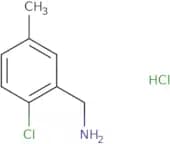

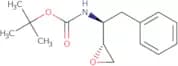
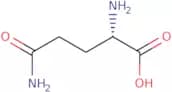
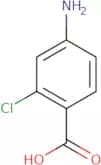

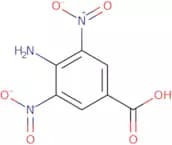
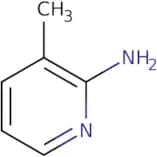
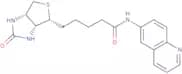
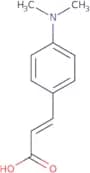
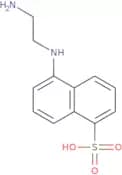
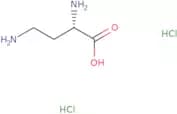
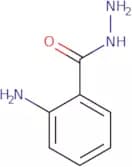
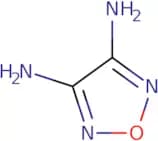
![[1-(Morpholin-4-ylcarbonyl)propyl]amine hydrochloride](/_next/image/?url=https%3A%2Fstatic.cymitquimica.com%2Fproducts%2F3D%2Fthumb-webp%2FFM130661.webp&w=3840&q=75)
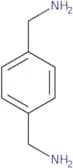
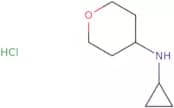
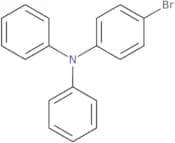

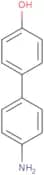
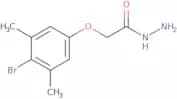
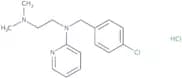

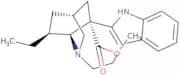

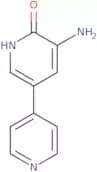

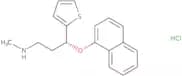
![[(2-Methylimidazo[2,1-b][1,3,4]thiadiazol-6-yl)methyl]amine dihydrochloride](/_next/image/?url=https%3A%2Fstatic.cymitquimica.com%2Fproducts%2F3D%2Fthumb-webp%2FFM123820.webp&w=3840&q=75)
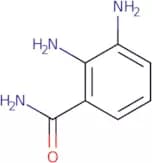
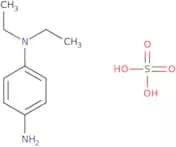
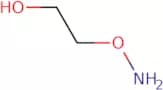
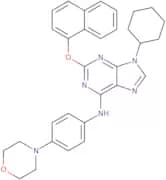
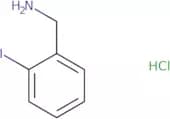
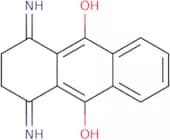
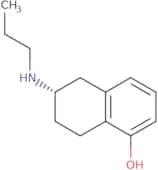
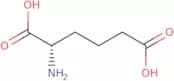

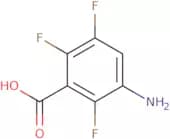
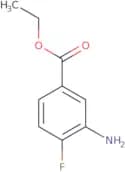
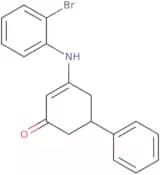
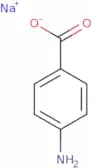
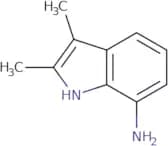
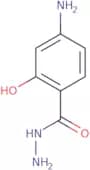
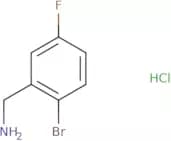
![N,N-Diethyl-2-[4-[(Z)-1-(4-Fluorophenyl)-2-Phenylethenyl]Phenoxy]Ethanamine](/_next/image/?url=https%3A%2Fstatic.cymitquimica.com%2Fproducts%2F3D%2Fthumb-webp%2FFD99813.webp&w=3840&q=75)
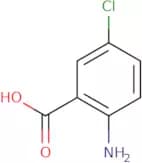


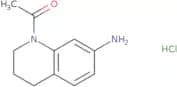
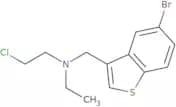
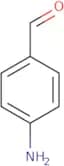
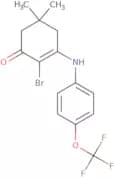
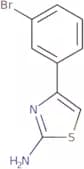
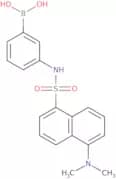
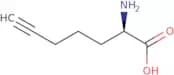
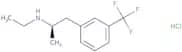
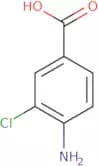
![4-Amino-5-chloro-2,3-dihydro-N-[1-(3-methoxypropyl)-4-piperidinyl]-7-benzofurancarboxamide](/_next/image/?url=https%3A%2Fstatic.cymitquimica.com%2Fproducts%2F3D%2Fthumb-webp%2FFA27248.webp&w=3840&q=75)

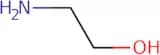
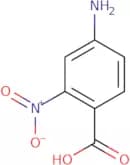
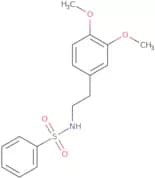
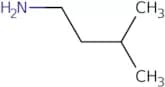

![3-[1-(Dimethylamino)ethyl]phenol](/_next/image/?url=https%3A%2Fstatic.cymitquimica.com%2Fproducts%2F3D%2Fthumb-webp%2FFD22323.webp&w=3840&q=75)
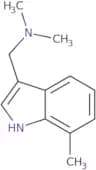
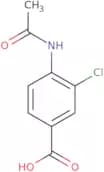
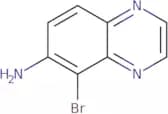
![[(N-Acryloylamino)phenyl]mercuric chloride](/_next/image/?url=https%3A%2Fstatic.cymitquimica.com%2Fproducts%2F3D%2Fthumb-webp%2FFA17210.webp&w=3840&q=75)
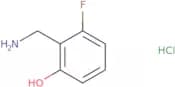
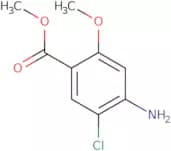
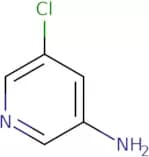
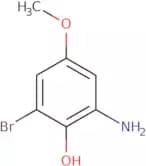
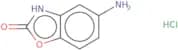
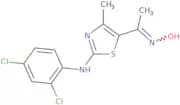
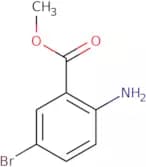

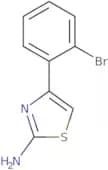
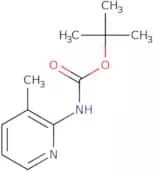
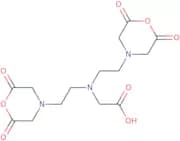
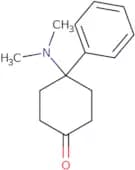
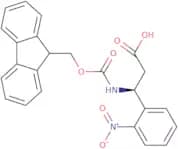

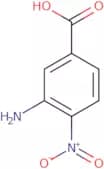
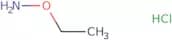
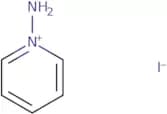
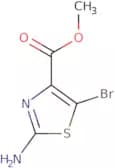
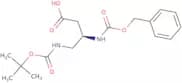
![1-Deoxy-1-(methylamino)-D-glucitol [3-[[(2R,3S)-2-[(1R)-1-[3,5-bis(trifluoromethyl)phenyl]ethoxy]-…](/_next/image/?url=https%3A%2Fstatic.cymitquimica.com%2Fproducts%2F3D%2Fthumb-webp%2FFD46503.webp&w=3840&q=75)
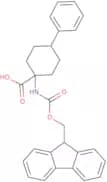


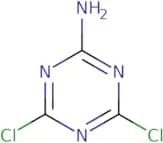
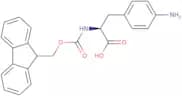
![1-[[5-(p-Nitrophenyl)furfurylidene]amino]-hydantoin sodium](/_next/image/?url=https%3A%2Fstatic.cymitquimica.com%2Fproducts%2F3D%2Fthumb-webp%2FFN44999.webp&w=3840&q=75)
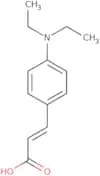
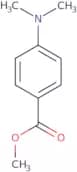
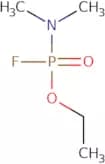
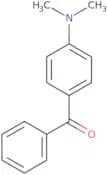
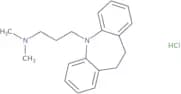

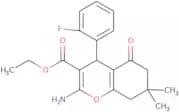
![7-Amino-2-(4-methoxyphenyl)[1,2,4]triazolo[1,5-a]pyrimidin-5(4H)-one](/_next/image/?url=https%3A%2Fstatic.cymitquimica.com%2Fproducts%2F3D%2Fthumb-webp%2FFA134729.webp&w=3840&q=75)
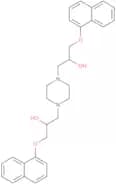
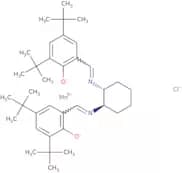
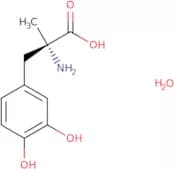
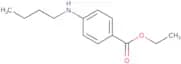
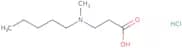


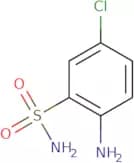
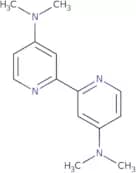
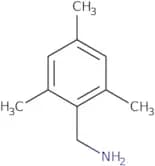
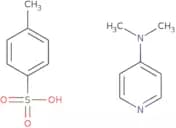

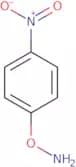
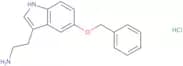
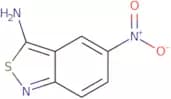

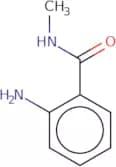
![2-[(Ethylamino)methyl]-4-nitrophenol](/_next/image/?url=https%3A%2Fstatic.cymitquimica.com%2Fproducts%2F3D%2Fthumb-webp%2FFE23132.webp&w=3840&q=75)
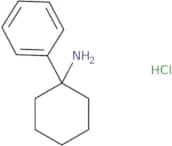
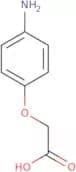
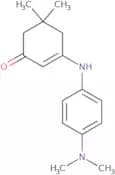
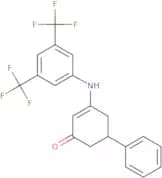
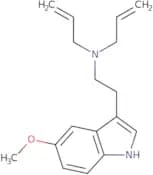
![4-Amino-3-chloro-a-[[(1,1-dimethylethyl)amino]methyl]-5-(trifluoromethyl)benzenemethanol](/_next/image/?url=https%3A%2Fstatic.cymitquimica.com%2Fproducts%2F3D%2Fthumb-webp%2FFA24968.webp&w=3840&q=75)
![cis-(+/-)-2-[(N-Benzyl-N-methyl)aminomethyl]-1-(3-methoxyphenyl)cyclohexanol hydrochloride](/_next/image/?url=https%3A%2Fstatic.cymitquimica.com%2Fproducts%2F3D%2Fthumb-webp%2FFB18402.webp&w=3840&q=75)
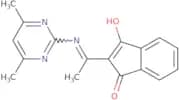
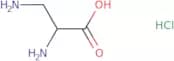
![N-[2-(Fmoc-amino)-ethyl]glycine tert-butylester hydrochloride](/_next/image/?url=https%3A%2Fstatic.cymitquimica.com%2Fproducts%2F3D%2Fthumb-webp%2FFF49771.webp&w=3840&q=75)
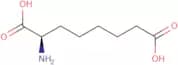
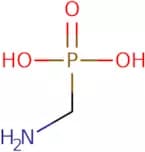
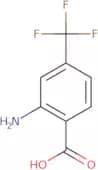
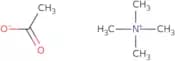
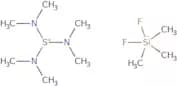
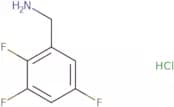

![[2-(1,3-Benzoxazol-2-yl)ethyl]amine hydrochloride](/_next/image/?url=https%3A%2Fstatic.cymitquimica.com%2Fproducts%2F3D%2Fthumb-webp%2FFB123800.webp&w=3840&q=75)
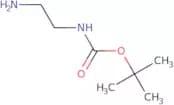

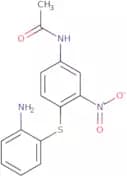

![2-Chloro-9-cyclohexyl-N-[4-(4-morpholinyl)phenyl]-9H-purin-6-amine](/_next/image/?url=https%3A%2Fstatic.cymitquimica.com%2Fproducts%2F3D%2Fthumb-webp%2FFC20176.webp&w=3840&q=75)
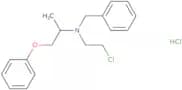
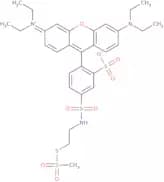
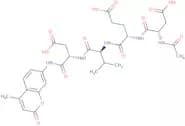
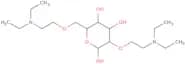
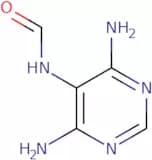
![[1-(3-Methoxyphenyl)-1-methylethyl]amine hydrochloride](/_next/image/?url=https%3A%2Fstatic.cymitquimica.com%2Fproducts%2F3D%2Fthumb-webp%2FFM136868.webp&w=3840&q=75)
![4-{[(Dimethylamino)sulfonyl]amino}benzoic acid](/_next/image/?url=https%3A%2Fstatic.cymitquimica.com%2Fproducts%2F3D%2Fthumb-webp%2FFD132762.webp&w=3840&q=75)
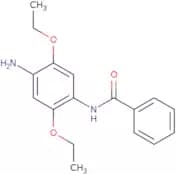
![2-[(4-Isopropylphenyl)amino]nicotinic acid](/_next/image/?url=https%3A%2Fstatic.cymitquimica.com%2Fproducts%2F3D%2Fthumb-webp%2FFI136104.webp&w=3840&q=75)
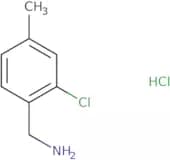
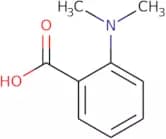
![Benzo[d]oxazol-7-amine](/_next/image/?url=https%3A%2Fstatic.cymitquimica.com%2Fproducts%2F3D%2Fthumb-webp%2FFB141114.webp&w=3840&q=75)
![Methyl 3-amino-6-methylthieno[2,3-b]pyridine-2-carboxylate](/_next/image/?url=https%3A%2Fstatic.cymitquimica.com%2Fproducts%2F3D%2Fthumb-webp%2FFM142163.webp&w=3840&q=75)
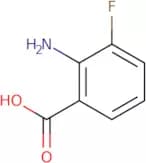

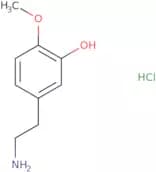
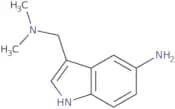
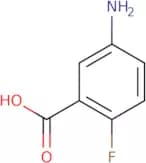

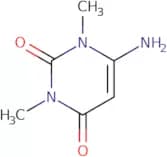
![[5-(4-Amino-2-bromophenyl)-2-furyl]methanol](/_next/image/?url=https%3A%2Fstatic.cymitquimica.com%2Fproducts%2F3D%2Fthumb-webp%2FFA134218.webp&w=3840&q=75)
![[(2,5-Dichlorophenyl)sulphonyl]phenylamine](/_next/image/?url=https%3A%2Fstatic.cymitquimica.com%2Fproducts%2F3D%2Fthumb-webp%2FFD145674.webp&w=3840&q=75)
![2-[[(Heptadecafluorooctyl)sulphonyl]methylamino]ethyl acrylate](/_next/image/?url=https%3A%2Fstatic.cymitquimica.com%2Fproducts%2F3D%2Fthumb-webp%2FFH96868.webp&w=3840&q=75)
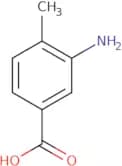
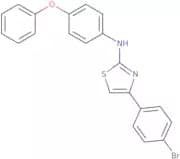
![3-{[(4-Methylphenyl)sulfonyl]amino}benzoic acid](/_next/image/?url=https%3A%2Fstatic.cymitquimica.com%2Fproducts%2F3D%2Fthumb-webp%2FFM136721.webp&w=3840&q=75)