Aminas
Las aminas son un conjunto de moléculas que contienen un grupo funcional amino (derivado del amoníaco). Esta categoría incluye aminas en cualquier nivel de sustitución: primarias, secundarias, terciarias y sales de amonio. Las aminas son fundamentales en la síntesis orgánica y se utilizan ampliamente en productos farmacéuticos, agroquímicos y ciencias de los materiales. En CymitQuimica, ofrecemos una selección completa de aminas para satisfacer sus necesidades de investigación e industriales. Nuestra gama asegura el acceso a diversas aminas para diferentes procesos químicos e investigaciones innovadoras.
Subcategorías de "Aminas"
- Nitrosaminas(2.605 productos)
- Aminas primarias(30.947 productos)
- Cationes y sales de amonio cuaternario(1.100 productos)
- Aminas secundarias(20.886 productos)
- Aminas terciarias(17.193 productos)
Se han encontrado 8780 productos de "Aminas"
Ordenar por
Pureza (%)
0
100
|
0
|
50
|
90
|
95
|
100
9-[5-Deoxy-5-[[cis-3-[2-[6-(1,1-dimethylethyl)-1H-benzimidazol-2-yl]ethyl]cyclobutyl](1-methylethyl)amino]-β-D-ribofuranosyl]-9H- purin-6-amine
CAS:Nilotinib is a small molecule that inhibits the tyrosine kinase activity of TK1, TK2, and TK3. It binds to the ATP-binding site of these kinases and prevents the phosphorylation of the cellular substrate. Nilotinib has been shown to inhibit the proliferation of leukemia cells in vitro, as well as to have antiproliferative effects in vivo. Nilotinib can be used for the treatment of chronic myelogenous leukemia (CML) and Philadelphia chromosome-positive acute lymphoblastic leukemia (Ph+ ALL). In addition, it has been shown to have synergistic effects with other drugs such as α1-acid glycoprotein inhibitors or methyltransferase inhibitors. Nilotinib can also be used for cases of hepatic steatosis.Fórmula:C30H42N8O3Pureza:Min. 95%Forma y color:PowderPeso molecular:562.71 g/mol4-(Dimethylamino)phenylaceticacid
CAS:4-(Dimethylamino)phenylacetic acid (DMAPA) is a chemical inhibitor that binds to fatty acids. It has been shown to have antitumor effects on prostate cancer cells in vitro and in vivo, as well as anti-inflammatory properties. DMAPA also inhibits the synthesis of prostaglandins, which may be due to its binding to amines or the uv irradiation of the molecule. DMAPA has been shown to be effective in preventing the aggregation of serotonin receptors, which may play a role in its potential use for treating depression.Fórmula:C10H13NO2Pureza:Min. 95%Forma y color:PowderPeso molecular:179.22 g/mol7-Aminodesacetoxycephalosporanic acid
CAS:7-Aminodesacetoxycephalosporanic acid is a chemical compound that is used for wastewater treatment as a biocatalyst. It has been shown to have group P2 activity and can be used in the treatment of corynebacterium glutamicum. 7-Adca has been found to bind to the magnesium salt, which leads to control analysis and kinetic studies. The reactions are initiated by the addition of an electron donor, such as penicillin, which results in a transfer reaction. The nitrogen atoms are substituted with hydrogen atoms, which produces a fatty acid intermediate. This intermediate reacts with nitrogen atoms from another molecule of 7-Adca or 7-adca to form an amide bond. The amide bond is then hydrolyzed in water to produce 7-aminodesacetoxycephalosporanic acid and ammonia.Fórmula:C8H10N2O3SPureza:Min. 95%Forma y color:White PowderPeso molecular:214.24 g/mol2,3,5,6-Tetramethyl-1,4-phenylenediamine
CAS:<p>2,3,5,6-Tetramethyl-1,4-phenylenediamine is a chemical compound that has been used in clinical pathology and plant physiology. The potential of this molecule as a photosynthetic agent has been studied extensively. It has also been shown to have biochemical properties that are similar to those of chlorophylls. 2,3,5,6-Tetramethyl-1,4-phenylenediamine is able to transfer electrons between molecules in the electron transport chain. It can be found in both prokaryotes and eukaryotes but not in plants or algae. 2,3,5,6-Tetramethyl-1,4-phenylenediamine may be toxic when ingested orally or inhaled and is capable of producing irreversible inhibition when it reacts with oxygen.</p>Fórmula:C10H16N2Pureza:98 To 102%Forma y color:White To Tan SolidPeso molecular:164.25 g/mol3-(N-Methyl-N-pentylamino)propionic acid hydrochloride
CAS:Trichloroethylene is a chlorinated hydrocarbon that is primarily used as a solvent. The propionic acid is the monosodium salt of 3-(N-Methyl-N-pentylamino)propionic acid hydrochloride, which is an organic compound. The monohydrate and trichloride are two polymorphic forms of this substance. Acetone and unreacted Trichloroethylene are substances that may be formed during the chemical process. The alkaline form of Trichloroethylene may be obtained by refluxing the substance with sodium hydroxide in water or with potassium hydroxide in alcohol. This substance can also exist in a polymorphic form.Fórmula:C9H20ClNO2Pureza:Min. 95%Forma y color:PowderPeso molecular:209.71 g/molN-(6-Hydroxyhexyl)trifluoroacetamide
CAS:6-(Trifluoroacetylamino)-1-Hexanol is a magnetic compound that has been shown to bind to liposomes and hydrophobic membranes. It is also amphipathic, meaning it contains both hydrophilic and hydrophobic properties. This compound can be used for the diagnosis of certain diseases, such as cancer, by detecting gadolinium ions in the body. 6-(Trifluoroacetylamino)-1-Hexanol is also an imidazolide ligand that binds to ribonucleotides and nucleic acid matrix proteins. This allows it to be used as a contrast agent in magnetic resonance imaging (MRI).Fórmula:C8H14F3NO2Pureza:Min. 95%Forma y color:PowderPeso molecular:213.2 g/mol2-[(4-Amino-2-methyl-5-nitrylbenzyl)amino]ethylalcohol
CAS:<p>2-[(4-Amino-2-methyl-5-nitrylbenzyl)amino]ethylalcohol is a reactive, hydrated, colorant that belongs to the group of hydroxy compounds. It has a chromophore and is used in the production of cosmetics. 2-[(4-Amino-2-methyl-5-nitrylbenzyl)amino]ethylalcohol is used for alkalization and in the production of particle pigments. This compound can be found in fatty acid esters, as it has a long hydrocarbon chain, which makes it soluble. It also has fatty acids and an amine group that provides color.</p>Fórmula:C9H13N3O3Pureza:Min. 95%Peso molecular:211.22 g/mol2-Amino-4-chlorobenzonitrile
CAS:<p>2-Amino-4-chlorobenzonitrile is a synthetic molecule that can be synthesized in a metal chelator. It has potent inhibitory activities against amines, choline, and other molecules. 2-Amino-4-chlorobenzonitrile also has fluorescence properties. The reaction mechanism of 2-Amino-4-chlorobenzonitrile is not well understood, but it is believed to inhibit the synthesis of proteins by binding to their functional groups. This chemical can also enhance the rate of reactions by removing a hydrogen ion from the reactant.</p>Fórmula:C7H5ClN2Pureza:Min. 95%Forma y color:PowderPeso molecular:152.58 g/mol2-Amino-6-morpholin-4-ylpyrimidin-4(3H)-one
CAS:<p>2-Amino-6-morpholin-4-ylpyrimidin-4(3H)-one (2AP) is a versatile building block for the synthesis of complex compounds. It is used as a reaction component in organic chemistry, as well as a reagent for the synthesis of other chemical substances. 2AP is also useful as an intermediate in the production of pharmaceuticals, agrochemicals, and other research chemicals. 2AP has been shown to be useful in the synthesis of fine chemicals, such as amorphous silicon dioxide and polystyrene sulfonic acid. This substance can be used to make a variety of products with different properties, which makes it an excellent scaffold for research purposes.<br>2AP can be found under CAS number 37409-97-5.</p>Fórmula:C8H12N4O2Pureza:Min. 95%Forma y color:PowderPeso molecular:196.21 g/mol(1-tert-Butylcyclopropyl)amine hydrochloride
CAS:(1-tert-Butylcyclopropyl)amine hydrochloride is a ciprofloxacin analog that inhibits the growth of bacteria by binding to the enzyme DNA gyrase. It also prevents the cleavage of RNA and protein synthesis which blocks the production of new cells in bacterial colonies. The drug has a broad spectrum of activity against Gram-positive and Gram-negative organisms, including methicillin-resistant Staphylococcus aureus (MRSA). The drug has been shown to be effective against isolates resistant to ciprofloxacin, such as Enterobacteriaceae, Pseudomonas aeruginosa, Acinetobacter baumannii, and Klebsiella pneumoniae. (1-tert-Butylcyclopropyl)amine hydrochloride binds to microtubules and disrupts the cell division process during mitosis. This drug has been shown to inhibit spindle formation inFórmula:C7H15N·HClPureza:Min. 95%Forma y color:PowderPeso molecular:149.66 g/molBoc-D-glutamine
CAS:Boc-D-glutamine is a small, water-soluble amino acid that has shown anticancer efficacy in vivo. It is structurally related to the cyclic peptide, glutamic acid-α-ketoglutarate (GAK). Boc-D-glutamine specifically binds to the tumor vasculature and inhibits cancer cell growth by inhibiting the uptake of essential nutrients. This drug also inhibits tumor angiogenesis and prevents metastasis by preventing the formation of new blood vessels. Boc-D-glutamine has been shown to have a greater effect on human nasopharyngeal carcinoma cells than other types of cancer cells because it targets a specific receptor found in these cells. The anticancer activity of this drug is due to its inhibition of uptake and chloride ion transport. In addition, Boc-D-glutamine has been shown to inhibit the proliferation of human embryonic kidney cells when used at high concentrations.Fórmula:C10H18N2O5Forma y color:White Off-White PowderPeso molecular:246.26 g/mol(2S)-({[(4-Methyl-2-oxo-2H-chromen-7-yl)oxy]acetyl}amino)(phenyl)acetic acid
CAS:(2S)-({[(4-Methyl-2-oxo-2H-chromen-7-yl)oxy]acetyl}amino)(phenyl)acetic acid is a kind of fine chemical that belongs to the class of reagents and speciality chemicals. It is a versatile building block which can be used in research, as well as in the production of pharmaceuticals and other fine chemicals. This compound can be used in reactions as a building block or intermediate, as well as a scaffold for complex compounds.Fórmula:C20H17NO6Pureza:Min. 95 Area-%Forma y color:PowderPeso molecular:367.35 g/mol4-(2,5-Dimethoxyphenyl)-1,3-thiazol-2-amine
CAS:Please enquire for more information about 4-(2,5-Dimethoxyphenyl)-1,3-thiazol-2-amine including the price, delivery time and more detailed product information at the technical inquiry form on this pageFórmula:C11H12N2O2SPureza:Min. 95%Peso molecular:236.29 g/molN-Methyldioctylamine
CAS:<p>N-Methyldioctylamine is a biodegradable, water soluble, and non-toxic chemical that can be used as an alternative to caustic soda for wastewater treatment. It removes organic matter from industrial effluents by breaking down long chain hydrocarbons into smaller fragments and reacts with the hydroxyl group of proteins to form hydroxylamines. N-Methyldioctylamine has been shown to inhibit protease activity in wild-type strains of bacteria, such as Escherichia coli and Pseudomonas aeruginosa. It also inhibits hematopoietic cells from developing into mature cells by disrupting the biochemical composition of their membranes. N-Methyldioctylamine is reactive with fatty acids and amines found in mammalian tissue samples. This compound can be used as a sample preparation agent or analytical reagent for caproic acid, which is used in process optimization applications.</p>Fórmula:C17H37NPureza:Min. 95%Forma y color:Clear LiquidPeso molecular:255.48 g/mol4-Aminobenzanilide
CAS:4-Aminobenzanilide is an antimicrobial agent that is synthesized from 2-aminobenzamide and 4-aminophenol. It has been shown to be effective against a number of bacteria, including Staphylococcus aureus and Streptococcus pyogenes. 4-Aminobenzanilide has also been shown to inhibit the growth of Mycoplasma pneumoniae in mammalian cells, which may be due to its ability to block DNA replication and transcription. This compound can also disrupt the synthesis of amides by inhibiting the enzyme aminopeptidase N. The low energy required for this reaction makes it possible for this compound to work as an antimicrobial agent with minimal toxicity.Fórmula:C13H12N2OPureza:Min. 95%Forma y color:PowderPeso molecular:212.25 g/mol3-Cysteinylacetaminophen trifluoroacetic acid salt
CAS:Acetaminophen is a common pain reliever and fever reducer. It is available over-the-counter in many countries. Acetaminophen is a member of the class of drugs known as analgesic, antipyretic, and anti-inflammatory drugs (APAP). The drug has been shown to be effective for acute pain relief, but not for chronic pain. Acetaminophen has also been found to be an effective analgesic when taken at high doses (above 1000 mg per day) for more than one week. In vivo studies have shown that acetaminophen inhibits mitochondrial membrane potential in hk-2 cells and cd-1 mice. This inhibition leads to apoptosis and cell death. Acetaminophen is not associated with serious side effects when used at the recommended dose, although it can lead to liver damage if taken in large quantities or on a prolonged basis.Fórmula:C11H14N2O4S·xC2HO2F3Pureza:(%) Min. 95%Forma y color:Brown PowderPeso molecular:270.31 g/molN-(1-Naphthyl)ethylenediamine dihydrochloride
CAS:<p>N-(1-Naphthyl)ethylenediamine 2HCl is a diazonium salt that is used as an analytical reagent for the determination of nitrite ion in biological samples. It can be prepared by reacting 1-naphthylamine with ethylenediamine and hydrochloric acid. The optimum concentration of N-(1-naphthyl)ethylenediamine 2HCl is between 0.5 and 1.0 M, which should be determined before use. Sulphuric acid or sodium hydroxide can be added to adjust the pH of the solution to around 2.5, although this may change the color of the solution from orange to yellow. The reaction product is then extracted into chloroform and dried over anhydrous sodium sulphate or magnesium sulfate, followed by filtration and evaporation under reduced pressure at 40°C until dryness. The final product is stored in a dark place away from</p>Fórmula:C12H14N2•2HClPureza:(Titration) Min. 98%Forma y color:White PowderPeso molecular:259.17 g/mol2-[N-[(3,5-Difluorophenyl)carbamoylamino]-C-methylcarbonimidoyl]pyridine-3-carboxylic acid
CAS:2-[N-[(3,5-Difluorophenyl)carbamoylamino]-C-methylcarbonimidoyl]pyridine-3-carboxylic acid (2FPC) is a potent herbicide that inhibits the fatty acid synthase enzyme and blocks cellular energy production. Fatty acid synthase is an important enzyme in the synthesis of essential fatty acids and this inhibition can lead to a number of health complications. 2FPC also inhibits epidermal growth factor receptor (EGFR) and glucocorticoid receptors, which can lead to autoimmune diseases. The compound has been shown to produce neurotoxic effects in animals and humans, including optical sensor activation and cation channel modulation. 2FPC is used as a herbicide to control weeds such as knapweed. It is also used as an anti-inflammatory agent in the treatment of rheumatoid arthritis.Fórmula:C15H12F2N4O3Pureza:Min. 97 Area-%Forma y color:PowderPeso molecular:334.28 g/mol4-(Dimethylamino)benzophenone
CAS:4-(Dimethylamino)benzophenone is a chemical compound that is used in the synthesis of resins. It is a cationic polymerization initiator and has been shown to be an effective catalyst for the conversion of zirconium oxide into zirconia. 4-(Dimethylamino)benzophenone has been shown to be cytotoxic and genotoxic, with high resistance levels, in hl-60 cells. It can also induce polymerase chain reactions (PCR).Fórmula:C15H15NOPureza:Min. 95%Forma y color:PowderPeso molecular:225.29 g/mol3-Amino-phenazin-2-ol
CAS:<p>3-Amino-phenazin-2-ol is a pesticide that has been shown to have genotoxic effects on human lymphocytes in vitro. 3-Amino-phenazin-2-ol inhibits the growth of triticum aestivum, a type of cereal plant, by binding to the aminoacids in the cell wall and disrupting its structure. This leads to cell death and inhibits the synthesis of proteins necessary for cellular growth. The herbicide has also been shown to inhibit the growth of typhimurium at high concentrations and may be used as an herbicide or pesticide. The mechanism by which 3-amino phenazin 2-ol exerts its toxicity is not fully understood, but it may be due to its ability to activate cells that are exposed to low energy levels.</p>Fórmula:C12H9N3OPureza:Min. 95%Forma y color:PowderPeso molecular:211.22 g/mol5-Aminogramine
CAS:<p>5-Aminogramine is a fine chemical that is used as a versatile building block for the synthesis of complex compounds. 5-Aminoguanidine is an aminoguanidine compound that has been reported to be useful in the synthesis of reagents and speciality chemicals, such as heterocycles, polymers, and pharmaceuticals. 5-Aminoguanidine has been used as a reactant in the preparation of high quality products with various applications. It is also known to be a useful intermediate for reactions involving nucleophiles or electrophiles. Furthermore, it can be used as a scaffold for the synthesis of other compounds.</p>Fórmula:C11H15N3Pureza:Min. 95%Forma y color:PowderPeso molecular:189.26 g/mol1,2-Dioleoyl-3-trimethylammonium-propane, chloride
CAS:<p>1,2-Dioleoyl-3-trimethylammonium-propane, chloride (DOTAP) is a cationic lipid of the phospholipid class. DOTAP has been shown to stimulate the growth and differentiation of hematopoietic cells in vivo. DOTAP also enhances the metastatic potential of tumor cells by increasing their uptake and inhibiting apoptosis. It has been found to be active against skin cancer cells, which may be due to its ability to enhance antitumor response. DOTAP is used as a fluorescent probe for intracellular pH measurements in live cells and can be used as a carrier lipid for liposomal drug delivery systems. The major biological properties of DOTAP are its ability to form vesicles and its capacity for energy metabolism.</p>Fórmula:C42H80ClNO4Pureza:(¹H-Nmr) Min. 95 Area-%Forma y color:PowderPeso molecular:698.54 g/mol1-[[5-(p-Nitrophenyl)furfurylidene]amino]-hydantoin sodium
CAS:<p>Dantrolene sodium is a muscle relaxant that belongs to the group of pharmacological agents. It is used to treat muscle spasms and hyperactivity in patients with neuromuscular disorders. Dantrolene sodium inhibits calcium release by blocking the activity of the enzyme ryanodine receptor in skeletal muscle cells. This inhibition prevents uncontrolled contraction of muscles and reduces their energy consumption. The drug also has an effect on malignant hyperthermia, which is caused by an increase in the production of adenosine triphosphate (ATP) due to increased cellular metabolism. Dantrolene sodium can inhibit ATP synthesis, thus reducing energy production and stabilizing cell membranes, thereby preventing cell death in neurons and other tissues.</p>Fórmula:C14H10N4O5•NaPureza:Min. 95%Forma y color:Yellow PowderPeso molecular:337.24 g/molAmmoniumdithiocarbamate
CAS:Ammoniumdithiocarbamate is a group p2 compound that reacts with hydrochloric acid to form a dithiocarbamic acid. This reaction is reversible and an equilibrium between the two compounds exists. Ammoniumdithiocarbamate can be used to synthesize nucleophilic substitutions, which are used in many industrial applications. The reactivity of ammoniumdithiocarbamate is increased by the presence of amp-activated protein, which increases hydrogen bonding interactions with the dithiocarbamic acid. Ammoniumdithiocarbamate has been shown in animal studies to inhibit inflammatory diseases and lung damage caused by carbon disulphide.Fórmula:CH6N2S2Pureza:Min. 95%Forma y color:PowderPeso molecular:110.2 g/molFmoc-4-amino-L-phenylalanine
CAS:<p>Fmoc-4-amino-L-phenylalanine is a molecule with the amino acid, aminophenylalanine, that is used in devices to detect epithelial cells. It has been functionalized with a fluoro group and can be used as a fluorescent probe for the detection of epithelial cells. Fmoc-4-amino-L-phenylalanine can also be used to diagnose tumors and tumor cells by detecting their presence in urine samples. This peptide has been shown to have anti-tumor properties when it interacts with the tumor cell membrane, which may be due to its ability to inhibit protein synthesis and induce apoptosis.</p>Fórmula:C24H22N2O4Pureza:Min. 97 Area-%Forma y color:Off-White PowderPeso molecular:402.44 g/molAcetyl-L-glutamine
CAS:Acetyl-L-glutamine is a naturally occurring amino acid that is synthesized by the body and can be found in various foods. It has been shown to have many beneficial effects, such as the prevention of bowel disease. Acetyl-L-glutamine has also been shown to stimulate the production of neurotrophic factors, which are proteins that promote neuron growth and survival. This amino acid is used in therapy groups for people with neurodegenerative diseases, such as Parkinson's disease and Alzheimer's disease. Acetyl-L-glutamine may be effective against acute brain injury or stroke due to its ability to increase neuronal survival and inhibit neuronal death. The therapeutic effect of acetyl-L-glutamine on neuronal death may be due to its ability to inhibit apoptosis by preventing reactive oxygen species from binding to DNA. Acetyl-L-glutamine also promotes nerve cell growth and protects against damage caused by ischemia–reperfFórmula:C7H12N2O4Pureza:Min. 95%Forma y color:PowderPeso molecular:188.18 g/mol6-Benzoylamino-9H-purine-9-acetic acid
CAS:<p>6-Benzoylamino-9H-purine-9-acetic acid (BAPAA) is a high quality reagent that is used in the synthesis of complex compounds. It is also a useful intermediate in the preparation of fine chemicals, speciality chemicals, and research chemicals. 6-Benzoylamino-9H-purine-9-acetic acid is a versatile building block for the synthesis of novel compounds with desired biological activity. This compound is an excellent reaction component because it can be used to synthesize various chemical structures.</p>Fórmula:C14H11N5O3Pureza:Min. 95%Forma y color:PowderPeso molecular:297.27 g/molTetrabutylammonium fluoride - 1.0M in THF
CAS:<p>Tetrabutylammonium fluoride-1.0M in THF is a solution of tetrabutylammonium fluoride in tetrahydrofuran. The compound is soluble in water and THF with solubility increasing with temperature. Tetrabutylammonium fluoride has been shown to be an effective inhibitor of the enzyme 4-hydroxycinnamic acid transaminase, which is involved in the metabolism of catecholamines. This property may be due to the ability of tetrabutylammonium fluoride to bind to the active site metal ion, copper, that participates in this reaction. Tetrabutylammonium fluoride can also inhibit other enzymes by binding to metal ions at their active sites, such as pyridoxal phosphate and hydroxyl groups.</p>Fórmula:C16H36FNPureza:Min. 95%Forma y color:Clear LiquidPeso molecular:261.46 g/mol3-(2-(2-(2-Aminoethoxy)ethoxy)ethoxy)propanoic acid HCI
CAS:<p>3-(2-(2-(2-Aminoethoxy)ethoxy)ethoxy)propanoic acid HCI is a PEG compound with two different functional groups (also known as heterobifunctional). Unlike homobifunctional PEG compounds (same functional group on both ends), this type of compounds are more versatile as have two different anchor points. 3-(2-(2-(2-Aminoethoxy)ethoxy)ethoxy)propanoic acid HCI is used as a linker and spacer to add a PEG moiety, via pegylation (a bioconjugation technique) to proteins, peptides, oligonucleotides, small molecules and nanoparticles.</p>Fórmula:C9H19NO5·HClForma y color:Slightly Yellow Yellow Clear Liquid PowderPeso molecular:257.71 g/mol1,3-Dipalmitoyl-glycero-2-phosphoethanolamine
CAS:<p>Please enquire for more information about 1,3-Dipalmitoyl-glycero-2-phosphoethanolamine including the price, delivery time and more detailed product information at the technical inquiry form on this page</p>Fórmula:C37H74NO8PPureza:ReportedForma y color:White/Off-White SolidPeso molecular:691.96 g/molMethyl 3-chloro-2-aminobenzoate
CAS:Methyl 3-chloro-2-aminobenzoate is an organic compound that is used as a pesticide. It can be synthesized by reacting phosphorus pentachloride with isopropyl chloride. The reaction occurs in the presence of a catalyst, such as sodium nitrate or citric acid, to produce methyl 3-chloro-2-aminobenzoate and 2-amino-3-chlorobenzoic acid. This organic compound has been modified by substituting silicon for hydrogen atoms and halide groups for chlorine. Methyl 3-chloro-2-aminobenzoate can be cross coupled with many other molecules to form new molecules. When it reacts with tetrahydrofuran, the residue left over from the reaction is a nature unknown substance.Fórmula:C8H8ClNO2Pureza:Min. 95%Forma y color:PowderPeso molecular:185.61 g/mol2-(((2,5-dimethoxyphenyl)sulfonyl)amino)benzamide
CAS:<p>Please enquire for more information about 2-(((2,5-dimethoxyphenyl)sulfonyl)amino)benzamide including the price, delivery time and more detailed product information at the technical inquiry form on this page</p>Pureza:Min. 95%Dodecyltrimethylammonium chloride
CAS:Dodecyltrimethylammonium chloride is a surfactant that belongs to the group of cationic surfactants. It has been shown to be effective as an adsorbent for phosphate ions in micelles. Dodecyltrimethylammonium chloride has also been shown to act as a detergent in solutions, and can be used as a cleaning agent. It is commonly used as a surfactant in various industrial processes, such as the production of glycol ethers. The chemical structure of dodecyltrimethylammonium chloride consists of dodecanol and trimethylamine (CH3(CH2)12N(CH3)(OH)3).Fórmula:C15H34NClPureza:Min. 95%Forma y color:PowderPeso molecular:263.89 g/molClorsulon
CAS:Clorsulon is an anthelmintic drug that belongs to the group of benzimidazoles. It is used in veterinary medicine to treat nematode and cestode infections, as well as tapeworm infections. Clorsulon is a dispersive solid-phase extraction (DSPE) extractant that can be used for the separation of drugs and their metabolites from biological fluids. The chemical stability of clorsulon was assessed by exposing it to various solvents and pHs. Clorsulon was found to be stable in acetate, benzene, chloroform, ethyl acetate, ethanol, methanol, and water at pH 1-14 and a variety of temperatures ranging from -20 ˚C to 50 ˚C. No significant loss or degradation occurred after exposure to these conditions for up to 24 hours.Fórmula:C8H8Cl3N3O4S2Pureza:(Hplc) Min. 98.0%Forma y color:PowderPeso molecular:380.66 g/mol3-Amino-4-chlorophenylacetic acid methyl ester
CAS:3-Amino-4-chlorophenylacetic acid methyl ester is a fine chemical that is useful as a building block in the synthesis of complex compounds. It has been used as a reagent and speciality chemical, which can be used for research purposes. CAS No. 59833-69-1Fórmula:C9H10ClNO2Pureza:Min. 95%Peso molecular:199.63 g/mol4-Aminobenzoyl-L-glutamic acid
CAS:<p>4-Aminobenzoyl-L-glutamic acid (PABA) is a dinucleotide phosphate that can be found in human serum. It has been shown to have receptor activity for epithelial mesenchymal cells and is used as a model organism for folate, group p2 polymerase chain reactions (PCR). PABA is also involved in the reaction mechanism of linear calibration curves.</p>Fórmula:C12H14N2O5Pureza:Min. 95%Forma y color:PowderPeso molecular:266.25 g/mol2-Amino-4'-fluoroacetophenone hydrochloride
CAS:Producto controlado2-Amino-4'-fluoroacetophenone hydrochloride is a fine chemical with a versatile building block. It is an intermediate used in research and a reaction component for the synthesis of complex compounds. 2-Amino-4'-fluoroacetophenone hydrochloride can be used as a reagent in the synthesis of pharmaceuticals or other useful chemicals. Its CAS number is 456-00-8.Fórmula:C8H9ClFNOPureza:Min. 95%Peso molecular:189.61 g/molN-[S-(2-Pyridylthio)cysteaminyl]ethylenediamine-N,N,N',N'-tetraacetic acid, monoamide - Technical grade 90%
CAS:<p>Furiosus is a monomeric and homodimeric protein that belongs to the group of S-adenosylmethionine synthetases. Furiosus is an enzyme that catalyzes the formation of S-adenosylmethionine from methylamine and ATP. Furiosus interacts with polymerase, subtilis, and catalysis to form a holoenzyme complex. Furiosus has been shown to have cleavage activity against peroxide and hydrogen peroxide, which is due to its ability to generate reactive oxygen species. Furiosus has also been shown to be a molecular modeling target for the development of new antibiotics.</p>Fórmula:C17H24N4O7S2Pureza:Min. 95%Forma y color:Pale yellow solid.Peso molecular:460.53 g/mol(2-Imidazo[2,1-b][1,3]thiazol-6-ylethyl)amine dihydrochloride
CAS:<p>2-Imidazo[2,1-b][1,3]thiazol-6-ylethyl)amine dihydrochloride is a high quality reagent that is used as a useful intermediate in the synthesis of complex compounds with possible pharmaceutical applications. It can also be used as a useful scaffold to create new and interesting molecules of interest. This chemical has been shown to be useful in the synthesis of speciality chemicals, research chemicals, and versatile building blocks. 2-Imidazo[2,1-b][1,3]thiazol-6-ylethyl)amine dihydrochloride is a versatile building block that has been used for the synthesis of various types of reaction components.</p>Fórmula:C7H9N3S·2HClPureza:Min. 95%Forma y color:Brown PowderPeso molecular:240.15 g/mol2-Amino-6-bromo-3-formylchromone
CAS:<p>2-Amino-6-bromo-3-formylchromone is a chemical compound with the molecular formula CHNO. It has a vibrational frequency of 1426.81 cm−1 and a potential energy of −29.35 kcal/mol. The molecule can be classified as an aromatic compound, due to the presence of one or more benzene rings in its structure, and is colored red or orange in solution. 2-Amino-6-bromo-3-formylchromone can be used to produce other compounds that have different spectral properties than it does, such as 2-(2-(2-(2-(2-(2-(benzoyloxy)ethoxy)ethoxy)ethoxy)ethoxy)ethoxy)-4'-nitroacetophenone.</p>Fórmula:C10H6BrNO3Pureza:Min. 95%Forma y color:PowderPeso molecular:268.06 g/mol1,4-Dioxaspiro[4.5]decan-8-ylmethanamine
CAS:1,4-Dioxaspiro[4.5]decan-8-ylmethanamine is a fine chemical that is a versatile building block and reagent. It can be used as a reaction component, useful intermediate, or useful scaffold in the synthesis of complex compounds. The CAS number for 1,4-Dioxaspiro[4.5]decan-8-ylmethanamine is 30482-25-8.Fórmula:C9H17NO2Pureza:(%) Min. 95%Forma y color:Brown PowderPeso molecular:171.24 g/molN-[5-(Phenylamino)-2,4-pentadienylidene]aniline monohydrochloride
CAS:N-[5-(Phenylamino)-2,4-pentadienylidene]aniline monohydrochloride is a fluorescent probe that reacts with malonic acid. The reaction produces an emission peak at 595 nm and can be detected by fluorescence microscopy. This probe has been used in the study of hypoxia imaging, as well as for detection of reactive carbonyl groups and acetylation reactions. It can also be used to monitor treatment effects on residues from emulsions.Fórmula:C17H16N2·HClPureza:(Titration) Min 98%Forma y color:Red PowderPeso molecular:284.78 g/mol(S)-2-Pyridylthio cysteamine hydrochloride
CAS:(S)-2-Pyridylthio cysteamine hydrochloride is a cell-permeant, basic, thiol-containing compound that is currently being investigated as an anticancer agent. It has been shown to inhibit the growth of tumor cells in vitro and in vivo. This drug binds to the disulfide bonds of proteins, which leads to the formation of a stable covalent bond between two protein molecules. (S)-2-Pyridylthio cysteamine hydrochloride also inhibits cell proliferation by interfering with the production of epidermal growth factor. This drug can be used for cancer treatment by binding to the mitochondria and inhibiting ATP synthesis, leading to apoptosis. The uptake of this drug is dependent on its interaction with basic proteins in the plasma membrane, which may be due to its ability to induce epidermal growth factor (EGF) production in cultured cells.Fórmula:C7H11ClN2S2Pureza:Min. 97 Area-%Forma y color:White PowderPeso molecular:222.76 g/mol4,6-Dimethyl-N-phenylpyrimidin-2-amine
CAS:4,6-Dimethyl-N-phenylpyrimidin-2-amine is a fungicide that is effective against the production of nitrite ion in the liver. It has been shown to be a potent inhibitor of hepatic steatosis. 4,6-Dimethyl-N-phenylpyrimidin-2-amine was also shown to have an inhibitory effect on the growth of fungal strains in vitro. This compound has been demonstrated to be active against a number of plant pathogens and may be useful in postharvest applications. 4,6-Dimethyl-N-phenylpyrimidin-2-amine interacts with the hippocampus formation and may play a role in preventing neurodegenerative diseases such as Alzheimer's disease or Parkinson's disease.Fórmula:C12H13N3Pureza:Min. 95%Forma y color:PowderPeso molecular:199.25 g/mol5-Cyclobutyl-1,2,4-oxadiazol-3-amine
CAS:<p>5-Cyclobutyl-1,2,4-oxadiazol-3-amine is a fine chemical that is a useful scaffold and versatile building block. It has been used as an intermediate in the synthesis of other compounds with potential uses in research chemicals and as a reaction component in the synthesis of complex compounds. The compound is also useful as a building block for the production of high quality reagents.</p>Fórmula:C6H9N3OPureza:Min. 95%Forma y color:PowderPeso molecular:139.16 g/mol5-Amino-2-fluorobenzoic acid
CAS:<p>5-Amino-2-fluorobenzoic acid (5AFBA) is a synthetic aniline that is used as a fluoroquinolone antibiotic. 5AFBA inhibits the synthesis of trehalose, which is vital for bacterial growth. This drug also has been shown to be active against Mycobacterium tuberculosis and Mycobacterium avium complex. 5AFBA has also been shown to have antifungal properties, inhibiting the synthesis of ergosterol in the fungal cell membrane. 5AFBA can be modified by alkylation with geranyl groups or N-methylation at the amino group. These modifications have been shown to increase its antibacterial activity against Pseudomonas aeruginosa.</p>Fórmula:C7H6FNO2Forma y color:PowderPeso molecular:155.13 g/mol1,1,2,2,3,3,4,4,4a,5,5,6,6,7,7,8,8,8a-Octadecafluoronaphthalene; 1,1,2,2,3,3,3-Heptafluoropropan-1-Amine
CAS:Producto controlado1,1,2,2,3,3,4,4a,5-Octadecafluoronaphthalene is a fluorinated derivative of an organic compound that is used as an intestinal antiseptic and as a cardioplegic solution. Sodium salts of this drug are used to treat intestinal disorders such as colitis and Crohn's disease. It is also used to treat cardiac diseases such as myocardial infarction by reducing the size of the infarcted area. The drug has been shown to be effective in preventing muscle degeneration in patients with AIDS. 1,1,2,2,3,3-Heptafluoropropan-1-amine is a chemical that belongs to the group of adjuvant therapies. It is used as a pharmaceutical preparation for kinetic studies and particle characterization.Fórmula:C13H2F25NPureza:Min. 95%Peso molecular:647.12 g/molDL-Phenylethanolamine
CAS:<p>DL-Phenylethanolamine is a hydroxy amine that is used in the synthesis of other chemicals. It is obtained by reacting phenylacetic acid with hydroxylamine. DL-Phenylethanolamine is an intermediate in the synthesis of the anti-inflammatory drug Indomethacin. This molecule contains a asymmetric carbon atom, which can be distinguished using infrared spectroscopy. The uptake of DL-phenylethanolamine into cells can be measured by detecting the release of amines from lysosomes and mitochondria. In addition, this molecule has conformational properties that can be detected by NMR spectroscopy, making it useful for detection sensitivity and identification purposes.</p>Fórmula:C8H11NOPureza:(%) Min. 90%Forma y color:PowderPeso molecular:137.18 g/molN,N'-Bis(2-hydroxyethyl)ethylenediamine
CAS:<p>N,N'-Bis(2-hydroxyethyl)ethylenediamine is a chemical compound that has been used in the synthesis of a number of drugs. It is an alkanolamine that can be synthesized by the reaction of piperazine with hydroxyethylamine. In addition, N,N'-Bis(2-hydroxyethyl)ethylenediamine has been shown to have biological properties such as being able to stimulate the production of antibodies and citric acid in animals. It also has structural similarities to vitamin B12 and exhibits hydrogen bonding between its molecules. N,N'-Bis(2-hydroxyethyl)ethylenediamine is biodegradable and does not produce significant environmental effects when released into water or soil.</p>Fórmula:C6H16N2O2Pureza:Min. 95 Area-%Forma y color:White PowderPeso molecular:148.2 g/molFosfomycin phenylethylamine
CAS:Producto controladoFosfomycin is a broad-spectrum antibiotic that is effective against bacteria, especially those resistant to other antibiotics. Fosfomycin acts by inhibiting the synthesis of bacterial cell wall mucopeptides. It binds to the terminal amino acid residues of the peptidoglycan polymer and prevents cross-linking, which is essential for the formation of a functional cell wall. Fosfomycin also has low toxicity in humans and can be used as an alternative treatment for pandemic Covid-19 virus. This drug can be detected at very low concentrations in plasma samples using liquid chromatography with mass spectrometry (LCMS), which makes it useful for analysis of biological fluids. Fosfomycin can be prepared by reacting sodium carbonate and calcium carbonate with fosfomycin hydrochloride in water. The reaction products are then purified by liquid chromatography, leading to high detection levels. Fosfomycin phenylethylamine is anFórmula:C8H11N·C3H7O4PPureza:Min. 95%Forma y color:White PowderPeso molecular:259.24 g/mol(S)-2-((((9H-Fluoren-9-yl)methoxy)carbonyl)amino)-3-(1H-pyrrolo[2,3-b]pyridin-3-yl)propanoic acid
CAS:<p>Please enquire for more information about (S)-2-((((9H-Fluoren-9-yl)methoxy)carbonyl)amino)-3-(1H-pyrrolo[2,3-b]pyridin-3-yl)propanoic acid including the price, delivery time and more detailed product information at the technical inquiry form on this page</p>Fórmula:C25H21N3O4Pureza:Min. 95%Peso molecular:427.45 g/molMethyl 3-amino-6-methylthieno[2,3-b]pyridine-2-carboxylate
CAS:<p>Please enquire for more information about Methyl 3-amino-6-methylthieno[2,3-b]pyridine-2-carboxylate including the price, delivery time and more detailed product information at the technical inquiry form on this page</p>Fórmula:C10H10N2O2SPureza:Min. 95%Peso molecular:222.27 g/molMethyl 4-aminobutyrate HCl
CAS:Methyl 4-aminobutyrate HCl is an ester hydrochloride that is used as a chiral auxiliary in the synthesis of aminobutyric acid. It has been shown to have cognitive enhancing effects and to increase brain levels of l-glutamic acid. Methyl 4-aminobutyrate HCl also inhibits the uptake of chloride ions into synaptic vesicles, which may be due to its ability to bind with plasma proteins. This drug has been shown to have pharmacological effects on rats when administered at a dose of 1mg/kg.Fórmula:C5H12ClNO2Forma y color:White Off-White PowderPeso molecular:153.61 g/mol4-Propyloxybenzylamine
CAS:4-Propyloxybenzylamine is a high quality reagent, useful for complex compound synthesis. It is an intermediate in the production of other compounds and has been used as a building block for the synthesis of many diverse chemicals. 4-Propyloxybenzylamine is also a versatile building block that can be used in reactions to produce speciality chemicals and research chemicals. This compound can be used as a reaction component in the synthesis of a wide range of chemical compounds.Fórmula:C10H15NOPureza:Min. 95%Forma y color:Clear LiquidPeso molecular:165.23 g/mol2-Chloro-5-methylbenzylamine hydrochloride
CAS:<p>2-Chloro-5-methylbenzylamine hydrochloride is a chemical that is used as a versatile building block in the synthesis of complex compounds. It has a wide range of uses, including as a research chemical, reagent, and speciality chemical. 2-Chloro-5-methylbenzylamine hydrochloride is also used as an intermediate in the synthesis of other chemicals and can be used as an organic building block, reaction component, and scaffold. This product can be used to produce high-quality products, such as pharmaceuticals and agrochemicals.</p>Fórmula:C8H10ClN•HClPureza:Min. 95%Peso molecular:192.09 g/molPoly(allylamine) solution - Average MW 15000 15 % aqueous solution
CAS:<p>Poly(allylamine) is a polymer that has antimicrobial properties and can be used to treat wastewater. It is synthesized from allyl bromide, sodium hydroxide, and water. Poly(allylamine) can also inhibit the activity of enzymes such as ATPase and lipase. The polymerization process leads to an increase in the number of hydroxyl groups, which are responsible for the antimicrobial properties. Poly(allylamine) solution has been shown to inhibit cell lysis and tumor growth in animal models.</p>Fórmula:(C3H7N)nPureza:Min. 95%Forma y color:Clear LiquidN-Boc-6-bromohexylamine
CAS:<p>N-Boc-6-bromohexylamine is a hypoglycemic agent that belongs to the group of diagnostic agents. It has been shown to have an effect on glucose regulation and was used in clinical development. N-Boc-6-bromohexylamine interacts with the catalytic subunit of protein kinase C delta (PKCδ) and inhibits its activity, which can lead to a decrease in cellular glucose uptake. This molecule has also been shown to interact with chloride channels, which are involved in the regulation of cell volume, and 2-nitroimidazole, which is a hypoxic tumor promoter. N-Boc-6-bromohexylamine is synthesized from fatty acids and amides by supramolecular chemistry.</p>Fórmula:C11H22BrNO2Pureza:Min. 95%Forma y color:Colourless Clear LiquidPeso molecular:280.2 g/mol3-Amino-4-methoxybenzanilide
CAS:3-Amino-4-methoxybenzanilide is a white, crystalline solid that is soluble in organic solvents. It reacts with hydrochloric acid to form hydrogen chloride and 3-amino-4-methoxybenzoic acid. 3-Amino-4-methoxybenzanilide is used as an analytical reagent for determining the chloride content of various materials. The heat energy needed for the reaction to occur optimally is between 55 and 75 degrees Celsius. The optimal reaction system includes hydrochloric acid, an organic solvent, and diazonium salt activated by hydrogen chloride gas. The reaction time is 2 hours at room temperature and the analytical method used is titrimetric analysis using triticum aestivum as the particle.Fórmula:C14H14N2O2Pureza:Min. 95%Forma y color:PowderPeso molecular:242.27 g/mol4-Amino-2-chlorobenzoic acid - 98%
CAS:4-Amino-2-chlorobenzoic acid (4ACBA) is a pharmaceutical chemical that is used in the preparation of pharmaceutical preparations. 4ACBA has been shown to be absorbed through the maternal blood and have an inhibitory effect on rat sciatic nerve. The uptake of 4ACBA was found to be dose dependent, with a maximum concentration reached after 30 minutes. The pharmacokinetic properties of 4ACBA have been shown to be nonlinear, with plasma concentrations decreasing as dosage increases.Fórmula:C7H6ClNO2Pureza:Min. 95%Forma y color:PowderPeso molecular:171.58 g/mol3-Amino-4-methylpentan-2-one hydrochloride
CAS:3-Amino-4-methylpentan-2-one hydrochloride is a versatile building block that is used for the synthesis of high quality research chemicals, useful scaffolds, and speciality chemicals. It is also used as a reagent in organic syntheses. This chemical has a wide range of uses and is a fine chemical that can be used as an intermediate or reaction component. 3-Amino-4-methylpentan-2-one hydrochloride can be reacted with other compounds to form complex molecules that have many different applications.Fórmula:C6H13NO•HClPureza:Min. 95%Forma y color:SolidPeso molecular:151.63 g/molNiclosamide ethanolamine salt
CAS:Chemically a chlorinated salicylanilide, niclosamide is clinically used as an anthelmintic agent. The action of niclosamide has been proven to proceed by inhibiting the STAT3 signaling pathway. Recently, niclosamide, has been considered as an antiproliferative agent in cancer treatment, e.g. melanoma and colorectal cancer. In 2021, niclosamide has been tested for the treatment of COVID-19 patients.Fórmula:C15H15Cl2N3O5Forma y color:PowderPeso molecular:388.2 g/mol2-Amino-3-methylpyridine
CAS:<p>2-Amino-3-methylpyridine is a colorless crystalline compound. It has the molecular formula of CHN and a molecular weight of 115.2 g/mol. 2-Amino-3-methylpyridine has an asymmetric carbon atom, so it is chiral and can be found in two different forms, enantiomers. The intermolecular hydrogen bond between nitrogen atoms is responsible for the high melting point of -40°C. The coordination geometry of group P2 is pyramidal with the nitrogen atom at the apex and two hydrogen atoms bonded to each other on either side of the nitrogen atom at 120° angles. X ray crystal structures have shown that 2-amino-3-methylpyridine exists as a molecule with an acylation reaction mechanism and intramolecular hydrogen bonding. Methanol solvent was used in this study to dissolve 2 amino 3 methyl pyridine because it does not react with copper chloride</p>Fórmula:C6H8N2Pureza:Min. 98 Area-%Forma y color:Solidified MassPeso molecular:108.14 g/molBiotinyl-6-aminoquinoline
CAS:<p>Biotinyl-6-aminoquinoline is a synthetic chemical that has been shown to inhibit the growth of cancer cells in laboratory mice. It was synthesized to be a substrate for the enzyme quinolinate synthase, which is involved in the synthesis of nicotinic acid. Biotinyl-6-aminoquinoline is an analytical method that has been used in urinary samples from patients with bladder cancer as well as healthy individuals. The sequences of each individual were determined and analyzed using an algorithm that performs logistic regression, which can predict whether or not the patient has bladder cancer.</p>Fórmula:C19H22N4O2SPureza:Min. 95 Area-%Forma y color:PowderPeso molecular:370.47 g/mol2-[(4-Isopropylphenyl)amino]nicotinic acid
CAS:2-[(4-Isopropylphenyl)amino]nicotinic acid is a fine chemical, useful building block, research chemicals, reagent, speciality chemical and a versatile building block. It is an intermediate in organic synthesis and can be used to form many types of compounds. This compound also has many applications in the field of chemistry including use as a reaction component or as a scaffold. 2-[(4-Isopropylphenyl)amino]nicotinic acid is used in the production of pharmaceuticals, pesticides and other industrial chemicals.Fórmula:C15H16N2O2Pureza:Min. 95%Forma y color:Yellow PowderPeso molecular:256.3 g/molN-(Dithiocarboxy)sarcosine diammonium salt
CAS:<p>Dithiocarboxy-sarcosine is a chemical compound that has been used as a reaction component in organic synthesis. It is a fine chemical with CAS number 29664-09-3. Dithiocarboxy-sarcosine can be used as a versatile building block in the synthesis of complex compounds and pharmaceutical intermediates. It is also useful for the preparation of high quality reagents and research chemicals.</p>Fórmula:C4H13N3O2S2Pureza:Min. 95%Forma y color:PowderPeso molecular:199.3 g/molDeamino-histidine
CAS:<p>Deamino-histidine (DAH) is a diagnostic marker that can be used to measure the disease activity of inflammatory bowel disease. It is also a marker for tissue damage, as it accumulates in mammalian tissues during inflammation or necrosis. DAH is formed by the hydrolysis of histidine catalyzed by bacterial enzyme arginase, and it can be detected in blood plasma and urine samples. The concentration of DAH correlates with the degree of intestinal inflammation and has been found to be elevated in patients with Crohn's disease or ulcerative colitis.</p>Fórmula:C6H8N2O2Pureza:Min. 95%Forma y color:PowderPeso molecular:140.14 g/molEthyl 2-(4-((5-chloro-2-methoxyphenyl)amino)-3,5-thiazolyl)acetate
CAS:<p>Please enquire for more information about Ethyl 2-(4-((5-chloro-2-methoxyphenyl)amino)-3,5-thiazolyl)acetate including the price, delivery time and more detailed product information at the technical inquiry form on this page</p>Pureza:Min. 95%5-Amino-2-chlorobenzonitrile
CAS:<p>5-Amino-2-chlorobenzonitrile is a functional theory that has been optimised for the synthesis of pesticides. It has been shown to have high affinity constants and to be a good potential for monitoring. 5-Amino-2-chlorobenzonitrile is synthesized in the form of monoclonal antibodies, which are then optimised using vibrational frequencies. The parameters of these molecules are optimized by comparing the calculated frequencies with those obtained from experimental data. This theory can be used to develop new pesticides that are less harmful to humans and animals, as well as being more environmentally friendly.</p>Fórmula:C7H5ClN2Pureza:Min. 95%Forma y color:PowderPeso molecular:152.58 g/mol(PEO)3-Mono-amine
CAS:<p>(PEO)3-Mono-amine is a glucose analogue that is taken up by cells via glucose transporters. It has been shown to inhibit the growth of cancer cells in vitro and in vivo. This molecule can be conjugated with drugs, proteins, or other molecules for targeted delivery to tumor cells. The chemical stability of (PEO)3-Mono-amine makes it a potential candidate for use in on-line glucose sensing devices.</p>Fórmula:C6H15NO3Pureza:Min. 96 Area-%Forma y color:Clear LiquidPeso molecular:149.19 g/mol(1H-Indazol-7-yl)methanamine
CAS:Please enquire for more information about (1H-Indazol-7-yl)methanamine including the price, delivery time and more detailed product information at the technical inquiry form on this pageFórmula:C8H9N3Pureza:Min. 95%Forma y color:PowderPeso molecular:147.18 g/mol4,6-Diamino-5-(formylamino)pyrimidine hydrochloride
CAS:4,6-Diamino-5-(formylamino)pyrimidine hydrochloride (4,6-dA-FAP) is a nucleic acid polymerase chain reaction probe that binds to damaged DNA. It can be used to identify the presence of nuclear DNA in human polymorphonuclear leukocytes. 4,6-Diamino-5-(formylamino)pyrimidine hydrochloride is also known as a redox indicator and has been shown to have antioxidant properties. This drug is not toxic at physiological levels, but it has been found to be an inhibitor of a number of enzymes. 4,6-Diamino-5-(formylamino)pyrimidine hydrochloride has been used in studies on cancer tissues and biological samples.Fórmula:C5H7N5O•HClPureza:Min. 95%Forma y color:PowderPeso molecular:189.6 g/mol2-Amino-5-ethyl-1,3,4-thiadiazole
CAS:<p>2-Amino-5-ethyl-1,3,4-thiadiazole is an experimental solubility data that has been shown to inhibit the growth of some bacteria. This compound is metastable and can be used as a nitrogen atom in experimental studies. The Langmuir adsorption isotherm has been used to study the adsorption of 2-amino-5-ethyl-1,3,4-thiadiazole on copper chloride particles. This molecule also interacts with substrate film and reactants such as pyridoxine hydrochloride by light emission or electrochemical impedance spectroscopy.</p>Fórmula:C4H7N3SPureza:Min. 95%Peso molecular:129.18 g/mol(E)-N-(3-Methylaminopropyl)-2-thiopheneacrylamide hydrochloride
CAS:<p>(E)-N-(3-Methylaminopropyl)-2-thiopheneacrylamide hydrochloride is a high quality, reagent, complex compound, useful intermediate, fine chemical. It has CAS No. 1449108-90-0 and is used as a research chemical and building block in the synthesis of other compounds. (E)-N-(3-Methylaminopropyl)-2-thiopheneacrylamide hydrochloride can be used as a versatile building block in organic synthesis reactions and is an important reaction component for the preparation of speciality chemicals.</p>Fórmula:C11H17N2OSClPureza:Min. 95%Forma y color:White PowderPeso molecular:260.78 g/molThiamine sulfate inner salt
CAS:<p>Thiamine sulfate inner salt is a hyaluronic acid that is used in skin cancer treatment. It has been shown to have antimicrobial properties, which may be due to its ability to disrupt the cell membrane. Thiamine sulfate inner salt has also been shown to increase the germination rate of damaged seeds and can be used as a stabilizer for carrageenan. This compound is an acidic substance with a pH of 2-3. It is soluble in water and hydrochloric acid and reacts with magnesium salts, ethylene diamine, diamine tetraacetic acid, and antimicrobial peptides.</p>Fórmula:C12H16N4O4S2Pureza:Min. 95%Forma y color:White PowderPeso molecular:344.41 g/molAmmonium tetrachloropalladate(II) - 94%
CAS:<p>Ammonium tetrachloropalladate(II) is a chemical compound that acts as an oxidation catalyst, which is used in the production of polyvinyl chloride. Ammonium tetrachloropalladate(II) is also used as a catalyst in organic reactions such as the sodium citrate-catalyzed oxidation of alcohols to form esters and acyl chlorides. This compound is stable at high temperatures and has been shown to be genotoxic in vitro. Ammonium tetrachloropalladate(II) can be synthesized by reacting palladium with zirconium oxide in a plasma mass spectrometry process.</p>Fórmula:(NH4)2PdCl4Pureza:Min. 95%Forma y color:PowderPeso molecular:284.31 g/molErgotamine D-tartrate
CAS:Producto controladoErgotamine D-tartrate is a drug that belongs to the group of nonsteroidal anti-inflammatory drugs. It is used in the treatment of migraine and other headaches. Ergotamine D-tartrate inhibits the production of nitric oxide, which has been shown to be involved in the process of angiogenesis. This drug also has long-term efficacy for headaches and migraines, as well as an anti-migraine effect. Ergotamine D-tartrate binds to specific receptors on neurons called alpha2 adrenergic receptors, which are located on blood vessels in the brain and have been implicated in migraine pathophysiology. These receptors are not present on vessels elsewhere in the body, which makes ergotamine a more selective drug for migraine than other nonsteroidal anti-inflammatory drugs.Fórmula:(C33H35N5O5)2•C4H6O6Pureza:Min. 95%Peso molecular:1,313.44 g/molethyl 2-amino-7-methyl-5-oxo-4-(3-pyridyl)-4,6,7,8-tetrahydro2H-chromene-3-carboxylate
CAS:Please enquire for more information about ethyl 2-amino-7-methyl-5-oxo-4-(3-pyridyl)-4,6,7,8-tetrahydro2H-chromene-3-carboxylate including the price, delivery time and more detailed product information at the technical inquiry form on this pagePureza:Min. 95%Amylamine
CAS:<p>Amylamine is a nitrite ion that is used in analytical chemistry to measure the concentration of nitrite ions. It is often used as a control analysis in vitro assays to compare the effects of different treatments on biological systems. Amylamine is also used to produce p-nitrophenyl phosphate, which can be detected by electrochemical impedance spectroscopy. This chemical has been shown to induce autoimmune diseases and inhibit the growth of resistant breast cancer cells.</p>Fórmula:C5H13NPureza:Min. 95%Forma y color:Clear LiquidPeso molecular:87.16 g/mol3,6-Diamino-9(10H)-acridone
CAS:3,6-Diamino-9(10H)-acridone is a nucleophilic compound that is used as a catalyst in peptide synthesis. It can be used to selectively introduce an acridine group into a peptide or other organic molecule. 3,6-Diamino-9(10H)-acridone is an example of a hypervalent organometallic compound that has been shown to catalyze the iodocyclization of aromatic rings. It also has been shown to catalyze the substitution of electron-deficient alkenes with electrophiles.Fórmula:C13H11N3OPureza:Min. 97 Area-%Forma y color:Yellow PowderPeso molecular:225.25 g/mol5-Aminovaleric acid
CAS:<p>5-Aminovaleric acid is a cyclic peptide that is an antagonist of the enzyme 5-aminovaleric acid hydrolase that catalyzes the conversion of 5-aminovaleric acid to succinic semialdehyde. The physiological function of 5-aminovaleric acid hydrolase is not known, but it has been implicated in a number of neurological disorders, such as Alzheimer's disease, Parkinson's disease, and amyotrophic lateral sclerosis. The reaction solution contains 5-aminovaleric acid (5AVA), hydrogen fluoride (HF), and l-lysine (Lys). Upon addition of HF to the solution, it reacts with Lys to form a dinucleotide phosphate intermediate. This intermediate then reacts with 5AVA to form an intramolecular hydrogen bond with the amino group of Lys and release hydrogen gas. The detection sensitivity for this reaction can be increased by using a cyclic peptide inhibitor.</p>Fórmula:C5H11NO2Pureza:Min. 95%Forma y color:Off-White PowderPeso molecular:117.15 g/mol(2-Indol-3-ylethyl)(2-naphthylsulfonyl)amine
CAS:Please enquire for more information about (2-Indol-3-ylethyl)(2-naphthylsulfonyl)amine including the price, delivery time and more detailed product information at the technical inquiry form on this pageFórmula:C20H18N2O2SPureza:Min. 95%Forma y color:PowderPeso molecular:350.43 g/mol1,3-Diphenyl-5-(2-aminophenyl)pyrazole
CAS:<p>1,3-Diphenyl-5-(2-aminophenyl)pyrazole is a versatile building block that can be used in the synthesis of complex compounds. It has been shown to be useful as a reagent in the synthesis of organic compounds and as a speciality chemical. This compound is also a useful scaffold for the synthesis of high quality and useful intermediates, which has led to its use in research chemicals. 1,3-Diphenyl-5-(2-aminophenyl)pyrazole can be used to produce high quality and useful reaction components for reactions involving amines, such as reductive amination.</p>Fórmula:C21H17N3Pureza:Min. 95%Peso molecular:311.38 g/mol2-[Methyl[(tridecafluorohexyl)sulphonyl]amino]ethyl acrylate
CAS:<p>Please enquire for more information about 2-[Methyl[(tridecafluorohexyl)sulphonyl]amino]ethyl acrylate including the price, delivery time and more detailed product information at the technical inquiry form on this page</p>Fórmula:C12H10F13NO4SPureza:80%MinForma y color:PowderPeso molecular:511.26 g/molMethyl 4-amino-3-nitrobenzoate
CAS:Methyl 4-amino-3-nitrobenzoate is a synthetic compound that has been found to have a variety of uses. It has been used to prepare intramolecular hydrogen bonds in anilines, and it can be used as an intermediate to synthesize amides and anilines. This molecule also forms resonance structures with the nitro group, which allows for increased stability. The proton magnetic resonance spectra of Methyl 4-amino-3-nitrobenzoate show that the molecule has a high degree of symmetry, which is due to the presence of intramolecular hydrogen bonding.Fórmula:C8H8N2O4Pureza:Min. 95%Peso molecular:196.16 g/molm-Aminophenolsulfate
CAS:m-Aminophenolsulfate is a sulfonated derivative of m-aminophenol. It has been used for wastewater treatment and as an analytical reagent for the determination of p2 group substances, such as sulfa drugs. It is also used in pharmaceutical preparations and human serum. m-Aminophenolsulfate may be activated by hydrochloric acid to form a reactive intermediate (m-aminophenoxy radical) that reacts with electron acceptors such as oxygen or nitrous oxide to generate reactive oxygen species. In this way, m-aminophenolsulfate can act as a broad-spectrum antimicrobial agent against both Gram negative and Gram positive bacteria. The mechanism of this reaction is adsorption on the bacterial cell wall, which leads to cell death through osmotic lysis or disruption of membrane integrity.Fórmula:C12H16N2O6SPureza:Min. 95%Forma y color:PowderPeso molecular:316.33 g/mol1,3,5-Tris(4-aminophenyl)benzene
CAS:1,3,5-Tris(4-aminophenyl)benzene is a monomer that can be used for the synthesis of polymers. This compound has been shown to take up in primary tumors, which suggests that it may have tumor-targeting properties and be useful for the diagnosis and treatment of cancer. The uptake of 1,3,5-Tris(4-aminophenyl)benzene has been studied using magnetic resonance spectroscopy and it has been shown that its uptake is proportional to the number of functional groups present. It also exhibits optimal reaction with carbamic acid, which leads to high isolated yields. This molecule has also been shown to have transport properties in mice. Intramolecular hydrogen bonding occurs in this molecule because nitrogen atoms are available on both ends of the amine group. This allows 1,3,5-Tris(4-aminophenyl)benzene to act as a base by donating an electron pair fromFórmula:C24H21N3Pureza:Min. 95%Forma y color:White PowderPeso molecular:351.44 g/molBromotrimethylammoniumbimane bromide
CAS:Bromotrimethylammoniumbimane bromide is a fluorescent molecule that can be used as a probe for protease activity. It is also used to study the α1 subunit of the human histone deacetylase (HDAC) complex, which plays an important role in HIV infection and autoimmune diseases. The redox potential of Bromotrimethylammoniumbimane bromide has been shown to be dependent on its basic structure, with the disulfide bond being the most reactive. This chemical has been shown to have cytosolic Ca2+-dependent effects on cell signaling pathways, including induction of apoptosis and modulation of protein phosphatases.Fórmula:C13H19Br2N3O2Pureza:Min. 95%Forma y color:PowderPeso molecular:409.12 g/mol4-Benzyloxybenzylamine
CAS:4-Benzyloxybenzylamine is a synthetic analogue of the amino acid phenylalanine. It is a potent inhibitor of the enzyme tyrosinase and has been shown to be effective in inhibiting cell proliferation and inducing apoptosis in melanoma cells. The drug also has a potential for use as an anti-aging agent, which may be due to its ability to block tyrosinase activity, thereby preventing the formation of melanin. 4-Benzyloxybenzylamine also shows strong antimicrobial effects against both gram-positive and gram-negative bacteria. This drug is being investigated for use as a skin protectant, especially in cases where there are immunosuppressive conditions such as human immunodeficiency virus (HIV) or organ transplantation.Fórmula:C14H15NOPureza:Min. 95%Forma y color:PowderPeso molecular:213.28 g/mol4-Amino-5-aminomethyl-2-methylpyrimidine dihydrochloride
CAS:4-Amino-5-aminomethyl-2-methylpyrimidine dihydrochloride is a vitamin B1 derivative that is biosynthesized by marine algal cells. It is active at high concentrations, and has been shown to have an interaction with the active site residues of hydrogen chloride. This analog has been used in genomic analyses and can be detected by mass spectrometry. It also has the ability to inhibit the growth of phytoplankton, which are microscopic plants living near the surface of water. The concentration of 4-amino-5-aminomethyl-2-methylpyrimidine dihydrochloride in seawater can be determined using a constant scaling factor based on plankton biomass.Fórmula:C6H10N4•(HCl)2Pureza:Min. 95%Forma y color:Slightly Yellow PowderPeso molecular:211.09 g/mol4-Bromo-6-amino-m-xylene
CAS:<p>4-Bromo-6-amino-m-xylene is a chemical that is used to synthesize other chemicals. It is a versatile building block and can be used as an intermediate in organic synthesis. It has been shown to react with nucleophiles, such as alcohols, amines, and thiols. 4-Bromo-6-amino-m-xylene also reacts with metal halides to form complexes. This compound has been shown to have high quality and can be used in research or as a reagent for further reactions.</p>Fórmula:C8H10BrNPureza:Min. 95%Forma y color:PowderPeso molecular:200.08 g/molPyrilamine maleate
CAS:Pyrilamine maleate salt is a reagent used for optical rotation measurements. It is also known to be an antihistamine that has been shown to have mutagenic effects on Salmonella typhimurium and other bacteria. Pyrilamine maleate salt inhibits potassium ion transport across the cell membrane, which can lead to hyperpolarization of the cell membrane and inhibition of the uptake of sodium ions. This inhibition leads to an increase in intracellular sodium concentrations, which in turn leads to decreased ATP production.Fórmula:C17H23N3O•C4H4O4Pureza:Min. 95%Forma y color:PowderPeso molecular:401.46 g/mol6-Methoxygramine
CAS:Producto controlado<p>6-Methoxygramine is a mitochondrial oxidase inhibitor, which is used in animal models of Parkinson's disease. It has been shown to be selective for the mitochondria and not to penetrate the blood-brain barrier. 6-Methoxygramine binds to an active site that is specific for oxidases, such as monoamine oxidase (MAO). This binding prevents the oxidation of dopamine, leading to its accumulation in the brain. 6-Methoxygramine also has been shown to inhibit MAO type A in rat brains.</p>Fórmula:C12H16N2OPureza:Min. 95%Forma y color:PowderPeso molecular:204.27 g/mol6-Bromo-naphthalen-2-ylamine
CAS:<p>6-Bromo-naphthalen-2-ylamine is a chromophore that has been used for the development of novel imaging techniques. This compound has been shown to have synaptic properties and can be used in the study of neurodegenerative diseases. It has also been shown to be an anticancer drug, with staining properties that are useful for the identification of motoneurons. 6-Bromo-naphthalen-2-ylamine is also useful as a fluorescent probe for studies of mechanisms of reaction yield and optical properties.</p>Fórmula:C10H8BrNPureza:Min. 98%Forma y color:PowderPeso molecular:222.08 g/mol4-Acetamido-2'-amino-2-nitrophenyl sulphide
CAS:4-Acetamido-2'-amino-2-nitrophenyl sulphide is a versatile building block that is used as a reagent, speciality chemical, and useful scaffold. It is a complex compound with CAS No. 1017060-37-5. This compound has been shown to be useful in the synthesis of fine chemicals and other research chemicals. 4-Acetamido-2'-amino-2-nitrophenyl sulphide can also be used as an intermediate in reactions or as a reaction component, making it an important building block for high quality compounds.Fórmula:C14H13N3O3SPureza:Min. 95%Forma y color:PowderPeso molecular:303.34 g/mol20-Deoxo-23-deoxy-5-O-[3,6-dideoxy-3-(dimethylamino)-beta-D-glucopyranosyl]-20,23-di-1-piperidinyltylonolide
CAS:<p>20-Deoxo-23-deoxy-5-O-[3,6-dideoxy-3-(dimethylamino)-beta-D-glucopyranosyl]-20,23-di-1-piperidinyltylonolide is an antimicrobial agent that belongs to the group of chemotherapeutic agents. It is a fluorinated analog of tilmicosin. The low dose group was treated with this drug for five days, and the high dose group received 20 times the amount of drug. Fluorescence spectrometry showed that there was no significant difference in the fluorescence intensity between these two groups after 24 hours. This drug has been shown to have pharmacokinetic properties in rats and mice, but further optimization may be required to improve its process.</p>Fórmula:C41H71N3O8Pureza:Min. 95%Forma y color:Off-White PowderPeso molecular:734.02 g/mol2-Aminophenol
CAS:<p>2-Aminophenol is a water soluble redox catalyst that is used in wastewater treatment. It has been shown to be a potent antimicrobial agent against bacteria, fungi, and viruses. 2-Aminophenol is active against the Gram-positive bacteria Staphylococcus aureus and Enterococcus faecalis. The mechanism of the reaction of 2-aminophenol with picolinic acid is believed to be due to intramolecular hydrogen bonding between nitrogen atoms (N) and amines (NH). The binding site for this reaction is not well understood, but it may involve an electrochemical mechanism such as constant pressure or electrochemical impedance spectroscopy. 2-Aminophenol also participates in electron transfer reactions involving NAD+/NADH or cytochrome c/cytochrome c oxidase.</p>Fórmula:C6H7NOPureza:Min. 98 Area-%Forma y color:Brown White PowderPeso molecular:109.13 g/molAzane; 2-(Ethyl-(1,1,2,2,3,3,4,4,5,5,6,6,7,7,8,8,8-Heptadecafluorooctylsulfonyl)Amino)Ethyl Dihydrogen Phosphate
CAS:Producto controladoAzane is a tyrosinase inhibitor that is used in the treatment of dental plaque, expressed as Streptococcus mutans. Azane is also an anti-inflammatory agent and has been shown to inhibit the growth of spirochetes and viscosa. This drug has been sequenced and the sequences have been submitted to GenBank. Azane inhibits the activity of Streptococcus mutans by binding to its enzyme, tyrosinase, which catalyzes the conversion of tyrosine to L-DOPA, an important precursor for melanin synthesis. Azane inhibits microflora by binding to bacterial 16S ribosomal RNA and inhibiting protein synthesis, leading to cell death by inhibiting the production of proteins vital for cell division. It has also shown anti-inflammatory properties.Fórmula:C12H11F17NO6PSPureza:Min. 95%Peso molecular:651.23 g/mol3-Diethylamino-2,2-dimethylpropyl p-aminobenzoate hydrochloride
CAS:Producto controlado<p>3-Diethylamino-2,2-dimethylpropyl p-aminobenzoate hydrochloride (3DAPBA) is a drug that belongs to the amide class. It has been shown to have significant effects on neuronal function in vivo, as well as on dopamine neurotransmission in vitro. 3DAPBA is also a substrate for uptake by the dopamine transporter and can inhibit locomotor activity in rats, suggesting it may be a potential therapeutic agent for the treatment of Parkinson's disease. 3DAPBA has been shown to be effective against cocaine addiction and can reduce angiogenic factors in vivo. The drug also interacts with other drugs, including synthetic cannabinoids and amphetamines, which are metabolized by CYP2B6 enzymes. These interactions may result in reduced efficacy of 3DAPBA therapy. In addition, 3DAPBA is excreted unchanged in urine samples and can be detected in human liver tissue; it also inhibits michael</p>Fórmula:C16H27ClN2O2Pureza:Min. 95%Forma y color:PowderPeso molecular:314.85 g/mol5-Amino-4,6-dichloropyrimidine
CAS:<p>5-Amino-4,6-dichloropyrimidine is a fluorescent probe that can be used in the detection of nucleophiles. It has been shown to inhibit the growth of cells infected with herpes simplex virus and hl-60 cells. This compound has also been shown to have nicotinic acetylcholine receptor activity and can be used as an analog for purines. The nitrogen atoms in this molecule are responsible for its anti-cancer properties. 5-Amino-4,6-dichloropyrimidine binds to epidermal growth factor (EGF) and blocks its binding site on the cell surface, reducing cancer cell proliferation. Benzyl groups on either end of this molecule act as a protective group against acid hydrolysis, making it stable in acidic environments such as stomach acid. This drug also contains chlorine atoms that make it easy to synthesize and purify by reacting with trifluoroacetic acid.</p>Fórmula:C4H3Cl2N3Pureza:Min. 95%Forma y color:PowderPeso molecular:163.99 g/mol[4-(2-Aminoethoxy)phenyl](phenyl)methanone HCl
CAS:<p>[4-(2-Aminoethoxy)phenyl](phenyl)methanone HCl is a fine chemical that belongs to the group of versatile building blocks. It can be used as a reagent, speciality chemical, useful building block, high quality research chemical, or useful intermediate. The CAS registry number is 1185504-45-3.</p>Fórmula:C15H15NO2·HClPureza:Min. 95%Forma y color:White PowderPeso molecular:277.75 g/mol4-Dimethylaminostilbene
CAS:4-Dimethylaminostilbene is a stilbene derivative that is used in the laboratory as an inhibitor of protein synthesis. 4-Dimethylaminostilbene inhibits the activity of enzymes such as acid conjugates, which are enzymes that catalyze reactions involving the addition of an acid to a molecule. This drug has been shown to inhibit sarcoma cells and to be active against animals. 4-Dimethylaminostilbene reacts with proteins by forming adducts with amino groups on the side chains of lysine or arginine residues in proteins, thereby inhibiting their function. The reaction products are excreted from the body through urine and bile. 4-Dimethylaminostilbene can be administered orally, but it must be taken with acidic foods or drinks to prevent its destruction.Fórmula:C16H17NPureza:95%NmrPeso molecular:223.31 g/mol2-[3-[N-(4-tert-Butylbenzyl)-N-(pyridin-3-ylsulfonyl)aminomethyl]phenoxy]acetic acid
CAS:2-[3-[N-(4-tert-Butylbenzyl)-N-(pyridin-3-ylsulfonyl)aminomethyl]phenoxy]acetic acid is a synthetic chemical compound, which is derived from organic synthesis processes involving aromatic compounds. It functions primarily through the modulation of specific biochemical pathways, likely involving interactions with enzymatic or receptor targets due to its structural characteristics. This compound is particularly noteworthy for its potential applications in biomedical research, where it may serve as a lead or active molecule in the development of new pharmaceutical agents. Its unique structure, featuring both aromatic and sulfonyl groups, allows for versatile interactions with biological targets, opening possibilities for its use in therapeutic development. Further research into its exact mechanisms and potential therapeutic uses could yield significant advancements in the treatment of various ailments.Fórmula:C25H28N2O5SPureza:Min. 98 Area-%Forma y color:PowderPeso molecular:468.57 g/mol[2-(1,3-Benzoxazol-2-yl)ethyl]amine hydrochloride
CAS:<p>2-(1,3-Benzoxazol-2-yl)ethyl]amine hydrochloride is a fine chemical that is used as a building block in the synthesis of other chemicals. It can be used as an intermediate in the production of pharmaceuticals and agrochemicals. 2-(1,3-Benzoxazol-2-yl)ethyl]amine hydrochloride is also used to synthesize useful scaffolds and reaction components. This compound has been shown to be stable at high temperatures and has low toxicity.</p>Fórmula:C9H10N2O·HClPureza:Min. 95%Forma y color:White PowderPeso molecular:198.65 g/mol1-(4-Aminophenyl)ethanone oxime
CAS:<p>4-Aminoacetophenone oxime is an organic compound that is soluble in water and methanol. It has a molecular weight of 169.17 g/mol, a melting point of 190 °C, and a boiling point of 260 °C. 4-Aminoacetophenone oxime has been shown to have antimicrobial activity against Gram-positive bacteria, such as Staphylococcus aureus, but not against Gram-negative bacteria. This compound can be used as a ligand for metal ions such as copper and zinc, which are important in biological processes. The magnetic properties of 4-aminoacetophenone oxime make it possible to detect the molecule using nuclear magnetic resonance spectroscopy.<br>4-Aminoacetophenone oxime can be synthesized by reacting 5-nitrosalicylaldehyde with ammonium acetate in the presence of hydrochloric acid:</p>Fórmula:C8H10N2OPureza:Min. 95%Forma y color:PowderPeso molecular:150.18 g/molmethyl 2-nitrilo-3-methylthio-3-(phenylamino)prop-2-enoate
CAS:Please enquire for more information about methyl 2-nitrilo-3-methylthio-3-(phenylamino)prop-2-enoate including the price, delivery time and more detailed product information at the technical inquiry form on this pagePureza:Min. 95%2-(4-Chlorophenyl)-2-Phenylethylamine hydrochloride
CAS:2-(4-Chlorophenyl)-2-Phenylethylamine hydrochloride is a fine chemical that is used as a building block in research, the synthesis of speciality chemicals, and as a reagent. Its CAS number is 21998-50-5. This compound has been shown to be an intermediate in reactions for the synthesis of complex compounds, and it can also be used as a scaffold for the preparation of other compounds.Fórmula:C14H14ClN·HClPureza:Min. 95 Area-%Forma y color:PowderPeso molecular:268.18 g/mol2-Amino-3,4-diethoxybenzoic acid
CAS:<p>2-Amino-3,4-diethoxybenzoic acid is a high quality chemical with a CAS No. 61948-72-9. It is an organic compound that belongs to the class of aromatic carboxylic acids and has a molecular weight of 174.2 g/mol. 2DHB is a useful intermediate in the synthesis of fine chemicals, research chemicals, and speciality chemicals like pharmaceuticals, pesticides, and dyes. It can also be used as a building block in the synthesis of many other compounds. The versatility of 2DHB makes it an important component in reactions involving nucleophilic substitution or addition reactions.</p>Fórmula:C11H15NO4Pureza:Min. 95%Forma y color:PowderPeso molecular:225.24 g/mol2-Amino-3-benzoylbenzeneacetamide
CAS:2-Amino-3-benzoylbenzeneacetamide is an ophthalmic drug that has significant cytotoxicity. It is used to treat inflammation of the retina and macula, as well as other diseases of the eye such as uveitis. 2-Amino-3-benzoylbenzeneacetamide is a nonsteroidal anti-inflammatory drug (NSAID) that inhibits prostaglandin synthesis by blocking cyclooxygenase. This agent has been shown to be effective in reducing pain and inflammation in animal models, but there are no studies on its side effects or analytical methods for detection. There are also no studies on the effectiveness of this drug for treating uveitis.Fórmula:C15H14N2O2Pureza:Min. 95%Forma y color:PowderPeso molecular:254.28 g/mol2-Iodobenzylamine HCl
CAS:2-Iodobenzylamine HCl is an imine that is used in the synthesis of carboxamides. It can be produced by carbonylation of alkylamines with formaldehyde and hydrogen peroxide. In the presence of palladium, 2-iodobenzylamine HCl undergoes deprotection to give the desired carboxamide. 2-Iodobenzylamine HCl has been shown to react intramolecularly with amines to produce imines, which are useful intermediates in organic synthesis.Fórmula:C7H8IN·HClPureza:Min. 95%Forma y color:PowderPeso molecular:269.51 g/mol3-Iodobenzylamine hydrochloride
CAS:3-Iodobenzylamine HCl is a weak anion that has a moderate affinity for the adenosine A3 receptor. 3-Iodobenzylamine HCl is used in the analysis of adenosine, d-xylose and other compounds. The binding of 3-iodobenzylamine to the A3 receptor causes an increase in cyclic AMP levels and an increase in intracellular Ca2+ levels, leading to cell signaling. 3-Iodobenzylamine HCl also acts as a competitive antagonist at the A3 receptor. This drug can also act as an agonist at the A3 receptor, with binding affinities for this site comparable to those of adenosine. This drug is able to inhibit cyanamide catalysis due to its ability to bind with fluorine atoms on the acceptor site of this enzyme.Fórmula:C7H8IN•HClPureza:Min. 95%Forma y color:PowderPeso molecular:269.51 g/mol5-(Acetylamino)-N,N'-bis(2,3-dihydroxypropyl)-2,4,6-triiodo-1,3-benzenedicarboxamide
CAS:<p>5-(Acetylamino)-N,N'-bis(2,3-dihydroxypropyl)-2,4,6-triiodo-1,3-benzenedicarboxamide is a reactive iodinated contrast agent that is used in the diagnostic imaging of body cavities and blood vessels. It can be prepared by the acetylation of 5-(acetylamino)naphthalene-2,3-diol with 2,4,6-triiodobenzene dicarboxylic acid using an alkali metal as a base. The yields for this reaction are dependent on the type of solvent used. This chemical has two functional groups: an amide and an acetate group. It reacts with iohexol to form a radiocontrast product that contains both iodine and propanediol. This process is industrially carried out by mixing 5-(acetylamino)naphthalene-2,</p>Fórmula:C16H20I3N3O7Pureza:Min. 95%Forma y color:White PowderPeso molecular:747.06 g/mol(6S)-5,6,7,8-Tetrahydro-6-(propylamino)-1-naphthalenol
CAS:Producto controlado<p>Rotigotine is a drug that is used to treat Parkinson's disease. It is a dopamine agonist that stimulates the release of dopamine in the brain. Rotigotine has been shown to be effective in controlling symptoms of Parkinson's disease, such as tremors and stiffness, and improving motor skills. This drug has also been shown to have a good tolerability profile, with few side effects reported. Rotigotine is rapidly absorbed from the gastrointestinal tract and metabolized by CYP2D6 into desalkyl rotigotine, which are pharmacologically inactive compounds. The mean terminal half-life for rotigotine is about 2 hours.</p>Fórmula:C13H19NOPureza:Min. 95%Peso molecular:205.3 g/molL-α-Aminoadipic acid
CAS:<p>L-alpha-Aminoadipic acid is a metabolite of the amino acid L-lysine. It is an intermediate in the synthesis of polyamines, which are essential for cell growth and replication. L-alpha-Aminoadipic acid has been shown to be important in energy metabolism and has also been found to have neuroprotective properties, which may be due to its ability to inhibit glutamate excitotoxicity by blocking neuronal death pathways. This amino acid is not active against most bacteria, but it inhibits the growth of pathogenic strains such as Escherichia coli and Clostridium difficile.</p>Fórmula:C6H11NO4Pureza:Min. 95%Forma y color:White PowderPeso molecular:161.16 g/mol3-Amino-3'-nitrobiphenyl hydrochloride
CAS:<p>3-Amino-3'-nitrobiphenyl hydrochloride is a versatile intermediate that can be used in the synthesis of complex compounds. It is a white crystalline solid with a melting point of 178 °C. This product is soluble in water, methanol, ethanol, acetone and chloroform. 3-Amino-3'-nitrobiphenyl hydrochloride has many applications including research chemicals and speciality chemicals.</p>Fórmula:C12H10N2O2·HClPureza:Min. 95%Forma y color:PowderPeso molecular:250.68 g/mol3,4-Dimethyl-6-D-ribitylaminobenzene
CAS:<p>3,4-Dimethyl-6-D-ribitylaminobenzene is a versatile building block that can be used as a reagent, speciality chemical, or useful scaffold in organic chemistry. 3,4-Dimethyl-6-D-ribitylaminobenzene is also known as 3,4-dimethylaniline and CAS No. 3051-94-3. It is an important intermediate in the production of polyurethanes and amines. This compound has been shown to be an effective building block for the synthesis of other compounds related to pharmaceuticals, pesticides, and agrochemicals.</p>Fórmula:C13H21NO4Pureza:Min. 95%Peso molecular:255.31 g/molMethylamine - 50% in water
CAS:Producto controladoThe molecular formula of methylamine is CH3NH2. It has an intramolecular hydrogen bond that stabilizes the molecule. Methanol is a good solvent for methylamine, and its ph optimum is 10. Methylamine reacts with hydrochloric acid to form a molecule consisting of two hydrogen atoms and one nitrogen atom (H3N-HCl). The locomotor activity of rats was reduced by methylamine after administration at doses greater than 200 mg/kg. The uptake of methylamine in human serum was increased by α-tocopherol, an antioxidant. Methylamine reacts with amines to form products with different properties, including alkanoic acid and fatty acid. Methylamine binds to the type strain receptor but not other strains or species of bacteria.Fórmula:CH5NPureza:Min. 95%Peso molecular:31.06 g/mol2-Amino-4-(methylsulfonyl)butanoic acid
CAS:2-Amino-4-(methylsulfonyl)butanoic acid is a nonsteroidal anti-inflammatory drug that belongs to the group of sulfonamides. It is a prodrug that is hydrolyzed in vivo to its active form, 4-(methylsulfonyl)butanamide. 2-Amino-4-(methylsulfonyl)butanoic acid has been shown to be effective in the treatment of pain and inflammation in animal models. The mechanism of action has not been fully elucidated, but it may be due to its ability to inhibit prostaglandin synthesis by blocking the enzyme cyclooxygenase. This drug also inhibits glutamate release and may have epigenetic modulating effects on gene expression. 2-Amino-4-(methylsulfonyl)butanoic acid has been found to have matrix effect on physiological effects such as blood pressure, heart rate, and respiration. This drug also bindsFórmula:C5H11NO4SPureza:Min. 95%Forma y color:PowderPeso molecular:181.21 g/molAmmonium oxalate monohydrate
CAS:<p>Ammonium oxalate monohydrate is a white crystalline solid that has a molecular weight of 104.096 g/mol and a melting point of 129°C. Ammonium oxalate monohydrate is a salt formed by the reaction of ammonium with oxalic acid. It is used as an experimental model for wastewater treatment, where it is able to remove ammonium ions from wastewater. This material also reacts with sodium salts to form hydrogen bonding interactions, which can be measured using analytical methods such as X-ray diffraction or electrochemical impedance spectroscopy.</p>Fórmula:C2H8N2O4·H2OForma y color:White PowderPeso molecular:142.11 g/molSulfur trioxide triethylamine complex
CAS:<p>Sulfur trioxide triethylamine complex is a second-order rate constant for the reaction of ester hydrochloride with carbapenem. It has been shown to have anti-inflammatory properties, which may be due to its inhibition of prostaglandin synthesis. Sulfur trioxide triethylamine complex has also been shown to be an effective inhibitor of pyrazoles and chromatographic analysis at nmr spectra. It has been found to act as a substrate for hydroxyl group, fetal bovine serum, and metabolic disorders in urine samples. Disulfate is a byproduct of this reaction.</p>Fórmula:C6H15N·SO3Pureza:Min. 95%Forma y color:White PowderPeso molecular:181.25 g/mol3-Amino-4-fluorobenzoic acid ethyl ester
CAS:<p>3-Amino-4-fluorobenzoic acid ethyl ester is a linker that is used to attach a drug molecule to the tautomycin, an analgesic. It has been shown to have nontoxic properties in animals and does not react with intestinal contents. The 3-Amino-4-fluorobenzoic acid ethyl ester also reacts with azide, phosphatase, and hydrocarbons. It is stable in the presence of aromatic hydrocarbons and can be used as a photolabeling agent for introducing a fluorescent group into a molecule.</p>Fórmula:C9H10FNO2Pureza:Min. 95%Forma y color:PowderPeso molecular:183.18 g/mol(R)-3-(2-Amino-2-oxoethyl)-5-methylhexanoic acid
CAS:<p>(R)-3-(2-Amino-2-oxoethyl)-5-methylhexanoic acid (cis) is an intermediate in the synthesis of a chiral drug. It is prepared by a ring-opening reaction with an alkyl substituent, followed by asymmetric synthesis to provide optically pure cis stereoisomers. This compound has been shown to be active as a desymmetrizer of esters and as an intermediate in the synthesis of biologically active compounds.</p>Fórmula:C9H17NO3Pureza:Min. 95%Forma y color:White Off-White PowderPeso molecular:187.24 g/molp-Aminophenyldichloroarsine hydrochloride
CAS:<p>p-Aminophenyldichloroarsine hydrochloride (APD) is a reversible alkylating agent that binds to sulphydryls and reversibly inhibits the activity of nicotinic acetylcholine receptors. It is also an arsenical that has been shown to react with other proteins, such as acetylcholine receptor subunits. When it reacts with the acetylcholine receptor, it forms stable complexes and irreversible bonds. This prevents the receptor from functioning normally and leads to paralysis of muscles. The APD also binds to the reactive sites on DNA and blocks rRNA synthesis, leading to cell death.<br>APD is active against many bacteria, including Mycobacterium tuberculosis, but not against Gram-positive bacteria such as staphylococci or streptococci. It is also active against some fungi and protozoa but not against viruses.</p>Fórmula:C6H7AsCl3NPureza:Min. 95%Forma y color:PowderPeso molecular:274.41 g/molSolvent Blue 63
CAS:1-[2,(3)-Methylanilino]-4-(methylamino)anthraquinone is a diazo dye that emits light when irradiated with UV-A or UV-B radiation. It is used as a fluorescent stain in electron microscopy to detect and identify the presence of metals and metal oxides in films. The compound is also used in polyvinyl chloride (PVC) films to increase thermal expansion and viscosity. 1-[2,(3)-Methylanilino]-4-(methylamino)anthraquinone may be used as a substrate film for the production of polyurethane foam for furniture cushions and automotive components. The compound can be acylated with fatty acids such as p-hydroxybenzoic acid to give it desirable properties such as lower viscosity, better adhesion, or improved light emission. This reaction can be catalyzed by heat or radiation.Fórmula:C22H18N2O2Pureza:Min. 95%Forma y color:PowderPeso molecular:342.39 g/molN-Nitrosodiisopropylamine
CAS:<p>N-Nitrosodiisopropylamine is an alkylating agent that binds to DNA and inhibits the synthesis of proteins, leading to cell death. It has been shown to be carcinogenic in animal studies, where it caused bladder cancer in Sprague-Dawley rats. N-Nitrosodiisopropylamine is also a reactive chemical compound that reacts with other chemicals in the body. It is often found as a contaminant in urine samples of smokers who are exposed to nitrites and other nitrogen oxides and can be detected using gas chromatography mass spectrometry (GC-MS/MS) methods. The most common method for sample preparation is liquid–liquid extraction followed by hydrolysis with hydroxide solution.</p>Fórmula:C6H14N2OPureza:Min. 95 Area-%Forma y color:Off-White PowderPeso molecular:130.19 g/mol2-Aminobenzimidazole
CAS:2-Aminobenzimidazole is a fluorescent compound that has been used as a probe for the detection of hydrogen bonding interactions. It is also an antihypertensive drug and has been shown to inhibit the growth of prostate cancer cells. 2-Aminobenzimidazole is able to pass through the mitochondrial membrane, which may be due to its ability to transport protons across this membrane. This drug has been shown to inhibit bowel disease by reducing inflammation and increasing bowel motility. The mechanism of action has not yet been elucidated, but it is thought that 2-aminobenzimidazole may work by altering proton flow across the mitochondrial membrane or by inhibiting the release of proinflammatory factors from immune cells.Fórmula:C7H7N3Pureza:Min. 95%Forma y color:PowderPeso molecular:133.15 g/mol4-Aminoacetanilide-3-sulfonic acid
CAS:<p>4-Aminoacetanilide-3-sulfonic acid is a chemical compound with the molecular formula, C6H7NO4S. It is a white crystalline solid that is soluble in water and readily soluble in organic solvents such as ethanol, acetone and DMF. This product is used as a building block for other compounds. It can be synthesized from the reaction of 4-aminobenzenesulfonyl chloride with sodium sulfite and it has been used as an intermediate in organic synthesis. The CAS Registry Number for this compound is 96-78-6.</p>Fórmula:C8H10N2O4SPureza:Min. 95%Forma y color:Pale Pink To Violet SolidPeso molecular:230.24 g/mol4-Aminobenzyl alcohol
CAS:<p>4-Aminobenzyl alcohol is an ethylene diamine derivative that is insoluble in water. It has been shown to react with sodium carbonate in aqueous solution to form a polymer. The polymer has potential as a biomarker for the early detection of cancer and other diseases. 4-Aminobenzyl alcohol has low potency and is activated by caproic acid, which is used as an inhibitor of the enzyme epidermal growth factor (EGF). This compound also reacts with azobenzene to form a primary cell line.</p>Fórmula:C7H9NOPureza:Min. 98 Area-%Forma y color:White PowderPeso molecular:123.15 g/mol5-(2-Aminoethyl)-1,3,4-thiadiazol-2-amine dihydrochloride
CAS:<p>5-(2-Aminoethyl)-1,3,4-thiadiazol-2-amine dihydrochloride (5AET) is a fine chemical useful as a scaffold for building complex compounds. It is also an intermediate in the synthesis of research chemicals and speciality chemicals. 5AET can also be used as a reactant in organic reactions. This product has high purity, making it a great building block for many different types of compounds. 5AET reacts with other chemicals to form new molecules that are useful in many applications.</p>Fórmula:C4H10Cl2N4SPureza:Min. 95%Forma y color:PowderPeso molecular:217.12 g/molN-Methyl-N-phenylazetidin-3-amine hydrochloride
CAS:N-Methyl-N-phenylazetidin-3-amine hydrochloride is a white solid with a melting point of 175°C. It is soluble in water, ethanol, and ether. N-Methyl-N-phenylazetidin-3-amine hydrochloride is an intermediate for the synthesis of chemical compounds that are used in research and development. This compound can be used as a building block to create complex compounds with biological activity. It can also be used as a scaffold to create novel chemical compounds that have not been observed before. The quality of this chemical is high, making it suitable for research purposes.Fórmula:C10H15N2ClPureza:Min. 95%Forma y color:Solid.Peso molecular:198.69 g/mol4-Amino-3-fluorobenzonitrile
CAS:<p>4-Amino-3-fluorobenzonitrile is an agonist of the DPP-4 enzyme. It has been shown to decrease blood glucose levels in a rat model. 4-Amino-3-fluorobenzonitrile binds to the active site of DPP-4, increasing its activity and inhibiting the breakdown of incretin hormones such as glucagon-like peptide 1 (GLP1) and glucose-dependent insulinotropic polypeptide (GIP). 4-Amino-3-fluorobenzonitrile inhibits glucagon secretion from pancreatic alpha cells, which leads to a decrease in blood glucose levels. The compound also inhibits GLP1 secretion from intestinal L cells, leading to decreased appetite and weight loss. 4-Amino-3-fluorobenzonitrile has been shown to be an agonist with biphenyl, which may explain its agonistic activity.</p>Fórmula:C7H5FN2Pureza:Min. 95%Forma y color:PowderPeso molecular:136.13 g/molrac Octopamine hydrochloride
CAS:Producto controlado<p>Rac octopamine hydrochloride is an alkyl alkyl amine. It is used as a diagnostic agent and has been shown to be a substrate for the enzyme dopamine β-hydroxylase in human blood serum. Rac octopamine hydrochloride is also metabolized by enzymes such as monoamine oxidase, which may lead to toxicological effects. The metabolic rate of rac octopamine hydrochloride has been shown to be increased in patients with cardiac disease or undergoing chemotherapeutic treatment.</p>Fórmula:C8H12ClNO2Pureza:Min. 95%Forma y color:SolidPeso molecular:189.64 g/mol2,4,6-Trimethoxybenzylamine
CAS:<p>A new efficient method for the synthesis of 2,4,6-trimethoxybenzylamine (TMB) has been developed. This reaction is catalyzed by a novel metal-free reagent, which is a mixture of 1,3-dibromo-1,1-dichloroethene and 2-chloropropane. In vitro assays were carried out to confirm the cytotoxicity of TMB on mcf-7 cells. The results showed that TMB induces apoptosis in these cells and inhibits the activity of transporters responsible for nutrient uptake. This compound also showed anticancer activity against cancer cell lines in vitro and in vivo studies.</p>Fórmula:C10H15NO3Pureza:Min. 95 Area-%Forma y color:PowderPeso molecular:197.23 g/molN,N-Diethyl-2-[4-[(Z)-1-(4-Fluorophenyl)-2-Phenylethenyl]Phenoxy]Ethanamine
CAS:Producto controladoDiethylstilbestrol (DES) is a synthetic, nonsteroidal estrogen that is used to treat breast cancer and other estrogen-dependent conditions. DES binds to the estrogen receptor and acts as an agonist. It has minimal liver toxicity and is not metabolized by the body because it is rapidly excreted in urine. DES can be synthesized from benzyl chloride and diethylstolbesterol. This process requires two steps: first, benzyl chloride reacts with diethylstilbesterol to form a triazene intermediate; second, treatment of the triazene intermediate with hydrogen chloride yields DES.Fórmula:C26H28FNOPureza:Min. 95%Peso molecular:389.51 g/molN-Nitroso-N-phenylhydroxylamine aluminium
CAS:<p>N-Nitroso-N-phenylhydroxylamine aluminium (NNPA) is a nitrated organic compound that belongs to the thioxanthone family. It is a colorless, oily liquid that has a strong odor of hydrochloric acid. NNPA is used in the production of polyester resins and coatings, as well as in the manufacture of methacrylate polymers. The reaction system for this compound consists of aluminum chloride and calcium carbonate. This substance can be prepared by reacting trimethylolpropane with methacrylates and magnesium in an organic solvent such as isopropyl alcohol or acetone. NNPA can also be synthesized by reacting zinc powder with ammonium bicarbonate, followed by carbamoylation with an organic amine such as isopropylcarbamate.</p>Fórmula:C18H15AlN6O6Pureza:Min. 95%Forma y color:White PowderPeso molecular:438.33 g/mol2-[(2-Amino-5-methoxyphenyl)dithio]-4-methoxyaniline
CAS:2-[(2-Amino-5-methoxyphenyl)dithio]-4-methoxyaniline is a high quality chemical reagent that can be used as a useful intermediate in the synthesis of a variety of complex compounds. This compound has been shown to have a wide range of uses, including as a building block in the synthesis of speciality chemicals and research chemicals. 2-[(2-Amino-5-methoxyphenyl)dithio]-4-methoxyaniline is an important reaction component that can be used in many organic reactions, such as coupling, condensation, substitution, elimination, nucleophilic addition and reduction.Fórmula:C14H16N2O2S2Pureza:Min. 95%Forma y color:PowderPeso molecular:308.42 g/mol4,5-Dimethoxy-1,2-phenylenediamine hydrochloride
CAS:<p>Produces fluorescent benzimidazole derivatives; detects aromatic aldehydes</p>Fórmula:C8H14N2O2•xHClPureza:Min. 98%Forma y color:Purple PowderPeso molecular:241.11 g/mol2-Chloro-1,3-bis(dimethylamino)trimethinium hexafluorophosphate
CAS:2-Chloro-1,3-bis(dimethylamino)trimethinium hexafluorophosphate is a glycogen phosphorylase inhibitor. It is a synthetic compound that belongs to the class of allylamines. The synthesis of 2-chloro-1,3-bis(dimethylamino)trimethinium hexafluorophosphate has been achieved by reacting phosphorus oxychloride with dimethylformamide and amines. This reaction leads to the formation of chlorides and heterocycles. 2-Chloro-1,3-bis(dimethylamino)trimethinium hexafluorophosphate inhibits glycogen phosphorylase by binding to the active site and blocking access to the substrate glucose. It also inhibits β-glucosidase, which prevents the hydrolysis of glucosides into glucose.Fórmula:C7H14ClN2·PF6Pureza:Min. 95%Forma y color:White PowderPeso molecular:306.62 g/mol1,9-Diaminononane
CAS:1,9-Diaminononane is a reactive organic compound that belongs to the class of ferroelectric compounds. It has been used as an additive in polyamides and polycarbonates to improve their thermal expansion and electrical properties. 1,9-Diaminonane reacts with nitrogen atoms to form amide groups or with inorganic acids to form reactive functional groups. 1,9-Diaminonane also forms hydrogen bonding interactions with other molecules such as polycarboxylic acids.Fórmula:C9H22N2Pureza:Area-% Min. 95.0 Area-%Forma y color:White Off-White PowderPeso molecular:158.28 g/mol5-Fluorotryptamine hydrochloride
CAS:Producto controlado5-Fluorotryptamine hydrochloride (5FTH) is a chlorinating agent that is used to treat oxidative injury. It has been shown to inhibit tumor growth in animal models. 5FTH is taken up by tissues and reacts with hypochlorous acid to form 5-fluoro-2,4-diaminobenzoic acid and chloride ions. The chloride ions react with the molecule or the radiotracer to produce the thermodynamic depolarization of hydrogen atoms, which leads to hyperpolarization of the molecule and positron emission.Fórmula:C10H12ClFN2Pureza:Min 95%Peso molecular:214.67 g/molEthyl 4-(((tert-butyl)amino)thioxomethyl)piperazinecarboxylate
CAS:Please enquire for more information about Ethyl 4-(((tert-butyl)amino)thioxomethyl)piperazinecarboxylate including the price, delivery time and more detailed product information at the technical inquiry form on this pagePureza:Min. 95%[2-(2,3-Dimethylphenoxy)ethyl]amine HCl
CAS:<p>2-(2,3-Dimethylphenoxy)ethylamine is a versatile building block that can be used for the synthesis of various complex compounds. It has been used as a reagent in research and as a speciality chemical. 2-(2,3-Dimethylphenoxy)ethylamine is useful in the synthesis of pharmaceuticals, agrochemicals, and other chemicals. This product is also a high quality intermediate that can be used for the production of active pharmaceutical ingredients (APIs). 2-(2,3-Dimethylphenoxy)ethylamine can also be used to produce scaffolds for organic syntheses.</p>Fórmula:C10H15NO·HClPureza:Min. 95%Forma y color:PowderPeso molecular:201.69 g/molSolriamfetol
CAS:Producto controlado<p>Solriamfetol is a drug that belongs to the class of psychostimulants. It is used as an adjunct in the treatment of major depressive disorder, and has been shown to be clinically relevant in patients with major depression. Solriamfetol has been shown to have long-term efficacy and stable doses, which may be due to its chemical stability. It also has dose-dependent effects on dopamine release in the striatum, which can lead to increased symptoms of depression. The drug has also been shown to increase cardiac rate, even at stable doses and does not affect renal function. This may be because solriamfetol does not undergo oxidative injury or cause decreased glomerular filtration rate (GFR).</p>Fórmula:C10H14N2O2Pureza:Min. 95%Forma y color:PowderPeso molecular:194.23 g/mol4-(N-Methylamino)benzonitrile
CAS:4-(N-Methylamino)benzonitrile is a chemical compound that has an inhibitory effect on the reaction rate of amines. It is activated in the presence of light and can be used to measure the concentration of amines in solution. The fluorescence emission spectrum of 4-(N-Methylamino)benzonitrile changes with the concentration of amines, which can be detected by a photometer. Kinetic data for this compound show that it has two reaction intermediates and shows a multiexponential decay with a hydrogen bond interaction as well as an inhibitory effect on the reaction rate. This chemical also exhibits thermally activated inhibition properties and has an activation energy constant of 0.3 kcal/mol.Fórmula:C8H8N2Pureza:Min. 95%Forma y color:PowderPeso molecular:132.16 g/molTicarcillin disodium
CAS:Ticarcillin is a bactericidal antibiotic that is used to treat many types of infections caused by gram-positive bacteria, such as Streptococcus pneumoniae, Enterococcus faecalis and Enterococcus faecium. Ticarcillin has been shown to be effective against antibiotic-resistant strains of bacteria, including multidrug efflux pumps. This drug also has been shown to inhibit the growth of gram-negative bacteria such as Escherichia coli and Pseudomonas aeruginosa. Ticarcillin is used in combination with clavulanic acid for the treatment of infections caused by beta-lactamase producing organisms. It is also used in wastewater treatment to inhibit the growth of gram-negative bacteria that are resistant to other antibiotics. Ticarcillin can interfere with other medications by inhibiting their metabolism through cytochrome P450 enzymes or through competition for protein binding sites.Fórmula:C15H16N2Na2O6S2Pureza:Min. 80.0 Area-%Forma y color:White PowderPeso molecular:430.41 g/mol3-Methoxybenzylamine
CAS:<p>3-Methoxybenzylamine is a fatty acid amide that is synthesized from benzylamine derivatives. The compound is a viscosity enhancer and antioxidant, and has been shown to inhibit the reaction of 3-hydroxybutyric acid with hydrochloric acid. 3-Methoxybenzylamine has also been used as a dietary supplement in tissue samples to reduce the effects of oxidation on the fatty acid chains. This compound has an asymmetric synthesis, which can be achieved by reacting an amine with an acyl chain.</p>Fórmula:C8H11NOPureza:Min. 95%Forma y color:Clear LiquidPeso molecular:137.18 g/mol(R)-2-((4-Aminophenethyl)amino)-1-phenylethanol hydrochloride
CAS:Intermediate in the synthesis of mirabegronFórmula:C16H20N2O·HClPureza:Min. 95%Forma y color:PowderPeso molecular:292.8 g/molCyclohexylamine
CAS:<p>Cyclohexylamine is a basic organic compound with the molecular formula CH(NH). It can be synthesized by the reaction of anhydrous sodium with p-nitrophenyl phosphate. Cyclohexylamine has been shown to have synergistic effects when combined with metal hydroxides and metal carbonyls, which may be due to its ability to reduce their potential for oxidation. Cyclohexylamine has been used as a model compound in an electrochemical impedance spectroscopy study of the interaction between enzyme activity and metal ions. In addition, cyclohexylamine has been found to have carcinogenic properties in cell line studies.</p>Fórmula:C6H13NPureza:Min. 98%Forma y color:Clear LiquidPeso molecular:99.17 g/molRhodamine B
CAS:<p>Rhodamine B is a fluorescent dye that has been used as a model system to study the effects of drugs on P-glycoprotein (P-gp) function. It has been shown to inhibit P-gp function by binding to the transporter protein, which is responsible for pumping drugs and other compounds out of cells. Rhodamine B can be used as a probe for P-gp activity in cell lines, including squamous carcinoma cells, and can also be used to measure drug efflux from cells.<br>Rhodamine B was found to have an optimum concentration of 10 μM and a structural analysis showed it forms a complex with the transporter protein.</p>Fórmula:C28H31ClN2O3Pureza:Min. 95%Forma y color:Yellow Clear LiquidPeso molecular:479.01 g/mol(R)-(-)-Fenfluramine hydrochloride
CAS:Producto controlado<p>Serotonin reuptake inhibitor; anorectic</p>Fórmula:C12H17ClF3NPureza:Min. 95%Peso molecular:267.72 g/mol3-((3,5-bis(trifluoromethyl)phenyl)amino)-5-phenylcyclohex-2-en-1-one
CAS:Please enquire for more information about 3-((3,5-bis(trifluoromethyl)phenyl)amino)-5-phenylcyclohex-2-en-1-one including the price, delivery time and more detailed product information at the technical inquiry form on this pagePureza:Min. 95%Fmoc-β-Ala-4-amino-D-Phe(Boc)-OH
Fmoc-beta-Ala-4-amino-D-Phe(Boc)-OH is a fine chemical that can be used as a building block in research, as a reagent for chemical synthesis, or as a speciality chemical. It is also a versatile building block that can be used to create other compounds. Fmoc-beta-Ala-4-amino-D-Phe(Boc)-OH is an intermediate compound and scaffold. This compound has been shown to react with ethyl chloroformate to yield the corresponding beta amino ester.Fórmula:C32H35N3O7Pureza:Min. 95%Forma y color:White to off-white solid.Peso molecular:573.64 g/mol5-(N-Ethyl-N-2-hydroxyethylamino)-2-pentylamine
CAS:<p>Chloroquine metabolite</p>Fórmula:C9H22N2OPureza:Min. 95%Forma y color:Clear LiquidPeso molecular:174.28 g/molCCT 241533
CAS:<p>CCT 241533 is a Chinese herb that has been shown to have anti-cancer properties. It has been demonstrated to inhibit the growth of HL-60 cells and induce apoptosis in these cells. CCT 241533 also inhibits the proliferation of epidermal growth factor (EGF) and induces cell death in response to radiation. This drug also binds to toll-like receptors, which are proteins on the surface of cells that detect pathogens and initiate an immune response. CCT 241533 has been shown to inhibit polymerase chain reactions by competitive inhibition or by binding to DNA, preventing transcription or replication. CCT 241533 may be useful for the treatment of infectious diseases, such as tuberculosis, because it can bind to bacterial 16S ribosomal RNA and inhibit protein synthesis, leading to cell death by inhibiting the production of proteins vital for cell division.<br>CCT 241533 has been shown in animal studies to be effective against cervical cancer due to its ability to bind</p>Fórmula:C23H27FN4O4Pureza:Min. 95%Peso molecular:442.48 g/molMethyl trioctyl ammonium chloride
CAS:<p>Methyl trioctyl ammonium chloride is a quaternary ammonium compound that is used as a surfactant in a variety of applications. It has been shown to have an adsorption isotherm with a Langmuir type of behavior and it can be used as an optical sensor for water vapor. Methyl trioctyl ammonium chloride has covalent links with other molecules, such as chloride ions. The chemical composition of the nanoparticles of this chemical are determined by surface methodology, such as plasma mass spectrometry or electrochemical impedance spectroscopy. Methyl trioctyl ammonium chloride has been shown to reduce nitrite ion and sodium citrate in wastewater treatment systems. This agent also exhibits physiological effects on animals and humans, including toxic effects on the central nervous system, liver toxicity, and reproductive toxicity.</p>Fórmula:C25H54N·ClPureza:(%) Min. 95%Forma y color:Slightly Yellow Clear LiquidPeso molecular:404.16 g/molProtamine sulfate
CAS:Protamine sulfate is a fusogenic protein that is used to maintain the pH balance in the blood. It binds to hematopoietic cells and inhibits their uptake by macrophages, which reduces the removal of immune complexes. Protamine sulfate can also inhibit erythrocyte aggregation and reduce the production of reactive oxygen species. Protamine sulfate has been shown to be effective in vitro against HIV infection and fusogenic viruses such as influenza virus and herpes simplex virus. Protamine sulfate has also been shown to be effective in vivo for the treatment of autoimmune diseases such as multiple sclerosis.Forma y color:White Powder1-Phenylcyclohexanamine hydrochloride
CAS:Producto controlado<p>1-Phenylcyclohexanamine hydrochloride is a secondary amine that binds to the nicotinic acetylcholine receptor. It has been shown to inhibit the activity of rat liver microsomes and dopamine, with a primary amino group. The analogs of 1-phenylcyclohexanamine hydrochloride are active and have been shown to inhibit acetylcholinesterase in rat brain tissue. This inhibition leads to an increase in the neurotransmitter acetylcholine, which causes an excitatory effect on the central nervous system. 1-Phenylcyclohexanamine hydrochloride is also used as a molecular model for studying glutamate receptors because of its similar structure.</p>Fórmula:C12H18ClNPureza:Min. 95%Peso molecular:211.73 g/mol4-(N,N-Diethylamino)salicylaldehyde
CAS:<p>4-(N,N-Diethylamino)salicylaldehyde is a coumarin derivative that has been shown to be a fluorescent probe for proton transfer. It emits light at around 400 nm when the probe is excited by light of wavelength greater than 300 nm. The emission spectrum changes from green to red as the pH increases. 4-(N,N-Diethylamino)salicylaldehyde also exhibits fluorescence enhancement in the presence of metal ions such as Fe3+, Cu2+, or Cr3+. This compound can be used as a fluorescent probe for hydrogen bonding interactions and metal hydroxides.</p>Fórmula:C11H15NO2Pureza:Min. 95%Forma y color:PowderPeso molecular:193.24 g/mol4-(Dimethylamino)pyridine, polymer-bound
CAS:4-(Dimethylamino)pyridine, polymer-bound (4DAP-P), is a chemical compound that belongs to the aminopyridine class of compounds. 4DAP-P has been shown to have antibacterial efficacy against bacteria such as Escherichia coli and Klebsiella pneumoniae in vitro assays. It also has anti-inflammatory properties and can be used for the treatment of inflammatory bowel disease. 4DAP-P is not absorbed through the skin or mucus membranes, but can be taken orally with food or liquid. The polymer-bound form of 4DAP-P has been shown to be more stable than its free form, which may make it a better choice for some applications.Pureza:Min. 95%Forma y color:Orange PowderPeso molecular:104.152-Amino-N-[2-(5-methoxy-1H-indol-3-yl)ethyl]acetamide hydrochloride
CAS:<p>2-Amino-N-[2-(5-methoxy-1H-indol-3-yl)ethyl]acetamide hydrochloride is a magnetic compound that has been shown to be an effective cancer antigen. It is a derivative of the amino acid sequence of α,β-unsaturated fatty acids and can be used as a dietary supplement. 2-Amino-N-[2-(5-methoxy-1H-indol-3-yl)ethyl]acetamide hydrochloride has been shown to bind to fatty acid receptors on the surface of antigen presenting cells (APCs). It also activates the immune system by activating APCs, which leads to the production of cytokines and chemokines. This compound has also been shown to stimulate T cells in culture, leading to activation and proliferation of tumor cells.</p>Fórmula:C13H17N3O2·HClPureza:Min. 95%Forma y color:PowderPeso molecular:283.75 g/mol4-(4-Cyclohexylphenyl)-1,3-thiazol-2-amine
CAS:<p>Please enquire for more information about 4-(4-Cyclohexylphenyl)-1,3-thiazol-2-amine including the price, delivery time and more detailed product information at the technical inquiry form on this page</p>Fórmula:C15H18N2SPureza:Min. 95%Peso molecular:258.38 g/mol4-Amino-5-chloro-2,3-dihydro-N-[1-(3-methoxypropyl)-4-piperidinyl]-7-benzofurancarboxamide
CAS:The drug 4-Amino-5-chloro-2,3-dihydro-N-[1-(3-methoxypropyl)-4-piperidinyl]-7-benzofurancarboxamide (BZP) is a histamine H2 receptor antagonist. It binds to the histamine H2 receptor in the stomach and duodenum, thereby blocking stomach acid production. BZP has been shown to be effective for treating symptoms of constipation or diarrhoea caused by inflammatory bowel disease or abdominal surgery. BZP also reduces the risk of relapse after surgery but does not affect long term efficacy. This drug is not available in the United States and has significant interactions with other drugs and symptoms including constipation, bowel disease, long term efficacy, and analytical method.Fórmula:C18H26ClN3O3Pureza:Min. 95%Forma y color:White PowderPeso molecular:367.87 g/molN-Methyl-N-[(1,3,5-trimethyl-1H-pyrazol-4-yl)methyl]amine
CAS:<p>Please enquire for more information about N-Methyl-N-[(1,3,5-trimethyl-1H-pyrazol-4-yl)methyl]amine including the price, delivery time and more detailed product information at the technical inquiry form on this page</p>Fórmula:C8H15N3Pureza:Min. 95%Peso molecular:153.22 g/molN,N-Dimethyloctadecylamine
CAS:<p>N,N-Dimethyloctadecylamine is a cationic surfactant that is used in cosmetics to provide emulsification. This chemical species has been shown to be chemically inert and non-toxic. It also exhibits high thermal stability and low volatility. N,N-Dimethyloctadecylamine has been found to have low reactivity with lipoprotein lipase, alcohol residue, and cholesterol synthesis. This chemical substance has been shown to exhibit enzyme activities by inhibiting the activity of nitrogen atoms, which may lead to the inhibition of the reaction mechanism of amines. N,N-Dimethyloctadecylamine is not expected to cause any significant adverse effects on human health or the environment.</p>Fórmula:C20H43NPureza:Min. 95%Forma y color:PowderPeso molecular:297.56 g/mol(8β)-N-[3-(Dimethylamino)propyl]-N-[(ethylamino)carbonyl] -6-(2-propen-1-yl)-ergoline-8-carboxamide
CAS:<p>Agonist of D2 dopamine receptors</p>Fórmula:C26H37N5O2Pureza:Min. 95%Forma y color:PowderPeso molecular:451.6 g/mol7-Amino-5-chloro-2(3H)-benzoxazolone
CAS:<p>7-Amino-5-chloro-2(3H)-benzoxazolone is a high quality, versatile building block that has been used in the synthesis of many complex compounds. It has been used as an intermediate for the synthesis of reagents and fine chemicals. 7-Amino-5-chloro-2(3H)-benzoxazolone can be used as a speciality chemical and research chemical. CAS No. 889884-60-0.</p>Fórmula:C7H5ClN2O2Pureza:Min. 95%Peso molecular:184.58 g/mol3,4-Diaminobenzhydrazide
CAS:<p>3,4-Diaminobenzhydrazide is a diaminobenzhydrazide compound that is used as an antidote for poisoning by the tick-borne pathogen Ornithodoros moubata. It has been shown to be effective against Ornithodoros infection in humans and can be administered orally or intravenously. 3,4-Diaminobenzhydrazide has a potentiometric titration profile that can be used to detect dysprosium ions in the presence of interfering ions such as chloride. The treatment of Ornithodoros infection does not appear to have any effect on hematology or kidney function.</p>Fórmula:C7H10N4OPureza:Min. 95%Forma y color:PowderPeso molecular:166.18 g/molN,N-Bis(2-hydroxyethyl)-p-phenylenediamine sulphate
CAS:N,N-Bis(2-hydroxyethyl)-p-phenylenediamine sulphate is a chemical that is used in the production of textile dyes. It has been shown to have haematological and histological effects on rats, but it is not known whether these effects are also present in humans. The compound can cause irritation of the skin and eyes. In vivo studies have shown that exposure to N,N-bis(2-hydroxyethyl)-p-phenylenediamine sulphate can lead to DNA damages and histological changes in the liver and kidney. The use of this substance should be terminated if it shows any signs of being an irritant or damaging to tissues.Fórmula:C10H16N2O2·H2SO4Pureza:Min. 95%Forma y color:White PowderPeso molecular:294.33 g/mol5-(((2-(3,4-dimethoxyphenyl)ethyl)amino)methylene)-2,2-dimethyl-1,3-dioxane-4,6-dione
CAS:Please enquire for more information about 5-(((2-(3,4-dimethoxyphenyl)ethyl)amino)methylene)-2,2-dimethyl-1,3-dioxane-4,6-dione including the price, delivery time and more detailed product information at the technical inquiry form on this pagePureza:Min. 95%Methyl 2-amino-4,5-dimethoxybenzoate
CAS:<p>Methyl 2-amino-4,5-dimethoxybenzoate is a synthetic molecule that interacts with the human serum and alters the frequency shift of its photophysical properties. The skeleton of this molecule is hydrophobic, which leads to membrane potential changes in mitochondria. The transients of this molecule are encapsulated by a membrane and it has shown to have an effect on mitochondrial membrane potential. Methyl 2-amino-4,5-dimethoxybenzoate also shows fluorescence lifetime effects and can be used as a probe for measuring mitochondrial membrane potential.</p>Fórmula:C10H13NO4Pureza:Min. 95%Forma y color:PowderPeso molecular:211.21 g/mol7-Bromo-9H-fluoren-2-amine
CAS:<p>7-Bromo-9H-fluoren-2-amine is a constant analog of the naturally occurring hormone progesterone. It is used in biological studies as a fluorescence probe for the study of progesterone receptor. 7-Bromo-9H-fluoren-2-amine has been shown to have efficient absorption and emission spectra, as well as photophysical properties. This compound has been shown to enhance the fluorescence of other molecules, such as amines, which may be due to its ability to act as an energy transfer agent. This chemical has also been shown to be pharmacokinetically active and increase the fluorescence emissions from cells in culture.</p>Fórmula:C13H10BrNPureza:Min. 95%Peso molecular:260.13 g/mol3-Chloro-N-methyl-5-(trifluoromethyl)-2-pyridinamine
CAS:<p>3-Chloro-N-methyl-5-(trifluoromethyl)-2-pyridinamine is a fine chemical that is used as a versatile building block for the synthesis of other chemical compounds. 3-Chloro-N-methyl-5-(trifluoromethyl)-2-pyridinamine is also useful as an intermediate in research and development, and can be used to produce speciality chemicals. This compound has shown to be a useful reagent and is of high quality.</p>Fórmula:C7H6ClF3N2Pureza:Min. 95%Peso molecular:210.58 g/mol2-Amino-3-nitrobenzoic acid
CAS:2-Amino-3-nitrobenzoic acid (2ABN) is a peroxide that is used as an antiviral. 2ABN has been shown to inhibit the formation of reactive oxygen species in cancer cells, leading to apoptosis. It also inhibits the growth of carcinoma cell lines and tissues. 2ABN reacts with chloral hydrate to form a particle that can be encapsulated for delivery and release in vivo. This drug has been expressed in Escherichia coli, which may lead to improved stability and ease of production. 2ABN is thought to have anti-inflammatory properties due to its ability to inhibit the production of prostaglandins. The reactivity of 2ABN with surfactants such as sodium laureth sulfate (SLES) has been shown, which leads to it being used as an emulsifying agent for topical application.Fórmula:C7H6N2O4Pureza:Min. 95%Forma y color:PowderPeso molecular:182.13 g/mol4-Amino-2-methylbenzoic acid ethyl ester
CAS:4-Amino-2-methylbenzoic acid ethyl ester is a versatile building block that can be used in the synthesis of complex compounds. It has been shown to have a number of useful applications, such as in the synthesis of pharmaceuticals, research chemicals, and speciality chemicals. 4-Amino-2-methylbenzoic acid ethyl ester is also an important reagent for the production of high quality pharmaceuticals and intermediates. This chemical is also a useful scaffold for organic reactions.Fórmula:C10H13NO2Pureza:Min. 95%Peso molecular:179.22 g/mol3-Amino-2-pyrazinecarboxylic acid methyl ester
CAS:3-Amino-2-pyrazinecarboxylic acid methyl ester (3APCME) is a potent anti-mycobacterial agent that inhibits the growth of Mycobacterium tuberculosis by inhibiting the synthesis of amines, which are necessary for its survival. 3APCME has also been shown to have an inhibitory effect on other bacteria that require amines for their survival, such as Escherichia coli. This agent binds to the receptor and inhibits the enzyme pyrazinase in the reaction of phenoxy with dimethylformamide. The molecular modeling studies show that 3APCME is able to bind to a hydrophobic region on the enzyme's surface and form a covalent bond through nucleophilic attack. The asymmetric synthesis results in the production of one enantiomer of 3APCME and allows for greater efficacy against mycobacteria than other agents.Fórmula:C6H7N3O2Pureza:Min. 95%Forma y color:PowderPeso molecular:153.14 g/mol3’-β-Amino-2’,3’-dideoxy-5-fluorouridine
CAS:Please enquire for more information about 3’-beta-Amino-2’,3’-dideoxy-5-fluorouridine including the price, delivery time and more detailed product information at the technical inquiry form on this pagePureza:Min. 95%6-Amino-5-bromoquinoxaline
CAS:<p>6-Amino-5-bromoquinoxaline is an inhibitor of serine proteases that has been shown to be effective in cell culture and in wild-type mice. It inhibits the enzyme by binding to the catalytic site, blocking the formation of a covalent bond between polypeptide chain and amino acid substrate. 6-Amino-5-bromoquinoxaline has also been shown to have an inhibitory effect on fibrinogen and polyclonal antibodies and can be used as a buffer for other proteases. In addition, this compound also inhibits caproic acid production from fatty acids via an unknown mechanism.br><br>6-Amino-5-bromoquinoxaline is not active against synthetic substrates or monoclonal antibodies.</p>Fórmula:C8H6BrN3Pureza:Min. 95%Forma y color:PowderPeso molecular:224.05 g/mol2-Fluoro-6-hydroxybenzylamine hydrochloride
CAS:<p>2-Fluoro-6-hydroxybenzylamine hydrochloride is a chemical intermediate that can be used for the synthesis of more complex compounds. It reacts with acetic anhydride to produce 2-fluoro-6-acetoxybenzamide. It also reacts with chloroacetic acid to produce 2,6-dichloroquinoline. This compound has been shown to be useful in research and development as a versatile building block or a reagent for the synthesis of various complex compounds. CAS No. 2094868-94-5.</p>Fórmula:C7H8FNO•HClPureza:Min. 95%Forma y color:PowderPeso molecular:177.6 g/mol3-Aminobenzhydrazide
CAS:3-Aminobenzhydrazide is a monomer that belongs to the group of hydrophobic molecules. It can be used as a chemical treatment for protein denaturation in vitro. 3-Aminobenzhydrazide is synthesized by bacteria and fungi through biosynthesis, which is catalyzed by the enzyme anilinohydrolase. 3-Aminobenzhydrazide has been shown to have no effect on water permeability or osmosis, but does have a significant effect on chloride ion permeability. This molecule also has functional groups such as a nitro group and amino group, which are responsible for its solubility in organic solvents and its ability to react with other compounds. 3-Aminobenzhydrazide can be used in vitro to remove chlorides from solutions containing high concentrations of chloride ions.Fórmula:C7H9N3OPureza:Min. 95%Forma y color:PowderPeso molecular:151.17 g/mol4-Amino-N-benzylbenzamide
CAS:4-Amino-N-benzylbenzamide is a high quality chemical that is an intermediate in the synthesis of other useful compounds. It is a reagent for organic synthesis, and has many uses as a complex compound, as well as being a useful building block for more complicated molecules. 4-Amino-N-benzylbenzamide is also used as a speciality chemical in research labs, and can be used as a versatile building block to make different products.Fórmula:C14H14N2OPureza:Min. 95%Forma y color:PowderPeso molecular:226.27 g/mol5-Aminouracil
CAS:<p>5-Aminouracil is a pyrimidine nucleoside that is used in the treatment of cancer, psoriasis and other autoimmune disorders. 5-Aminouracil is a prodrug that undergoes intracellular transformation to become an inhibitor of DNA synthesis. It promotes apoptosis by inhibiting the production of RNA and protein synthesis, leading to cell death. 5-Aminouracil has been shown to be effective against malignant cells in tissue culture as well as various types of cancer cells. A study using hydrogen bonding interactions showed that 5-aminouracil binds to the ribosomal protein L10 and inhibits its function in the polymerase chain reaction (PCR). Molecular docking studies have also shown that this drug can bind with redox potentials in both the active site and ligand binding site of human topoisomerase II alpha, which may lead to inhibition of enzyme activity or cell death.</p>Fórmula:C4H5N3O2Pureza:Min. 95%Forma y color:White PowderPeso molecular:127.1 g/molMethyl 4-amino-5-chloro-2-methoxybenzoate
CAS:<p>Methyl 4-amino-5-chloro-2-methoxybenzoate is an organic compound with the chemical formula CH3C6H4(OCH3)2Cl. It is a useful building block, reagent, and speciality chemical. This compound can be used as a versatile building block for the synthesis of complex compounds. Methyl 4-amino-5-chloro-2-methoxybenzoate can also be used as a reaction component or a useful intermediate.</p>Fórmula:C9H10ClNO3Pureza:Min. 95%Forma y color:PowderPeso molecular:215.63 g/mol5,5-dimethyl-2-(((3-nitrophenyl)amino)methylene)cyclohexane-1,3-dione
CAS:Please enquire for more information about 5,5-dimethyl-2-(((3-nitrophenyl)amino)methylene)cyclohexane-1,3-dione including the price, delivery time and more detailed product information at the technical inquiry form on this pagePureza:Min. 95%(S)-Brompheniramine maleate
CAS:<p>Brompheniramine is a non-sedating antihistamine with a variety of uses. It has been shown to inhibit the release of histamine and other mediators from mast cells, thereby preventing allergic reactions, such as hay fever, asthma, and chronic urticaria. Brompheniramine is also used for its sedative properties in the treatment of insomnia. Brompheniramine is a versatile building block that can be used to create complex compounds for research purposes or as speciality chemicals for high-quality fine chemical production.</p>Fórmula:C20H23BrN2O4Pureza:Min. 95%Forma y color:White PowderPeso molecular:435.31 g/mol5-Amino-1,3-benzoxazol-2(3H)-one hydrochloride
CAS:<p>5-Amino-1,3-benzoxazol-2(3H)-one hydrochloride is a fine chemical that belongs to the group of compounds known as benzoxazoles. Benzoxazoles are used as building blocks for the preparation of other compounds. 5-Amino-1,3-benzoxazol-2(3H)-one hydrochloride is soluble in water, and it can be used as a research chemical or intermediate in organic synthesis. This compound has a CAS number of 77408-77-6 and can be purchased at high quality.</p>Fórmula:C7H6N2O2·HClPureza:Min. 95%Forma y color:Off-White PowderPeso molecular:186.6 g/mol4-Amino-1,8-naphthalimide
CAS:4-Amino-1,8-naphthalimide is a fluorescent derivative that is used as a probe to detect hydrogen bonds in molecular models. It can be used to study the interactions of molecules with hydrogen bonding partners. 4-Amino-1,8-naphthalimide has been shown to have broad spectrum antimicrobial activity against Gram-positive and Gram-negative bacteria. This compound also enhances the fluorescence of certain compounds by forming an intermolecular hydrogen bond.Fórmula:C12H8N2O2Pureza:Min. 95%Forma y color:Orange PowderPeso molecular:212.2 g/mol(2,4-dichlorophenyl)(3-((hydroxyimino)ethyl)-4-methyl(2,5-thiazolyl))amine
CAS:<p>Please enquire for more information about (2,4-dichlorophenyl)(3-((hydroxyimino)ethyl)-4-methyl(2,5-thiazolyl))amine including the price, delivery time and more detailed product information at the technical inquiry form on this page</p>Pureza:Min. 95%4'-Amino-4-hydroxystilbene
CAS:<p>4'-Amino-4-hydroxystilbene is a hydrocarbon that has been extracted from various plant sources. It can be dissolved in acetone and is soluble in alkanes. 4'-Amino-4-hydroxystilbene has been analyzed for its aromatic hydrocarbons, including naphthalene. This chemical can be used as a solvent extraction agent and may also have applications as an analytical reagent.</p>Fórmula:C14H13NOPureza:Min. 95%Forma y color:PowderPeso molecular:211.26 g/mol3-Amino-5-mercapto-1,2,4-triazole
CAS:<p>3-Amino-5-mercapto-1,2,4-triazole is a potent inhibitor of the activity of metal carbonyls and was first synthesized by the reaction of 3-amino-5-mercaptotetrazole with sodium hydroxide. The inhibition study showed that 3 amino 5 mercapto 1,2,4 triazole has strong inhibitory effect on the catalytic activity of metal carbonyls. The nmr spectra show that this compound can form hydrogen bonding with water molecules. It is also possible for 3 amino 5 mercapto 1,2,4 triazole to form hydrogen bonding with chitosan polymer in vitro. Test samples were prepared using polymer film as substrate and electrochemical impedance spectroscopy was used to measure the impedance response at different frequencies and chemical potentials.</p>Fórmula:C2H4N4SPureza:Min. 97 Area-%Forma y color:White PowderPeso molecular:116.15 g/mol{[2-(2-Methoxyphenyl)-1,3-thiazol-5-yl]methyl}amine
CAS:Please enquire for more information about {[2-(2-Methoxyphenyl)-1,3-thiazol-5-yl]methyl}amine including the price, delivery time and more detailed product information at the technical inquiry form on this pageFórmula:C11H12N2OSPureza:Min. 95%Forma y color:PowderPeso molecular:220.29 g/mol2-Amino-5-bromobenzoic acid methyl ester
CAS:2-Amino-5-bromobenzoic acid methyl ester is a small molecule with antiviral potency. It has a dipole moment and can form hydrogen bonds. 2-Amino-5-bromobenzoic acid methyl ester inhibits the PDE5 enzyme, which is an enzyme that breaks down cGMP. This inhibition of PDE5 leads to the increase in cGMP, which causes blood vessels to relax and widen. As a result, 2-amino-5-bromobenzoic acid methyl ester has been shown to decrease high blood pressure and improve heart function.Fórmula:C8H8BrNO2Pureza:Min. 95%Forma y color:PowderPeso molecular:230.06 g/mol3-Amino-5-nitroindazole
CAS:<p>3-Amino-5-nitroindazole is an anticancer drug that inhibits the growth of cancer cells. It has been shown to inhibit the growth of cancer cells by blocking the synthesis and repair of DNA, leading to cell death. 3-Amino-5-nitroindazole also blocks the production of new proteins, which are needed for cell division. This drug also acts on pathways that are important for tumor development and progression, such as signaling pathways and transcription factors. This compound has been shown to be selective against human squamous cell carcinoma cells and has been studied in combination with other anticancer drugs in clinical trials.</p>Fórmula:C7H6N4O2Pureza:Min. 95%Forma y color:SolidPeso molecular:178.15 g/mol3-(2-((3-Bromophenyl)amino)ethyl)oxazolidin-2-one
CAS:Please enquire for more information about 3-(2-((3-Bromophenyl)amino)ethyl)oxazolidin-2-one including the price, delivery time and more detailed product information at the technical inquiry form on this pageFórmula:C11H13BrN2O2Pureza:Min. 95%Peso molecular:285.14 g/molN, N-Dimethylpyridin-4-amine 4-methylbenzenesulfonate
CAS:<p>N,N-Dimethylpyridin-4-amine 4-methylbenzenesulfonate is an integrating agent used in polymer chemistry. It can be used to study the effects of chromophores on both linear and nonlinear optical properties in polymers. N,N-Dimethylpyridin-4-amine 4-methylbenzenesulfonate has been shown to be a good 1,3-dipolar cycloadductor for the synthesis of polymers with polarizable hyperbranched structures.</p>Fórmula:C7H10N2·C7H8O3SPureza:Min. 95%Forma y color:White PowderPeso molecular:294.37 g/mol1,3-Bis[tris(hydroxymethyl)methylamino]propane
CAS:<p>1,3-Bis[tris(hydroxymethyl)methylamino]propane, most commonly known as Bis-TRIS propane, is often referred to as the universal buffer because of its wide buffering range from pH 6.3 to 9.5. Its dual pKa values (~ 6.8 and 9.0) allow it to stabilize the pH in a variety of biological applications, including molecular biology, biochemistry, and electrophoresis.</p>Fórmula:C11H26N2O6Pureza:Min. 95%Forma y color:PowderPeso molecular:282.3 g/mol2,4,6-Trimethylbenzylamine
CAS:2,4,6-Trimethylbenzylamine is a benzyl amine that has been shown to increase bone mass and reduce insulin resistance. It is also used as a specific treatment for cardiovascular disorders, cardiovascular diseases, and cancer. Benzyl amines are ligands that activate the enzyme hydroxylase by binding to it and increasing the activity of this enzyme. This leads to an increase in the production of diacylglycerol (DAG) and monoacylglycerol (MAG), which are important signaling molecules involved in cellular growth. 2,4,6-Trimethylbenzylamine has been shown to have anti-inflammatory properties by inhibiting serotonin release from platelets.br> br> 2,4,6-Trimethylbenzylamine is metabolized by cytochrome p450 enzymes such as CYP1A2 into 2-methyltetrahydrofuran-3(2Fórmula:C10H15NForma y color:Clear LiquidPeso molecular:149.23 g/mol3'-Amino-2'-hydroxyacetophenone
CAS:<p>3'-Amino-2'-hydroxyacetophenone is a synthetic compound that reacts with salicylaldehyde and hydrochloric acid to form an aromatic hydrocarbon. The reaction vessel used is made of glass and contains potassium dichromate, copper complex, and nitro. This product can be produced in acidic conditions with the addition of phosphotungstic acid and chloride. 3'-Amino-2'-hydroxyacetophenone can also be produced by reacting mercuric chloride, which is an oxidizing agent, with an aromatic hydrocarbon. This product has a rotator.</p>Fórmula:C8H9NO2Pureza:Min. 95%Forma y color:PowderPeso molecular:151.16 g/mol2-(((4-(tert-butyl)phenyl)sulfonyl)amino)benzenecarbonitrile
CAS:Please enquire for more information about 2-(((4-(tert-butyl)phenyl)sulfonyl)amino)benzenecarbonitrile including the price, delivery time and more detailed product information at the technical inquiry form on this pagePureza:Min. 95%2-Amino-5-fluorobenzothiazole
CAS:2-Amino-5-fluorobenzothiazole is a synthetic compound that is used as an agrochemical. It has low efficiency and can be found in tissue culture. The biological properties of this compound are not fully understood. It has been shown to have potential antitumor activity and may be able to inhibit tyrosine kinase. 2-Amino-5-fluorobenzothiazole is also found in the inorganic section of the periodic table. This compound is water soluble, but does not dissolve well in organic solvents such as acetone or chloroform. 2-Amino-5-fluorobenzothiazole also has agricultural applications, being used as a pesticide and for controlling tuberculosis in animals.Fórmula:C7H5FN2SPureza:Min. 95%Forma y color:PowderPeso molecular:168.19 g/mol2-(((4-Bromo-2,5-dimethoxyphenyl)amino)methylene)-5,5-dimethylcyclohexane-1,3-dione
CAS:Please enquire for more information about 2-(((4-Bromo-2,5-dimethoxyphenyl)amino)methylene)-5,5-dimethylcyclohexane-1,3-dione including the price, delivery time and more detailed product information at the technical inquiry form on this pageFórmula:C17H20BrNO4Pureza:Min. 95%Peso molecular:382.25 g/molMethyl 2-amino-4-(trifluoromethyl)benzoate
CAS:<p>Methyl 2-amino-4-(trifluoromethyl)benzoate is a non-steroidal anti-inflammatory drug that is structurally related to anthranilic acid. It has been shown to reduce the proliferation of human breast cancer cells in vitro. This drug inhibits the activity of cellular senescence, which has been implicated in aging and cancer progression. Methyl 2-amino-4-(trifluoromethyl)benzoate binds to receptor sites on the cell nucleus and prevents the binding of ligands to these receptors, thereby inhibiting transcriptional activity. This compound also increases cell sensitivity to radiation and chemotherapeutic agents by preventing DNA repair mechanisms from functioning properly. Methyl 2-amino-4-(trifluoromethyl)benzoate inhibits the production of reactive oxygen species by inducing oxidative stress in cells and may inhibit protein synthesis through its ability to bind tightly to proteins.</p>Fórmula:C9H8F3NO2Pureza:Min. 95%Forma y color:Slightly Yellow PowderPeso molecular:219.16 g/mol
![9-[5-Deoxy-5-[[cis-3-[2-[6-(1,1-dimethylethyl)-1H-benzimidazol-2-yl]ethyl]cyclobutyl](1-methylethy…](/_next/image/?url=https%3A%2Fstatic.cymitquimica.com%2Fproducts%2F3D%2Fthumb-webp%2FFD146242.webp&w=3840&q=75)


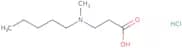
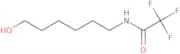
![2-[(4-Amino-2-methyl-5-nitrylbenzyl)amino]ethylalcohol](/_next/image/?url=https%3A%2Fstatic.cymitquimica.com%2Fproducts%2F3D%2Fthumb-webp%2FFA146928.webp&w=3840&q=75)

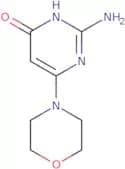
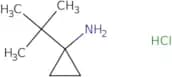
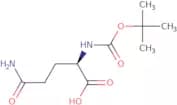
![(2S)-({[(4-Methyl-2-oxo-2H-chromen-7-yl)oxy]acetyl}amino)(phenyl)acetic acid](/_next/image/?url=https%3A%2Fstatic.cymitquimica.com%2Fproducts%2F3D%2Fthumb-webp%2FFM124529.webp&w=3840&q=75)
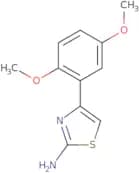

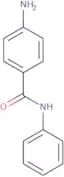
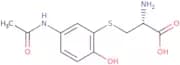
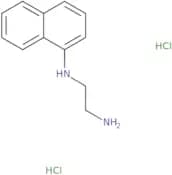
![2-[N-[(3,5-Difluorophenyl)carbamoylamino]-C-methylcarbonimidoyl]pyridine-3-carboxylic acid](/_next/image/?url=https%3A%2Fstatic.cymitquimica.com%2Fproducts%2F3D%2Fthumb-webp%2FFD101726.webp&w=3840&q=75)
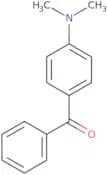
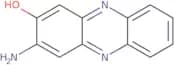
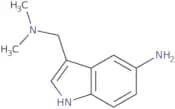

![1-[[5-(p-Nitrophenyl)furfurylidene]amino]-hydantoin sodium](/_next/image/?url=https%3A%2Fstatic.cymitquimica.com%2Fproducts%2F3D%2Fthumb-webp%2FFN44999.webp&w=3840&q=75)
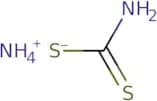
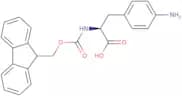
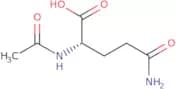
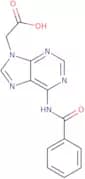



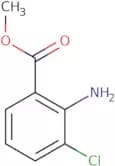
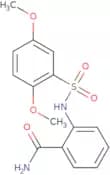

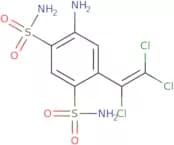
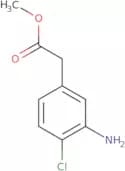
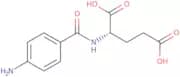
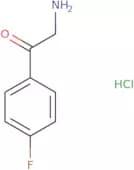
![N-[S-(2-Pyridylthio)cysteaminyl]ethylenediamine-N,N,N',N'-tetraacetic acid, monoamide - Technical …](/_next/image/?url=https%3A%2Fstatic.cymitquimica.com%2Fproducts%2F3D%2Fthumb-webp%2FFP27342.webp&w=3840&q=75)
![(2-Imidazo[2,1-b][1,3]thiazol-6-ylethyl)amine dihydrochloride](/_next/image/?url=https%3A%2Fstatic.cymitquimica.com%2Fproducts%2F3D%2Fthumb-webp%2FFI126807.webp&w=3840&q=75)
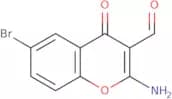
![1,4-Dioxaspiro[4.5]decan-8-ylmethanamine](/_next/image/?url=https%3A%2Fstatic.cymitquimica.com%2Fproducts%2F3D%2Fthumb-webp%2FFD153838.webp&w=3840&q=75)
![N-[5-(Phenylamino)-2,4-pentadienylidene]aniline monohydrochloride](/_next/image/?url=https%3A%2Fstatic.cymitquimica.com%2Fproducts%2F3D%2Fthumb-webp%2FFP29019.webp&w=3840&q=75)
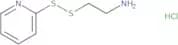
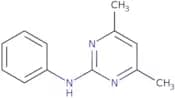
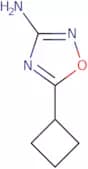
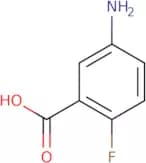
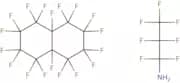
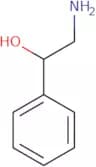

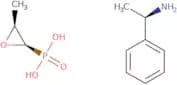
![(S)-2-((((9H-Fluoren-9-yl)methoxy)carbonyl)amino)-3-(1H-pyrrolo[2,3-b]pyridin-3-yl)propanoic acid](/_next/image/?url=https%3A%2Fstatic.cymitquimica.com%2Fproducts%2F3D%2Fthumb-webp%2FFF154979.webp&w=3840&q=75)
![Methyl 3-amino-6-methylthieno[2,3-b]pyridine-2-carboxylate](/_next/image/?url=https%3A%2Fstatic.cymitquimica.com%2Fproducts%2F3D%2Fthumb-webp%2FFM142163.webp&w=3840&q=75)
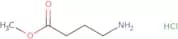
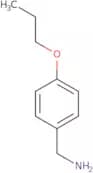
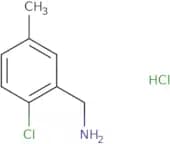
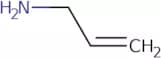
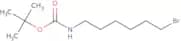
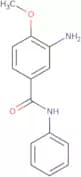
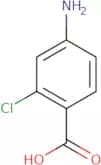
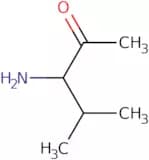
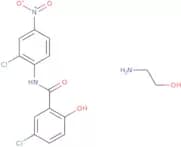
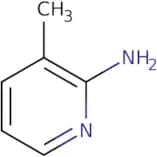
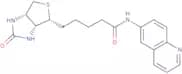
![2-[(4-Isopropylphenyl)amino]nicotinic acid](/_next/image/?url=https%3A%2Fstatic.cymitquimica.com%2Fproducts%2F3D%2Fthumb-webp%2FFI136104.webp&w=3840&q=75)
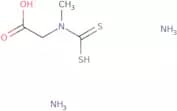

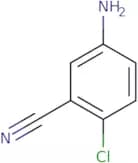

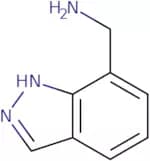
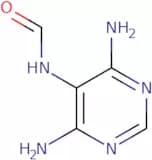
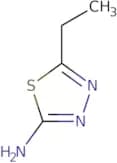
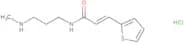
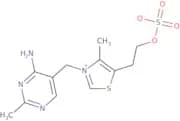
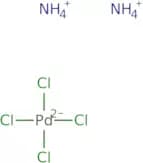
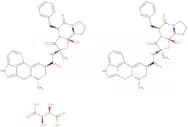
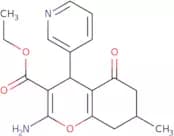

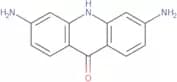
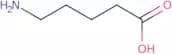
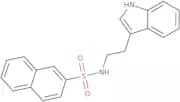
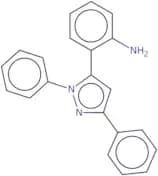
![2-[Methyl[(tridecafluorohexyl)sulphonyl]amino]ethyl acrylate](/_next/image/?url=https%3A%2Fstatic.cymitquimica.com%2Fproducts%2F3D%2Fthumb-webp%2FFM96258.webp&w=3840&q=75)
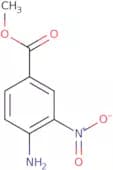
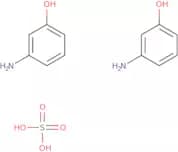
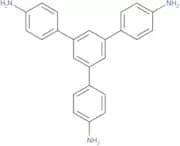
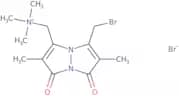
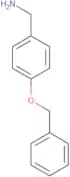
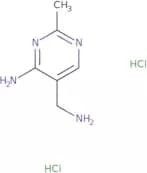
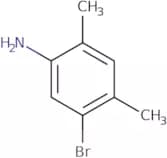
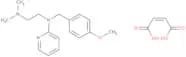
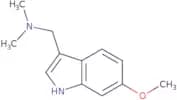

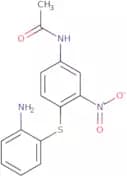
![20-Deoxo-23-deoxy-5-O-[3,6-dideoxy-3-(dimethylamino)-beta-D-glucopyranosyl]-20,23-di-1-piperidinyl…](/_next/image/?url=https%3A%2Fstatic.cymitquimica.com%2Fproducts%2F3D%2Fthumb-webp%2FFT137728.webp&w=3840&q=75)
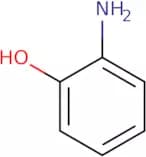
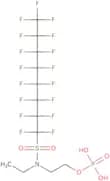


methanone HCl](/_next/image/?url=https%3A%2Fstatic.cymitquimica.com%2Fproducts%2F3D%2Fthumb-webp%2FFA133569.webp&w=3840&q=75)
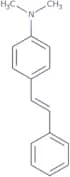
![2-[3-[N-(4-tert-Butylbenzyl)-N-(pyridin-3-ylsulfonyl)aminomethyl]phenoxy]acetic acid](/_next/image/?url=https%3A%2Fstatic.cymitquimica.com%2Fproducts%2F3D%2Fthumb-webp%2FFT145127.webp&w=3840&q=75)
![[2-(1,3-Benzoxazol-2-yl)ethyl]amine hydrochloride](/_next/image/?url=https%3A%2Fstatic.cymitquimica.com%2Fproducts%2F3D%2Fthumb-webp%2FFB123800.webp&w=3840&q=75)

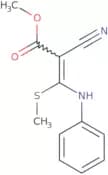
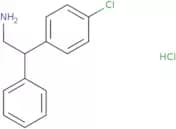
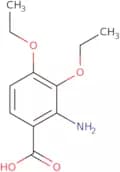
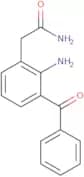
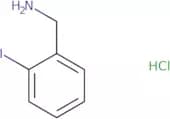
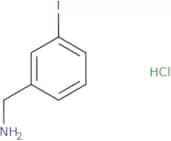
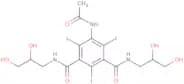
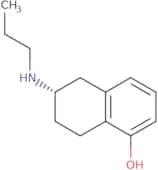
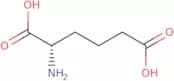

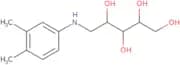
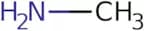
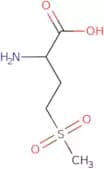
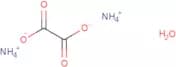
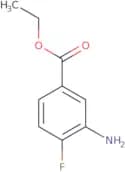
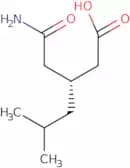
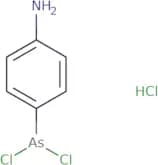
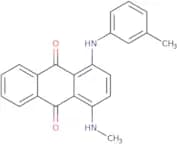
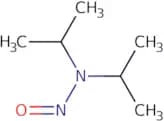
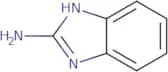
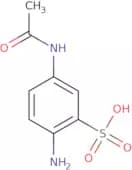
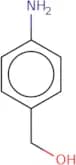
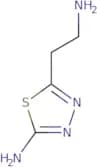
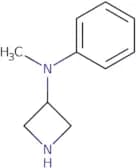
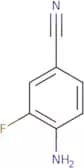
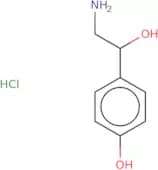
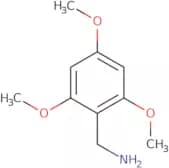
![N,N-Diethyl-2-[4-[(Z)-1-(4-Fluorophenyl)-2-Phenylethenyl]Phenoxy]Ethanamine](/_next/image/?url=https%3A%2Fstatic.cymitquimica.com%2Fproducts%2F3D%2Fthumb-webp%2FFD99813.webp&w=3840&q=75)
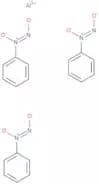
![2-[(2-Amino-5-methoxyphenyl)dithio]-4-methoxyaniline](/_next/image/?url=https%3A%2Fstatic.cymitquimica.com%2Fproducts%2F3D%2Fthumb-webp%2FFA117846.webp&w=3840&q=75)
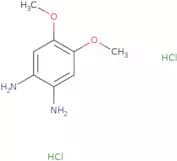
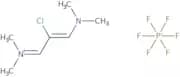

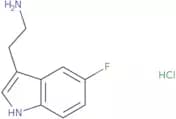
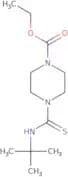
![[2-(2,3-Dimethylphenoxy)ethyl]amine HCl](/_next/image/?url=https%3A%2Fstatic.cymitquimica.com%2Fproducts%2F3D%2Fthumb-webp%2FFD133628.webp&w=3840&q=75)
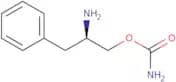
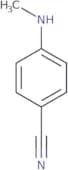

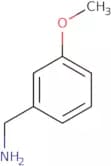

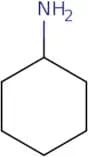
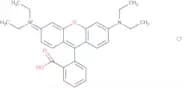
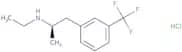
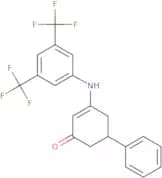

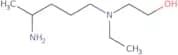

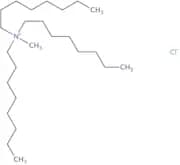
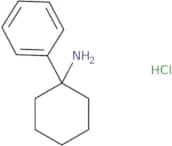
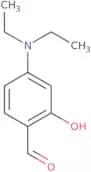
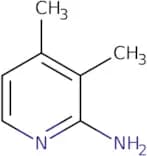
![2-Amino-N-[2-(5-methoxy-1H-indol-3-yl)ethyl]acetamide hydrochloride](/_next/image/?url=https%3A%2Fstatic.cymitquimica.com%2Fproducts%2F3D%2Fthumb-webp%2FFA116384.webp&w=3840&q=75)
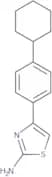
![4-Amino-5-chloro-2,3-dihydro-N-[1-(3-methoxypropyl)-4-piperidinyl]-7-benzofurancarboxamide](/_next/image/?url=https%3A%2Fstatic.cymitquimica.com%2Fproducts%2F3D%2Fthumb-webp%2FFA27248.webp&w=3840&q=75)
![N-Methyl-N-[(1,3,5-trimethyl-1H-pyrazol-4-yl)methyl]amine](/_next/image/?url=https%3A%2Fstatic.cymitquimica.com%2Fproducts%2F3D%2Fthumb-webp%2FFM112110.webp&w=3840&q=75)

![(8β)-N-[3-(Dimethylamino)propyl]-N-[(ethylamino)carbonyl] -6-(2-propen-1-yl)-ergoline-8-carboxamide](/_next/image/?url=https%3A%2Fstatic.cymitquimica.com%2Fproducts%2F3D%2Fthumb-webp%2FFD19622.webp&w=3840&q=75)
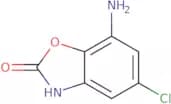
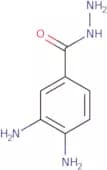
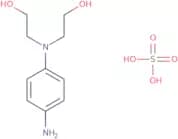
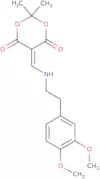
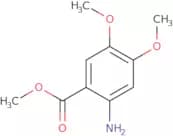
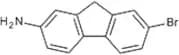
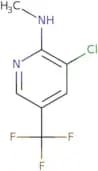
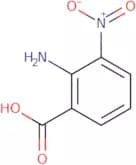
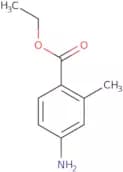
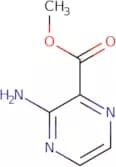

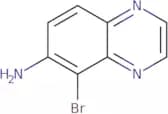
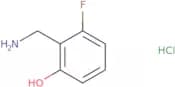
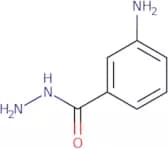
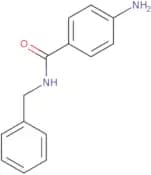
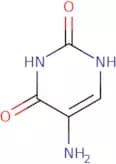
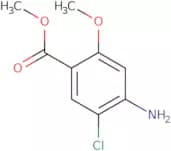

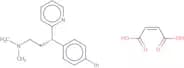
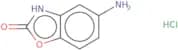
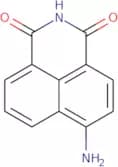
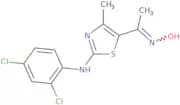
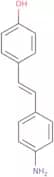
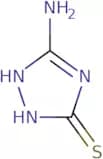
![{[2-(2-Methoxyphenyl)-1,3-thiazol-5-yl]methyl}amine](/_next/image/?url=https%3A%2Fstatic.cymitquimica.com%2Fproducts%2F3D%2Fthumb-webp%2FFM124085.webp&w=3840&q=75)
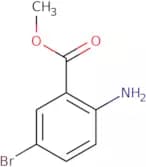
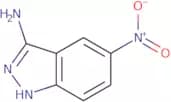
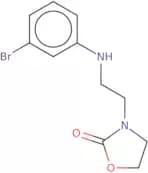
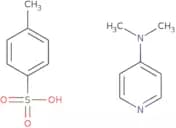
![1,3-Bis[tris(hydroxymethyl)methylamino]propane](/_next/image/?url=https%3A%2Fstatic.cymitquimica.com%2Fproducts%2F3D%2Fthumb-webp%2FFB09448.webp&w=3840&q=75)