Aminas
Subcategorías de "Aminas"
- Nitrosaminas(2.675 productos)
- Aminas primarias(30.948 productos)
- Cationes y sales de amonio cuaternario(1.098 productos)
- Aminas secundarias(20.886 productos)
- Aminas terciarias(17.195 productos)
Se han encontrado 8786 productos de "Aminas"
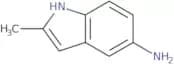
5-Amino-2-methylindole
CAS:5-Amino-2-methylindole is a hyaluronic acid inhibitor that has been shown to have an inhibitory effect on the growth of some bacteria. It inhibits the synthesis of bacterial enzymes and growth factors, which are required for bacterial cell division. 5-Amino-2-methylindole also inhibits the production of a number of important enzymes in bacteria, including benzofuran derivatives, as well as p. aeruginosa. This drug is used as a topical treatment in cases where there is tissue damage or inflammation. 5-Amino-2-methylindole has been shown to be effective against gram positive bacteria such as Streptococcus pyogenes and Enterococcus faecalis, but not against gram negative bacteria such as Pseudomonas aeruginosa or Escherichia coli.Fórmula:C9H10N2Pureza:Min. 95%Forma y color:Yellow To Dark Brown SolidPeso molecular:146.19 g/mol1,4-Diaminoanthraquinone
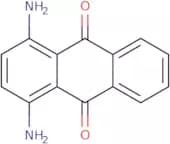
CAS:1,4-Diaminoanthraquinone is a monomeric dye that absorbs light in the visible region of the electromagnetic spectrum. It is soluble in organic solution and has a high solubility in glycol ether. The dye can be activated by hydrogen bonding to form the corresponding anthraquinone dye. 1,4-Diaminoanthraquinone has been shown to have an absorption maximum at around 520 nm and to be soluble in organic solvents such as glycol ethers. The compound is also water-insoluble, which makes it suitable for use in microcapsules.Fórmula:C14H10N2O2Pureza:Min. 95%Forma y color:PowderPeso molecular:238.24 g/mol4,6-Dimethoxypyrimidin-2-amine
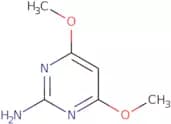
CAS:4,6-Dimethoxypyrimidin-2-amine is a pyrimidine compound with the molecular formula C5H4N4O2. It can be prepared from the reaction of 2,4,6-trichloropyrimidine with formaldehyde and sodium cyanide in an organic solution. The properties of 4,6-Dimethoxypyrimidin-2-amine were studied on bacterial strain and human urine samples. This molecule is soluble in water and reacts with carboxylic acid to form a hydrogen bond. The nitrogen atoms show some reactivity towards copper chloride and hydrogen chloride.Fórmula:C6H9N3O2Pureza:Min. 95%Forma y color:White PowderPeso molecular:155.15 g/mol3-(Aminomethyl)-N,N-dimethylbenzamide
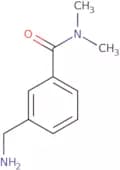
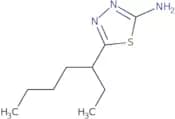
CAS:3-(Aminomethyl)-N,N-dimethylbenzamide (DMBA) is a compound that can be used as a chemical marker for the identification of bacteria. It has been tested on an automated DNA sequencer and found to be effective in identifying different strains of bacteria. DMBA is applied to plates containing bacterial colonies and then contacted with a device containing the sequence analyzer. The analyzer measures the amount of DMBA that binds to the bacterial colony and generates a profile of the colony's DNA. This information can then be used to identify the bacterial colony type.Fórmula:C10H14N2OPureza:Min. 95%Forma y color:Brown PowderPeso molecular:178.23 g/mol5-(1-Ethylpentyl)-1,3,4-thiadiazol-2-amine
CAS:5-(1-Ethylpentyl)-1,3,4-thiadiazol-2-amine is a useful intermediate that is used in the synthesis of various chemicals. It has been shown to react with thionyl chloride to produce 5-(1-ethylhexyl)-2,4-dioxo-1,3,4-thiadiazole. This reagent can be used as a building block for the synthesis of other complex compounds and has been shown to react with many different types of functional groups. 5-(1-Ethylpentyl)-1,3,4-thiadiazol-2-amine is also useful in the production of speciality chemicals such as research chemicals and versatile building blocks. This compound has CAS number 299934-91-1.Fórmula:C9H17N3SPureza:Min. 95%Forma y color:PowderPeso molecular:199.32 g/mol(11bS)-N,N-Dimethyl-8,9,10,11,12,13,14,15-octahydrodinaphtho[2,1-d:1',2'-f][1,3,2]dioxaphosphepin-4-amine
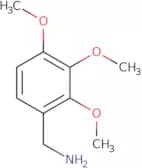
CAS:(11bS)-N,N-Dimethyl-8,9,10,11,12,13,14,15-octahydrodinaphtho[2,1-d:1',2'-f][1,3,2]dioxaphosphepin-4-amine is a chiral compound that can be used as an immobilizer in catalytic asymmetric reactions. This molecule has shown to be effective in hydrogenation reactions and insulating electrodes. It also has bifunctional properties and can be recycled with the use of a gelation process. (11bS)-N,N-Dimethyl-8,9,10,11,12,13,14,15-octahydrodinaphtho[2.1d:1',2'-f][1.3.2]dioxaphosphepin-4-amine has been synthesized from a recyclable material and its interactions haveFórmula:C22H26NO2PPureza:Min. 95%Forma y color:White PowderPeso molecular:367.42 g/mol2,3,4-Trimethoxybenzylamine
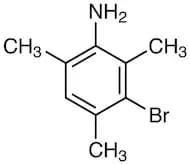
CAS:2,3,4-Trimethoxybenzylamine is a versatile chemical that can be used as a building block for complex compounds. It has been shown to react with methanol and ammonia to produce 2,3,4-trimethoxyaniline. This chemical can also be used as a reagent or speciality chemical in research and synthesis.Fórmula:C10H15NO3Pureza:Min. 95%Peso molecular:197.23 g/mol3-Bromo-2,4,6-trimethylaniline
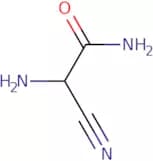
CAS:Fórmula:C9H12BrNPureza:>98.0%(GC)(T)Forma y color:White to Light yellow to Light orange powder to crystalPeso molecular:214.112-Amino-2-cyanoacetamide
CAS:2-Amino-2-cyanoacetamide is a chemical compound that has been shown to be reactive in the human liver and animal models. It is a purine derivative with a diatomic molecule, which has been shown to inhibit cancer cells in animals. 2-Amino-2-cyanoacetamide has been shown to inhibit the replication of pestivirus, an RNA virus that causes encephalitis and other diseases in humans. The nitrogen atoms on this molecule are responsible for its transport properties, including uptake by the gut and its ability to cross the blood brain barrier. 2-Amino-2-cyanoacetamide also inhibits the activity of amide hydrolase, which is an enzyme responsible for hydrolyzing peptides into amino acids. This process leads to a decrease in protein synthesis, which can lead to cell death.Fórmula:C3H5N3OPureza:Min. 95%Forma y color:Beige To Tan SolidPeso molecular:99.09 g/mol[5-(4-Aminophenyl)-2-furyl]methanol
CAS:Please enquire for more information about [5-(4-Aminophenyl)-2-furyl]methanol including the price, delivery time and more detailed product information at the technical inquiry form on this page
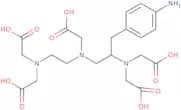
Fórmula:C11H11NO2Pureza:Min. 95%Forma y color:Brown PowderPeso molecular:189.21 g/molS-2-(4-Aminobenzyl)-diethylenetriamine pentaacetic acid trifluoroacetic acid salt
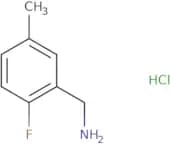
CAS:S-2-(4-Aminobenzyl)-diethylenetriamine pentaacetic acid trifluoroacetic acid salt is a reagent that can be used as a complex building block in the synthesis of organic and inorganic compounds. It is also a useful intermediate, with applications in fine chemical, research chemicals and speciality chemical manufacturing. S-2-(4-Aminobenzyl)-diethylenetriamine pentaacetic acid trifluoroacetic acid salt has been shown to be an excellent reaction component for the synthesis of many different types of compounds, such as natural products and pharmaceuticals.Fórmula:C21H30N4O10•(C2HF3O2)4Pureza:Area-% Min. 85 Area-%Forma y color:PowderPeso molecular:954.56 g/mol2-Fluoro-5-methylbenzylamine hydrochloride
CAS:2-Fluoro-5-methylbenzylamine hydrochloride is a reagent that is used as a starting material in the synthesis of fine chemicals, research chemicals, and speciality chemicals. It reacts with a variety of compounds to form complex compounds. 2-Fluoro-5-methylbenzylamine hydrochloride has a high quality and is a versatile building block for making other chemical products. The compound also has an interesting reactivity with various substrates. 2-Fluoro-5-methylbenzylamine hydrochloride can be used as an intermediate in the synthesis of pharmaceuticals, herbicides, insecticides, and dyes. The CAS number for this compound is 1214341-09-9.Fórmula:C8H11ClFNPureza:Min. 95%Peso molecular:175.63 g/molFmoc-4-amino-L-phe(t-butyl-carbamoyl)-OH
Fmoc-4-amino-L-phe(t-butyl-carbamoyl)-OH is a versatile building block that is used in the synthesis of complex compounds. This compound has been found to be useful as a reagent, speciality chemical, and reaction component for the synthesis of high quality and useful intermediates. Fmoc-4-amino-L-phe(t-butyl carbamoyl)-OH is also a useful scaffold for the production of novel compounds.Fórmula:C29H31N3O5Pureza:Min. 95%Forma y color:PowderPeso molecular:501.57 g/mol1,2-Phenylenediamine
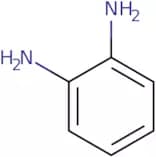
CAS:1,2-Phenylenediamine is an aromatic amine that can be used as a precursor for the synthesis of various heterocyclic compounds. It has been shown to have an acidic character, which is due to its coordination geometry with three of its nitrogen atoms in the form of pyramidal nitrogen atoms. 1,2-Phenylenediamine is also a ligand for toll-like receptor (TLR) 4 and TLR9. It has been shown to activate these receptors by binding and activating downstream signaling pathways such as NF-κB and MAPK. This compound also has the ability to induce apoptosis in HL60 cells through inhibition of protein synthesis and activation of caspases.
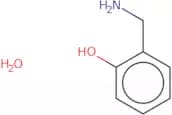
Fórmula:C6H8N2Pureza:Min. 98 Area-%Forma y color:White PowderPeso molecular:108.14 g/mol2-Hydroxybenzylamine hydrate
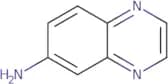
CAS:2-Hydroxybenzylamine hydrate is a fine chemical, useful building block, research chemical, and reagent. It is soluble in water and has a neutral pH. 2-Hydroxybenzylamine hydrate is an intermediate in the synthesis of amphetamines and phenethylamines. This product is also used as a reaction component for the synthesis of polymers, pharmaceuticals, natural products, and other organic compounds. 2-Hydroxybenzylamine hydrate has a high quality level and can be used as a versatile building block in complex reactions.Fórmula:C7H9NO·H2OPureza:Min. 95%Peso molecular:141.17 g/mol6-Aminoquinoxaline
CAS:6-Aminoquinoxaline is a quinoxaline derivative that has been shown to be effective against the bacterium, Salmonella typhimurium. 6-Aminoquinoxaline has significant cytotoxicity and significant activity against the ryanodine receptor (RYR). This compound is also a dopamine analog which may have neuroprotective effects. It was also shown to have no adverse effects on skeletal development in rats. 6-Aminoquinoxaline is an analog of quinoxaline and it can undergo a thermal expansion reaction with other organic molecules. The biological properties of this compound are still being researched, but it has been shown to be toxic to cells in culture due to its ability to inhibit protein synthesis and DNA replication.
Fórmula:C8H7N3Pureza:Min. 95%Forma y color:Yellow PowderPeso molecular:145.16 g/mol6-Chloro-2-methyl-4-pyrimidinamine
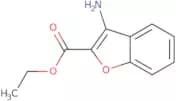
CAS:6-Chloro-2-methyl-4-pyrimidinamine is a molecule that has been studied for anticancer activity. It is an urea nitrogen, which is a hydrogen bond donor. The fructus of the 6-chloro-2-methyl-4-pyrimidinamine molecule has been shown to have anticancer activity in vitro. The anticancer activities of 6-chloro-2-methyl-4-pyrimidinamine are thermodynamic and vibrational, with etridiazole as the most potent inhibitor. The diamine tetraacetic acid (DTA) protonation state of the molecule was found to be 5.6, while the chloride protonation state was 3.6. In addition, it has been shown that 6CHMPA binds to Triticum aestivum cells through ethylene diamine and atomic orbital interactions.Fórmula:C5H6ClN3Pureza:Min. 95%Forma y color:White To Off-White SolidPeso molecular:143.57 g/molEthyl 3-aminobenzofuran-2-carboxylate
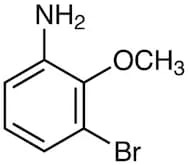
CAS:Ethyl 3-aminobenzofuran-2-carboxylate is a decarboxylated pyridine derivative that has been shown to react with an aldoxime to form an unsymmetrical aldehyde. This reaction is catalyzed by acid and alkaline hydrolysis. It is also able to form benzothiophenes and benzofurans through the same reaction. Ethyl 3-aminobenzofuran-2-carboxylate can be used in the synthesis of many other organic compounds, including phenacyl, carboxylic acids, pyridines, and aryl halides.Fórmula:C11H11NO3Pureza:Min. 95%Peso molecular:205.21 g/mol3-Bromo-2-methoxyaniline
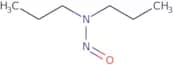
CAS:Fórmula:C7H8BrNOPureza:>98.0%(GC)(T)Forma y color:Light yellow to Brown clear liquidPeso molecular:202.05N-Nitrosodipropylamine
CAS:N-Nitrosodipropylamine is a chemical that is used in wastewater treatment. It is found in acetate extracts of sewage sludge and has been shown to inhibit the activity of rat liver microsomes. N-Nitrosodipropylamine has been linked to cancer, and although it has not been shown to cause cancer in rats, it does have carcinogenic potential. This chemical also inhibits the activity of bacterial cytochrome P450 enzymes, which are important for regulating the synthesis of lipids, steroids, and other biologically important molecules. N-Nitrosodipropylamine has also been shown to be an anthelmintic drug, but when administered orally or intraperitoneally at high doses, it causes maternal toxicity and fetal death in pregnant rats. The use of this drug should therefore be avoided during pregnancy.
Fórmula:C6H14N2OPureza:Min. 95%Forma y color:Clear LiquidPeso molecular:130.19 g/molSulbutiamine
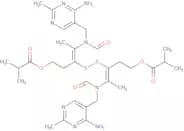
CAS:Sulbutiamine is a thiamine analogue that is used to treat diseases such as Alzheimer's disease and Parkinson's disease. Sulbutiamine also has antimicrobial properties and can be used to treat infectious diseases such as infectious diarrhea. Sulbutiamine has been shown to reduce symptoms of inflammatory bowel disease (IBD) by relieving intestinal inflammation, although it does not affect the course of the disease. Sulbutiamine has also been shown to have effects on the immune system, which may be due to its ability to increase cellular redox potentials in neuro2a cells and human serum. These effects are caused by an indirect antioxidant effect, which results from sulbutiamine's ability to inhibit lipid peroxidation and stimulate glutathione reductase activity.Fórmula:C32H46N8O6S2Pureza:Min. 95%Forma y color:PowderPeso molecular:702.89 g/mol2-(3-Bromophenyl)ethanamine
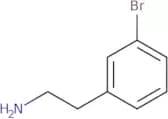
CAS:Producto controlado2-(3-Bromophenyl)ethanamine is an affinity ligand for the 5-hydroxytryptamine receptor 7 (5-HT7). It has a high affinity for the 5-HT7 receptor and can also be used to study other serotonin receptors. This compound has been shown to bind to the 5-HT7 with a Kd of 0.3 nM and no significant binding at other serotonin receptors. It was found that 2-(3-bromophenyl)ethanamine does not inhibit the uptake of serotonin from synaptosomal preparations, but does inhibit the uptake of serotonin from cerebrospinal fluid. These results were confirmed in vitro using radioligand binding assays and autoradiography, demonstrating that 2-(3-bromophenyl)ethanamine binds selectively to the 5-HT7 receptor.Fórmula:C8H10BrNPureza:Min. 95%Forma y color:Colorless PowderPeso molecular:200.08 g/mol3-Aminoquinoline
CAS:3-Aminoquinoline is a chemical compound that inhibits the activity of the epidermal growth factor receptor (EGFR). It is a potent inhibitor of cell proliferation and has been shown to have antitumour activity. 3-Aminoquinoline has been shown to inhibit the proliferation of carcinoma cell lines. This drug binds to the EGFR receptor, preventing it from activating downstream signalling pathways that control cell growth. 3-Aminoquinoline also has biological properties, including matrix-assisted laser desorption/ionization time-of-flight mass spectrometry, analytical chemistry, sample preparation, and Suzuki coupling reaction. The molecule is structurally analyzed using chemical structures and structural analysis techniques such as thermodynamic data or proton NMR spectroscopy. 3-Aminoquinoline also interacts with sugars through hydrogen bonding and oligosaccharides. These interactions are found to be high in value in some cases.
Fórmula:C9H8N2Pureza:Min. 95%Forma y color:White PowderPeso molecular:144.17 g/mol2-(2,4-Dichlorophenyl)-1,3-benzoxazol-5-amine
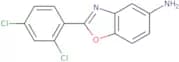
CAS:2-(2,4-Dichlorophenyl)-1,3-benzoxazol-5-amine is a versatile building block that can be used in a wide range of chemical reactions. The compound is a reagent and speciality chemical with CAS No. 293737-83-4. It is an intermediate in the synthesis of pharmaceuticals and pesticides, as well as a useful scaffold for the synthesis of other compounds. 2-(2,4-Dichlorophenyl)-1,3-benzoxazol-5-amine has been shown to have high quality and can be used as a reaction component or building block in research labs.
Fórmula:C13H8Cl2N2OPureza:Min. 95%Forma y color:PowderPeso molecular:279.12 g/mol3-Chloro-N,N-diethylpropan-1-amine
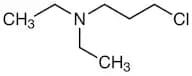
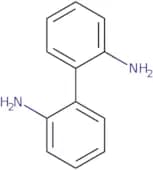
CAS:Fórmula:C7H16ClNPureza:>98.0%(GC)(T)Forma y color:Colorless to Almost colorless clear liquidPeso molecular:149.66Biphenyl-2,2'-diamine
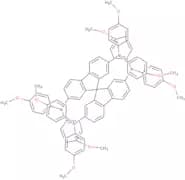
CAS:Biphenyl-2,2'-diamine is a hydrogen bond donor. It is an organic compound with a molecular formula of C6H5NH that has two amine groups. The compound is gaseous at room temperature and it has a boiling point below 400 degrees Celsius. It reacts with ethanolic solutions to form colorless crystals that are soluble in water. Biphenyl-2,2'-diamine has been shown to have antiinflammatory activity in rats. This activity may be due to biphenyl-2,2'-diamine's ability to inhibit the production of prostaglandins by inhibiting cyclooxygenase (COX).Fórmula:C12H12N2Pureza:Min. 95%Forma y color:Off-White Clear LiquidPeso molecular:184.24 g/mol2,2',7,7'-Tetrakis-(N,N-di-4-methoxyphenylamino)-9,9'-spirobifluorene - Sublimed grade
CAS:2,2',7,7'-Tetrakis-(N,N-di-4-methoxyphenylamino)-9,9'-spirobifluorene (TPB) is a model system for investigating the transport of light signal in polymers. TPB can be used as a component in solar cells to increase their efficiency and improve their resistance to heat. TPB has shown high resistance to hydrochloric acid and other aggressive chemicals. TPB has been shown to be an effective photoelectron donor with a redox potential that is close to the one of copper; this property can be used for electrochemical impedance spectroscopy.Fórmula:C81H68N4O8Pureza:Min. 95%Forma y color:Off-white to yellow solid.Peso molecular:1,225.43 g/molEthyl 3-(Benzylamino)-3-oxopropionate
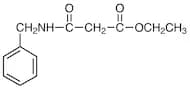
CAS:Fórmula:C12H15NO3Pureza:>98.0%(GC)Forma y color:White to Light yellow powder to crystalPeso molecular:221.26N-(Tert-butyl) hydroxylamine acetate
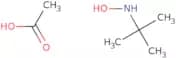
CAS:Producto controladoN-(Tert-butyl) hydroxylamine acetate is a transport inhibitor that prevents the uptake of glutamate, an excitatory neurotransmitter. It has been shown to inhibit the replication of influenza virus in human cells by preventing the uptake of glutamate. N-(Tert-butyl) hydroxylamine acetate reacts with hydrochloric acid to form an antioxidant compound, and it has also been shown to have a protective effect against oxidative stress in yeast cells. This compound can be used as an antioxidant for biodiesel or urine samples, or as a reactant for cell lysis in microdialysis probes.Fórmula:C6H15NO3Pureza:Min. 95%Forma y color:White To Off-White SolidPeso molecular:149.19 g/mol4-Aminopyridazin-3(2H)-one
CAS:4-Aminopyridazin-3(2H)-one is an antiplatelet drug that has been shown to have a pharmacological effect on the central nervous system. It is also used as a chemotherapeutic agent for the treatment of certain types of cancer. 4-Aminopyridazin-3(2H)-one contains two nitrogen atoms that are substituted with methyl groups, which can be hydrolyzed by liver enzymes to form pyridazine and 4-aminopyridine. 4-Aminopyridazin-3(2H)-one inhibits bacterial growth by inhibiting protein synthesis and cell division at the ribosome level. This drug also has antimicrobial activity against Gram-positive bacteria and fungi, but is not active against Gram-negative bacteria such as Escherichia coli.
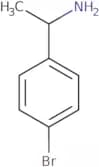
Fórmula:C4H5N3OPureza:Min. 95%Forma y color:White To Yellow SolidPeso molecular:111.1 g/mol1-(4-Bromophenyl)ethylamine
CAS:1-(4-Bromophenyl)ethylamine is a hdac inhibitor. This drug has been shown to be an amide, which is a class of chemical compounds that are the basis of many pharmaceuticals. It has been shown to have degenerative diseases, such as Alzheimer's disease and Parkinson's disease, and may also have an effect on amines. 1-(4-Bromophenyl)ethylamine inhibits hydrogen chloride and enantiomer with inflammatory diseases. It also has antiinflammatory activity, which may be due to its ability to inhibit acid molecules and biological studies.Fórmula:C8H10BrNPureza:Min. 95%Forma y color:Colorless Clear LiquidPeso molecular:200.08 g/mol3-Amino-N-(tert-butoxycarbonyl)benzylamine
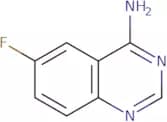
CAS:Fórmula:C12H18N2O2Pureza:>98.0%(GC)(T)Forma y color:White to Light yellow powder to crystalPeso molecular:222.294-Amino-6-fluoroquinazoline
CAS:4-Amino-6-fluoroquinazoline (4AFQ) is a protease inhibitor that has been shown to be effective in treating ulcerative colitis. It inhibits the activity of the human neutrophil elastase and cathepsin G, which are enzymes that degrade proteins and are involved in the inflammatory response. 4AFQ has also been shown to have antiatherogenic effects, inhibiting lipid uptake in macrophages and reducing fatty acid synthesis. This drug also induces apoptosis of monocytes, which reduces inflammation by decreasing cytokine production. 4AFQ is used as a probiotic agent for treatment of bacterial infections or as an additive to food products. 4AFQ can also be used as an adjuvant therapy for cancer treatments because it increases the effectiveness of chemotherapy drugs such as cisplatin and paclitaxel. This drug's water-soluble nature allows it to penetrate cell membranes more easily than other drugs with similarFórmula:C8H6FN3Pureza:Min. 95%Forma y color:PowderPeso molecular:163.15 g/molN-Benzyloctylamine
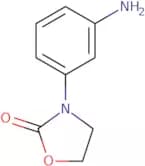
CAS:N-Benzyloctylamine is a broad-spectrum antibacterial that is effective against gram-positive and gram-negative bacteria. It has been shown to inhibit the growth of Escherichia coli and Bacillus subtilis, as well as other bacterial strains. N-Benzyloctylamine inhibits the activity of aminopeptidases, which are enzymes that hydrolyze amino acids from the ends of peptides. This inhibition leads to an accumulation of peptides in cells, which may lead to cell death by proteolysis. N-Benzyloctylamine also inhibits fatty acid synthase, which is an enzyme involved in the synthesis of fatty acids. This inhibition leads to a decrease in fatty acid production, resulting in a reduction in lipid accumulation within cells.Fórmula:C15H25NPureza:Min. 95%Peso molecular:219.37 g/mol3-(3-Aminophenyl)-1,3-oxazolidin-2-one
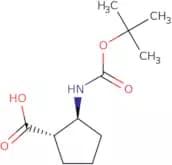
CAS:3-(3-Aminophenyl)-1,3-oxazolidin-2-one is a fine chemical that is used as a building block for more complex compounds. It has been shown to be an effective reagent for the synthesis of complex compounds and can be used as a reaction component in research. 3-(3-Aminophenyl)-1,3-oxazolidin-2-one is also useful in the production of pharmaceuticals and other specialty chemicals.Fórmula:C9H10N2O2Pureza:(¹H-Nmr) Min. 95 Area-%Forma y color:PowderPeso molecular:178.19 g/mol(1S,2S)-Boc-aminocyclopentane carboxylic acid
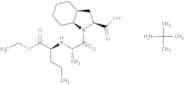
CAS:(1S,2S)-Boc-aminocyclopentane carboxylic acid is a useful scaffold for the synthesis of complex compounds and pharmaceuticals. It has been used as a building block for the synthesis of bioactive natural products and pharmaceuticals. This product is also used as an intermediate in the production of research chemicals and speciality chemicals. It can be used as a reagent in organic chemistry reactions, such as peptide coupling, esterification, oxidation, reduction, nitration, sulfonylation, and Friedel-Crafts acylation. (1S,2S)-Boc-aminocyclopentane carboxylic acid has high purity with CAS No. 143679-80-5 and is available at competitive prices.Fórmula:C11H19NO4Pureza:Min. 95%Forma y color:White PowderPeso molecular:229.27 g/molPerindopril t-butylamine salt
CAS:Perindopril t-butylamine salt inhibits the angiotensin converting enzyme (ACE) to prevent the conversion of angiotensin I to angiotensin II. When used in drug formulations, it has been shown to decrease blood pressure in patients with congestive heart failure. Perindopril also has an effect on the renin-angiotensin system, which regulates blood pressure and fluid homeostasis by promoting vasoconstriction and increasing salt and water retention.
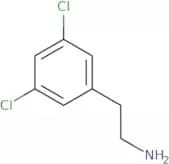
Fórmula:C23H43N3O5Pureza:Min. 95%Forma y color:PowderPeso molecular:441.6 g/mol2-(3,5-Dichlorophenyl)ethanamine
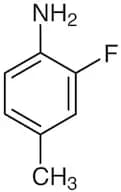
CAS:Producto controlado2-(3,5-Dichlorophenyl)ethanamine is a versatile building block that can be used in research and development of many compounds. This compound is a fine chemical that has been used as a reagent in organic synthesis. 2-(3,5-Dichlorophenyl)ethanamine is a useful intermediate and reaction component in the synthesis of other organics. It can also be used as a scaffold to synthesize more complicated molecules.Fórmula:C8H9Cl2NPureza:Min. 95%Forma y color:Clear LiquidPeso molecular:190.07 g/mol2-Fluoro-4-methylaniline
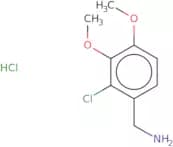
CAS:Fórmula:C7H8FNPureza:>97.0%(GC)(T)Forma y color:Light yellow to Brown clear liquidPeso molecular:125.152-Chloro-3,4-dimethoxybenzylamine HCl
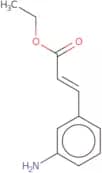
CAS:2-Chloro-3,4-dimethoxybenzylamine HCl is a fine chemical that can be used as a building block to synthesize new compounds. It is also a useful intermediate in the production of pharmaceuticals and other organic chemicals. 2-Chloro-3,4-dimethoxybenzylamine HCl has been used as a reaction component for the synthesis of various complex compounds. This compound has been shown to have high purity and quality.Fórmula:C9H12ClNO2·HClPureza:Min. 95%Peso molecular:238.11 g/molEthyl 3-aminocinnamate
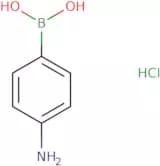
CAS:Ethyl 3-aminocinnamate is a versatile building block for the synthesis of complex compounds. It is also a useful intermediate for the synthesis of reaction components, such as antihistamines and antigens. Ethyl 3-aminocinnamate can be used to synthesize speciality chemicals, such as research chemicals and reagents. This compound has high purity and is a useful scaffold for the preparation of related compounds.Fórmula:C11H13NO2Pureza:Min. 95%Peso molecular:191.23 g/mol4-Aminophenylboronic acid hydrochloride
CAS:4-Aminophenylboronic acid hydrochloride is a fluorescent probe that can be used to detect hydrogen bonds in proteins. It has been used to measure water vapor in human serum and as an electrochemical impedance spectroscopy probe for the detection of ATP levels. This compound has also been used as a fluorescence probe for the detection of viruses and fetal bovine serum, as well as nanomaterials and matrix effect studies. 4-Aminophenylboronic acid hydrochloride is synthesized through the reaction of 4-aminophenylboronic acid with hydrochloric acid in water at high temperature, which produces a white solid. The thermal expansion coefficient of this compound is 2.6 x 10^-5 K^-1.
Fórmula:C6H8BNO2•HClPureza:Min. 95%Forma y color:PowderPeso molecular:173.4 g/molThiamine nitrate
CAS:Thiamine nitrate is a form of vitamin B1 that is used to treat thiamine deficiency. Thiamine nitrate is an oxidized form of thiamin, also known as vitamin B1. It can be synthesized by reacting thiamin hydrochloride with nitric acid. Thiamine nitrate has been shown to protect against neuronal death in the brain and restores cognitive function in patients with Wernicke-Korsakoff syndrome due to its ability to target enzymes involved in energy metabolism and calcium ion homeostasis. It also prevents acute alcohol intoxication and protects against neurotoxicity caused by nonsteroidal anti-inflammatory drugs. Thiamine nitrate also has a fluorescence probe that can be used for detection and quantification of some proteins, such as DNA polymerase or ribonucleotide reductase, which are essential for cell growth or DNA synthesis.Fórmula:C12H17N4OS·NO3Pureza:Min. 95%Forma y color:White Clear LiquidPeso molecular:327.36 g/mol4-Aminophthalimide
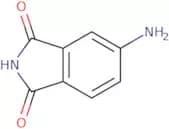
CAS:4-Aminophthalimide is a protonated aminophthalic acid derivative that is used as a fluorescence probe. It has been shown to be a photophysical and photochemical reagent that can be used in the study of intermolecular hydrogen bonding interactions. The fluorescence of 4-aminophthalimide is enhanced by the presence of epidermal growth factor (EGF) and solvents such as water, alcohols, and hydrochloric acid. The fluorescence emission from this compound is dependent on its environment, which includes the presence of hydrogen bonding interactions with fatty acids.
Fórmula:C8H6N2O2Pureza:Min. 95%Forma y color:PowderPeso molecular:162.15 g/mol3,5-Diaminobenzoic acid dihydrochloride
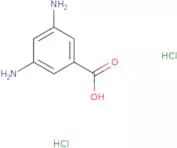
CAS:3,5-Diaminobenzoic acid dihydrochloride (DABA) is a potent inhibitor of peroxidase and has been shown to inhibit the activity of hydrogen peroxide. It has been used in medicine as an antiseptic and disinfectant. 3,5-Diaminobenzoic acid dihydrochloride also inhibits uncatalysed and catalysed reactions. The inhibition of these reactions is due to the reaction with hydrogen peroxide, which causes the formation of potent inhibitory species that are capable of reacting with other molecules. These reactions lead to a decrease in the rate of reaction. This product also exhibits potent inhibitory activity towards peroxidase and can be used for the treatment of infections caused by bacteria, such as Mycobacterium tuberculosis or Mycobacterium avium complex.Fórmula:C7H8N2O2·2HClPeso molecular:225.07 g/mol[3-(1H-Pyrazol-1-yl)benzyl]amine
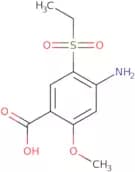
CAS:3-(1H-Pyrazol-1-yl)benzyl amine is a fine chemical that is used as a versatile building block in the synthesis of many complex compounds, such as pharmaceuticals and agrochemicals. This compound can be used to produce research chemicals, reaction components, and specialty chemicals. 3-(1H-Pyrazol-1-yl)benzyl amine is also a high quality reagent for use in the manufacture of various products.Fórmula:C10H11N3Pureza:Min. 95%Forma y color:PowderPeso molecular:173.21 g/mol2-Methoxy-4-amino-5-ethylsulfonyl benzoic acid
CAS:2-Methoxy-4-amino-5-ethylsulfonyl benzoic acid is a synthetic chemical that is used in wastewater treatment. It is also used as a precursor for the production of other chemicals, such as thiocyanates, peroxides, and bromoethanes. 2-Methoxy-4-amino-5-ethylsulfonyl benzoic acid can be produced by the reaction of hydrochloric acid with thionyl chloride. It reacts with aluminium to produce an acylation reaction that produces 2,2'-dithiodiethanol (DTE). The DTE can be reacted with an organic compound to produce a variety of products, including salicylic acid or bromoethanes.Fórmula:C10H13NO5SPureza:Min. 95%Forma y color:PowderPeso molecular:259.28 g/mol4-Dimethylaminobenzylamine dihydrochloride
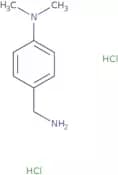
CAS:4-(Dimethylamino)benzylamine dihydrochloride (DMAA) is an inhibitor of the enzyme form of acetylcholinesterase. It has been used as a reagent in the biochemical, analytical and chromatographic detection of acetylcholine. DMAA can be used to measure acetylcholine levels in human serum, and has a kinetic time range of 0.5-2 hours. This chemical has potent inhibition against cytosolic but not plasma cholinesterase activity, which may be due to its binding to the active site of the enzyme. DMAA also inhibits lymphocytic leukemia cell growth by inducing chemiluminescence, which is a reaction that produces light from a chemical reaction in the absence of oxygen.
Fórmula:C9H14N2•(HCl)2Pureza:Min. 95%Peso molecular:223.14 g/mol(R)-(+)-N-Benzyl-1-phenylethylamine
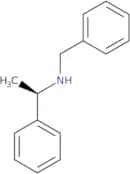
CAS:(R)-(+)-N-Benzyl-1-phenylethylamine is an enantiomer of phenylethylamine. It is a chiral, vinylic amine that can be used to produce catalytic asymmetric Grignard reactions. The synthesis of this compound starts with the addition of benzyl chloride to 1-phenylethylamine. This reaction produces (R)-(+)-N-benzyl-1-phenylethylamine as the major product and its corresponding bisulfate salt as the minor product. This compound has been shown to be an anti HIV drug in a number of studies, which may be due to its ability to inhibit reverse transcriptase and/or prevent viral entry into cells.
Fórmula:C15H17NPureza:Min. 95%Forma y color:Colourless To Pale Yellow LiquidPeso molecular:211.3 g/molp-Amino-L-phenylalanine hydrochloride
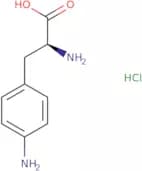
CAS:p-Amino-L-phenylalanine hydrochloride (PABA) is a type of amino acid that is used in the synthesis of melphalan hydrochloride, a drug used to treat cancer. PABA is a white crystalline powder that can be dissolved in water and formic acid. It has been shown to interact with the hydrophilic interaction chromatography column and flow rate sensor in order to improve the chromatographic separation of ammonium formate. PABA has also been found to be chiral and can be converted into its enantiomeric form by means of an organic solvent, such as acetonitrile. The impurities of PABA are mandelic acid and l-phenylalanine. These impurities are separated from PABA by means of HPLC analysis.Fórmula:C9H13ClN2O2Pureza:Min. 95%Forma y color:White/Off-White SolidPeso molecular:216.66 g/mol

![(11bS)-N,N-Dimethyl-8,9,10,11,12,13,14,15-octahydrodinaphtho[2,1-d:1',2'-f][1,3,2]dioxaphosphepin-…](/_next/image/?url=https%3A%2Fstatic.cymitquimica.com%2Fproducts%2F3D%2Fthumb-webp%2FFD163891.webp&w=3840&q=75)

![[5-(4-Aminophenyl)-2-furyl]methanol](/_next/image/?url=https%3A%2Fstatic.cymitquimica.com%2Fproducts%2F3D%2Fthumb-webp%2FFA134137.webp&w=3840&q=75)







![[3-(1H-Pyrazol-1-yl)benzyl]amine](/_next/image/?url=https%3A%2Fstatic.cymitquimica.com%2Fproducts%2F3D%2Fthumb-webp%2FFP129771.webp&w=3840&q=75)