Éteres
Los éteres son compuestos orgánicos que contienen un grupo funcional éter, caracterizado por un átomo de oxígeno unido a dos radicales hidrocarbonados. Estos compuestos son valiosos en la síntesis y sirven como disolventes en diversas reacciones químicas. En CymitQuimica, ofrecemos una selección de éteres de alta calidad para apoyar sus aplicaciones de investigación e industriales, asegurando resultados fiables y efectivos. Nuestra gama de éteres cumple con diversos requisitos de laboratorio, desde experimentos de rutina hasta investigaciones avanzadas.
Se han encontrado 40902 productos de "Éteres"
Ordenar por
Pureza (%)
0
100
|
0
|
50
|
90
|
95
|
100
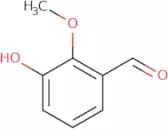
3-Hydroxy-2-methoxybenzaldehyde
CAS:<p>3-Hydroxy-2-methoxybenzaldehyde is a synthetic compound that is used as an antiviral agent. It has been shown to inhibit the replication of Coxsackievirus A9 (CV-A9). In addition, 3-Hydroxy-2-methoxybenzaldehyde reacts with isoeugenol and isonicotinic acid under acidic conditions to form 4-allyl-2-methoxyphenol, which has antiviral activity against CV-A9. This reaction requires a catalyst, such as zinc chloride or nickel sulfate. The rate of this reaction can be increased by increasing the reaction time. 3-Hydroxy-2-methoxybenzaldehyde also inhibits the virus's ability to bind to cells and enter them, reducing its infectivity.</p>Fórmula:C8H8O3Forma y color:PowderPeso molecular:152.15 g/mol2'-Ethoxy-4'-nitroacetanilide
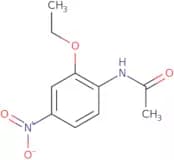
CAS:2'-Ethoxy-4'-nitroacetanilide is a chemical compound that is used as a building block in the synthesis of other chemicals. It is a versatile building block and can be used to synthesize many different types of compounds, including drugs, pesticides, and dyes. 2'-Ethoxy-4'-nitroacetanilide has been classified as a speciality chemical and is not for human consumption.Fórmula:C10H12N2O4Pureza:Min. 95%Forma y color:PowderPeso molecular:224.21 g/mol3-Methoxyanthranilic acid hydrochloride
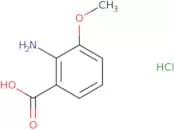
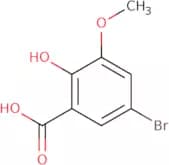
CAS:<p>3-Methoxyanthranilic acid hydrochloride is a synthetic, monosubstituted, hydrochloric acid salt of 3-methoxyanthranilic acid and the hydrochloride. It is a colorless crystalline solid that melts at 166 degrees Celsius. 3-Methoxyanthranilic acid hydrochloride is used as an intermediate in the synthesis of caprolactam, which is then used to produce polyamide fibers. The melting point of 3-Methoxyanthranilic acid hydrochloride can be used to identify other compounds with similar structures. This compound has been shown to have antihistamine effects and may be useful for treating allergies or asthma.</p>Fórmula:C8H9NO3•HClPureza:Min. 95%Forma y color:PowderPeso molecular:203.62 g/mol5-Bromo-2-hydroxy-3-methoxybenzoic acid
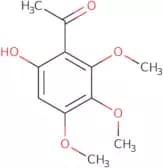
CAS:<p>5-Bromo-2-hydroxy-3-methoxybenzoic acid (5BHB) is a phenolic compound that has been shown to have fungicidal properties. The uptake of 5BHB in the brain was studied using positron emission tomography and computerized tomography scans in monkeys. The affinity of 5BHB for the dopamine D2 receptor, and its ability to inhibit methylation reactions, were also investigated. The results show that 5BHB is able to cross the blood-brain barrier and bind with high affinity to the dopamine D2 receptor. These findings suggest that 5BHB may be used as a therapeutic agent for Parkinson's disease.</p>Fórmula:C8H7BrO4Pureza:Min. 95%Forma y color:PowderPeso molecular:247.04 g/mol6-Hydroxy-2,3,4-trimethoxyacetophenone
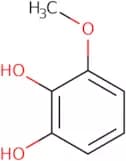
CAS:<p>6-Hydroxy-2,3,4-trimethoxyacetophenone (6HTMA) is a natural product that has been shown to have potent inhibitory activities against PC12 cells. This compound also possesses neuroprotective and antioxidative properties. 6HTMA was able to inhibit acetylation of proteins, which may be responsible for its neuroprotective activity. Furthermore, 6HTMA has been shown to possess anti-oxidant and anti-tuberculous activities.</p>Fórmula:C11H14O5Pureza:Min. 95%Forma y color:PowderPeso molecular:226.23 g/mol1,2-Dihydroxy-3-methoxybenzene
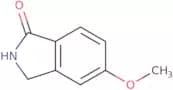
CAS:<p>1,2-Dihydroxy-3-methoxybenzene is a catechol that is used as a sample preparation agent in the analysis of genotoxic activity. It is also used to evaluate the viral life cycle and for studies on the regiospecificity of hydroxylation reactions. 1,2-Dihydroxy-3-methoxybenzene has been shown to inhibit the activity of polymerase chain reaction (PCR) by interfering with hydrogen bonding interactions. This may be due to its ability to act as an inhibitor of DNA polymerase. The carcinogenic potential of 1,2-dihydroxy-3-methoxybenzene has not been determined.</p>Fórmula:C7H8O3Pureza:Min. 95%Forma y color:PowderPeso molecular:140.14 g/mol5-Methoxy-2,3-Dihydro-Isoindol-1-One
CAS:<p>5-Methoxy-2,3-Dihydro-Isoindol-1-One is a chemical compound that can be used as a building block in organic synthesis. It is an intermediate in the synthesis of various pharmaceuticals and other organic compounds. 5-Methoxy-2,3-Dihydro-Isoindol-1-One is soluble in ethanol, methanol, diethyl ether, chloroform, and benzene. This chemical has been classified as being safe for human use by the FDA.</p>Fórmula:C9H9NO2Pureza:Min. 95%Forma y color:PowderPeso molecular:163.17 g/mol{[2-(2-Methoxyphenyl)-1,3-thiazol-5-yl]methyl}amine
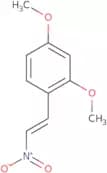
CAS:Please enquire for more information about {[2-(2-Methoxyphenyl)-1,3-thiazol-5-yl]methyl}amine including the price, delivery time and more detailed product information at the technical inquiry form on this pageFórmula:C11H12N2OSPureza:Min. 95%Forma y color:PowderPeso molecular:220.29 g/mol2,4-Dimethoxy-β-nitrostyrene
CAS:<p>2,4-Dimethoxy-beta-nitrostyrene is a high quality, versatile building block for synthesis of complex compounds. It is an intermediate for the production of pharmaceuticals and other fine chemicals. 2,4-Dimethoxy-beta-nitrostyrene is used as a reagent in organic chemistry to produce complex compounds, such as esters and amides. This chemical has also been shown to be useful in research into the synthesis of new drugs.</p>Fórmula:C10H11NO4Pureza:Min. 95%Peso molecular:209.2 g/mol5-Bromo-2-methoxycinnamic acid
CAS:<p>5-Bromo-2-methoxycinnamic acid is a fine chemical that is used as a scaffold, versatile building block, and useful intermediate. It has been shown to be a useful reaction component in the preparation of complex compounds. 5-Bromo-2-methoxycinnamic acid can also be used as a speciality chemical or reagent. This compound has high quality and is an important research chemical.</p>Fórmula:C10H9BrO3Pureza:Min. 95%Forma y color:PowderPeso molecular:257.08 g/mol6,9-Dichloro-2-methoxyacridine
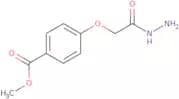
CAS:<p>6,9-Dichloro-2-methoxyacridine (DCA) is a fluorescent probe that can be used to measure the cytosolic Ca2+ concentration in mammalian cells. DCA binds to chloride ions and emits a fluorescence signal proportional to the cytosolic Ca2+ concentration. The binding constants for DCA and chloride are low, which makes this probe an ideal candidate for measuring cytosolic Ca2+. DCA has been shown to inhibit cancer cell growth by decreasing mitochondrial membrane potential. This effect may be caused by the inhibition of mitochondrial ATP production or the disruption of ion transport across the mitochondrial membrane.</p>Fórmula:C14H9Cl2NOPureza:Min. 95%Forma y color:Slightly Yellow PowderPeso molecular:278.13 g/molMethyl 4-((aminocarbamoyl)methoxy)benzoate
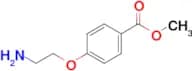
CAS:Please enquire for more information about Methyl 4-((aminocarbamoyl)methoxy)benzoate including the price, delivery time and more detailed product information at the technical inquiry form on this pageFórmula:C10H12N2O4Pureza:Min. 95%Forma y color:PowderPeso molecular:224.21 g/mol(4aS,6R,8aS)-4a,5,9,10,11,12-Hexahydro-3-methoxy-11-methyl-6H-benzofuro[3a,3,2-ef][2]benzazepin-6-ol
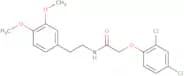
CAS:Producto controlado(4aS,6R,8aS)-4a,5,9,10,11,12-Hexahydro-3-methoxy-11-methyl-6H-benzofuro[3a,3,2-ef][2]benzazepin-6-ol is a natural compound that has been shown to be an effective treatment for oxidative injury. It has a cholinergic activity and is able to cross the blood brain barrier. (4aS,6R,8aS)-4a,5,9,10,11,12-Hexahydro-3-methoxy-11-methyl-6Hbenzofuro[3a. 3.2ef][2]benzazepin -6--ol was found to have protective effects in an experimental model of Alzheimer's disease where it significantly reduced neuronal death. The compound also has antiinflammatory properties which mayFórmula:C17H21NO3Pureza:Min. 95%Forma y color:PowderPeso molecular:287.35 g/mol2-(2,4-dichlorophenoxy)-N-(2-(3,4-dimethoxyphenyl)ethyl)ethanamide
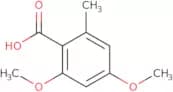
CAS:Please enquire for more information about 2-(2,4-dichlorophenoxy)-N-(2-(3,4-dimethoxyphenyl)ethyl)ethanamide including the price, delivery time and more detailed product information at the technical inquiry form on this pagePureza:Min. 95%2,4-Dimethoxy-6-methylbenzoic acid
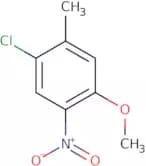
CAS:<p>2,4-Dimethoxy-6-methylbenzoic acid is a polyunsaturated compound that has been shown to have antioxidative properties. It has been shown to inhibit the formation of reactive oxygen species (ROS) and lipid peroxidation and reduce oxidative stress in mice. This molecule also has anticancer activities and is able to inhibit the growth of cancer cells. 2,4-Dimethoxy-6-methylbenzoic acid has been quantified in different food products such as vegetables, fruits, and grains. It can be found in dietary supplements, solvents, and cosmetics.</p>Fórmula:C10H12O4Pureza:Min. 95%Forma y color:White PowderPeso molecular:196.2 g/mol5-Chloro-2-methoxy-4-methylnitrobenzene
CAS:<p>5-Chloro-2-methoxy-4-methylnitrobenzene is a high quality chemical that can be used as a research chemical, reagent, or a useful scaffold. It is also an intermediate in the synthesis of organic compounds. 5-Chloro-2-methoxy-4-methylnitrobenzene is a versatile building block for the synthesis of other chemicals and has many uses in the pharmaceutical industry. The CAS number for this chemical is 101080-03-9.</p>Fórmula:C8H8ClNO3Pureza:Min. 95%Forma y color:PowderPeso molecular:201.61 g/mol3-[4-(trifluoromethoxy)phenyl]propanoicacid
CAS:3-[4-(trifluoromethoxy)phenyl]propanoic acid (TFPA) is a versatile building block that can be used as a reagent and research chemical. TFPA has the potential to be used as a useful intermediate in the synthesis of complex compounds and useful scaffolds. It also has been shown to have high quality, which makes it an excellent choice for use in reactions. This compound is also useful for creating speciality chemicals.Fórmula:C10H9F3O3Forma y color:PowderPeso molecular:234.17 g/mol3-Methoxy-4-nitrobenzoic acid
CAS:<p>3-Methoxy-4-nitrobenzoic acid is a potent and selective inhibitor of aromatase that can be used for the treatment of breast cancer. 3-Methoxy-4-nitrobenzoic acid inhibits the activity of serine proteases, which are enzymes important in protein degradation and cellular signaling. This drug has been shown to inhibit the activity of many other types of kinases, and this makes it a good candidate for use as an anti-cancer agent. 3-Methoxy-4-nitrobenzoic acid also has been shown to inhibit the formation and development of brain tumors when administered via whole body or brain uptake techniques. In addition to inhibiting tumor growth, this drug can prevent metastasis by preventing circulating tumor cells from entering new tissues. The inhibition of estrogen synthesis by 3methoxy-4 nitrobenzoic acid leads to breast cancer cell death in vitro and in vivo.</p>Fórmula:C8H7NO5Pureza:Min. 95%Forma y color:PowderPeso molecular:197.14 g/mol(4-Hydroxy-3-methoxyphenyl)acetonitrile
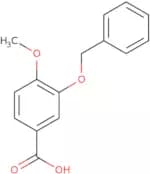
CAS:Lobetyolin is a phenolic compound that has been found to be an inhibitor of monoamine oxidase. Lobetyolin is an acetylated derivative of 4-hydroxy-3-methoxyphenylacetonitrile. It has been shown to inhibit bacterial growth in vitro, with the exception of Mycobacterium tuberculosis and Mycobacterium avium complex. The optimal reaction time for lobetyolin is 3 hours at a pH between 7 and 8, with a yield of 66% at room temperature. Lobetyolin reacts rapidly with amines, alkylating them as it undergoes oxidation by hydrogen peroxide. Lobetyolin also reacts slowly with dopamine and aldehydes, but more readily with chlorides, yielding lobetyrine and chloroacetaldehyde respectively.Fórmula:C9H9NO2Pureza:Min. 95%Forma y color:PowderPeso molecular:163.17 g/mol3-Benzyloxy-4-methoxybenzoic acid
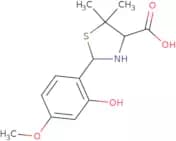
CAS:3-Benzyloxy-4-methoxybenzoic acid is a natural product that was isolated as a yellow crystalline powder from the needles of the tree Kirkia. It can be used as a radical and has been shown to have frameworks with galanthamine. 3-Benzyloxy-4-methoxybenzoic acid has been shown to be an inhibitor of protein synthesis in cells, which may be due to its ability to inhibit the activity of ribosomes and protein synthesis.Fórmula:C15H14O4Pureza:Min. 95%Peso molecular:258.27 g/mol2-(2-Hydroxy-4-methoxyphenyl)-5,5-dimethyl-4-thiazolidinecarboxylic acid
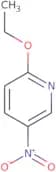
CAS:<p>Please enquire for more information about 2-(2-Hydroxy-4-methoxyphenyl)-5,5-dimethyl-4-thiazolidinecarboxylic acid including the price, delivery time and more detailed product information at the technical inquiry form on this page</p>Fórmula:C13H17NO4SPureza:Min. 95%Forma y color:PowderPeso molecular:283.34 g/mol2-Ethoxy-5-nitropyridine
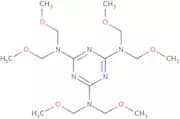
CAS:<p>2-Ethoxy-5-nitropyridine is a potassium salt of 2-ethoxy-5-nitropyridine. It has been used as a reagent in the synthesis of sulfonates, pyridines, and phenols. The nitrogen atom in this molecule can be oxidized to nitro group. This compound also reacts with anilines to form 2-chloro-5-nitropyridine and 2-hydroxy-5-nitropyridine. In addition, it can react with halogen to form substituted anilines or chloropyridines. 2-Ethoxy-5-nitropyridine is a nucleophile that can be used for the preparation of nucleophiles for biomolecular chemistry studies.</p>Fórmula:C7H8N2O3Pureza:Min. 95%Forma y color:PowderPeso molecular:168.15 g/molN,N,N',N',N'',N''-Hexamethoxymethylmelamine
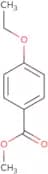
CAS:<p>Hexamethoxymethylmelamine (HMMM) is a polyvinyl-based polymer that can be synthesized by the cationic polymerization of hexamethoxymethylmelamine. HMMM has been shown to have a high water permeability, making it an excellent candidate for use in wastewater treatment. It also has biocompatible properties and can be chemically stable under harsh conditions, making it suitable for use in various applications.</p>Fórmula:C15H30N6O6Pureza:Min. 95%Forma y color:PowderPeso molecular:390.44 g/molMethyl 4-ethoxybenzoate
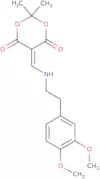
CAS:<p>Methyl 4-ethoxybenzoate is a chemical compound that is used in the production of polymers, resins, and plastics. It has been shown to be an efficient scavenger for tannins and other reactive oxygen species. Methyl 4-ethoxybenzoate has been used for the treatment of cavities by filling them with this compound and can be used as a sealant for resin composites. Methyl 4-ethoxybenzoate is not soluble in water and must be recycled. The methyl group on the benzoic acid portion of the molecule can form hydrogen bonds with carboxyl groups on polysaccharides such as cellulose or hemicellulose, resulting in interactions between these groups. These interactions are stronger than those found between carboxyl groups and phenolic compounds. This interaction has been shown to increase with increasing pH values, suggesting that it may be useful for extracting tannins from coniferous trees at low temperatures.</p>Fórmula:C10H12O3Pureza:Min. 95%Peso molecular:180.2 g/mol5-(((2-(3,4-dimethoxyphenyl)ethyl)amino)methylene)-2,2-dimethyl-1,3-dioxane-4,6-dione
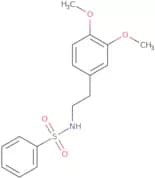
CAS:Please enquire for more information about 5-(((2-(3,4-dimethoxyphenyl)ethyl)amino)methylene)-2,2-dimethyl-1,3-dioxane-4,6-dione including the price, delivery time and more detailed product information at the technical inquiry form on this pagePureza:Min. 95%(2-(3,4-dimethoxyphenyl)ethyl)(phenylsulfonyl)amine
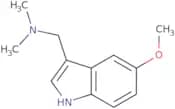
CAS:<p>Please enquire for more information about (2-(3,4-dimethoxyphenyl)ethyl)(phenylsulfonyl)amine including the price, delivery time and more detailed product information at the technical inquiry form on this page</p>Pureza:Min. 95%5-Methoxygramine
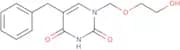
CAS:Producto controlado<p>5-Methoxygramine is a metabolic intermediate which is an analog of 5-hydroxytryptamine (5-HT). It has been shown to increase blood pressure and reduce the activity of the 5-HT2C receptor. This drug also has been found to inhibit the growth of some cancer cells in vitro, but it does not affect normal cells. It can be used as a tool for identifying compounds that may have similar effects. The binding affinity of 5-methoxygramine for the 5-HT2C receptor was measured by displacement experiments with 3H-spiperone. The effect of this compound on dopamine release from rat striatal slices was studied by measuring electrical activity in isolated heart preparations. The effect of this compound on leishmania infection was studied using infected mice and isolated heart preparations.</p>Fórmula:C12H16N2OPureza:Min. 95%Forma y color:PowderPeso molecular:204.27 g/mol5-Benzyl-1-(2-hydroxyethoxymethyl)uracil
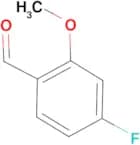
CAS:5-Benzyl-1-(2-hydroxyethoxymethyl)uracil is a cytostatic drug that has been shown to inhibit the growth of cancer cells by inhibiting the enzyme activities necessary for DNA replication and transcription. This compound has been found to be effective in treating metastatic colorectal cancer in experimental models, as well as skin cancers in mice. 5-Benzyl-1-(2-hydroxyethoxymethyl)uracil is also an inhibitor of HIV infection, which may be due to its ability to block the synthesis of uridine. The symptoms that are caused by this drug are not yet known.Fórmula:C14H16N2O4Pureza:Min. 95%Forma y color:PowderPeso molecular:276.29 g/mol2-Ethoxy-3-methoxybenzaldehyde
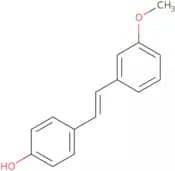
CAS:<p>2-Ethoxy-3-methoxybenzaldehyde is a coordination compound that contains two thiolate ligands, one carbonyl group, and a chelate ring with sulfur. The compound has been shown to bind to the active site of thiosemicarbazide in the enzyme sulfite oxidase, which catalyzes the oxidation of sulfite to sulfate. 2-Ethoxy-3-methoxybenzaldehyde has also been shown to be an effective ligand for rhenium.</p>Fórmula:C10H12O3Pureza:Min. 95%Peso molecular:180.2 g/mol4-Hydroxy-3'-methoxystilbene
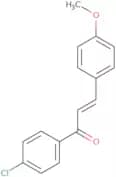
CAS:<p>4-Hydroxy-3'-methoxystilbene is a chemical that is used as a reaction component or reagent in the synthesis of other compounds. It can be used as a building block for the synthesis of complex molecules and fine chemicals. 4-Hydroxy-3'-methoxystilbene is an intermediate for the production of high quality research chemicals. It has been reported to be useful in the synthesis of pharmaceuticals, agrochemicals, and pesticides.</p>Fórmula:C15H14O2Pureza:Min. 95%Forma y color:White PowderPeso molecular:226.27 g/mol4'-Chloro-4-methoxychalcone
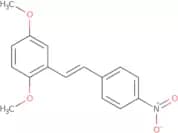
CAS:4'-Chloro-4-methoxychalcone is a dihedral molecule that has been studied by laser spectroscopy. The wavelength and efficiency of the laser have been shown to be dependent on the chalcone's dipole moment. Chalcones are also used in the synthesis of other compounds, such as benzene, which is an aromatic hydrocarbon. Chalcones are used as optical brighteners in detergents and soaps and can also be used to induce evaporation of organic solvents. 4'-Chloro-4-methoxychalcone is used as an intermediate in crystal x-ray diffraction studies.Fórmula:C16H13ClO2Pureza:Min. 95%Forma y color:PowderPeso molecular:272.73 g/moltrans-2,5-Dimethoxy-4'-nitrostilbene
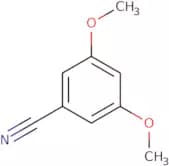
CAS:<p>Trans-2,5-dimethoxy-4'-nitrostilbene is a molecule that belongs to the class of polycyclic aromatic compounds. It is used as a versatile building block in organic synthesis, and is also an intermediate for the production of other compounds. Trans-2,5-dimethoxy-4'-nitrostilbene has been shown to be effective in the preparation of various pharmaceuticals such as diazepam and chloramphenicol. It is also used in research chemicals and speciality chemicals. The structure of trans-2,5-dimethoxy-4'-nitrostilbene can be described as a bicyclic compound with two phenyl rings joined by an oxygen bridge. Trans-2,5-dimethoxy-4'-nitrostilbene has CAS No. 552938 4 and molecular weight of 268.81 g/mol.</p>Fórmula:C16H15NO4Pureza:Min. 95%Forma y color:PowderPeso molecular:285.29 g/mol3,5-Dimethoxybenzonitrile
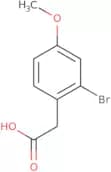
CAS:<p>3,5-Dimethoxybenzonitrile is a chemical that has been shown to inhibit the growth of cancer cells in vitro and in vivo. It is also an effective anticancer drug that has been evaluated clinically. The mechanism by which 3,5-dimethoxybenzonitrile inhibits cancer cell growth is not yet known. This chemical binds to the CB2 receptor, which is located on tumor cells and other tissues. It may also inhibit the release of chloride ions from the cell membrane, leading to decreased levels of cyclic AMP. This chemical can be synthesized using a Grignard reagent and reacting it with an ethyl chloride molecule. The synthesis requires two steps: (1) addition of magnesium metal to an ethyl bromide solution; followed by (2) reaction of the magnesium with methyl iodide or methyl sulfate in a solution containing ether and alcohols.</p>Fórmula:C9H9NO2Pureza:Min. 95%Forma y color:PowderPeso molecular:163.17 g/mol2-(2-Bromo-4-methoxyphenyl)acetic acid
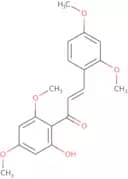
CAS:2-(2-Bromo-4-methoxyphenyl)acetic acid is a versatile building block that is used as a research chemical, reaction component, and reagent. It is also used as a speciality chemical and complex compound. This compound has the CAS number 66916-99-2.Fórmula:C9H9BrO3Forma y color:SolidPeso molecular:245.07 g/mol2'-Hydroxy-2,4,4',6'-tetramethoxychalcone
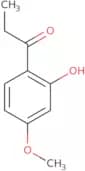
CAS:<p>2'-Hydroxy-2,4,4',6'-tetramethoxychalcone (HTMC) is a bioactive substance that has been shown to have anticancer properties. HTMC has been shown to have allopathic effects in a statistically significant manner and has been used in traditional herbal medicine for centuries. The mechanisms of action are not well understood but may be due to its ability to inhibit the activity of arjunic acid and flavonoids. HTMC is found in plants such as tropical trees and herbs from India, including Acacia catechu and Tinospora cordifolia. It also has pharmacological properties, which may be due to its derivates that are isolated from these plants. HTMC shows no adverse effects on humans when taken orally at doses up to 1 g/day for 28 days.</p>Fórmula:C19H20O6Pureza:Min. 95%Forma y color:PowderPeso molecular:344.36 g/mol2'-Hydroxy-4'-methoxypropiophenone
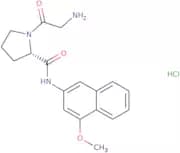
CAS:<p>2'-Hydroxy-4'-methoxypropiophenone is a phenolic compound that belongs to the class of organic chemicals. It has a potent antibacterial activity and inhibits lipid peroxidation. 2'-Hydroxy-4'-methoxypropiophenone has been shown to inhibit the growth of gram-negative bacteria, such as Escherichia coli and Salmonella typhimurium. It also inhibits the production of nitric oxide and prostaglandin E2, which are proinflammatory mediators. This compound is active against anaerobic bacteria such as Clostridium difficile, Enterococcus faecalis, and Bacillus subtilis. 2'-Hydroxy-4'-methoxypropiophenone also exhibits antioxidant activity by inhibiting free radical generation from α-tocopherol.</p>Fórmula:C10H12O3Pureza:Min. 95%Forma y color:PowderPeso molecular:180.2 g/molGly-pro-4-methoxy-β-naphthylamide hydrochloride
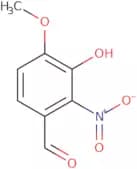
CAS:<p>Gly-pro-4-methoxy-β-naphthylamide hydrochloride is a fine chemical that is useful as a versatile building block and intermediate. It is a research chemical that has been used in the production of other compounds, such as drugs, pesticides, and dyes. This compound is also used to synthesize certain polymers and plastics. Gly-pro-4-methoxy-β-naphthylamide hydrochloride has CAS number 100929-90-6, but it can be found under many other names including 4-(2′,5′dimethylphenyl)-1-(2′hydroxyethyl)piperazine (CAS 105999).</p>Fórmula:C18H22ClN3O3Pureza:Min. 95 Area-%Forma y color:PowderPeso molecular:363.84 g/mol3-Hydroxy-4-methoxy-2-nitrobenzaldehyde
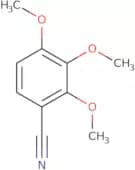
CAS:3-Hydroxy-4-methoxy-2-nitrobenzaldehyde is a ternary complex that has been adsorbed onto the surface of an ion exchange resin. The adsorption process occurs through the formation of hydrogen bonds between the hydroxyl groups on the resin and the hydroxyl groups on the molecule. This complex is also soluble in chloroform, which may be due to its ability to form hydrogen bonds with itself and other molecules. The 3-hydroxy group on this molecule has been shown to react reductively with nitrophenol, forming a nitroso derivative. 3-Hydroxy-4-methoxy-2-nitrobenzaldehyde has been used as a template for the microbiological assay of azides and quinones.Fórmula:C8H7NO5Pureza:Min. 95%Peso molecular:197.14 g/mol2,3,4-Trimethoxybenzonitrile
CAS:Please enquire for more information about 2,3,4-Trimethoxybenzonitrile including the price, delivery time and more detailed product information at the technical inquiry form on this pageFórmula:C10H11NO3Pureza:Min. 95%Peso molecular:193.2 g/mol2-(2-aza-1-(4-methoxyphenyl)-2-(amino)vinyl)indane-1,3-dione
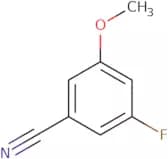
CAS:<p>Please enquire for more information about 2-(2-aza-1-(4-methoxyphenyl)-2-(amino)vinyl)indane-1,3-dione including the price, delivery time and more detailed product information at the technical inquiry form on this page</p>Fórmula:C17H14N2O3Pureza:Min. 95%Forma y color:PowderPeso molecular:294.3 g/mol3-Fluoro-5-methoxybenzonitrile
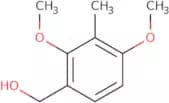
CAS:<p>3-Fluoro-5-methoxybenzonitrile is a useful chemical intermediate that can be used in organic synthesis. It is a versatile building block with a high quality and it is easy to use in the synthesis of complex compounds. 3-Fluoro-5-methoxybenzonitrile has been shown to react as a nucleophile, and it has been used as a reagent for the production of other compounds. This compound also has potential applications in research, such as being an intermediate for the production of pharmaceuticals and agrochemicals. 3-Fluoro-5-methoxybenzonitrile is not classified as hazardous and does not pose any significant risk to human health or the environment.</p>Fórmula:C8H6FNOPureza:Min. 95%Forma y color:PowderPeso molecular:151.14 g/mol2,4-Dimethoxy-3-methylbenzyl alcohol
CAS:<p>2,4-Dimethoxy-3-methylbenzyl alcohol is a syntheses and deuterium analogue of orsellinic acid. It has been shown to inhibit bacterial growth in the presence of an oxygen atmosphere.</p>Fórmula:C10H14O3Pureza:Min. 95%Peso molecular:182.22 g/mol(S)-4-N-Fmoc-3-morpholinecarboxylic acid
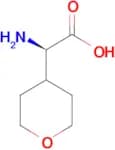
CAS:Fórmula:C20H19NO5Pureza:97%Forma y color:Liquid, No data available.Peso molecular:353.374D-4′-Tetrahydropyranylglycine
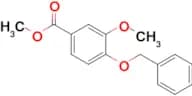
CAS:Fórmula:C7H13NO3Pureza:95%Forma y color:SolidPeso molecular:159.185Methyl 4-(benzyloxy)-3-methoxybenzoate
CAS:Fórmula:C16H16O4Pureza:98%Forma y color:SolidPeso molecular:272.3Methyl 4-Iodo-3-methoxybenzoate
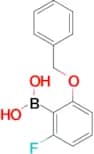
CAS:Fórmula:C9H9IO3Pureza:95%Forma y color:SolidPeso molecular:292.072(2-(Benzyloxy)-6-fluorophenyl)boronic acid
CAS:Fórmula:C13H12BFO3Pureza:95%Forma y color:Liquid, No data available.Peso molecular:246.047-amino-2,4-dimethyl-2H-1,4-benzoxazin-3(4H)-one
CAS:Fórmula:C10H12N2O2Pureza:98%Forma y color:SolidPeso molecular:192.2184-Chloro-1-((2-(trimethylsilyl)ethoxy)methyl)-1H-pyrrolo[2,3-b]pyridine-5-carboxylic acid
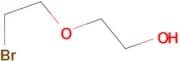
CAS:Pureza:98%Peso molecular:326.8500061BROMO-PEG2-ALCOHOL
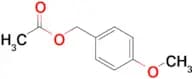
CAS:Fórmula:C4H9BrO2Pureza:95%Forma y color:No data available.Peso molecular:169.0184-Methoxybenzyl acetate
CAS:Fórmula:C10H12O3Pureza:95%Forma y color:Liquid, No data available.Peso molecular:180.2032′-TRIFLUOROMETHOXYPHENYL ACETYLENE
CAS:Fórmula:C9H5F3OPureza:98%Forma y color:LiquidPeso molecular:186.133Ref: 10-F625359
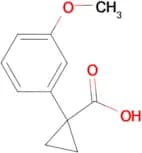
1g556,00€5g1.738,00€10g3.476,00€2.5g1.236,00€50mg95,00€100mg104,00€250mg162,00€500mg297,00€1-(3-Methoxyphenyl)cyclopropanecarboxylic acid
CAS:Fórmula:C11H12O3Pureza:98%Forma y color:SolidPeso molecular:192.2141,3-Dibromo-2,2-dimethoxypropane
CAS:Fórmula:C5H10Br2O2Pureza:98%Forma y color:SolidPeso molecular:261.941(6-Methoxypyridin-3-yl)methanol
CAS:Fórmula:C7H9NO2Pureza:95%Forma y color:LiquidPeso molecular:139.1541,3-bis(4-methoxyphenyl)propane-1,3-dione
CAS:Fórmula:C17H16O4Pureza:95%Forma y color:Solid, No data available.Peso molecular:284.311N-(2-(4,4-Dimethyl-4,5-dihydrooxazol-2-yl)phenyl)quinoline-2-carboxamide
CAS:Pureza:98%Peso molecular:345.4020081Methyl 2-bromo-5-methoxybenzoate
CAS:Fórmula:C9H9BrO3Pureza:95%Forma y color:LiquidPeso molecular:245.072Methyl 4-chloro-2-methoxybenzoate
CAS:Fórmula:C9H9ClO3Pureza:95%Forma y color:Solid, Low Melting SolidPeso molecular:200.62Ref: 10-F649894
1g65,00€5g175,00€10g277,00€25g518,00€100g1.292,00€250g2.582,00€100mg21,00€250mg28,00€tert-Butyl (S)-4-(((R)-tert-butylsulfinyl)amino)-2-oxa-8-azaspiro[4.5]decane-8-carboxylate
CAS:Pureza:98%Peso molecular:360.5100098Nickel(II) bromide 2-methoxyethyl ether complex
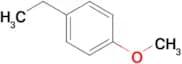
CAS:Pureza:95%Forma y color:SolidPeso molecular:352.6761-Ethyl-4-methoxybenzene
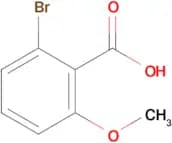
CAS:Fórmula:C9H12OPureza:97%Forma y color:Liquid, No data available.Peso molecular:136.1942-Bromo-6-methoxybenzoic acid
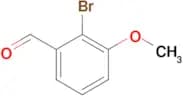
CAS:Fórmula:C8H7BrO3Pureza:95%Forma y color:Solid, Off-white powderPeso molecular:231.0452-BROMO-3-METHOXYBENZALDEHYDE
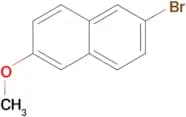
CAS:Fórmula:C8H7BrO2Pureza:95%Forma y color:SolidPeso molecular:215.0462-Bromo-6-methoxynaphthalene
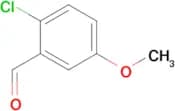
CAS:Fórmula:C11H9BrOPureza:97%Forma y color:Solid, Crystalline PowderPeso molecular:237.0962-Chloro-5-methoxybenzaldehyde
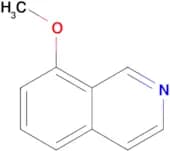
CAS:Fórmula:C8H7ClO2Pureza:97%Forma y color:SolidPeso molecular:170.598-Methoxyisoquinoline
CAS:Fórmula:C10H9NOPureza:98%Forma y color:Liquid, No data available.Peso molecular:159.1883-(2-Chloro-thiazol-5-ylmethoxy)-piperidine-1-carboxylic acid tert-butyl ester
CAS:Fórmula:C14H21ClN2O3SPureza:98%Peso molecular:332.84Ref: 10-F740653
1g602,00€5g1.405,00€10g2.383,00€2.5g1.150,00€50mg124,00€100mg199,00€250mg299,00€500mg460,00€(3aR,8aS)-2-(Pyridin-2-yl)-3a,8a-dihydro-8H-indeno[1,2-d]oxazole
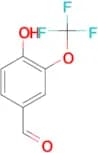
CAS:Pureza:95%Peso molecular:236.27400214-Hydroxy-3-(trifluoromethoxy)benzaldehyde
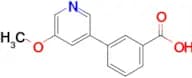
CAS:Fórmula:C8H5F3O3Pureza:97%Forma y color:SolidPeso molecular:206.123-(5-Methoxypyridin-3-yl)benzoic acid
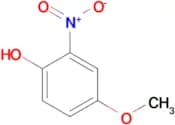
CAS:Fórmula:C13H11NO3Pureza:98%Forma y color:SolidPeso molecular:229.2354-Methoxy-2-nitrophenol
CAS:Fórmula:C7H7NO4Pureza:98%Forma y color:Solid, Crystalline Powder or PowderPeso molecular:169.1365-Fluoro-2-methoxyisonicotinic acid
CAS:Fórmula:C7H6FNO3Pureza:98%Forma y color:Solid, No data available.Peso molecular:171.1272-(4-(2-Butoxyethoxy)phenyl)-4,4,5,5-tetramethyl-1,3,2-dioxaborolane
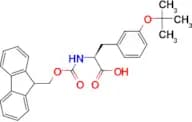
CAS:Pureza:97%Peso molecular:320.2399902Fmoc-Hyp(tBu)-OH
CAS:<p>M03215 - Fmoc-Hyp(tBu)-OH</p>Fórmula:C24H27NO5Pureza:96%Forma y color:SolidPeso molecular:409.4822,5,8,11-Tetraoxatetradecan-14-oic acid, 1,1-dimethylethyl ester
CAS:Pureza:98%Peso molecular:292.3720093[5-Methyl-1-(oxan-2-yl)-1H-indazol-4-yl]boronic acid
CAS:Fórmula:C13H17BN2O3Pureza:98%Peso molecular:260.16-Bromo-3,4-dihydro-2H-pyrido[3,2-b][1,4]oxazine
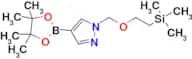
CAS:Fórmula:C7H7BrN2OPureza:95%Forma y color:SolidPeso molecular:215.054-(4,4,5,5-Tetramethyl-1,3,2-dioxaborolan-2-yl)-1-((2-(trimethylsilyl)ethoxy)methyl)-1H-pyrazole
CAS:Fórmula:C15H29BN2O3SiPureza:95%Forma y color:Liquid, OilPeso molecular:324.3METHYL 2-(1,4-DIOXASPIRO[4.5]DECAN-8-YLIDENE)ACETATE
CAS:Fórmula:C11H16O4Pureza:95%Peso molecular:212.245(2-((2,5-Dioxopyrrolidin-1-yl)oxy)-2-oxoethyl)tris(2,4,6-trimethoxyphenyl)phosphonium bromide
CAS:Pureza:98%Peso molecular:768.5469971tert-Butyl (8-methyl-1,4-dioxaspiro[4.5]decan-8-yl)carbamate
CAS:Pureza:98%Peso molecular:271.35699461-(1-Ethoxyethyl)-4-(4,4,5,5-tetramethyl-1,3,2-dioxaborolan-2-yl)-1H-pyrazole
CAS:Fórmula:C13H23BN2O3Pureza:95%Forma y color:SolidPeso molecular:266.157-Bromo-3,4-dihydro-2H-benzo[b][1,4]oxazine
CAS:Fórmula:C8H8BrNOPureza:95%Forma y color:SolidPeso molecular:214.0622,2′-(Ethane-1,2-diylbis(oxy))diethanamine
CAS:Fórmula:C6H16N2O2Pureza:95%Forma y color:Liquid, Clear LiquidPeso molecular:148.2065-Bromo-2,3-dihydrobenzo[b]furan
CAS:Fórmula:C8H7BrOPureza:97%Forma y color:Solid, Off-white solidPeso molecular:199.0474,7,10,13,16,19,22,25,28,31-Decaoxatritriacontanoic acid, 33-amino-, 1,1-dimethylethyl ester
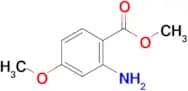
CAS:Pureza:97%Peso molecular:585.7319946Methyl 2-amino-4-methoxylbenzoate
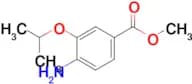
CAS:Fórmula:C9H11NO3Pureza:95%Forma y color:SolidPeso molecular:181.1912-(2-(2-Methoxyethoxy)ethoxy)ethanamine
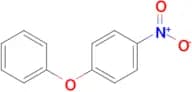
CAS:Fórmula:C7H17NO3Pureza:95%Forma y color:LiquidPeso molecular:163.2171-Nitro-4-phenoxybenzene
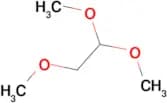
CAS:Fórmula:C12H9NO3Pureza:98%Forma y color:Liquid, No data available.Peso molecular:215.208Methoxyacetaldehyde dimethyl acetal
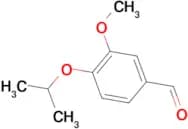
CAS:Fórmula:C5H12O3Pureza:97%Forma y color:Liquid, ClearPeso molecular:120.1484-iso-Propoxy-3-methoxy-benzaldehyde
CAS:Fórmula:C11H14O3Pureza:95%Forma y color:LiquidPeso molecular:194.235-Chloro-2-methoxynicotinic acid
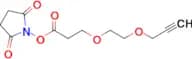
CAS:Fórmula:C7H6ClNO3Pureza:98%Forma y color:Solid, No data available.Peso molecular:187.582,5-Dioxopyrrolidin-1-yl 3-(2-(prop-2-yn-1-yloxy)ethoxy)propanoate
CAS:Pureza:98%Peso molecular:269.25299072-Bromo-4-methoxy-1-(trifluoromethoxy)benzene
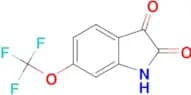
CAS:Fórmula:C8H6BrF3O2Pureza:98%Forma y color:LiquidPeso molecular:271.0336-(Trifluoromethoxy)indoline-2,3-dione
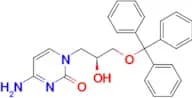
CAS:Fórmula:C9H4F3NO3Pureza:97%Forma y color:SolidPeso molecular:231.13(S)-4-amino-1-(2-hydroxy-3-(trityloxy)propyl)pyrimidin-2(1H)-one
CAS:Pureza:98%Peso molecular:427.50399784-Amino-3-(trifluoromethoxy)benzoic acid
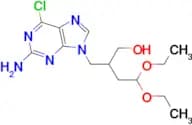
CAS:Fórmula:C8H6F3NO3Pureza:97%Forma y color:SolidPeso molecular:221.1352-((2-Amino-6-chloro-9H-purin-9-yl)methyl)-4,4-diethoxybutan-1-ol
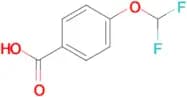
Pureza:98%Peso molecular:343.80999764-(Difluoromethoxy)benzoic acid
CAS:Fórmula:C8H6F2O3Pureza:97%Forma y color:SolidPeso molecular:188.13Ref: 10-F719470
1g46,00€5g142,00€10g261,00€25g480,00€100g1.079,00€2.5g104,00€100mg13,00€250mg20,00€500mg36,00€3-Methoxy-2-(4,4,5,5-tetramethyl-1,3,2-dioxaborolan-2-yl)benzonitrile
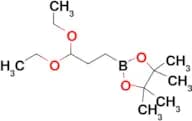
CAS:Pureza:96%Peso molecular:259.10998542-(3,3-Diethoxypropyl)-4,4,5,5-tetramethyl-1,3,2-dioxaborolane
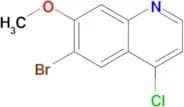
CAS:Pureza:98%Peso molecular:258.17001346-BROMO-4-CHLORO-7-METHOXYQUINOLINE
CAS:Fórmula:C10H7BrClNOPureza:97%Forma y color:No data available.Peso molecular:272.53Ref: 10-F642820
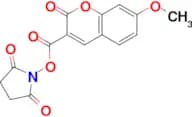
1g249,00€5g668,00€10g1.096,00€2.5g481,00€50mg71,00€100mg78,00€250mg99,00€500mg191,00€Succinimidyl 7-methoxycoumarin-3-carboxylate
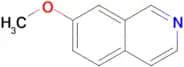
CAS:Fórmula:C15H11NO7Pureza:98%Forma y color:Solid, White to almost white powderPeso molecular:317.2537-Methoxyisoquinoline
CAS:Fórmula:C10H9NOPureza:98%Forma y color:Solid, Pale-yellow to yellow-brown solidPeso molecular:159.1883-Methoxypyridine-4-boronic acid
CAS:Fórmula:C6H8BNO3Pureza:95%Forma y color:SolidPeso molecular:152.94tert-Butyl 2-oxa-7-azaspiro[3.5]nonane-7-carboxylate
CAS:Fórmula:C12H21NO3Pureza:97%Forma y color:SolidPeso molecular:227.3047-Methoxy-1H-pyrrolo[2,3-c]pyridine
CAS:Fórmula:C8H8N2OPureza:97%Forma y color:No data available.Peso molecular:148.1655-Bromo-2,4-dimethoxypyrimidine
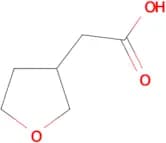
CAS:Fórmula:C6H7BrN2O2Pureza:97%Forma y color:SolidPeso molecular:219.038(Tetrahydrofuran-3-yl)acetic acid
CAS:Fórmula:C6H10O3Pureza:97%Forma y color:LiquidPeso molecular:130.143

![{[2-(2-Methoxyphenyl)-1,3-thiazol-5-yl]methyl}amine](/_next/image/?url=https%3A%2Fstatic.cymitquimica.com%2Fproducts%2F3D%2Fthumb-webp%2FFM124085.webp&w=3840&q=75)


![(4aS,6R,8aS)-4a,5,9,10,11,12-Hexahydro-3-methoxy-11-methyl-6H-benzofuro[3a,3,2-ef][2]benzazepin-6-…](/_next/image/?url=https%3A%2Fstatic.cymitquimica.com%2Fproducts%2F3D%2Fthumb-webp%2FFH15703.webp&w=3840&q=75)
![3-[4-(trifluoromethoxy)phenyl]propanoicacid](/_next/image/?url=https%3A%2Fstatic.cymitquimica.com%2Fproducts%2F3D%2Fthumb-webp%2FFT154405.webp&w=3840&q=75)







![(1S)-1-[4-(DIFLUOROMETHOXY)PHENYL]ETHAN-1-AMINE](/_next/image/?url=https%3A%2Fstatic.cymitquimica.com%2Fproducts%2F10%2Fthumb-webp%2FF844750.webp&w=3840&q=75)


![2,2-Bis[(4R)-4-isopropyl-2-oxazolin-2-yl]propane](/_next/image/?url=https%3A%2Fstatic.cymitquimica.com%2Fproducts%2F10%2Fthumb-webp%2FF604472.webp&w=3840&q=75)

![4-Chloro-1-((2-(trimethylsilyl)ethoxy)methyl)-1H-pyrrolo[2,3-b]pyridine-5-carboxylic acid](/_next/image/?url=https%3A%2Fstatic.cymitquimica.com%2Fproducts%2F10%2Fthumb-webp%2FF600243.webp&w=3840&q=75)










![tert-Butyl (S)-4-(((R)-tert-butylsulfinyl)amino)-2-oxa-8-azaspiro[4.5]decane-8-carboxylate](/_next/image/?url=https%3A%2Fstatic.cymitquimica.com%2Fproducts%2F10%2Fthumb-webp%2FF619505.webp&w=3840&q=75)





![(3aR,8aS)-2-(Pyridin-2-yl)-3a,8a-dihydro-8H-indeno[1,2-d]oxazole](/_next/image/?url=https%3A%2Fstatic.cymitquimica.com%2Fproducts%2F10%2Fthumb-webp%2FF864410.webp&w=3840&q=75)
![7-Oxa-2-azaspiro[4.5]decane hydrochloride](/_next/image/?url=https%3A%2Fstatic.cymitquimica.com%2Fproducts%2F10%2Fthumb-webp%2FF624660.webp&w=3840&q=75)







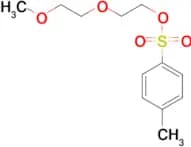
![[5-Methyl-1-(oxan-2-yl)-1H-indazol-4-yl]boronic acid](/_next/image/?url=https%3A%2Fstatic.cymitquimica.com%2Fproducts%2F10%2Fthumb-webp%2FF545019.webp&w=3840&q=75)
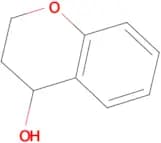
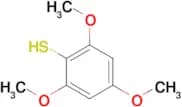

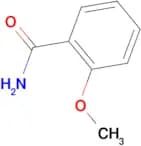
![6-Bromo-3,4-dihydro-2H-pyrido[3,2-b][1,4]oxazine](/_next/image/?url=https%3A%2Fstatic.cymitquimica.com%2Fproducts%2F10%2Fthumb-webp%2FF221963.webp&w=3840&q=75)


![METHYL 2-(1,4-DIOXASPIRO[4.5]DECAN-8-YLIDENE)ACETATE](/_next/image/?url=https%3A%2Fstatic.cymitquimica.com%2Fproducts%2F10%2Fthumb-webp%2FF539890.webp&w=3840&q=75)


![tert-Butyl (8-methyl-1,4-dioxaspiro[4.5]decan-8-yl)carbamate](/_next/image/?url=https%3A%2Fstatic.cymitquimica.com%2Fproducts%2F10%2Fthumb-webp%2FF614581.webp&w=3840&q=75)



![7-Bromo-3,4-dihydro-2H-benzo[b][1,4]oxazine](/_next/image/?url=https%3A%2Fstatic.cymitquimica.com%2Fproducts%2F10%2Fthumb-webp%2FF077575.webp&w=3840&q=75)

![5-Bromo-2,3-dihydrobenzo[b]furan](/_next/image/?url=https%3A%2Fstatic.cymitquimica.com%2Fproducts%2F10%2Fthumb-webp%2FF017488.webp&w=3840&q=75)




![N-[4-(2-Methoxyphenoxy)phenylsulfonyl]-DL-phenylalanine](/_next/image/?url=https%3A%2Fstatic.cymitquimica.com%2Fproducts%2F10%2Fthumb-webp%2FF986932.webp&w=3840&q=75)











![2-Oxabicyclo[2.1.1]hexane-1-carboxylic acid](/_next/image/?url=https%3A%2Fstatic.cymitquimica.com%2Fproducts%2F10%2Fthumb-webp%2FF621204.webp&w=3840&q=75)
![6-Oxa-2-azaspiro[3.4]octane](/_next/image/?url=https%3A%2Fstatic.cymitquimica.com%2Fproducts%2F10%2Fthumb-webp%2FF696095.webp&w=3840&q=75)


![tert-Butyl 2-oxa-7-azaspiro[3.5]nonane-7-carboxylate](/_next/image/?url=https%3A%2Fstatic.cymitquimica.com%2Fproducts%2F10%2Fthumb-webp%2FF320829.webp&w=3840&q=75)
![7-Methoxy-1H-pyrrolo[2,3-c]pyridine](/_next/image/?url=https%3A%2Fstatic.cymitquimica.com%2Fproducts%2F10%2Fthumb-webp%2FF069217.webp&w=3840&q=75)